Oxford Castle
Oxford Castle is a partly ruined medieval castle on the western side of central Oxford in Oxfordshire, England. Most of the original moated, wooden motte and bailey castle was replaced in stone in the 12th century. The castle played an important role in the conflict known as the Anarchy and would later serve as a prison until as recently as 1996.
Quick
Facts.
- Location: Oxford, England
- Established: 11th century
- Built in stone: 12th century
- Condition: Partly ruined
- Date visited: January 2024
- More info: Visit website
- Rating:
A Bit of History…
Oxford Castle has a rich history dating back to the 11th century when it was first built by William the Conqueror. Before William took control of England, Oxford had already established itself as a prosperous Saxon burh. As one of the richest towns, he decided to build a castle mound within the Saxon walls and named it Oxford Castle. It was originally built as a timber motte-and-bailey fortress but was later rebuilt in stone in the 12th century. It started its life as a castle but would later operate as a prison. It was used as a royal palace, a prison, and a military barracks over the centuries. Today, the castle is open to the public as a visitor attraction.
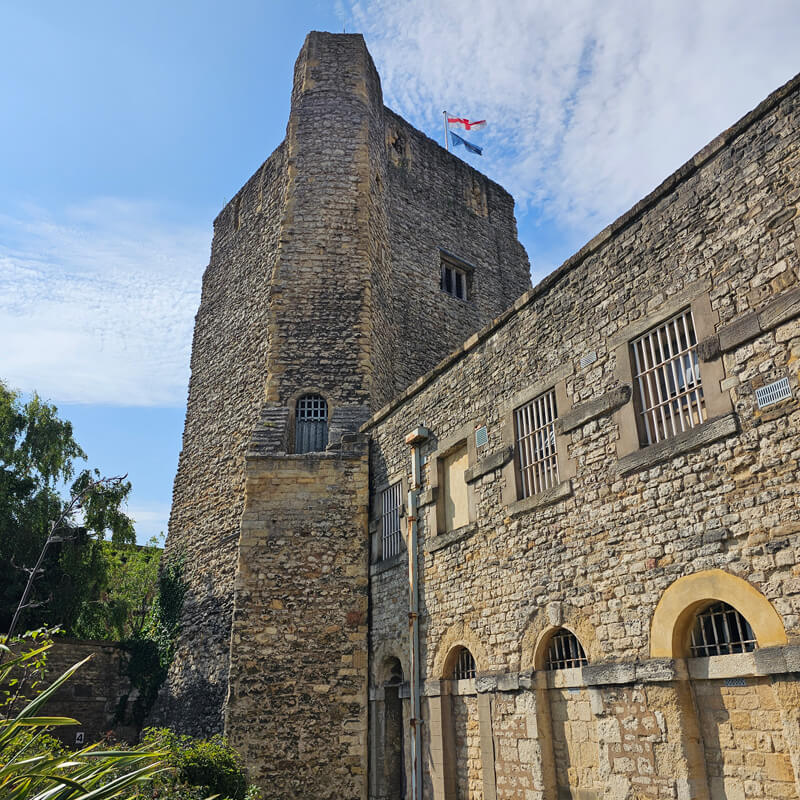
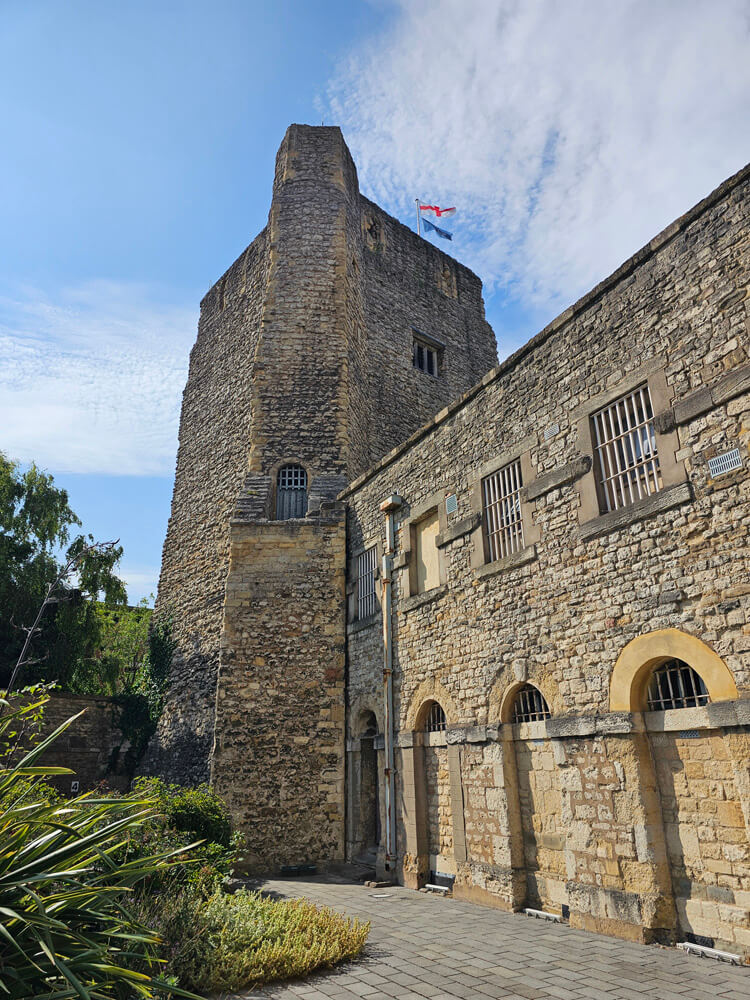
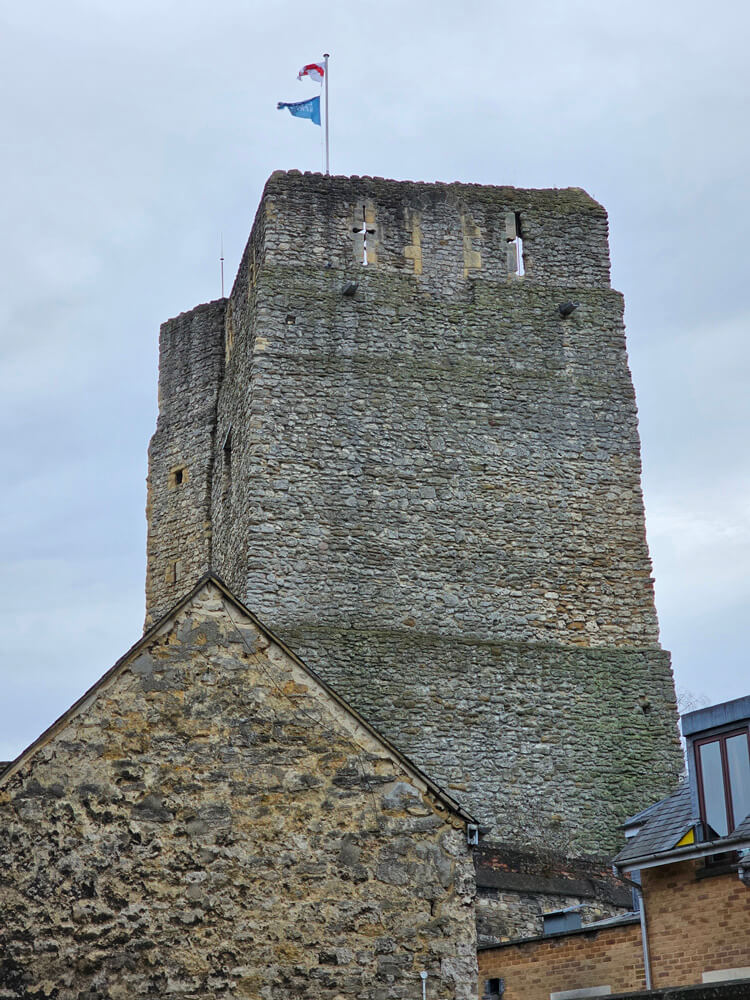
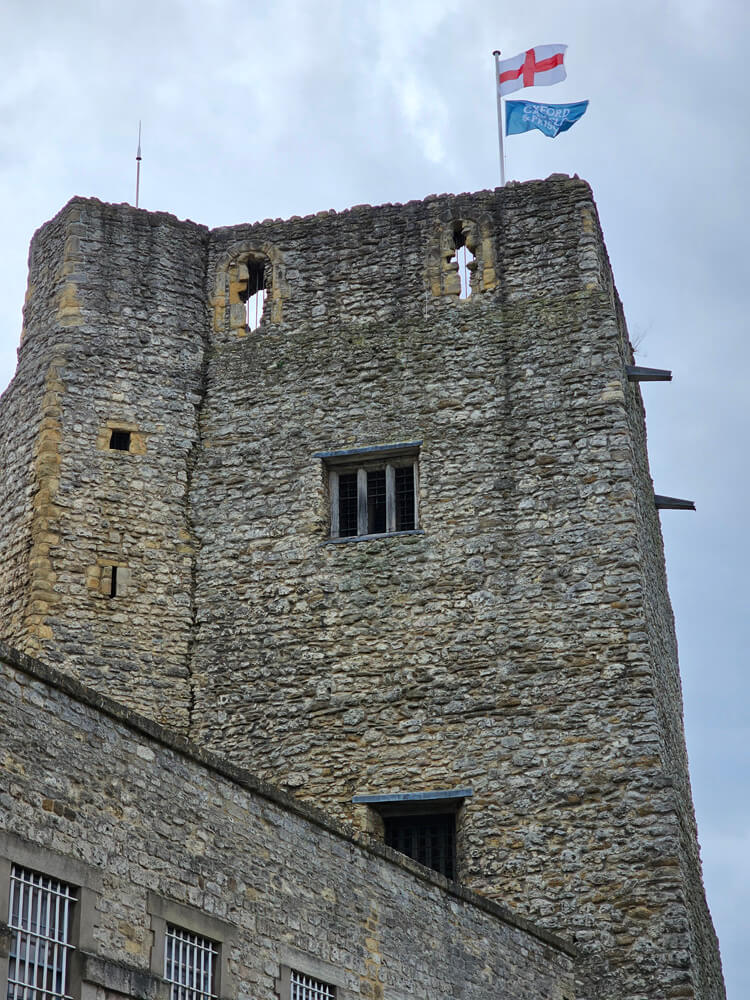
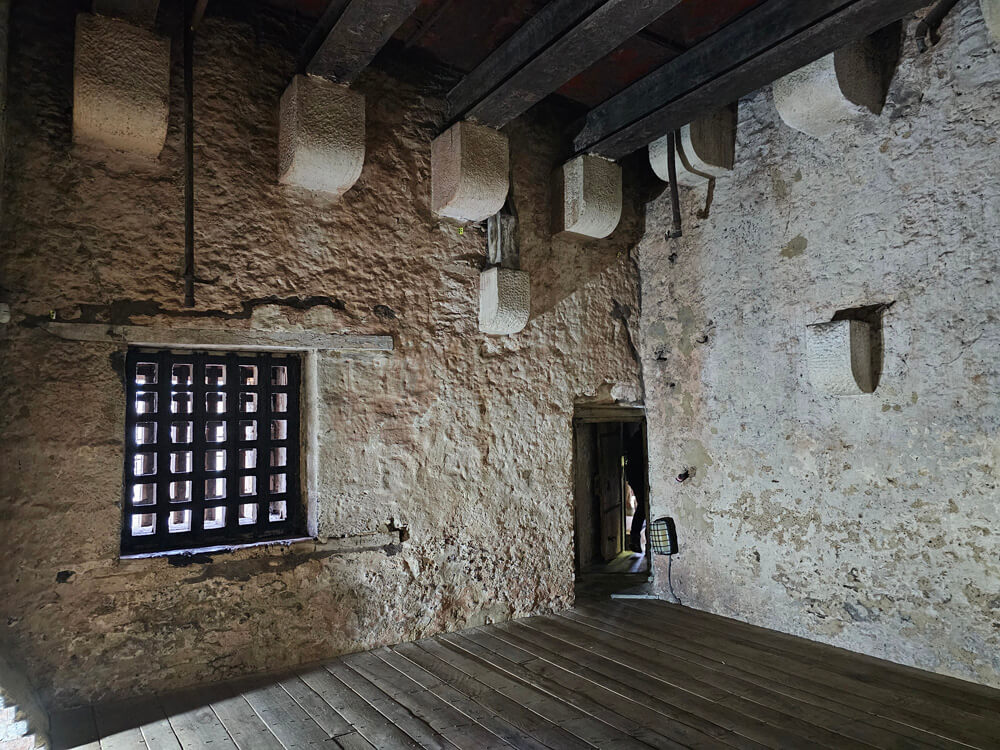
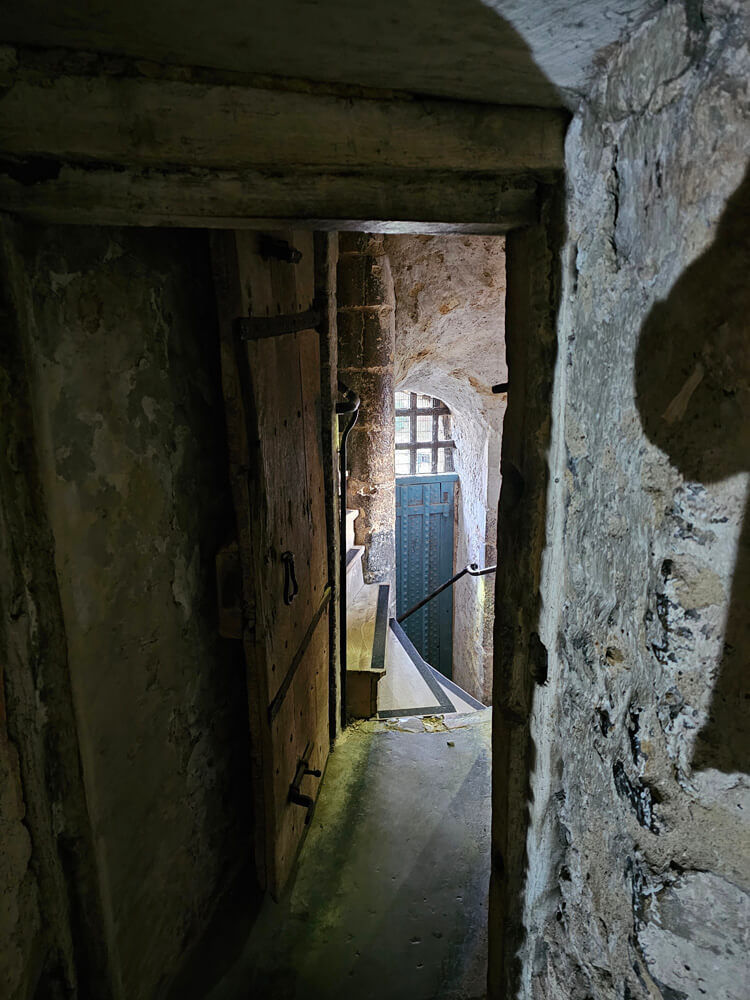
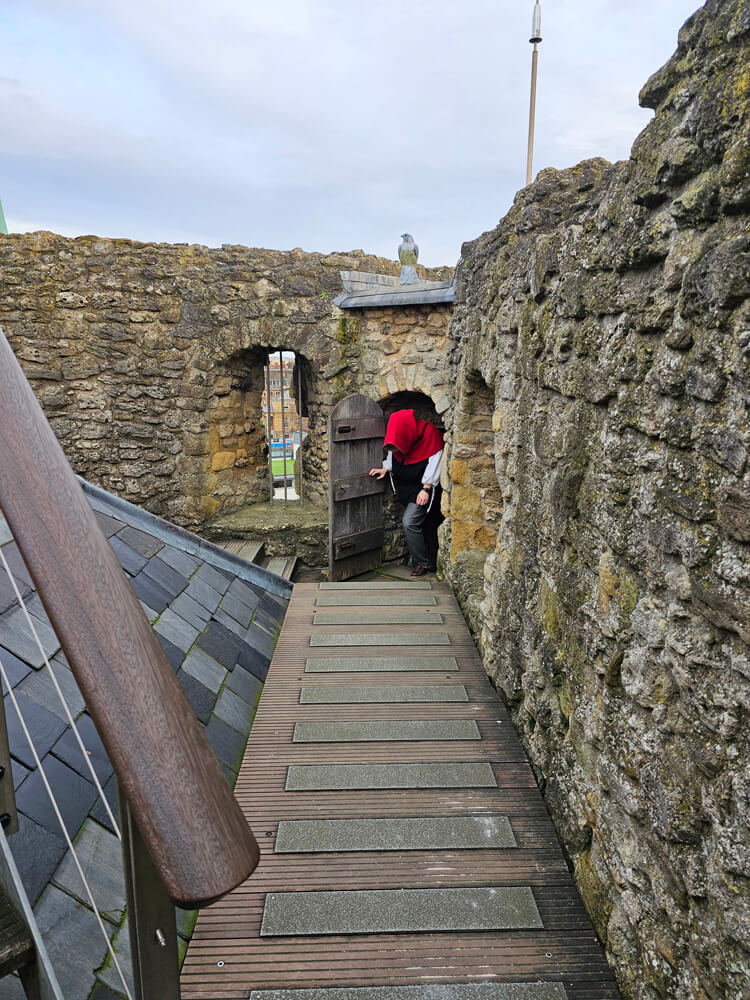
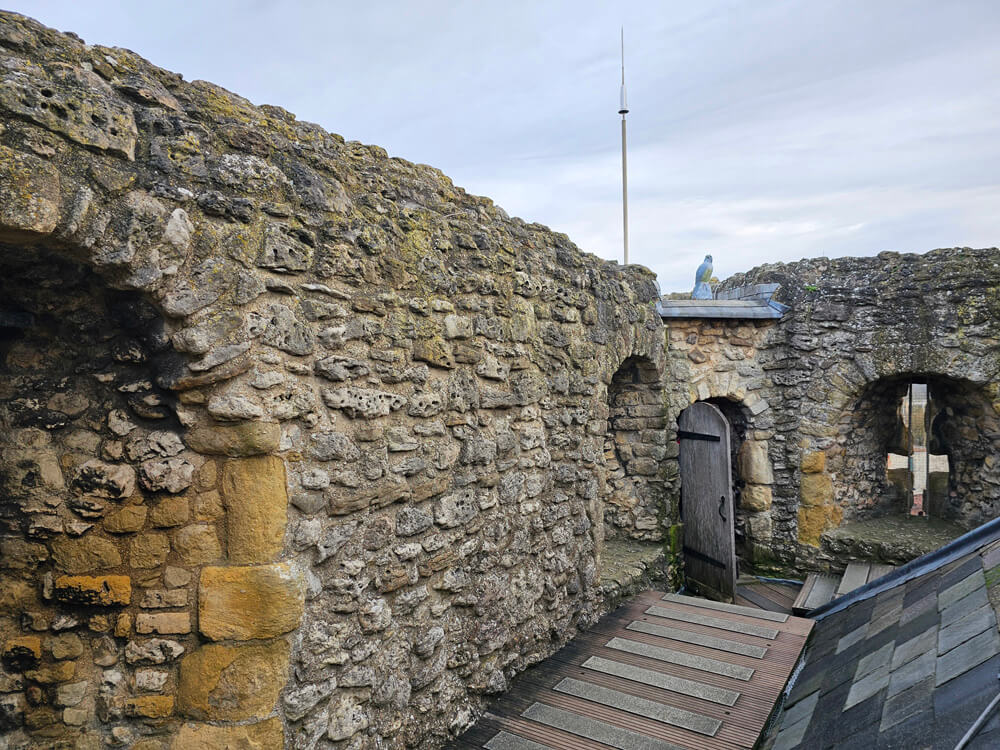
One of the most iconic structures within the castle is St George’s Tower. The tower was originally built in the 12th century and served as a prison for over 800 years. The tower is one of the oldest standing buildings in Oxford, and is where Empress Matilda lived while defending Oxford Castle from her rival and cousin, King Stephen.
In 1142, one of the most notorious moments in the history of Oxford Castle came during the height of a Civil War known as ‘The Anarchy‘ between King Stephen and his cousin, the Empress Matilda, aka Queen Maud, who was a rival to the throne. The owner of Oxford Castle declared his support for Empress Matilda and allowed her to base herself and her army at the castle. King Stephen marched to Oxford with the aim of seizing the town and besieging the castle. The siege lasted about three months, however, Matilda was able to flee the castle undetected by being carefully lowered over the walls of the castle at night and escaped before chaos broke out. The castle was surrendered to King Stephen the next day.
The only other siege in the castle’s long history came in 1216 when King John‘s rebellious barons held the castle against him. King John was able to force the defenders to surrender, but his death later that year meant that the triumph was meaningless.
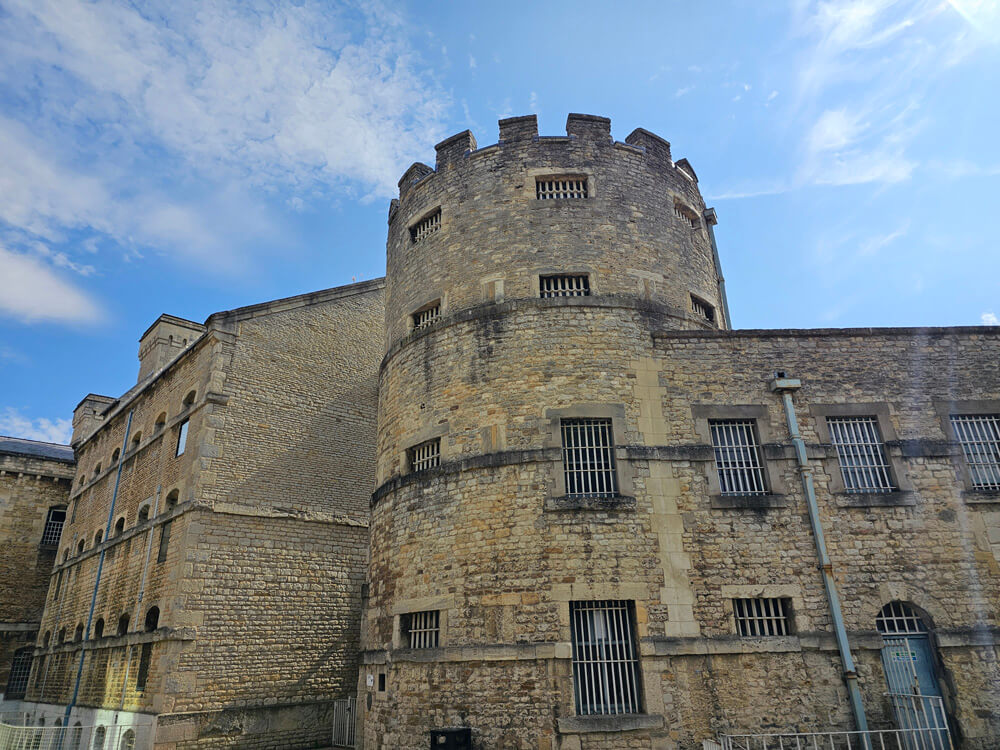
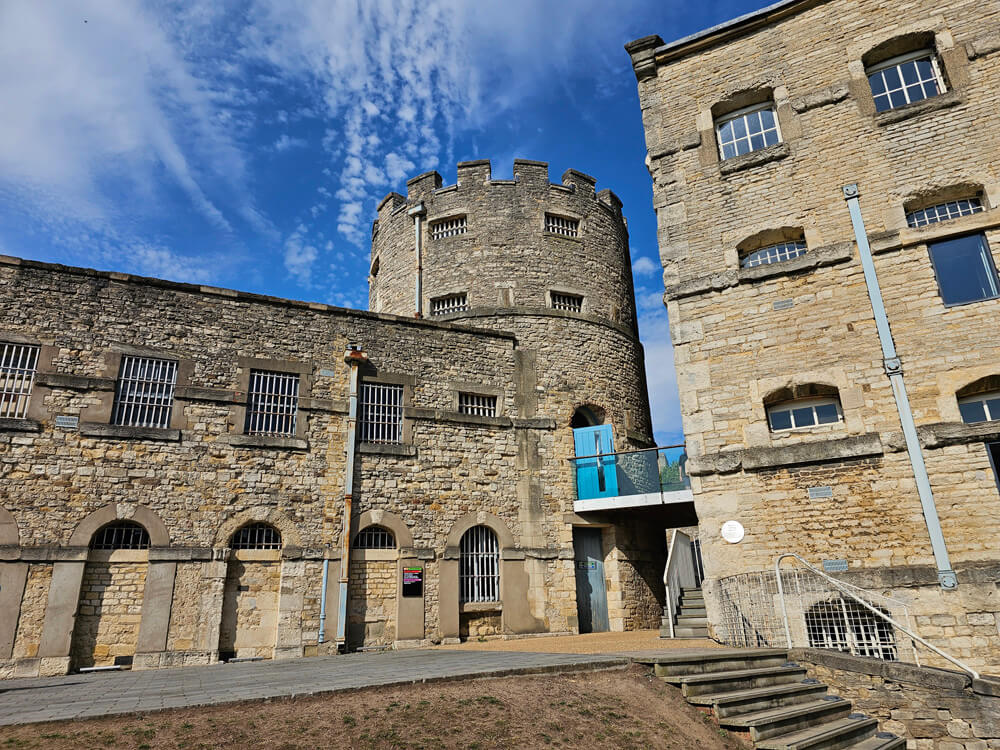
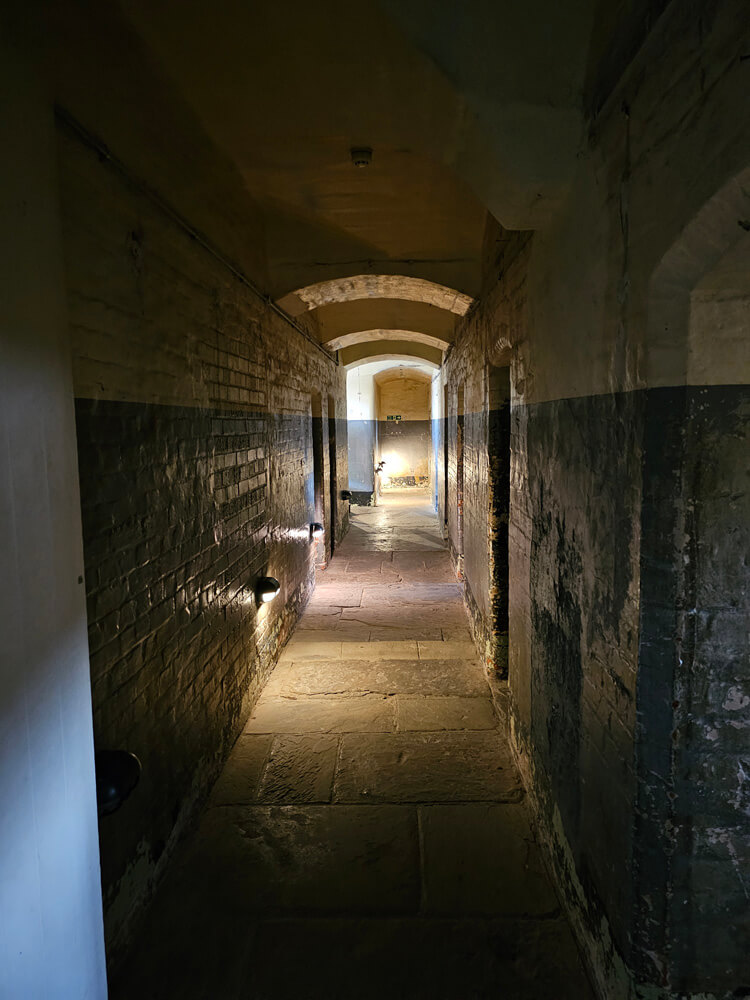
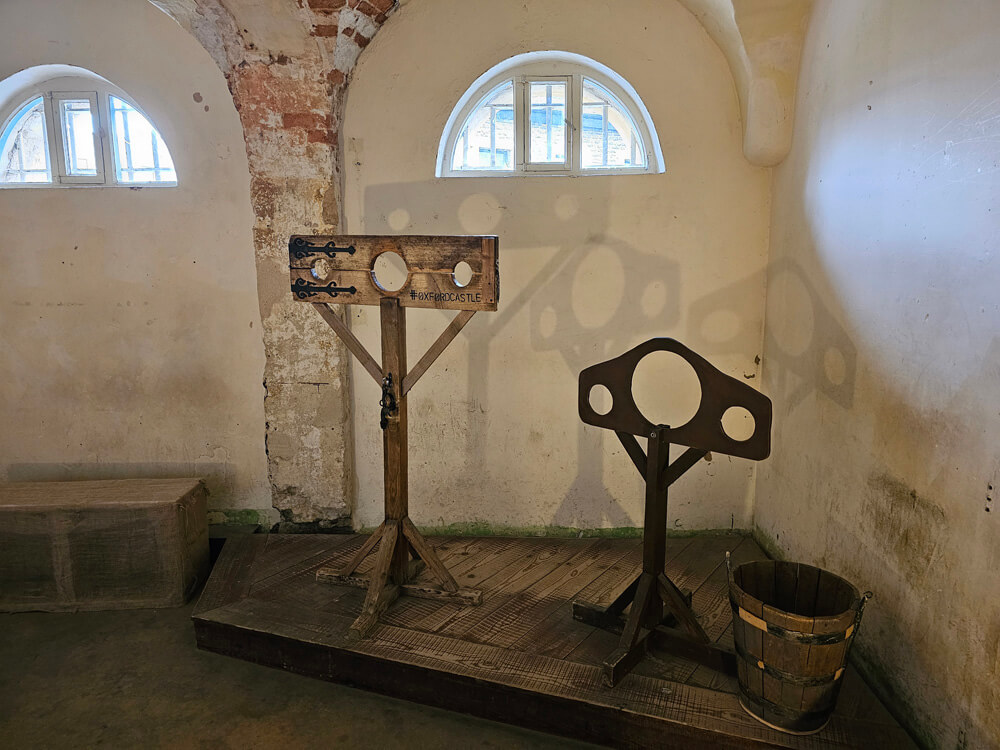
After many years of conflict, Oxford Castle and its defences were left unusable for the military. And so, like many of the medieval castles in England which had been left to ruin, Parliament ordered that Oxford Castle become Oxford Prison, where it operated as a prison for centuries. However, by the beginning of the Victorian era in the early 1800s, after years of deterioration, Oxford Prison was transformed into a modern institution. Building the new Oxford Prison included demolishing the old chapel attached to St George’s tower and repositioning part of the crypt. The prison would continue in use until 1996 when the prison closed its doors for the last time.
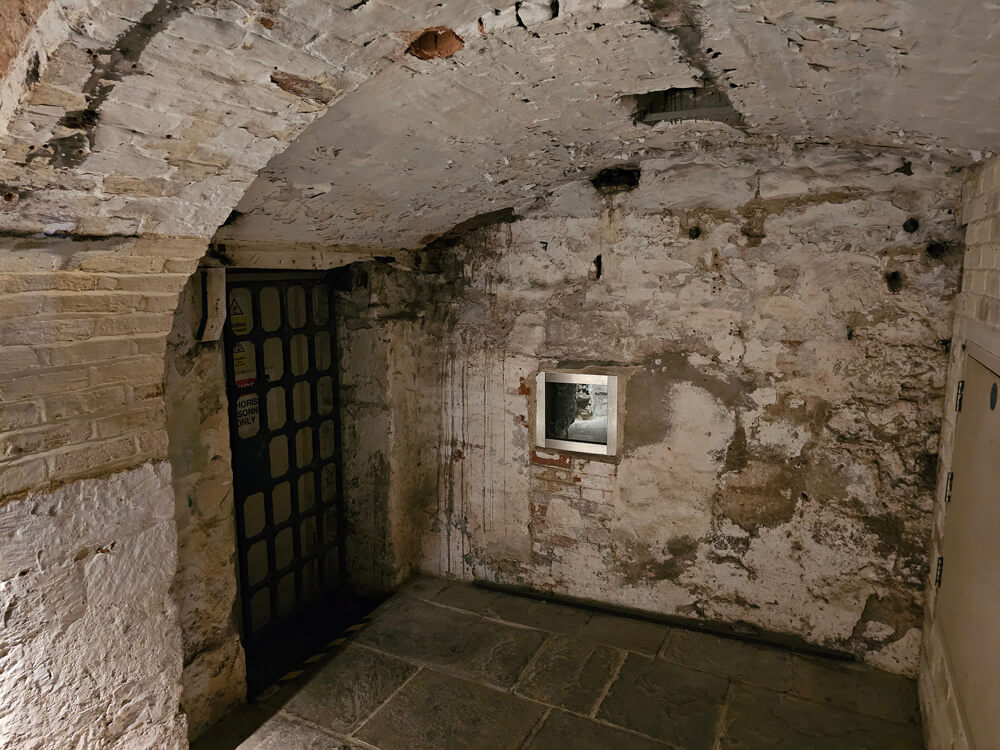
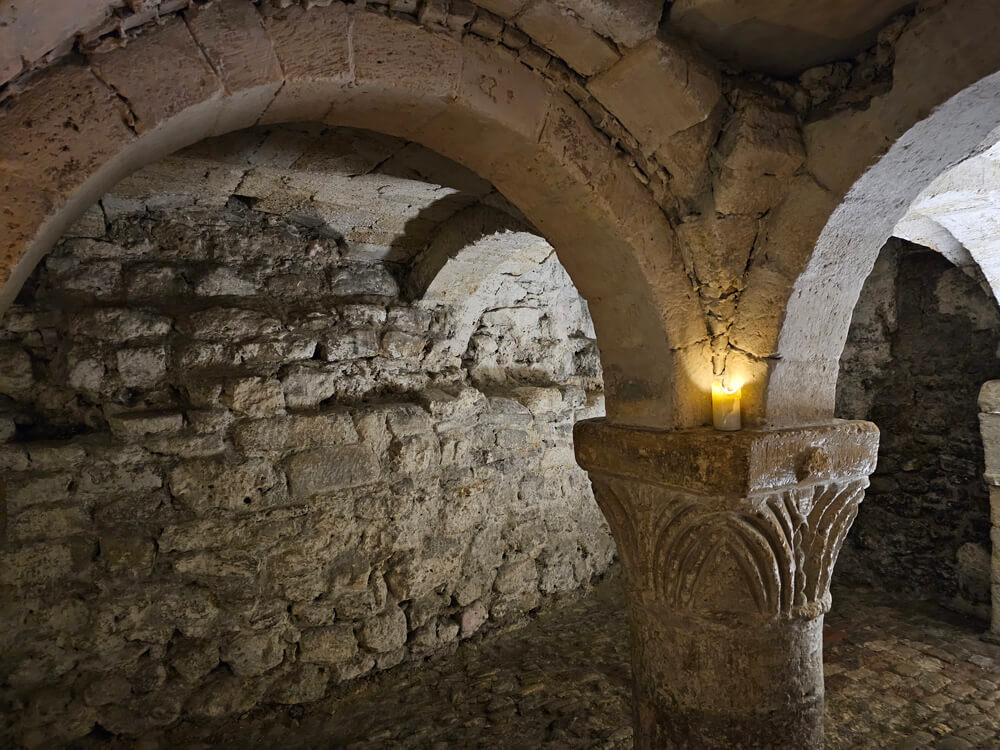
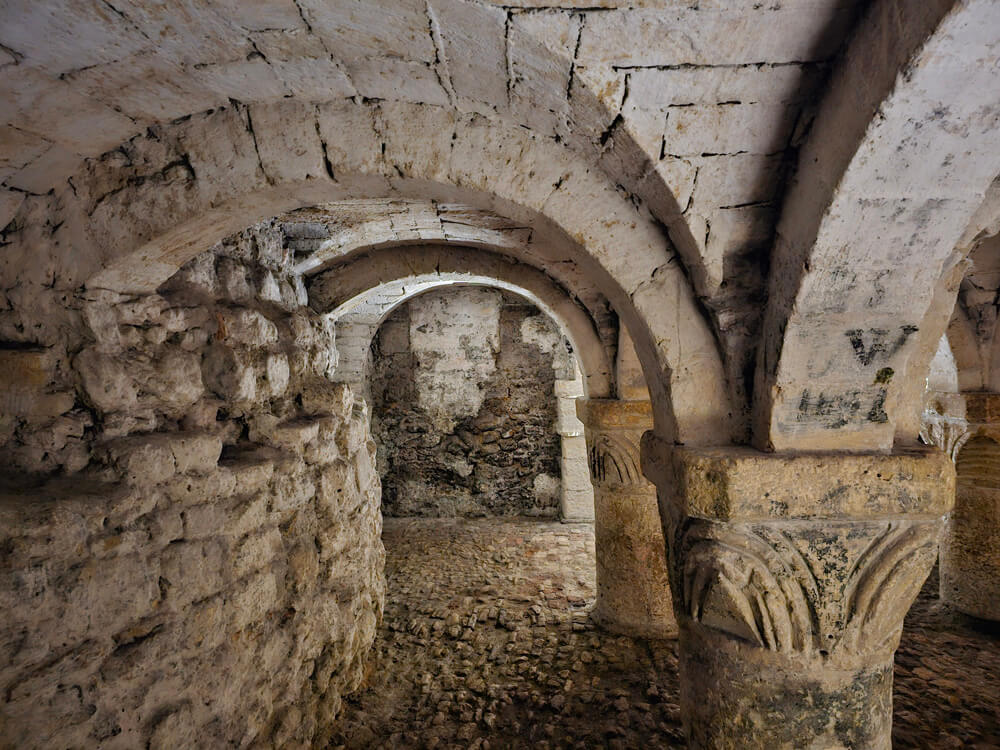
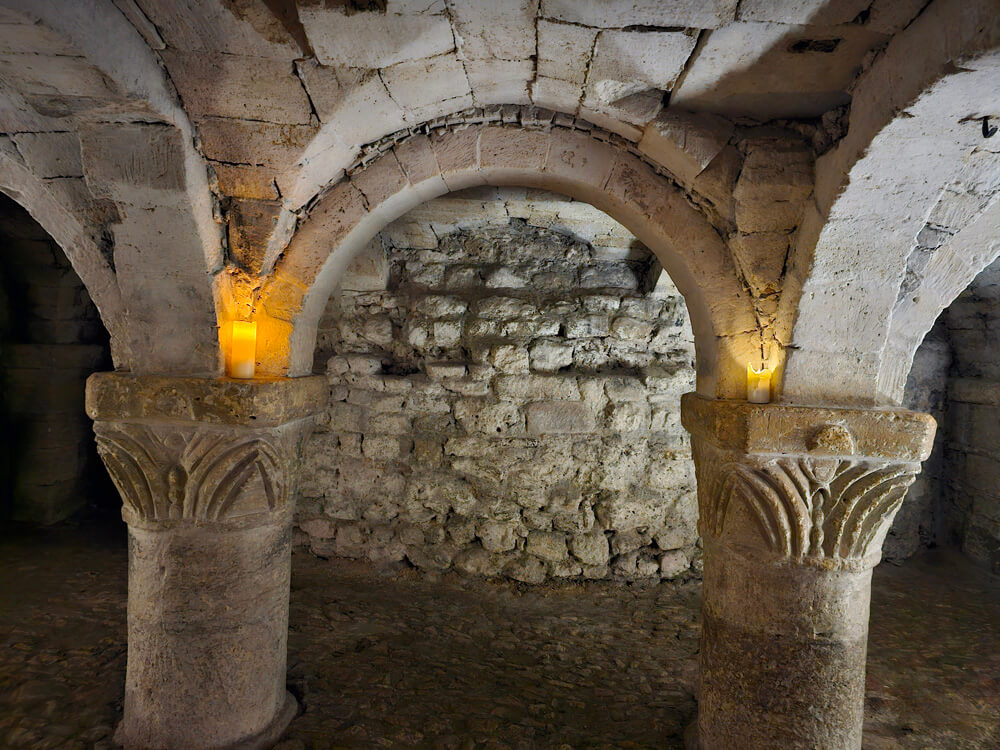
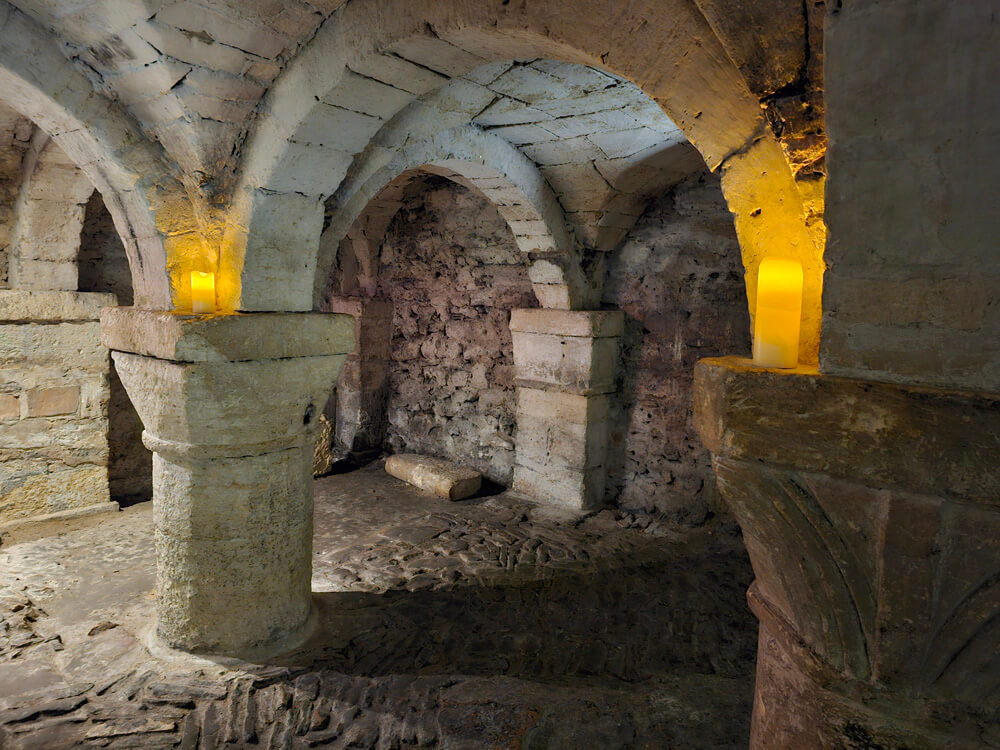
The castle has an amazing underground crypt which is located beneath St George’s Tower and is said to be one of the most haunted places in Oxford.
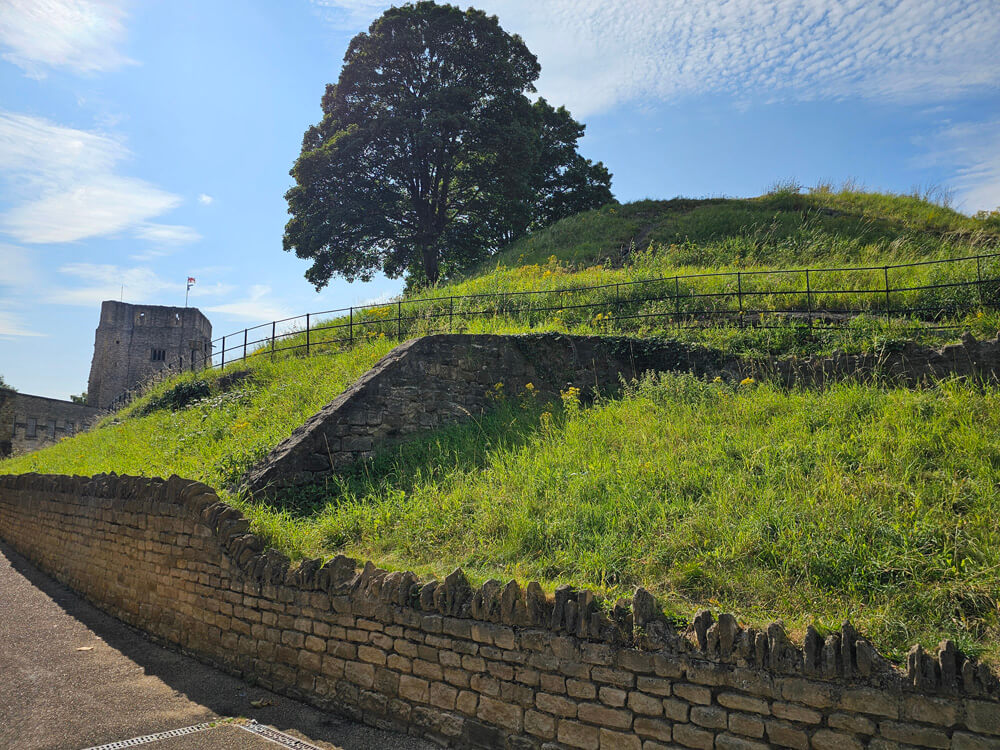
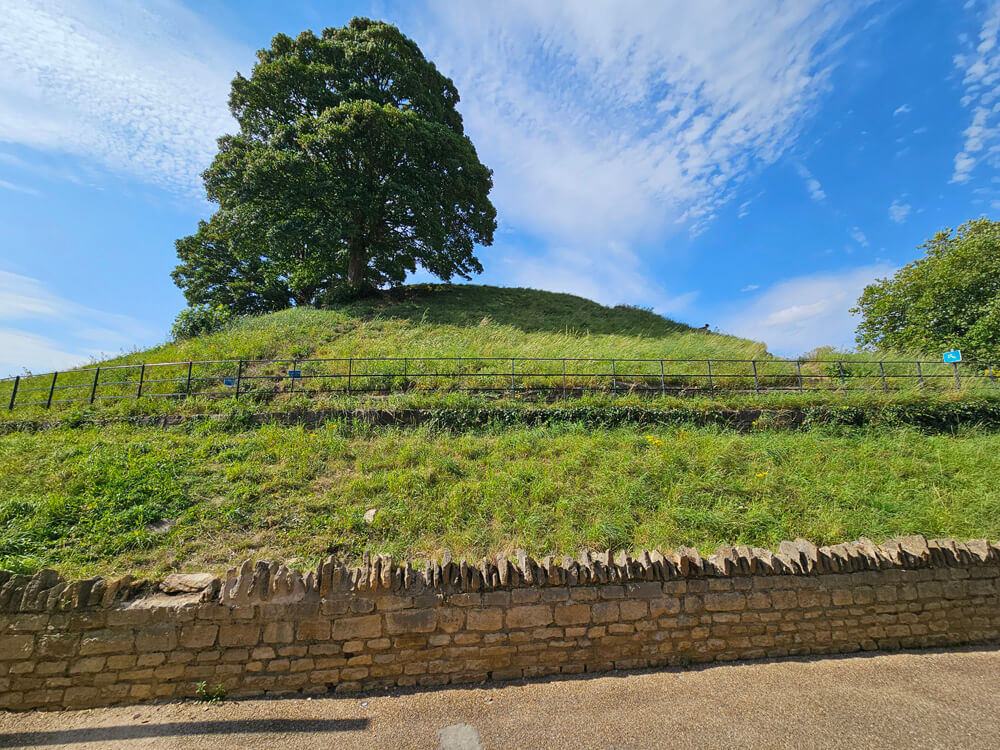
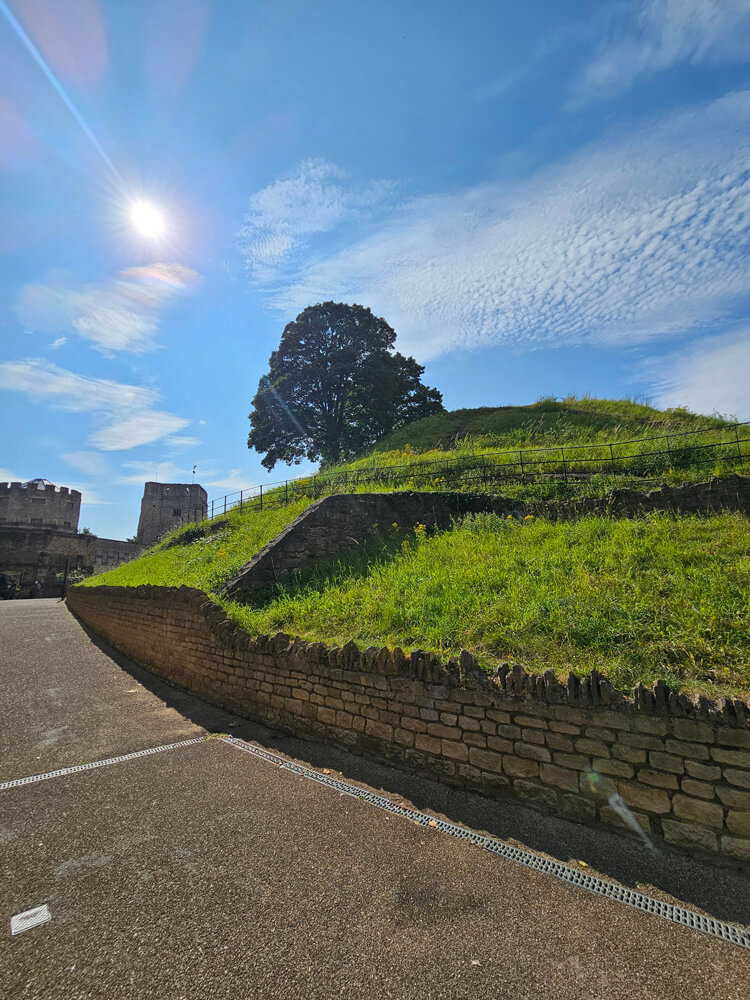
Another interesting feature of Oxford Castle is the mound, which is a large earthwork that was built by the Normans and served as the foundation for the castle’s keep. It’s an important part of the castle’s history that played a vital role in the castle’s defence.
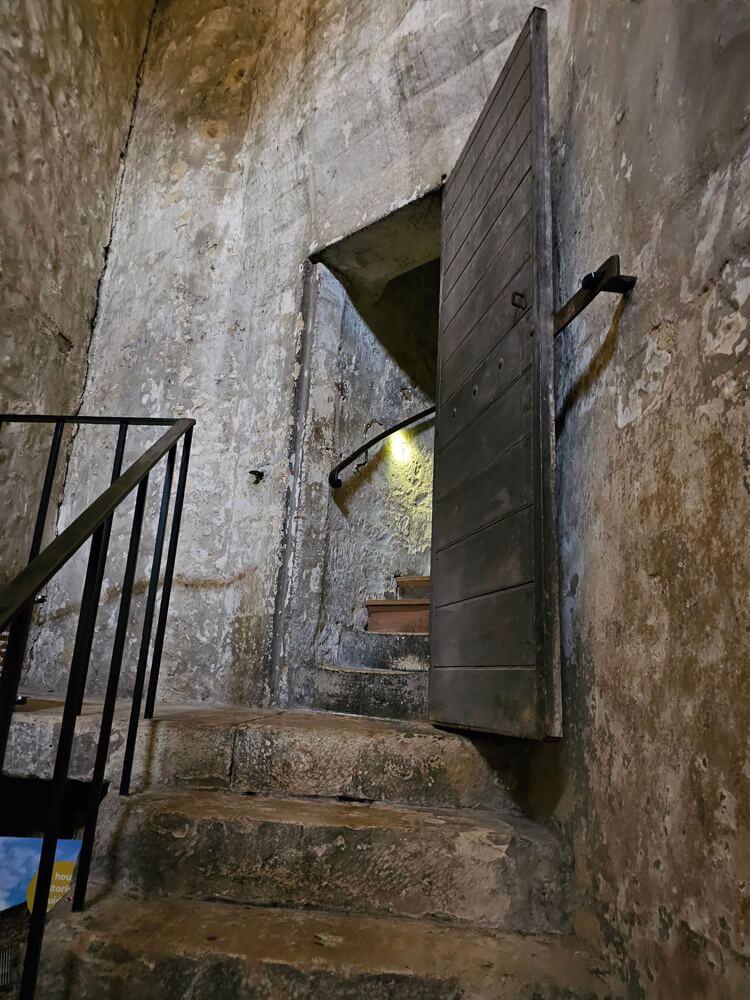
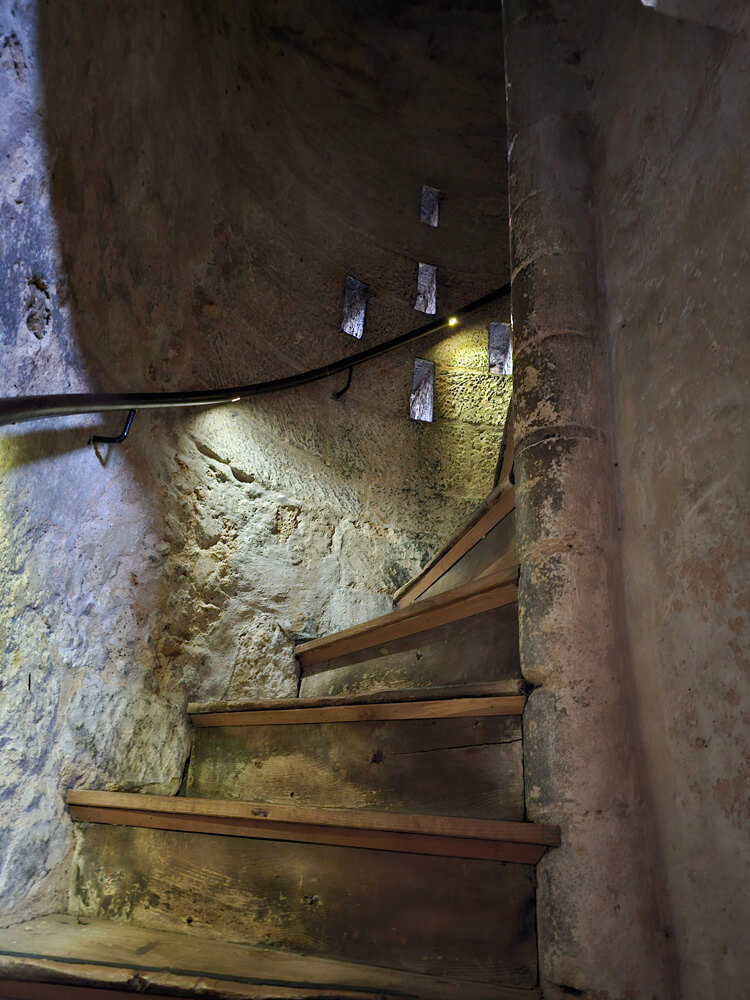
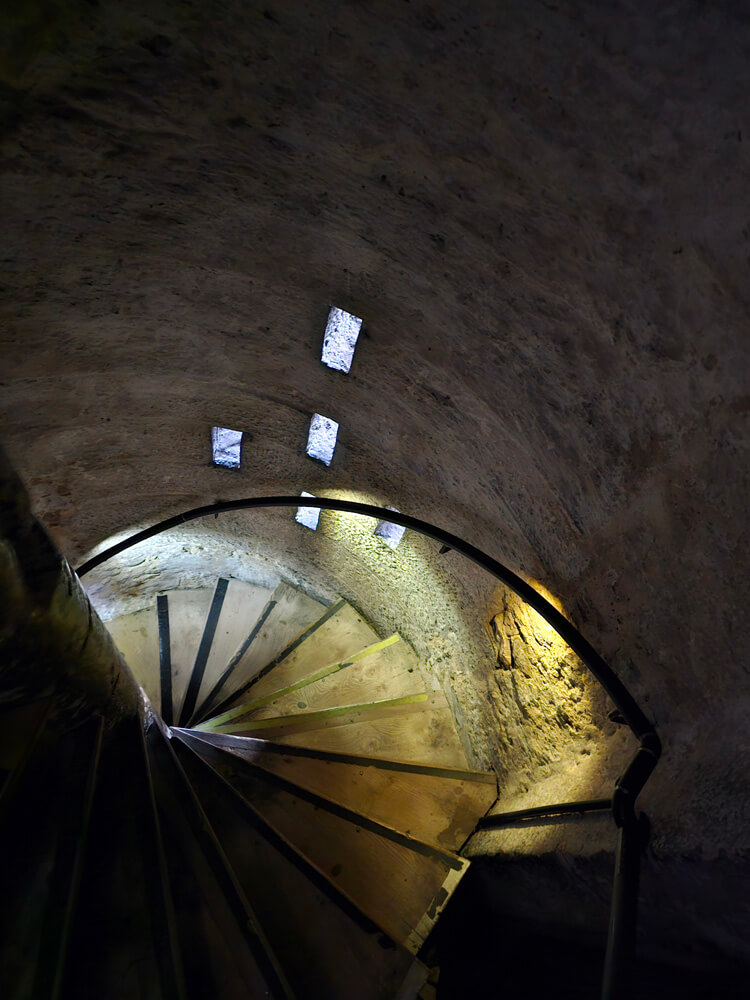
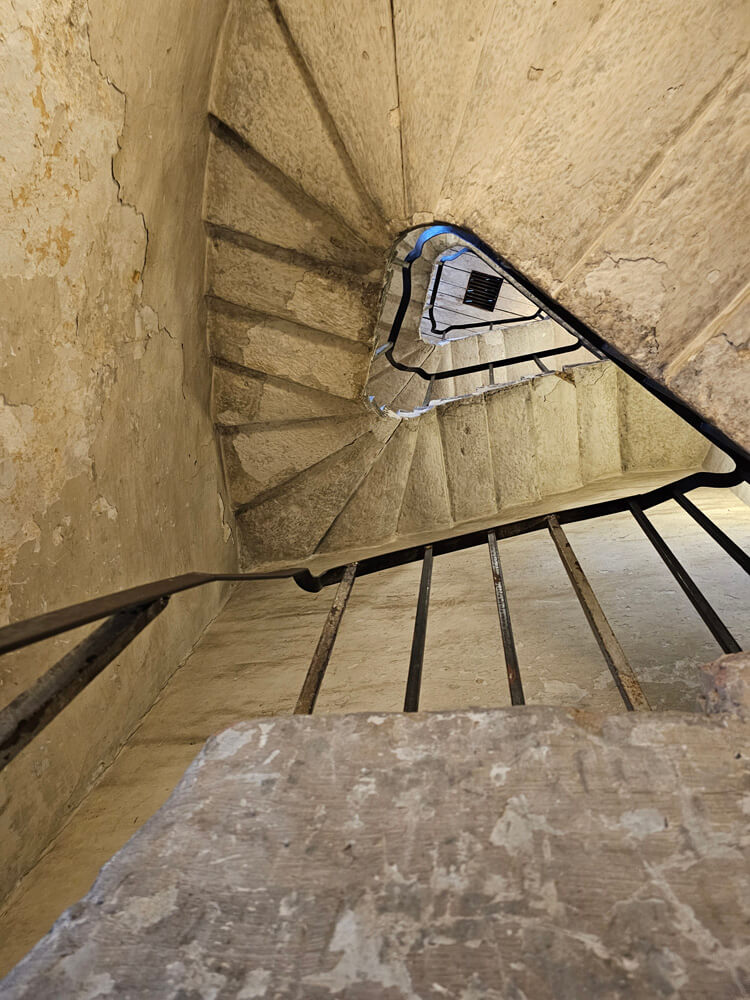
When visiting Oxford Castle, you have to pay for a guided tour. The tour includes a climb up 101 steps to the top of St Georges Tower, a tour underground into the candle-lit crypt (my favourite part), a tour of the 18th-century prison cells, and afterwards you can climb the mound outside.
Photo Gallery.
Did you enjoy this post?
I hope you found this post useful. I put a great deal of time and effort in to building, maintaining and populating the website. If you like, you could say a small thank you by buying me a coffee. You don't have to, but it would be nice :)
Buy me a coffee
Stay up to Date
Follow me on my journey and get notified whenever a new post is published by following Kings & Castles on Facebook.
Follow MeExplore The Map
Discover the hundreds of castles, churches, monasteries, cathedrals and other historic locations that I've personally visited across England and Wales. Search by location, explore nearby sites and plan your next historical adventure.
Share: