Moreton Corbet Castle
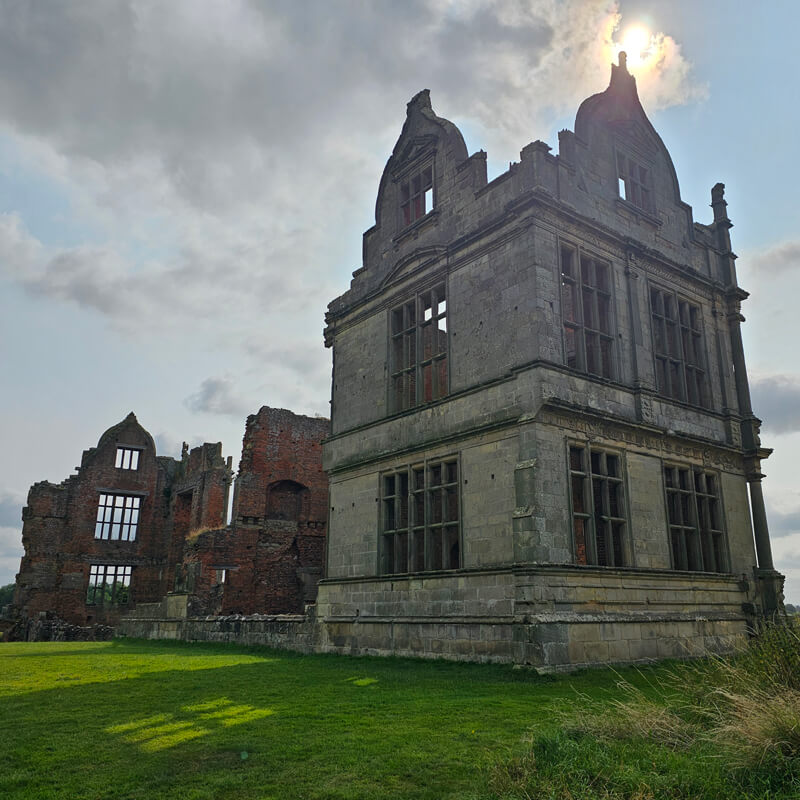
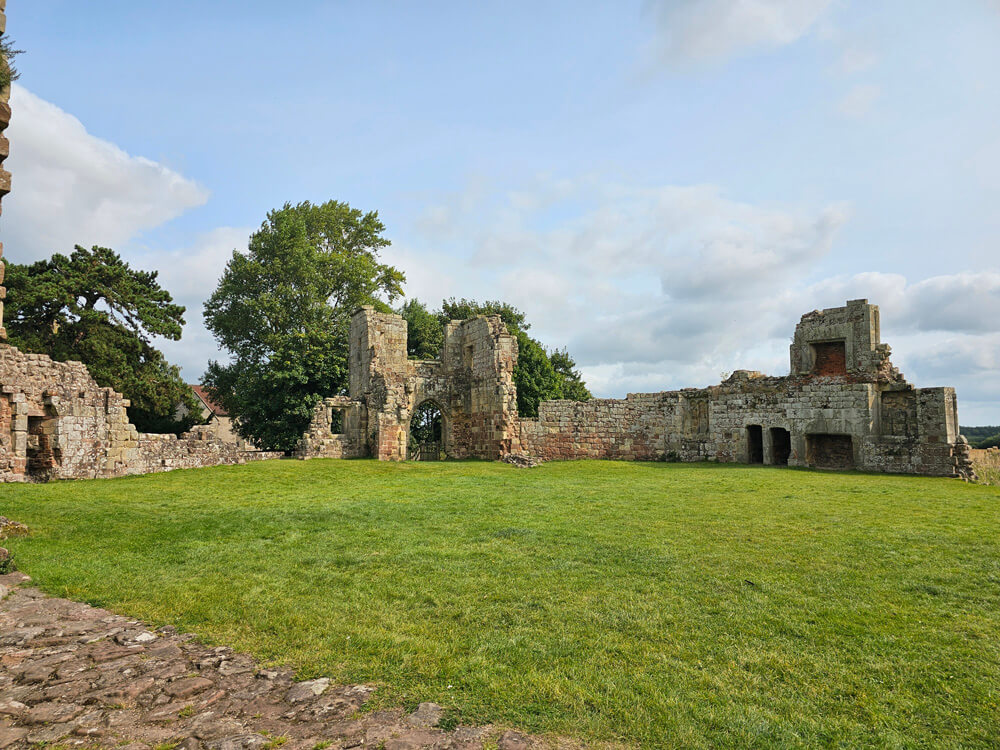
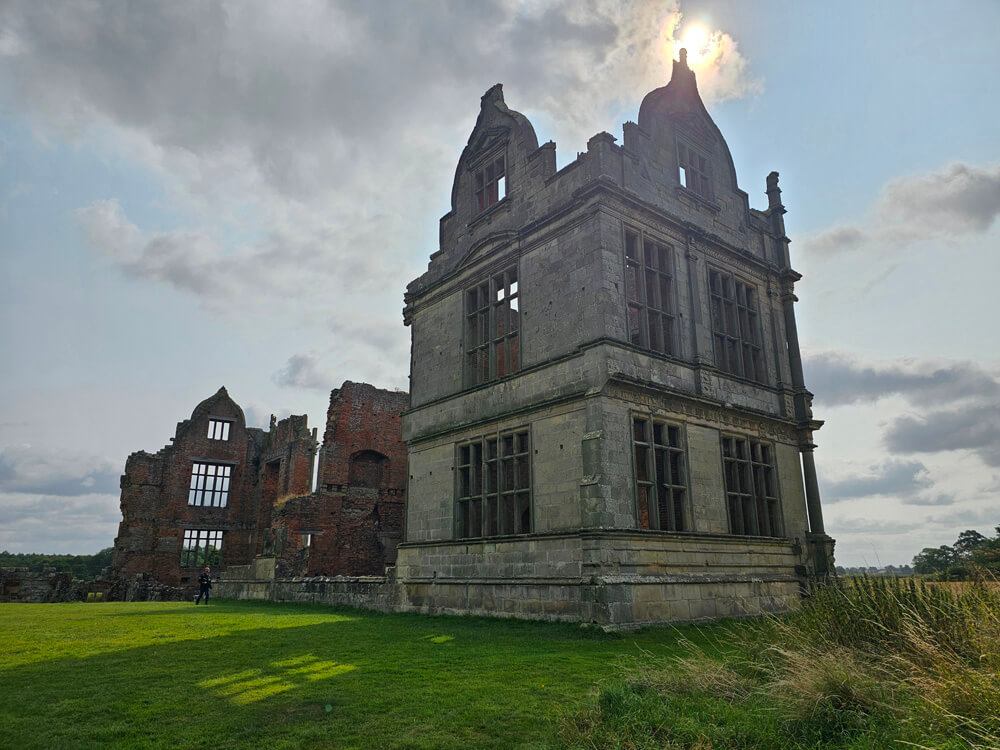
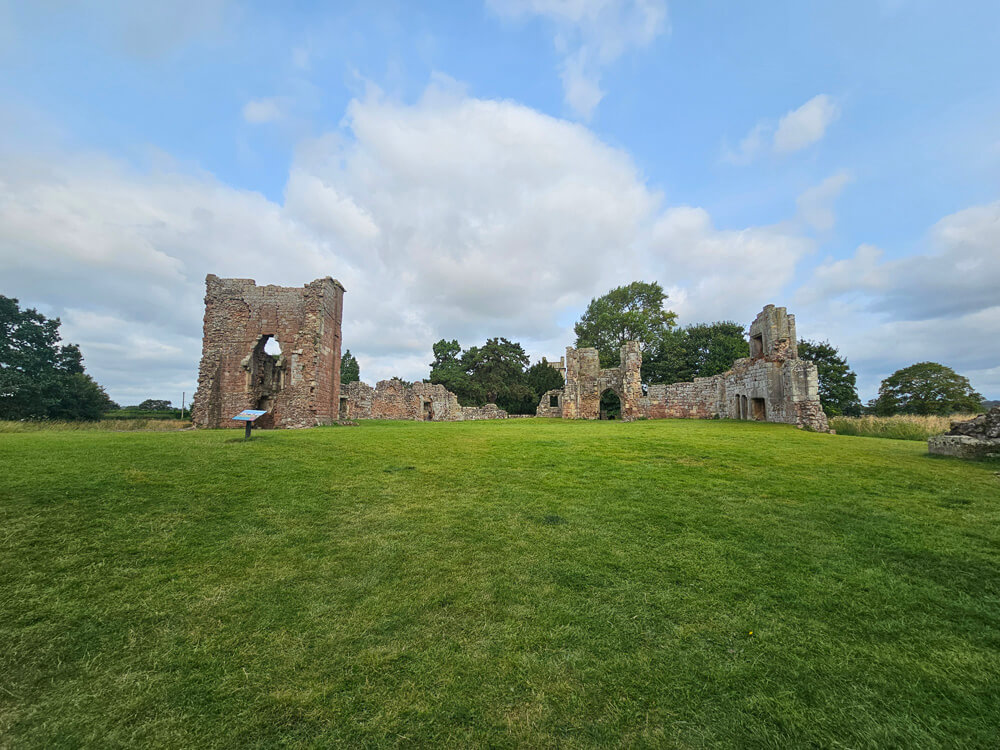
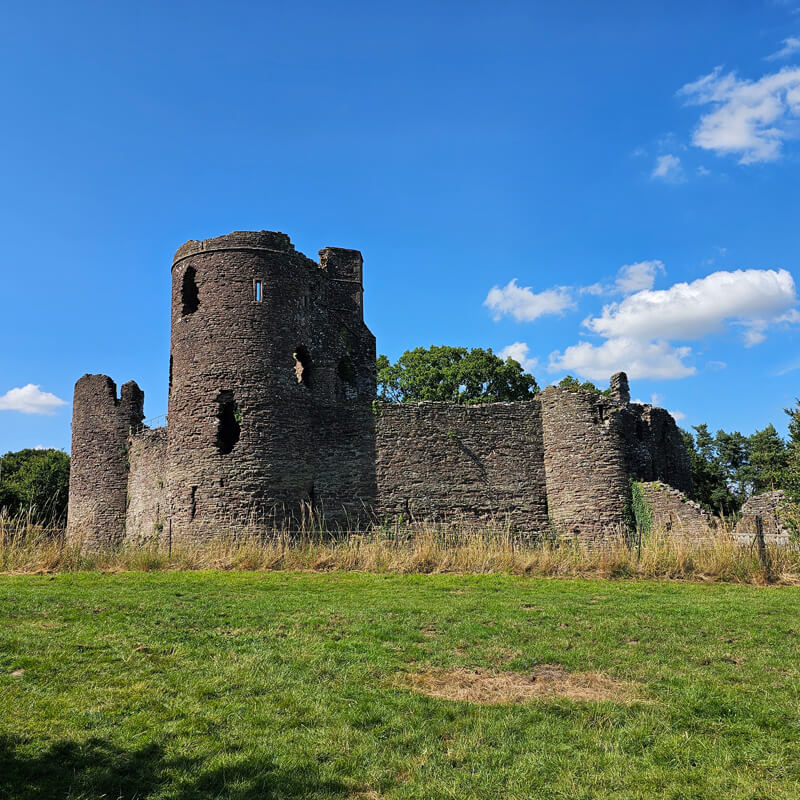
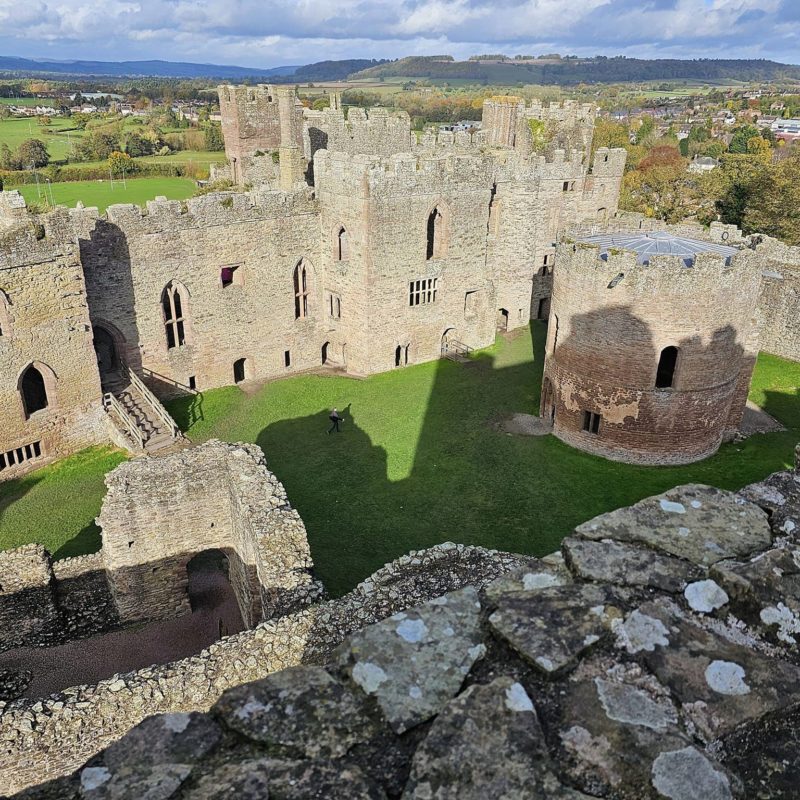
Moreton Corbet Castle contains the ruined remains of an early-13th century moated castle and the shell of an Elizabethan mansion. The castle is located 10 miles north east of Shrewsbury, near the small village of Moreton Corbet, Shropshire, England.
Quick
Facts.
- Location: Moreton Corbet, Shropshire, England
- Established: c. 1100
- Built in stone: c. 1200
- Condition: Ruined
- Date visited: August 2024
- More info: Visit website
- Rating:
A Bit of History…
The ruins of Moreton Corbet Castle are the result of over 800 years of building, combining a medieval castle and a fashionable Elizabethan mansion.
In 1086, William the Conqueror‘s Domesday book recorded that two Anglo-Saxon thegns, Hunning and Wulfgeat, were living at Moreton Corbet. In around the year 1100, The Torets, a family of Saxon descent, constructed an earth and timber fortification here with a moat, at which time it was called Moreton Toret.
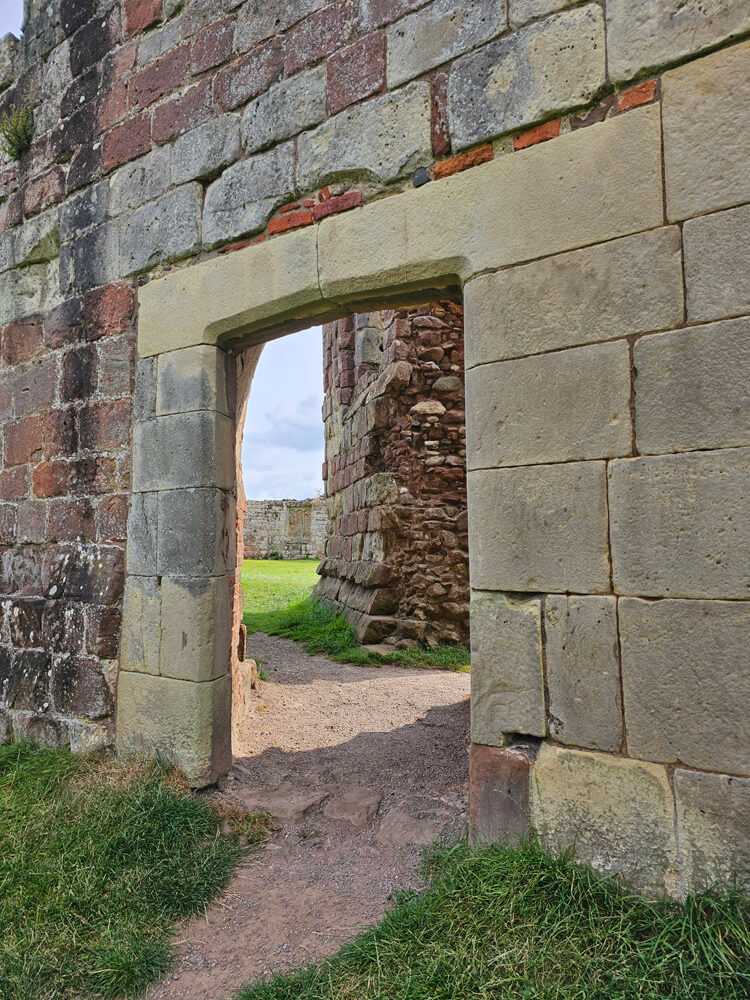
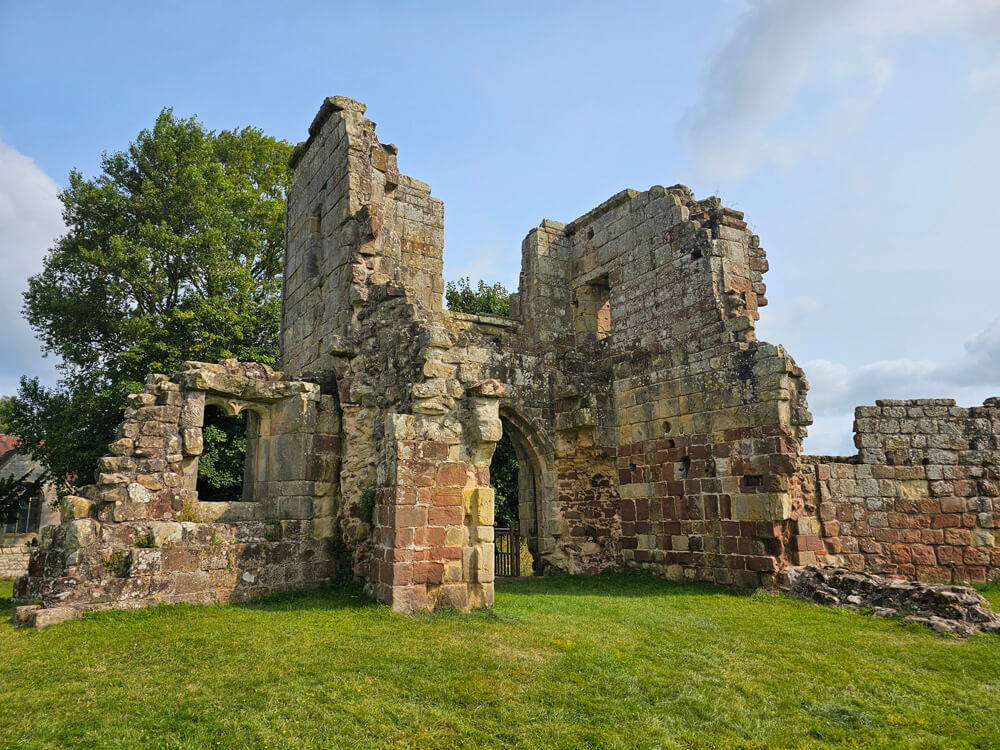
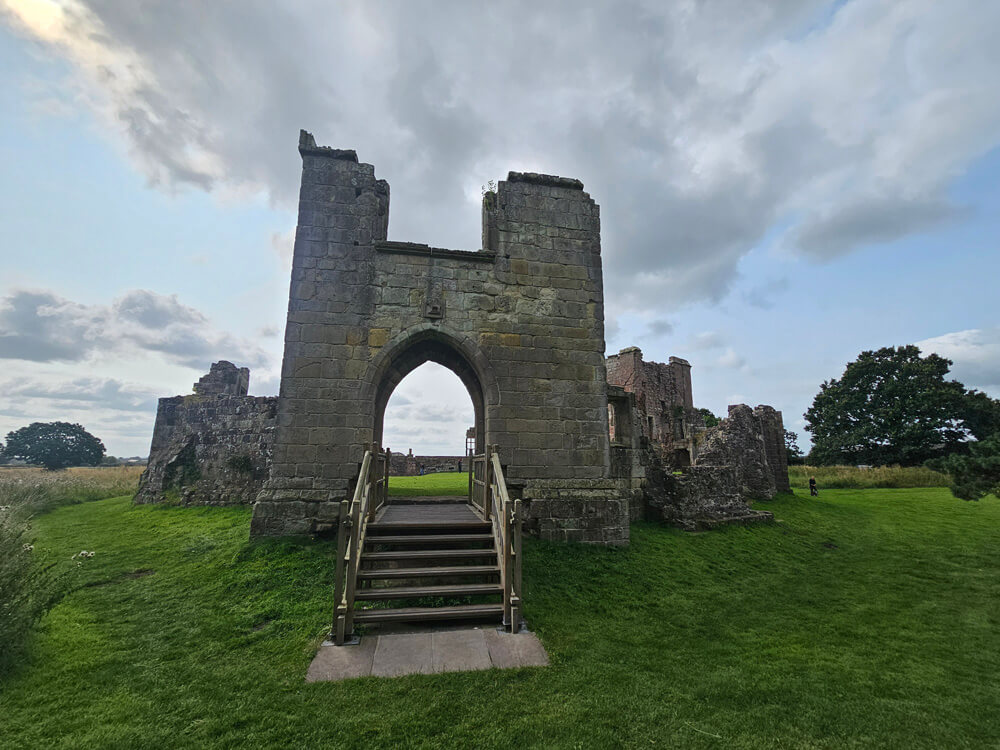
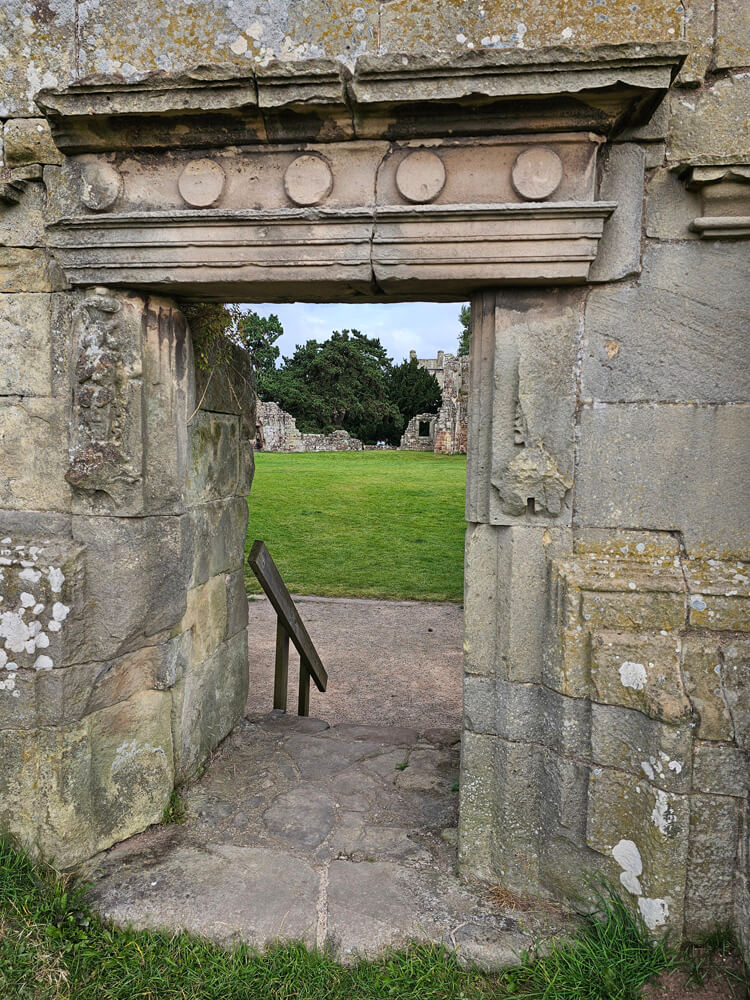
Around the year 1200 the castle was rebuilt in stone, with a wall enclosing a courtyard, gatehouse and great tower. The earliest surviving remains are those of this early-13th century building, including the gatehouse.
In 1216 Bartholomew Toret held the castle as part of the rebellion against King John in the First Barons’ War, following his enforced signing of Magna Carta. It was besieged and captured for the king by William Marshal, Earl of Pembroke, but later returned to the Torets as part of peace negotiations.
Bartholomew Toret died in 1235 and his son-in-law, Richard de Corbet, inherited the castle and changed its name to Moreton Corbet. The Corbet family were important landholders in the Welsh Marches, particularly in Shropshire, since the Norman Conquest.
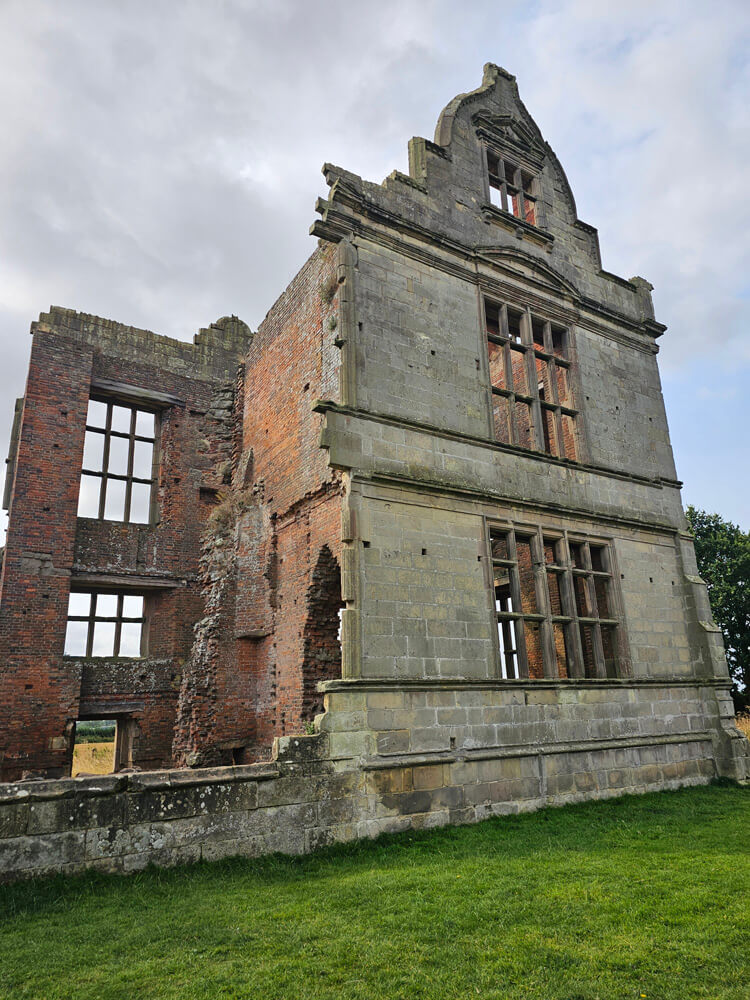
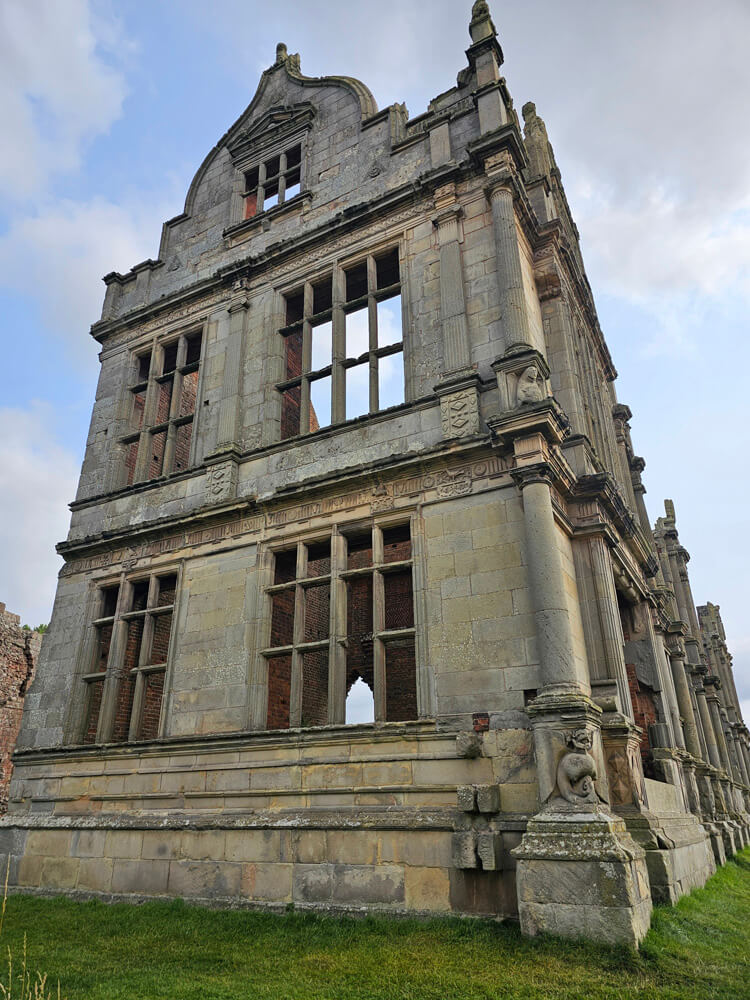
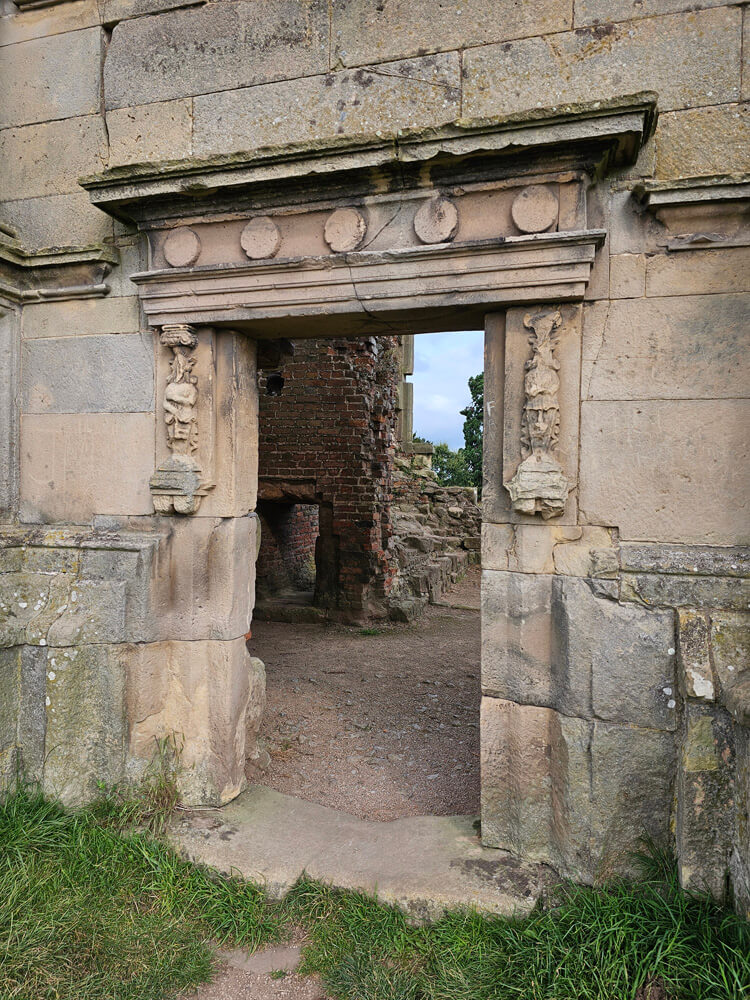
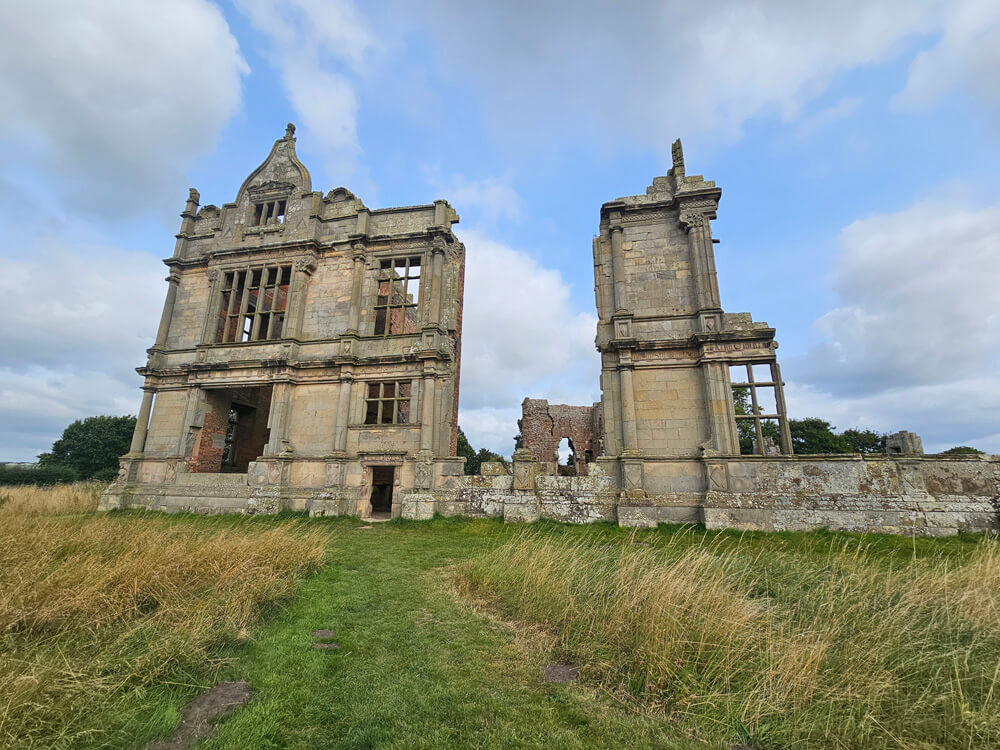
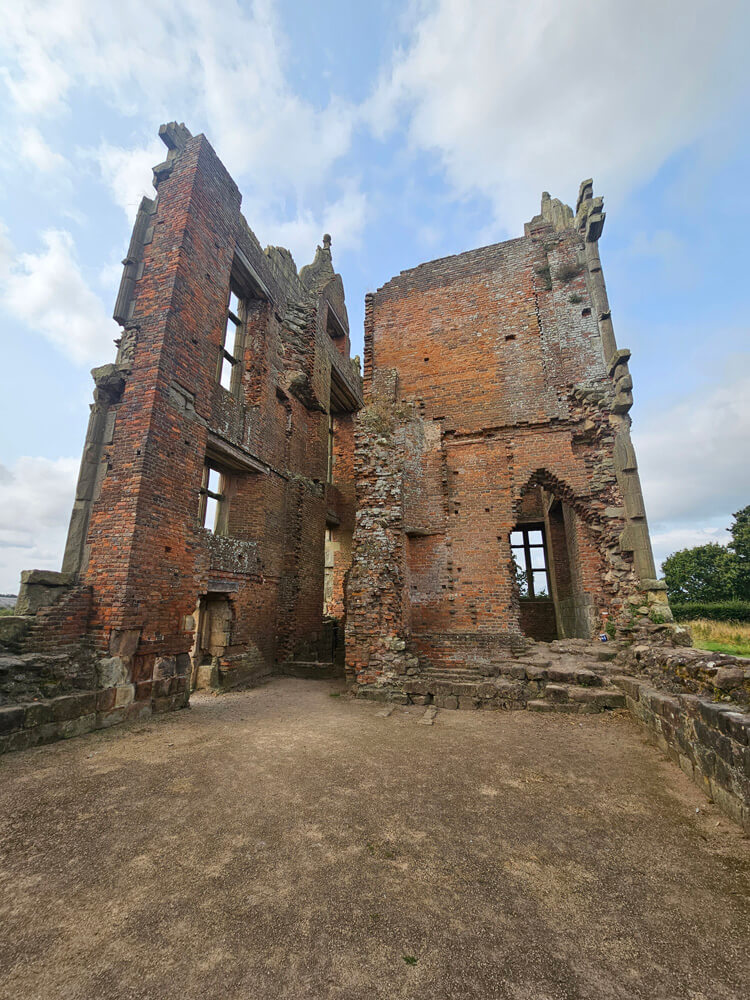
The Corbet family remodelled the castle in the 16th century, where it began its transformation into a spectacular Elizabethan mansion with a bold Italian-inspired design, which is a rare survival from this period. The decision to preserve its fortified medieval frontage and ancestral character as a castle, and combine it with a new luxury home due to its increasing use, is obvious.
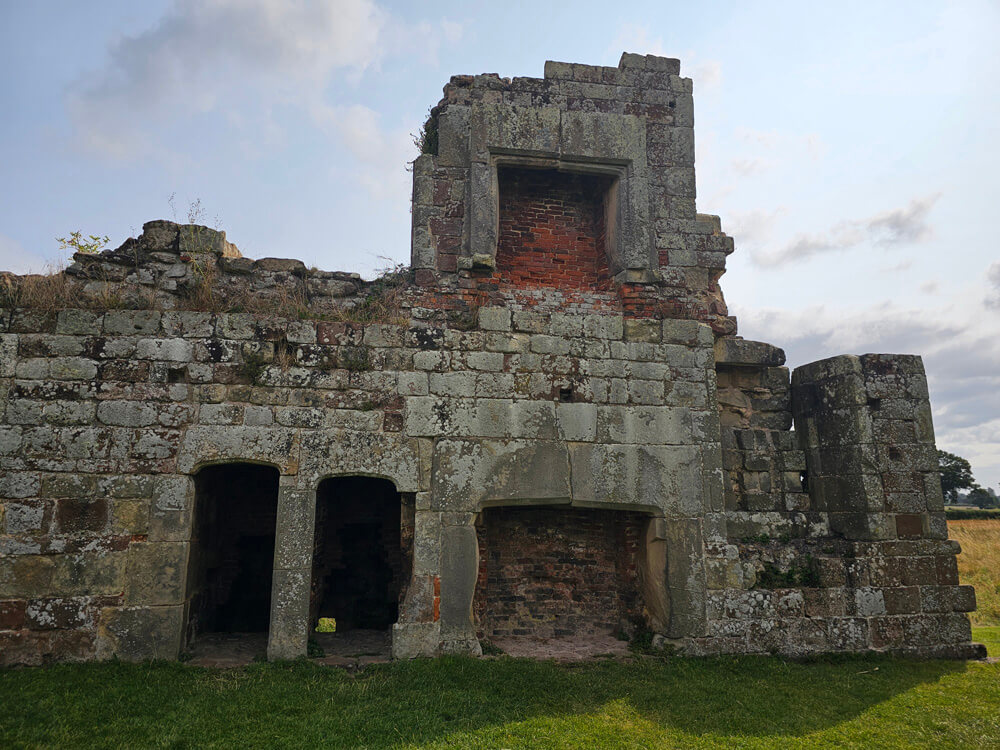
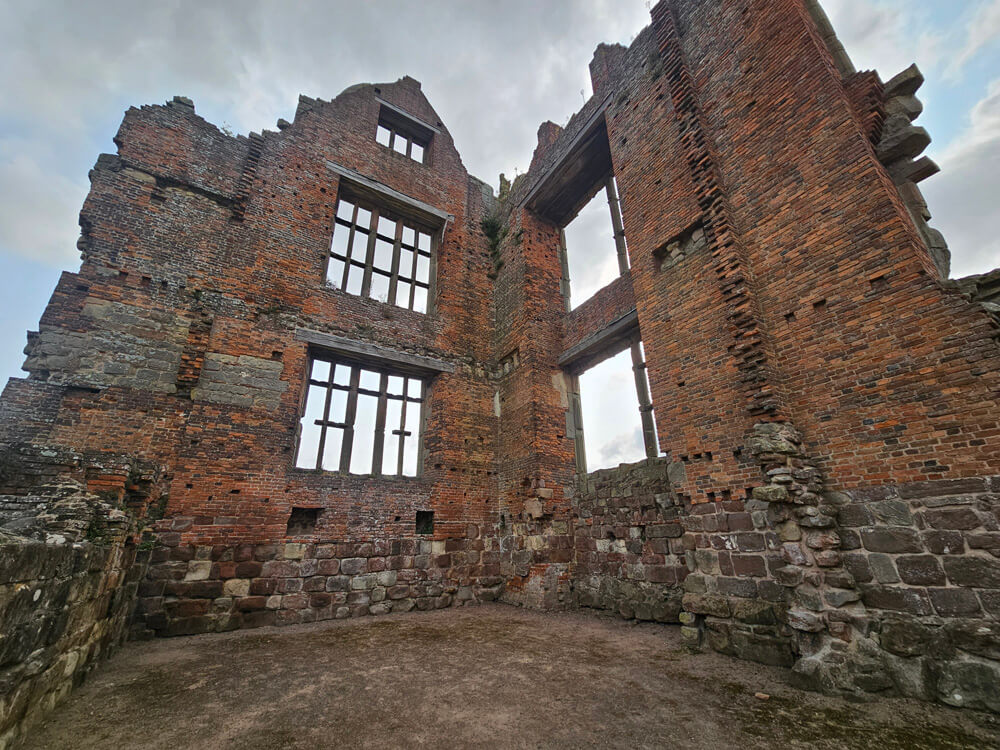
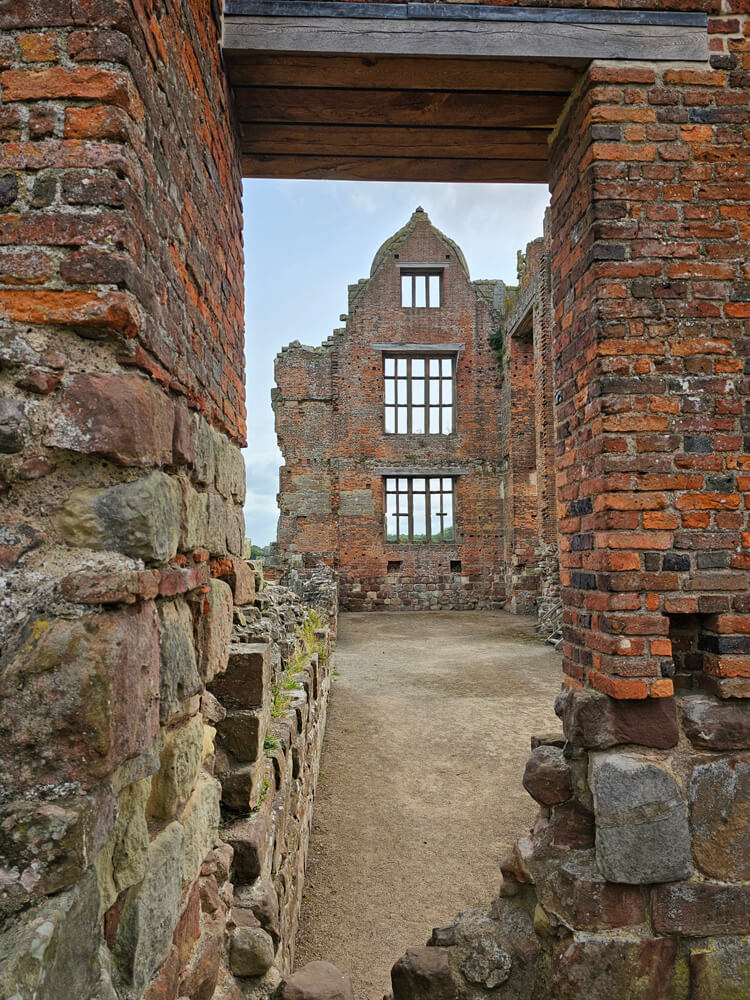
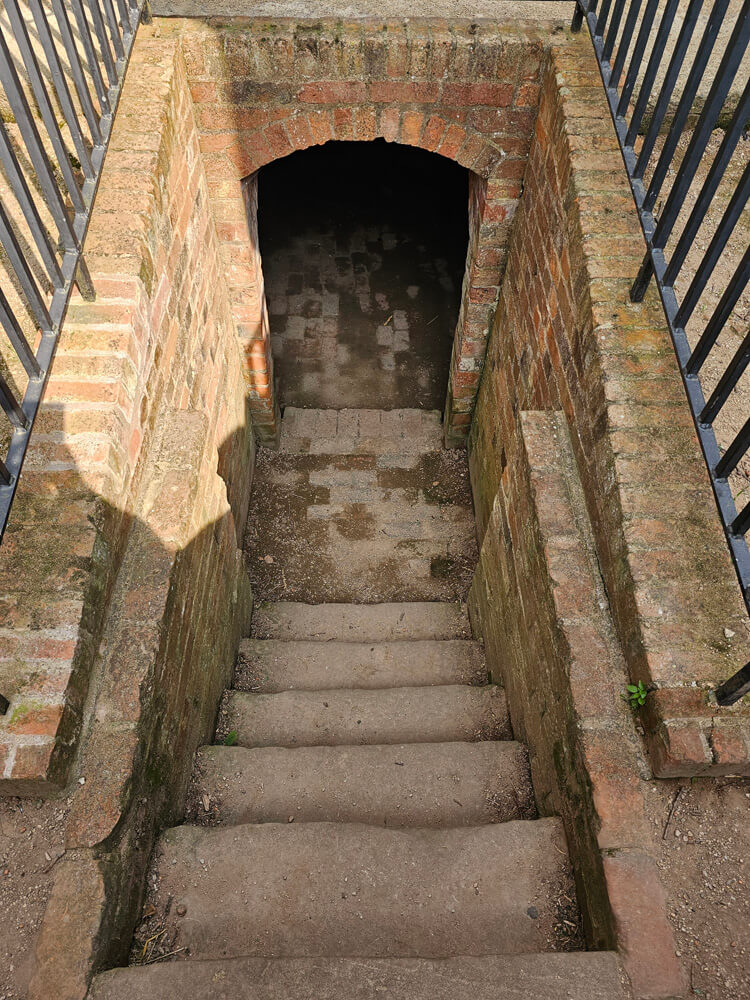
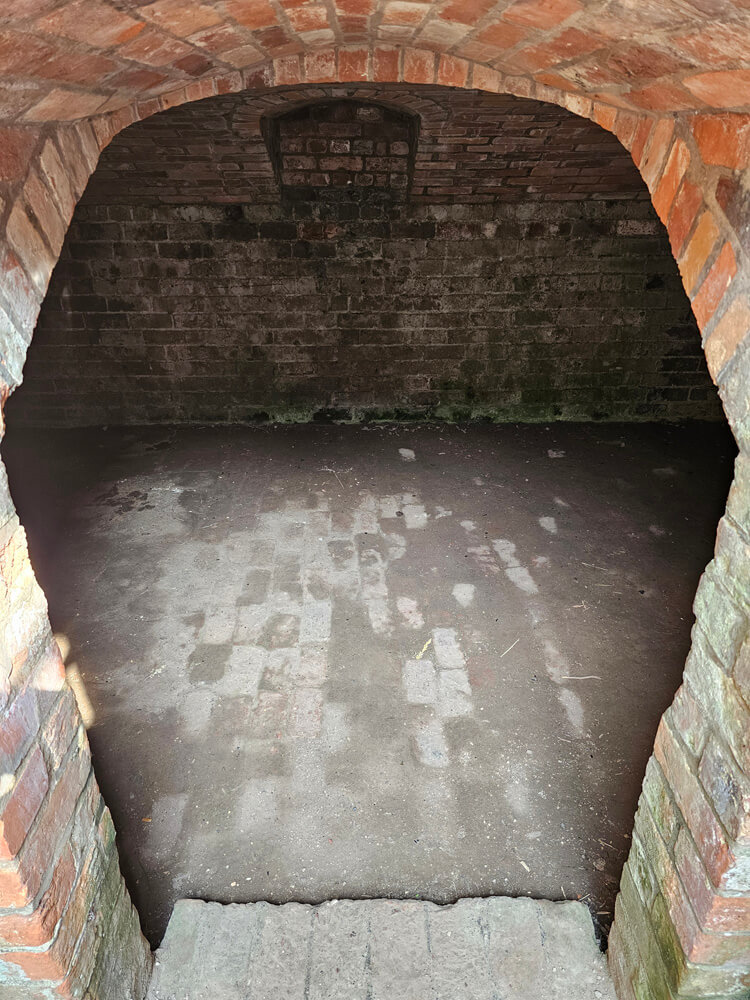
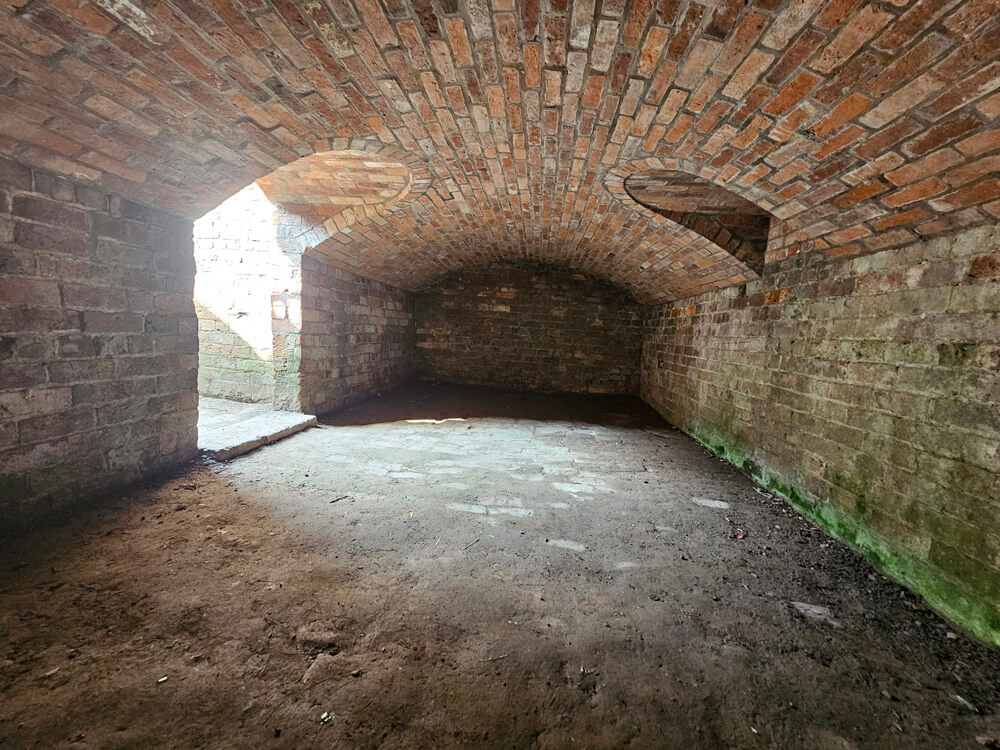
The transformation included a new kitchen range with a giant chimney, a two story building where the ground floor was used for storage and the upper floor for accommodation, a new range of buildings which included a great hall with a substantial fireplace, a vaulted brick built cellar, gardens, and some remodelling of the gatehouse.
The remodelling of Moreton Corbet into the Elizabethan mansion started with Sir Andrew Corbet, then his son Robert after he died, and finally Robert’s brothers Richard and Vincent completed the work after Robert died of the plague in 1583.
In the 16th century Moreton Corbet would have been a very elegant and luxurious home, with the Corbet family hosting lavish dinner parties for the rich and famous, but the luxury didn’t last. In the 17th century, during the English Civil War, Moreton Corbet was used as part of Royalist Shrewsbury’s defence when Sir Vincent Corbet sided with the king and protected a Royalist garrison within the mansion. As a result, Moreton Corbet became the site of a number of sieges and was badly damaged in the fighting against the Parliamentarians.
The damage done during the Civil War was extensive, but the Corbets repaired the mansion and continued to live there until the 18th century, at which point the Corbets lost interest in the castle as a residence and it was abandoned and slowly fell into decay.
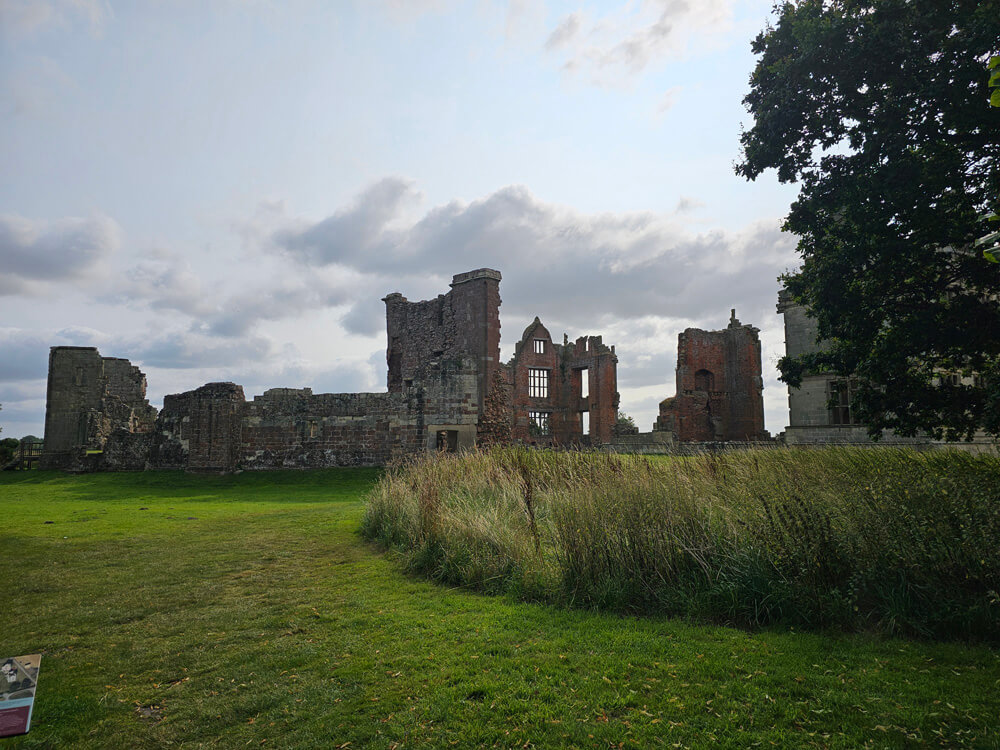
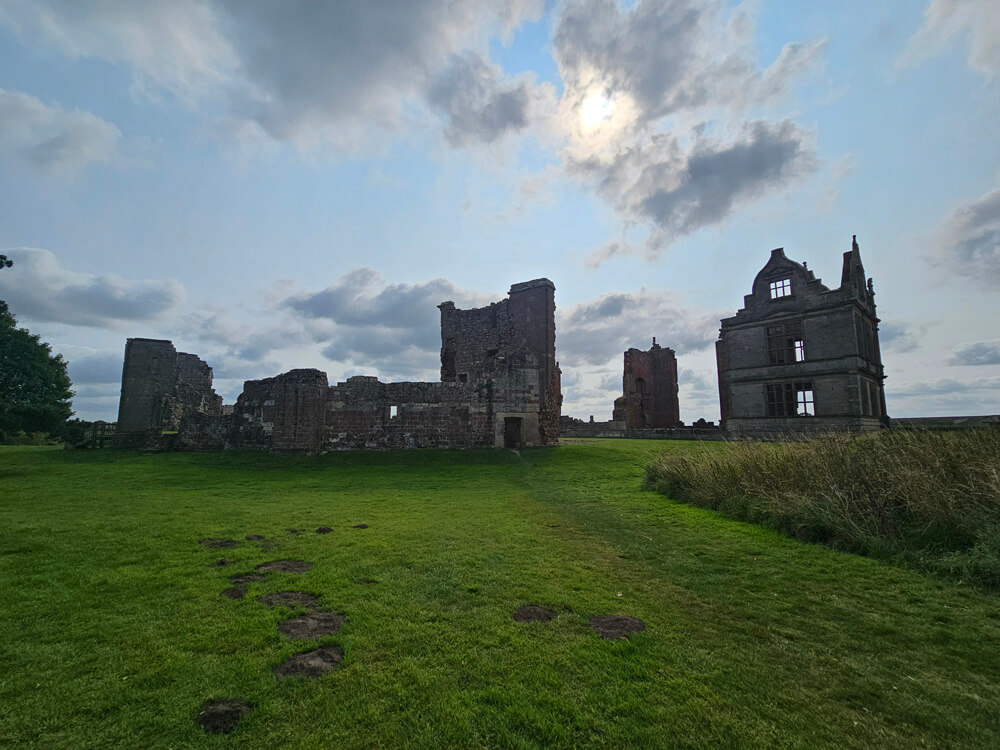
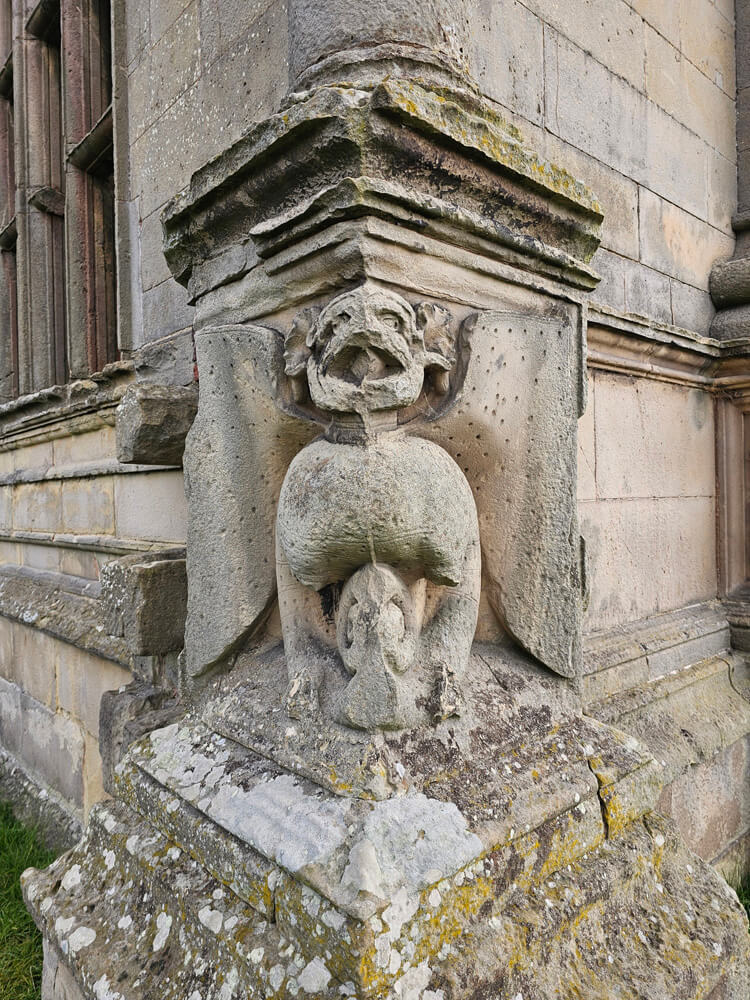
Not much remains of the stone castle, but the remains of the mansion are rather impressive. The Corbet family still own the castle today, although it is looked after by English Heritage.
Photo Gallery.
Did you enjoy this post?
I hope you found this post useful. I put a great deal of time and effort in to building, maintaining and populating the website. If you like, you could say a small thank you by buying me a coffee. You don't have to, but it would be nice :)
Buy me a coffee
Stay up to Date
Follow me on my journey and get notified whenever a new post is published by following Kings & Castles on Facebook.
Follow MeExplore The Map
Discover the hundreds of castles, churches, monasteries, cathedrals and other historic locations that I've personally visited across England and Wales. Search by location, explore nearby sites and plan your next historical adventure.
Share: