The Medieval Town of Axbridge
Axbridge is a historic Medieval town, and is the smallest town in Somerset in Southwest England. It sits on the River Axe, close to Cheddar Gorge near the southern edge of the Mendip Hills.
The history of Axbridge and its inhabitants can be traced back through archaeology to the Romans who are known to have mined lead on the top of the Mendips. Earlier still, archaeological evidence has shown that prehistoric humans lived in the local limestone caves, whose flint tools have been found in the surrounding hills.
However, Axbridge is most associated with medieval times. The town can be traced back to the reign of King Alfred the Great when it was part of the Saxons’ defence system for Wessex against the Vikings. In a list of burhs compiled in 910, it was listed as Axanbrycg, meaning a bridge over the River Axe. A listing of Axbridge also appears in the 1086 Domesday Book as Alse Bruge, meaning ‘axe bridge’.
At the start of the 13th century, Axbridge was granted a royal charter by King John allowing it to hold markets among other privileges such as fairs.
By the 14th century Axbridge was well-established as a centre for cloth manufacture, which lasted into the Tudor period. The town even became a royal borough with its own mint, with coins showing the town’s symbol: the Lamb and Flag. However, when the cloth industry declined, Axbridge did too.
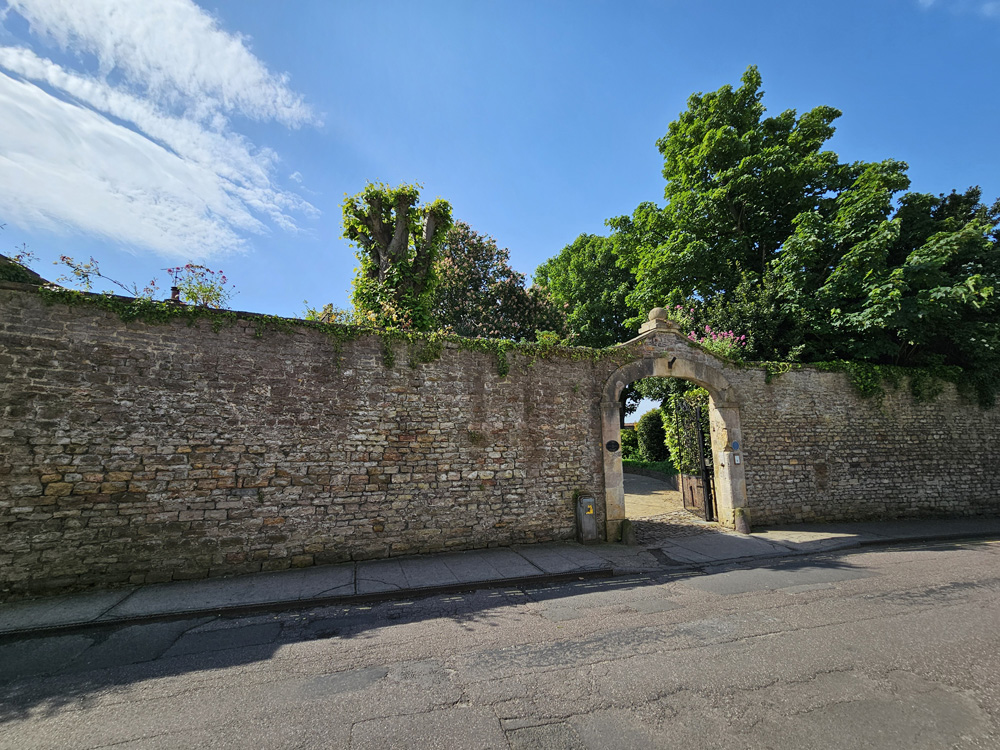
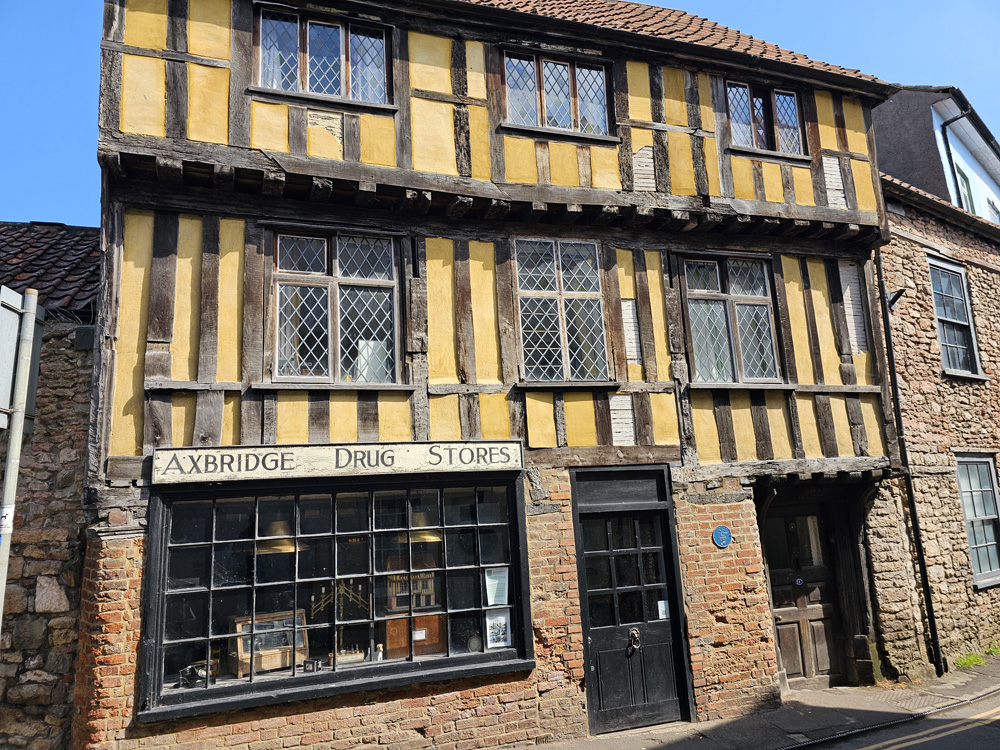
It’s very easy to miss the tiny town of Axbridge. There is a sign pointing the way to a “Medieval Square” on the A371 towards Cheddar and Wells. This medieval market square is home to narrow streets and old buildings, including timber-framed Tudor buildings and a 13th-century church.
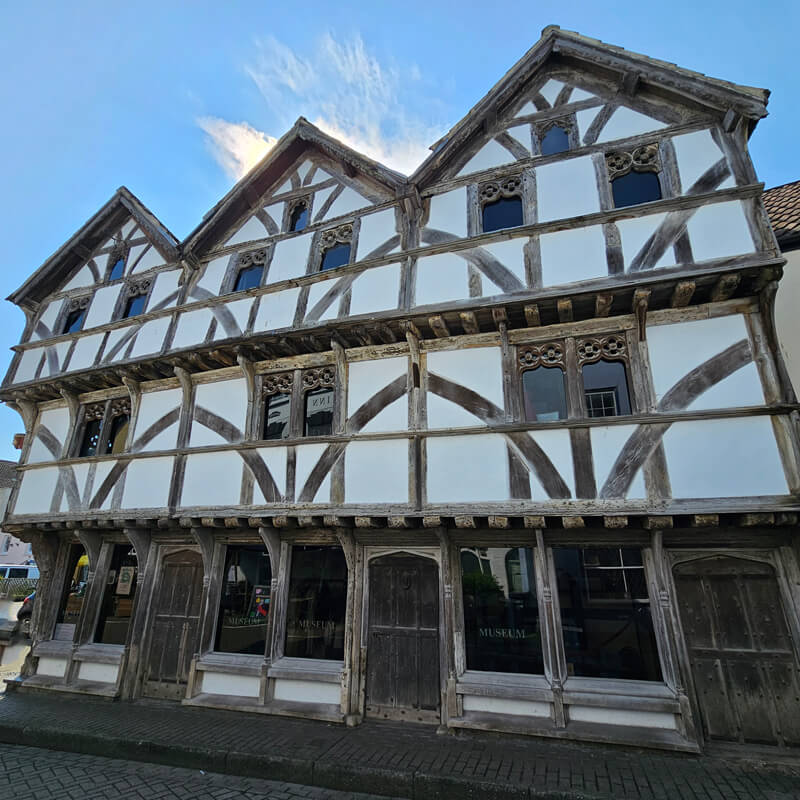
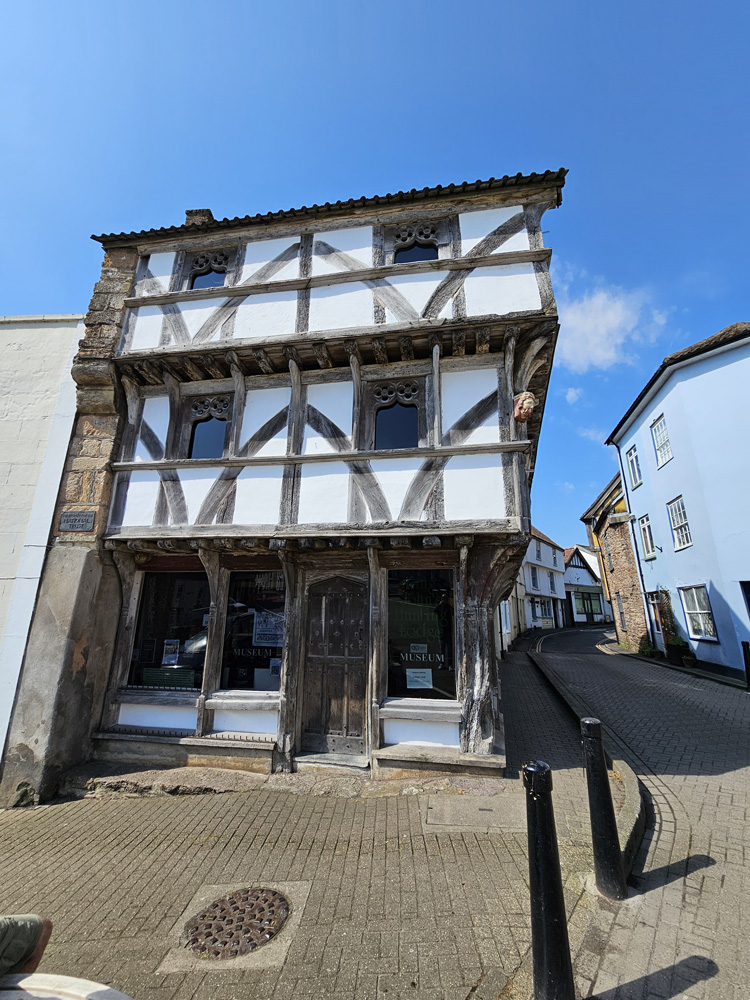
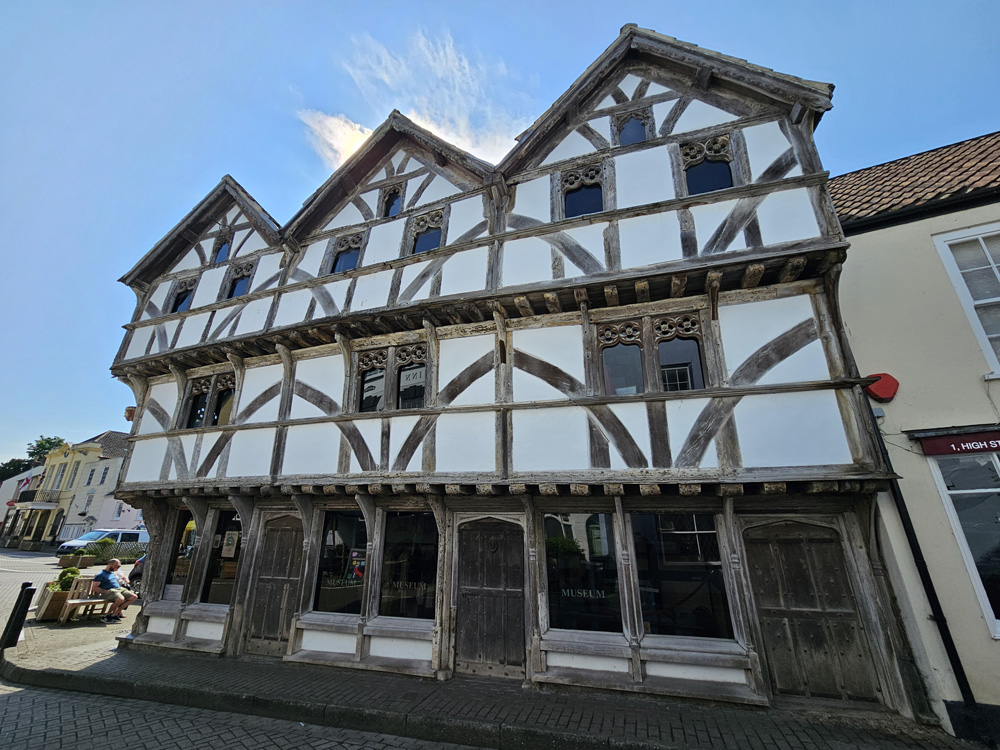
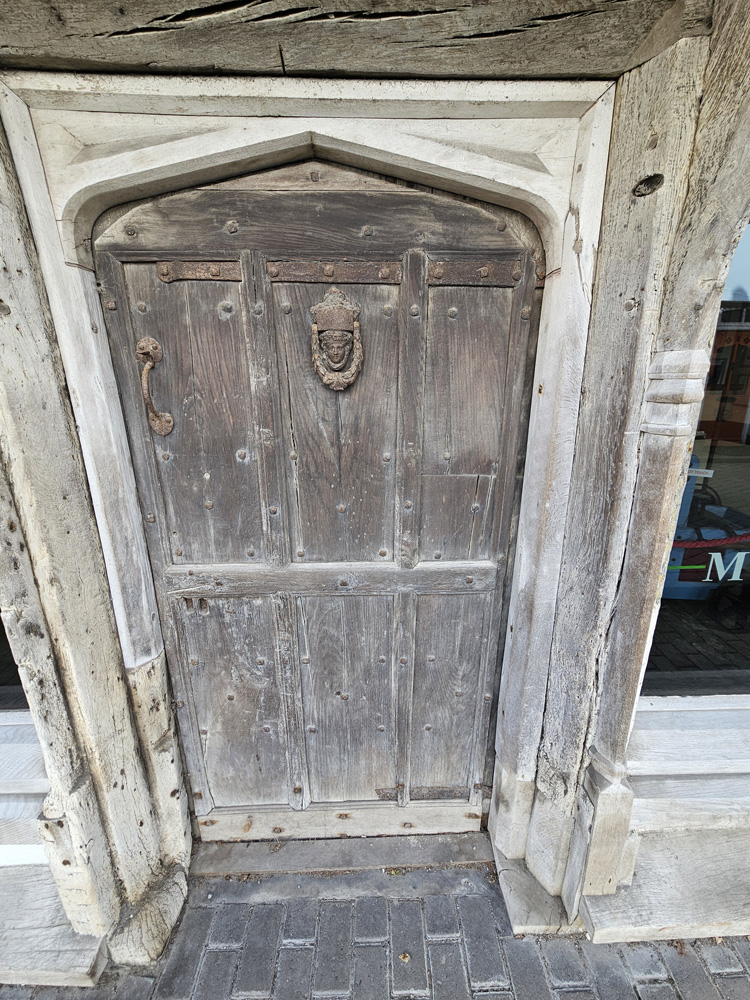
One of the most eye-catching buildings on the Medieval Square is the timber-framed house known as King John’s Hunting Lodge, although the name is a little misleading. It was unlikely to have been a hunting lodge, and it most definitely didn’t belong to King John as he died three centuries before it was built. The building was originally a wool merchant’s house dating from around 1500, which now houses the local history museum which is free to enter and provides a fascinating insight into the local history of Axbridge.
The medieval market square was home to the town stocks and prison but they’ve been moved to the museum.
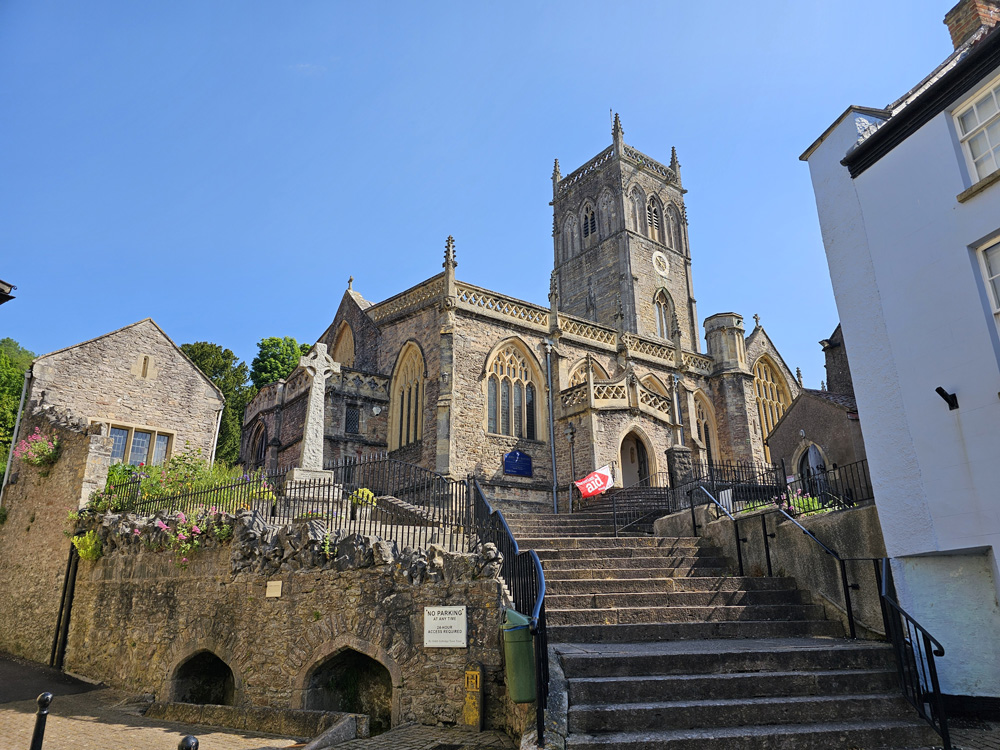
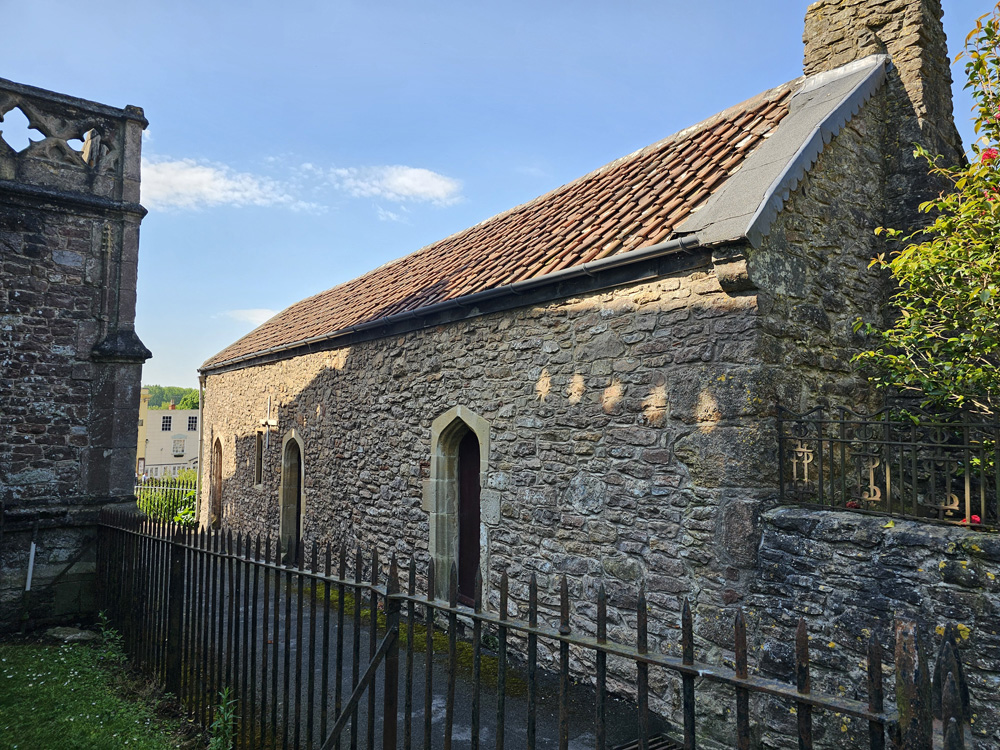
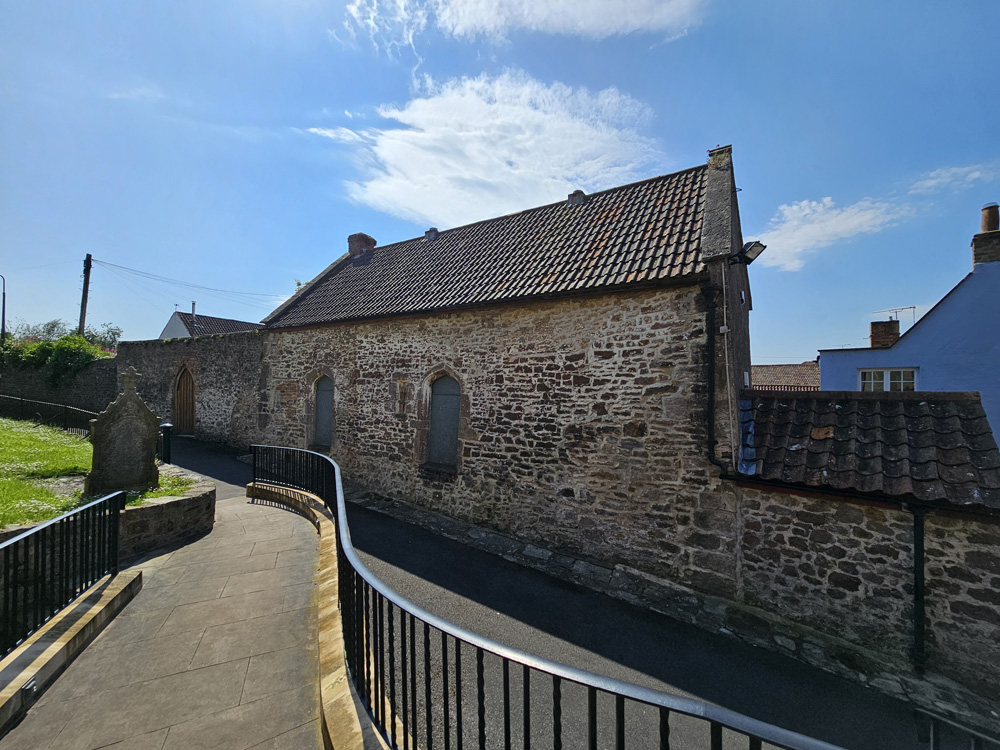
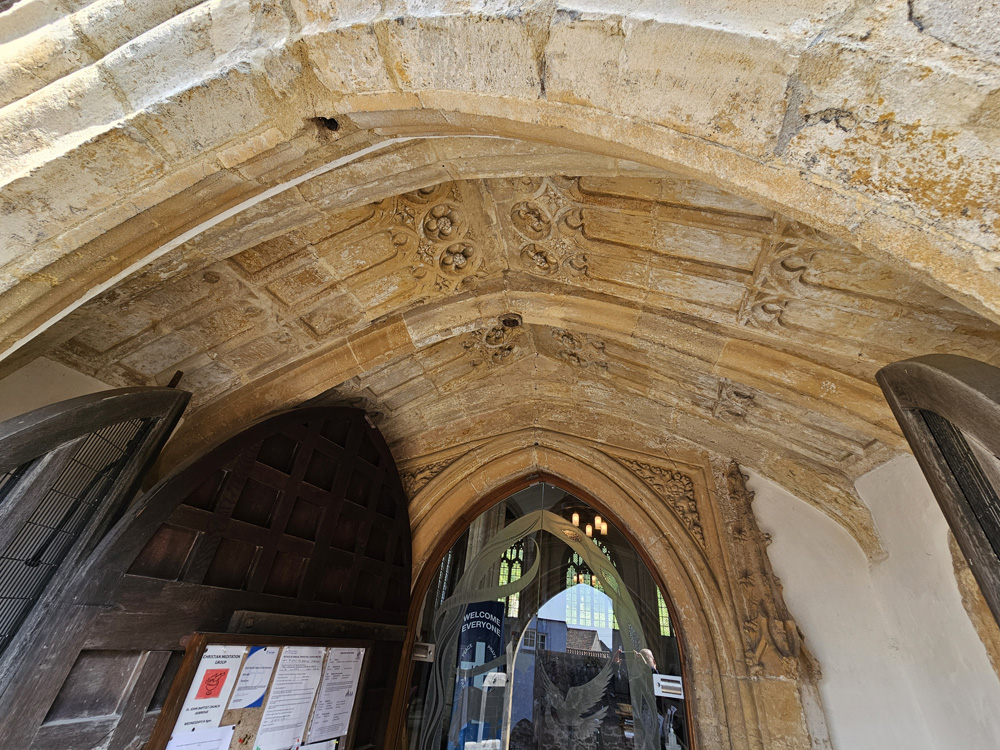
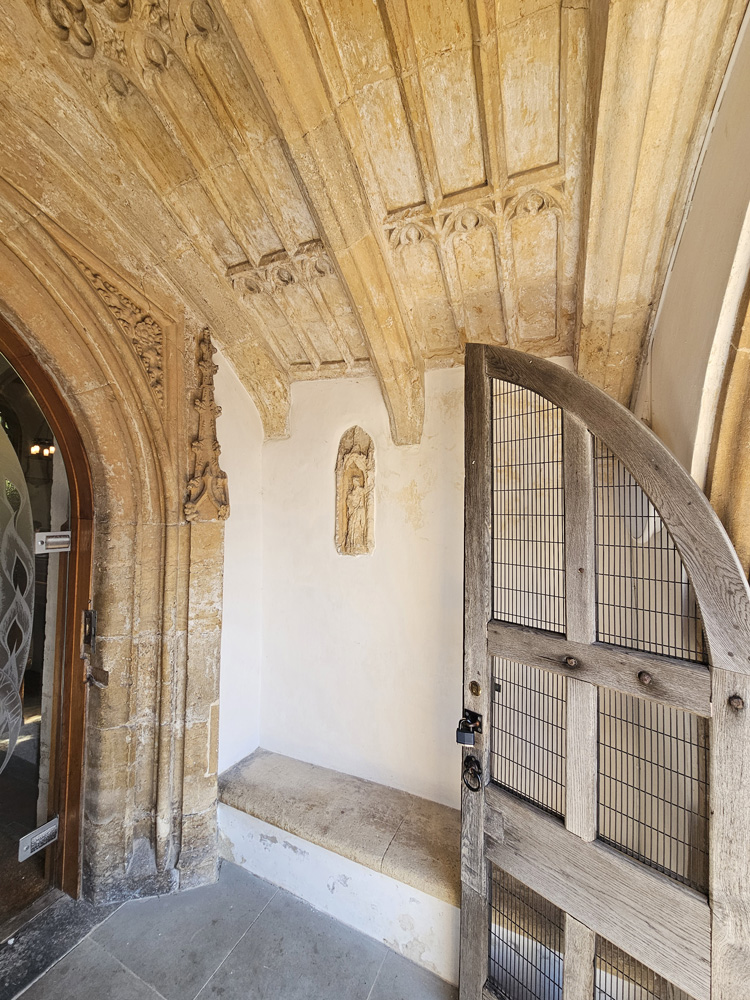
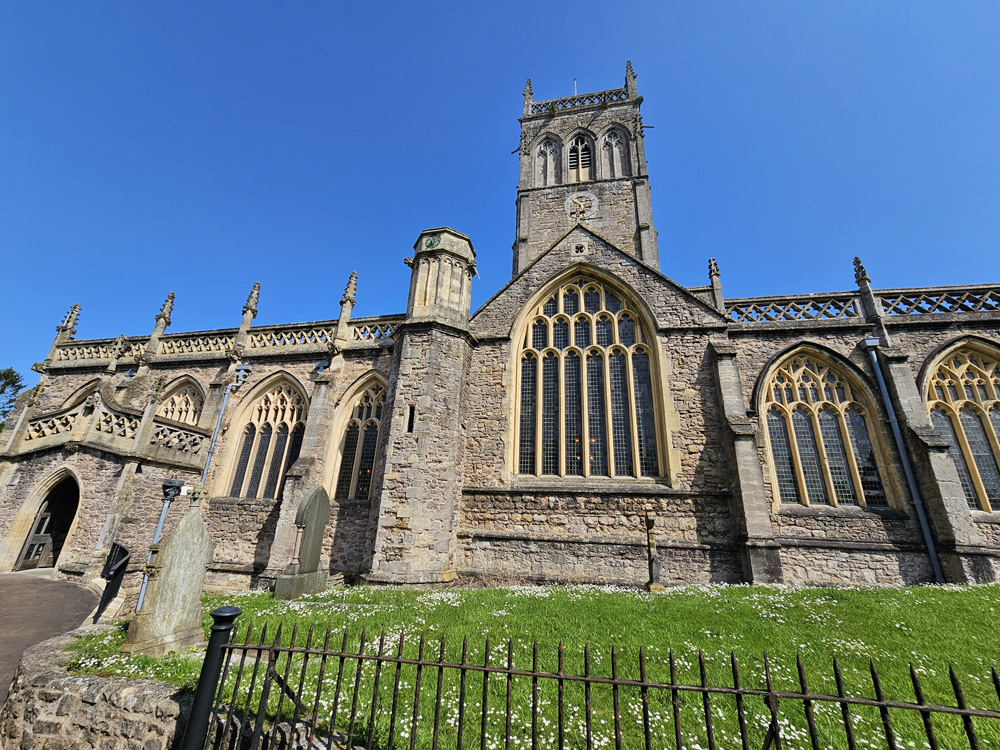
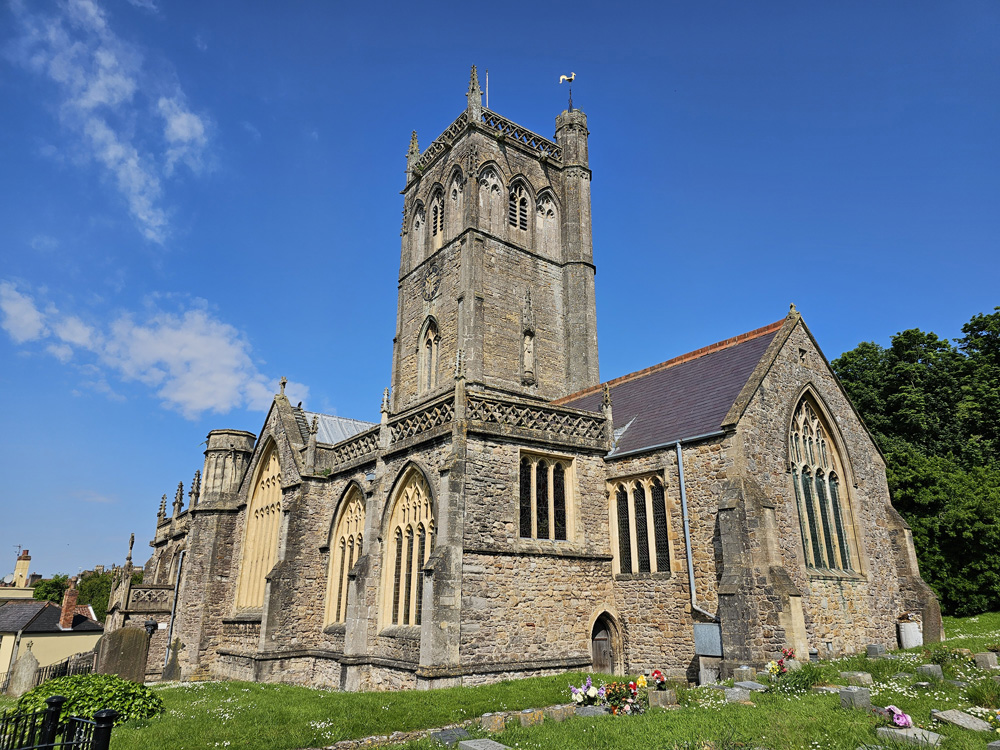
The town’s prosperous past is reflected in the quality of the buildings in Axbridge, particularly the fine 13th-century St John’s Church which is the oldest to survive, dating back to 1245. Parts of the church date back to the 13th century but most of the present structure is 15th-century.
Photo Gallery.
Did you enjoy this post?
I hope you found this post useful. I put a great deal of time and effort in to building, maintaining and populating the website. If you like, you could say a small thank you by buying me a coffee. You don't have to, but it would be nice :)
Buy me a coffee
Stay up to Date
Follow me on my journey and get notified whenever a new post is published by following Kings & Castles on Facebook.
Follow MeExplore The Map
Discover the hundreds of castles, churches, monasteries, cathedrals and other historic locations that I've personally visited across England and Wales. Search by location, explore nearby sites and plan your next historical adventure.
Share: