The Historic Town of Skipton
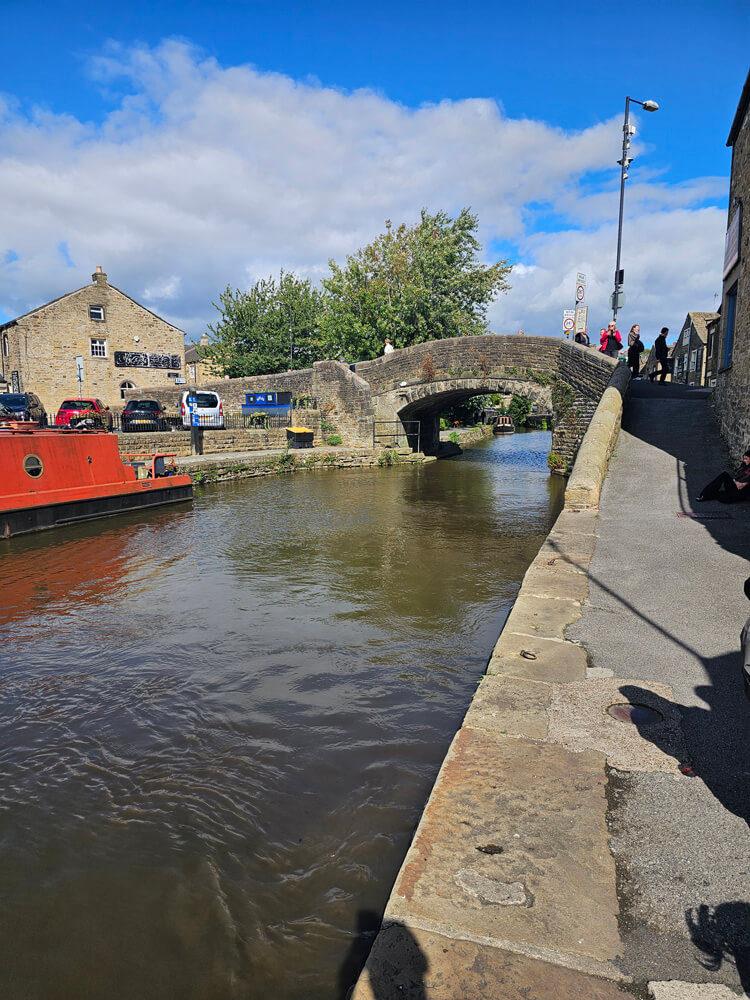
Nestled at the entrance to the Yorkshire Dales, Skipton is one of England’s best-preserved medieval market towns. Its cobbled High Street, ancient castle and medieval street plan still reflect a history that began over a thousand years ago.
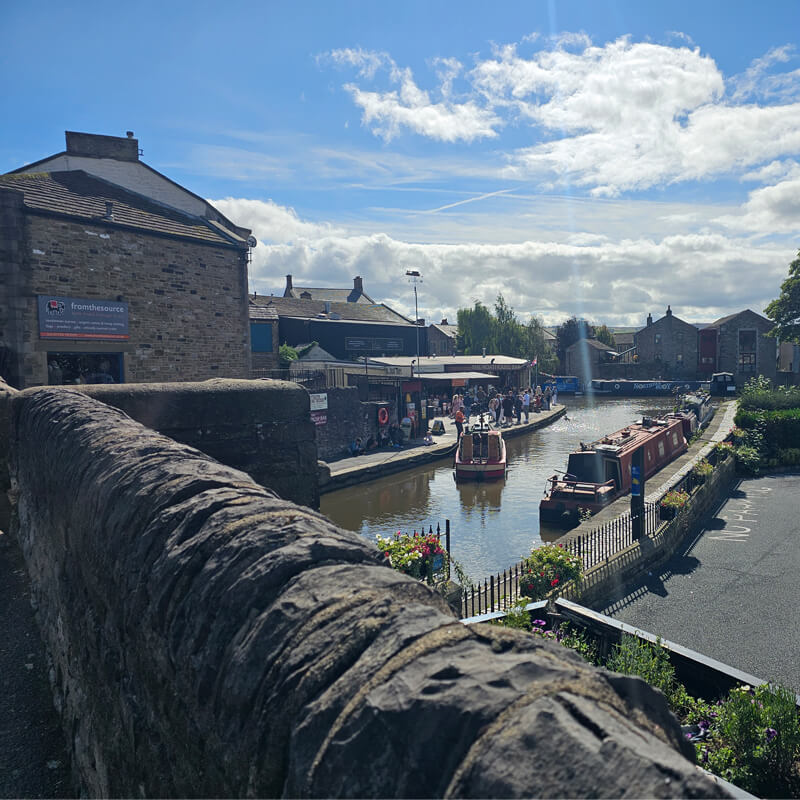
Anglo-Saxon Origins
Skipton’s story began long before its famous castle was built. The town’s name comes from the Old English sceap (sheep) and tun (settlement), meaning “Sheep Town”, reflecting its early importance as a farming community. Archaeological evidence suggests people lived in the area during prehistoric and Roman times, but the settlement that became Skipton likely emerged during the Anglo-Saxon period.
By the time of the Domesday Book in 1086, Skipton was recorded as Sciptone, a royal estate centred on sheep farming and surrounded by woodland and pasture.
The Castle Creates a Town
Skipton’s fortunes changed dramatically after the Norman Conquest. Around 1090, Norman baron Robert de Romille built a motte-and-bailey castle on a limestone outcrop overlooking the Aire Gap, a vital route across the Pennines.
The protection offered by the castle encouraged people to settle nearby, while merchants, craftsmen and farmers were drawn to its growing community. What had been a modest agricultural settlement gradually developed into a fortified medieval town.
A church also stood nearby by the early 12th century, the predecessor of today’s Holy Trinity Church, reinforcing Skipton’s importance as both a religious and administrative centre.
A Royal Market Charter
The defining moment in Skipton’s medieval history came in 1204, when King John granted the lord of Skipton Castle the right to hold a weekly market and annual fair. This charter transformed the town into the commercial heart of Craven.
The market specialised in sheep, wool and agricultural produce, reflecting the surrounding landscape of sheep-filled dales. Remarkably, the market still operates on the High Street under rights descended from the original medieval charter, making it one of England’s oldest continuously operating markets.
The Clifford Era
Another turning point arrived in 1310, when Edward II granted Skipton Castle and its lands to Robert de Clifford. The Clifford family transformed both castle and town during the following centuries.
The castle’s massive stone walls were strengthened against Scottish invasions, while new mills, workshops and businesses appeared around the growing settlement. High Corn Mill, first recorded in 1310, became one of Yorkshire’s oldest surviving working mills, grinding grain for generations of local people.
The town also gained hospitals, courts and expanding trade, reflecting its growing status. By 1266, Skipton had been recognised as a borough, confirming its importance as more than simply a village clustered around a castle.
Life in the Medieval Town
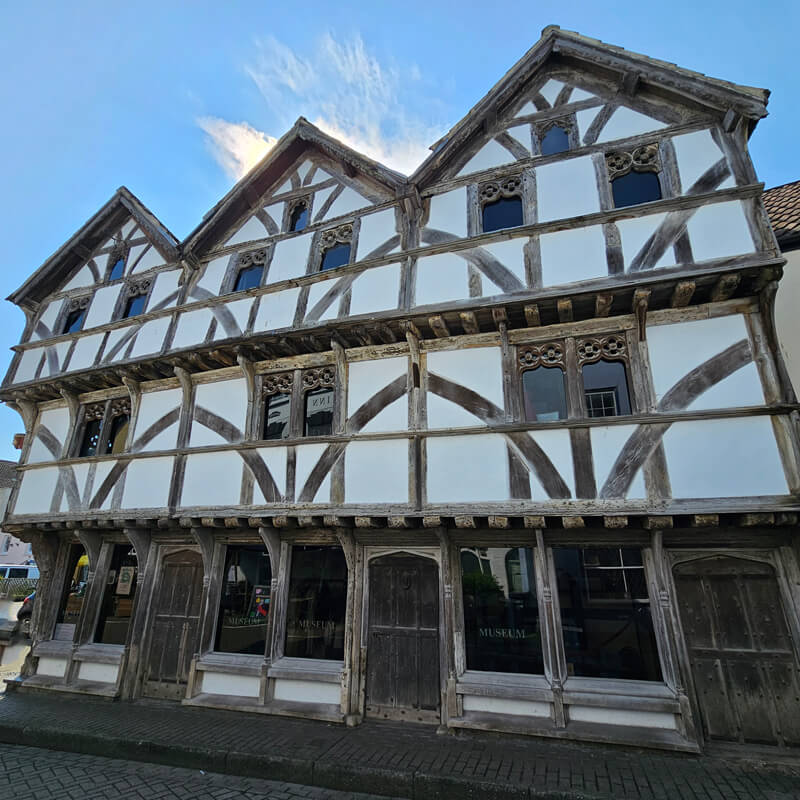
By the 14th century, Skipton had acquired much of the layout visitors still recognise today. The broad High Street became the centre of trading, while narrow alleys and covered passages branched off towards workshops, homes and the castle. These passages marked the medieval tofts and crofts — long, narrow plots granted to townspeople for building and cultivation.
Holy Trinity Church was rebuilt in the Decorated Gothic style around 1300, its tower rising beside the castle as another symbol of the town’s prosperity. Wool merchants, blacksmiths, tanners and weavers all contributed to Skipton’s growing economy, with much of the region’s wealth flowing through its market.
Surviving Hardship
Like many medieval towns, Skipton faced difficult times. The Black Death in the mid-14th century is believed to have devastated its population, while Scottish raids repeatedly threatened the region. Yet the castle’s formidable defences protected the settlement, helping it recover more quickly than many neighbouring communities.
The Medieval Legacy
Although later centuries brought canals, textile mills and tourism, Skipton’s greatest legacy remains its medieval character. The castle still dominates the skyline, Holy Trinity Church preserves centuries of Gothic architecture, and the High Street continues to host a market first authorised more than 800 years ago.
Today, often called the Gateway to the Yorkshire Dales, Skipton remains one of Britain’s finest historic market towns — a place where medieval streets, ancient stone buildings and centuries-old traditions continue to shape everyday life.
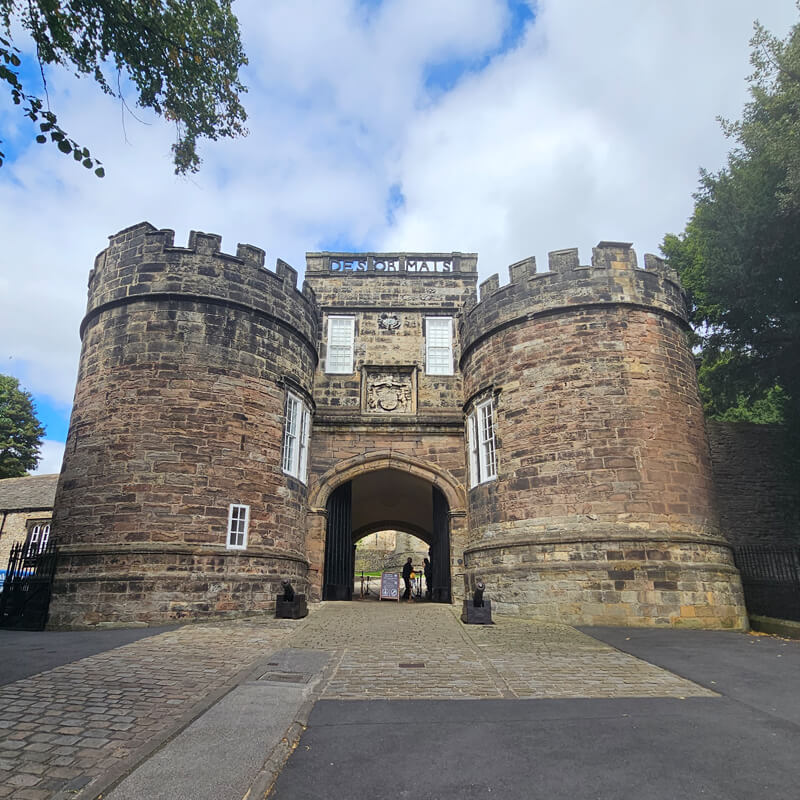
Skipton Castle
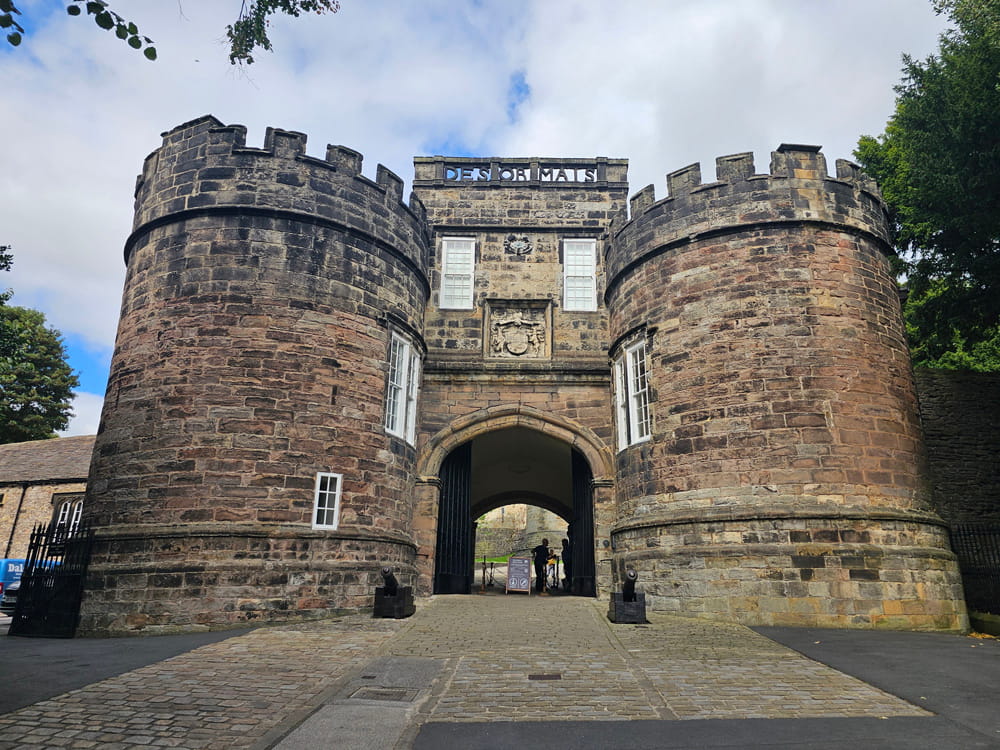
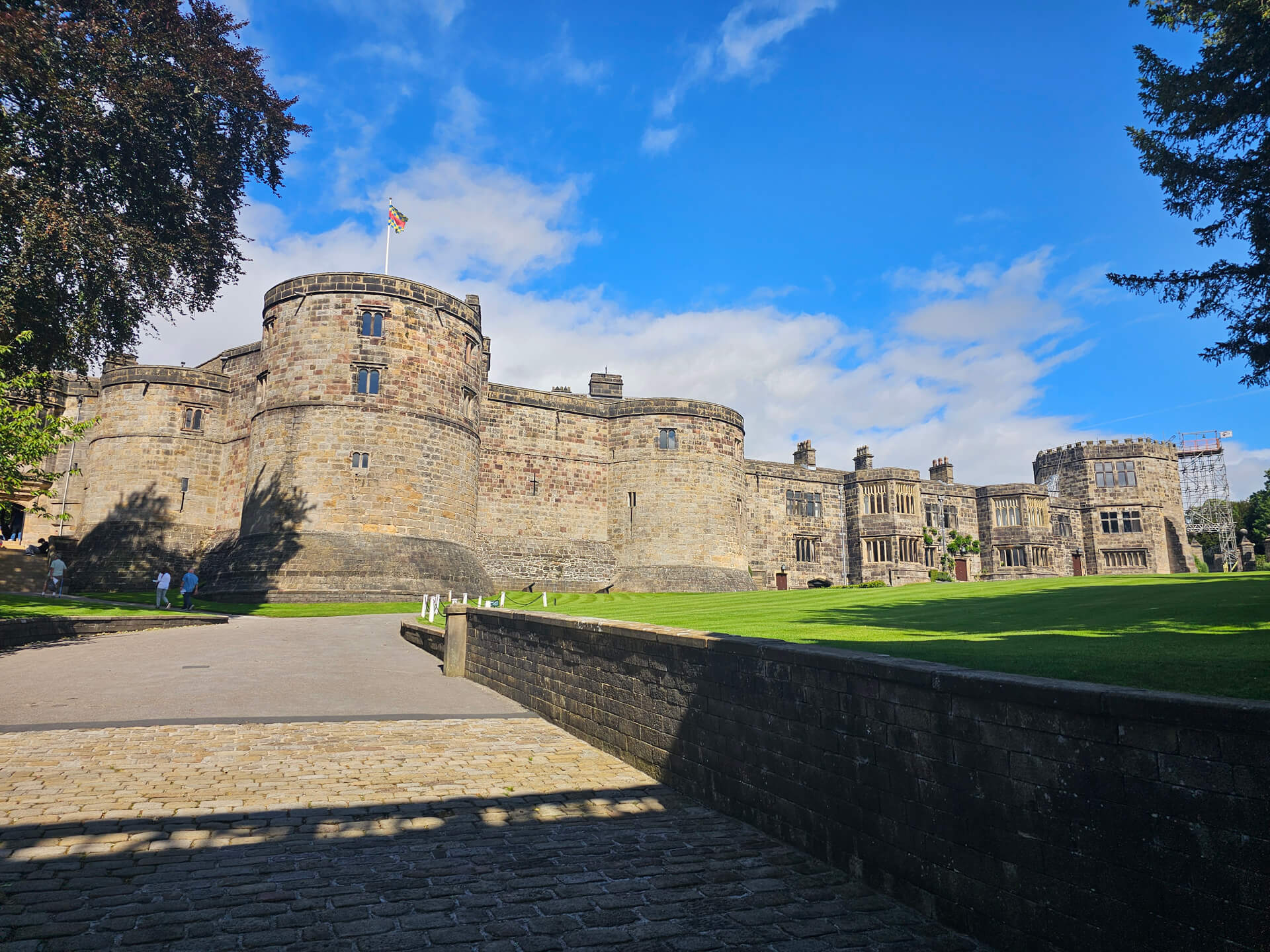
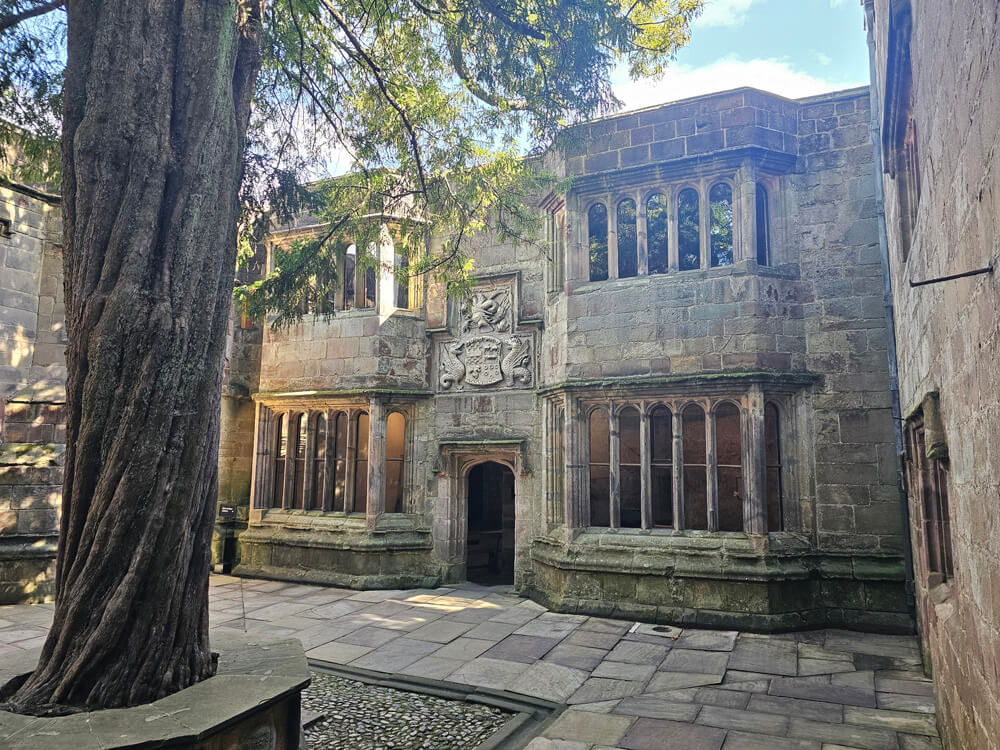
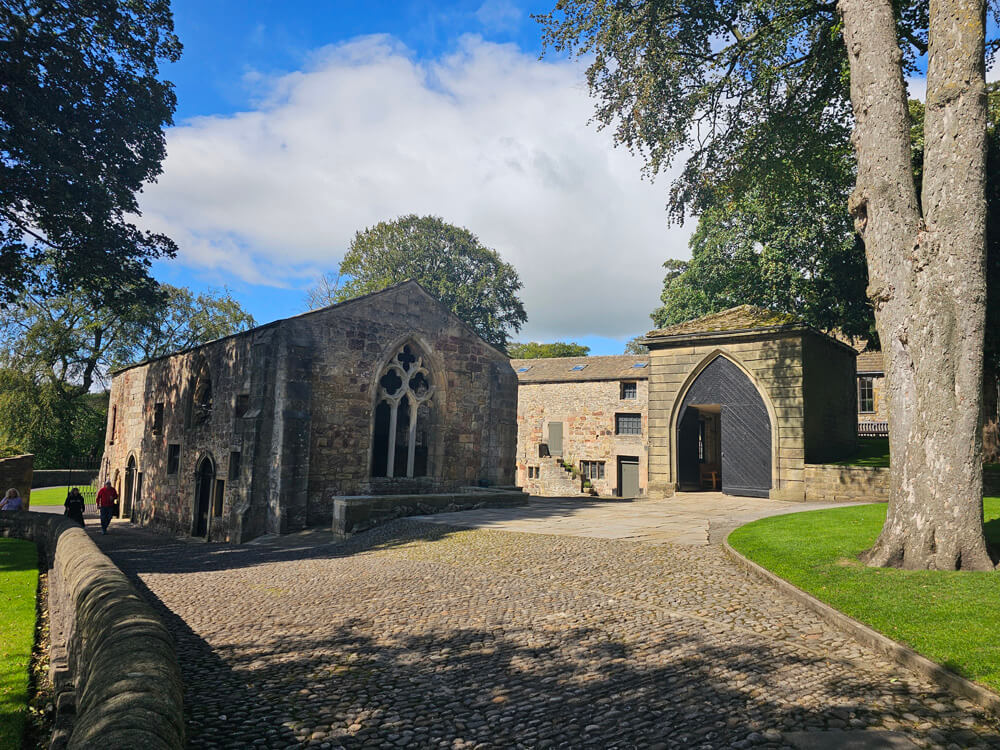
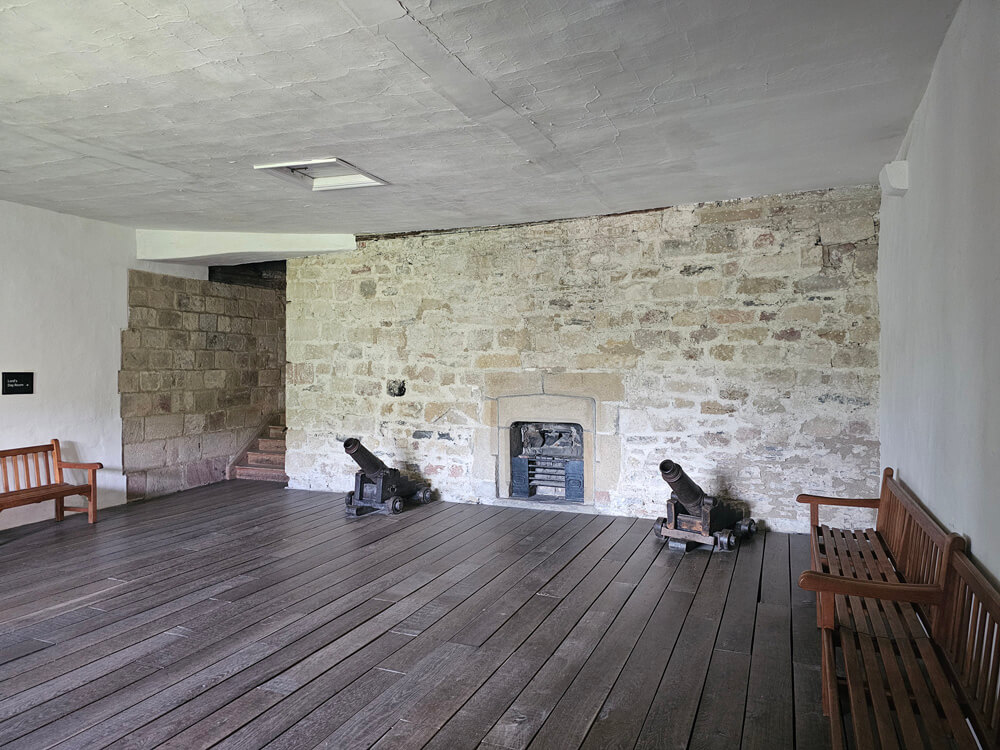
Rising above the northern end of Skipton’s bustling High Street, Skipton Castle is one of the best-preserved medieval castles in England. Unlike many castles that survive only as ruins, its imposing towers, gatehouse and curtain walls remain largely intact, offering a rare glimpse into life inside a powerful medieval stronghold.
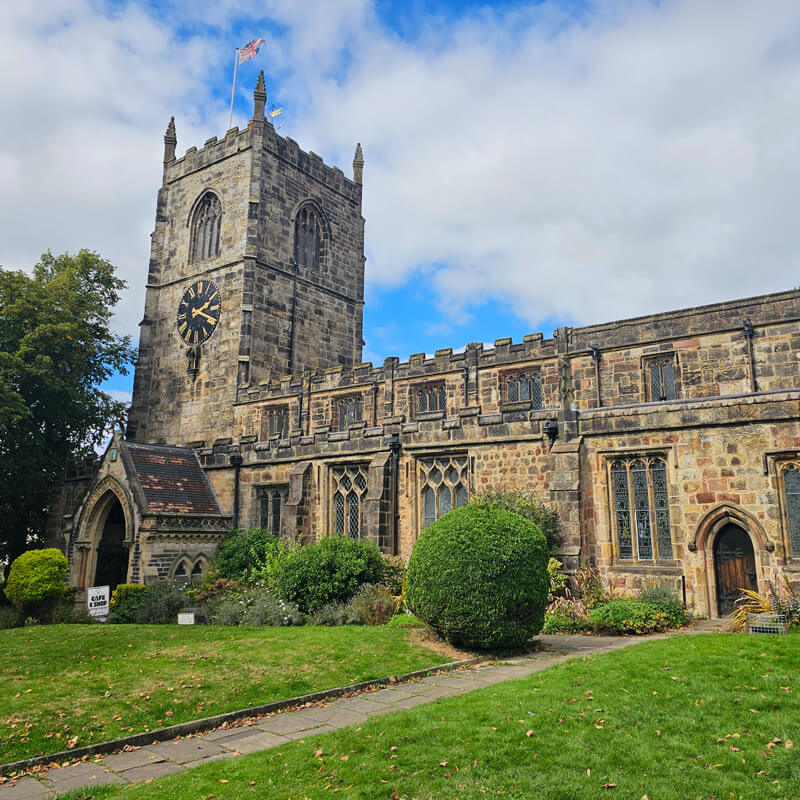
Holy Trinity Church
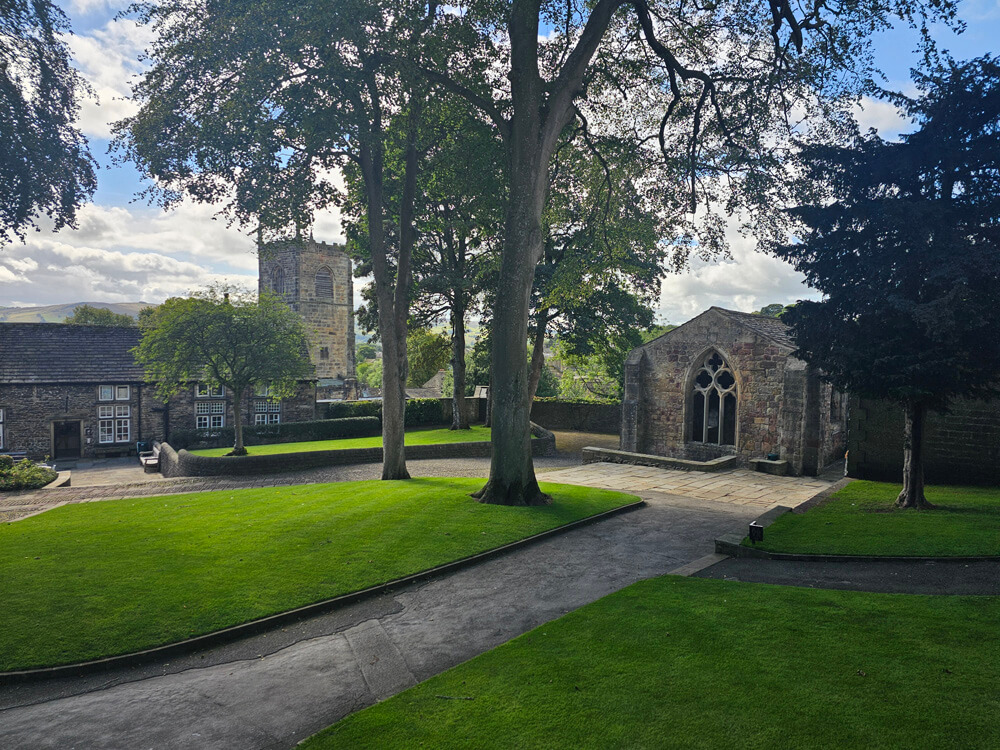
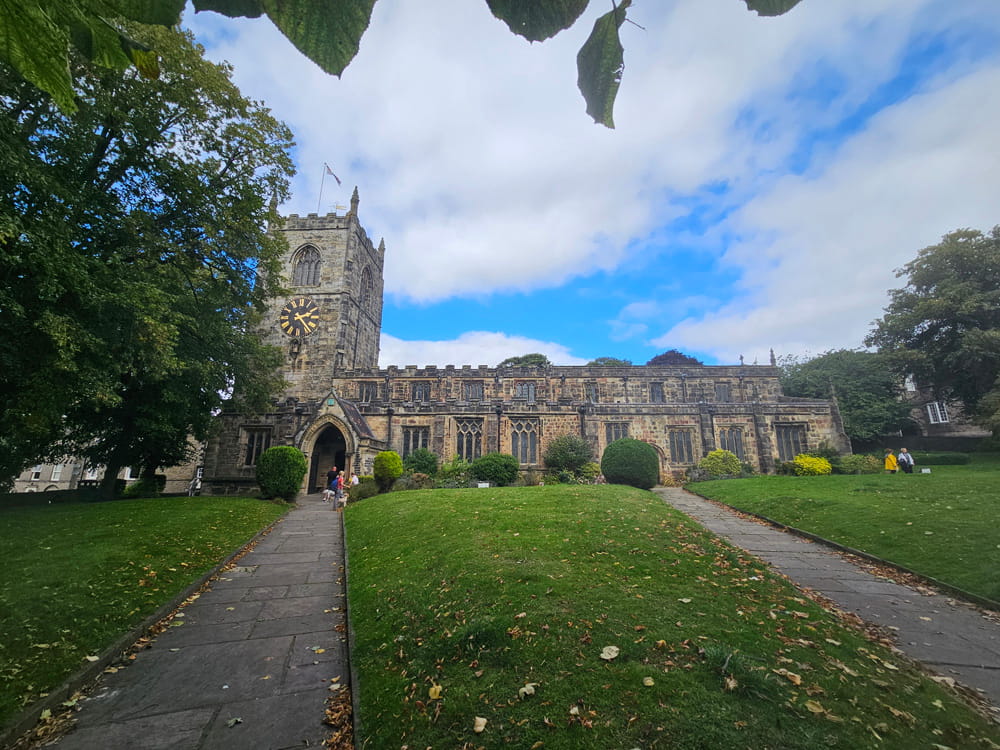
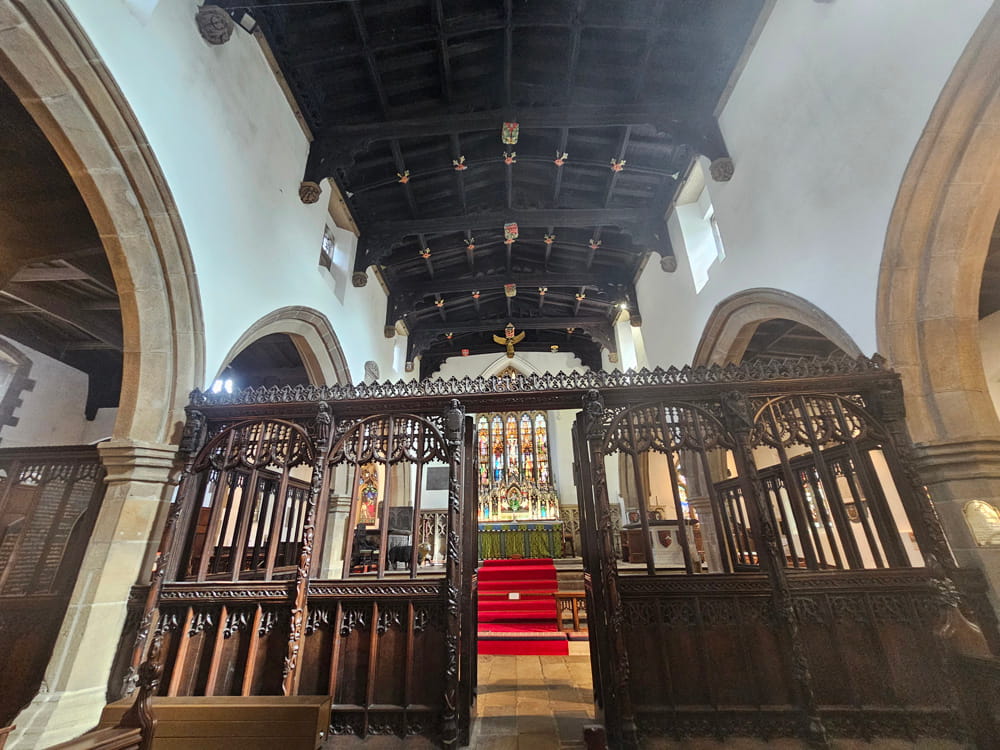
Standing at the head of Skipton’s High Street beneath the walls of Skipton Castle, Holy Trinity Church has been at the heart of the town’s history for more than 700 years. Its soaring Gothic interior, ancient stonework and remarkable medieval furnishings make it one of the Yorkshire Dales’ most significant historic churches.
Photo Gallery.
Did you enjoy this post?
I hope you found this post useful. I put a great deal of time and effort in to building, maintaining and populating the website. If you like, you could say a small thank you by buying me a coffee. You don't have to, but it would be nice :)
Buy me a coffee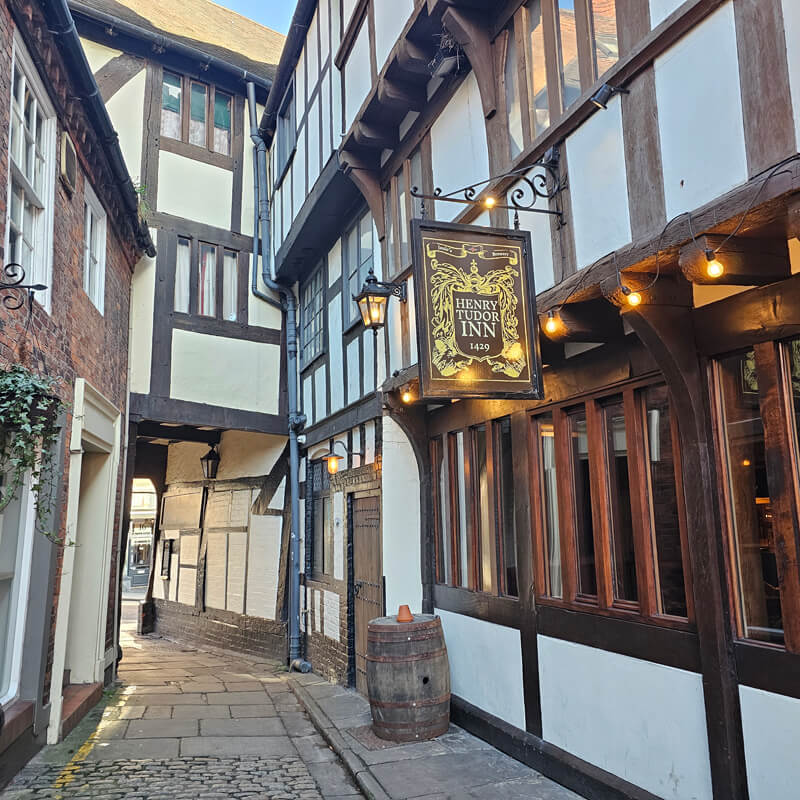
Stay up to Date
Follow me on my journey and get notified whenever a new post is published by following Kings & Castles on Facebook.
Follow MeExplore The Map
Discover the hundreds of castles, churches, monasteries, cathedrals and other historic locations that I've personally visited across England and Wales. Search by location, explore nearby sites and plan your next historical adventure.
Share: