White Castle
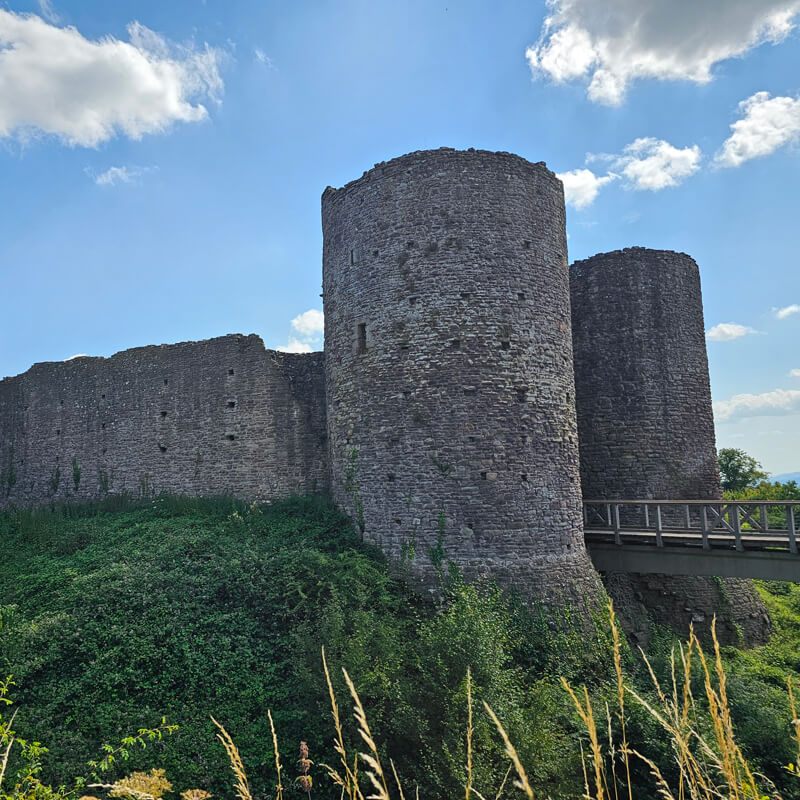
White Castle is a ruined castle in the village of Llantilio Crossenny, Monmouthshire, Wales. Along with Skenfrith Castle and Grosmont Castle, White Castle is one of the ‘Three Castles of Gwent’, a trio of strongholds built by the Normans to protect the route from Wales to Hereford, to control a key section of troublesome border country. White Castle is the best preserved and most imposing of the trio of Monmouthshire fortresses.
Quick
Facts.
- Location: Monmouthshire, Wales
- Established: 11th century
- Built in stone: 13th century
- Condition: Ruined
- Date visited: July 2024
- More info: Visit website
- Rating:
A Bit of History…
Originally named Llantilio Castle, it was first constructed as a timber and earthwork fortification built by the Normans shortly after the Norman Conquest. A series of later renovations transformed it into the significant defensive structure that we see today.
In 1135, a major Welsh revolt took place and in response King Stephen brought together White Castle and its sister fortifications of Grosmont and Skenfrith to form a single lordship – the ‘Three Castles’, which continued to play a role in defending the region from Welsh attack for several centuries.
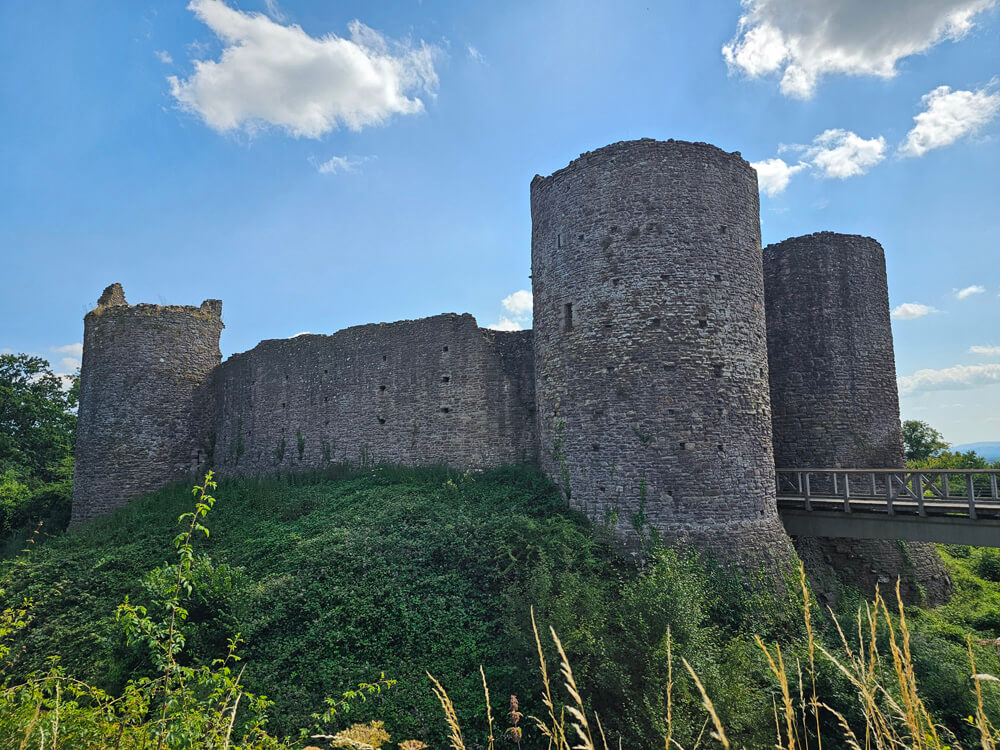
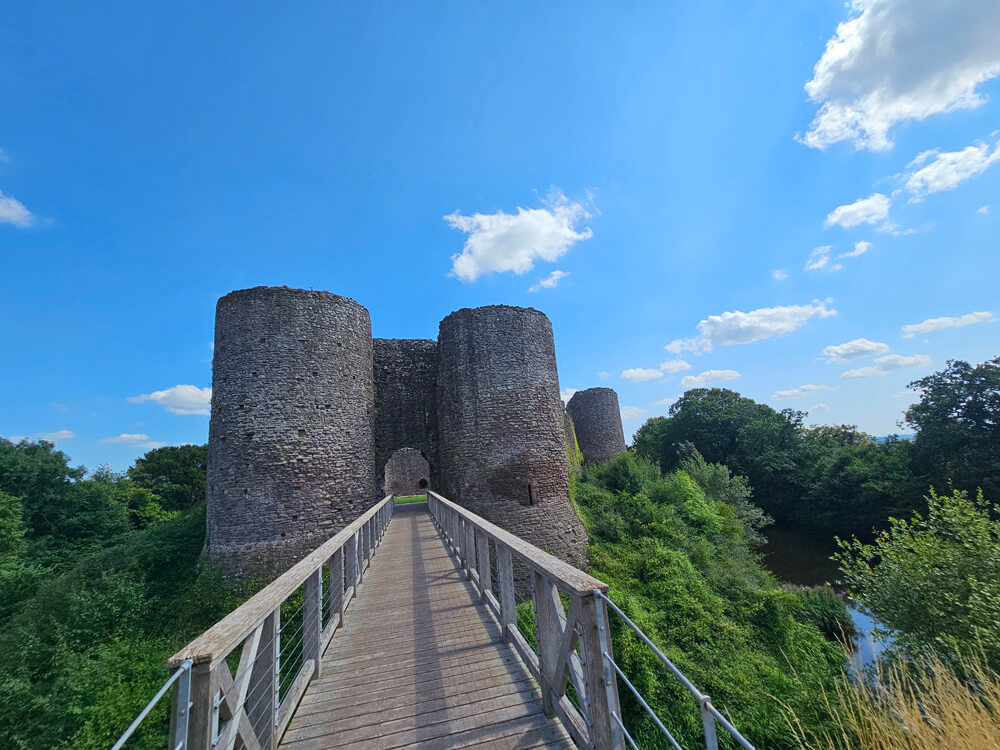
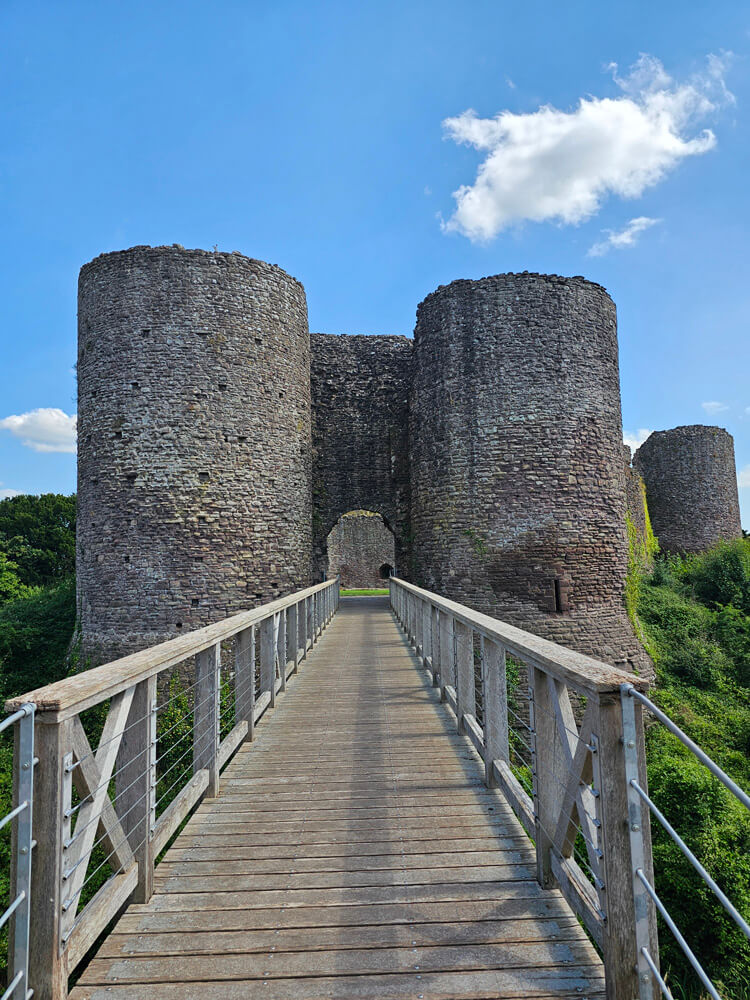
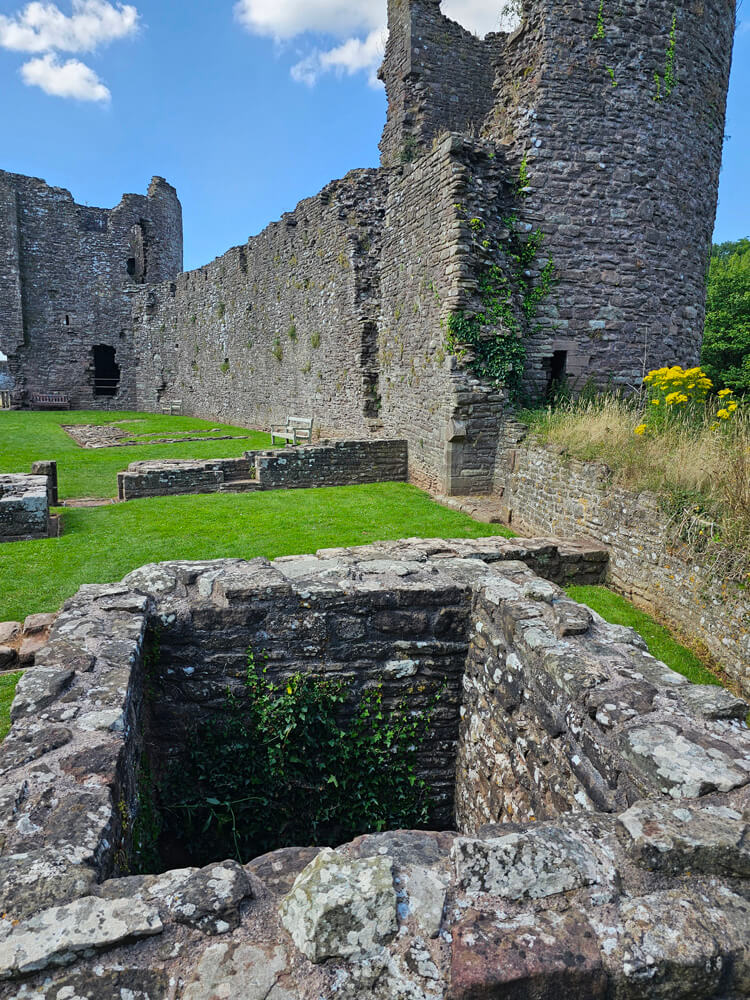
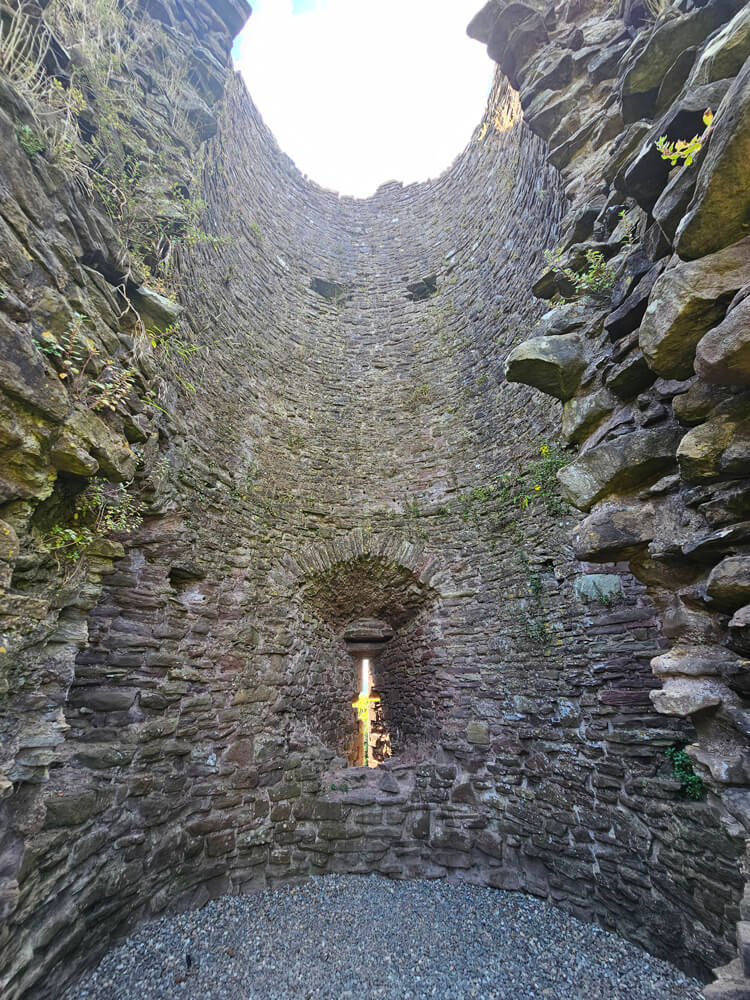
The early 13th century brought much change for White Castle. In 1201 the lordship of the Three Castles were given to a powerful royal official named Hubert de Burgh by King John. Over the next few decades, the castle passed back and forth between several owners, as Hubert de Burgh, the rival de Braose family, and the Crown all took control of the property at different times. During this period White Castle was substantially rebuilt, with stone curtain walls, four large round towers in the inner ward, two of which create the imposing gatehouse, a pair of large D-shaped towers and the outer ward extended.
This 13th-century strengthening of the defences mostly took place in response to the threat posed by the Welsh Prince, Llewelyn ap Gruffudd. The result of this 13th-century work is the castle that we see today. It is also during this time that the castle got its name ‘White Castle’, which likely derives from the white rendering used on its masonry.
After the death of Hubert de Burgh, the trio of castles reverted to the crown, and in 1254 Henry III gave them to his son and heir, Prince Edward (later King Edward I). The modifications at White Castle, his first Welsh castle, can be seen as a forerunner of the mighty fortresses he would go on to build in north Wales – referred to as the ‘Ring of Iron‘.
The Three Castles were later given to Edward’s younger brother, Edmund, Earl of Lancaster, and passed down through the Earls, and later the Dukes, of Lancaster until 1825.
The castle saw brief military action during Owain Glyndwr’s 1404 rebellion, and Henry VI made some repairs later in the 15th century. However, by the 16th century White Castle was left to decay and had fallen into disuse and ruin. The castle was placed into the care of the state in 1922, and is now managed by the Cadw Welsh heritage agency.
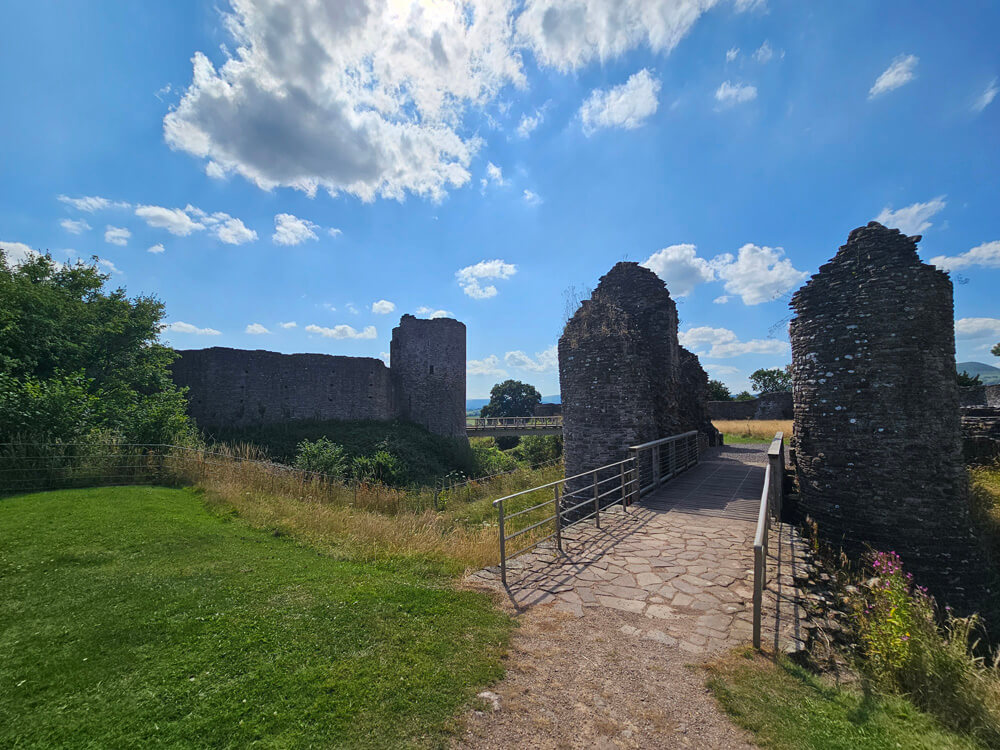
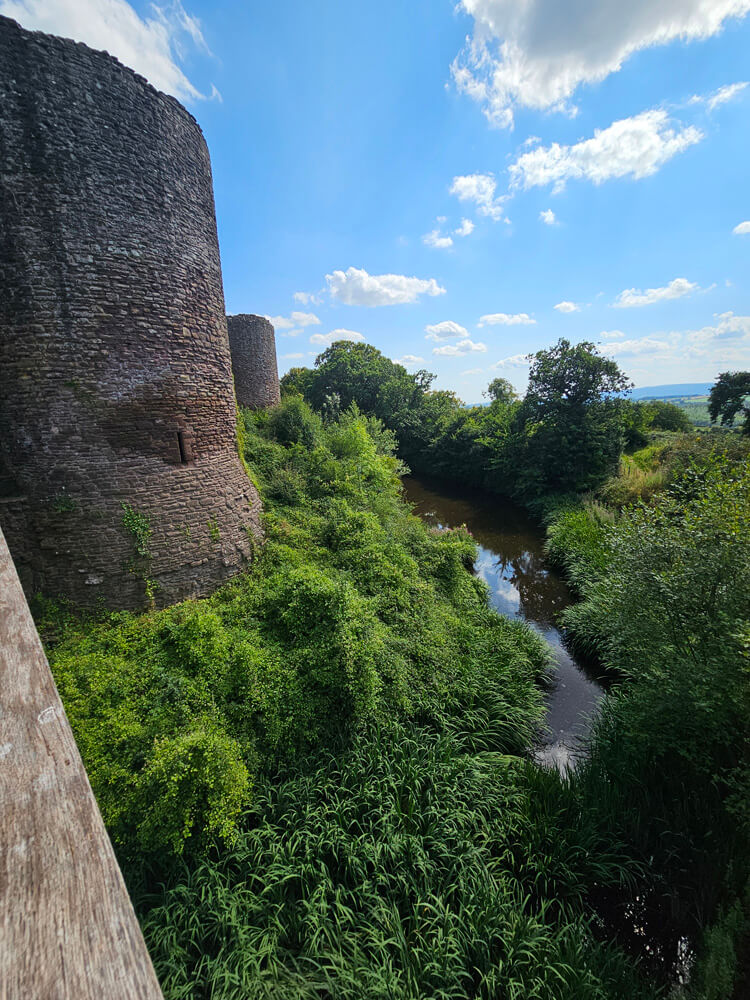
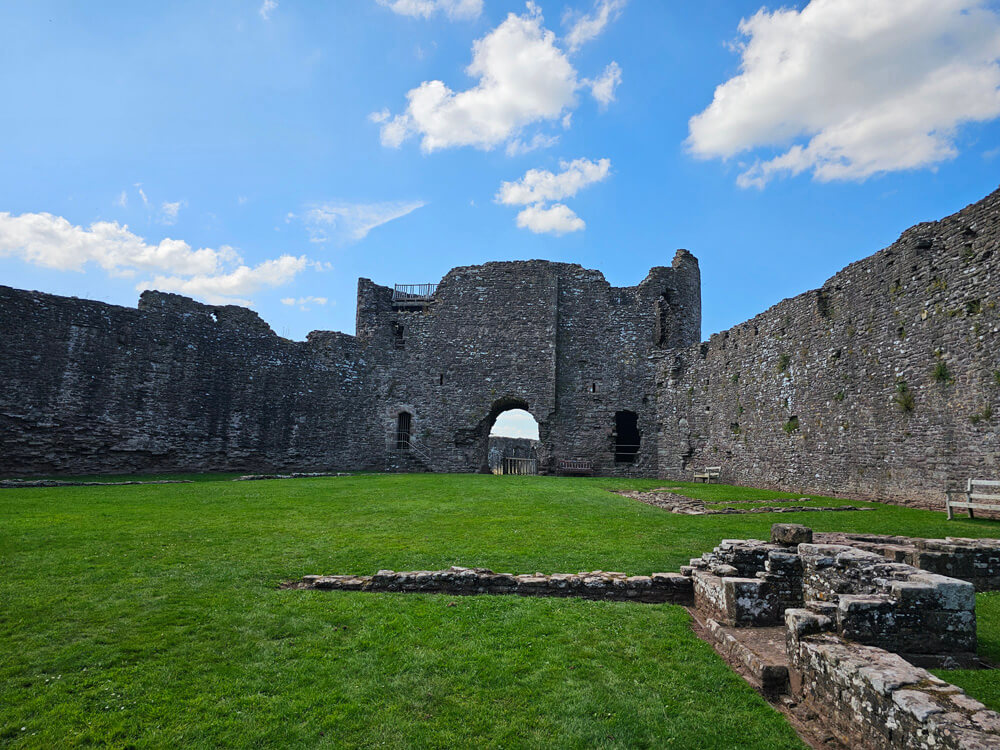
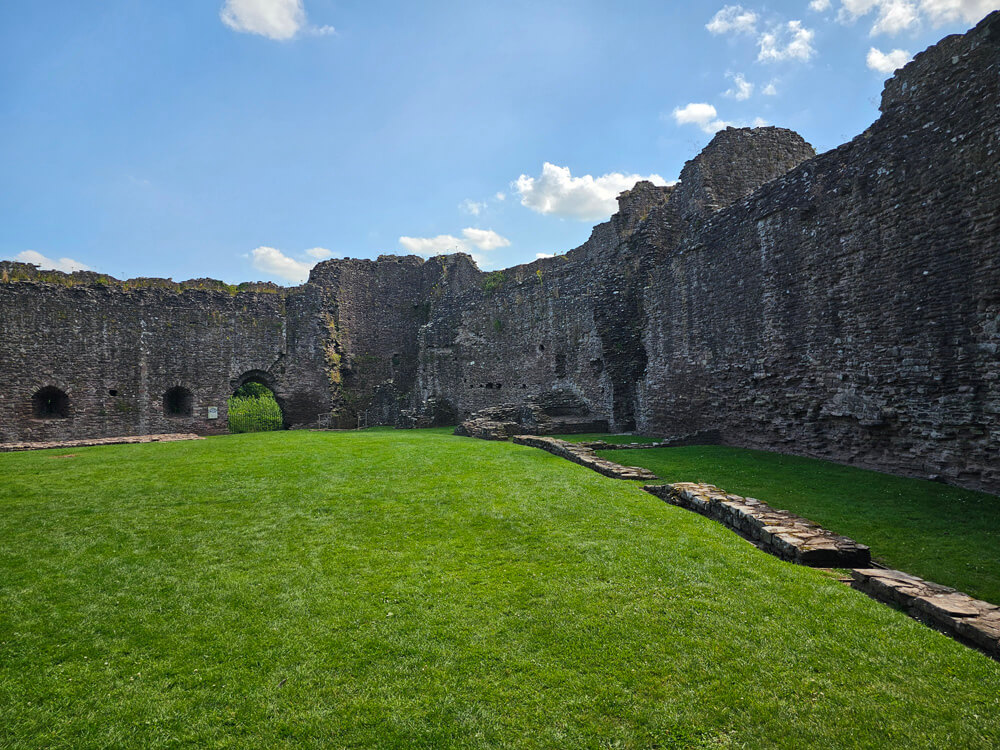
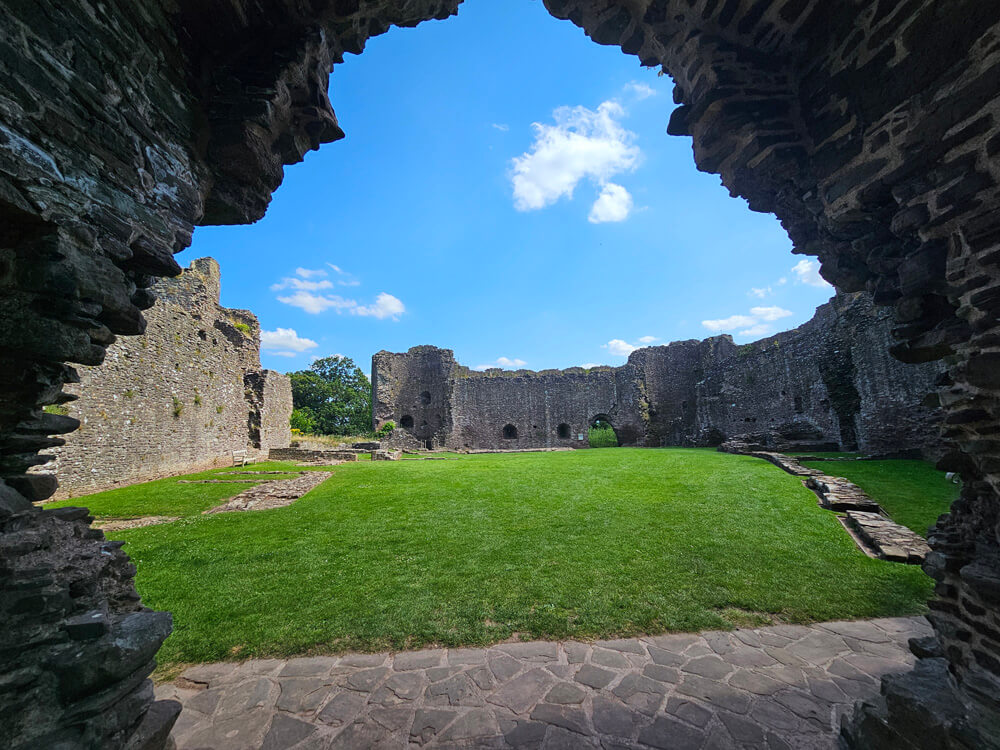
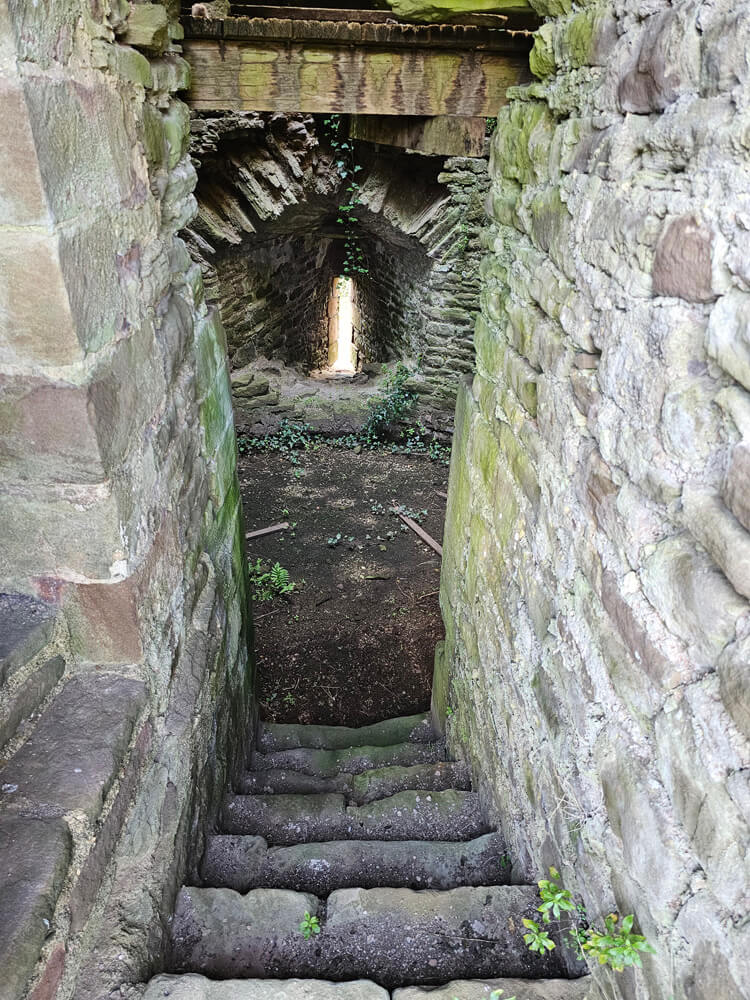
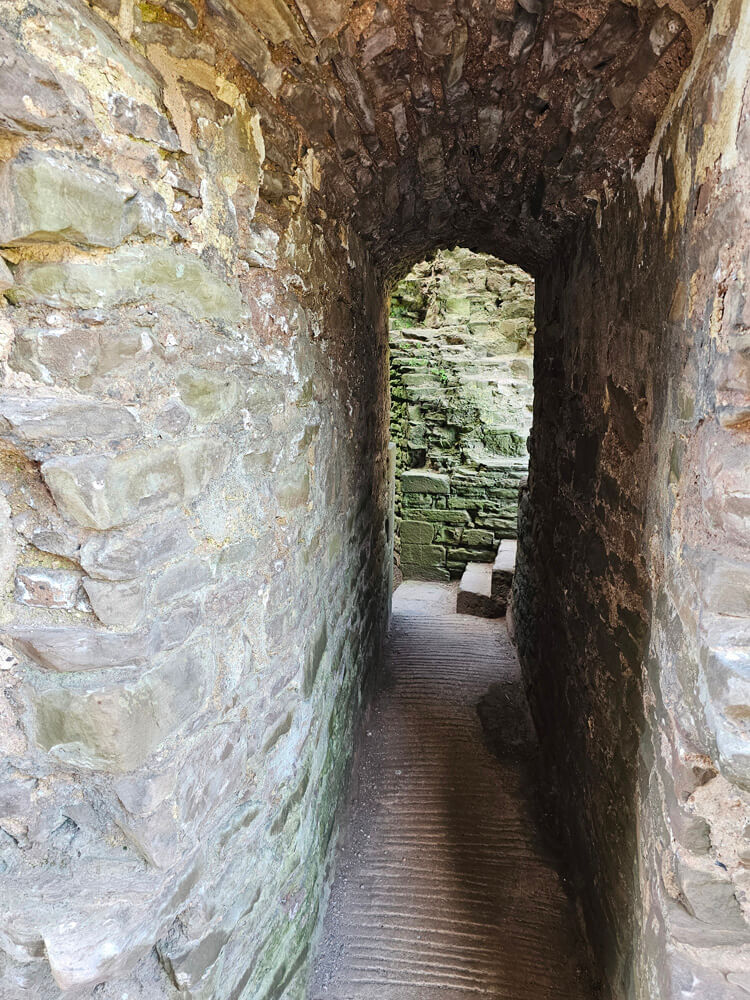
Although White Castle is in ruins, it is still a very imposing and impressive fortress. The outer bailey defences are still largely intact. The large outer ward is as big as a football pitch, while the pear-shaped inner ward sits behind a deep, steep-sided, water-filled moat, accessed by a drawbridge.
Photo Gallery.
Did you enjoy this post?
I hope you found this post useful. I put a great deal of time and effort in to building, maintaining and populating the website. If you like, you could say a small thank you by buying me a coffee. You don't have to, but it would be nice :)
Buy me a coffee
Stay up to Date
Follow me on my journey and get notified whenever a new post is published by following Kings & Castles on Facebook.
Follow MeExplore The Map
Discover the hundreds of castles, churches, monasteries, cathedrals and other historic locations that I've personally visited across England and Wales. Search by location, explore nearby sites and plan your next historical adventure.
Share: