Knaresborough Castle
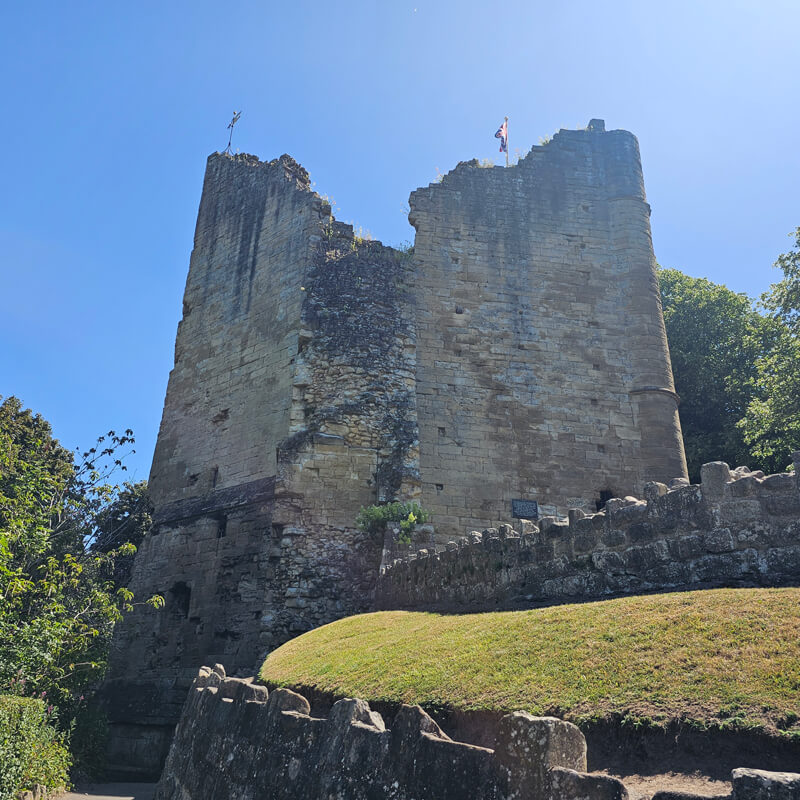
Perched dramatically above the River Nidd in North Yorkshire, Knaresborough Castle has played an important role in the history of the region for almost 900 years. The remains of the castle hint at a turbulent past involving medieval kings, political intrigue, civil war and royal power.
Quick
Facts.
- Location: Knaresborough, North Yorkshire, England
- Built: c. 1100
- Condition: Ruined
- Date visited: July 2025
- More info: Visit website
- Rating:
A Bit of History…
The earliest known reference to a castle at Knaresborough dates from 1130, although the site may have been fortified earlier. The castle occupied a naturally defensive position on a rocky promontory overlooking the River Nidd, making it an ideal location for controlling the surrounding countryside.
By the early 12th century, Knaresborough had developed into an important settlement and administrative centre. The surrounding territory, known as the Honour of Knaresborough, was held by powerful noble families on behalf of the Crown. One early holder was Serlo de Burgh, followed by Hugh de Morville, who became infamous as one of the four knights responsible for the murder of Archbishop Thomas Becket in Canterbury Cathedral in 1170. After the murder, the knights fled north and took refuge at Knaresborough Castle.
Knaresborough eventually came directly under royal control. King John recognised its strategic importance and began a major programme of building work in 1204, developing the castle as an administrative and military stronghold in northern England.
The castle was subsequently strengthened and modernised under Edward I. However, some of its most impressive surviving medieval remains date from the reign of his son, Edward II.
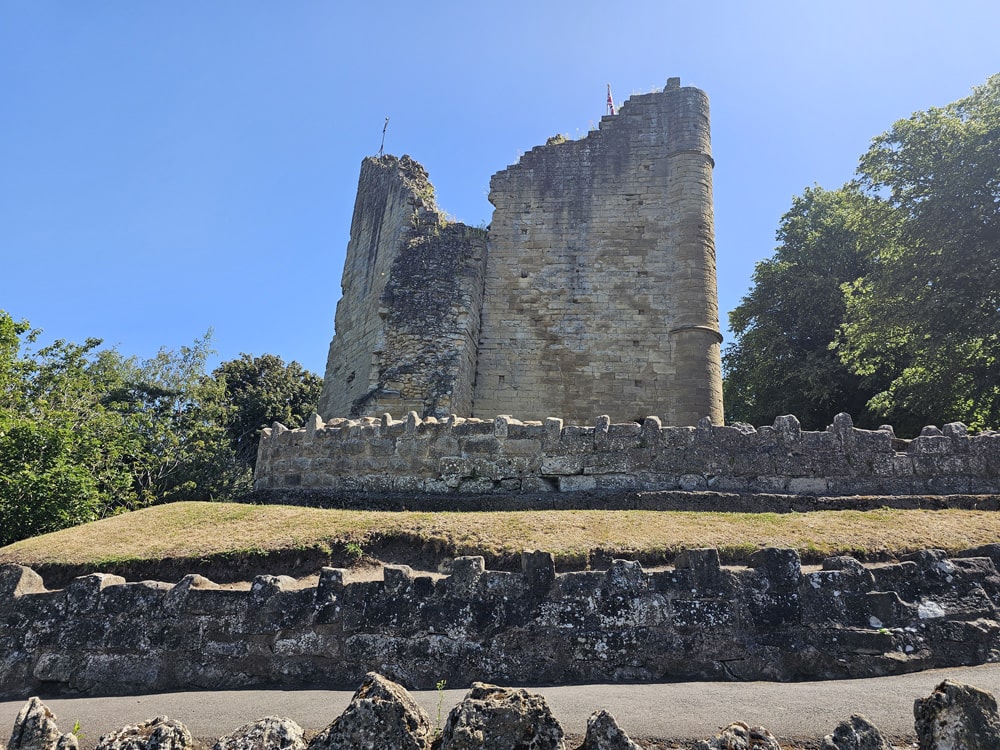
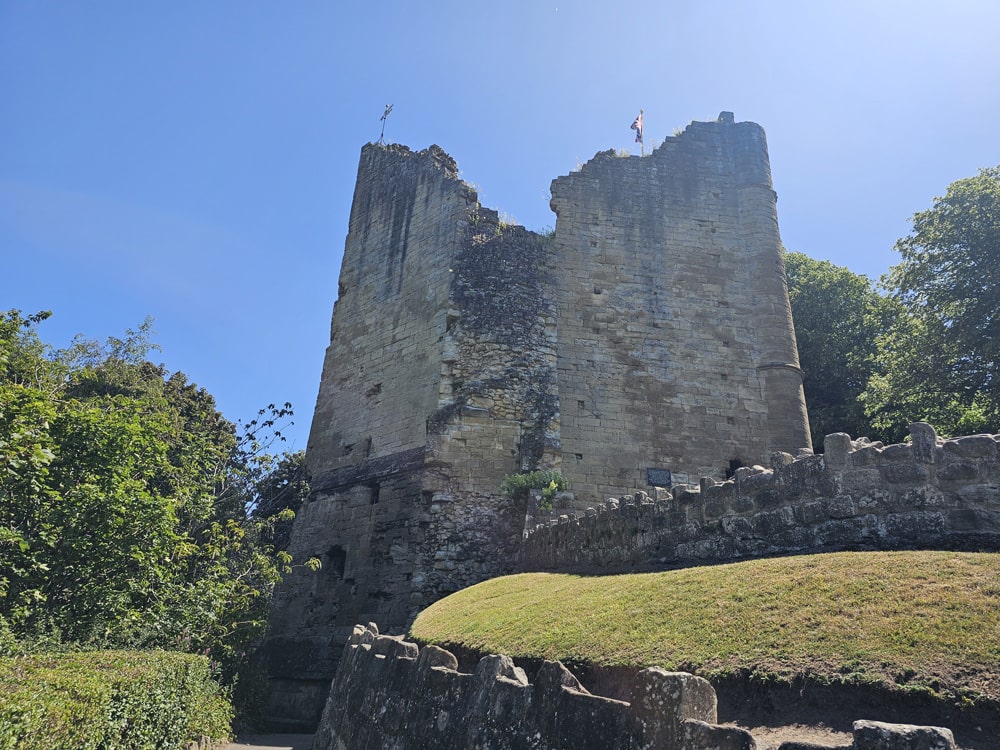
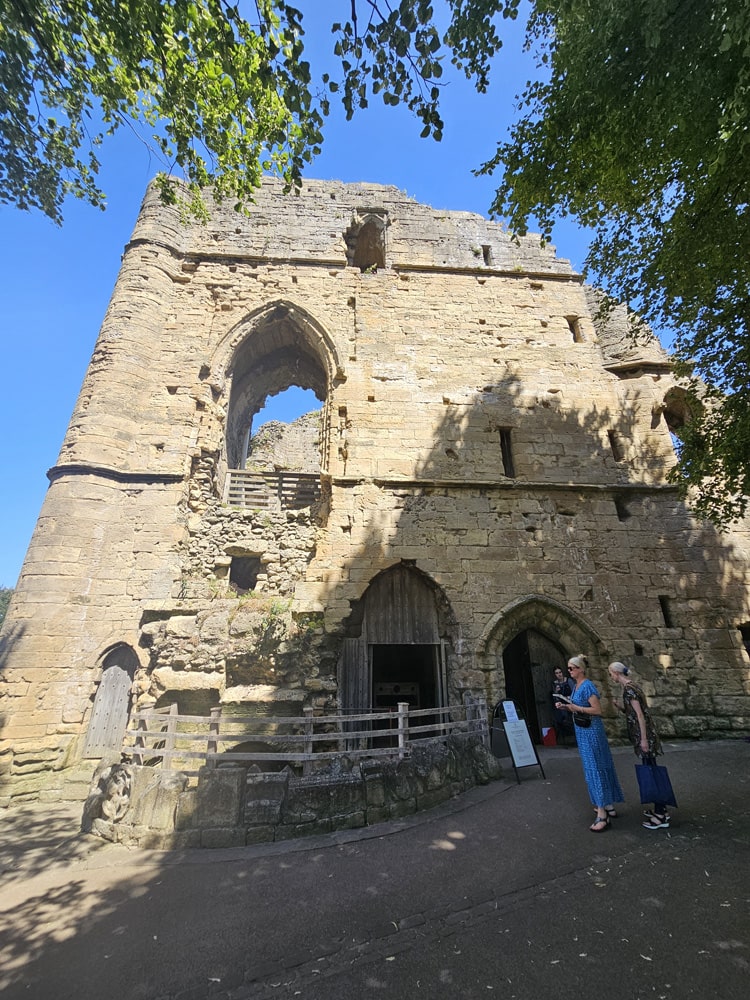
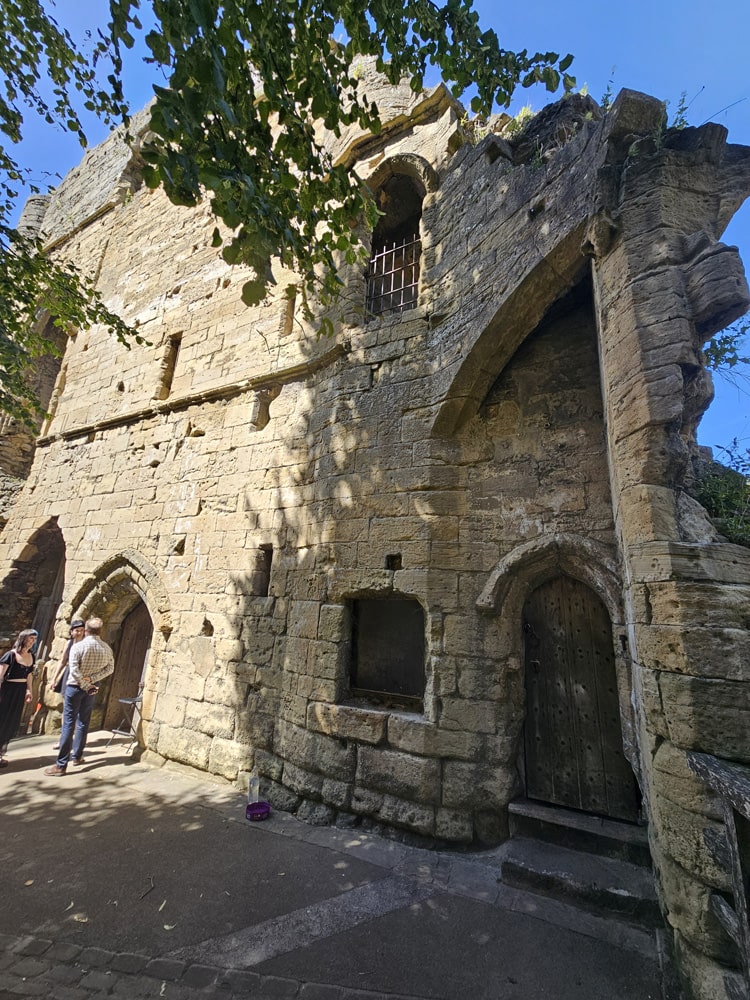
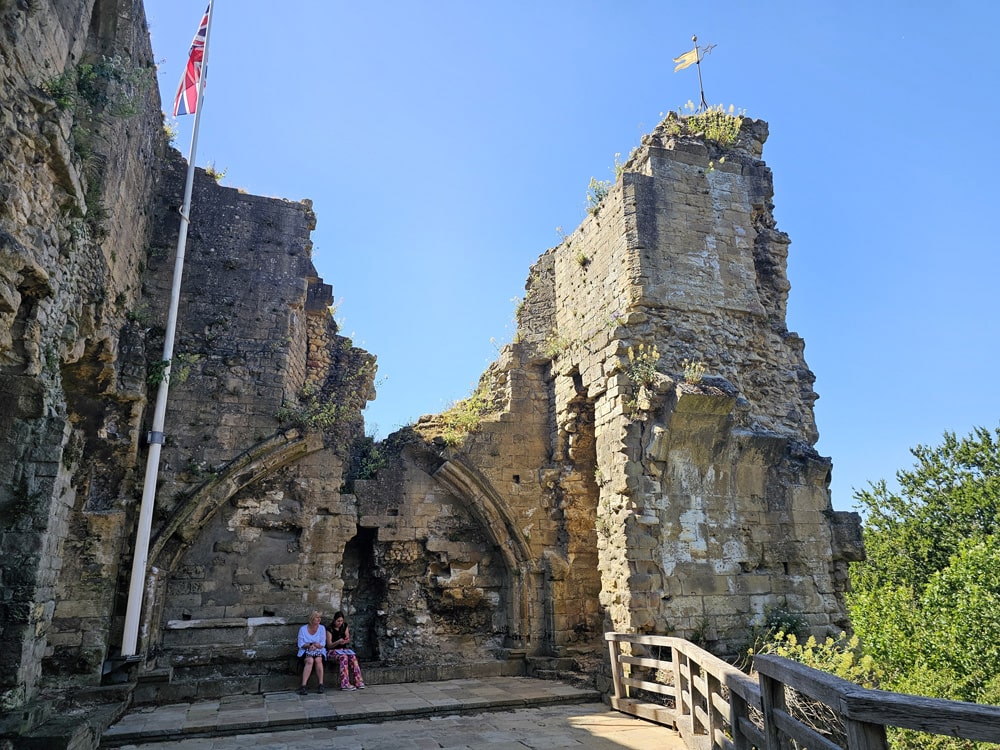
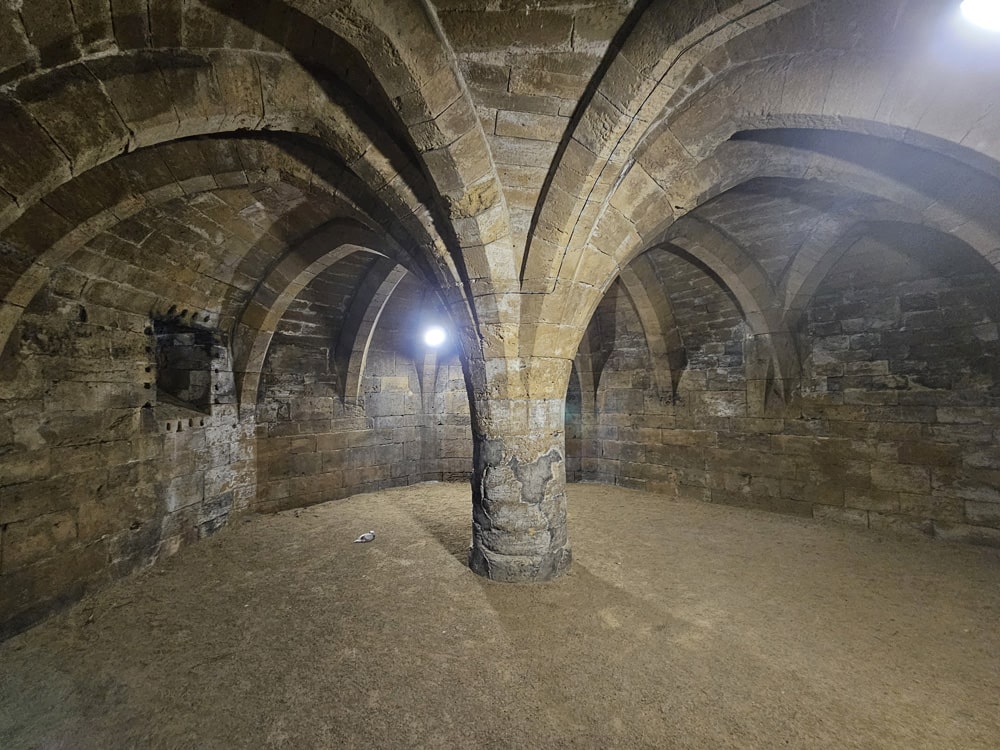
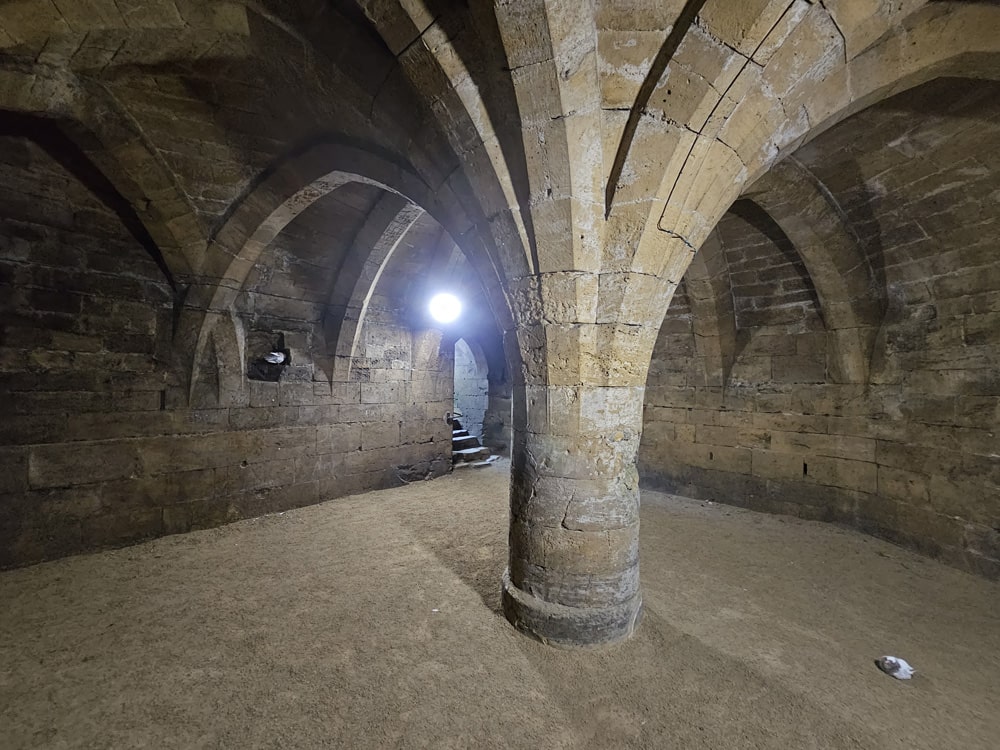
In 1307, Edward II granted the Honour and Castle of Knaresborough to his favourite, Piers Gaveston. Large sums were spent improving the castle, including the construction of the imposing King’s Tower, which was built on the site of an earlier tower. The building was not simply intended as a fortress: its grand halls and elaborate architectural details demonstrated the wealth and status of its occupants.
The castle became caught up in the political conflicts of Edward II’s reign. In 1317 it saw military action during unrest against the king, while the following year it provided refuge from Scottish raids.
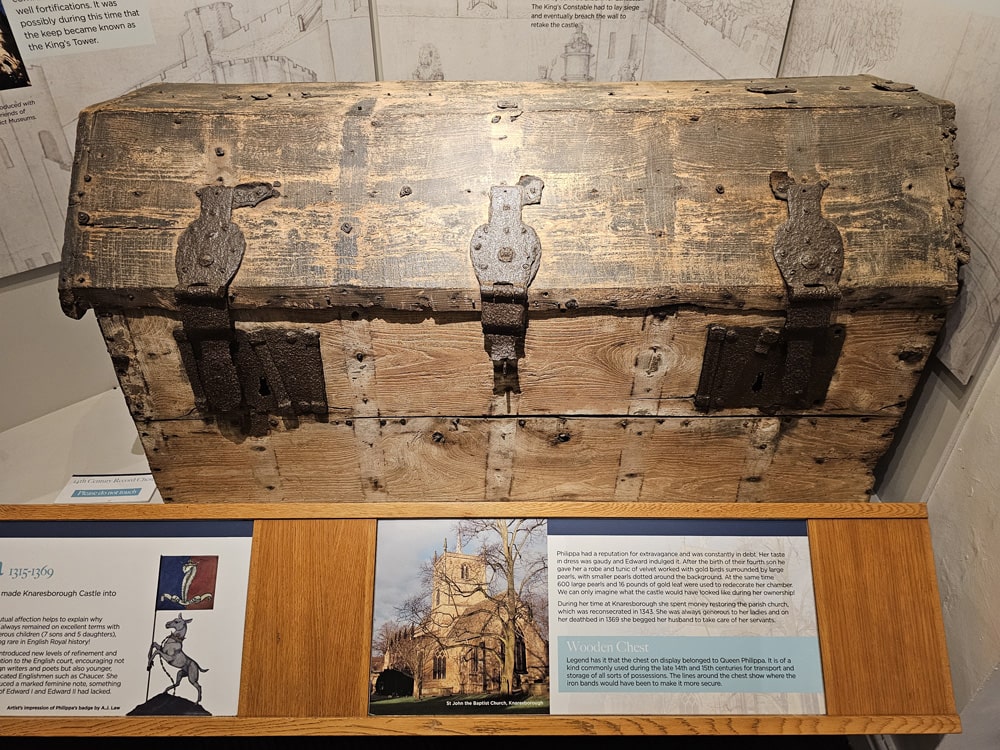
In 1331, Edward III granted Knaresborough Castle to his queen, Philippa of Hainault, as part of her marriage settlement. It therefore became a royal residence as well as an administrative centre. In 1372, however, the castle passed to John of Gaunt, Duke of Lancaster. From that point it became part of the estates of the Duchy of Lancaster, a connection that continues today.
By the 15th century, the monarchy no longer used Knaresborough regularly as a residence. Nevertheless, the castle remained an important administrative centre for the Honour and Liberty of Knaresborough.
The castle’s military career came to an end during the English Civil War. It supported the Royalist cause and, following the Battle of Marston Moor in 1644, was besieged by Parliamentary forces. After several months, the garrison surrendered in December 1644.
Parliament subsequently ordered the castle to be demolished. The destruction was carried out in 1648, with much of the curtain wall and internal buildings pulled down. Local people also took advantage of the ruins as a source of building stone, and material from the castle was reused in buildings around Knaresborough.
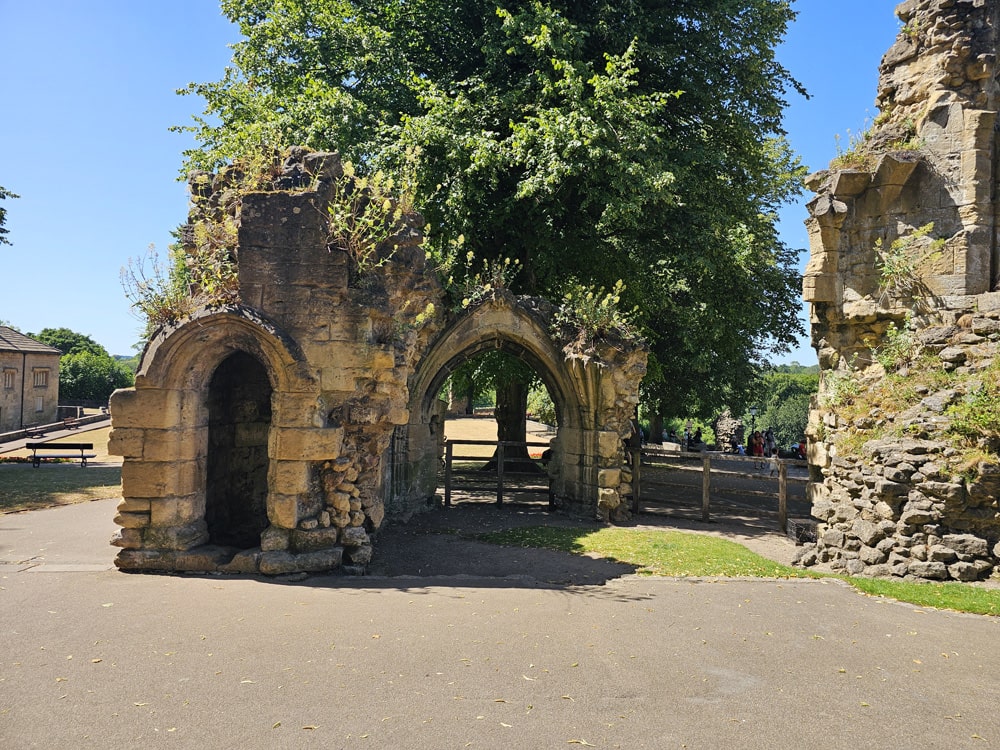
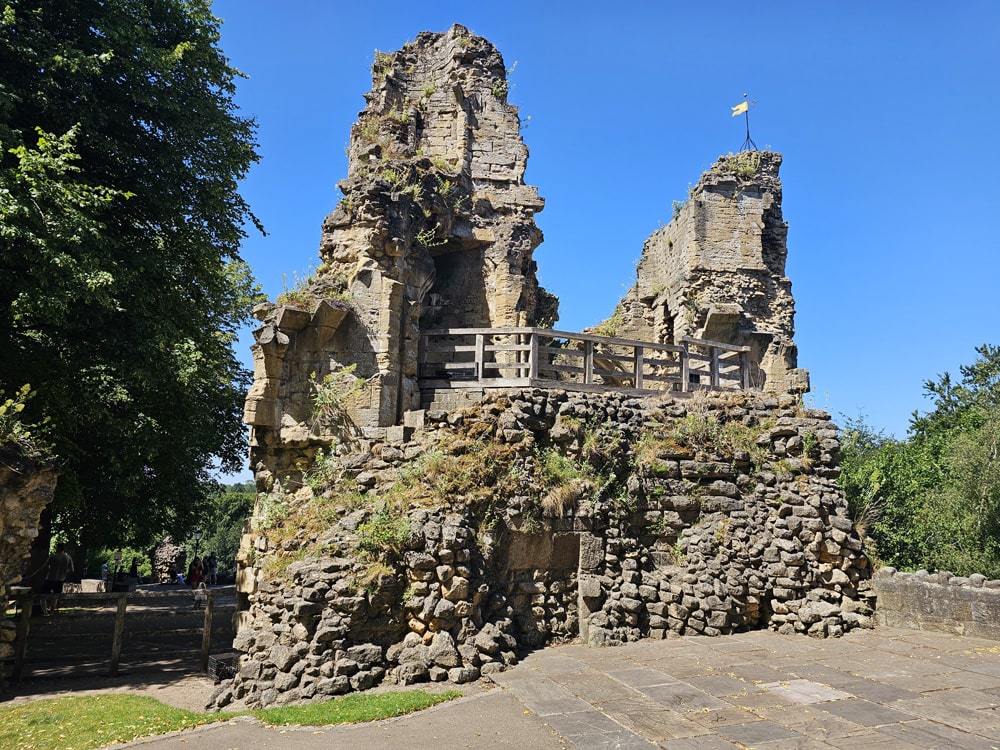
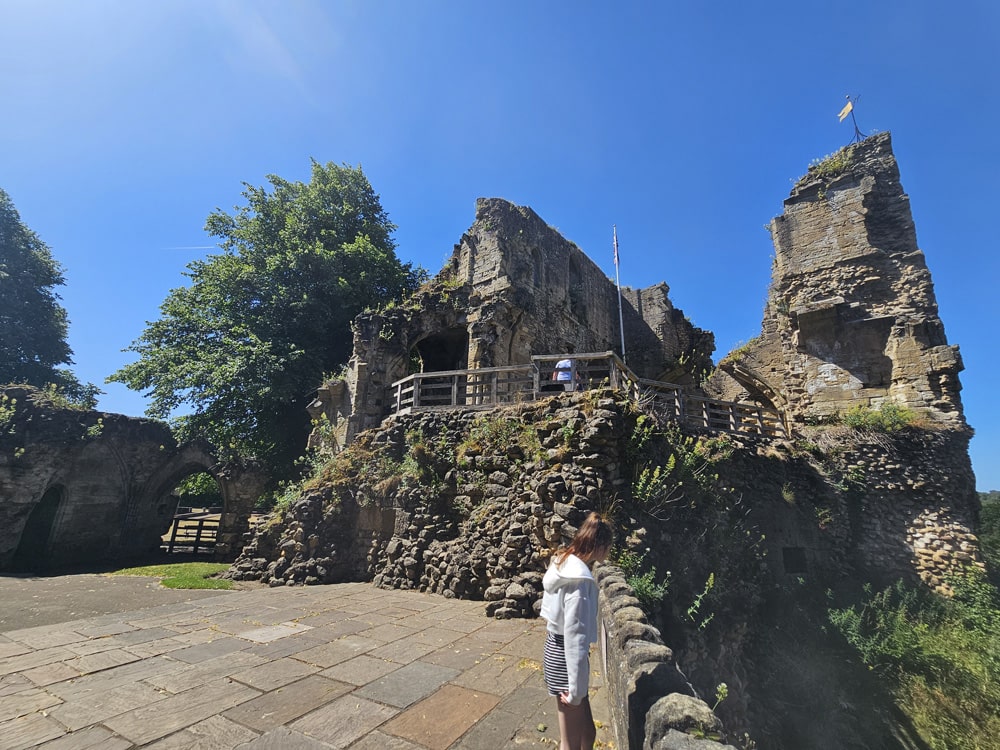
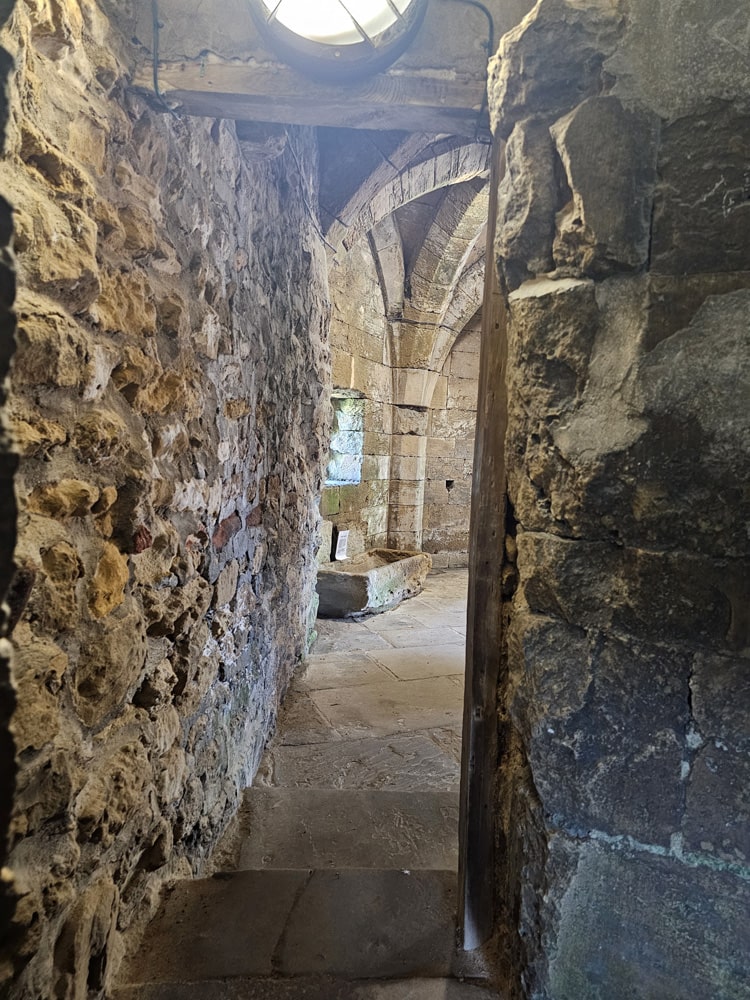
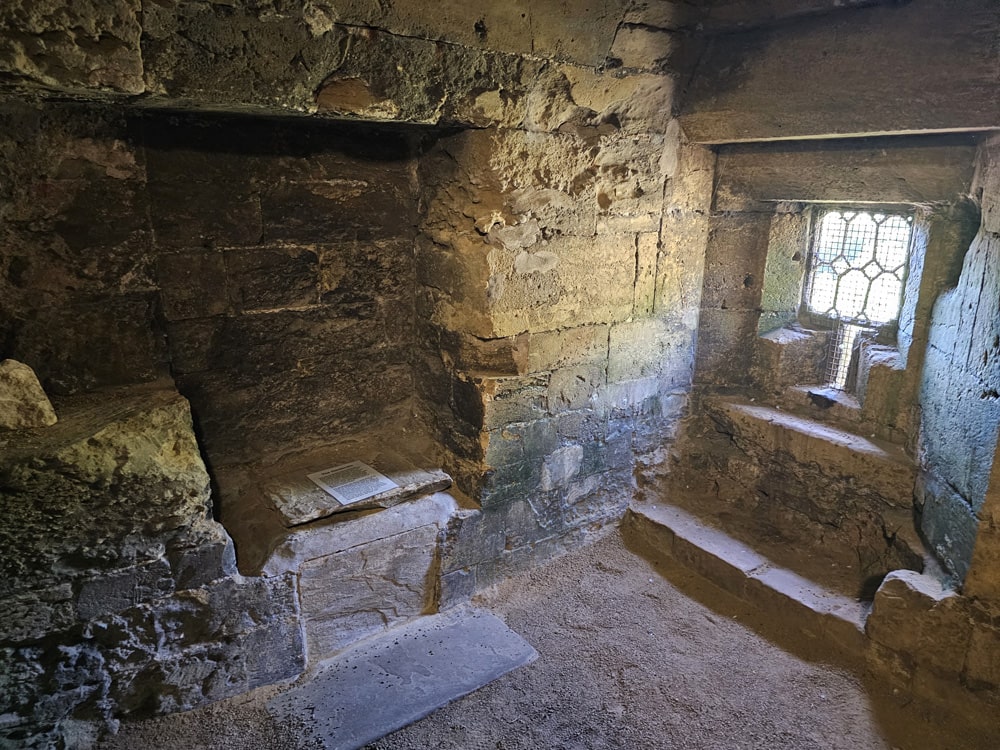
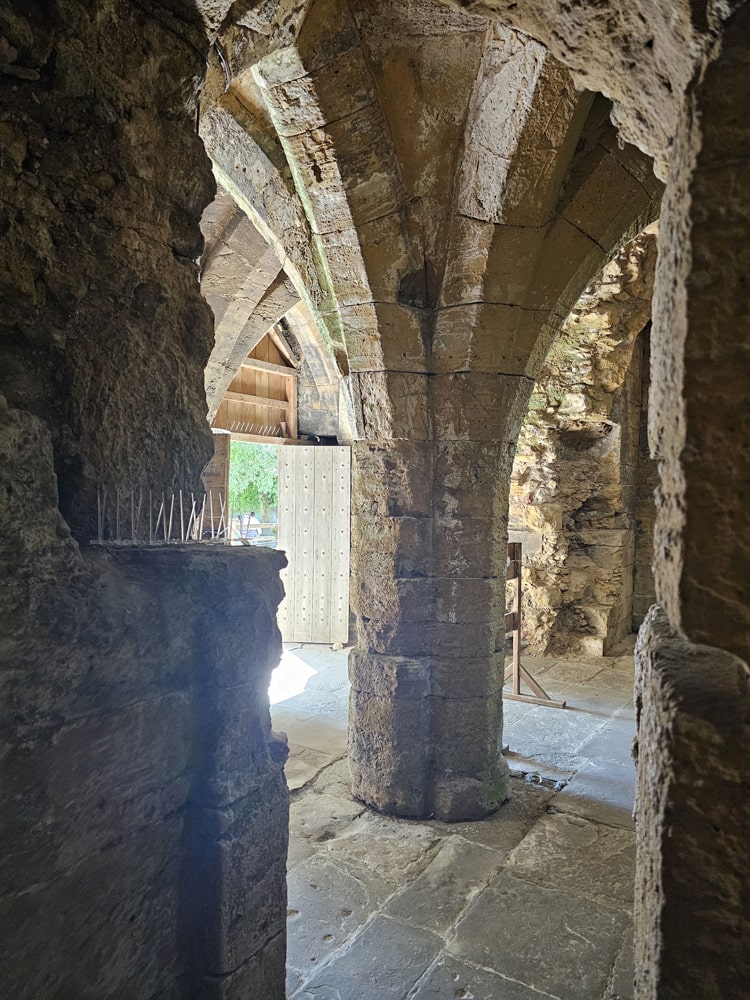
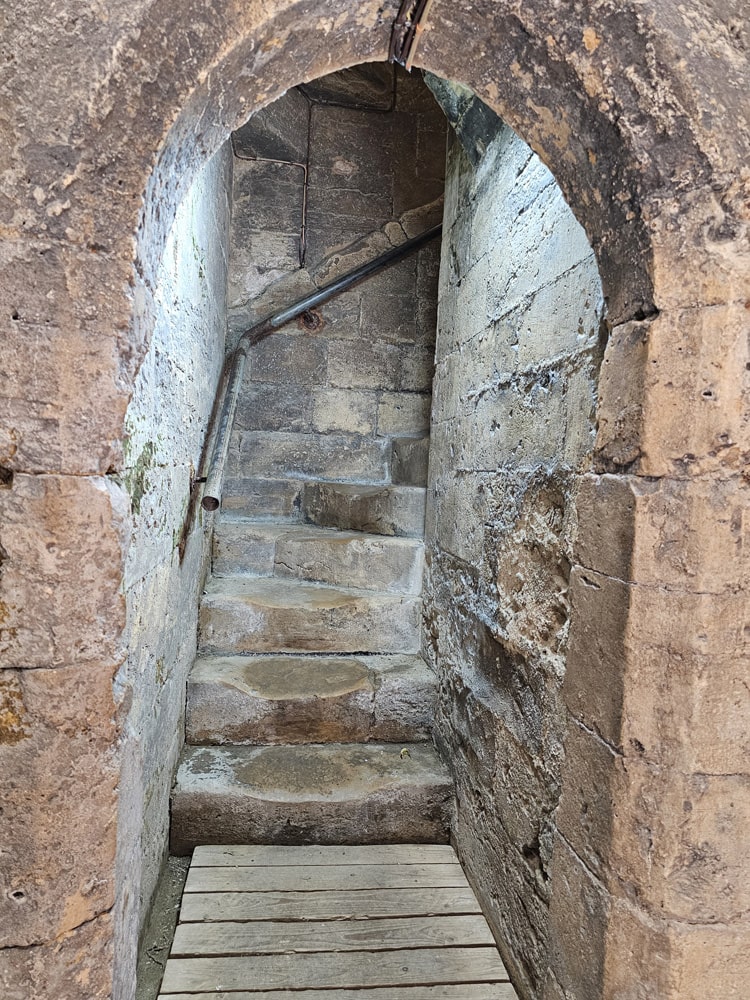
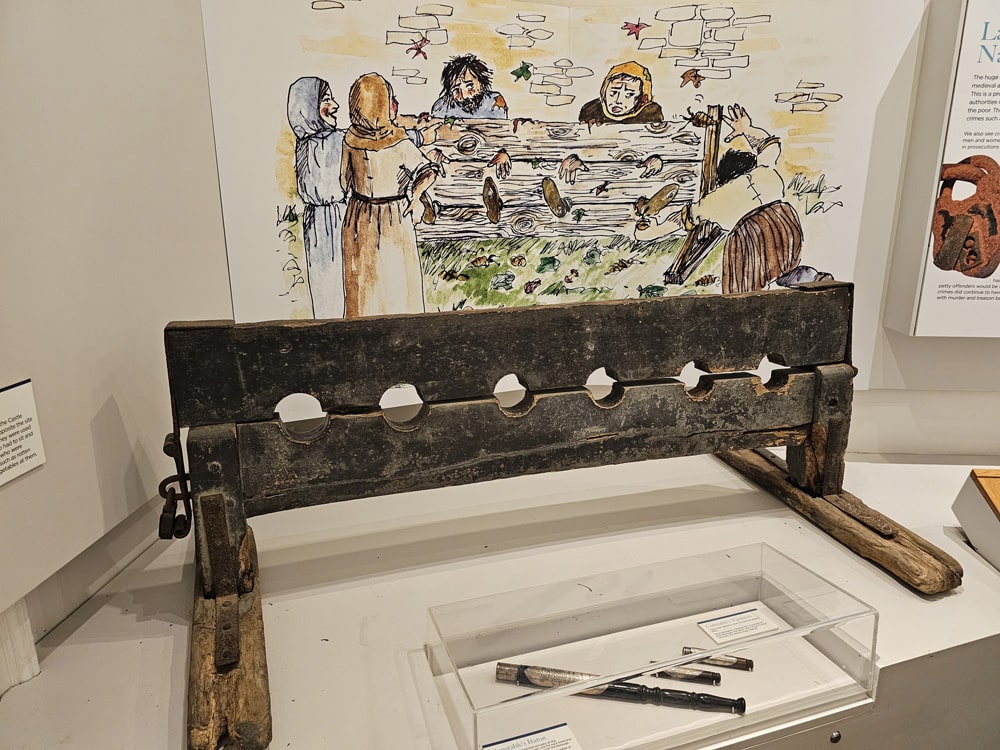
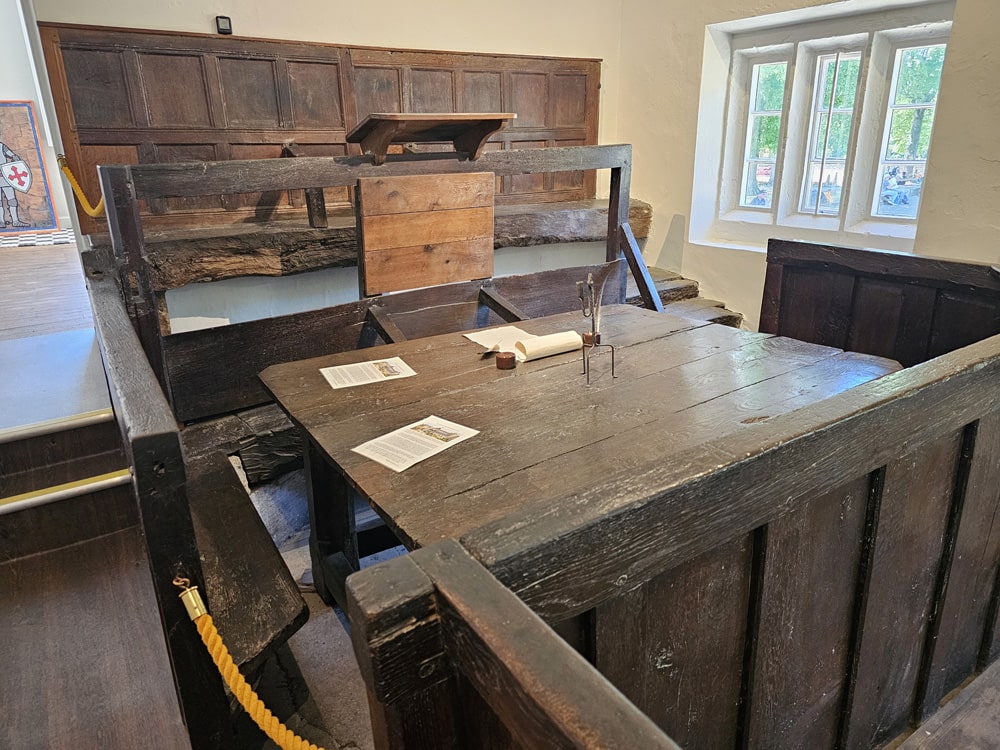
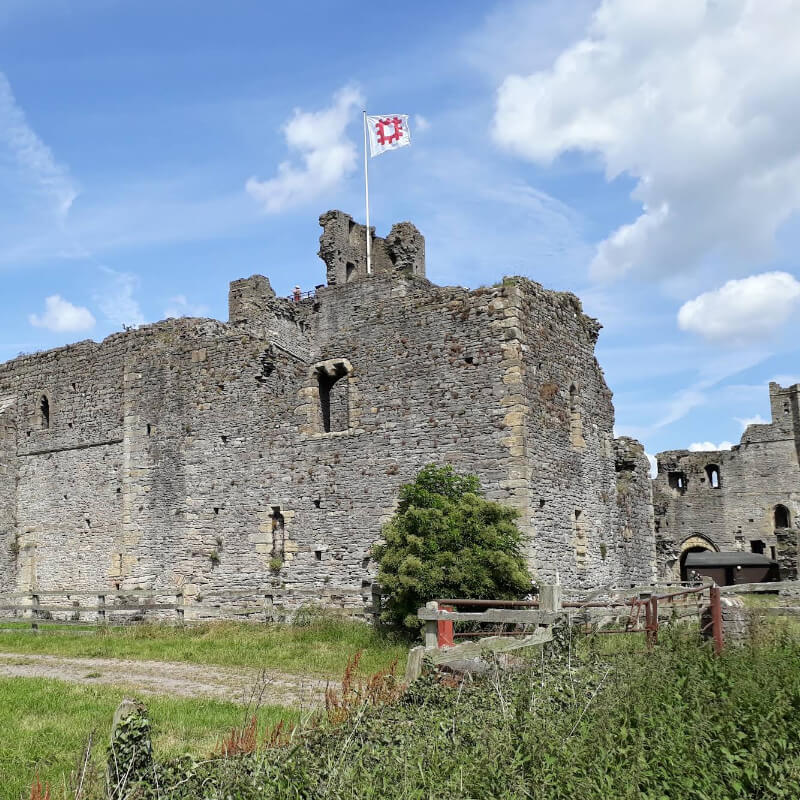
Some structures survived because they still had practical uses. The courthouse remained in use, while part of the King’s Tower was retained. These surviving buildings form the heart of the ruins visitors see today.
During the 18th and 19th centuries, Knaresborough Castle became increasingly popular with visitors, particularly as nearby Harrogate developed as a fashionable spa town. The romantic appearance of the ruins and spectacular views over the River Nidd made the castle a natural tourist attraction.
In the late 19th century, the grounds were landscaped as pleasure gardens to commemorate Queen Victoria’s Golden Jubilee, helping establish the site as a public recreational space.
The Castle Today
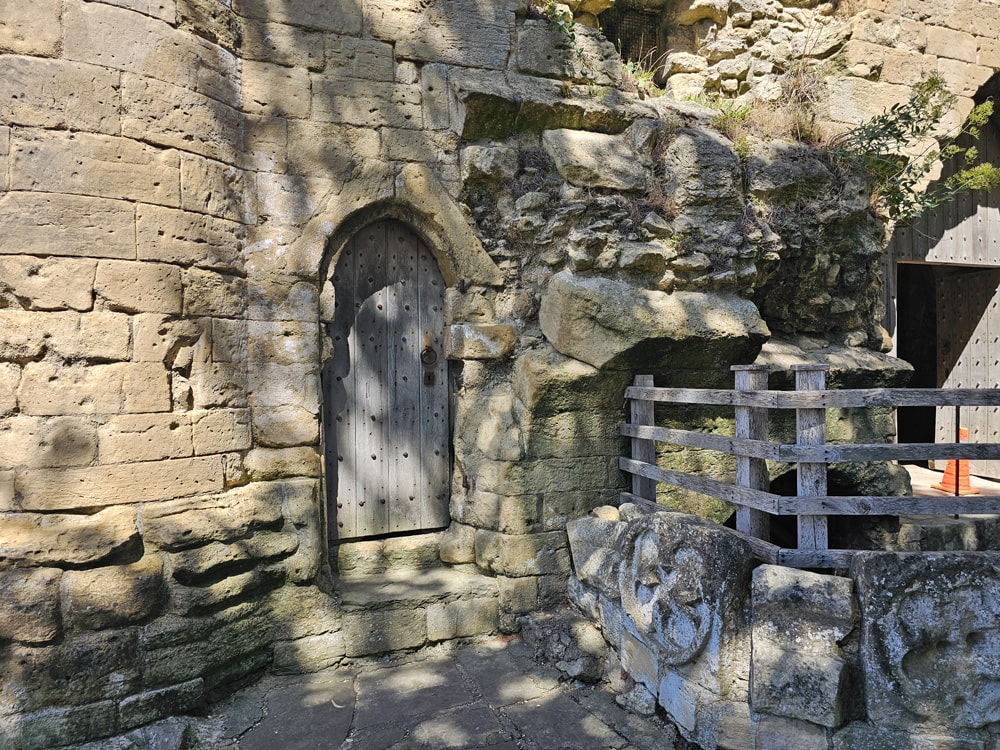
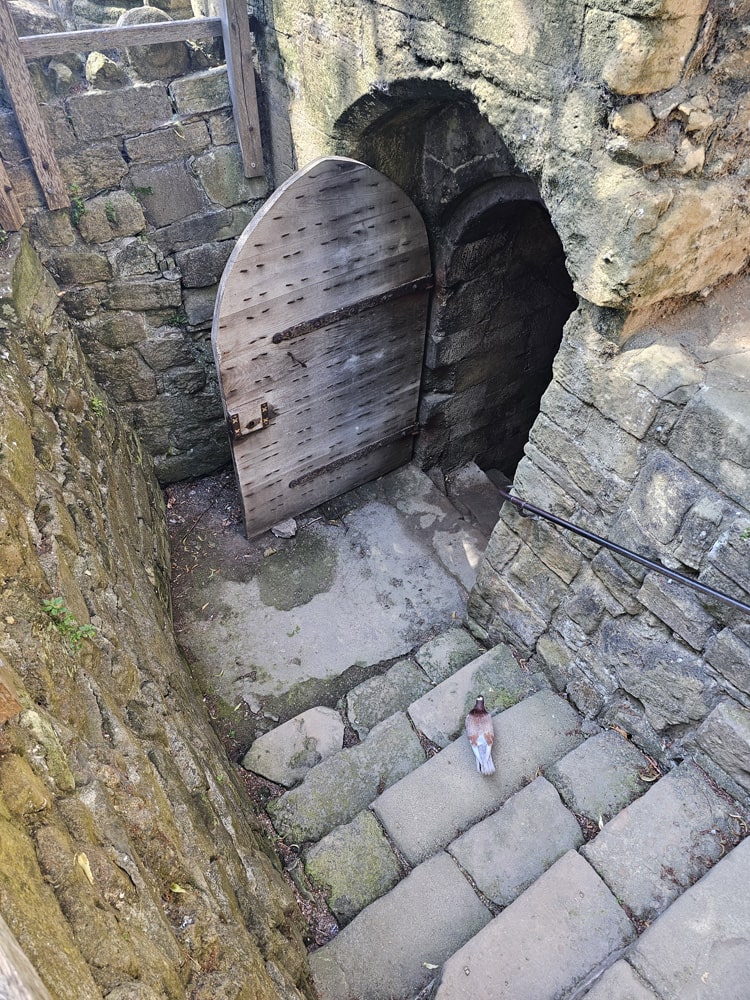
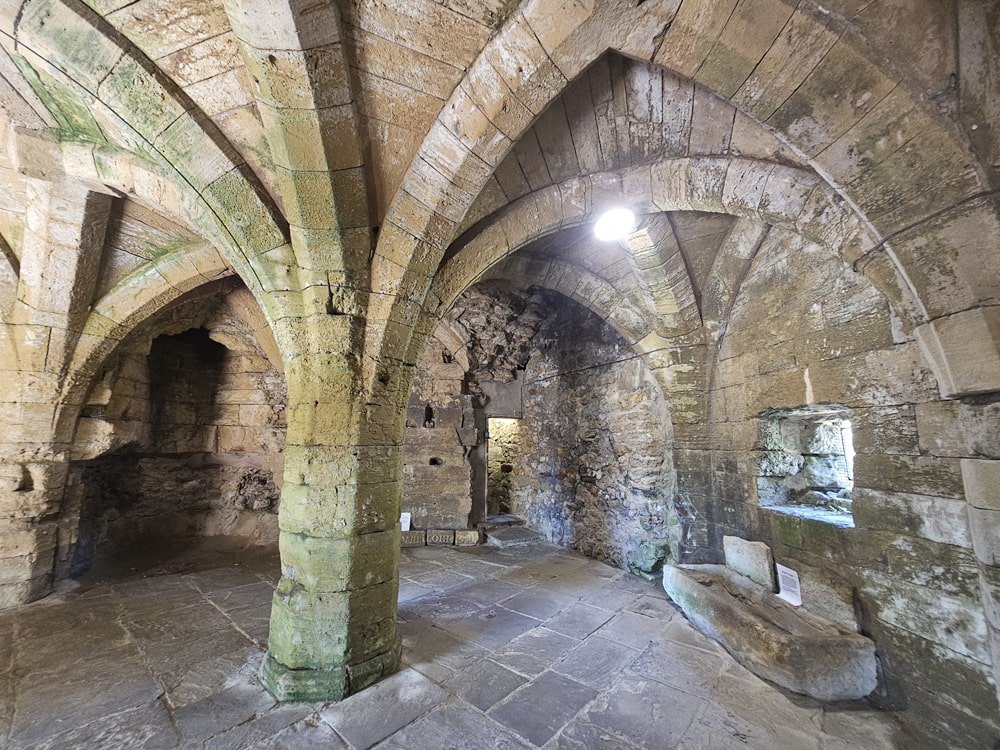
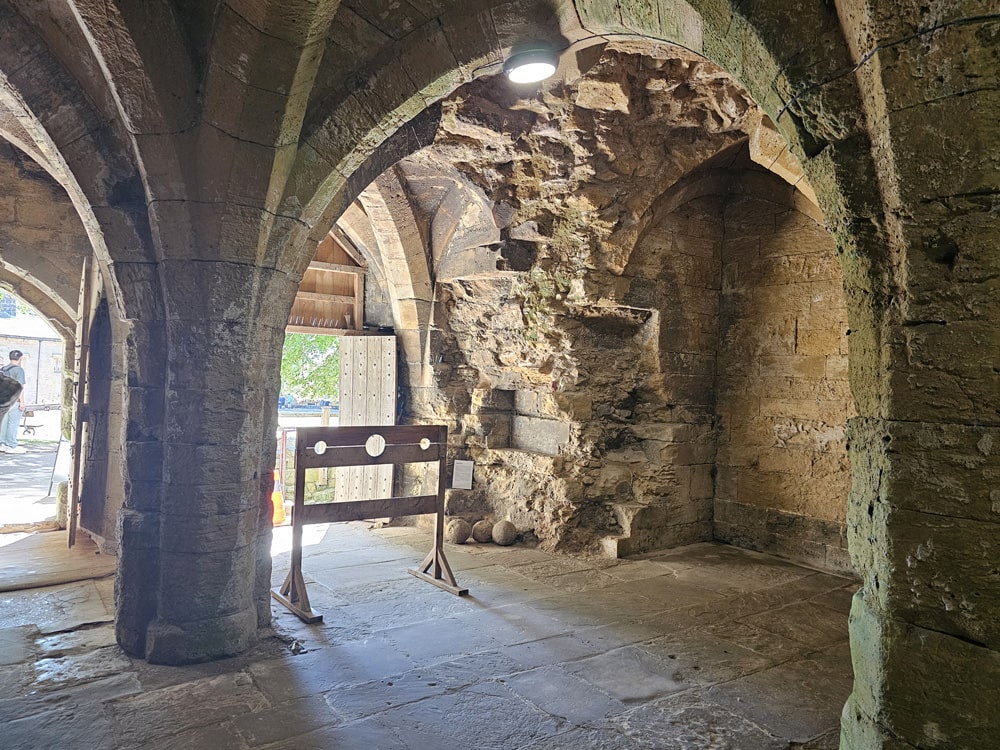
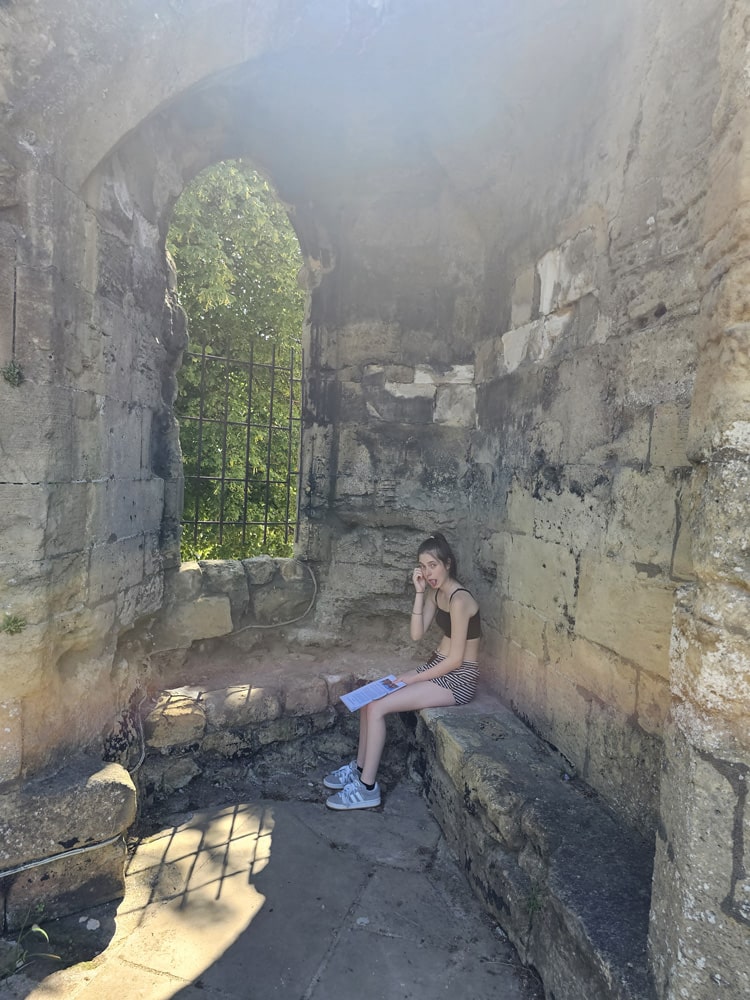
Today, Knaresborough Castle is a Scheduled Monument and an important surviving example of medieval castle architecture. Although much of the original fortress has disappeared, the King’s Tower, courthouse, gatehouse remains, curtain walls and archaeological evidence still reveal the scale and importance of the medieval stronghold.
From its beginnings as a Norman-era fortress to its role as a royal residence, Civil War stronghold and modern tourist attraction, Knaresborough Castle reflects centuries of Yorkshire’s history. Its ruined walls may no longer defend the town, but they continue to tell the story of the kings, nobles and ordinary people who shaped Knaresborough’s past.
Photo Gallery.
Did you enjoy this post?
I hope you found this post useful. I put a great deal of time and effort in to building, maintaining and populating the website. If you like, you could say a small thank you by buying me a coffee. You don't have to, but it would be nice :)
Buy me a coffee
Stay up to Date
Follow me on my journey and get notified whenever a new post is published by following Kings & Castles on Facebook.
Follow MeExplore The Map
Discover the hundreds of castles, churches, monasteries, cathedrals and other historic locations that I've personally visited across England and Wales. Search by location, explore nearby sites and plan your next historical adventure.
Share: