Middleham Castle
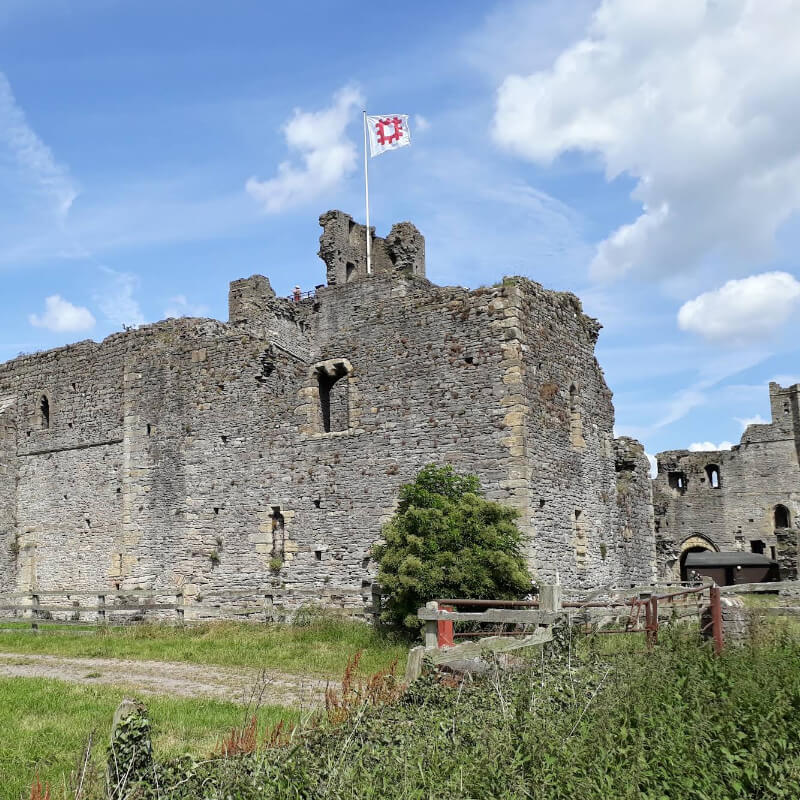
Standing at the heart of a North Yorkshire market town, Middleham Castle was once the stronghold of one of England’s most powerful noble families. Best known as the childhood home of Richard III, its imposing keep and extensive ruins tell a story of medieval ambition, royal intrigue and the Wars of the Roses.
Quick
Facts.
- Location: Middleham, North Yorkshire, England
- Built: Late 12th century
- Condition: Ruined
- Date visited: October 2026
- More info: Visit website
- Rating:
The Early History of Middleham Castle
The origins of Middleham Castle can be traced to the years following the Norman Conquest of 1066. The surrounding lands were granted to Alan Rufus, a powerful Breton nobleman who supported William the Conqueror. An early castle was probably established around 1086 on William’s Hill, just south of the present ruins.
This first fortification was a timber castle, protected by an earthwork enclosure and a deep ditch. Its remains can still be seen today, providing a glimpse of the early Norman defences that once dominated the area.
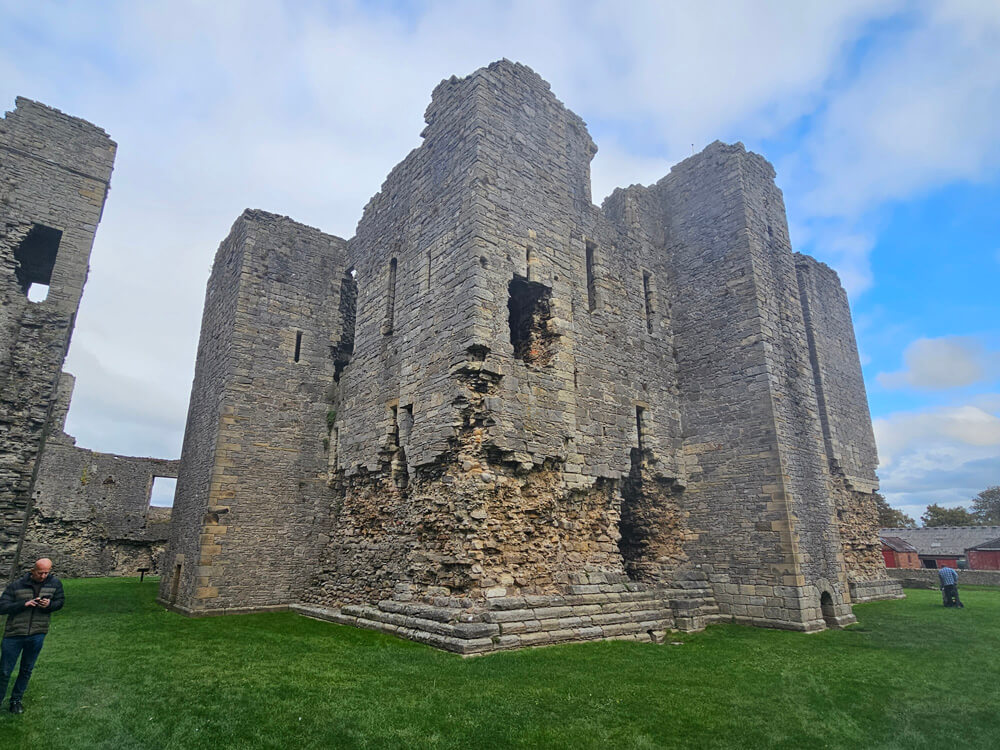
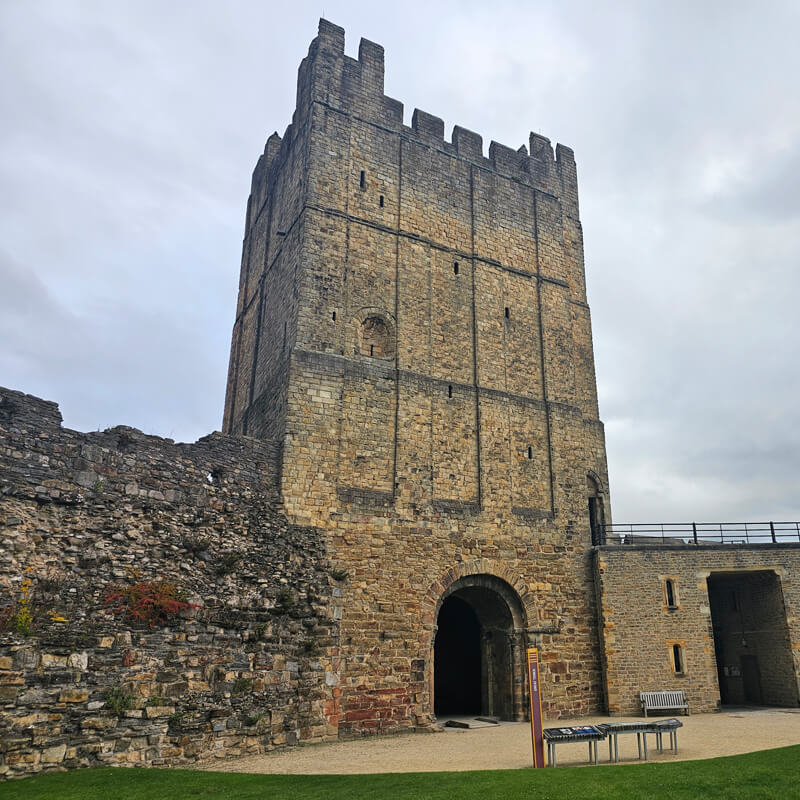
The present castle was built to defend the road from Richmond to Skipton and began to take shape in the late 12th century. Its enormous stone keep was probably constructed during the 1170s, creating a formidable stronghold that would become one of the largest of its kind in England. Further alterations followed during the 13th century, gradually transforming Middleham into an impressive aristocratic residence.
The Rise of the Neville Family
Middleham Castle entered a new chapter in 1260, when Mary fitz Ranulph married Robert Neville, bringing the castle into the Neville family. Over the following centuries, the Nevilles accumulated extensive estates and political influence, becoming one of the most powerful noble dynasties in northern England.
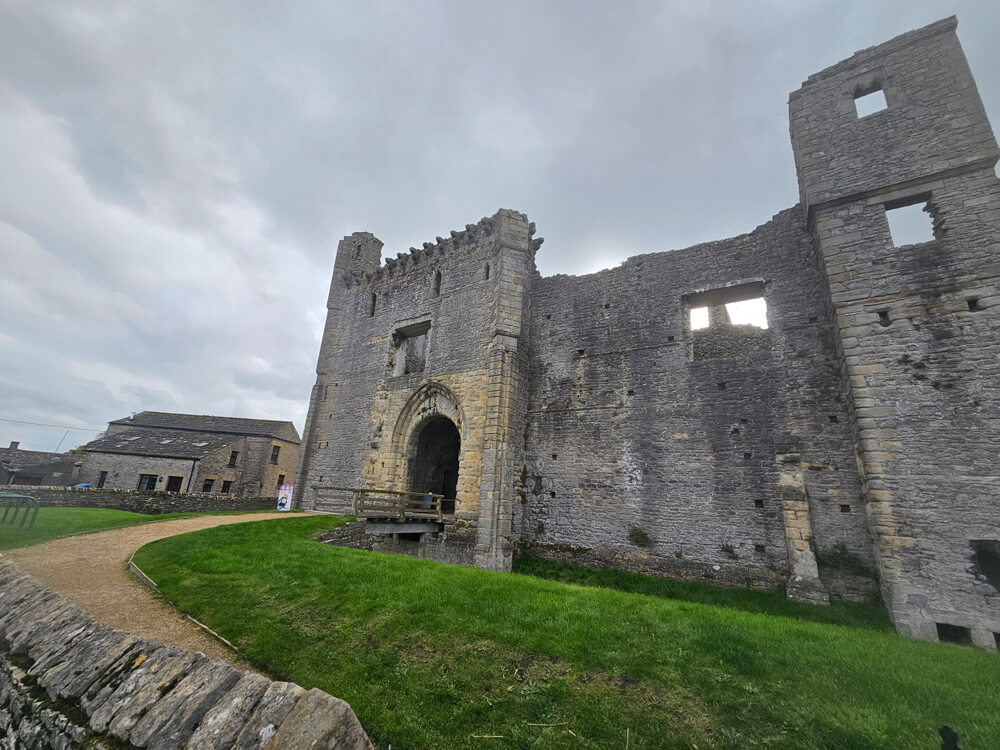
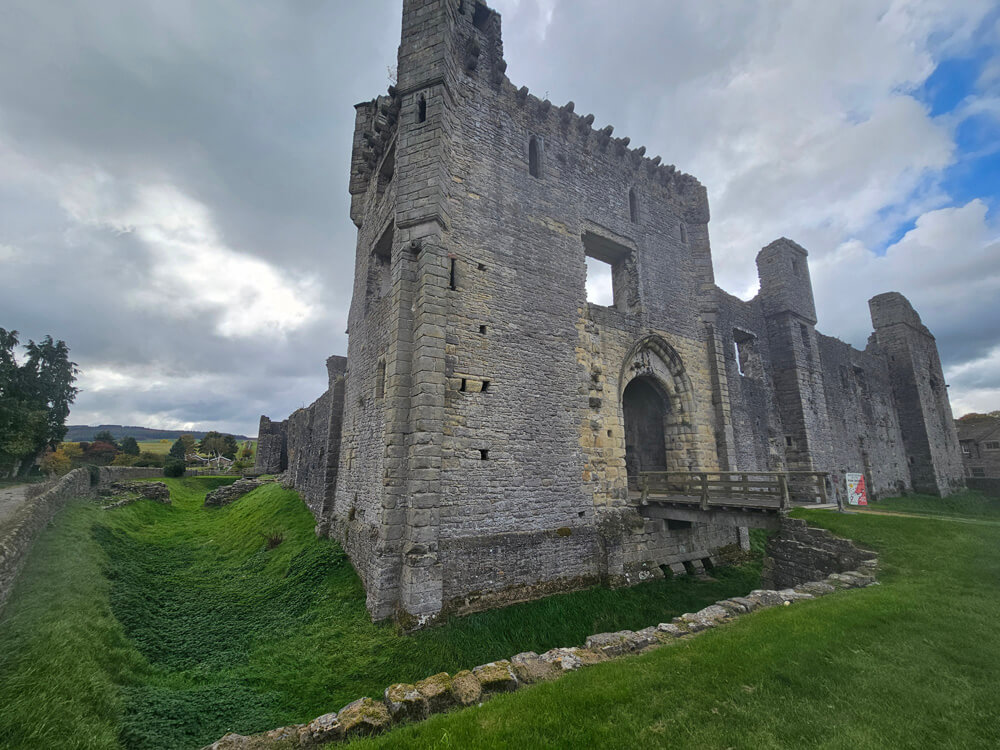
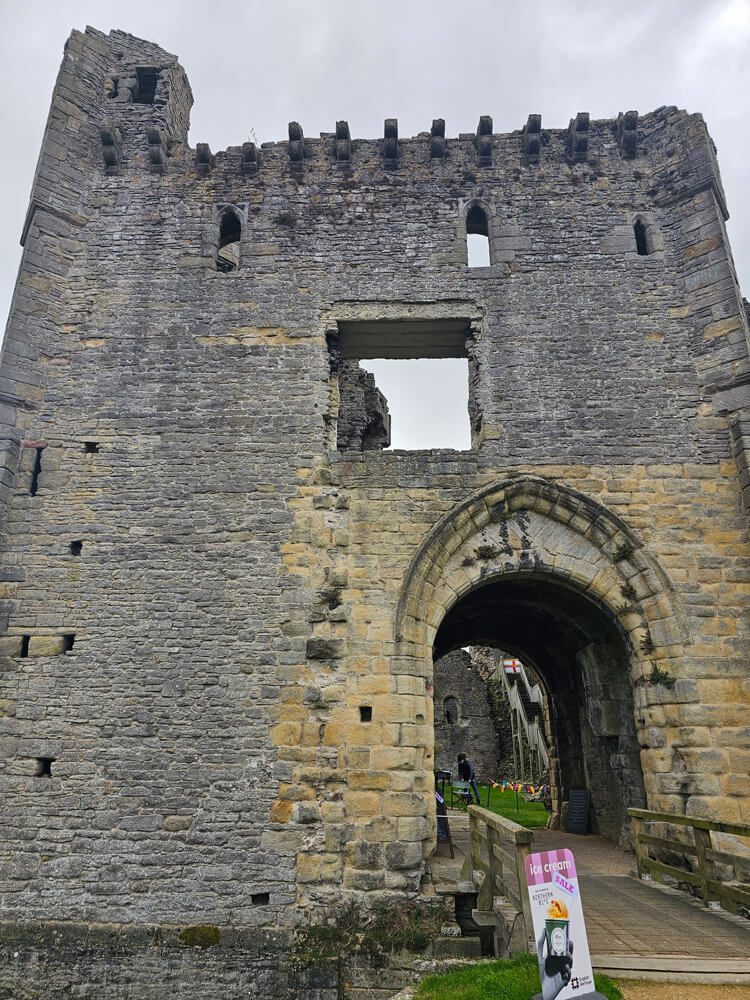
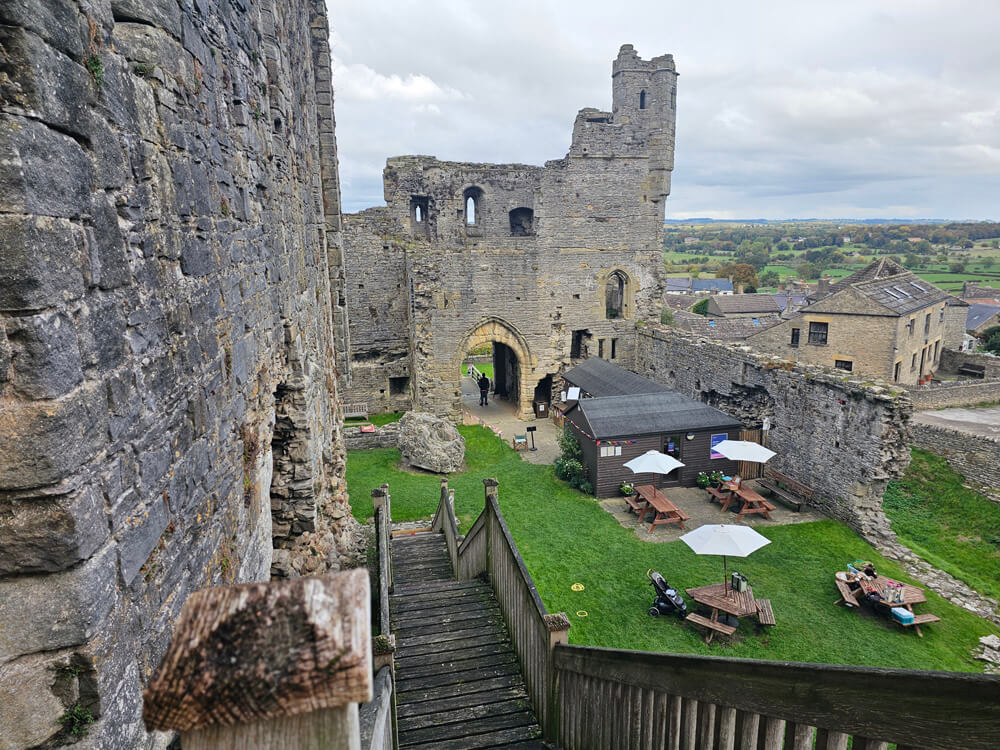
During the early 14th century, a curtain wall was constructed around the great keep. Later generations expanded the castle further, adding residential accommodation, raising towers and improving the gatehouse. These developments reflected a changing purpose: Middleham was not simply a defensive fortress but also a luxurious home befitting a wealthy medieval lord.
By the early 15th century, the castle had become an important centre of Neville power. Its substantial residential buildings offered accommodation for the lord, his family, servants and visitors, while its imposing architecture demonstrated the family’s status and authority.
Warwick the Kingmaker and the Wars of the Roses
The Neville family reached the height of its political influence under Richard Neville, 16th Earl of Warwick, famously known as Warwick the Kingmaker. During the Wars of the Roses, he played a decisive role in securing the throne for the Yorkist king Edward IV in 1461.
Middleham became closely associated with the turbulent struggle between the houses of Lancaster and York. Edward IV visited the castle in 1461, but Warwick’s relationship with the king eventually deteriorated. In 1469, Warwick rebelled against Edward and briefly captured him, holding the king at Middleham Castle.
The episode demonstrated how closely the castle was connected to the political struggles of the age. Warwick’s rebellion ultimately failed, and he was killed at the Battle of Barnet in 1471.
Richard III and His Royal Home
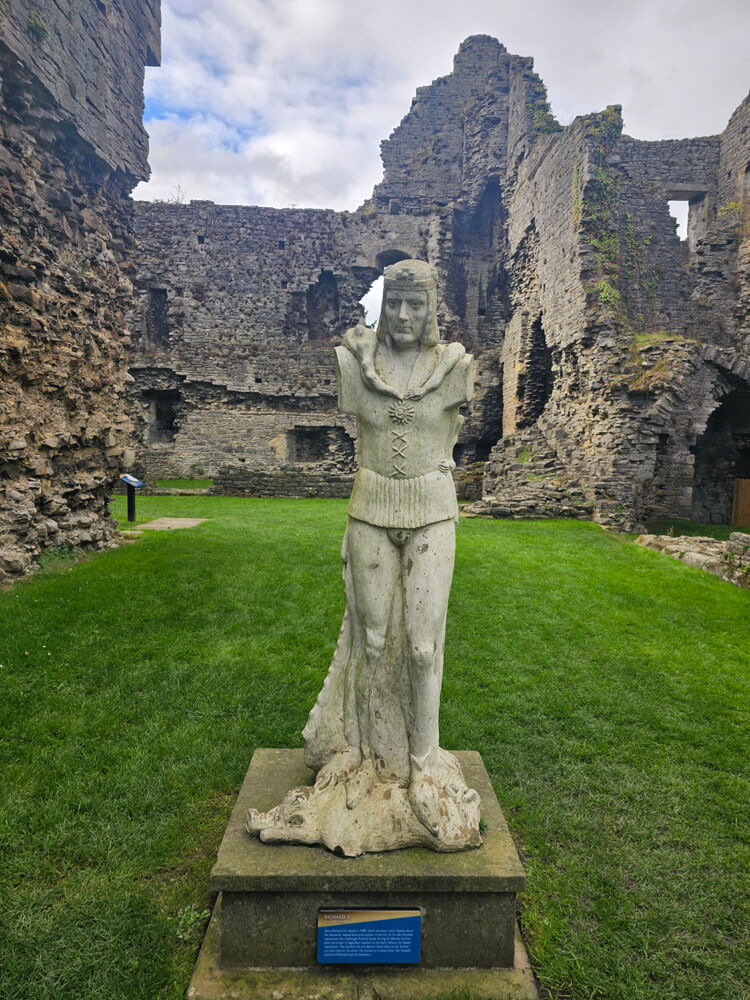
Middleham Castle is perhaps best remembered for its association with Richard III. Born Richard, Duke of Gloucester, he arrived at Middleham in 1465, aged around thirteen, to become part of Warwick’s household. He spent several formative years here, learning the skills and responsibilities expected of a medieval nobleman.
Following Warwick’s death, Richard acquired the Neville estates in the north. His marriage to Anne Neville, Warwick’s daughter, further strengthened his connection to Middleham, which became one of the couple’s principal residences.
Their only son, Edward of Middleham, was born at the castle around 1474. After Richard became king in 1483, Middleham remained an important northern home for the royal family. However, tragedy struck in 1484 when Edward died, leaving Richard and Anne without an heir.
Richard himself was killed at the Battle of Bosworth in 1485, defeated by Henry Tudor, who became Henry VII. With the end of Richard’s reign, Middleham passed into royal ownership.
Decline and Later History
Although Middleham remained an important landmark, its fortunes declined during the Tudor period. By 1538, a royal survey described significant deterioration, with damaged roofs, decaying buildings and neglected defences. Despite occasional repairs, the castle gradually fell into ruin.
In 1604, James I sold Middleham to Sir Henry Lindley. The property subsequently passed through private ownership and experienced further changes during the 17th century. During the English Civil War, Parliament ordered the castle’s destruction to prevent its use by Royalist forces, although there is no clear evidence that the order was carried out.
The ruins survived into the 19th century, when conservation work began to protect the remaining structure. Further restoration followed under the ownership of Lord Masham, helping to safeguard the castle’s remarkable medieval remains.
In 1926, the castle was placed in the guardianship of the Office of Works before being gifted to the state in 1930. Today, Middleham Castle is cared for by English Heritage.
Middleham Castle Today
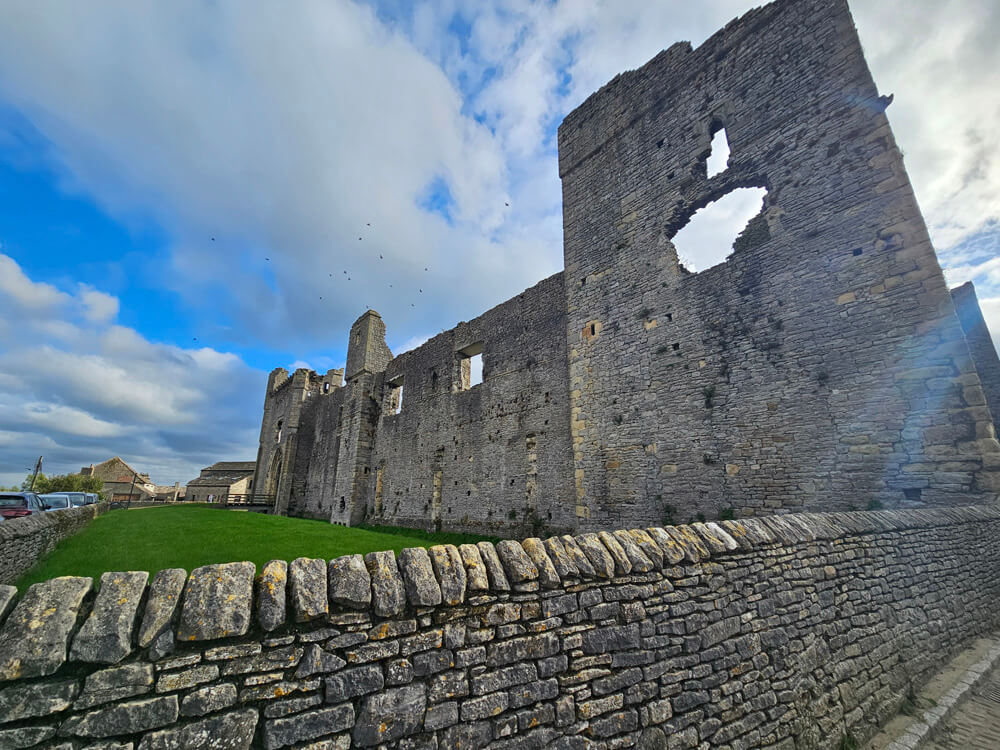
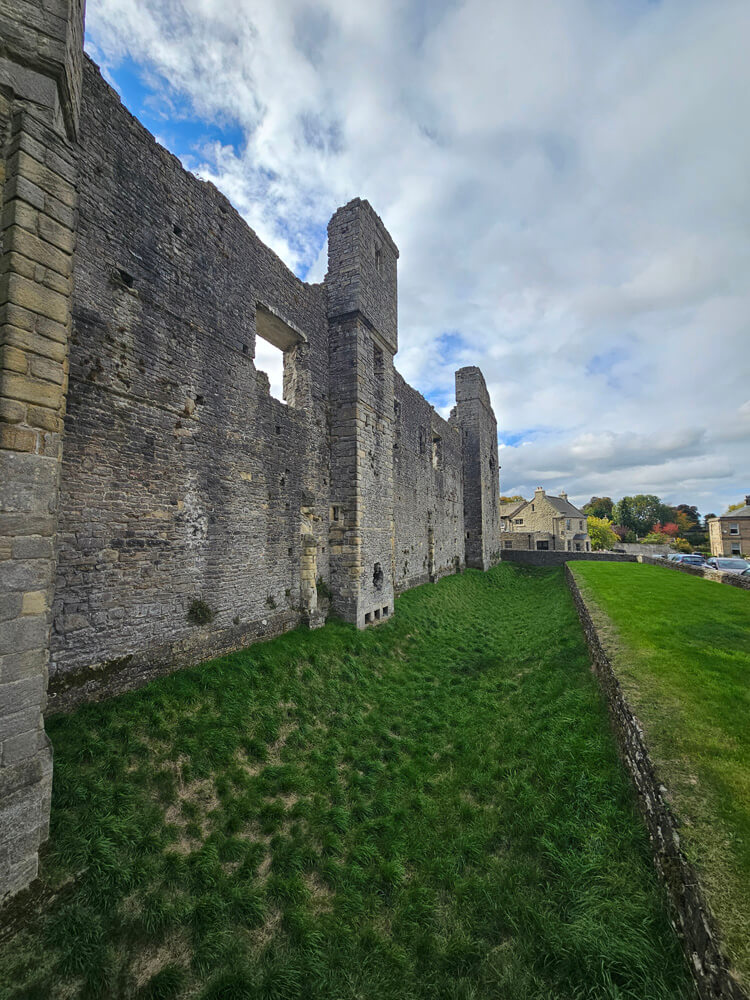
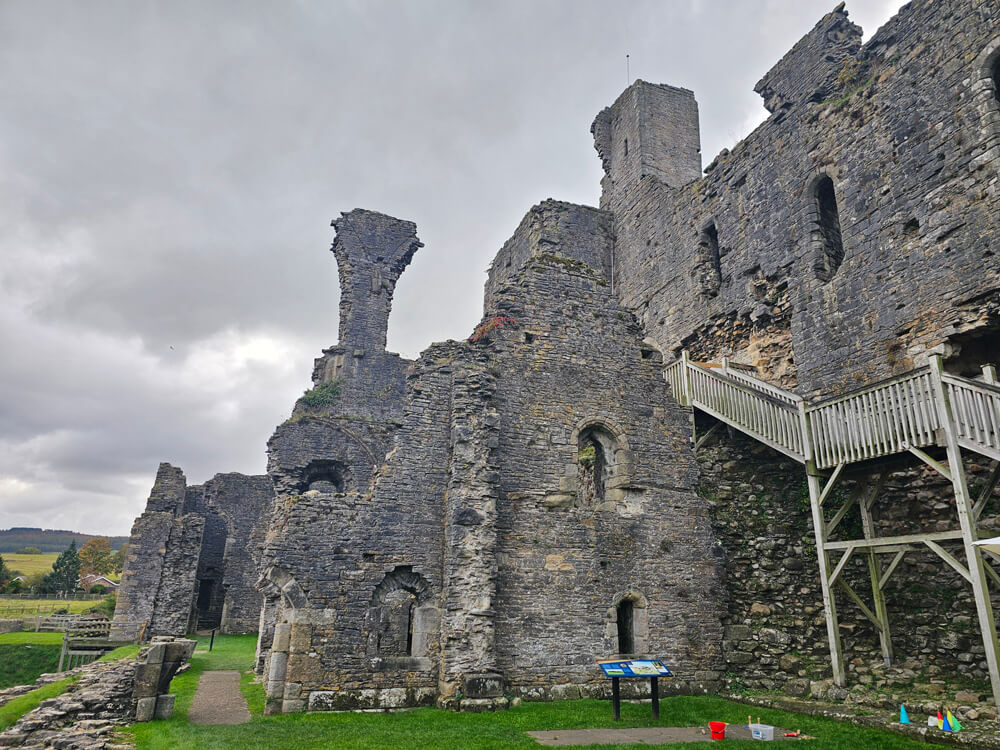
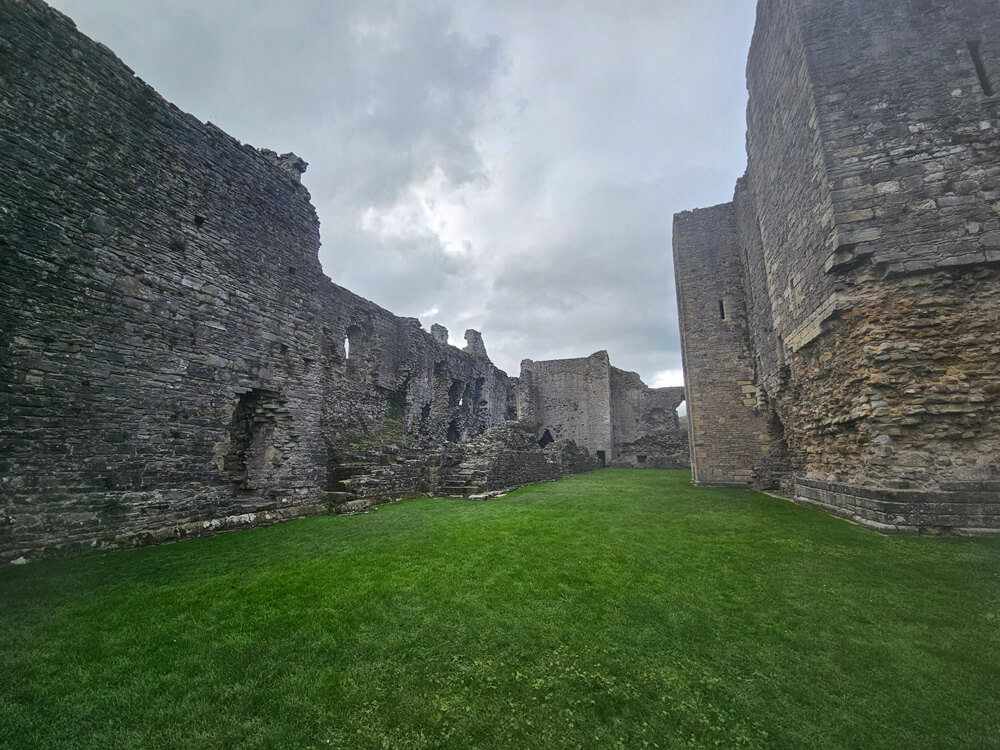
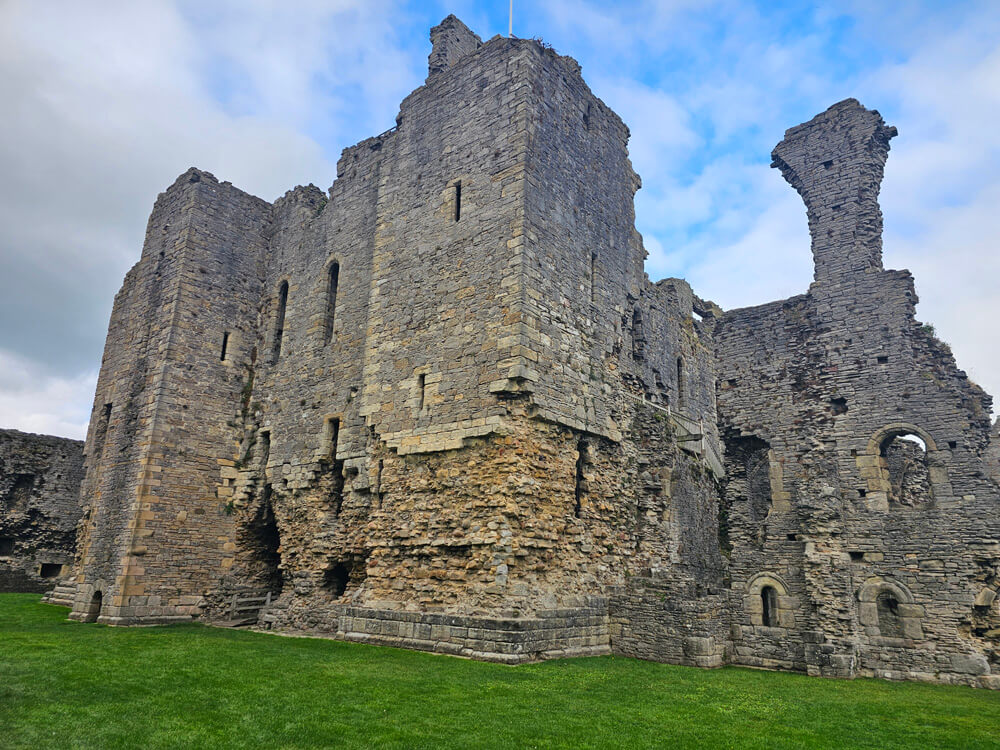
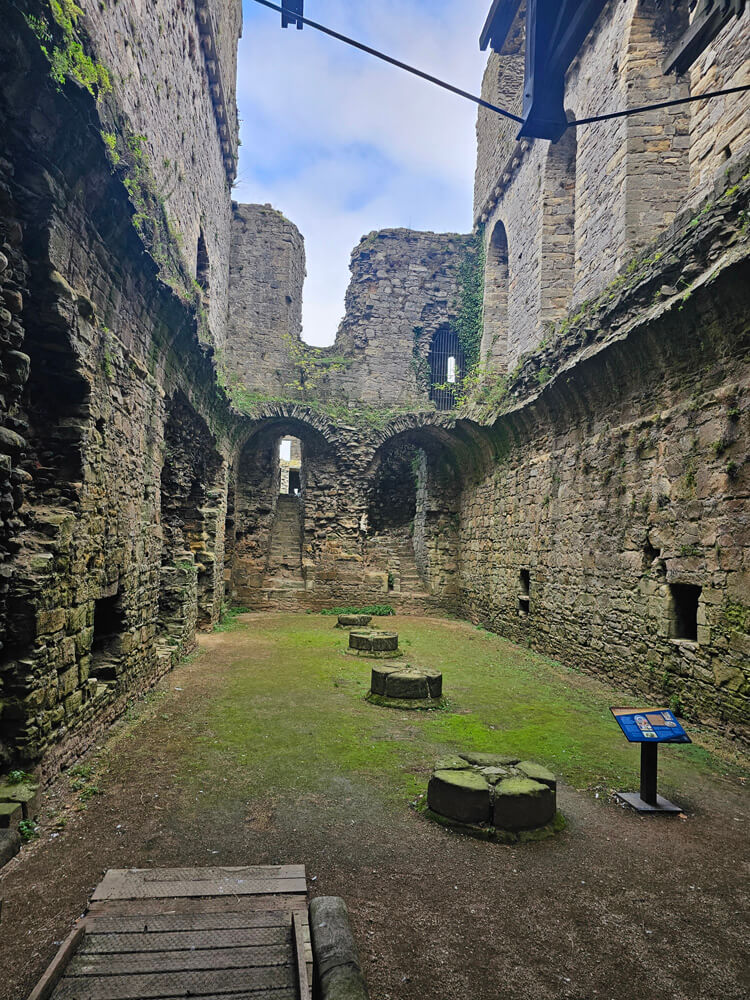
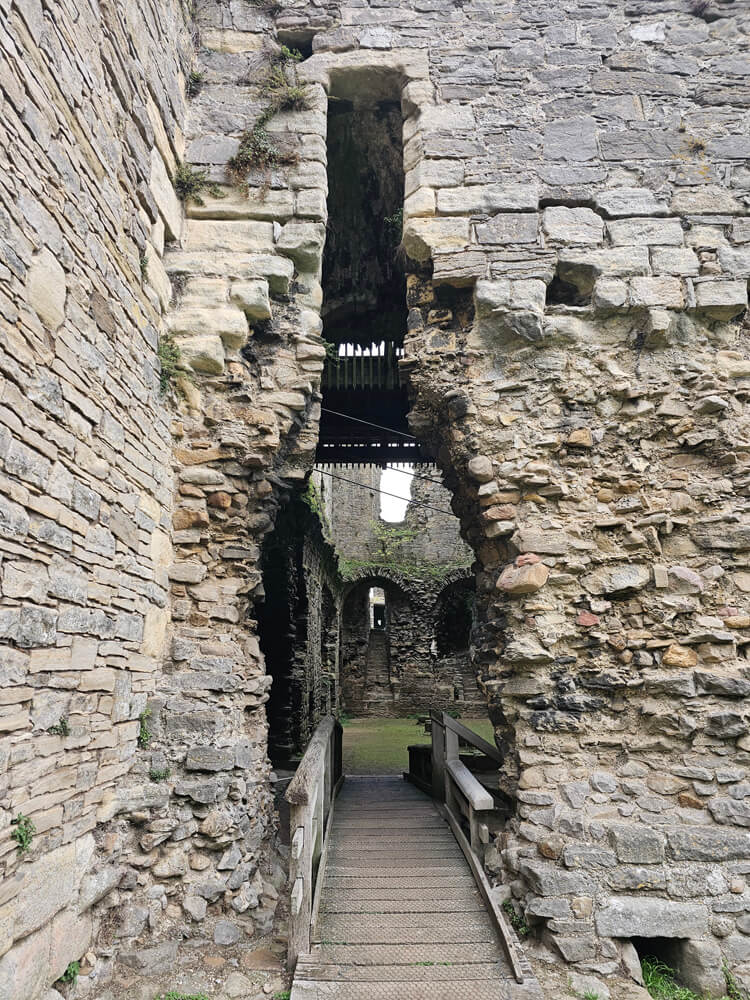
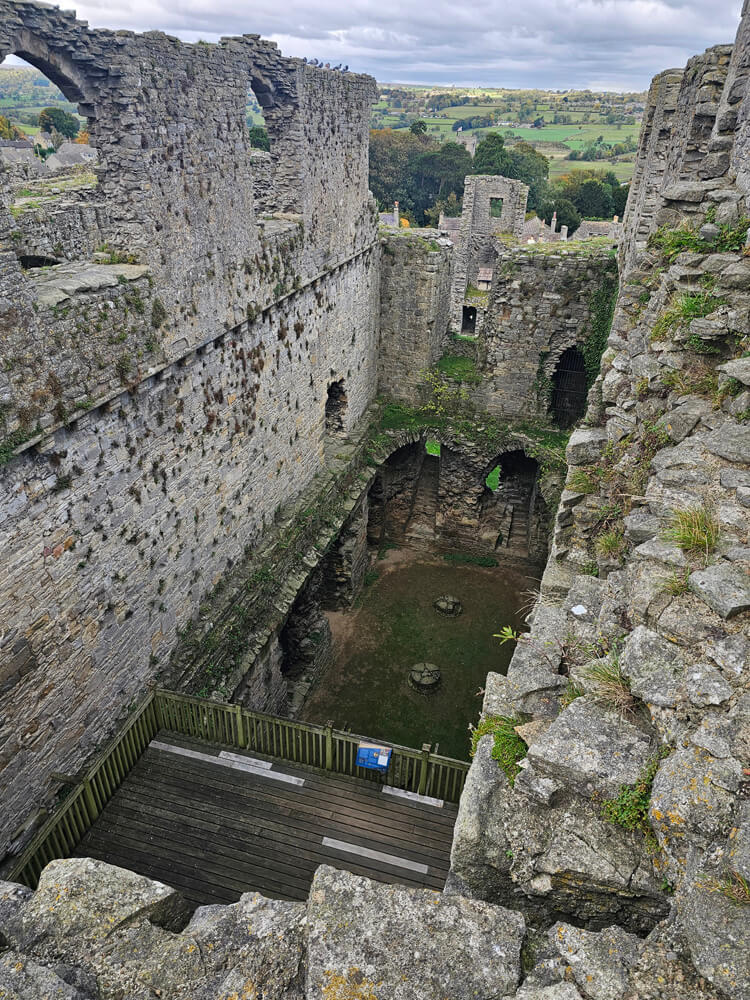
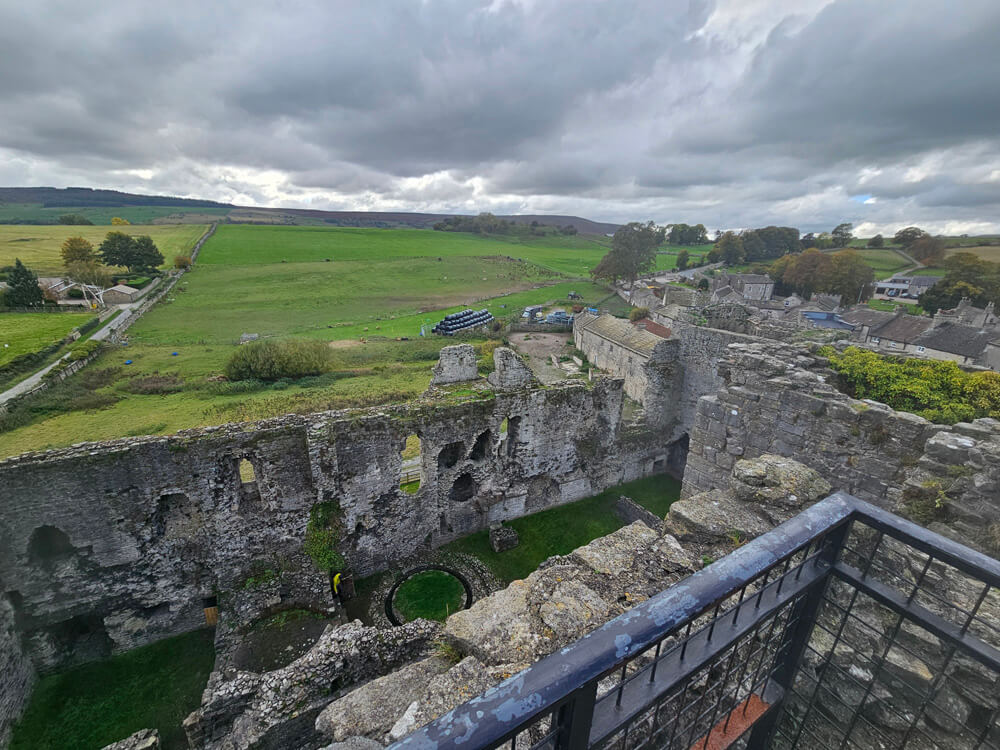
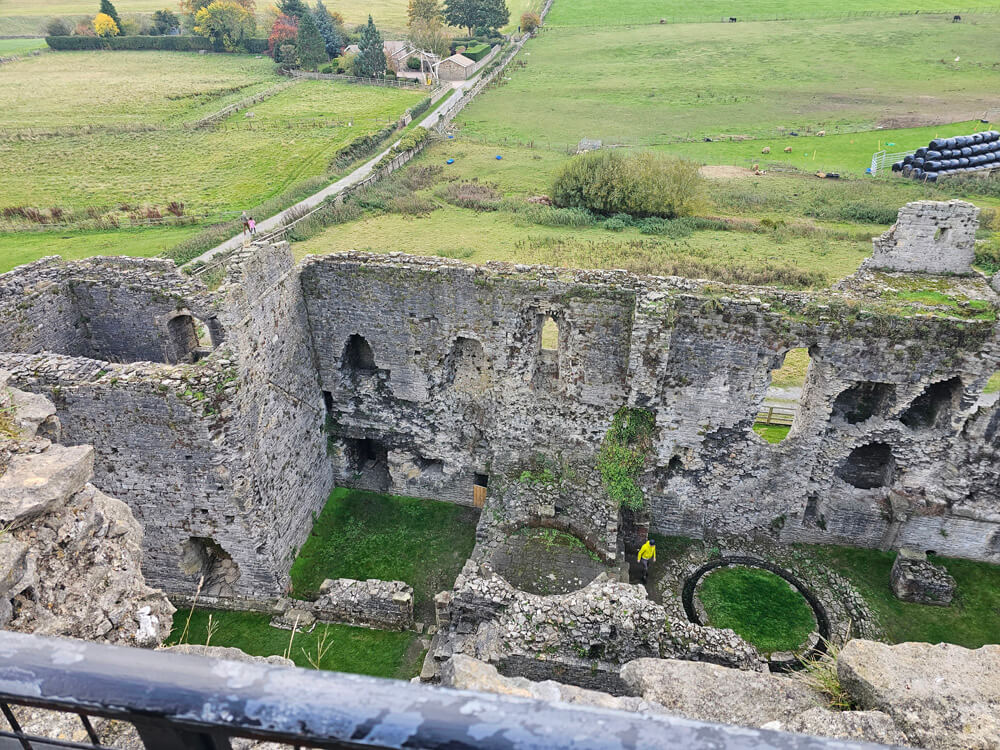
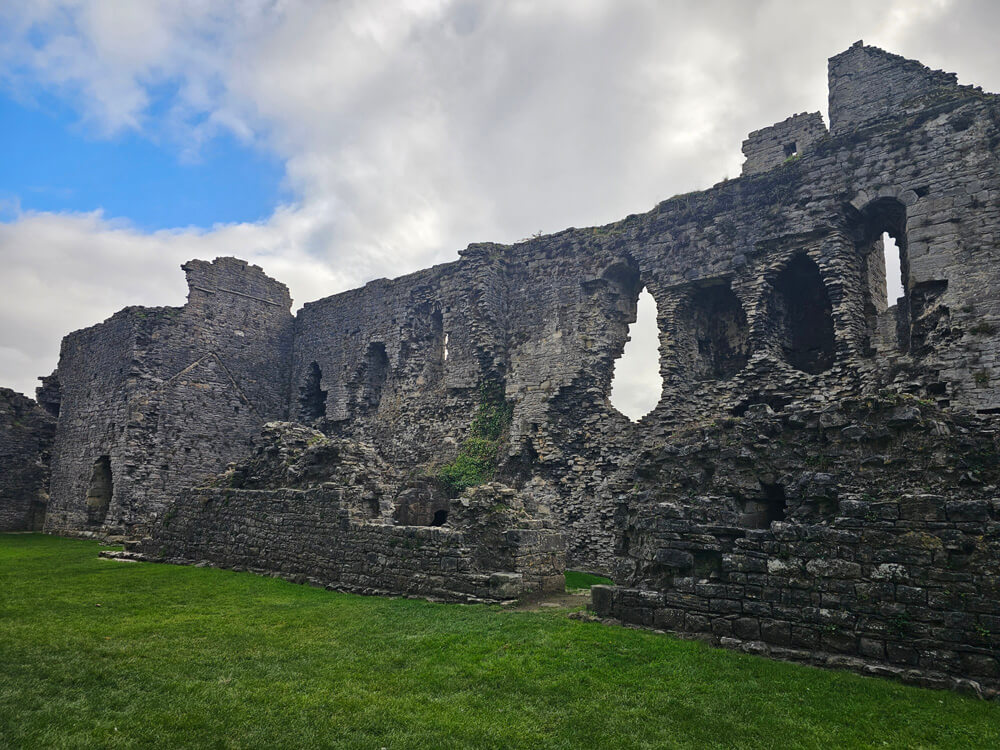
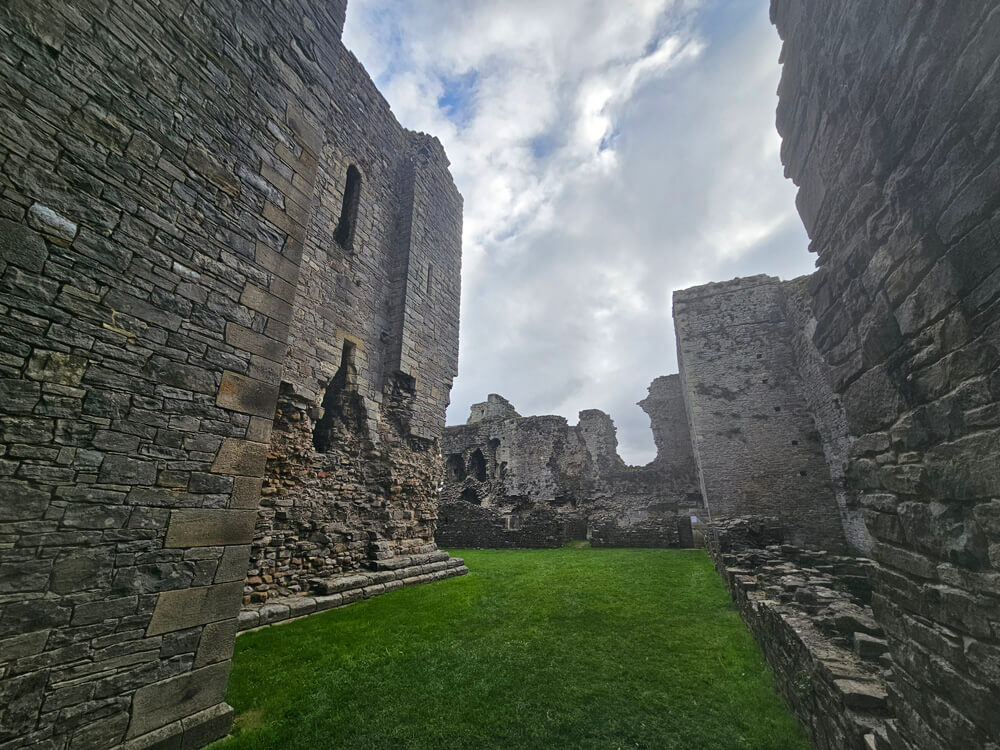
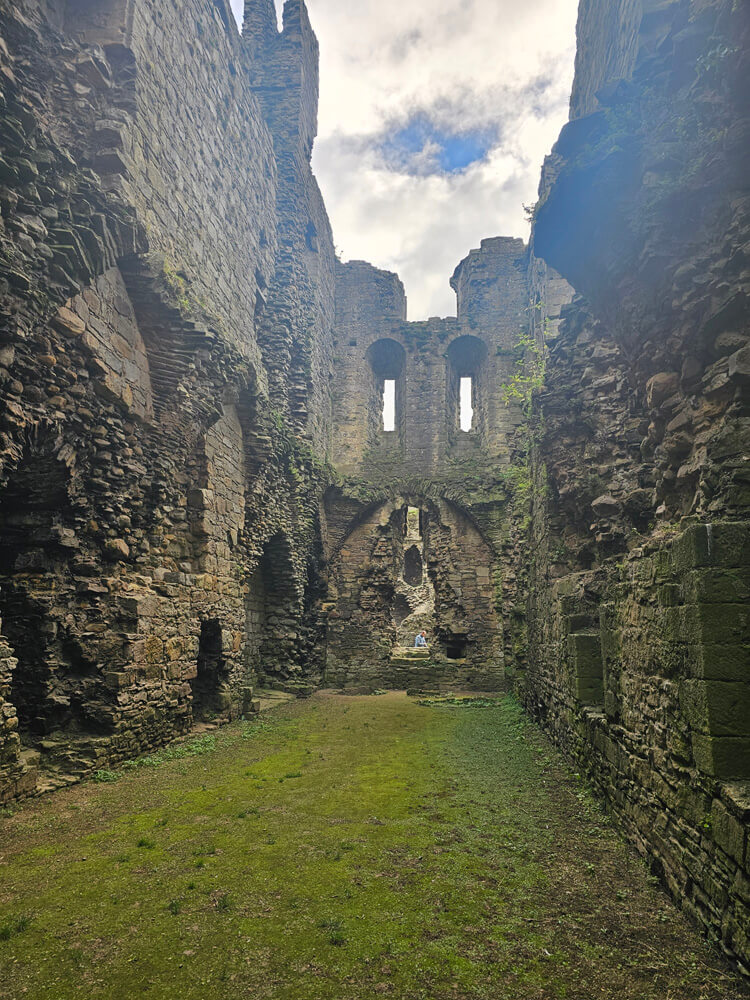
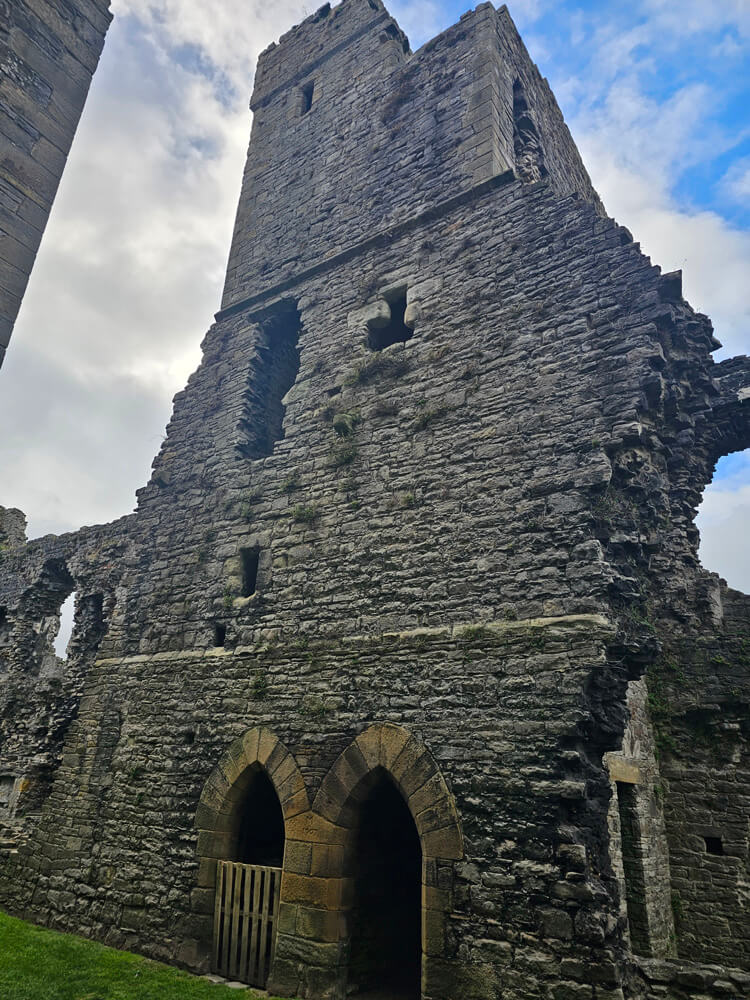
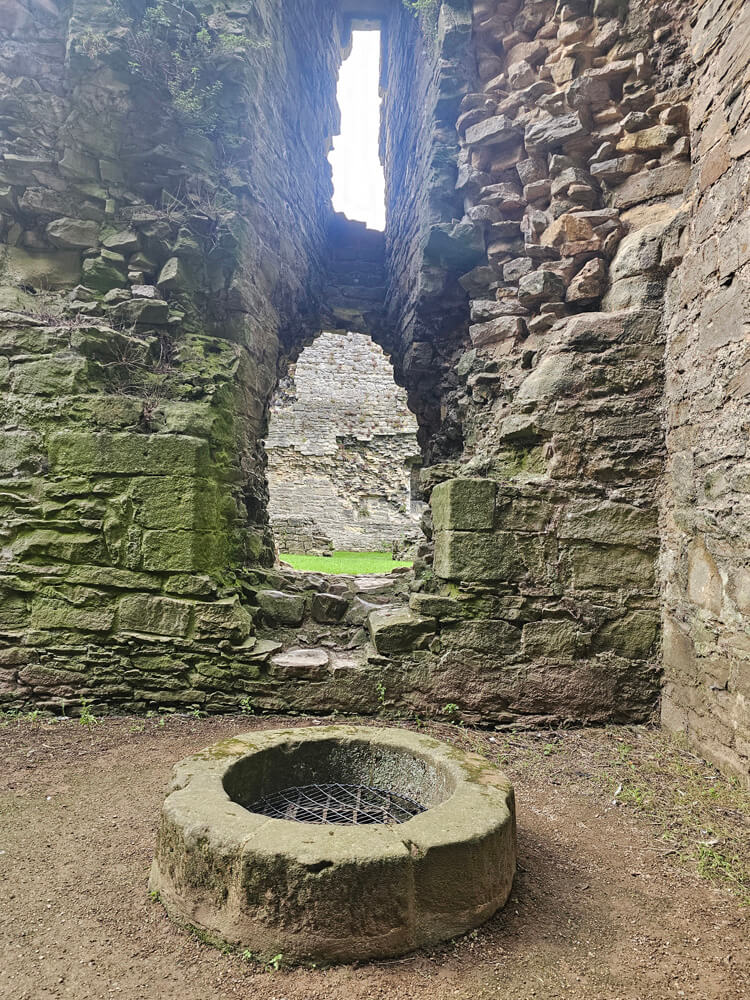
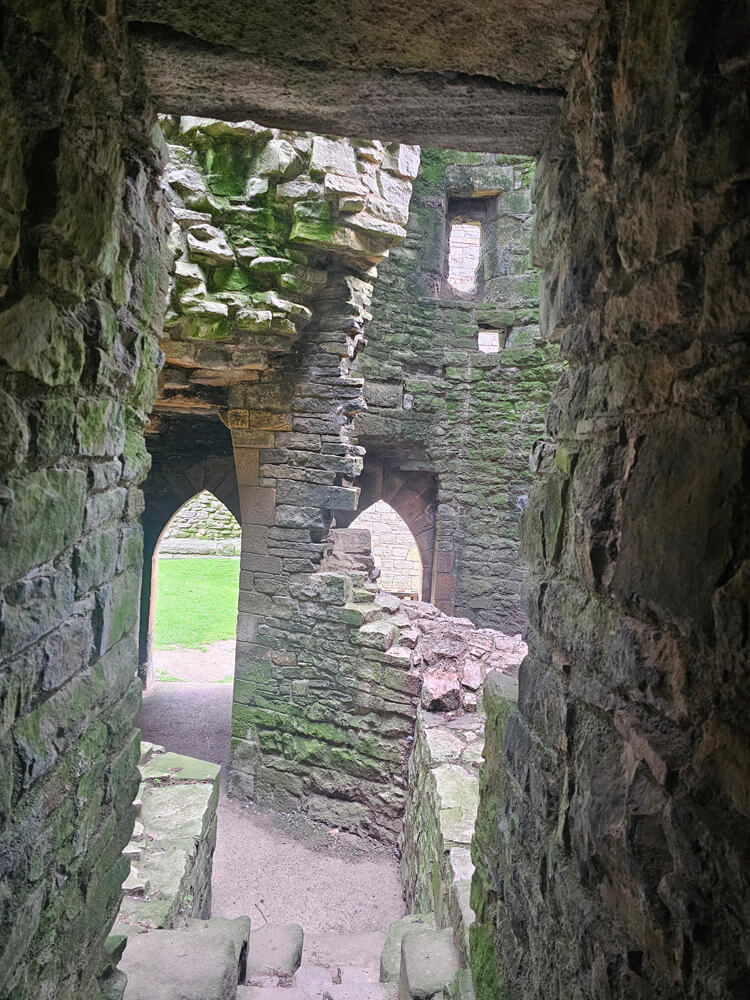
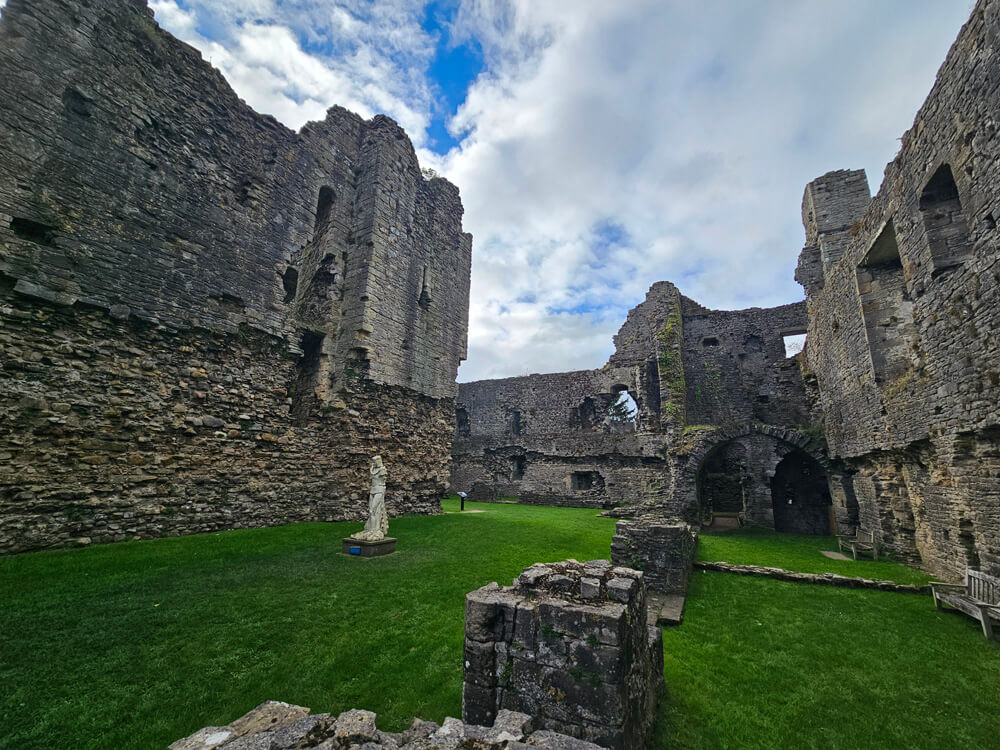
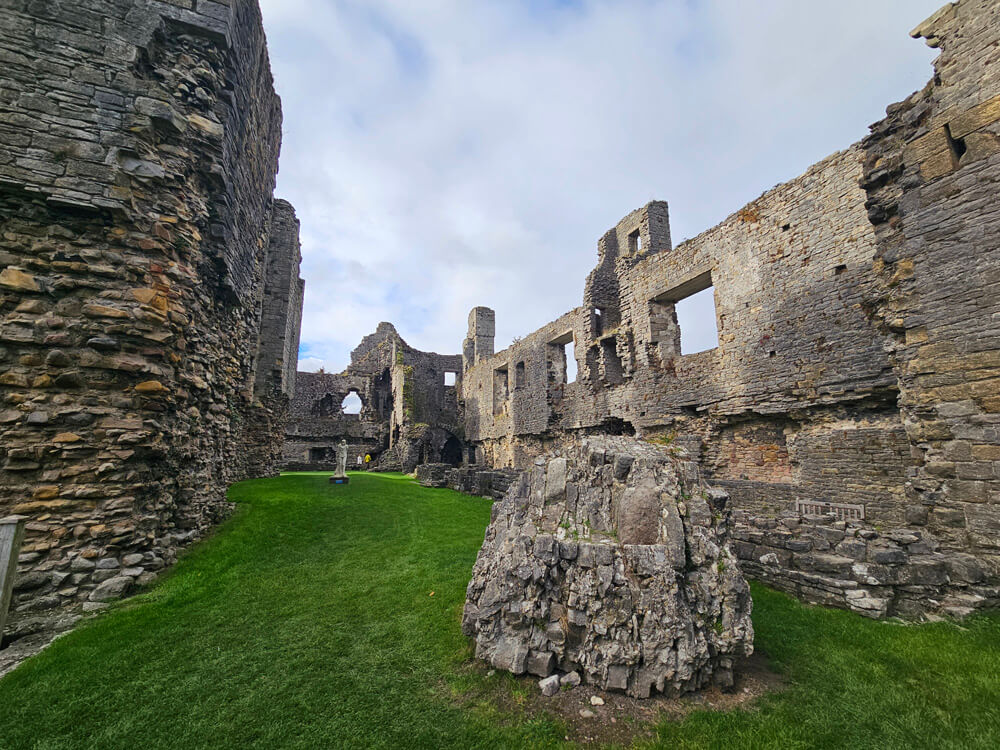
The surviving ruins offer a fascinating insight into the evolution of medieval castles from fortified strongholds into prestigious aristocratic residences. The immense keep remains the dominant feature, surrounded by the remnants of towers, curtain walls and residential chambers.
Yet it is the castle’s association with Richard III and the Wars of the Roses that continues to capture the imagination. Middleham witnessed the ambitions of the Neville family, the imprisonment of a king and the early life of a monarch whose reign ended on a battlefield.
More than simply a ruined fortress, Middleham Castle stands as a reminder of the rivalries, ambitions and personal tragedies that shaped England during the late Middle Ages.
Photo Gallery.
Did you enjoy this post?
I hope you found this post useful. I put a great deal of time and effort in to building, maintaining and populating the website. If you like, you could say a small thank you by buying me a coffee. You don't have to, but it would be nice :)
Buy me a coffee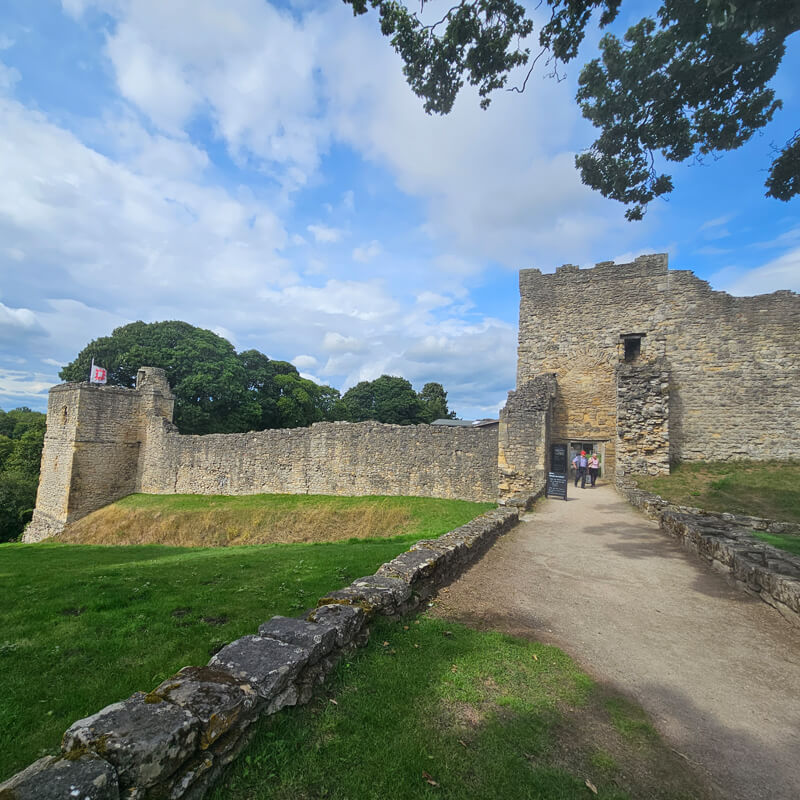
Stay up to Date
Follow me on my journey and get notified whenever a new post is published by following Kings & Castles on Facebook.
Follow MeExplore The Map
Discover the hundreds of castles, churches, monasteries, cathedrals and other historic locations that I've personally visited across England and Wales. Search by location, explore nearby sites and plan your next historical adventure.
Share: