The Historic Town of Knaresborough
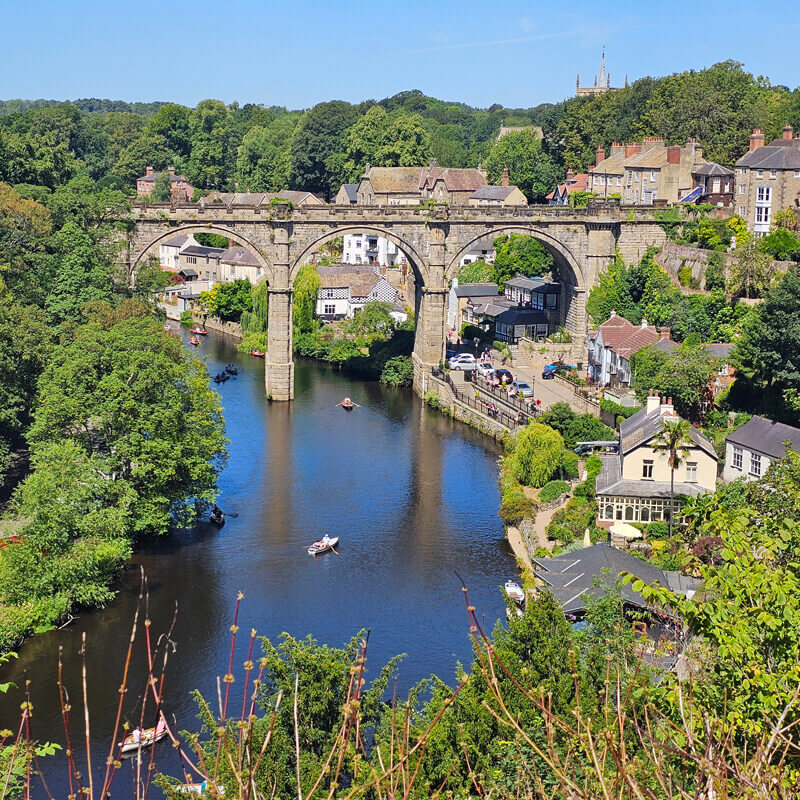
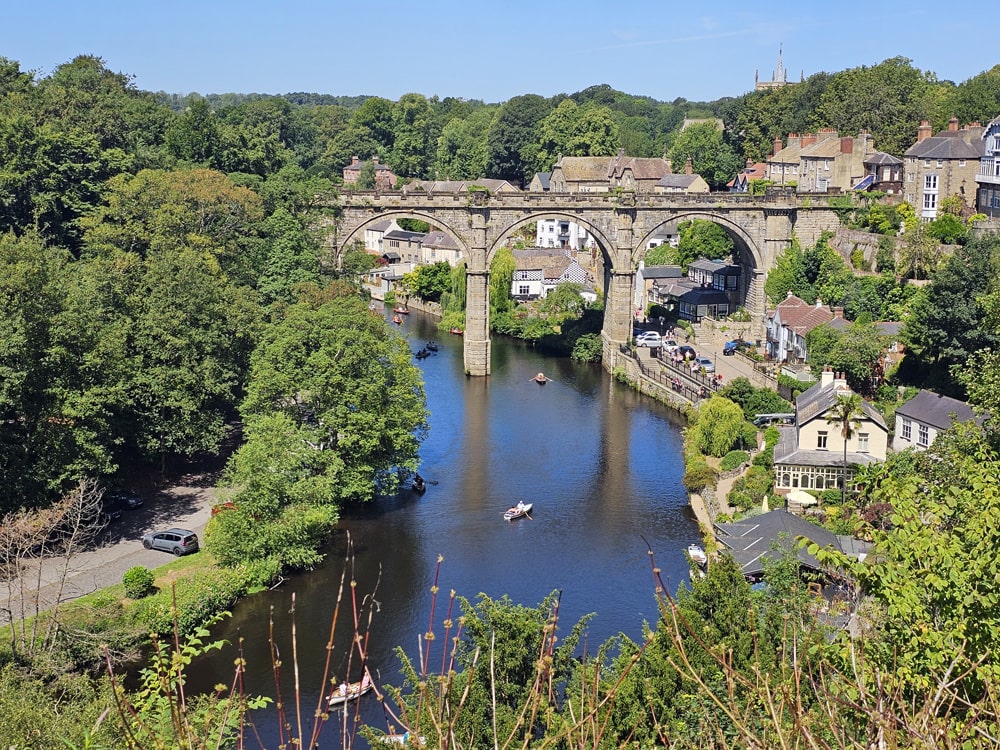
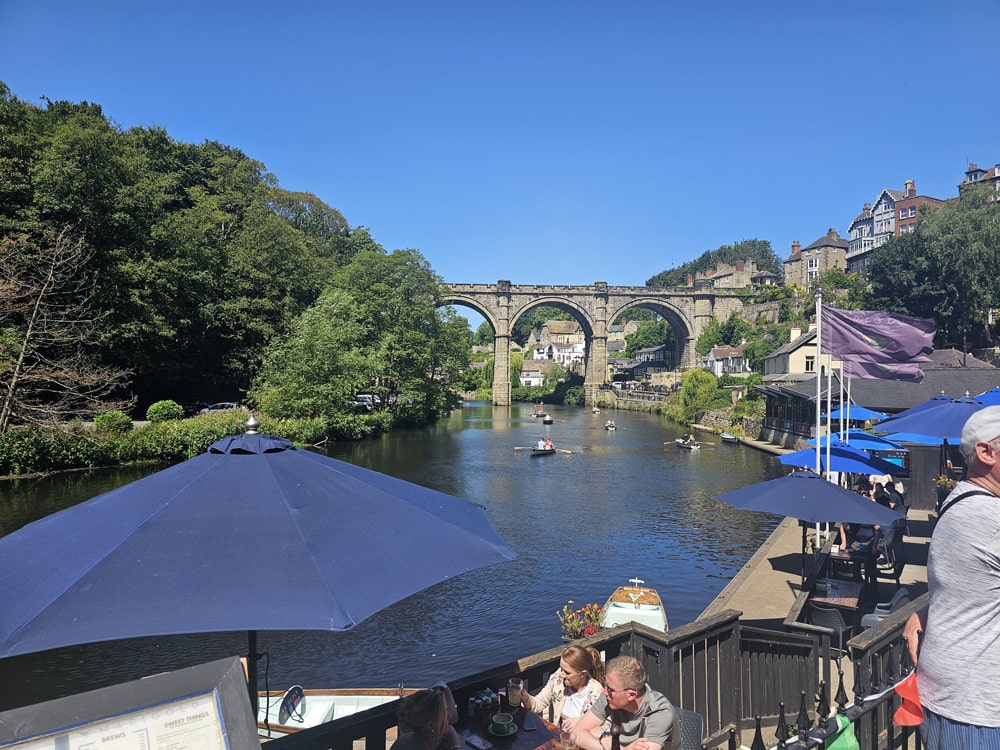
Perched dramatically above the River Nidd, Knaresborough is one of Yorkshire’s most beautiful and historic towns. Its steep limestone cliffs and commanding position made it a natural place for settlement and defence, while its castle, market and religious sites helped shape the town during the Middle Ages.
Early History
There is evidence of human activity in the wider Knaresborough area from prehistoric times, while the surrounding district was occupied by the Brigantes during the Iron Age. Following the Roman conquest of northern Britain in the 1st century AD, the region became part of the Roman province centred on York. Archaeological discoveries demonstrate Roman activity and wealth in the Knaresborough area, including the remarkable Knaresborough Hoard of copper-alloy vessels, which includes bowls, plates and wine strainers.
Knaresborough’s name provides an important clue to its early history. The name is generally associated with the Old English personal name Cenheard and burh, meaning a fortified settlement or stronghold. The name suggests an early defended settlement occupying the high ground overlooking the Nidd. However, there is no surviving archaeological evidence that proves the existence of a substantial Anglo-Saxon defensive enclosure on the site.
Christianity may also have reached the area at an early date. Local historical evidence associates the district with a religious gathering mentioned by the Anglo-Saxon historian Bede in connection with a synod held near the River Nidd in 705. The present parish church of St John the Baptist, however, is essentially medieval, with the earliest documentary evidence for the church dating from the early 12th century.
The Norman Conquest and the Birth of the Medieval Town
The Norman Conquest transformed Knaresborough. The settlement is recorded in the Domesday Book of 1086, under an early form of its name. The Domesday evidence indicates that the area had suffered the disruption associated with the Norman conquest of northern England. Archaeological research suggests that the settlement’s importance increased significantly after the Conquest, particularly with the construction of the castle.
A Norman castle was established on the spectacular promontory above the River Nidd during the early 12th century. The earliest surviving documentary reference to a castle at Knaresborough dates from 1130. Its position was strategically important, allowing the Norman rulers to control the surrounding countryside and defend an important northern territory.
The castle encouraged the growth of a settlement around it. By about 1100, Knaresborough was developing into a town, with traders and craftsmen arriving to serve the castle and its inhabitants. St John the Baptist’s Church was also established during this period. The town subsequently became the centre of the Honour of Knaresborough, a large feudal estate whose lord exercised considerable authority over the surrounding district.
During the 12th century Knaresborough became increasingly connected with the political struggles of medieval England. Hugh de Morville, who held the Honour of Knaresborough from 1158, was one of the four knights responsible for the murder of Archbishop Thomas Becket in Canterbury Cathedral in 1170. Following the killing, the knights fled north and sought refuge at Knaresborough Castle, giving the town a dramatic connection to one of the most famous events of medieval English history.
The castle became increasingly important under the English Crown. When the Stuteville inheritance was disputed in the early 13th century, King John took direct control of Knaresborough. He regarded the castle as a vital northern stronghold and began a major programme of improvements in 1204. Knaresborough consequently became an important centre of royal administration and military activity.
The town itself was also developing commercially. A market is recorded at Knaresborough from 1206, while the settlement had developed into a recognised medieval borough by the later 12th century.
The 14th century was a turbulent period for the town. Knaresborough’s strategic importance made it vulnerable during the conflicts between England and Scotland and during political struggles within England. In 1317 the castle was seized by supporters of the rebel Earl of Lancaster, although royal forces subsequently recovered it. The following year, Scottish raiders reached Knaresborough and burned much of the town, including the parish church. The castle nevertheless remained a refuge for the inhabitants.
In 1310 Edward II granted Knaresborough a royal charter to hold a market. This formal recognition reinforced the town’s role as a commercial centre, building on a market tradition that was already well established. By this period the surrounding area was also associated with ironworking and wool production, industries that contributed to the prosperity of the medieval town.
In 1331 the castle and Honour of Knaresborough were granted to Queen Philippa, wife of Edward III, and the castle became a royal residence. Later, in 1372, the Honour passed to John of Gaunt and became part of the estates of the Duchy of Lancaster. This helped preserve Knaresborough’s importance as an administrative centre long after the castle ceased to be a major focus of royal power.
A Medieval Town Preserved in the Modern Landscape
By the end of the Middle Ages, Knaresborough had developed from an early settlement on a defensible rocky height into a substantial market town dominated by its castle. Its medieval history was shaped by royal power, warfare, trade and religion. The castle provided protection and political authority; the market brought merchants and craftsmen; and the surrounding countryside supplied agricultural and industrial resources.
Much of Knaresborough’s modern character still reflects this medieval development. The castle remains dramatically positioned above the River Nidd, while the Market Place continues the commercial tradition established during the Middle Ages. The town’s steep streets, historic buildings and medieval remains provide a tangible reminder of the period when Knaresborough grew from a fortified settlement into one of Yorkshire’s best-known historic towns.
Knaresborough Castle
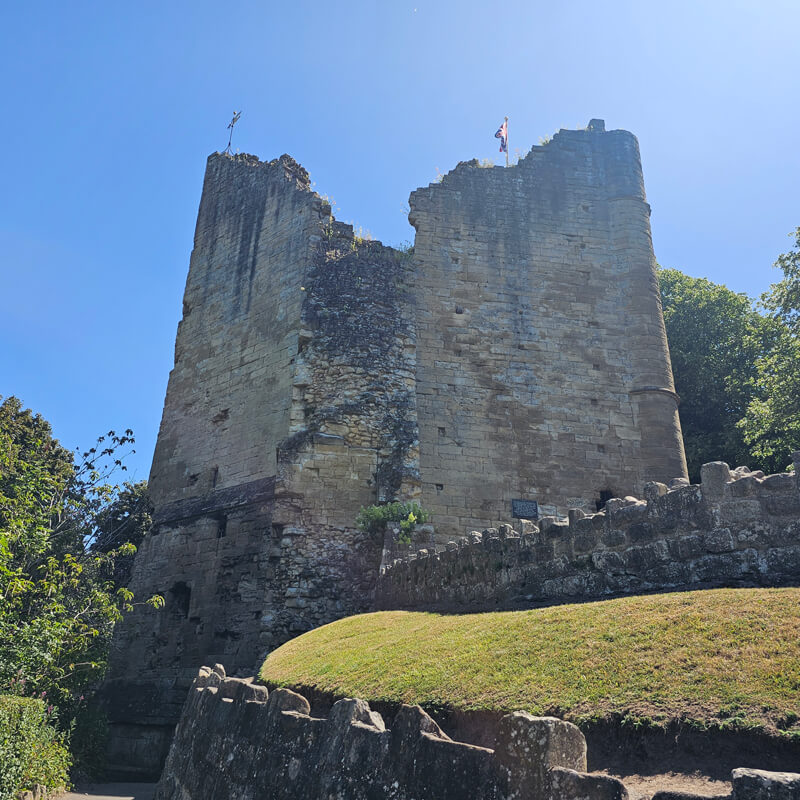
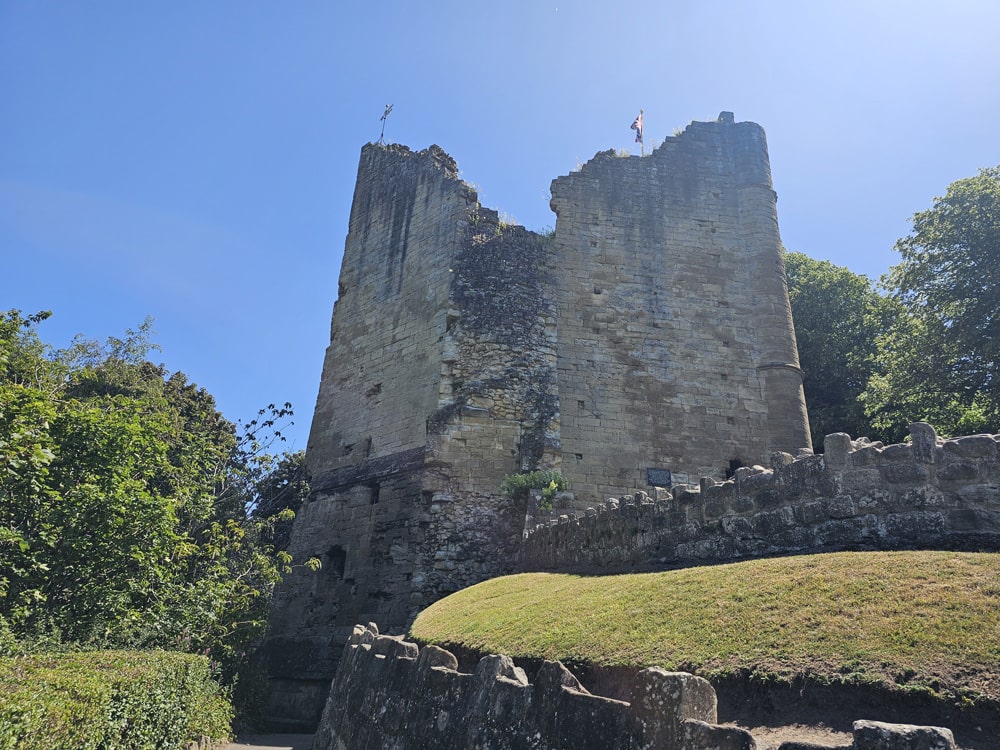
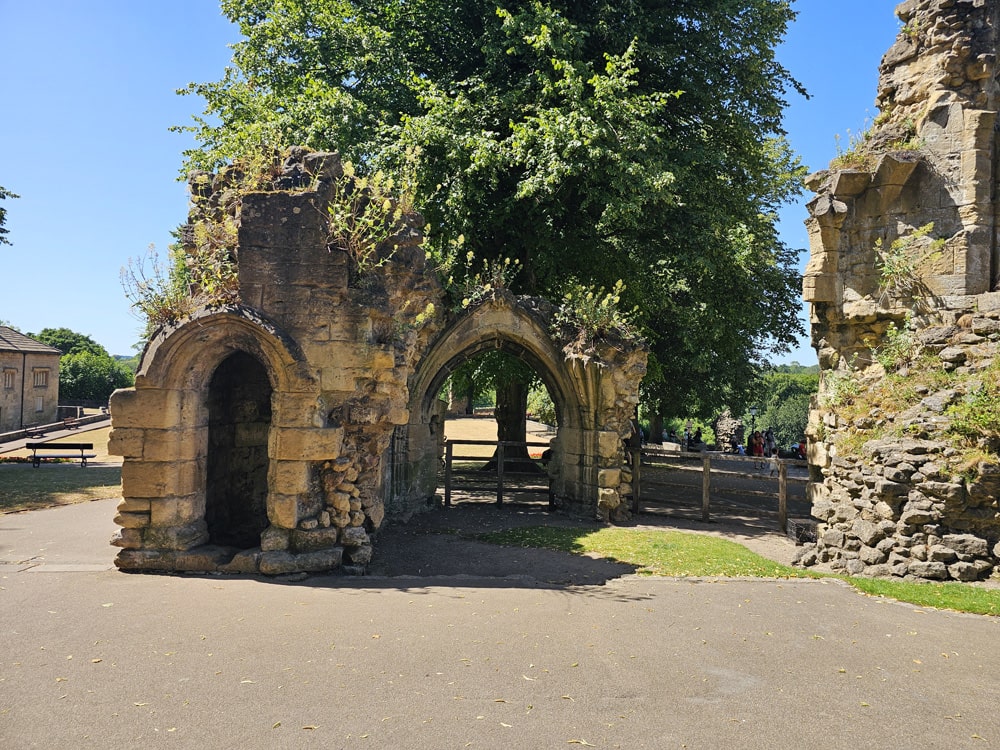
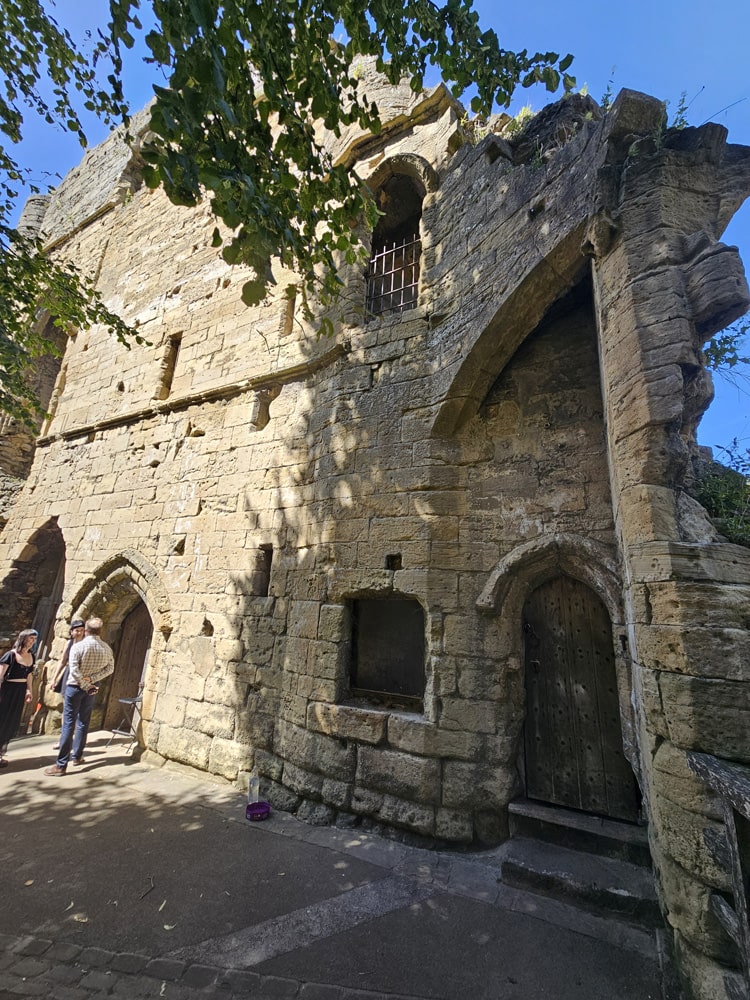
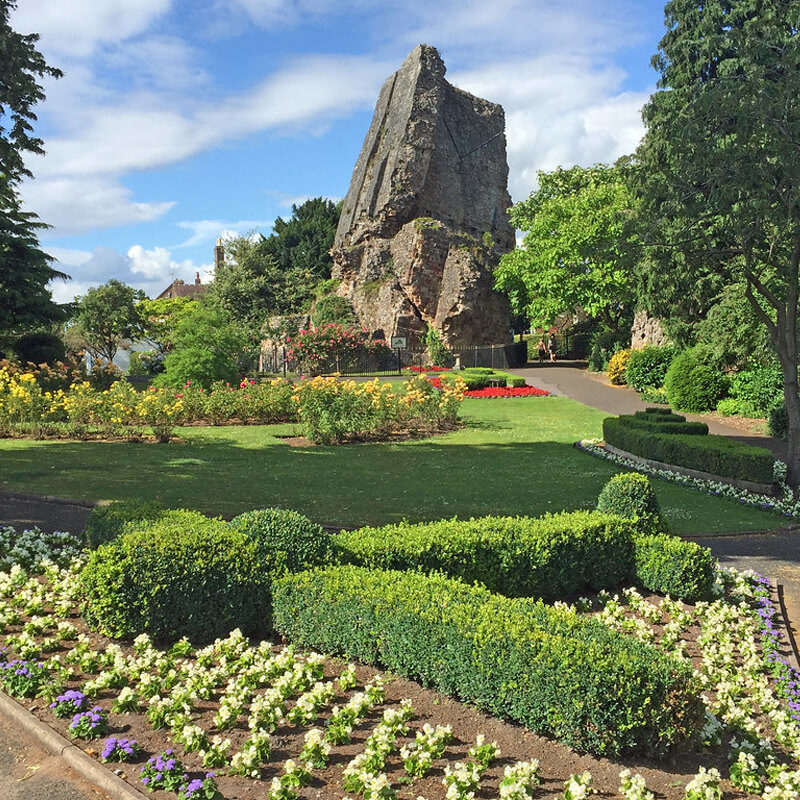
Built in the early 12th century, Knaresborough Castle is an important surviving example of medieval castle architecture. Although much of the original fortress has disappeared, the King’s Tower, courthouse, gatehouse remains, curtain walls and archaeological evidence still reveal the scale and importance of the medieval stronghold.
Chapel of Our Lady of the Crag
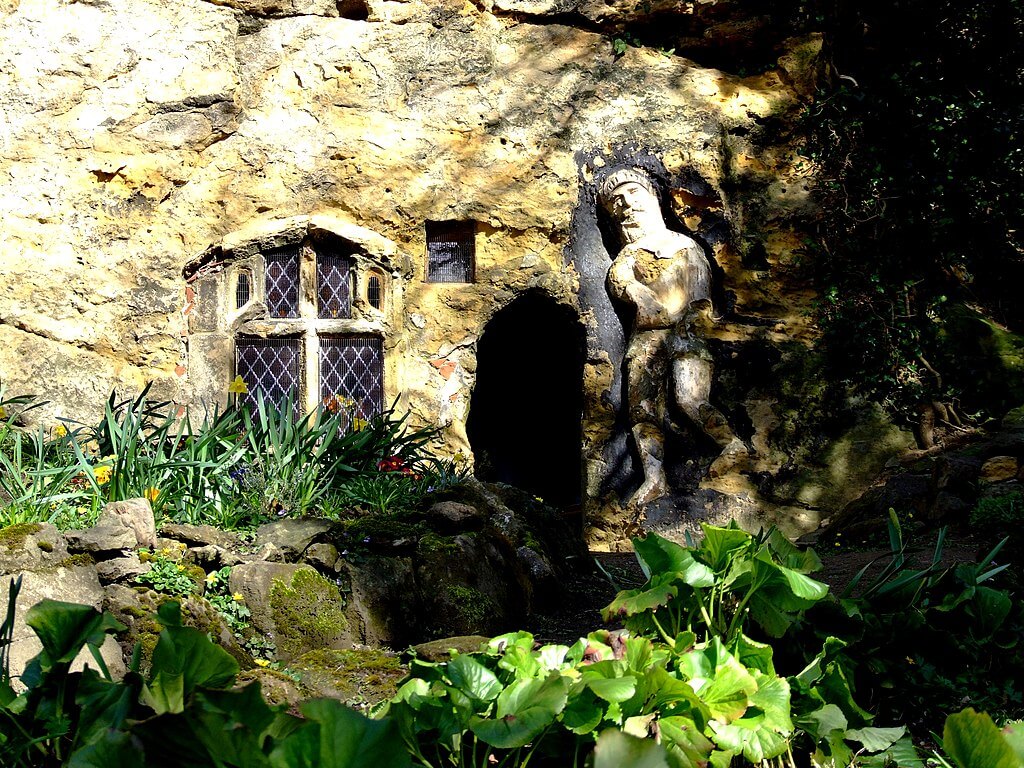
The Chapel of Our Lady of the Crag is a remarkable medieval chapel carved directly into the limestone cliff beside the River Nidd. Founded in the early 15th century by John the Mason, it was dedicated to the Virgin Mary and served pilgrims travelling through the town. Its unusual rock-cut design, small altar and riverside setting make it one of Knaresborough’s most distinctive historic and religious landmarks.
St Robert’s Cave and Chapel
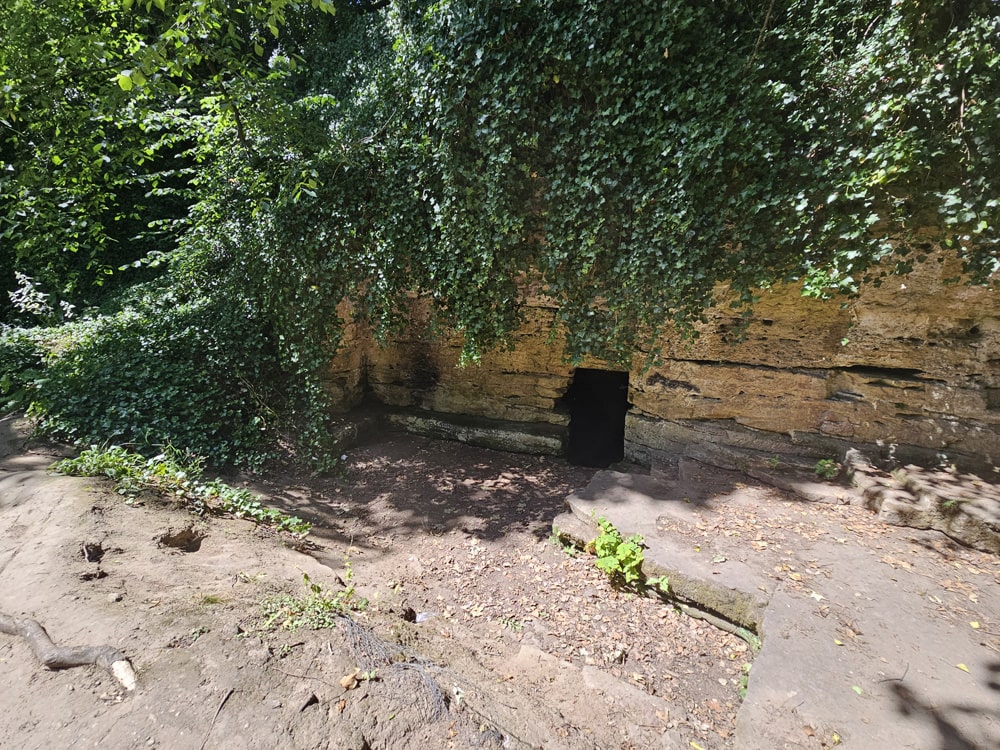
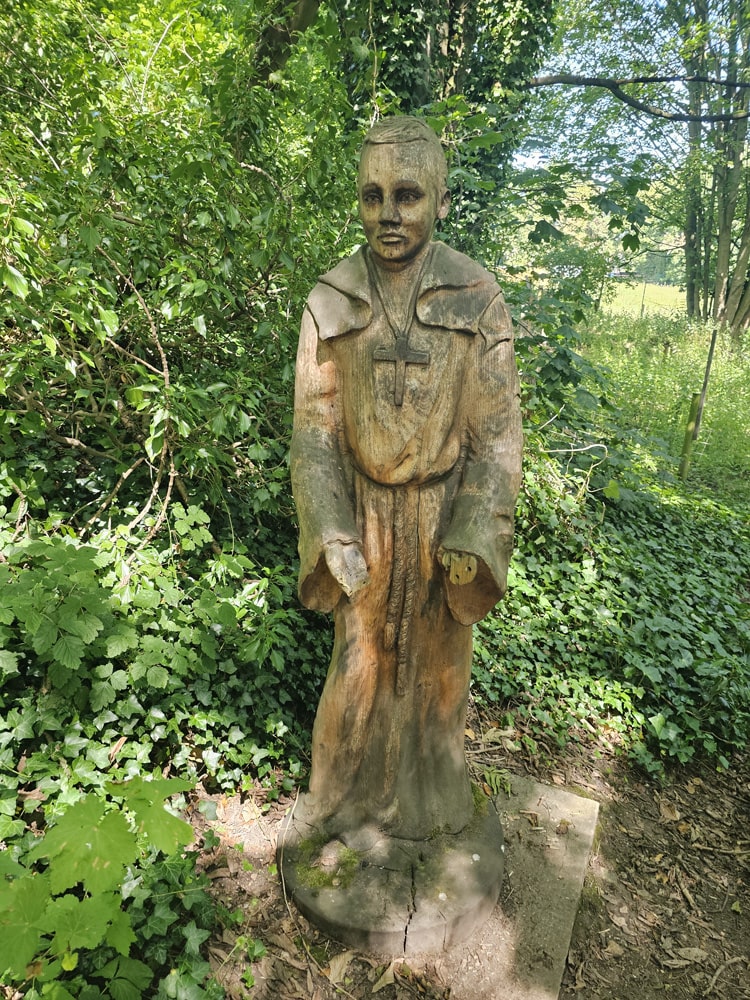
St Robert’s Cave and Chapel is a medieval religious site beside the River Nidd. It is traditionally associated with St Robert of Knaresborough, a 13th-century hermit who lived in the cave during the early 1200s. The rock-cut chapel and cave became a place of pilgrimage, reflecting Knaresborough’s importance as a centre of medieval religious activity.
Mother Shipton’s Cave
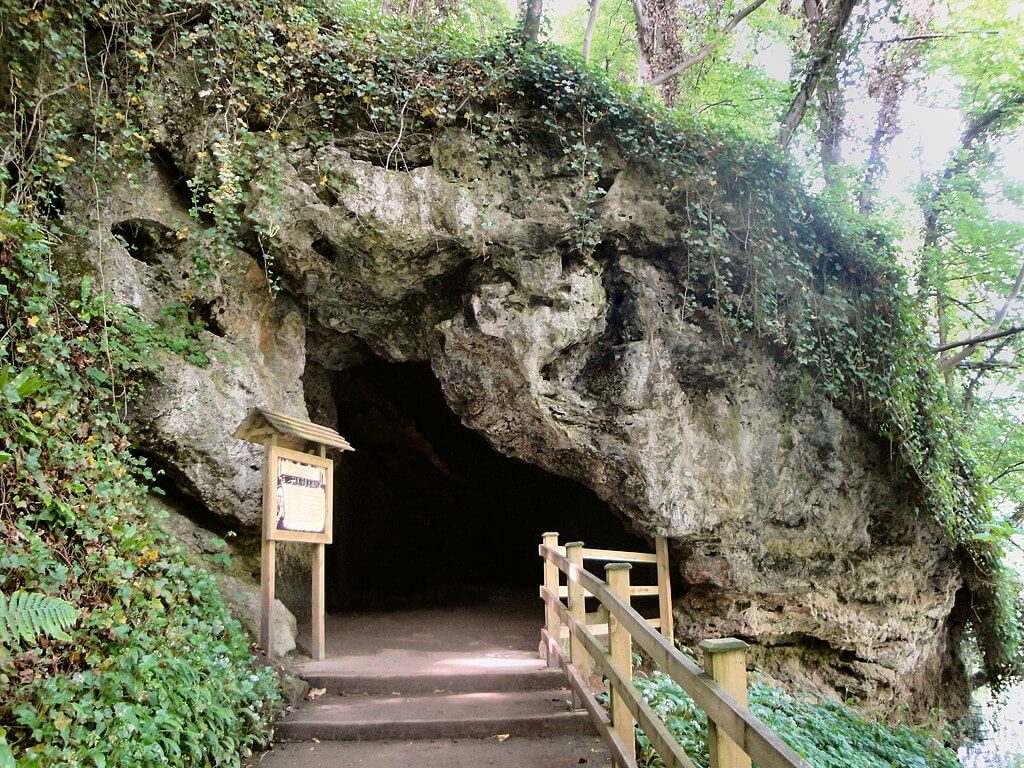
Mother Shipton’s Cave is traditionally associated with Ursula Southeil, better known as Mother Shipton, a 15th-century Yorkshire prophetess. According to local tradition, she was born in the cave around 1488. Situated beside the River Nidd, the site has long attracted visitors fascinated by its legends and the nearby Petrifying Well, whose mineral-rich waters coat objects in a stone-like deposit. It is now one of Knaresborough’s best-known historic attractions.
Photo Gallery.
Did you enjoy this post?
I hope you found this post useful. I put a great deal of time and effort in to building, maintaining and populating the website. If you like, you could say a small thank you by buying me a coffee. You don't have to, but it would be nice :)
Buy me a coffee
Stay up to Date
Follow me on my journey and get notified whenever a new post is published by following Kings & Castles on Facebook.
Follow MeExplore The Map
Discover the hundreds of castles, churches, monasteries, cathedrals and other historic locations that I've personally visited across England and Wales. Search by location, explore nearby sites and plan your next historical adventure.
Share: