Beeston Castle
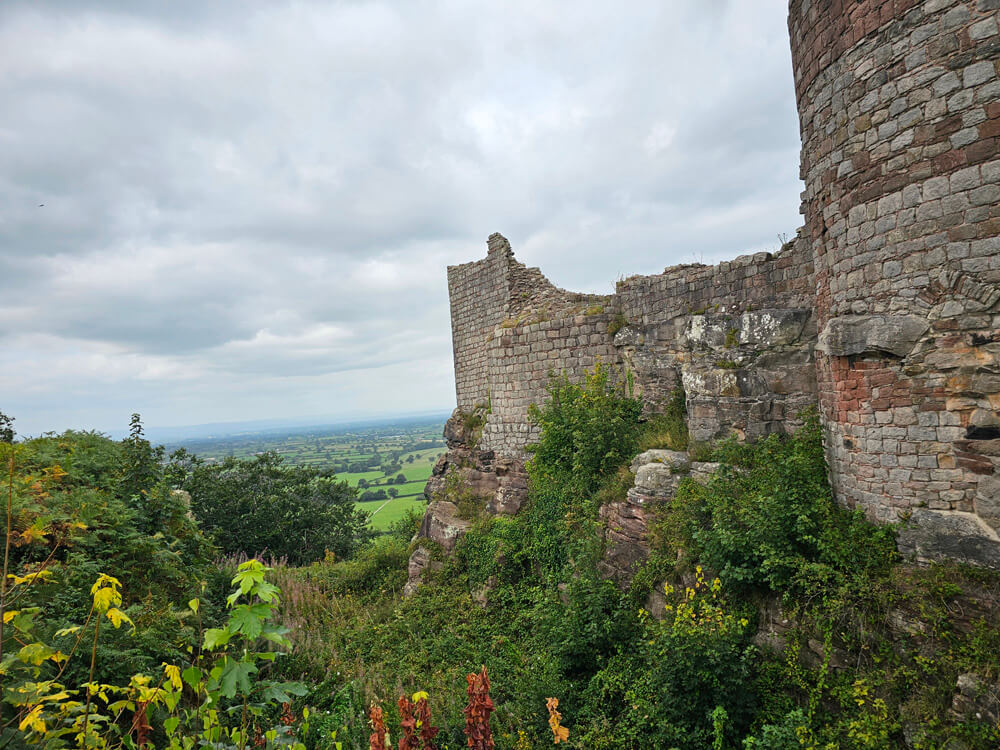
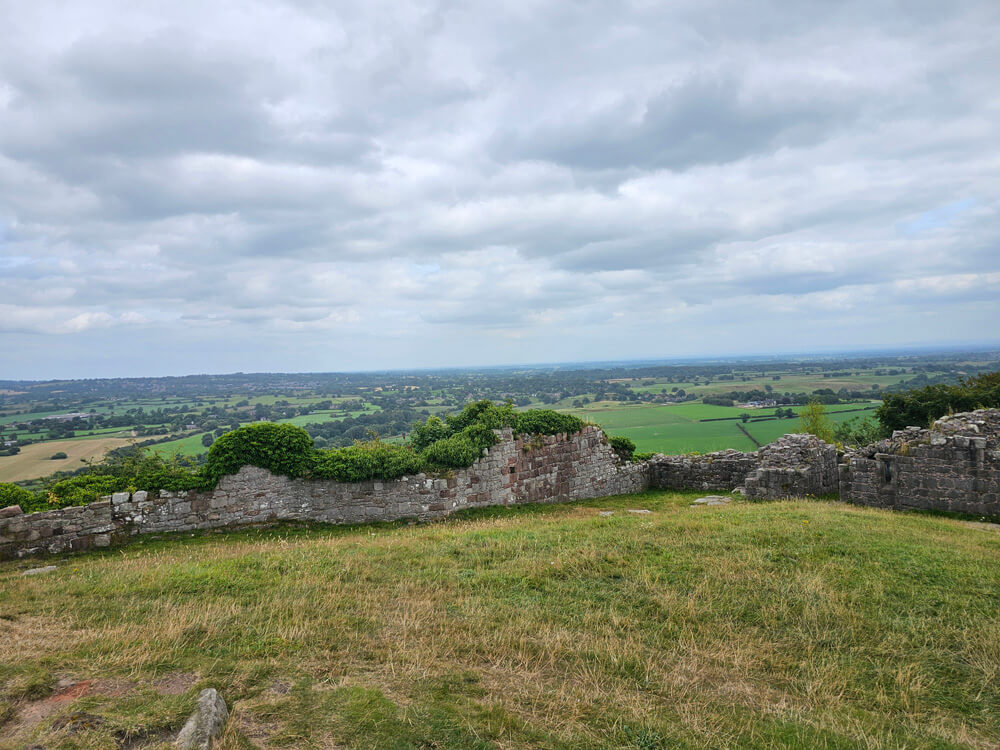
Crowning a rocky crag high above the Cheshire Plain and boasting spectacular views, is the ruined remains of 13th-century Beeston castle. It is one of the most dramatically sited medieval castles in England, with views all the way from the Pennines to the Welsh mountains. It has one of the deepest castle wells in England, and treasure belonging to Richard II is rumoured to be hidden in the castle grounds.
Quick
Facts.
- Location: Beeston, Cheshire, England
- Built: 1220s
- Condition: Ruined
- Date visited: August 2024
- More info: Visit website
- Rating:
Prehistory
Beeston Castle has a rich history thanks to its strategic importance and defensive location, but the landscape that it sits on has a 4,000 year history.
The discovery of Neolithic flint arrow heads suggest that their was activity on the site during the Neolithic period. There is also evidence to suggest that the site was occupied by a Bronze Age settlement, with the discovery of burial mounds and funerary material, suggesting that it had ritual significance. Archaeological excavation has provided evidence that the hilltop was fortified during the later Bronze Age, and during the Iron Age the existing bank was enlarged to create a large defended enclosure, or hillfort.
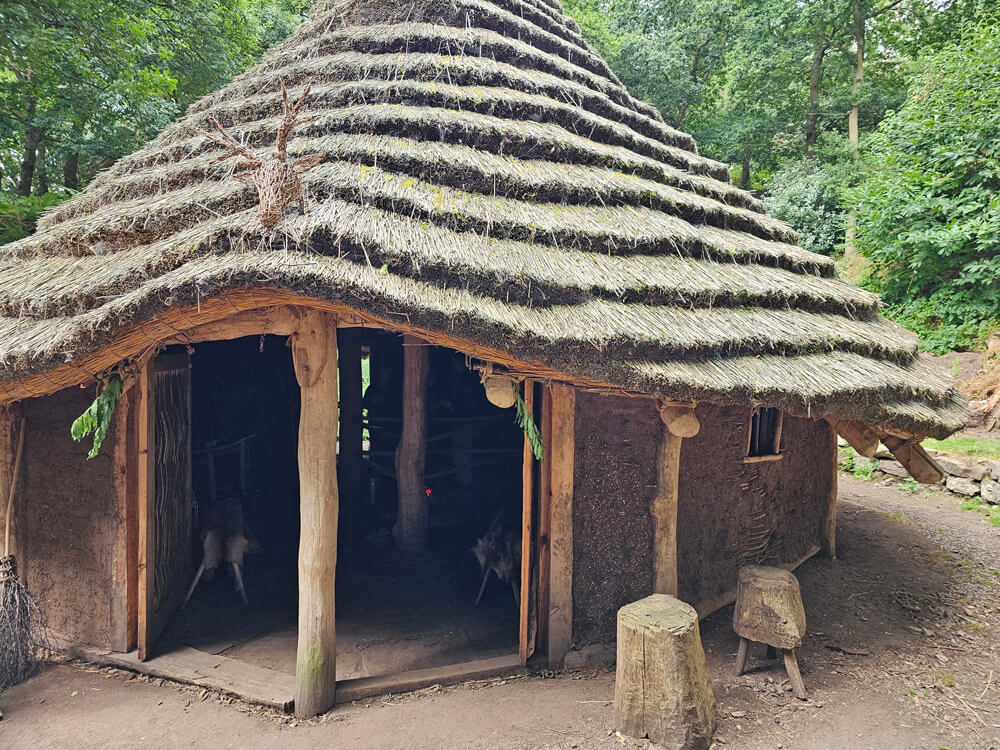
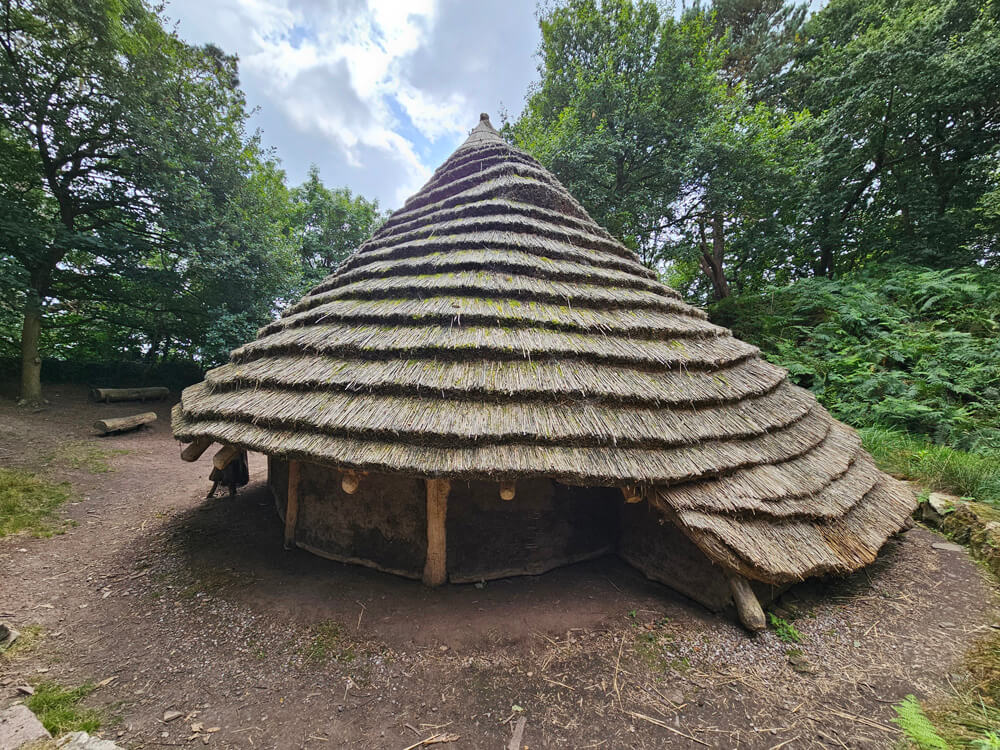
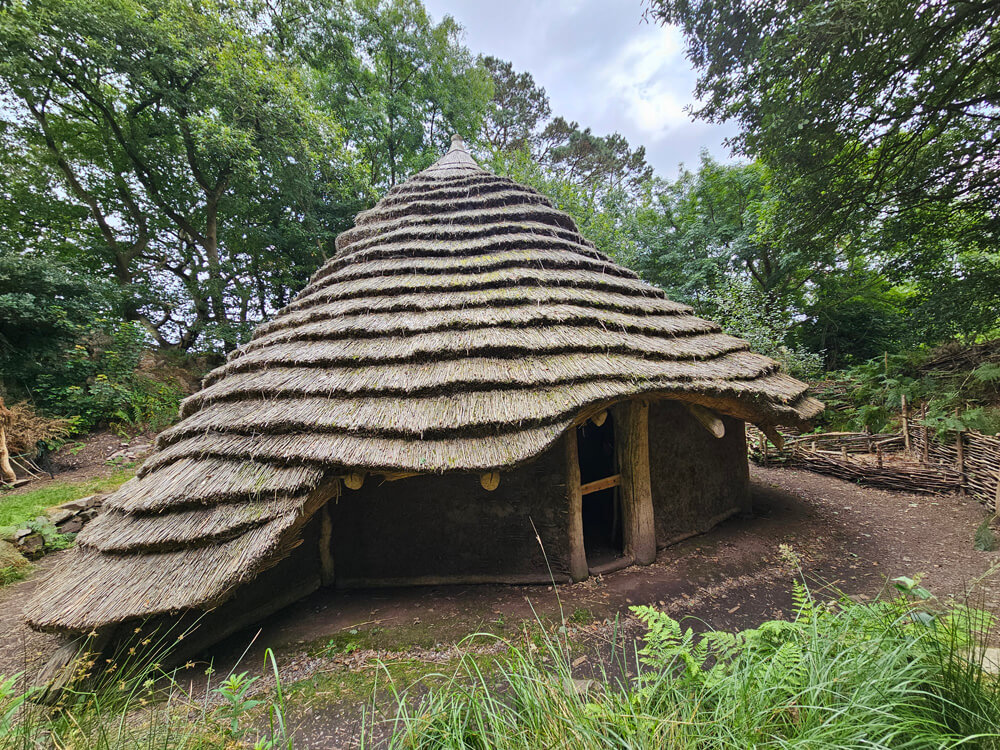
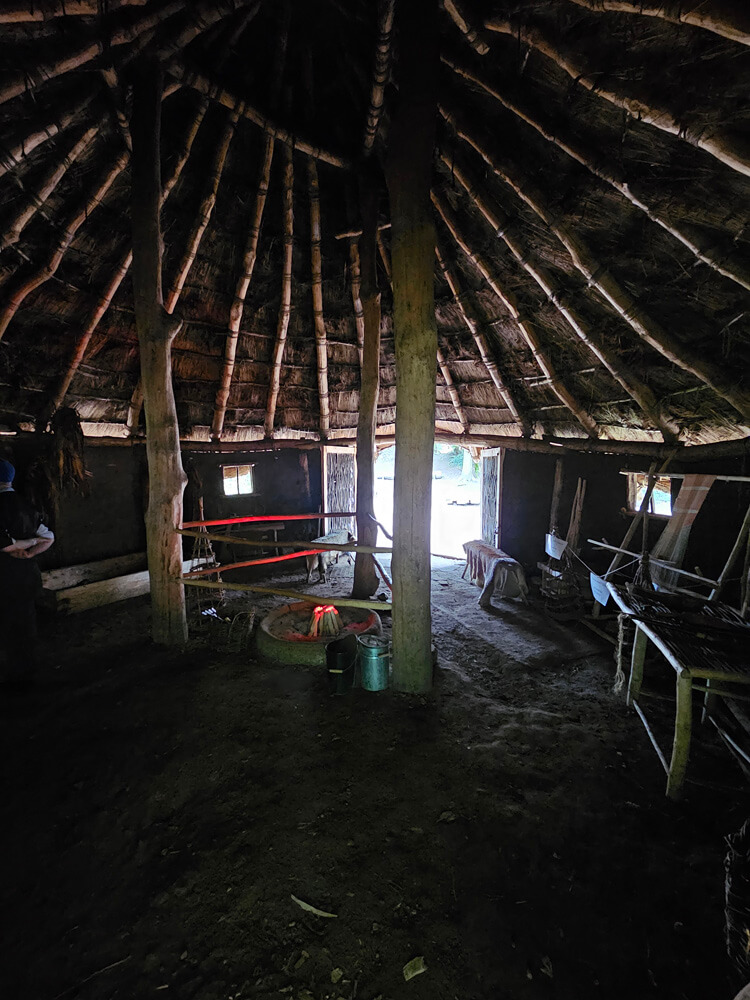
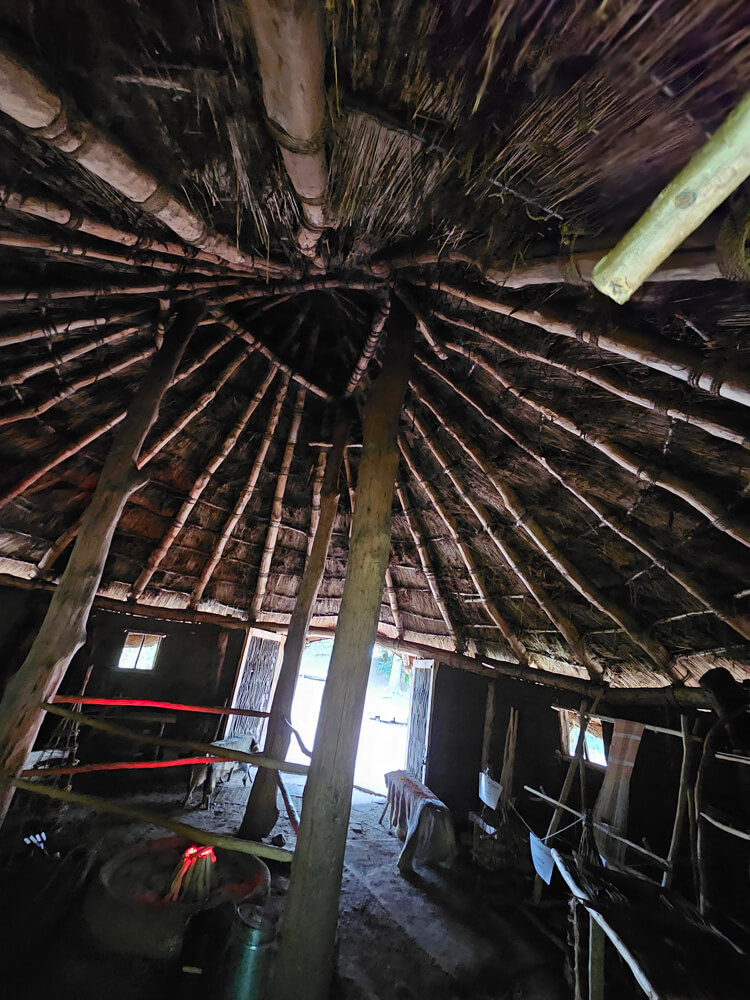
The castle incorporates the banks and ditches of the hillfort, and within the grounds there is a replica Bronze Age roundhouse built by volunteers to give you an idea of how the ancient people of the time would have lived.
The Castle
The castle was built by Ranulf, 6th Earl of Chester, on his return from the Crusades in the 1220s. Ranulf was an experienced soldier and a loyal supporter of King John during the Barons’ War, and for this he was granted lands and titles throughout the land.
Ranulf left to join the fifth crusade sometime around the year 1218. When Ranulf returned from the Crusades in the 1220’s, he built himself a castle on the site of the Iron Age hillfort at Beeston. He was heavily influenced by the defences he encountered during his time on Crusade in the Holy Land, and this can be seen in his choice of landscape and the features of the castle. His design used strong round towers, curtain walls, and a double gateway rather than the traditional keep. It was a thoroughly practical military design, with little opportunity for any internal development in the rocky and uneven inner bailey. The large outer bailey, however, was plenty big enough to house a large retinue.
Ranulf died in 1232, long before the construction of Beeston Castle was complete. Beeston, together with the Earldom of Chester, was granted to Ranulf’s nephew, John le Scot. However, John died soon after, and the castle passed to the crown when King Henry III seized the estates, including Beeston, and used the castle as a garrison and prison during his wars in Wales.
In 1254 Henry III granted Beeston and the Earldom of Chester to his son, the future Edward I, and so Cheshire became part of the royal lands.
On the orders of King Edward I, a major programme of refurbishment and rebuilding took place in the early-14th century, which continued for ten years. Work included strengthening the defences, raising and crenelating three towers in the inner ward, the building of a new bridge and a massive stone wall, and repairs were made to the gate in the outer ward and to houses and towers.
In 1399 King Richard II visited nearby Chester before sailing on a military expedition to Ireland. On his return he was captured by rebels led by his cousin Henry Bolinbroke, the future King Henry IV. Before his capture, King Richard is said to have buried his royal treasure at Beeston Castle. The treasure has been missing for centuries and it is thought that it was buried in the castle’s well, however, despite many attempts to find it, it remains missing.
By the 16th century Beeston Castle fell into disuse and decay. However, Beeston Castle’s strategic importance and defensive location was too important to be ignored. During the English Civil War, the castle was occupied by Parliamentarian forces until a small force of Royalists managed to enter and take the castle. After being bombarded, the besieged Royalists finally surrendered, and it was partially demolished in 1646, in accordance with Oliver Cromwell’s destruction order, to prevent its further use as a stronghold.
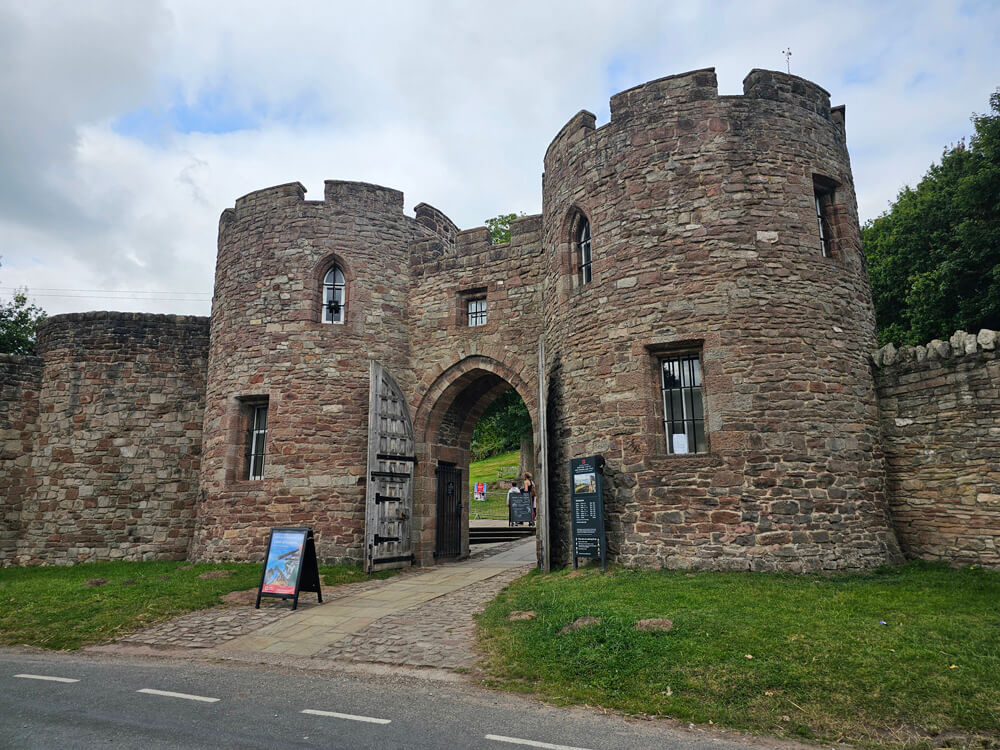
In the 19th century, Beeston Castle underwent further restoration and became a popular venue for visitors. The entrance gates to the castle set at the base of the hill look authentic, but they are Victoria additions.
Visiting
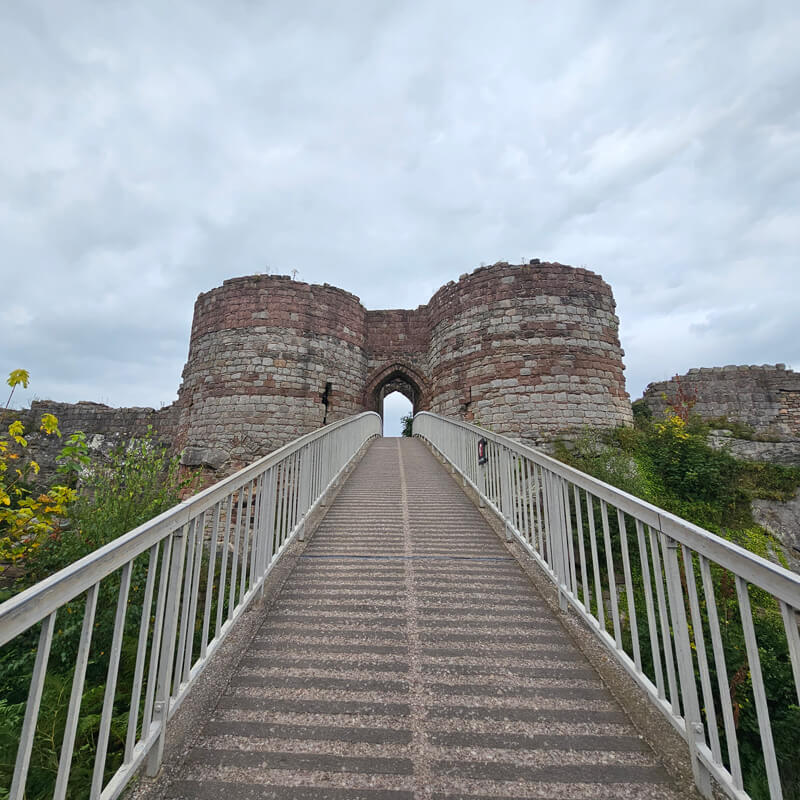
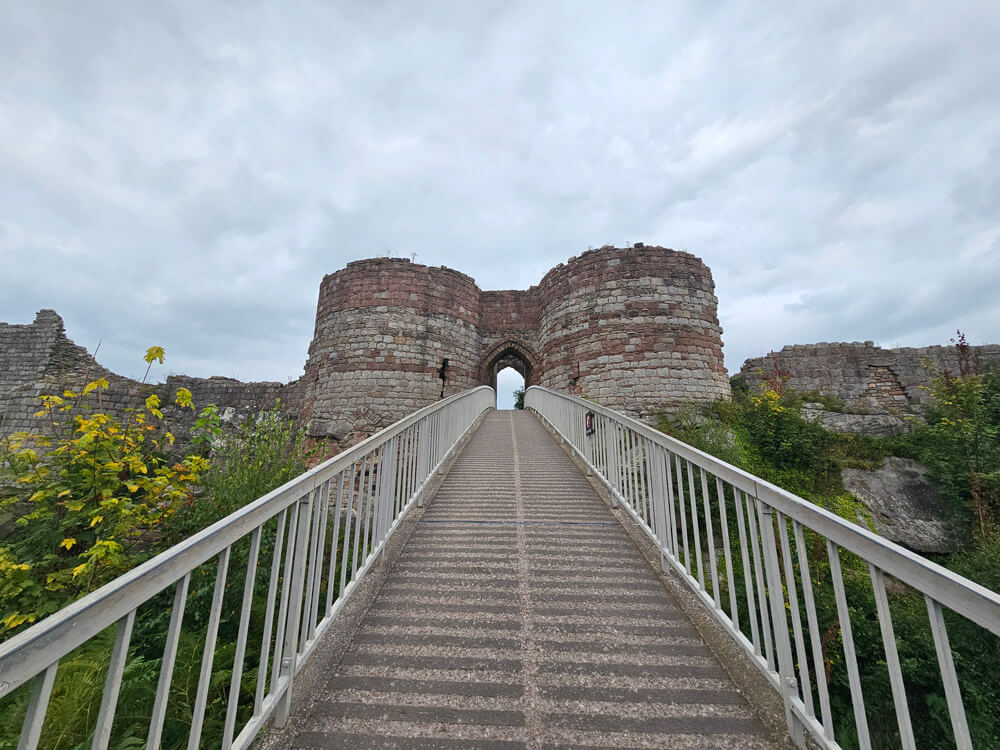
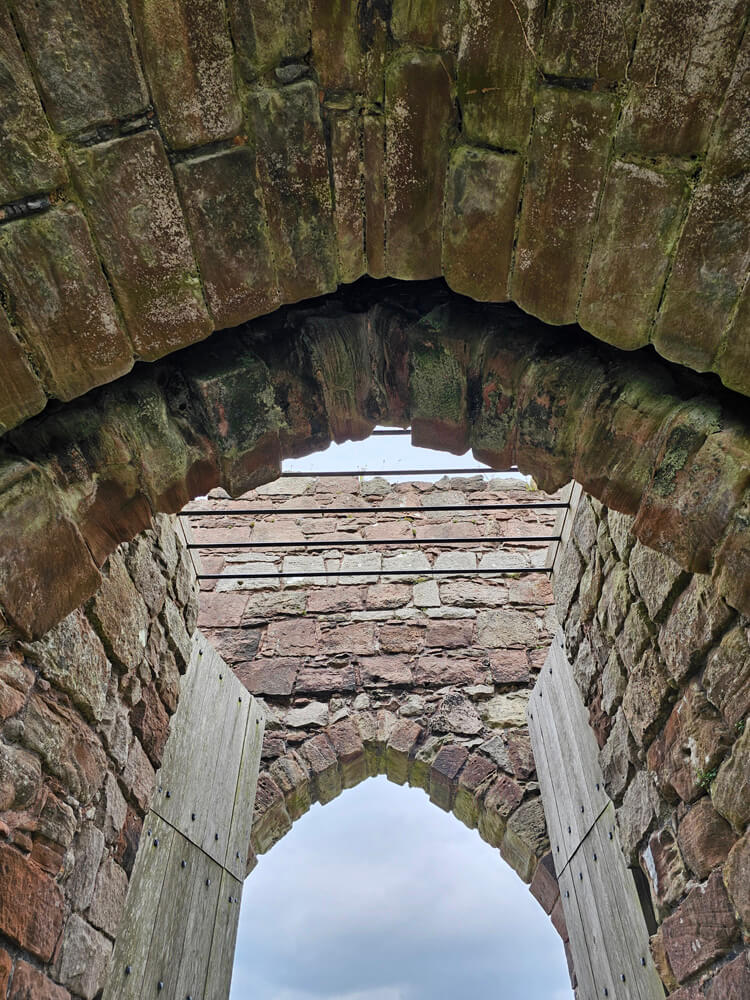
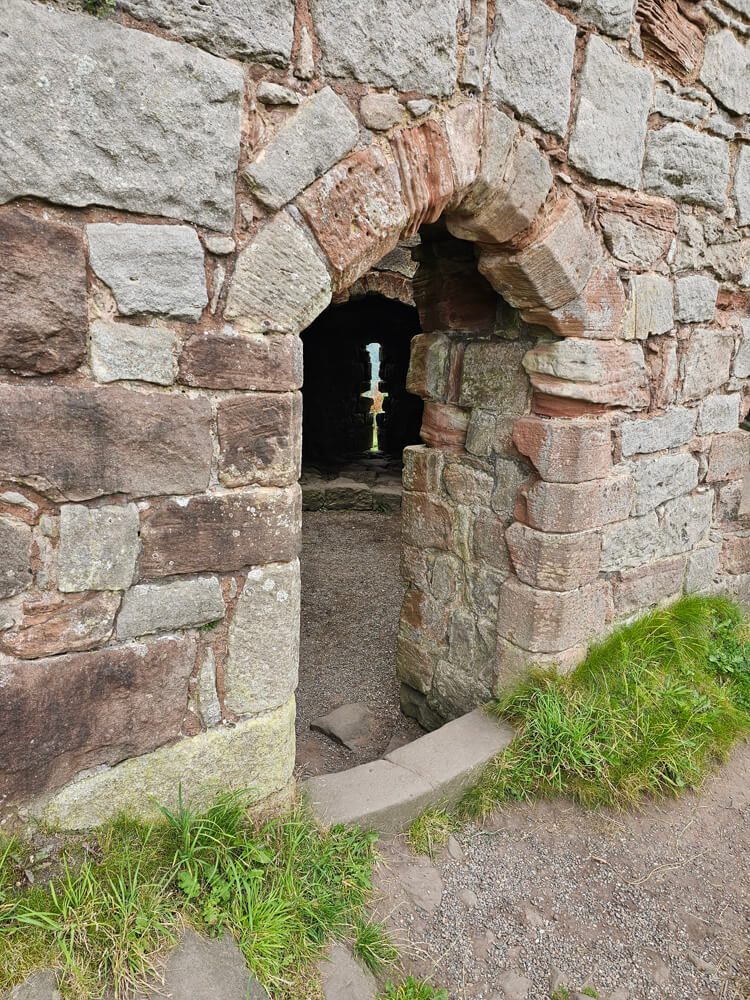
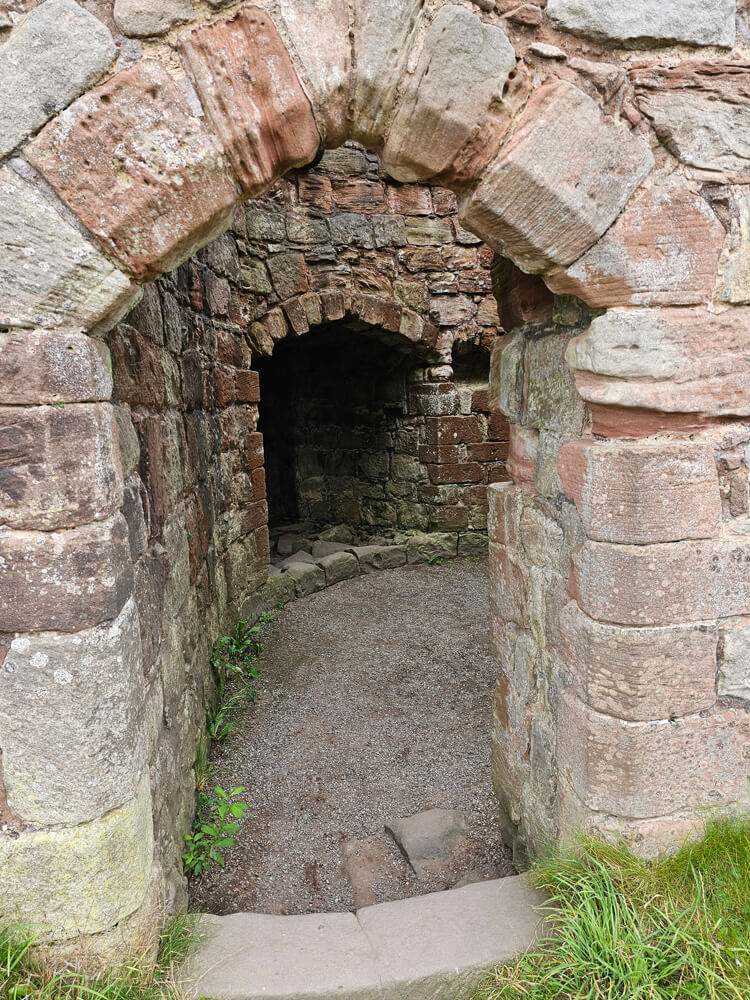
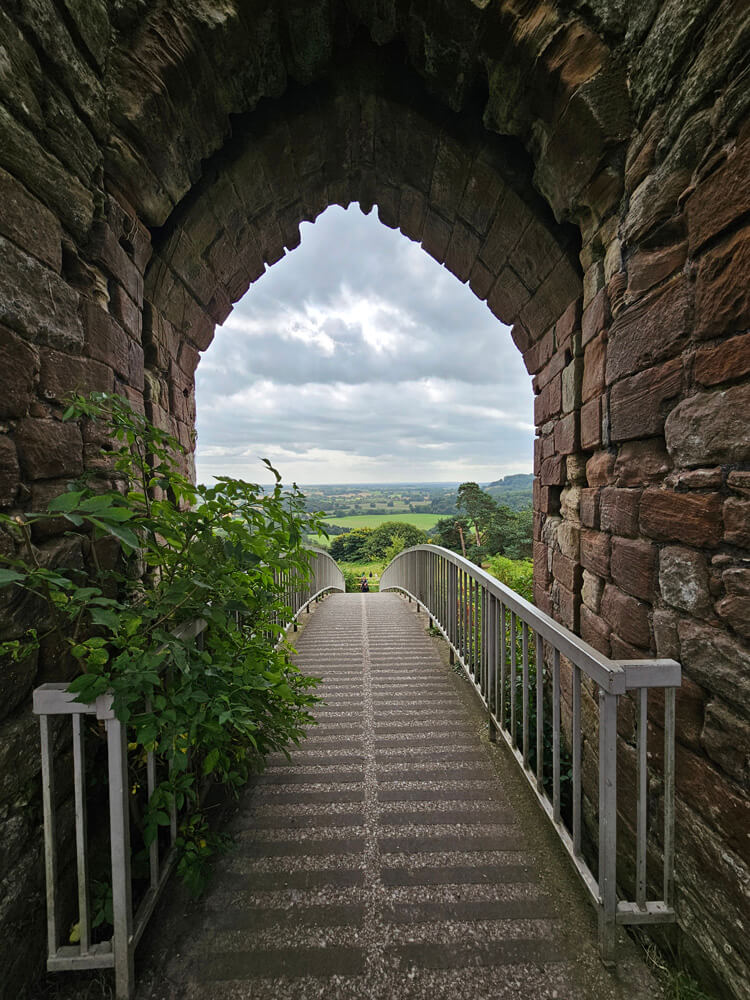
From the entrance gates at the base of the hill, visitors have to walk up a steep incline to reach the castle. The sheer size of the grounds are impressive, with a 40-acre woodland park. A trail leads up a hill to the castle itself, which is protected by a dry ditch cut into the solid rock. The castle is surrounded by two sets of perimeter defensive walls; the strong outer curtain wall, interjected by small towers encircles the site, and the inner wall includes a very imposing gateway with a bridge leading you to the inner bailey.
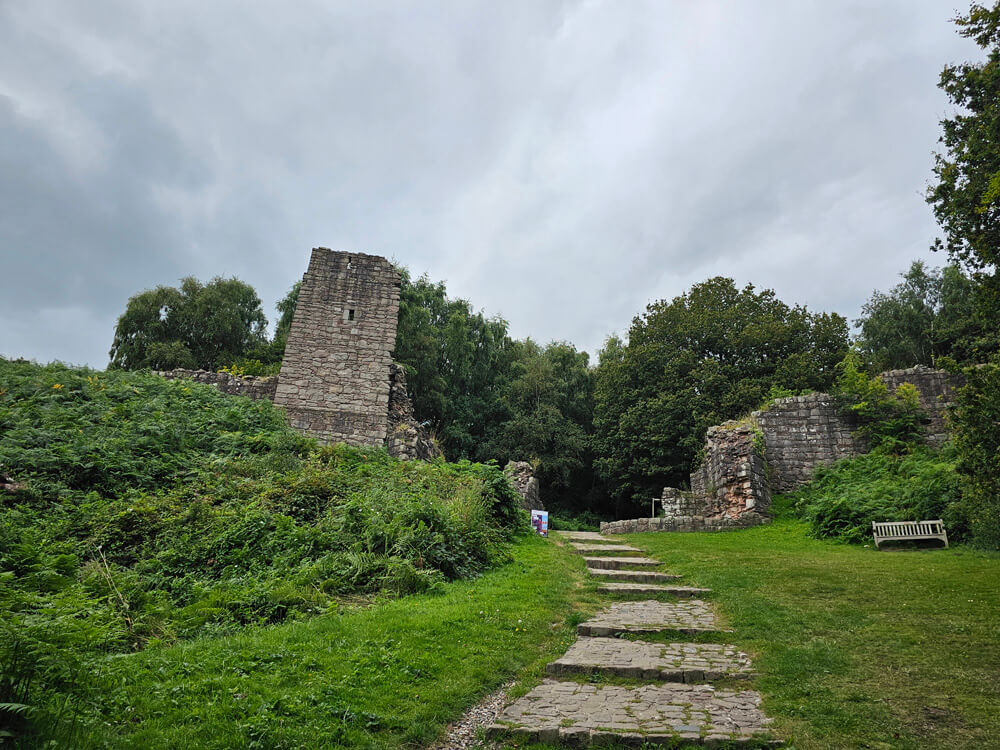
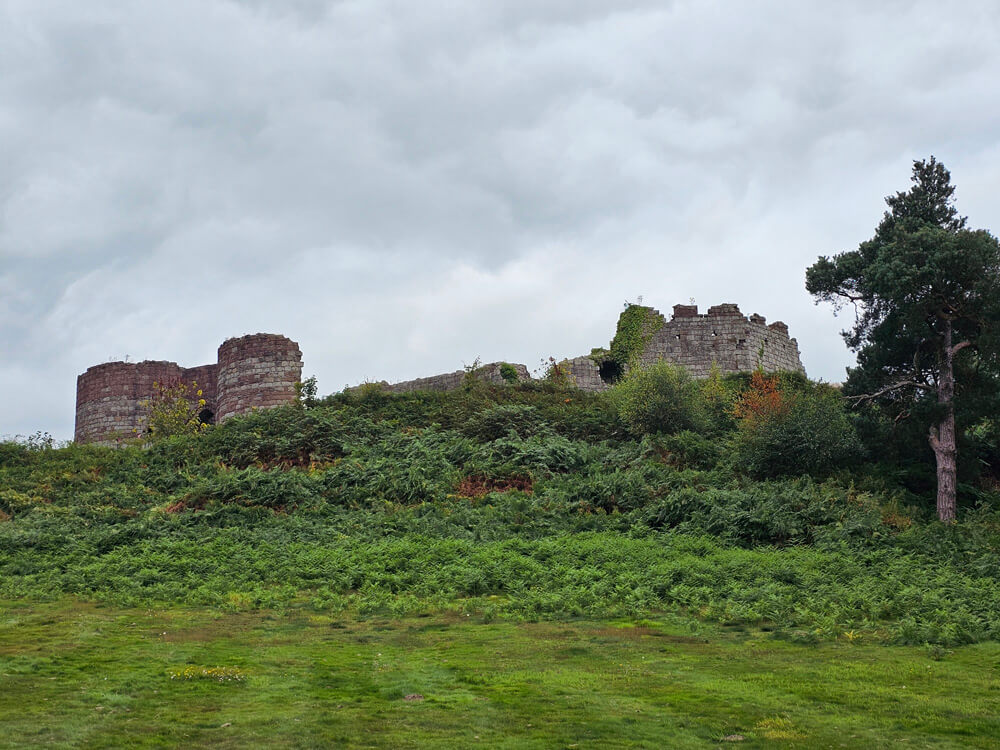
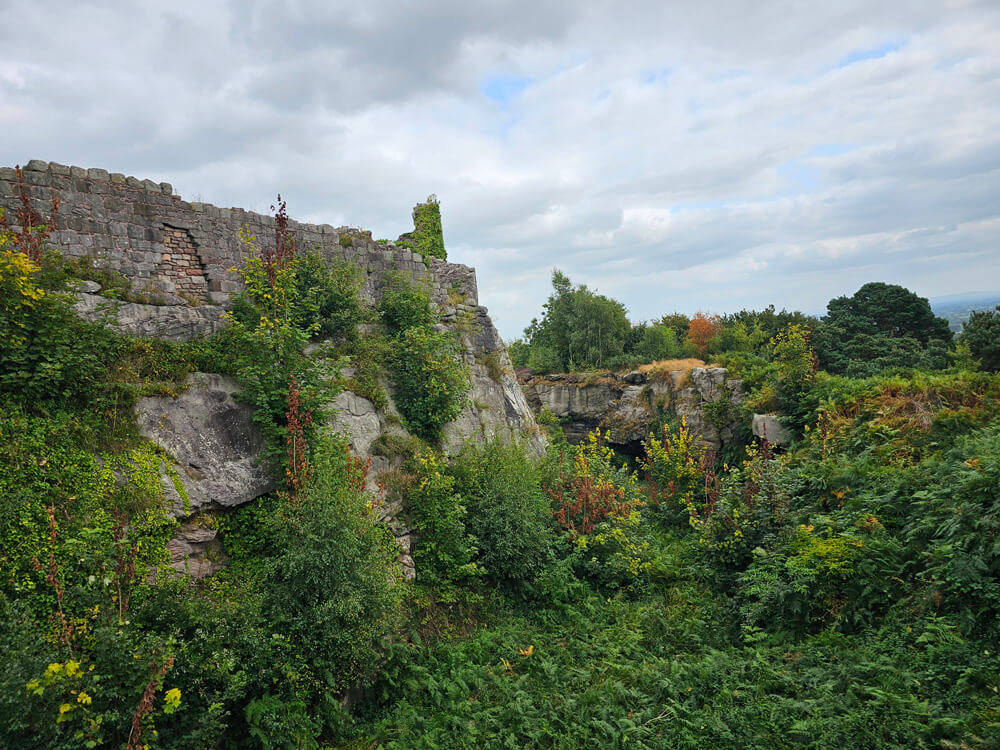
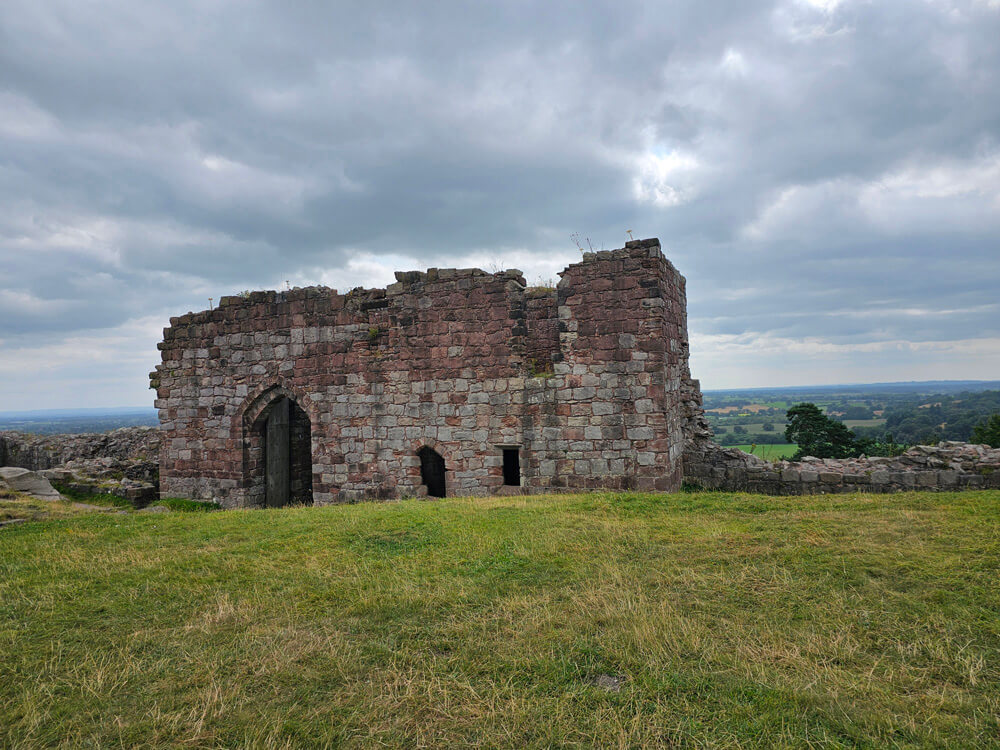
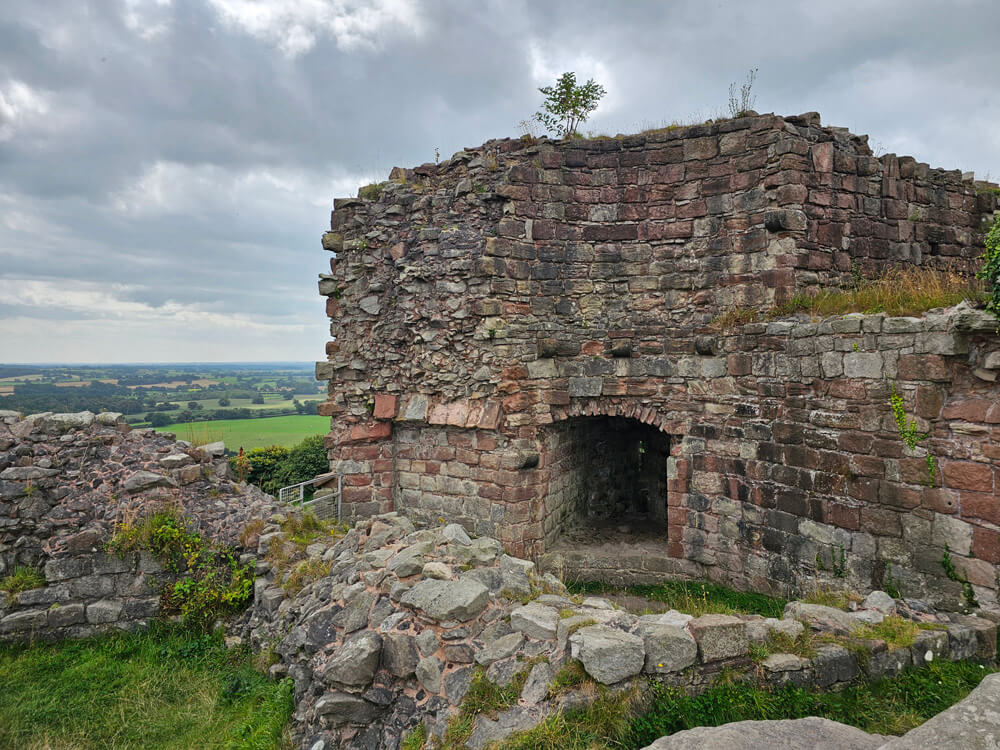
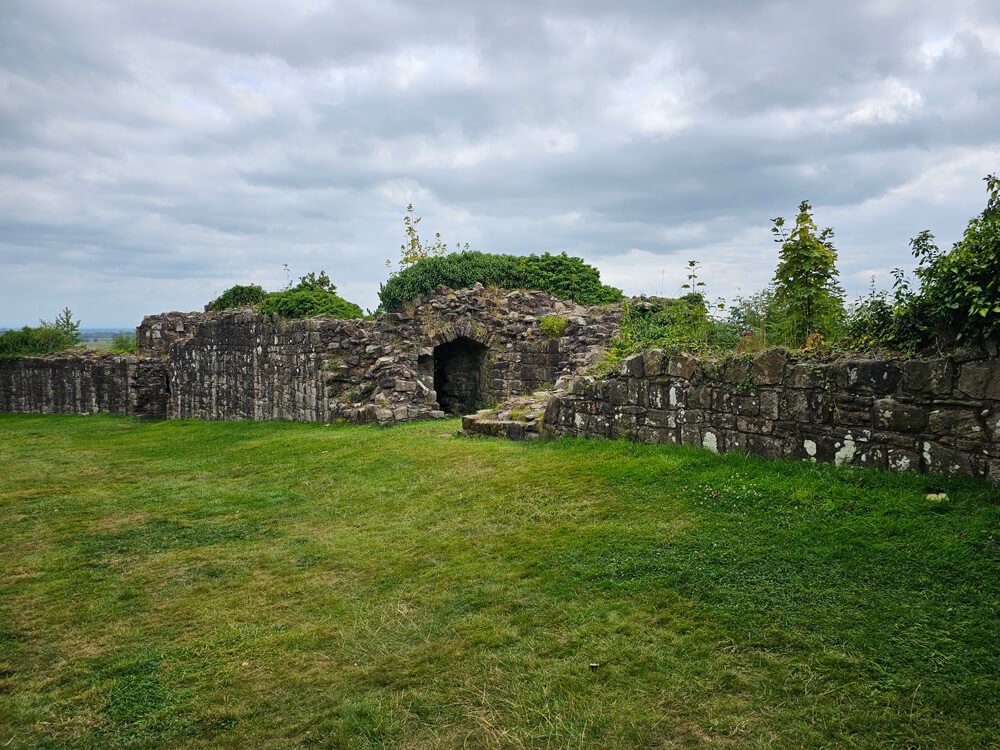
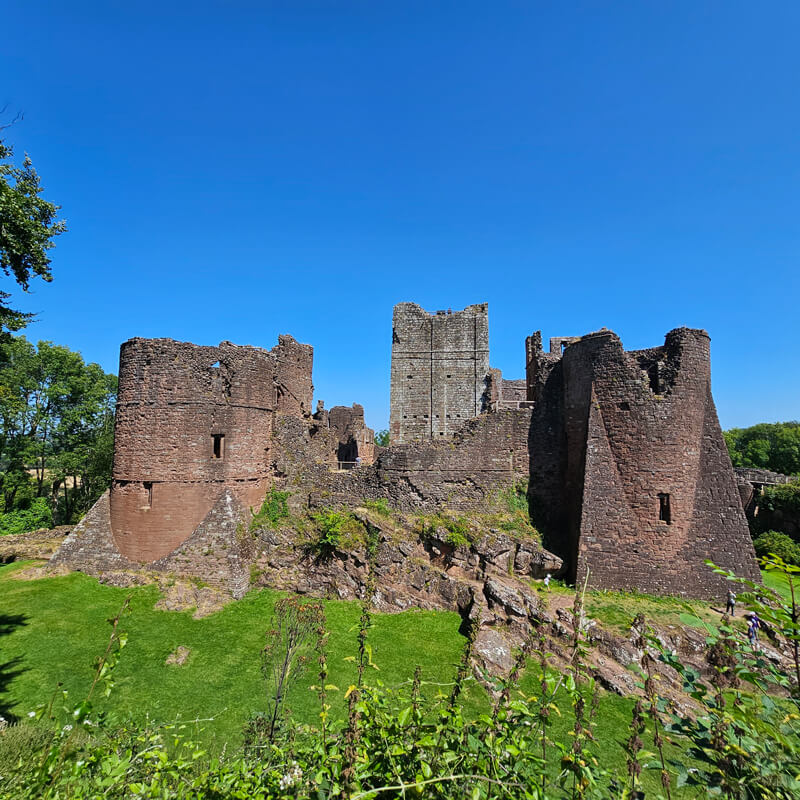
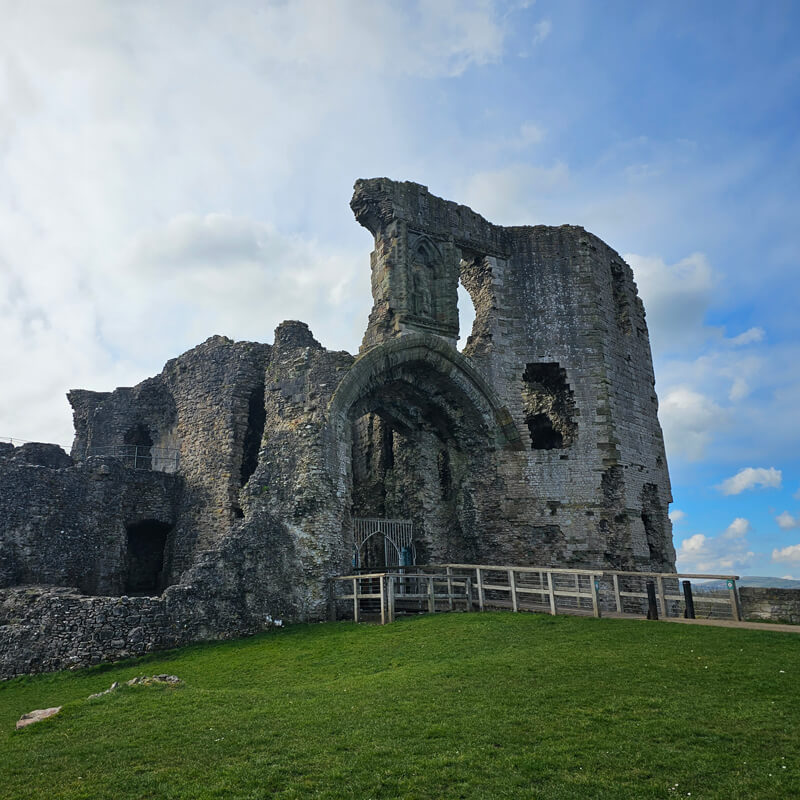
The walls and towers at Beeston Castle must have been very impressive and imposing in its heyday, but now they are all unfortunately ruinous, the curtain walls are badly damaged, as are the D-shaped towers.
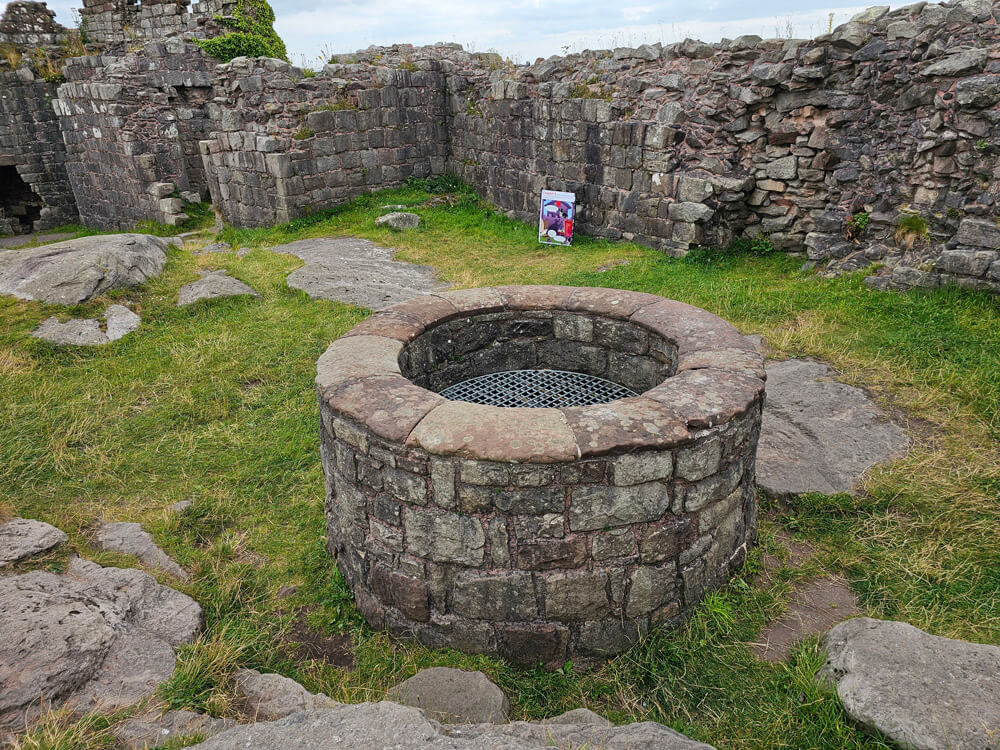
As this castle was a thoroughly practical military design, built specifically for defence and warfare, there is no keep here. The remains inside the courtyard are ruinous, though the well cut straight down into the rock is impressive, which is believed to be the deepest well of any castle in Britain. Due to the rocky and uneven landscape witin the courtyard, there was very little opportunity for internal development, so there were likely no domestic buildings built inside the courtyard. However, the outer bailey is so large that it would have had plenty of space for many buildings such as accommodation, stables and workshops etc.
Photo Gallery.
Did you enjoy this post?
I hope you found this post useful. I put a great deal of time and effort in to building, maintaining and populating the website. If you like, you could say a small thank you by buying me a coffee. You don't have to, but it would be nice :)
Buy me a coffee
Stay up to Date
Follow me on my journey and get notified whenever a new post is published by following Kings & Castles on Facebook.
Follow MeExplore The Map
Discover the hundreds of castles, churches, monasteries, cathedrals and other historic locations that I've personally visited across England and Wales. Search by location, explore nearby sites and plan your next historical adventure.
Share: