Pickering Castle
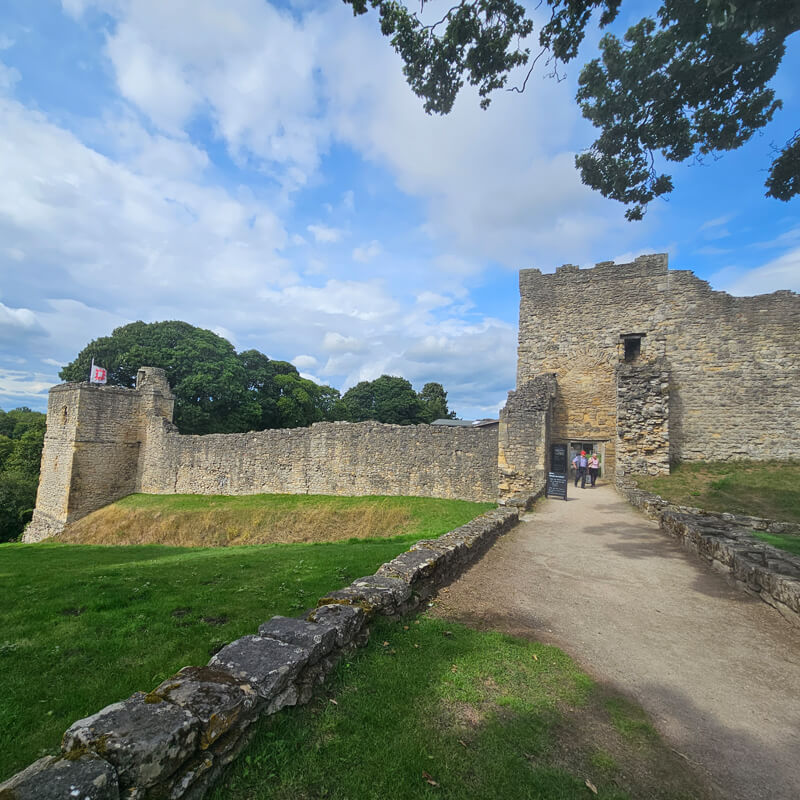
Standing above the historic market town of Pickering on the southern edge of the North York Moors, Pickering Castle is one of the best-preserved medieval castles in northern England. Its origins lie in the turbulent years following the Norman Conquest, and over the centuries it served as a fortress, royal residence, hunting lodge, administrative centre, court and prison.
Quick
Facts.
- Location: Pickering, North Yorkshire, England
- Established: c. 1069–70
- Built in stone: Late 12th to 14th centuries
- Condition: Ruined
- Date visited: September 2026
- More info: Visit website
- Rating:
A Bit of History…
Unlike many English castles, Pickering survived the Wars of the Roses and the English Civil War with much of its medieval structure intact, making it an important monument to more than 900 years of history.
The first castle at Pickering was probably built by William the Conqueror around 1069–70, during or shortly after the Harrying of the North. King William faced fierce resistance to his rule in northern England and established a network of castles to demonstrate Norman authority and to control important routes.
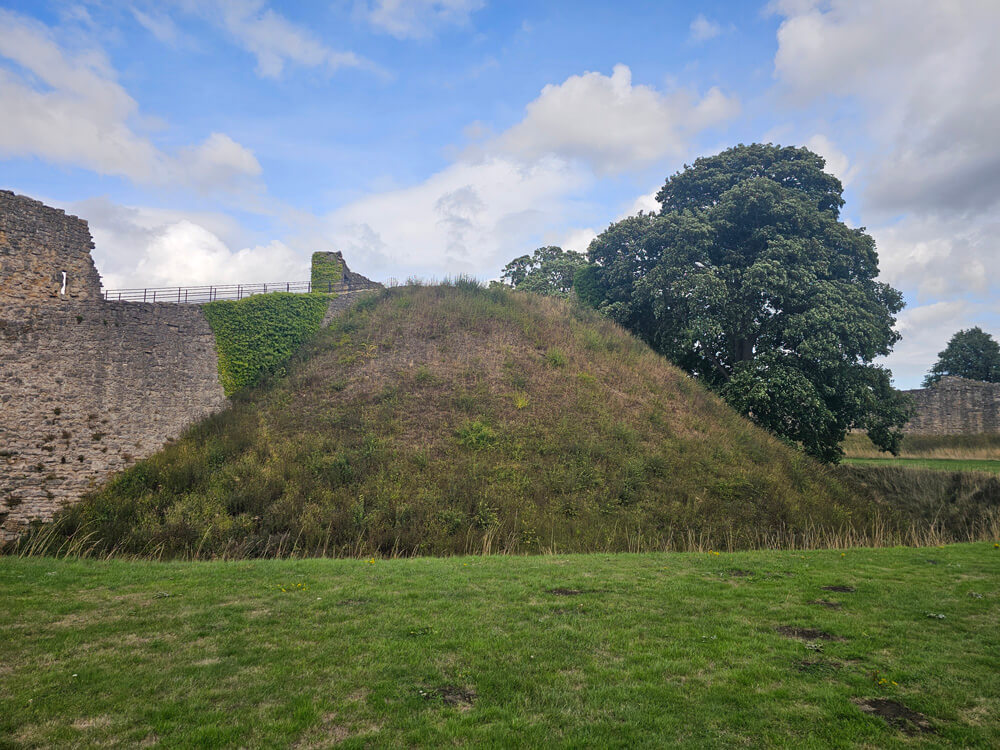
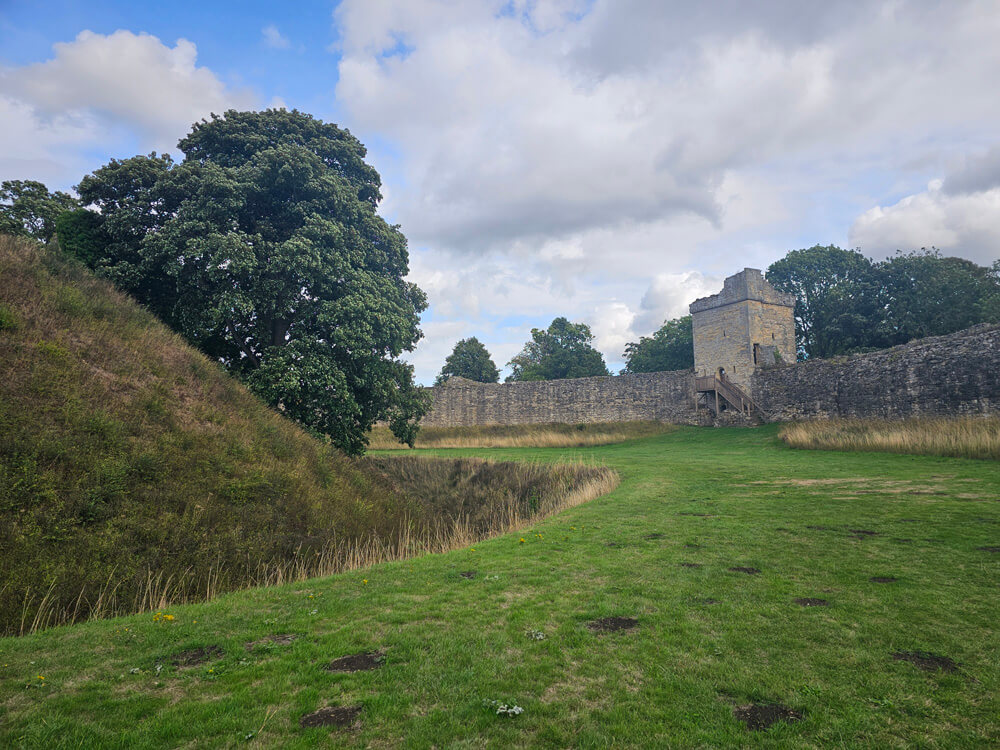
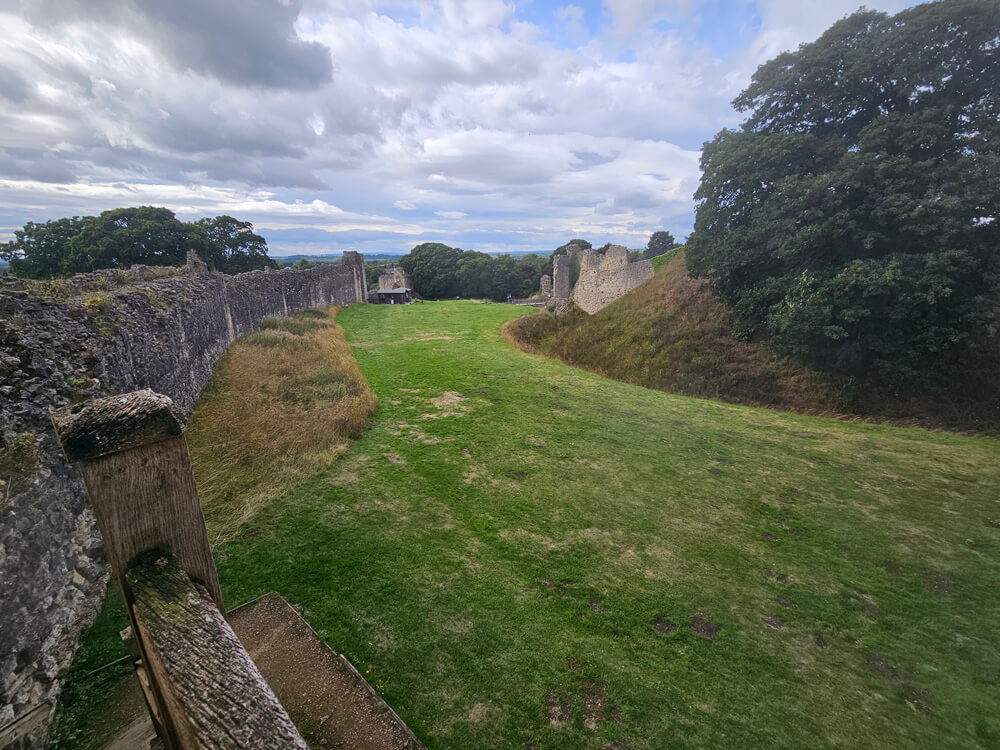
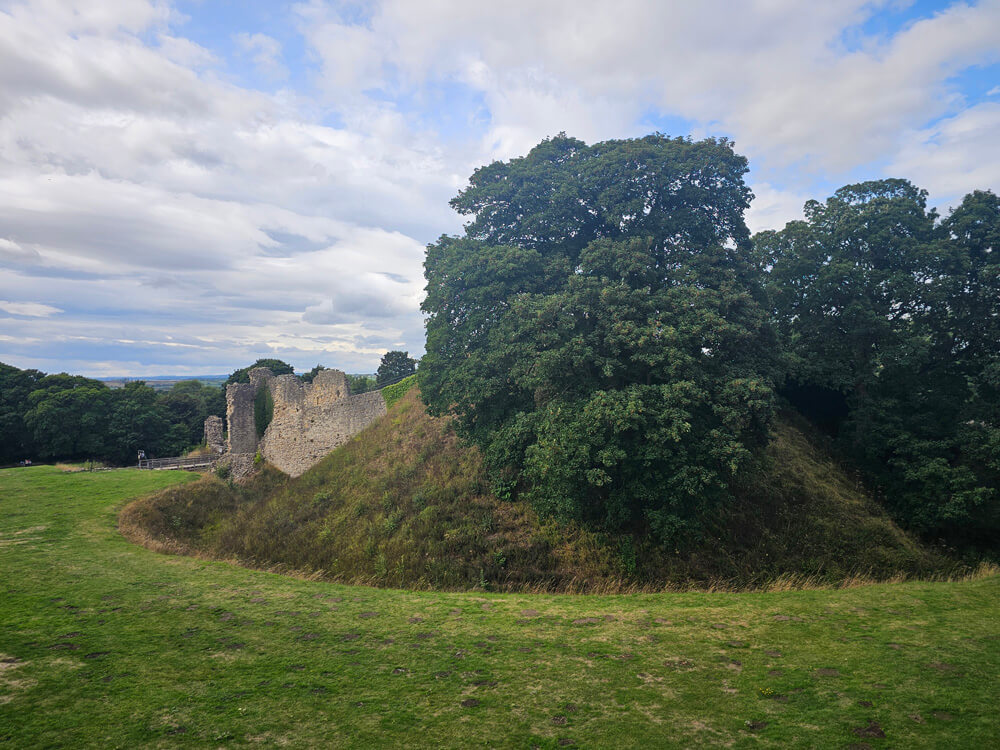
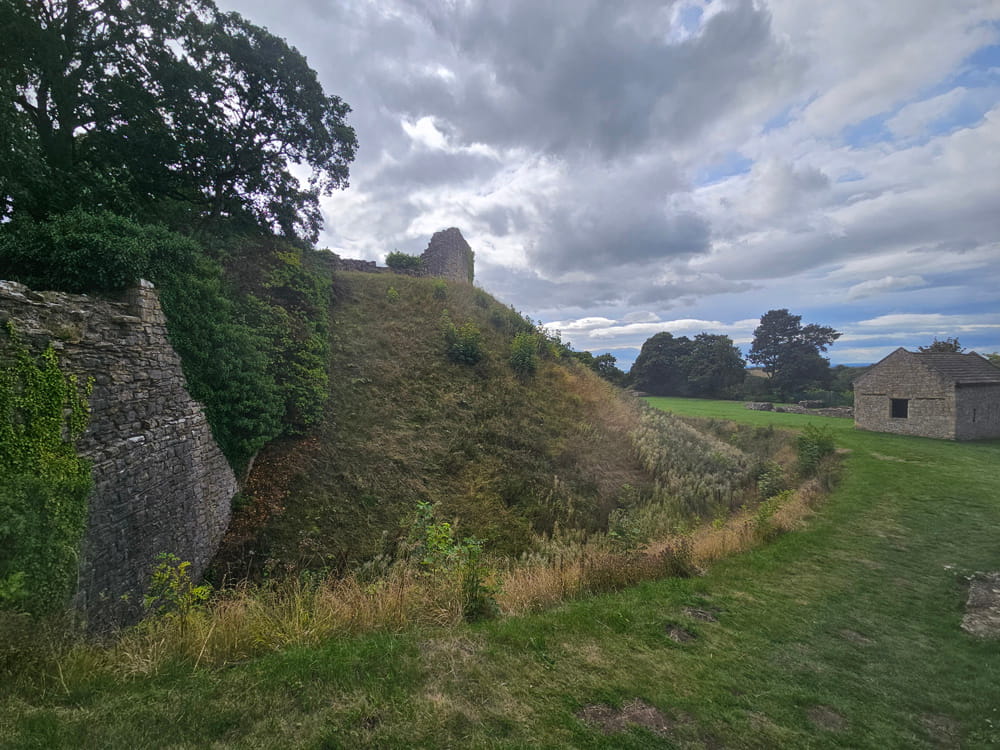
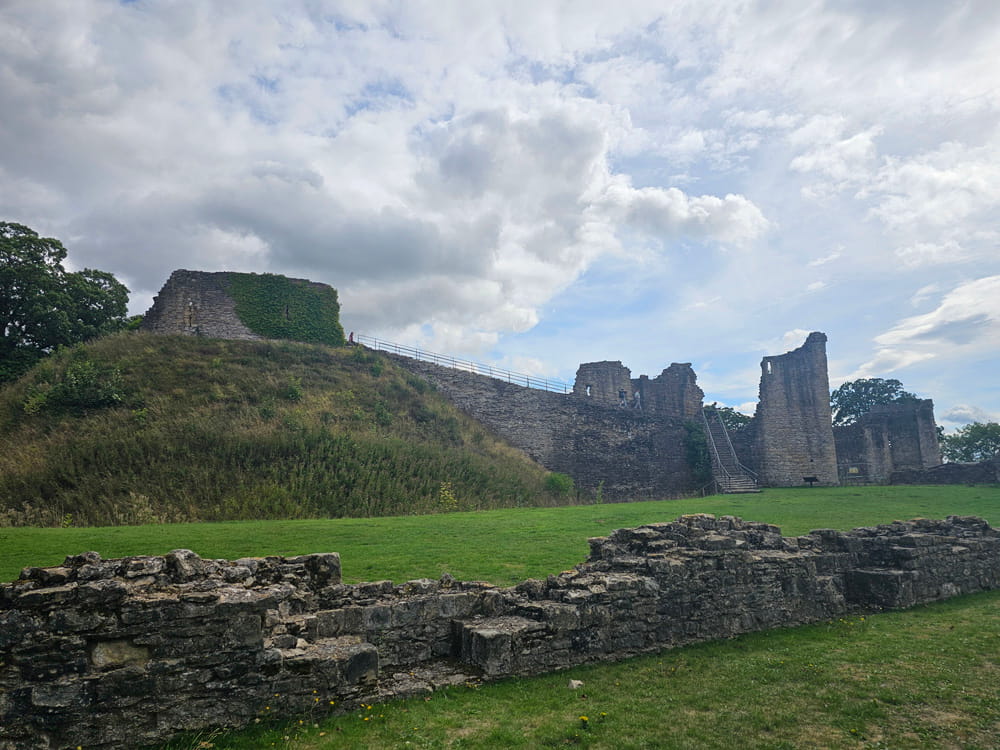
The original castle was a typical motte-and-bailey fortress. A large artificial mound, or motte, was topped by a timber palisade and defensive buildings, while one or two enclosed baileys provided space for soldiers, domestic buildings and other activities. Pickering’s position was particularly valuable because it overlooked important routes running through the Vale of Pickering and towards Malton and the North York Moors.
The castle was also connected with the management of the extensive royal forest surrounding Pickering. Medieval forests were valuable economic resources, providing timber, hunting grounds and grazing. The castle acted as an administrative centre and a place where people accused of offences such as poaching could be detained and brought before the forest court.
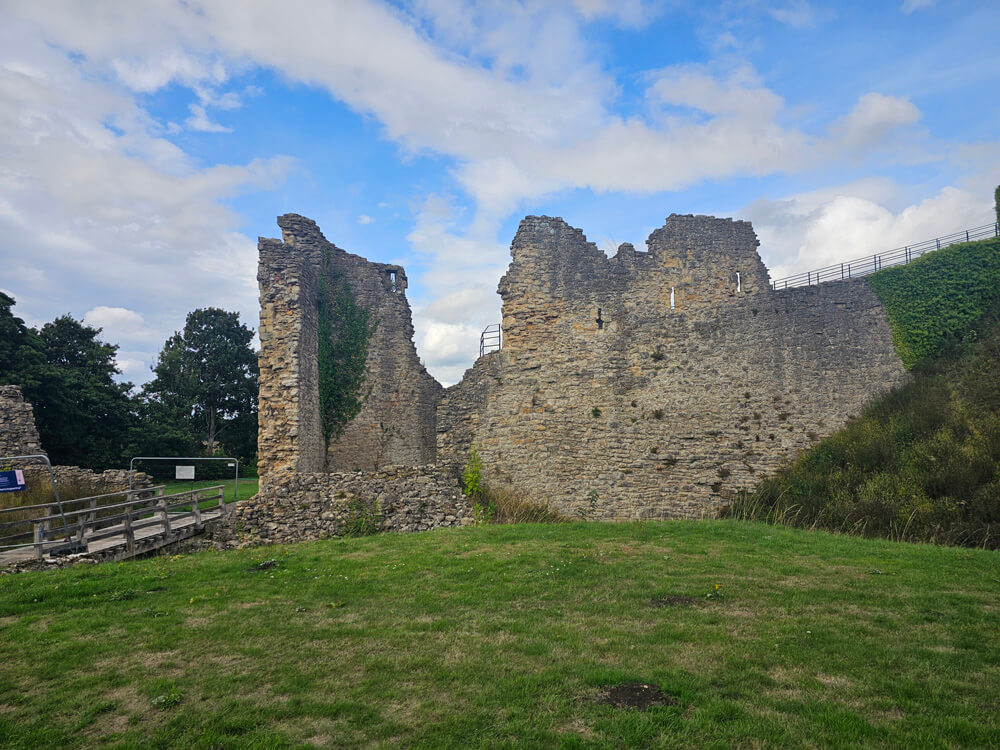
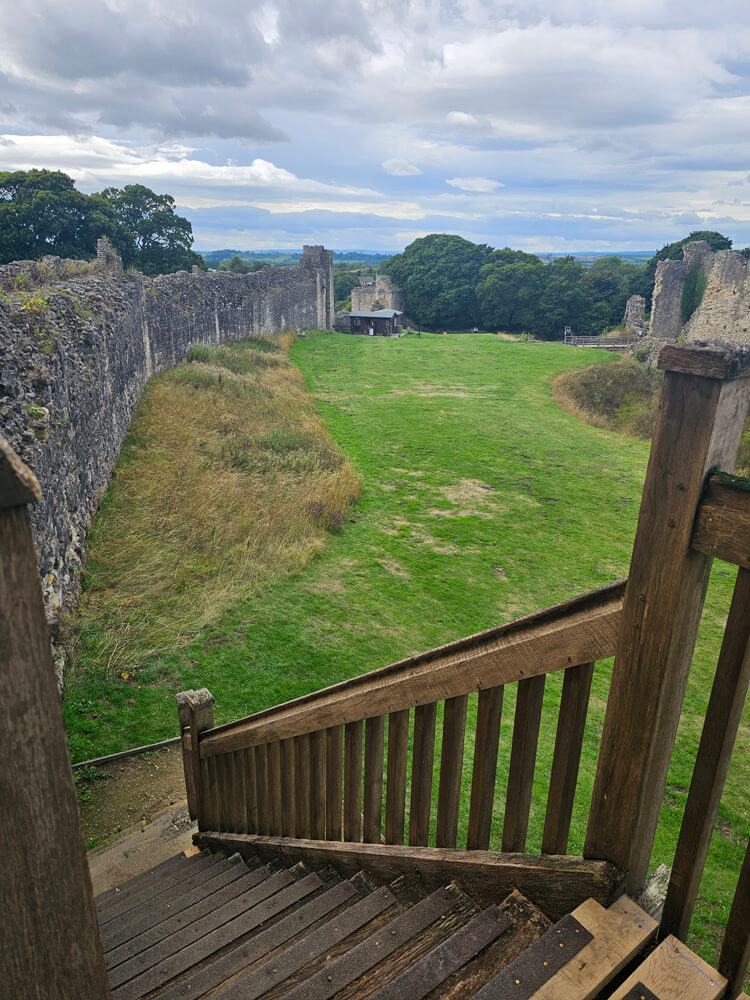
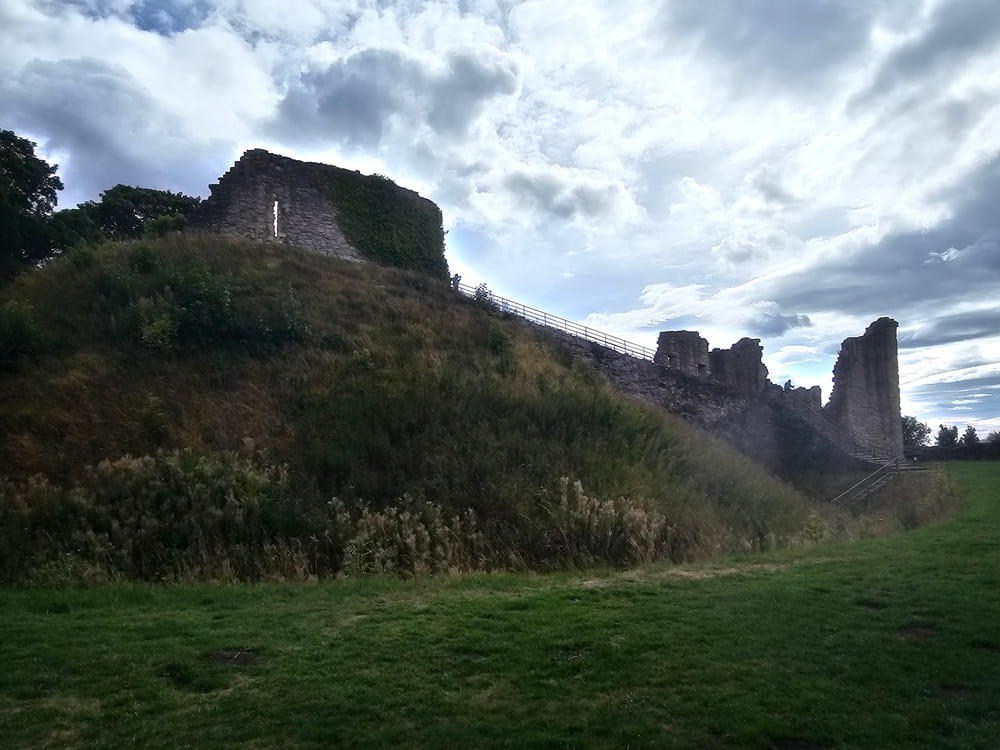
During the late 12th and early 13th centuries, the castle was transformed from an earth-and-timber fortress into a much more substantial stone stronghold. The inner bailey was enclosed by stone walls, while a stone shell keep was constructed on the motte.
The surviving shell keep is one of Pickering’s most distinctive features. Rather than being a solid stone tower, it consists principally of a strong circular or polygonal wall enclosing buildings and open space. Pickering is an important example of a motte-and-bailey castle that developed into a stone shell keep, a relatively uncommon form of medieval fortification.
The castle also acquired a chapel, halls, kitchens and other buildings necessary for royal and aristocratic occupation. Its location and growing strength made it an important royal possession in northern England.
Pickering remained in royal hands for much of its early history. In 1267, Henry III granted the castle and surrounding estates to his younger son, Edmund Crouchback, when Edmund became Earl of Lancaster. The castle subsequently became closely associated with the powerful House of Lancaster.
Edmund’s son, Thomas, Earl of Lancaster, inherited the estates but eventually rebelled against Edward II. After Thomas was defeated and executed in 1322, Pickering Castle returned to royal control.
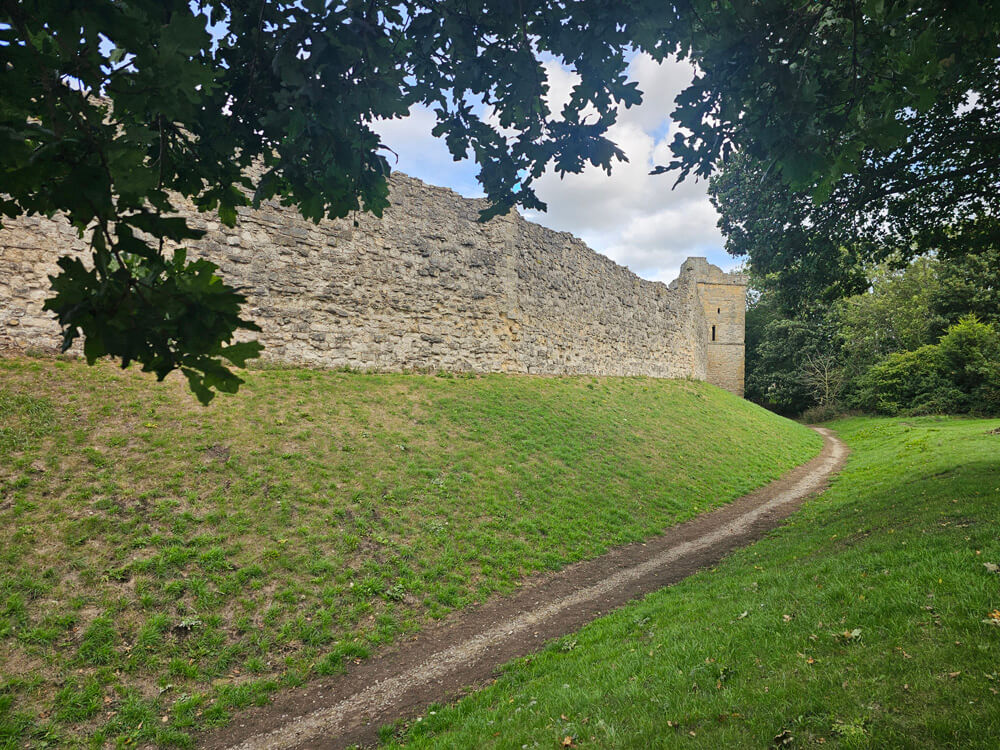
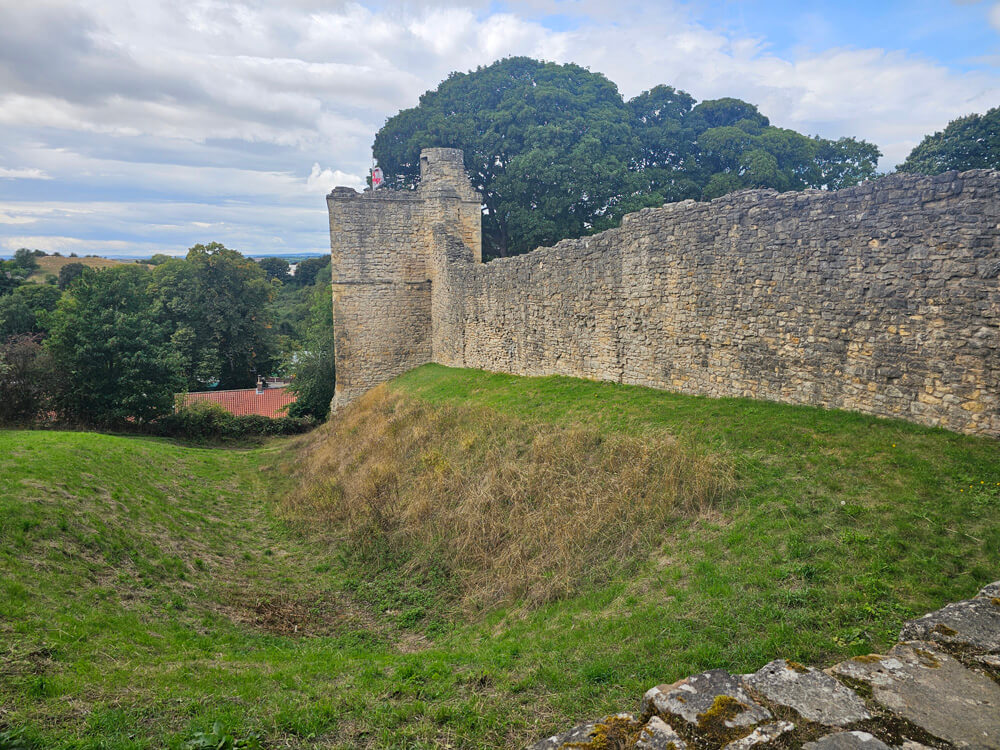
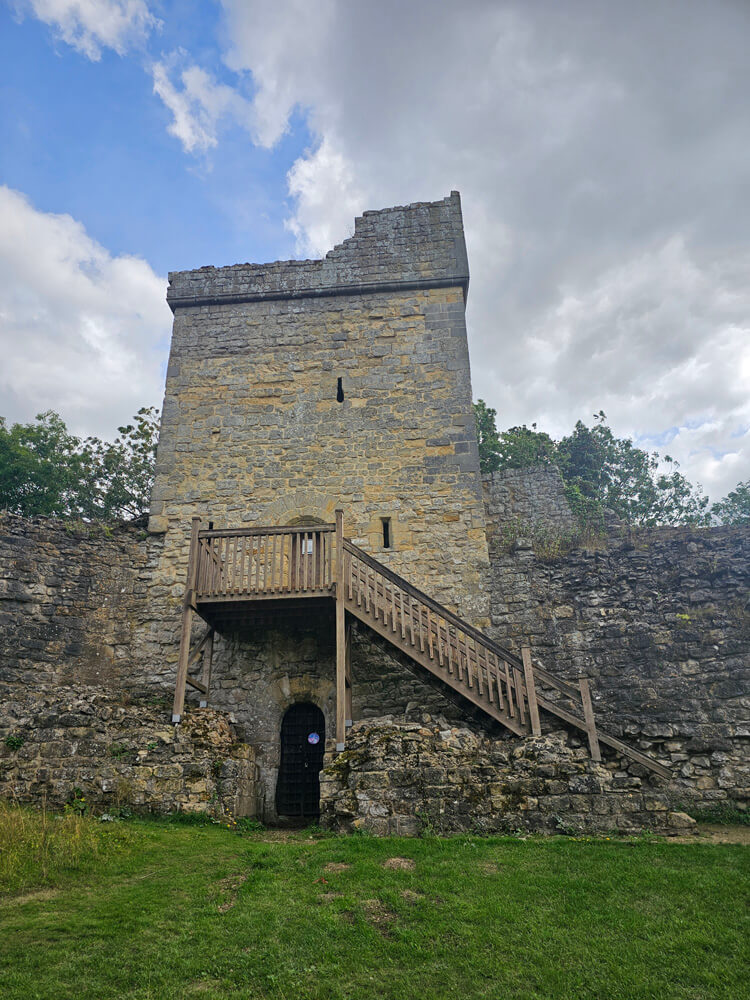
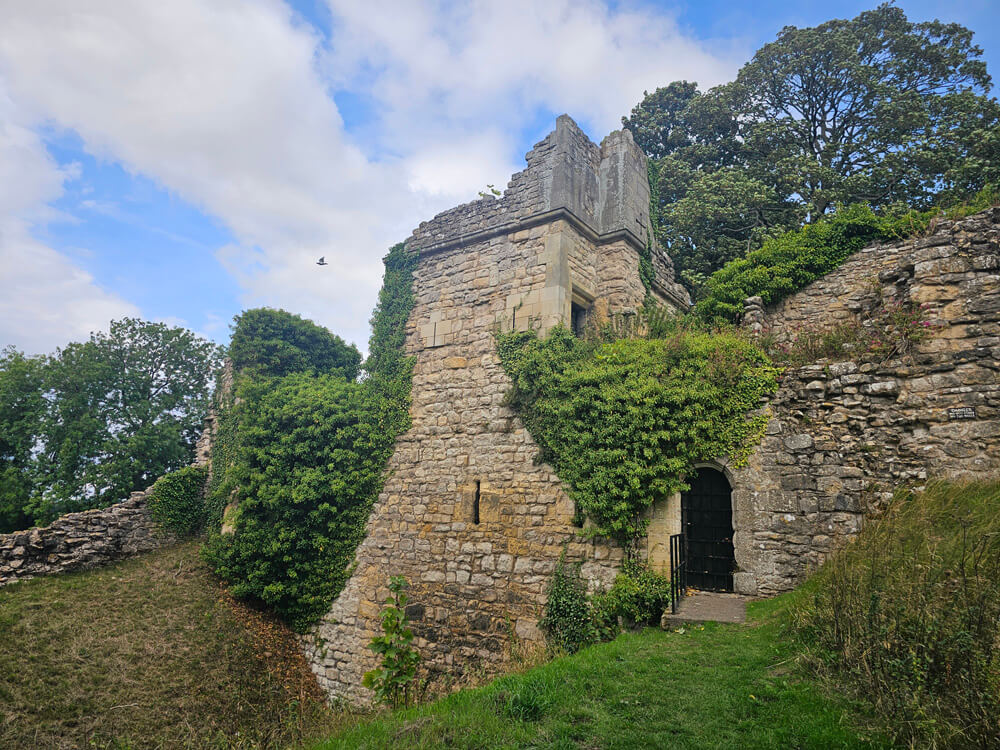
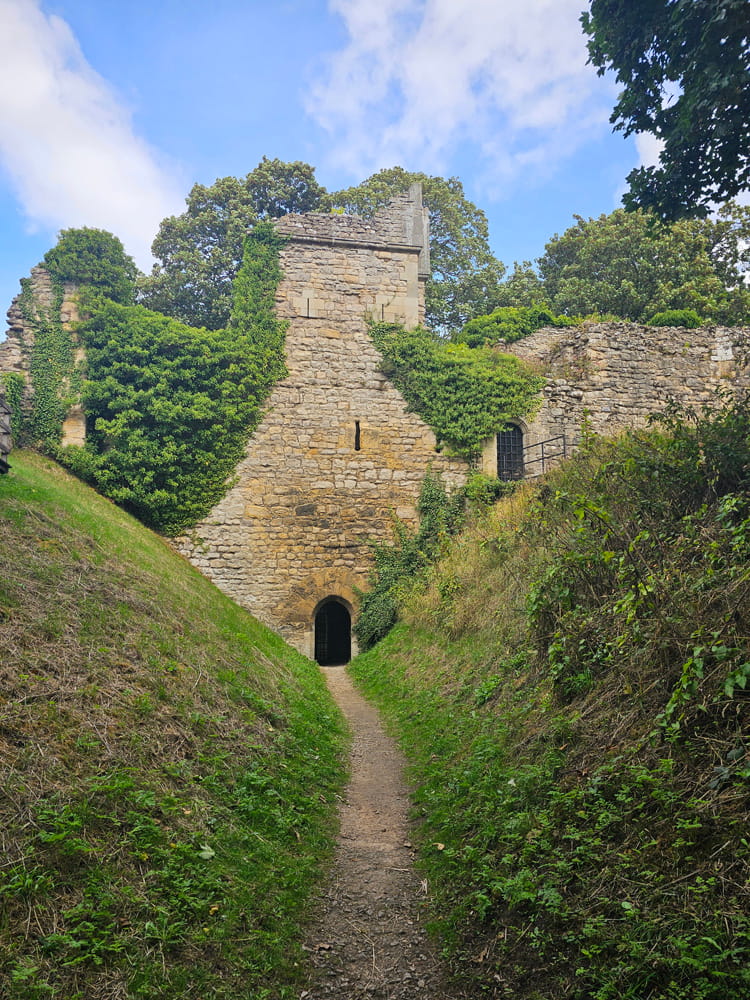
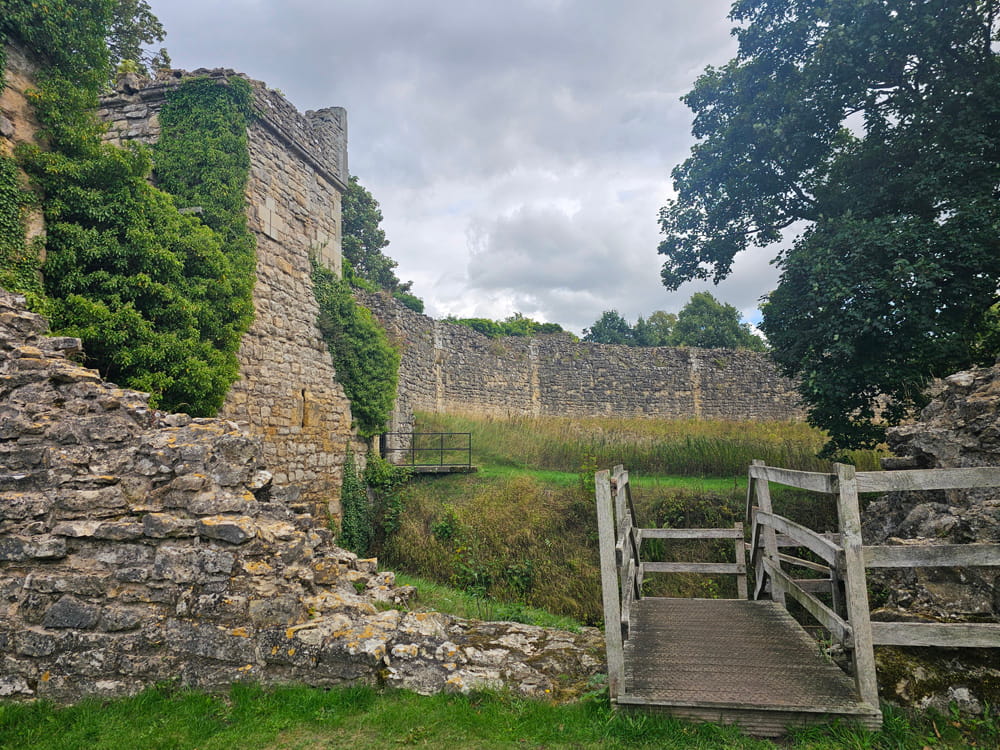
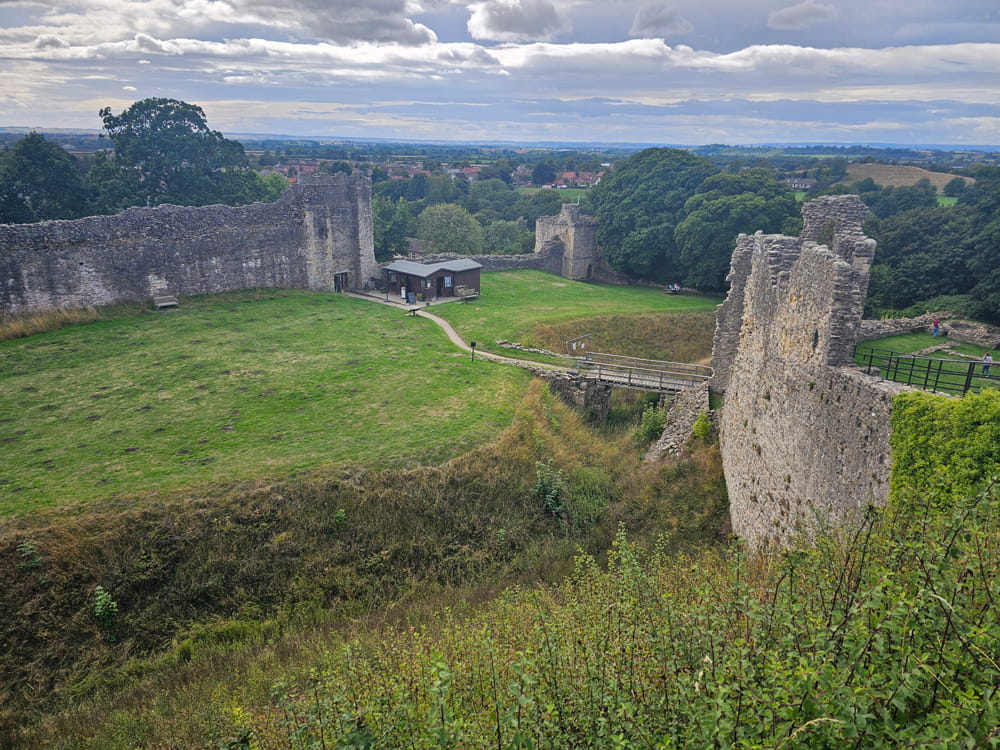
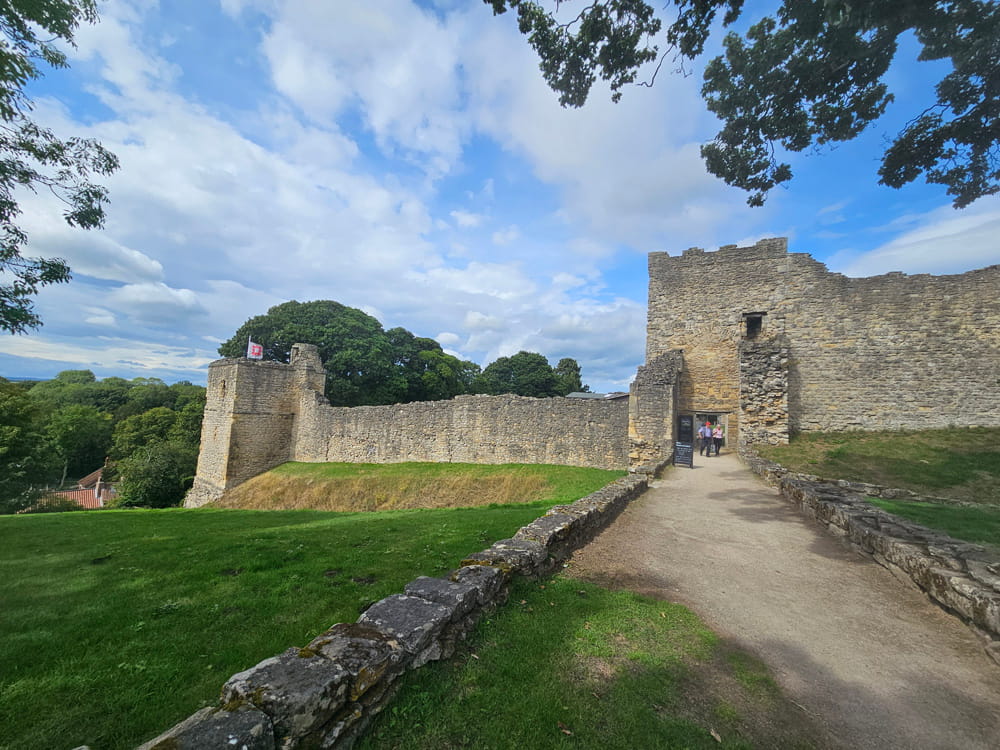
The political instability of this period coincided with renewed military threats from Scotland. Robert the Bruce’s forces had attacked northern England, and Edward II ordered substantial improvements to Pickering and other northern castles. New defensive works were constructed in the 14th century, including stone curtain walls and towers, transforming the castle into a considerably stronger fortress.
Although defence remained important, Pickering was never simply a military fortress. Its royal connections meant that it also served as a residence and hunting lodge.
The surrounding royal forest provided an ideal setting for medieval hunting. Kings and members of the royal household could stay at Pickering while hunting and travelling through northern England. The castle also had an important economic role, including involvement in wool production and, during the reign of Edward II, responsibility for a royal stud established around 1322.
During the later Middle Ages, Pickering became part of the Duchy of Lancaster. When the House of Lancaster came to the English throne in 1399, the duchy estates became associated with the Crown, and Pickering once again became a royal castle.
One of the more dramatic episodes associated with Pickering came in 1399, when Richard II was deposed by his cousin Henry Bolingbroke, who became Henry IV.
Richard was briefly held at Pickering Castle before being moved elsewhere. The episode illustrates the castle’s continuing importance as a secure royal stronghold at a time of political upheaval.
During the 15th century, however, Pickering’s military importance gradually declined. Although maintenance and repairs continued, the castle was increasingly used for administrative and judicial purposes rather than as a major fighting fortress.
By the Tudor period, Pickering Castle had lost much of its military significance. Some of its buildings continued to have practical uses, including the Moot Hall, where local judicial business was conducted.
The castle’s buildings gradually deteriorated. A survey carried out in 1619–21 found the Moot Hall to be seriously decayed, and by 1651 it had collapsed. In 1652 the remaining buildings were sold.
Despite this decline, the castle escaped the extensive destruction suffered by many other English fortresses during the Wars of the Roses and, for the most part, the English Civil War. Its survival makes Pickering particularly valuable for understanding the development of medieval castles.
The Civil War nevertheless affected Pickering. The castle was occupied by Royalist forces before Parliamentary troops gained control of it. Parts of the fortifications were damaged, and materials including lead, timber and iron were removed for use elsewhere. The castle’s military career was effectively over. Its buildings continued to decay, leaving the impressive medieval ruins visible today.
Pickering Castle Today
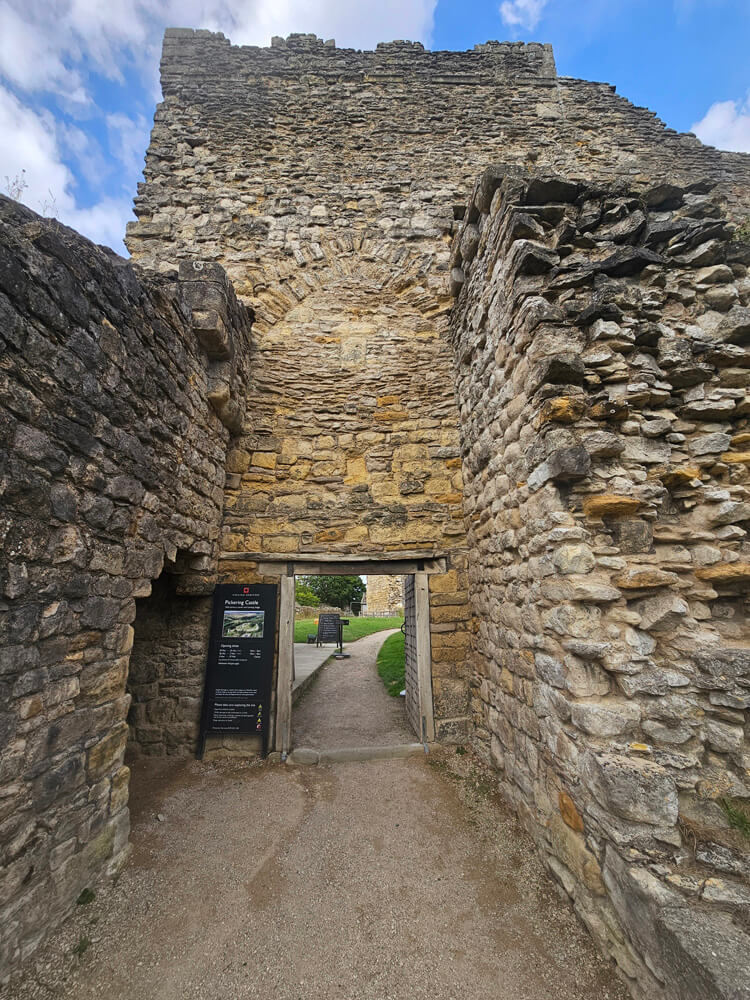
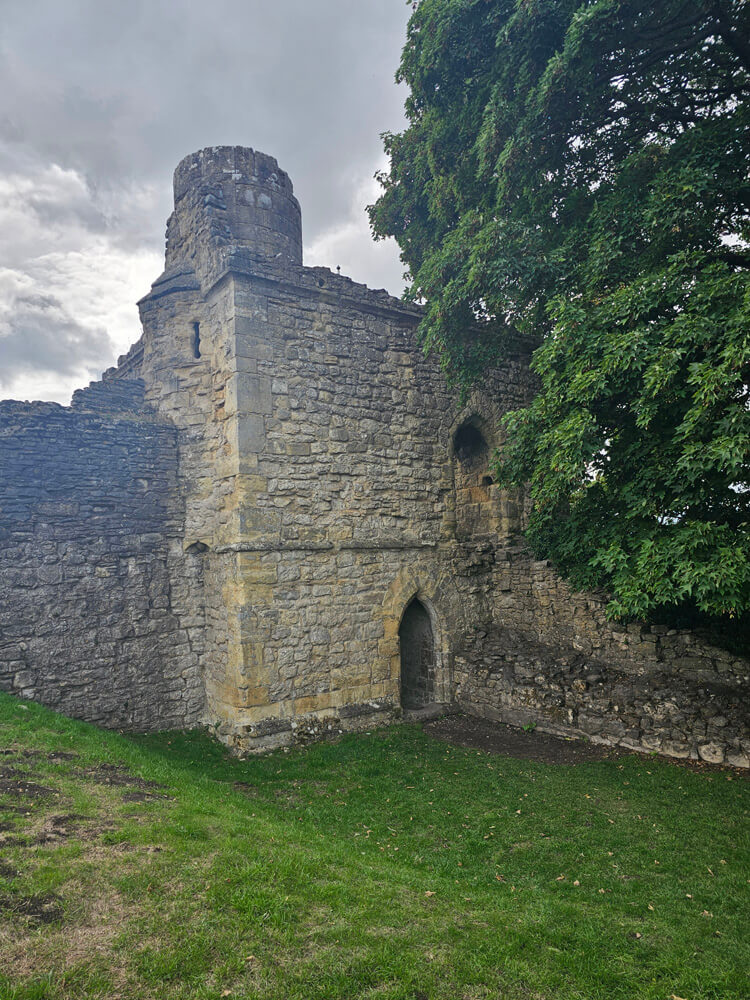
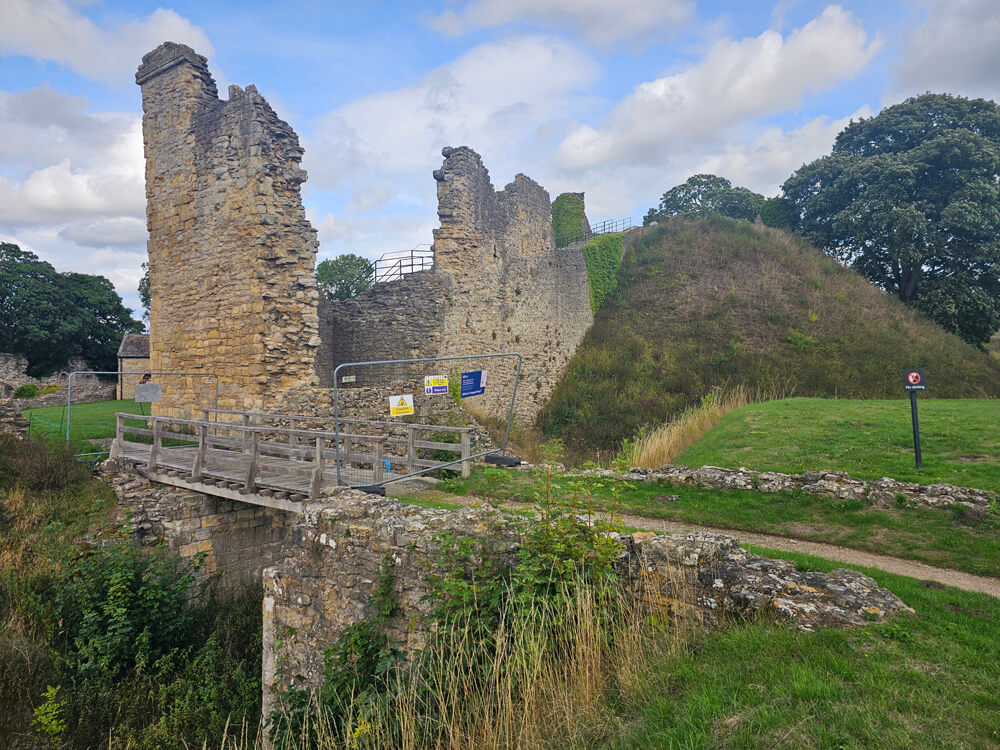
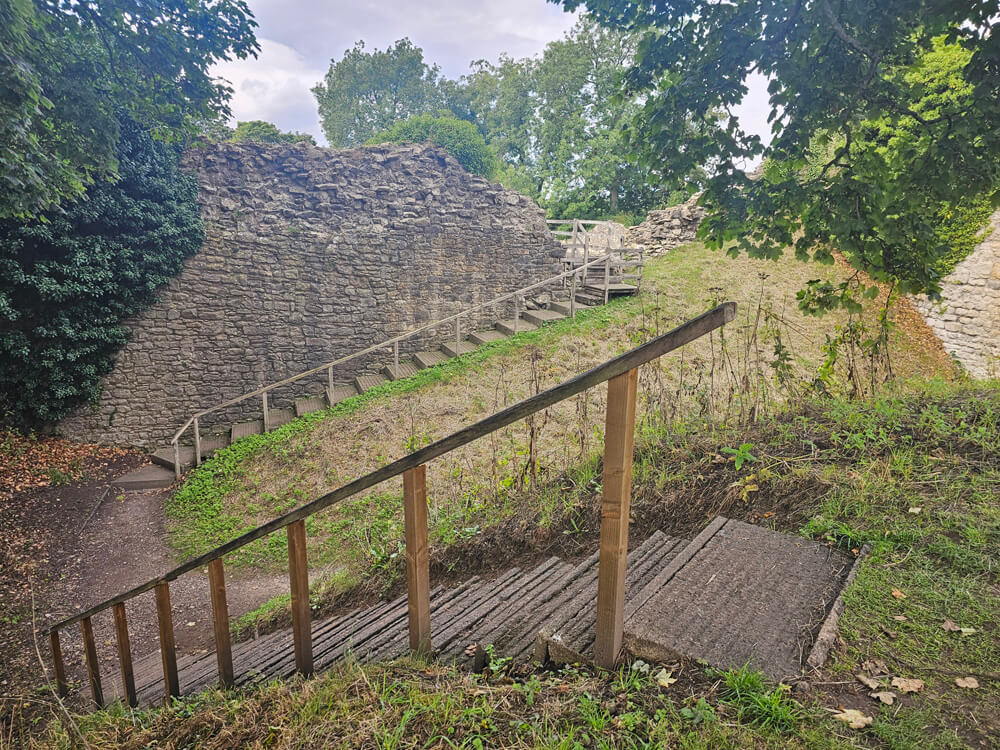
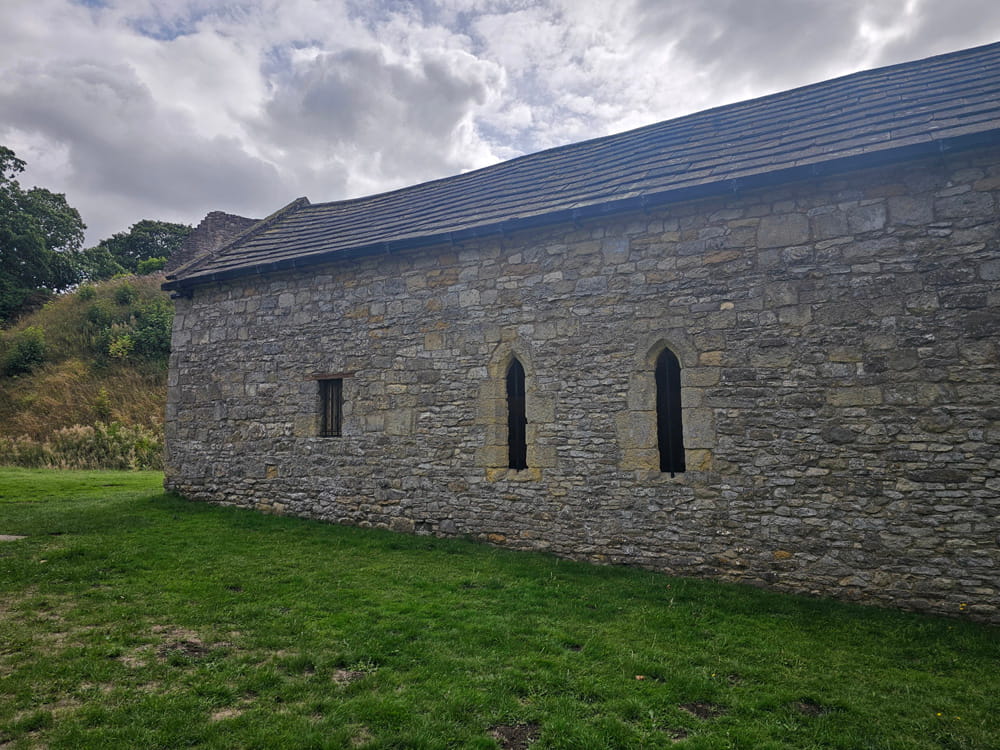
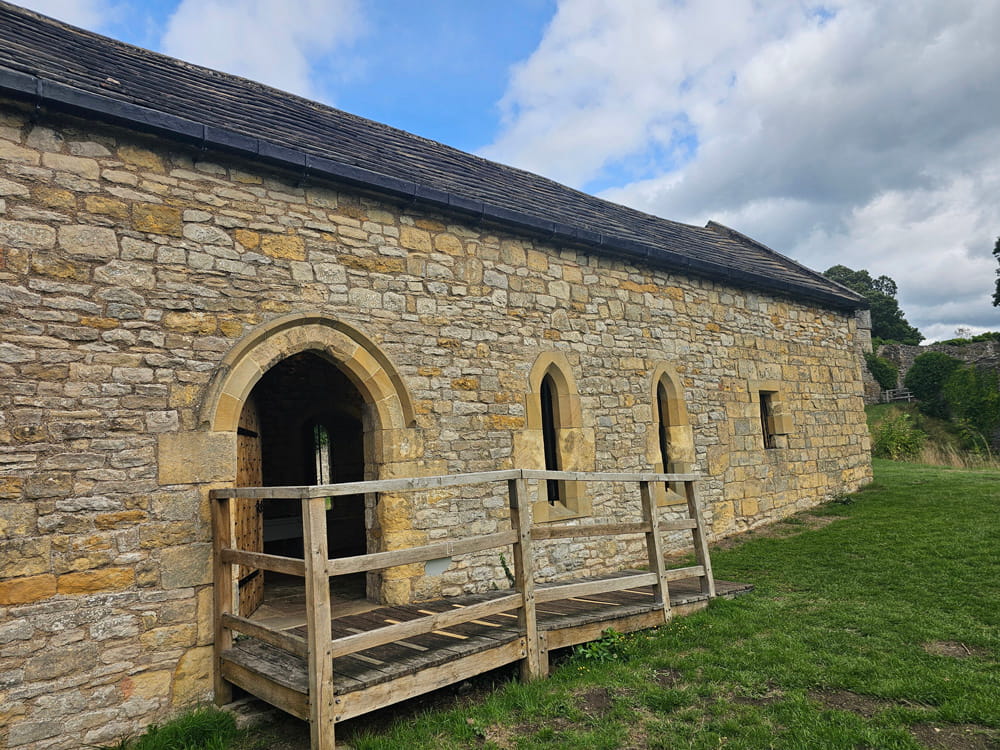
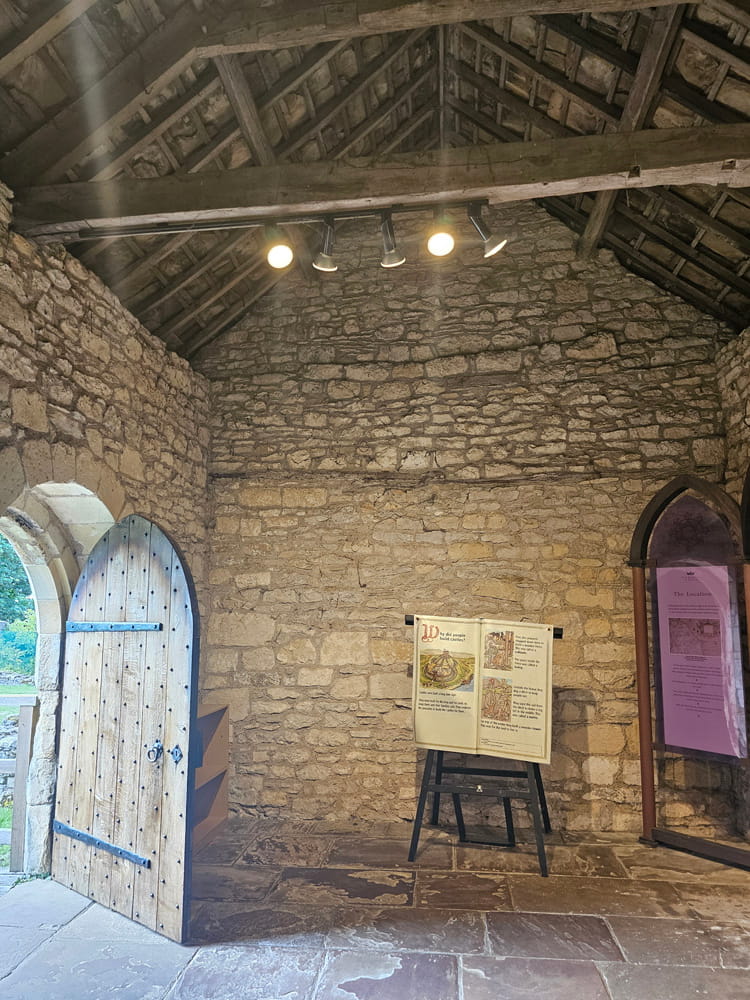
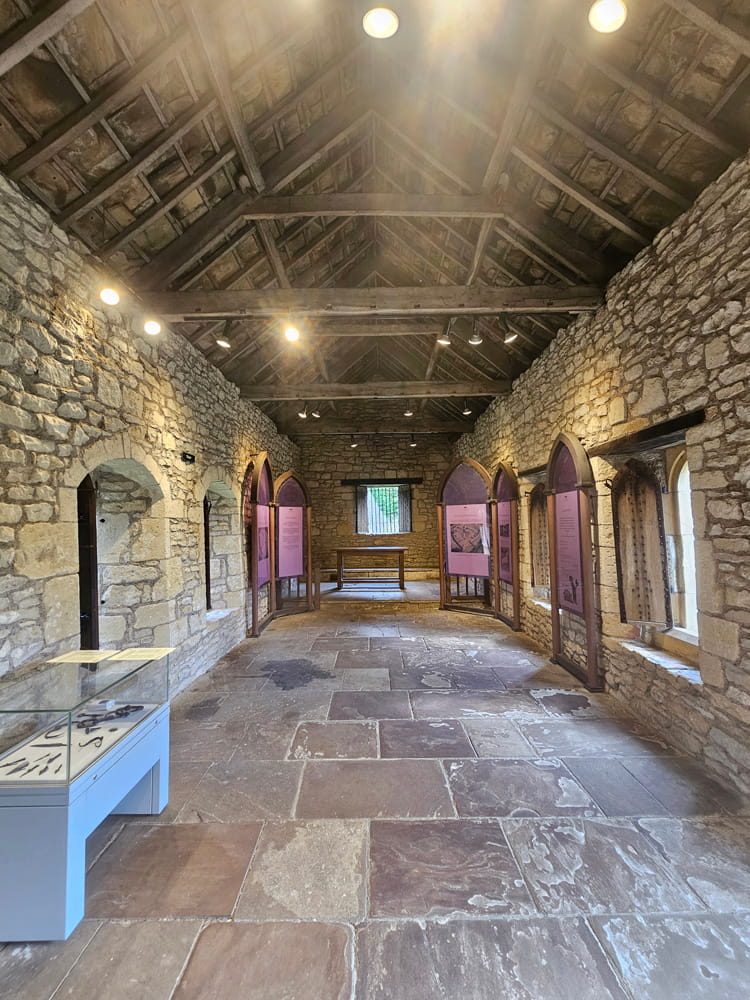
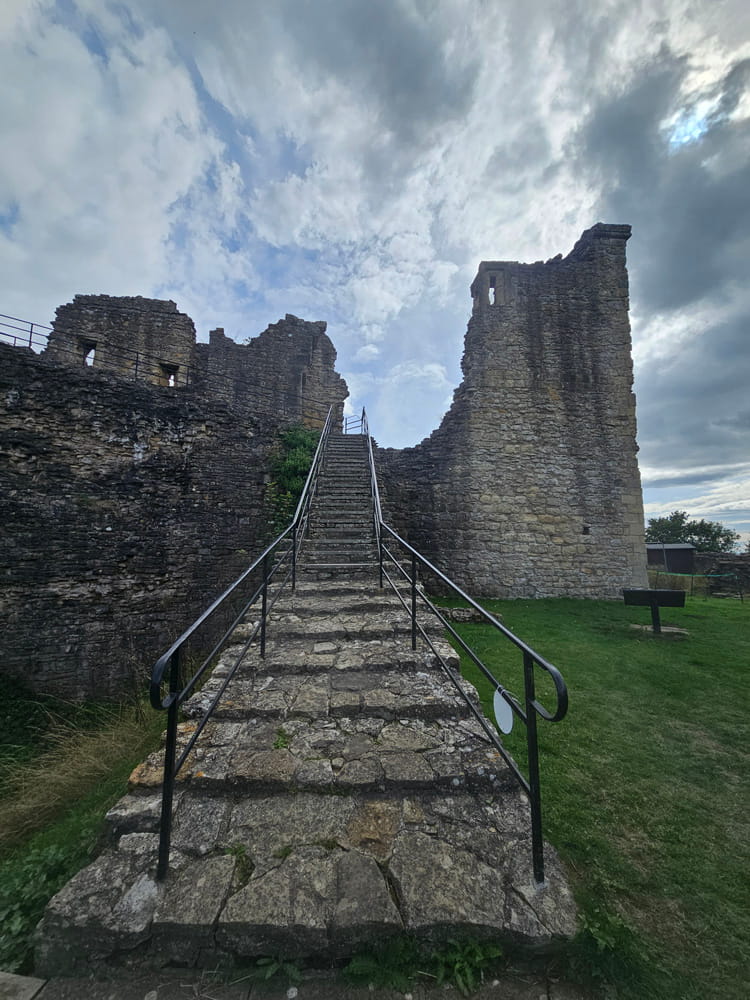
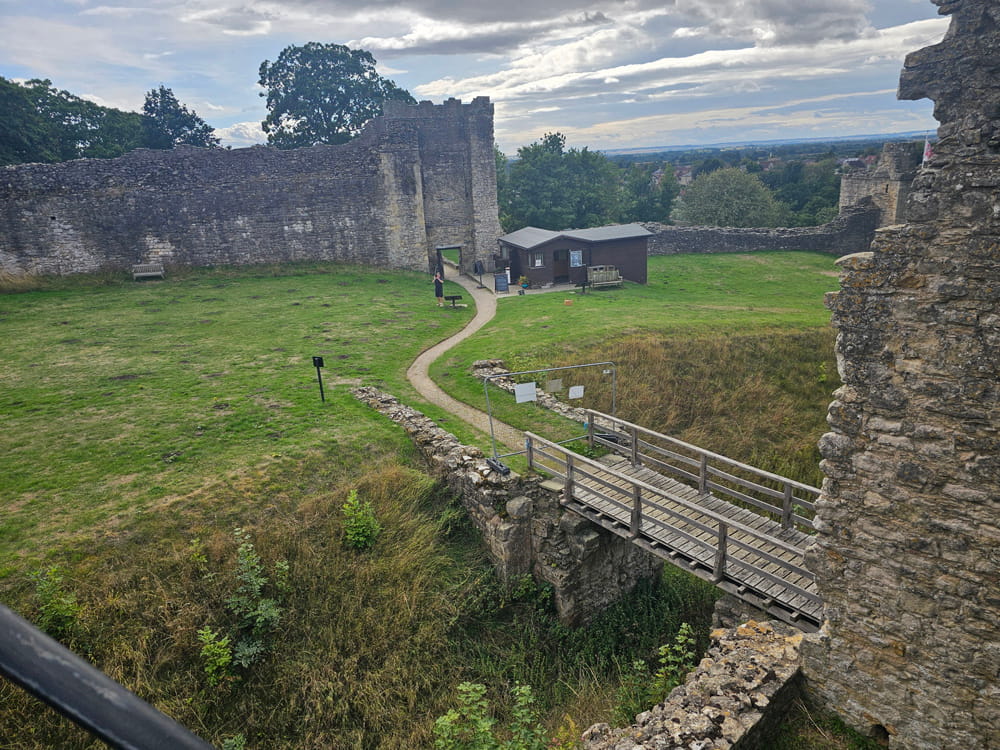
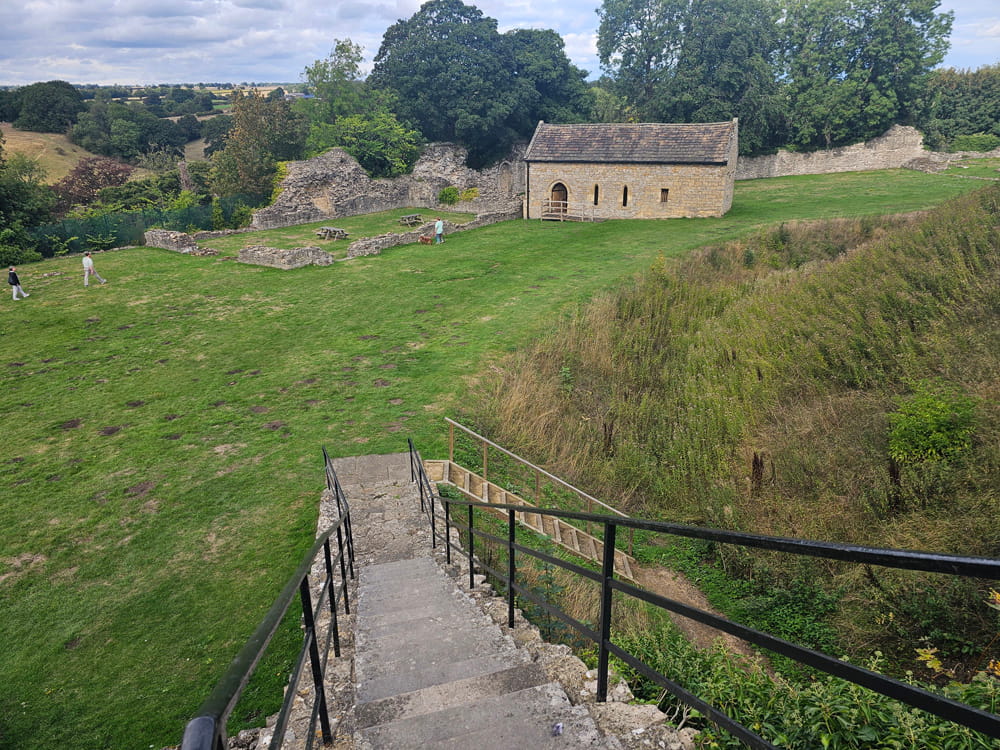
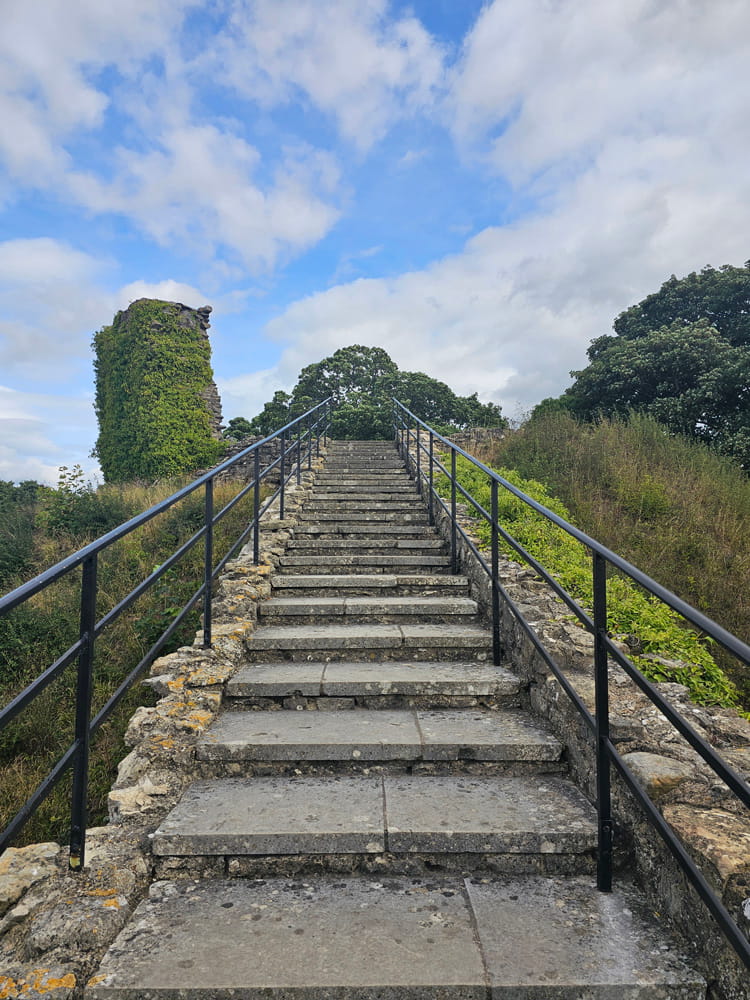
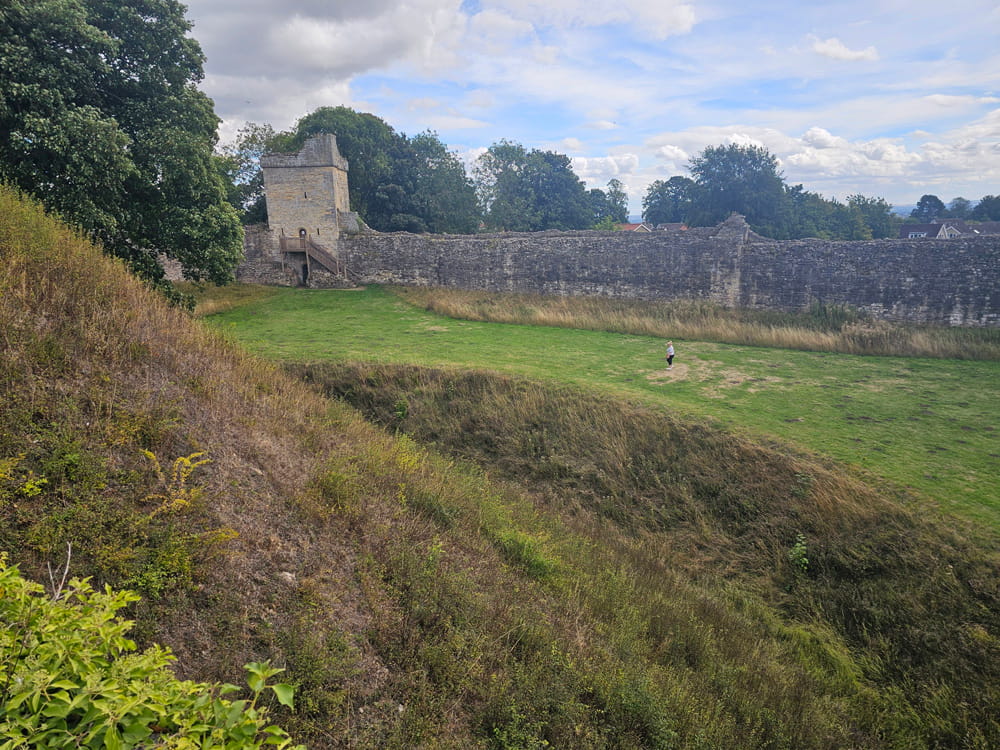
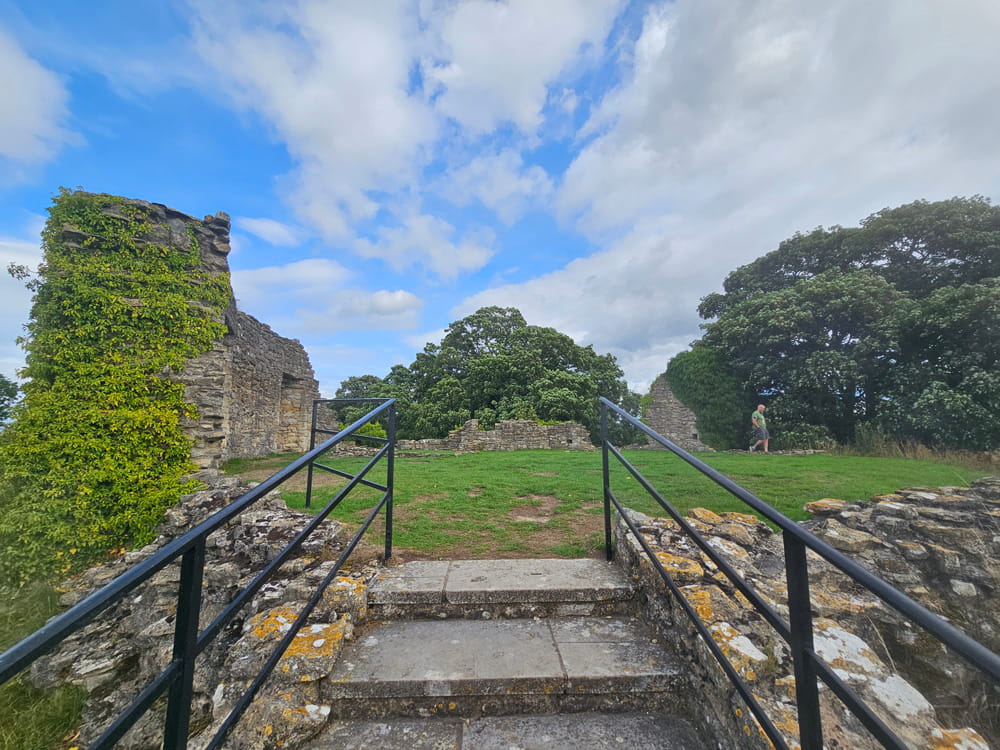
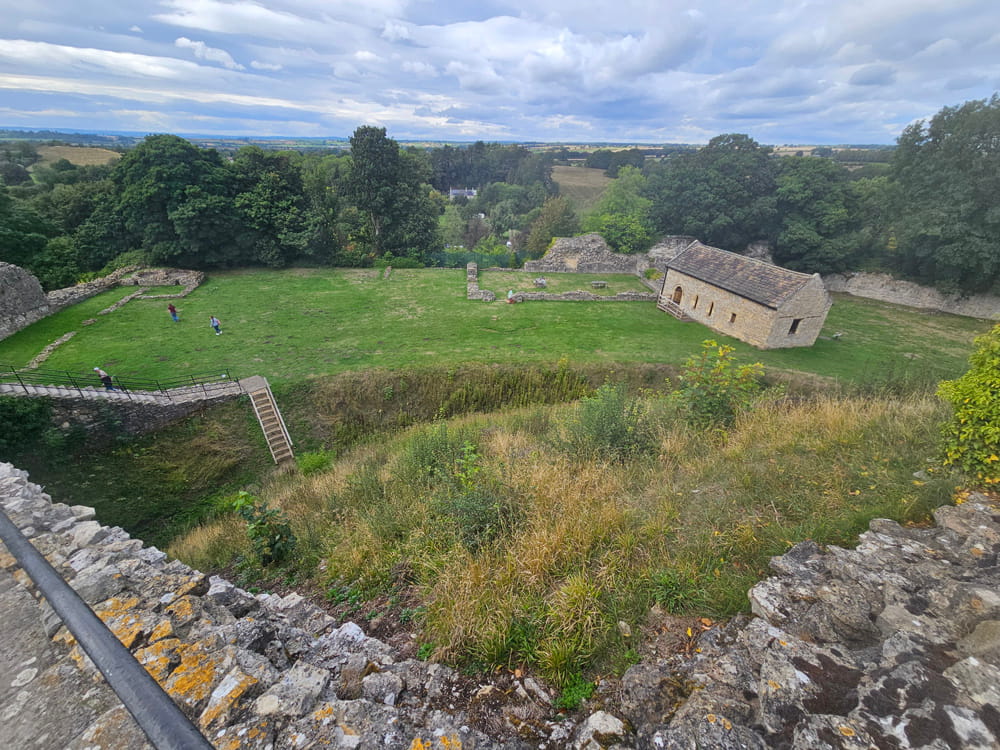
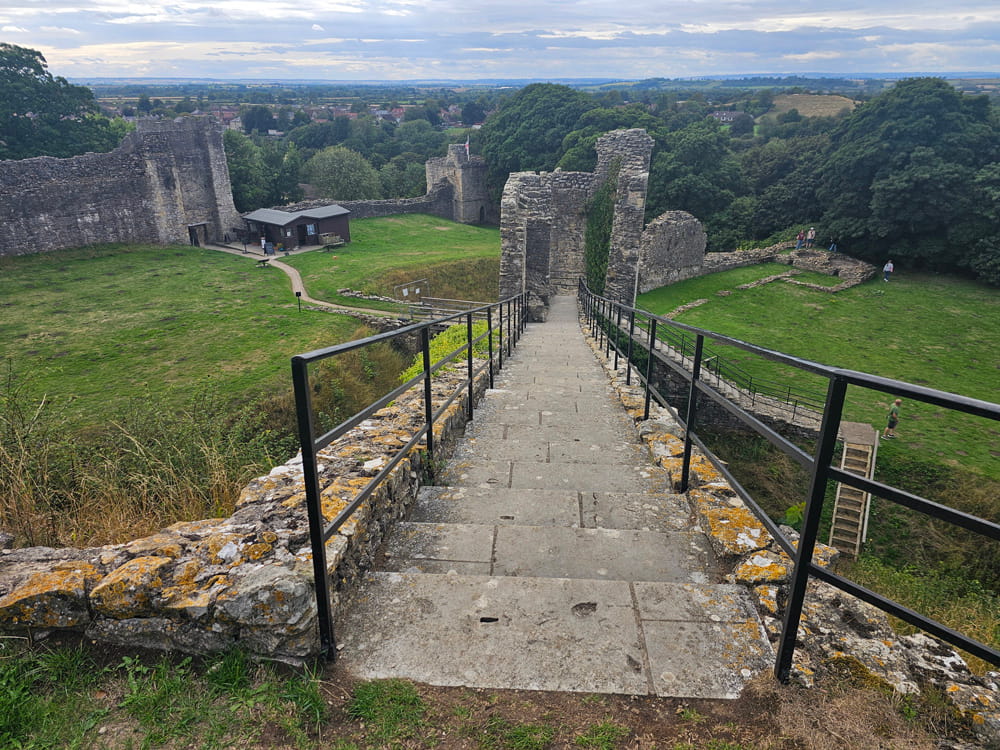
Today, visitors can explore the castle’s extensive grounds and climb the motte for views across Pickering and the surrounding countryside. Several towers survive to impressive heights, including the Mill Tower, which once contained a prison. The chapel has also been reconstructed, helping visitors understand how the medieval complex may once have looked.
Pickering Castle is significant because it tells several different stories at once. It began as an instrument of Norman conquest and developed into a powerful royal stronghold. It was subsequently a hunting lodge, administrative centre, court, prison and aristocratic residence before gradually becoming a ruin.
Its survival is particularly remarkable. While many English castles were heavily remodelled, destroyed or demolished during later conflicts, Pickering retains evidence of successive phases of medieval development. From William the Conqueror’s timber fortress to the great stone defences of the 13th and 14th centuries, its walls preserve the changing nature of warfare, royal government and aristocratic life.
After almost a millennium, Pickering Castle remains one of Yorkshire’s most evocative historic monuments — a lasting reminder of the turbulent events that shaped medieval England and the enduring importance of the North Yorkshire landscape.
Photo Gallery.
Did you enjoy this post?
I hope you found this post useful. I put a great deal of time and effort in to building, maintaining and populating the website. If you like, you could say a small thank you by buying me a coffee. You don't have to, but it would be nice :)
Buy me a coffee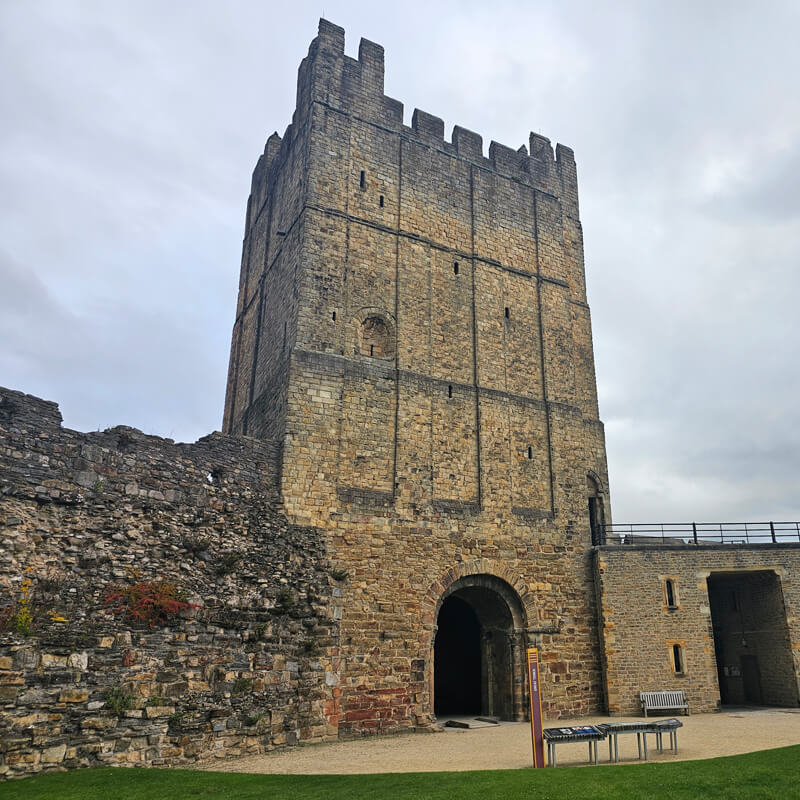
Stay up to Date
Follow me on my journey and get notified whenever a new post is published by following Kings & Castles on Facebook.
Follow MeExplore The Map
Discover the hundreds of castles, churches, monasteries, cathedrals and other historic locations that I've personally visited across England and Wales. Search by location, explore nearby sites and plan your next historical adventure.
Share: