Stow Minster
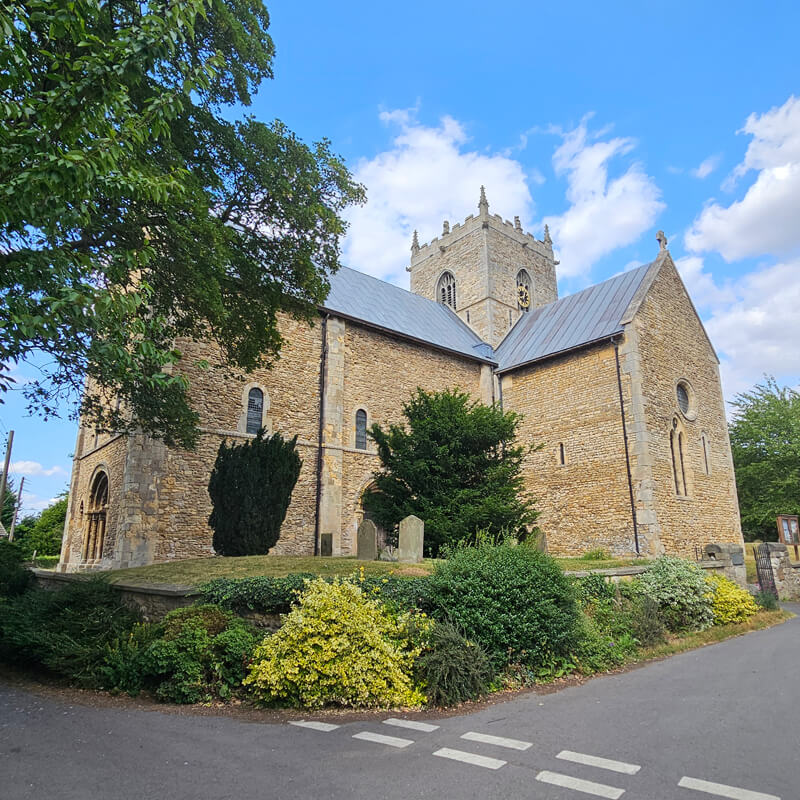
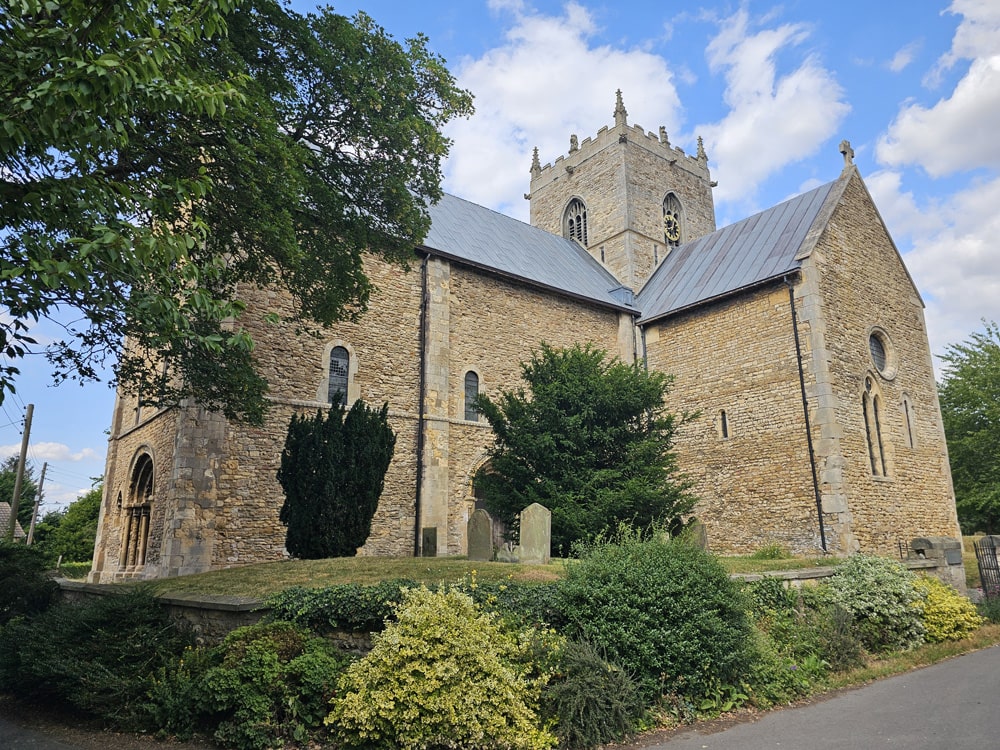
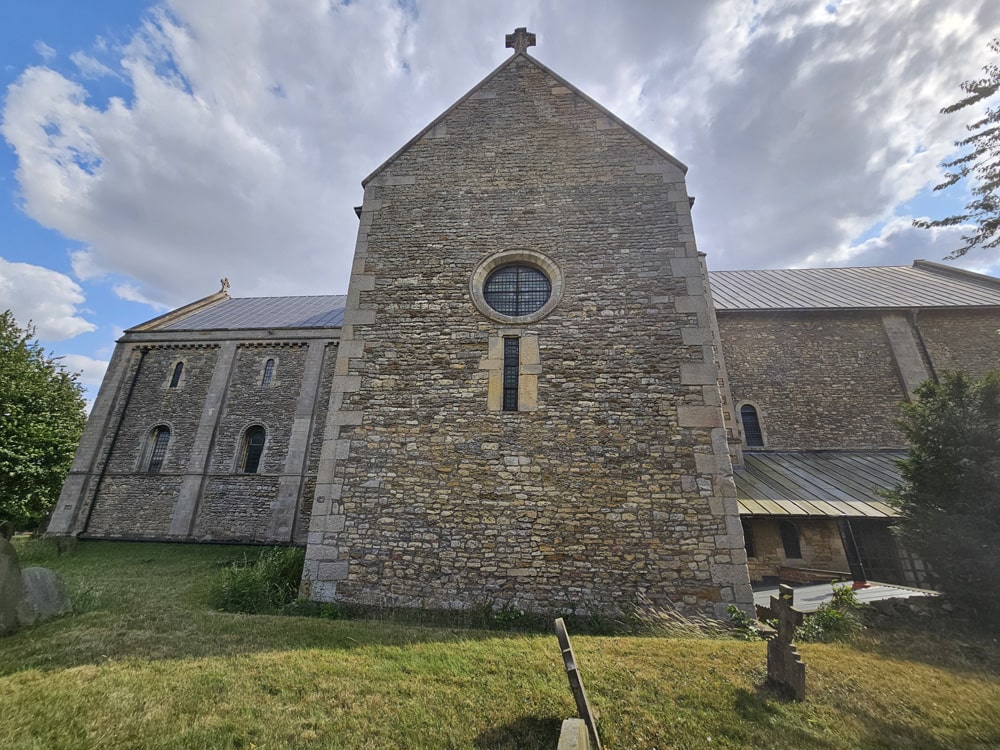
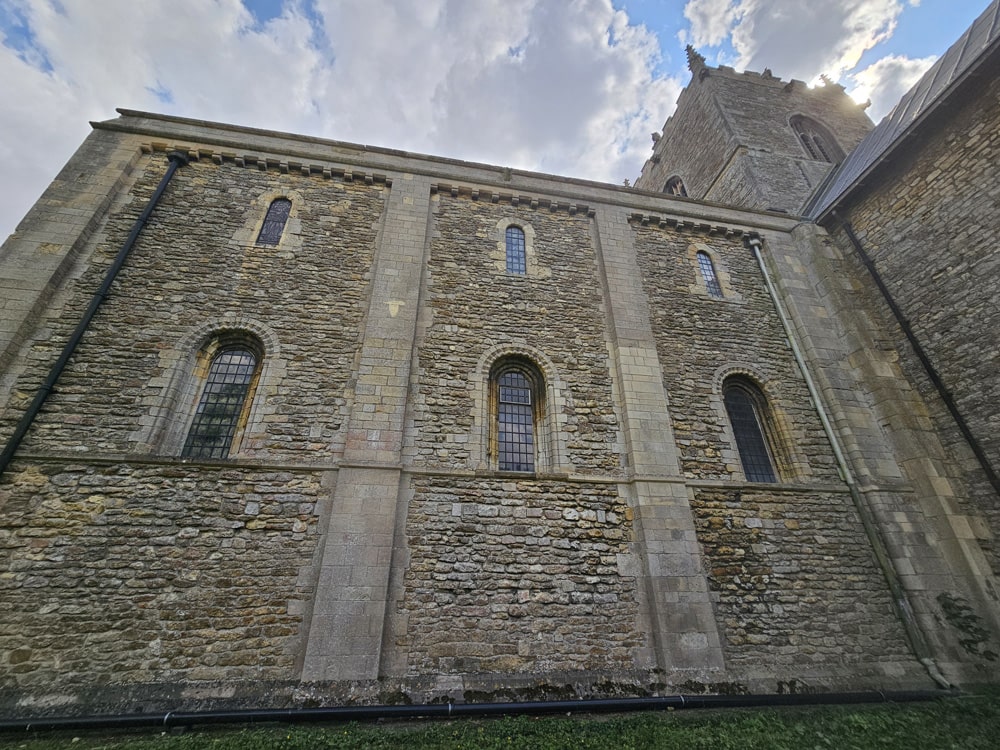
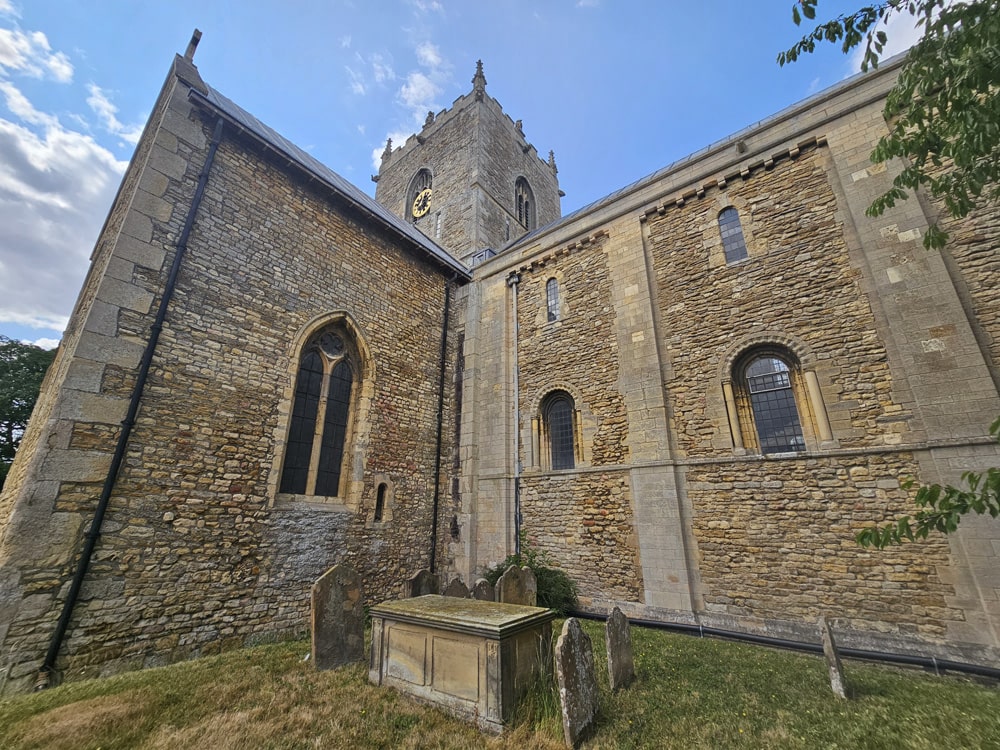
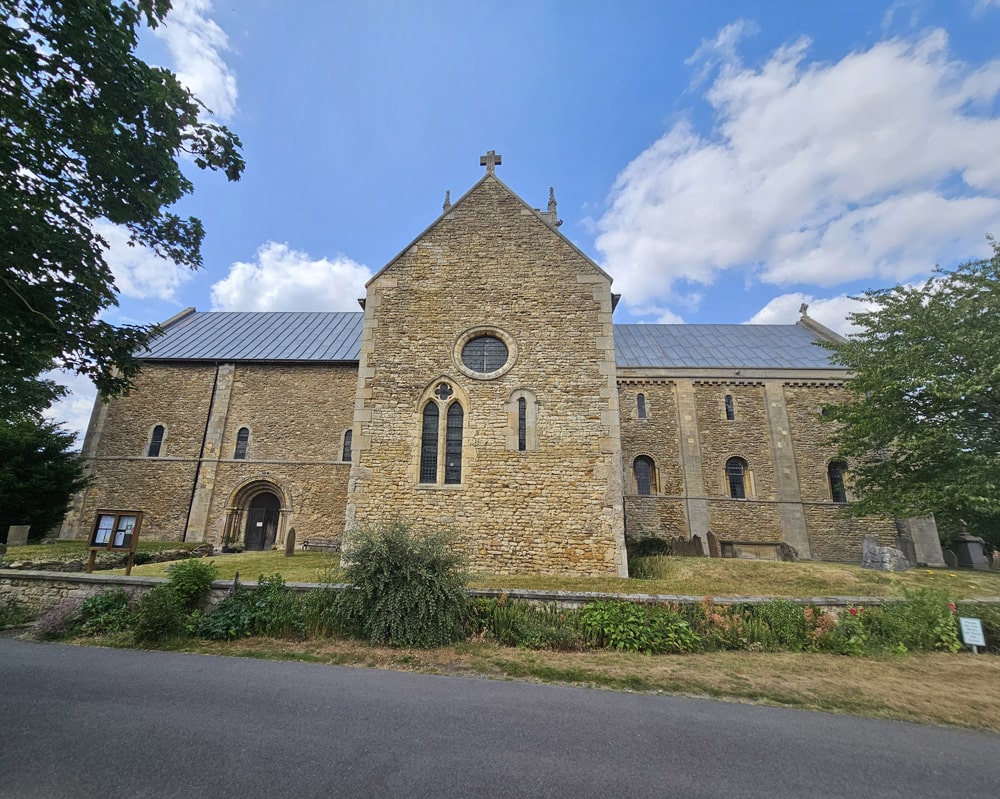
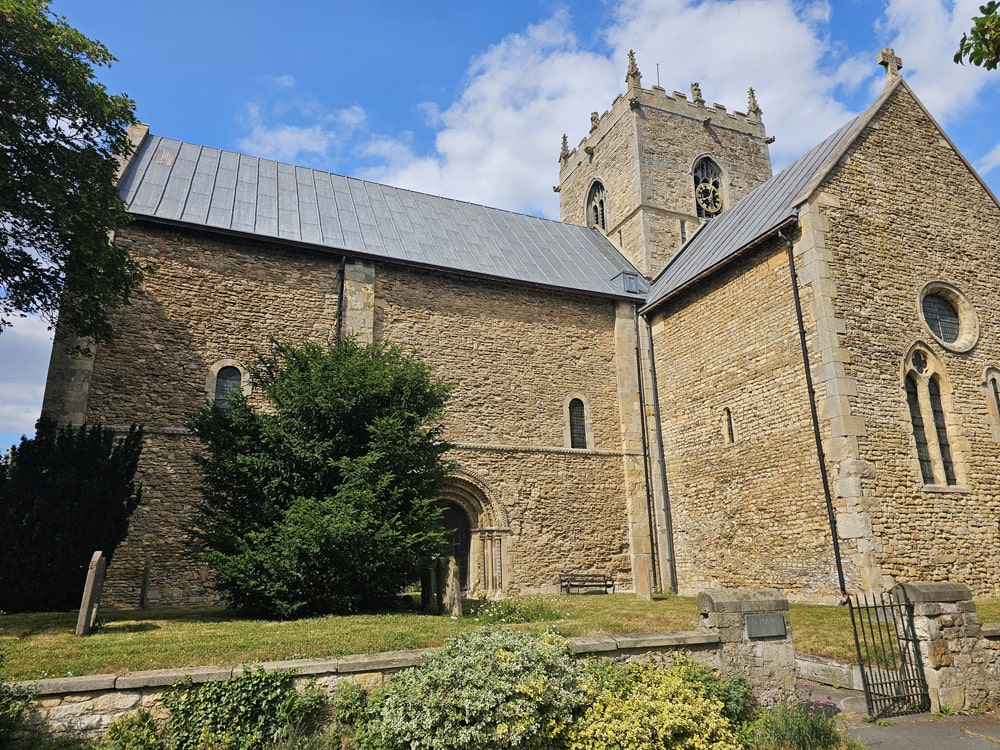
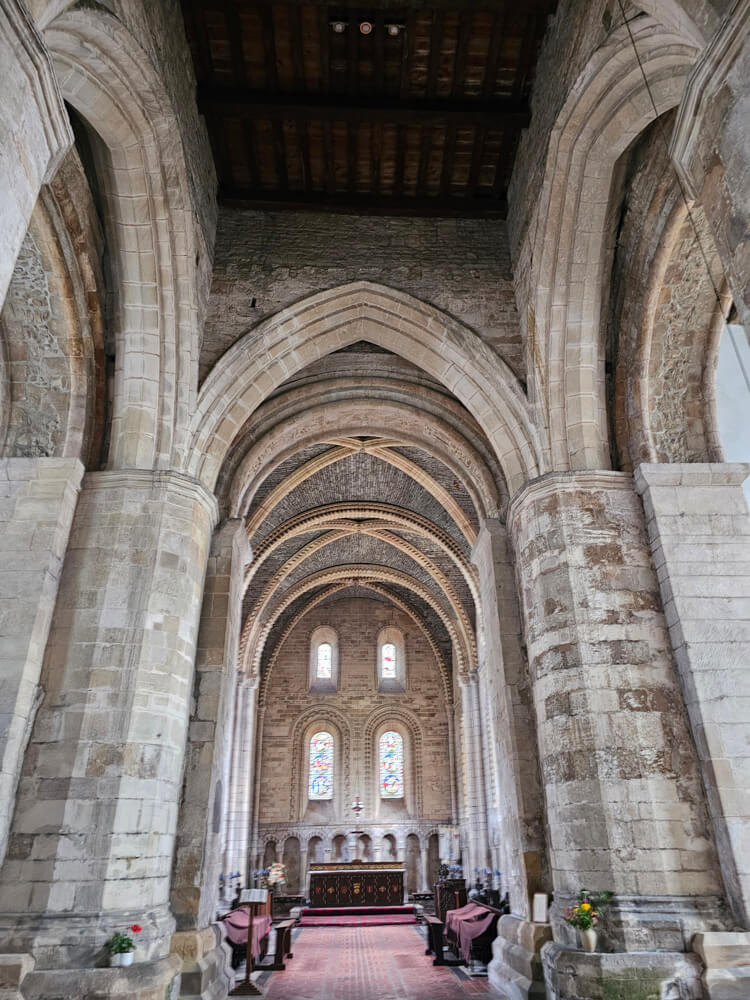
Stow Minster, formally the Minster Church of St Mary, stands in the small Lincolnshire village of Stow-in-Lindsey. Despite its rural setting, the church is an exceptionally important survivor from England’s Anglo-Saxon and Norman past. Its great size reflects the important religious role Stow once played, when it served as a centre for Christianity across a large part of Lincolnshire.
Historic
Highlights.
- Viking ship carving
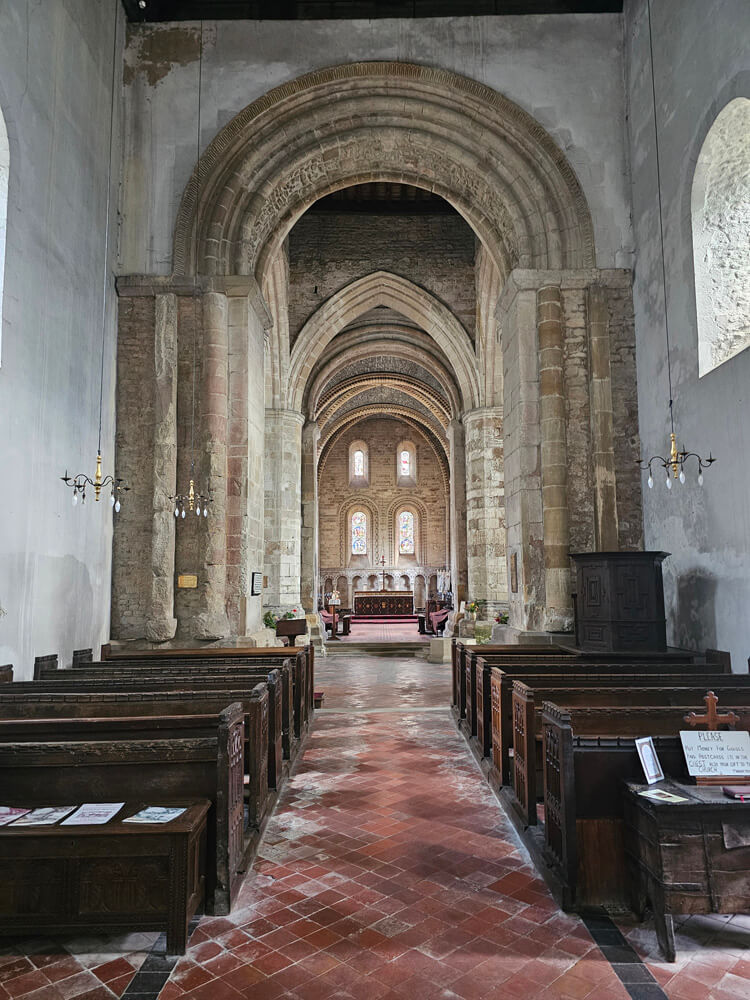
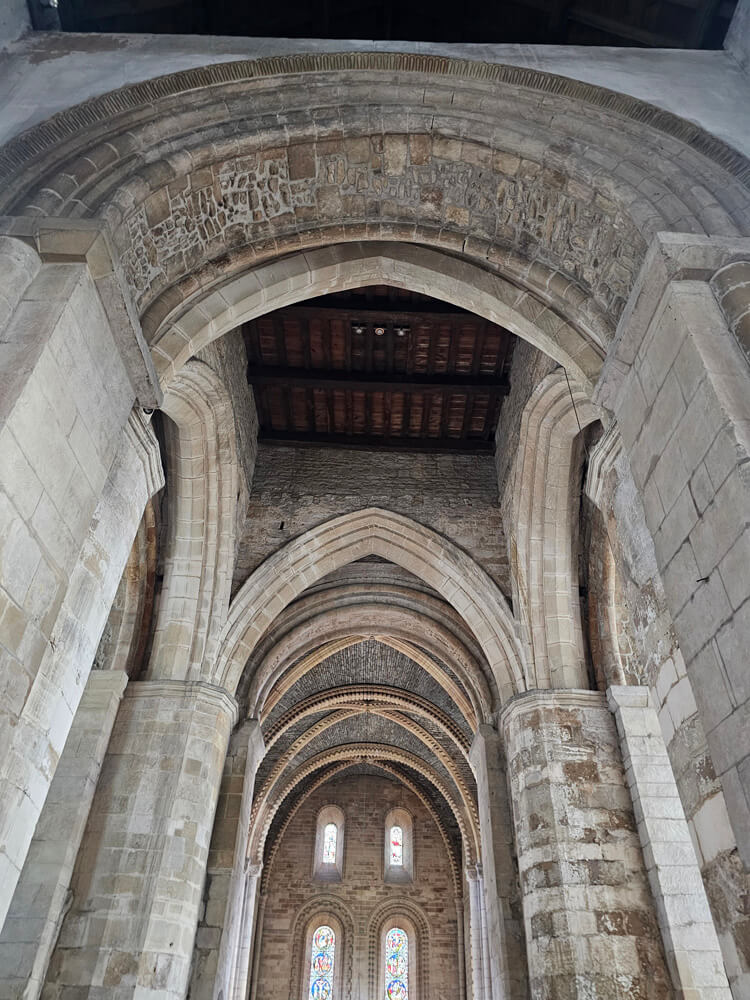
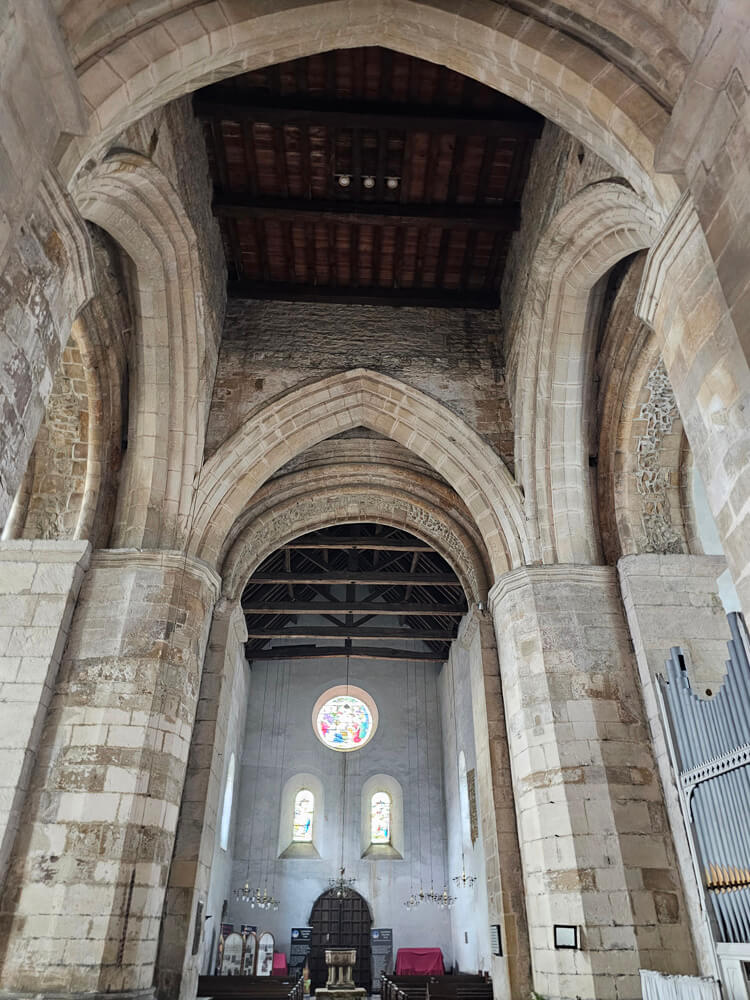
- Massive Anglo-Saxon arches
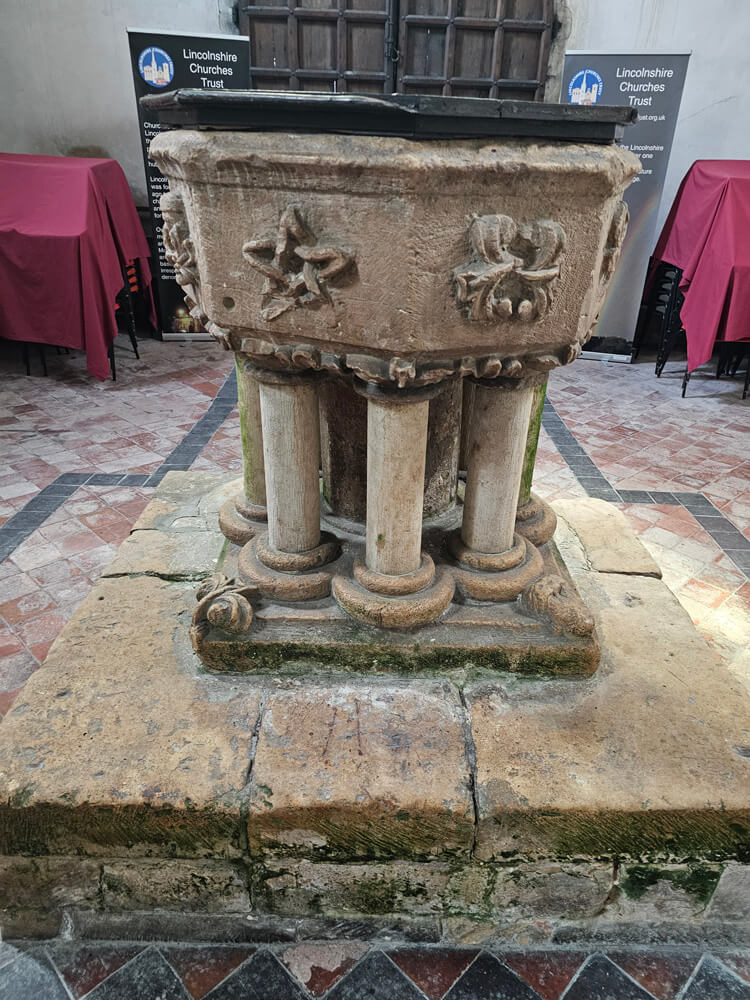
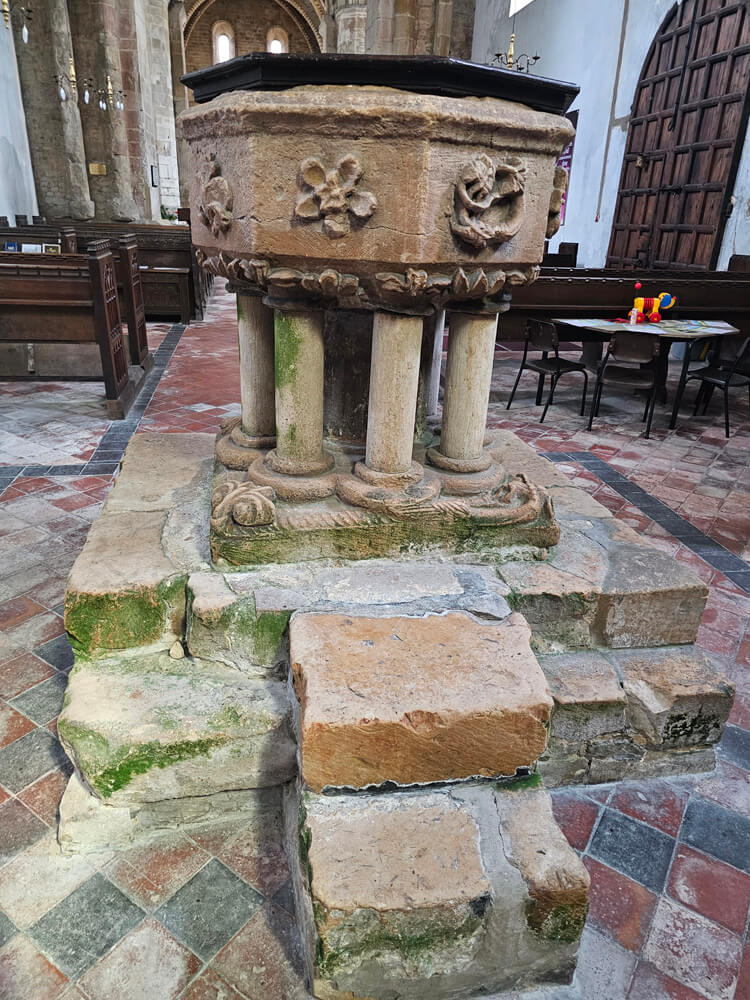
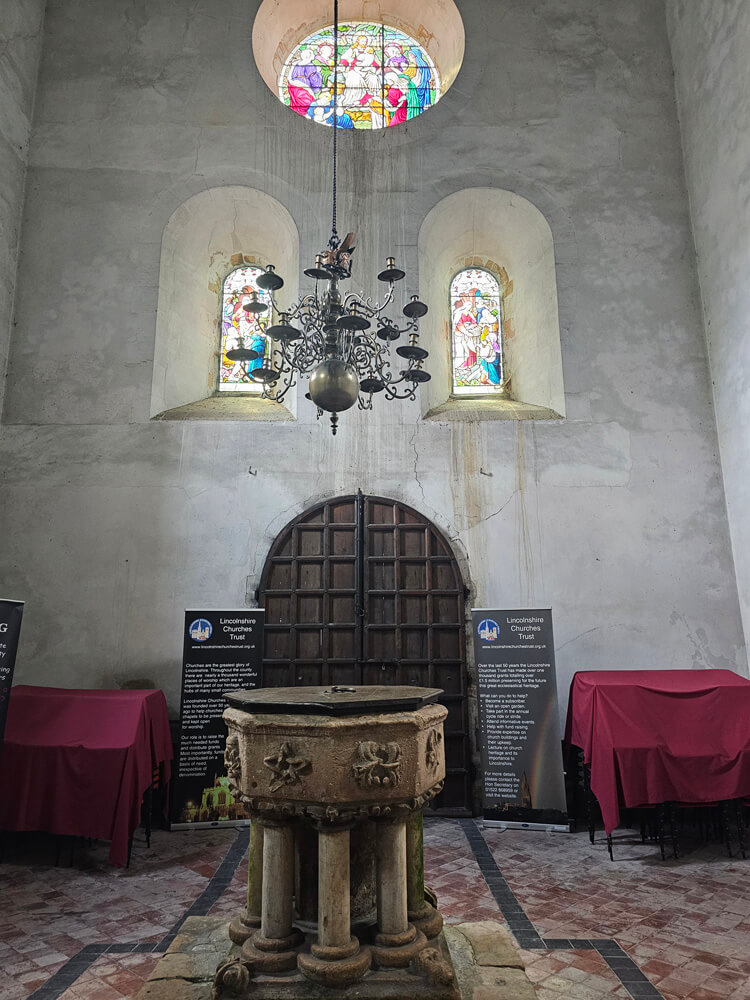
- Early English Font and Wall Paintings
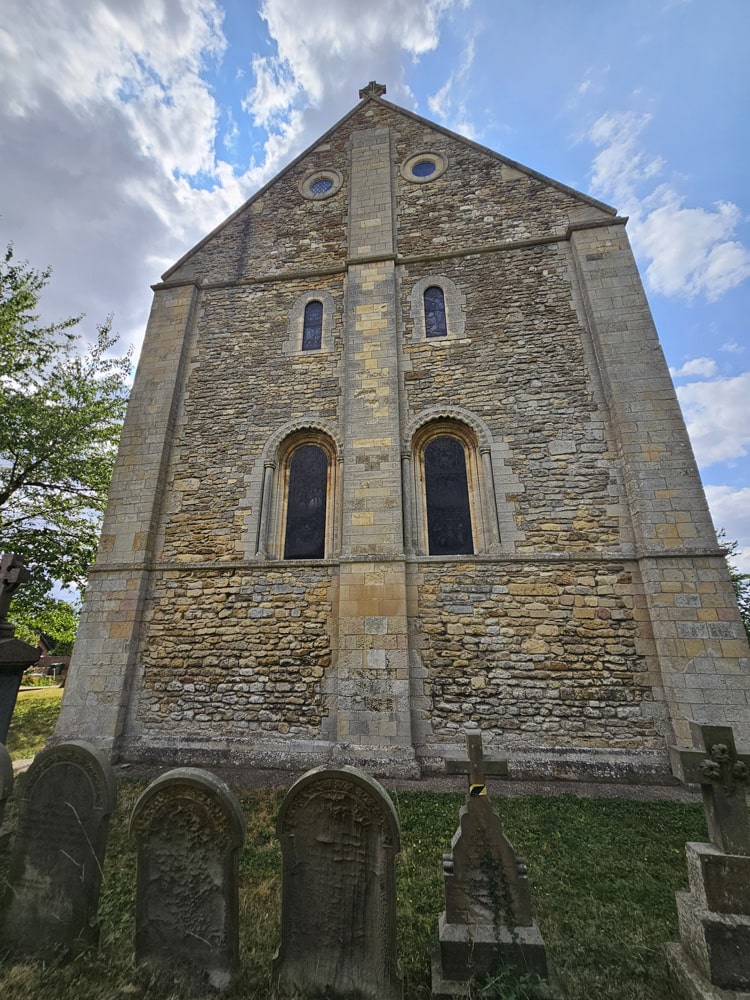
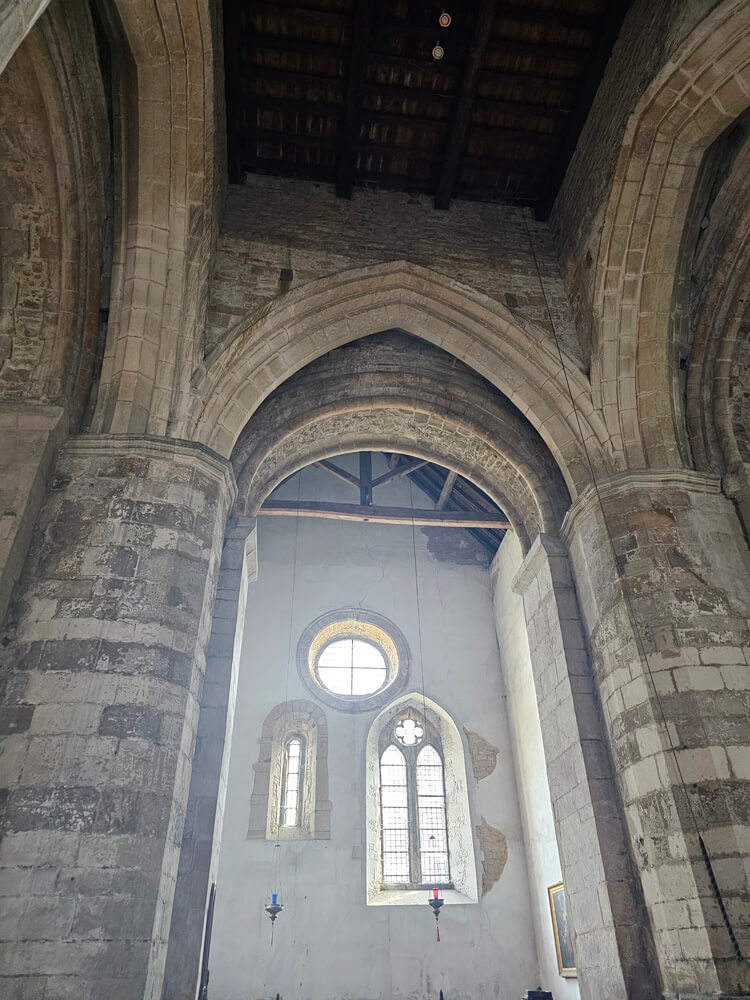
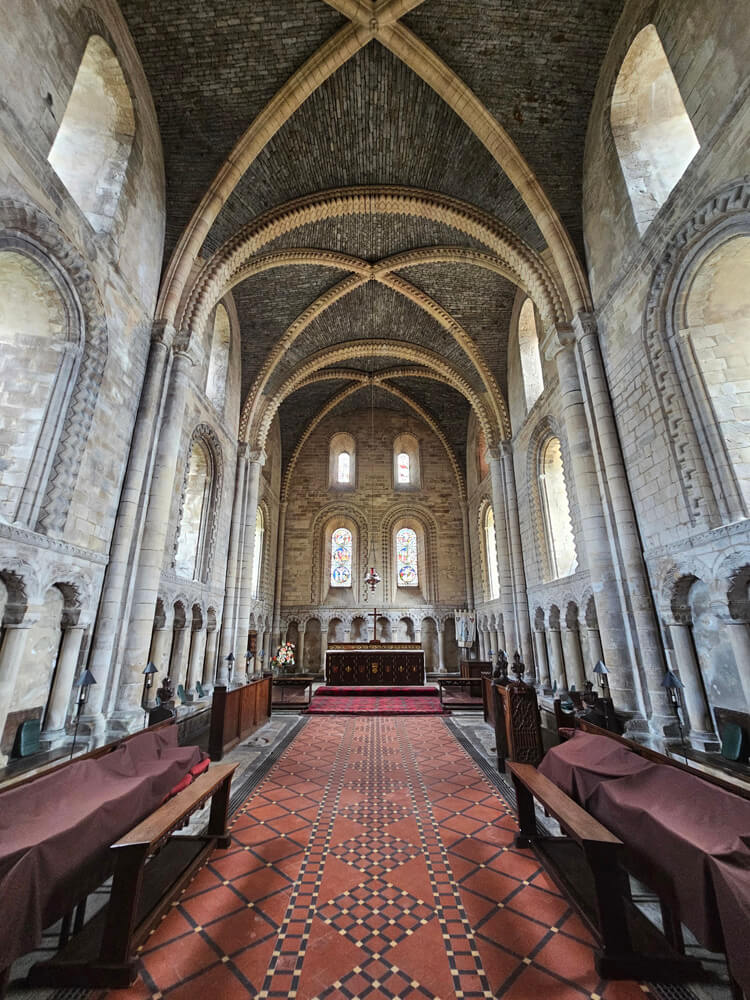
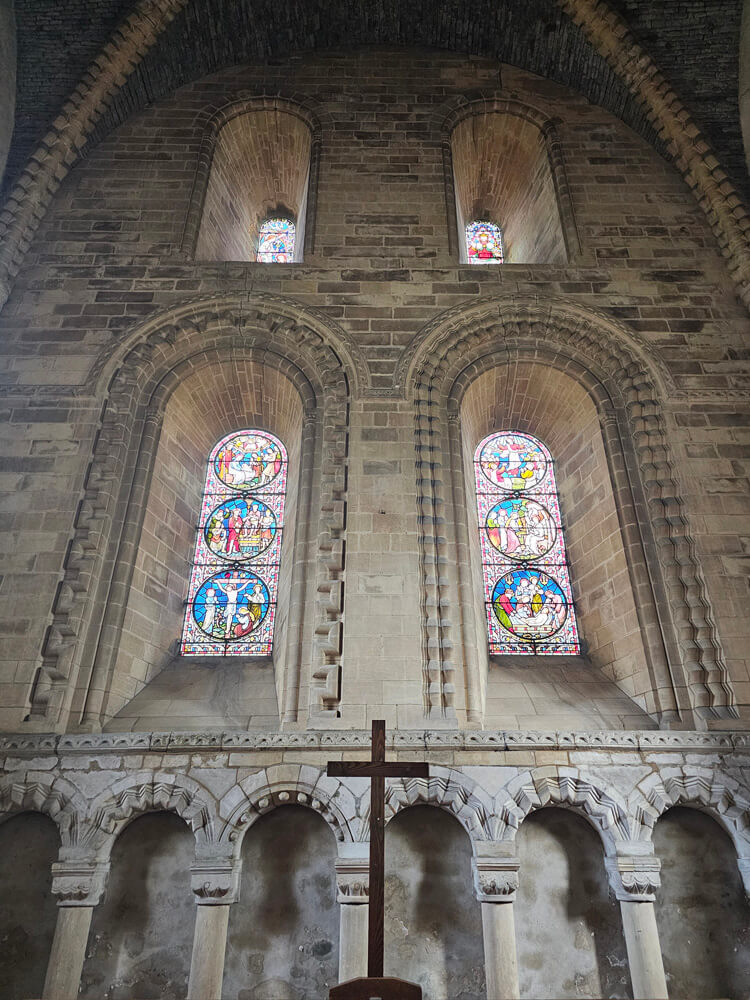
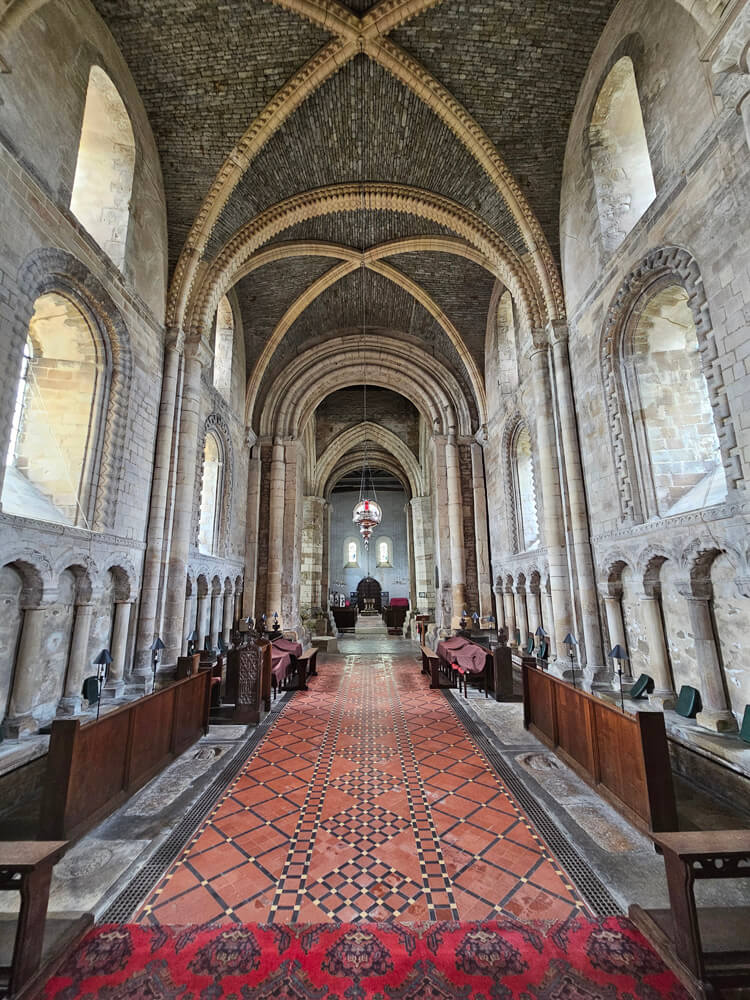
- The late-12th-century Norman chancel
Christian worship at Stow probably dates back earlier than the present building. A church is recorded here before the arrival of the Danes, who are said to have destroyed it in 870. Around 975, Bishop Aelfnoth of Dorchester established a new church at Stow to serve as a head minster for the Lincolnshire portion of his vast diocese. A community of priests lived here and administered the surrounding area, leading to the long-standing tradition that Stow was the “Mother Church of Lincoln Cathedral“.
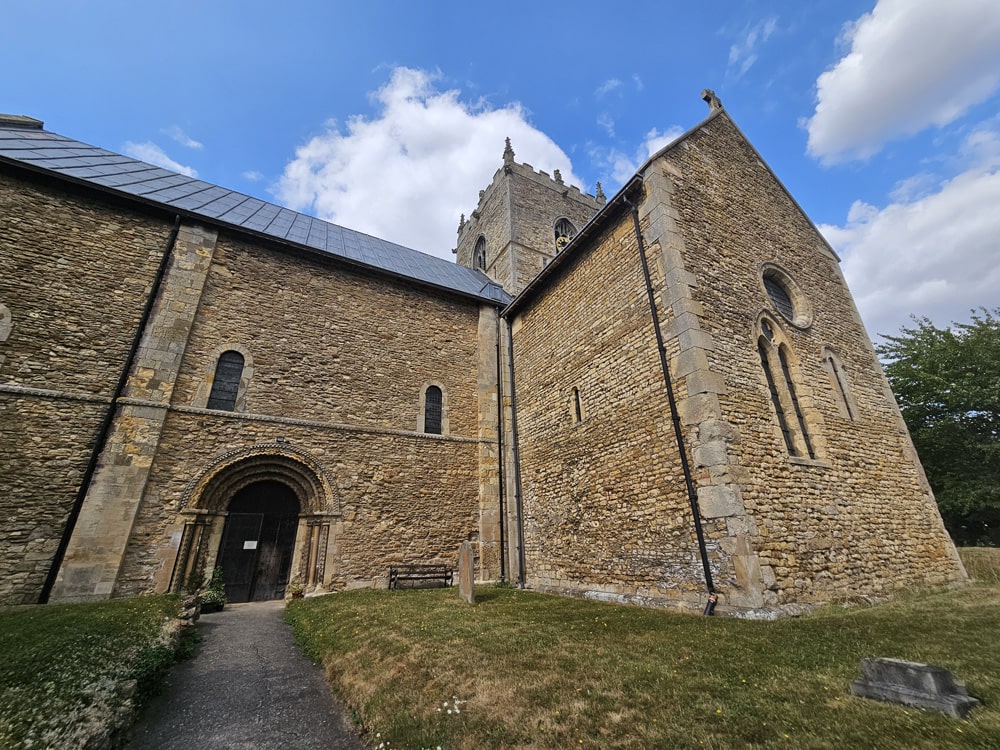
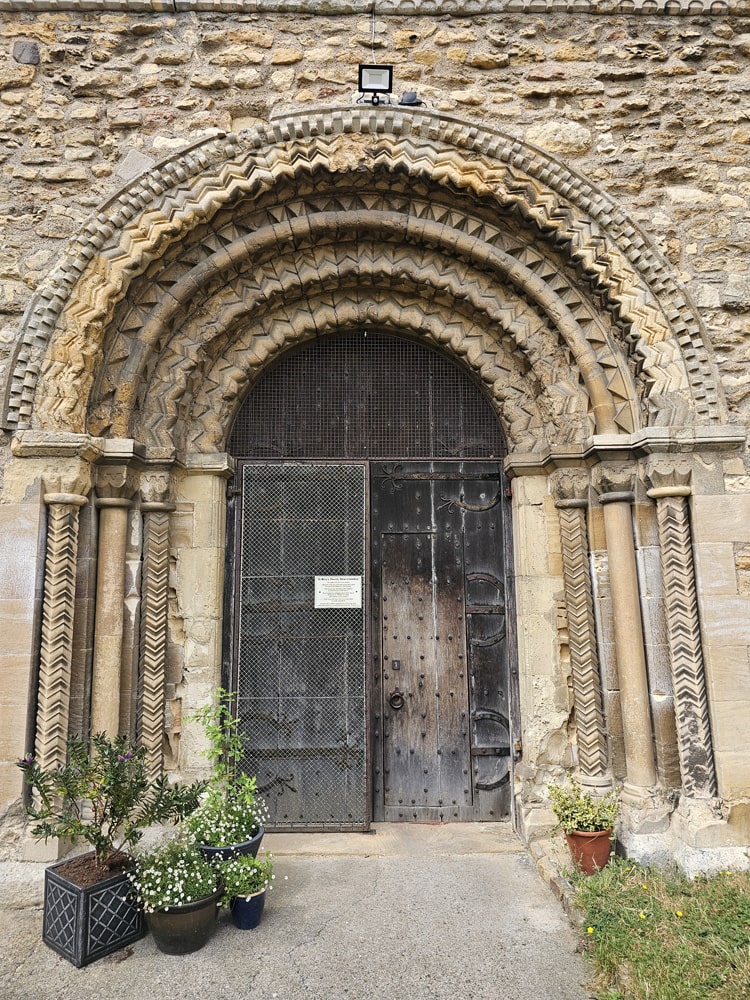
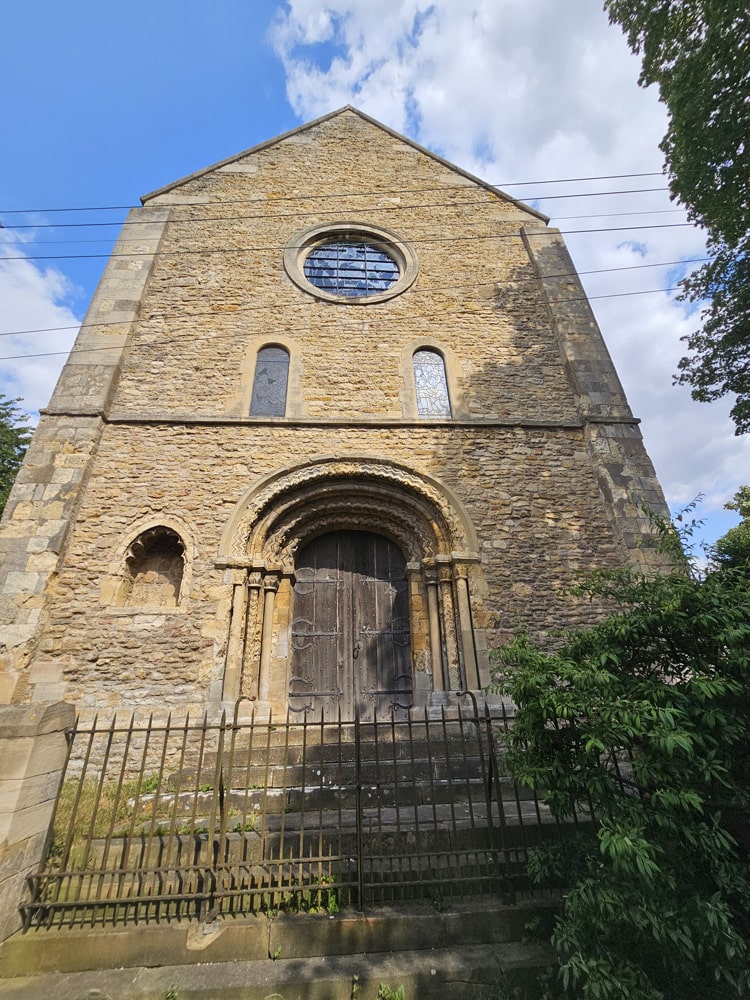
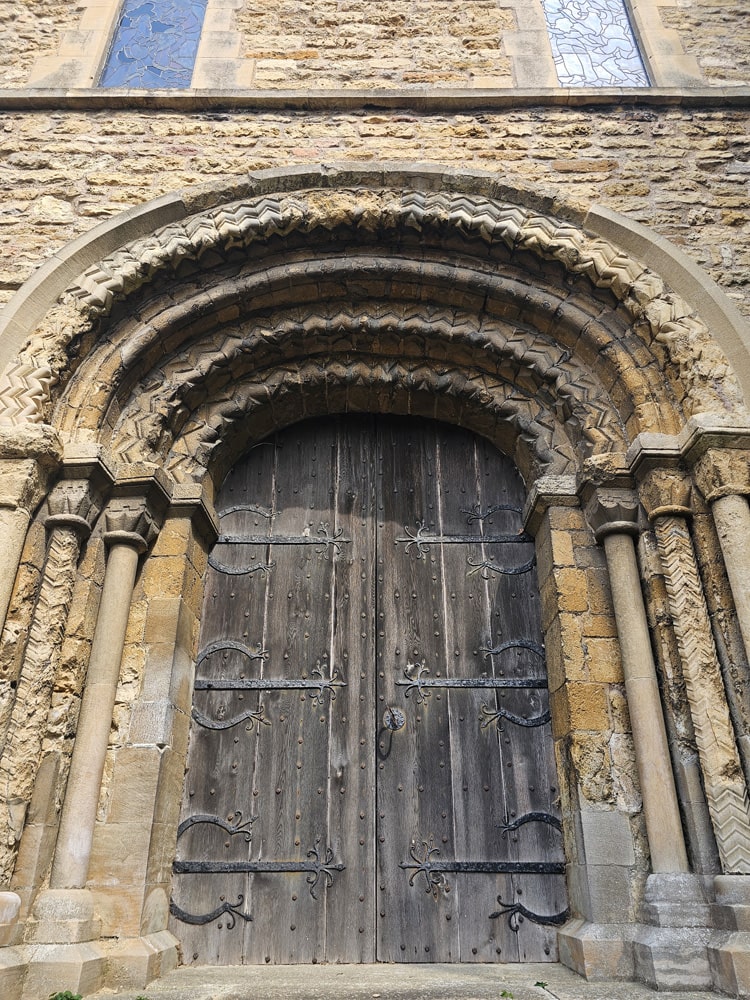
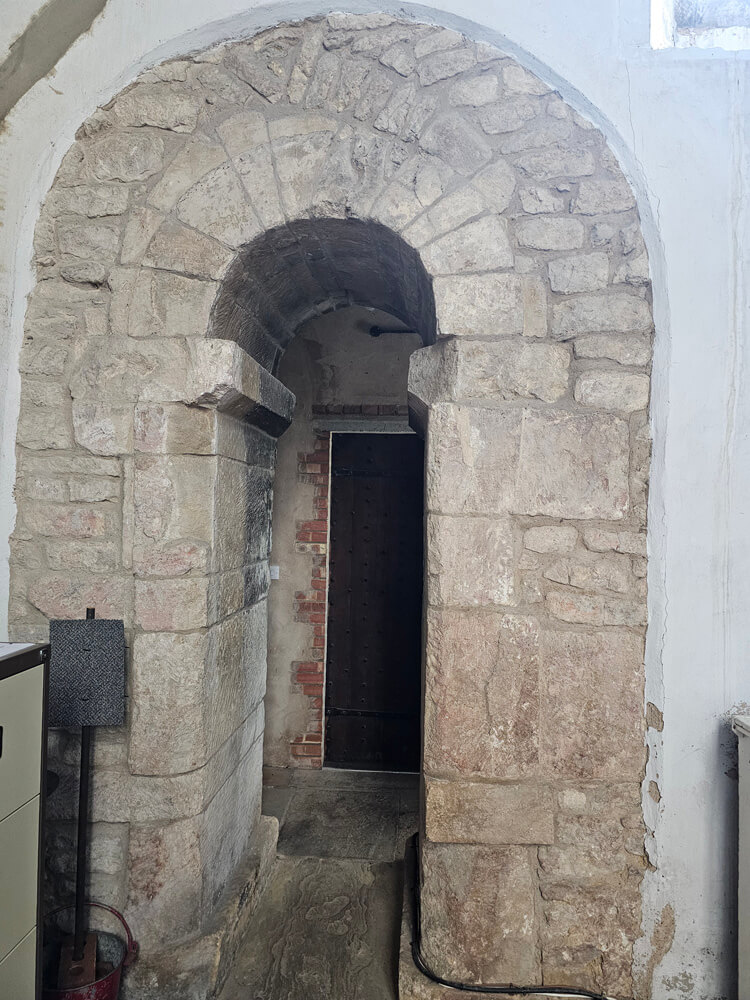
The church was rebuilt and endowed in the 11th century. Bishop Eadnoth II was responsible for rebuilding after an earlier fire, while Leofric, Earl of Mercia, and his wife, Lady Godiva, provided an important endowment in 1054. The present nave largely dates from the time of Bishop Remigius, the first Norman Bishop of Dorchester, who rebuilt the church after the Norman Conquest.
Remigius later attempted to establish a Benedictine monastery at Stow, bringing monks from Eynsham Abbey. The experiment was short-lived: his successor returned the monks to Eynsham, and Stow became a parish church. During the later 12th century, the original chancel was replaced by a much larger and richly decorated Norman structure. Its impressive scale suggests that there were ambitious plans to make Stow a major religious and commercial centre, although the village never developed as hoped.
The Minster contains remarkable reminders of its early history. Among them is a Viking ship carving, thought to date from the 10th or 11th century, while its massive Anglo-Saxon arches are among the tallest surviving examples of their kind in England. The building also incorporates later medieval additions, including 13th-century work and a new tower constructed in the 15th century.
By the 19th century, the Minster was in poor condition and there were even suggestions that it should be demolished. Its survival was largely due to the determination of the Reverend George Atkinson, who raised funds for a major restoration. Between 1846 and 1866, the celebrated Victorian architect John Loughborough Pearson restored the building, rebuilding the choir vault and returning the roofs closer to their medieval appearance.
Today, Stow Minster remains a living parish church and a Grade I listed building. Its extraordinary mixture of Anglo-Saxon, Norman and medieval architecture makes it one of Lincolnshire’s most significant historic churches, preserving the story of a place that was once at the heart of the Christian life of the region.
Photo Gallery.
Did you enjoy this post?
I hope you found this post useful. I put a great deal of time and effort in to building, maintaining and populating the website. If you like, you could say a small thank you by buying me a coffee. You don't have to, but it would be nice :)
Buy me a coffee
Stay up to Date
Follow me on my journey and get notified whenever a new post is published by following Kings & Castles on Facebook.
Follow MeExplore The Map
Discover the hundreds of castles, churches, monasteries, cathedrals and other historic locations that I've personally visited across England and Wales. Search by location, explore nearby sites and plan your next historical adventure.
Share: