The Historic Town of Bridgnorth
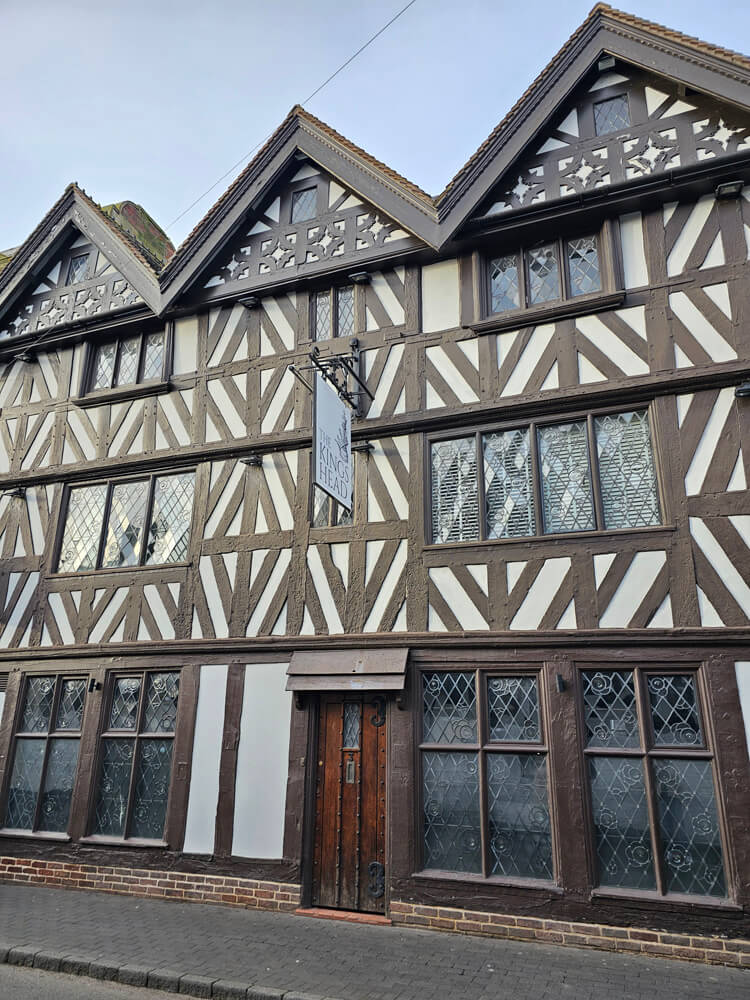
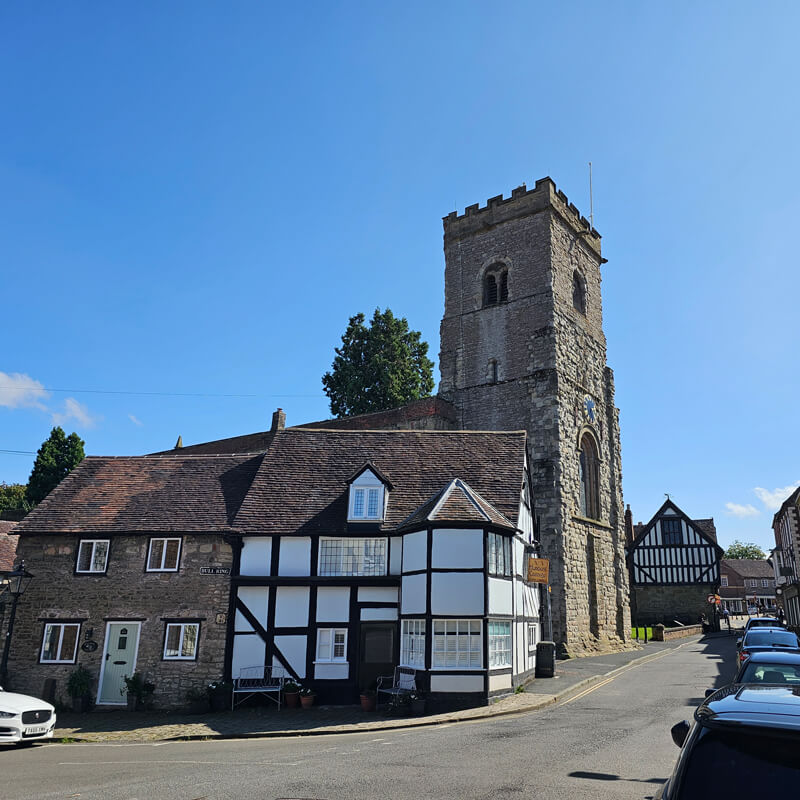
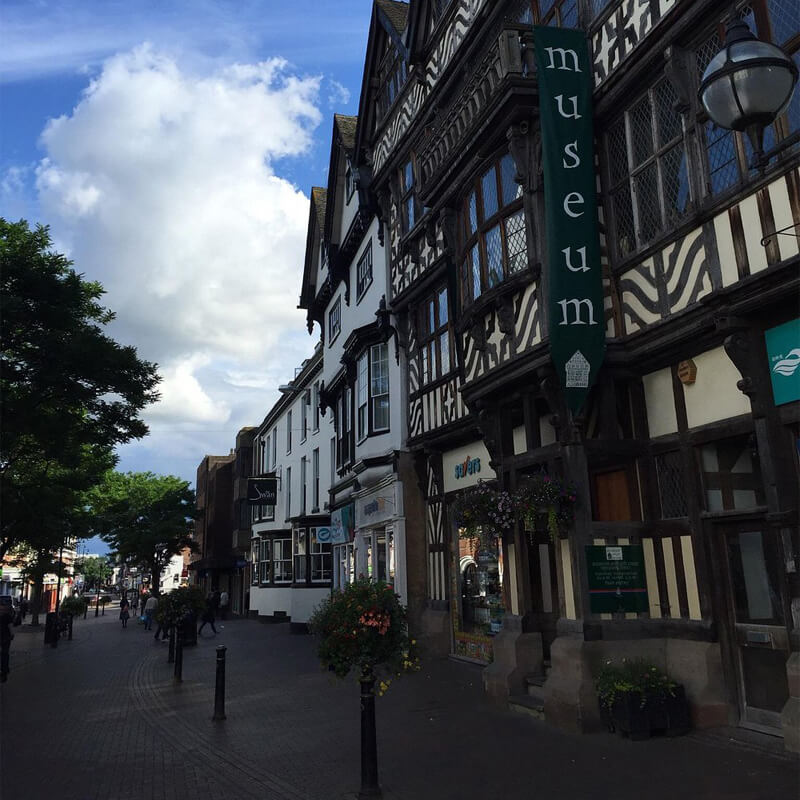
Bridgnorth is one of the most picturesque towns in Shropshire. Once a fortified town with five gates, it’s a historic town which includes medieval castle ruins, Victorian shop fronts and timber-framed houses and inns, with a cliff railway that connects the High Town and Low Town areas.
Bridgnorth is named after a bridge over the River Severn, which was built further north than an earlier bridge built at Quatford. The name Quatford (which is a village in Bridgnorth) came from it being a ford near Quatt. Quatford’s importance as a crossing of the River Severn was diminished when another bridge was built two miles upstream. A settlement was formed at the “bridge north of Quatford”, now known as Bridgnorth, which became the major town in the district.
Bridgnorth is referenced several times in the Anglo-Saxon Chronicle, with the earliest reference in the year 895, which tells us that the Danes set up a camp at ‘Cwatbridge’ and built a fort and stayed for the winter. Bridgnorth was founded in 912 by Æthelflæd, the Lady of Mercia and daughter of King Alfred the Great, where Bridgnorth is mentioned in the entry for the year 912, which tells us that Æthelflæd built a burh (fortified settlement) at Bridgnorth to protect them against the Danes, and also constructed a mound on the west bank of the River Severn, or possibly on the site of Bridgnorth Castle.
After the Norman conquest, William the Conqueror granted the manor of Bridgnorth to Roger de Montgomerie, who was one of his principal advisors and close friend. Bridgnorth wasn’t created as an official town until 1101, when Robert of Bellême, 3rd Earl of Shrewsbury, the son of Roger de Montgomerie, moved from Quatford, constructing a church and a castle to defend against Welsh attacks. Bridgnorth then became a royal borough in the following year in 1102.
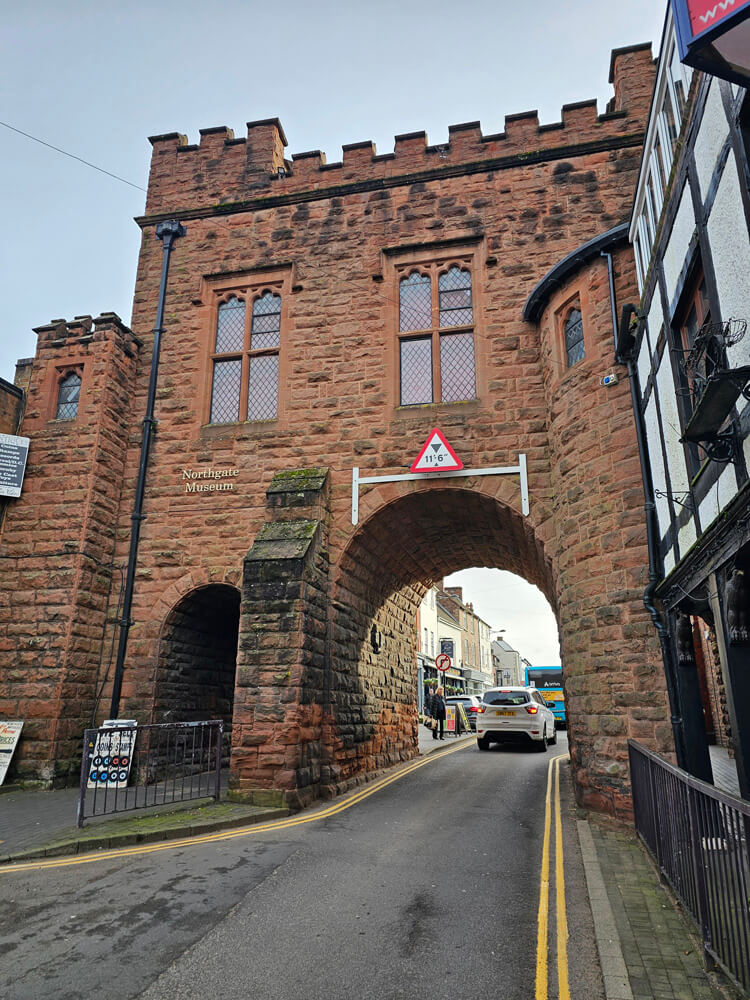
Bridgnorth was once a walled town, initially constructed in timber in the early-13th century and then rebuilt in stone between the 13th and 15th centuries. The defensive town walls had five gates, but of the five gates only one survives today; the Northgate, which now houses a museum.
During the English Civil War, Bridgnorth was one of the Midlands’ main royalist strongholds. In 1646, the Parliamentarians arrived with orders to take Bridgnorth, and after a three-week siege Cromwell and his troops were successful and he ordered that the castle and town walls be destroyed, and most of Bridgnorth High Town was destroyed by a great fire.
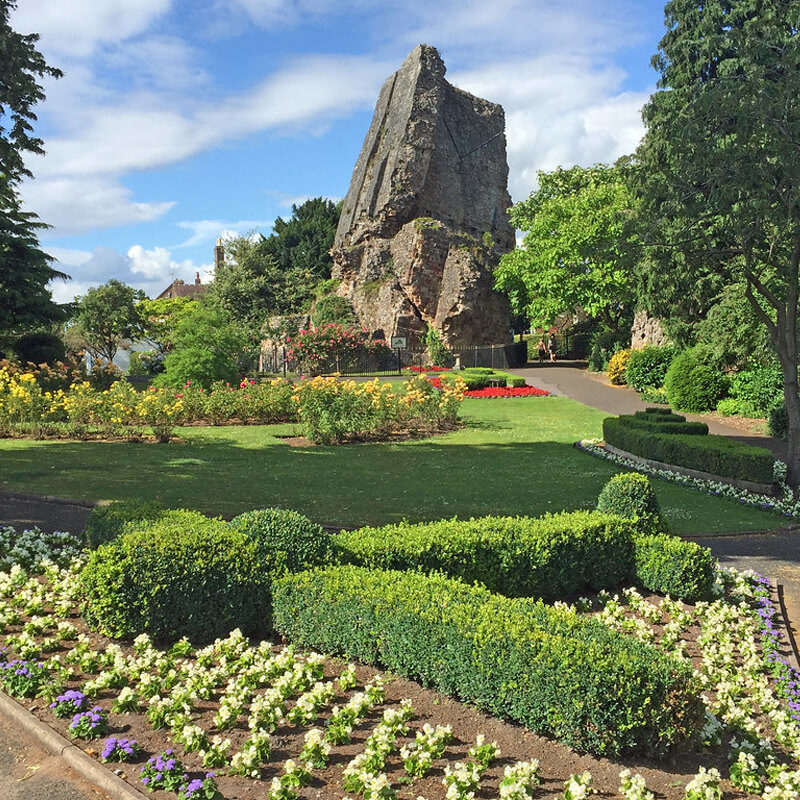
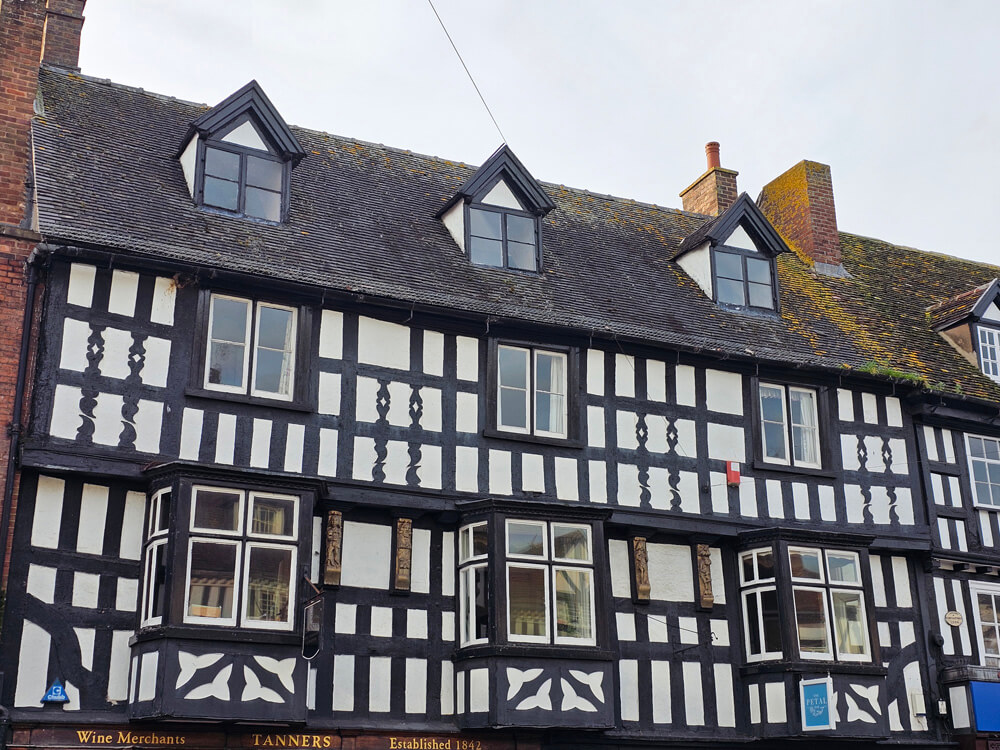
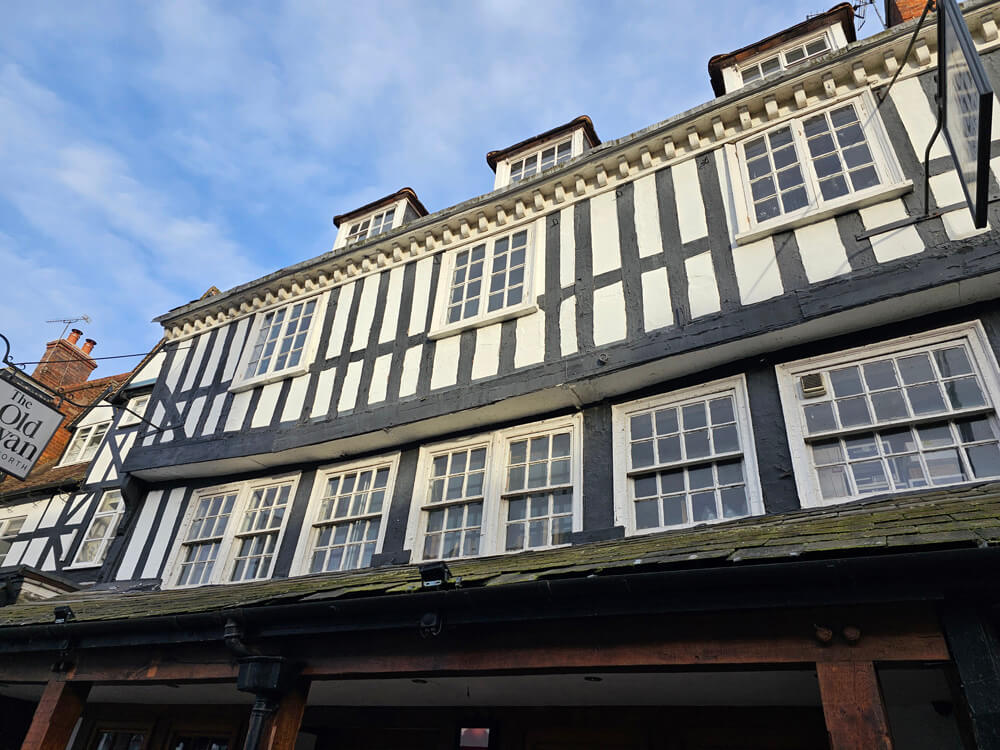
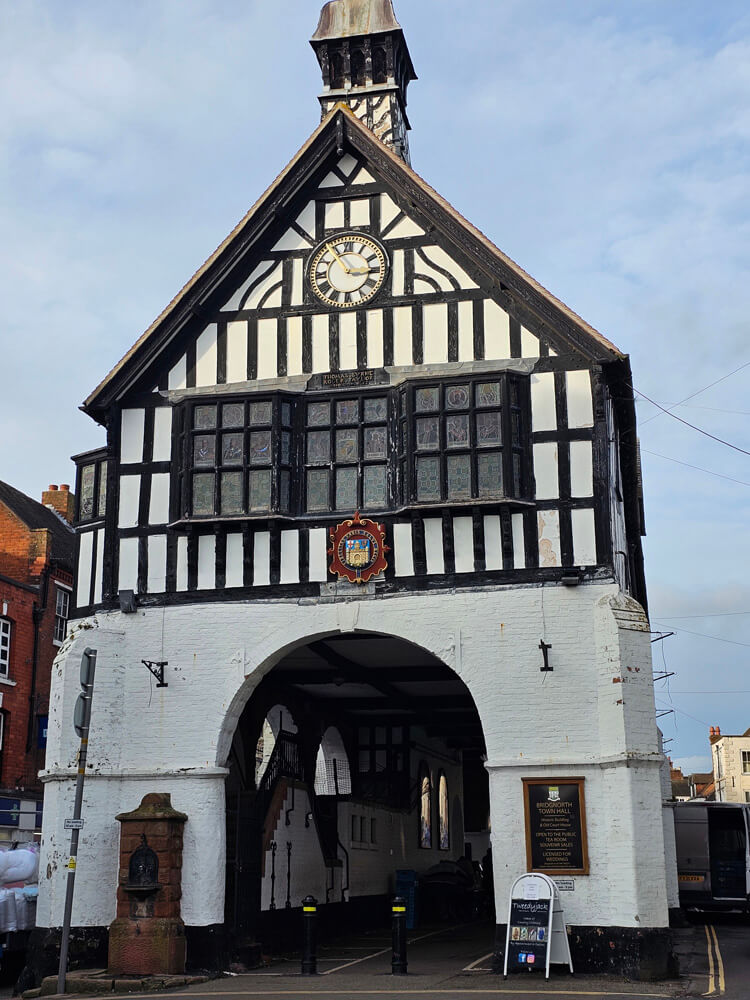
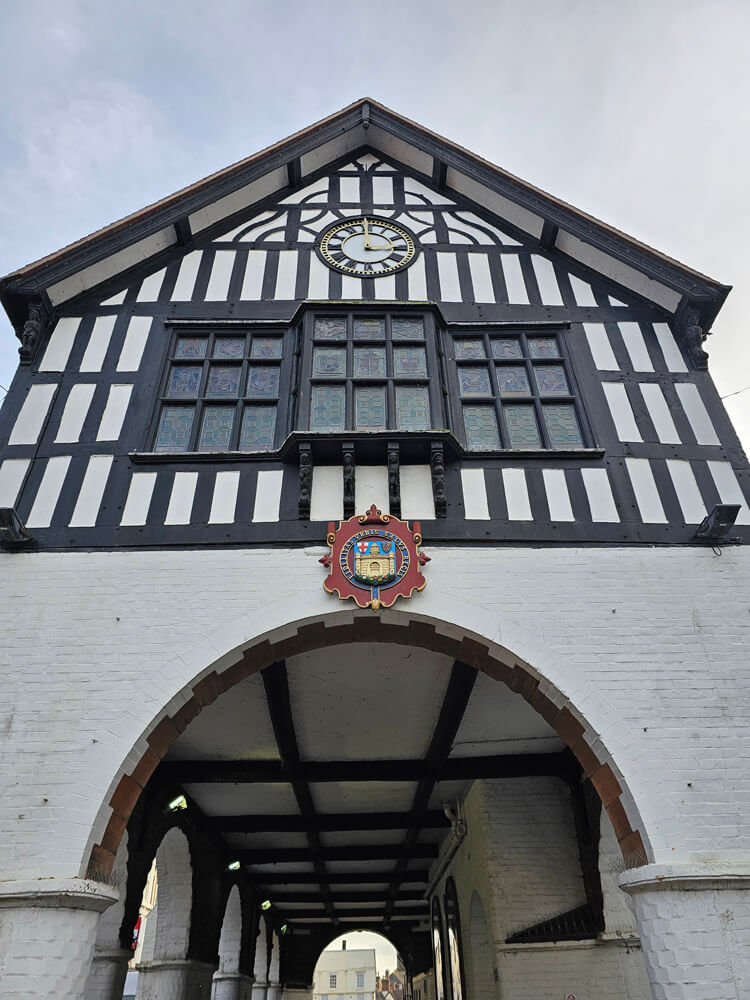
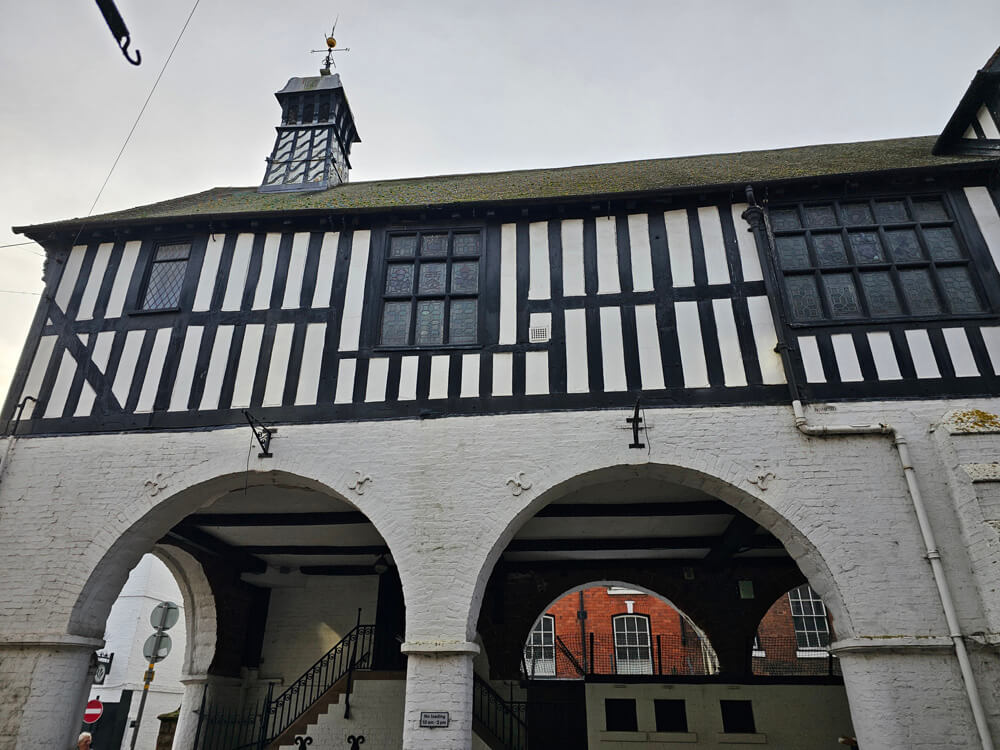
Today, Bridgnorth’s historic landmarks include the ruins of Bridgnorth Castle built in 1101, Bridgnorth’s only surviving town gate; Northgate, which was originally built in 1265, and many beautiful half-timbered buildings, including Bridgnorth Town Hall which was built in 1652.
Bridgnorth is also home to the Castle Hill Railway, a funicular railway that links the High and Low towns, which is the only inland railway of its type in England.
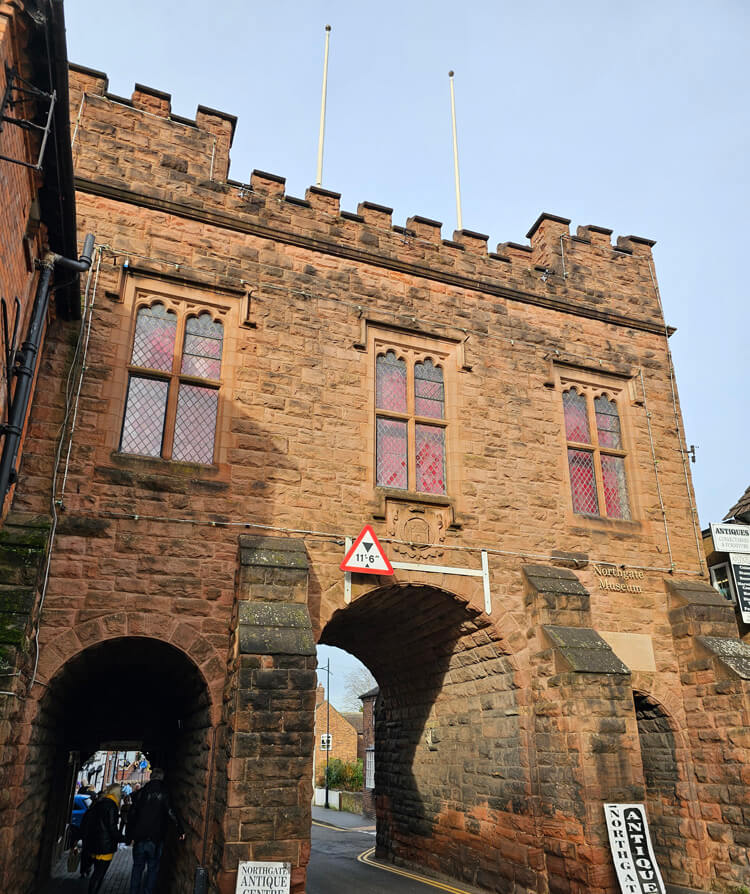
Northgate
Northgate was originally built in 1265 as part of the town’s fortifications. It was the only one of the town’s original five gates to survive. The other four gates were Cowgate in Cartway, Listley Gate near the Library, West Gate at the end of Listley Street and Whitburn Gate at the end of Whitburn Street. During the Middle Ages, Northgate would have looked very different from the way that it looks today. It would have had a small tower at each end, which would have housed spiral staircases. Northgate was largely rebuilt in brick during the 1740s.
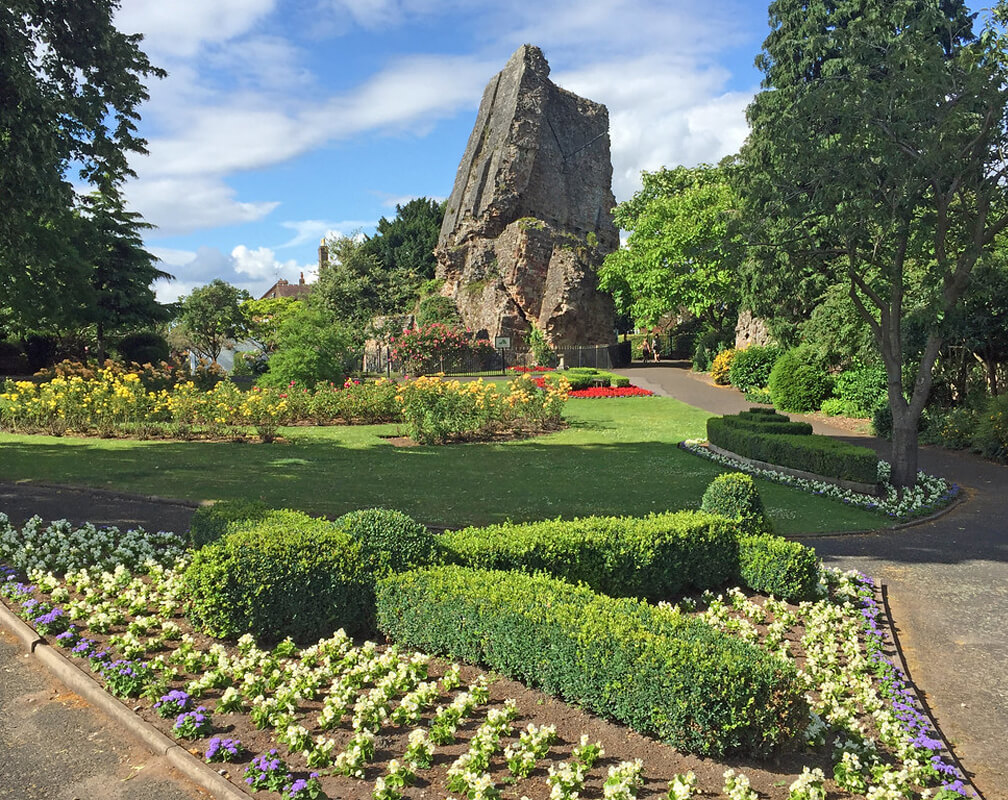
Bridgnorth Castle
Bridgnorth Castle was built in 1101 in preparation for an uprising against King Henry I. In the 13th century Bridgnorth grew considerably outside the castle grounds and was encircled by town walls. Finally, in the year 1646 during the English Civil War, Parliamentary troops attacked Bridgnorth and the castle and town walls were destroyed. All that remains today is part of the Norman keep which is inclined at an angle of 15 degrees as a result of the damage caused to it during the English Civil War.
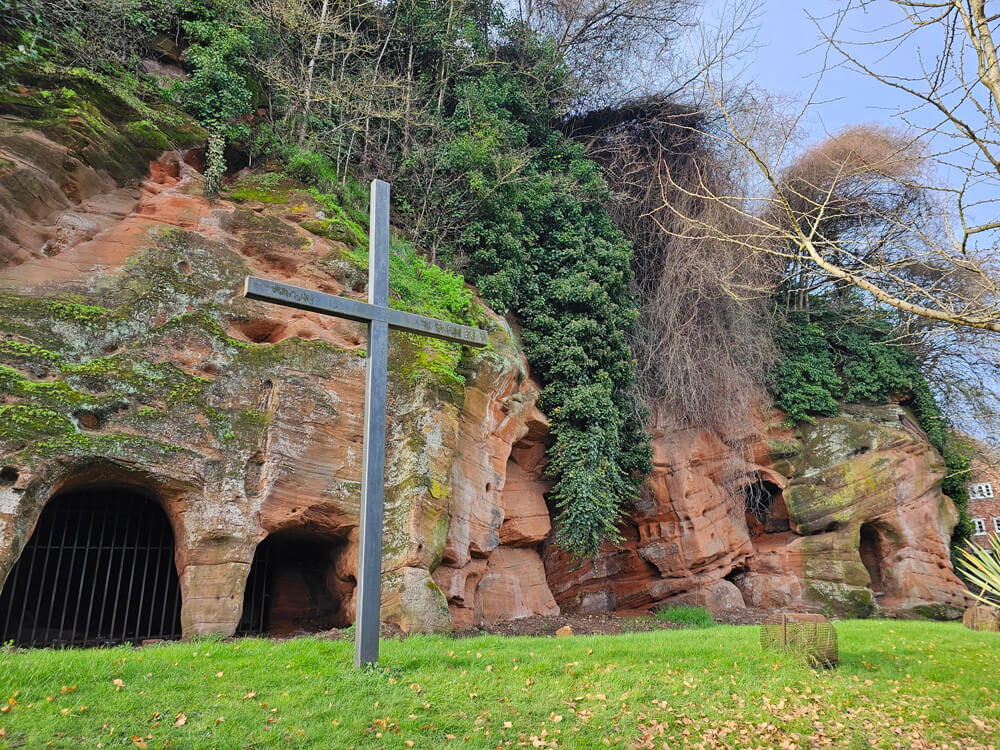
Lavington’s Hole
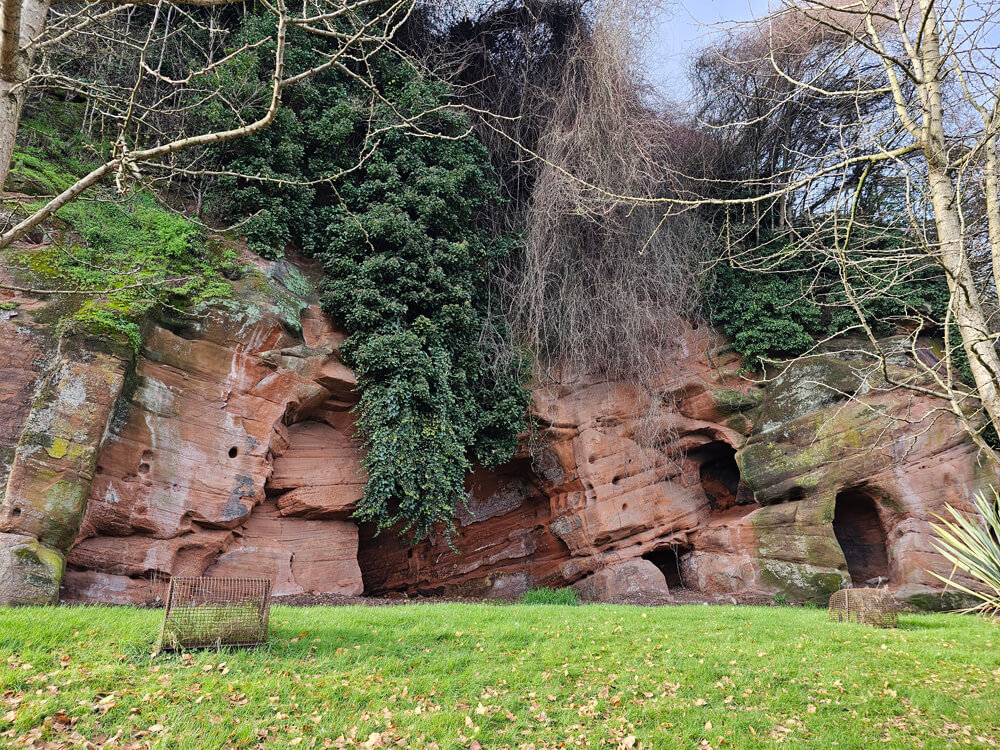
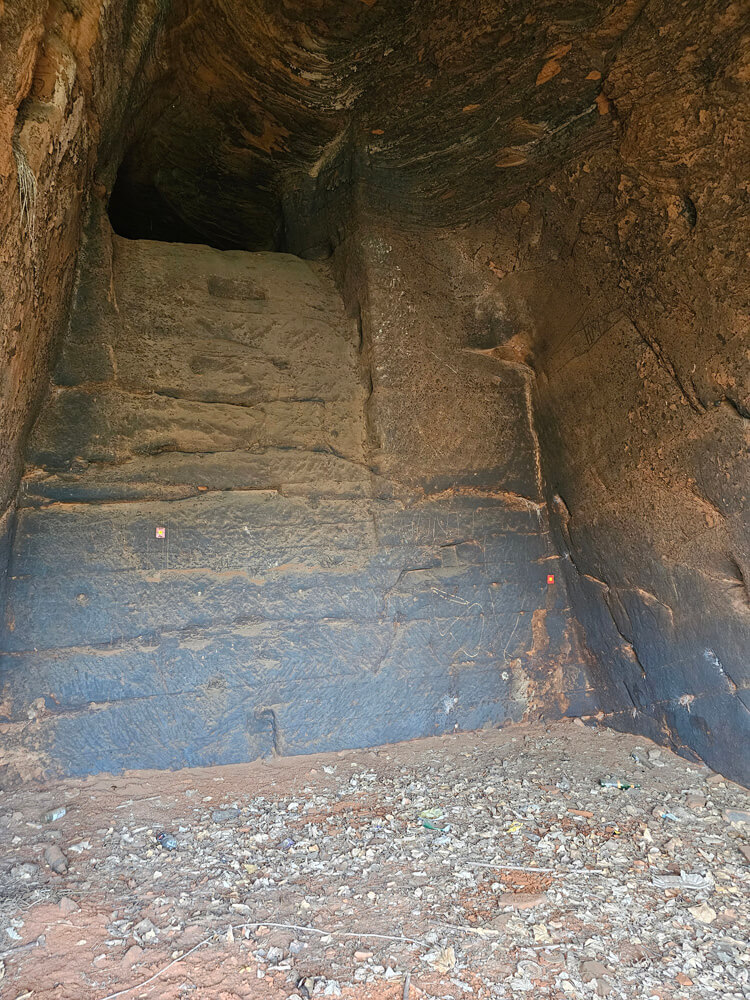
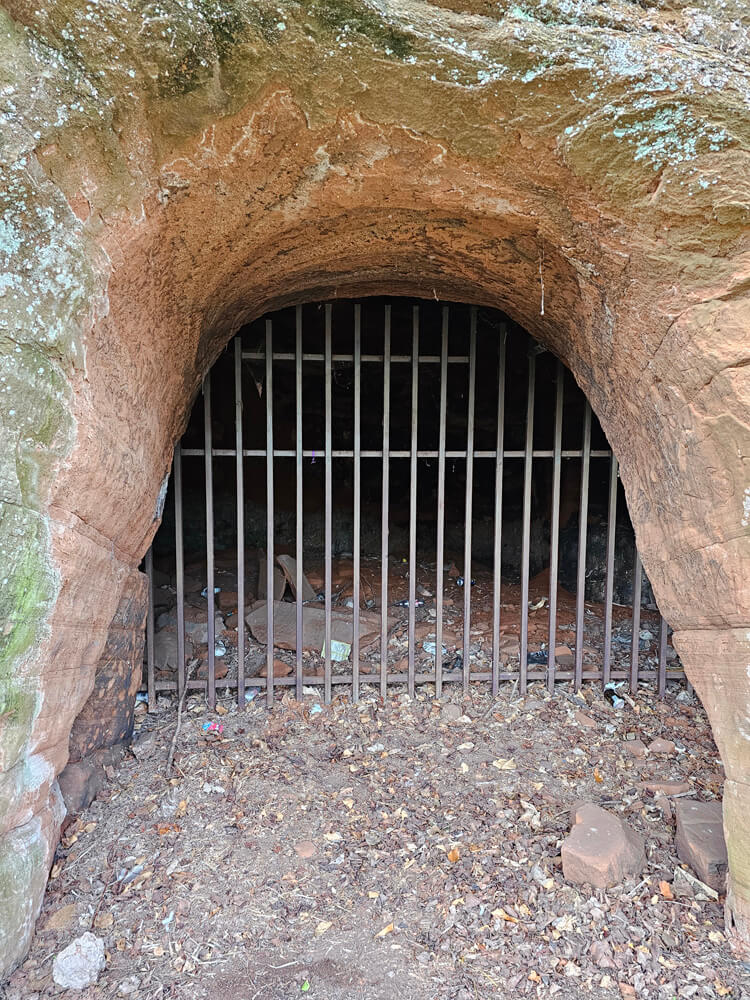
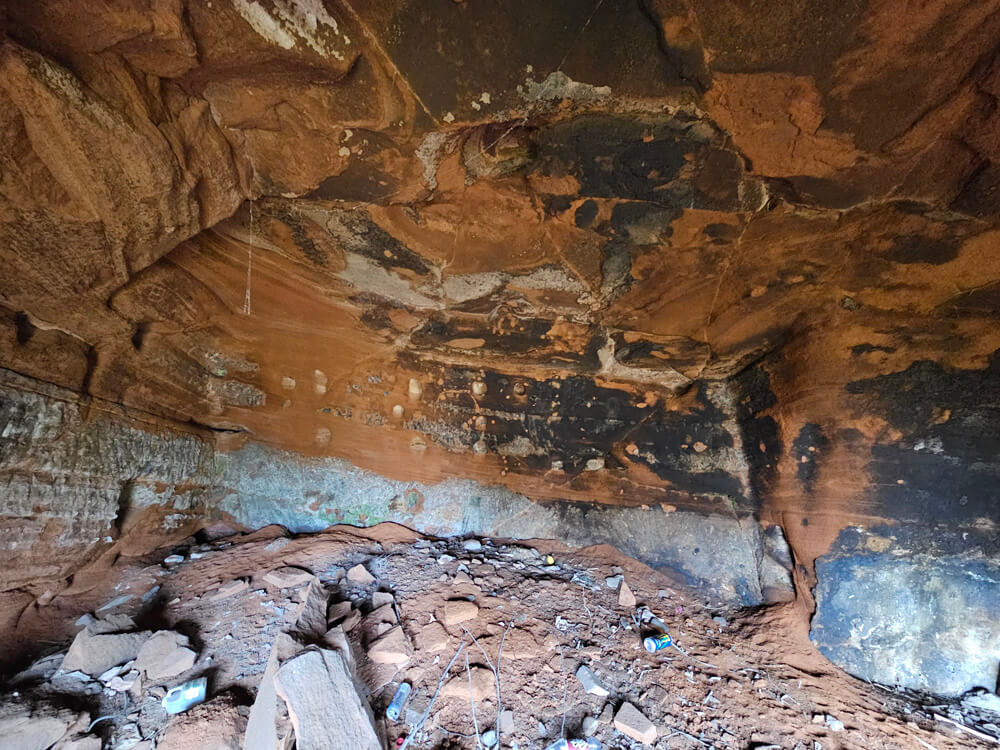
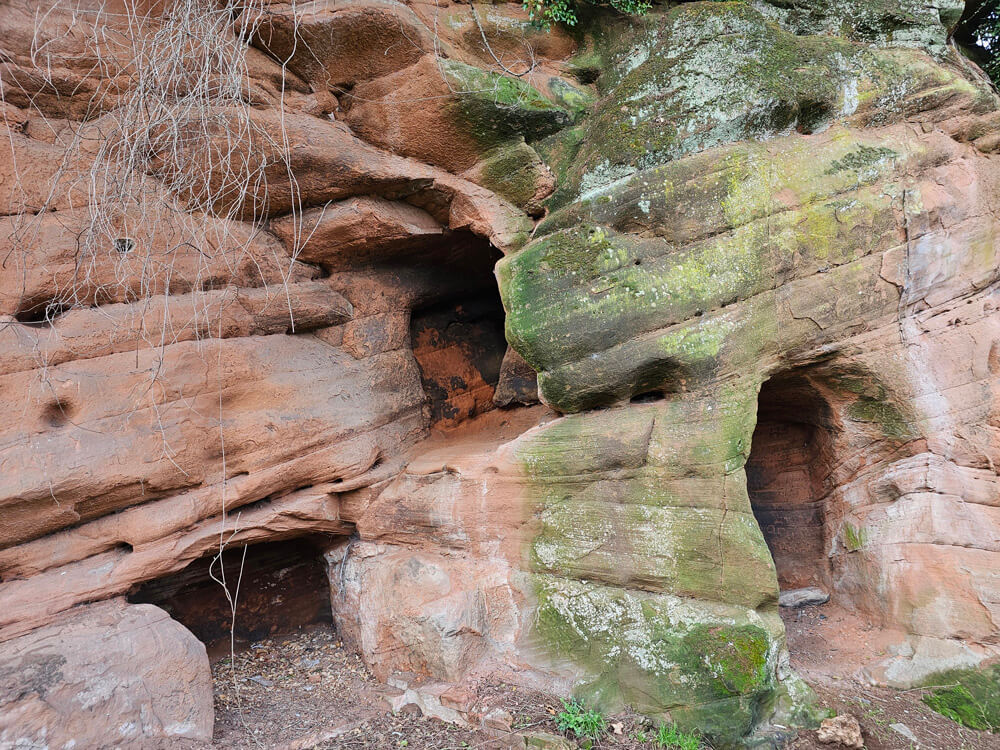
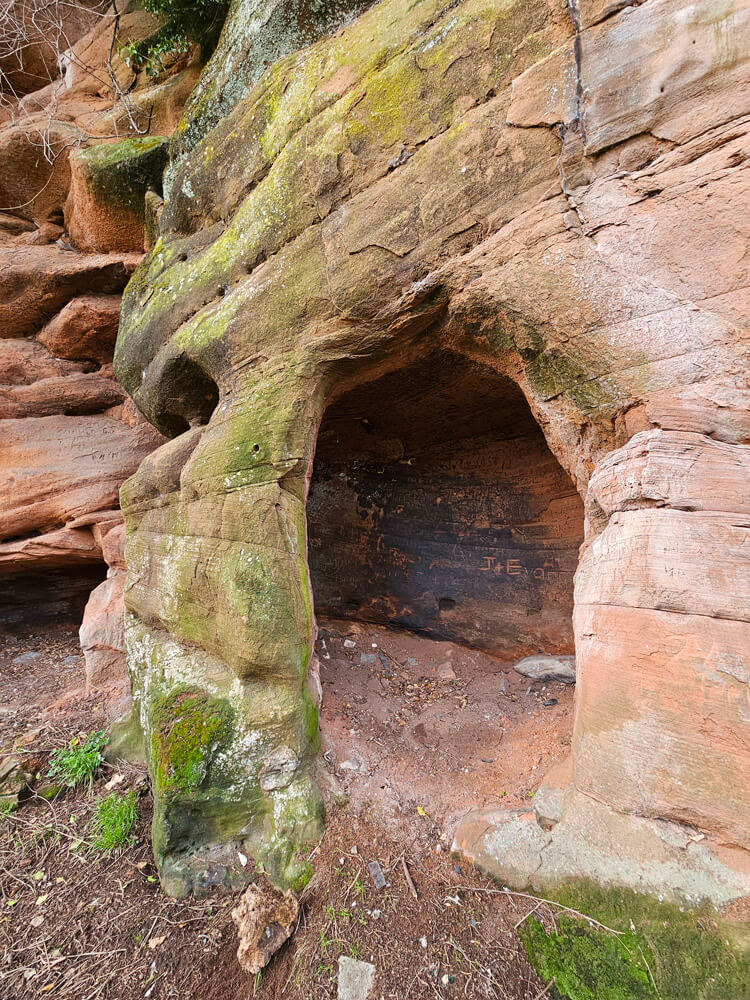
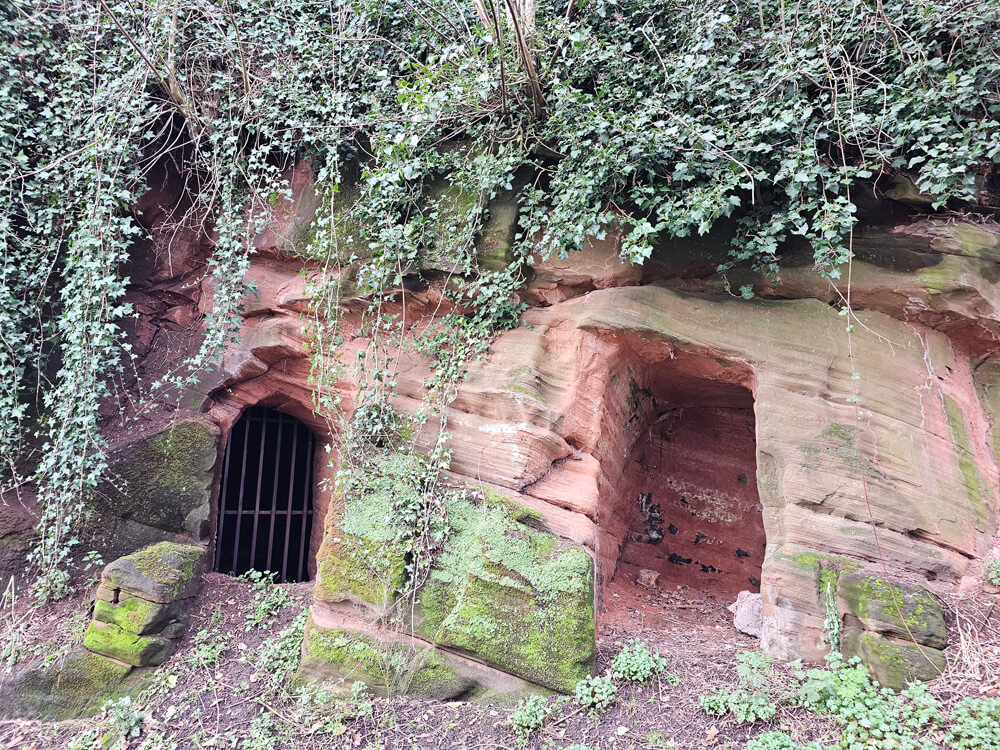
Around 400 years ago Parliamentarian soldiers dug a tunnel 70 foot long up towards the church at the top of the rock next to Bridgnorth Castle. The reason for this was because during the Civil War, Bridgnorth was loyal to Charles I, and his Royalist troops retreated to the castle when it was attacked in 1646. Colonel Lavington had the idea of tunnelling through the rock and setting light to the Royalists store of explosives. For fear of the cliff collapsing the Royalists surrendered. There are many other holes in the rock, some of which were where people dug store rooms and even made their homes.
Photo Gallery.
Did you enjoy this post?
I hope you found this post useful. I put a great deal of time and effort in to building, maintaining and populating the website. If you like, you could say a small thank you by buying me a coffee. You don't have to, but it would be nice :)
Buy me a coffee
Stay up to Date
Follow me on my journey and get notified whenever a new post is published by following Kings & Castles on Facebook.
Follow MeExplore The Map
Discover the hundreds of castles, churches, monasteries, cathedrals and other historic locations that I've personally visited across England and Wales. Search by location, explore nearby sites and plan your next historical adventure.
Share: