Easby Abbey
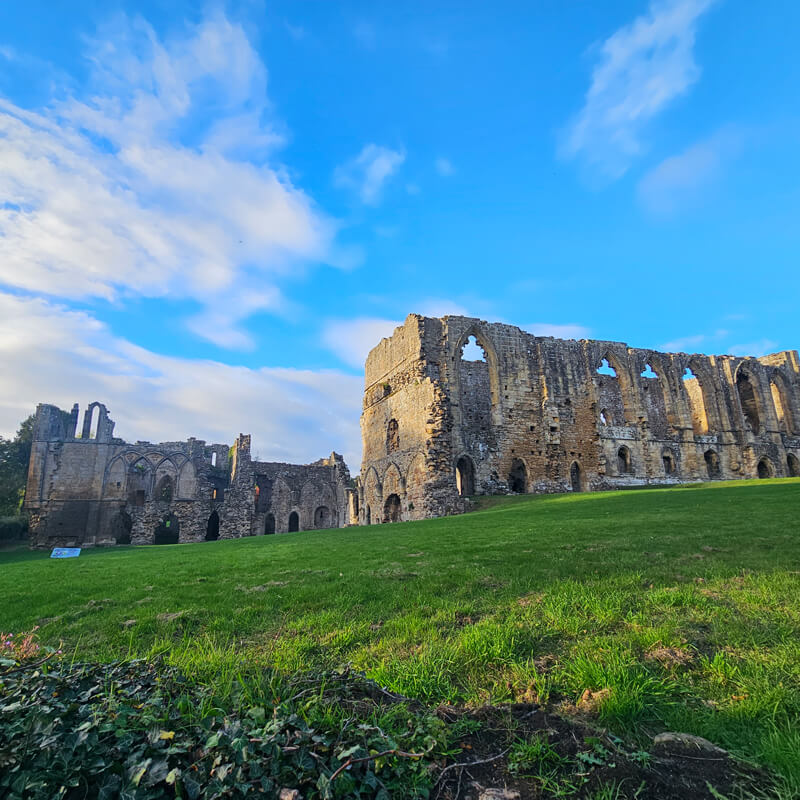
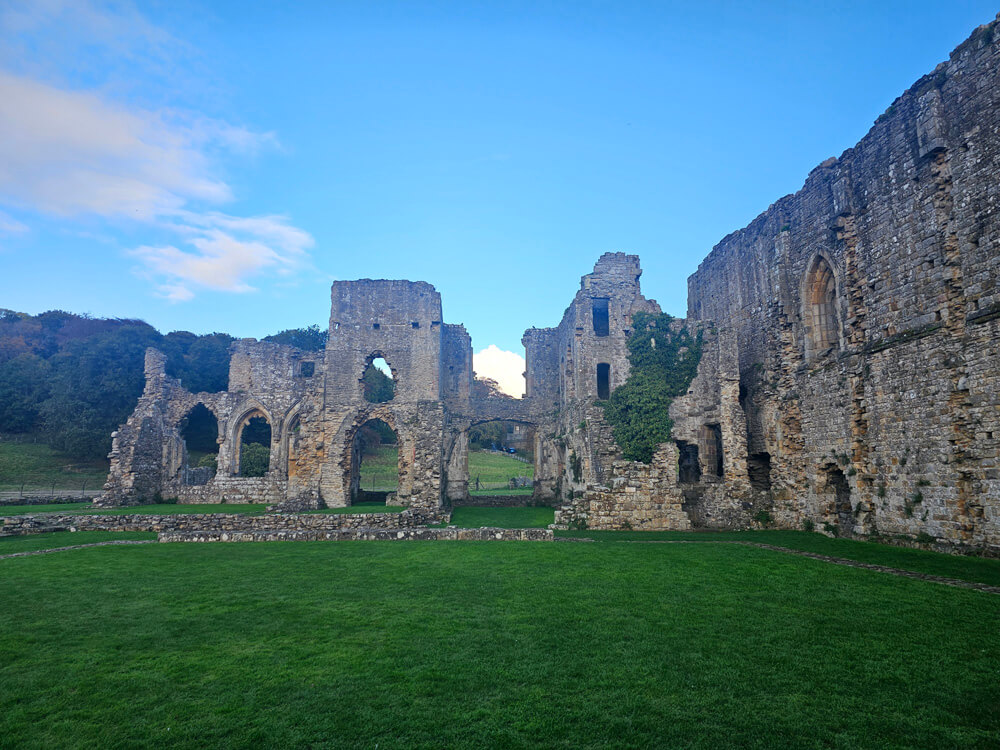
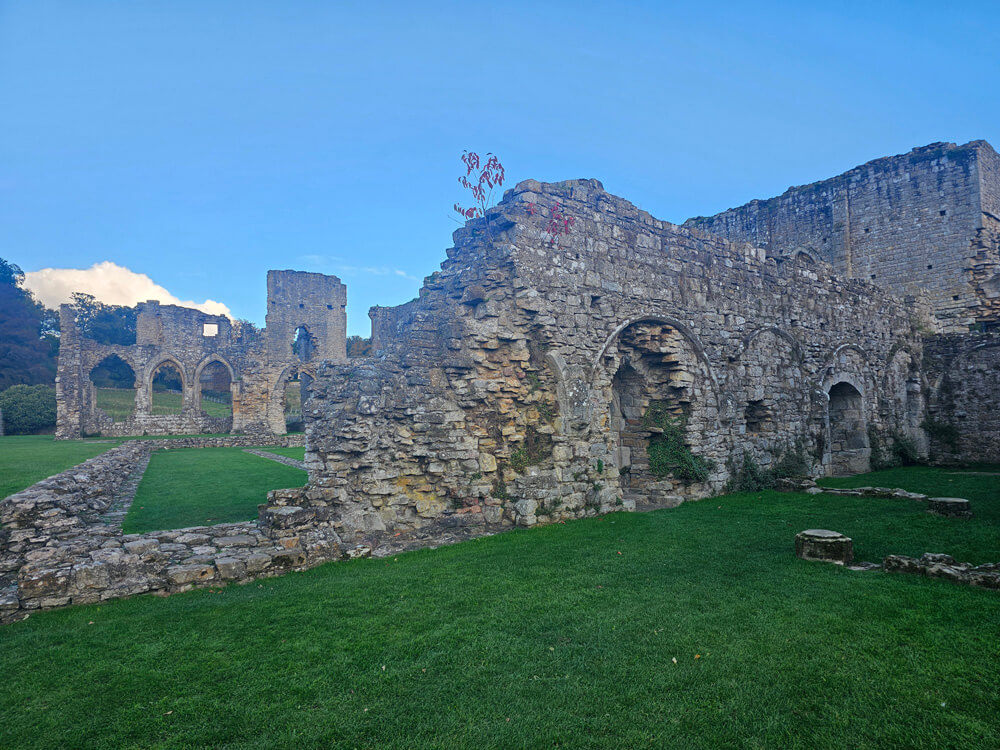
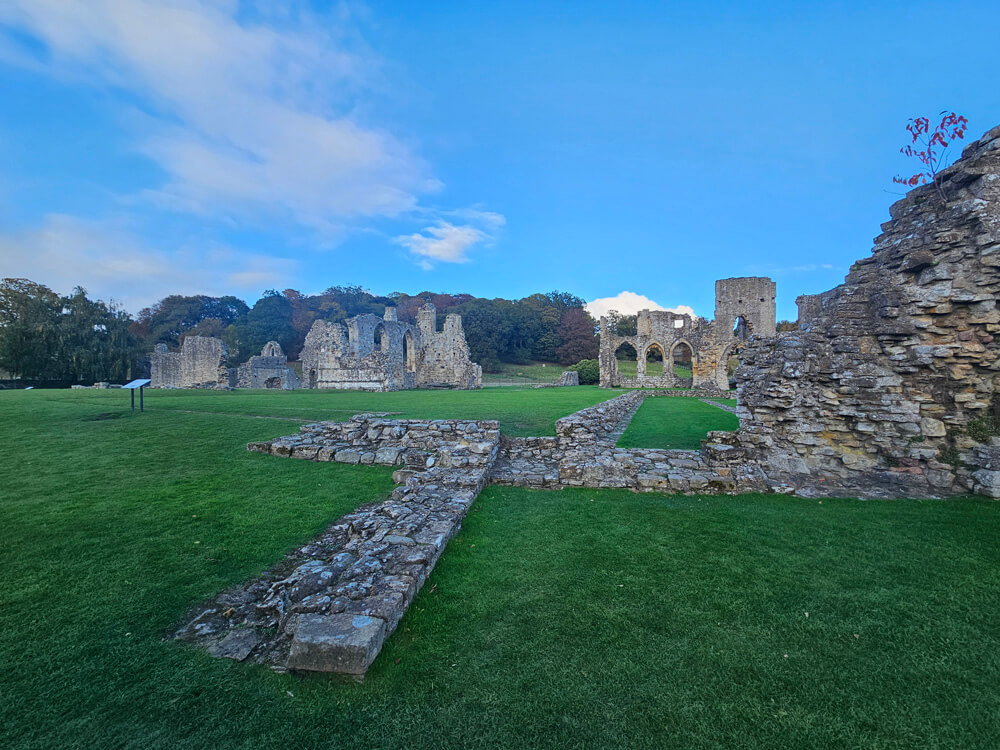
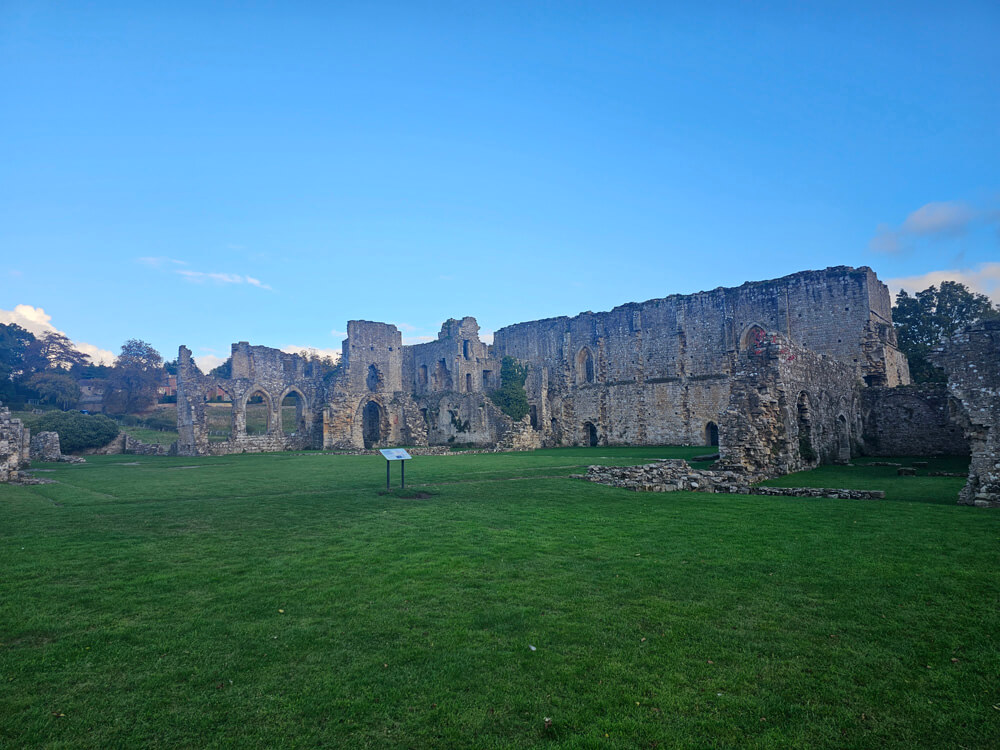
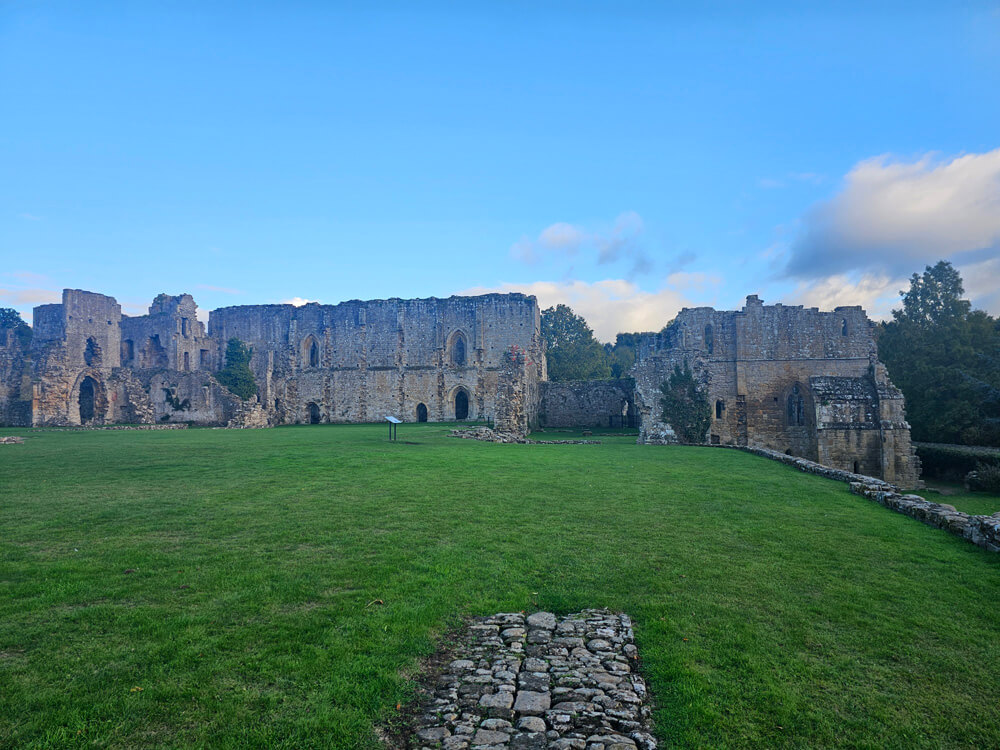
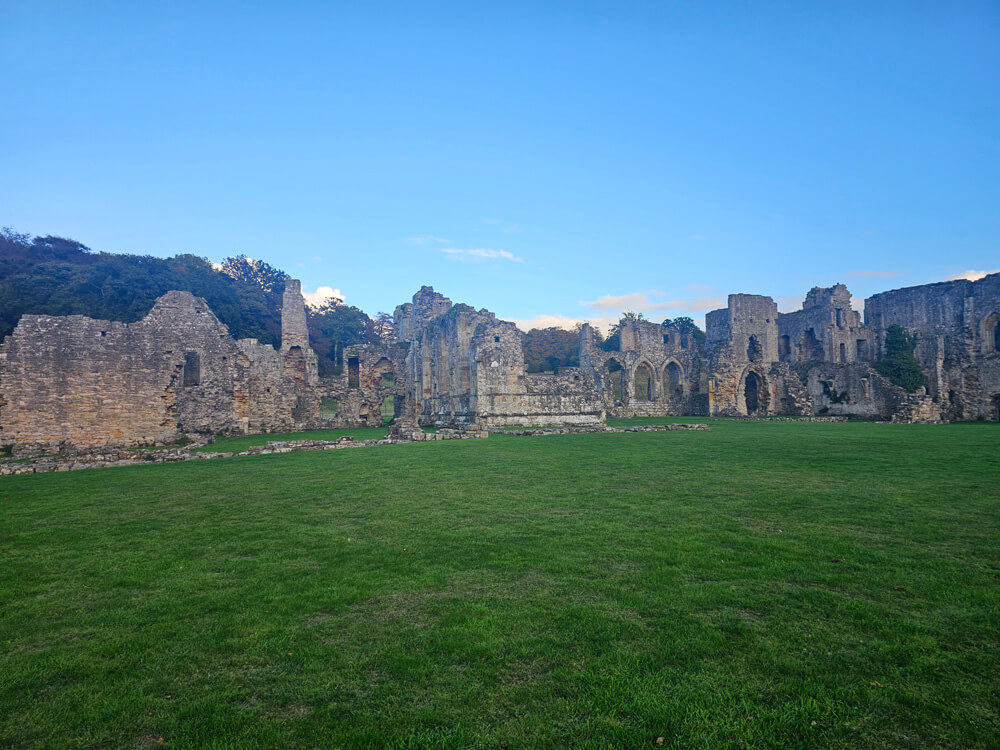
Set beside the River Swale near Richmond, Easby Abbey preserves the atmospheric ruins of a medieval monastery, its impressive gatehouse and the neighbouring St Agatha’s Church. Founded in the 12th century, the abbey was home to the Premonstratensian canons, whose lives revolved around prayer, work and charitable duties. Together, these historic buildings offer a remarkable glimpse into the religious world of medieval Yorkshire.
Quick
Facts.
- Location: Easby, North Yorkshire, England
- Founded: 1152
- Founder: Roald, Constable of Richmond
- Religious order: Premonstratensian
- Dissolved: 1536
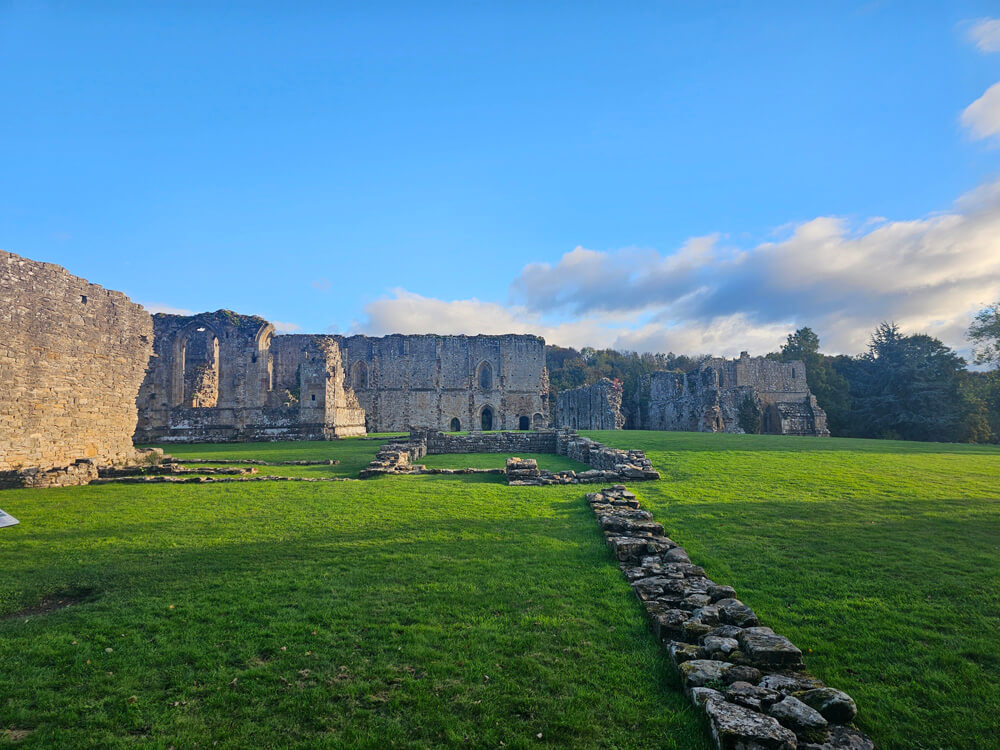
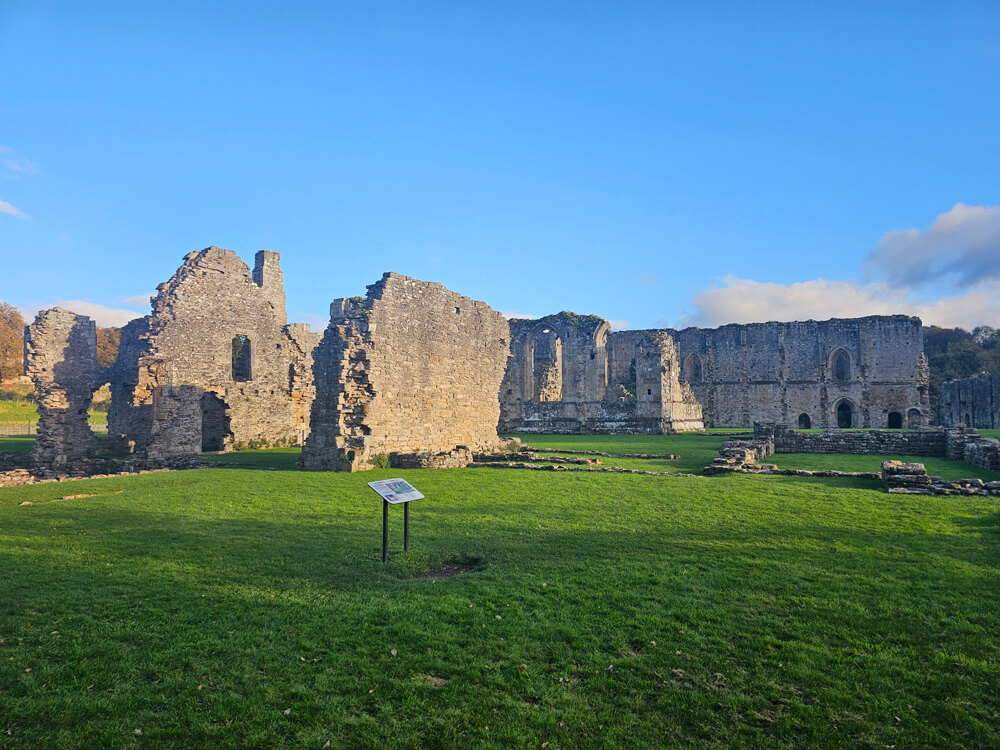
- Condition: Substantial ruins
The Founding of Easby Abbey
Easby Abbey was founded around 1152 by Roald, Constable of Richmond Castle, for the Premonstratensian order. Known as the White Canons because of their white religious habits, the canons followed the Rule of St Augustine and combined communal worship with preaching, pastoral care and charitable work.
The site already had a religious history. St Agatha’s Church, which stands between the abbey ruins and the gatehouse, predates the monastery. An earlier Christian community may have occupied the site, making Easby an established place of worship before the arrival of the canons.
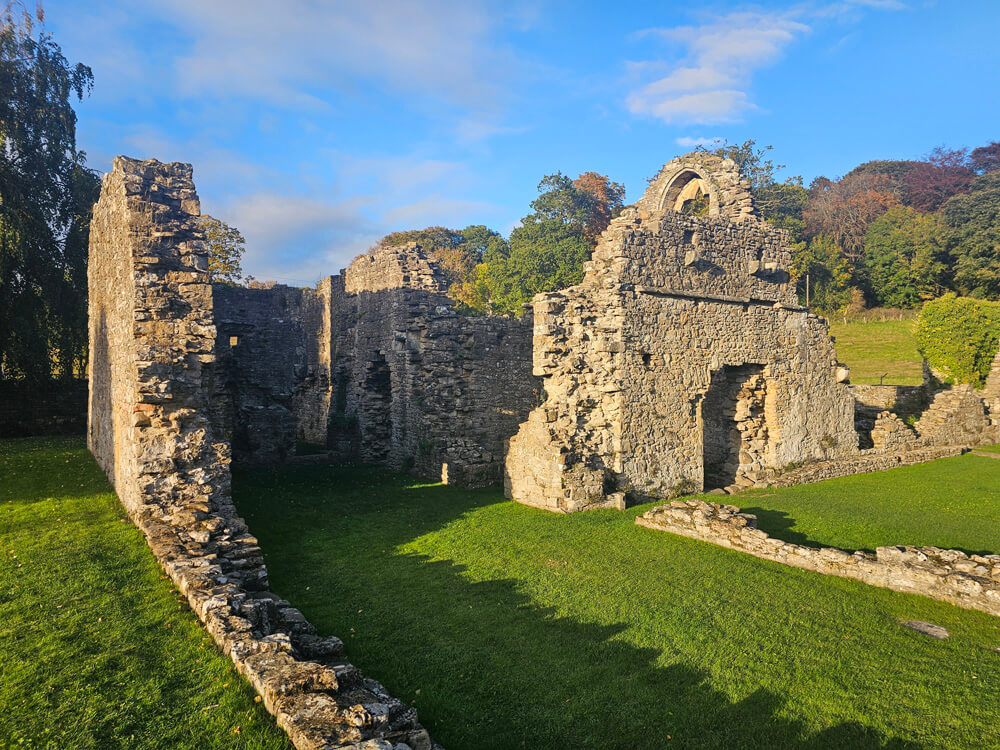
The abbey gradually developed into a substantial religious community. Its buildings included a church, cloister, chapter house, refectory, dormitories and accommodation for guests and the abbot. The surrounding land supported farming and livestock, particularly sheep, which provided an important source of income.
The Abbey and Its Medieval Buildings
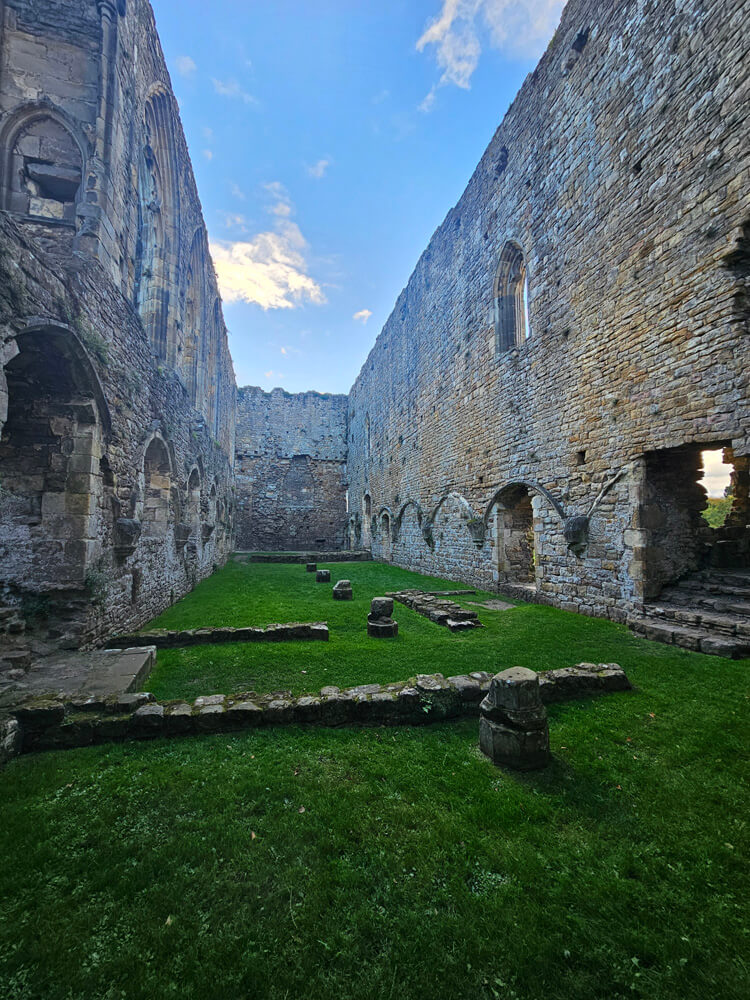
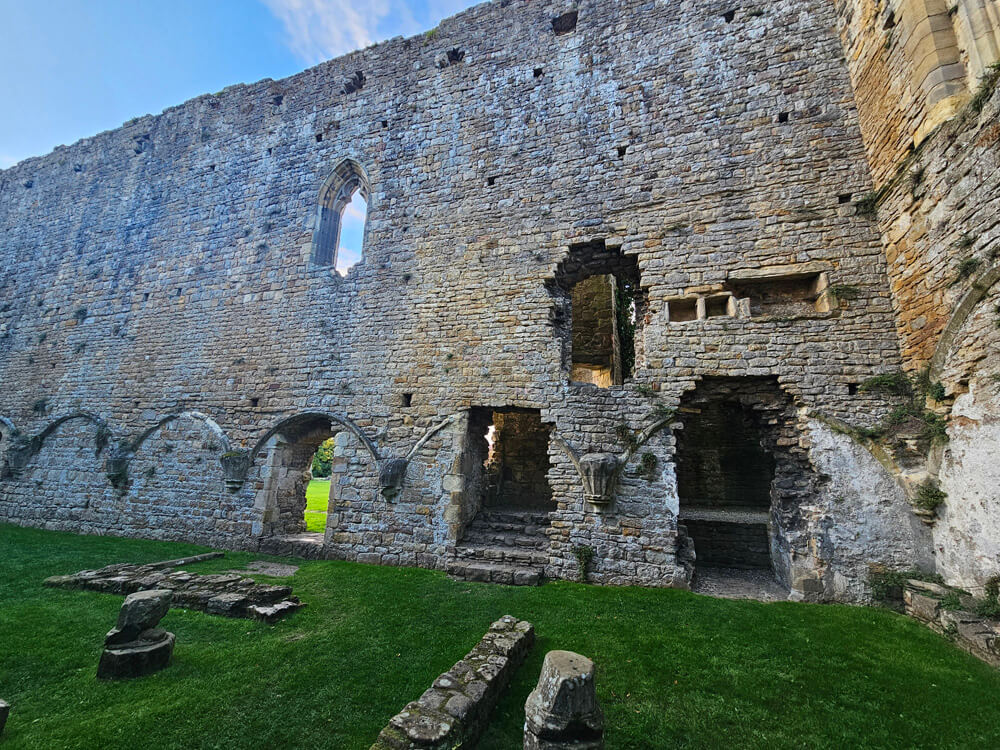
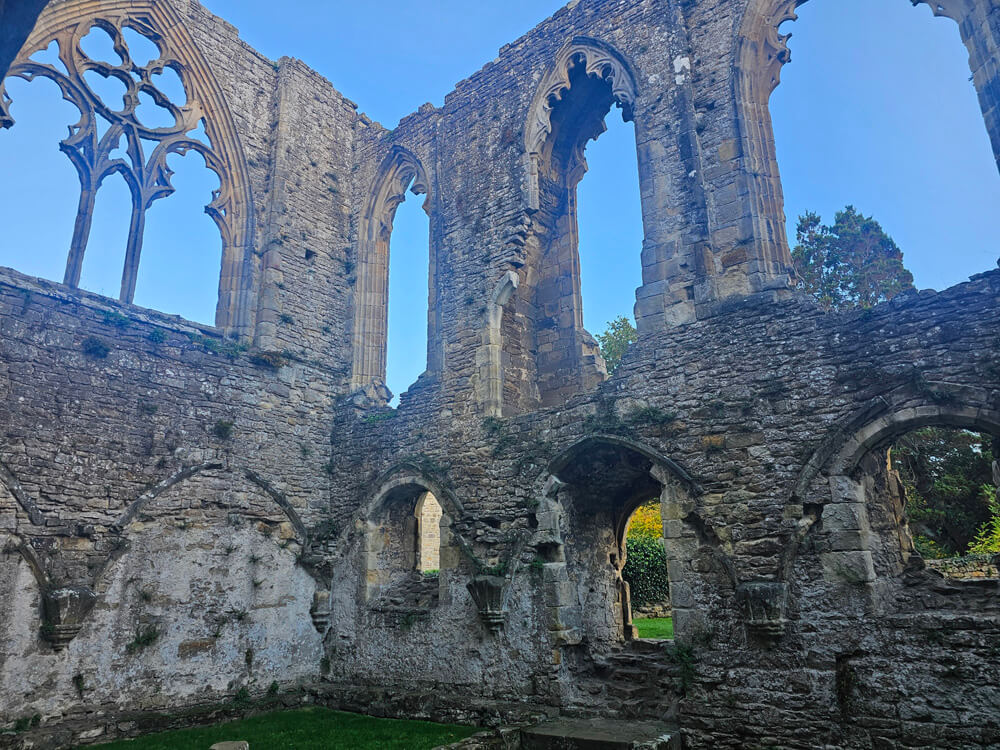
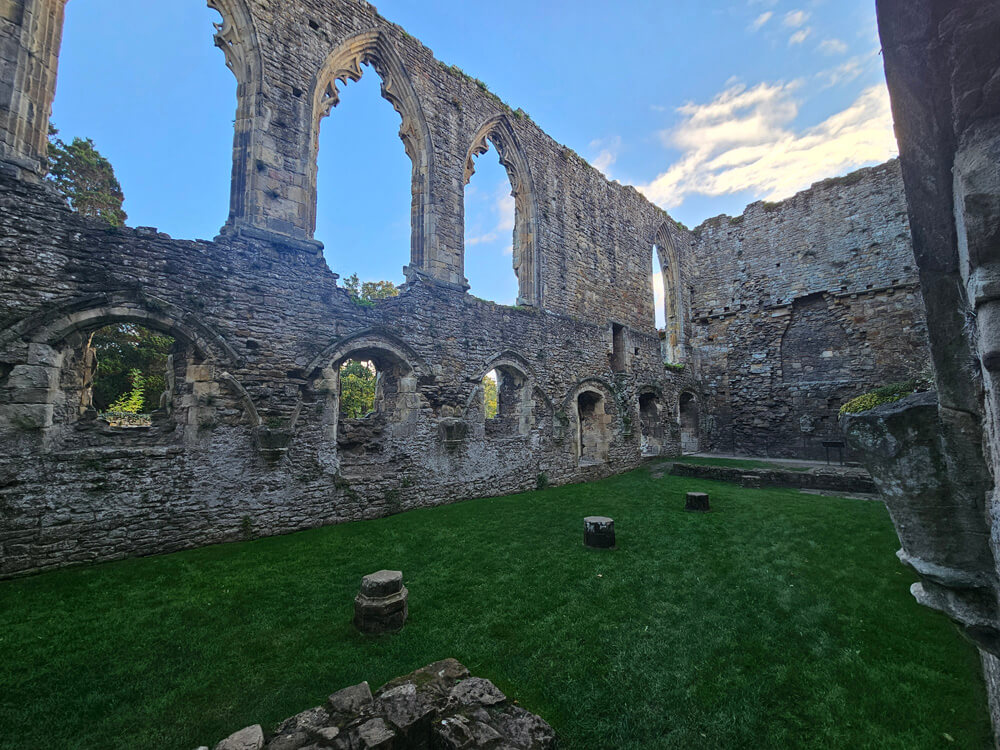
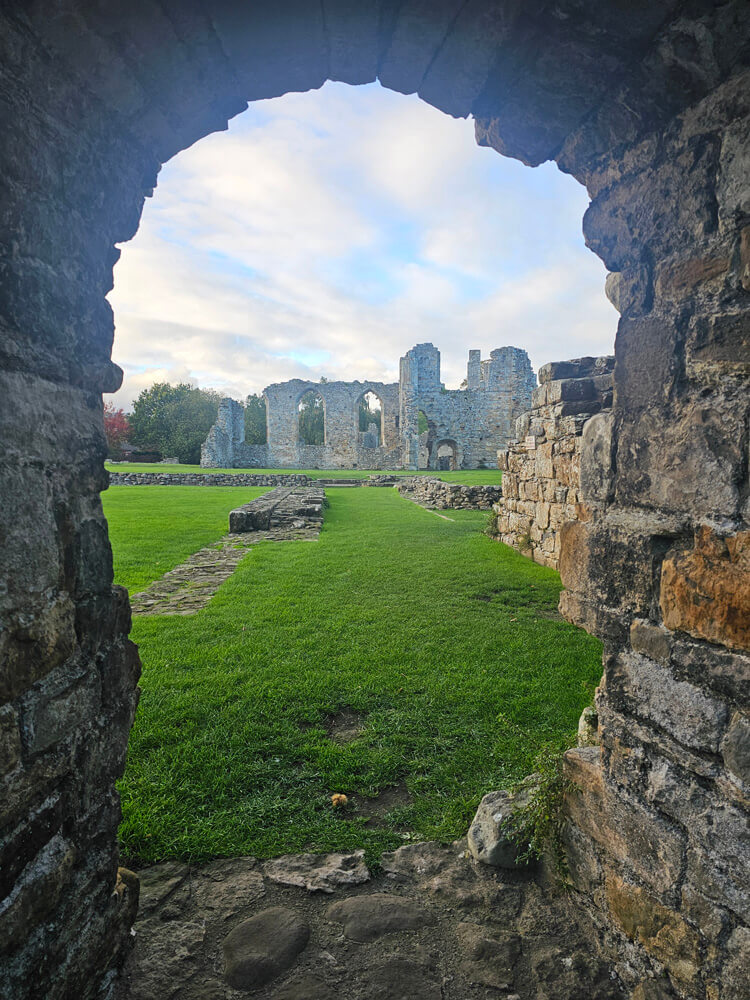
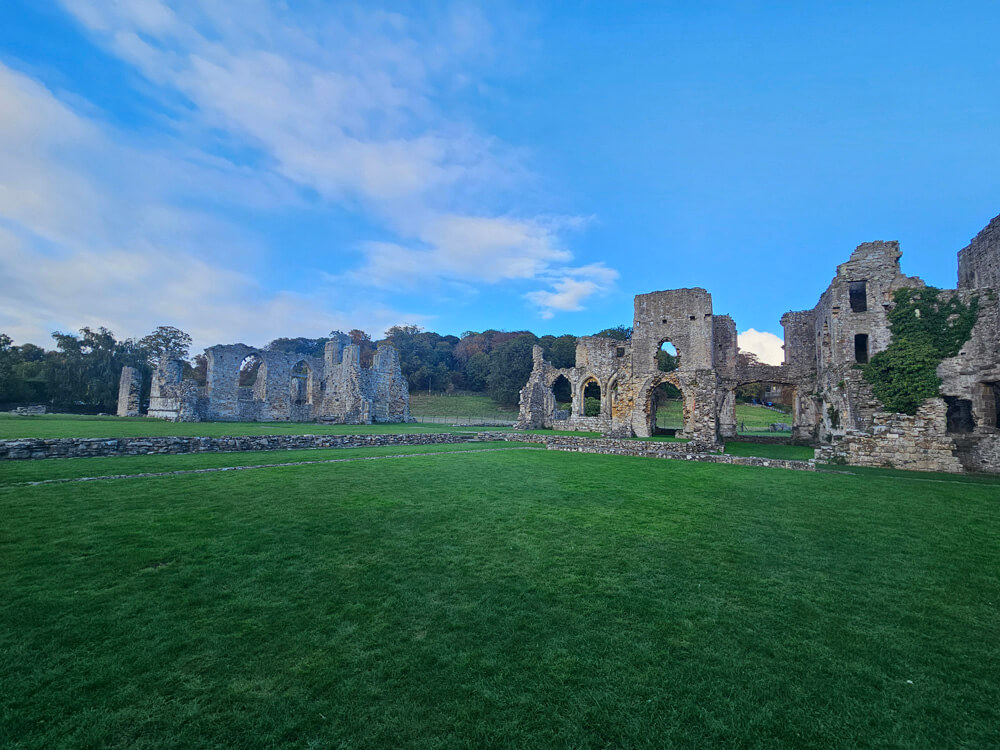
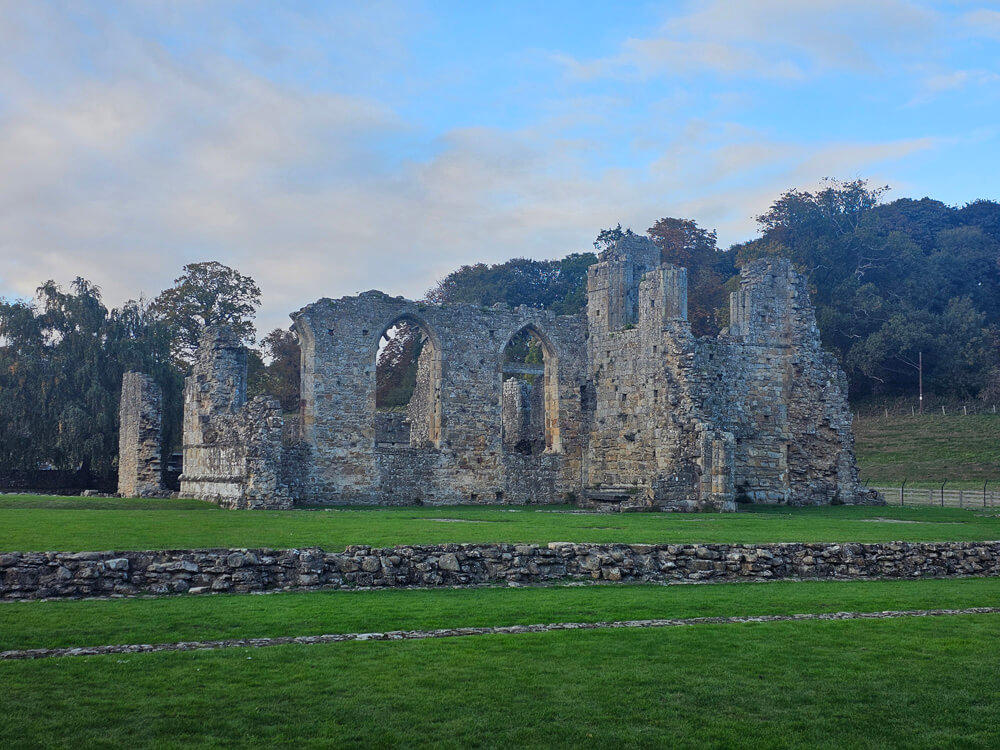
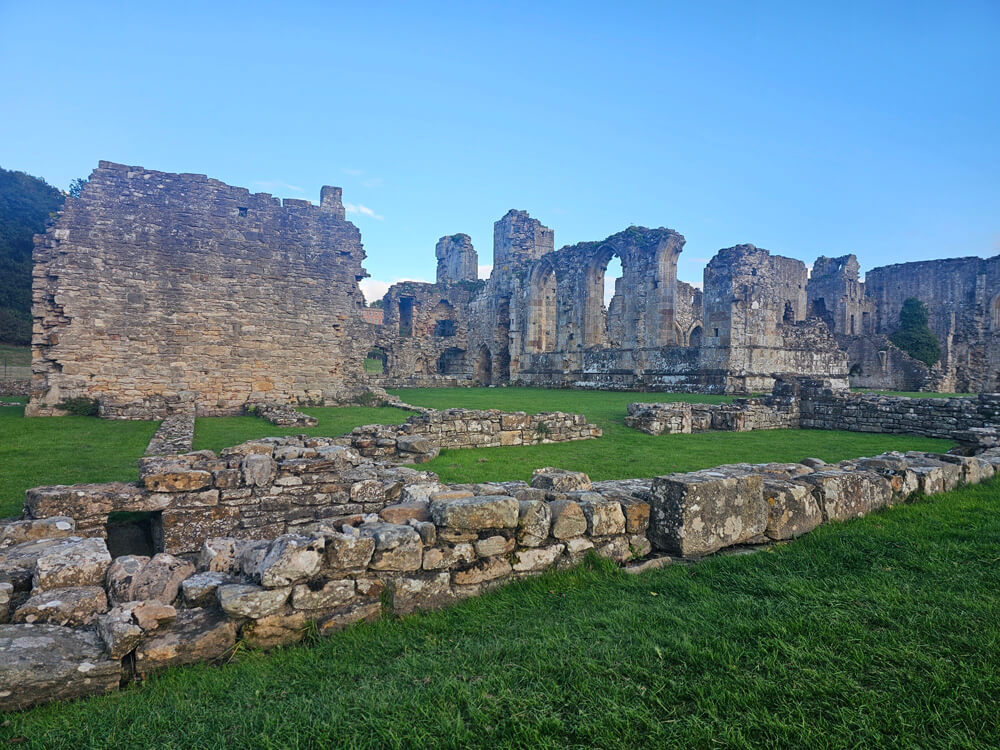
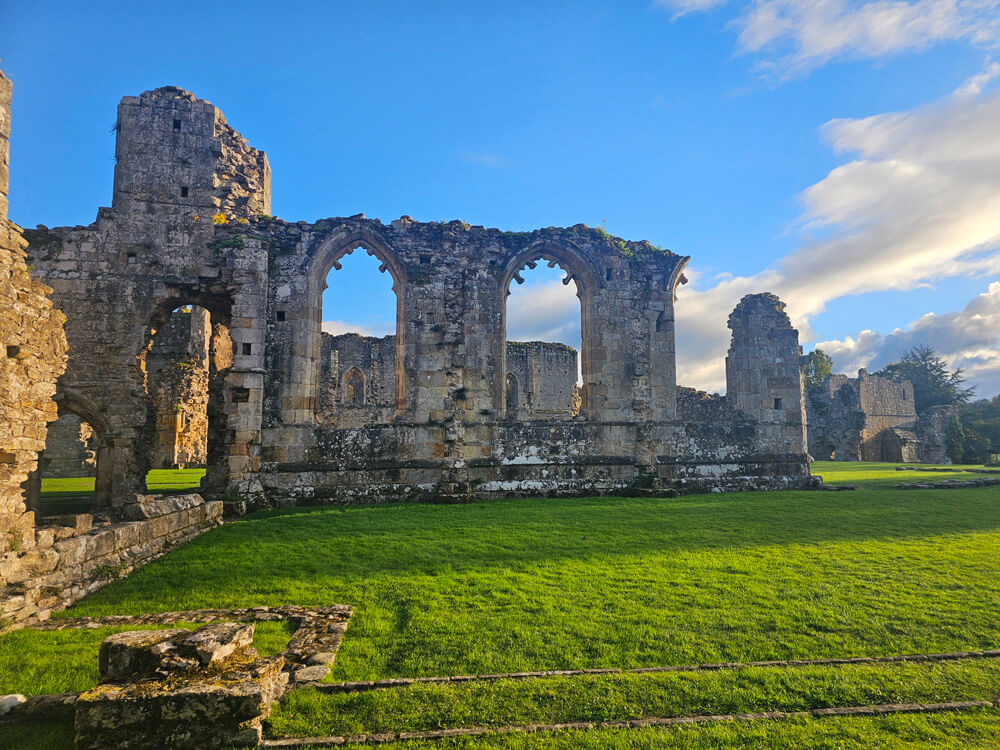
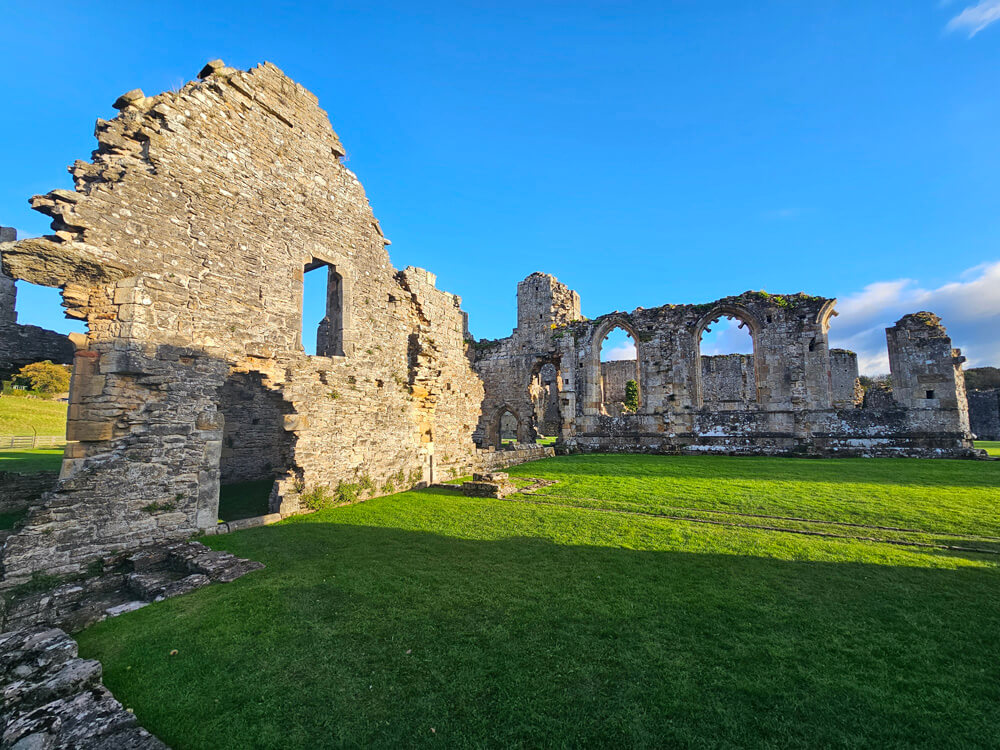
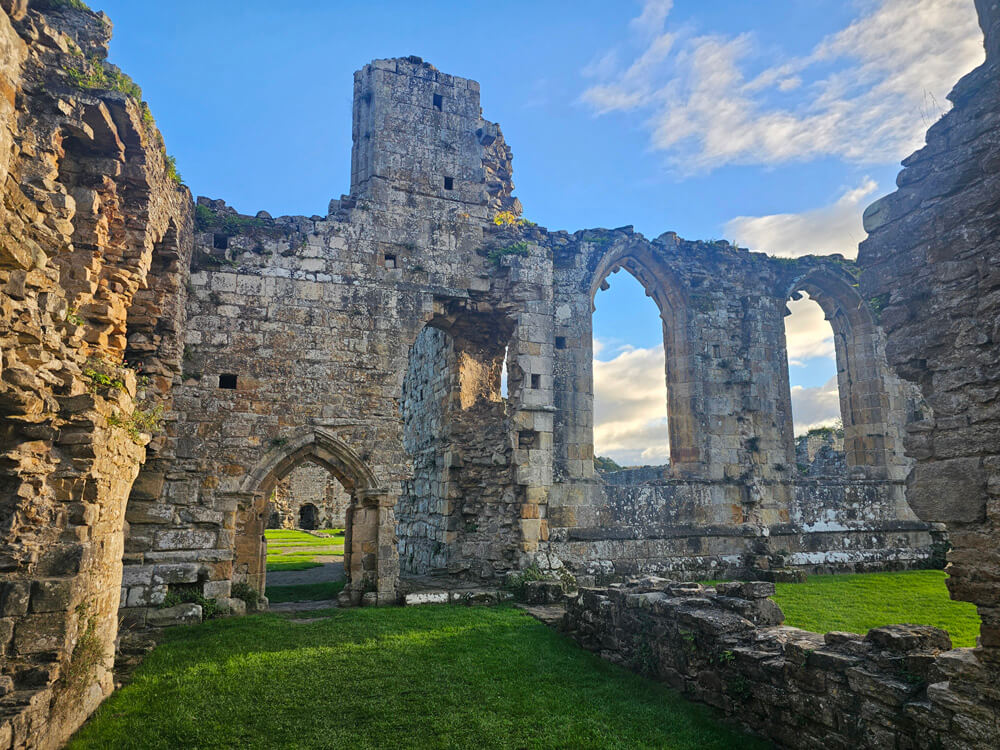
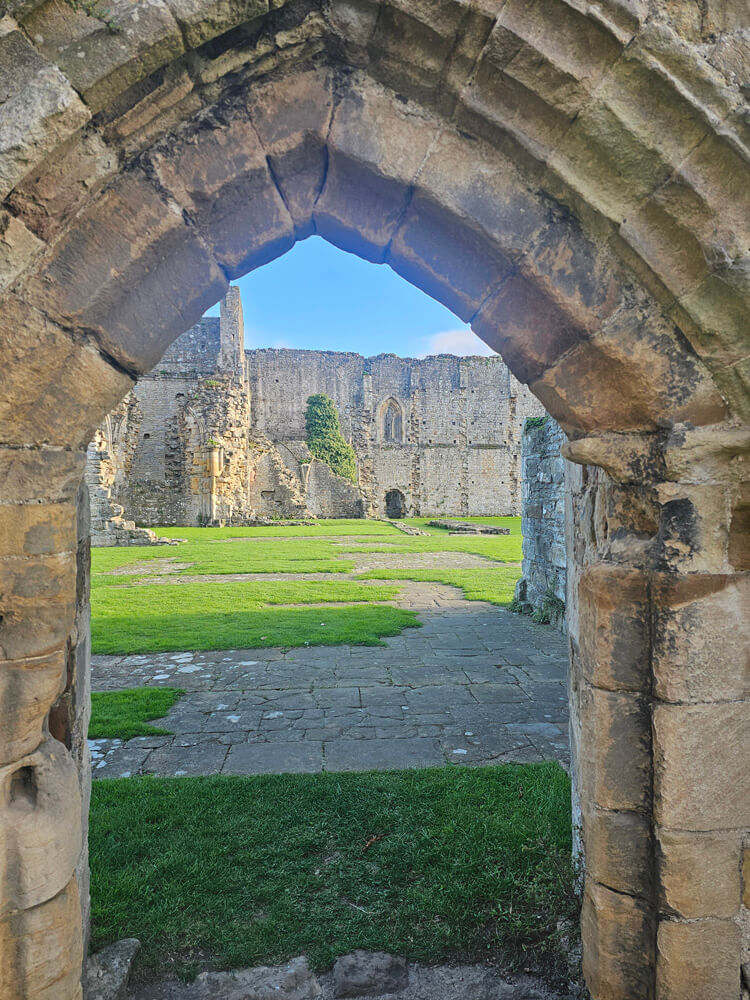
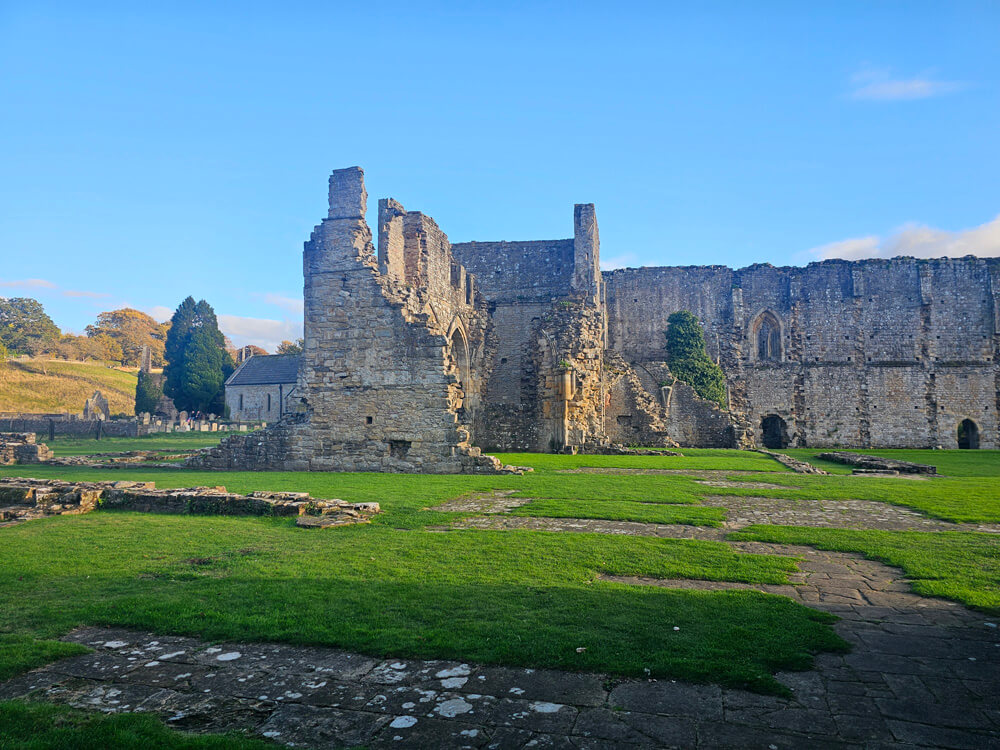
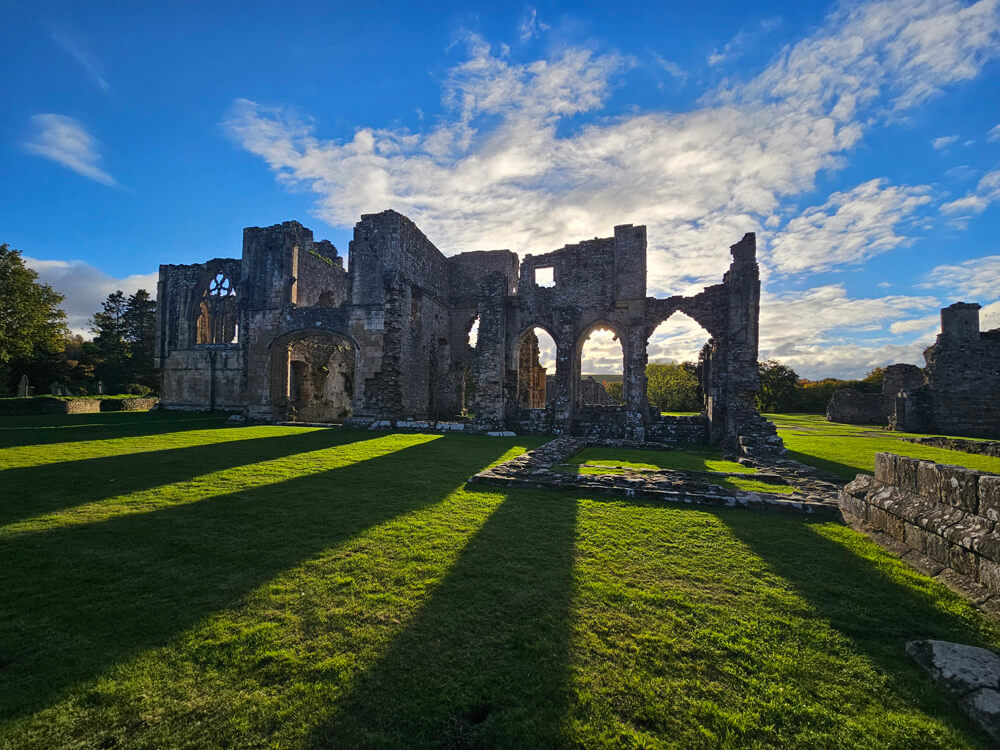
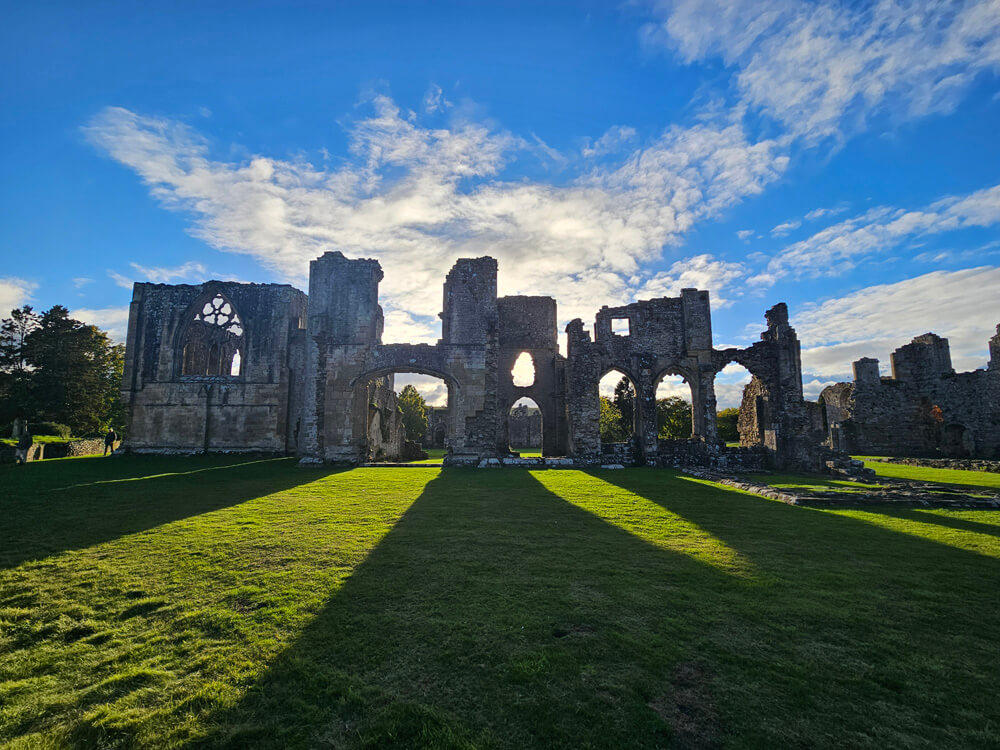
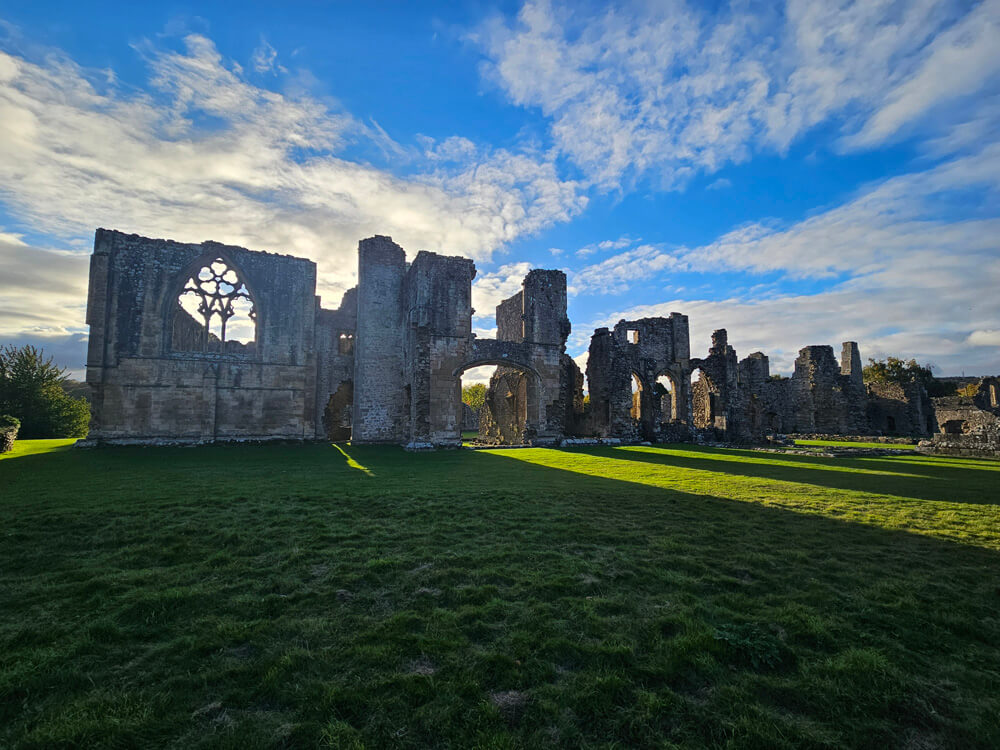
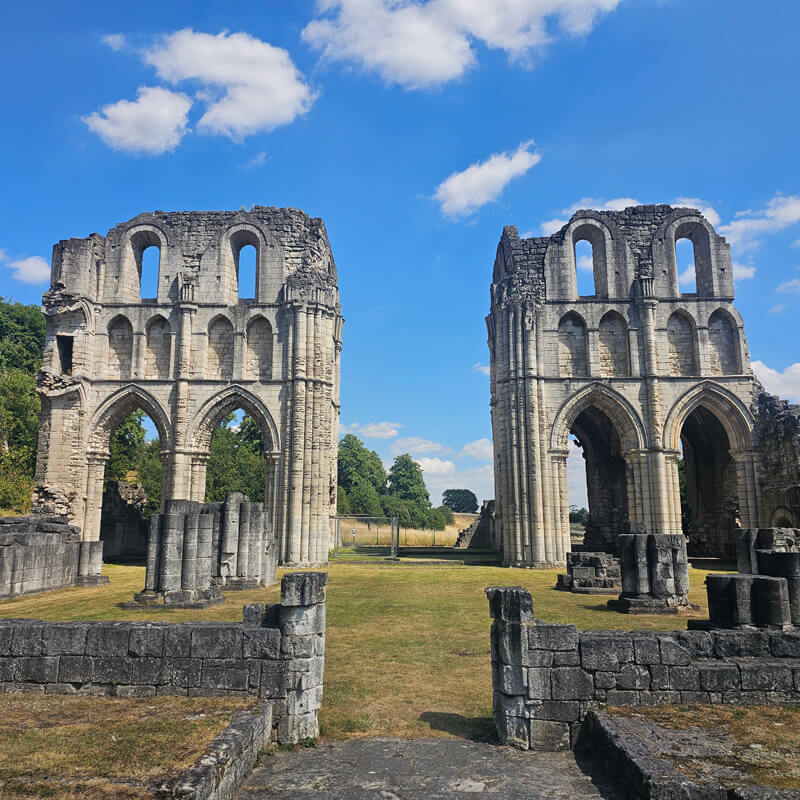
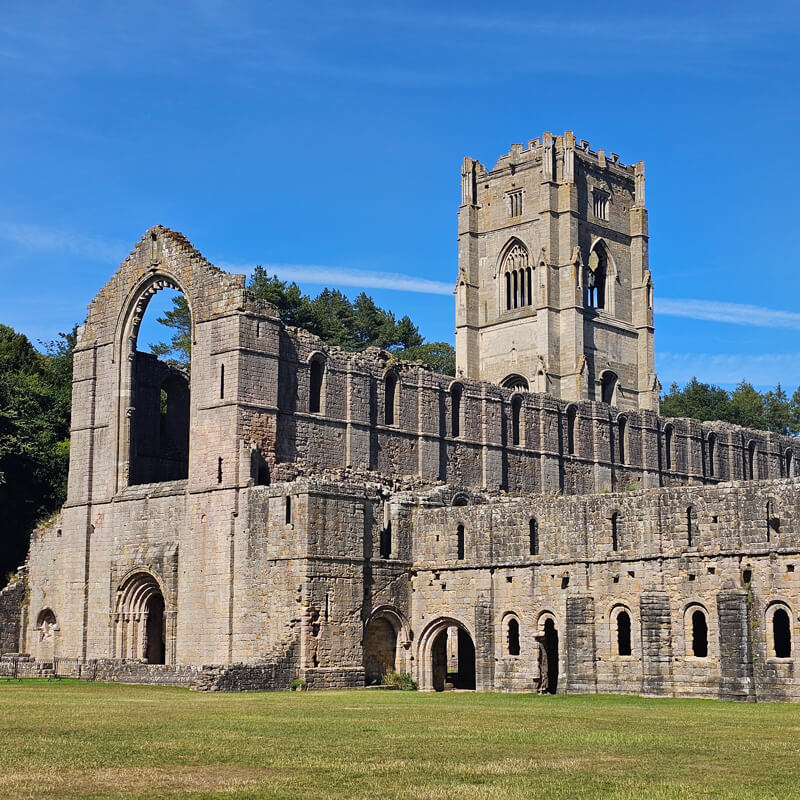
Much of the surviving abbey church dates from the late 12th and early 13th centuries, although it was altered and enlarged during later periods. Its original scale can still be appreciated from the surviving stonework and foundations.
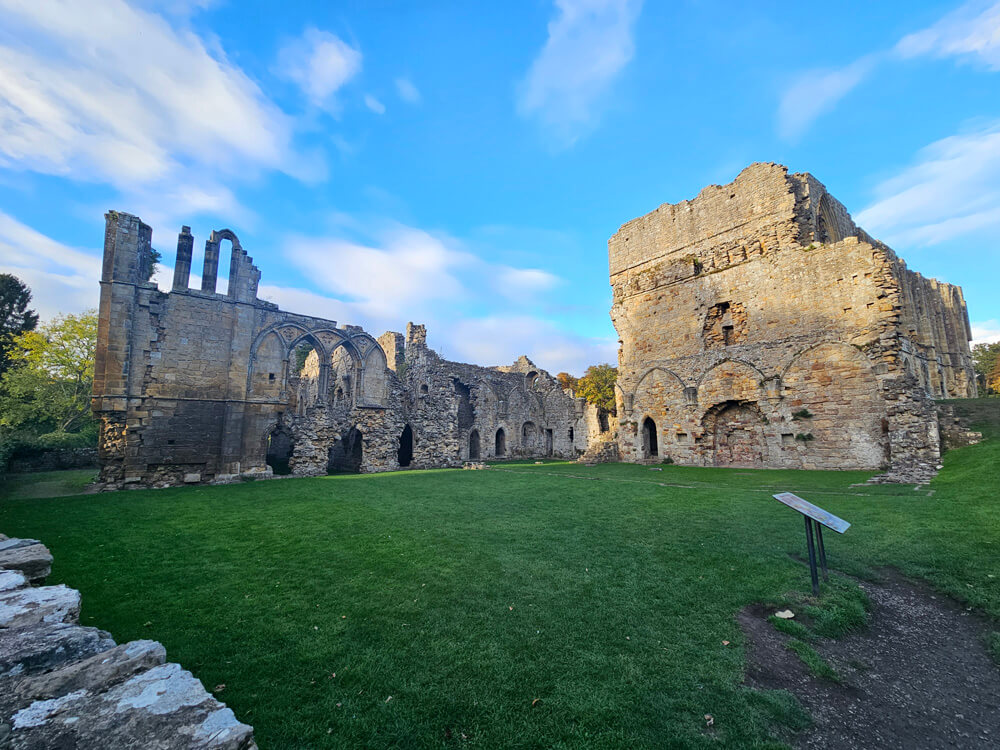
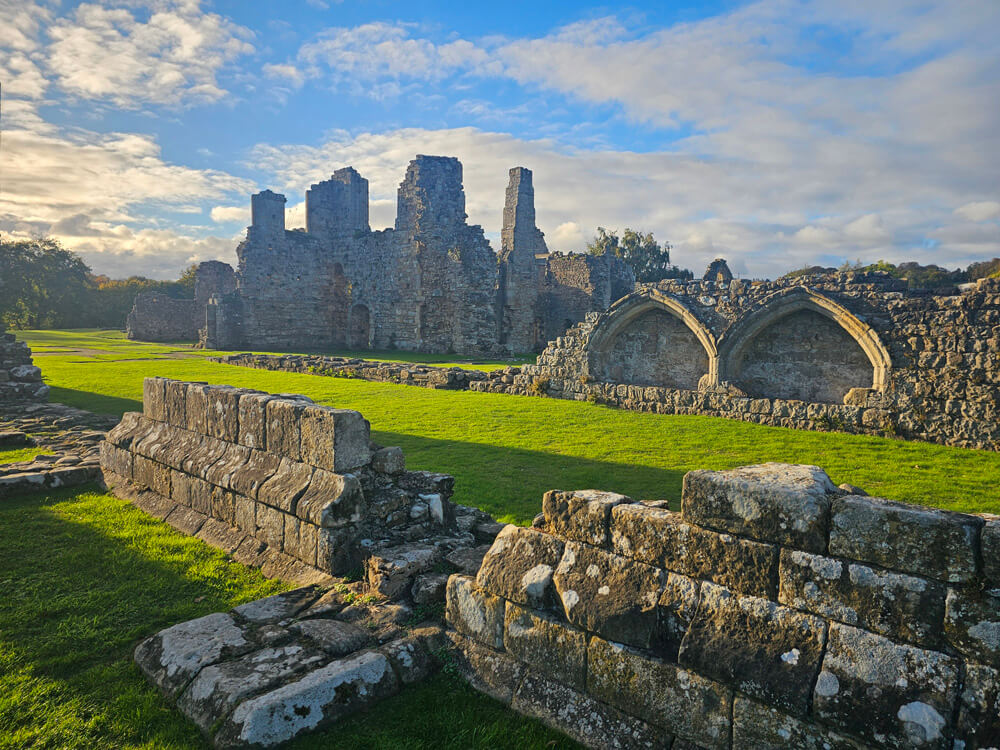
The cloister formed the centre of monastic life, connecting the principal buildings and providing a sheltered space for prayer, reading and movement around the complex. Nearby, the refectory was where the canons gathered for communal meals, while the dormitory provided their sleeping quarters.
During the early 14th century, the abbey underwent further development. The church was enlarged, including an extended presbytery, and additional accommodation was constructed. These changes reflected the abbey’s continuing importance and the patronage it received from wealthy local families.
One of its most influential patrons was the Scrope family, whose support helped sustain the monastery during the later Middle Ages. In 1392, Sir Richard Scrope endowed the abbey to support ten additional canons, two chaplains and 22 poor men, demonstrating the close relationship between religious patronage and charitable provision.
Easby Gatehouse: The Gateway to the Monastic World
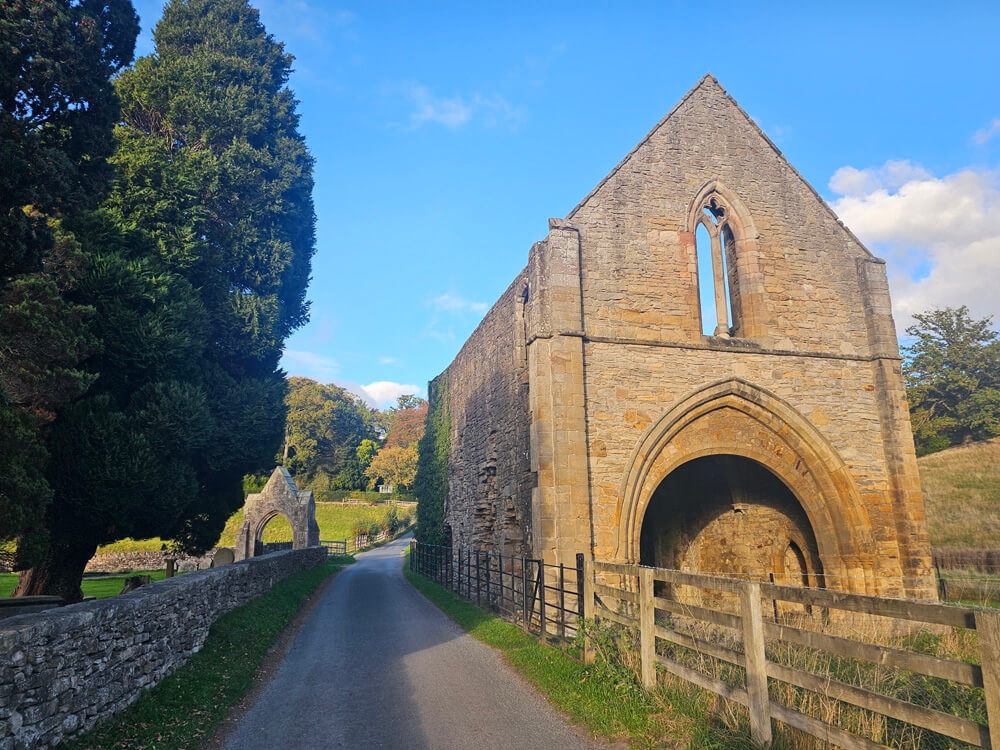
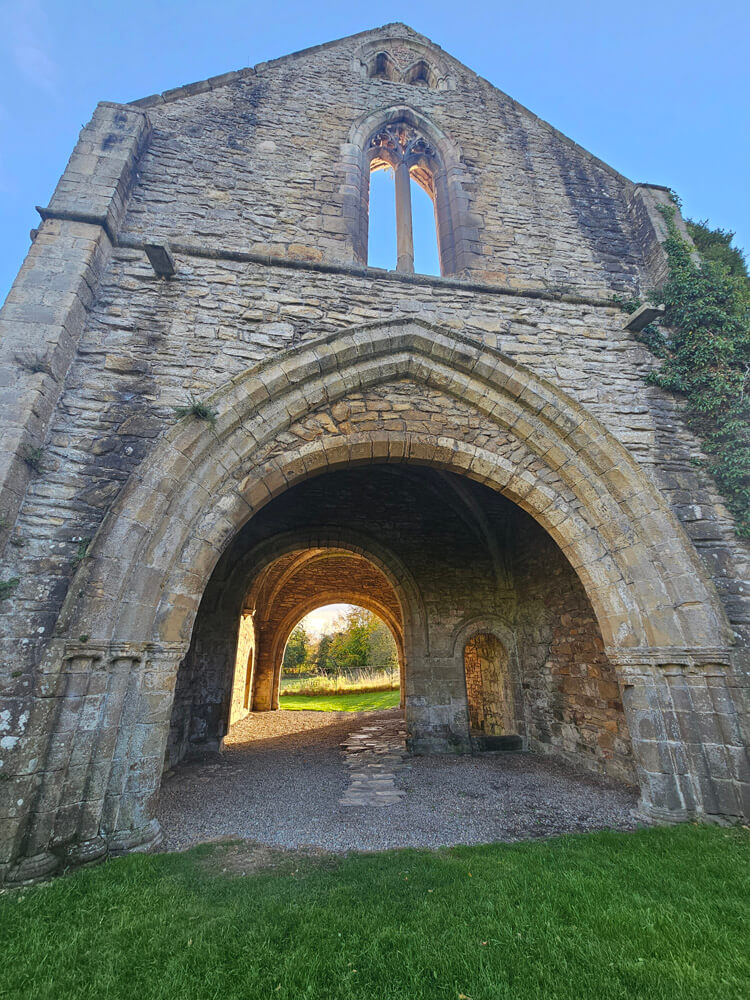
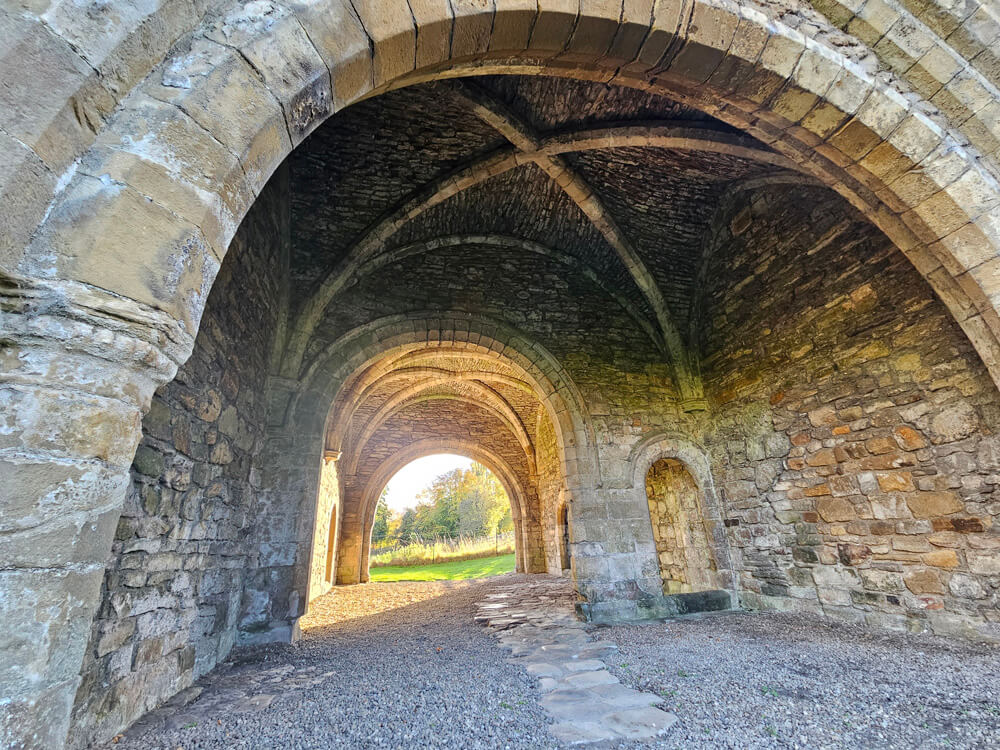
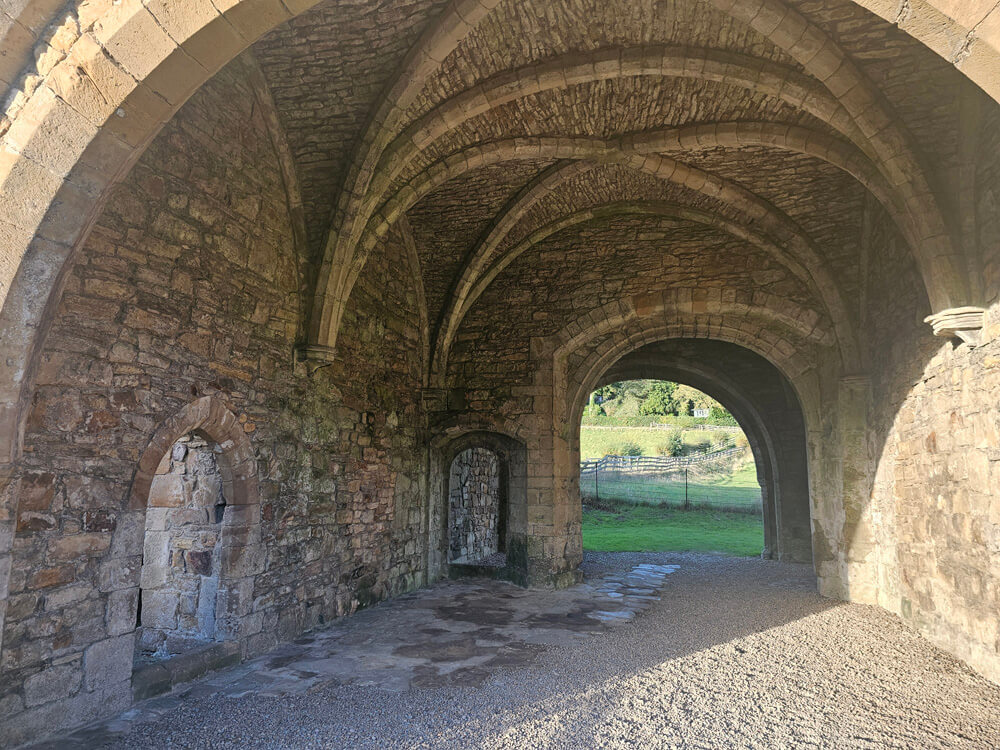
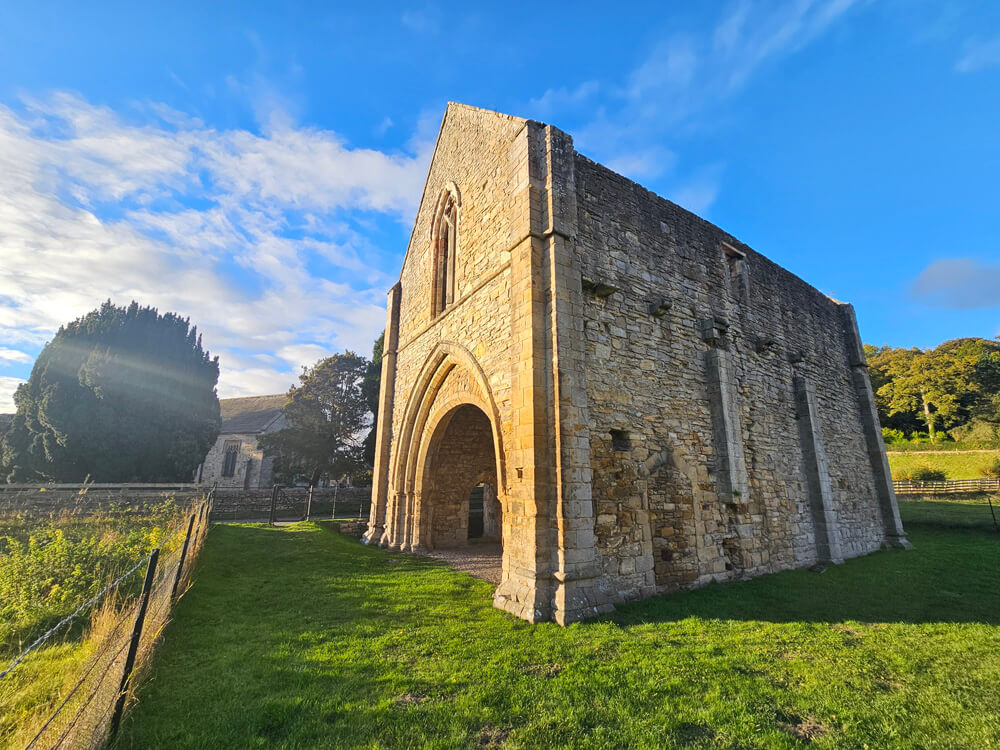
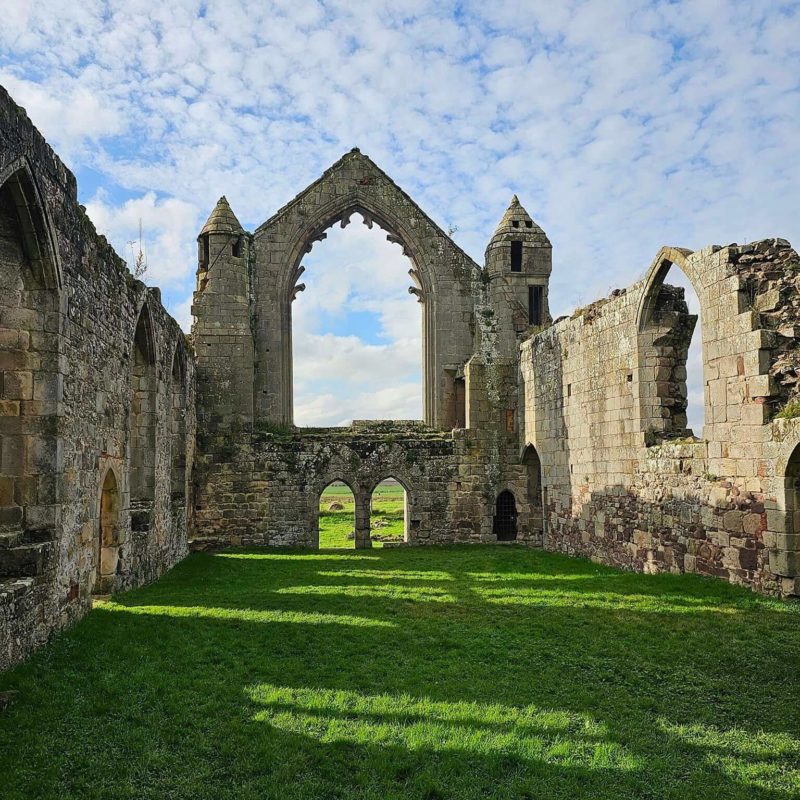
Approaching the abbey today, visitors pass by the impressive gatehouse, rebuilt during the first half of the 14th century. Its two-storey structure survives remarkably well, with steeply pitched gables and a vaulted entrance passage.
During the Middle Ages, this was the principal entrance to a precinct enclosed by a substantial wall. Access was controlled, and the gates were closed at night to protect the community and its property.
A porter was responsible for overseeing visitors and managing the entrance. His duties also included distributing leftover food from the canons’ meals to the poor who came to the gate. This small but revealing detail offers a glimpse into everyday medieval life, when monasteries could provide assistance to people living in the surrounding countryside.
The large room above the entrance may have served as a chapel, although its precise original function is uncertain. Standing beneath the gatehouse, it is easy to imagine visitors arriving with requests, travellers seeking assistance and local people waiting for food as the porter went about his duties.
St Agatha’s Church: A Link to Easby’s Earlier History
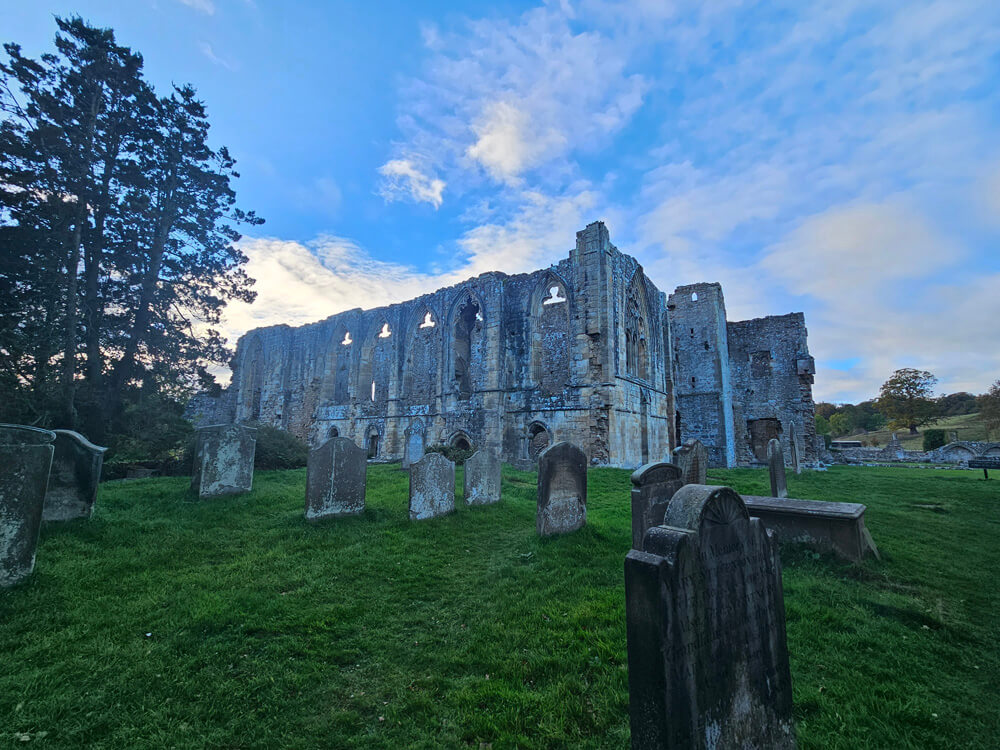
St Agatha’s Church occupies a distinctive position within the historic landscape, standing between the gatehouse and the abbey ruins. Unlike the monastery, which was dismantled following the Dissolution, the parish church survived and remains in use today.
Inside, its remarkable medieval wall paintings, dating largely from the 13th century, depict biblical stories and scenes associated with the agricultural year. The church also preserves early Norman stonework and medieval furnishings, making it an important surviving link to Easby’s religious past.
Its presence within the monastic precinct was unusual. The church continued to serve the local community alongside the canons, connecting parish worship with the life of the abbey.
The Dissolution and the Abbey’s Decline
Easby Abbey was suppressed in 1536 during Henry VIII’s Dissolution of the Monasteries. At the time, the community had dwindled to just eleven canons.
The closure was not entirely straightforward. During the Pilgrimage of Grace, the northern uprising against the king’s religious policies, the canons were briefly restored to the abbey by local supporters. Their return was short-lived, however, and the monastery was ultimately dissolved.
Within a few years, the buildings had been stripped of their lead roofing and much of their stonework, leaving the ruins visible today. St Agatha’s Church survived as a place of worship, while the gatehouse remained standing as a reminder of the former precinct.
Easby Abbey Today
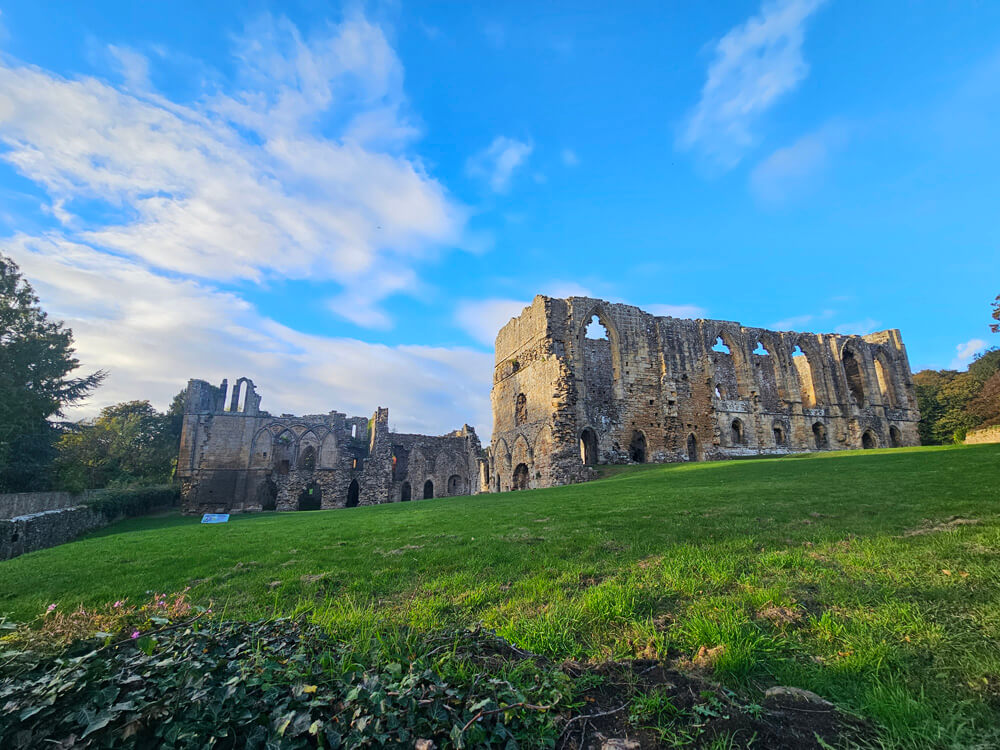
Today, the abbey ruins and gatehouse are cared for by English Heritage. Their peaceful setting beside the River Swale makes it possible to appreciate both the scale of the monastery and the relationship between its buildings.
Together with St Agatha’s Church, Easby preserves an extraordinary medieval landscape. From the canons gathering for prayer and meals to the porter opening the gates and offering food to the poor, the substantial ruins and surviving buildings allow visitors to look beyond the stonework and imagine the people who once lived, worked and sought help here.
Photo Gallery.
Did you enjoy this post?
I hope you found this post useful. I put a great deal of time and effort in to building, maintaining and populating the website. If you like, you could say a small thank you by buying me a coffee. You don't have to, but it would be nice :)
Buy me a coffee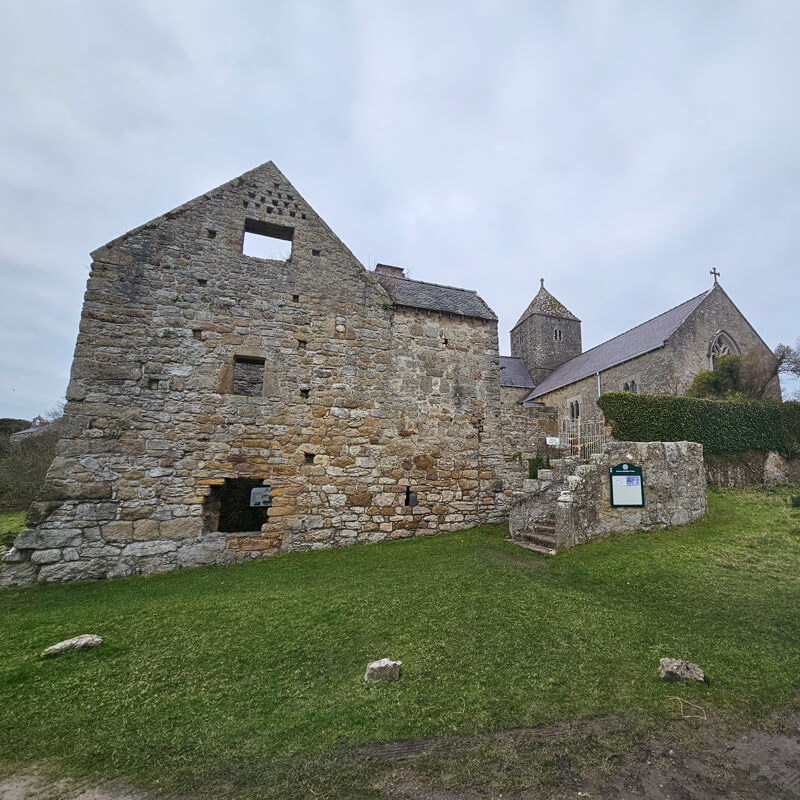
Stay up to Date
Follow me on my journey and get notified whenever a new post is published by following Kings & Castles on Facebook.
Follow MeExplore The Map
Discover the hundreds of castles, churches, monasteries, cathedrals and other historic locations that I've personally visited across England and Wales. Search by location, explore nearby sites and plan your next historical adventure.
Share: