The Synod of Whitby
The Synod of Whitby, held in 664 AD, was one of the most significant events in early English history. Convened at the monastery of Whitby in Northumbria, the gathering settled a dispute over how the English Church should practise Christianity and helped strengthen England’s ties with Rome. Although it focused on seemingly technical religious customs, its decision had lasting political, cultural, and religious consequences.
Why Was the Synod Held?
In the 7th century, Christianity in Britain followed two traditions: The Celtic Church – established by Irish missionaries such as Saint Columba, was influential in Northumbria and observed its own method of calculating the date of Easter. The Roman Church – led by missionaries sent by Pope Gregory the Great, followed different customs that were already used across much of Europe.
The disagreement became increasingly awkward for King Oswiu of Northumbria. According to tradition, he sometimes celebrated Easter while his queen, Eanflæd, was still observing Lent, leaving the royal household following different calendars at the same time.
To resolve the dispute, Oswiu summoned church leaders to the monastery founded by Saint Hilda at Whitby.
The Great Debate
The two sides were represented by leading churchmen. Bishop Colman of Lindisfarne defended Celtic traditions, arguing that they came from Saint Columba and earlier Christian practice. Speaking for the Roman position was Wilfrid, an ambitious priest who had travelled to Rome and believed the English Church should follow the customs of Saint Peter and the wider Christian world.
The debate covered several issues, including the calculation of Easter and the distinctive hairstyles, or tonsures, worn by monks. Wilfrid’s most persuasive argument was that Roman practice followed the authority of Saint Peter, whom Christ had entrusted with the keys to heaven.
According to the historian Bede, King Oswiu asked whether Peter truly held the keys to heaven. When the answer was yes, he declared that he would not oppose the gatekeeper of heaven, ruling in favour of the Roman tradition.
The Decision’s Impact
The Synod did not erase Celtic Christianity, but it marked a turning point. Northumbria adopted the Roman method of calculating Easter, and many Irish-trained clergy either accepted the decision or returned to the monastery of Iona.
The ruling encouraged greater unity within the English Church and strengthened connections with Rome and continental Europe. It also helped shape the development of English monasteries, education, and church organisation during the centuries that followed.
Whitby’s Lasting Legacy
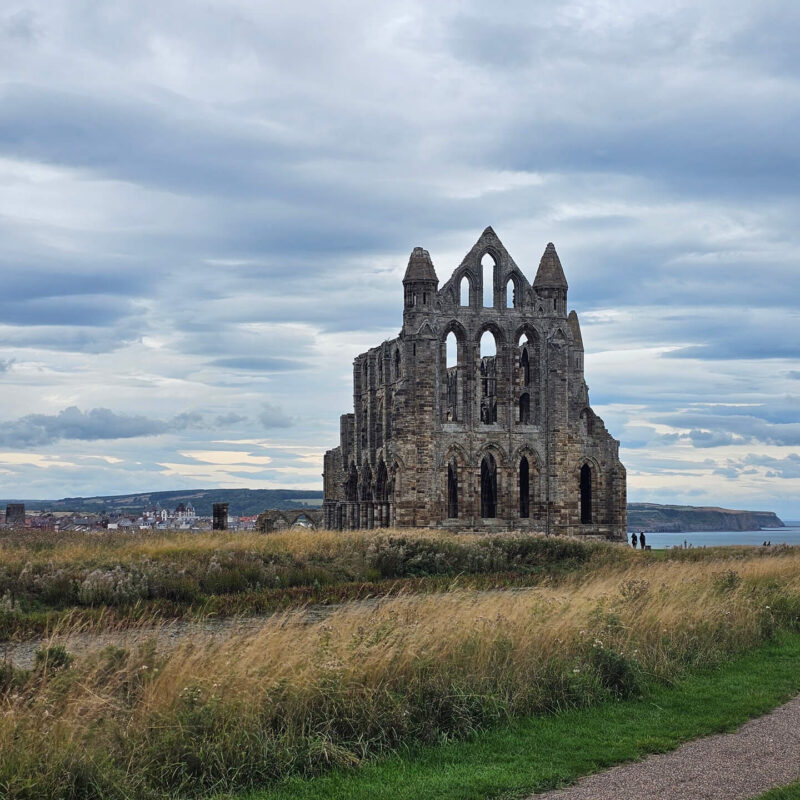
The synod took place at Whitby Abbey, then one of the greatest centres of learning in Anglo-Saxon England under Saint Hilda’s leadership. Although the original monastery was later destroyed by Viking raids, the event secured Whitby’s place in history.
Today, the Synod of Whitby is remembered as far more than a debate about Easter. It was a moment when religion, politics, and royal authority combined to influence the future direction of England, making it one of the defining milestones of the Anglo-Saxon age.
Did you enjoy this post?
I hope you found this post useful. I put a great deal of time and effort in to building, maintaining and populating the website. If you like, you could say a small thank you by buying me a coffee. You don't have to, but it would be nice :)
Buy me a coffee
Stay up to Date
Follow me on my journey and get notified whenever a new post is published by following Kings & Castles on Facebook.
Follow MeExplore The Map
Discover the hundreds of castles, churches, monasteries, cathedrals and other historic locations that I've personally visited across England and Wales. Search by location, explore nearby sites and plan your next historical adventure.
Share: