Helmsley Castle
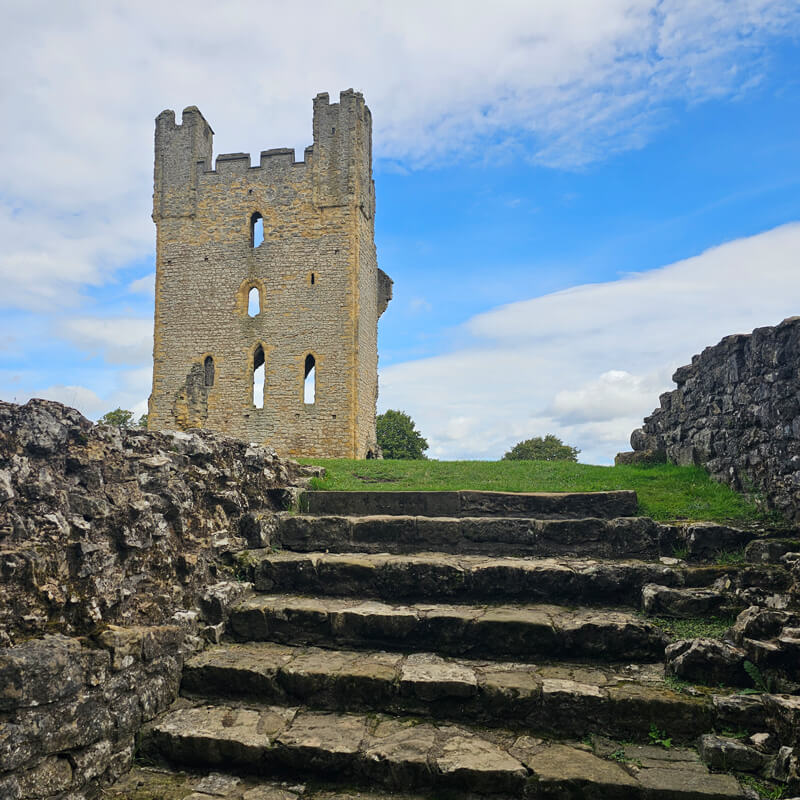
Standing on a rocky outcrop above the River Rye, Helmsley Castle has dominated the North Yorkshire landscape for more than 900 years. Its long history reflects the changing nature of English castles: from a Norman lord’s fortified residence, to a powerful medieval stronghold, a comfortable Tudor mansion, a Civil War fortress and, eventually, a romantic ruin.
Quick
Facts.
- Location: Helmsley, North Yorkshire, England
- Established: c. 1120s
- Built in stone: Late 12th and early 13th centuries
- Condition: Ruined
- Date visited: September 2026
- More info: Visit website
- Rating:
A Bit of History…
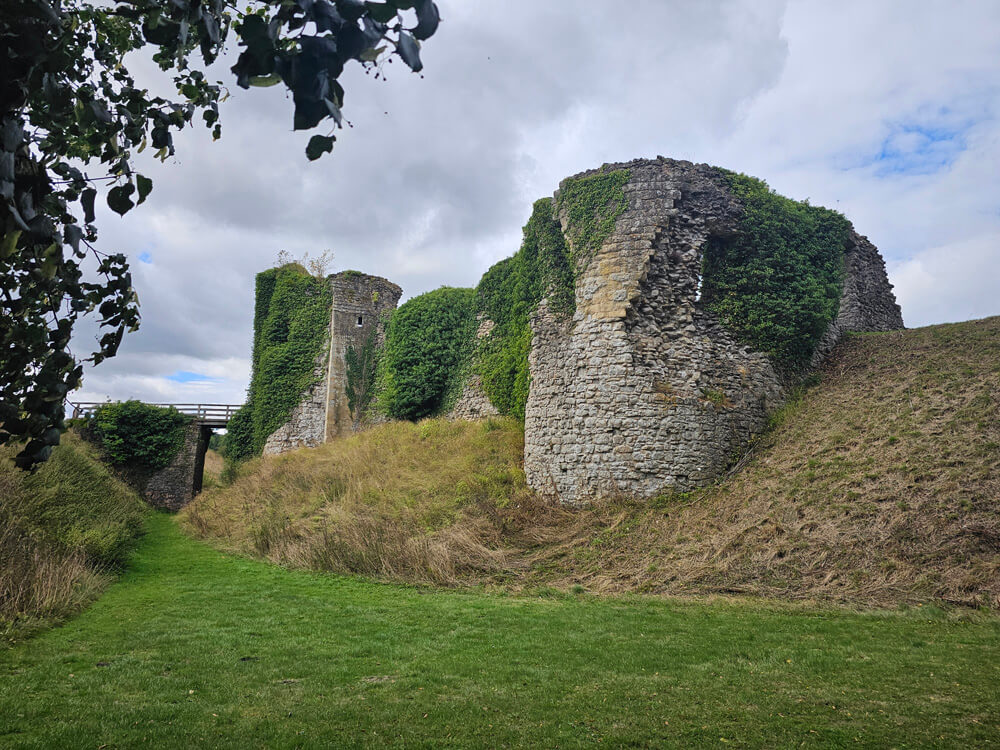
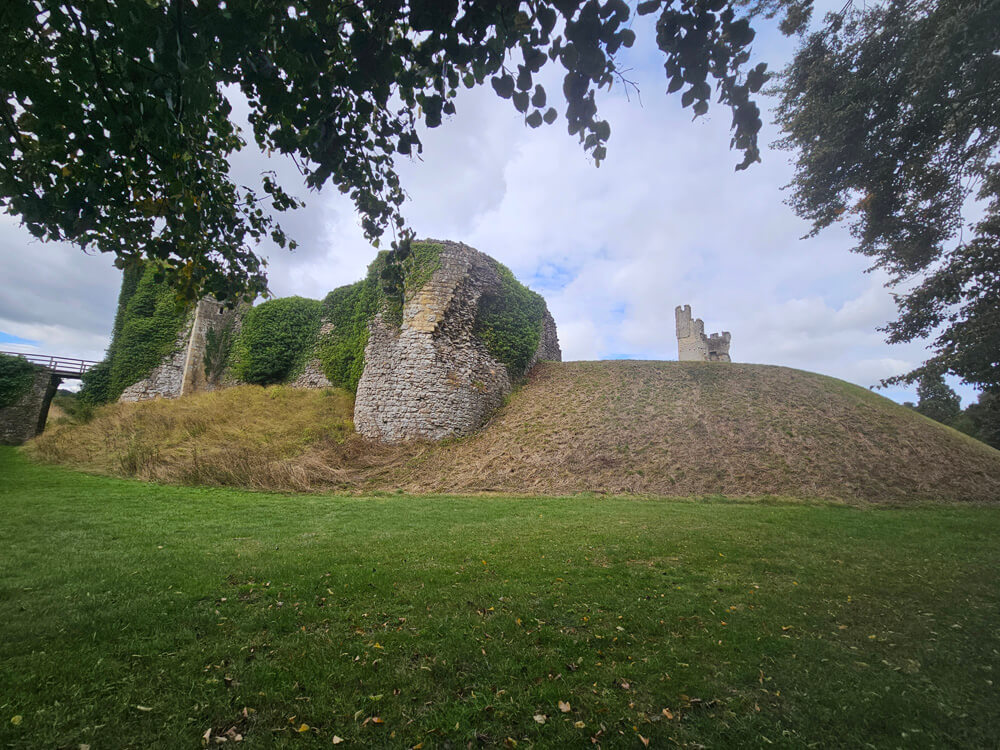
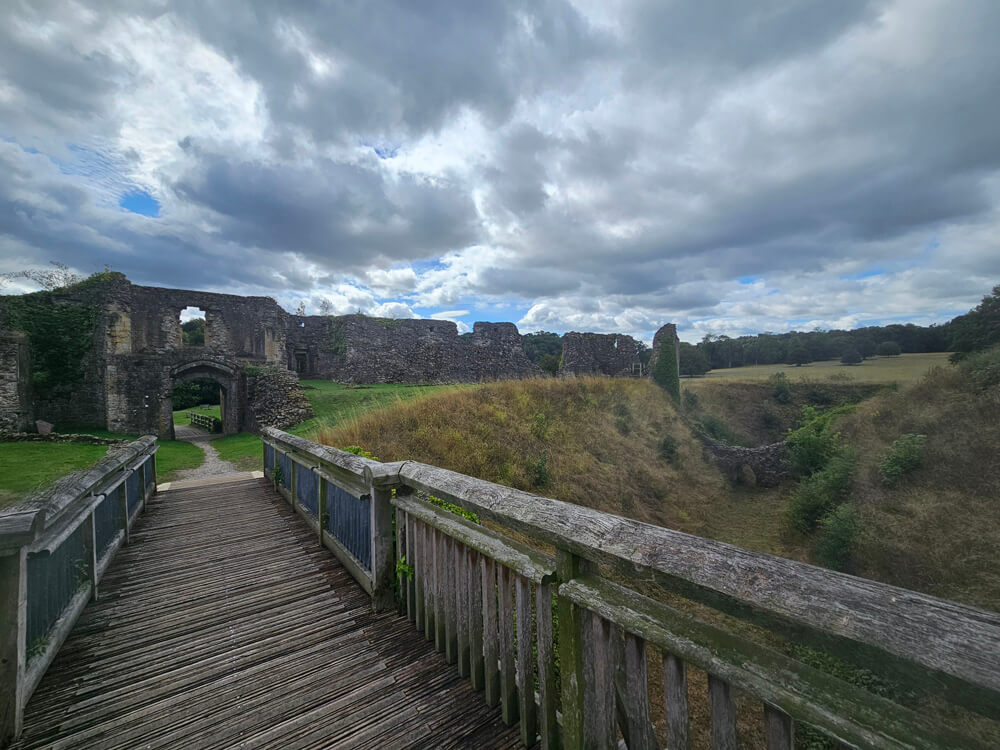
Before the castle was built, the area formed part of an Anglo-Saxon manor. Following the Norman Conquest of 1066, the manor eventually came into the possession of Walter Espec, a powerful northern landowner. Around the 1120s, Espec constructed the first castle at Helmsley. Rather than the familiar motte-and-bailey design, it was an unusual ringwork, consisting of substantial earth banks, deep ditches and timber palisades. The large enclosure probably served not only as a defensive stronghold but also as an administrative centre and residence for Espec and his household.
Espec was an important figure in northern England. He also founded nearby Rievaulx Abbey in 1132, establishing a connection between Helmsley’s secular power and the religious community that would become one of the most important Cistercian monasteries in England.
After Walter Espec’s death in 1154, Helmsley eventually passed to the de Ros family. Robert de Ros II transformed the relatively simple earthwork fortress into a much more substantial stone castle during the late 12th and early 13th centuries.
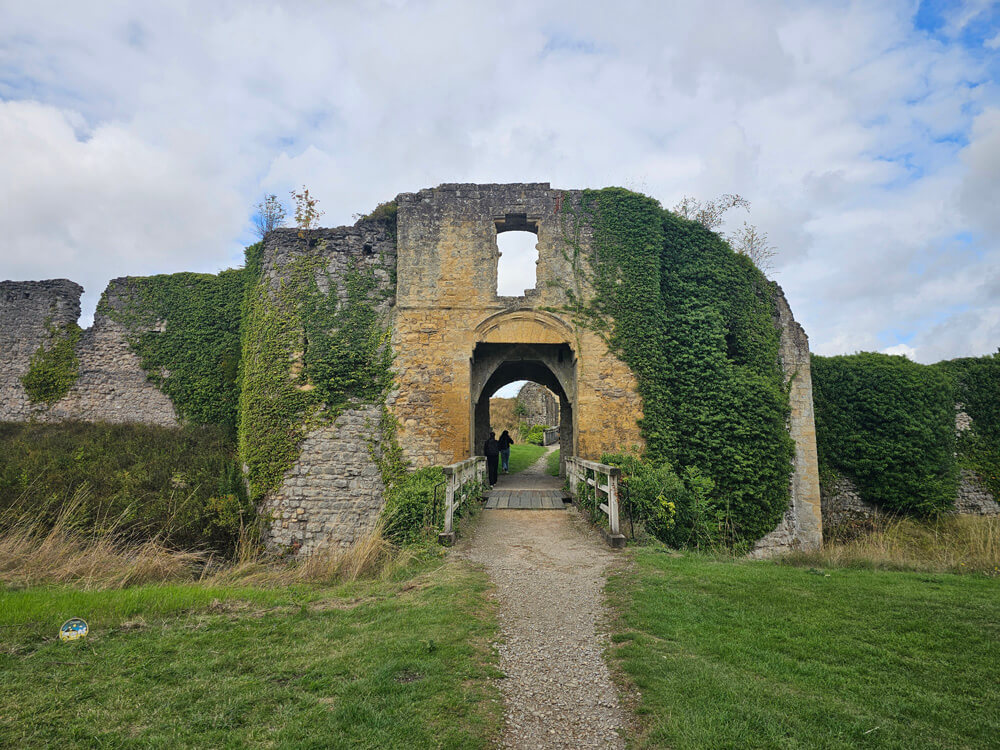
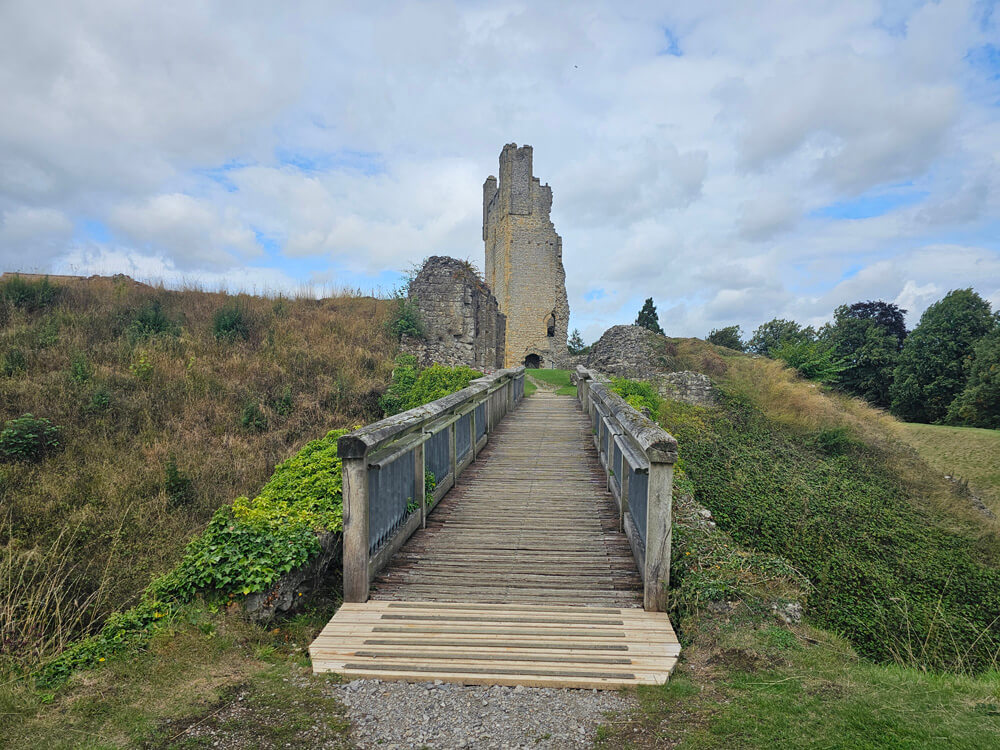
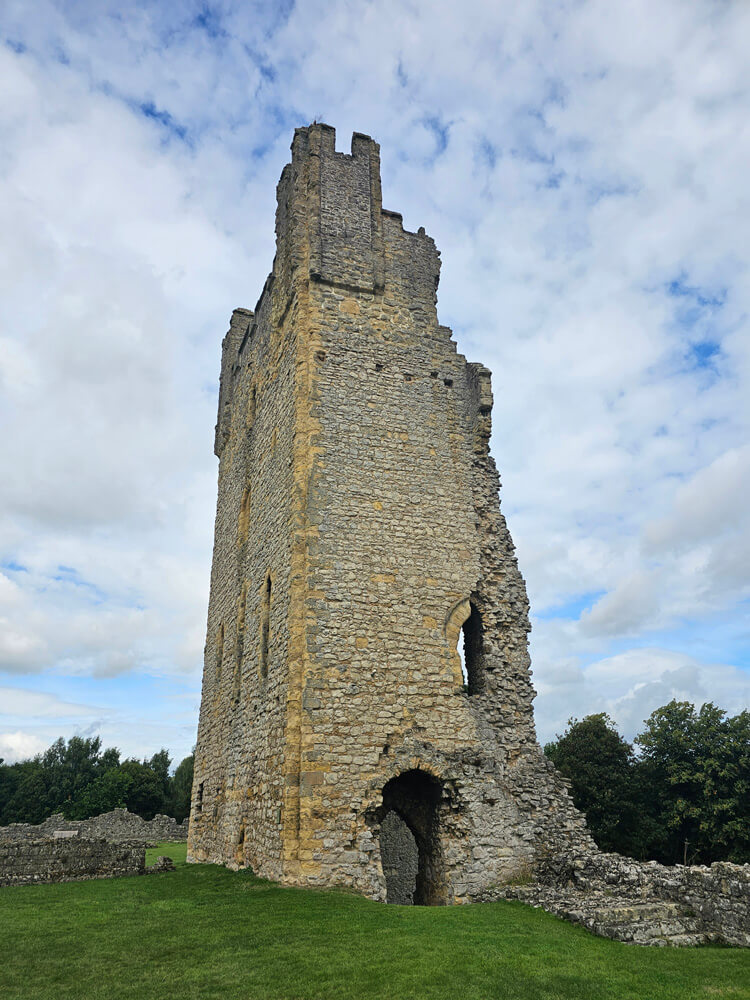
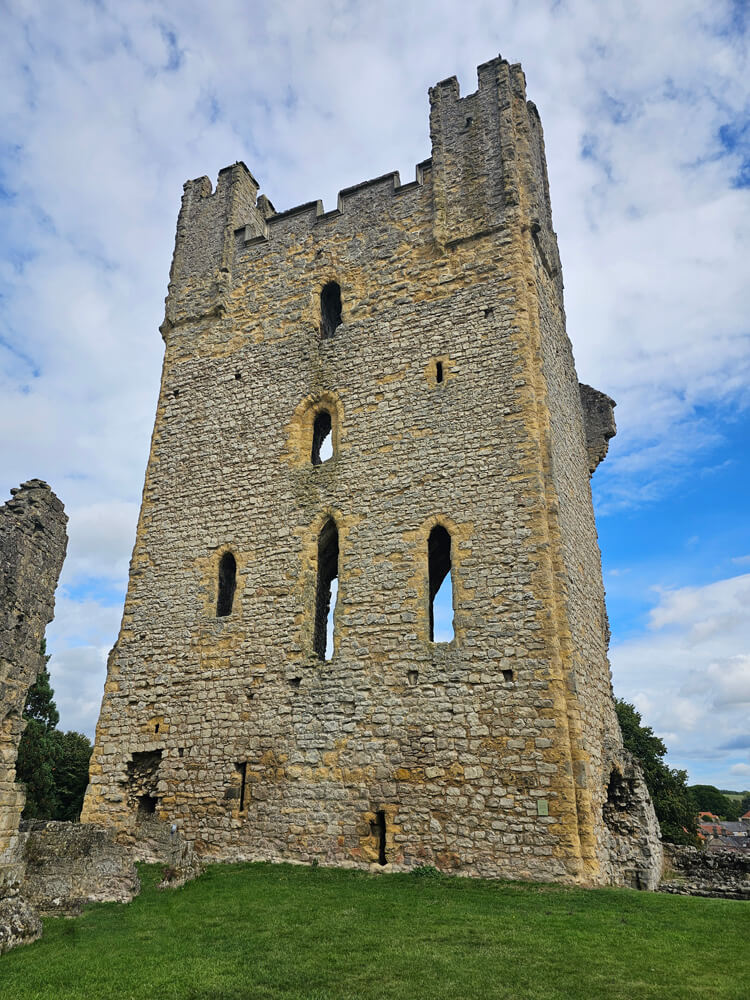
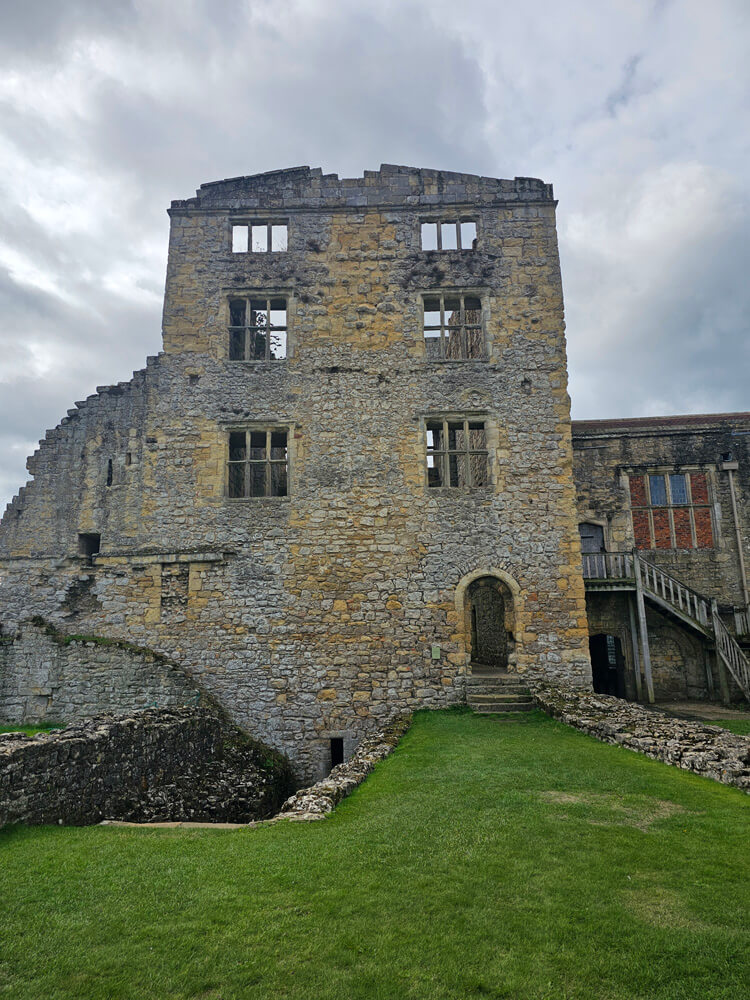
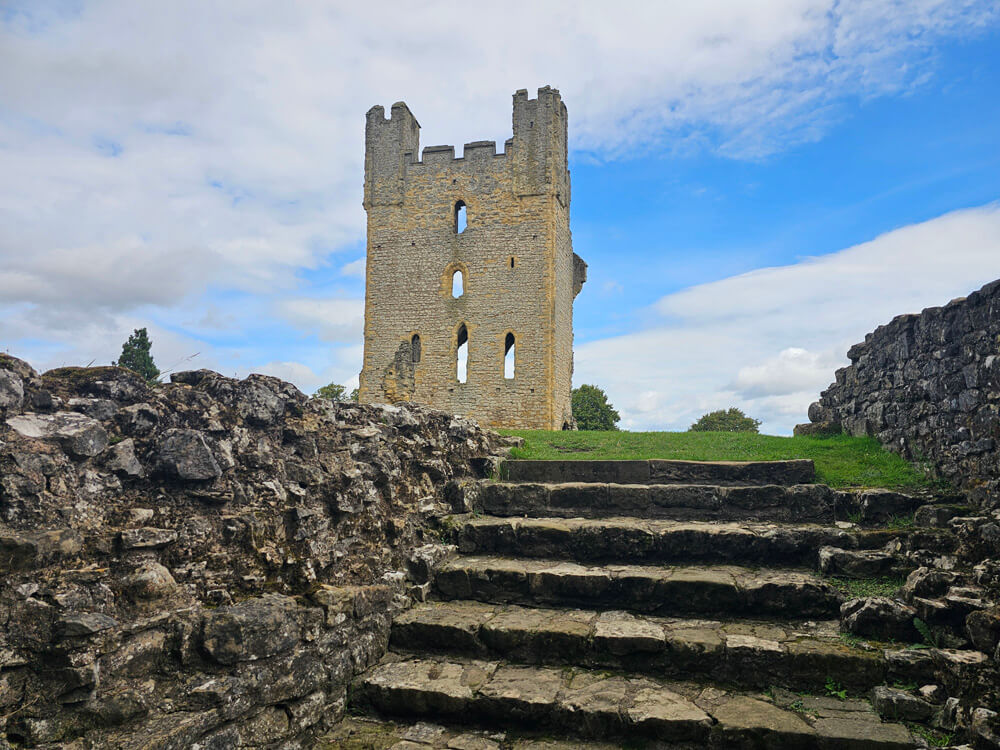
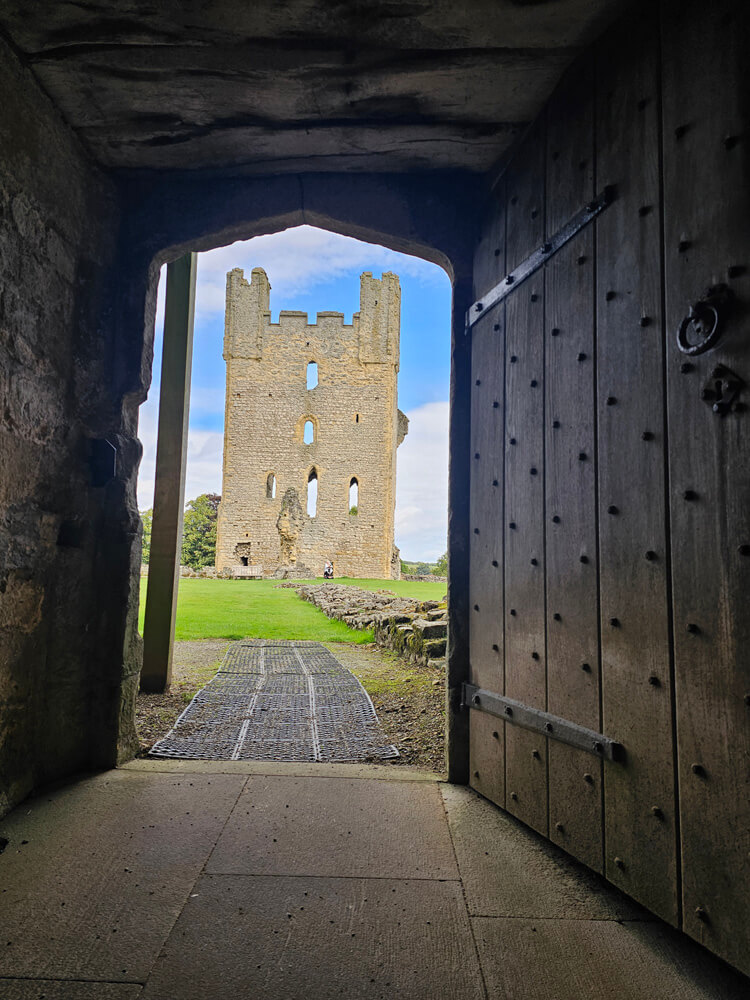
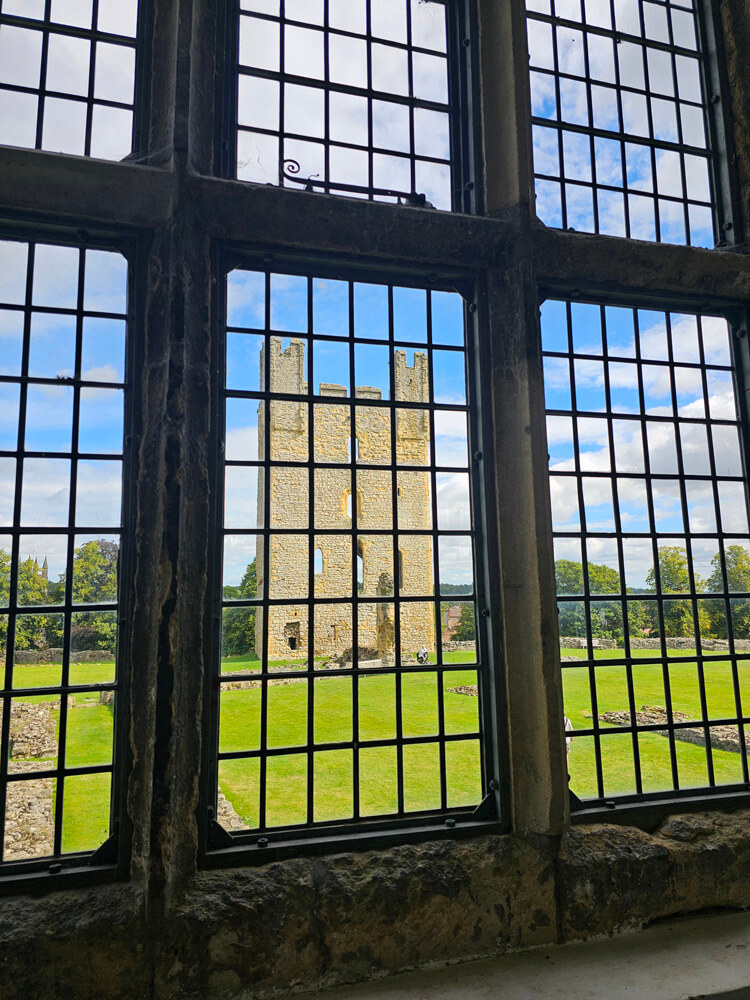
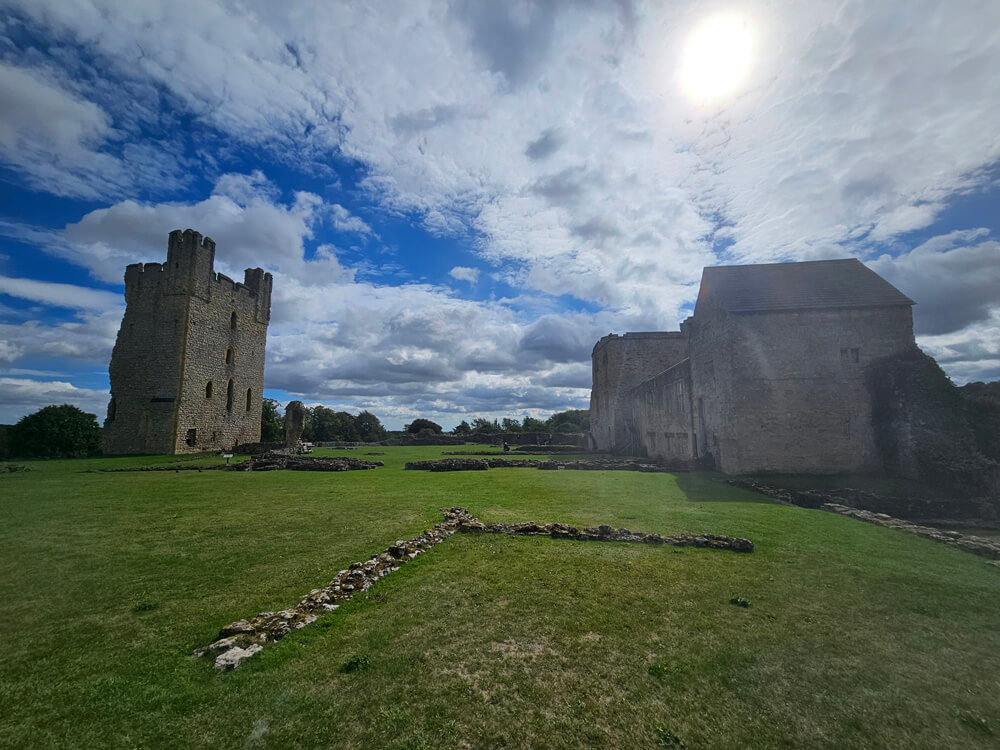
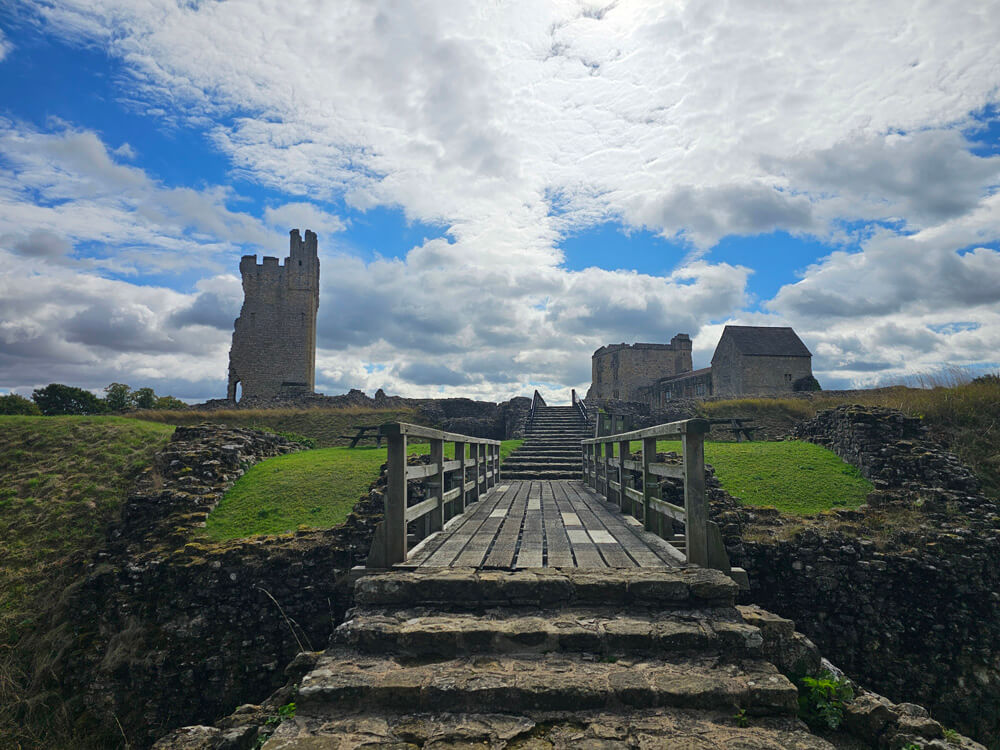
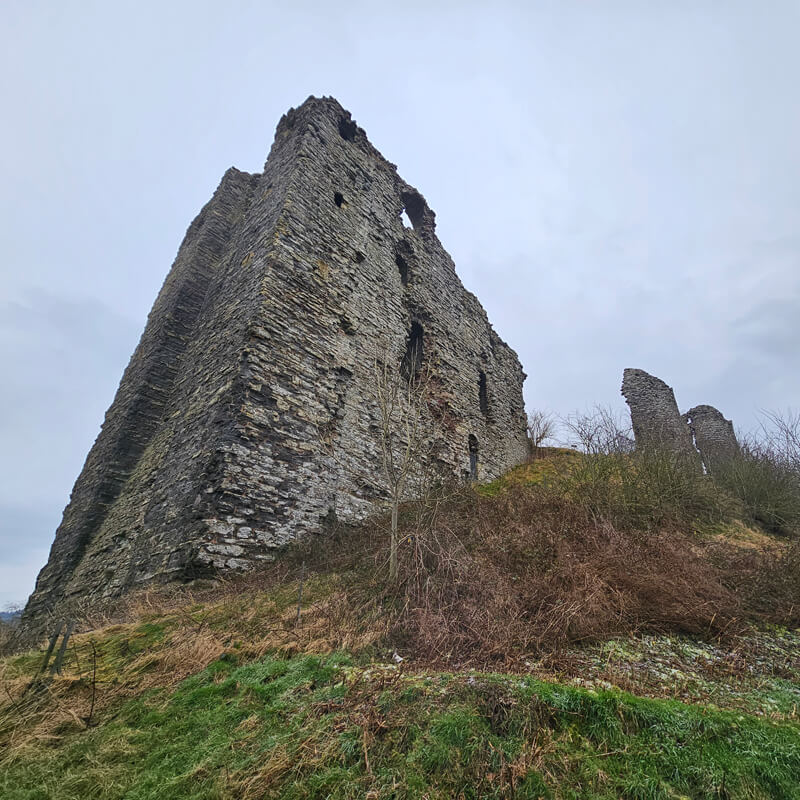
The castle’s stone defences included a curtain wall, substantial towers and fortified entrances. Its two great towers were particularly unusual. Instead of relying upon a single central keep, Helmsley developed a distinctive arrangement dominated by its large east and west towers. The east tower, with its imposing height and thick walls, remains one of the castle’s most recognisable features.
Successive members of the de Ros family continued to improve the castle. During the 13th and 14th centuries, domestic accommodation was expanded and improved, reflecting changing expectations of aristocratic life. New kitchens, a hall and private rooms were added, while the defensive structures were strengthened. Helmsley was becoming not simply a fortress but an increasingly comfortable aristocratic home.
The de Ros family’s connection with Helmsley lasted for centuries. In 1478 the castle passed to Richard, Duke of Gloucester, who later became King Richard III. Following his death at the Battle of Bosworth in 1485, however, the property returned to the de Ros family.
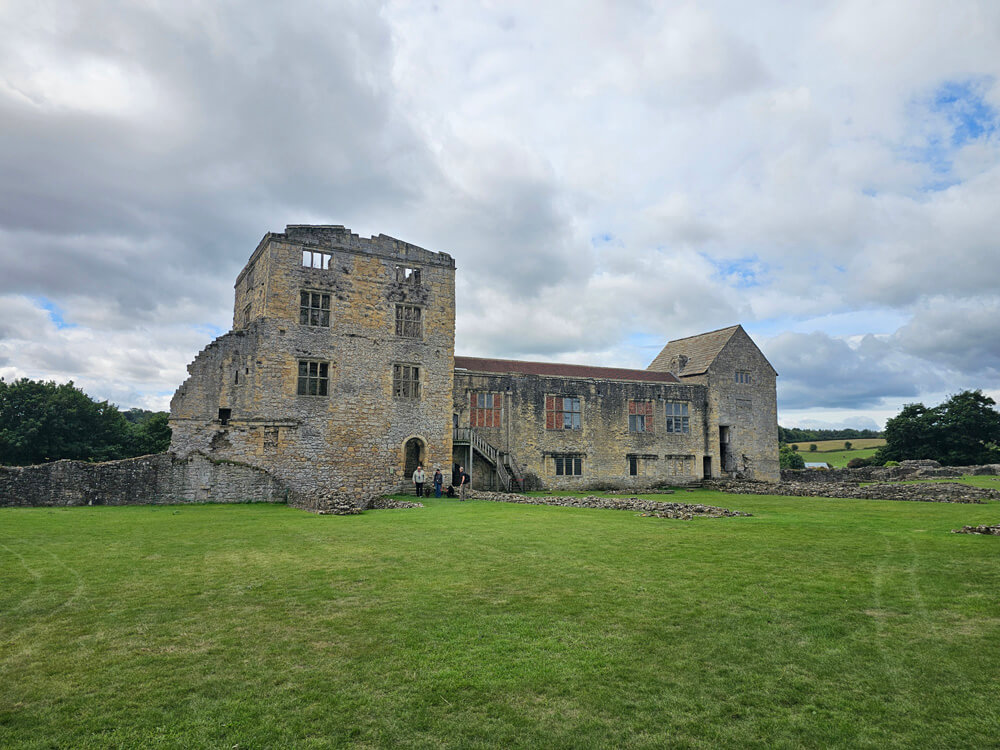
In 1508 the castle passed to Sir George Manners through marriage. The Manners family subsequently transformed Helmsley once again. During the 16th century, parts of the medieval fortress were adapted into a fashionable Tudor residence.
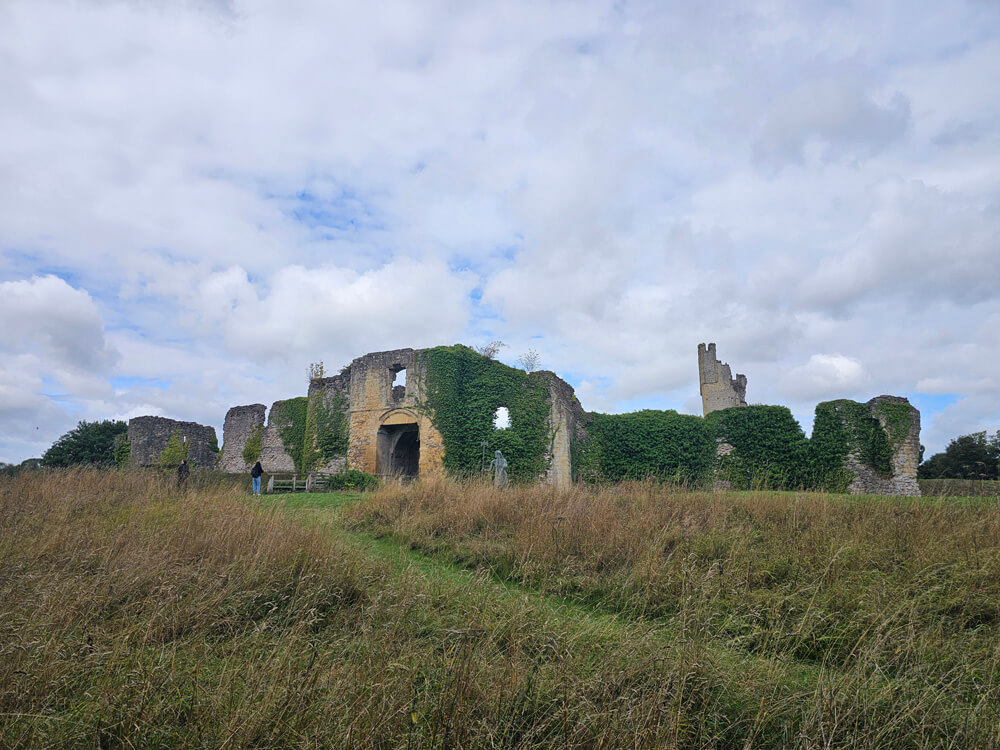
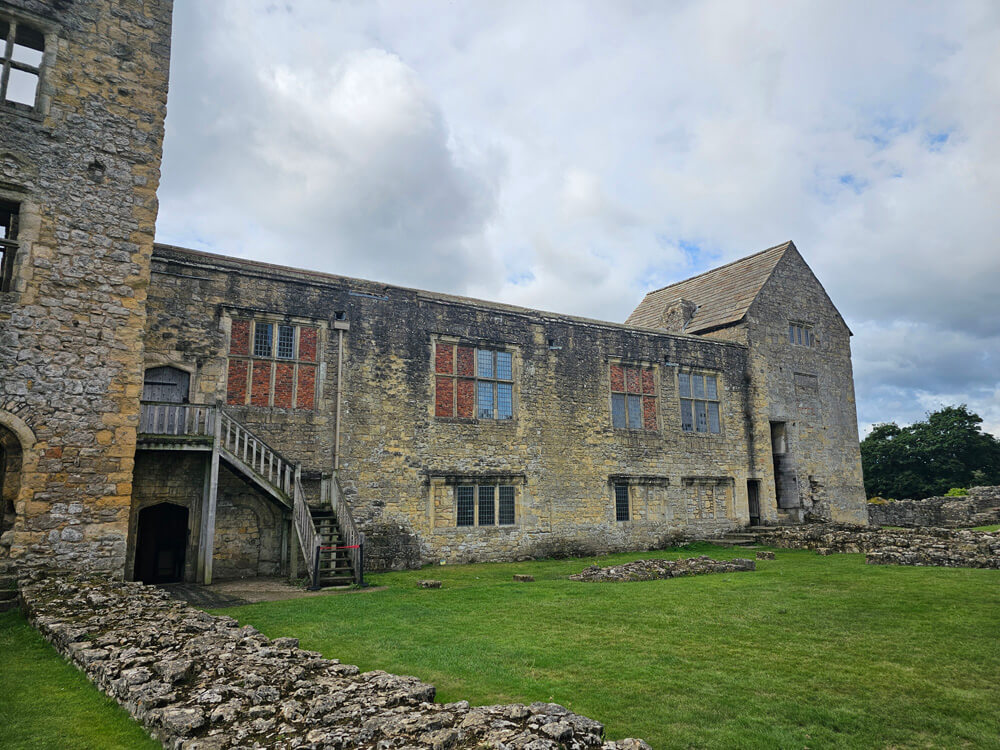
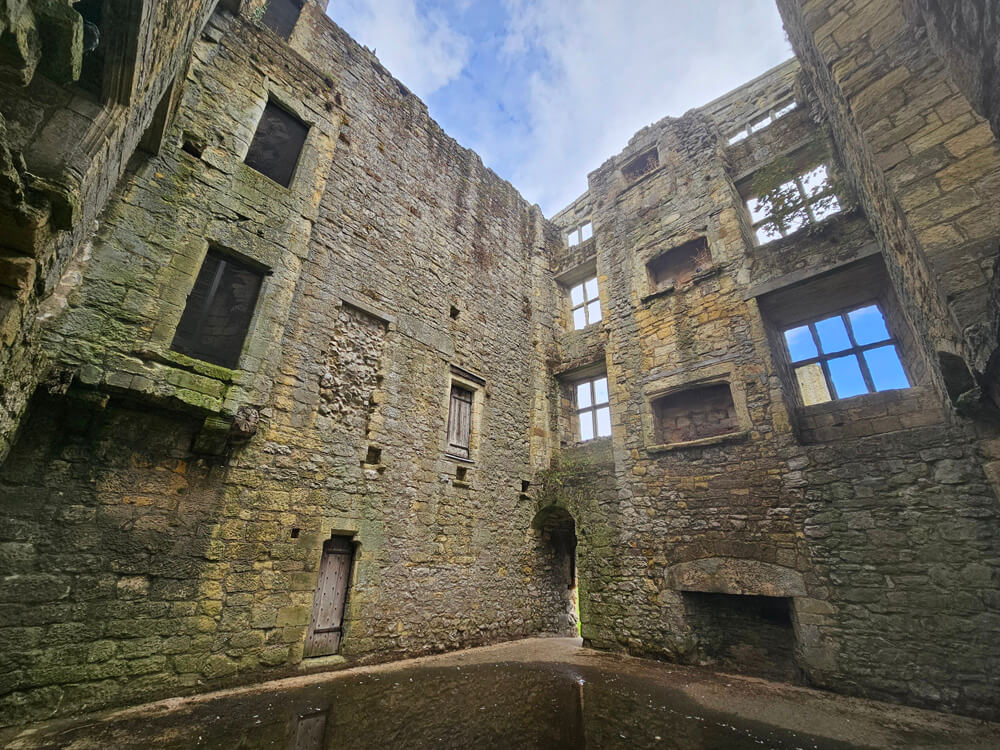
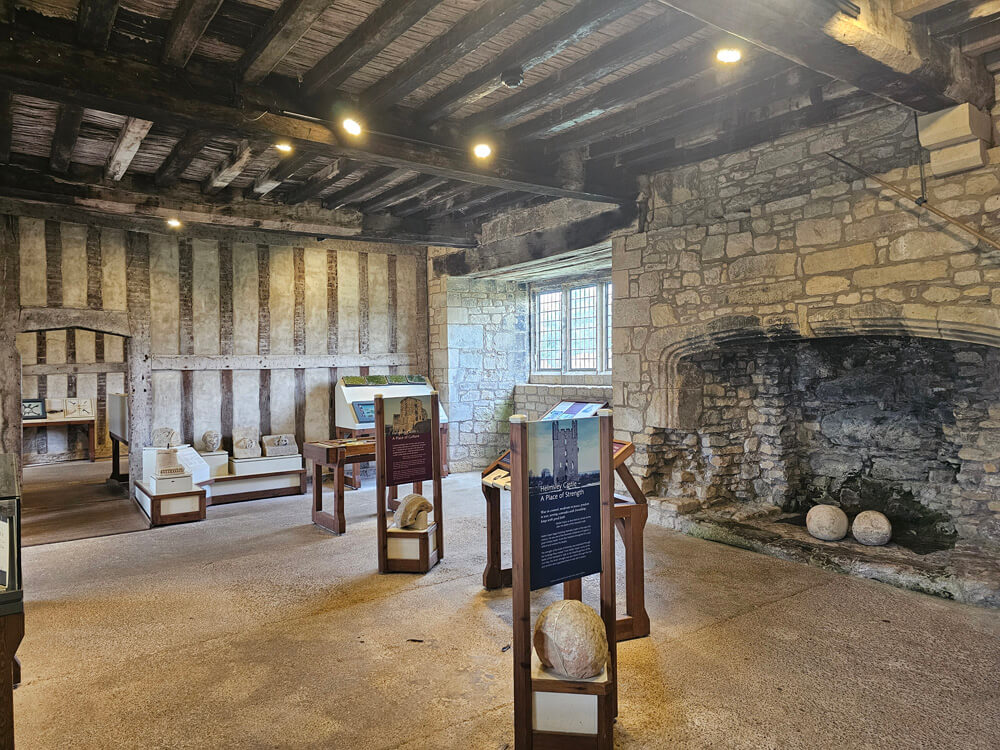
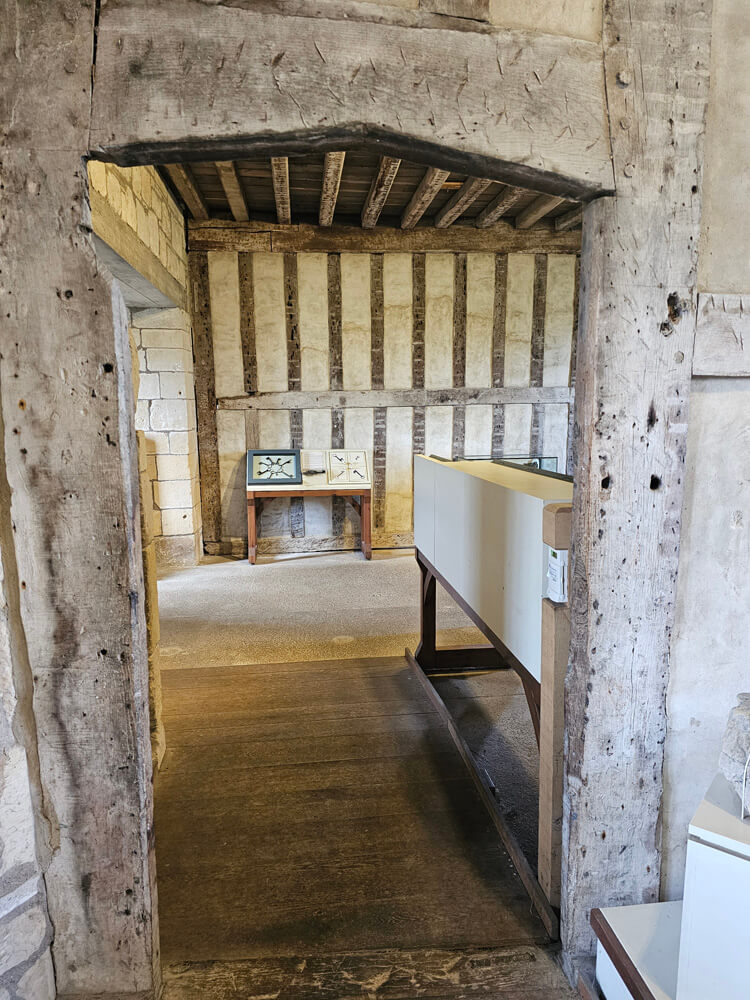
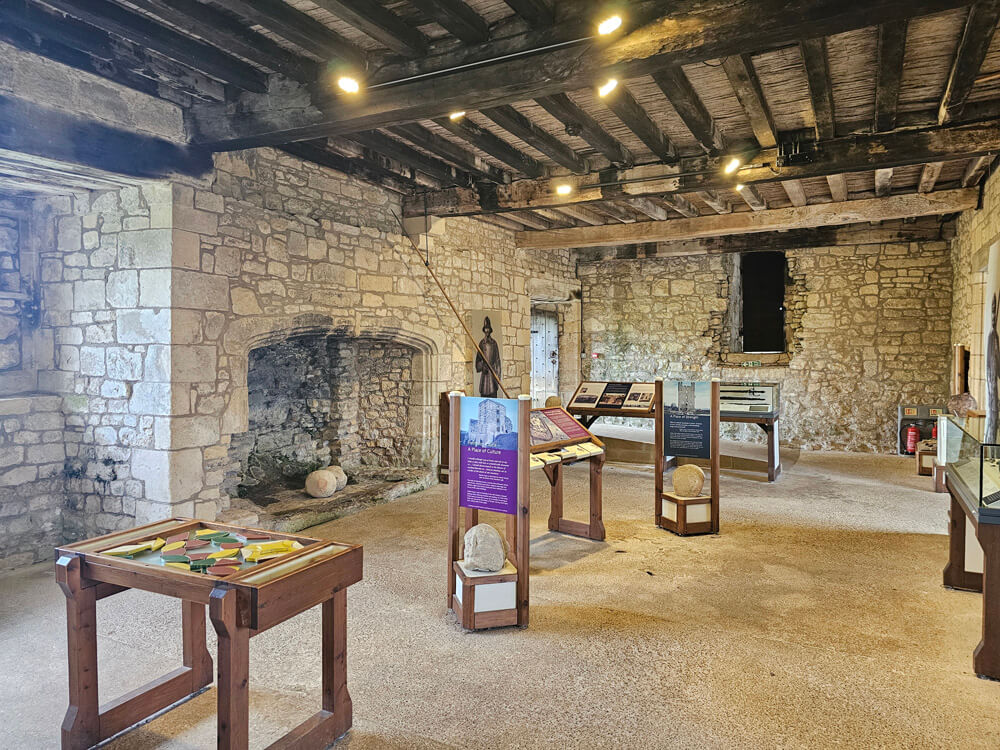
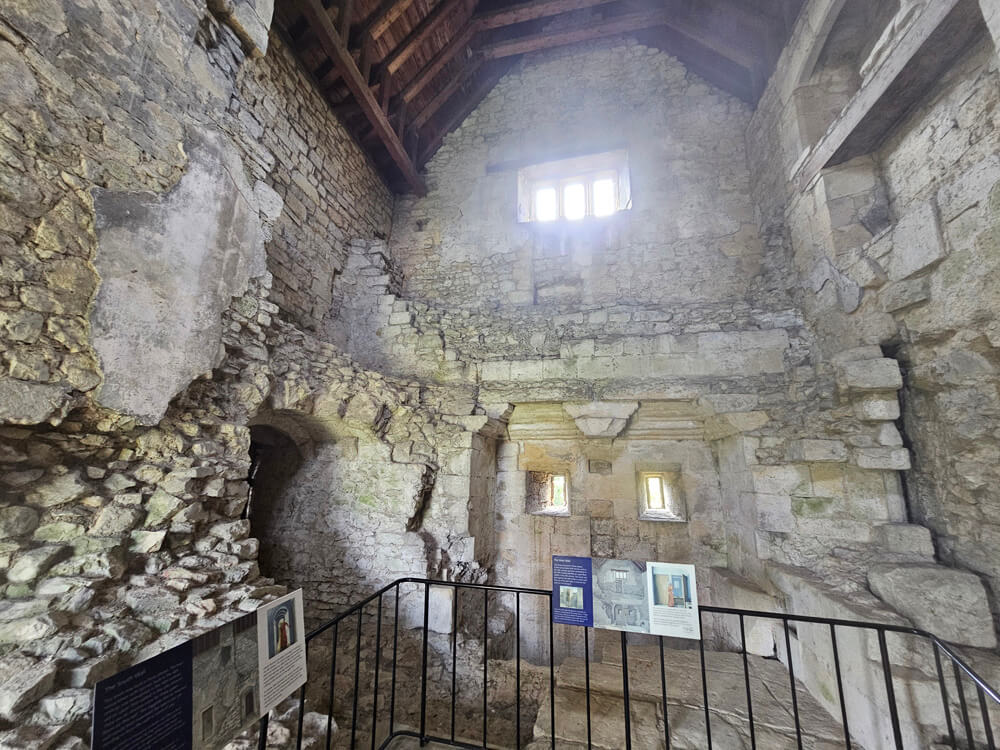
The west range was particularly transformed. Large windows, decorative plasterwork, timber panelling and fireplaces helped create a more comfortable and prestigious home. The surviving remains demonstrate how aristocratic tastes had changed dramatically since the fortress was first constructed.
The castle’s final military chapter came during the English Civil War. The Manners family supported the Royalist cause, and Helmsley was garrisoned by Royalist troops.
In 1644, Parliamentarian forces under Sir Thomas Fairfax surrounded the castle. The siege lasted for several months, with the defenders eventually surrendering in November. Following the surrender, Parliament ordered the castle to be slighted – deliberately damaged so that it could no longer function effectively as a fortress.
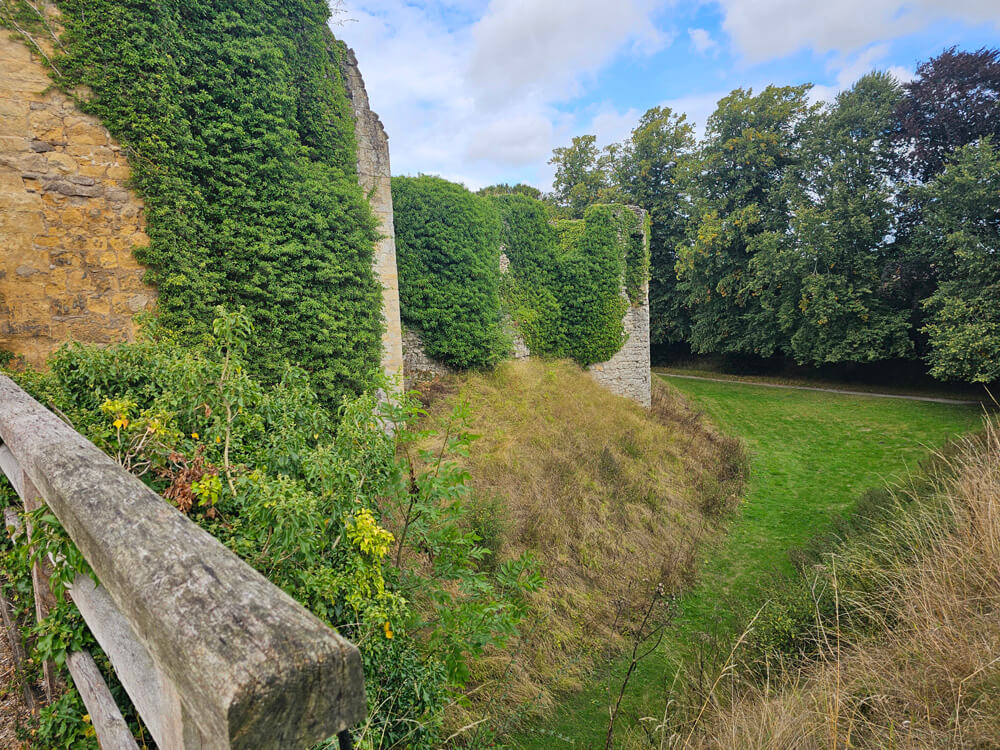
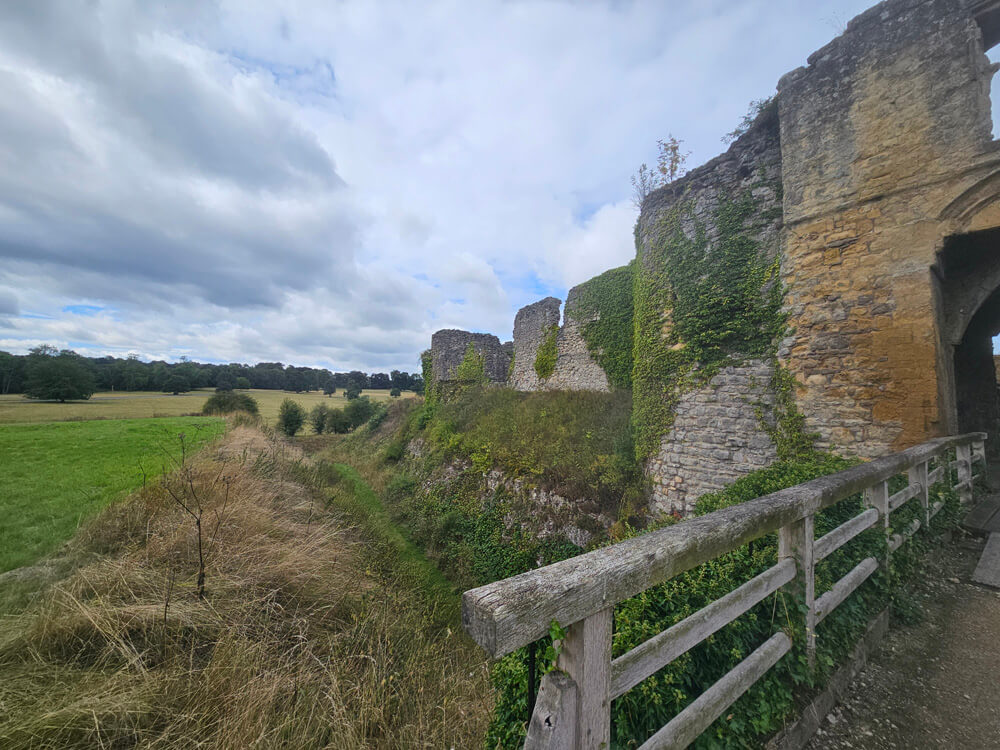
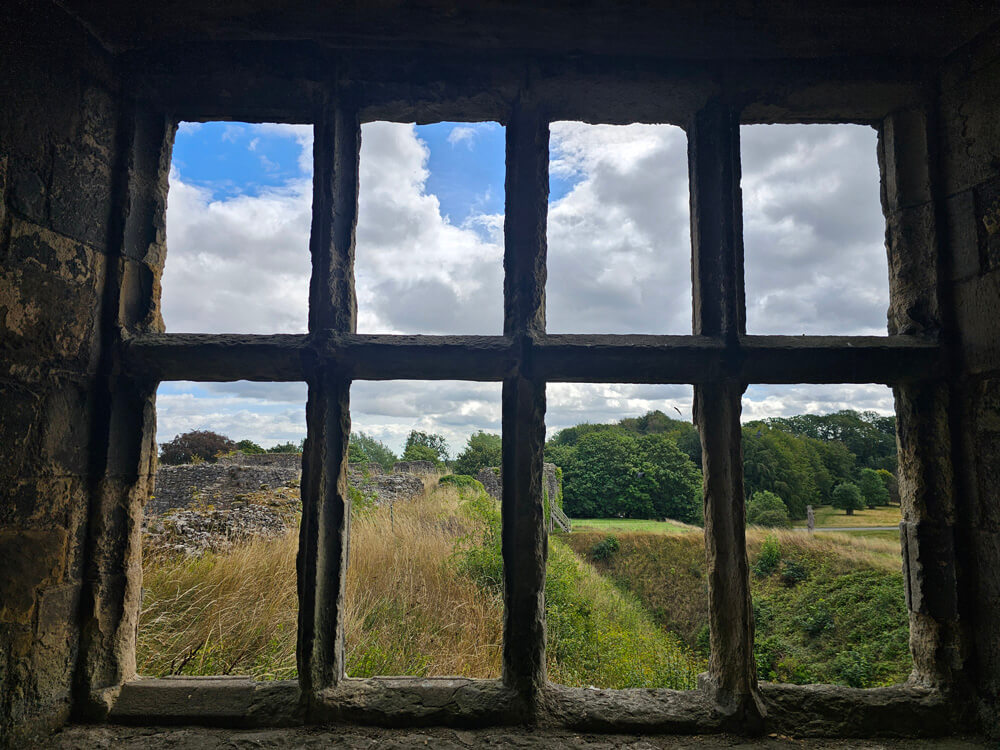
Part of the great east tower was destroyed, and its fallen masonry can still be seen lying within the surrounding ditch. Although some of the buildings survived, Helmsley never returned to its former military importance.
The castle remained in the ownership of the Manners family until the 17th century. In 1687, George Villiers, 2nd Duke of Buckingham, came to live at the castle, but he died the following year. The property was subsequently purchased by Charles Duncombe, a wealthy banker.
Rather than restoring the old castle, the Duncombe family chose to build a new country house, Duncombe Park, nearby. Helmsley Castle was therefore left as a ruin, eventually becoming an attractive feature within the estate’s landscape.
This change reflected a wider 18th-century fascination with picturesque ruins. The broken towers, walls and ditches were no longer viewed simply as the remains of an obsolete fortress; they had become an evocative part of the landscape.
Helmsley Castle Today
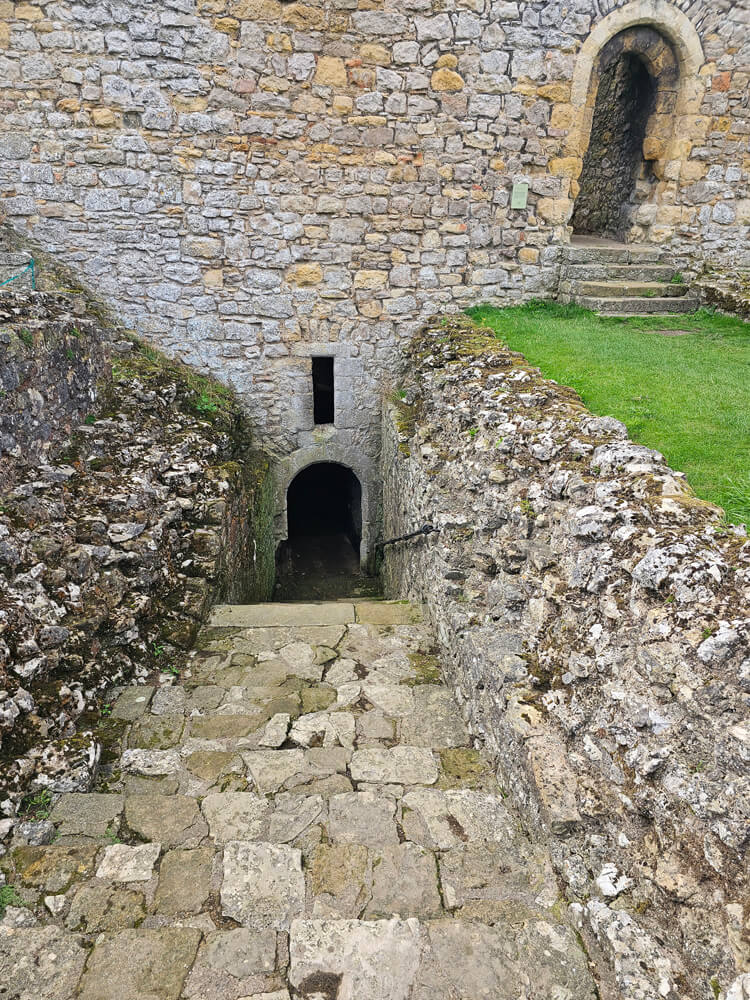
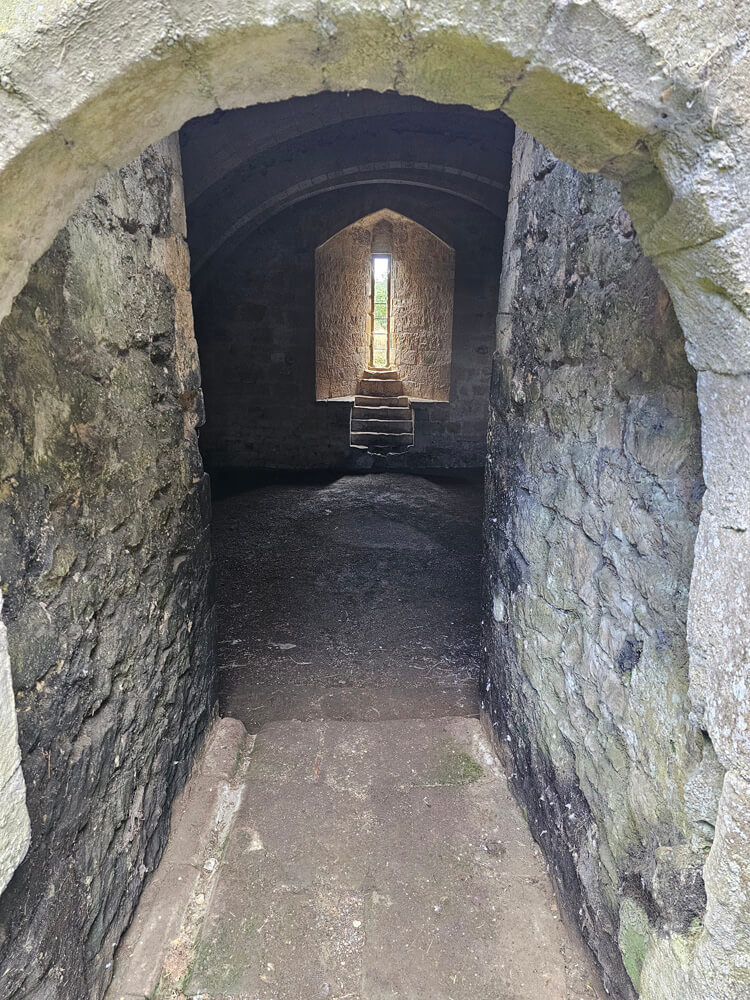
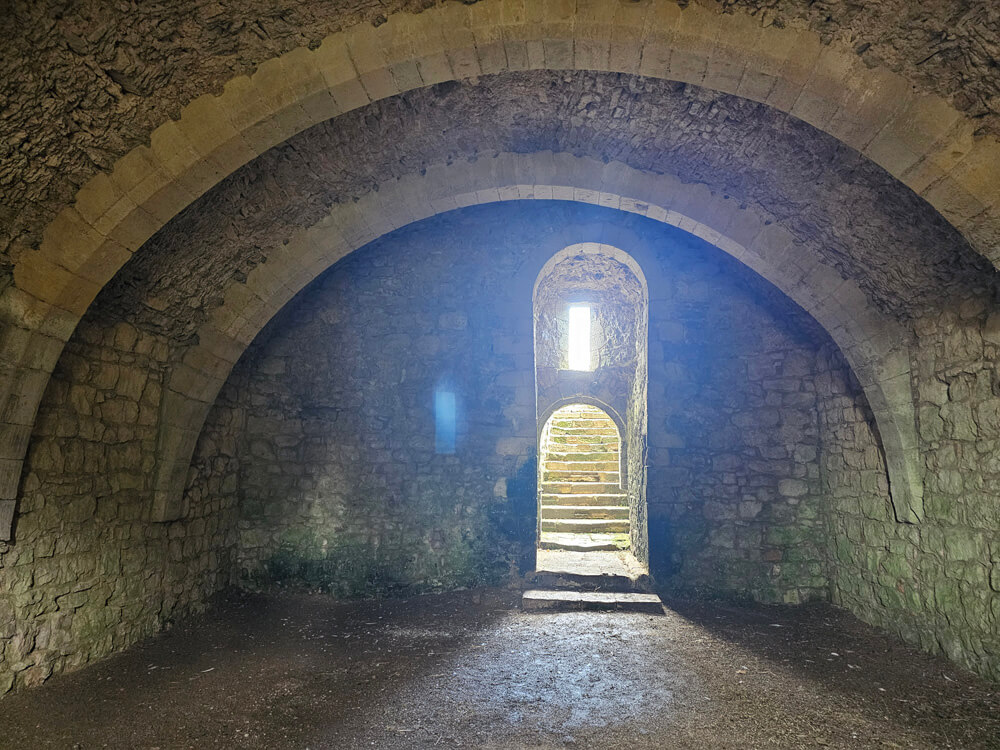
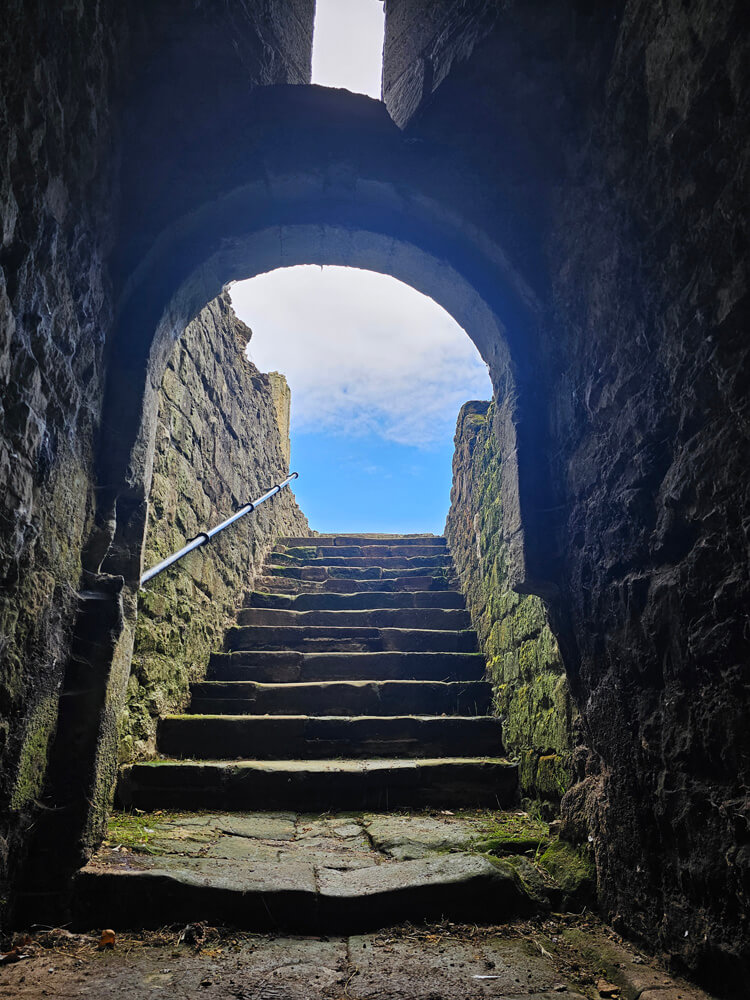
Today, Helmsley Castle is one of North Yorkshire’s most impressive historic attractions. Visitors can explore the remains of the medieval fortress, walk around its enormous defensive ditches and examine the surviving Tudor rooms and architectural details.
The castle’s importance lies not simply in its surviving walls but in the extraordinary story they represent. Over nine centuries, Helmsley changed from a Norman ringwork into a stone fortress, from a medieval aristocratic residence into a Tudor mansion, from a Civil War stronghold into a picturesque ruin and finally into a carefully preserved historic monument.
Photo Gallery.
Did you enjoy this post?
I hope you found this post useful. I put a great deal of time and effort in to building, maintaining and populating the website. If you like, you could say a small thank you by buying me a coffee. You don't have to, but it would be nice :)
Buy me a coffee
Stay up to Date
Follow me on my journey and get notified whenever a new post is published by following Kings & Castles on Facebook.
Follow MeExplore The Map
Discover the hundreds of castles, churches, monasteries, cathedrals and other historic locations that I've personally visited across England and Wales. Search by location, explore nearby sites and plan your next historical adventure.
Share: