The Medieval Town of Tewkesbury
Home to a beautiful historic abbey, lots of Tudor-style timber-framed buildings and a famous battle, Tewkesbury is a quirky medieval town in the north of Gloucestershire with a very interesting past.
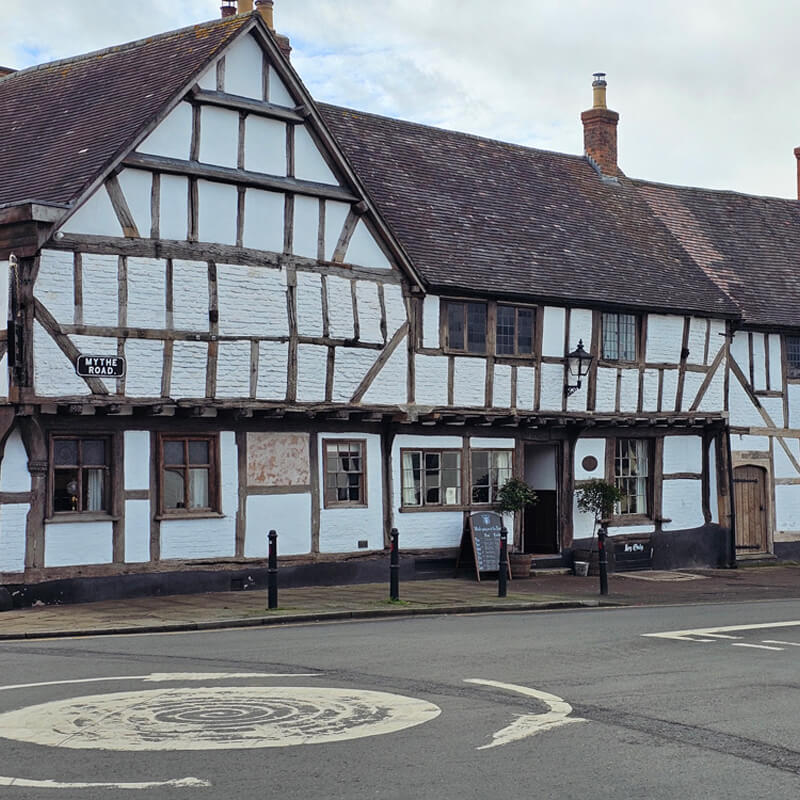
The History of Tewkesbury
It is generally believed that Tewkesbury got its name from a Saxon hermit named Theoc, who was the first to bring Christian worship to the area. Theoc was a missionary from Northumbria who arrived in the area in the mid-7th century and founded a hermitage on the site of what would become Tewkesbury Abbey centuries later. The settlement then became known as Theocsbury in Old English. The ‘bury’ element usually refers to a fortified place such as a burh, but in this case it more likely refers to a monastic enclosure. So Theocsbury would have meant something like “Theoc’s place” or “fortress of Theoc”, and over the centuries this eventually became Tewkesbury.
But there’s another theory regarding the place name for Tewkesbury. The earliest direct reference to the town’s name is found in the Domesday Book of 1086 commissioned by William the Conqueror, where it appears as Teodechesberie and Teodekesberie. This suggests that it was named after someone called Teodec, who was most likely an Anglo-Saxon lord, and would translate to “Teodec’s fortified place”. There is also a later medieval spelling of the town’s name; Theokesburie, where the ‘d’ was dropped, to eventually give us the modern day spelling of Tewkesbury.
Theoc’s hermitage was succeeded by a monastery in the 8th century, and when the Benedictines arrived in the area in the 10th century, the religious foundation became a Benedictines priory. Then, in the year 1087, William the Conqueror gave some land in Tewkesbury to his cousin, Robert Fitzhamon, to build an abbey, and work began in 1102 on what would become the present building. The town then grew considerably following the construction of the abbey.
Tewkesbury played a significant role in the Wars of the Roses, with the Battle of Tewkesbury that took place in 1471. It was one of the decisive battles between the Yorkist and Lancastrian factions of the Plantagenet dynasty. The outcome of the battle was the destruction of Margaret of Anjou‘s Lancastrian army in the fields south of Tewkesbury Abbey by Edward IV‘s Yorkist army, which secured his kingship.
Tewkesbury Today
Today, the site of the battle is just an empty field, now known as Bloody Meadow, and the battle is re-enacted annually at the internationally renowned Medieval Festival.
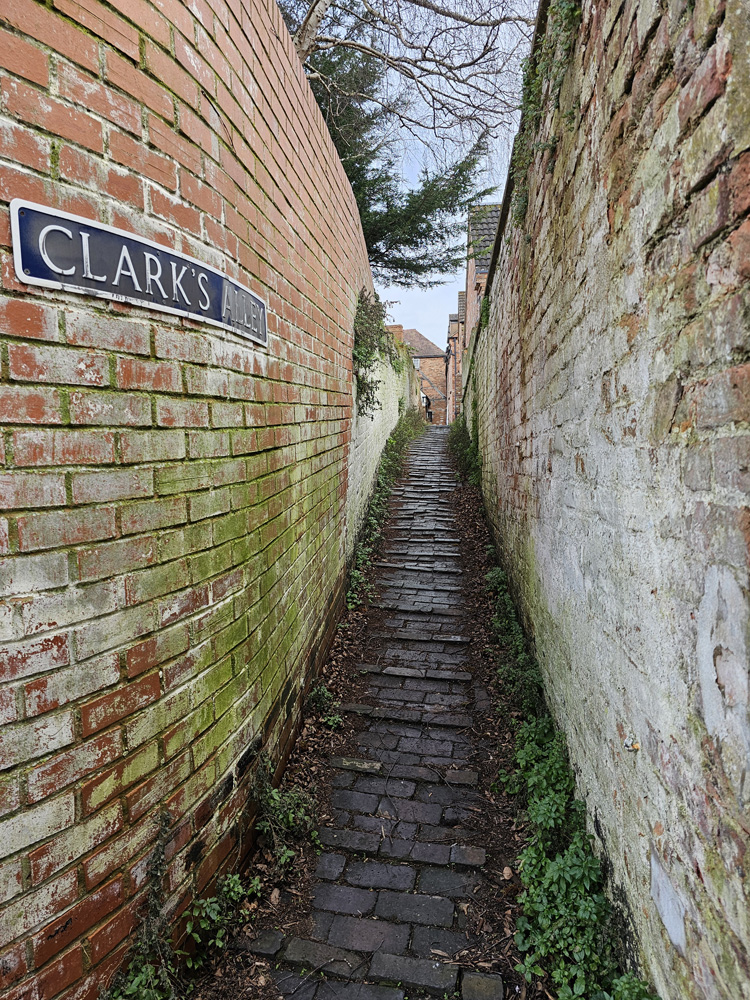
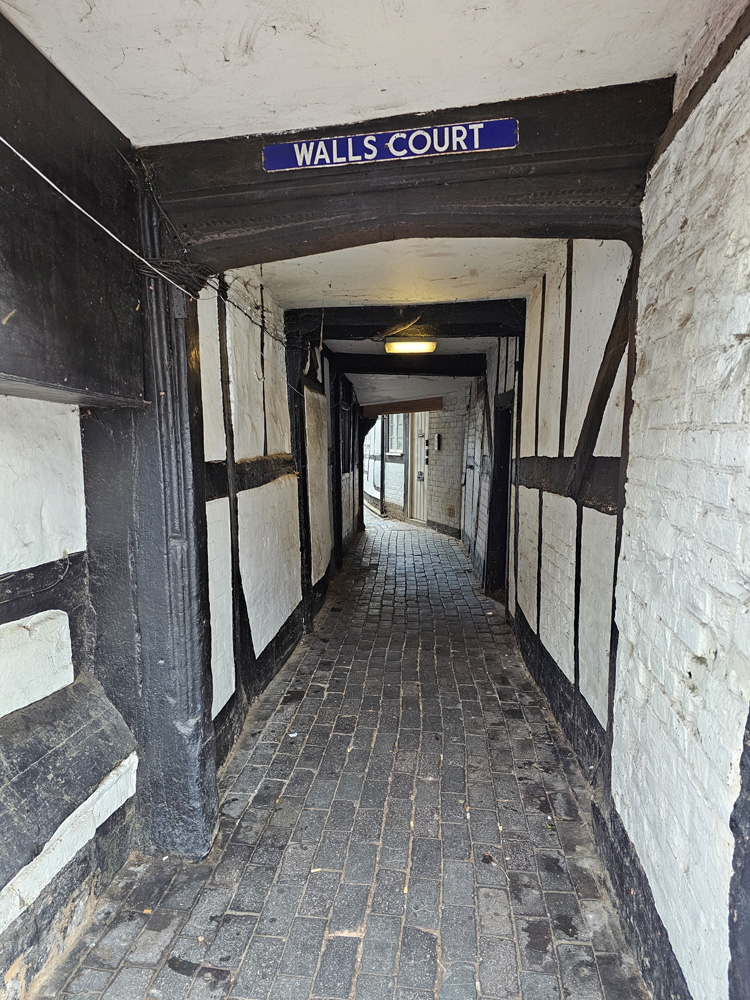
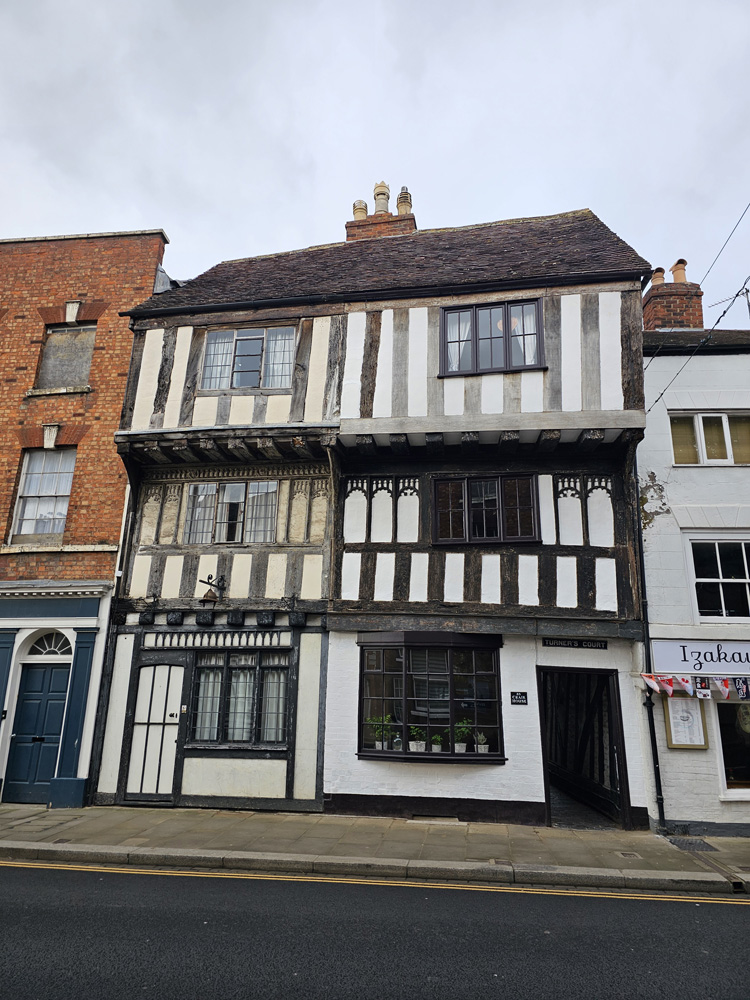
Tewkesbury has a unique medieval town pattern and lots of quirky little alleyways and ‘courts’ that seem like secret passageways. There was once a network of 90 alleyways around the town, 30 of which still exist today. There is actually an alleyways walking trail around the town.
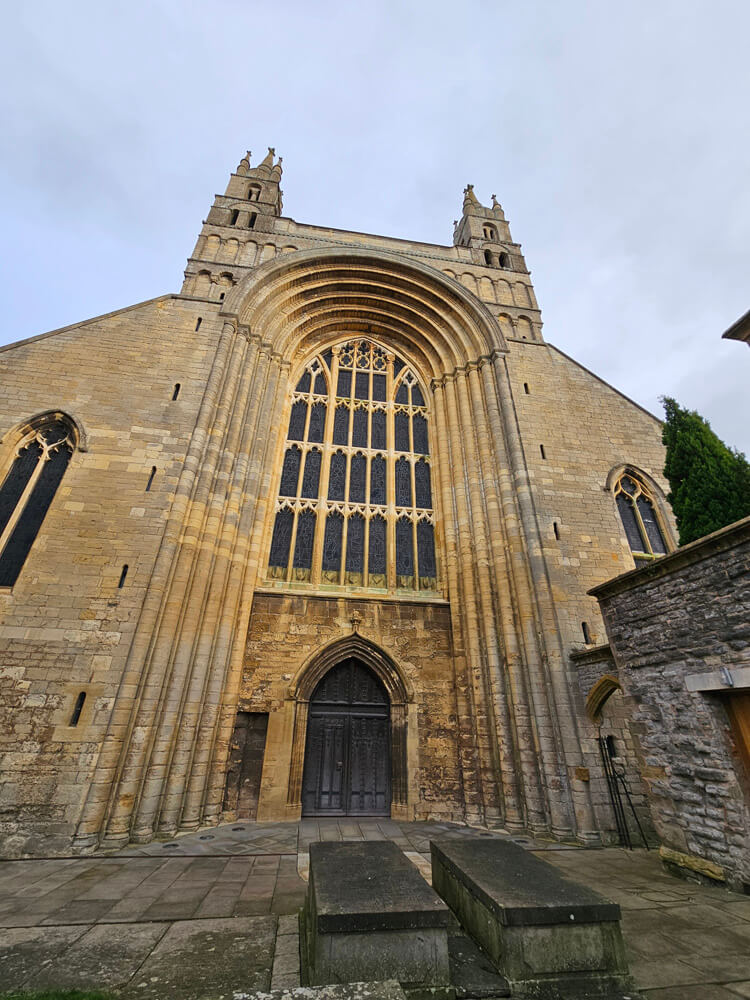
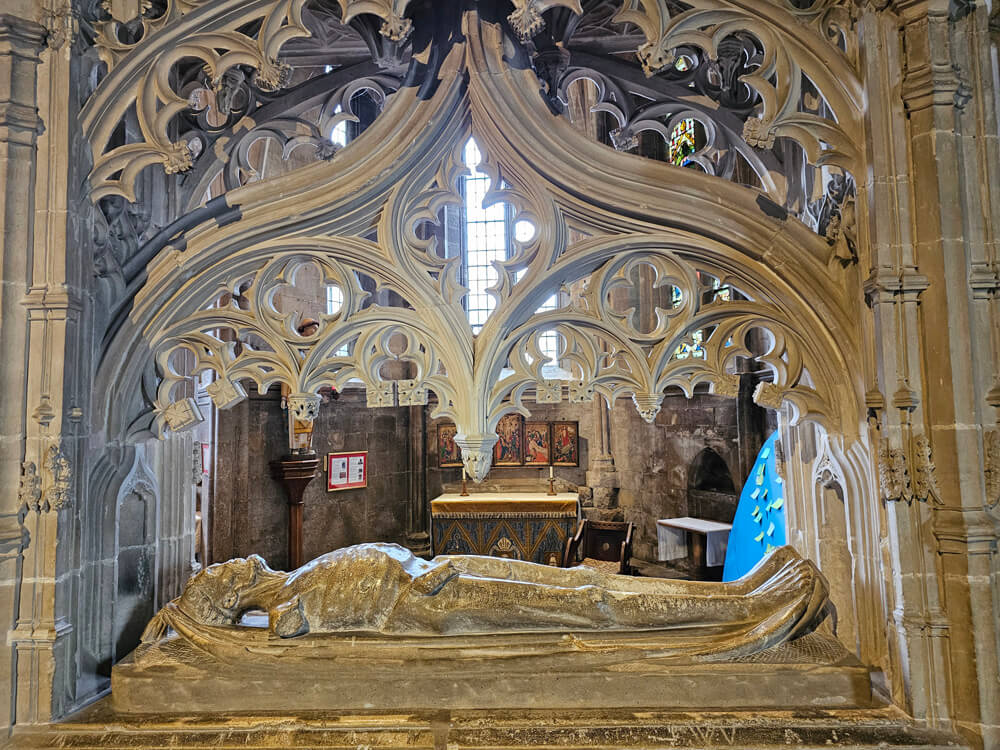
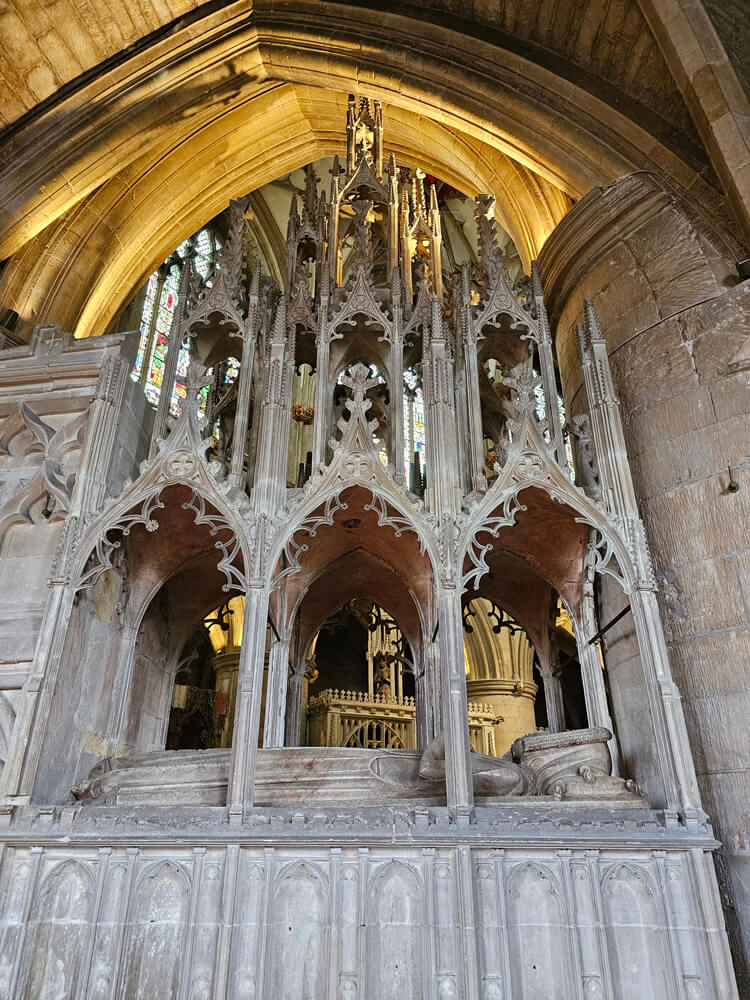
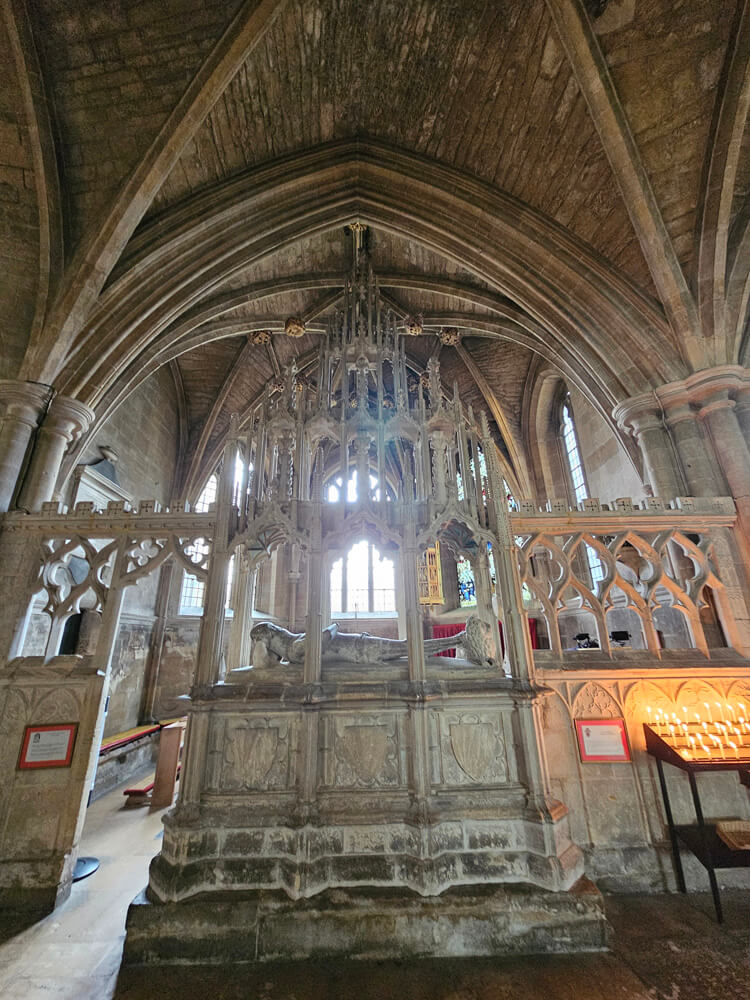
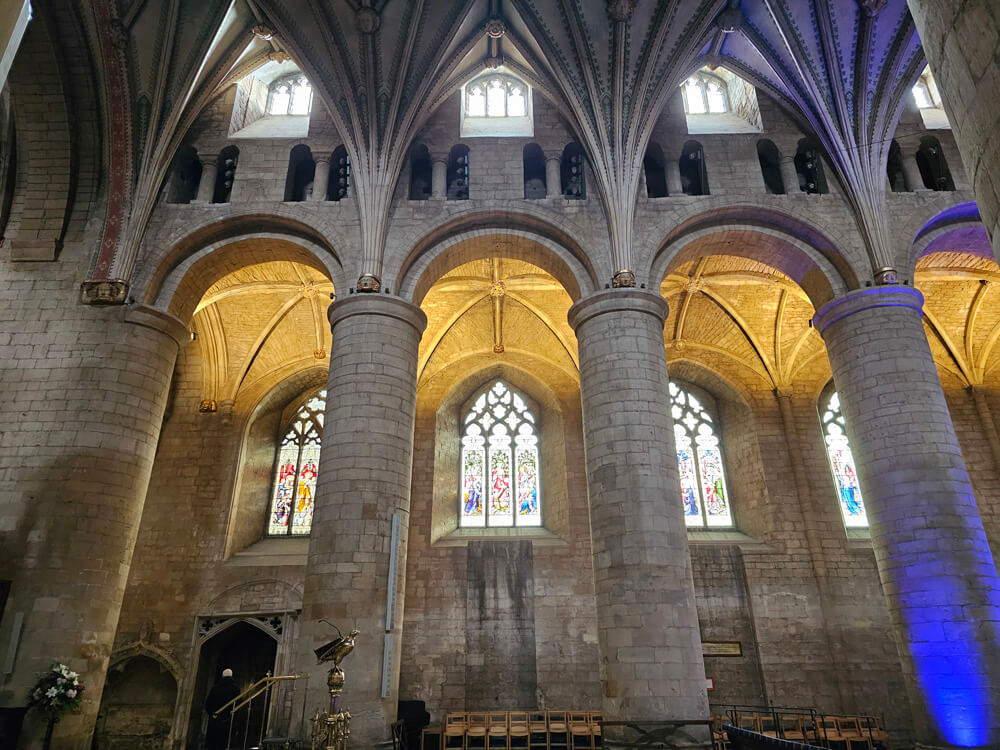
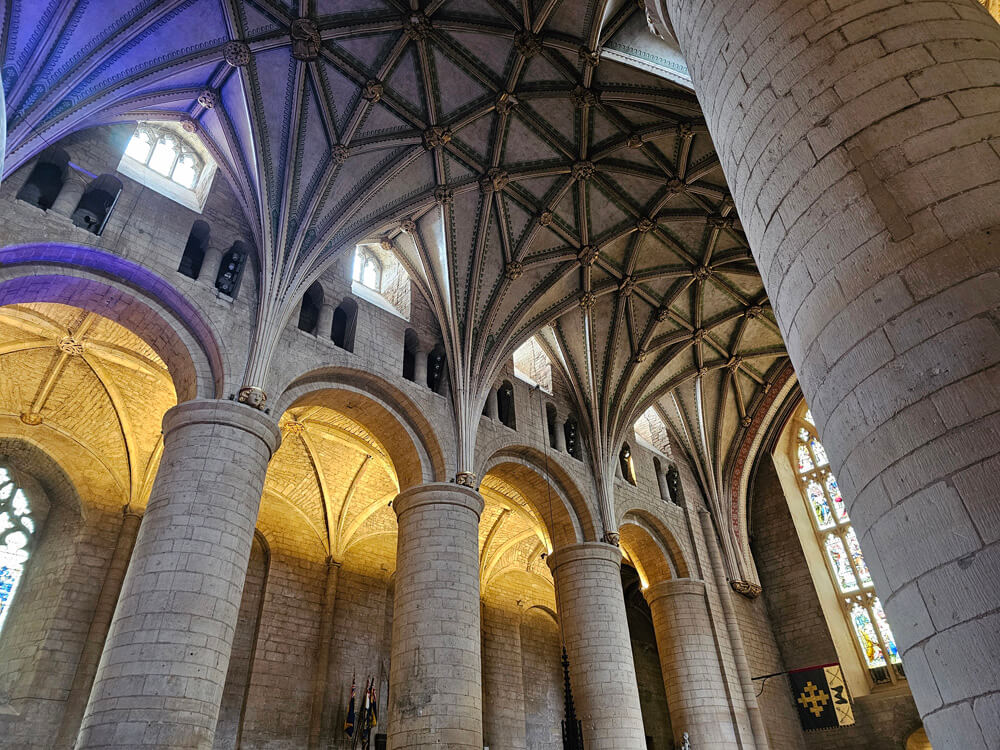
The crowning jewel of Tewkesbury is its superb abbey church, which was once part of the large and important Benedictine monastery until it was suppressed by Henry VIII in his Dissolution of the Monasteries. Most of the monastery buildings were lost, but the abbey church was saved by the townspeople of Tewkesbury and it went on to become their parish church; the Tewkesbury Abbey we get today.
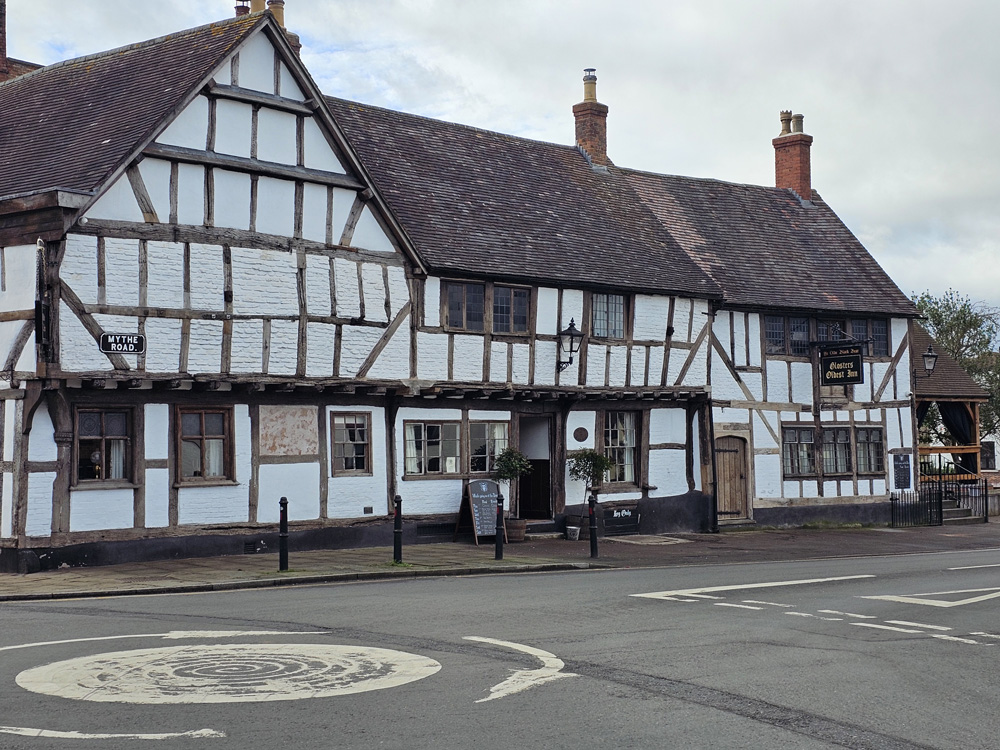
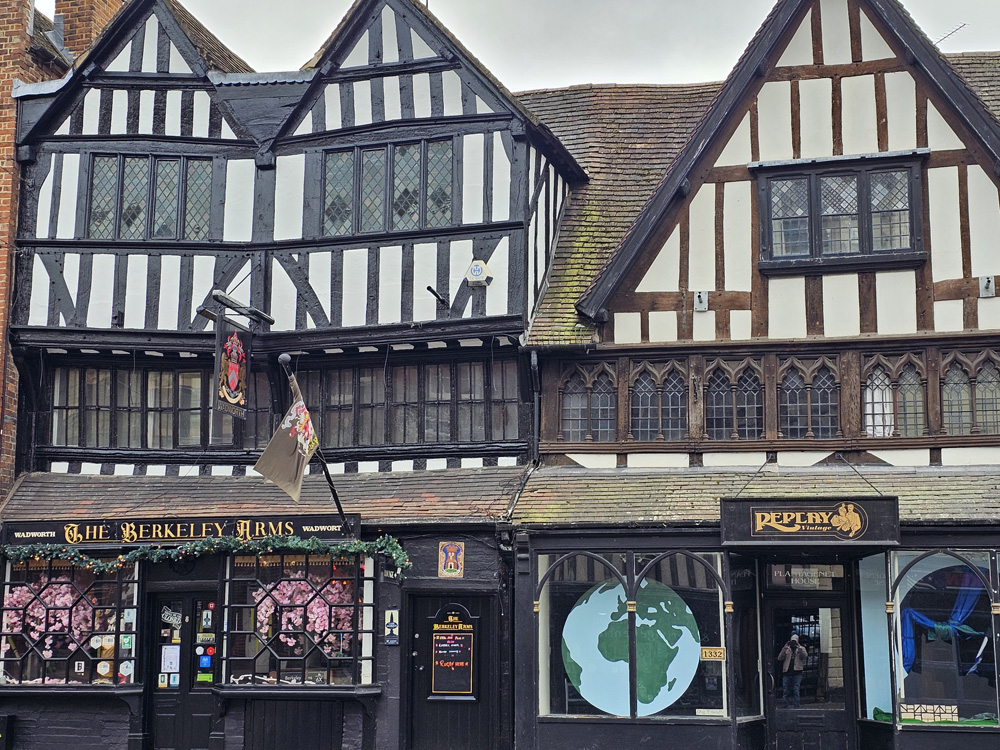
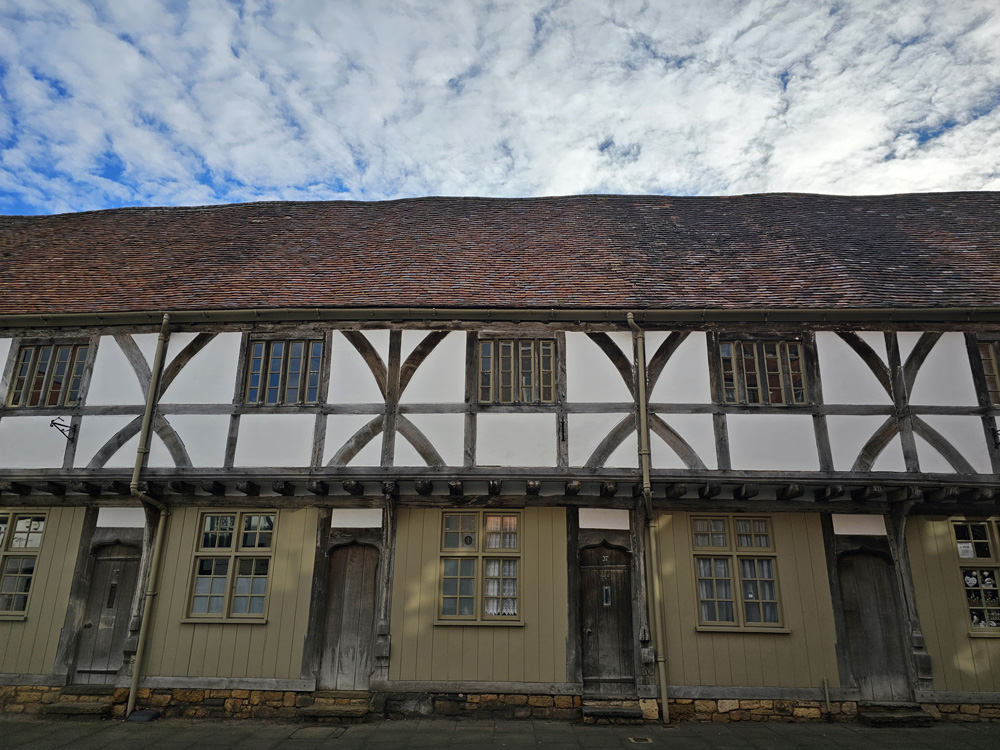
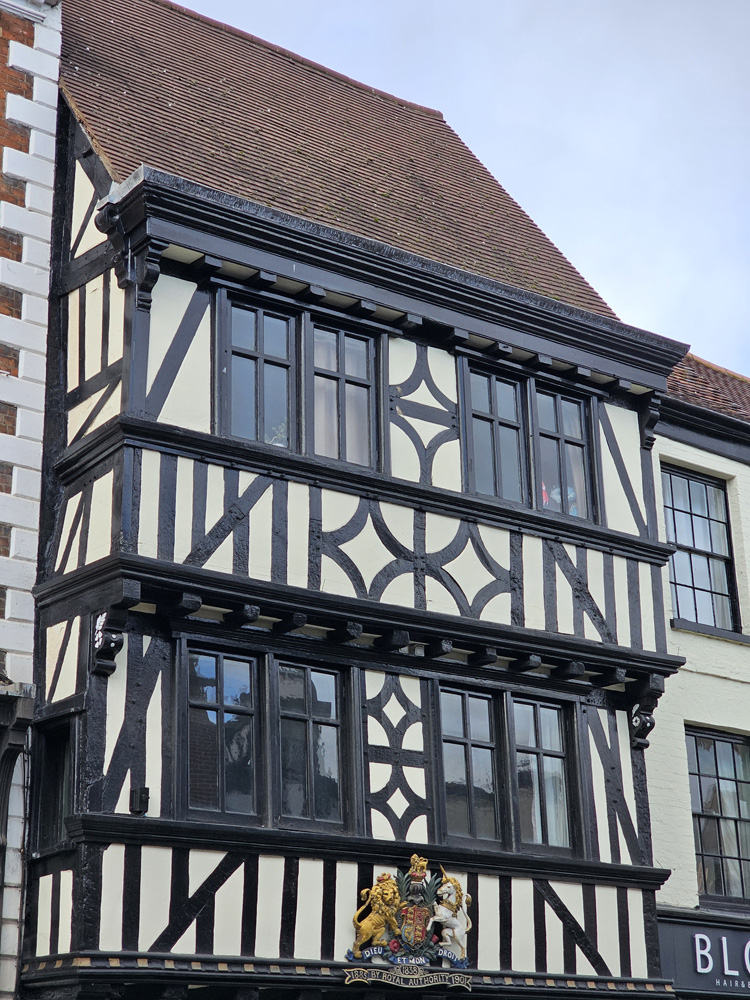
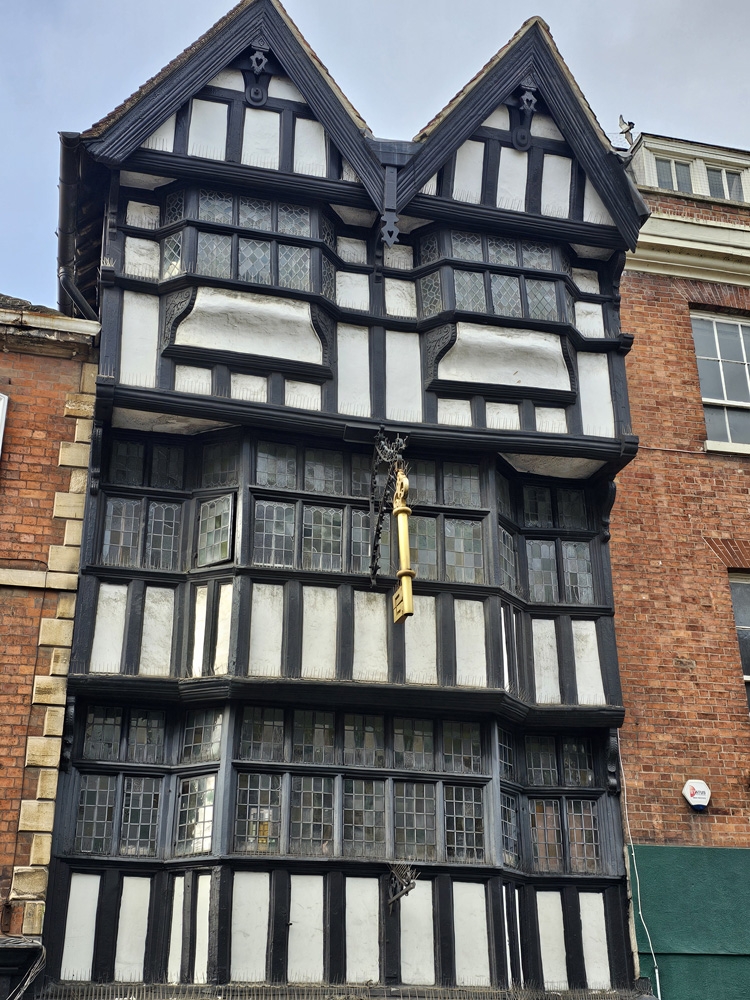
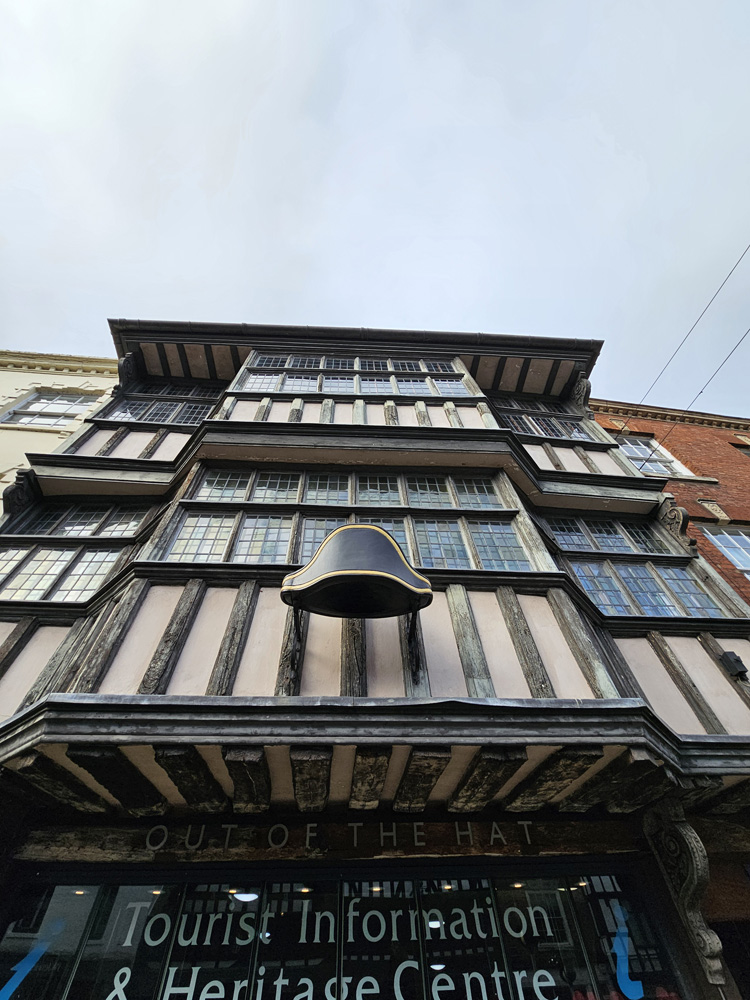
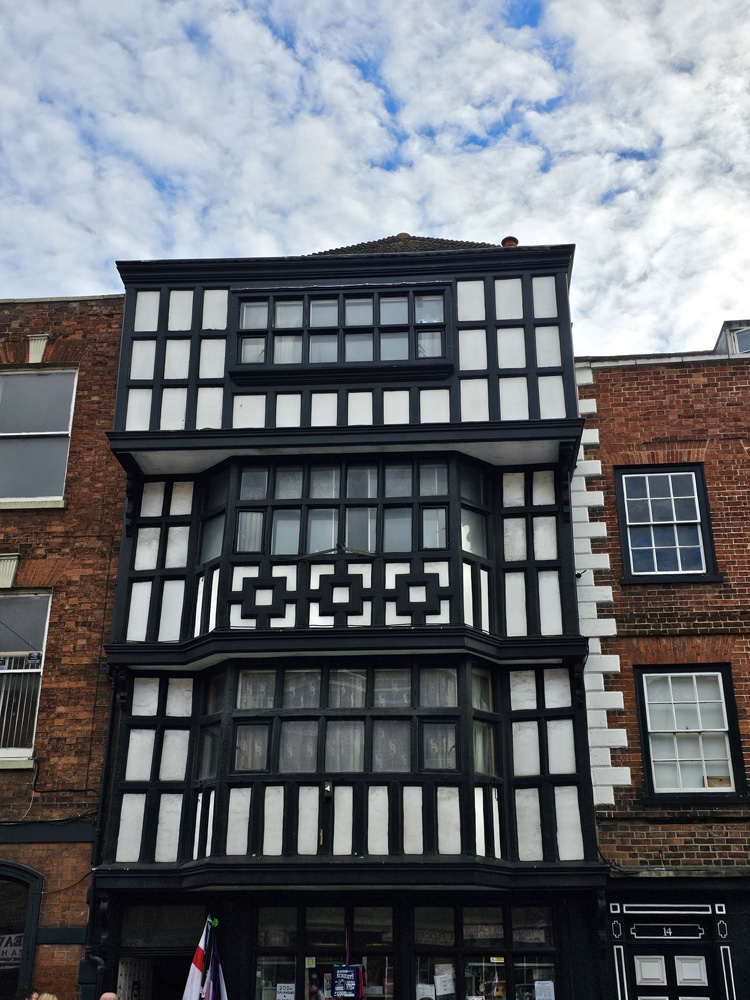
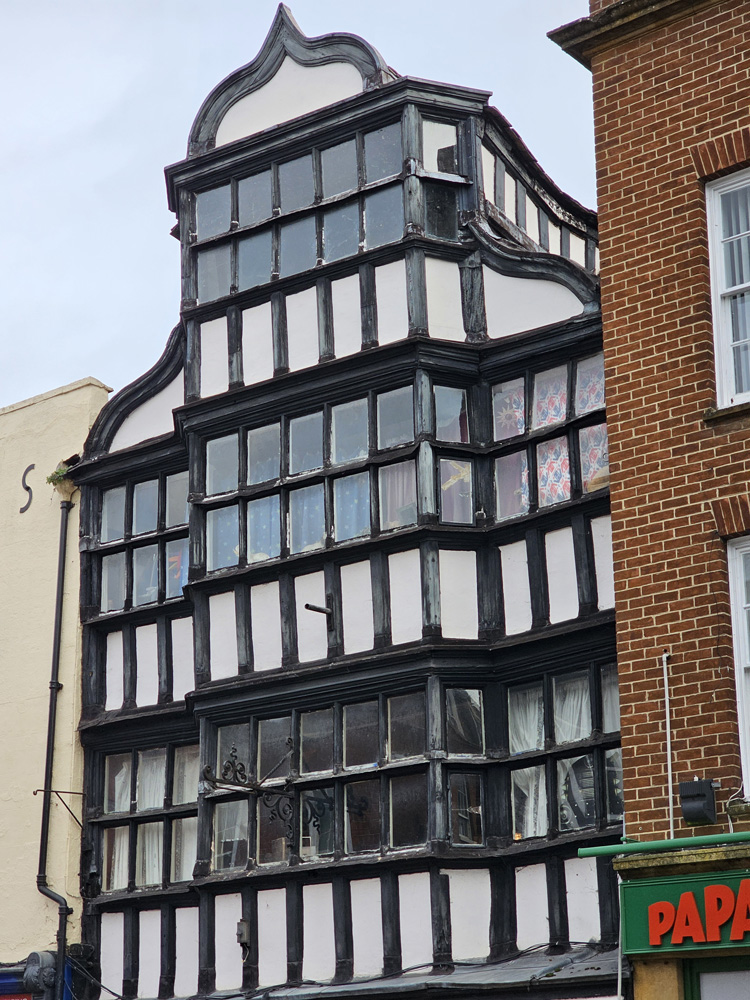
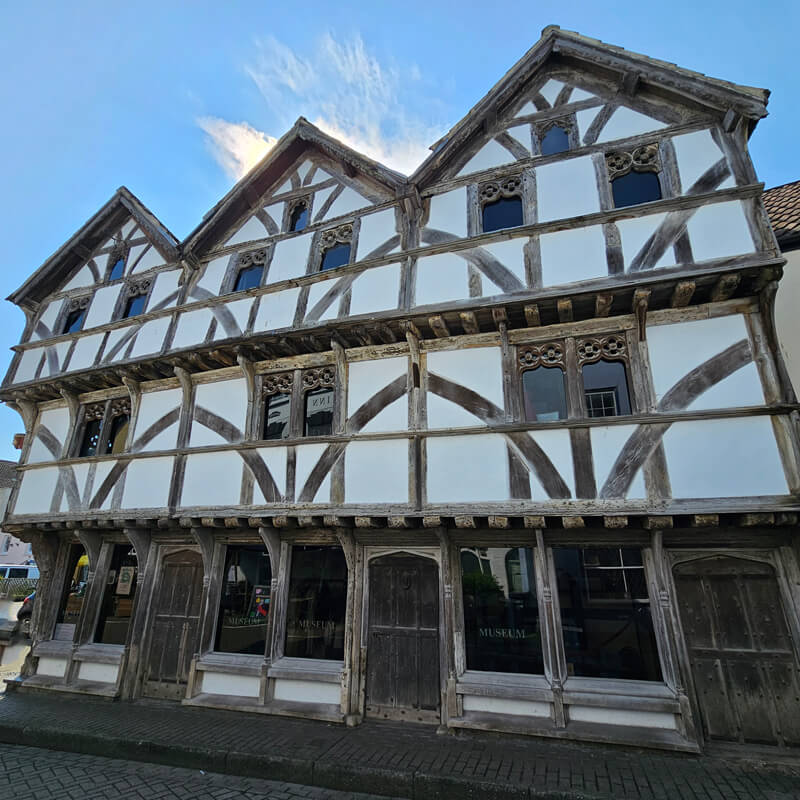
Tewkesbury also has an abundance of beautiful Tudor-style timber-framed buildings dotted about the town, including The Old Hat Shop, Cornell Books and Tewkesbury Museum.
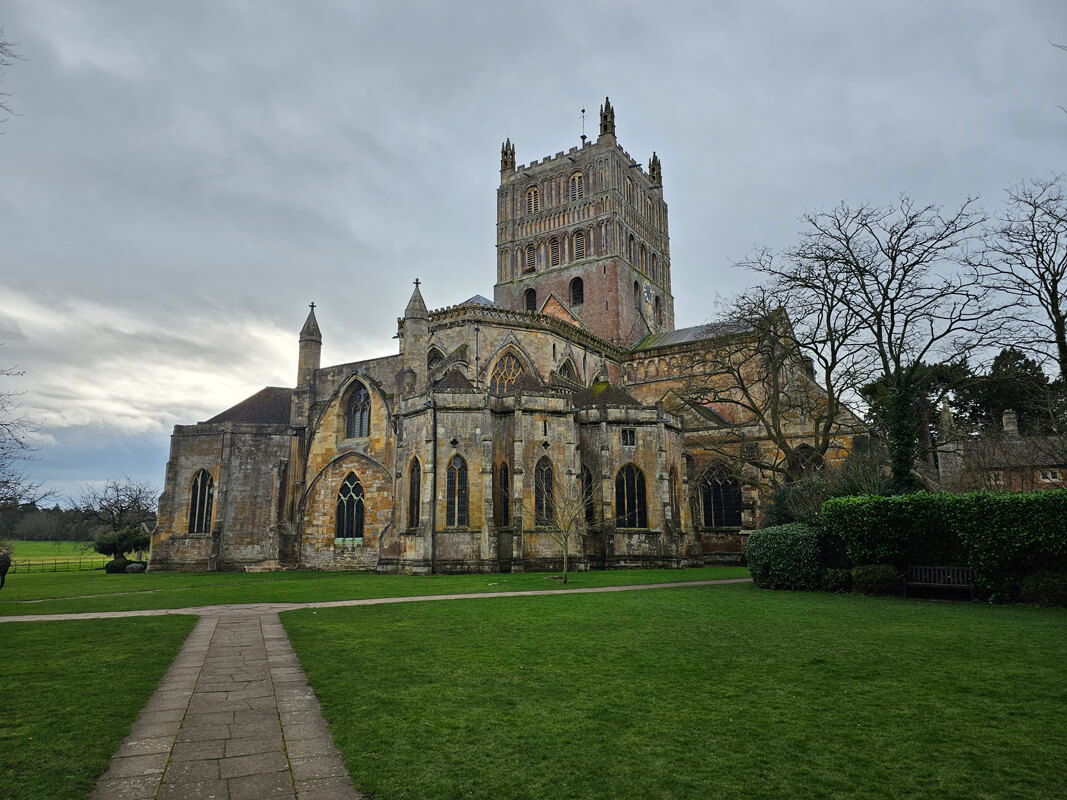
Tewkesbury Abbey
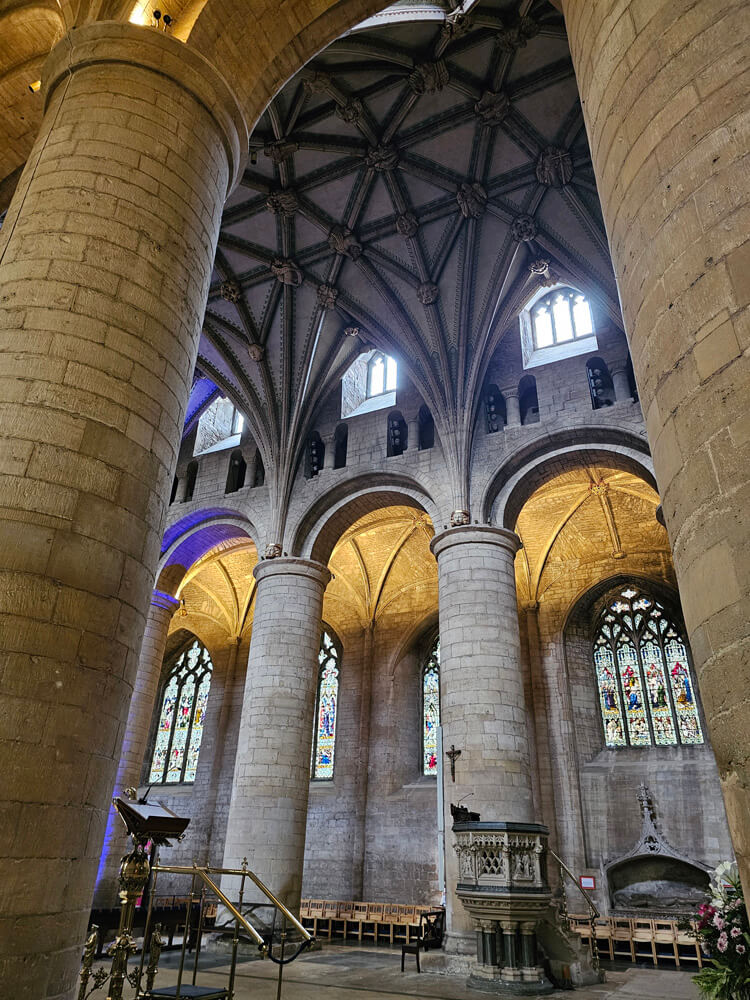
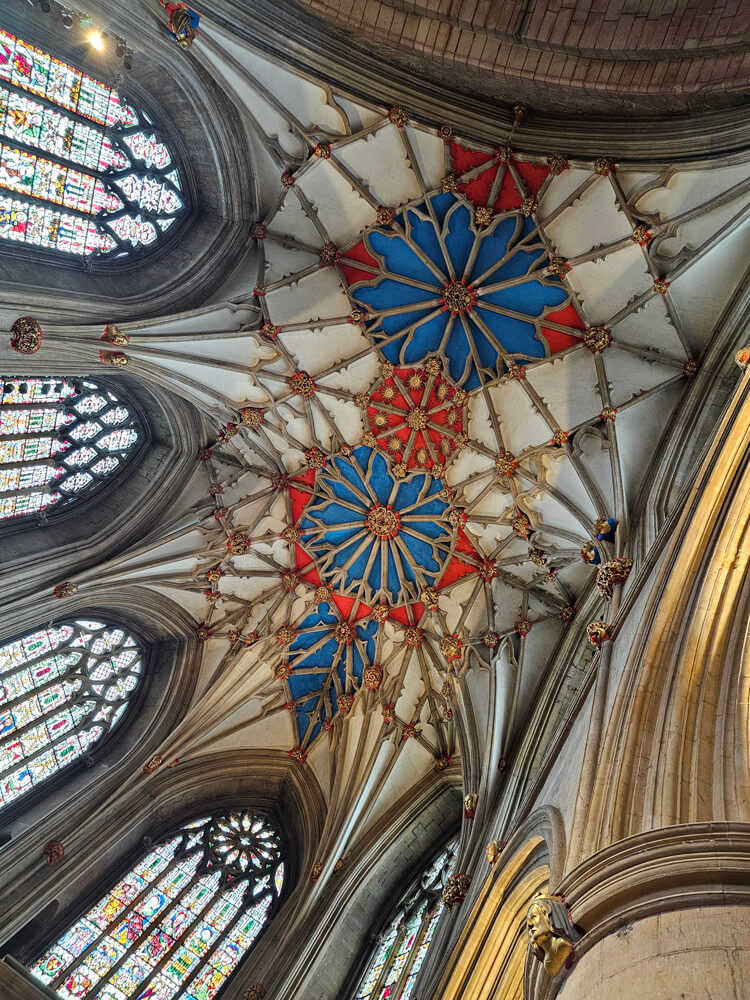
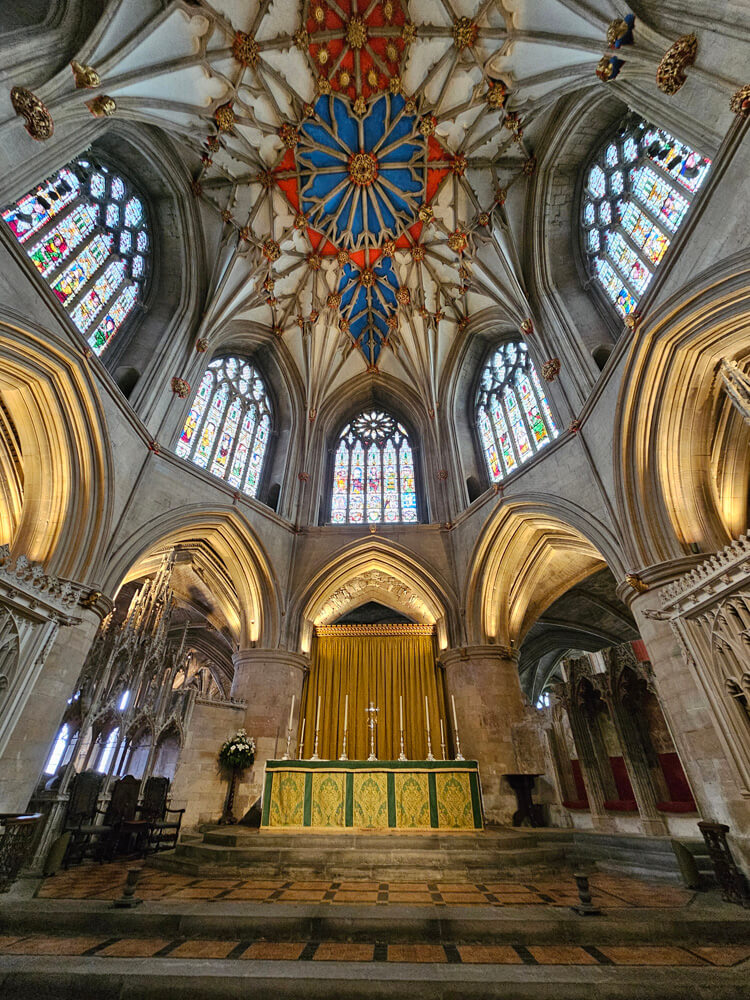
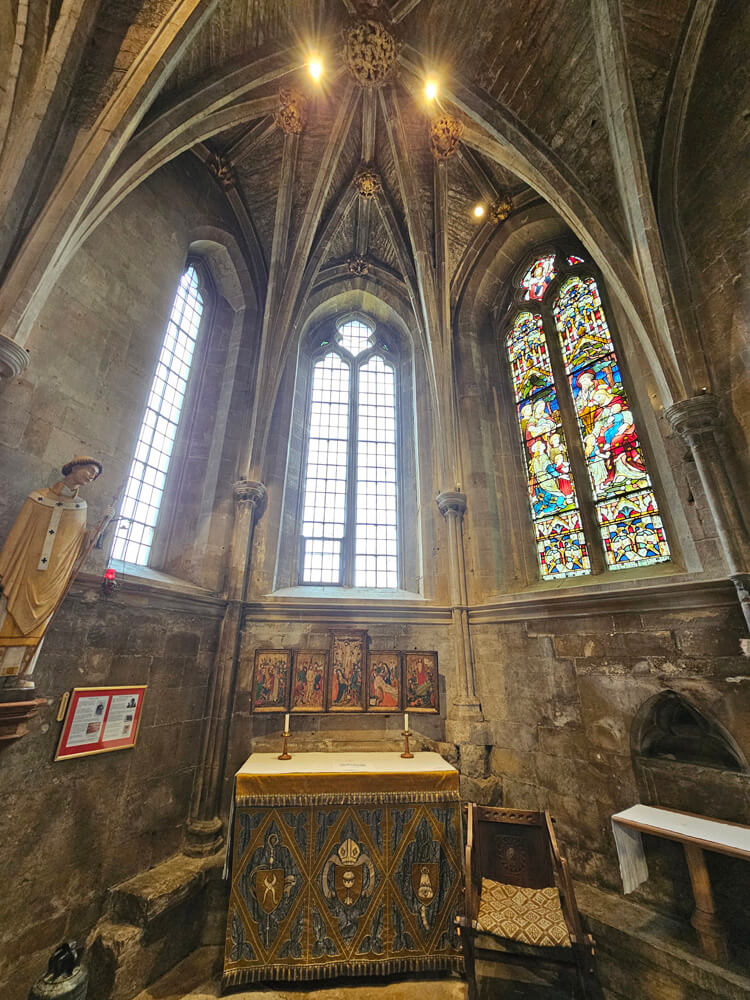
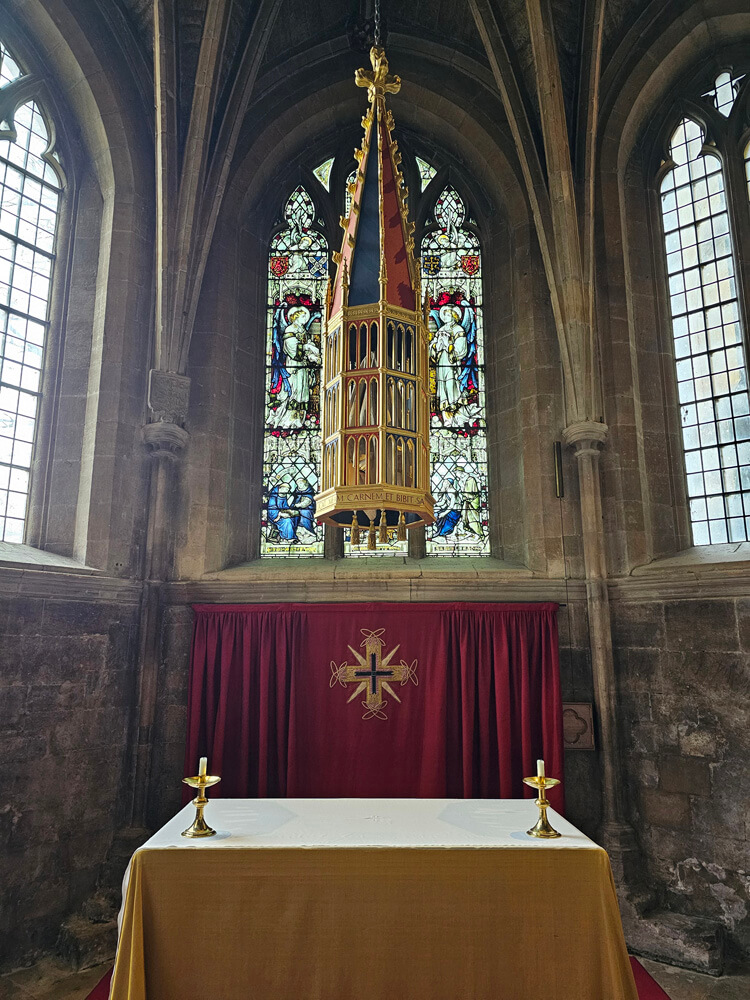
Considered one of the finest examples of Norman architecture in Britain; The Abbey Church of St Mary the Virgin, commonly known as Tewkesbury Abbey, is a beautiful 12th century building with around 900 years of fascinating history. It was once a Benedictine monastery and is now one of the largest parish churches in the country.
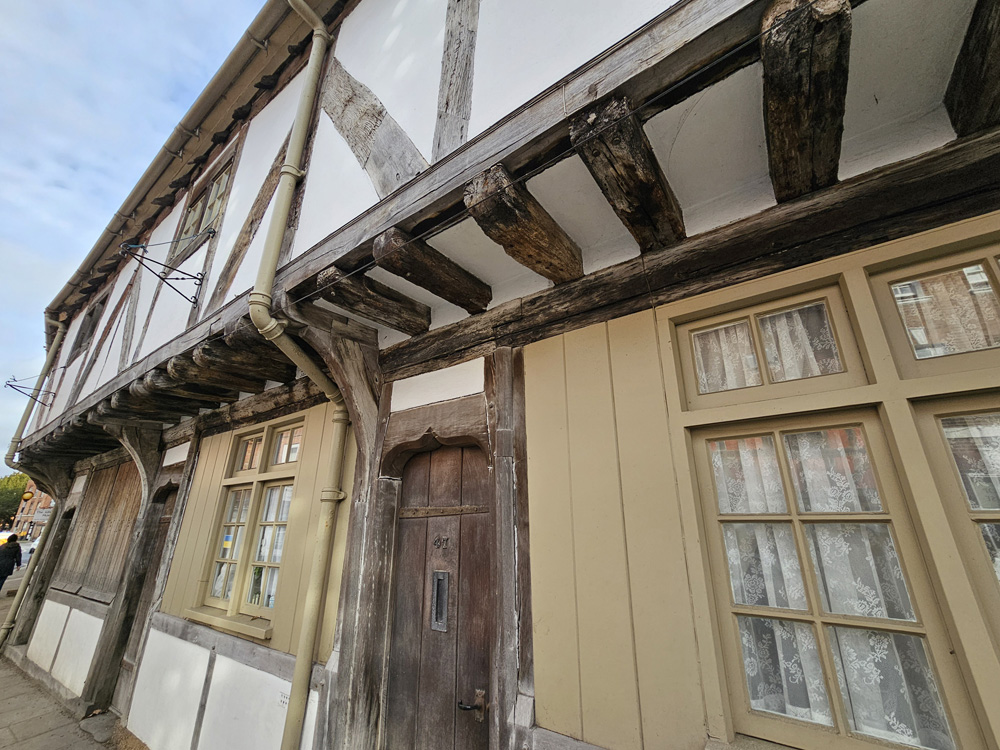
Historic Buildings
Tewkesbury has an abundance of Tudor-style timber-framed buildings dotted about the town. Most of these buildings are on Church Street, High Street and Barton Street. My personal favourites from each street are The Old Hat Shop on Church Street, Cornell Books (formally the Wheatsheaf Inn) on High Street, and Tewkesbury Museum on Barton Street.
Photo Gallery.
Did you enjoy this post?
I hope you found this post useful. I put a great deal of time and effort in to building, maintaining and populating the website. If you like, you could say a small thank you by buying me a coffee. You don't have to, but it would be nice :)
Buy me a coffee
Stay up to Date
Follow me on my journey and get notified whenever a new post is published by following Kings & Castles on Facebook.
Follow MeExplore The Map
Discover the hundreds of castles, churches, monasteries, cathedrals and other historic locations that I've personally visited across England and Wales. Search by location, explore nearby sites and plan your next historical adventure.
Share: