The Medieval Town of Ludlow
Close to the England–Wales border, and described as “probably the loveliest town in England”, is the beautiful market town of Ludlow in Shropshire. With its picturesque streets, historic buildings and impressive medieval castle, Ludlow is a town steeped in history and charm. Its rich heritage, traditional market and fine architecture make it one of the most attractive historic towns in the English countryside.
The History of Ludlow
Ludlow and its famous castle are perched on a cliff above the picturesque River Teme. The name of the town is believed to derive from two Old English words; hlud (meaning loud and describing the river) and hlaw (meaning hill), so a place ‘on a hill by the loud river’. Leadlowe and Ludlowe were the Saxon names for the town, and the Celtic Britons (who became the Welsh) referred to it as Dinham, which translates as ‘The Palace of Princes’. The Modern Welsh name for Ludlow is Llwydlo. It was also referred to as Lodelowe before the 12th century.
After the Norman conquest, Ludlow was chosen as a strategic location and became one the jewels of the Welsh Marches to defend the English/Welsh border and subdue the local Anglo-Saxon population. The De Lacy family became the local Norman overlords, and Construction of Ludlow Castle started in around 1085 under the command of Roger de Lacy, as one of a line of castles along the Welsh Marches, and a settlement soon grew up around the castle.
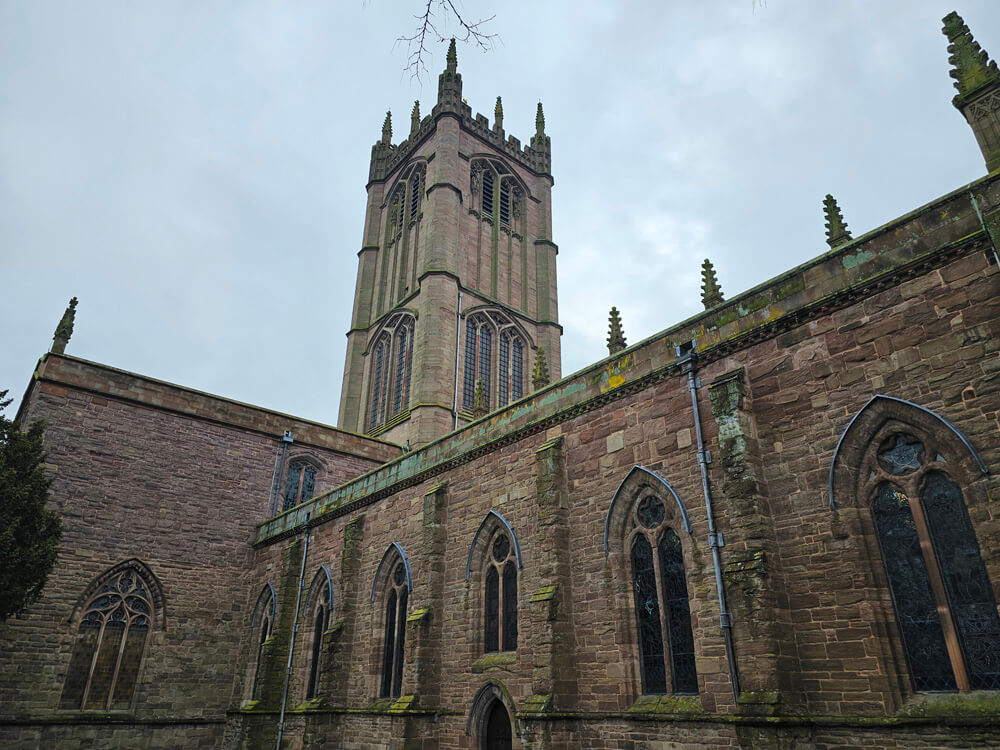
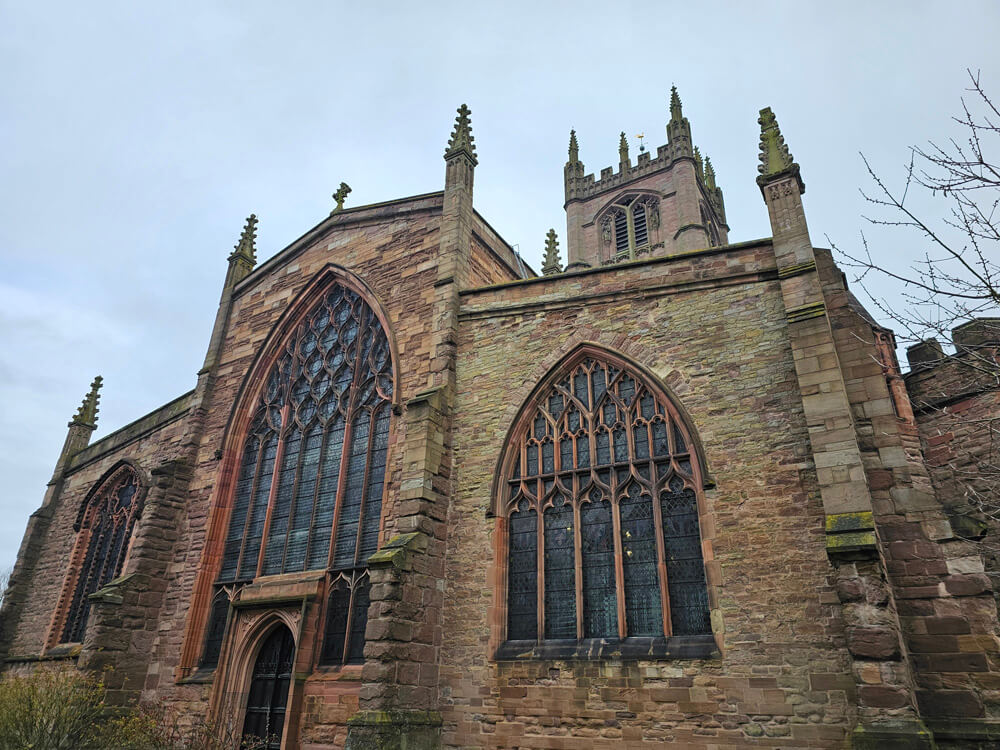
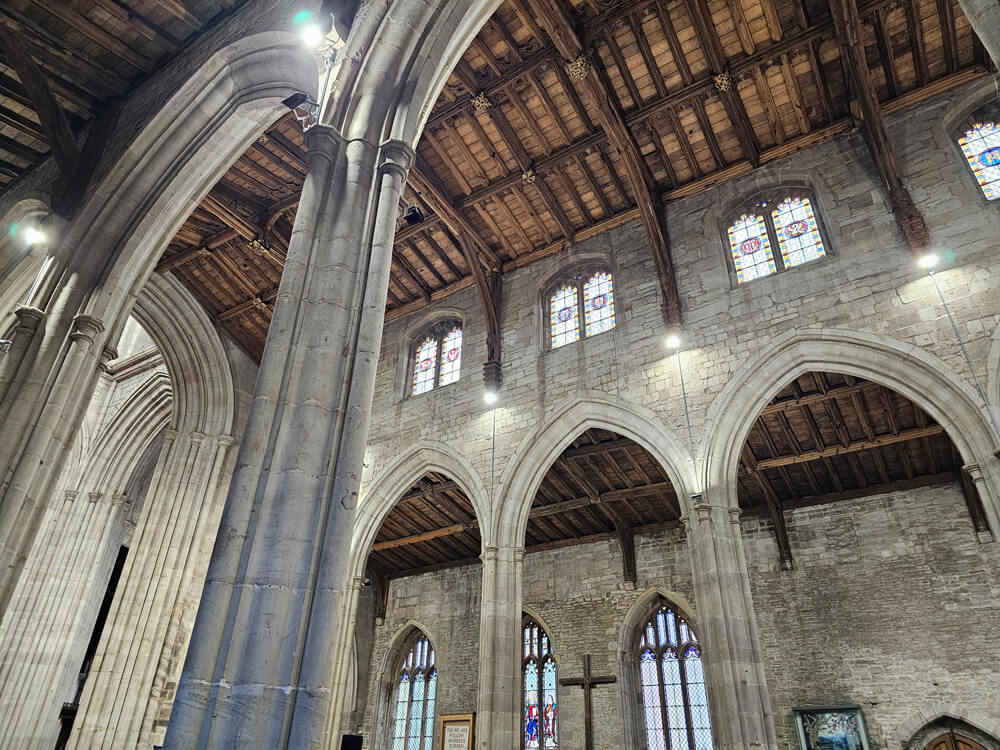
St Laurence’s Church was established as a place of worship in association with the founding of the town by the Normans in the late 11th century, and was expanded and rebuilt in the year 1199 to accommodate the town’s growing population.
During the 12th century, Ludlow’s town layout was carefully planned by the Normans, developed around a grid network of streets, and the medieval street plan in the centre of the town is still very obvious today. The wide main streets were intersected by narrow side streets, with the flow of people drawn to the centre for the market, church and castle.
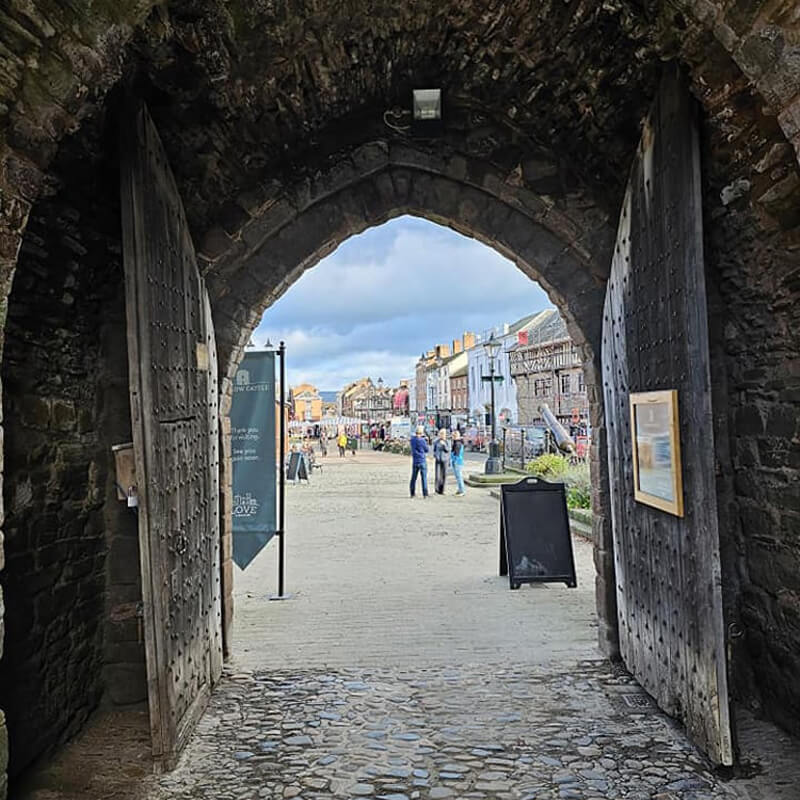
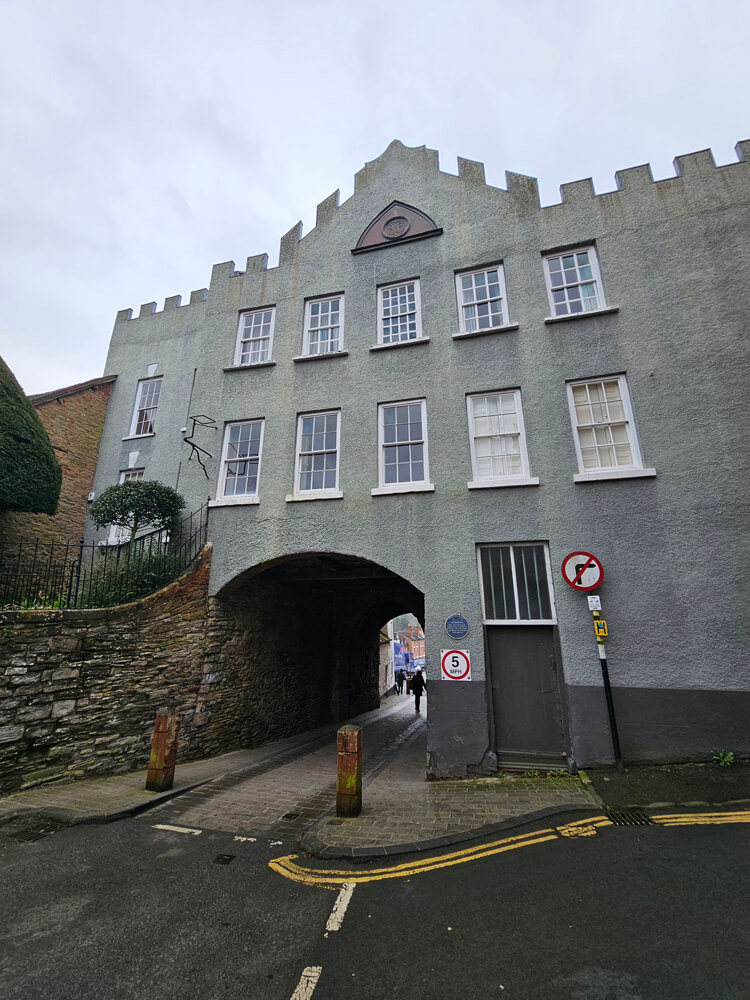
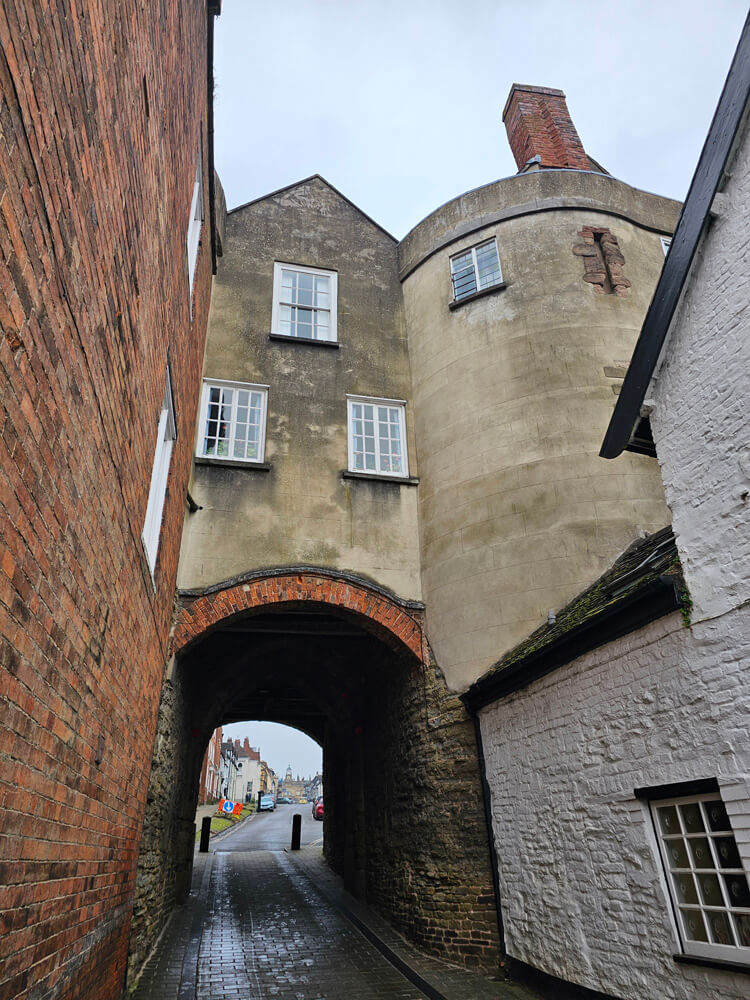
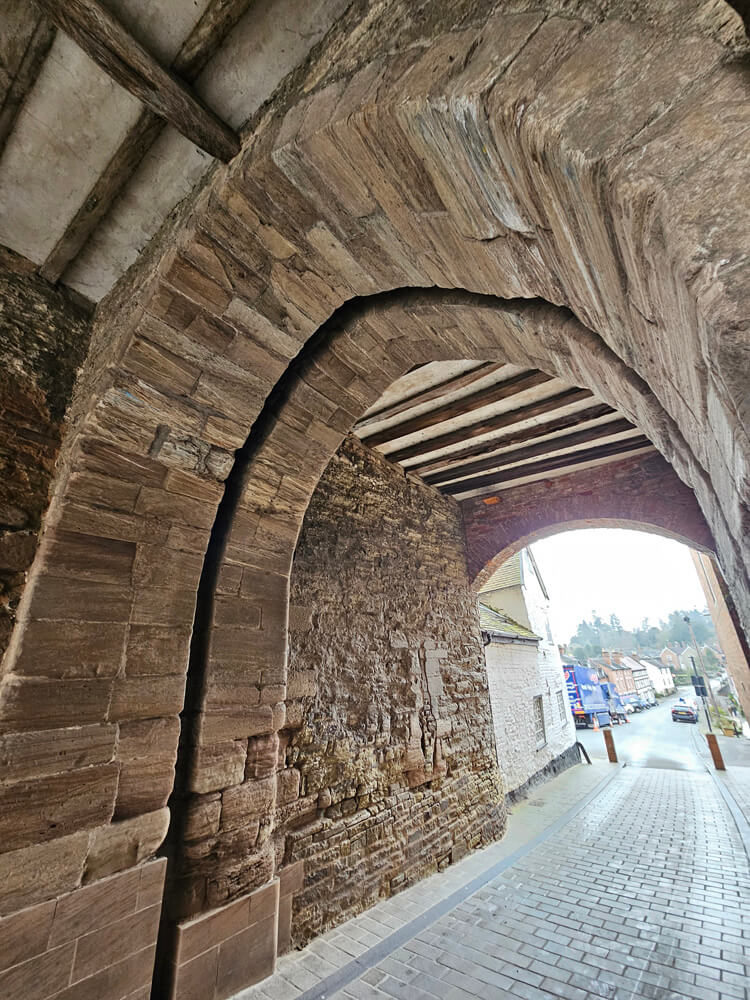
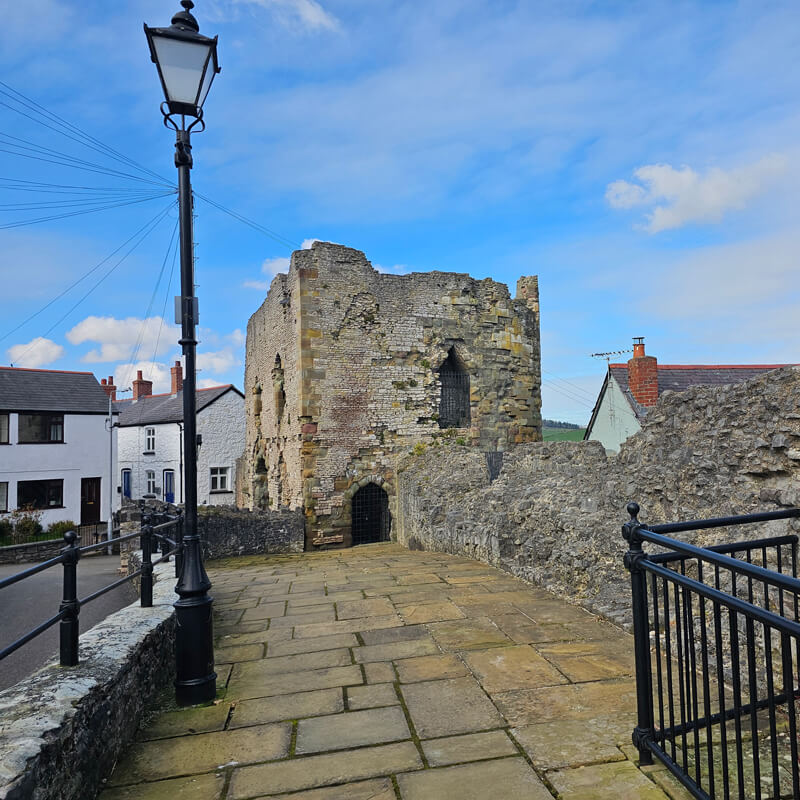
In the 13th century the town walls were constructed and Ludlow became a fortified town. The defensive walls were built to protect the town from the threat of Welsh attack, encompassing parts of the existing town and the castle. Along the town walls were seven gates and at least three mural towers. Today, only parts of the medieval wall circuit survives, and Broadgate is the sole surviving medieval gate.
During the Wars of the Roses, the Lancastrian forces captured Ludlow in 1459, until it was lost to the Yorkists when they won control of England in 1461. Ludlow rose in prominence under the reign of Edward IV and it was incorporated as a borough and began sending representatives to Parliament. Edward set up the Council of Wales and the Marches in the 1470s and Ludlow became one of its headquarters, the other being Shrewsbury.
Under Henry VII the town served as the administration centre for Wales and the counties along the border, and as the effective capital of Wales. The Council of the Marches was abolished by William III and Mary II as part of the Glorious Revolution in 1689, at which point Ludlow Castle was abandoned and it gradually fell in to decay.
Ludlow Today
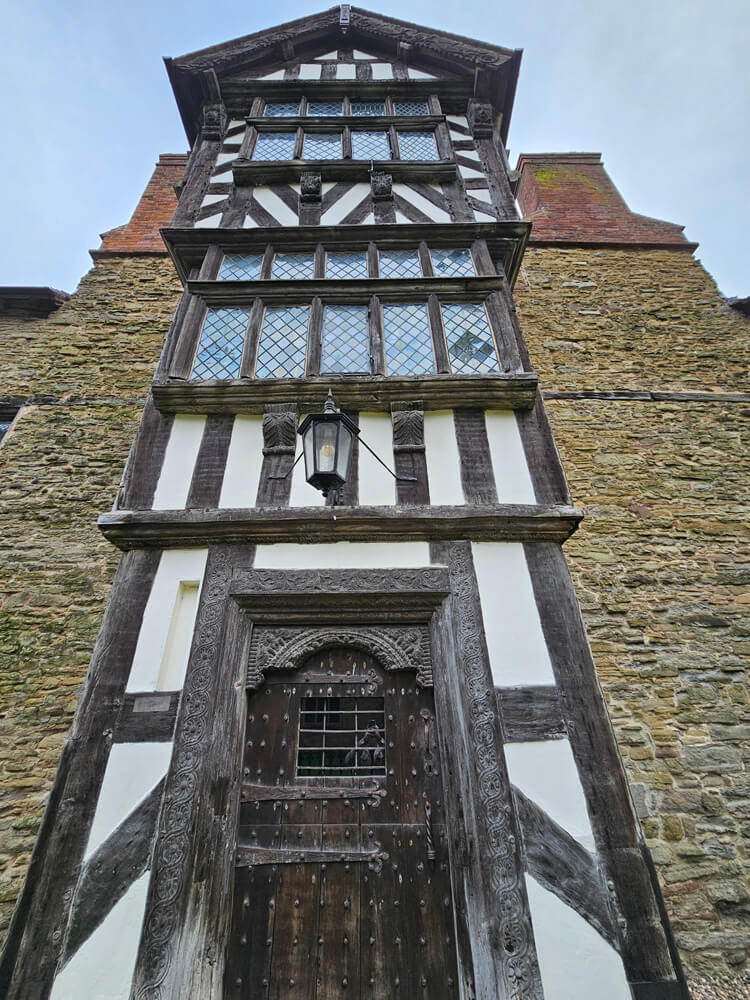
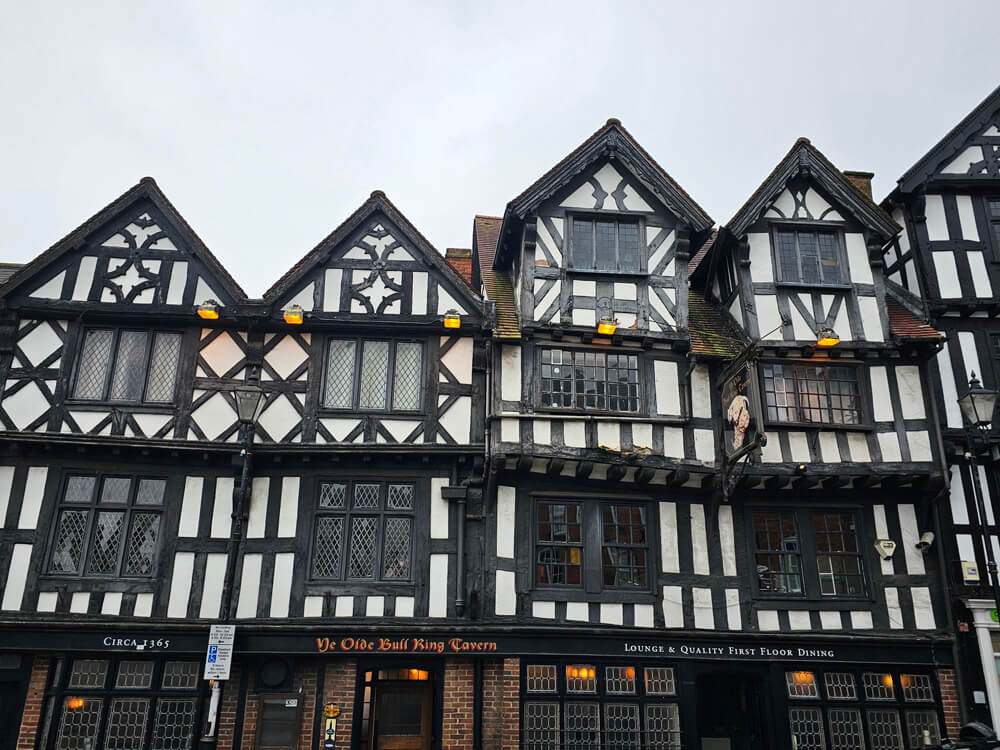
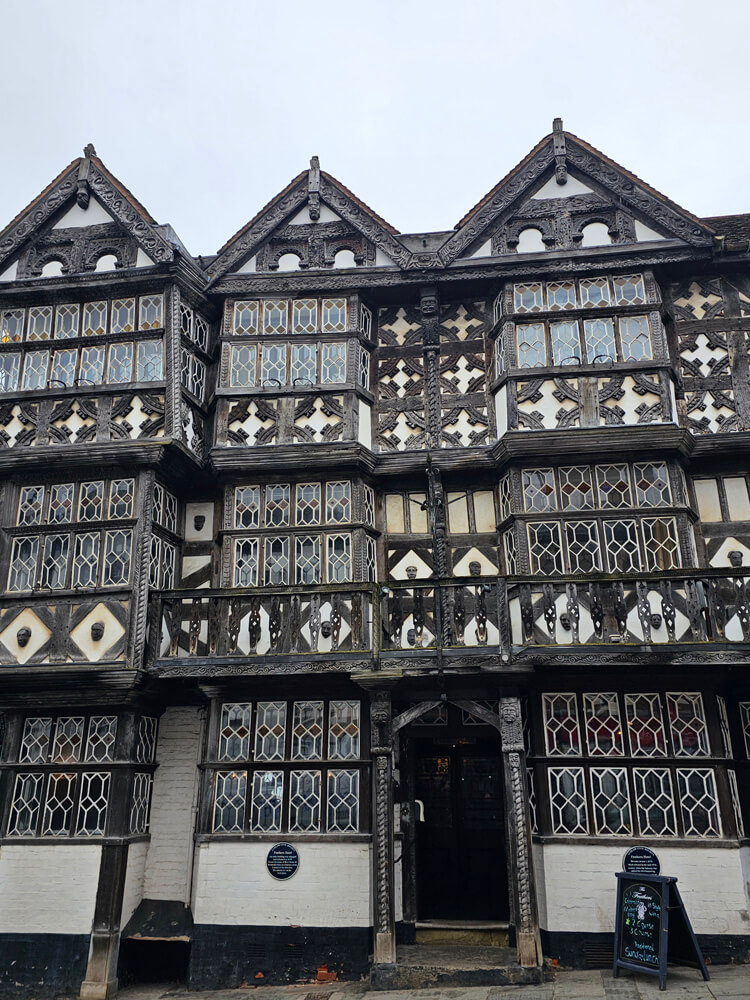
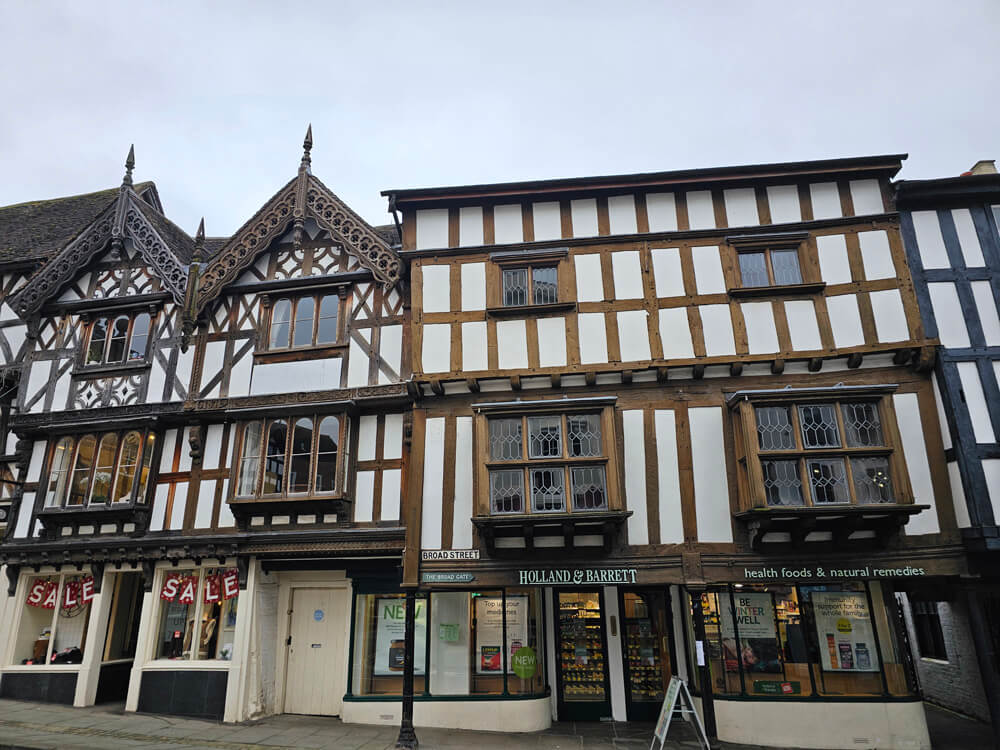
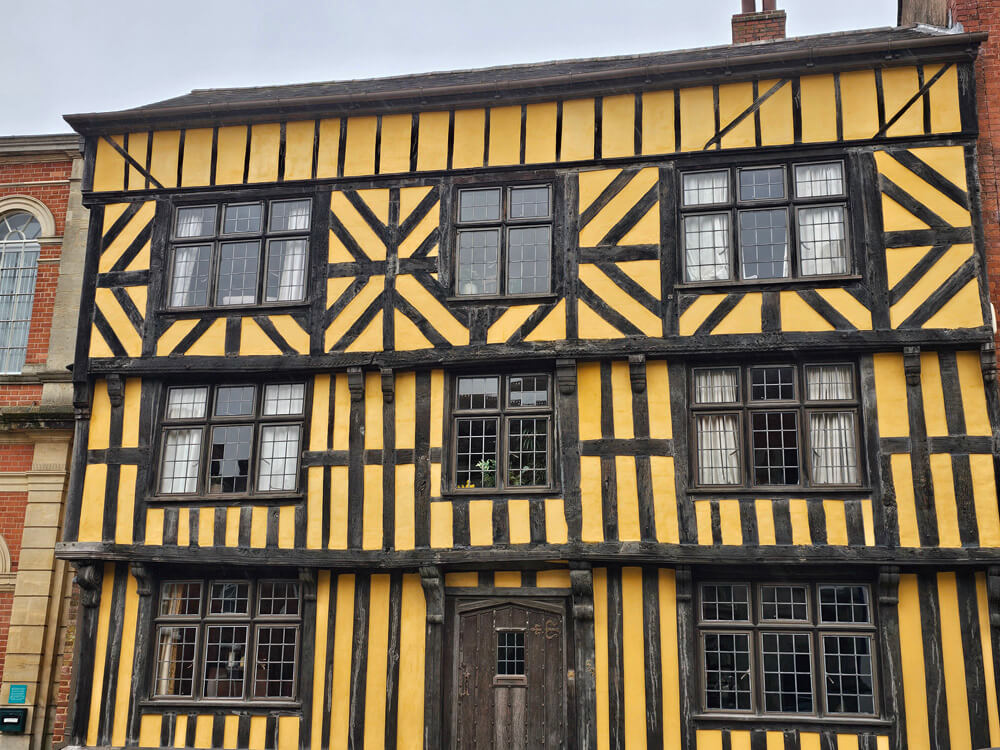
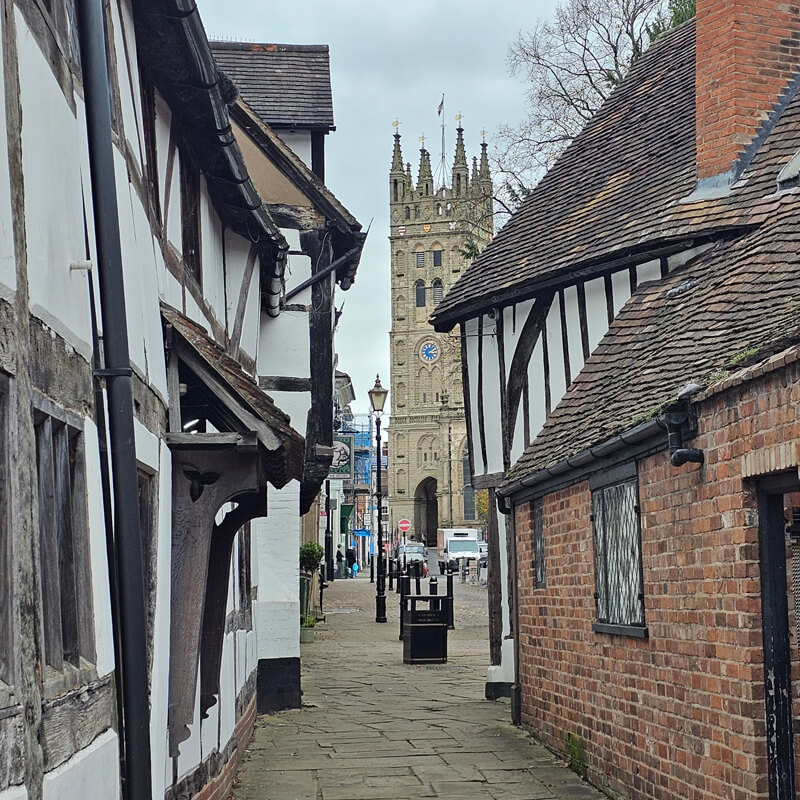
Today, Ludlow is famous for its castle, but it’s also home to over 500 listed buildings, including an abundance of pretty Tudor-style timber-framed buildings, and the largest parish church in Shropshire; St Laurence’s Church.
Ludlow Castle
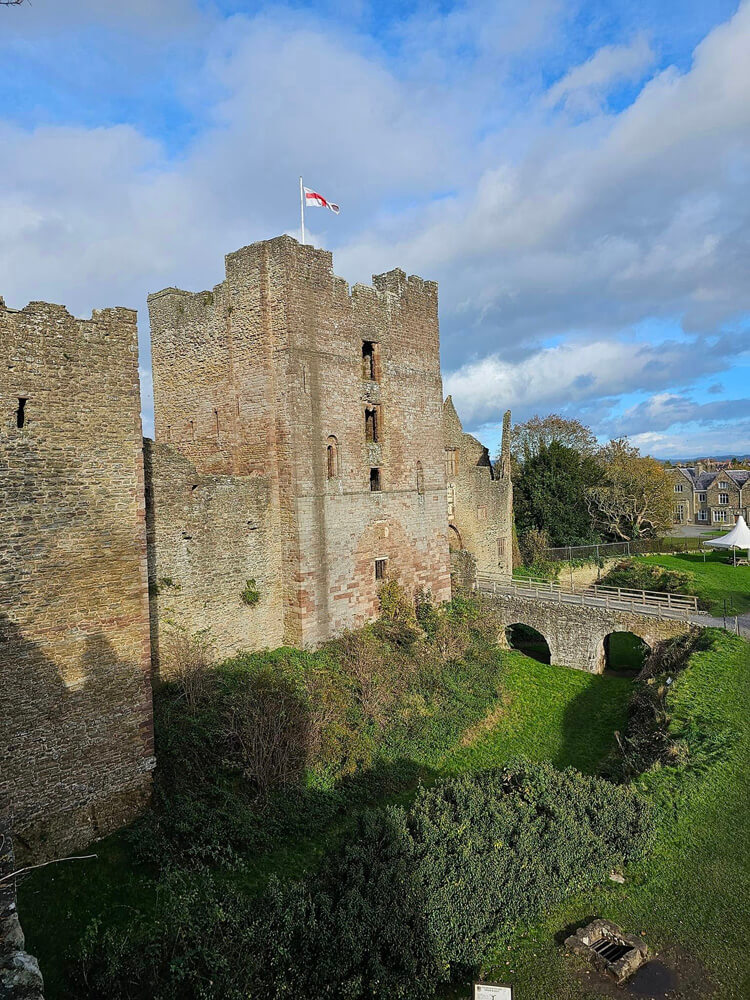
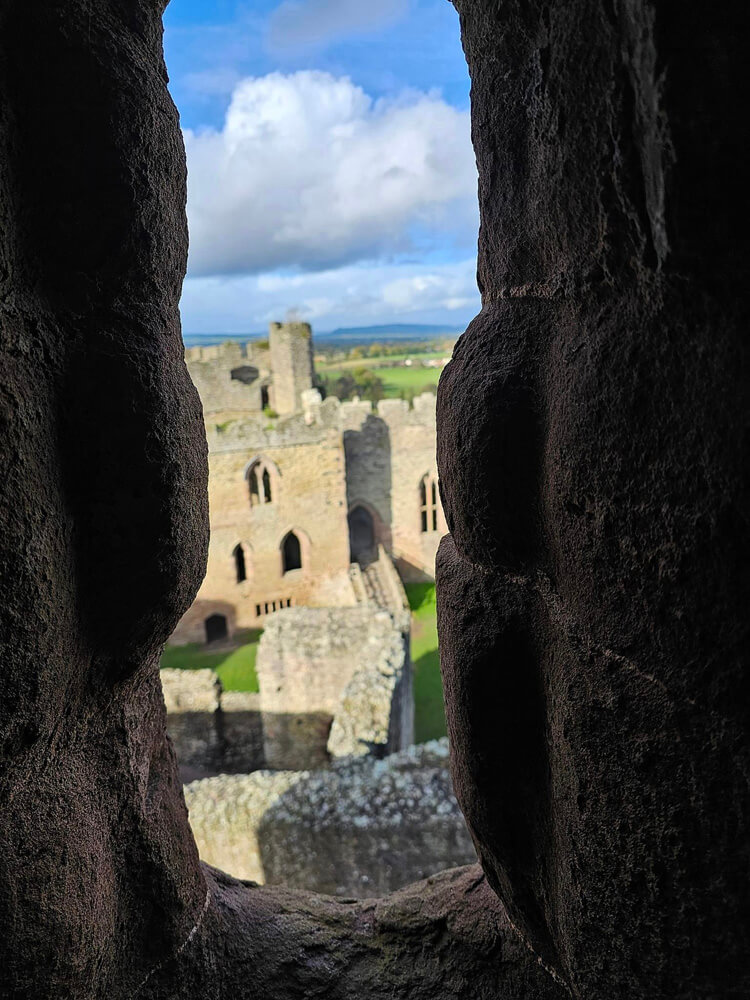
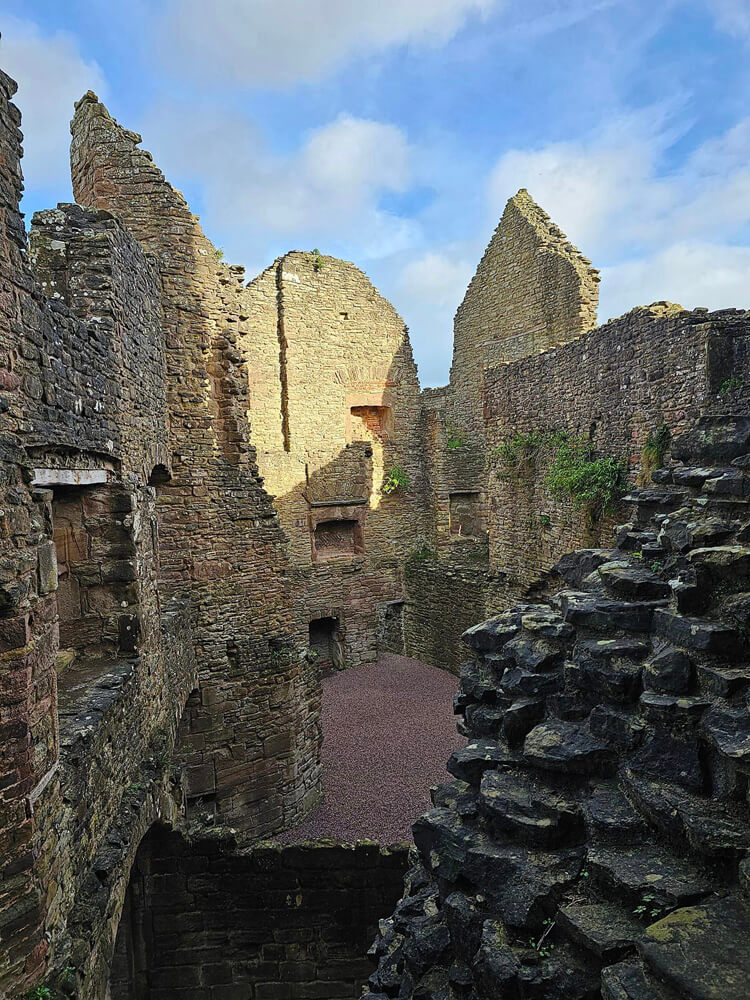
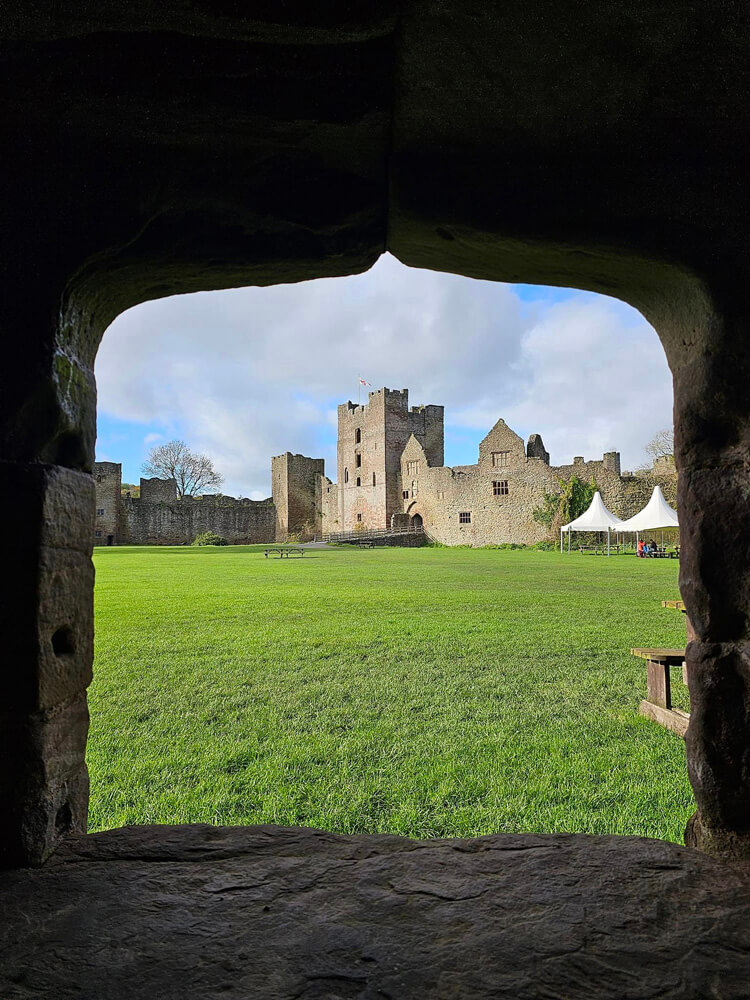
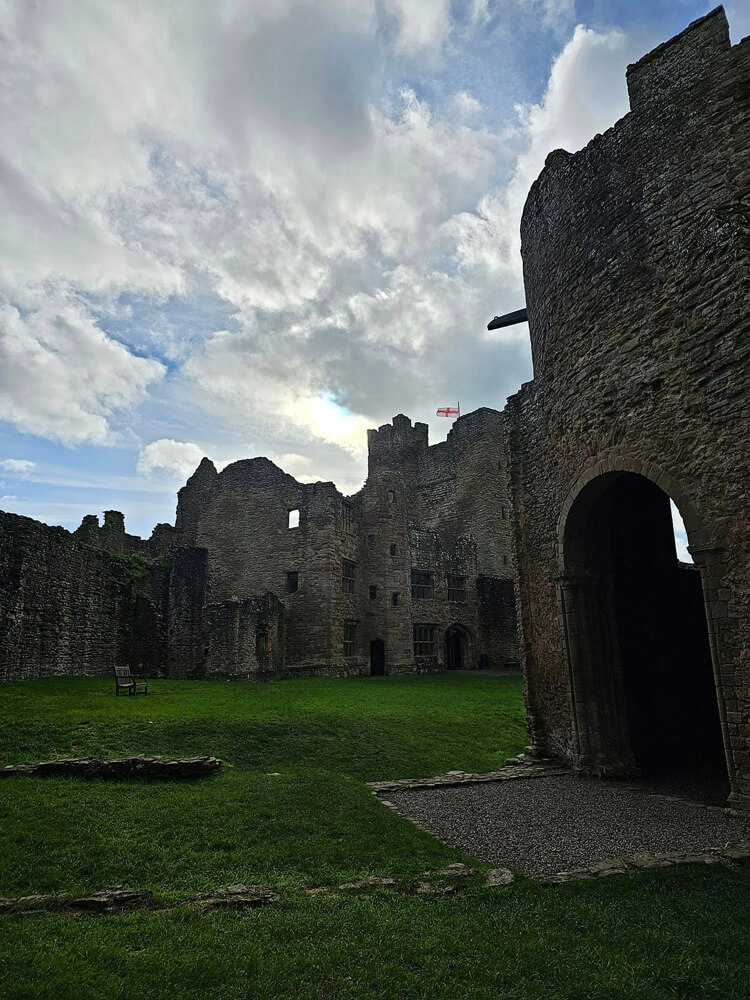
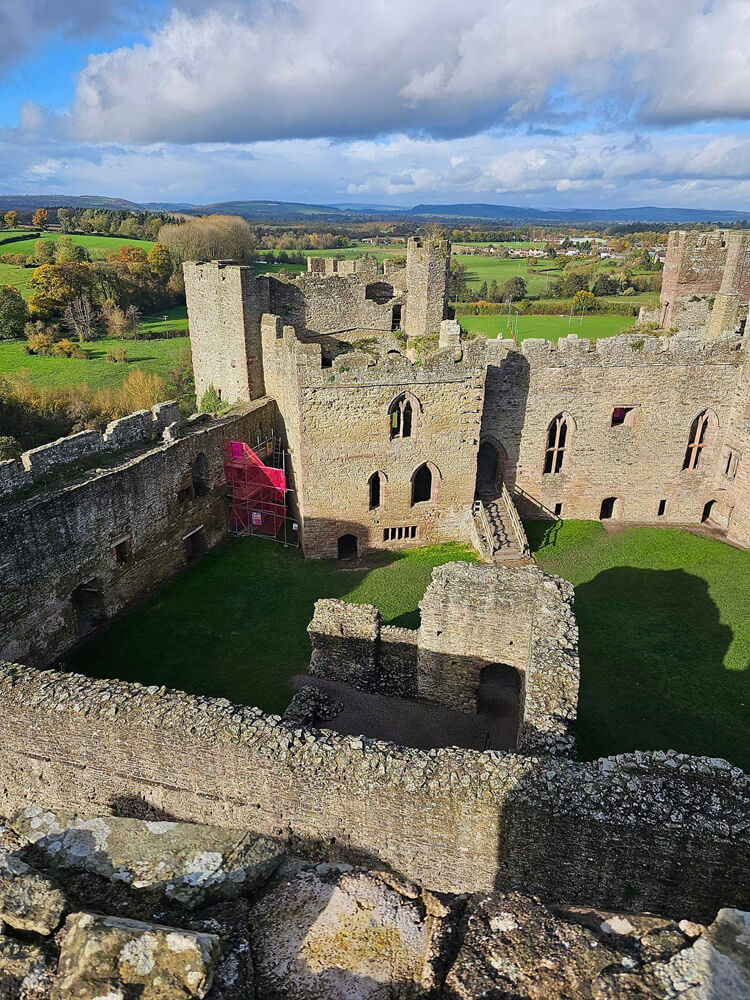
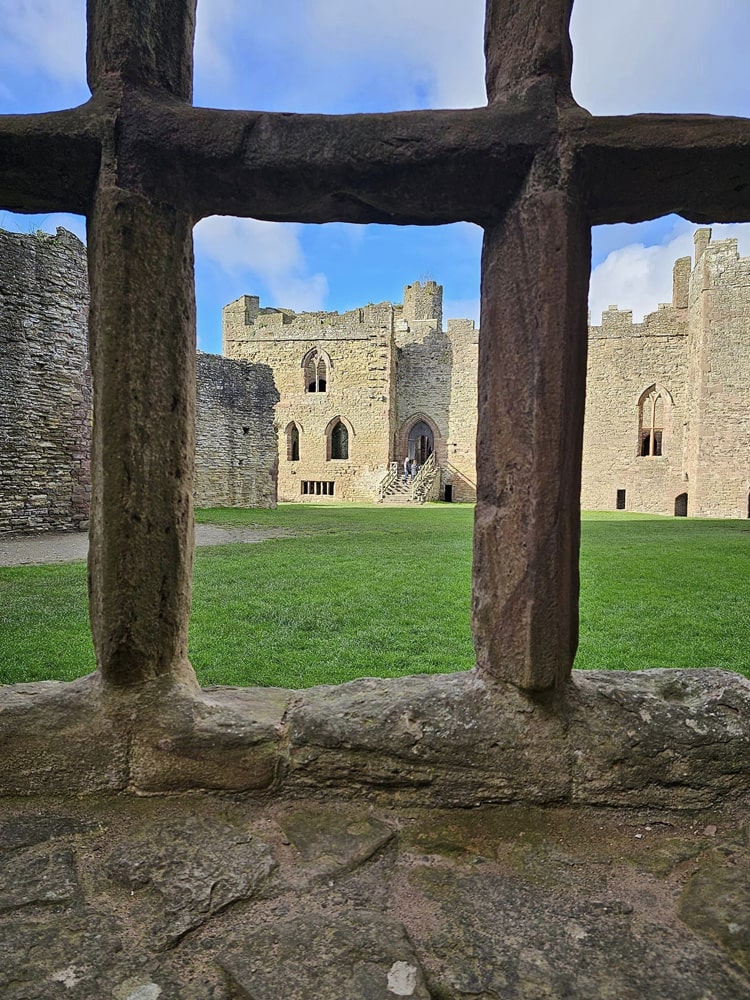
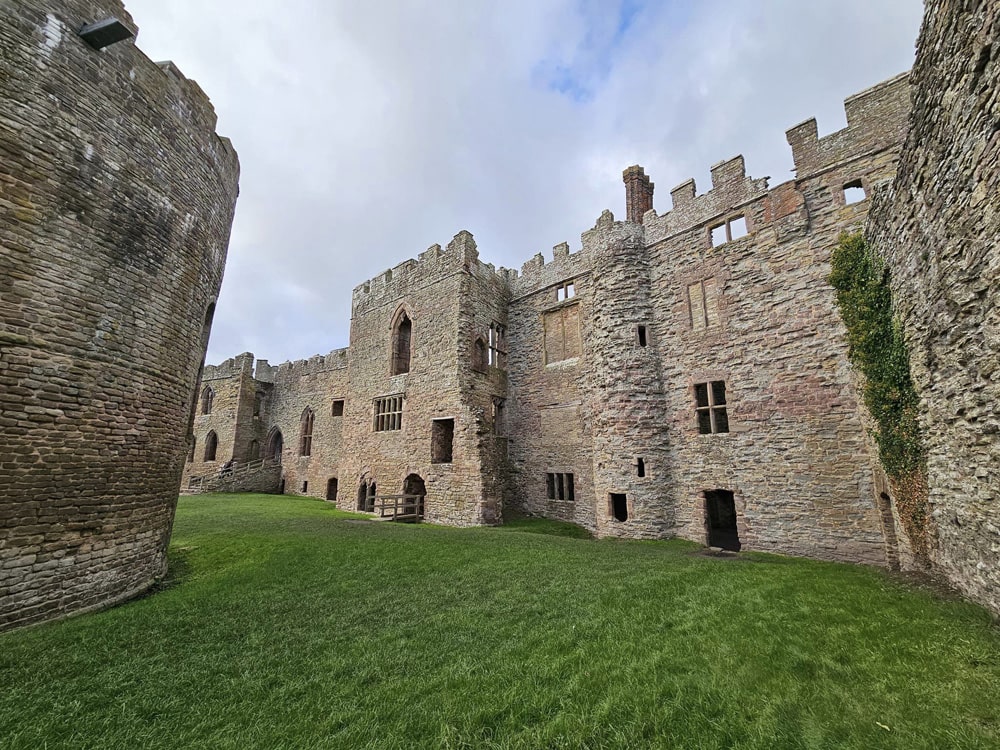
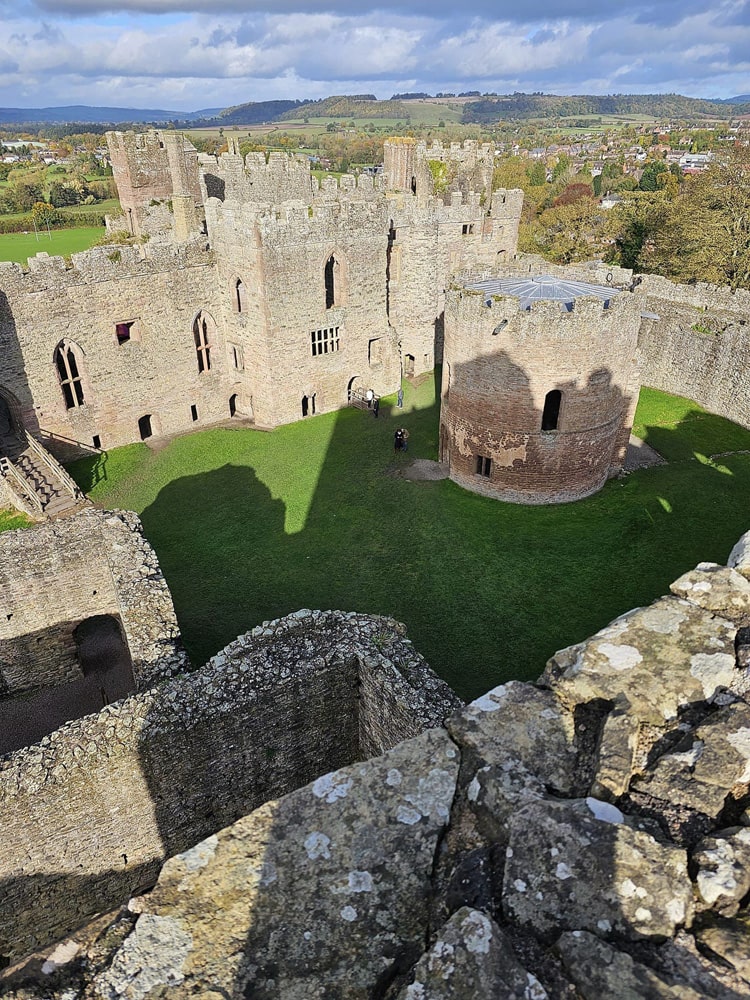
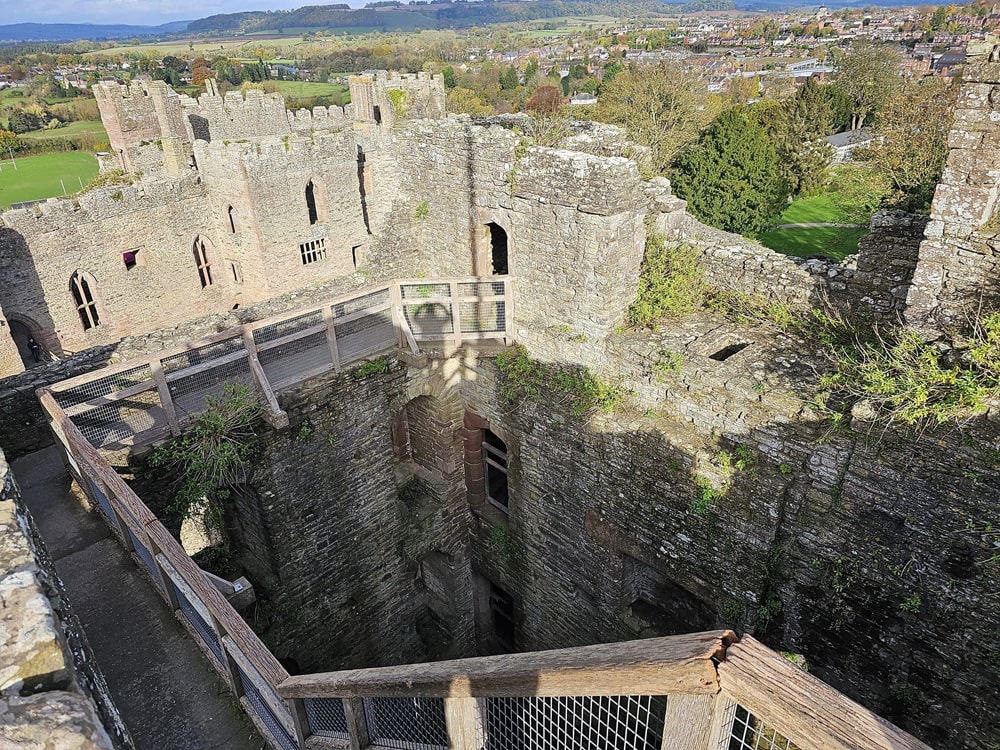
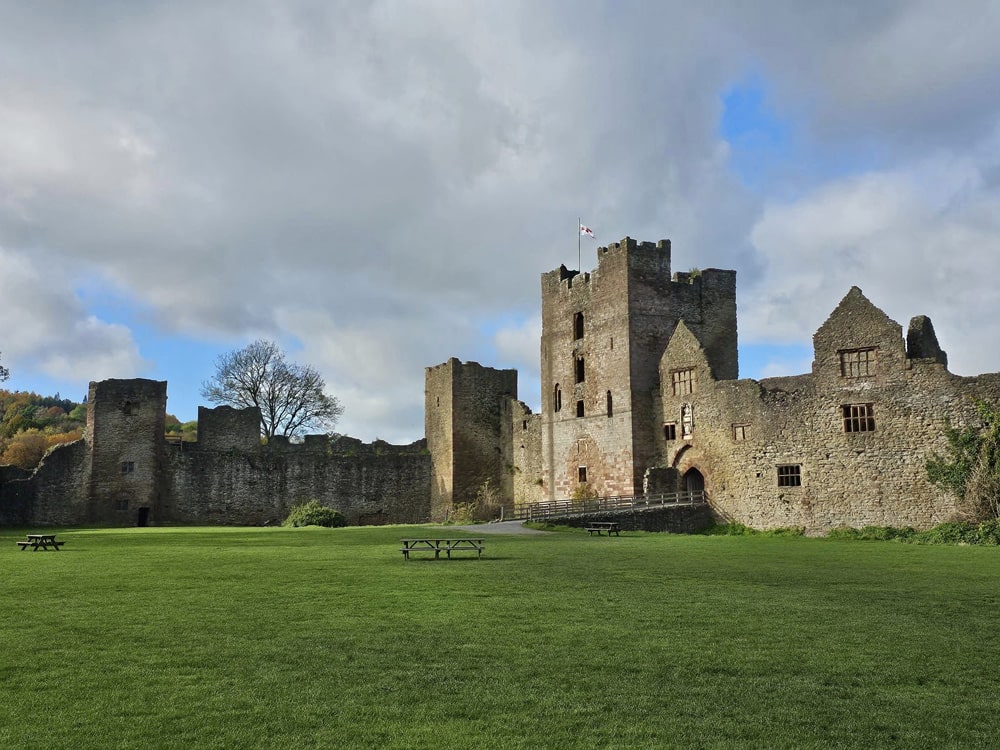
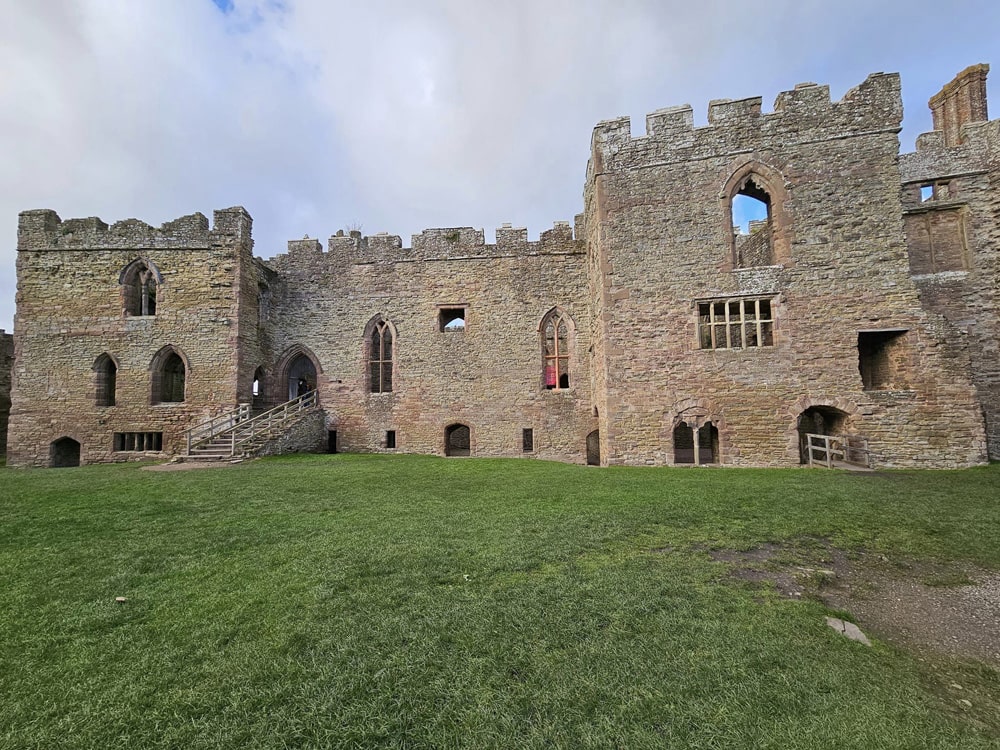
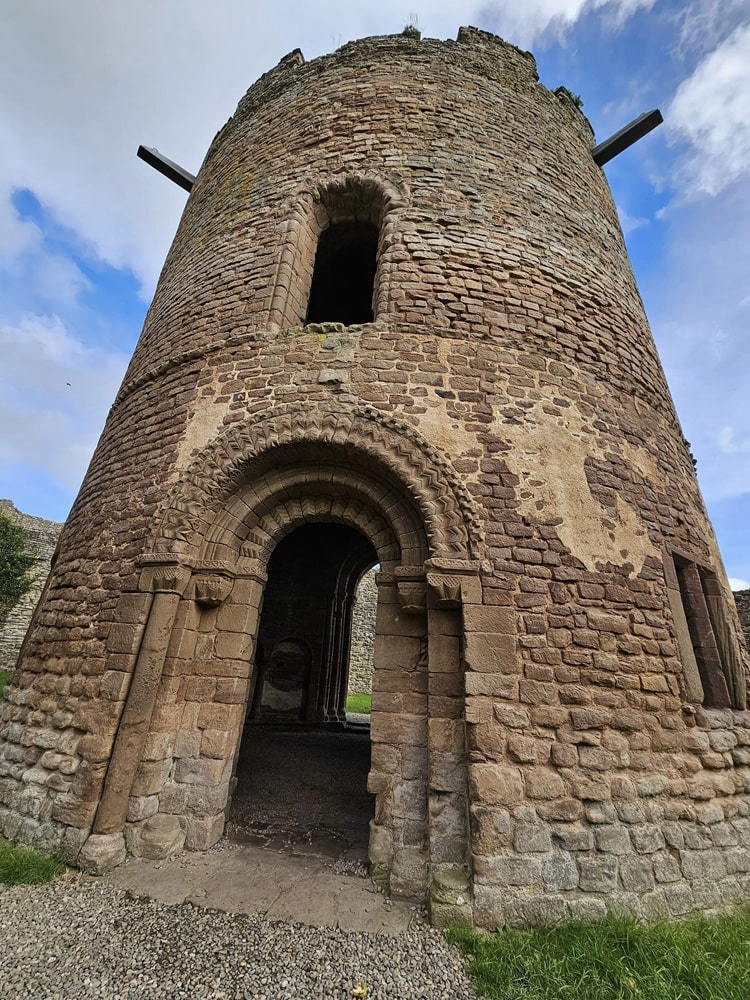
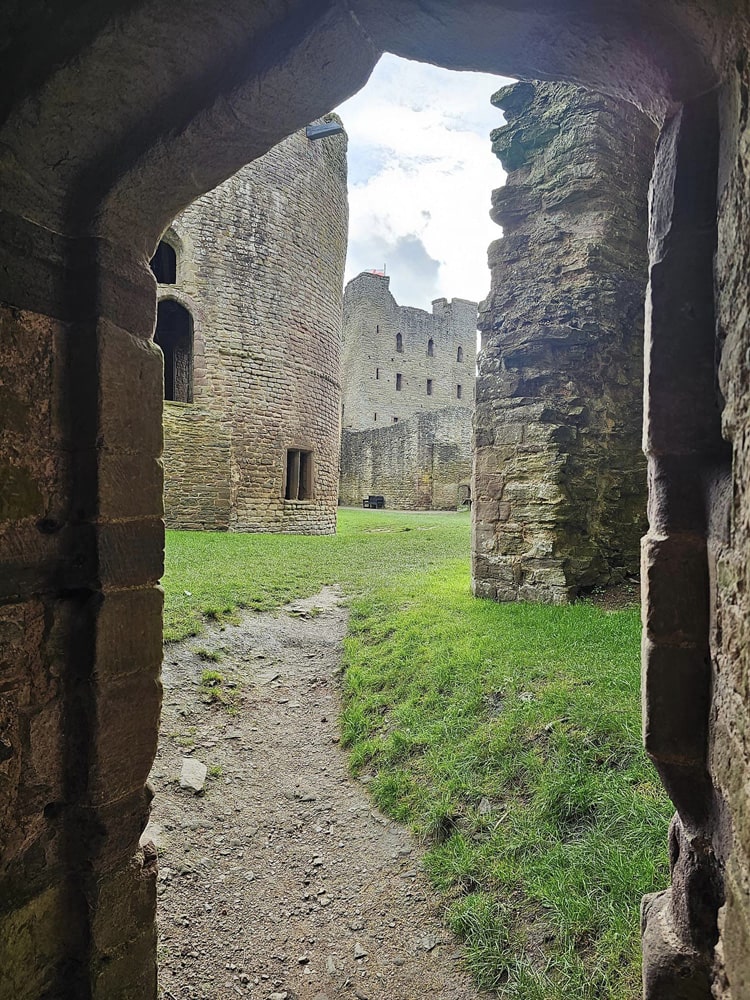
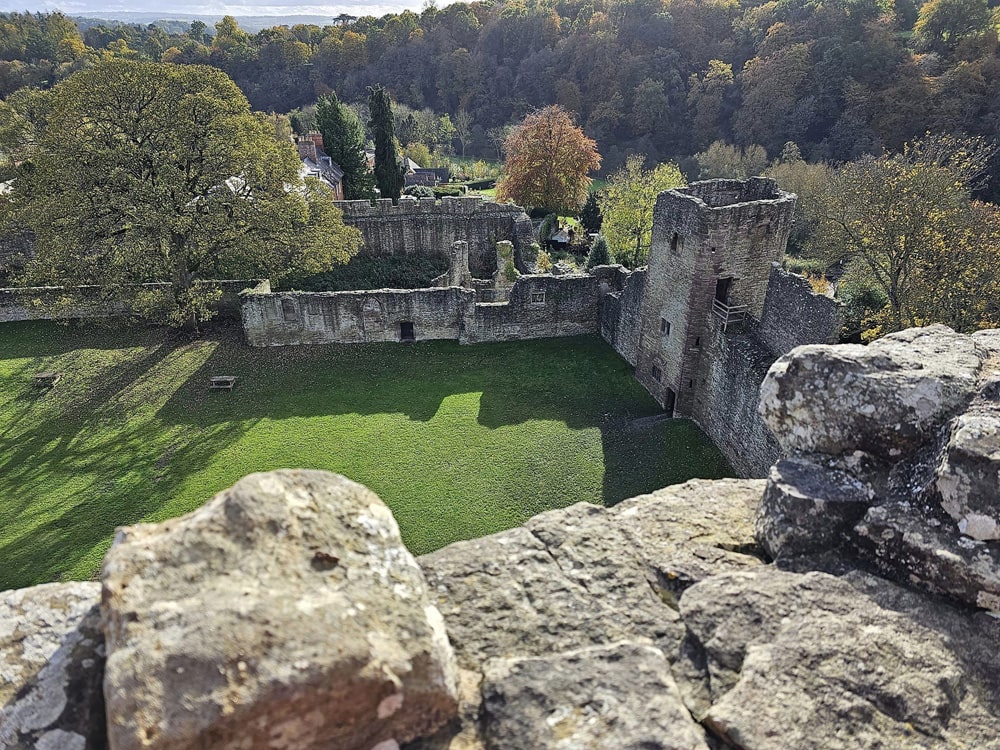
One of the finest medieval ruins in England; Ludlow Castle was one of the first stone castles to be built after the Norman Conquest. It is a large and magnificent partly ruined medieval fortification overlooking the River Teme. Construction of Ludlow Castle started around the year 1085 as the border stronghold of one of the Marcher Lords. From the huge Outer Bailey a bridge across the moat leads to the Inner Bailey with the Keep, the Great Chamber, the other side of the moat is the Ice House – once used to store explosives.
St Laurence’s Church
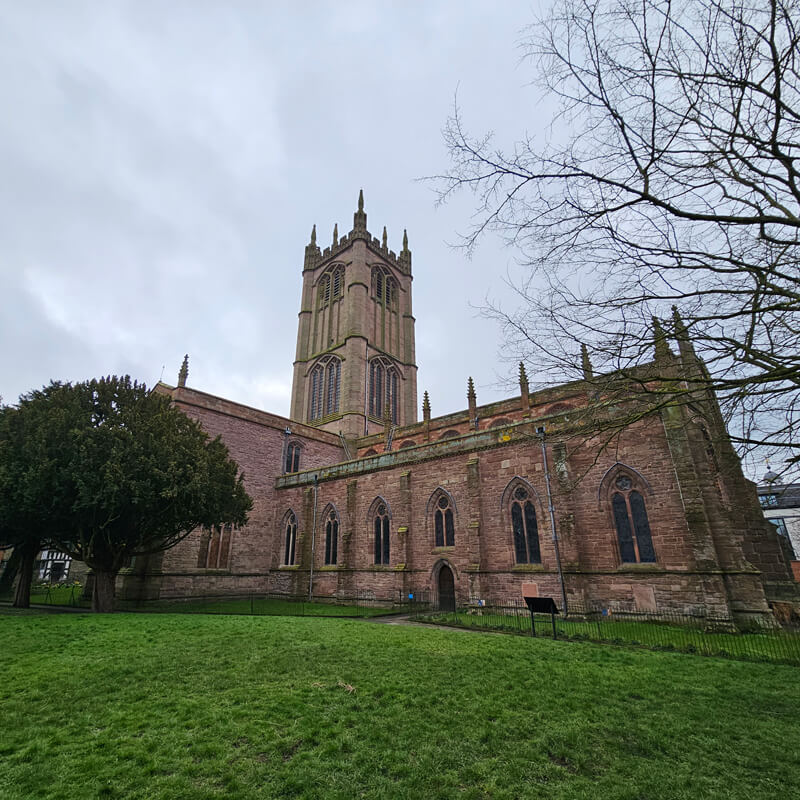
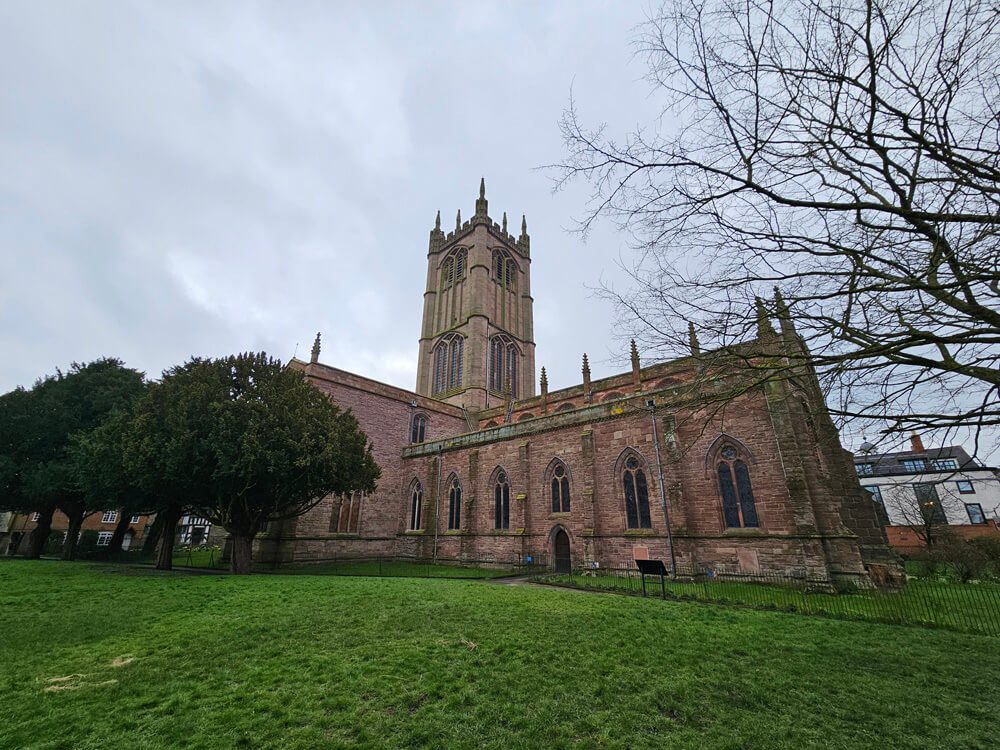
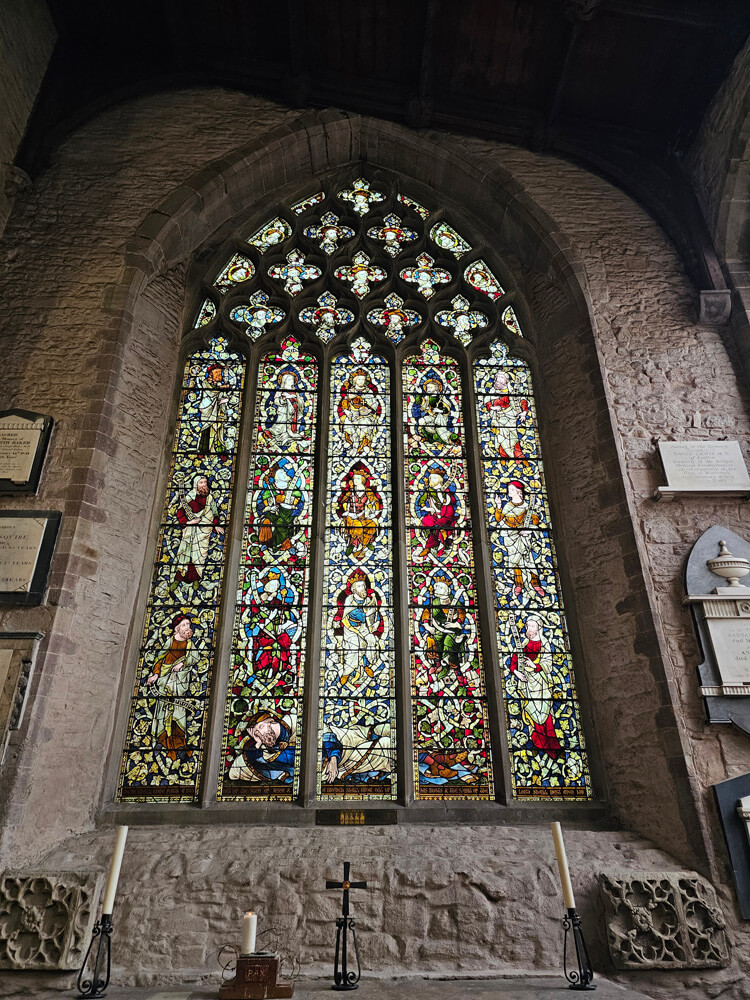
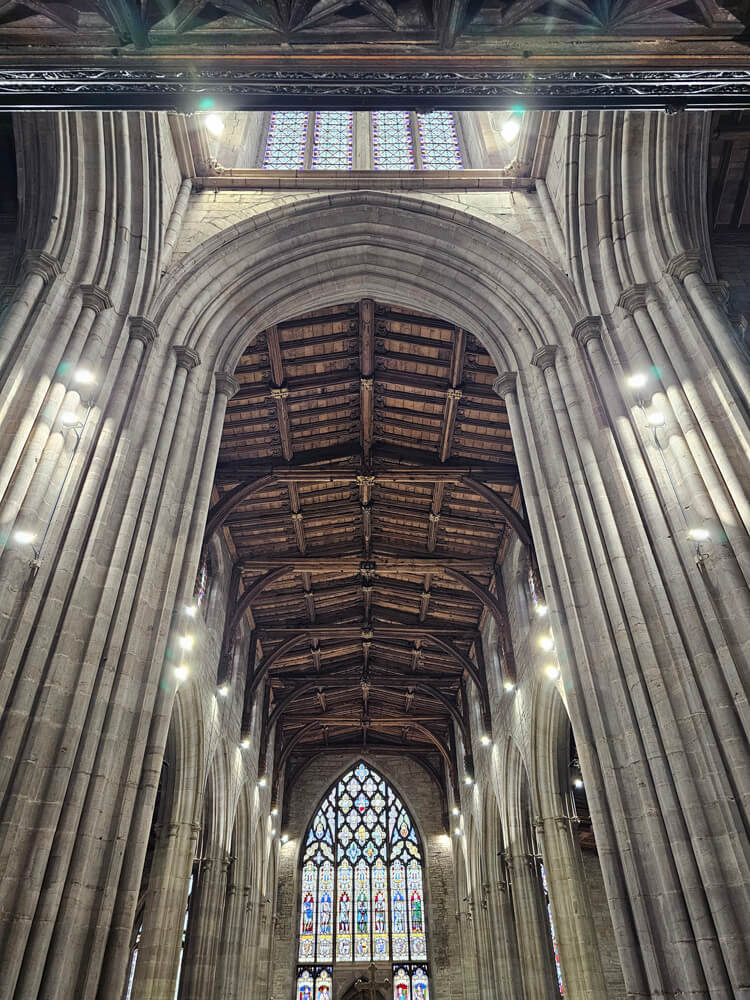
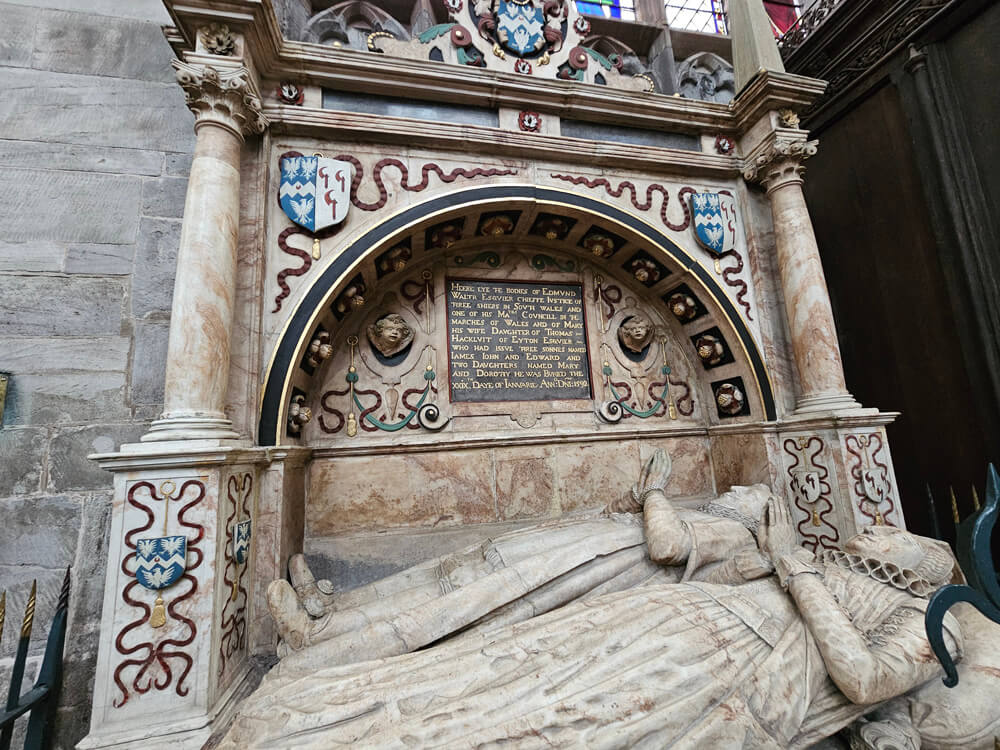
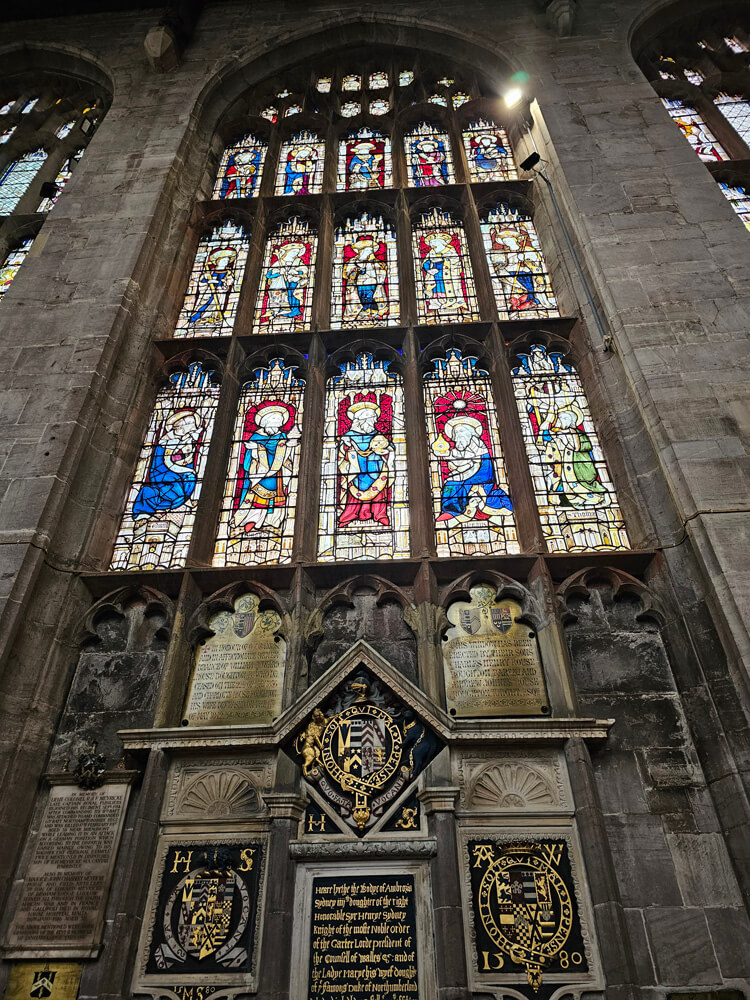
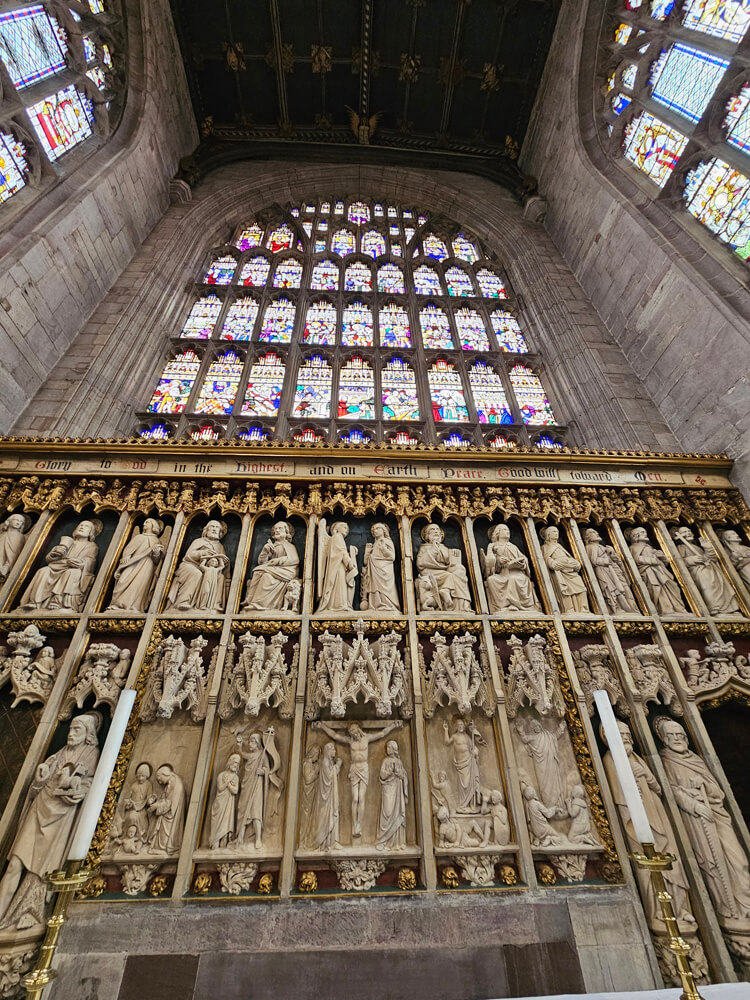
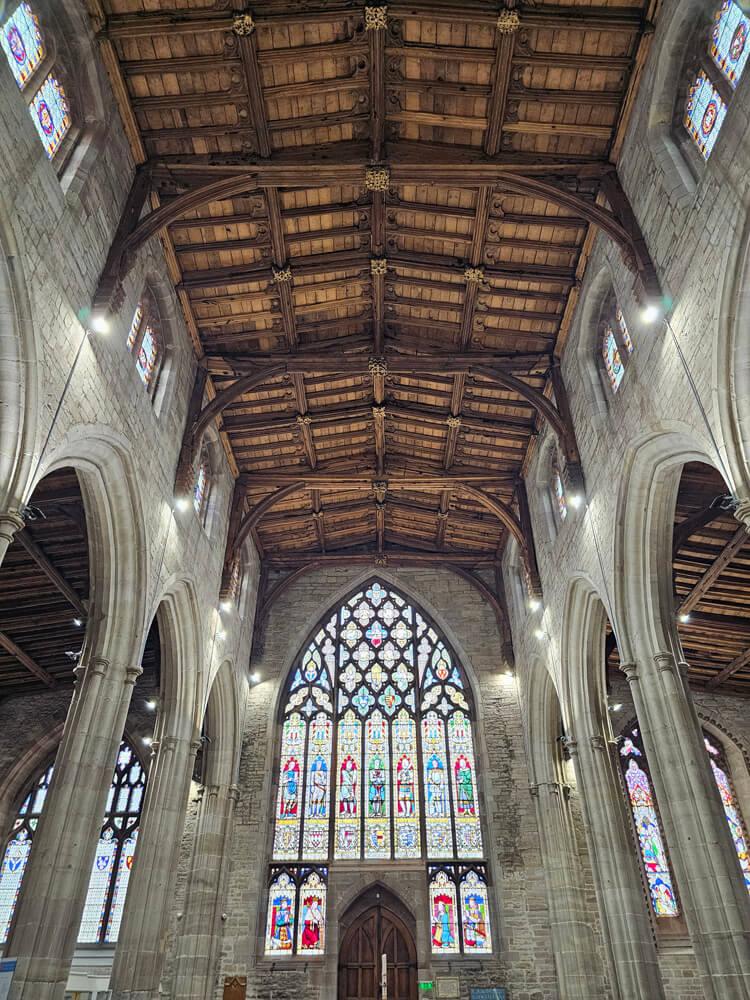
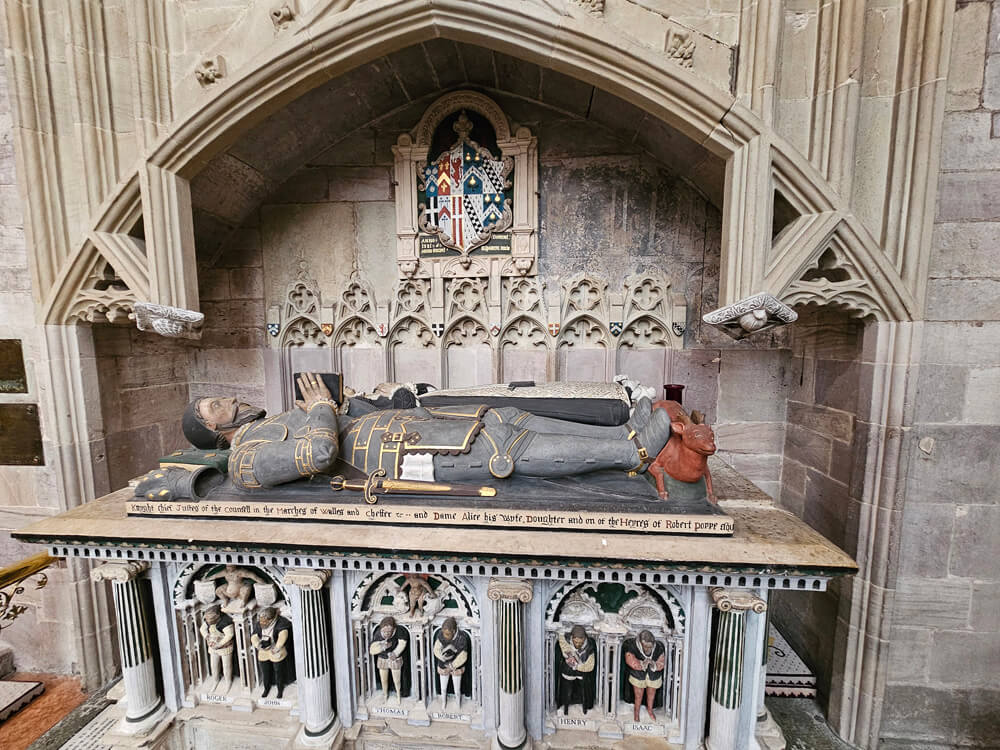
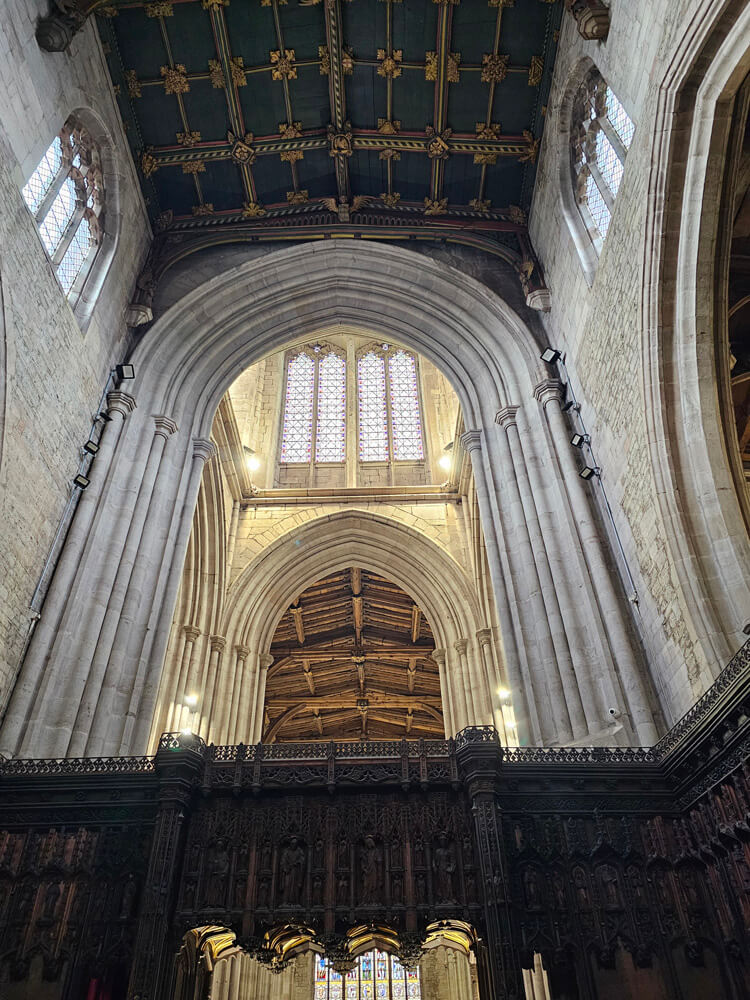
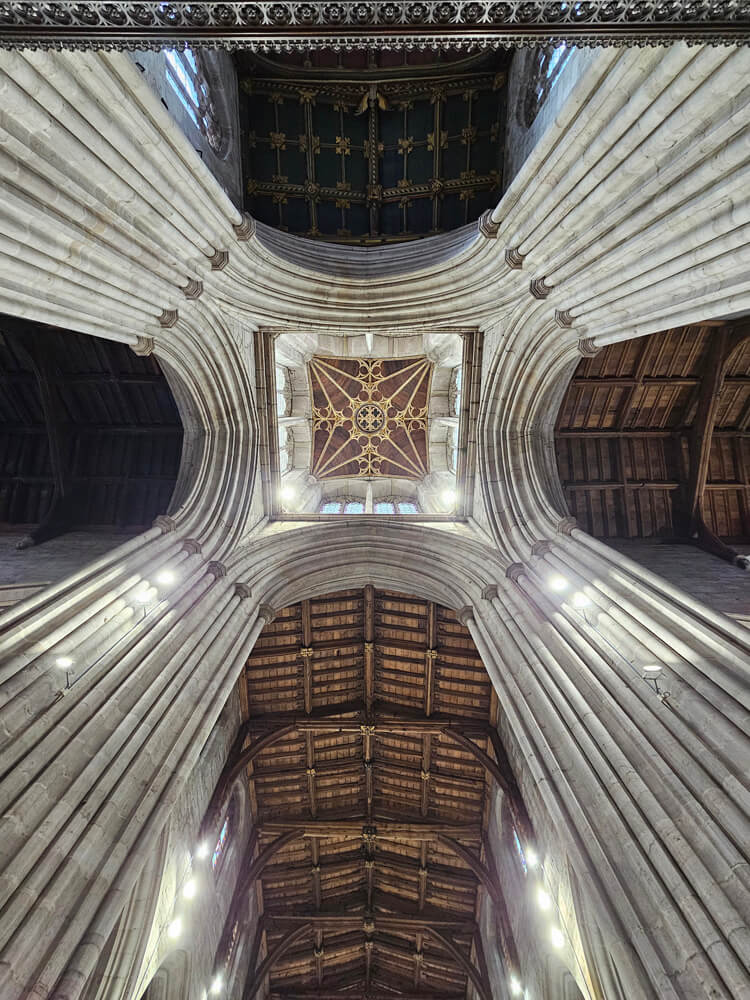
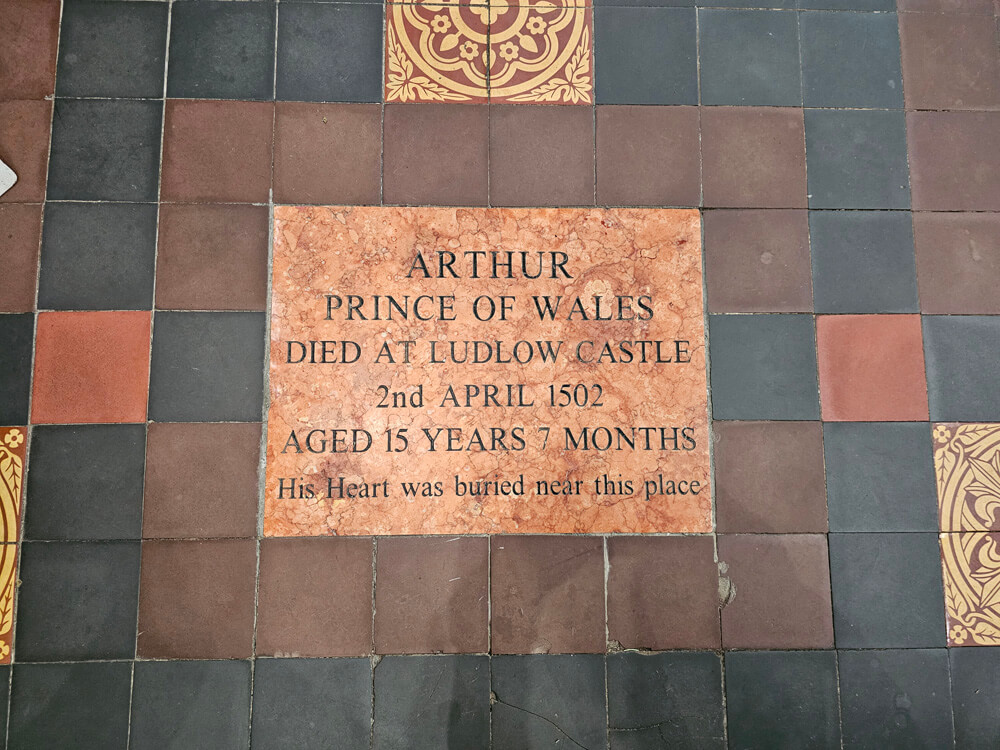
Founded by the Normans in the late 11th century, St Laurence’s Church is the largest church in the county of Shropshire, and is known as the Cathedral of the Marches. Notable features of the church include an extensive set of 15th-century misericords in the choir stalls, and fine stained glass windows, some of which dates back to 1302. Many kings and princes of Wales spent much of their upbringing in Ludlow, which is reflected by numerous heraldic royal coats of arms around the church, but most notably the heart of Prince Arthur (eldest son and heir to Henry VII and brother to Henry VIII) which is buried in the Chancel.
Broad Gate
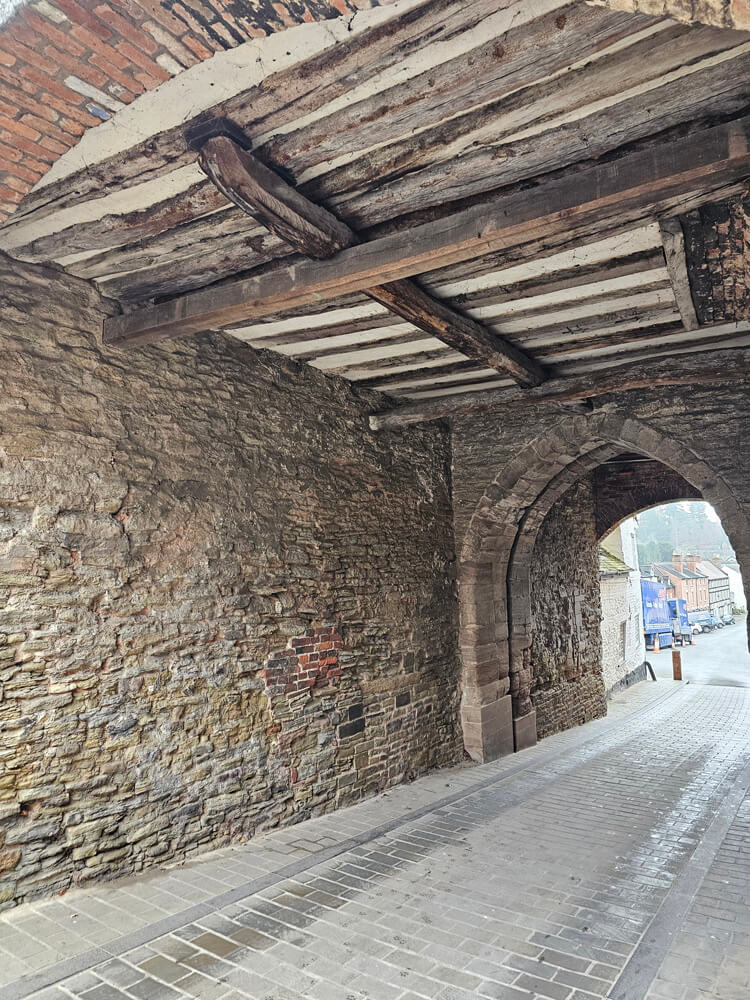
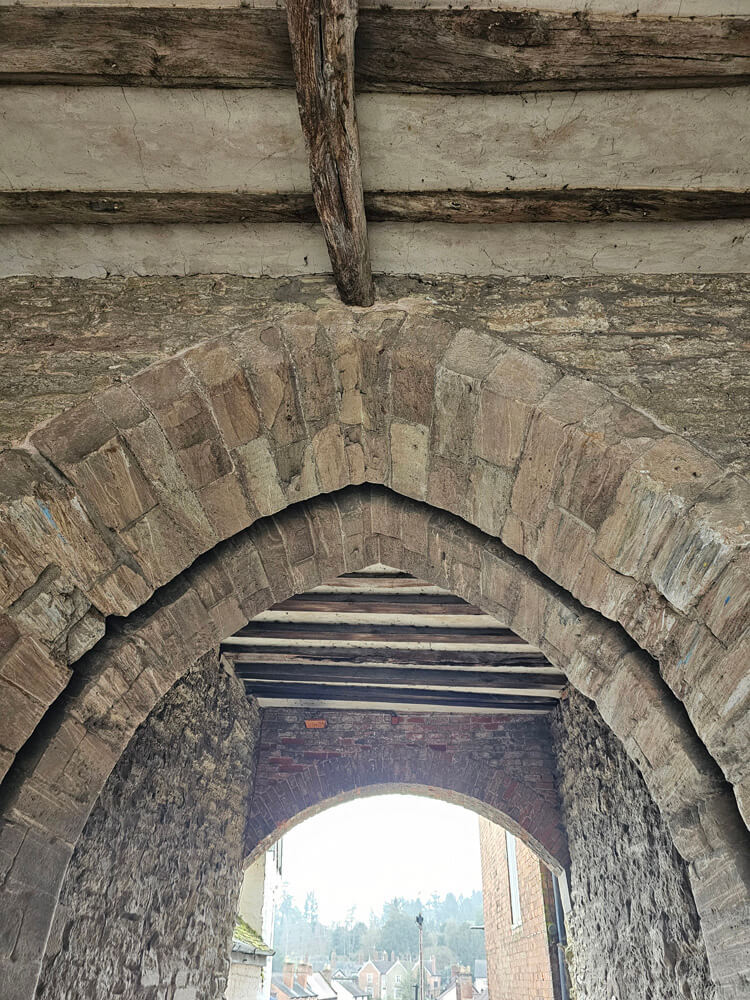
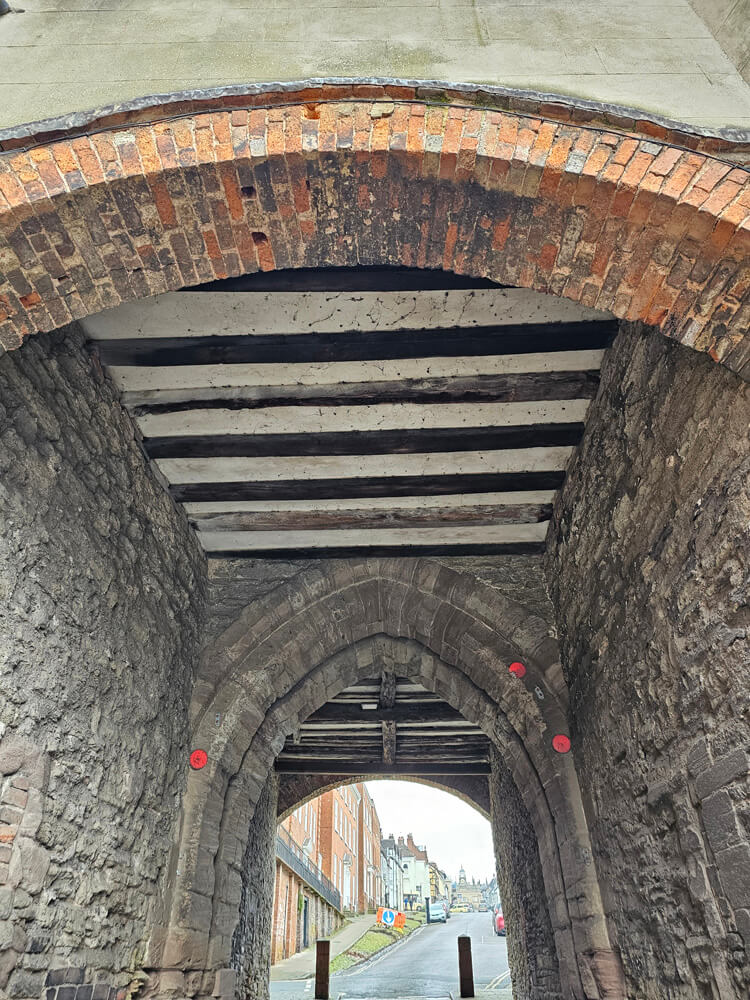
The Broad Gate is part of Ludlow’s medieval town walls, and is the only survivor of the town’s seven medieval gates. The 13th-century drum towers and portcullis still survive. Much of the gate has been altered from its original medieval appearance and has been transformed into a Georgian townhouse, although it still retains many of its original features.
Historic Buildings
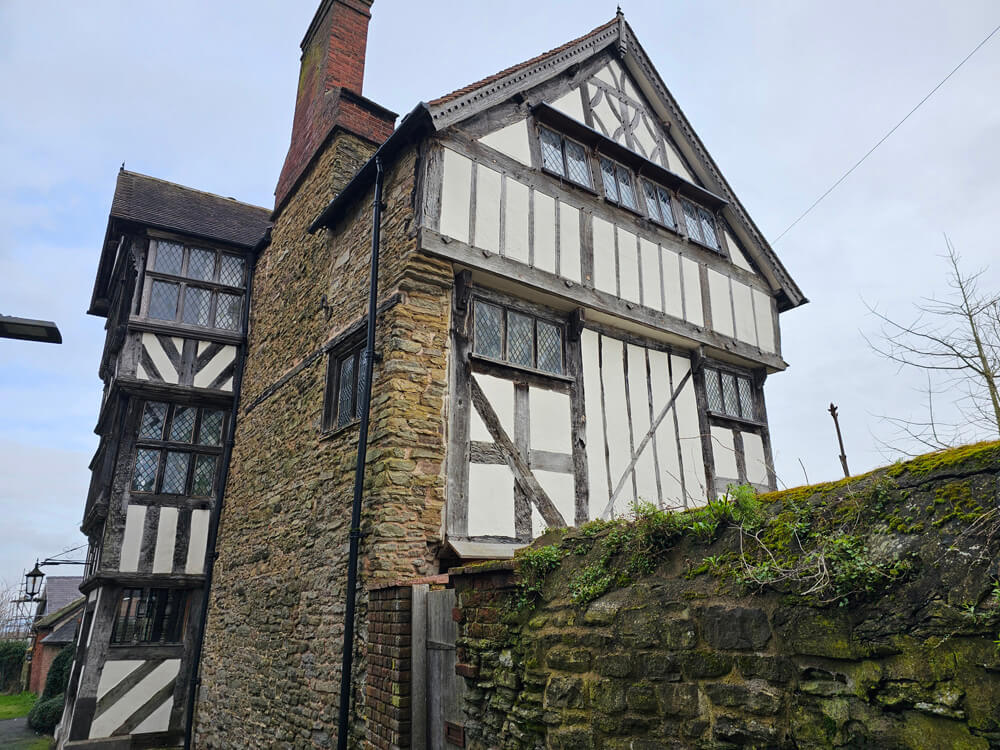
Ludlow is packed with many beautiful timber-framed buildings, and perhaps the most magnificent of these is The Feathers Hotel and The Readers House. The Feathers was built in 1619 as a house for a Welsh lawyer and became an inn in about 1670. The Readers House was once the home of the Bible Reader for Saint Laurence’s Church, which is directly opposite. The building dates from the 16th and 17th centuries, although the history of the site can be traced as far back as the early 1300s.
Photo Gallery.
Did you enjoy this post?
I hope you found this post useful. I put a great deal of time and effort in to building, maintaining and populating the website. If you like, you could say a small thank you by buying me a coffee. You don't have to, but it would be nice :)
Buy me a coffee
Stay up to Date
Follow me on my journey and get notified whenever a new post is published by following Kings & Castles on Facebook.
Follow MeExplore The Map
Discover the hundreds of castles, churches, monasteries, cathedrals and other historic locations that I've personally visited across England and Wales. Search by location, explore nearby sites and plan your next historical adventure.
Share: