Ashby de la Zouch Castle
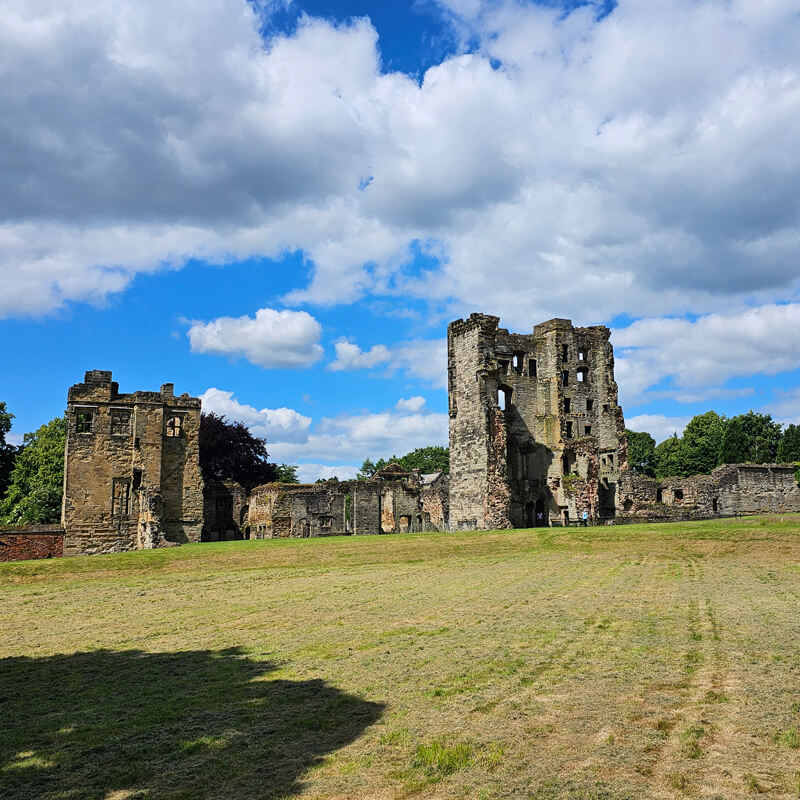
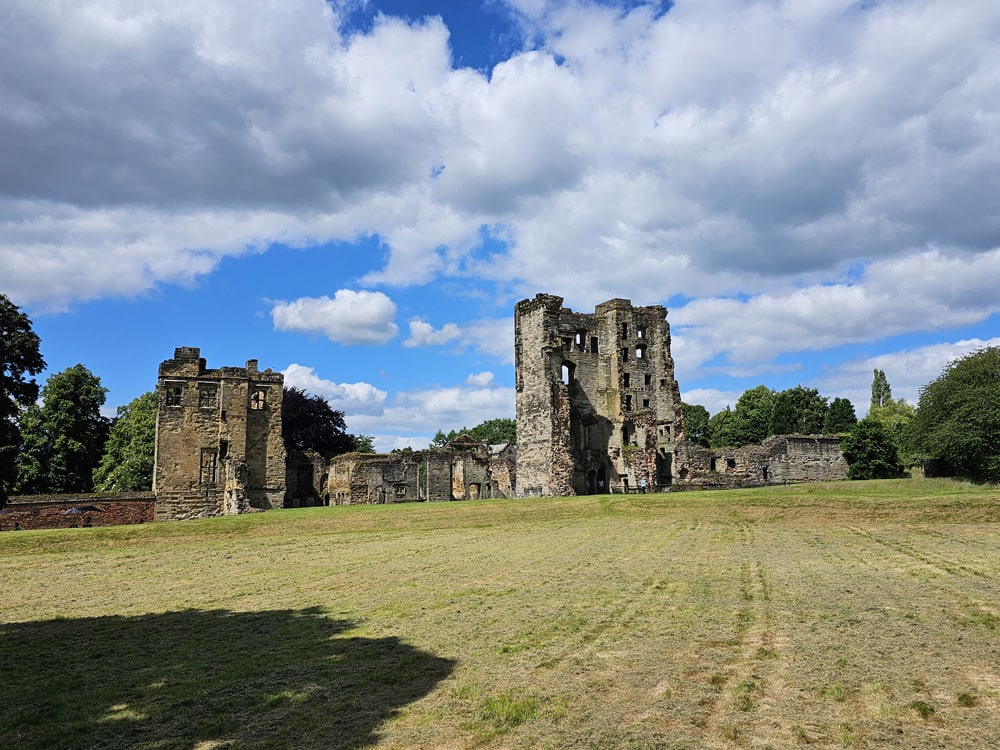
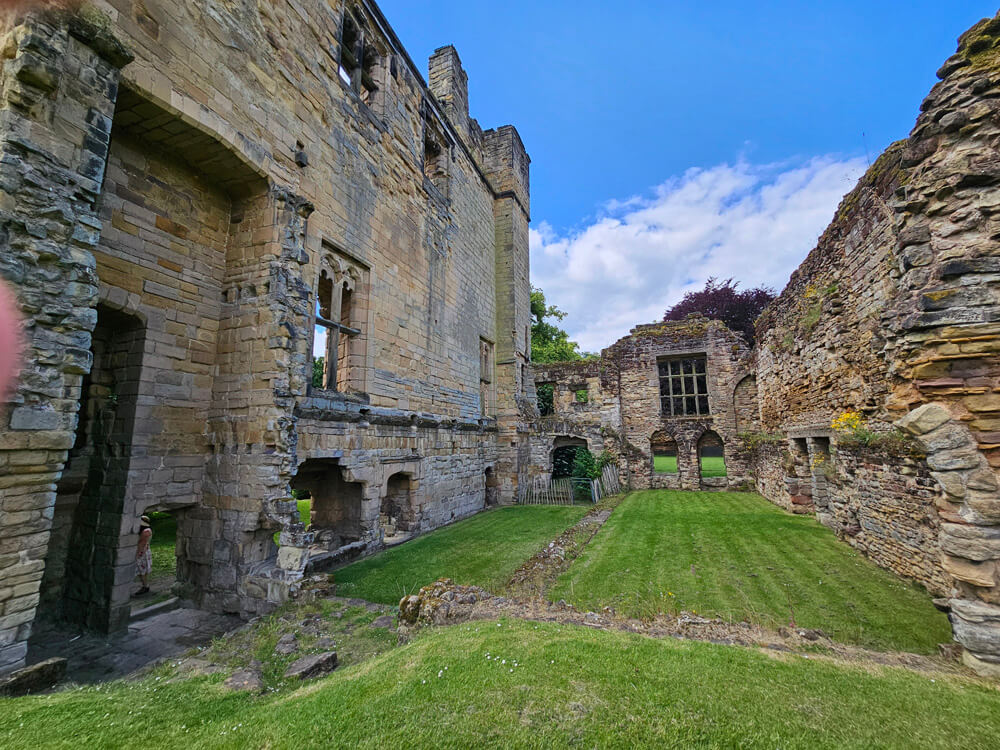
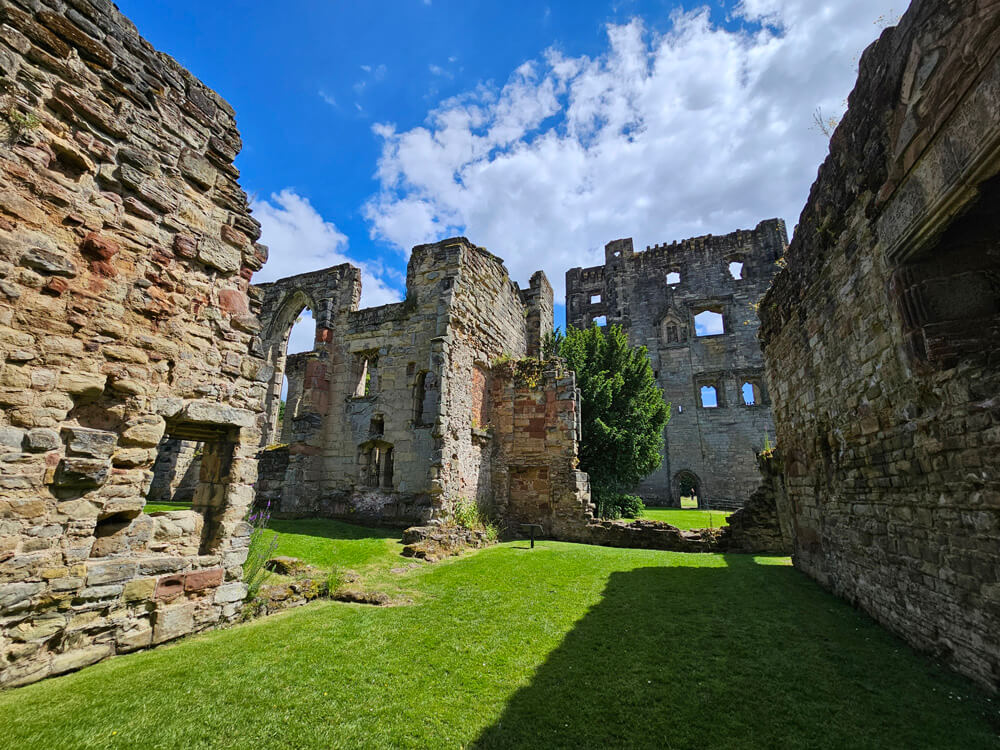
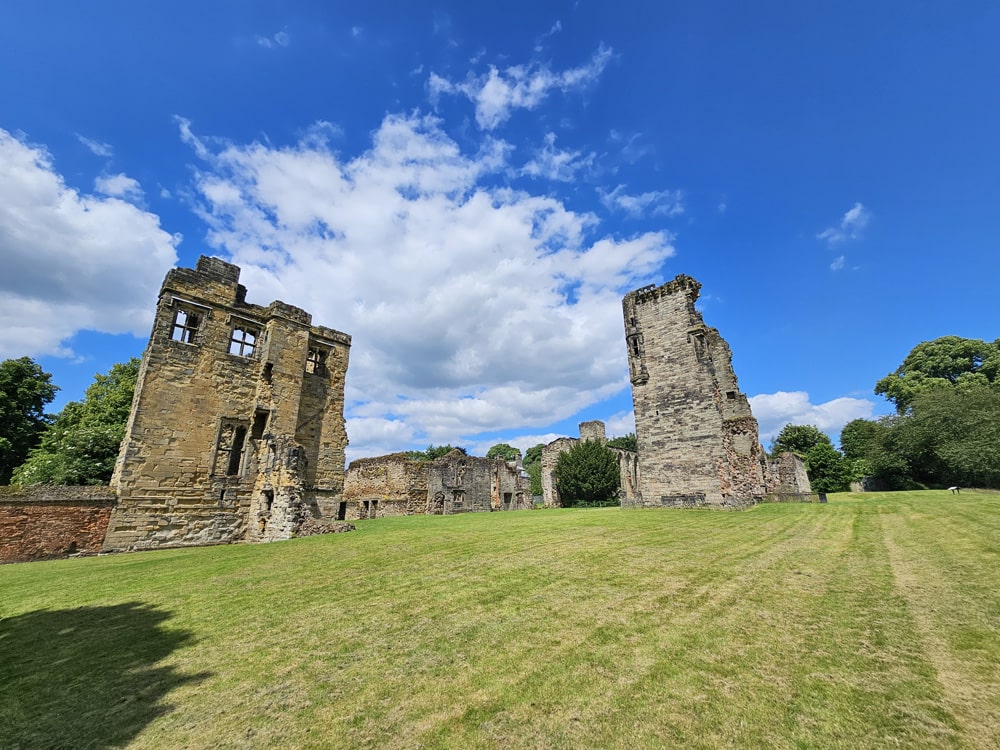
Ashby de la Zouch Castle is a ruined fortification in the town of Ashby-de-la-Zouch, Leicestershire, England. The castle was built by William, Lord Hastings, a favourite of Edward IV. Highlights of the castle include a 15th-century tower house and an underground passage.
Quick
Facts.
- Location: Ashby-de-la-Zouch, Leicestershire, England
- Built: 12th to 15th centuries
- Condition: Ruined
- Date visited: June 2024
- More info: Visit website
- Rating:
A Bit of History…
Ashby de la Zouch Castle was built on the site of an earlier 11th-century manor house, which was owned at one point by Robert de Beaumont, Earl of Leicester. The Domesday Book recorded a property here at Ashby (or Aschebie), which is what the area was called before it became known as Ashby-de-la-Zouch.
Sometime in the late 12th century, during the reign of Henry III, the Earls of Leicester granted the estate to the le Zouch family in exchange for military service. The family occupied the manor until their line died out in 1399, making various additions and extensions to the manor including a new hall and solar.
The period of expansion from manor to castle began in the 15th century when the town and castle came into the possession of the Hastings family in 1464. Edward IV granted both the house and land to his Lord Chamberlain, William, Lord Hastings, for his loyalty and service. Lord Hastings rose to prominence during the Wars of the Roses as a supporter of the future Edward IV, and became one of the most powerful men in late 15th-century English politics.
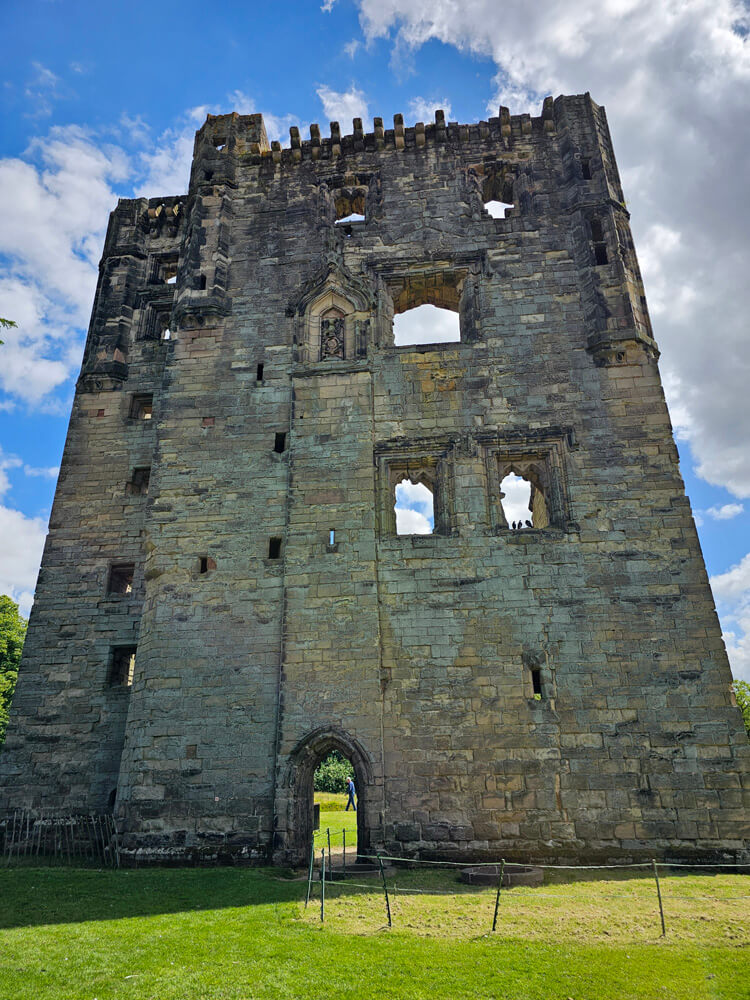
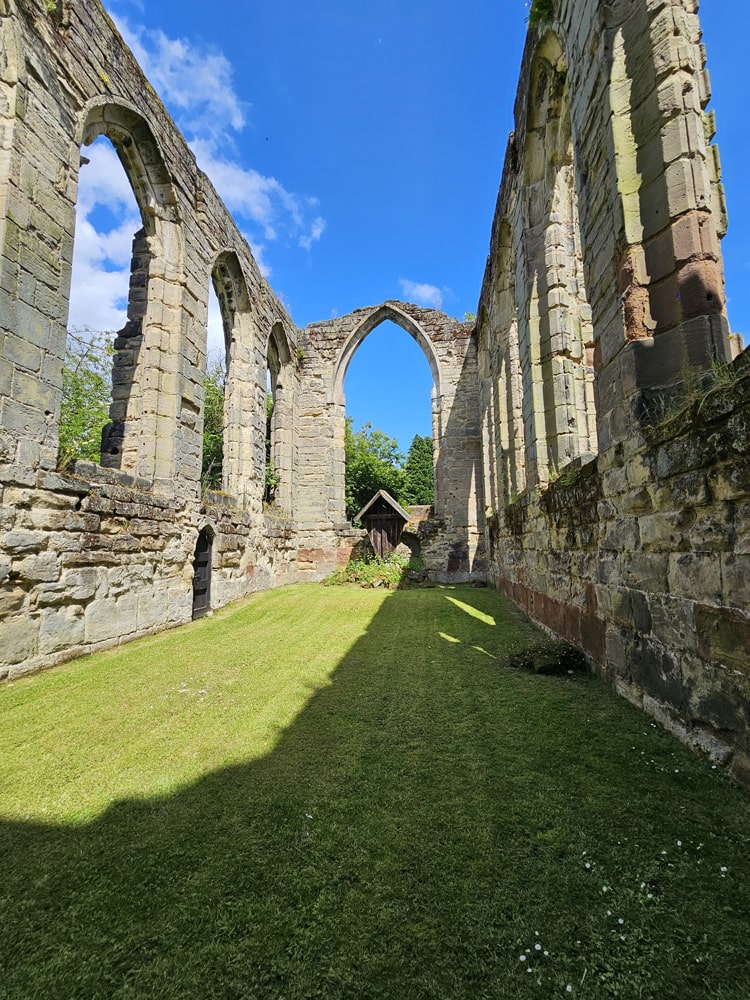
In 1473/1474 Lord Hastings was granted the right to fortify the manor. He had plans for a very impressive and imposing castle with four mighty towers. The old manor house was rebuilt and extended beyond all recognition, including a new chapel and a number of service buildings. However, only one of the four towers were built, which was the kitchen tower.
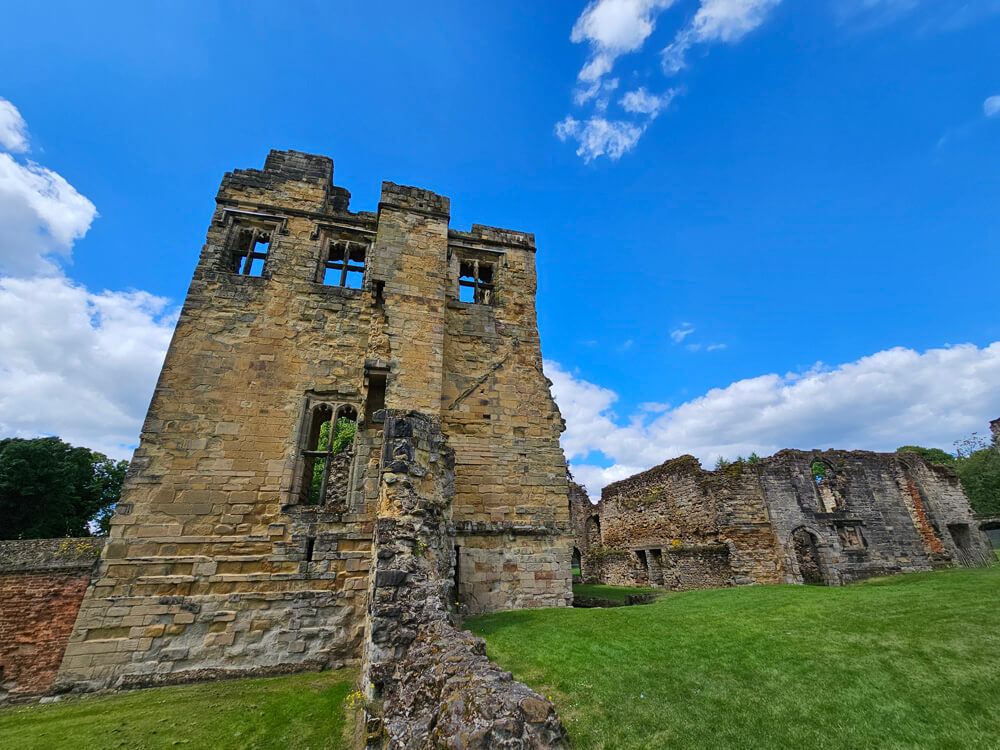
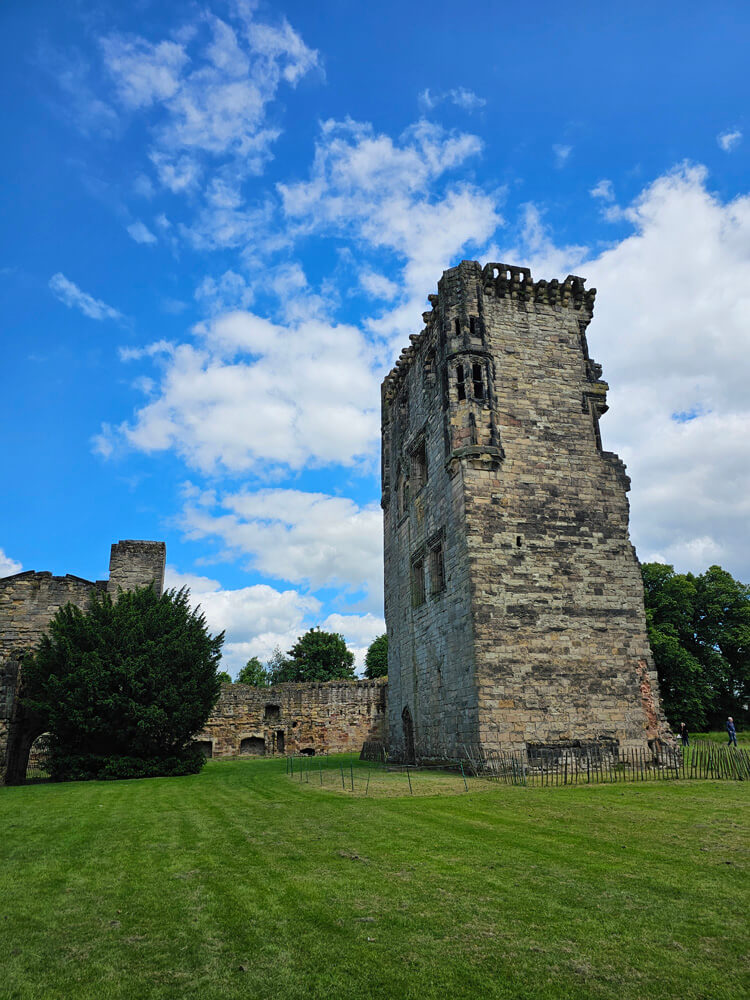
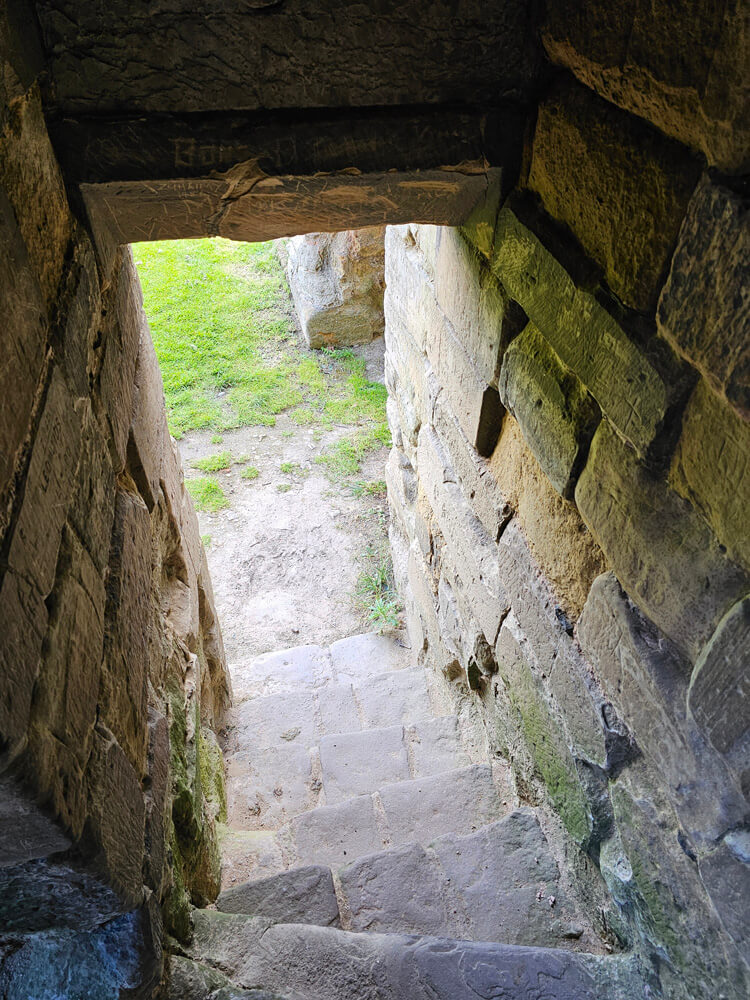
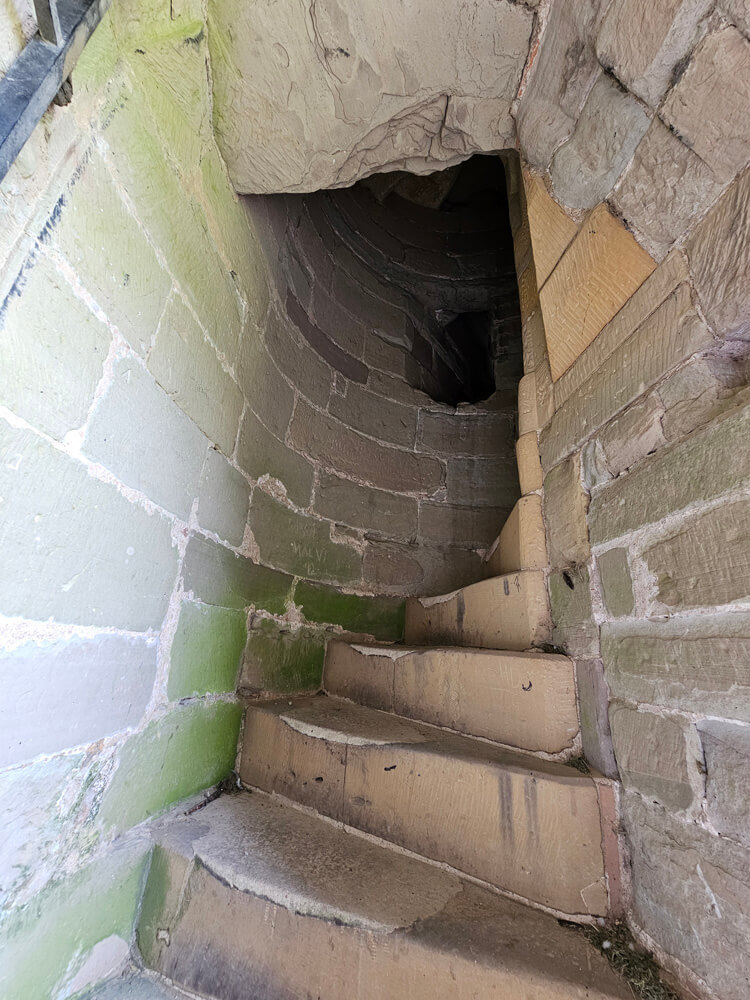
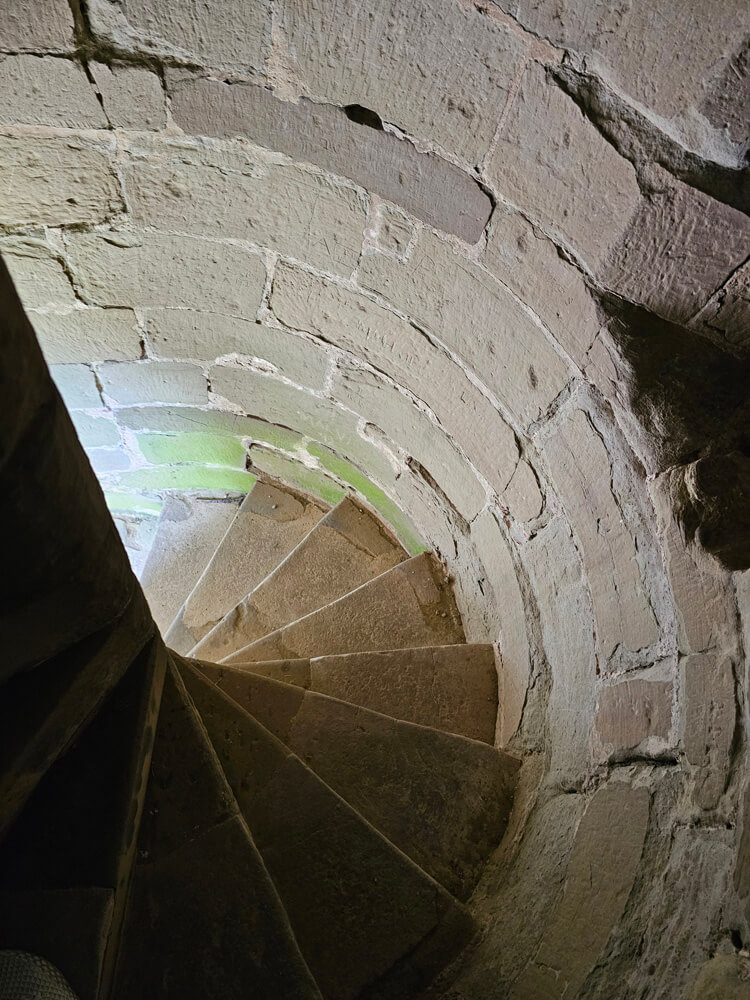
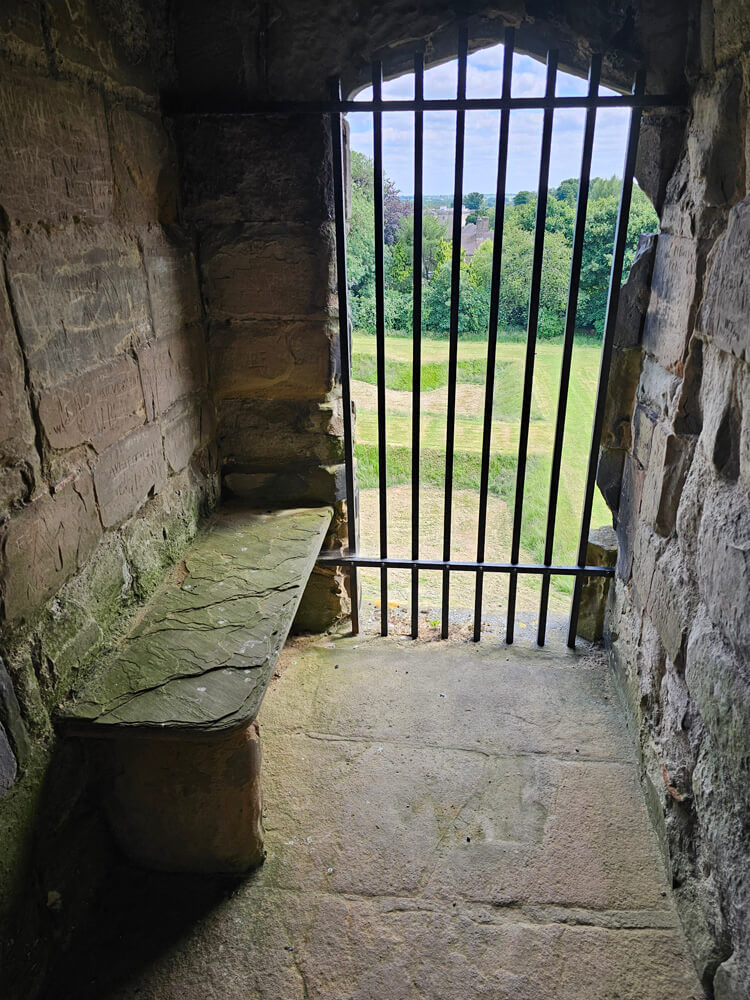
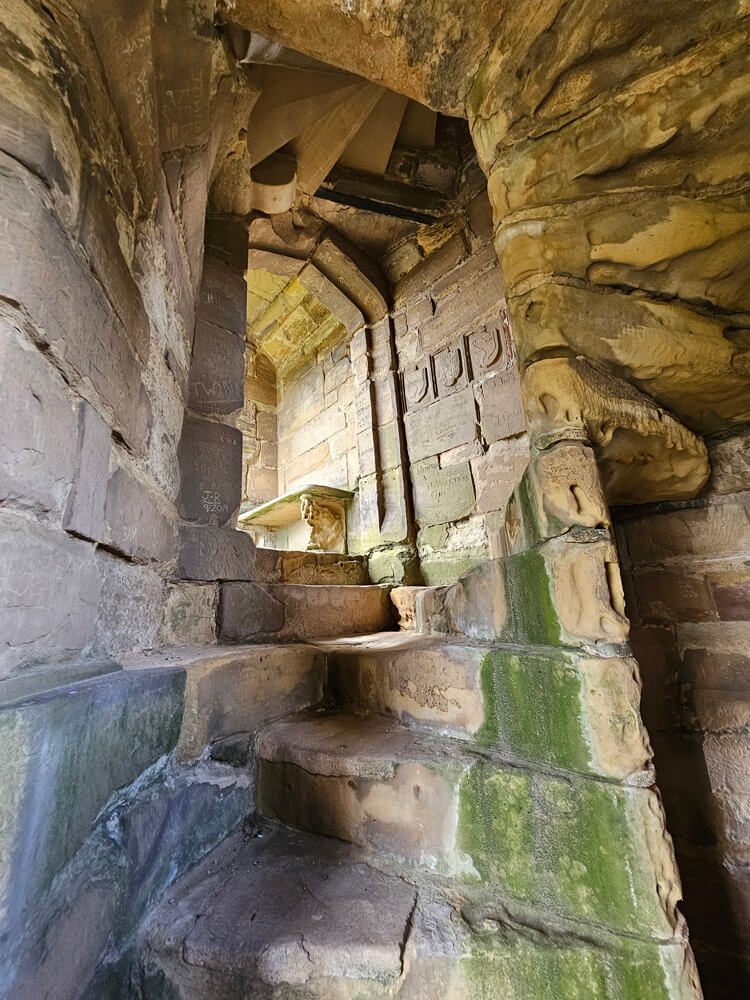
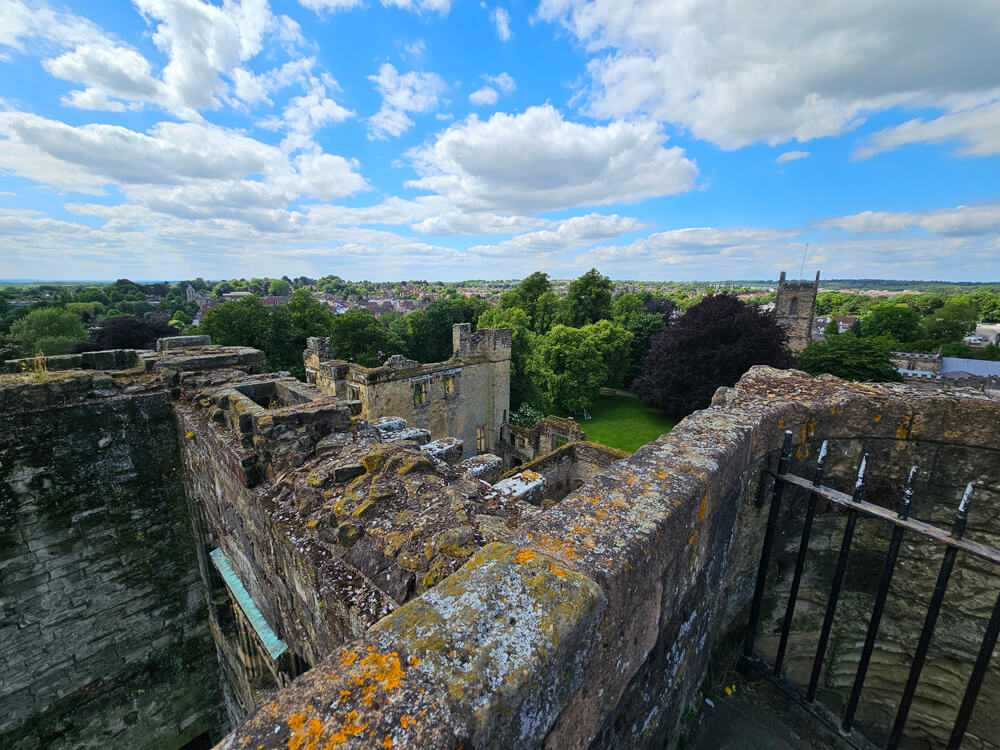
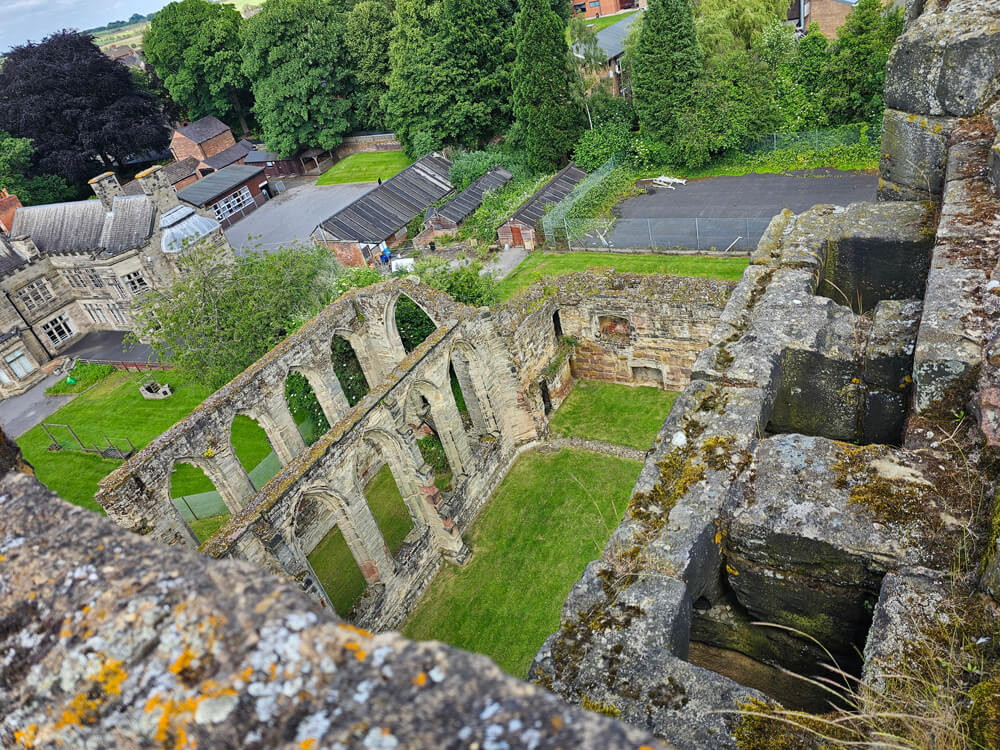
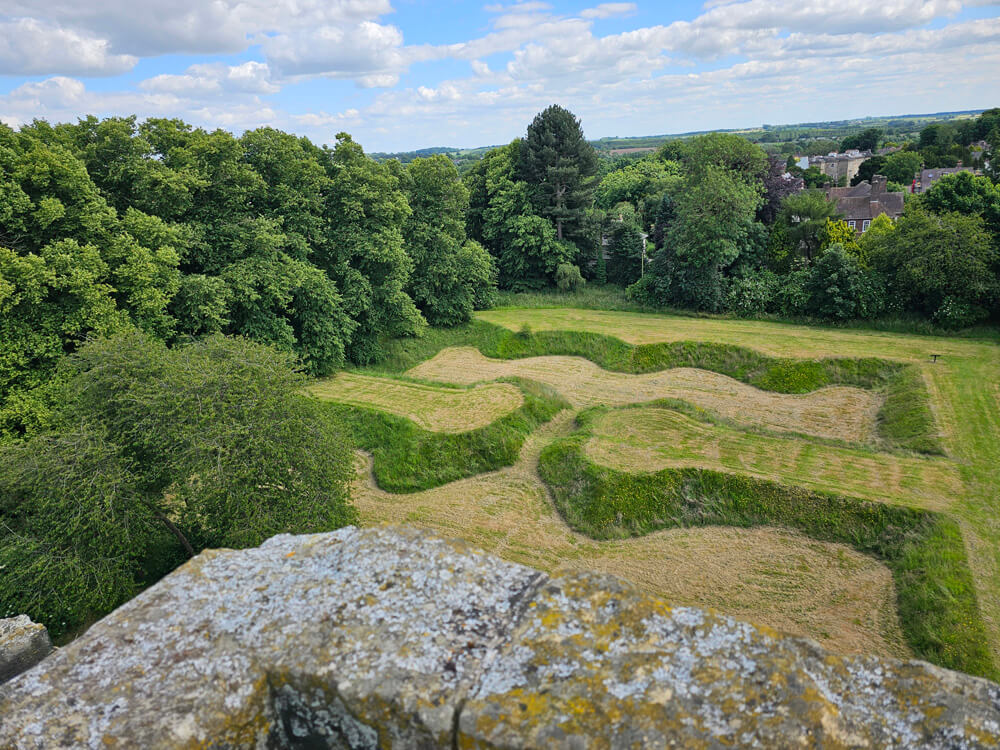
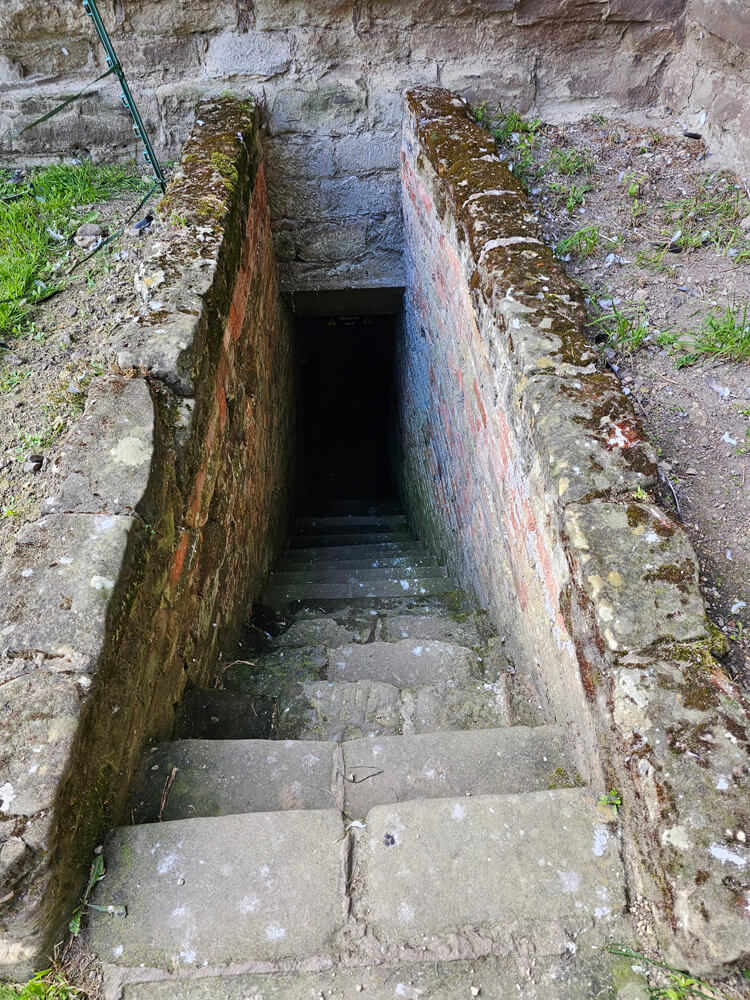
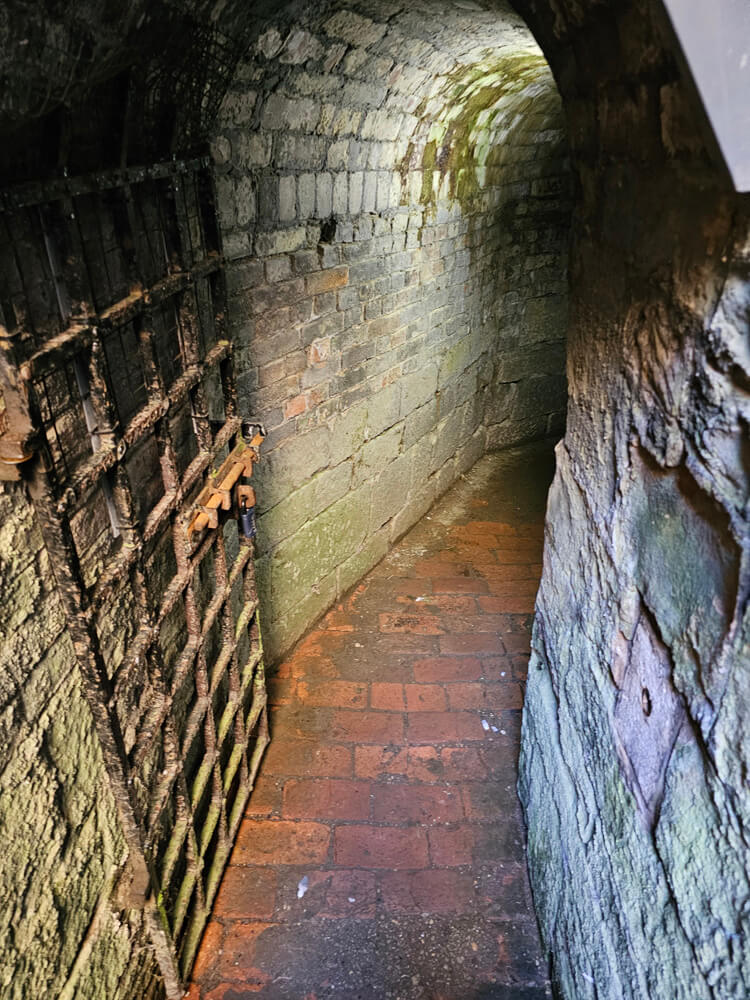
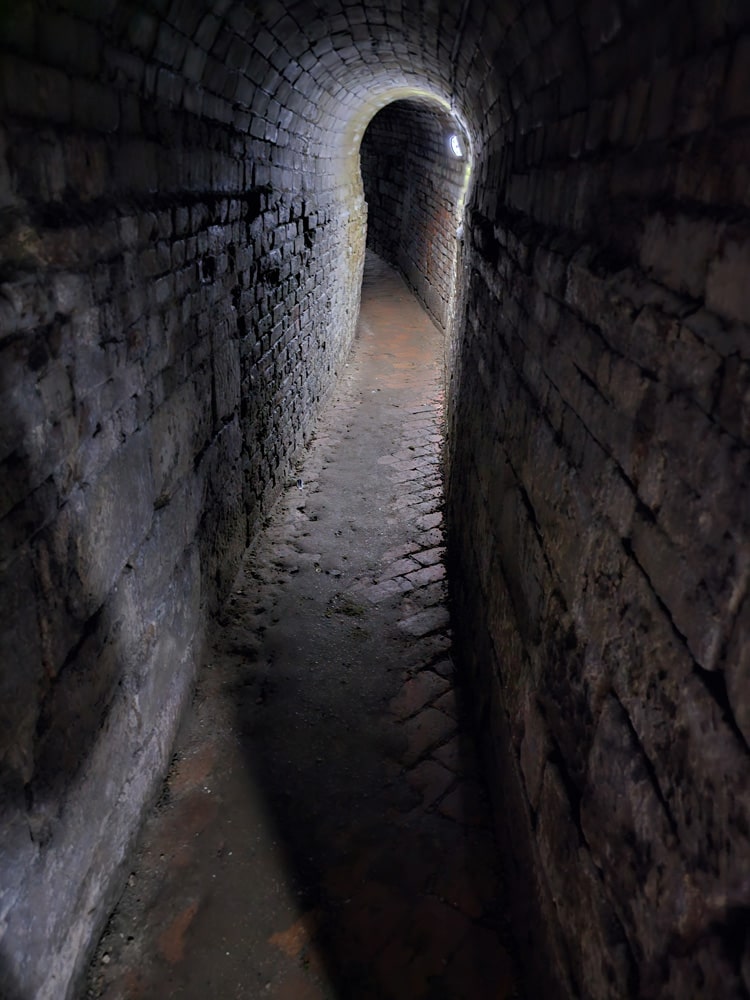
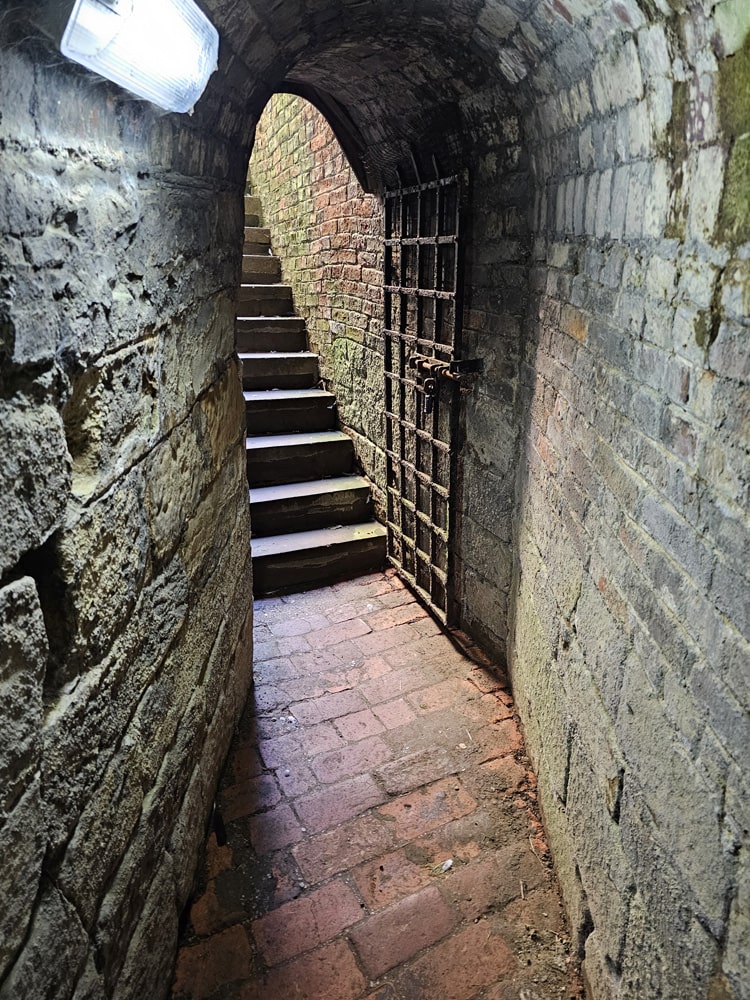
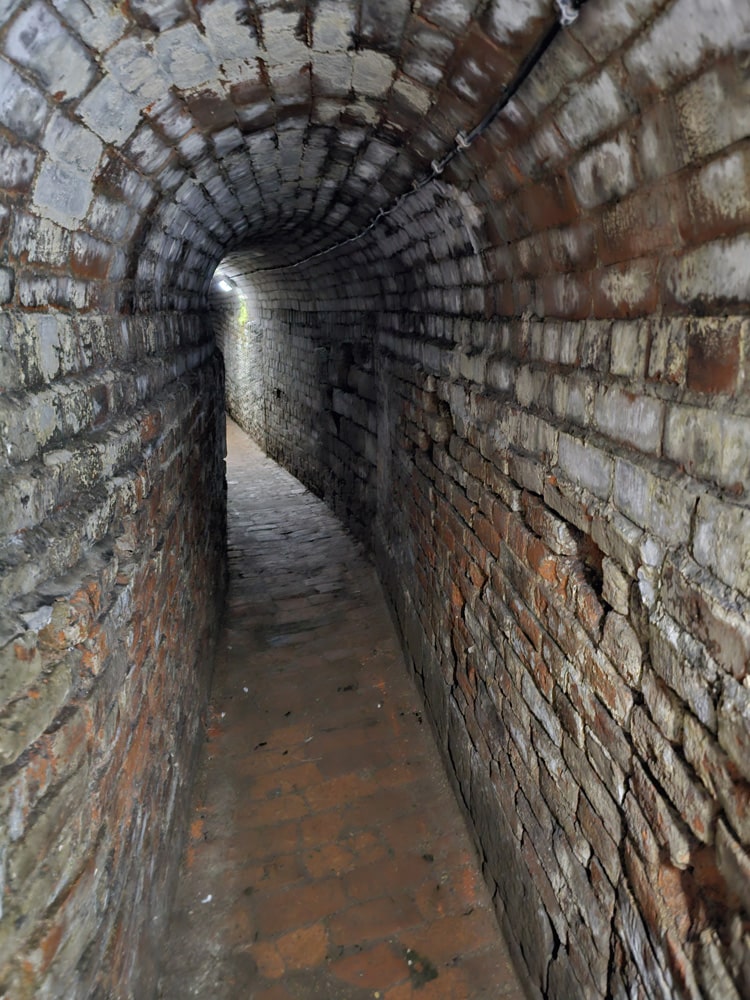
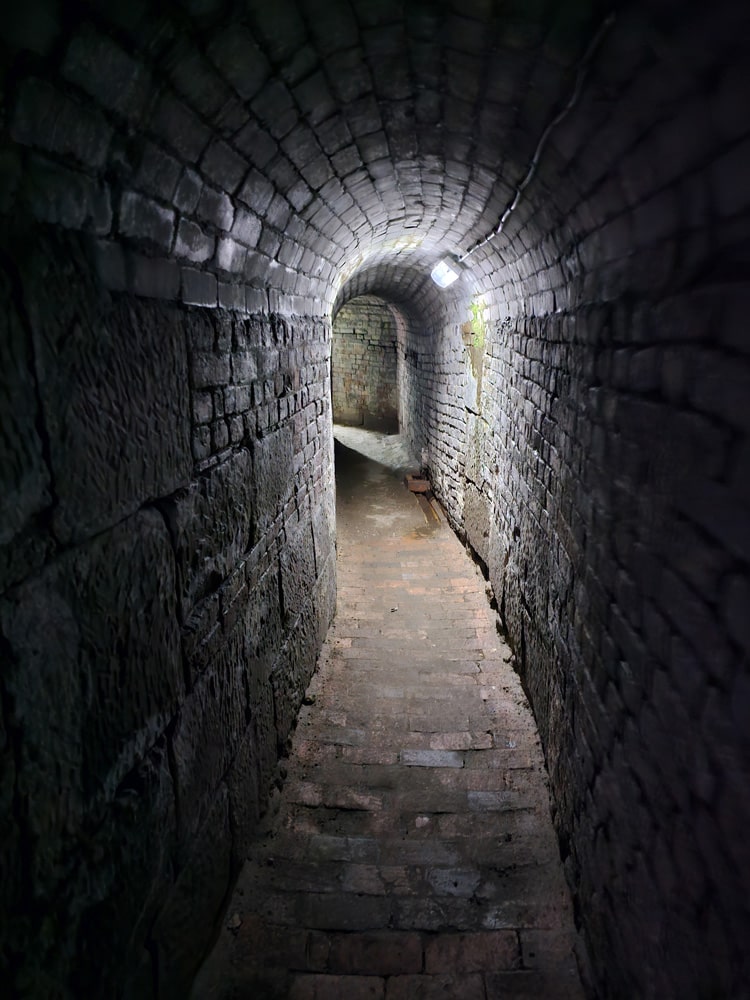
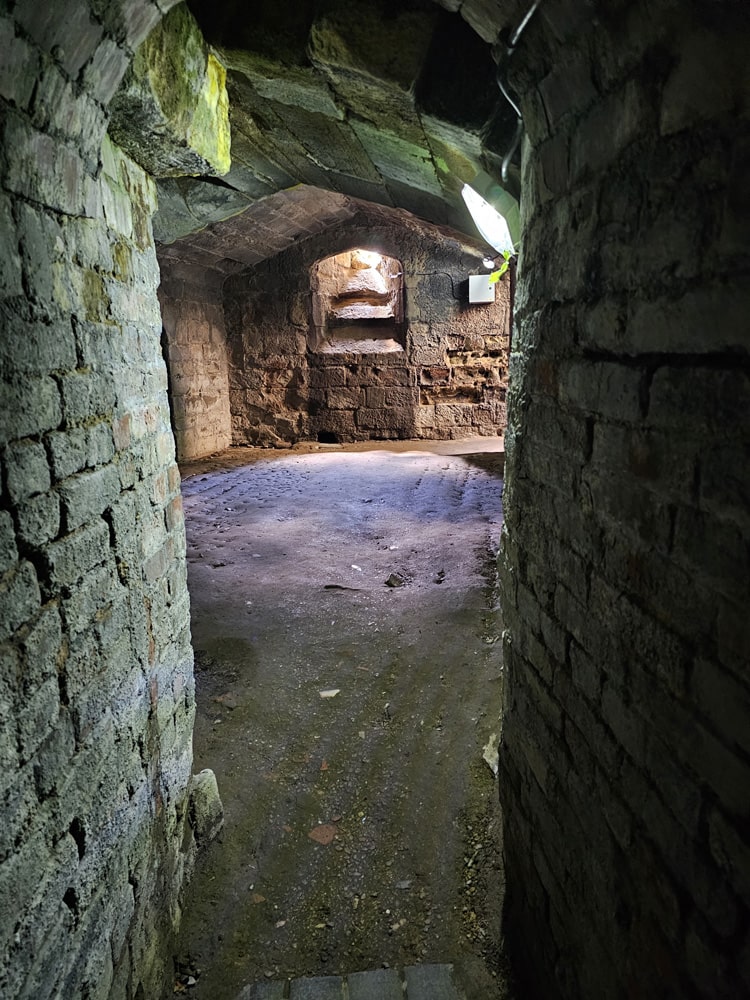
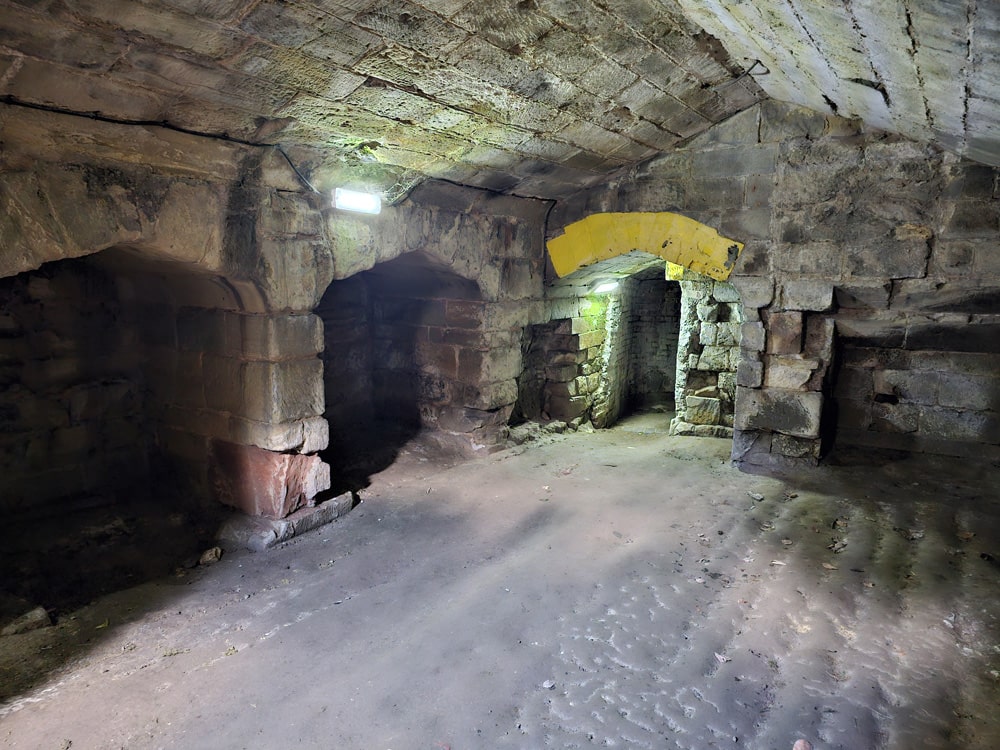
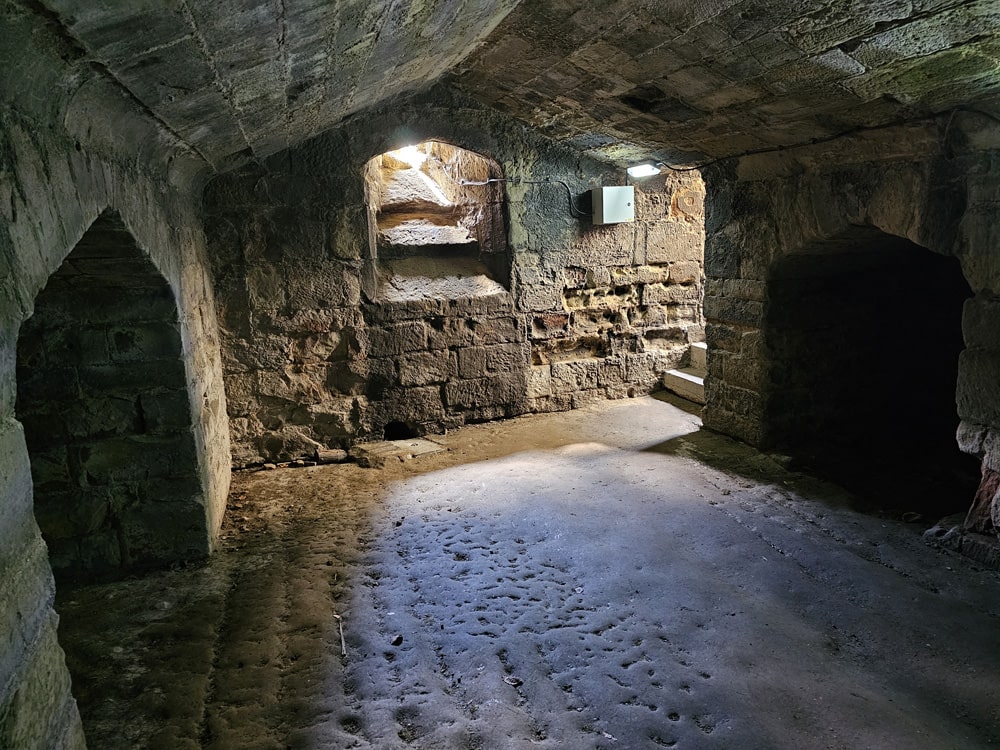
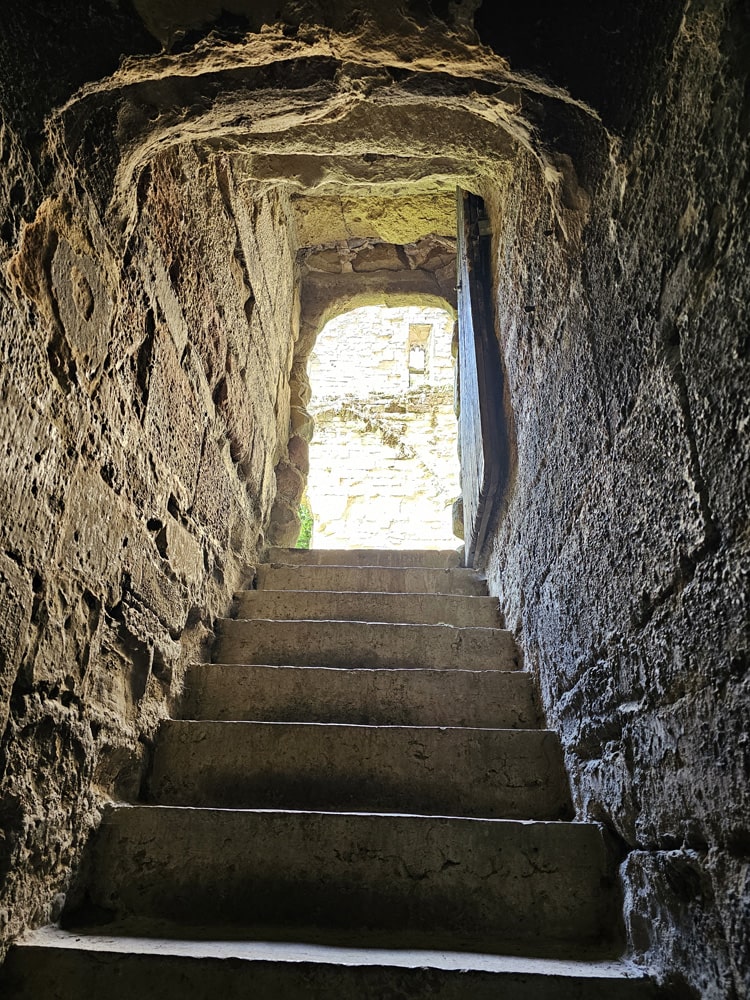
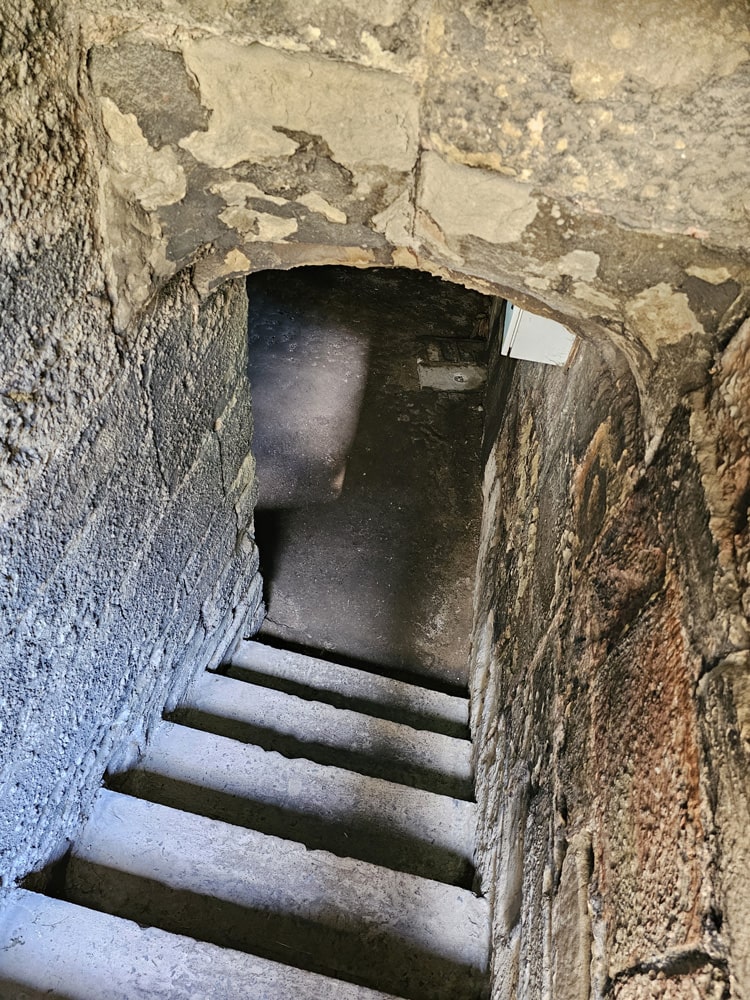
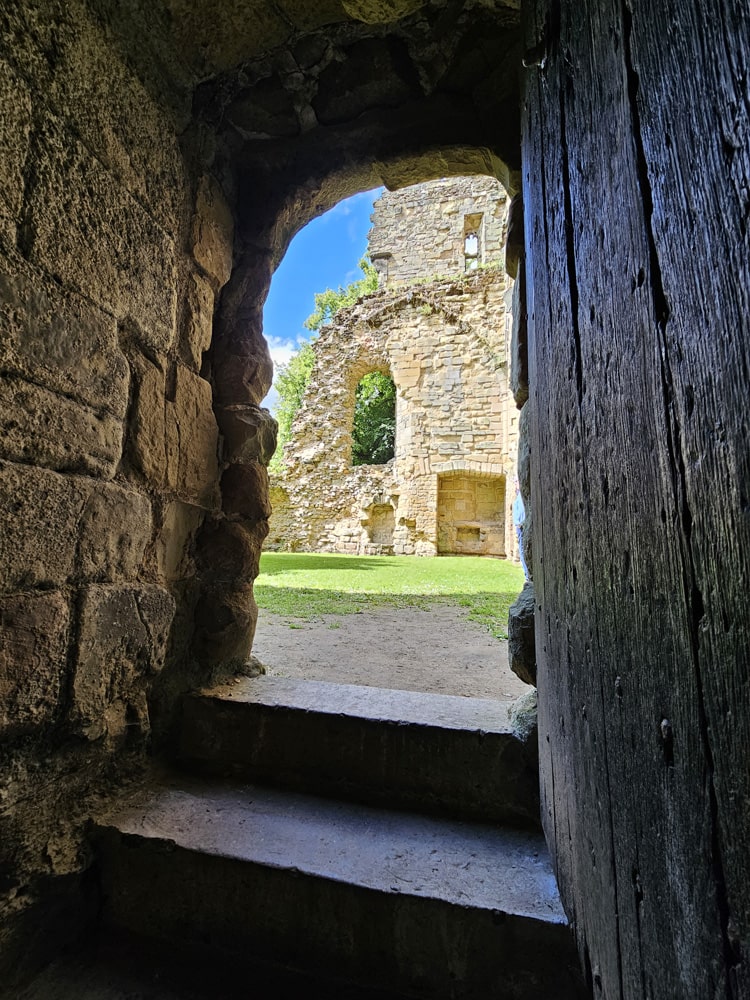
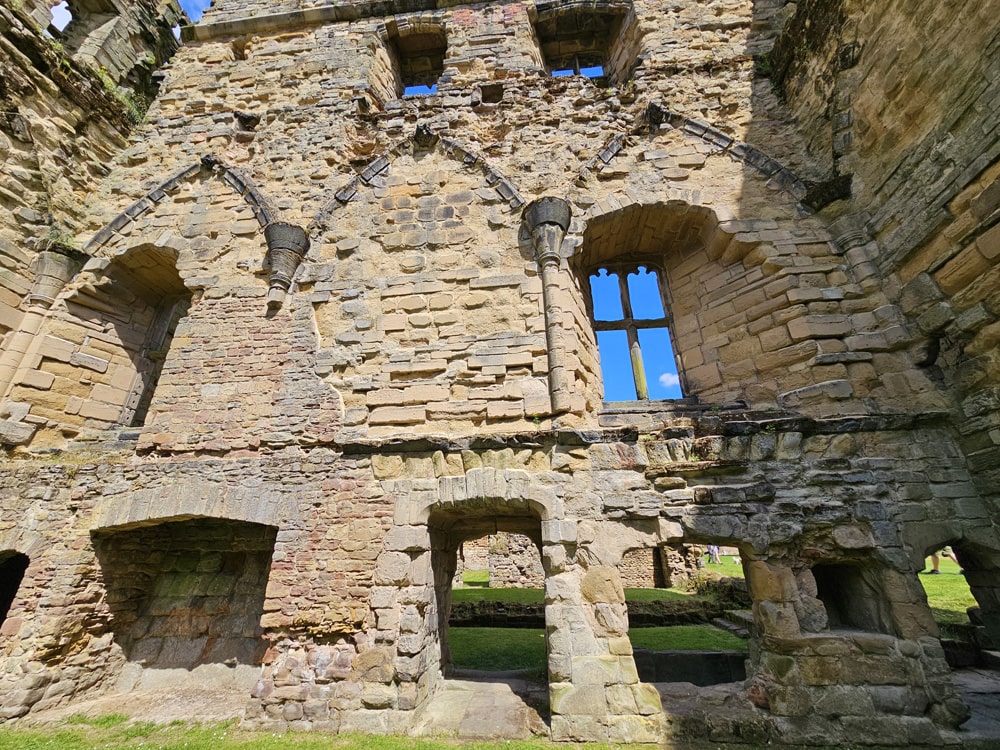
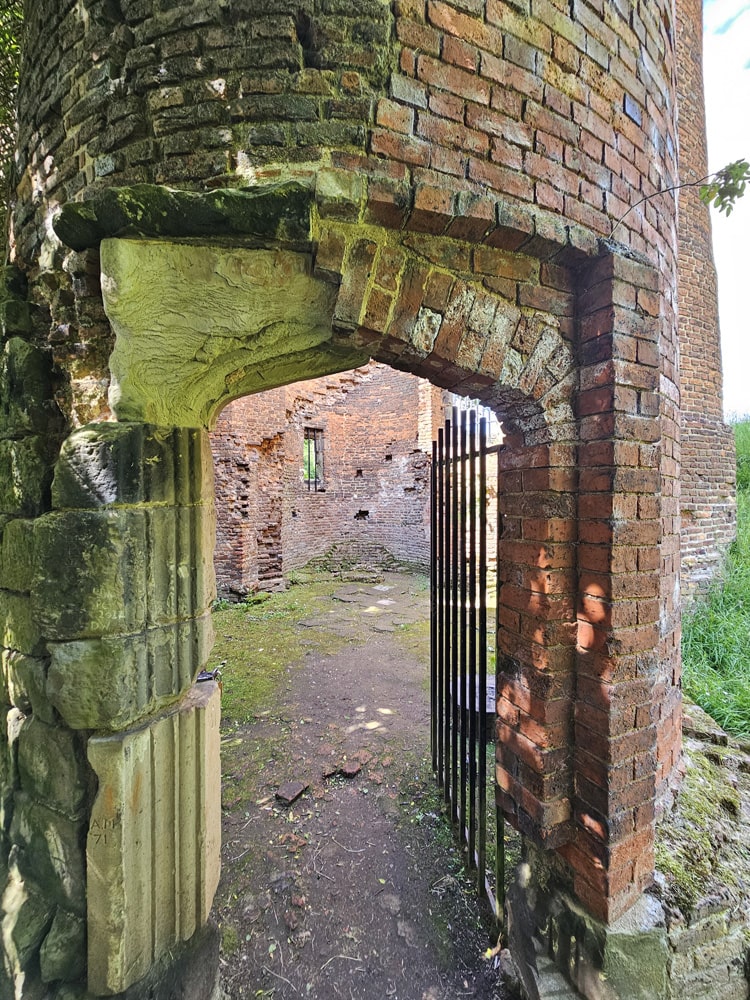
The centrepiece, and most impressive part of his new castle was the kitchen tower, one of the largest structures of its kind in Britain at the time. The tower still stands to its original four storeys, rising from storerooms at the base, to a kitchen, hall, and solar on the top storey. You can climb to the top of the tower for great views over the castle grounds and the town. There is also an underground tunnel between the tower and the main kitchens which you can walk through.
When Edward IV died in 1483, Lord Hastings became nothing more than an obstacle to the ambitions of Edward’s brother, Richard Duke of Gloucester, the future Richard III. Richard had Hastings executed and the half-completed castle passed to Lord Hastings’ widow, which remained in the Hastings family until the Civil War. The Hastings family used the castle as their seat for several generations, improving the gardens and hosting royal visitors including James I and Charles I.
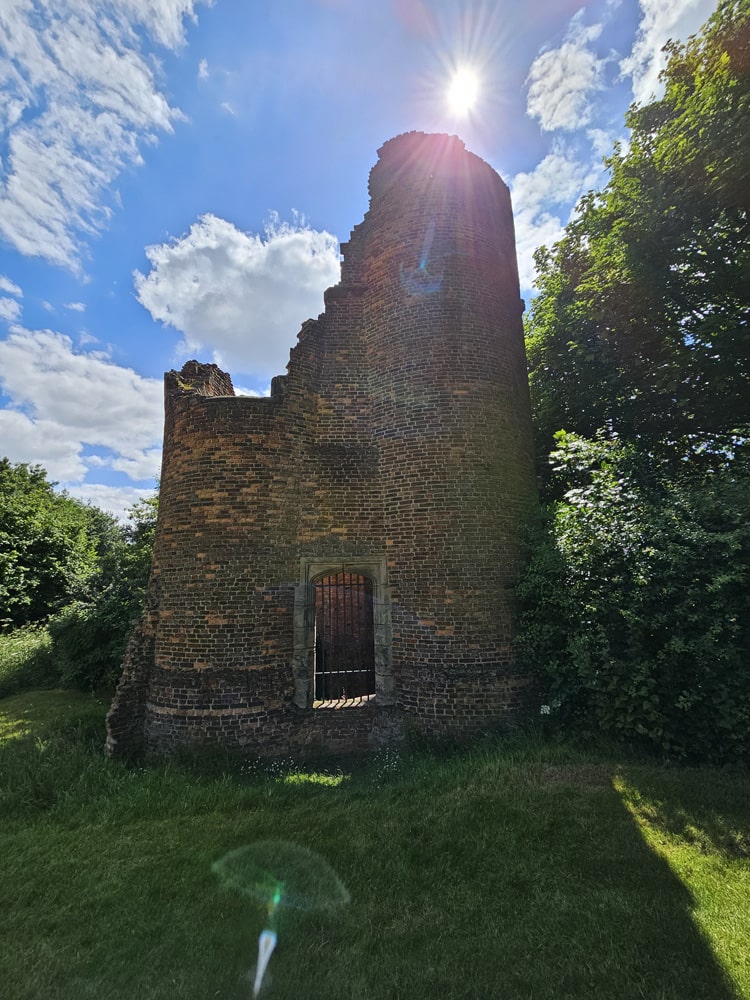
In 1529 William’s grandson, George, 1st Earl of Huntingdon, remodelled many of the castles’ stone buildings in red brick which was fashionable at the time. George’s grandson, also named George, briefly acted as a jailer of Mary, Queen of Scots, who was held at Ashby temporarily in November 1569.
The castle got caught up in the English Civil War of the 1640s when Henry Hastings, a younger son in the Hastings family, became a Royalist commander and based himself at the castle. He garrisoned Ashby for the king and fortified both the castle and the town. King Charles I visited the castle twice during the fighting.
After a series of successful Parliamentarian raids on the town, Hastings was eventually forced to surrender it after a long siege in 1646. The castle, including the kitchen tower was damaged during the war, and afterwards the castle defences were ordered to be demolished, however parts of the castle were still habitable until the 1700s.
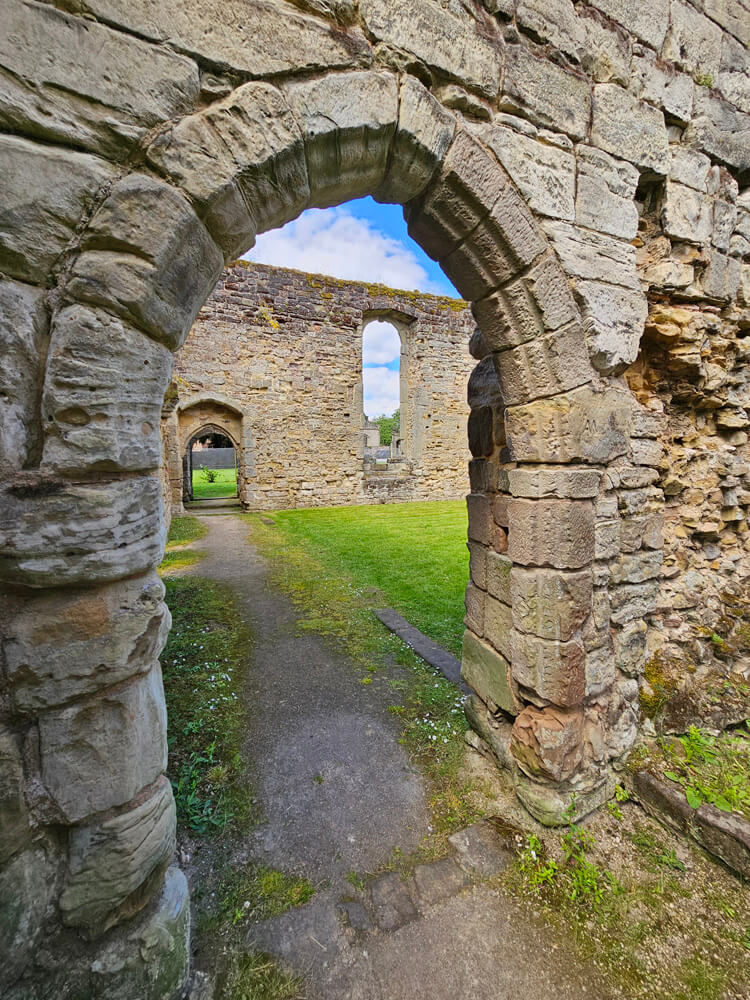
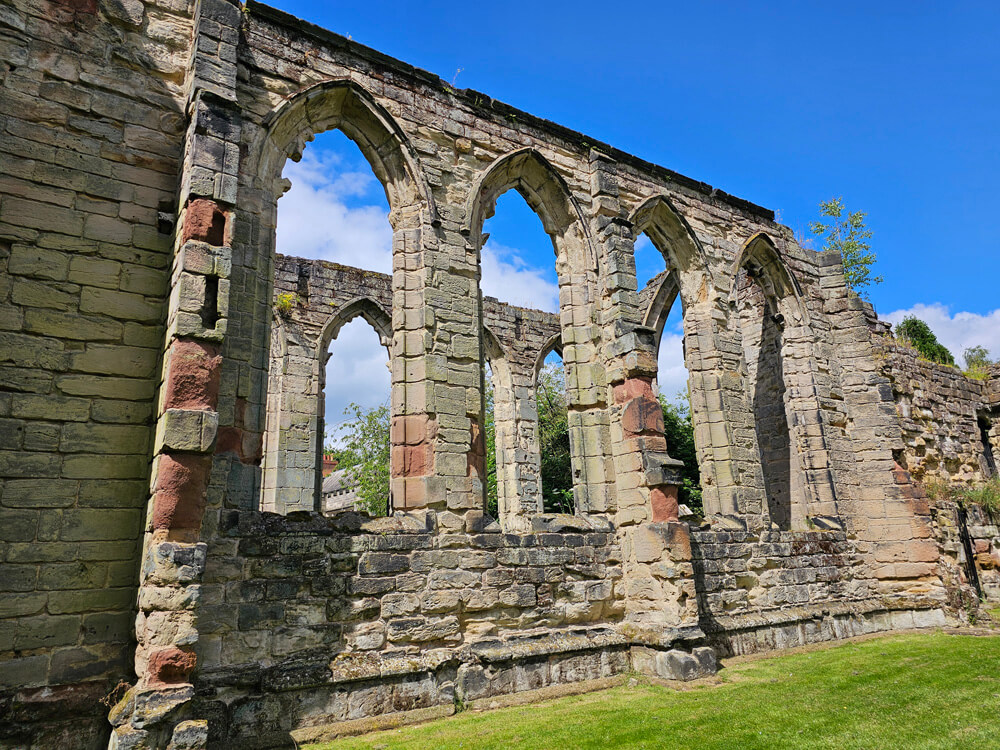
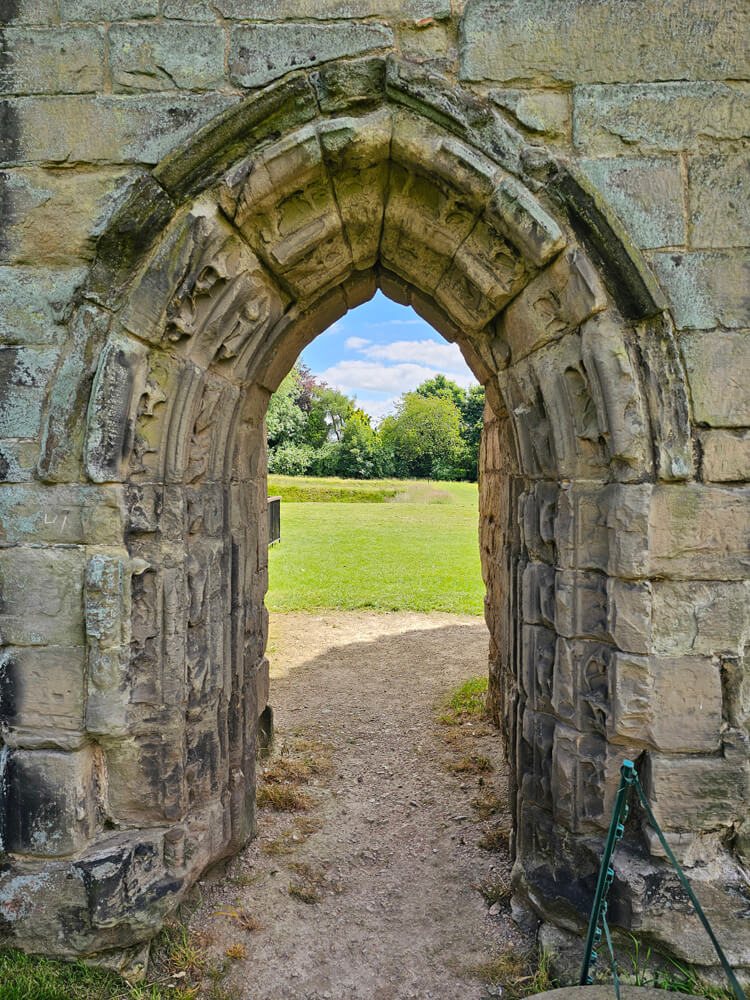
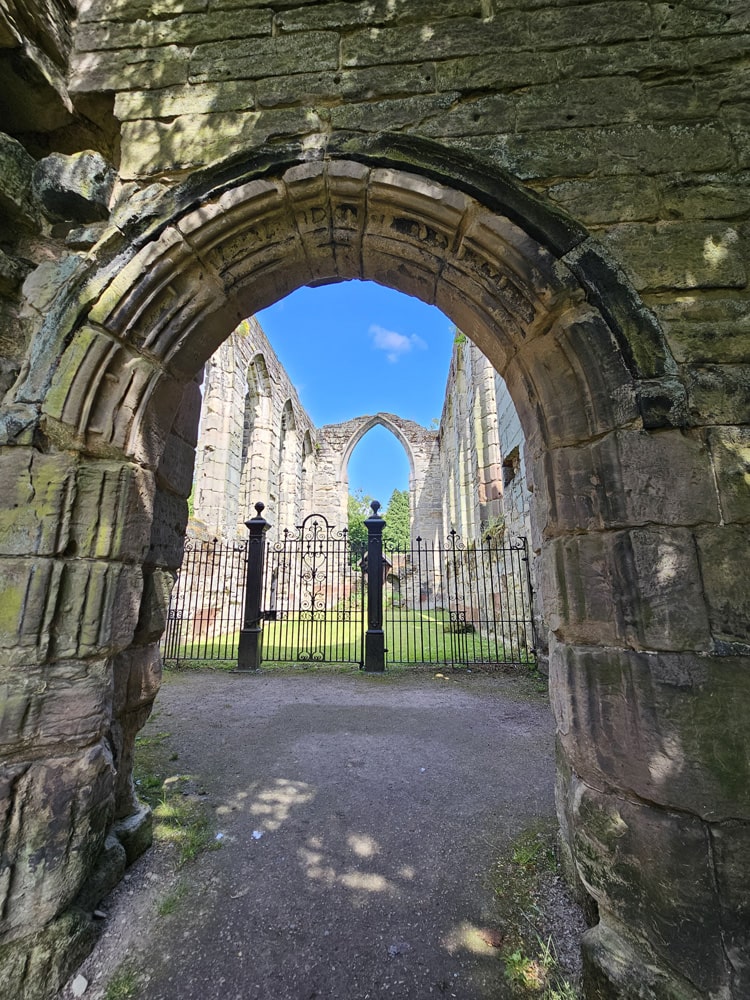
What remains of the castle is still impressive. It is one of the few defensive constructions to have a genuine underground passage linking two parts of the castle, which was my favourite part of my visit to Ashby.
Photo Gallery.
Did you enjoy this post?
I hope you found this post useful. I put a great deal of time and effort in to building, maintaining and populating the website. If you like, you could say a small thank you by buying me a coffee. You don't have to, but it would be nice :)
Buy me a coffee
Stay up to Date
Follow me on my journey and get notified whenever a new post is published by following Kings & Castles on Facebook.
Follow MeExplore The Map
Discover the hundreds of castles, churches, monasteries, cathedrals and other historic locations that I've personally visited across England and Wales. Search by location, explore nearby sites and plan your next historical adventure.
Share: