Caernarfon Walled Town
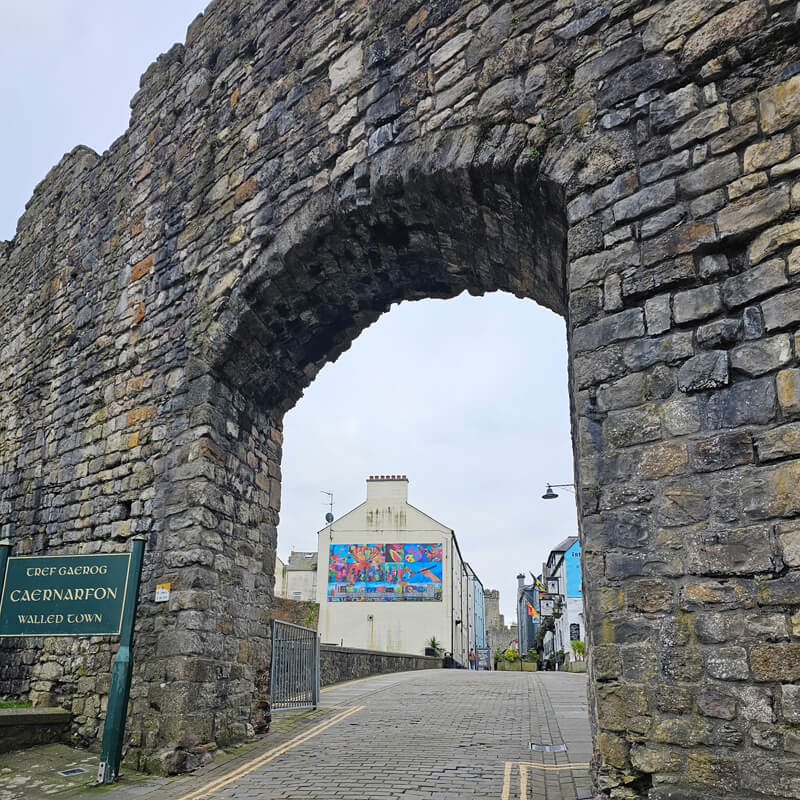
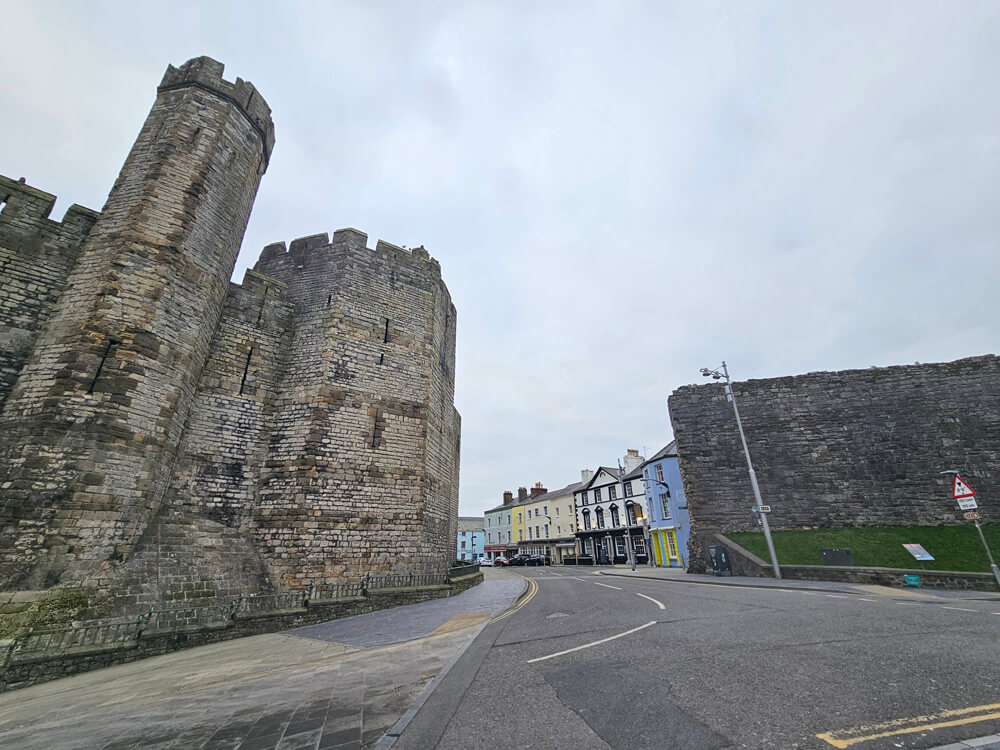
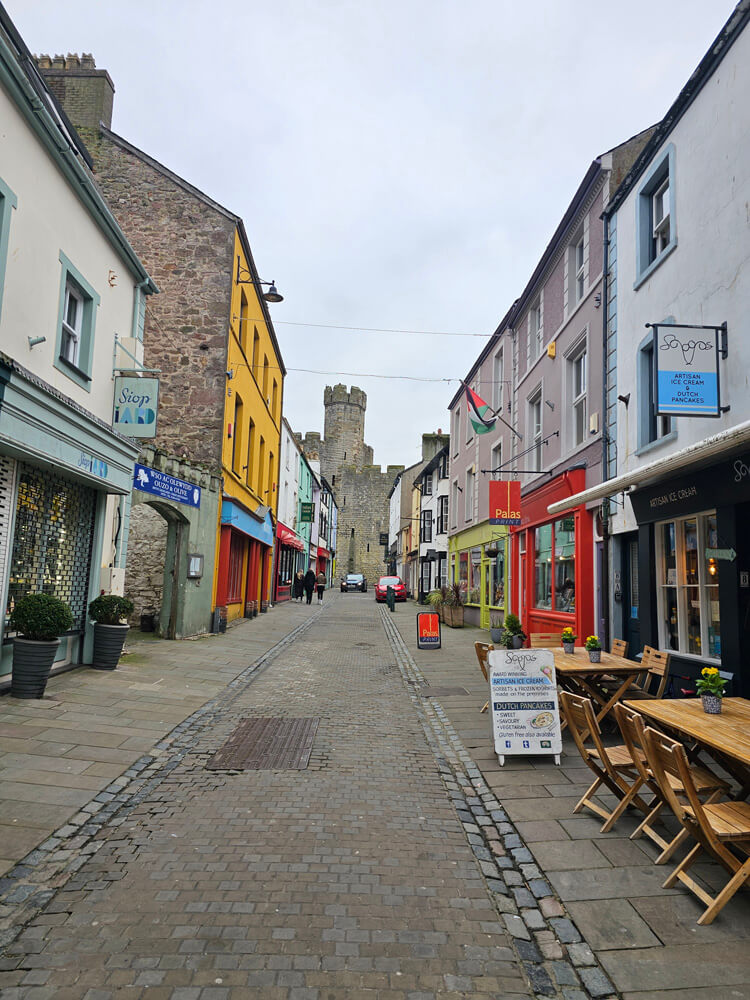
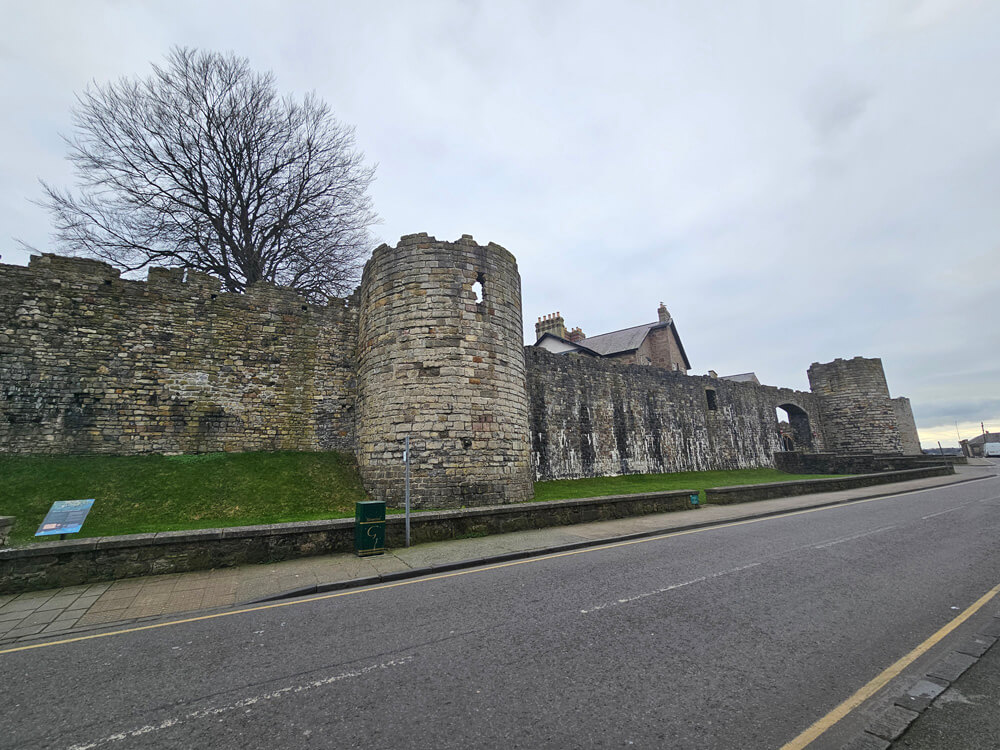
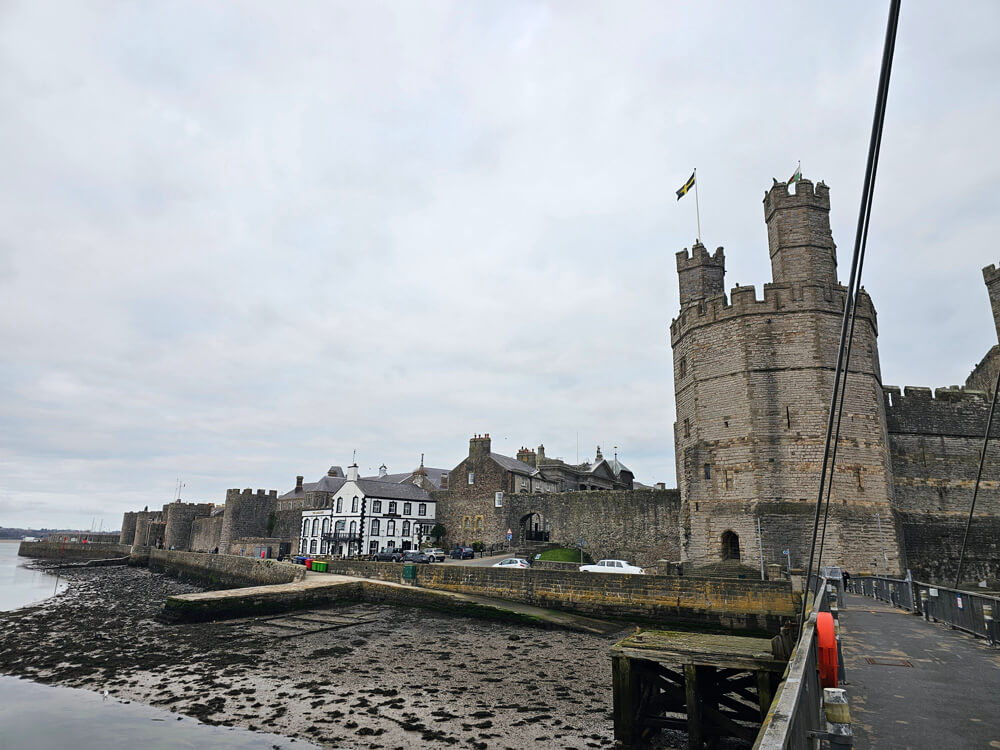
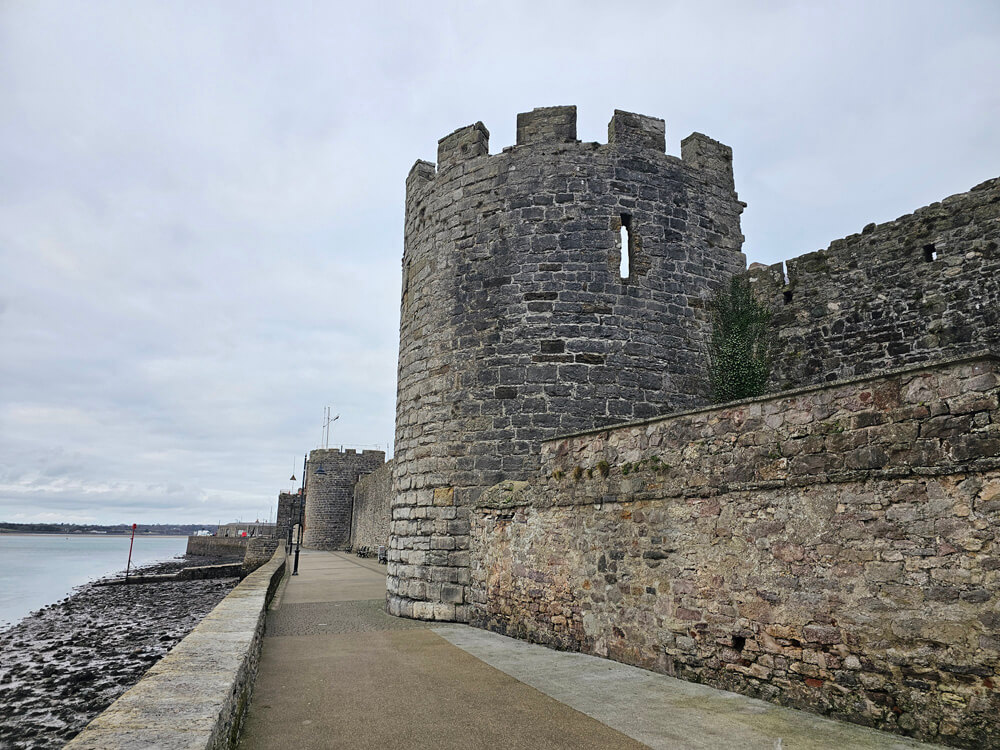
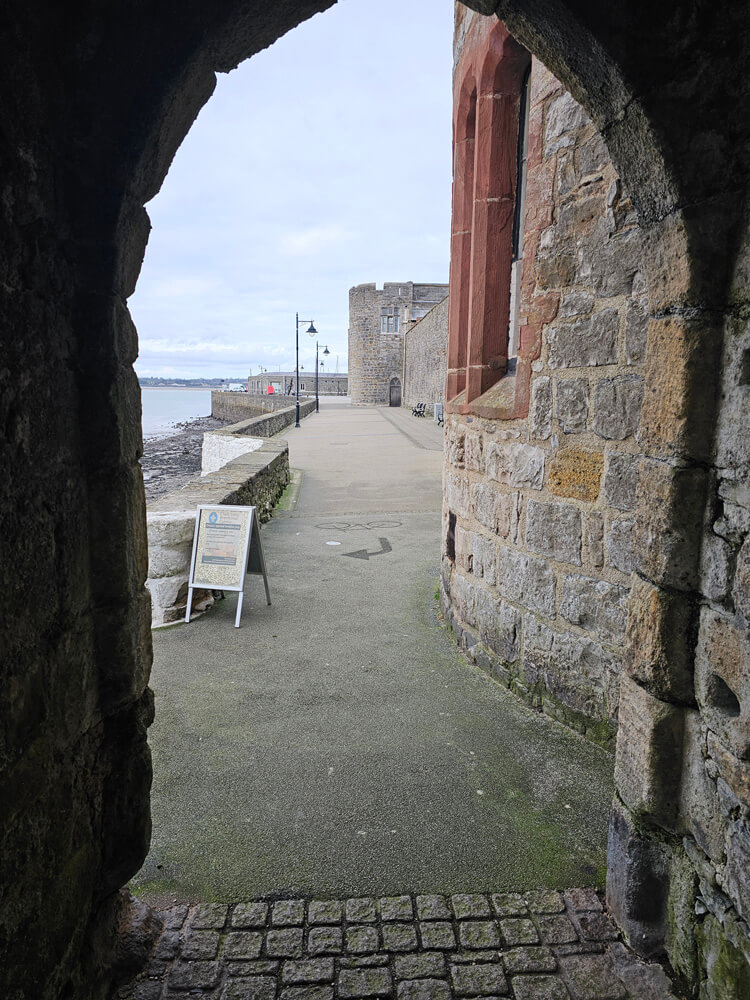
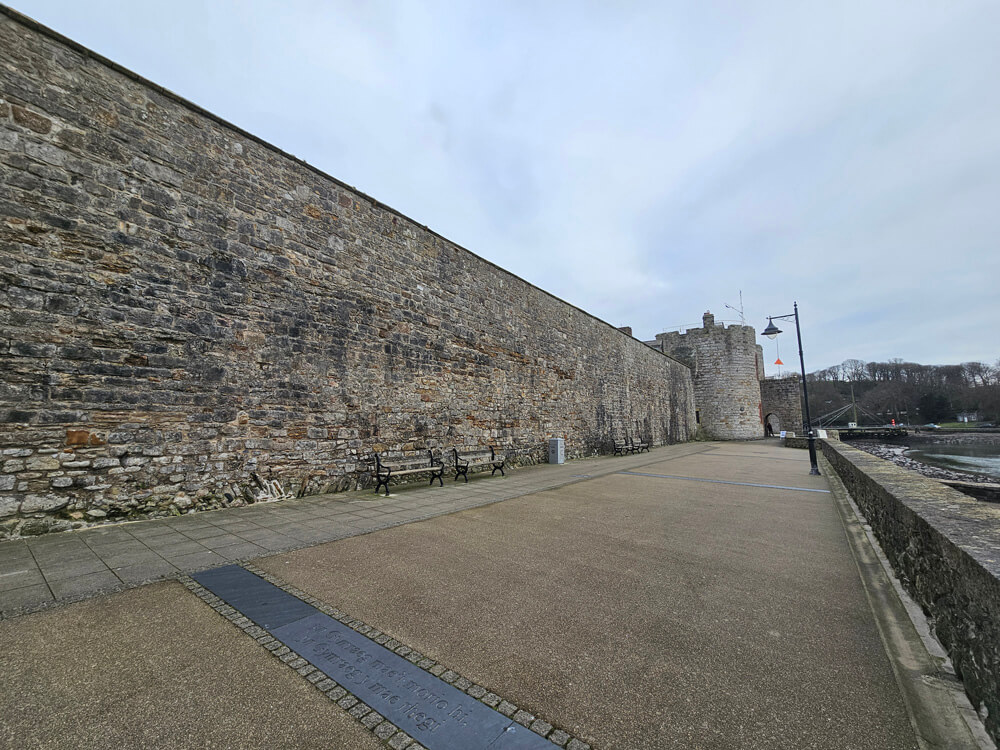
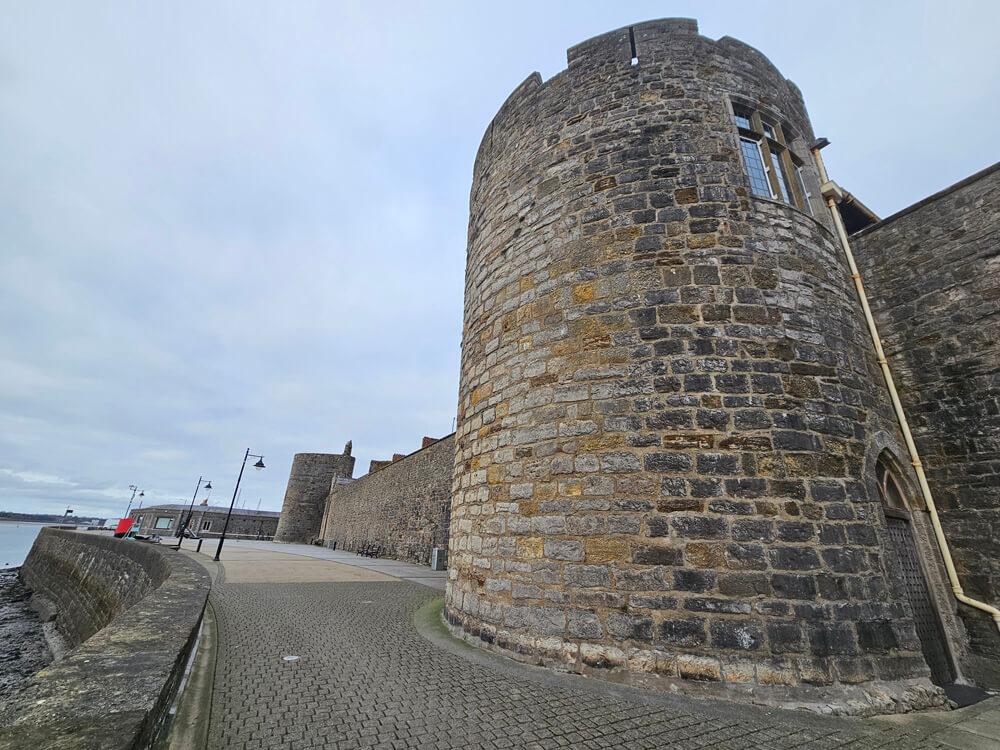
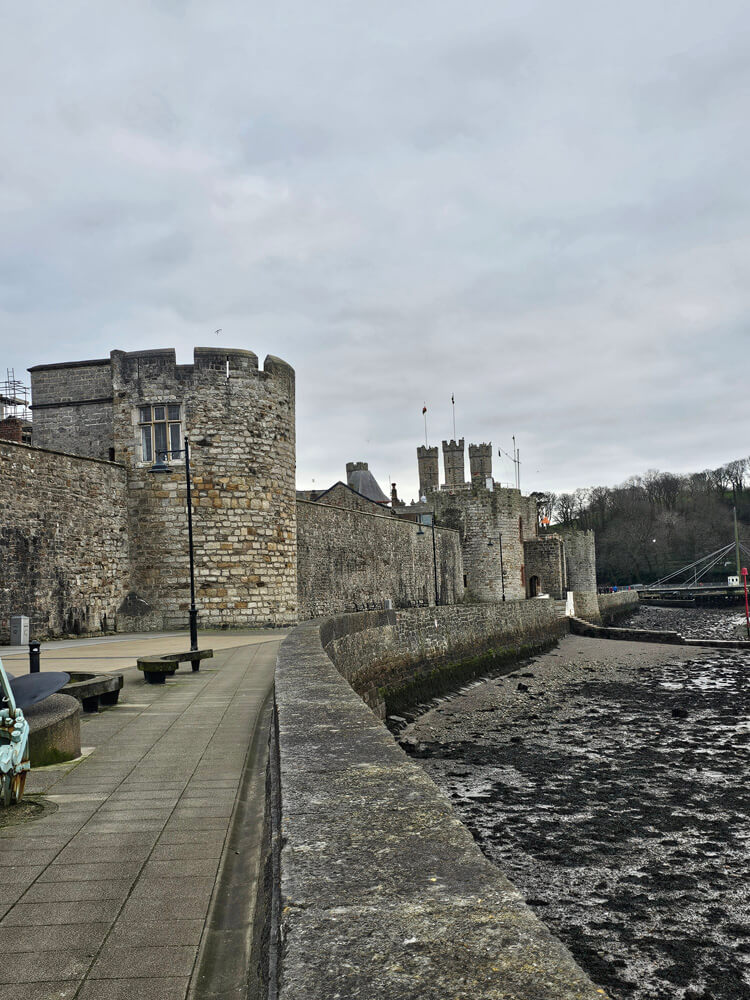
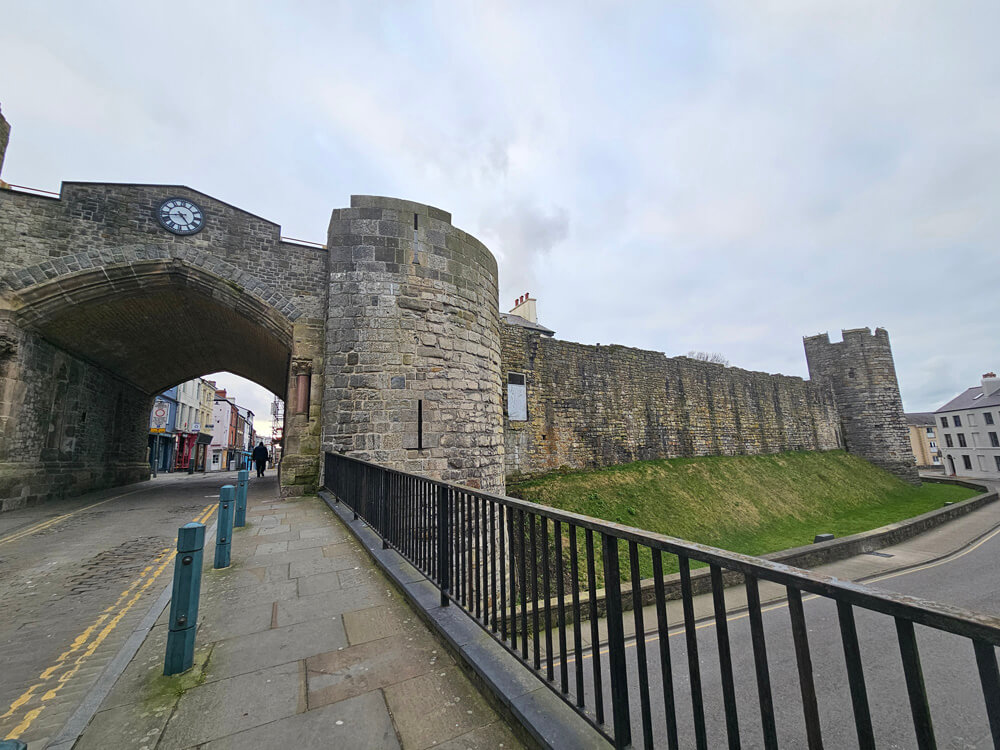
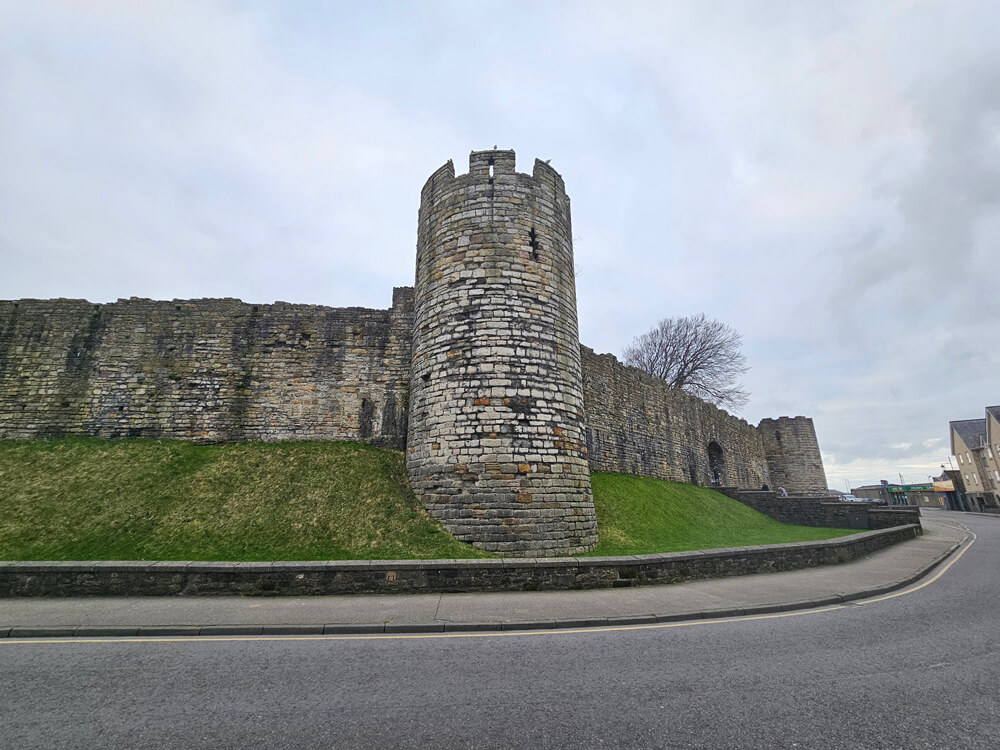
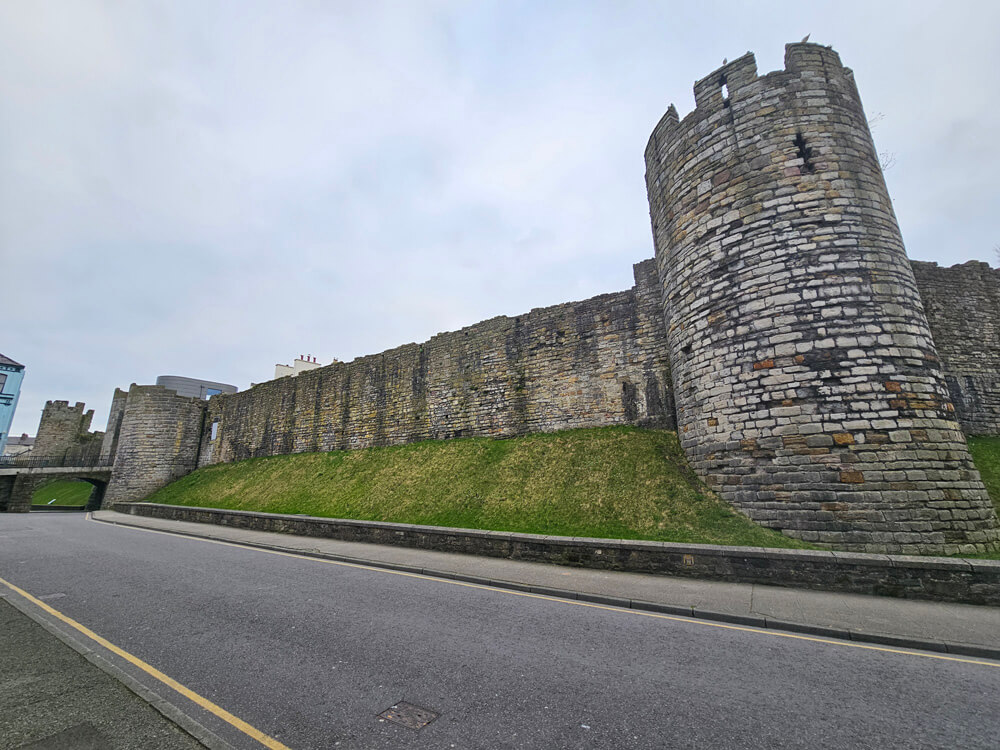
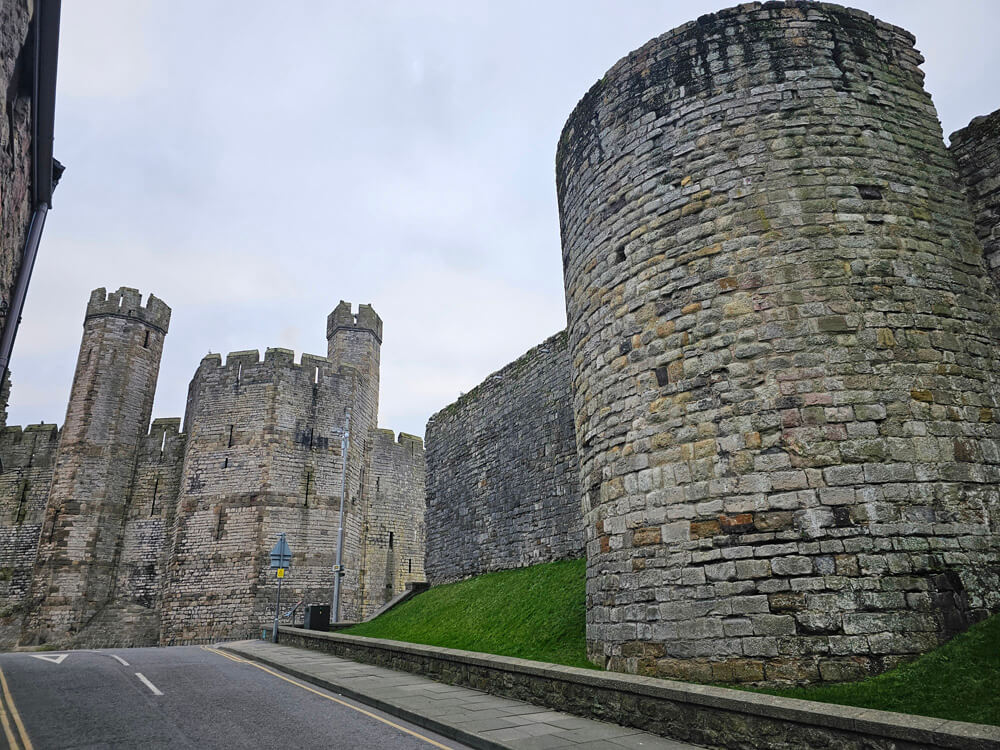
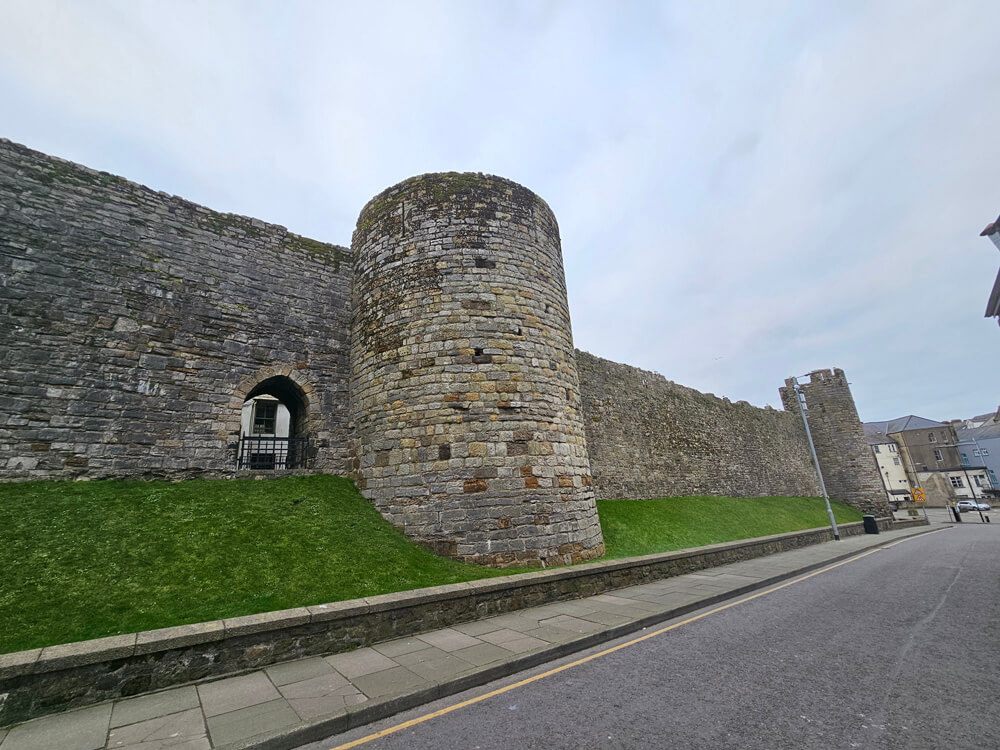
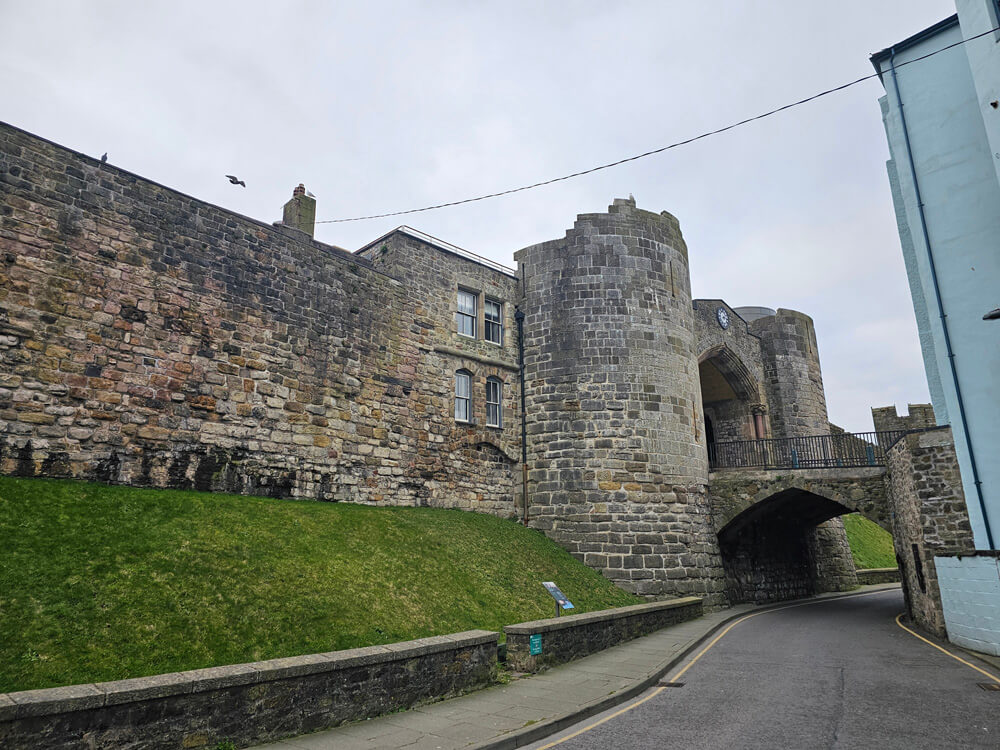
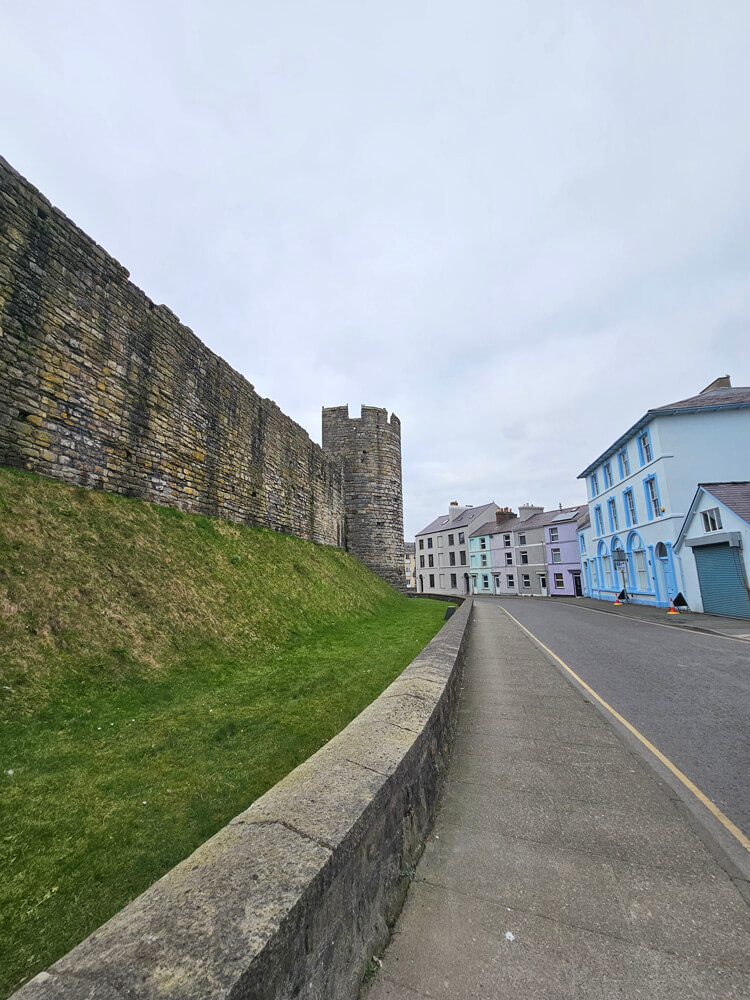
King Edward I built the walled town of Caernarfon at the end of the 13th century as a security blanket around his new castle. The circuit of walls, studded with eight towers and two gateways, survives almost complete and extends for nearly half a mile.
The History of Caernarfon
Caernarfon is a small, well-preserved medieval walled town in Gwynedd, north-west Wales. The area has been inhabited since Celtic times, and by the Romans for around three centuries from the 1st century AD, where they constructed their fort of Segontium on the hill above.
The Normans built a simple motte-and-bailey castle here in the late 11th century, which was replaced by the mighty stone fortress built by King Edward I that we see today, Caernarfon Castle. In 1282 Edward I invaded northern Wales for the second time during in his reign, but this time he wanted complete control the country and its people.
The area was chosen as a strategic location and his new castle here would form part of his ‘Iron Ring‘, a series of castles in north Wales designed to crush and subdue the rebellious Welsh Princes. Caernarfon however, would be the King’s seat of power; the administrative centre of north Wales and a symbol of English dominance over the subdued Welsh, and as a result the defences were built on a grand scale.
The chosen location was the site of an already existing Welsh settlement, which was destroyed to make way for the new castle and its defensive town walls. The native Welsh were evicted because Welsh people were not allowed inside the walls. The language of commerce and government in the new town was English or French, not Welsh, so it was populated entirely by English settlers once it was completed. While the castle was under construction, the town walls were built between 1283 and 1292 and connected to the castle, creating a new English walled town.
The construction of the new fortified town was built under the supervision of the royal military architect Master James of St George, the chief architect of Edward I in north Wales. Primarily labourers from England were used for the town’s construction, at a cost of around £3,500, a very large sum at that time.
Caernarfon was attacked by Madog ap Llywelyn, Prince of Wales, during his attempt to evict the English from north Wales, and the town walls were significantly damaged. The English quickly recaptured Caernarfon and began refortifying the town, and the town walls were repaired at considerable expense. The town was attacked again in 1400 when the welsh leader Owain Glyndŵr rebelled against English rule during the Glyndŵr Rising of 1400–1415, but the townspeople successfully repelled the attacks.
Caernarfon continued to be controlled by the English throughout the medieval period, and it wasn’t until ascension of the Tudor dynasty to the English throne that the Welsh were finally allowed to live inside the walls. This was because the Tudors were of Welsh origin, which reduced the hostility between the two nations and there was no longer a need to maintain the fortifications of the castle and the town.
Caernarfon Today
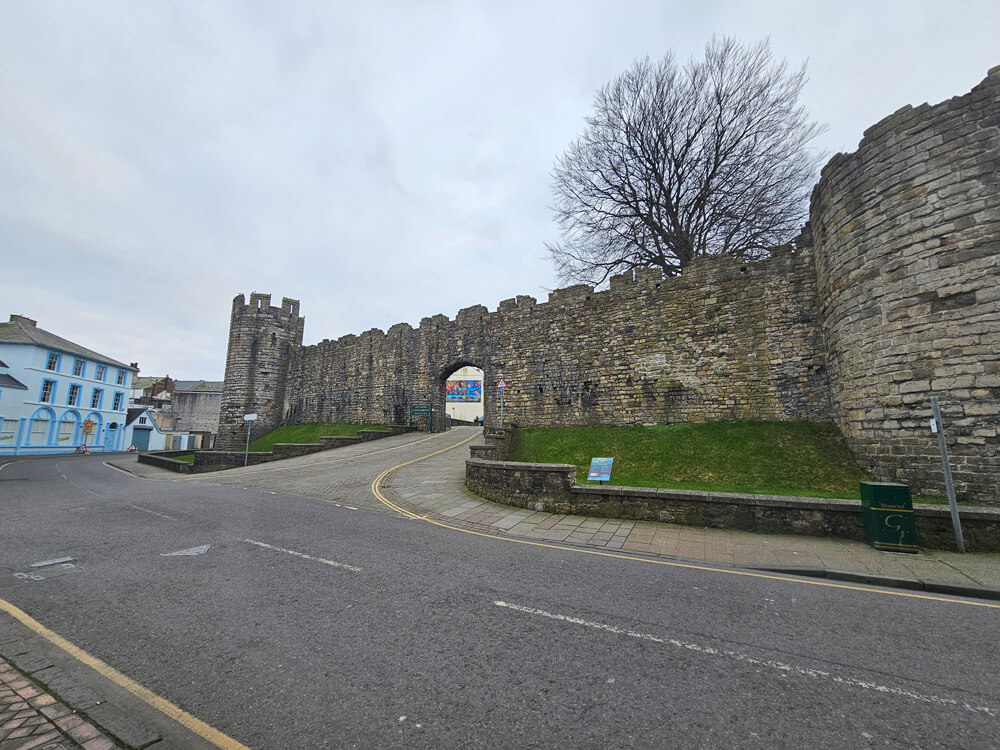
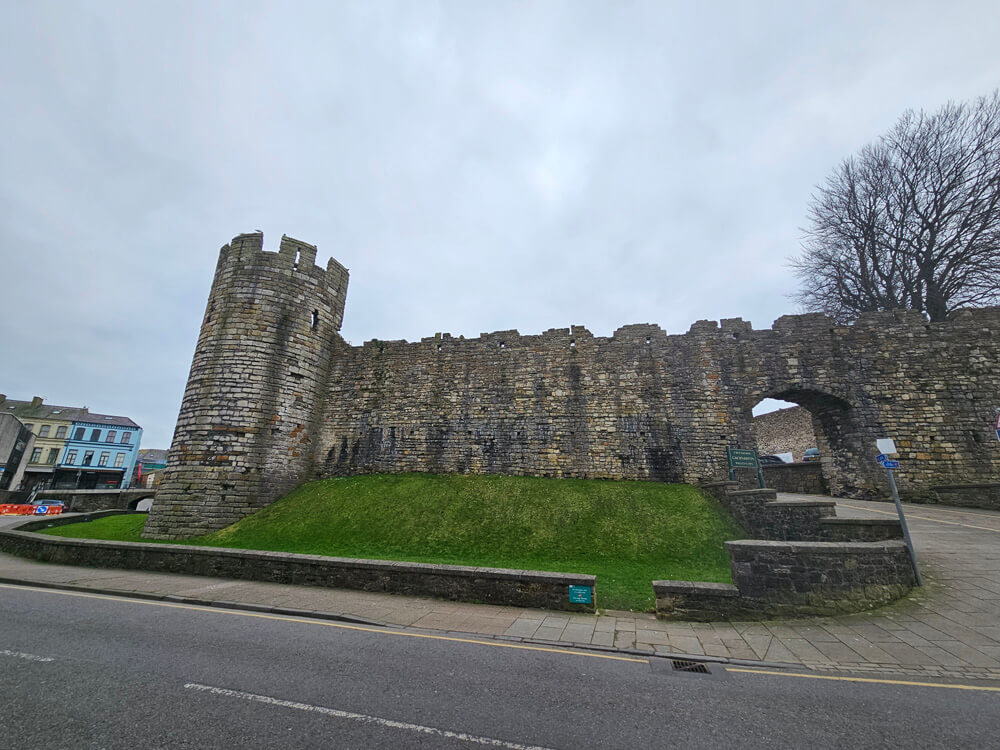
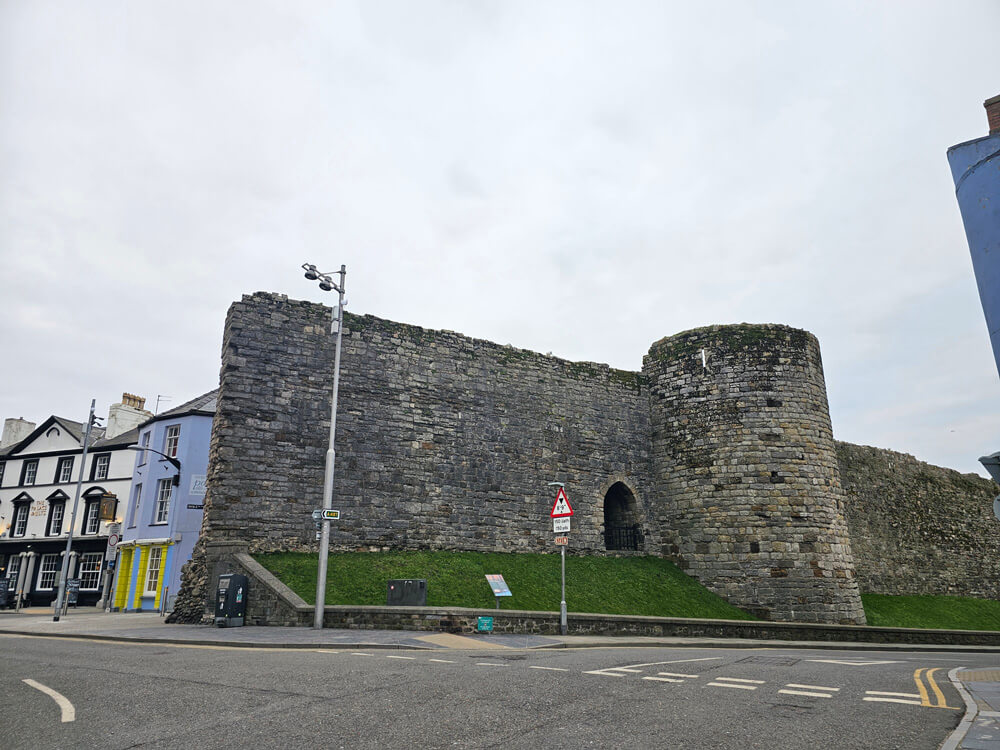
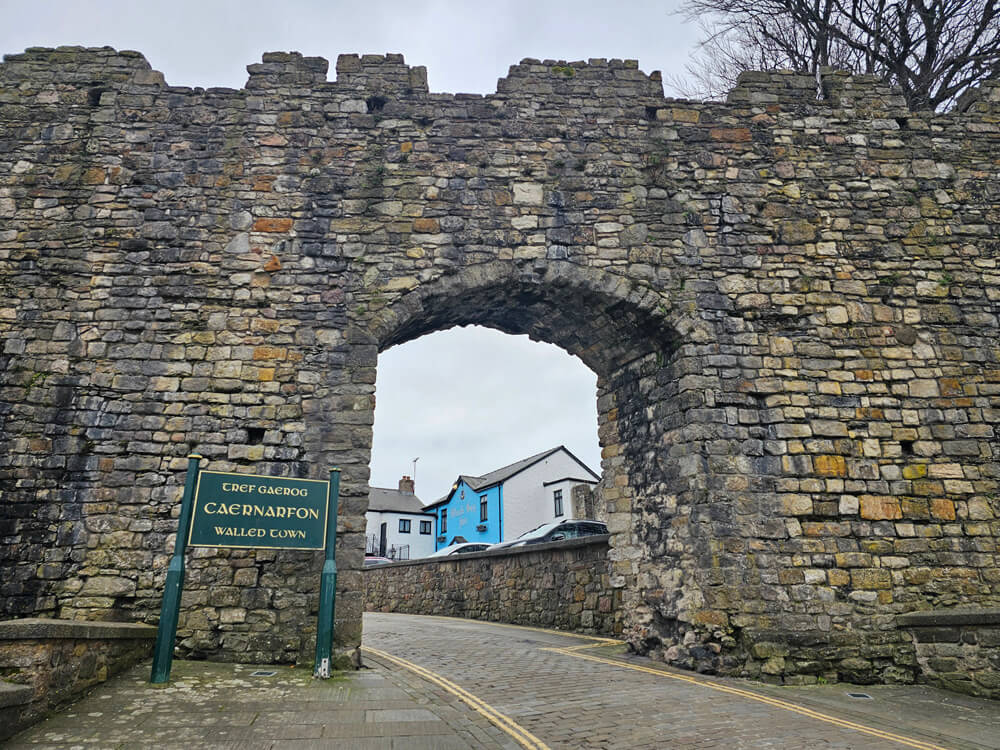
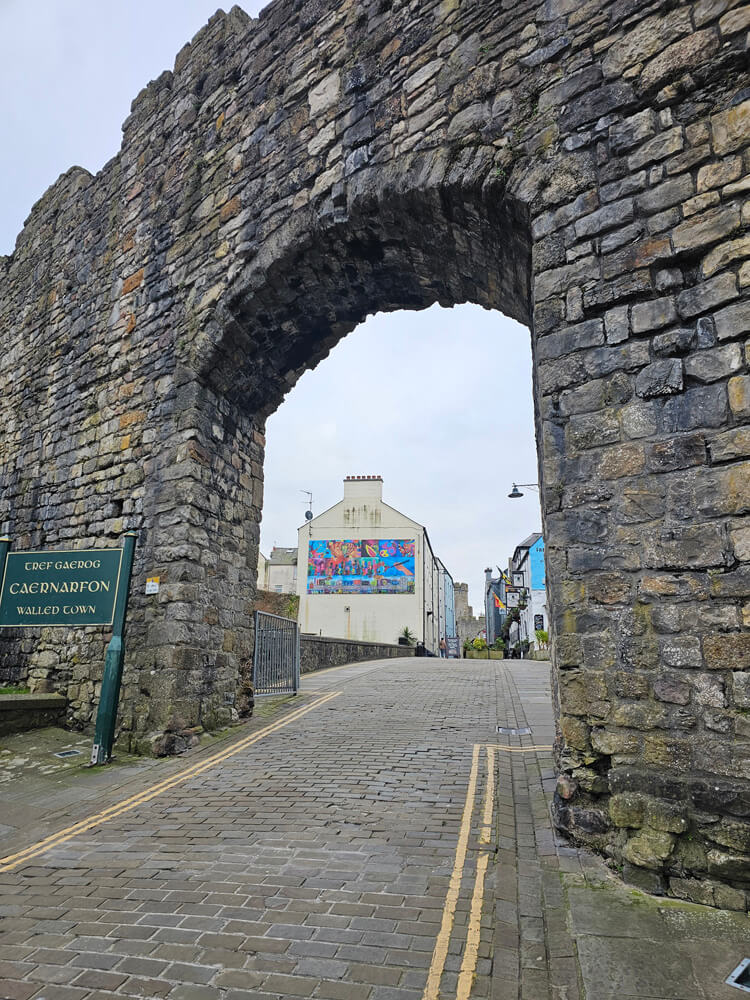
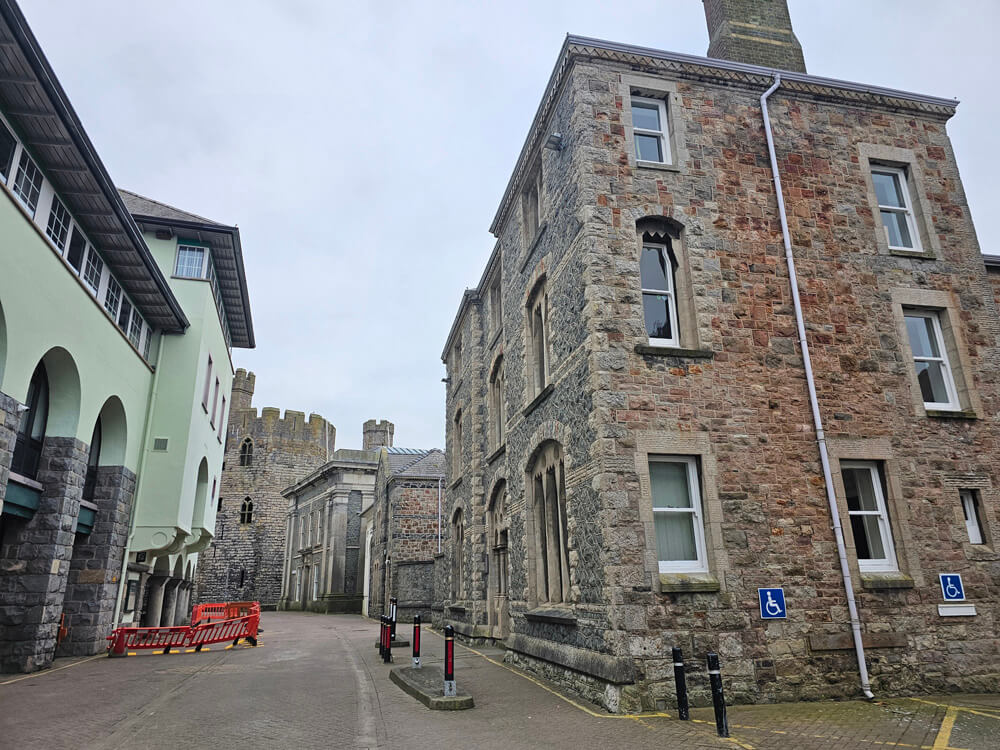
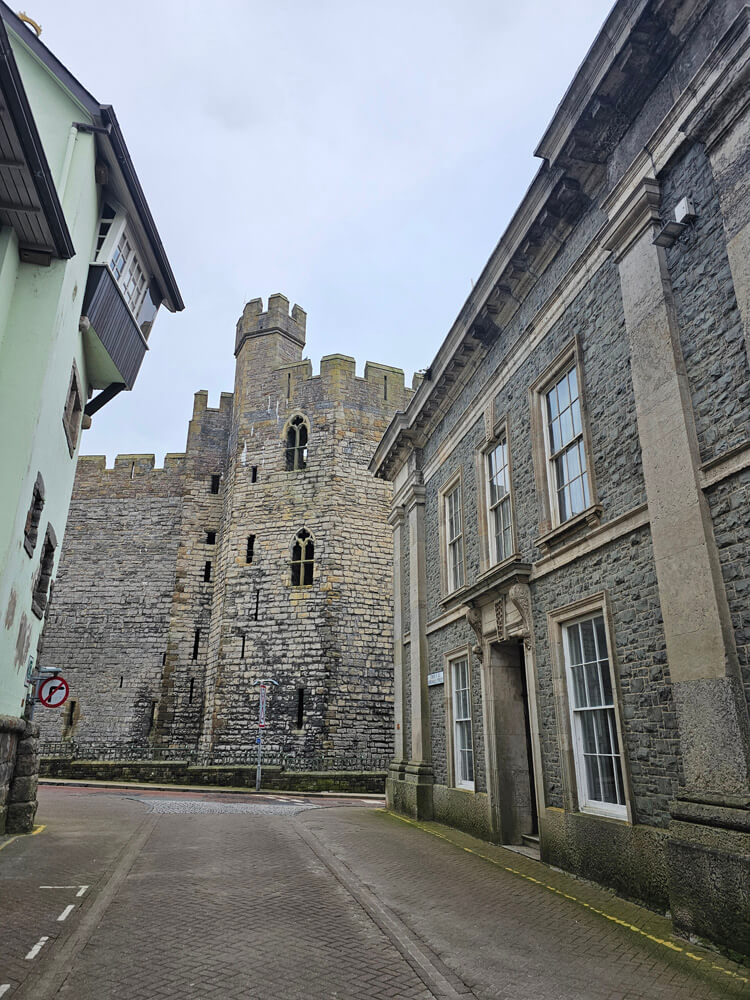
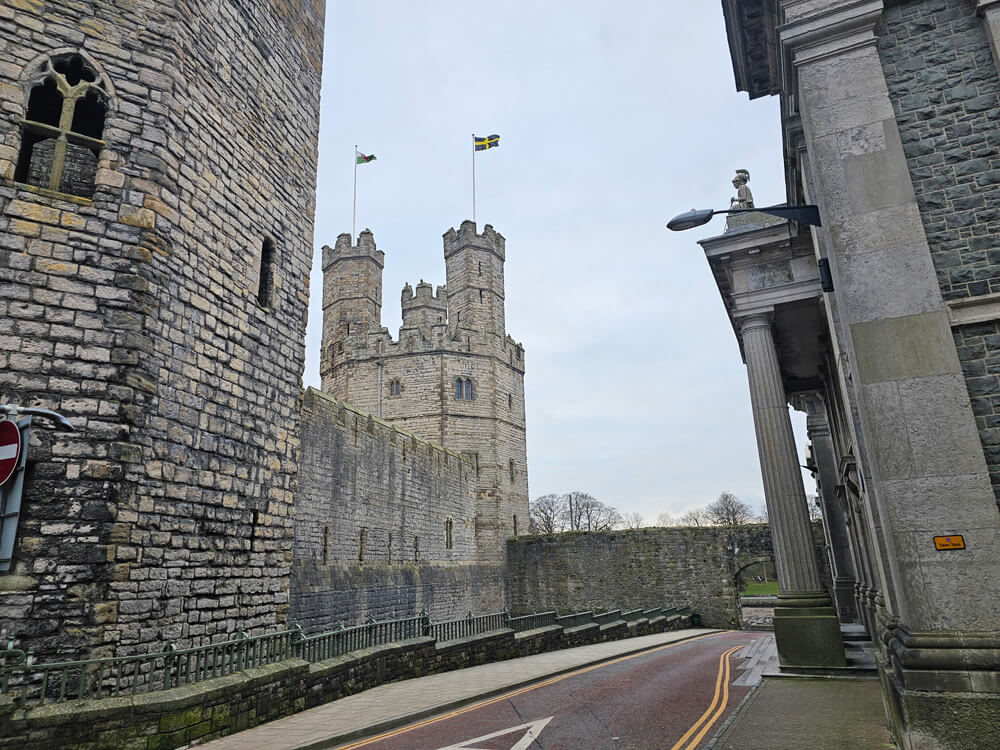
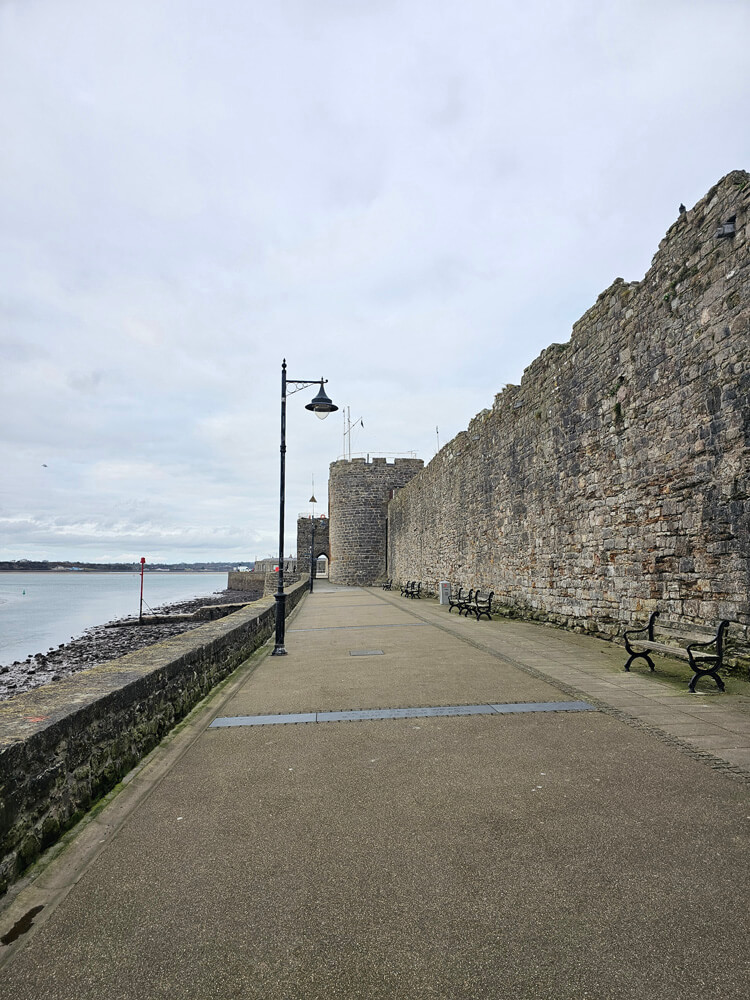
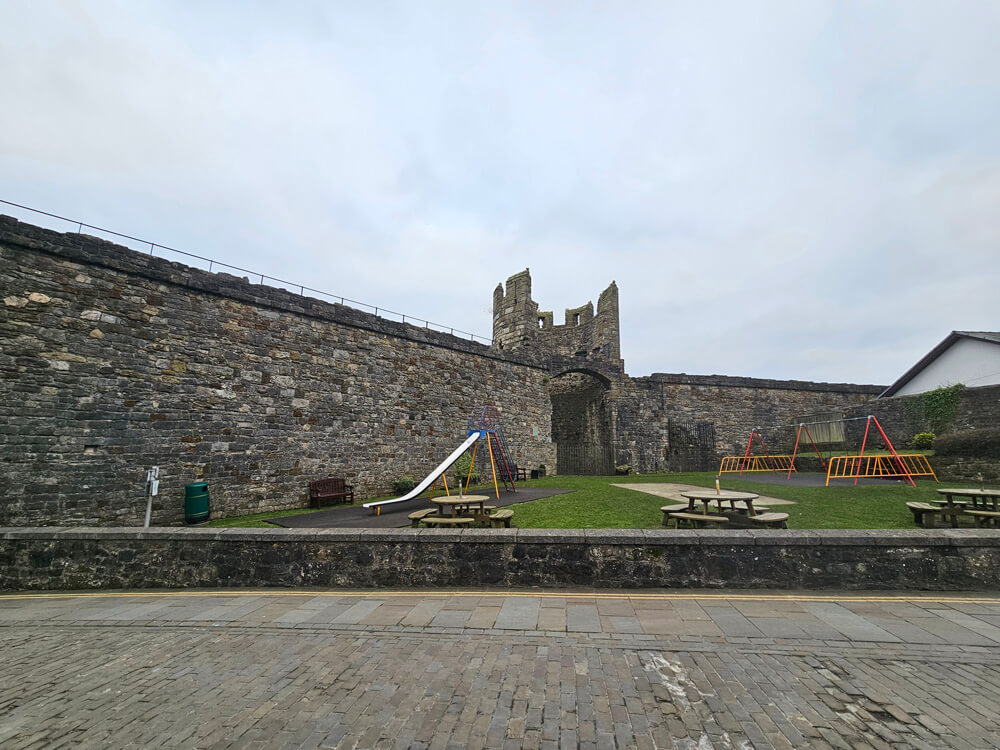
The unusually well-preserved town walls are over 2,400 ft long and include eight towers and two medieval gatehouses, remaining unbroken and standing almost to their full circuit around the town to this day. They are mostly built from the same limestone used for the building of the castle.
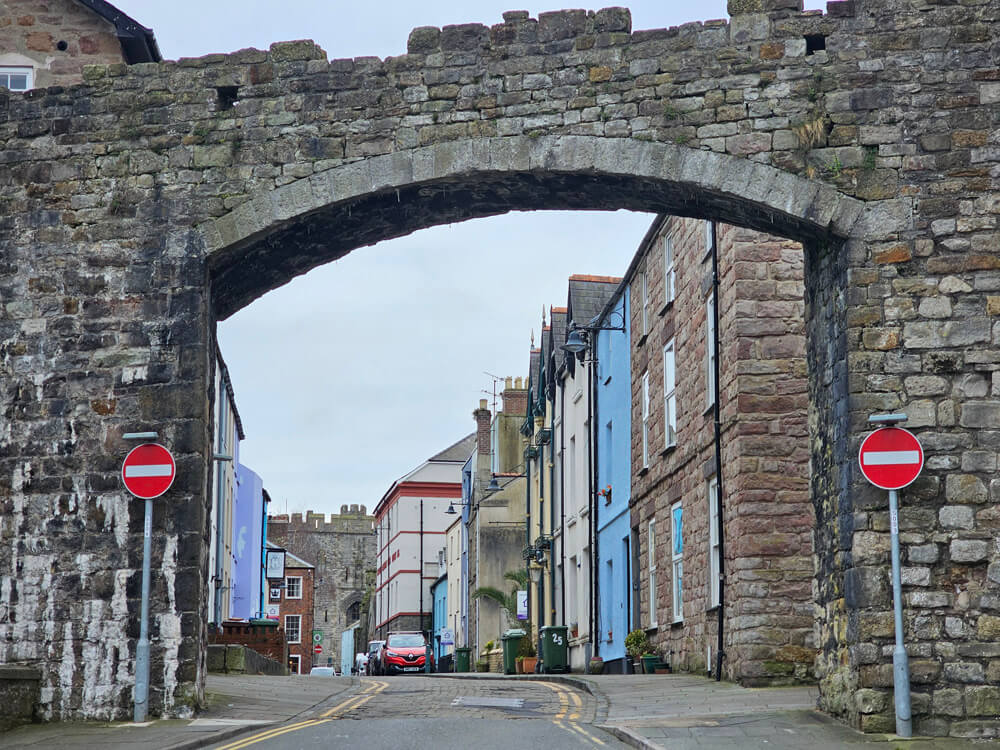
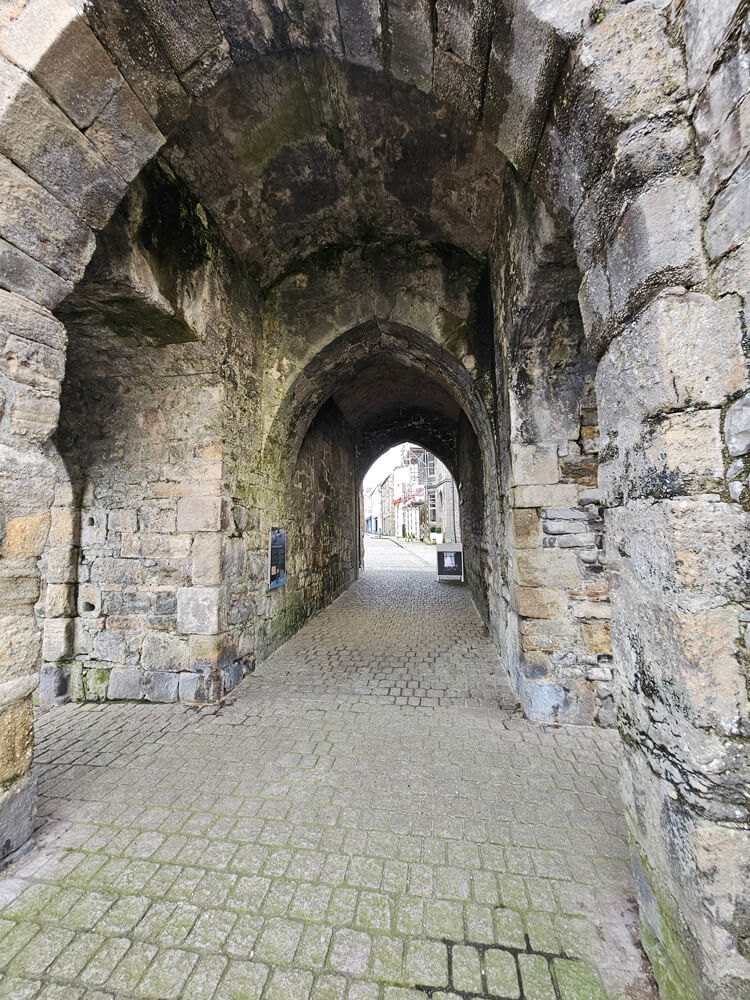
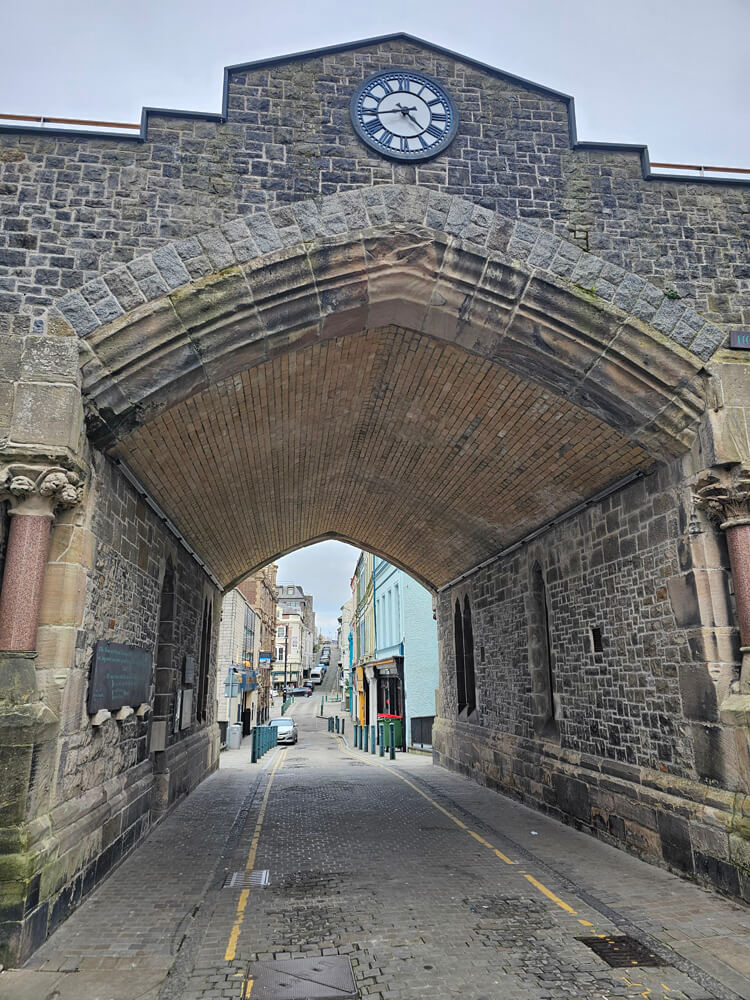
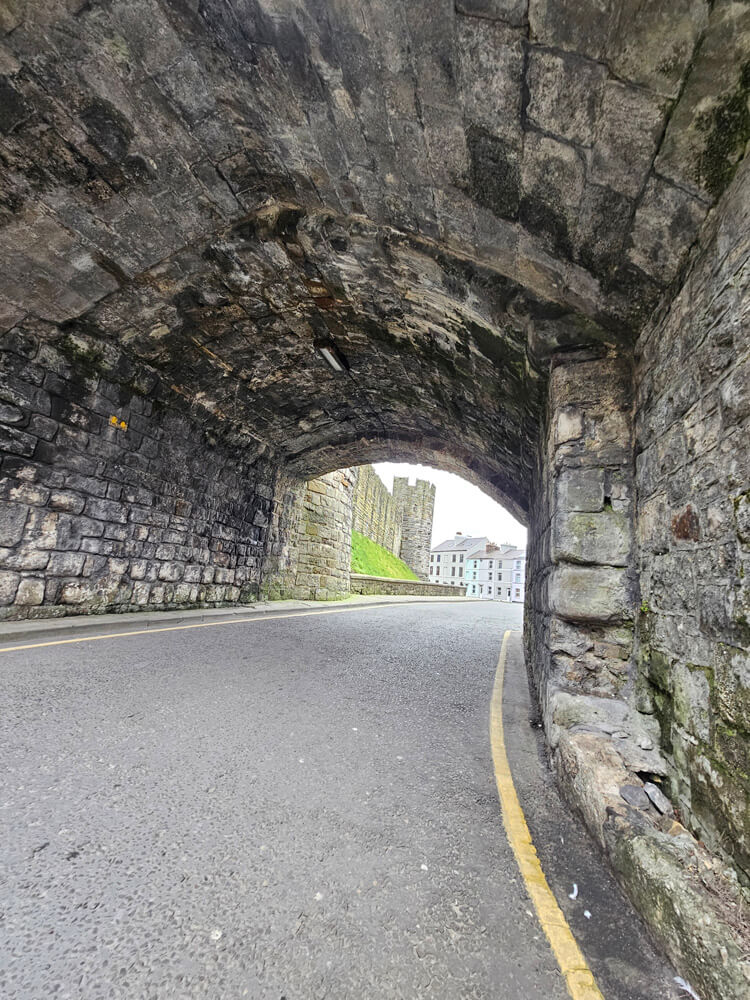
The two original entrances to the town were through the West and East Gates. The East Gate was the main landward entrance to the medieval borough, and the West Gate faced onto the harbour, also known as the Golden Gate, which could only be approached from the sea in the 13th century. Newer entrances to the town, made by creating additional gateways in the walls, include Northgate, Greengate and the entrance to Market Street.
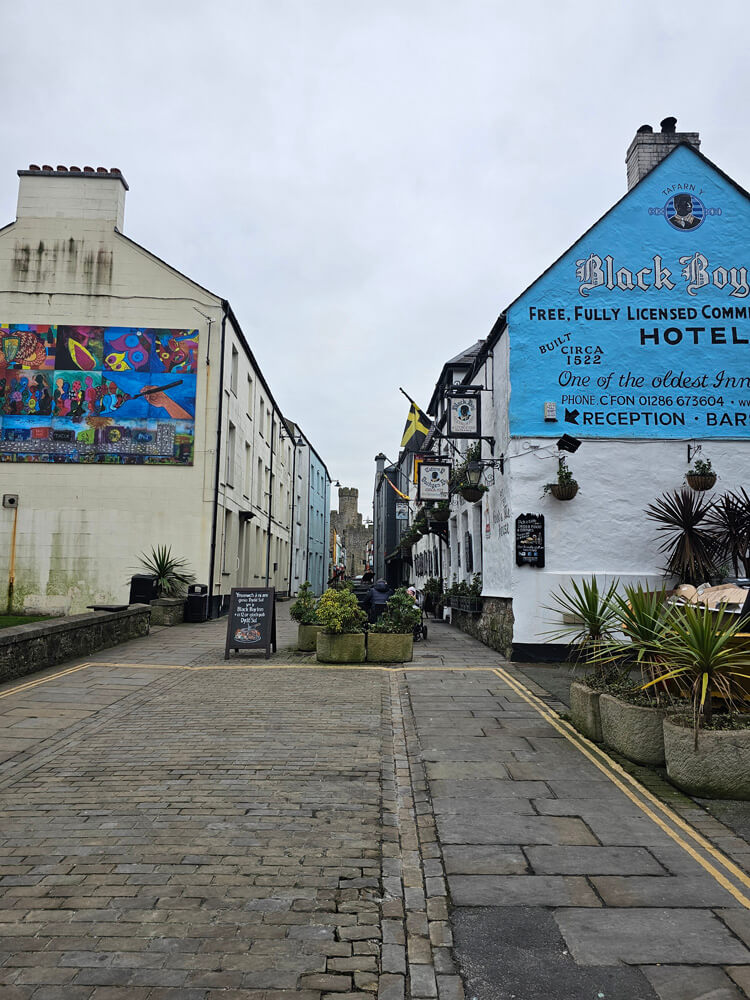
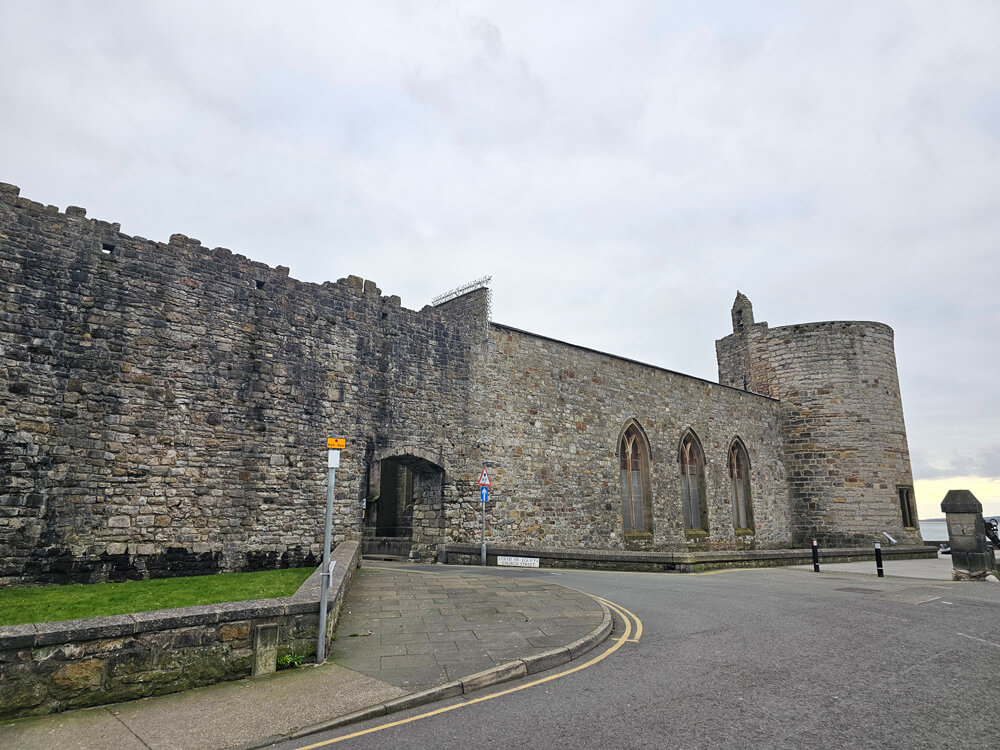
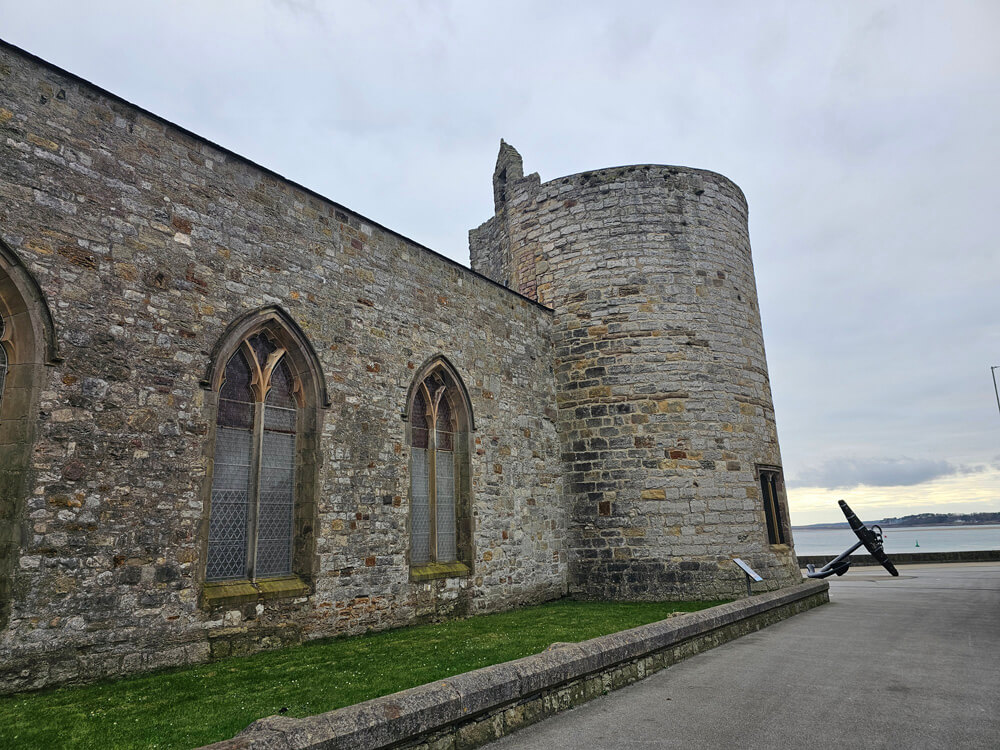
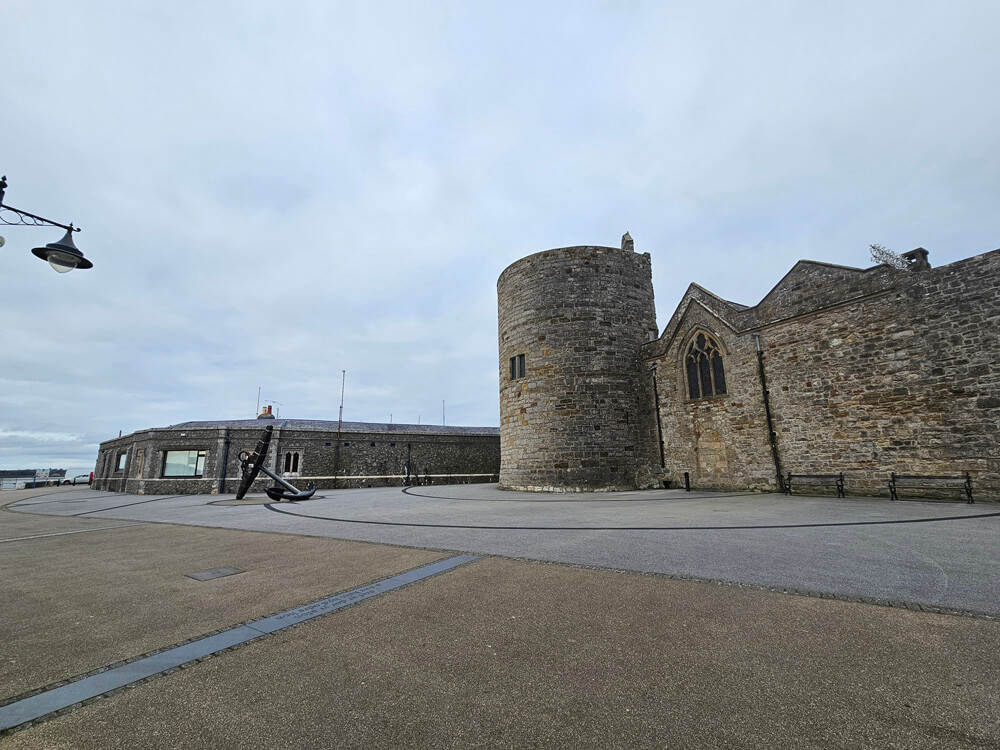
Some of the best-preserved sections of wall can be seen just north of the East Gate, though to get a sense of the original atmosphere of the town take a walk on the quay or along Hole in the Wall Street. In the north-west corner of the walls is the 14th-century chapel of Saint Mary, founded as a garrison church in 1307 and built into the town wall defences using one of the circular towers as a vestry.
Photo Gallery.
Did you enjoy this post?
I hope you found this post useful. I put a great deal of time and effort in to building, maintaining and populating the website. If you like, you could say a small thank you by buying me a coffee. You don't have to, but it would be nice :)
Buy me a coffee
Stay up to Date
Follow me on my journey and get notified whenever a new post is published by following Kings & Castles on Facebook.
Follow MeExplore The Map
Discover the hundreds of castles, churches, monasteries, cathedrals and other historic locations that I've personally visited across England and Wales. Search by location, explore nearby sites and plan your next historical adventure.
Share: