The Medieval City of Worcester
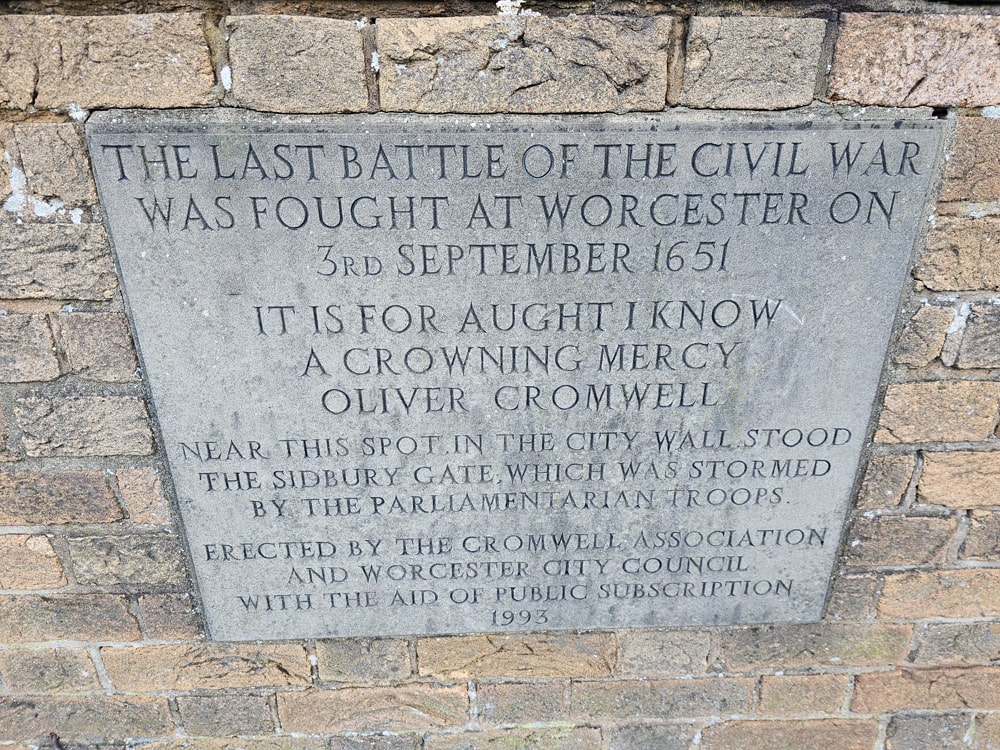
Worcester is a medieval cathedral city and the county town of Worcestershire, England. The city is full of history but it is probably most famous for the Battle of Worcester that took place in 1651.
Early History
The settlement of Worcester dates back to Neolithic times and was later fortified by the Britons around 400 BC. It would have been on the northern border of the Iron Age Dobunni tribe who were living in the British Isles prior to the Roman conquest of Britain.
Worcester was founded by the Romans in the 1st century where it emerged as an important settlement on the River Severn, connected by river to the forts at Gloucester and Wroxeter. By the late-2nd century Roman Worcester was a thriving town with many craftsmen such as blacksmiths, carpenters, bakers, and potters, as well as many farmers. However, in the 4th century, Roman civilization declined, and the last Roman soldiers left Britain in the early-5th century, after which Worcester was likely abandoned until the Anglo-Saxons settled.
Anglo-Saxon Worcester
The Anglo-Saxons settled in Worcester in the 7th century and founded Worcester Cathedral. The settlement was eventually consumed by the emerging Kingdom of Mercia, at which time Worcester was chosen in preference to both the much larger Gloucester and the royal court at Winchcombe to be the seat of a new bishopric.
The old Roman settlement gave its name to the new Anglo-Saxon settlement. The ‘cester’ in its name is Latin for ‘castra’, indicating that a place was once a Roman camp or fort. The Anglo-Saxons called a Roman settlement a ‘ceaster’ or ‘ceastre’. They called this one ‘Weogoran ceaster’ or ‘Weogorna ceastre’, meaning ‘people of the winding river’, and in time the name changed to Worcester.
During the Middle Ages Worcester was a centre of medieval religious life; there were several monasteries until Henry VIII‘s Dissolution of the Monasteries. The first of these was Worcester Cathedral, which was first founded in 680, then in 983 Saint Oswald built another cathedral and established a Benedictine monastery attached to it, dedicated to St Mary. Established much later were the Greyfriars and Blackfriars monasteries in the 13th and 14th centuries respectively. At the time, Worcester Cathedral was one of the most important monastic cathedrals in the country. It was a centre of great learning which continued into the late Middle Ages, when Worcester’s Benedictine monks went to university to study a variety of subjects such as theology, medicine, law, history, mathematics, physics, and astronomy. Some of these medieval university textbooks still survive in the cathedral library today.
Worcester became a public settlement during the reign of King Alfred the Great, when it was chosen to be the site of a burh (fortified town), as part of efforts to create a network of defensible sites to resist Viking invasions, at which time Worcester would have been surrounded by a ditch and rampart, probably with a wooden palisade.
In the year 1041, Worcester became a focus of violent tax resistance against the King, Harthacnut, who was the son of Cnut the Great and also King of Denmark. The king sent a tax collector to Worcester and the townspeople tried to defend themselves, resulting in the murder of the tax collector and the townspeople fleeing to the island of Bevere, two miles up river. King Harthacnut’s men sacked the town and set it alight, however, the town soon recovered and was rebuilt.
Norman Worcester
By the time of the Domesday Book in 1086 Worcester was a fair-sized town and consisted of a wooden castle, cathedral (which the Normans rebuilt in 1084), and a settlement of around 2,000 people, all surrounded by a wooden wall and deep ditch.
In the 1100s Worcester suffered a number of fires, destroying the town, castle and cathedral, all of which were rebuilt. Worcester was attacked several times during the civil war known as ‘The Anarchy‘, between King Stephen and the Empress Matilda, daughter of Henry I. One attack in 1139 resulted in fire and destruction of a portion of the town, with citizens being held for ransom.
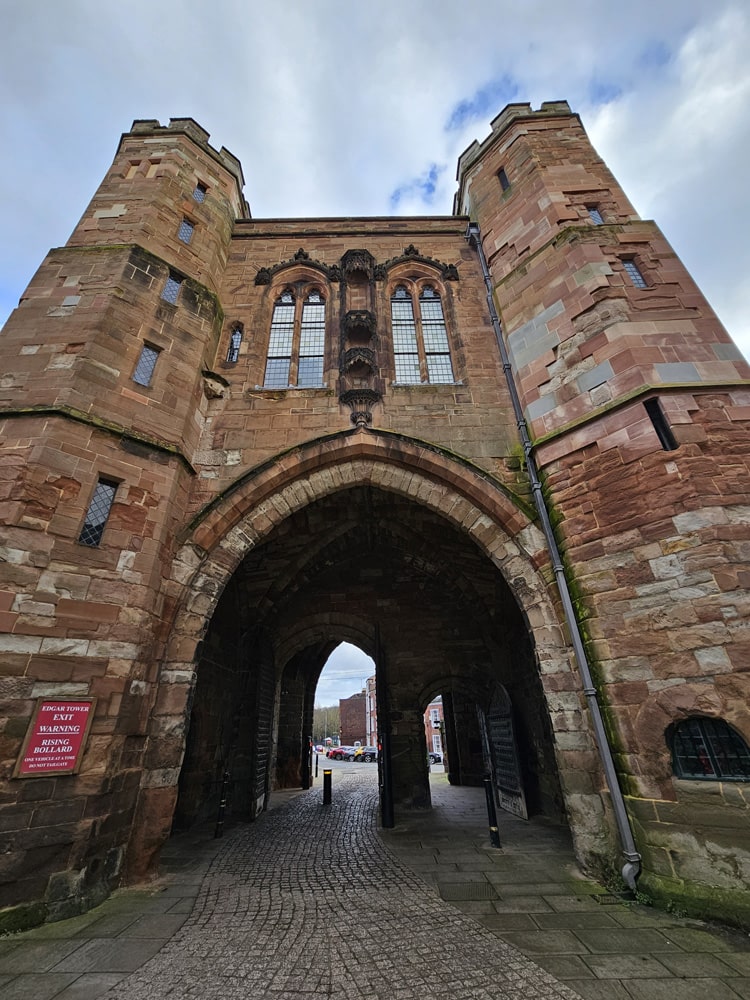
Worcester Castle was rebuilt in stone in the 12th century, and in the early-13th century stone walls were built around the town. Today, nothing remains of Worcester Castle with the exception of Edgar Tower, a cathedral gatehouse built on the former entrance to the castle.
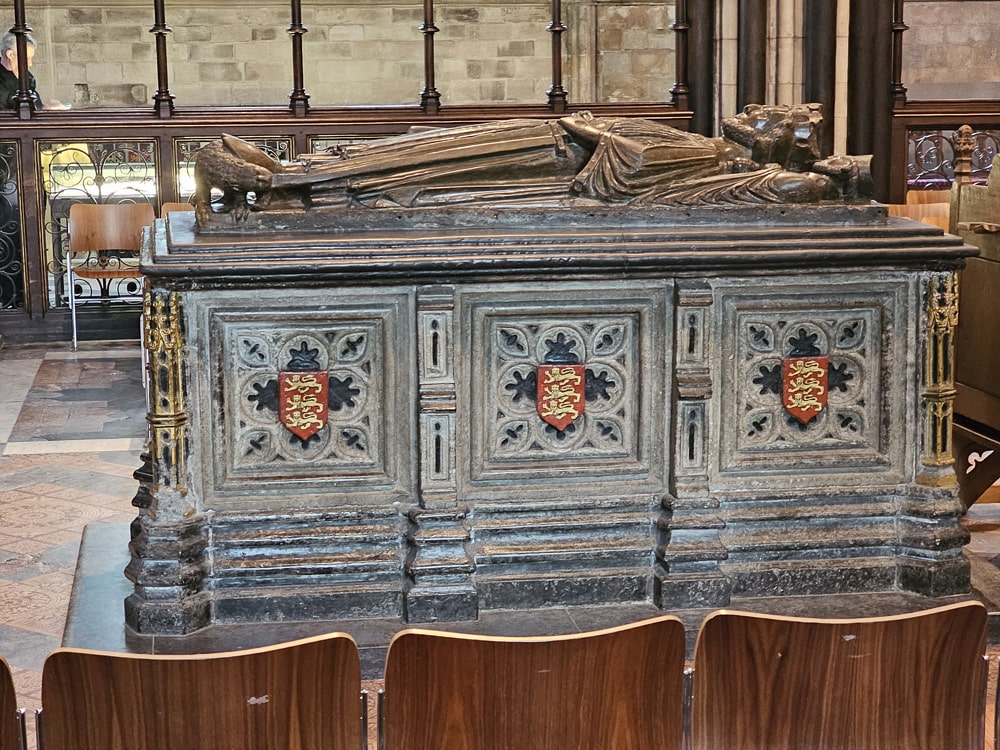
King John made eleven visits to Worcester, including his first Easter as King in 1200, and he spent Christmas at Worcester in 1214. He died in 1216 and was buried in Worcester Cathedral.
During the 13th century Worcester held a weekly market, and after 1218 an annual fair. Worcester became an important wool town with buyers and sellers coming from all over Herefordshire and Worcestershire to attend a Worcester fair. There was also a leather industry in medieval Worcester where the town became popular for glove making.
Dissolution of the Monasteries
The Franciscan friars arrived in Worcester in the 13th century, and the Dominican friars came to Worcester in the following century, and both religious groups set up monastic establishments known as friaries. The Franciscan friars were called grey friars because of their grey robes, giving their monastery the name Greyfriars. The Dominican friars were known as black friars due to the dark colour of their robes, giving their monastery the name Blackfriars.
In 1538 the friaries were suppressed as a result of Henry VIII’s Dissolution of the Monasteries. St Mary’s Priory, which was the cathedral priory was dissolved in 1540, and the shrines of St Wulfstan and St Oswald in the cathedral were destroyed, but the cathedral itself was spared.
The Battle of Worcester
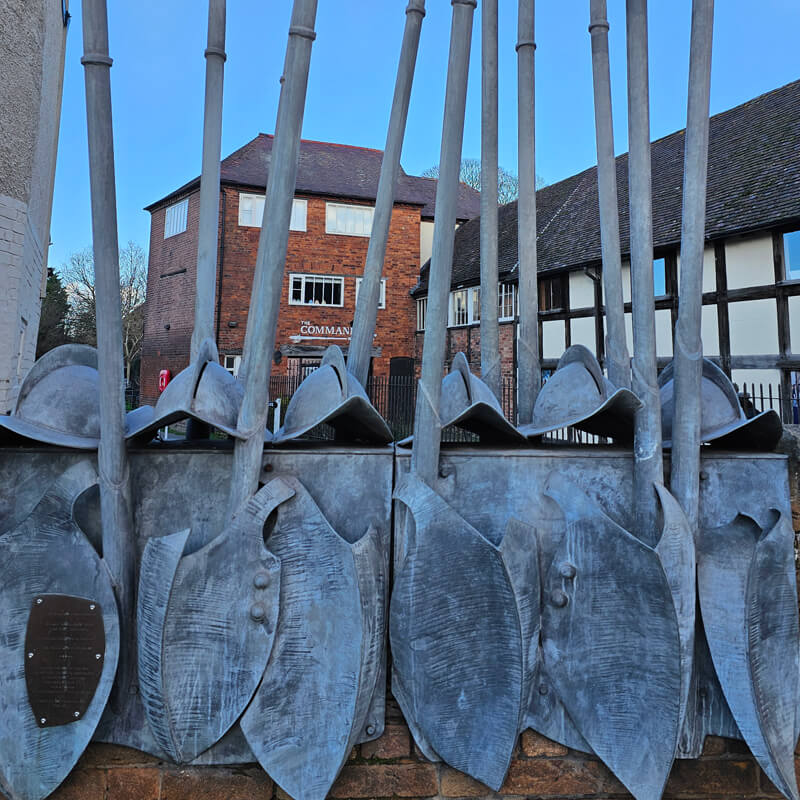
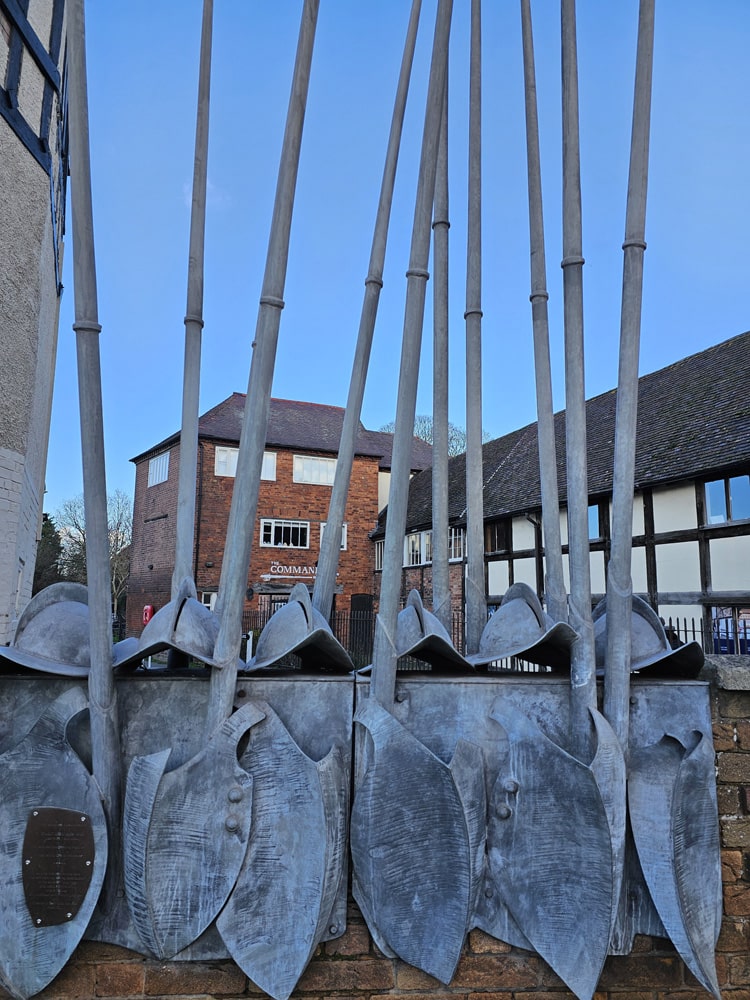
The town played a crucial role in English history with the Battle of Worcester in 1651, which brought to an end the English Civil Wars. It was the last major battle of the 1639 to 1653 Wars of the Three Kingdoms, which encompassed the English Civil War. Charles, Prince of Wales (the future Charles II), son of the executed King Charles I, made an unlikely bid to retake the throne. His army were defeated by Oliver Cromwell’s Parliamentarian soldiers at the Battle of Worcester, and the young Charles fled north with his companions.
Worcester Today
Today, as well as its beautiful cathedral, Worcester is also home to Guesten Hall and St Mary’s Priory ruins, Edgar Tower, The Commandery, Greyfriars House, the Tudor House Museum, a stunning guildhall, and an abundance of historic timber-framed buildings.
Worcester Cathedral
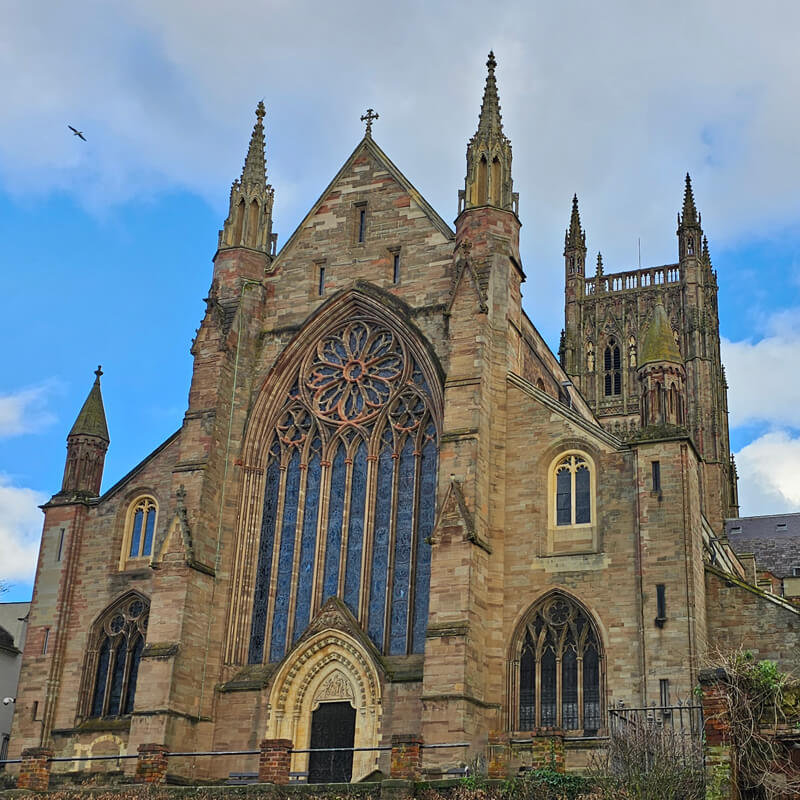
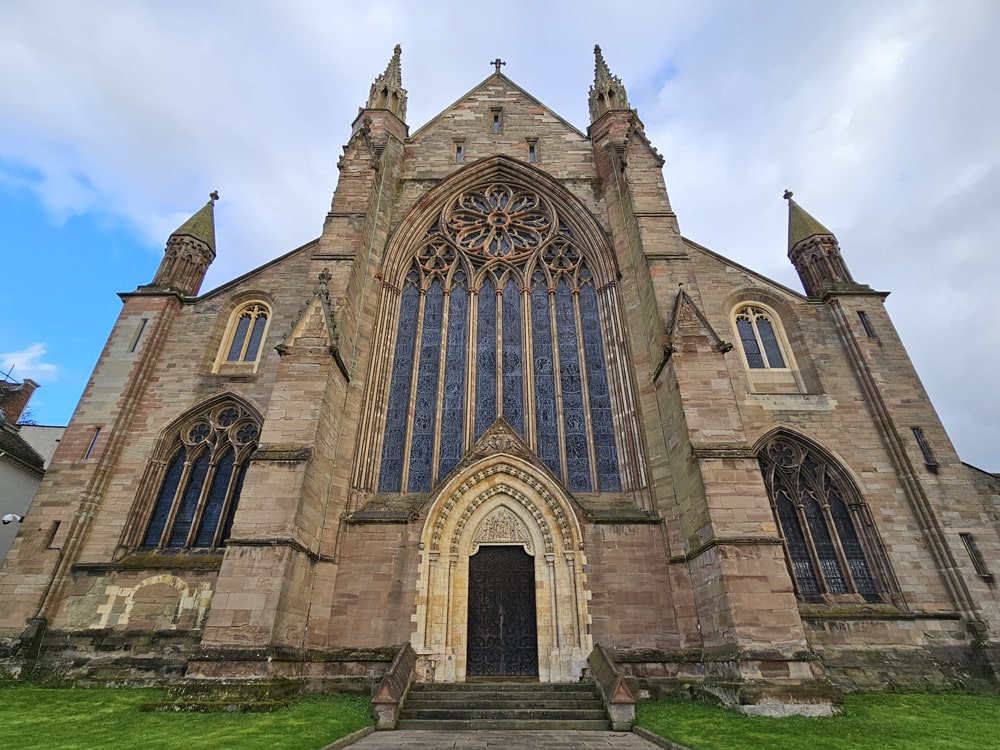
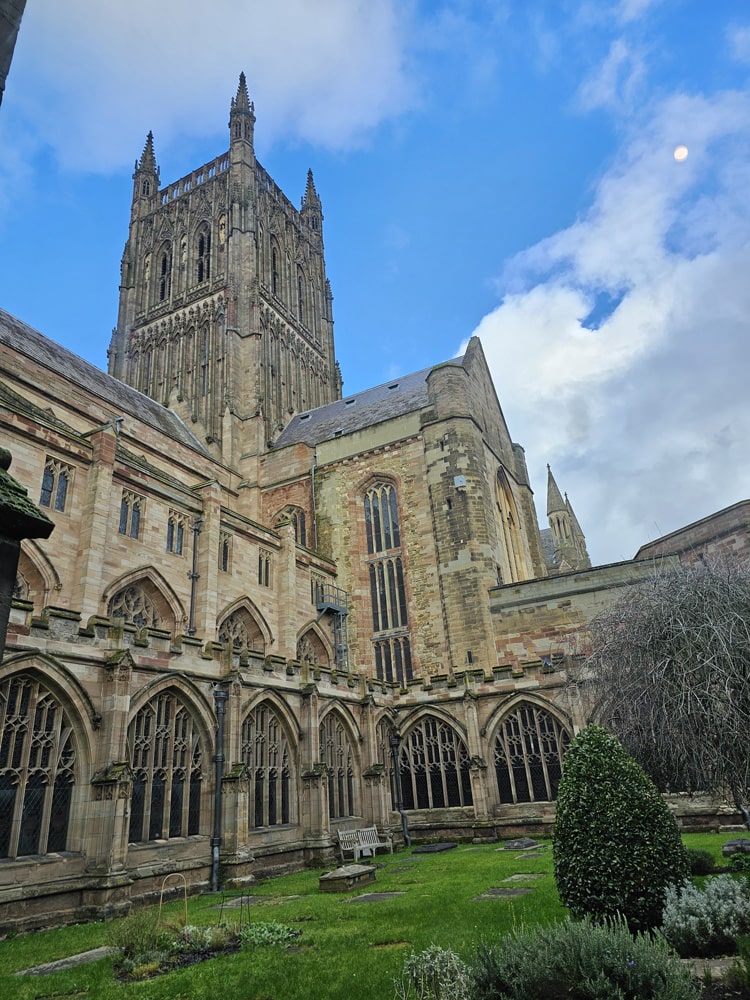
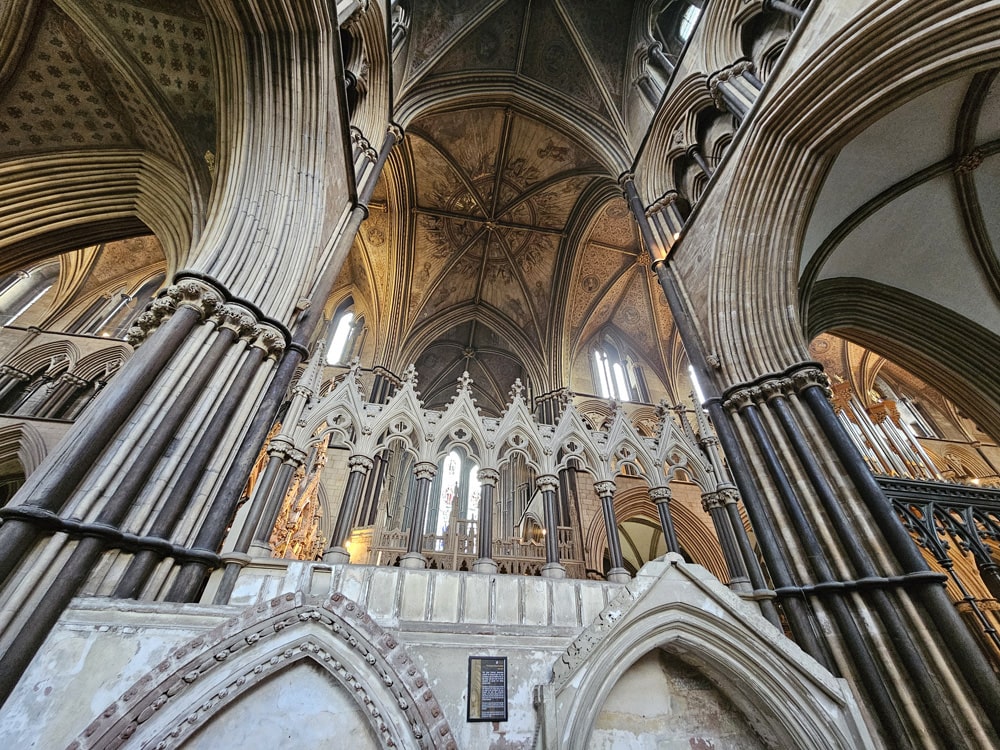
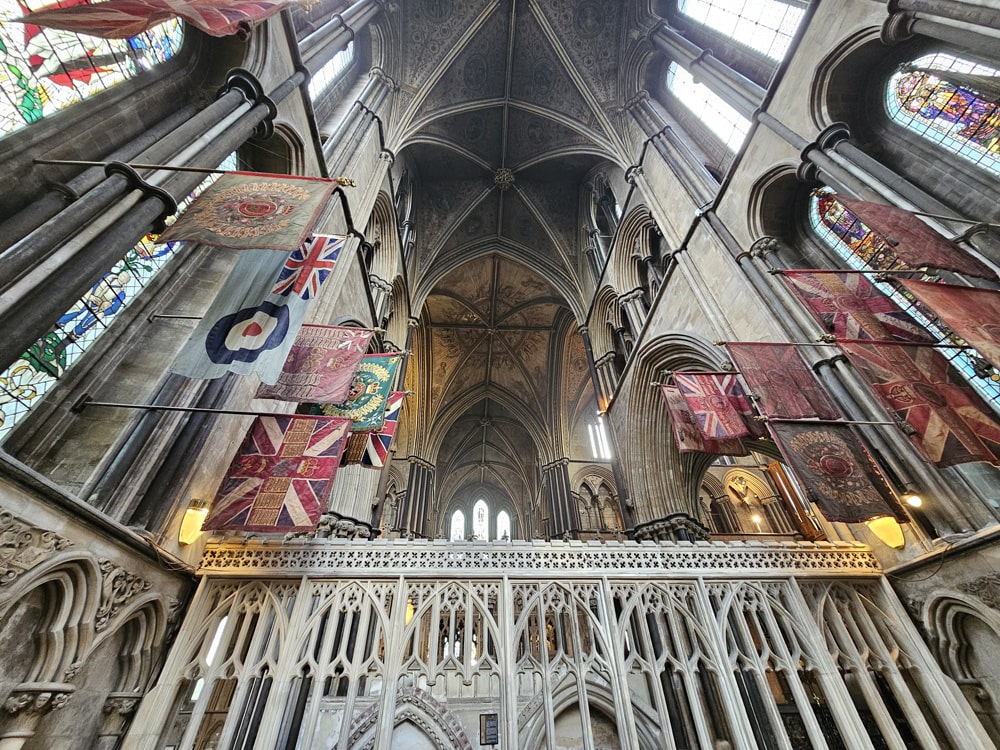
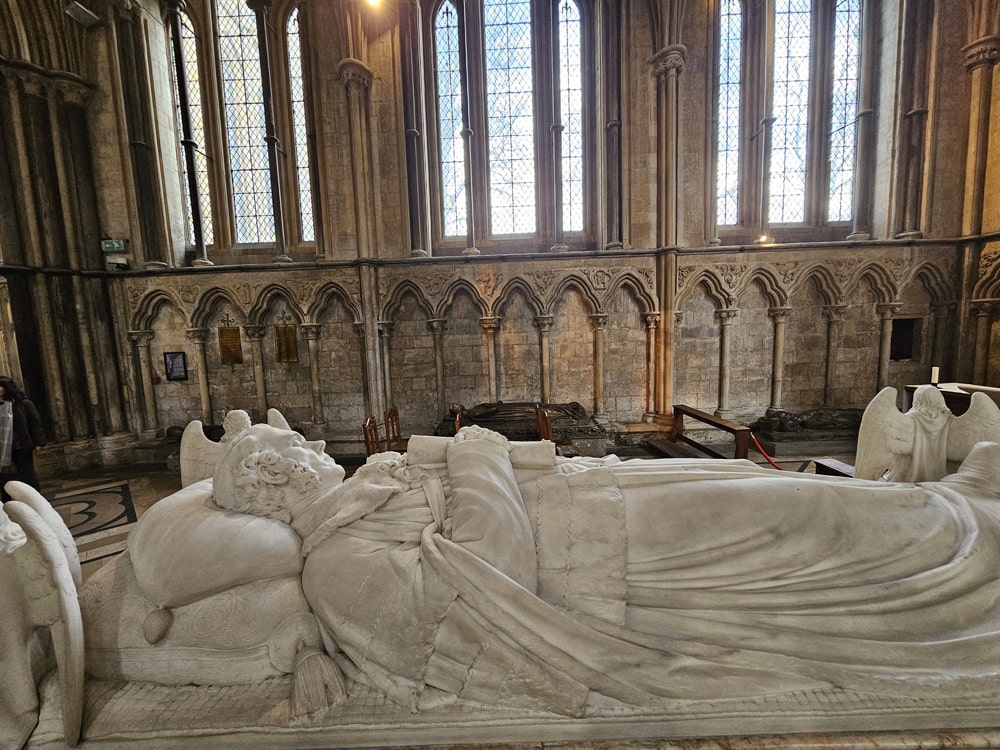
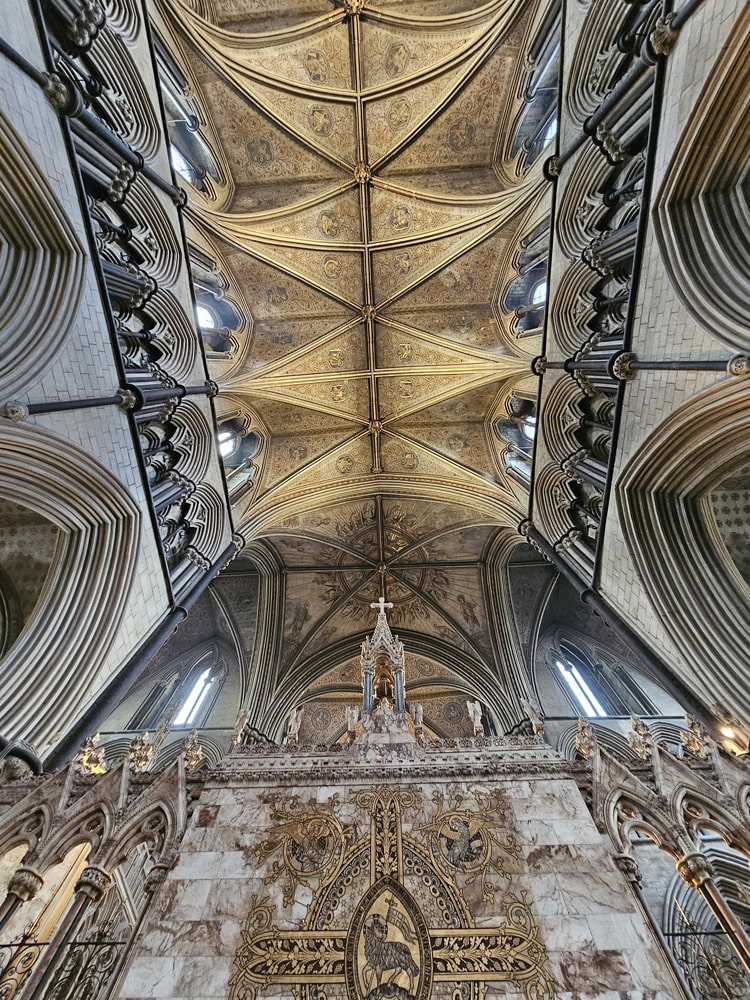
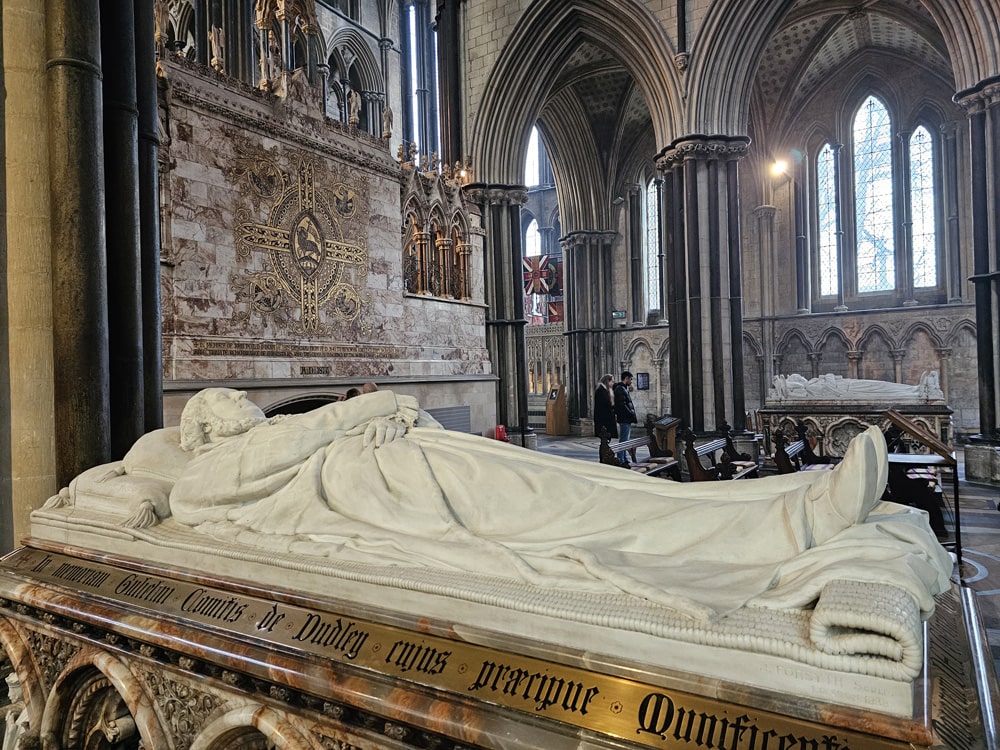
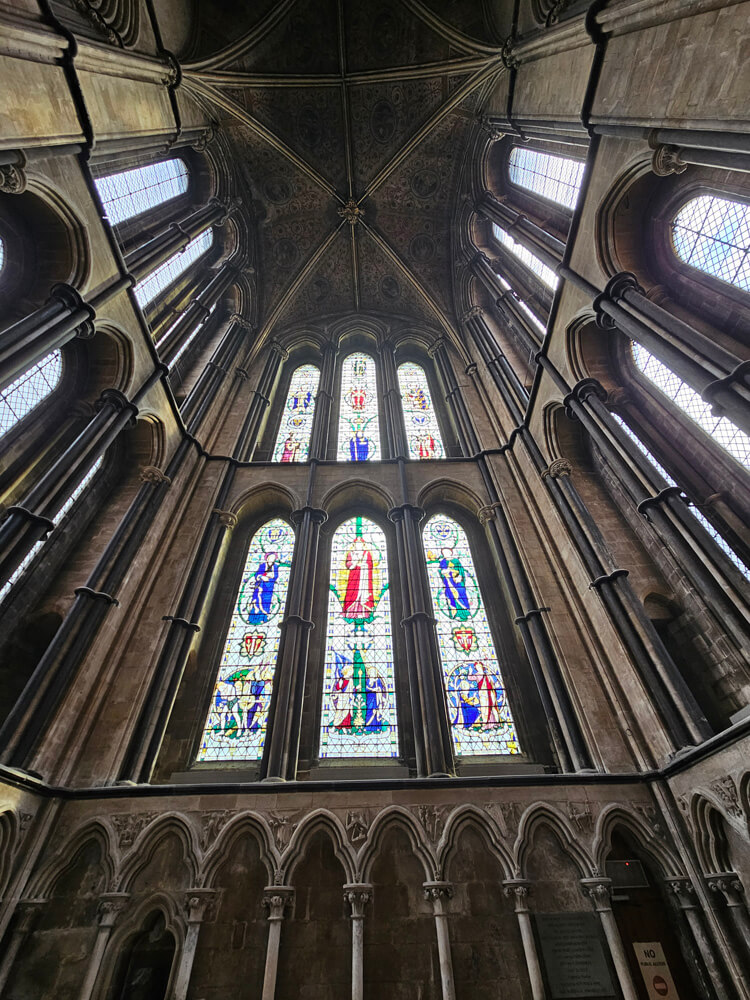
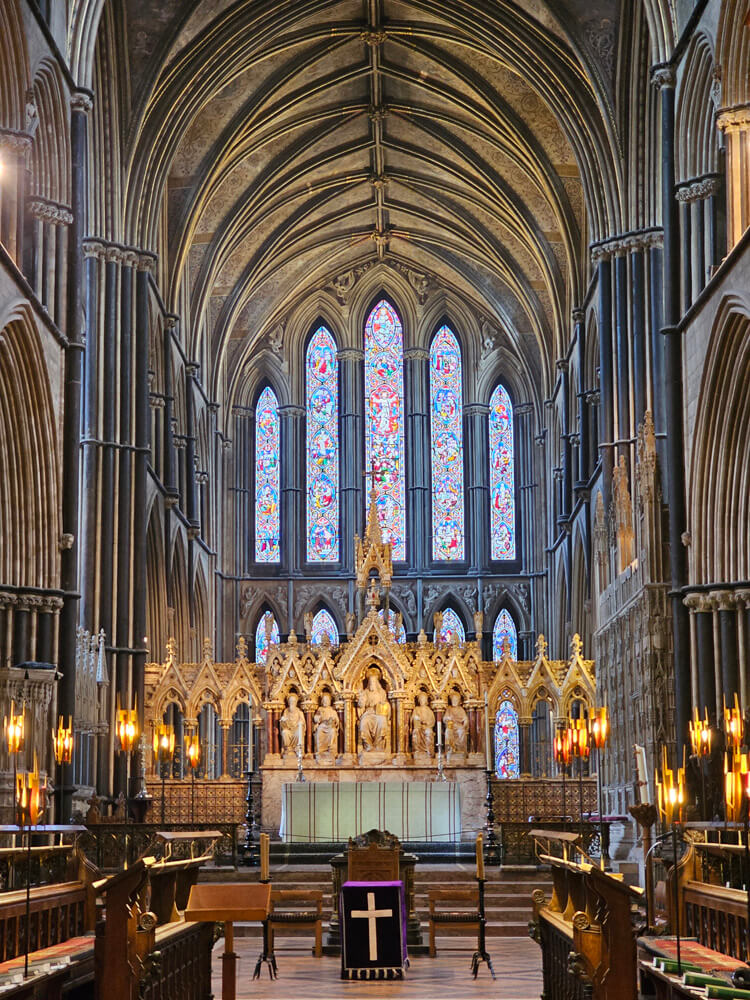
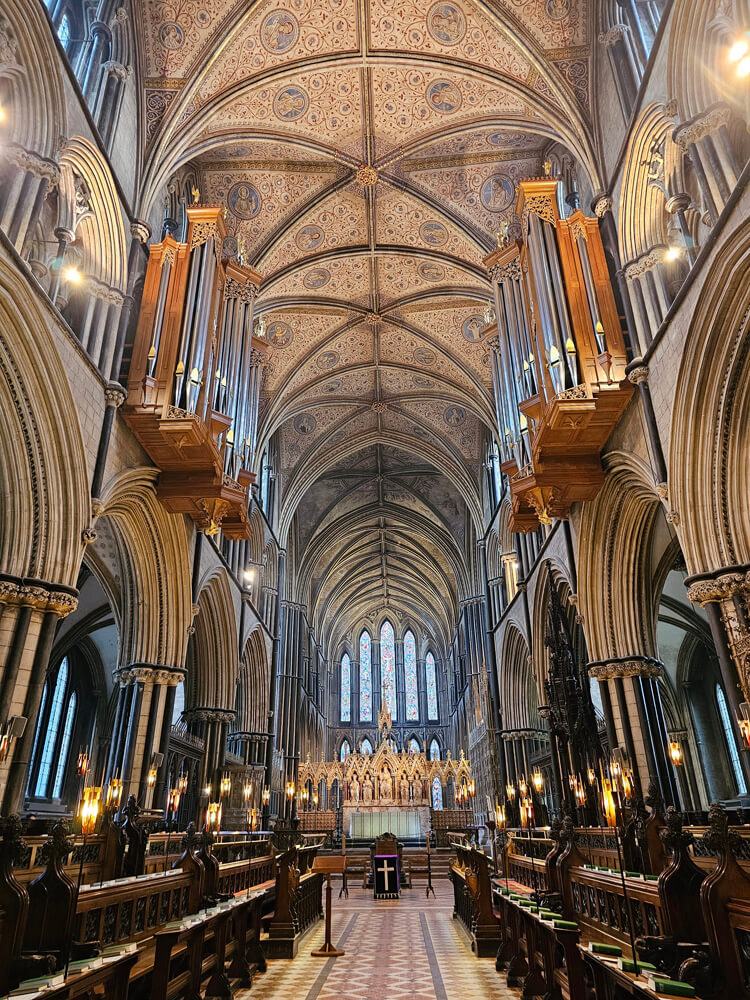
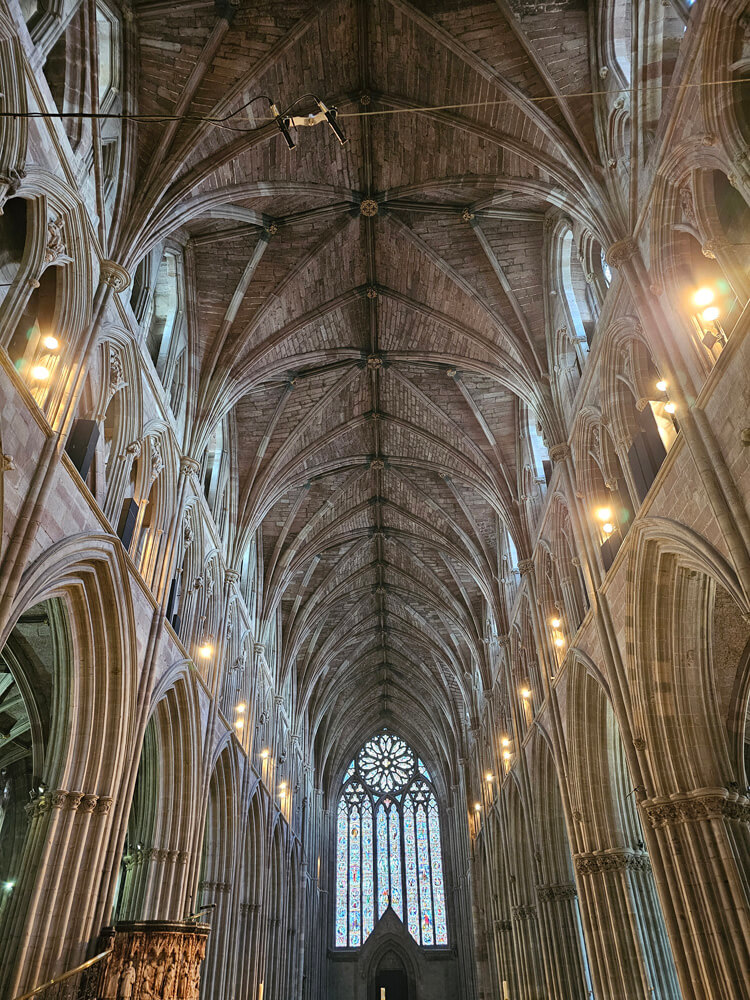
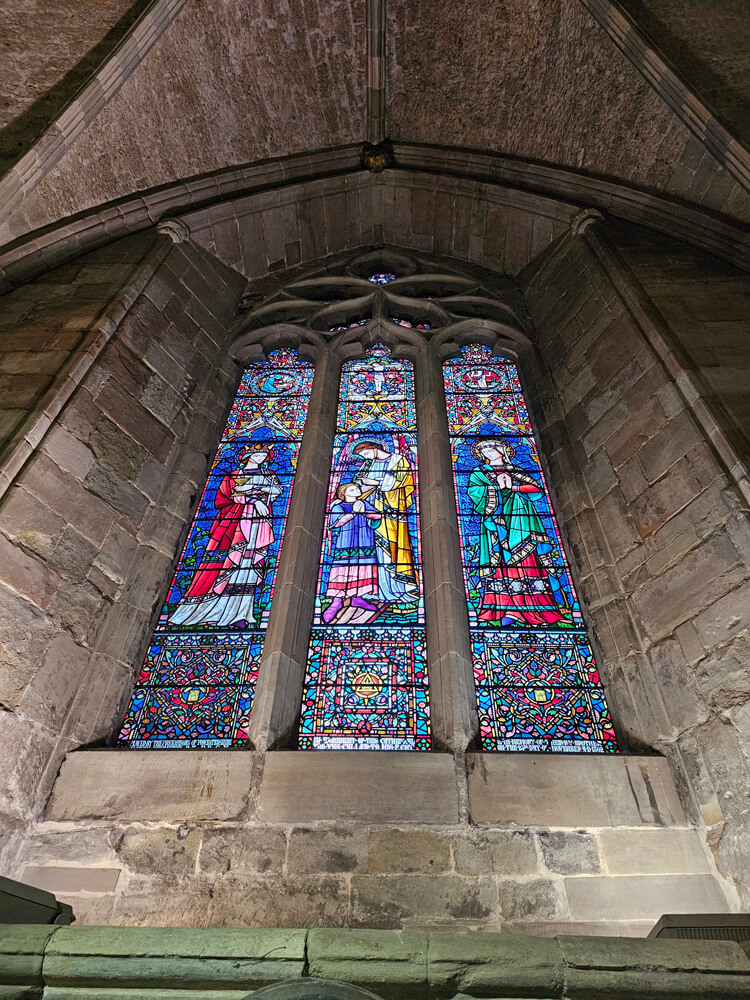
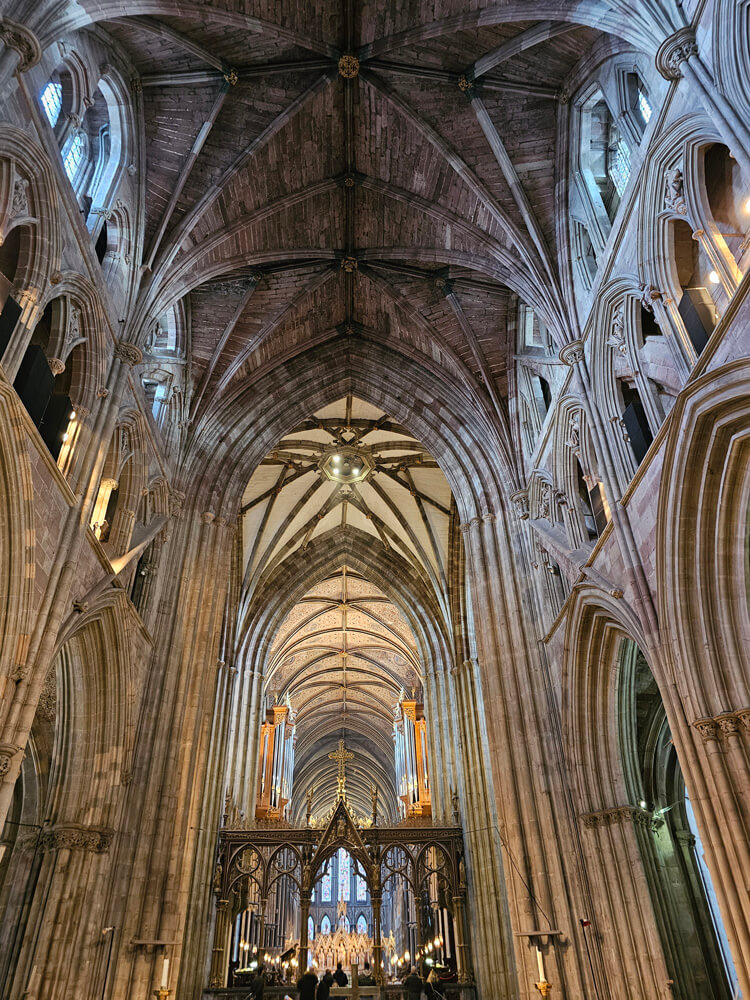
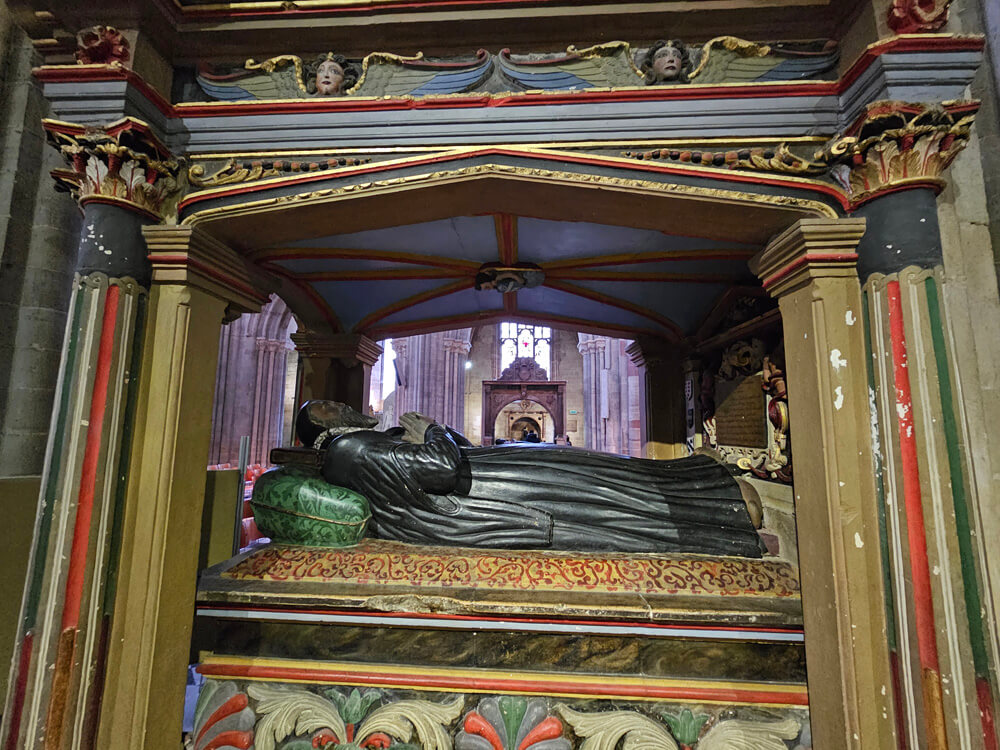
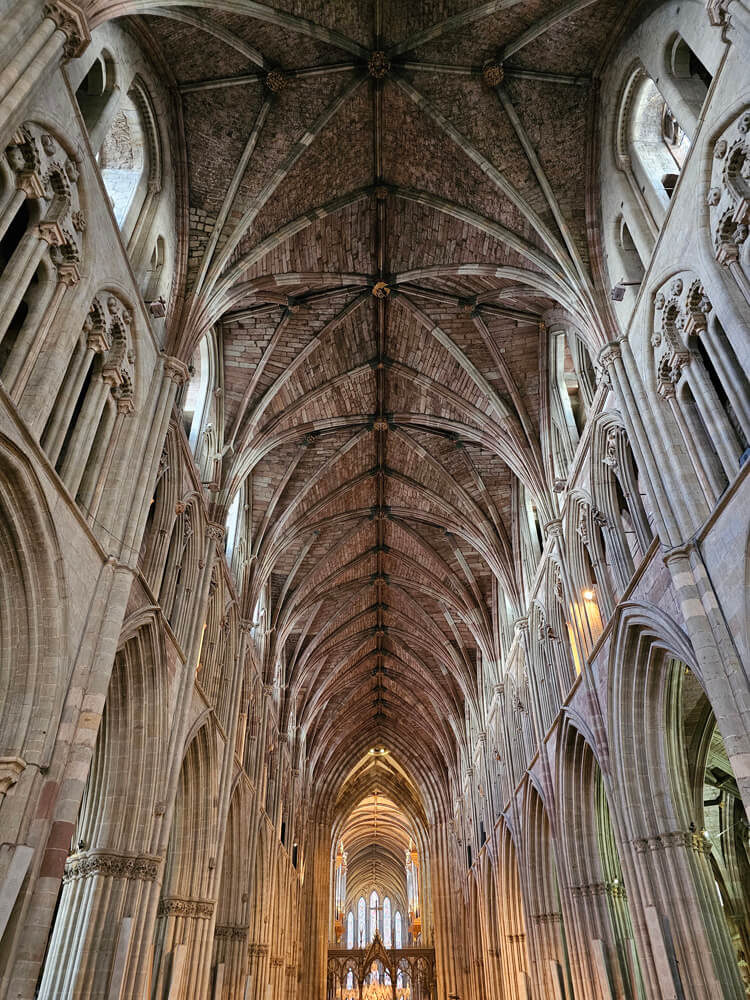
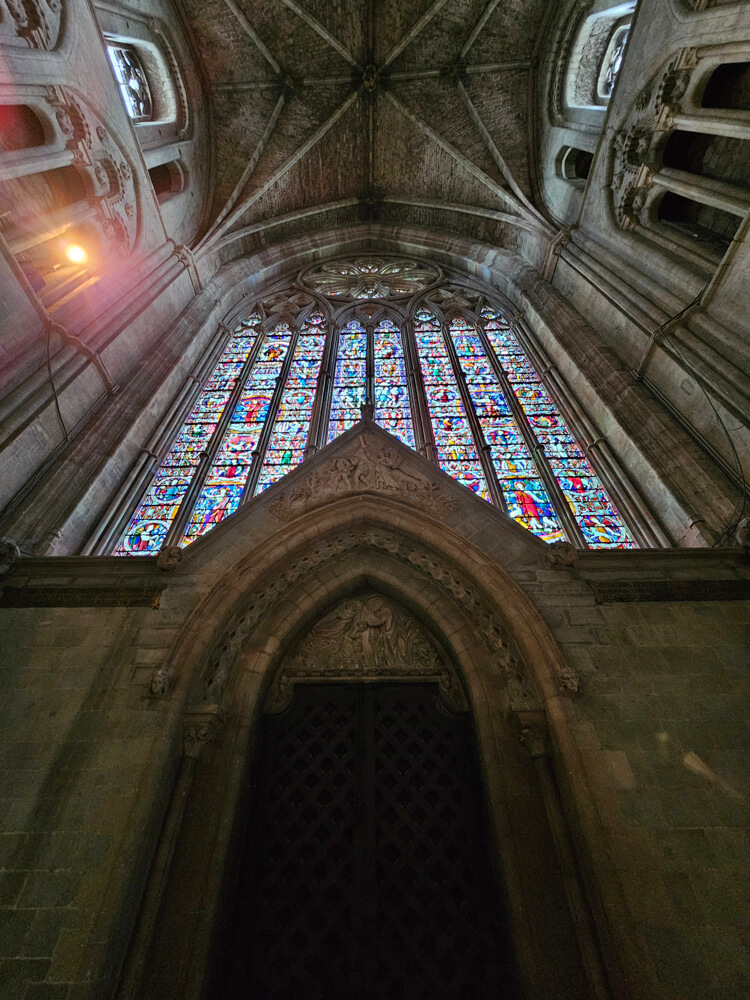
Worcester Cathedral has been described as possibly the most interesting of all England’s cathedrals and has been a place of Christian worship and prayer for fourteen centuries. The cathedral was first founded in 680. The present building was built in 1084 and the earliest surviving parts of the current cathedral date from this 1084 building. Worcester Cathedral contains many funerary monuments including two royal tombs; those of King John and Arthur, Prince of Wales (older brother of King Henry VIII).
Guesten Hall and St Mary’s Priory Ruins
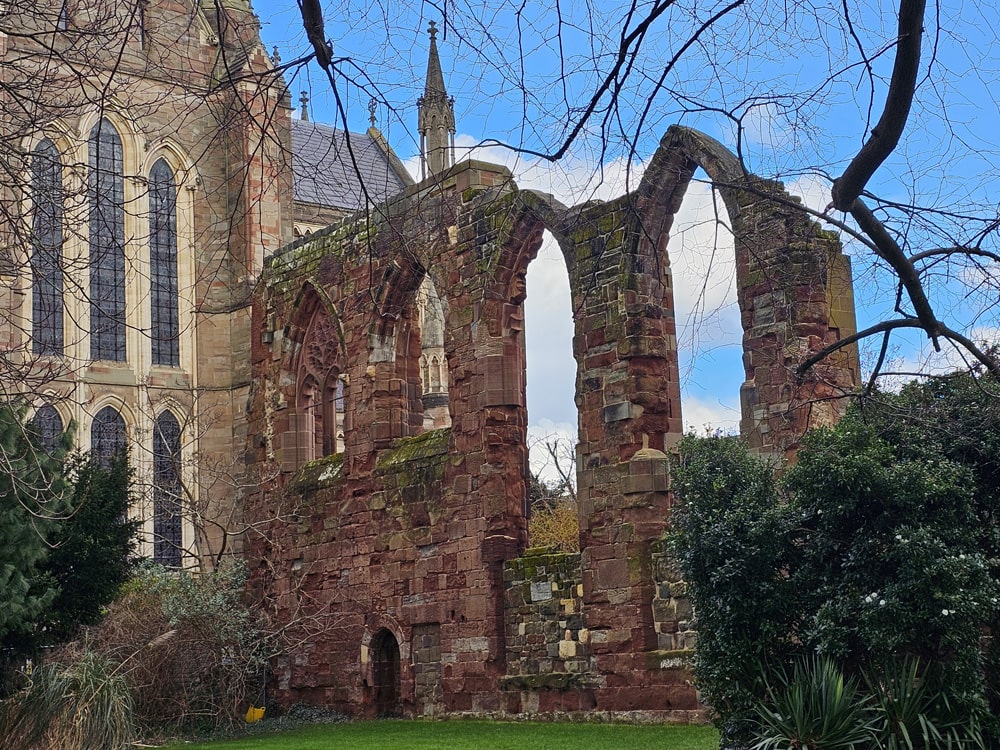
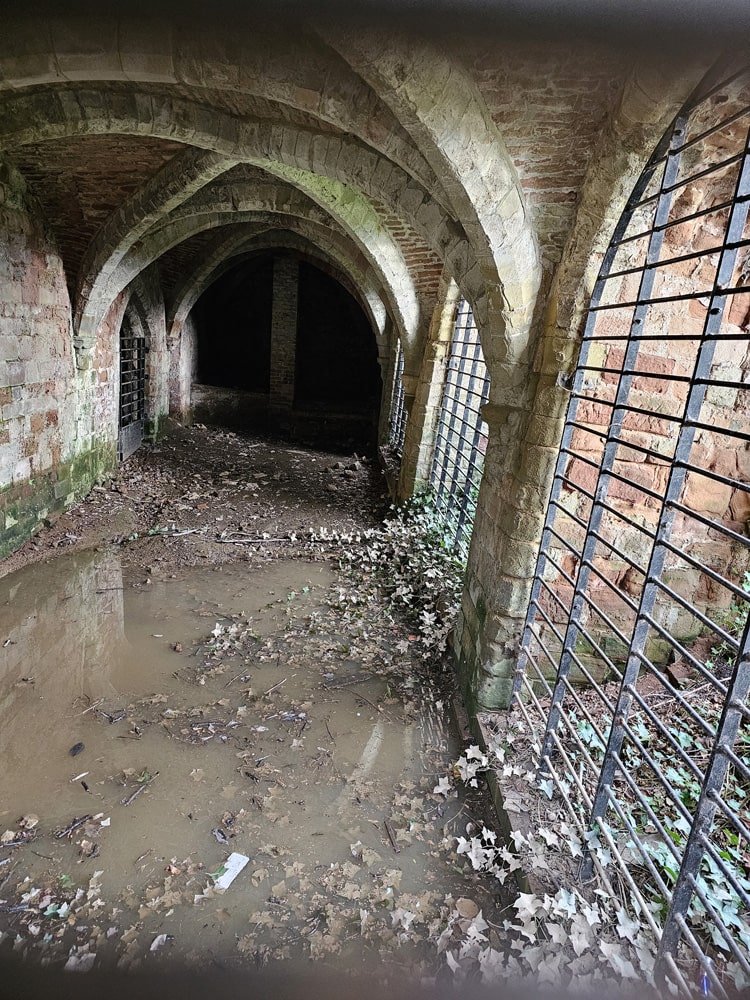
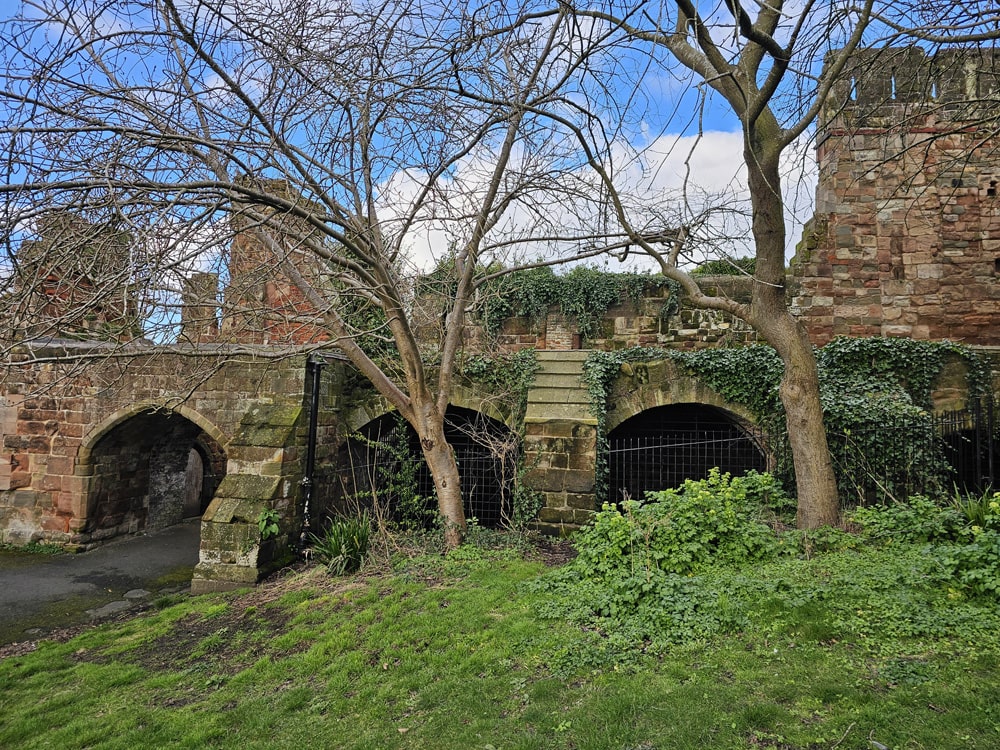
The ruins in the College Green are part of the cathedral’s ancient Guesten Hall, built in 1320, which formed part of a chain of monastic buildings on the south side of the cathedral. The Guesten Hall was originally built as the guest house of St Mary’s Priory and was the wing of the cathedral where the medieval monks entertained and accommodated their important guests, including many monarchs. The cathedral priory was dissolved in 1540. The remaining ruins are of the Guesten Hall, the priory and the vaulted undercrofts of Norman buildings.
Edgar Tower
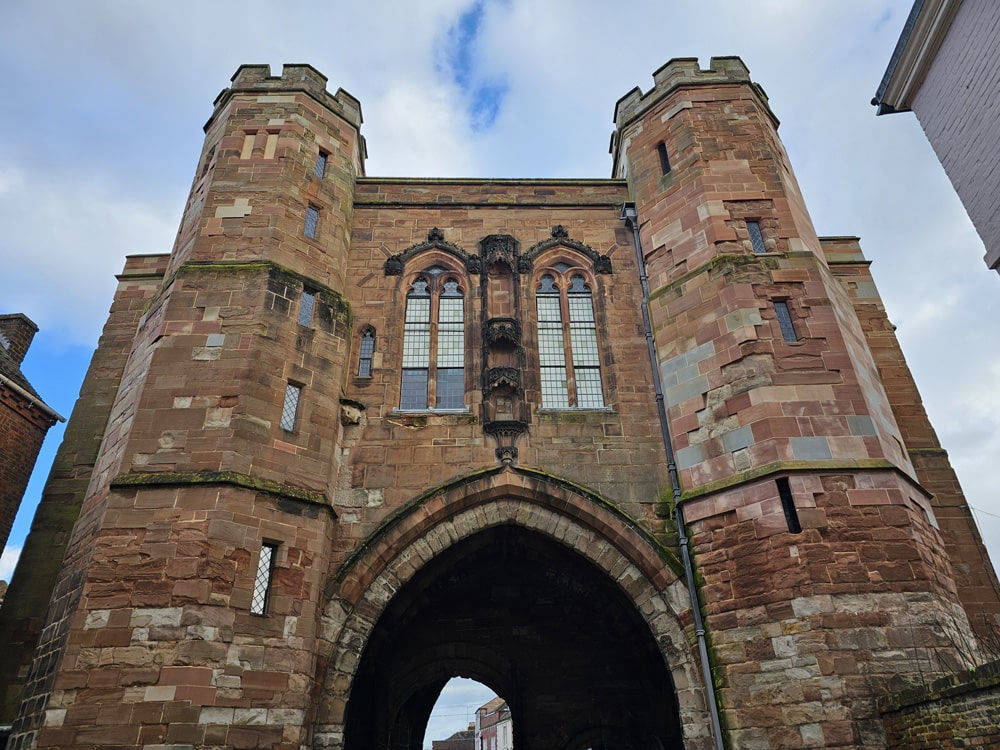
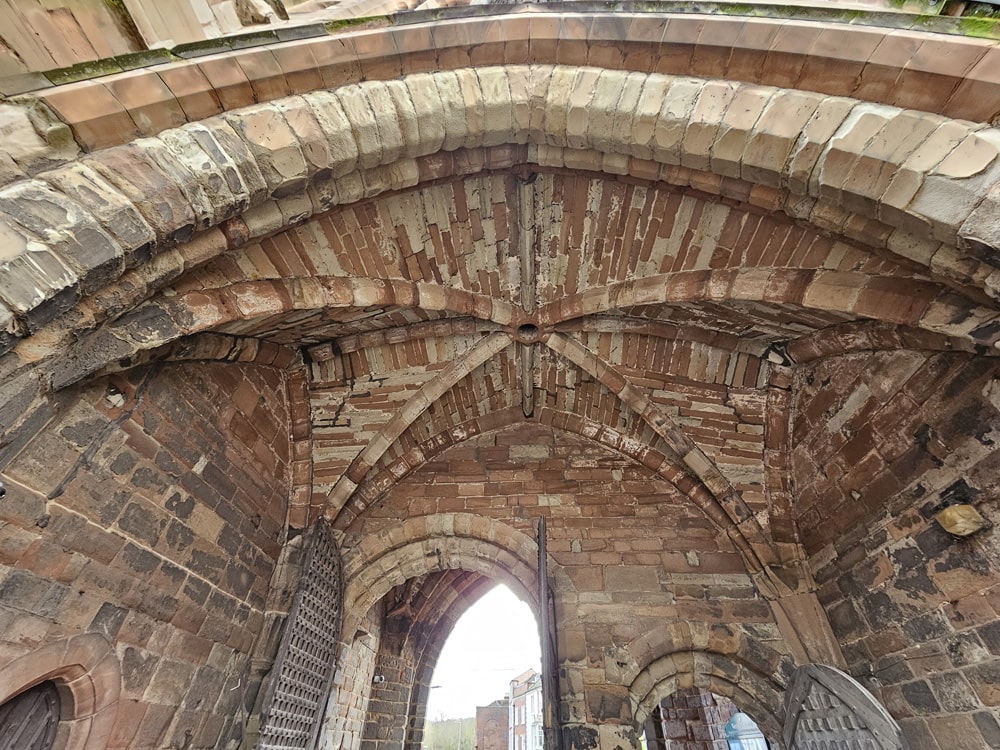
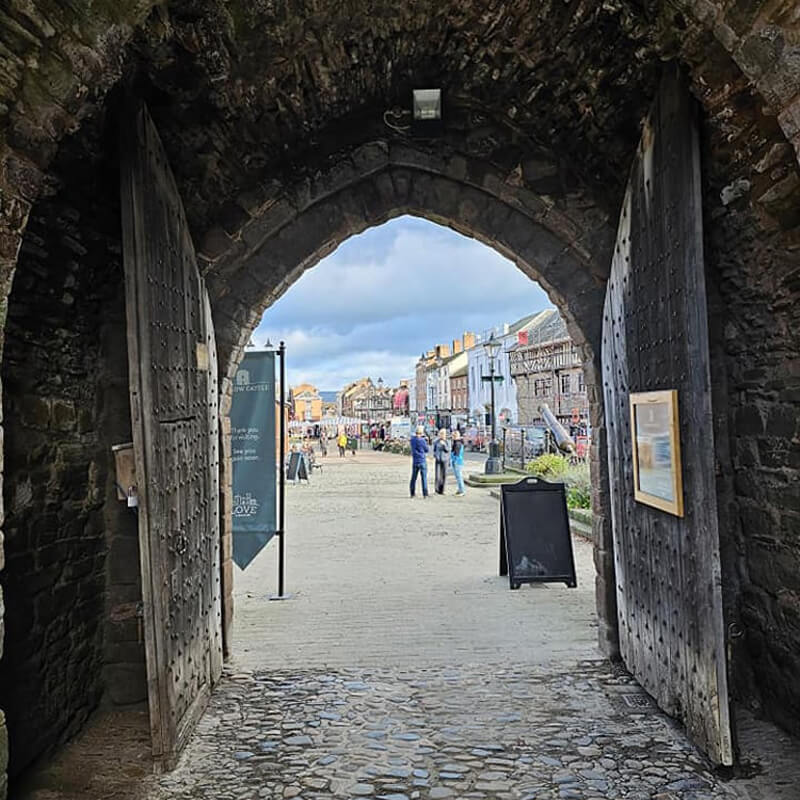
The 700-year-old Edgar Tower is a huge 14th-century fortified gatehouse that was once the entrance to the now vanished Worcester Castle and the monastic precinct formerly known as St Mary’s Gate, built to protect the entrance to the great court of Worcester Cathedral. Once a wooden building that formed part of the old burh walls first commissioned by Alfred the Great, it was replaced with a grand tower of stone during the 1300s. The tower got it’s name from a statue of the Anglo Saxon king Edgar the Peaceful that stood on the tower for centuries. The massive wooden gates are those put there by order of King John, and are still mostly original.
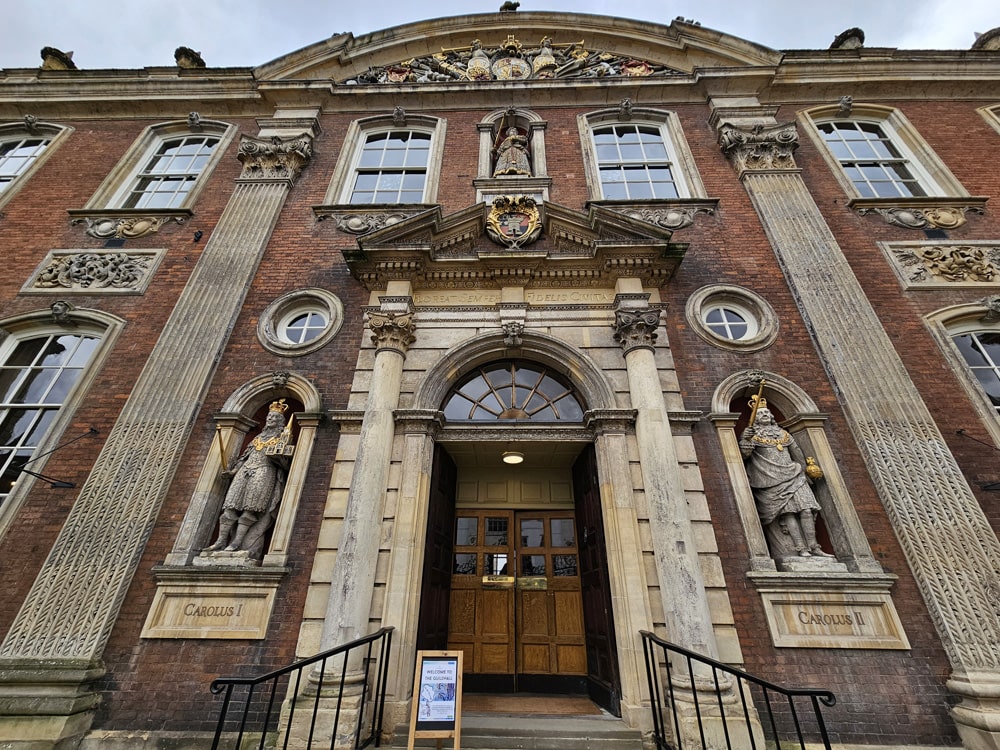
Worcester Guildhall
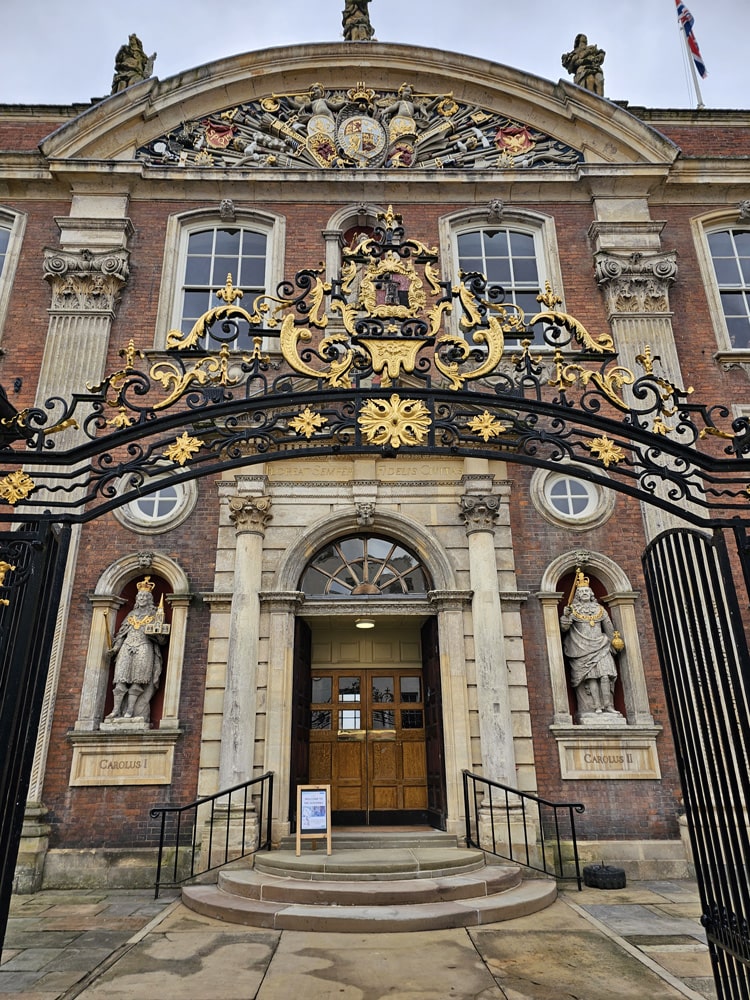
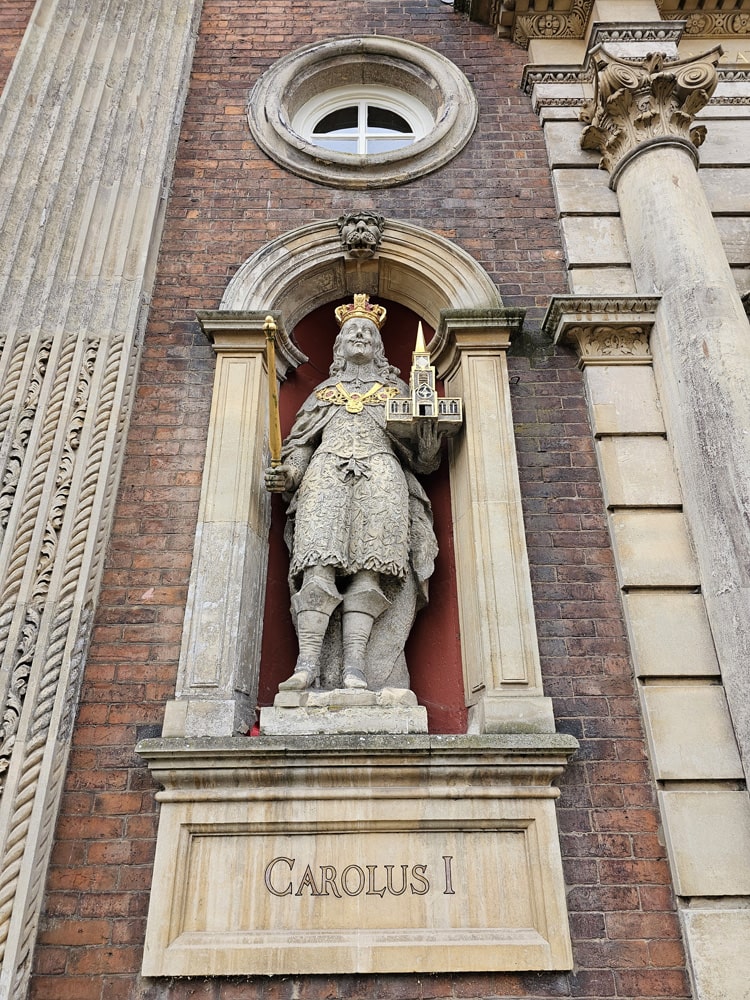
At the heart of Worcester is the Guildhall; a truly beautiful building which dates back to 1721. The Guildhall replaced an earlier building occupying the same site on the High Street. It was once the seat of justice throughout the city and even housed a prison, and today offers members of the public a glimpse of Worcester’s rich and varied heritage. The courts have gone but the Guildhall is still the administrative heart of Worcestershire City Council.
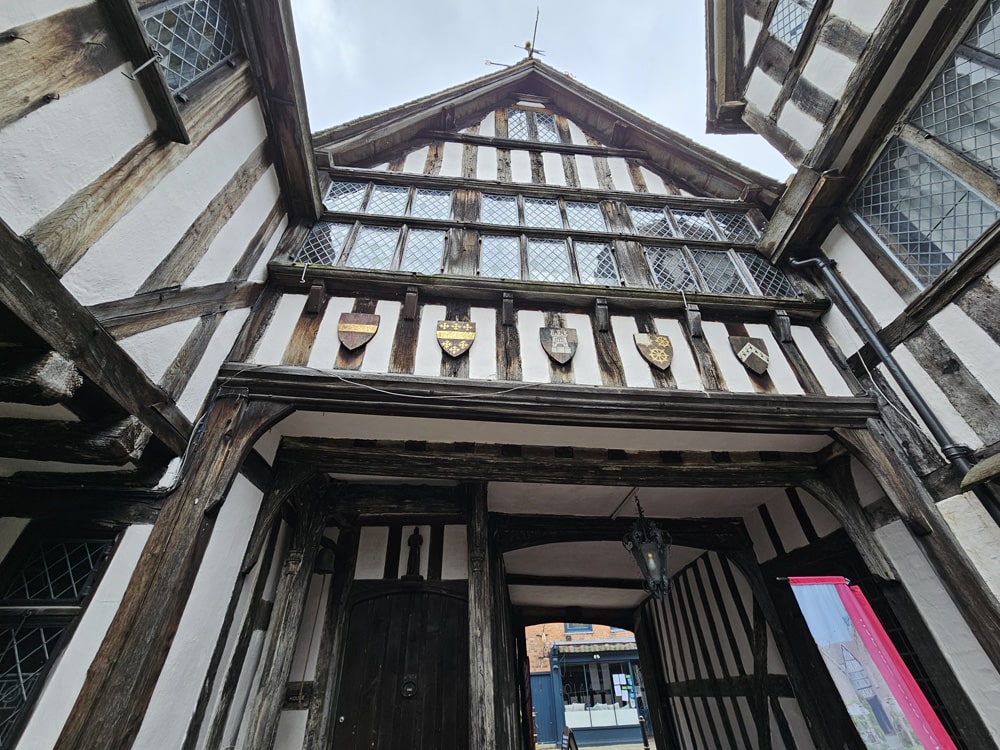
Historic Buildings
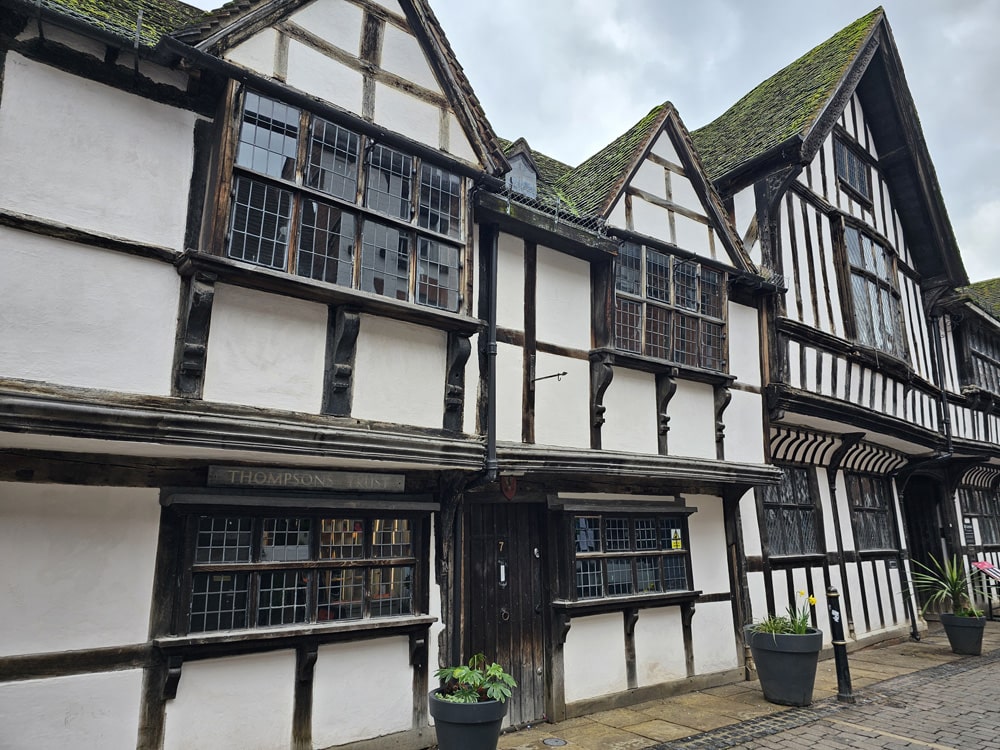
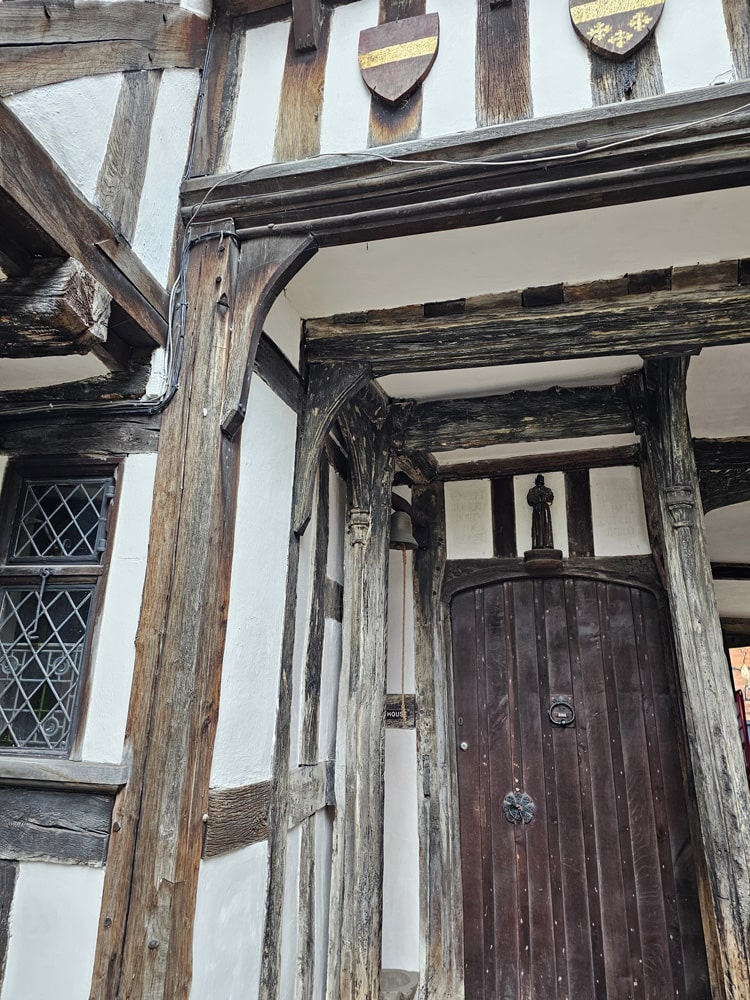
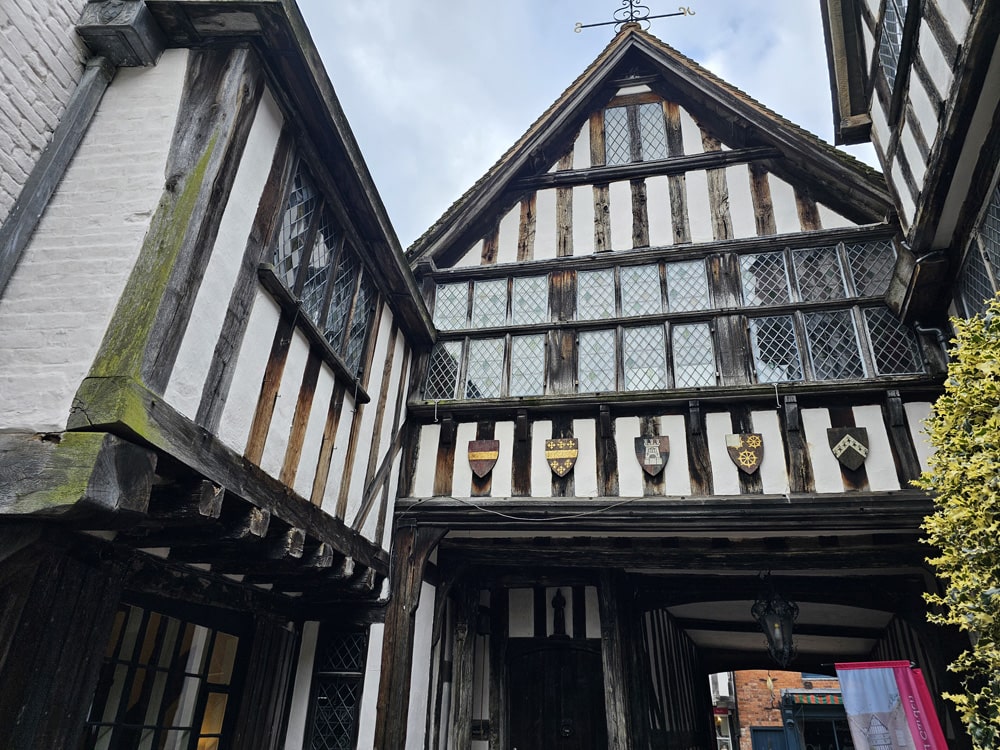
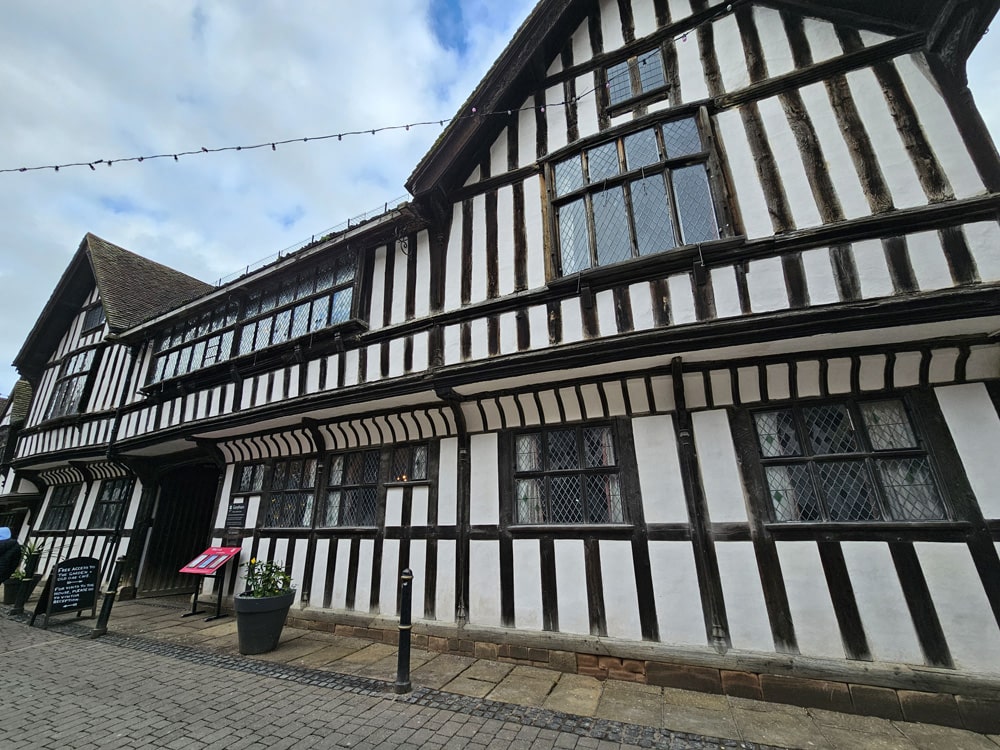
Worcester has an abundance of historic timber-framed buildings. The timber-framed Tudor House Museum focuses on life in Tudor and 17th-century Worcester. Greyfriars House was built around 1490 by a wealthy merchant and was a home to wealthy families until the late 17th century. At The Commandery, a museum traces the building’s evolution from the Middle Ages through England’s Civil War and beyond.
Photo Gallery.
Did you enjoy this post?
I hope you found this post useful. I put a great deal of time and effort in to building, maintaining and populating the website. If you like, you could say a small thank you by buying me a coffee. You don't have to, but it would be nice :)
Buy me a coffee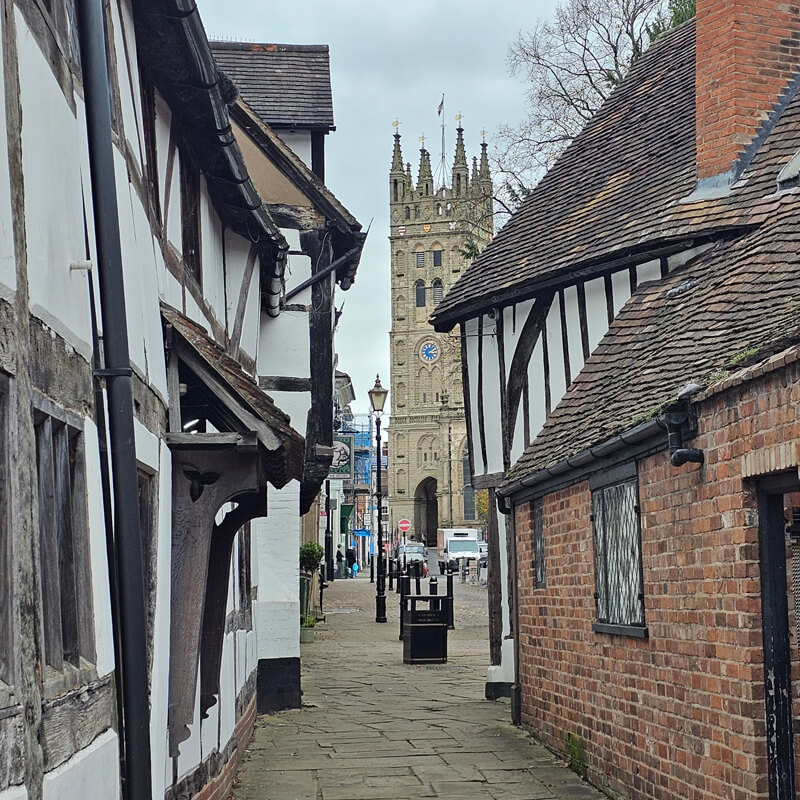
Stay up to Date
Follow me on my journey and get notified whenever a new post is published by following Kings & Castles on Facebook.
Follow MeExplore The Map
Discover the hundreds of castles, churches, monasteries, cathedrals and other historic locations that I've personally visited across England and Wales. Search by location, explore nearby sites and plan your next historical adventure.
Share: