Stafford Castle
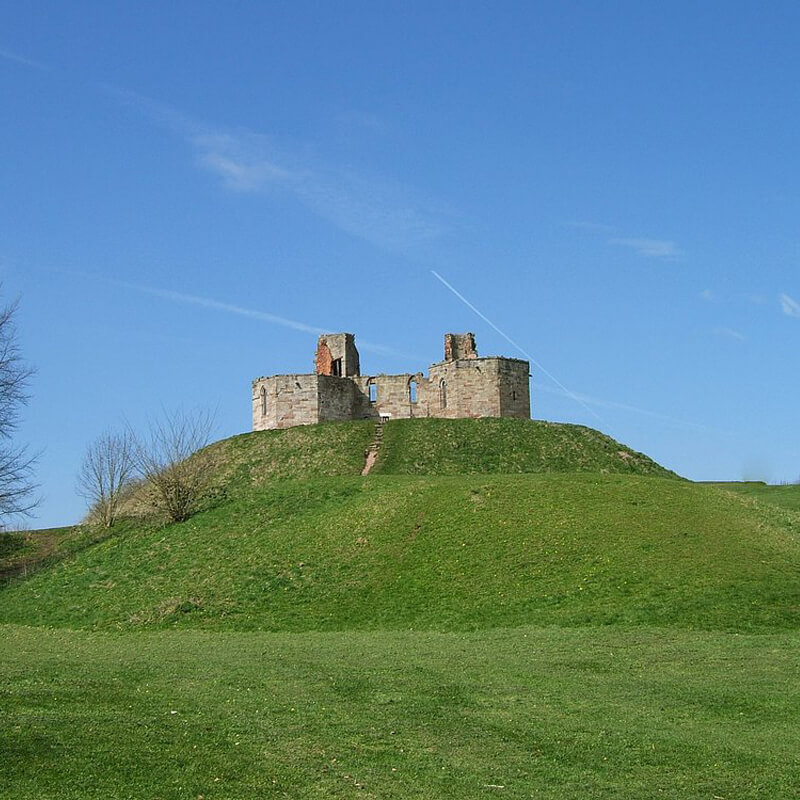
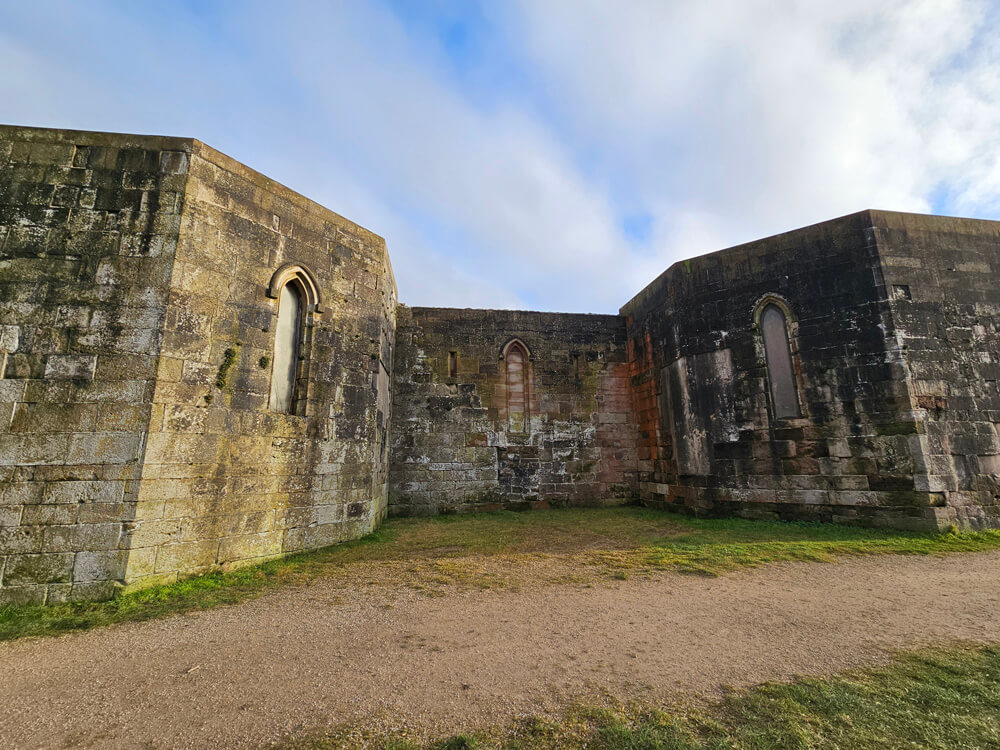
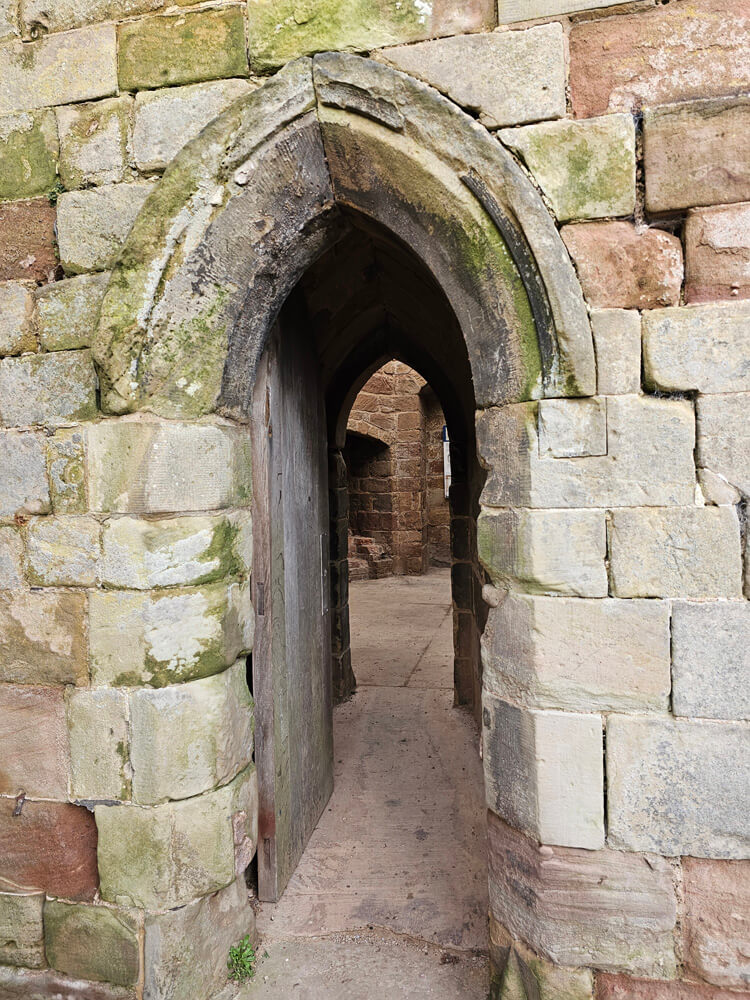
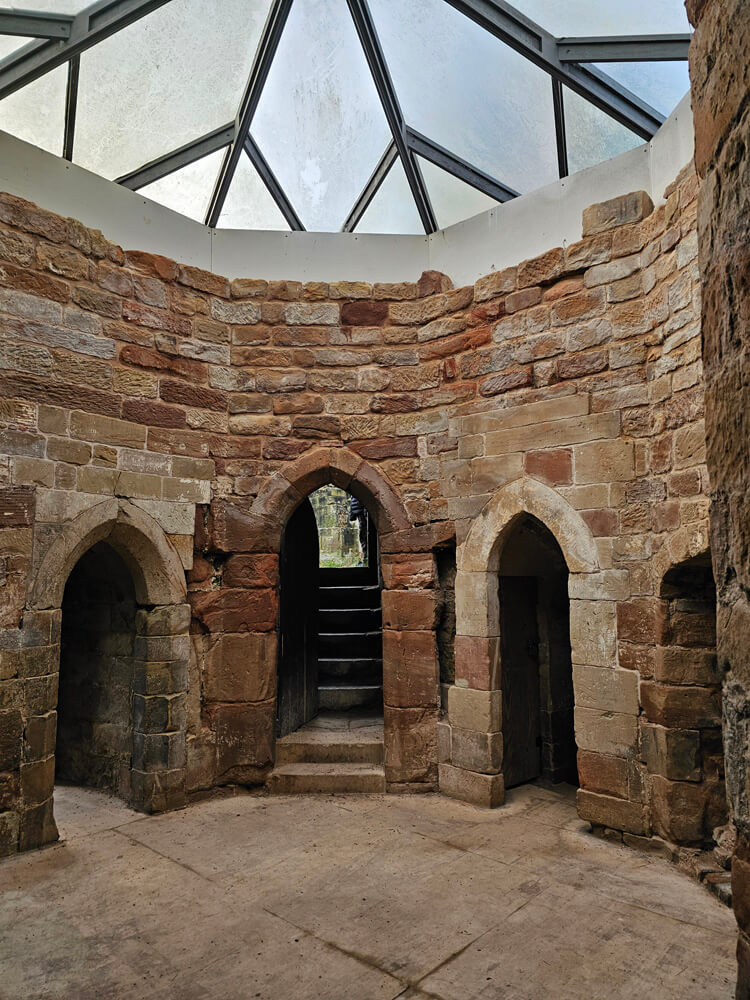
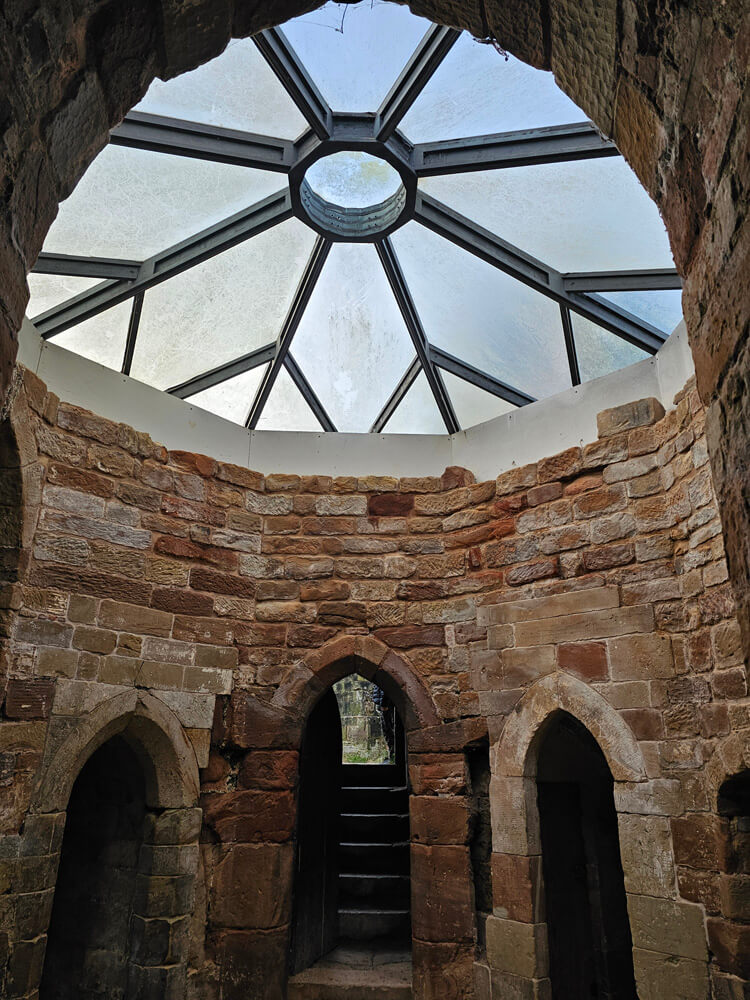
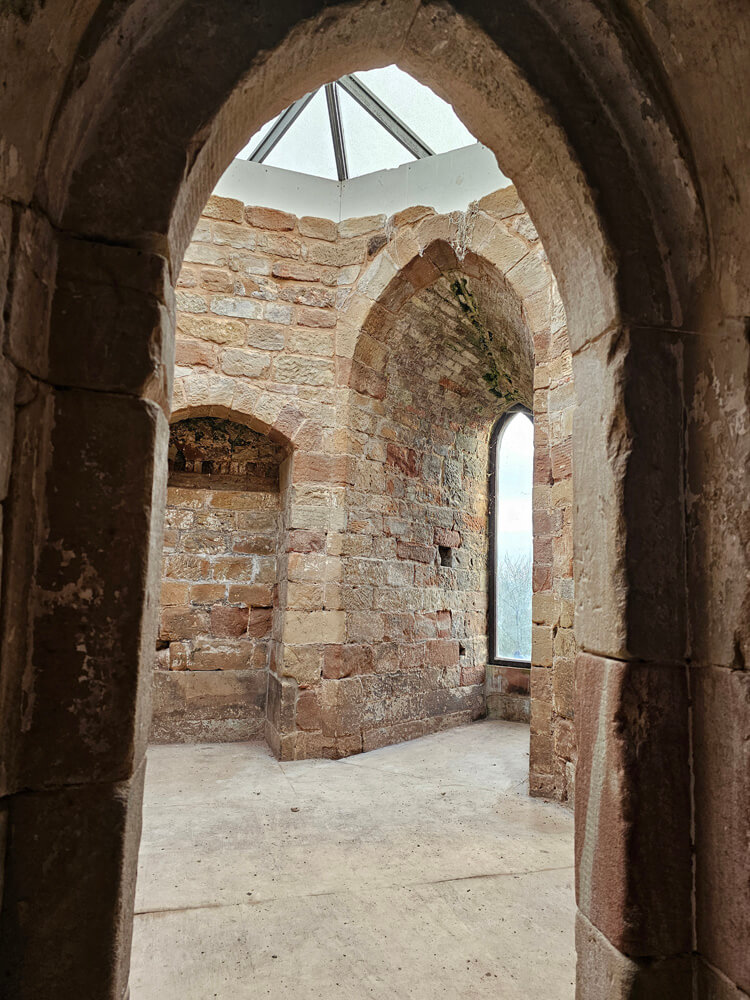
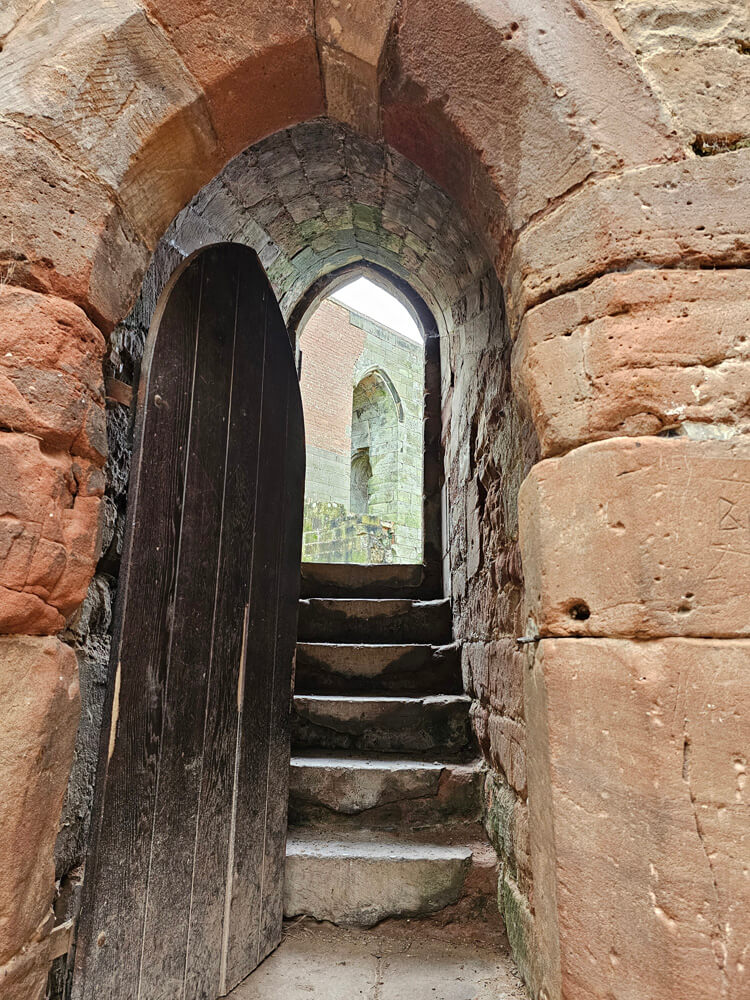
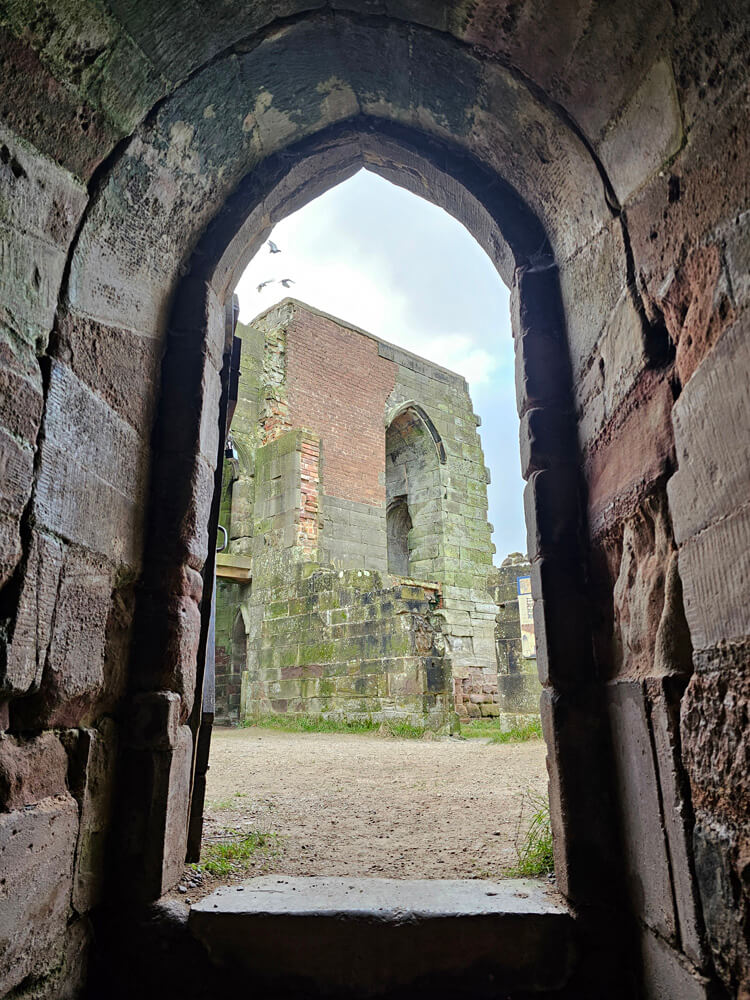
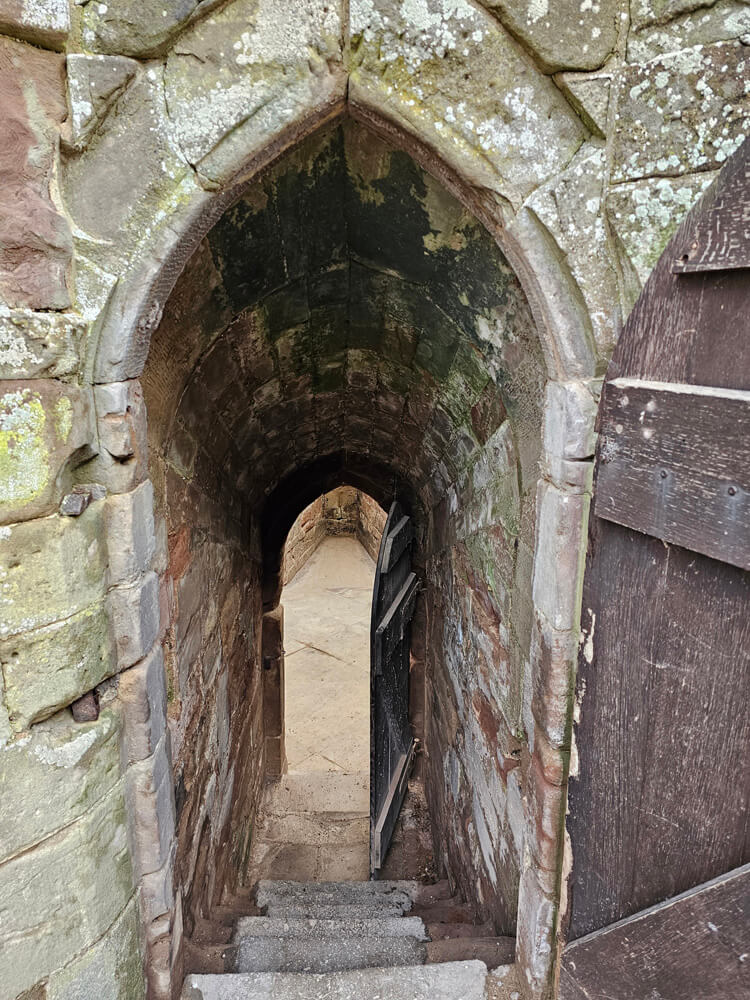
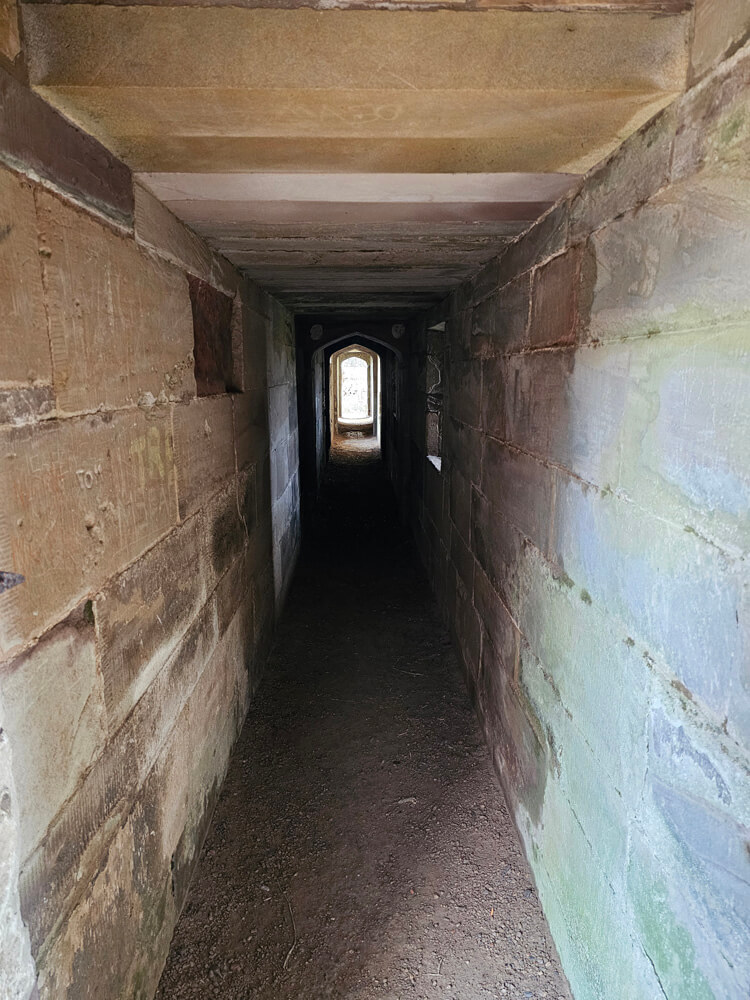
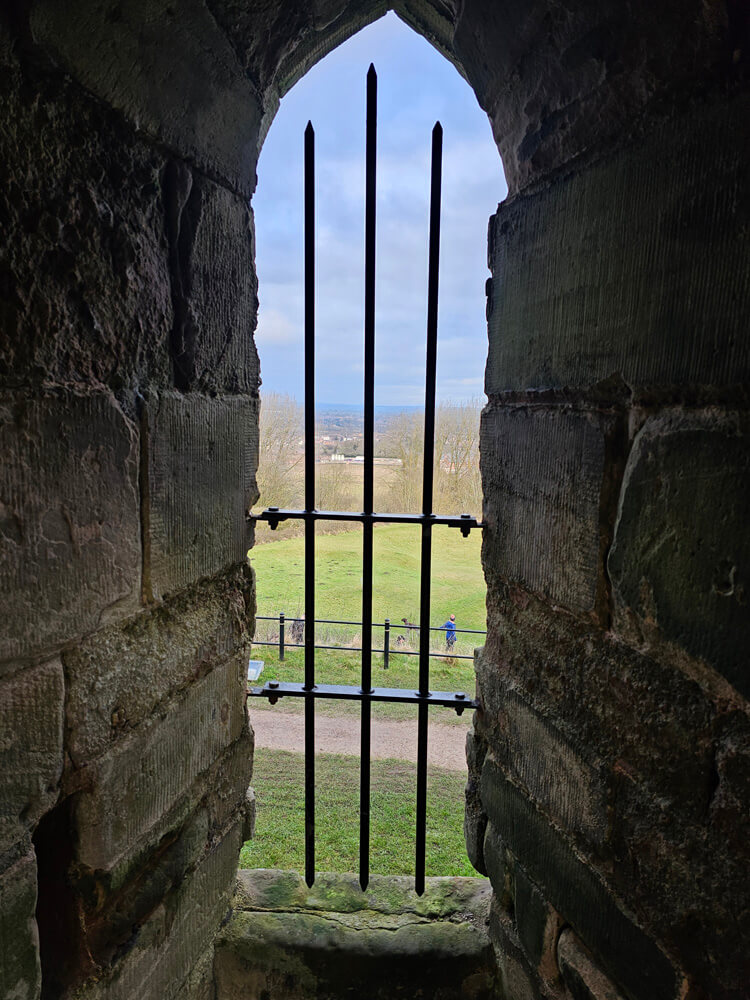
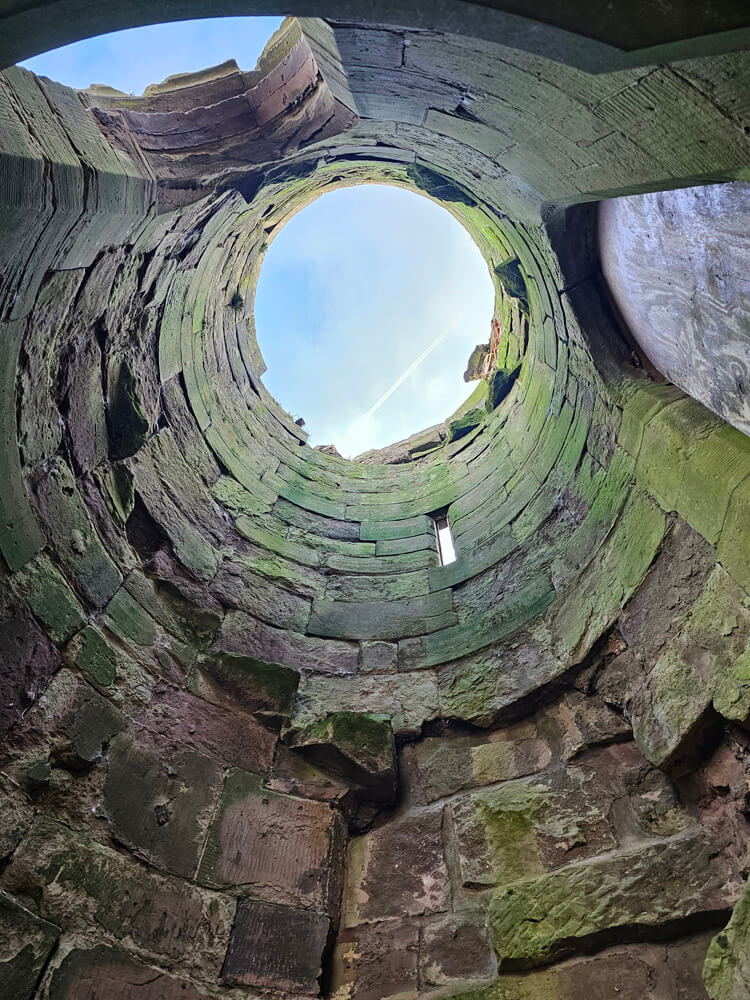
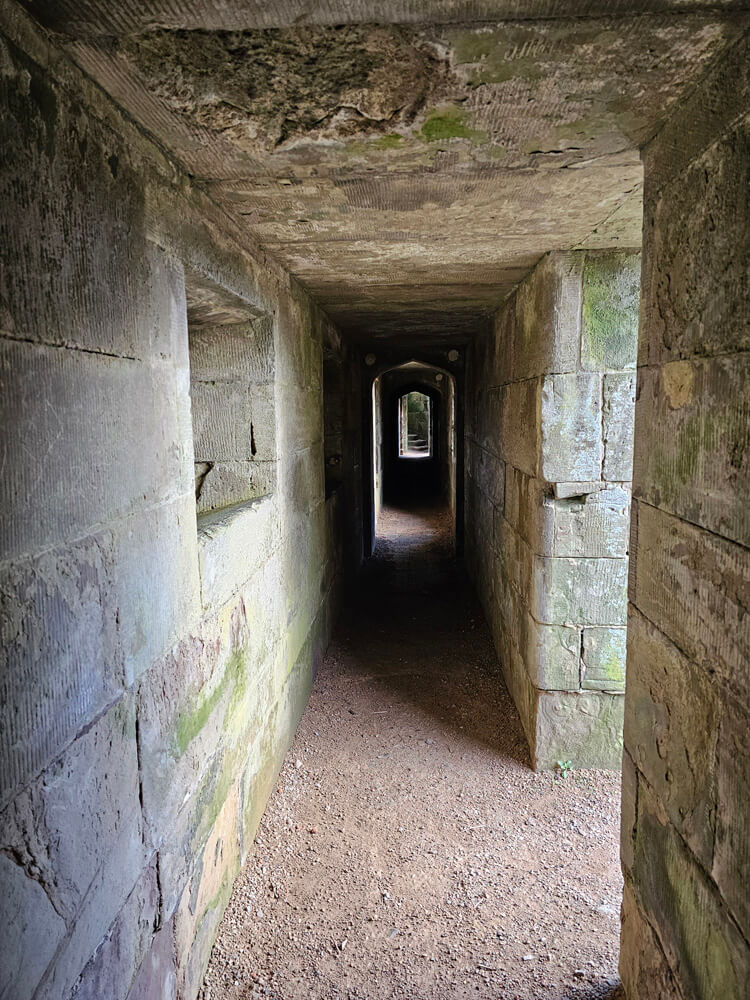
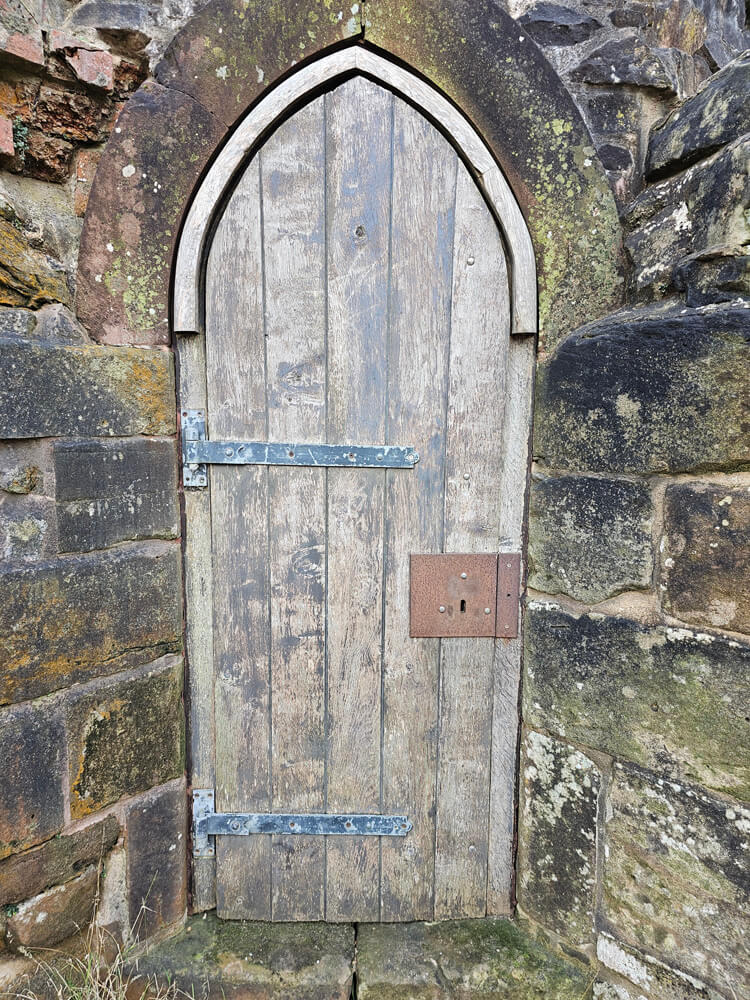
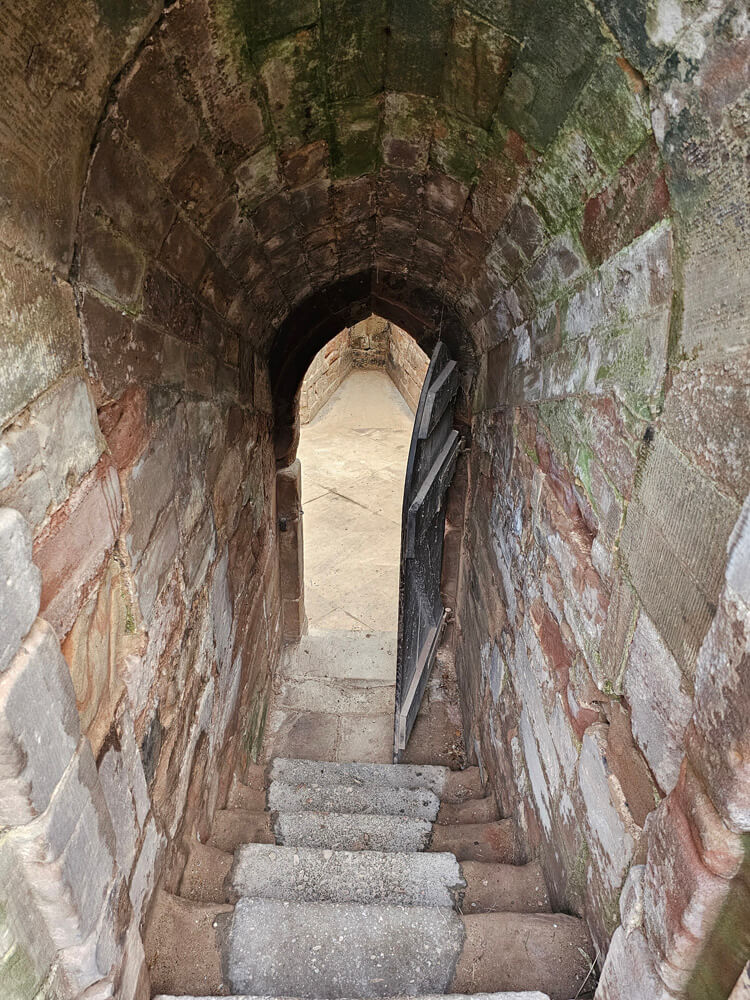
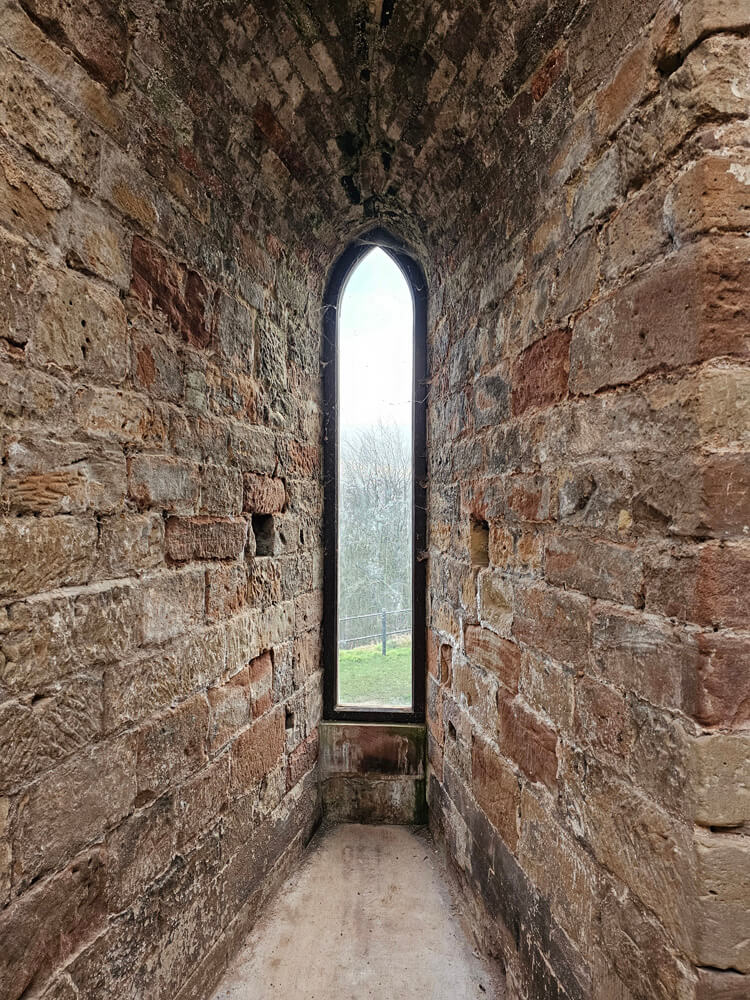
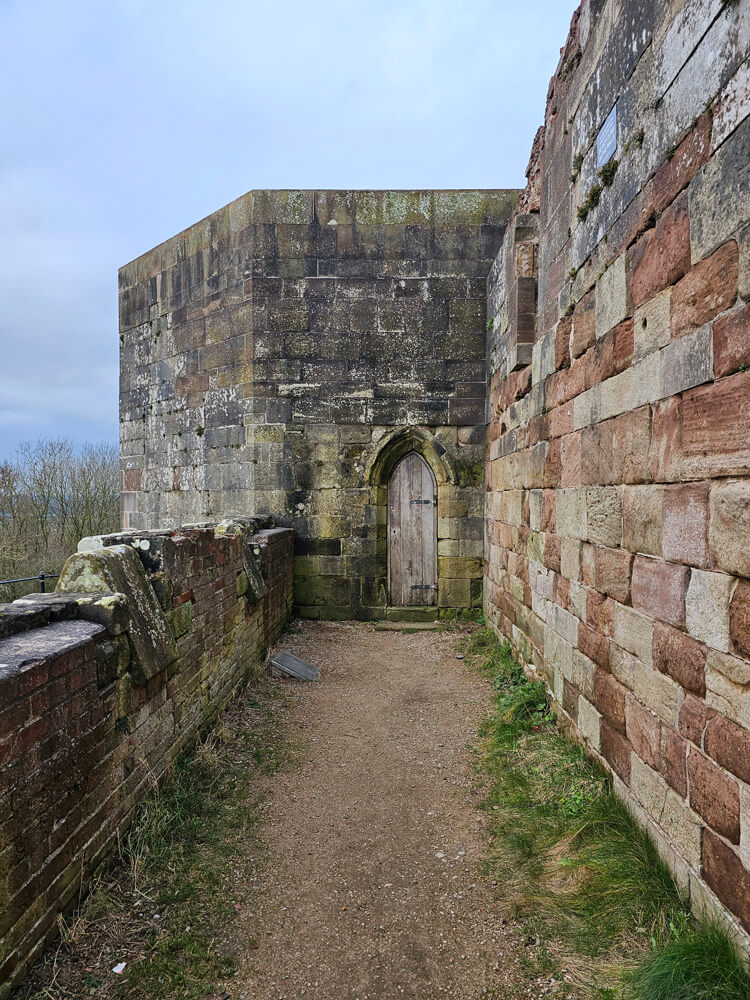
Stafford Castle is a ruined Grade II listed castle situated in the town of Stafford in Staffordshire, England. It is small and not much has survived but it has still dominated the local skyline for over 900 years due to it’s high position. The remains that survive today are of an extensively rebuilt 14th-century stone keep atop an 11th-century motte.
Quick
Facts.
- Location: Stafford in Staffordshire, England
- Established: c. 1070s - 1100
- Built in stone: 14th century
- Condition: Ruined
- Date visited: January 2024
- More info: Visit website
- Rating:
A Bit of History…
This prominent vantage point and strategic site was quickly recognised by the Normans, who built a huge motte-and-bailey timber fortress here in the 1070s, which was completed by the year 1100. It was built by Robert de Toeni, (later known as Robert of Stafford) under the orders of William the Conqueror to defend against a still hostile and rebellious native community. This early timber fortress was built with a pair of large bailey enclosures to house secondary buildings and a new settlement outside the baileys, protected by yet another earthwork enclosure. The combination of two large baileys and a third enclosure protecting a settlement makes Stafford Castle quite unusual for the Norman period. In total, the castle defences covered 14 acres, and the entire site itself extends to over 26 acres and consists of the Keep, inner bailey, outer bailey, and woodland.
In the 14th century, Ralph Stafford, a founder member of the Order of the Garter became the 1st Earl of Stafford, and it is he who had the earlier timber structures rebuilt in stone, with a large keep on top of the motte, and adding battlements a year later. Roughly a century later in 1444, Humphrey Stafford was created Duke of Buckingham and the castle entered its most successful period. He extended the stone castle and enhanced the residential quarters.
The castle played a pivotal role in the Wars of the Roses, when in 1485 Henry Tudor (later Henry VII), Earl of Richmond, met here in secret with Lord William Stanley to forge an alliance against Richard III. Lord Stanley, who at first appeared to be a supporter of Richard III, agreed to side with Henry, and at the Battle of Bosworth, when his intervention might have swung the battle in the king’s favour, he kept his men out of the conflict, assuring Henry’s victory.
Henry VII’s granddaughter, Elizabeth I, came to Stafford Castle in 1575, and she and her court were entertained for dinner.
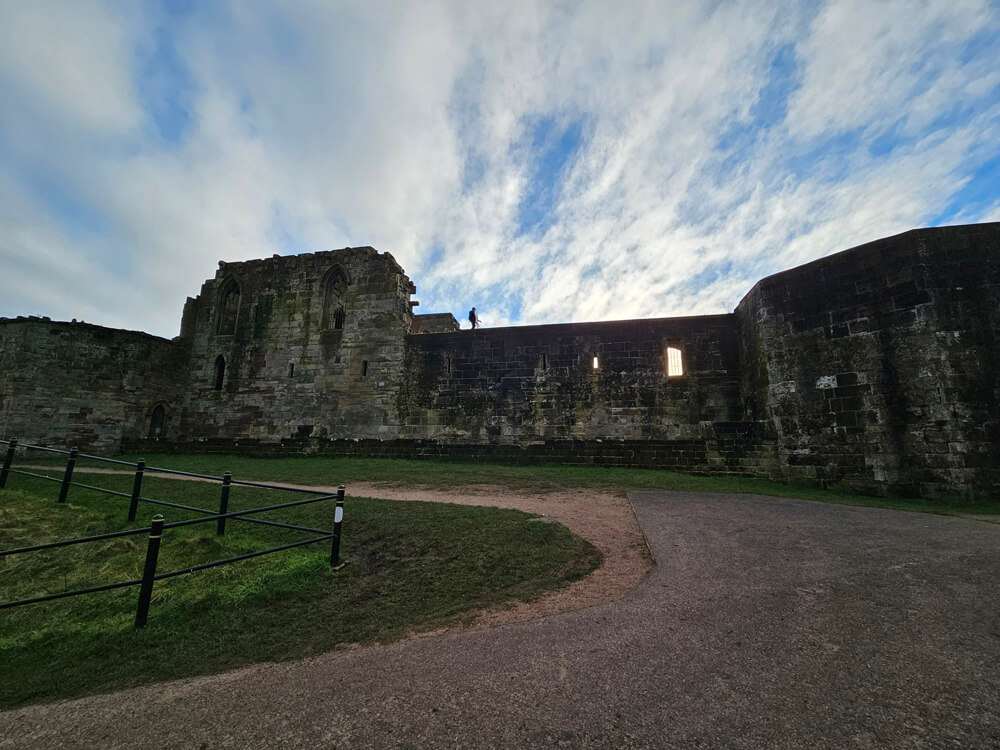
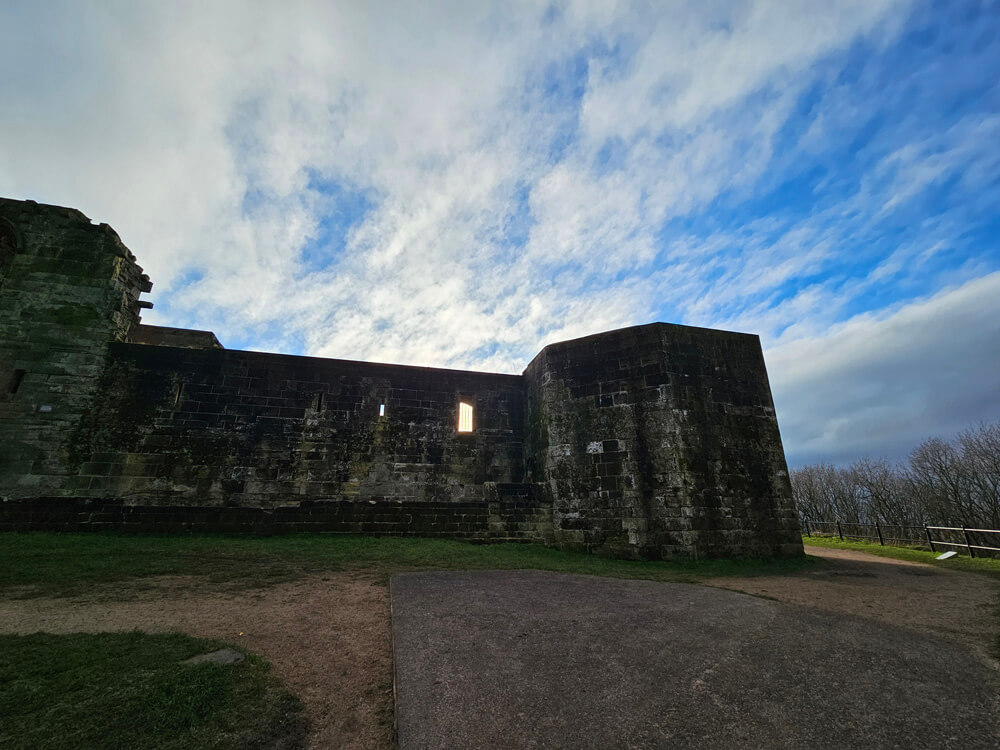
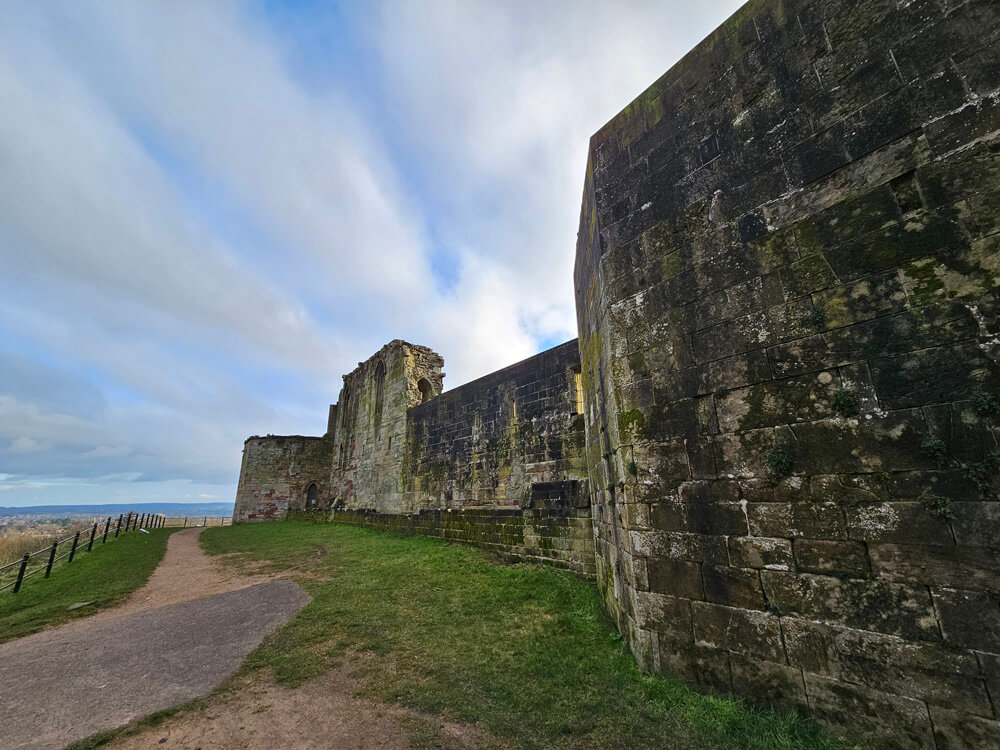
Subsequent generations of Staffords let the castle decline in favour of other residences. The castle was attacked and defended during the early part of the English Civil War and it was eventually abandoned and demolished. It was extensively rebuilt in the early 19th century in the Gothic Revival Style by the Jerningham family, using the same foundations the keep was again a magnificent four storey structure. However, it was once again abandoned in the 1950s and it became derelict once more.
Photo Gallery.
Did you enjoy this post?
I hope you found this post useful. I put a great deal of time and effort in to building, maintaining and populating the website. If you like, you could say a small thank you by buying me a coffee. You don't have to, but it would be nice :)
Buy me a coffee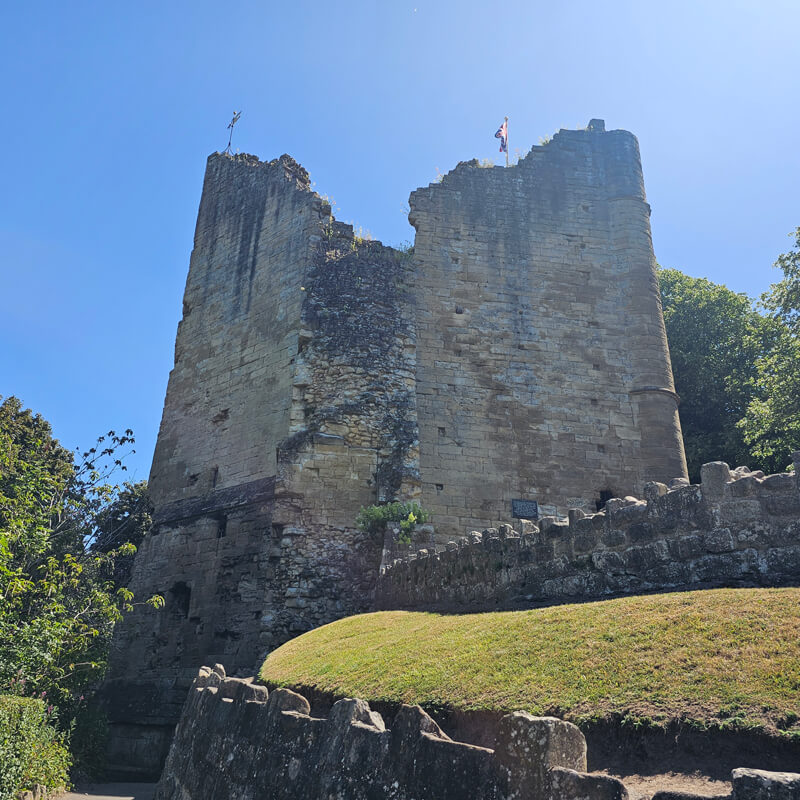
Stay up to Date
Follow me on my journey and get notified whenever a new post is published by following Kings & Castles on Facebook.
Follow MeExplore The Map
Discover the hundreds of castles, churches, monasteries, cathedrals and other historic locations that I've personally visited across England and Wales. Search by location, explore nearby sites and plan your next historical adventure.
Share: