Rhuddlan Castle
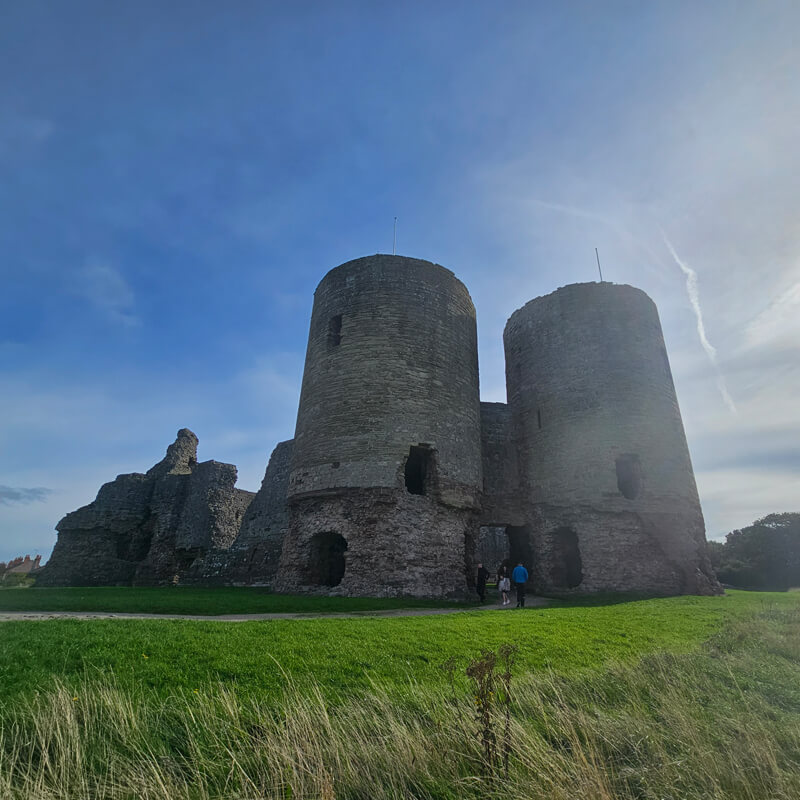
Standing beside the River Clwyd in Denbighshire, North Wales, Rhuddlan Castle is a remarkable medieval fortress. Built by King Edward I during his campaign to conquer Wales, it was the first of his revolutionary concentric castles designed by master architect James of St George. With its distinctive diamond-shaped inner ward, imposing twin-towered gatehouses and ingenious river engineering, Rhuddlan played an important role in Edward’s efforts to establish English control over Wales.
Quick
Facts.
- Location: Rhuddlan, Denbighshire, Wales
- Built: 1277 - 1282
- Condition: Ruined
- Date visited: October 2026
- More info: Visit website
- Rating:
A Bit of History…
Rhuddlan Castle was built from 1277 to 1282, following Edward I’s first campaign against the Welsh prince Llywelyn ap Gruffudd. Alongside Flint Castle, it was one of the first royal fortresses constructed during Edward’s ambitious programme of castle-building in Wales.
The castle was designed by James of St George, one of the most accomplished military architects of the medieval period. Rhuddlan was particularly significant because it was the first of Edward I’s revolutionary concentric castles designed by James, introducing a defensive approach that would be developed further at later fortresses such as Conwy, Caernarfon, Harlech and Beaumaris, which together formed a part of his chain of fortresses known as the ‘Iron Ring’.
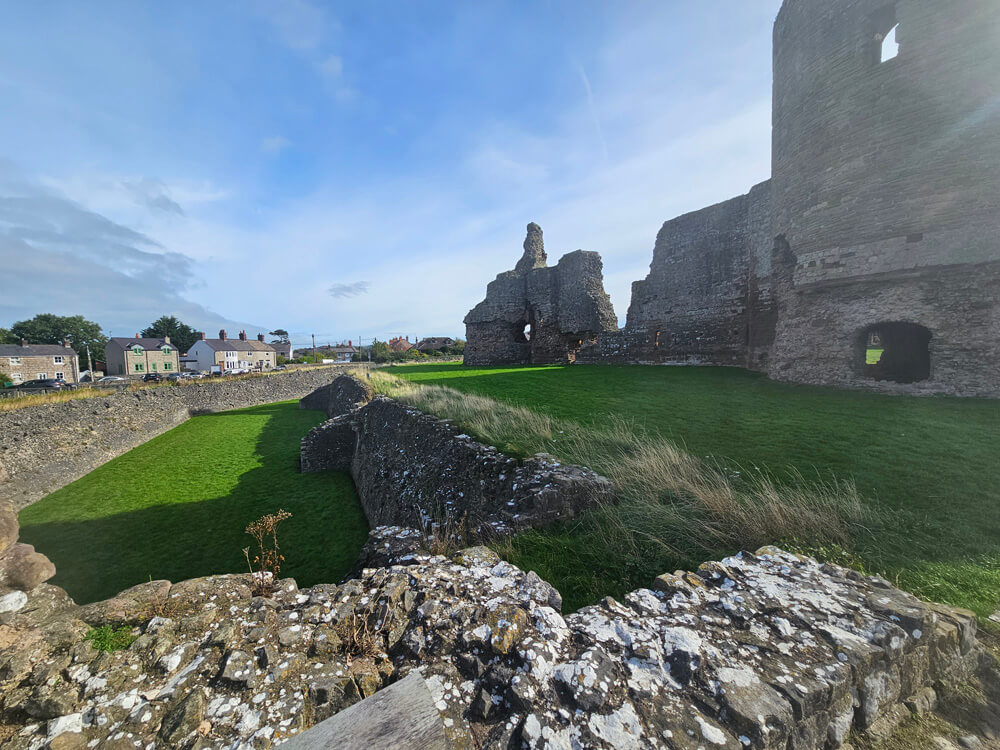
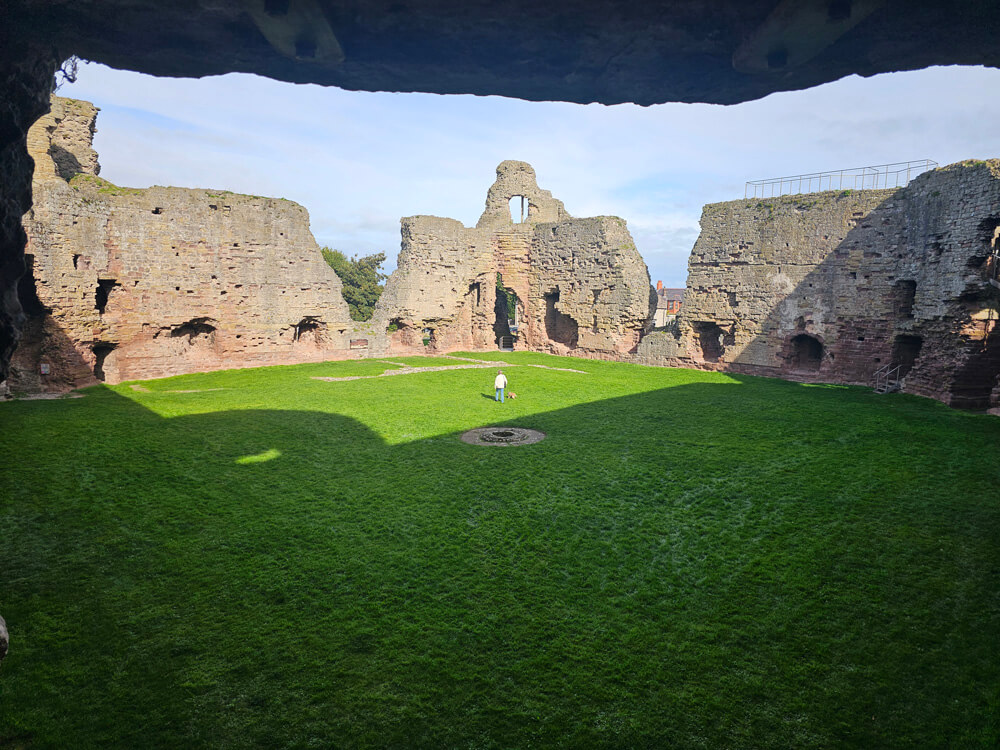
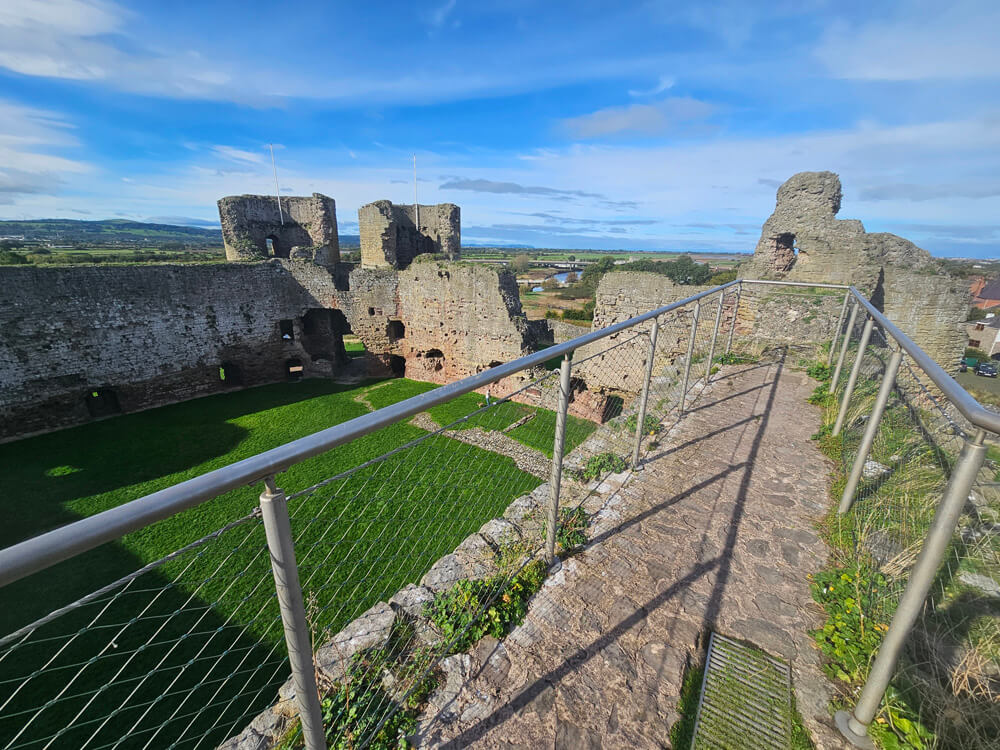
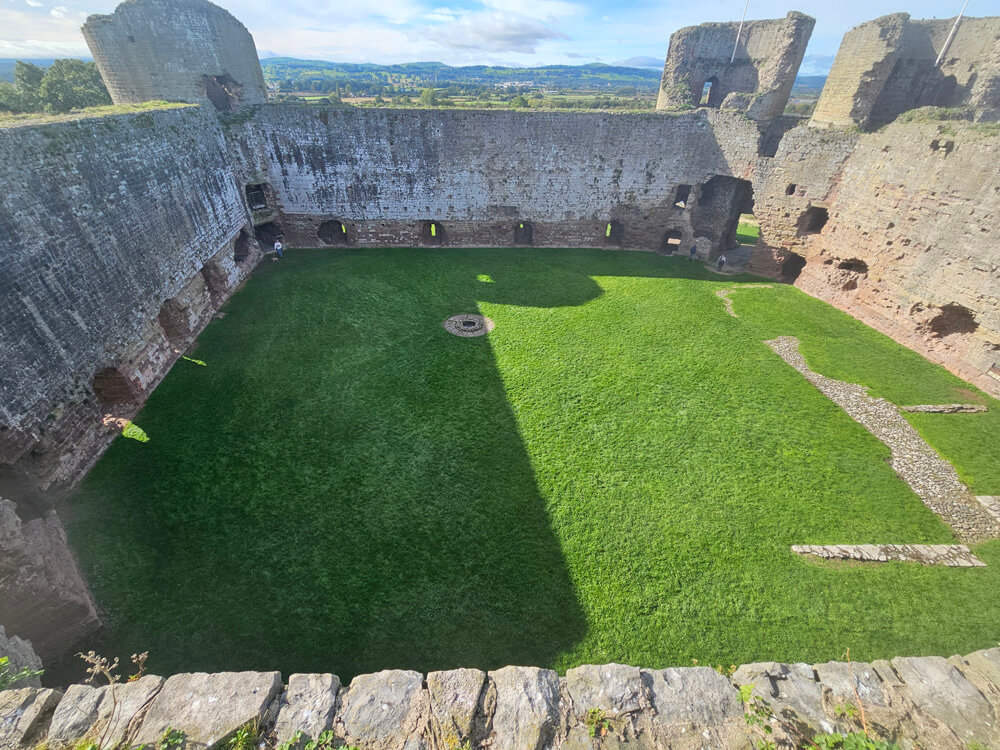
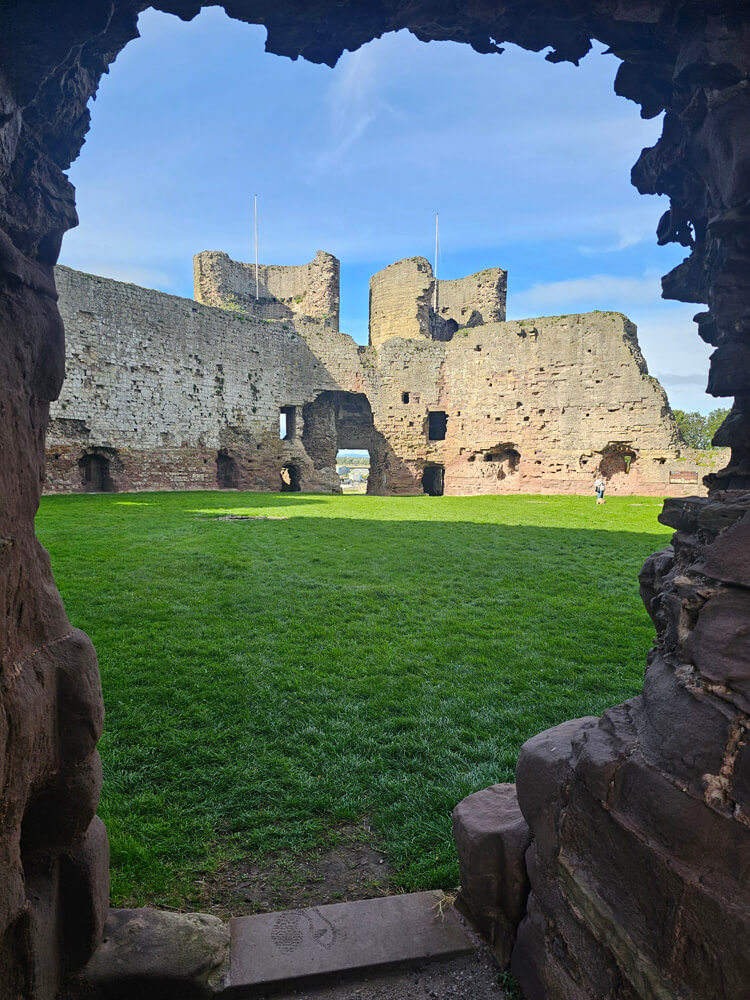
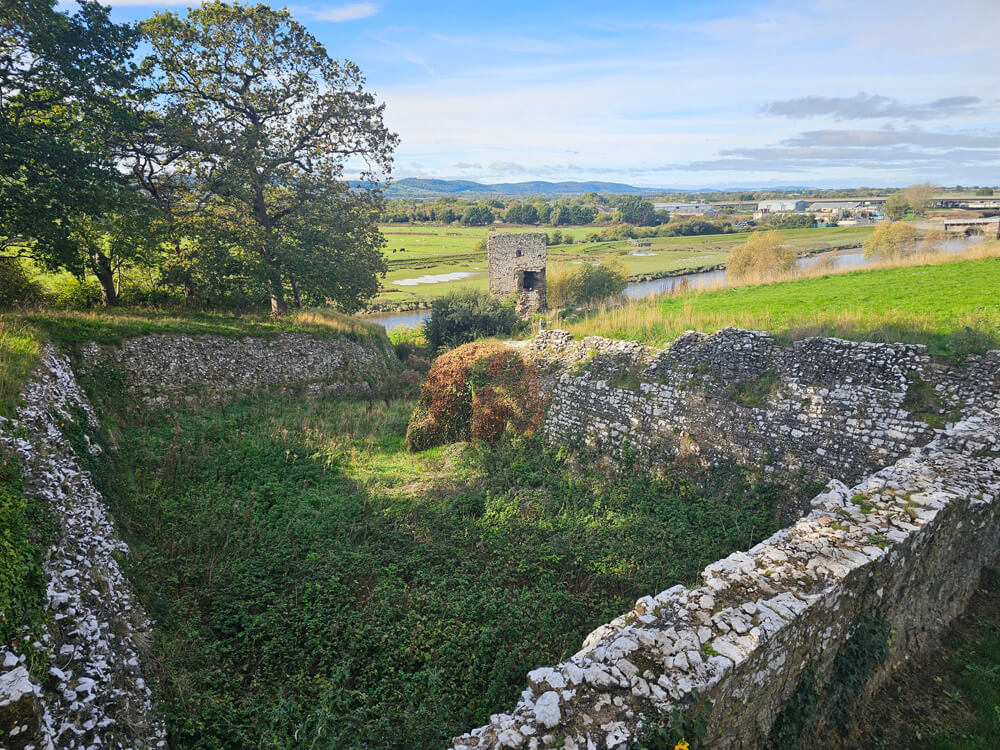
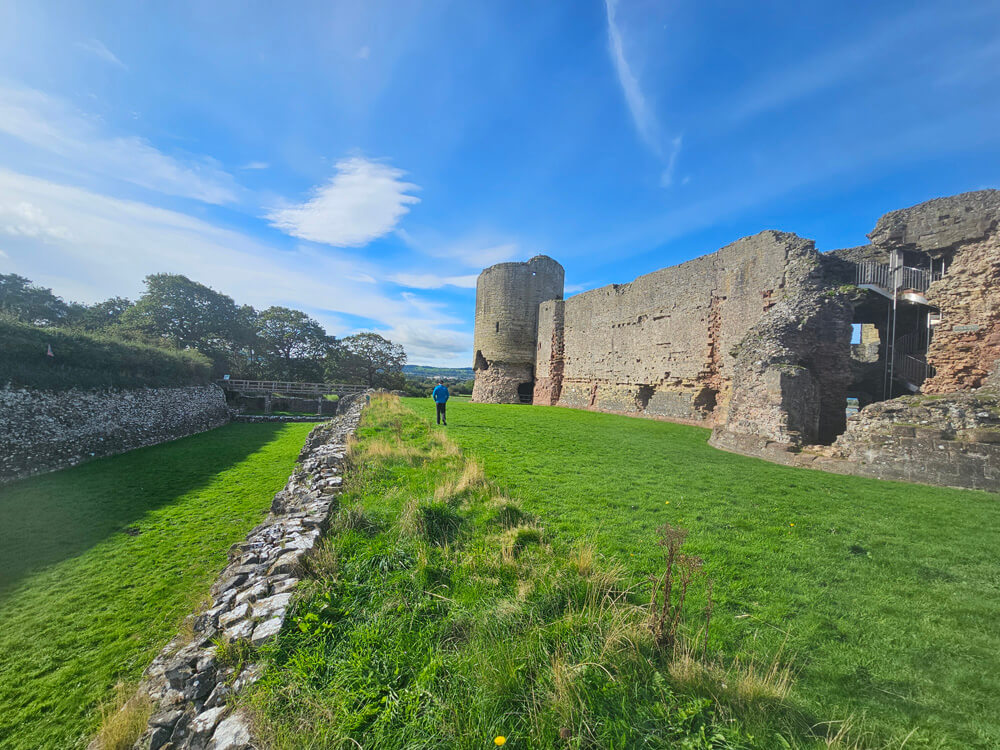
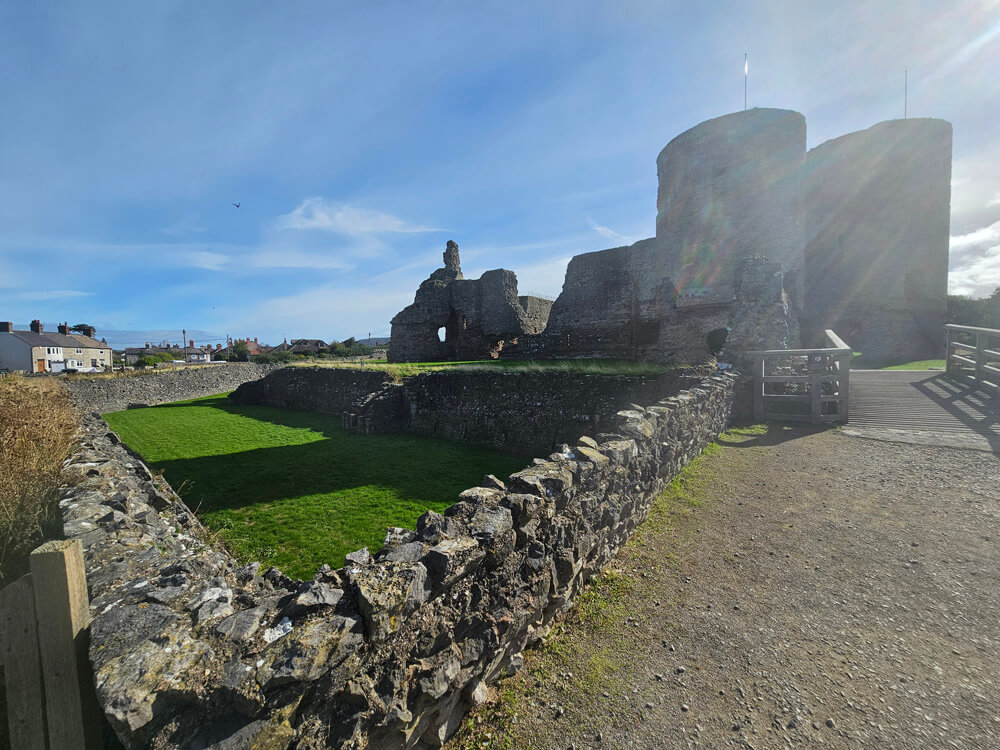
The concentric design, often described as ‘walls within walls’, provided multiple layers of defence. Rhuddlan’s inner ward was surrounded by an outer defensive enclosure, with a broad dry moat adding another obstacle for attackers. Unlike many medieval castles, however, its inner stronghold had a distinctive diamond-shaped layout, with its gatehouses positioned at opposite corners rather than along the middle of the walls.
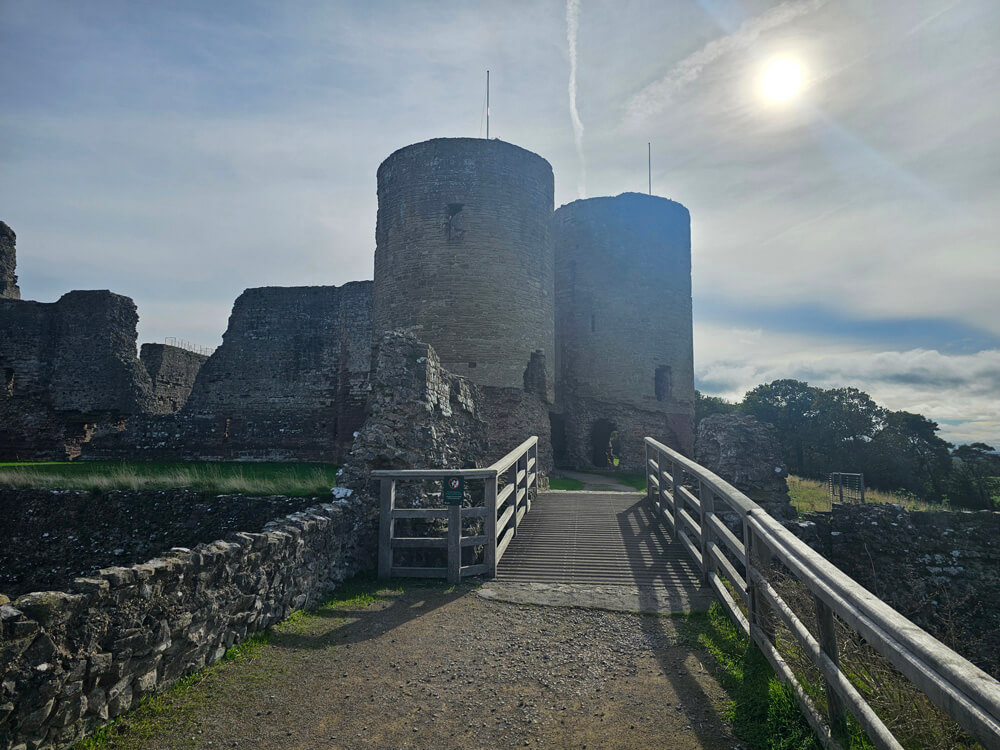
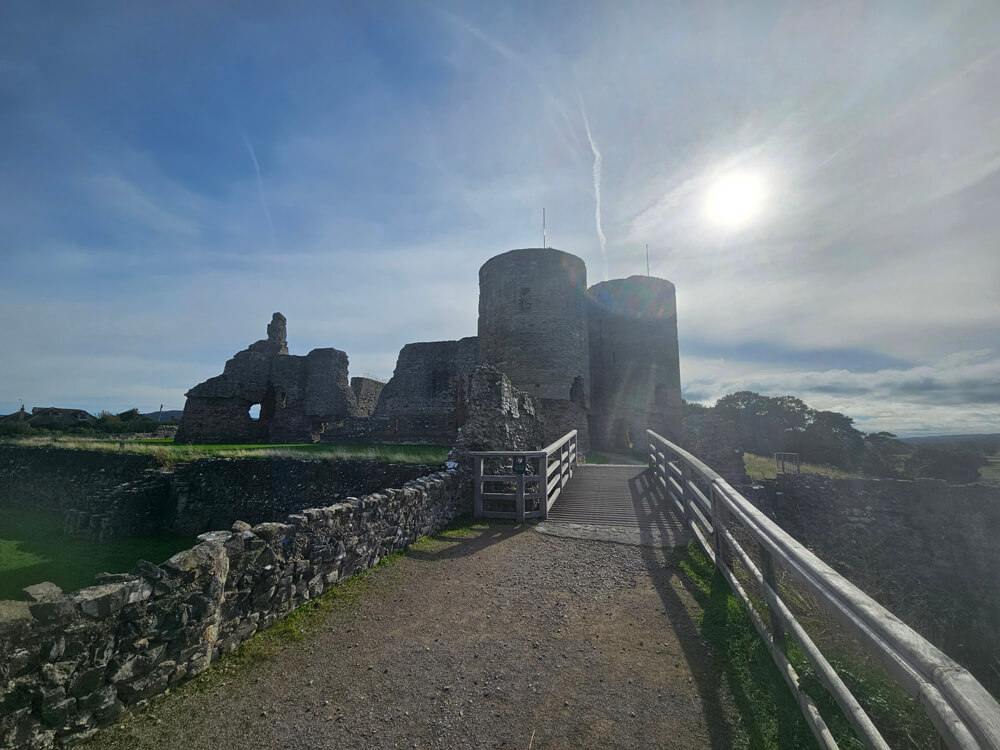
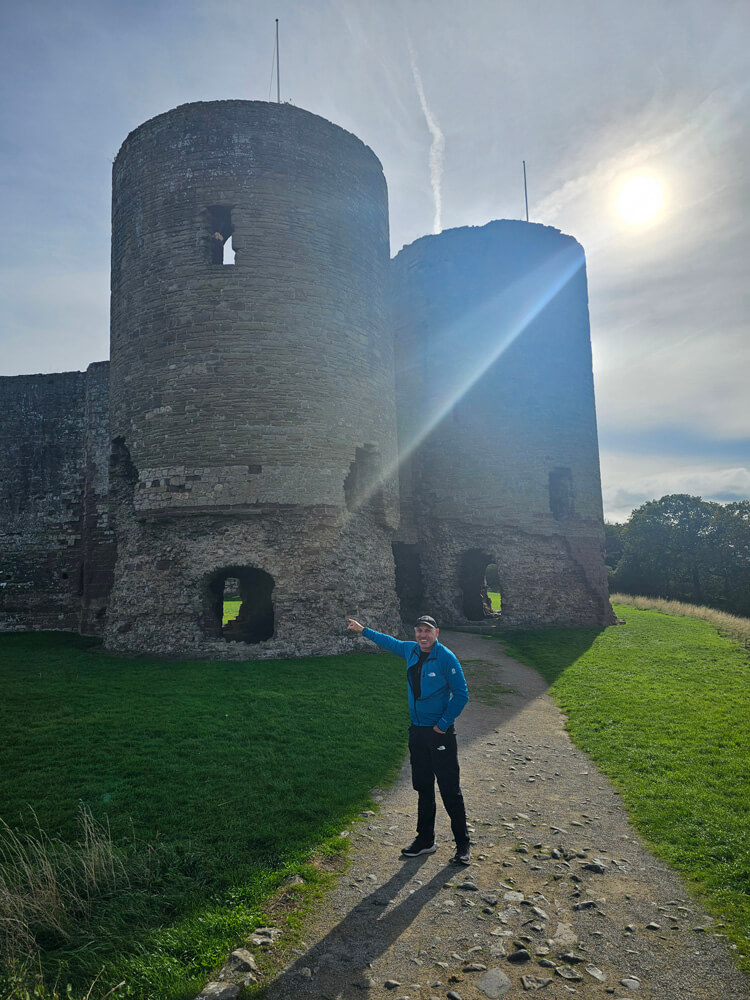
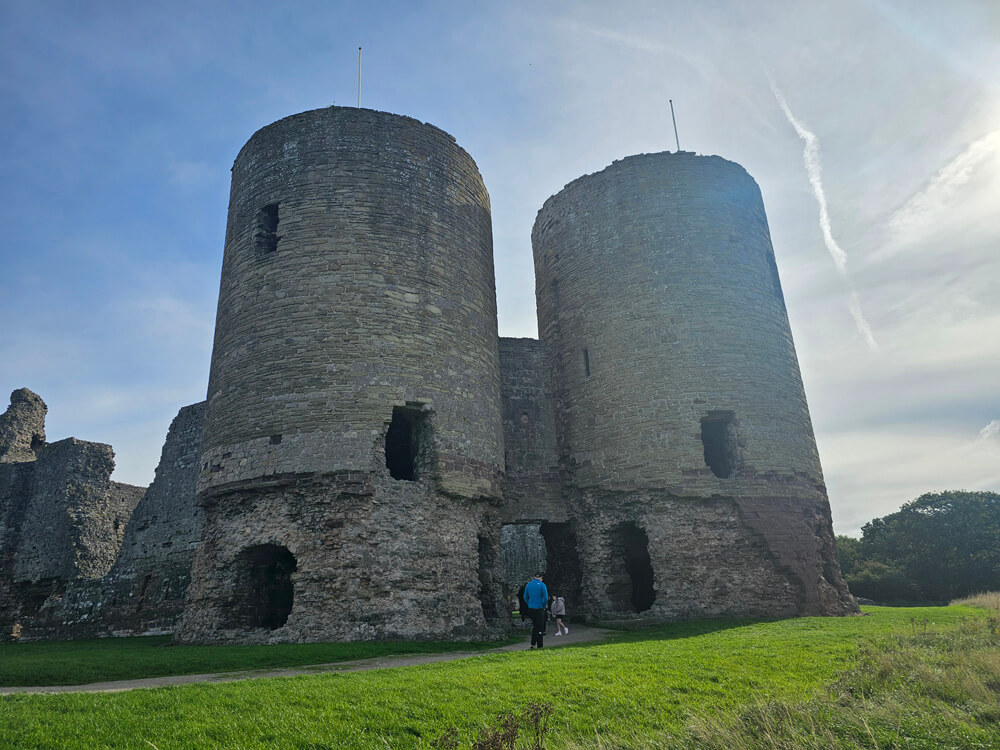
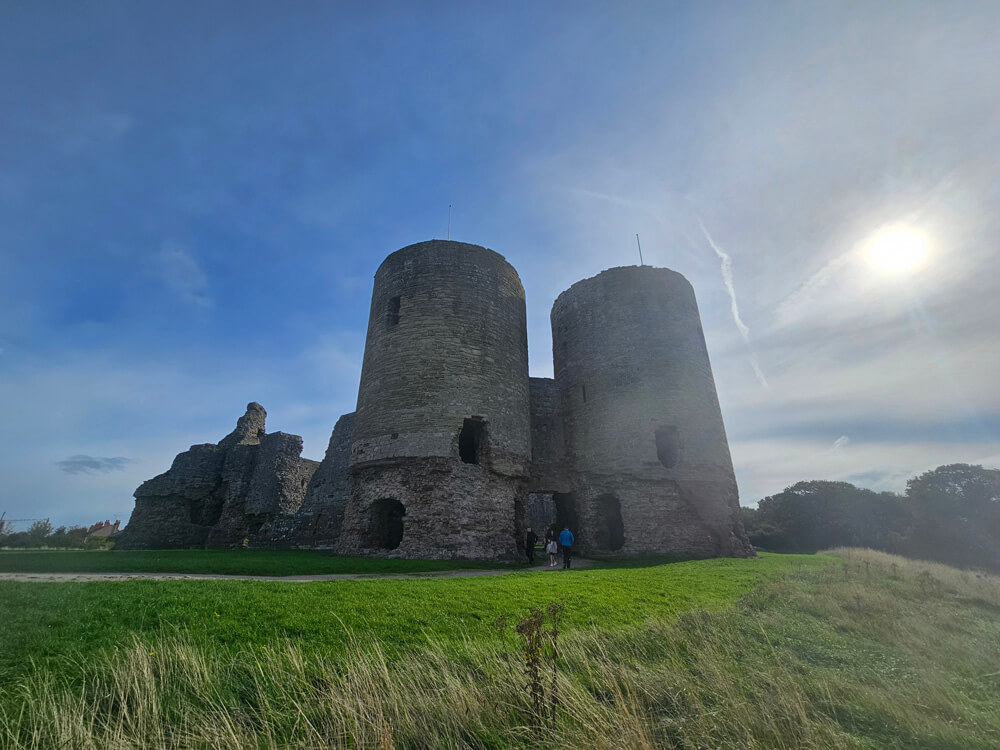
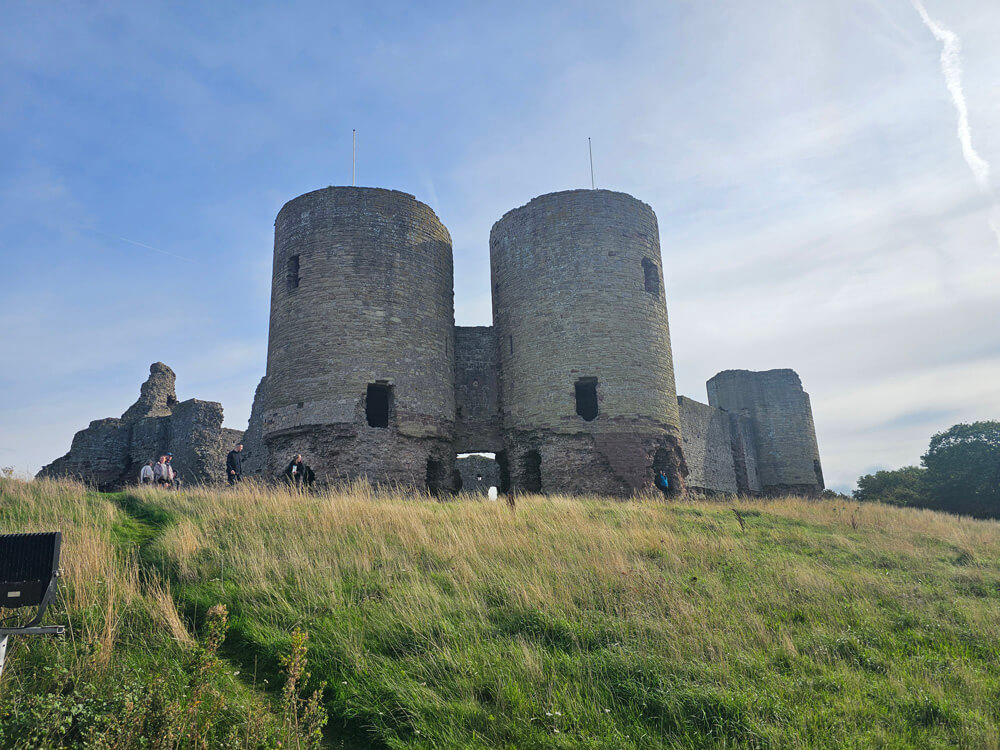
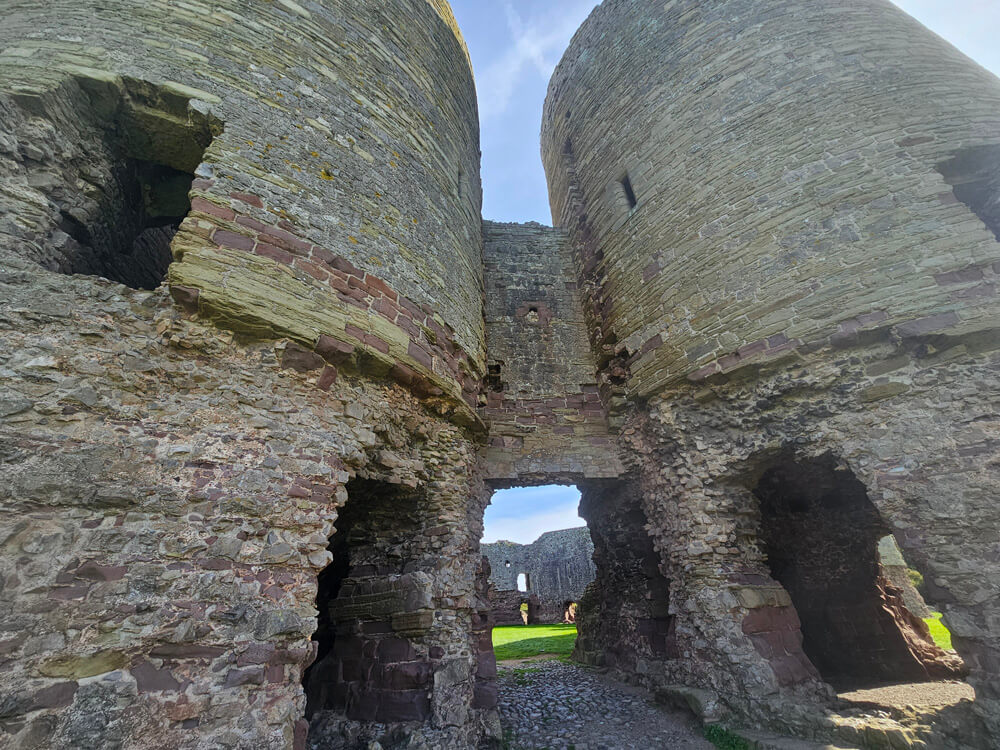
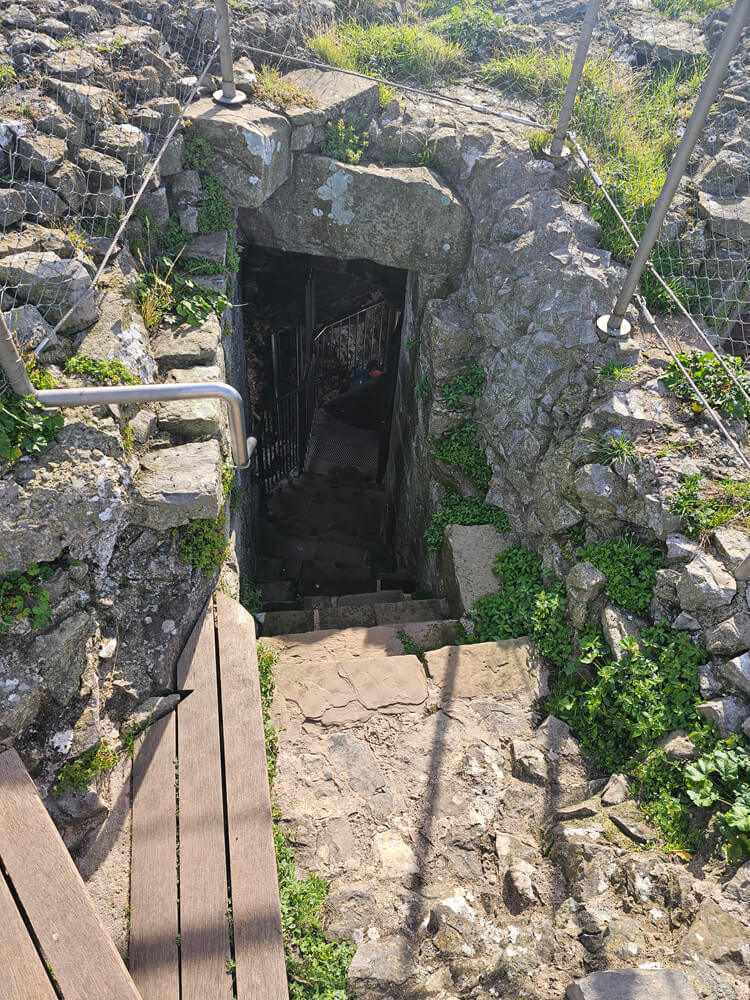
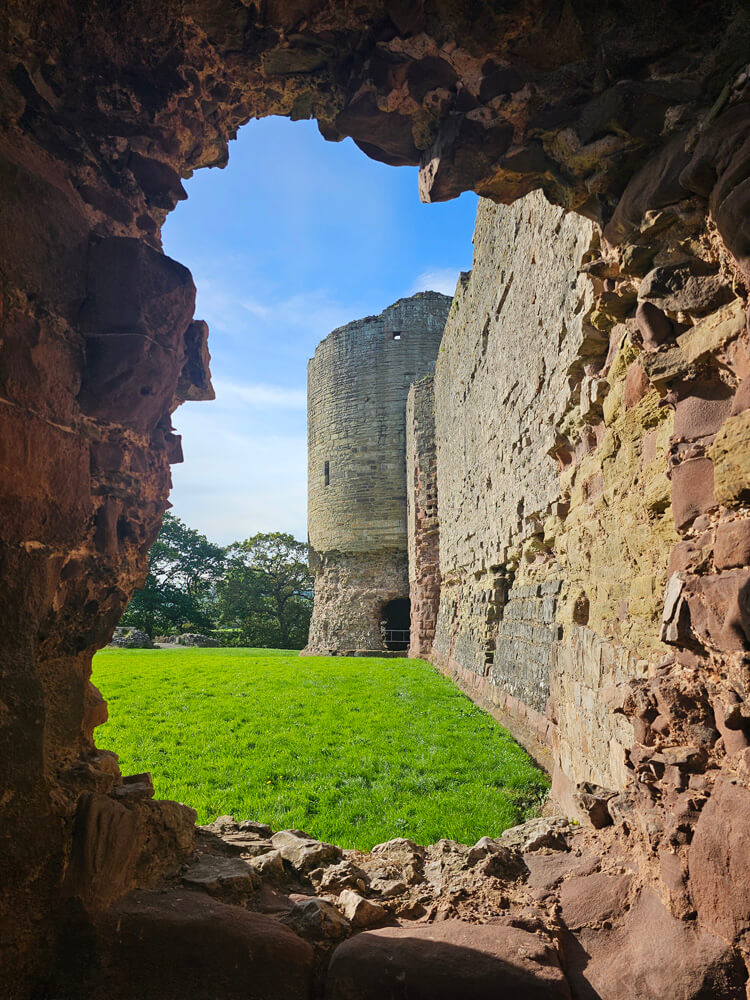
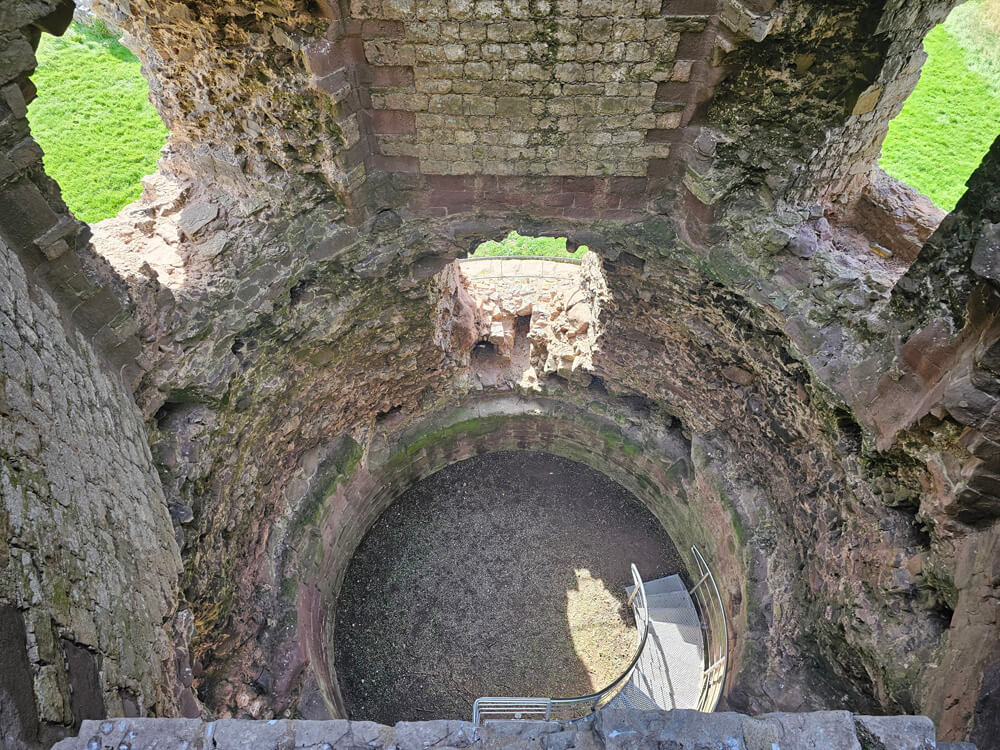
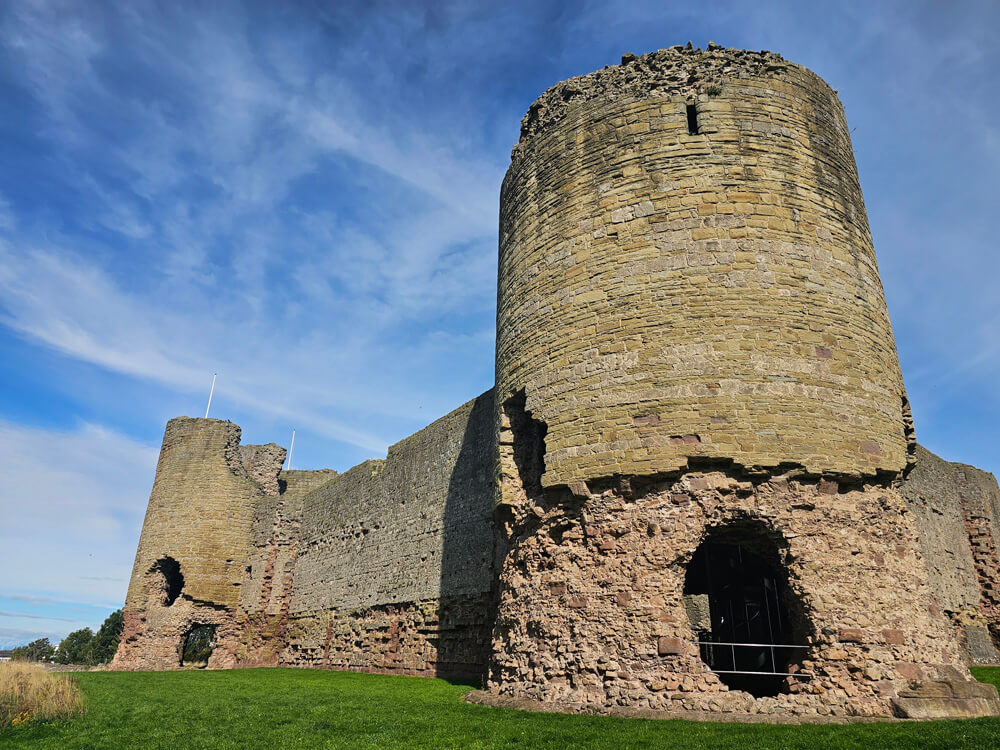
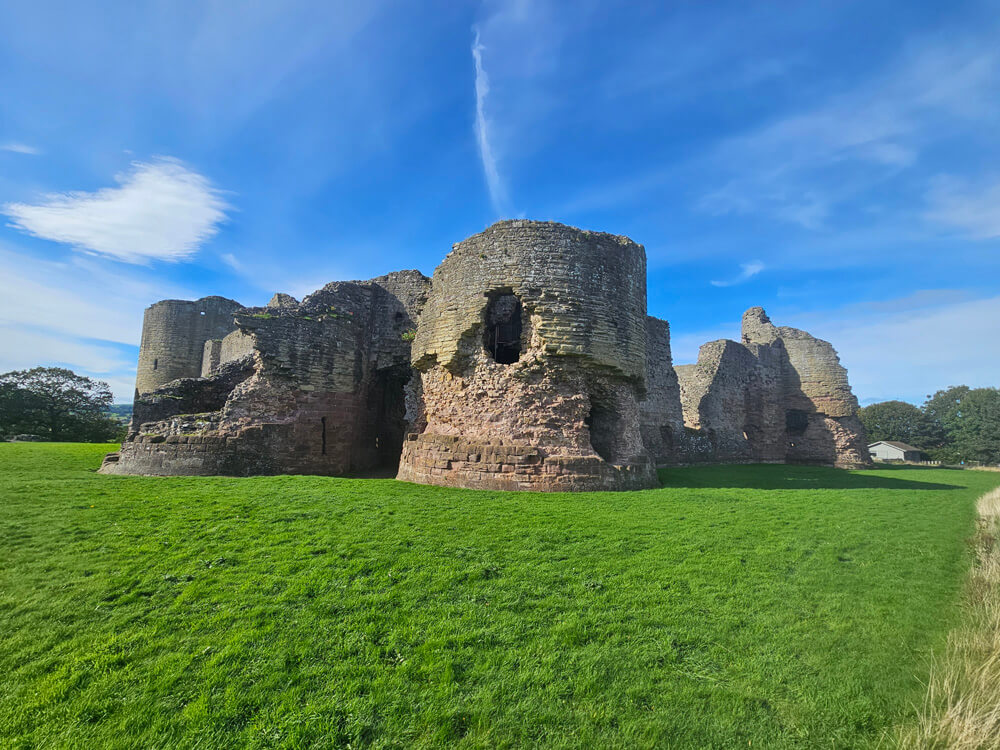
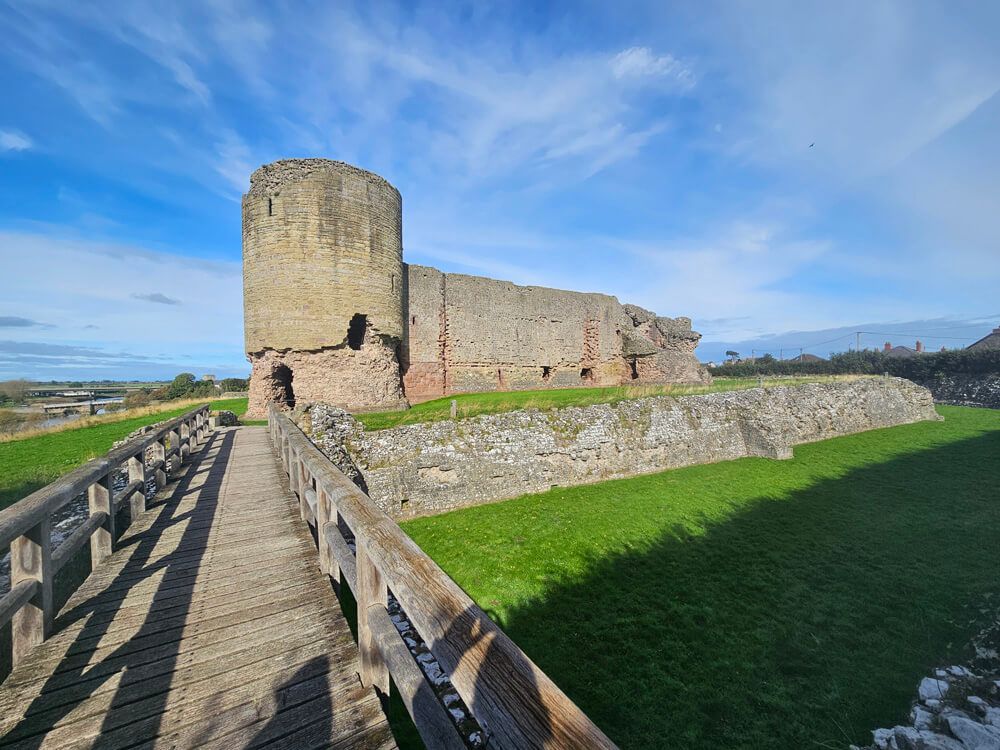
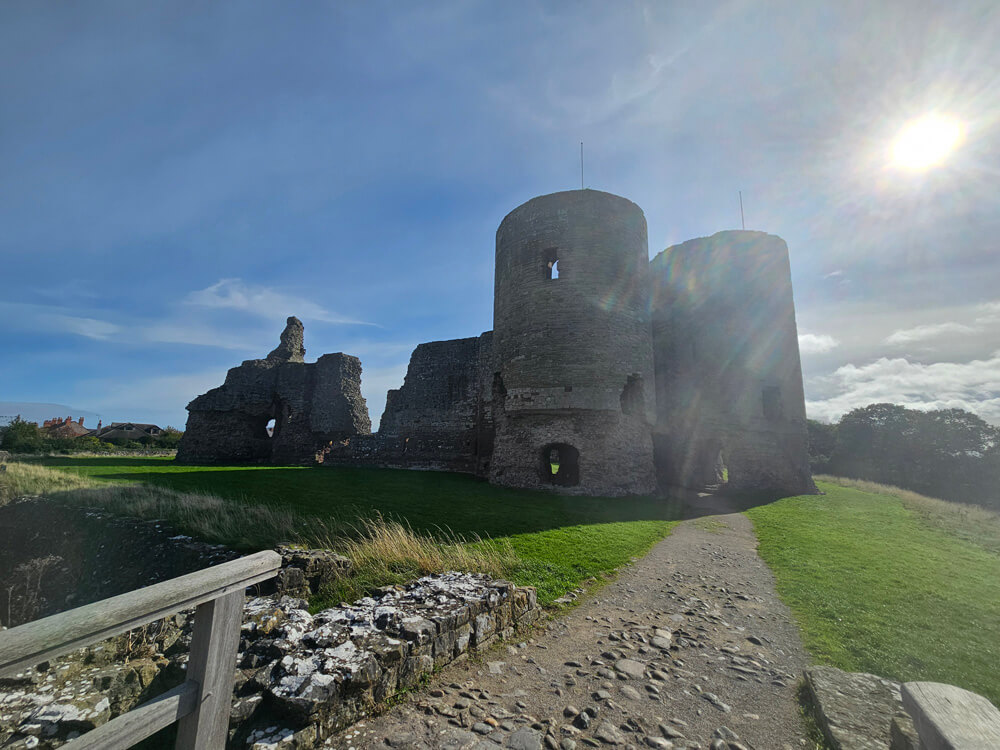
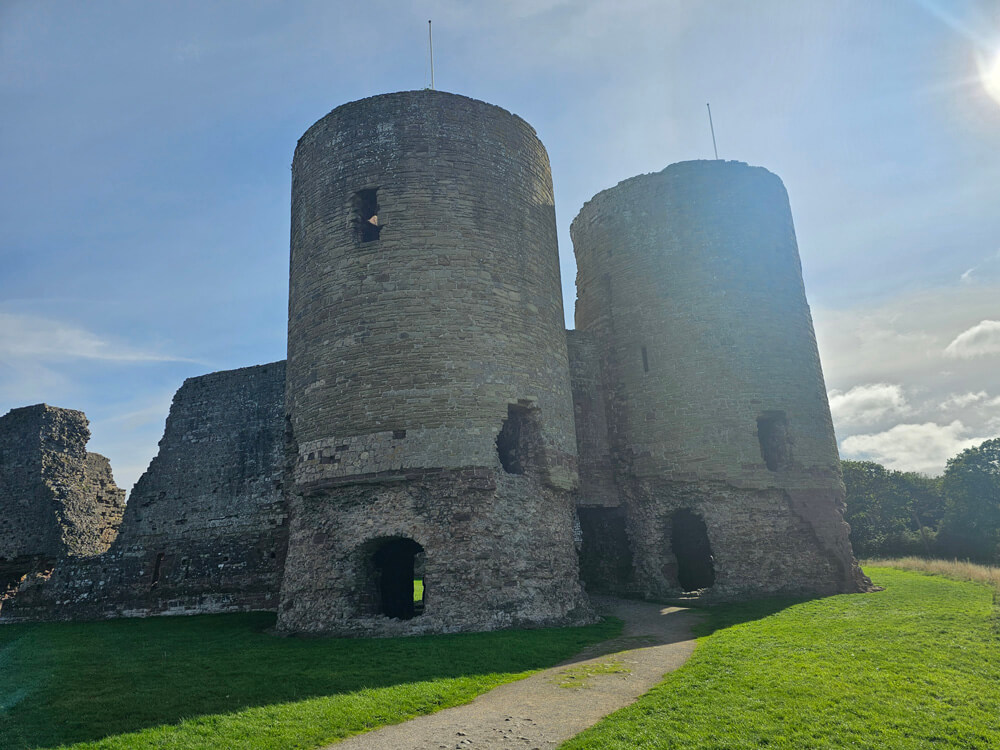
The inner ward was protected by four substantial walls, two round corner towers and two impressive twin-towered gatehouses. The outer defences featured a lower curtain wall reinforced by smaller towers and turrets. Although much of the outer wall has disappeared, the surviving remains still reveal the ingenuity of the original design.
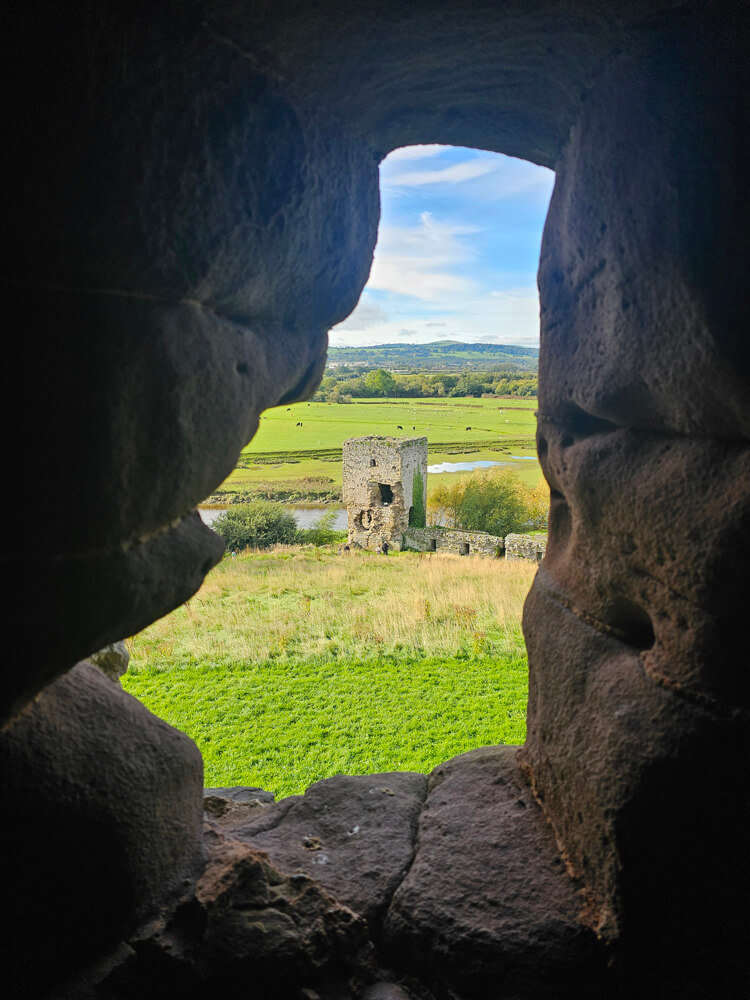
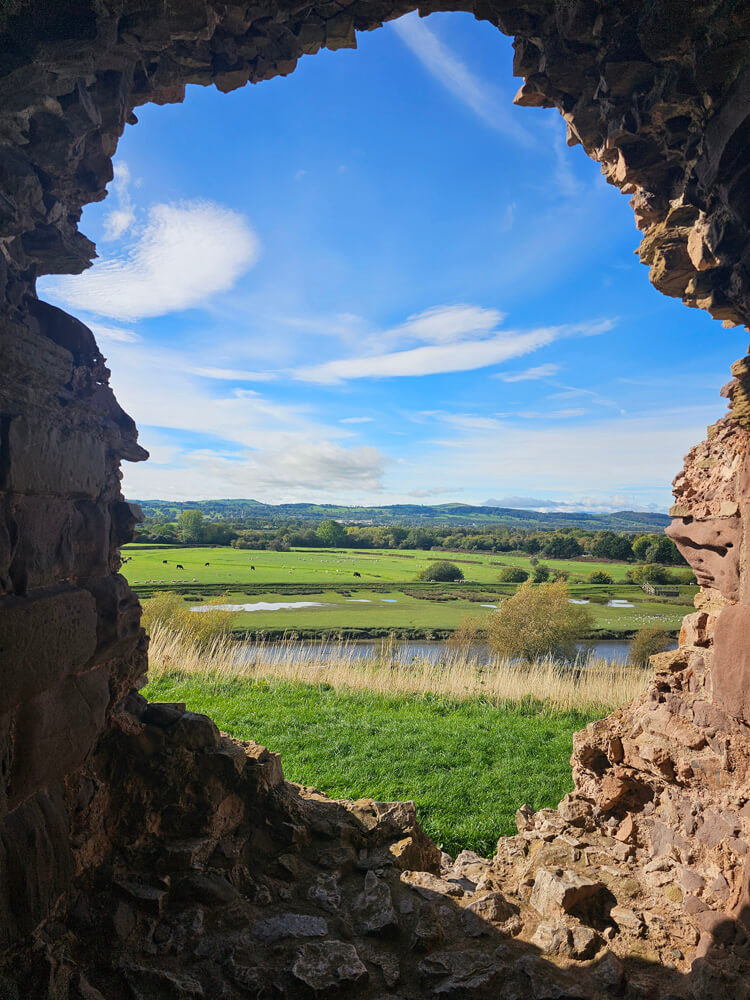
One of the greatest challenges facing Edward’s builders was the castle’s location. Edward preferred to build fortresses where supplies could be delivered by sea, but Rhuddlan stood several miles inland. His solution was extraordinary: the River Clwyd was straightened, deepened and diverted to create a navigable channel connecting the castle with the coast.
This enormous engineering project allowed boats to bring provisions and other supplies directly to the fortress. The river also provided a natural defensive boundary along one side of the castle, while a protected watergate and dock helped facilitate the movement of goods.
Rhuddlan was also designed as part of a wider settlement. The existing town and earlier Norman castle at Twthill were superseded by a newly planned town and royal fortress, with defensive ditches protecting the settlement. Elements of the medieval street layout can still be recognised in modern-day Rhuddlan.
The Statute of Rhuddlan
Rhuddlan Castle holds a particularly important place in Welsh political history. In 1284, following Edward I’s defeat of the Welsh princes and the death of Llywelyn ap Gruffudd, the king issued the Statute of Rhuddlan.
The statute established a new system of English administration across much of North Wales, creating shires and introducing changes to the legal and governmental systems. It strengthened the English Crown’s authority over the conquered territories and marked a significant turning point in the history of Wales.
The settlement formed part of Edward’s wider strategy to consolidate his conquest. His castles were not simply military strongholds; they also served as centres of royal authority, helping him govern the territories he had brought under English control.
Rebellion and Ruin
Despite its formidable defences, Rhuddlan Castle witnessed further conflict during the centuries that followed. In 1400, the Welsh rebellion led by Owain Glyndŵr swept through the surrounding region, and the town of Rhuddlan suffered devastation. The castle itself, however, successfully resisted the uprising.
Its military career finally came to an end during the English Civil War. After being held by Royalist forces, the castle surrendered to Parliamentarian troops in 1646. In 1648, orders were given to dismantle its defences to prevent it from being used as a stronghold again. The castle subsequently fell into ruin.
Rhuddlan Castle Today
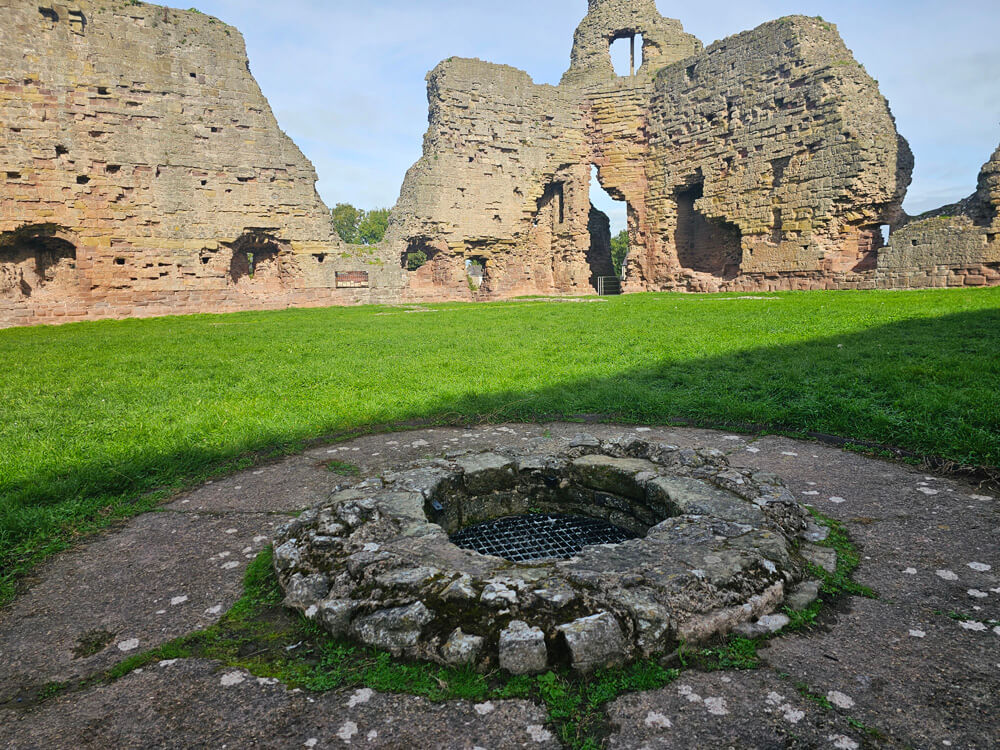
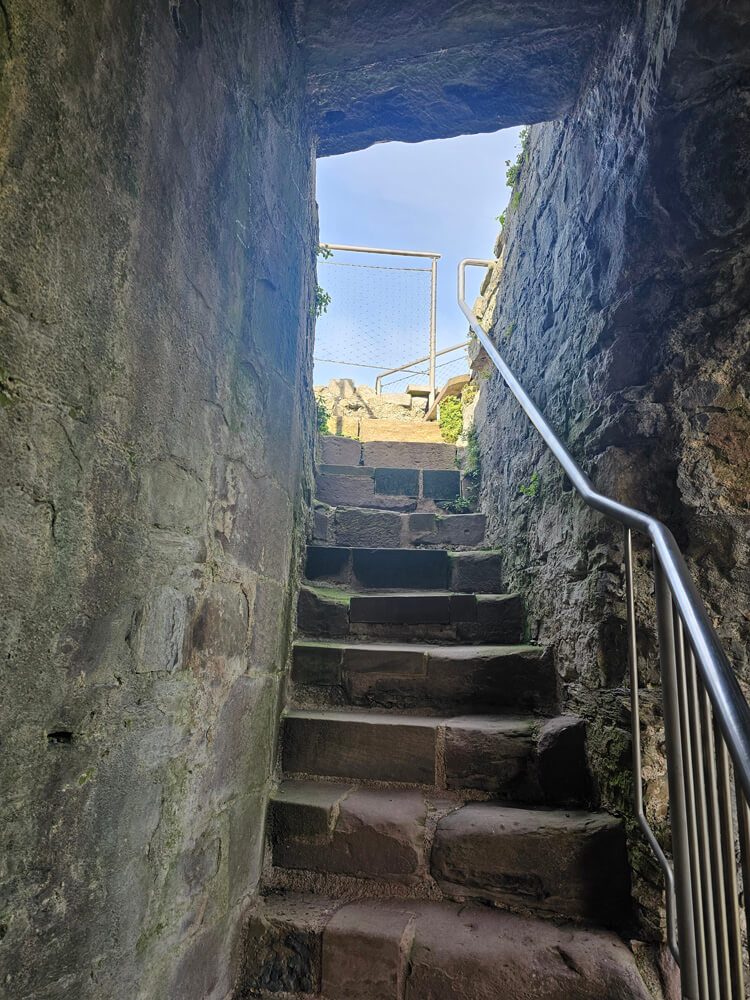
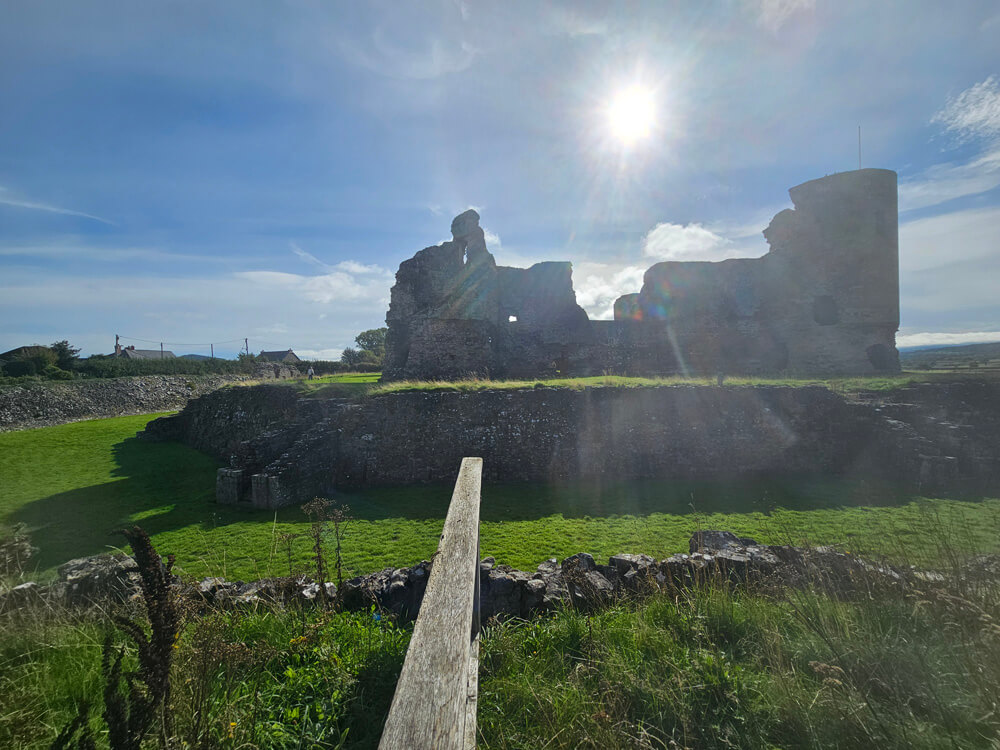
Today, Rhuddlan Castle is cared for by Cadw and remains an impressive example of late 13th-century military architecture. Visitors can explore the surviving inner ward, examine the remains of its twin-towered gatehouses and appreciate the unusual diamond-shaped layout that made the fortress so distinctive.
Although much of the outer defences have disappeared, the remaining walls and moat provide a fascinating insight into the castle’s original design. The nearby River Clwyd also offers a reminder of the extraordinary engineering undertaken to ensure that supplies could reach the fortress.
Rhuddlan may be less famous than some of Edward I’s later castles, but its importance should not be underestimated. As the first of James of St George’s revolutionary concentric castles for Edward I, it helped establish a defensive design that would influence some of the most celebrated medieval fortresses in Wales. More than seven centuries later, its surviving ruins remain a testament to the ambition, ingenuity and turbulent history of medieval Wales.
Photo Gallery.
Did you enjoy this post?
I hope you found this post useful. I put a great deal of time and effort in to building, maintaining and populating the website. If you like, you could say a small thank you by buying me a coffee. You don't have to, but it would be nice :)
Buy me a coffee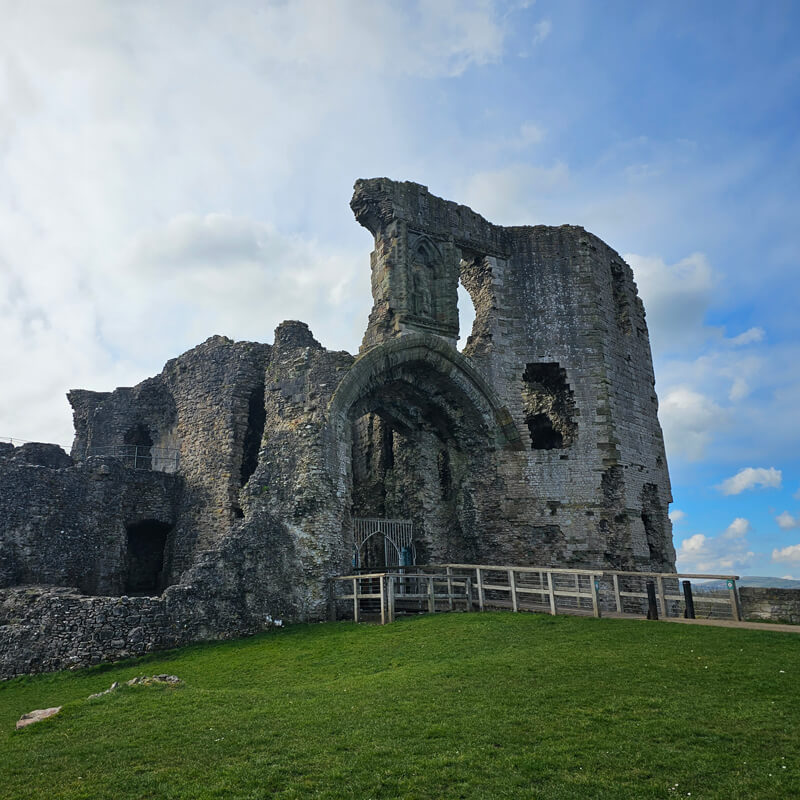
Stay up to Date
Follow me on my journey and get notified whenever a new post is published by following Kings & Castles on Facebook.
Follow MeExplore The Map
Discover the hundreds of castles, churches, monasteries, cathedrals and other historic locations that I've personally visited across England and Wales. Search by location, explore nearby sites and plan your next historical adventure.
Share: