The Medieval Town of Much Wenlock
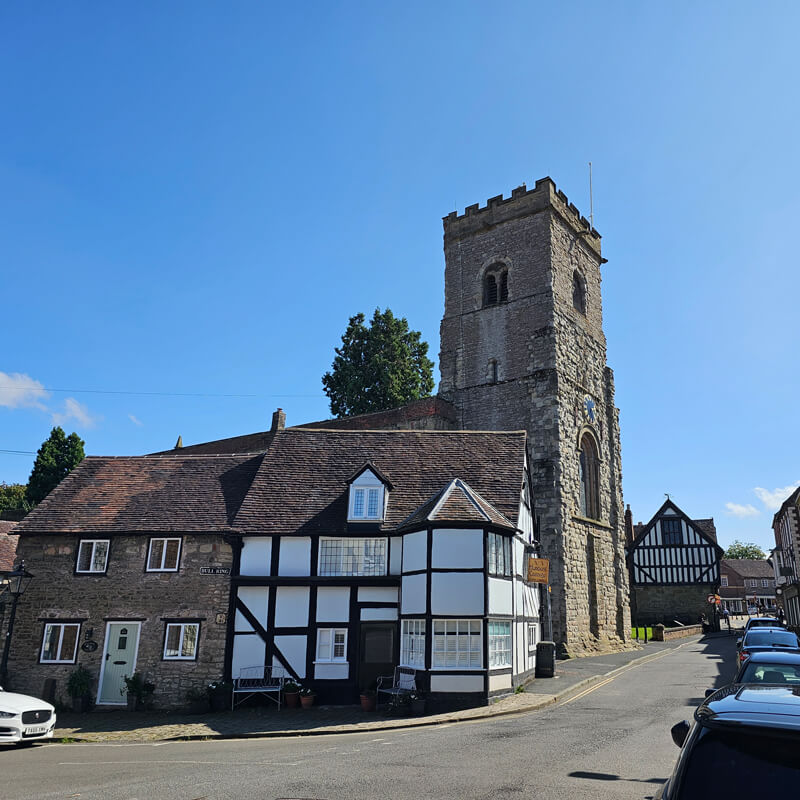
Once an important medieval religious centre, Much Wenlock in Shropshire, England, is a small town with a remarkably rich history. From its medieval streets and historic buildings to the atmospheric ruins of Wenlock Priory, its past is woven into almost every corner.
Early History
Much Wenlock is historically the chief town of the ancient borough of Wenlock. “Much” was added to distinguish it from the nearby Little Wenlock, and also to imply that it was the larger of the two settlements. The name Wenlock is probably made up of two different words from two different time periods. It likely comes from the Celtic name Wininicas, meaning “white area”, in reference to the limestone of Wenlock Edge, plus the Old English loca, meaning “enclosed place”. The town was recorded in the Domesday Book of 1086 as Wenloch.
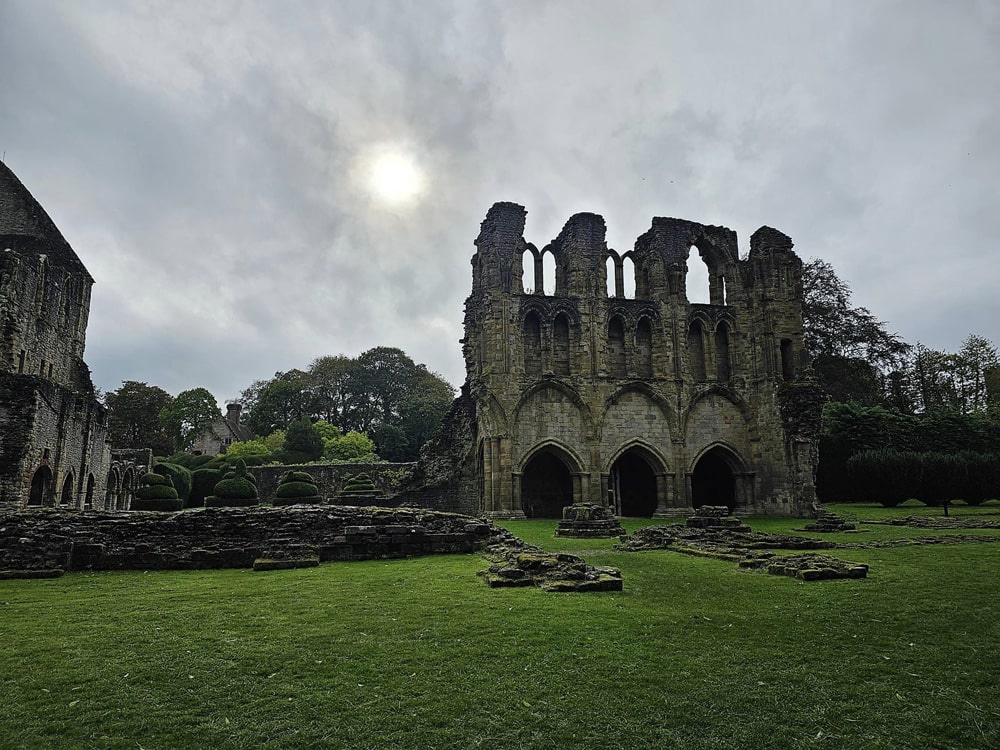
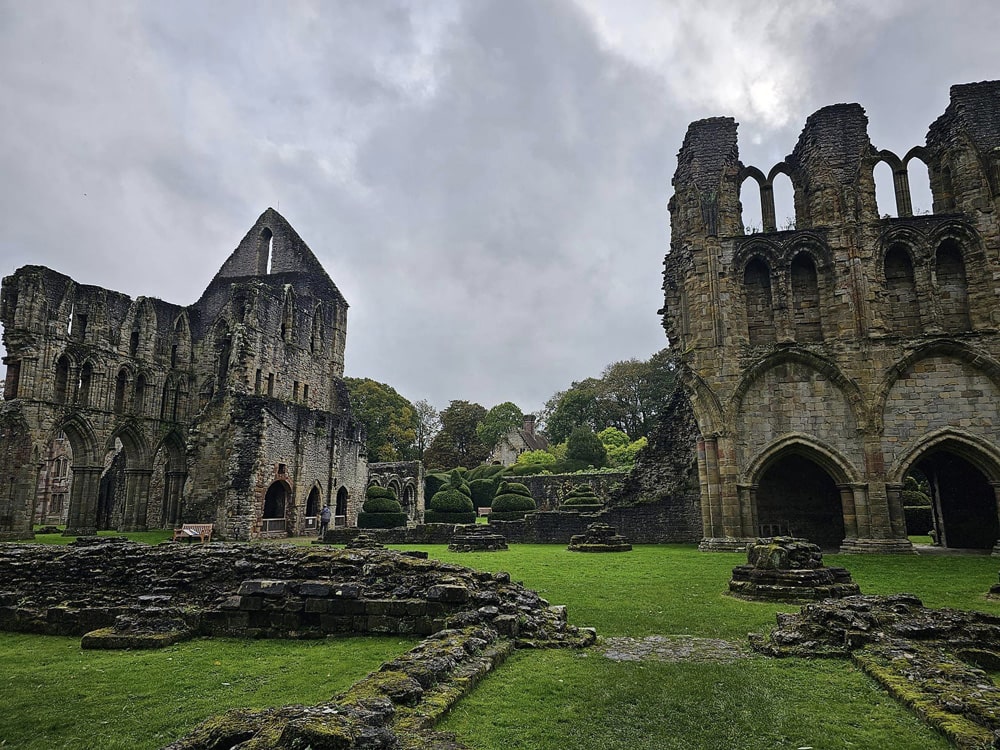
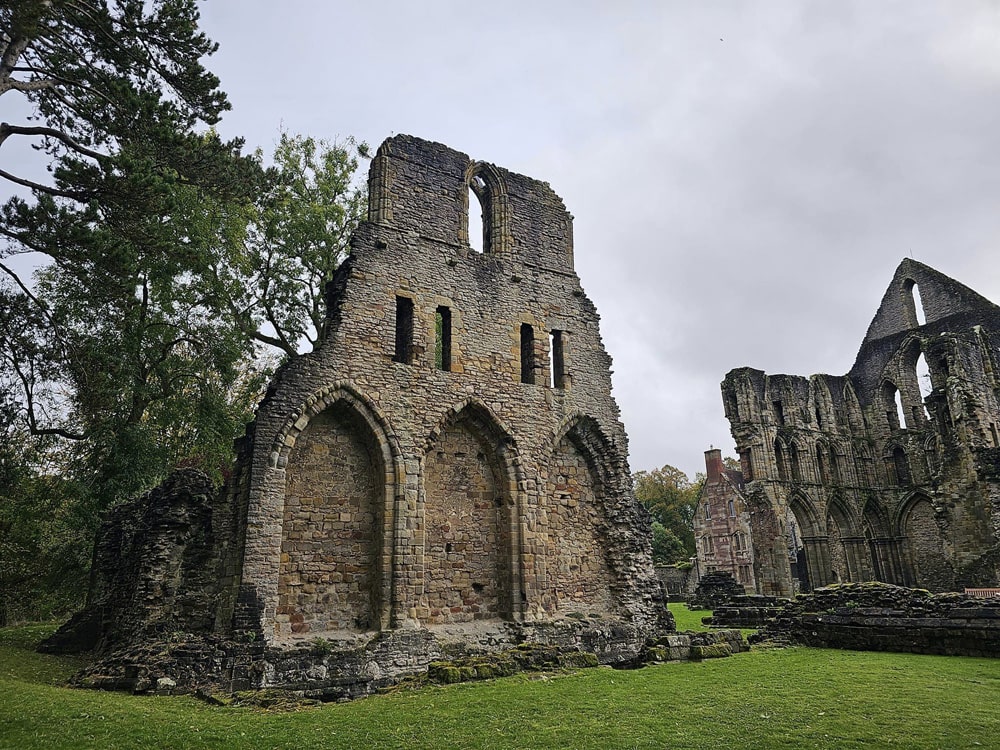
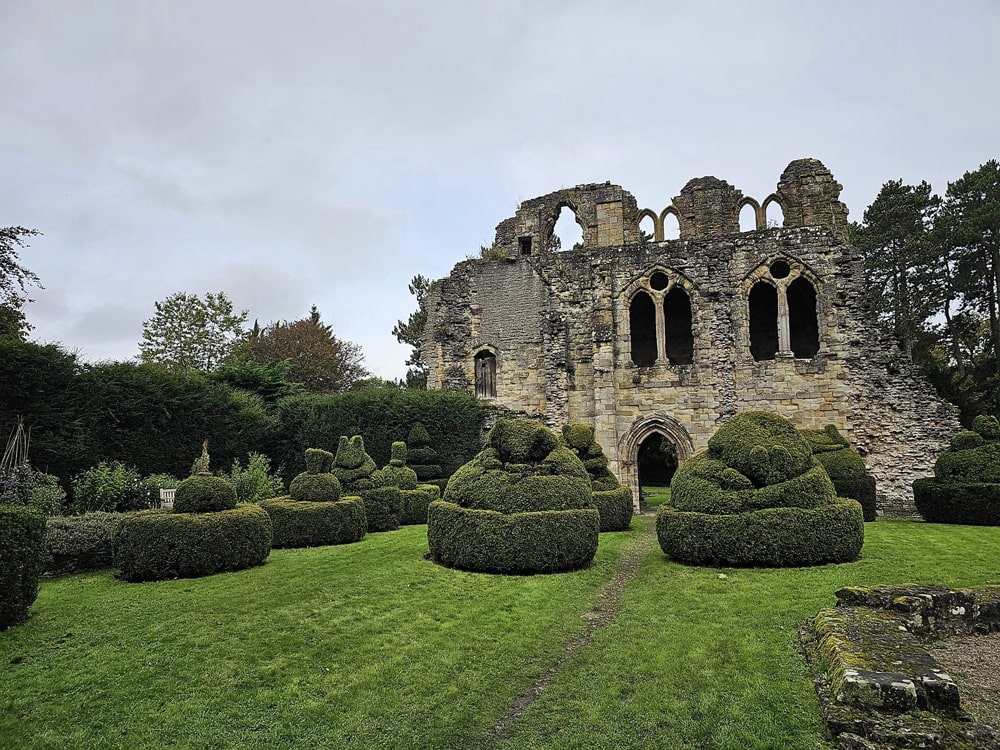
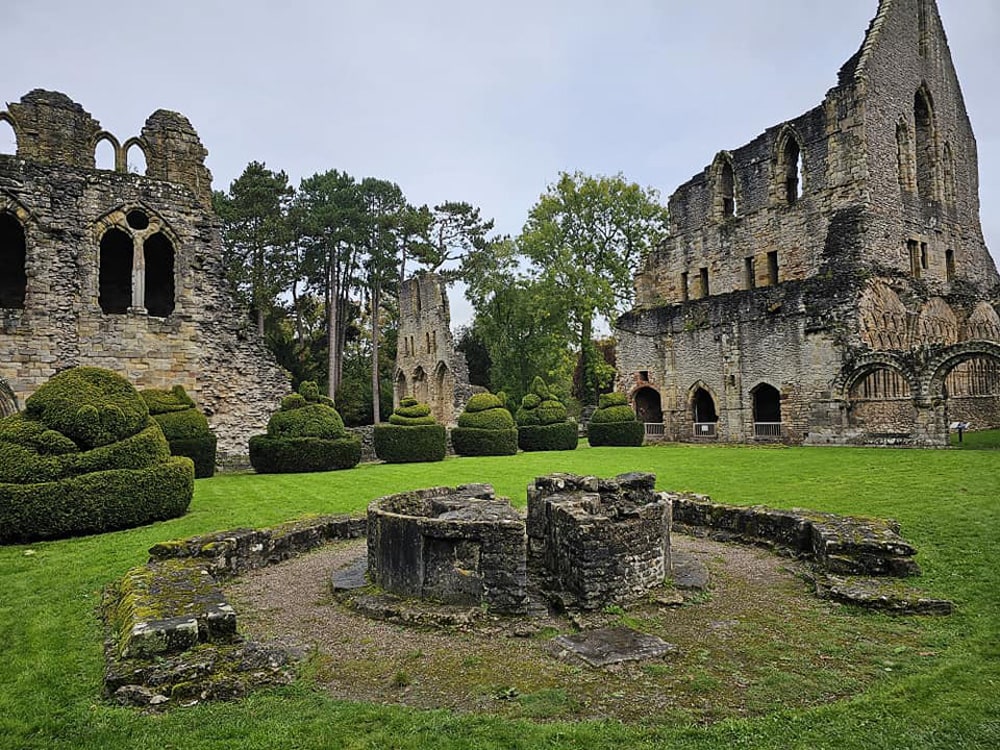
The town of Much Wenlock grew up around a monastery founded in the year 680 by Merewalh, King of Mercia, a son of King Penda of Mercia, for his daughter Milburga, who served as abbess until her death in 722. The abbey flourished until around 874 when it was attacked by Danish Vikings. The monastery lay derelict until it was re-founded as a Saxon Minster in the mid 11th century by Leofric, Earl of Mercia, and his wife Lady Godiva. Shortly after, in the late 11th century it was re-founded once again, this time as a Cluniac priory, established by Roger de Montgomery after the Norman Conquest, the ruins of which can still be seen today.
Borough of Wenlock
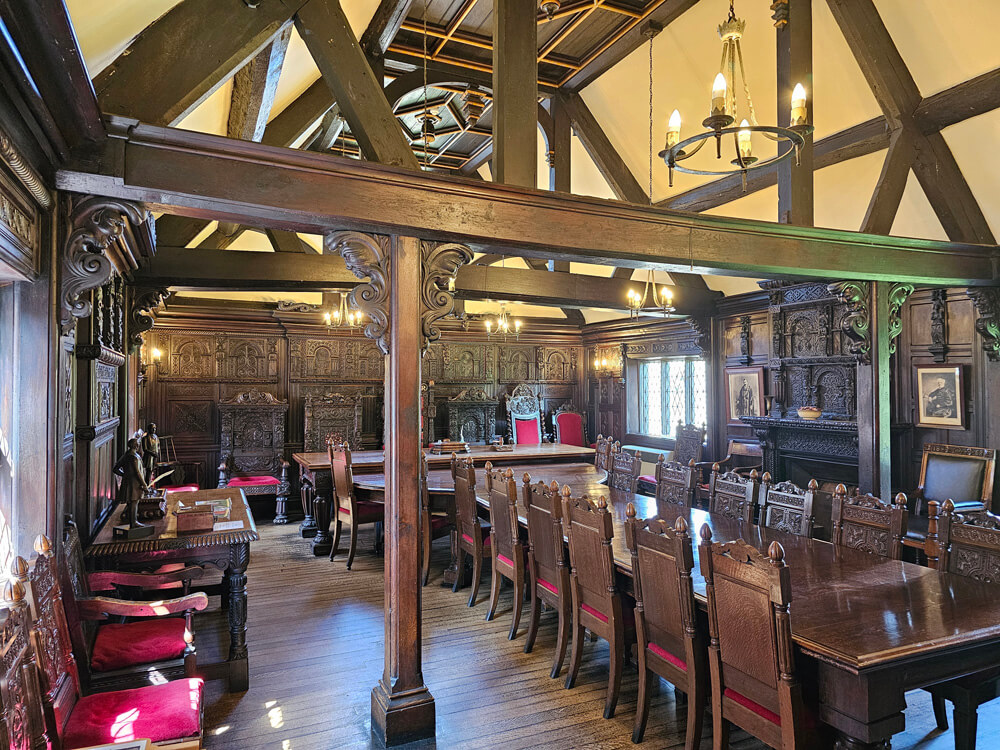
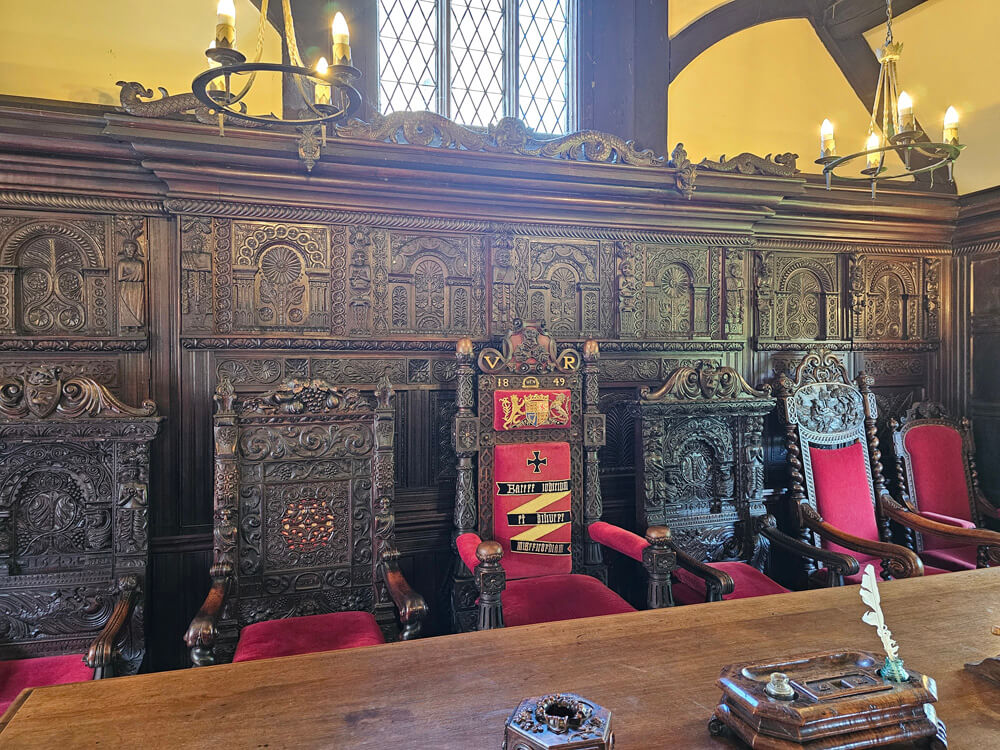
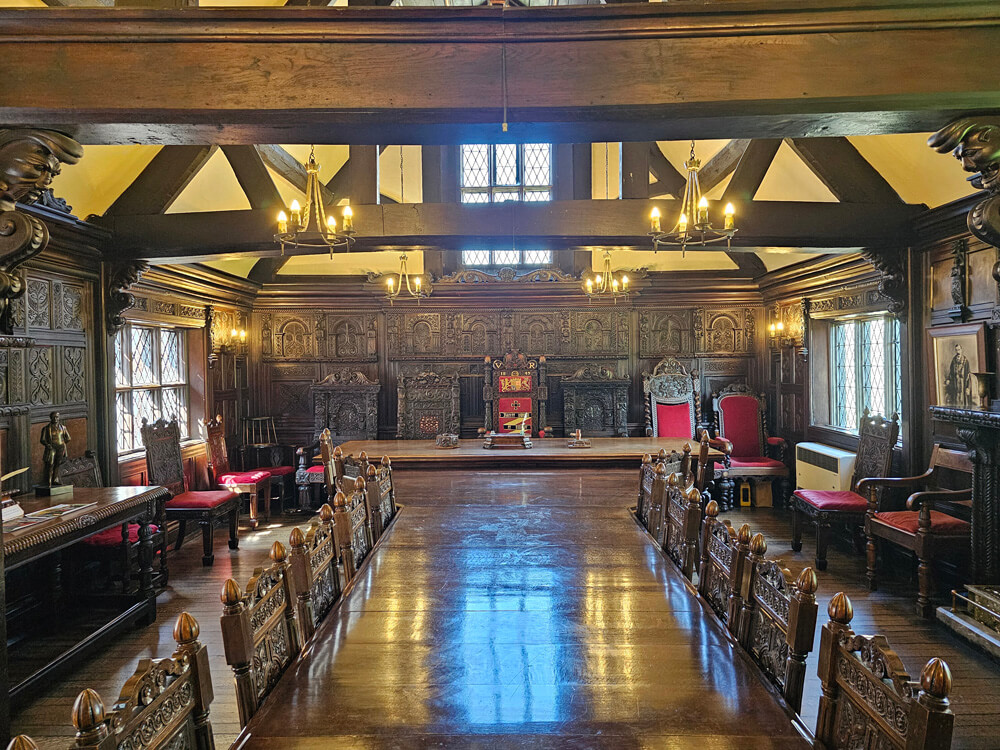
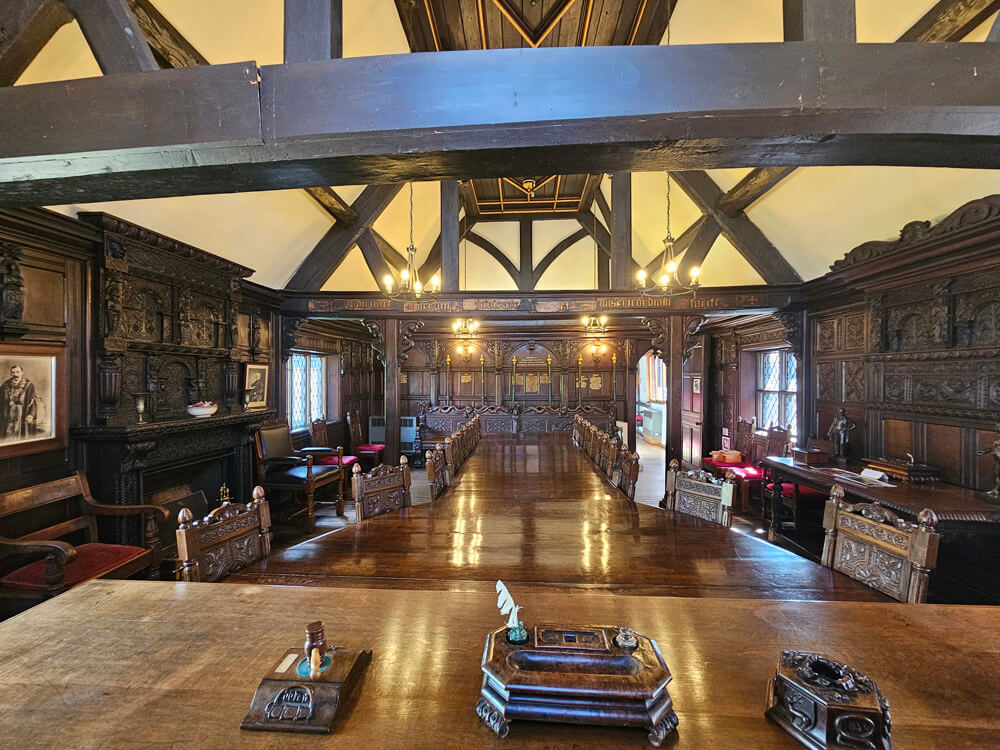
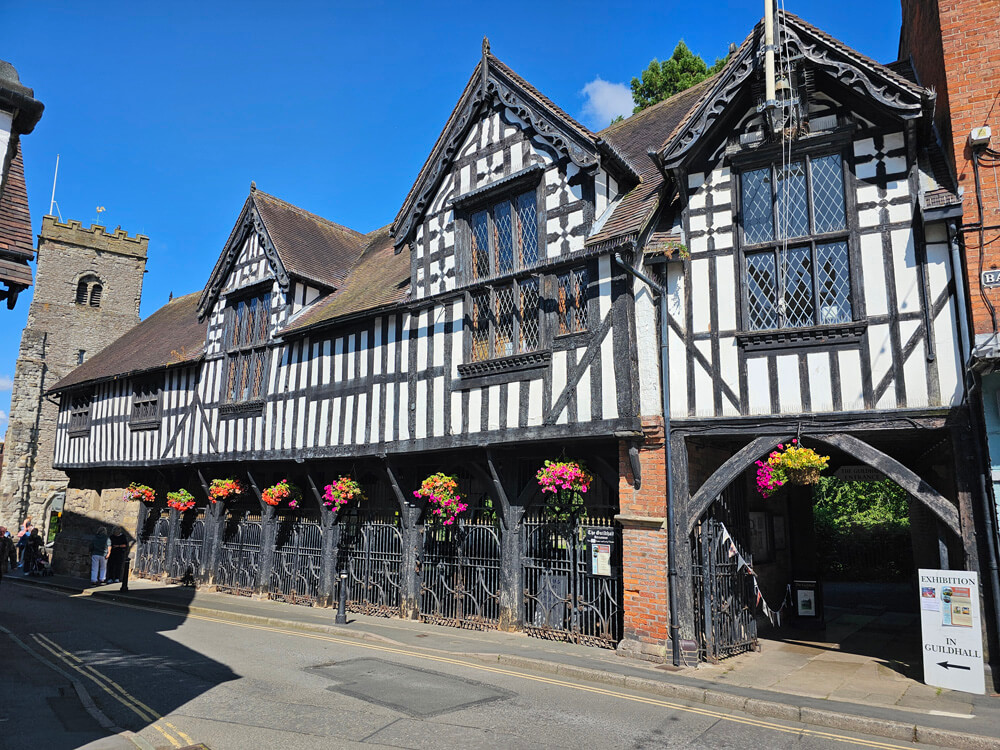
In 1468 Edward IV granted a charter forming the Borough of Wenlock at the request of Sir John Wenlock. The charter was confirmed in 1547 by Henry VIII after Wenlock Priory was suppressed in the Dissolution of the Monasteries in 1539. In the aftermath of the dissolution of the monasteries, which saw the powers of Wenlock Priory suppressed, the civic leaders of Much Wenlock sought a new meeting place to conduct the business of the town. In 1540 they built the Guildhall, a new half-timbered building which included a court room, council chamber, a prison, and an area for markets to he held.
Under the reign of Henry VIII, 11-year-old Alice Glaston from Little Wenlock was hanged together with two men in Much Wenlock on 13th April 1546. The crime for which she was hanged is unknown, but it is speculated that she was accused of either murder or witchcraft.
At its height, Much Wenlock was, by area, the largest borough in England outside London and encompassed several of the towns that now constitute the modern town of Telford. The borough had unusual boundaries, covering Much Wenlock itself, but also Little Wenlock, Broseley and Ironbridge, a total area of 71 square miles.
Later History
Much Wenlock played a major part in the 19th-century revival of the Olympic Games. It is the birthplace of the Wenlock Olympian Games set up by Dr William Penny Brookes and his Wenlock Olympian Society (WOS) in 1850, which are a forerunner of the modern Olympic Games. In 1861 he was also instrumental in setting up the Shropshire Olympian Games and later in 1866, the National Olympian Games. As a result, Dr Brookes is credited as a founding father of the modern Olympic Games. The Wenlock Olympian Games are still held annually and are still organised by WOS.
Much Wenlock Today
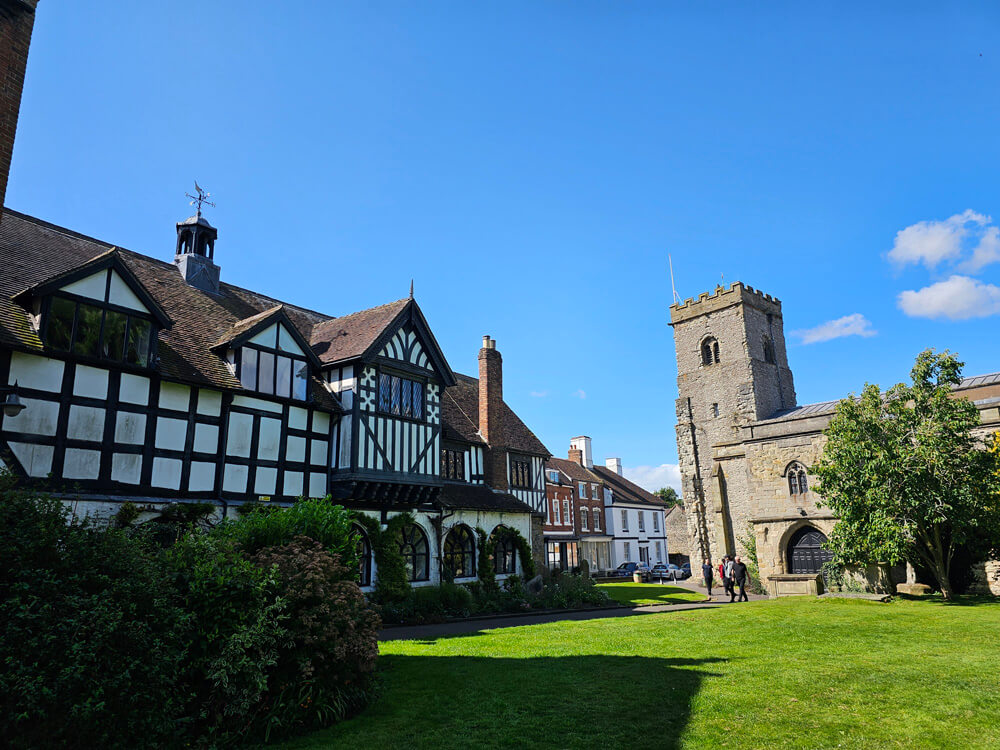
The Borough of Much Wenlock was abolished in 1966. Today, it is a small but beautiful medieval market town full of history. Remarkably, Much Wenlock still retains its medieval street pattern. Notable historic attractions in the town are Wenlock Priory, Holy Trinity Church and the Guildhall. Other historic buildings in town centre include Ashfield Hall, Raynald’s Mansion, and a variety of timber-framed and old stone buildings, some of which date back to the 14th century.
Wenlock Priory
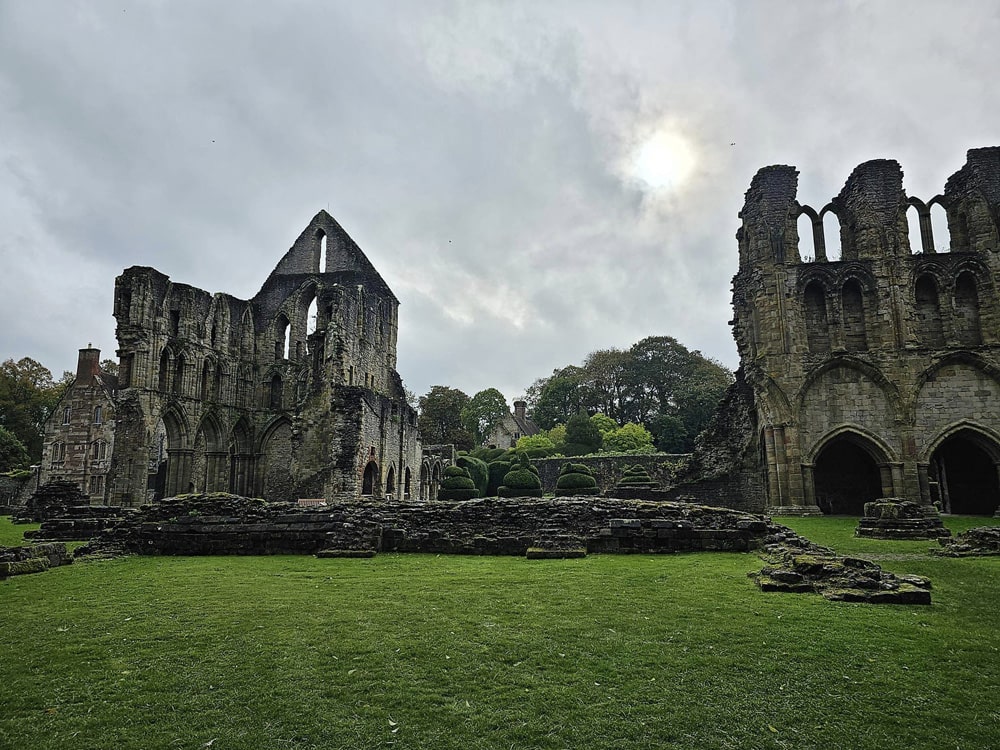
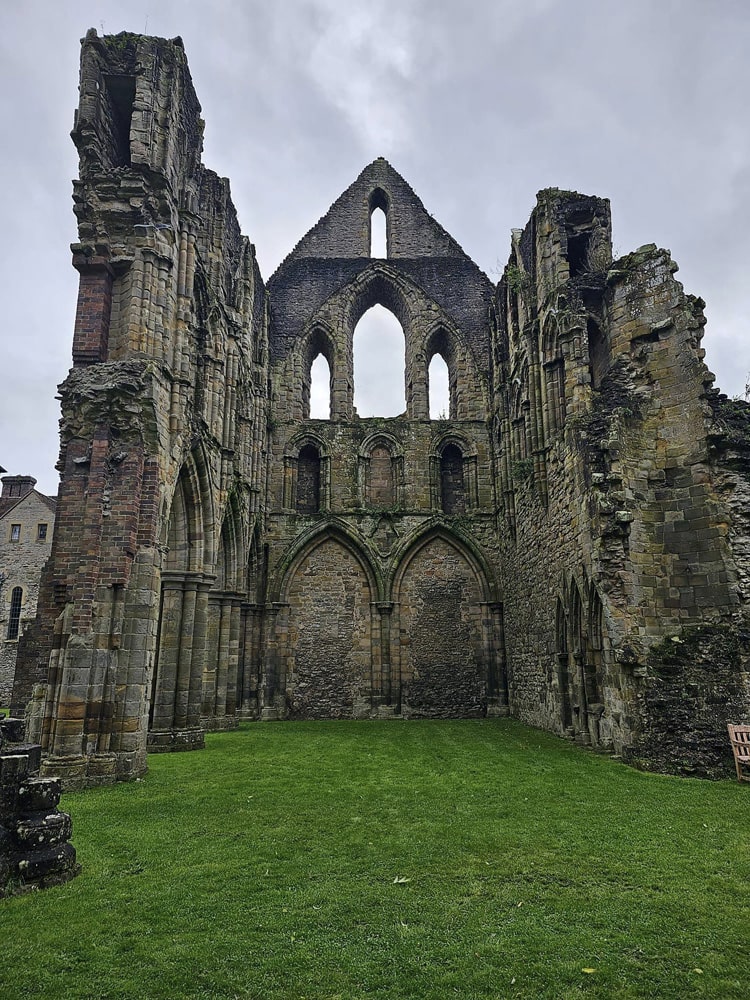
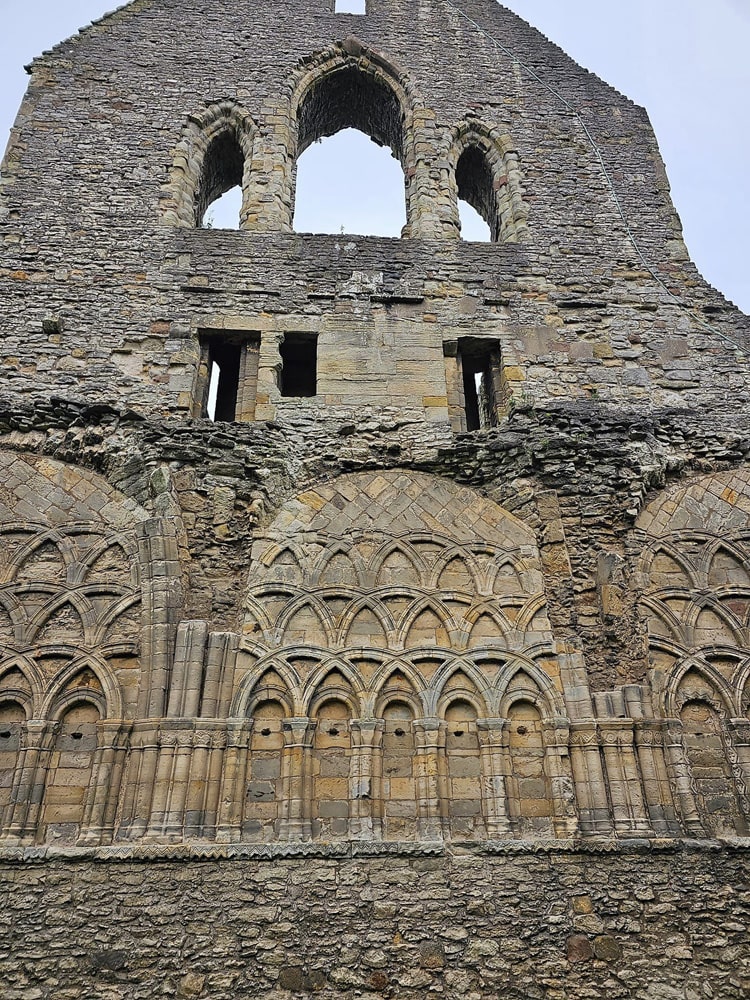
One of the most historic monastic sites in England, Wenlock was the site of a monastery for almost 900 years. The impressive remains are of a medieval 11th-century Norman priory, built on the site of what was once originally an Anglo-Saxon monastery founded in the 7th century. Wenlock Priory became a popular destination for pilgrims in the medieval period and even hosted several monarchs. One of the highlights is the superbly decorated 12th-century chapter house.
Holy Trinity Church
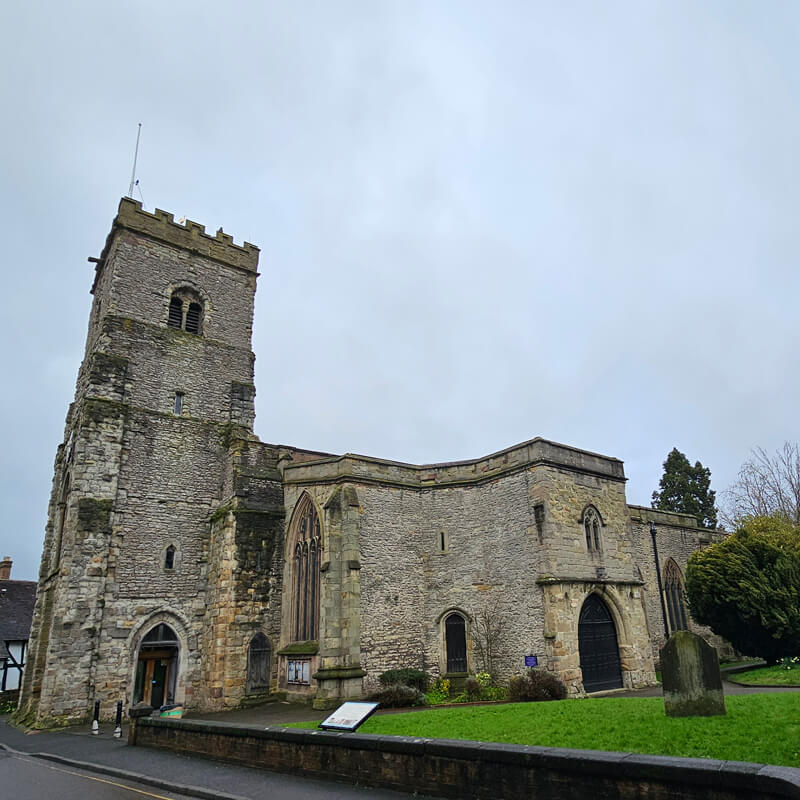
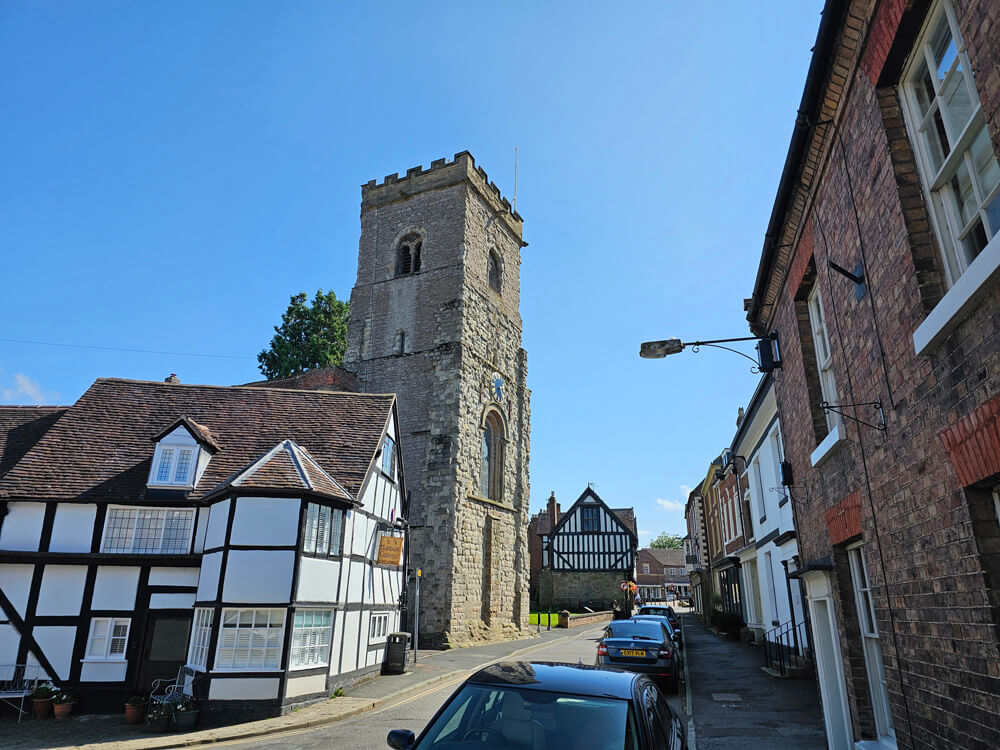
Surrounded by historic buildings, timber-framed cottages and a medieval guildhall; the ancient church of Holy Trinity stands proud in the centre of this historic town. The origins of the church go all the way back to the 7th century when an Anglo-Saxon religious community was founded in Much Wenlock. But the church building that we see today was built in the 12th century by the Cluniac monks of Wenlock Priory.
The Guildhall
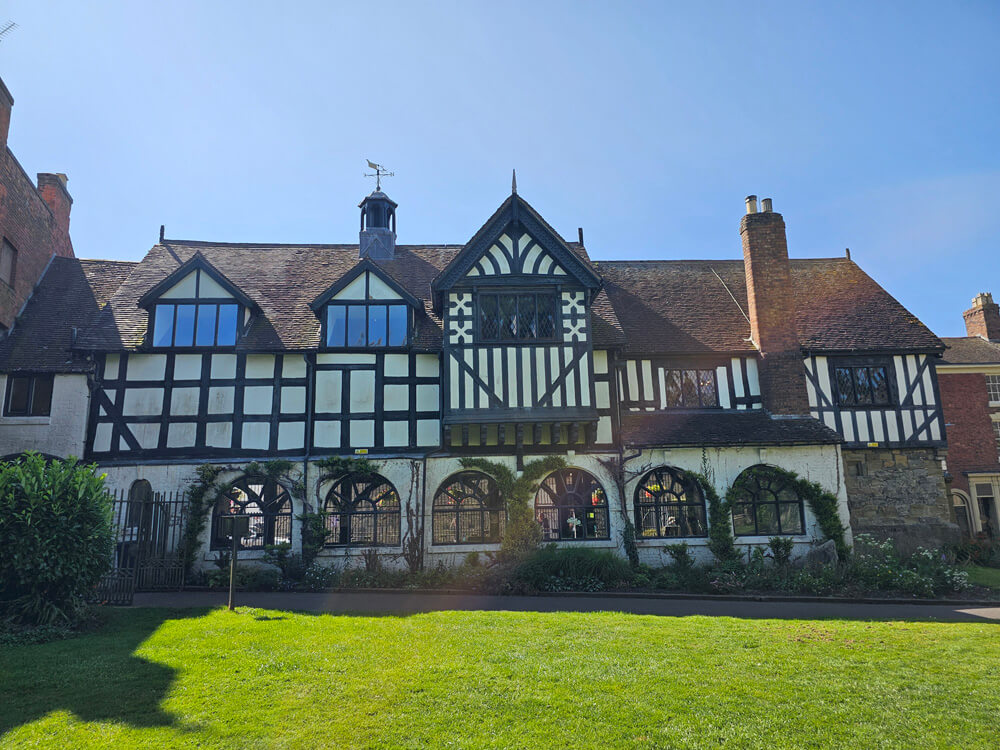
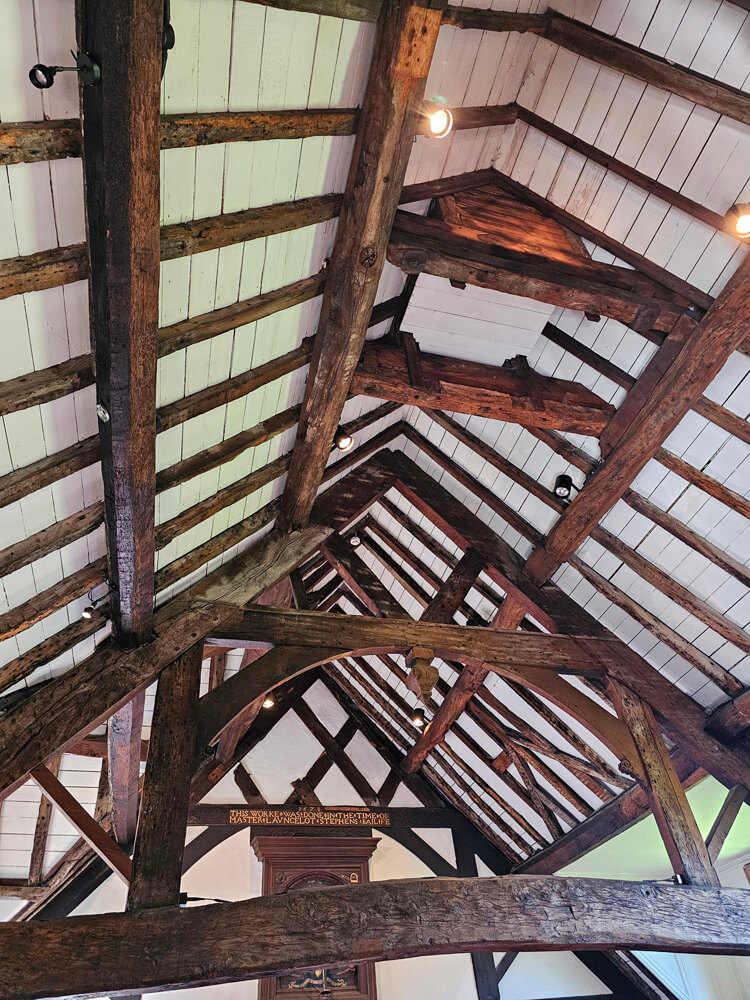
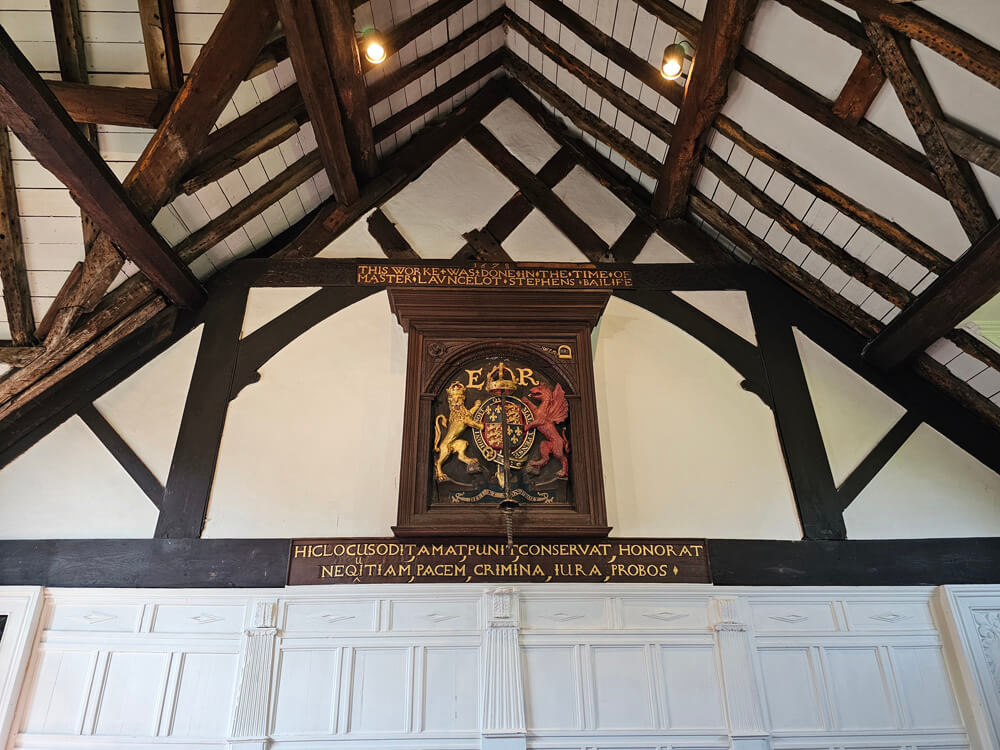
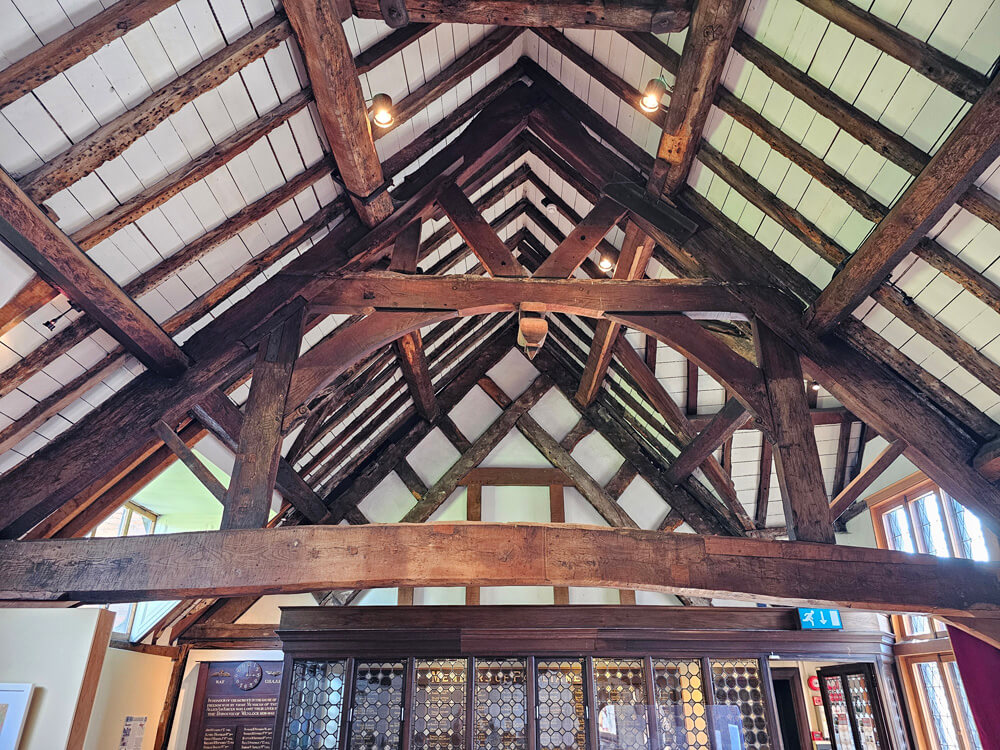
For over four centuries this building was the administrative and judicial centre of Much Wenlock. Erected in 1540, the Guildhall marks the transfer of power from church to civil authority. The first floor contains the court room and council chamber, and the open space below at ground level was the butter-market, where farmers and producers could sell goods under cover, although the north end was initially a prison before it was dismantled in 1869.
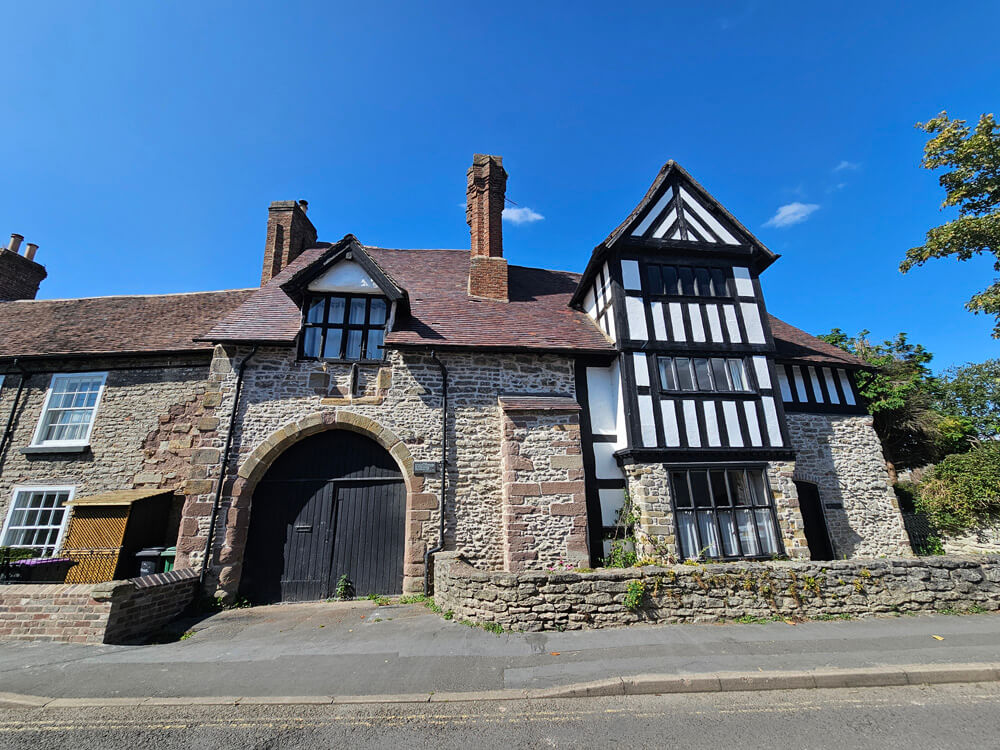
Ashfield Hall
Ashfield Hall is said to have been built on the site of St. John’s Hospital, a medieval monastic hostel which was run by monks in the 13th century for ‘lost and naked beggars’. The current building is a combination of 14th-century stone by William Ashfield, and the eye-catching 16th-century timber-framed additions added by the local Lawley family.
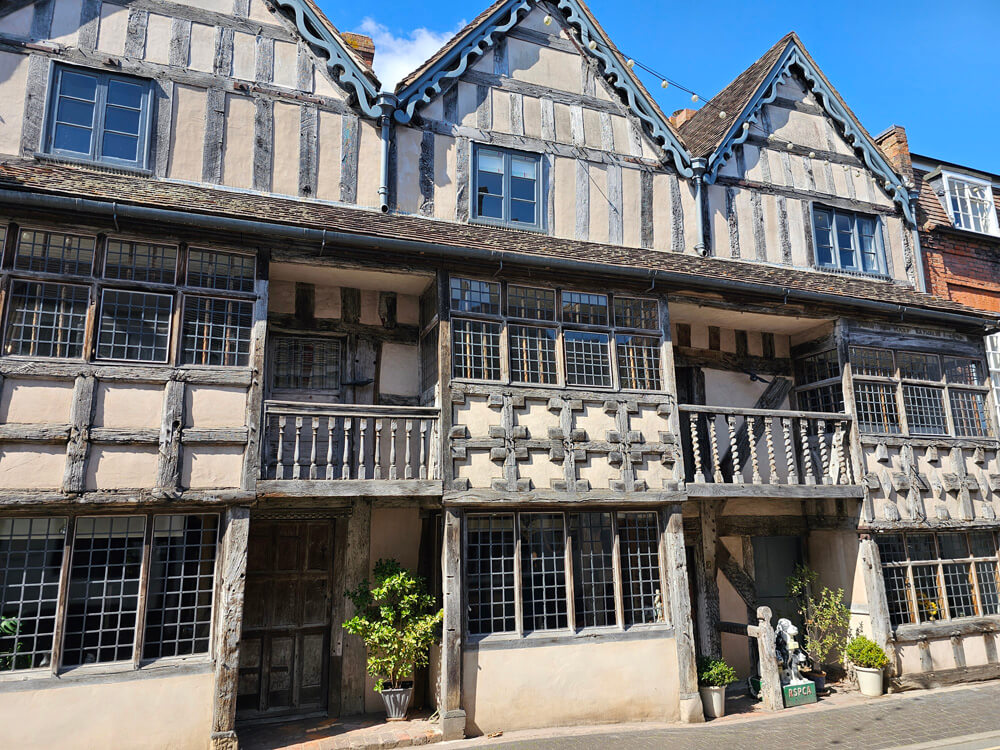
Raynald’s Mansion
Reynald’s Mansion is perhaps the most impressive and attractive building on the town’s High Street. Originally a hall house, the building dates to the early 15th century and contained seven ground-floor rooms, six chambers, and four garrets. The striking timber front was built onto the existing medieval house in the 17th century. For a time it was the town’s butcher’s and has since been divided into two dwellings.
Photo Gallery.
Did you enjoy this post?
I hope you found this post useful. I put a great deal of time and effort in to building, maintaining and populating the website. If you like, you could say a small thank you by buying me a coffee. You don't have to, but it would be nice :)
Buy me a coffee
Stay up to Date
Follow me on my journey and get notified whenever a new post is published by following Kings & Castles on Facebook.
Follow MeExplore The Map
Discover the hundreds of castles, churches, monasteries, cathedrals and other historic locations that I've personally visited across England and Wales. Search by location, explore nearby sites and plan your next historical adventure.
Share: