The Medieval City of Oxford
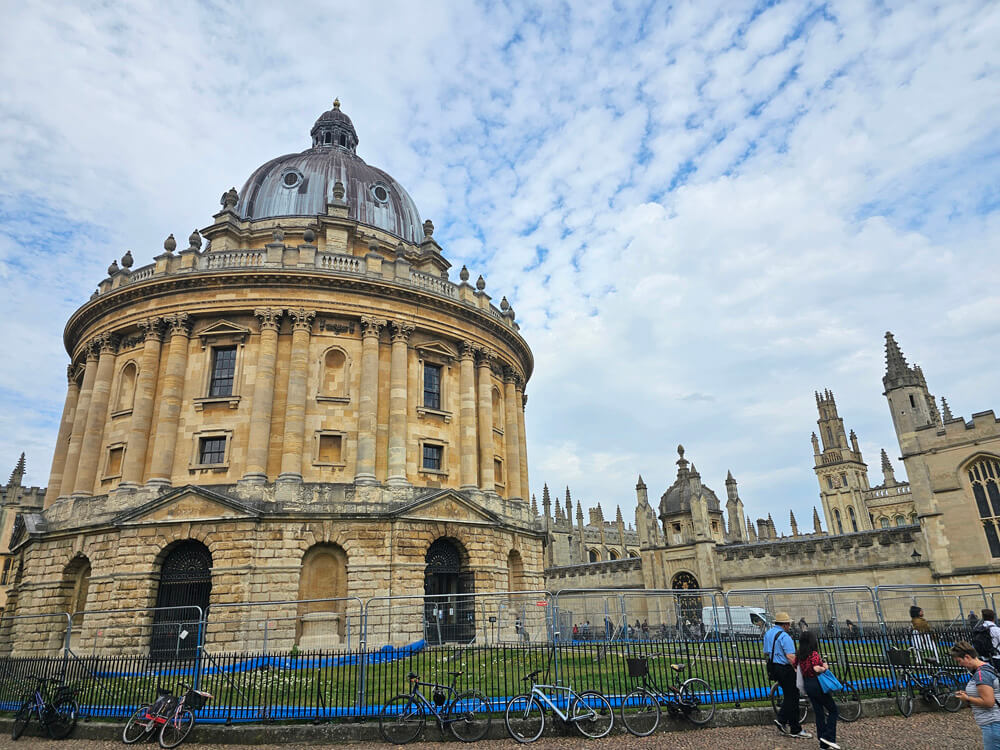
The medieval city of Oxford is home to the oldest university in the English-speaking world. Other than the city’s many historic college buildings, Oxford has many other historic buildings in every style of English architecture since late Anglo-Saxon times.
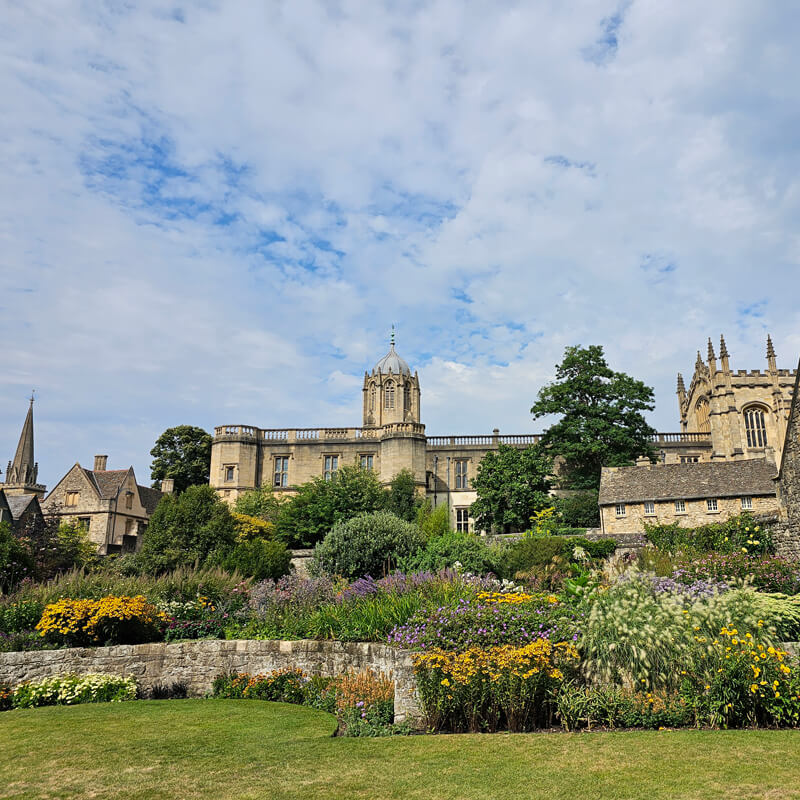
The history of Oxford dates back to its original settlement in the Anglo-Saxon period when it was founded in the 8th century, and known as ‘Oxenaforda’ in Old English.
The strategic location of Oxford made it an important trading point, and by the 9th century Oxford became part of the network of fortified towns (Saxon burh) established by Alfred the Great and his successors to defend against Viking invasions. The first textual reference to Oxford appears in the Anglo-Saxon Chronicle entry for the year 911, by which time Oxford was a prosperous Saxon burh.
In 1009 Oxford became a target for Viking raids. The town was attacked by a formidable Viking fleet under the command of Thorkell the Tall, one of the most feared Viking leaders of the time. The town’s defences were no match for the Viking warriors and the town was left in ruins, with many of its buildings burned to the ground. Despite this, Oxford eventually recovered and continued to grow in importance, particularly as a centre of trade and learning.
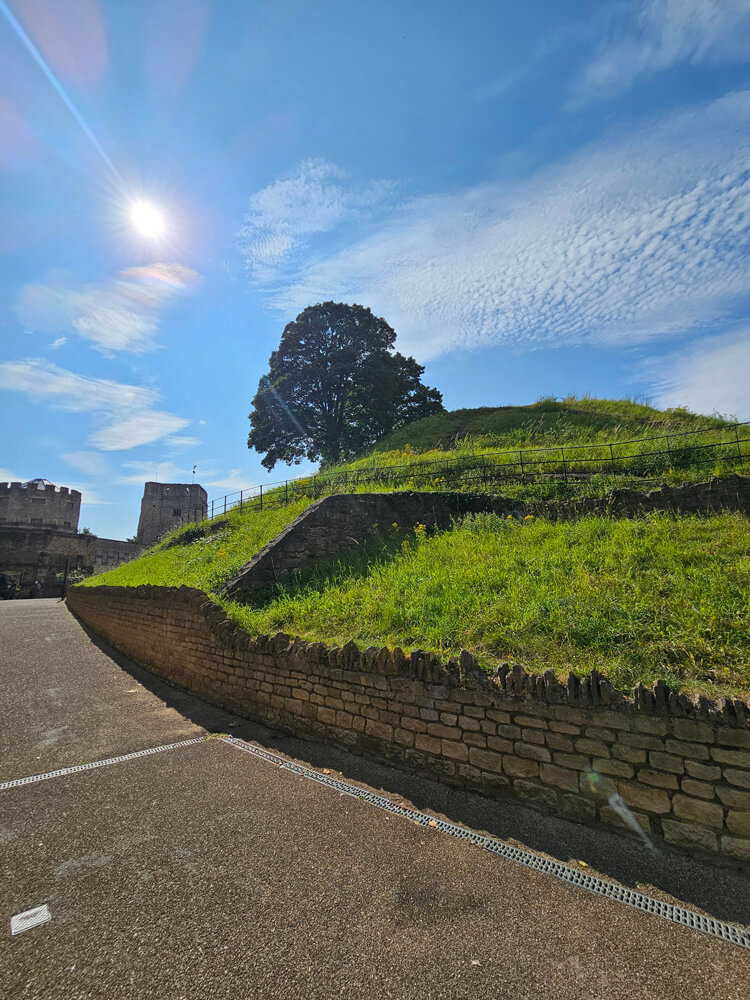
During the early Norman period, shortly after the Norman conquest, Oxford, like much of England, underwent significant changes that would shape its future. William the Conqueror ordered the construction of Oxford Castle in 1071, which at the time was a timber fortification of the typical Norman motte-and-bailey design, and in the late 12th century the famous University of Oxford was built.
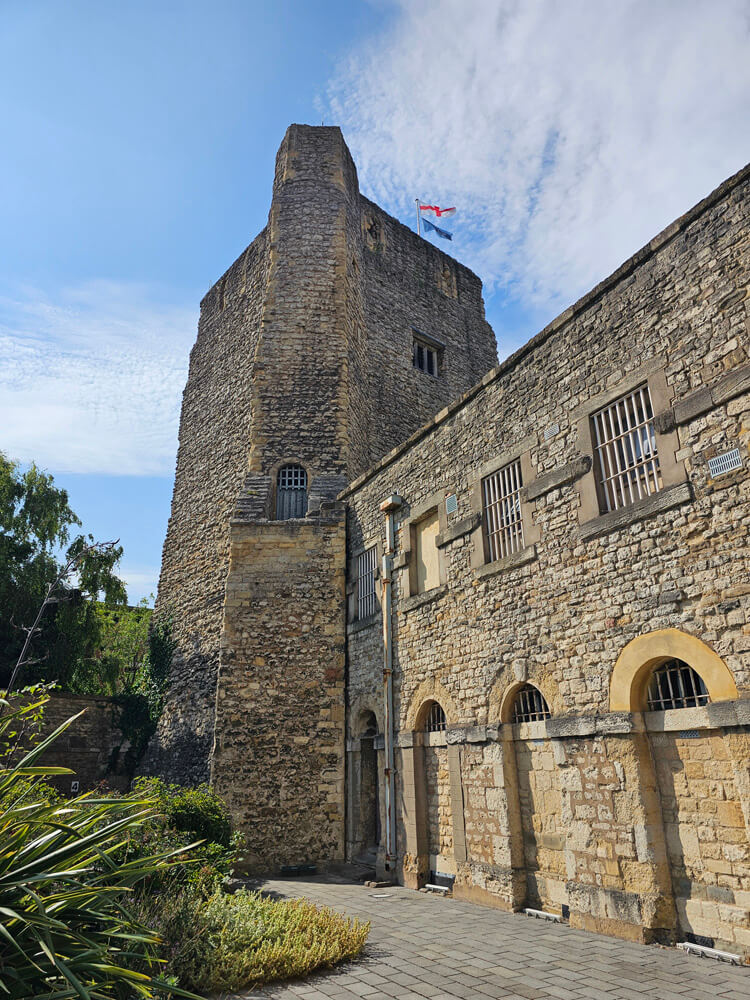
The city was besieged during The Anarchy in 1142, known as the Siege of Oxford. King Stephen‘s primary objective in besieging Oxford was the capture of the Empress Matilda rather than the city or castle itself. The siege lasted roughly three months until Matilda eventually managed to escape from Oxford Castle during the night. The story goes… Matilda descended from the walls of St George’s Tower by rope, and wrapped in a white shawl as camouflage, she crossed over a frozen river that was thick with snow.
The university rose to dominate the town, and in 1542 Oxford was granted city status. The legacy of Saxon Oxford is still evident today in some of the oldest buildings in the city, as well as in the layout of its streets. The early Christian foundations, the medieval street patterns, and even some place names in Oxford offer a glimpse into the early history of one of England’s most famous cities.
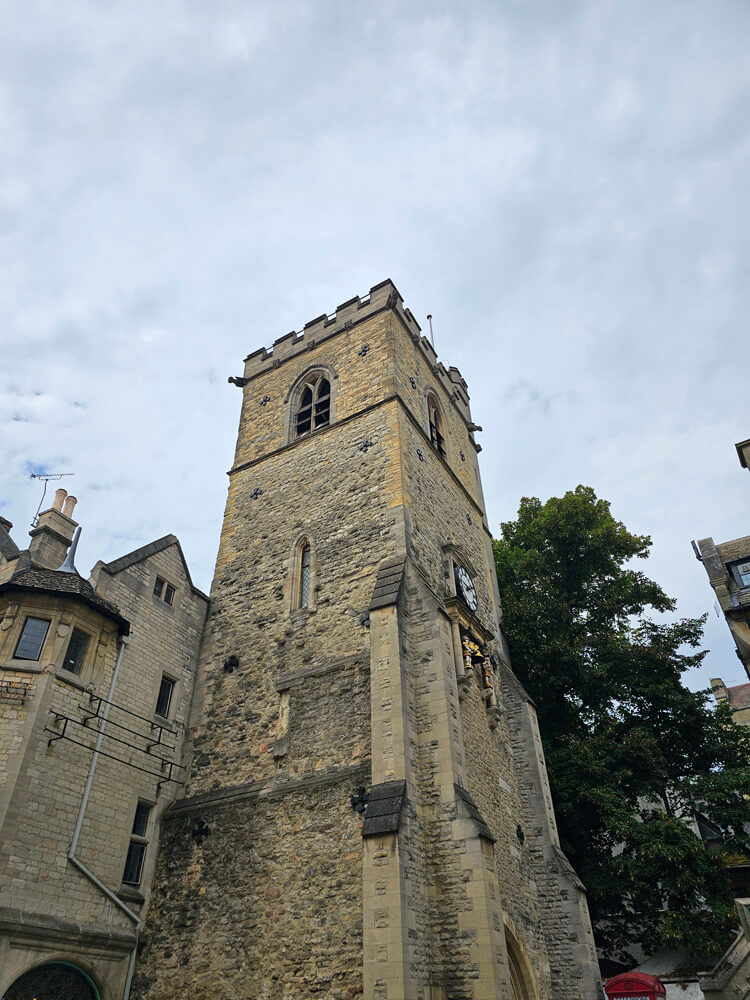
Oxford is famous for its ancient and prestigious university and its many beautiful college buildings, but I wanted to visit Oxford to see what else it had to offer. Other historic sites in Oxford include Oxford Castle and Prison, the Saxon Tower of St Michael at the North Gate, Carfax Tower, Christ Church Cathedral, University Church of St Mary the Virgin, The Norman Crypt of St Peter-in-the-East, St Edmund Hall, 24-26 Cornmarket Street, and many others.
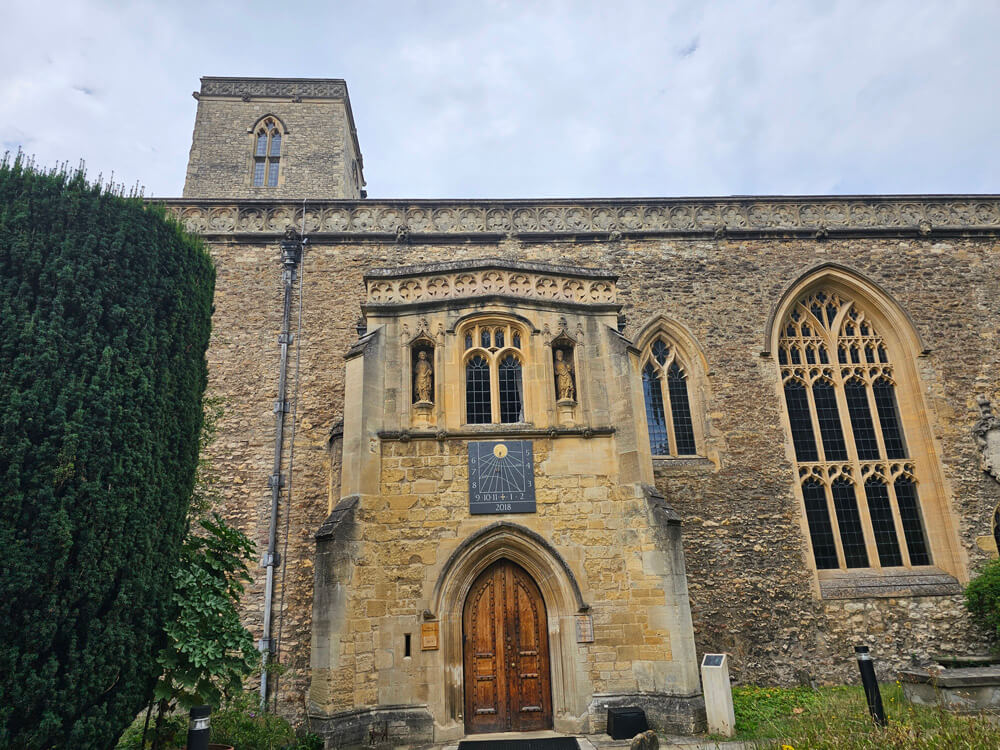
Oxford is home to many medieval churches, most notably St Peter-in-the-East Church, St Aldate’s Church, St Ebbe’s Church, St Cross Church, University Church of St Mary the Virgin, and Christ Church Cathedral, all of which are located in the city centre.
Oxford is also home to the Alfred Jewel which is on display in the Ashmolean museum along with many other ancient artefacts.
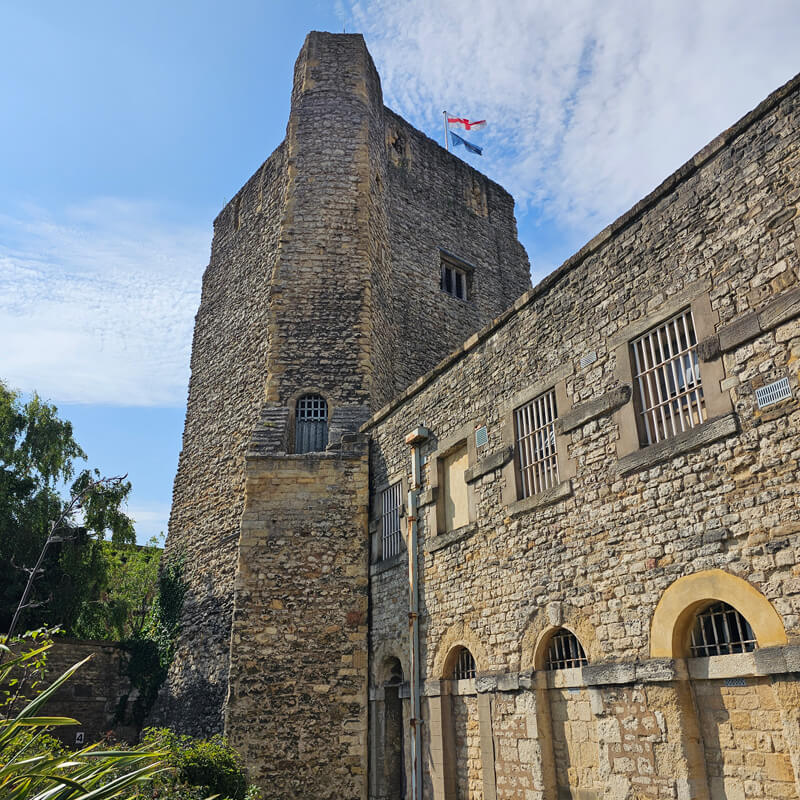
Oxford Castle
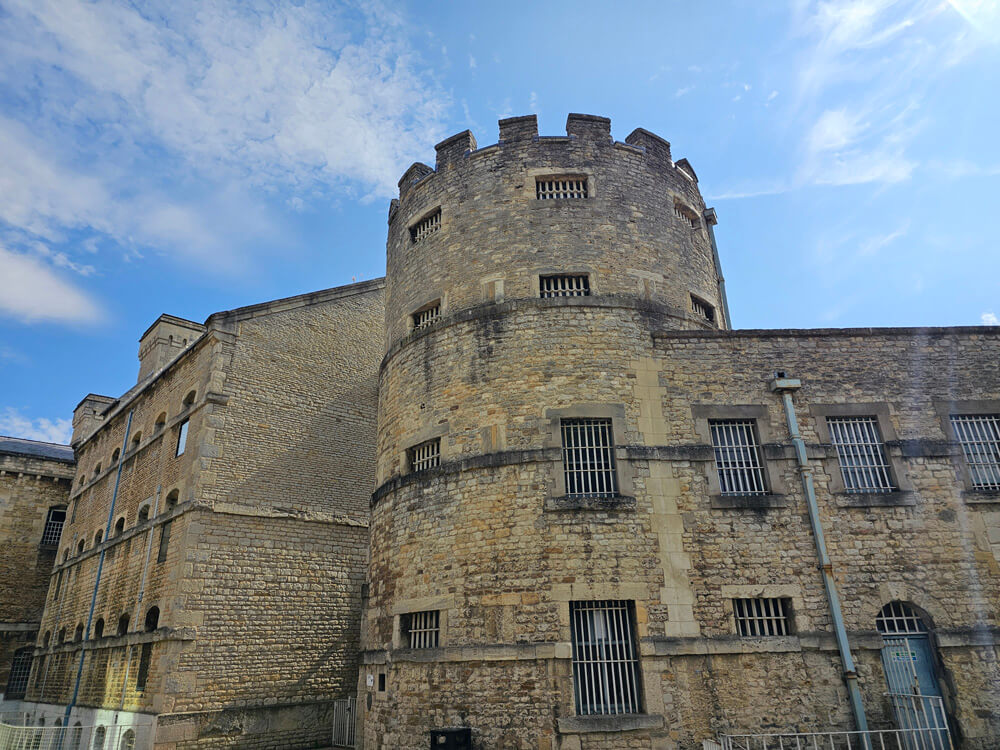
Oxford Castle started its life as a castle but would later operate as a prison until as recently as 1996. Originally built as a timber fortress in the 11th century by William the Conqueror, it was rebuilt in stone in the 12th century. One of the most iconic structures within the castle is the 12th-century St George’s Tower, which served as a prison for over 800 years. The tower is one of the oldest standing buildings in Oxford, and is where Empress Matilda lived while defending Oxford Castle from her rival and cousin, King Stephen during the Anarchy. Located beneath the tower is an underground crypt which is said to be one of the most haunted places in Oxford.
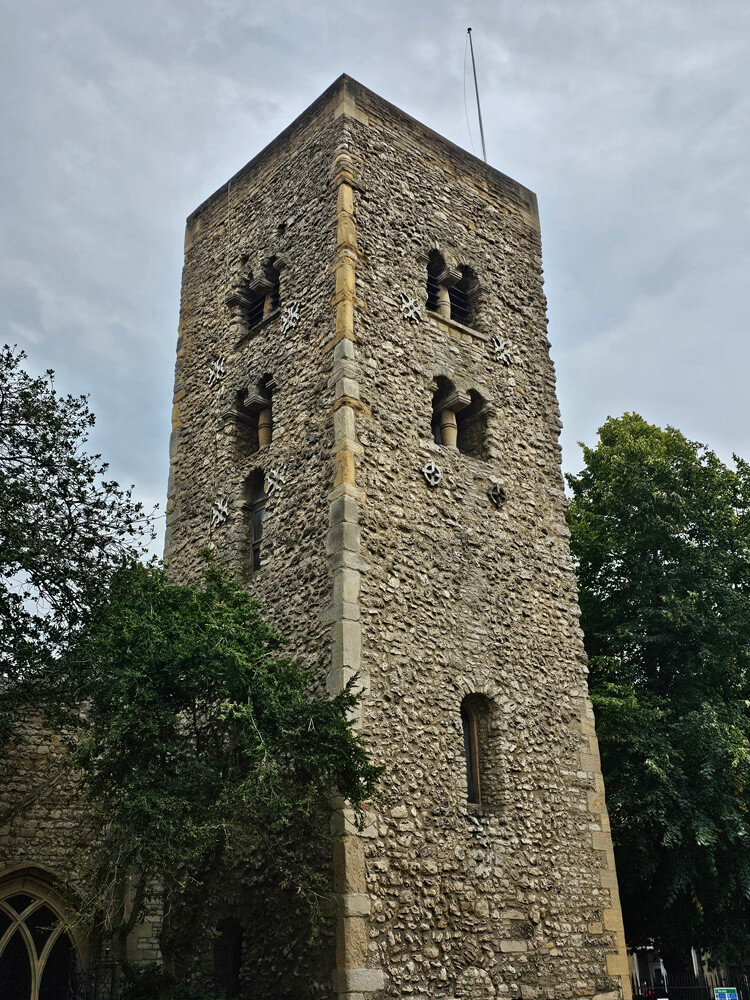
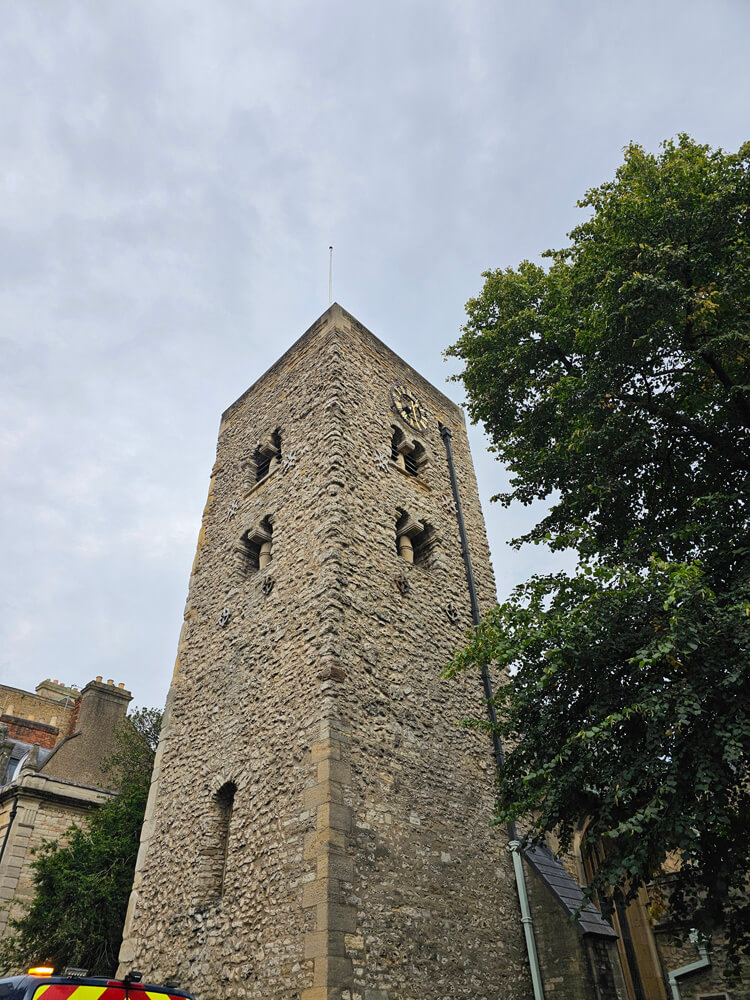
Saxon Tower of St Michael at the North Gate
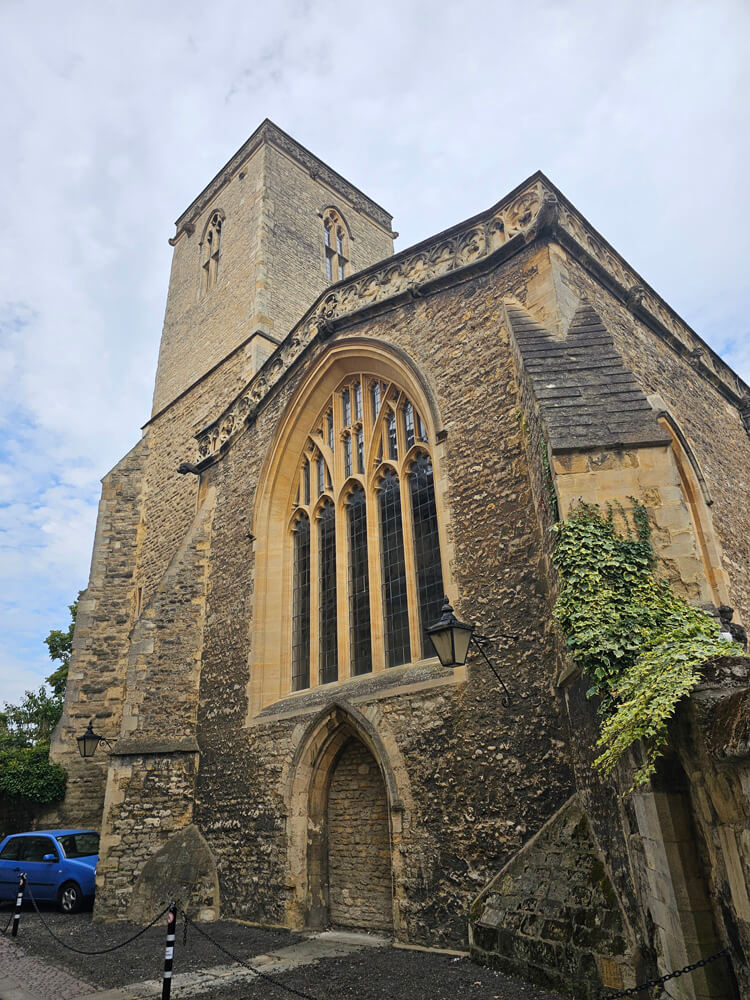
The Saxon Tower of St Michael at the North Gate was once by the North Gate in the medieval walls of Oxford city. This Anglo-Saxon tower was built in 1040 from rubble and still stands strong today as Oxford’s oldest building and the only surviving remnant of pre-Norman Oxford. There are 97 steps to climb to the top, and some interesting things to see inside the tower include a 15th-century pulpit, 13th-century stained glass, 14th-century font, and the church treasury.
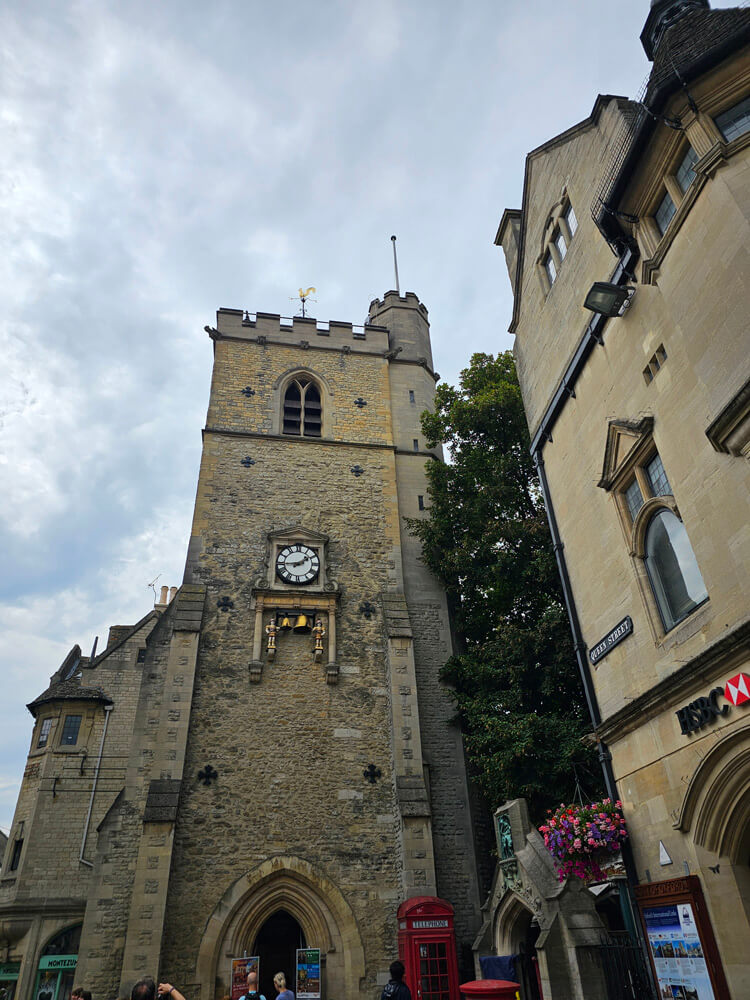
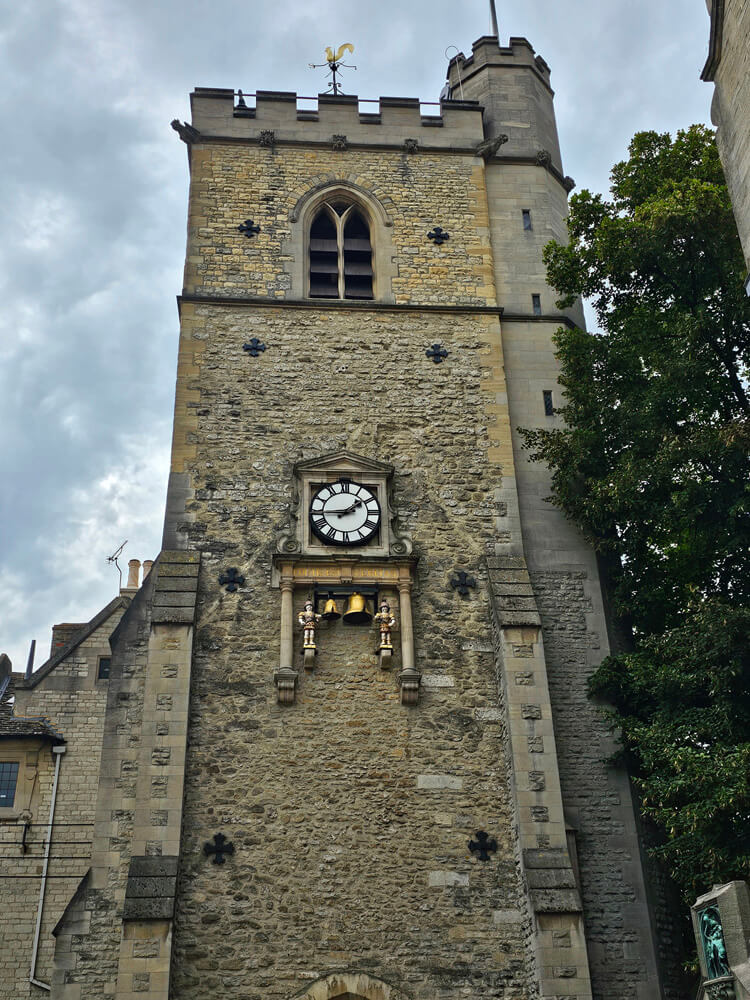
Carfax Tower
Carfax Tower (also known as Martin’s Tower) is a 23-meter-high bell tower, and is all that remains of what was once a 12th-century church called St Martin’s Church. The church served as the official City Church of Oxford between 1122 and 1896, but the central part of the church was demolished to make room for road traffic. By stipulation of the City Council, no other building in Oxford can be higher than the tower.
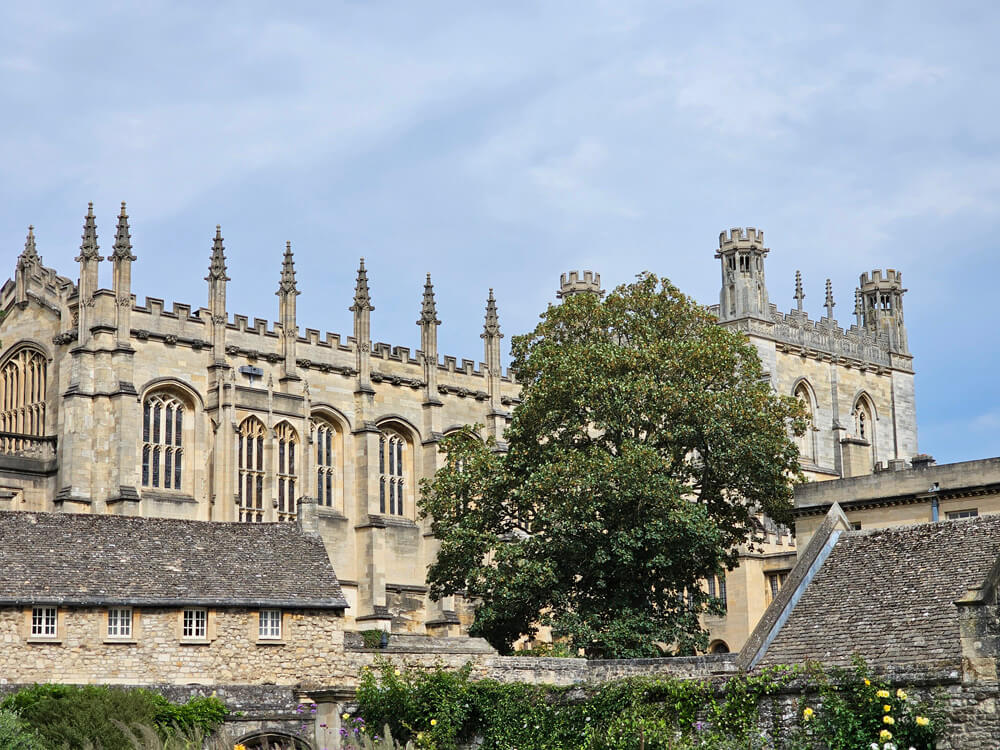
Christ Church Cathedral
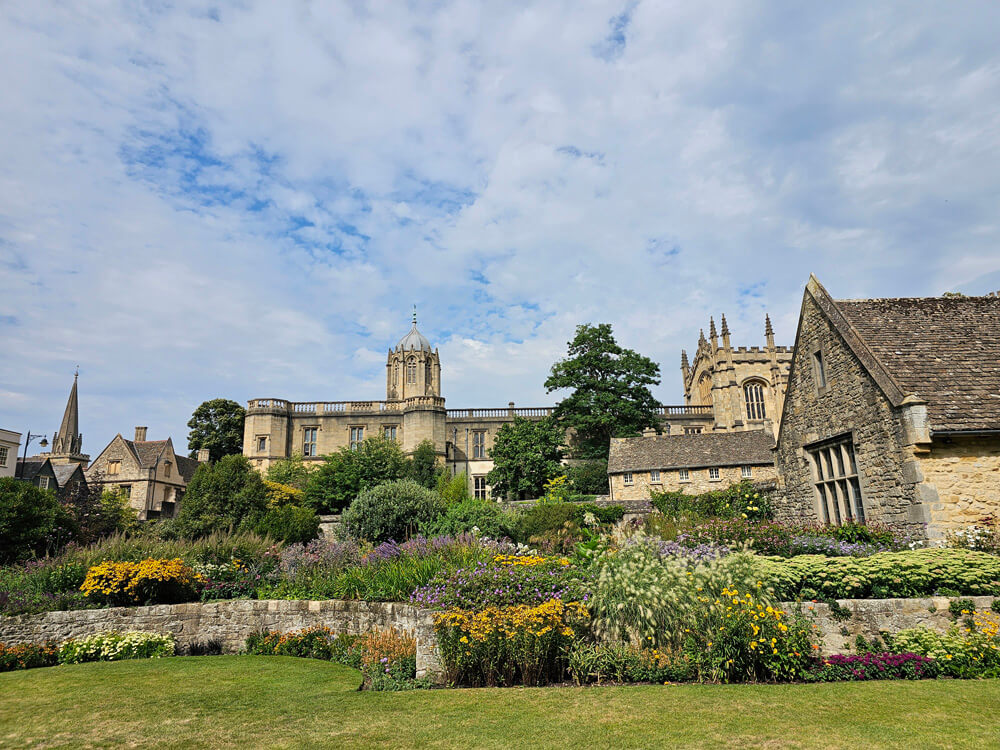
Christ Church Cathedral is unique in the Church of England as it serves a dual role as both a cathedral and college chapel. The origins of the cathedral date back to the 8th century when it was first established as a Saxon church. It then became an Augustinian priory in the 12th century. The present cathedral was built during the late-12th and early-13th centuries in the Gothic style, making it one of the oldest and smallest cathedrals in England.
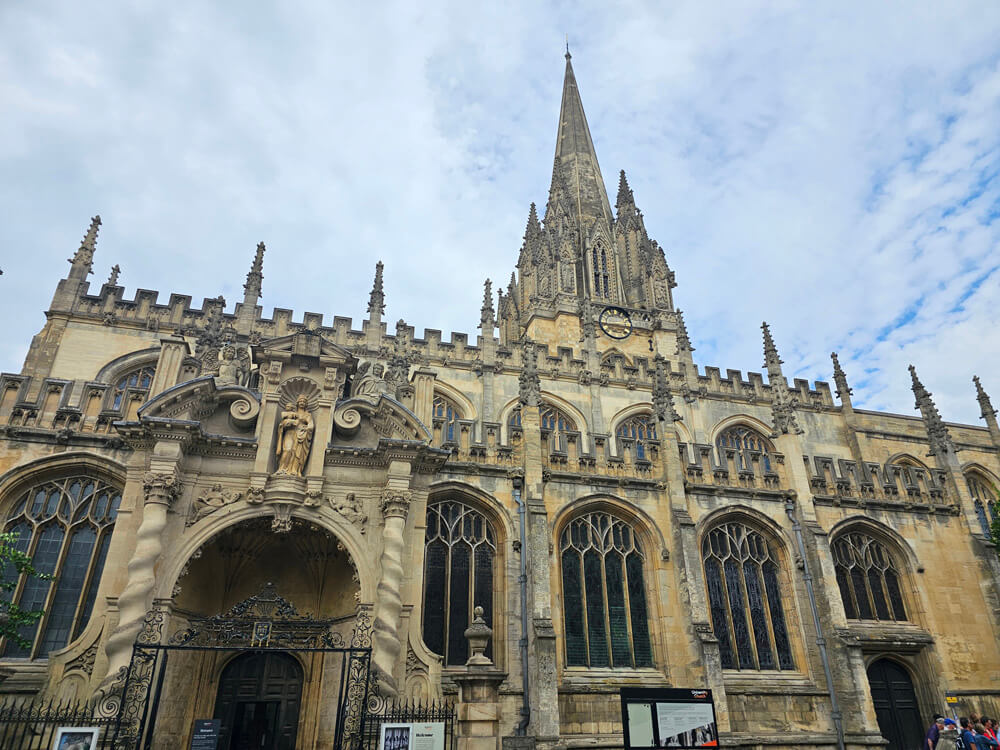
University Church of St Mary the Virgin
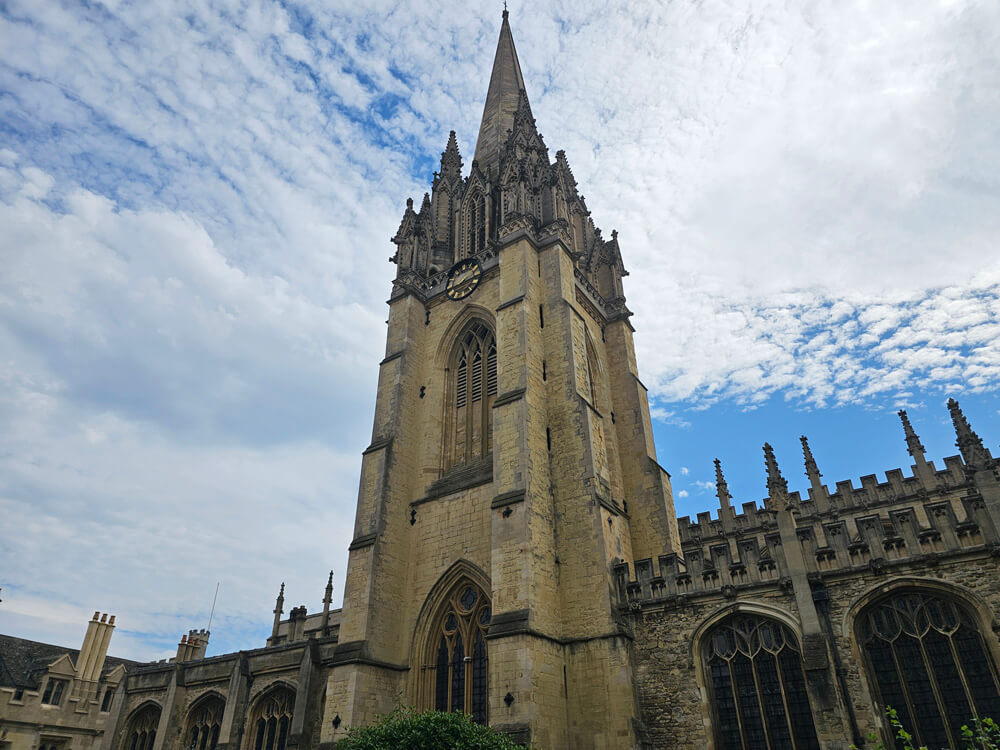
Dating back to the 13th century, the University Church of St Mary the Virgin is the largest parish church in Oxford and serves as the spiritual home to the University of Oxford. Originally built as a place of worship for the residents of Oxford, St Mary’s quickly became intertwined with the academic and intellectual life of the university town. The church’s stunning Gothic architecture is characterized by soaring spires, ornate carvings, intricate stained glass windows, and a magnificent vaulted ceiling.
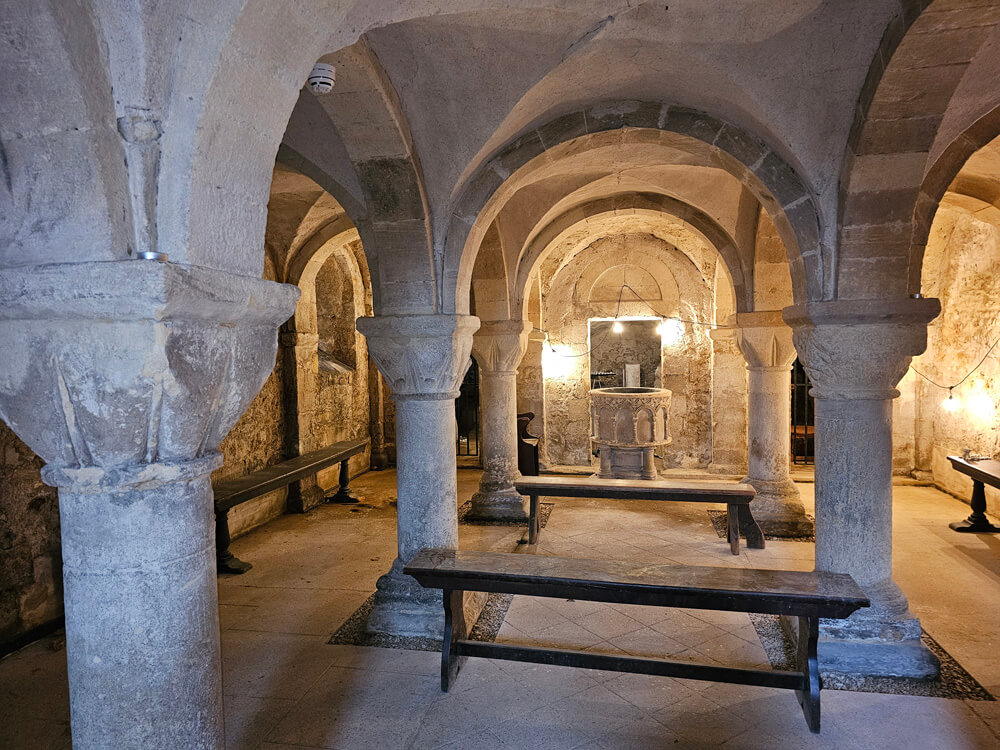
Norman Crypt of St Peter-in-the-East
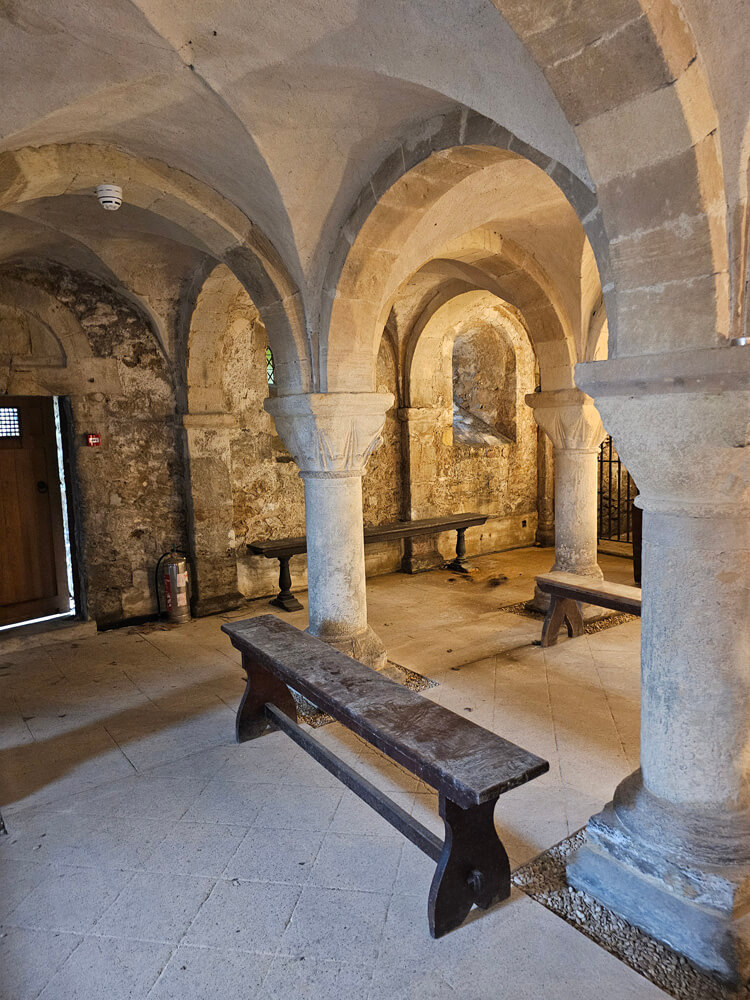
The 12th-century Crypt of St Peter-in-the-East is located beneath the church (now library) of St Edmund Hall. The Church of St Peter-in-the-East dates to around 1130, and the crypt survives largely unaltered since its construction, making it the oldest surviving structure of the church and one of the oldest buildings in Oxford. Entry to the site is via Edmund Hall, however the church is now a private library for students and the crypt is closed to the public. Fortunately, I managed to convince them to let me into the crypt for a tour and to take pictures.
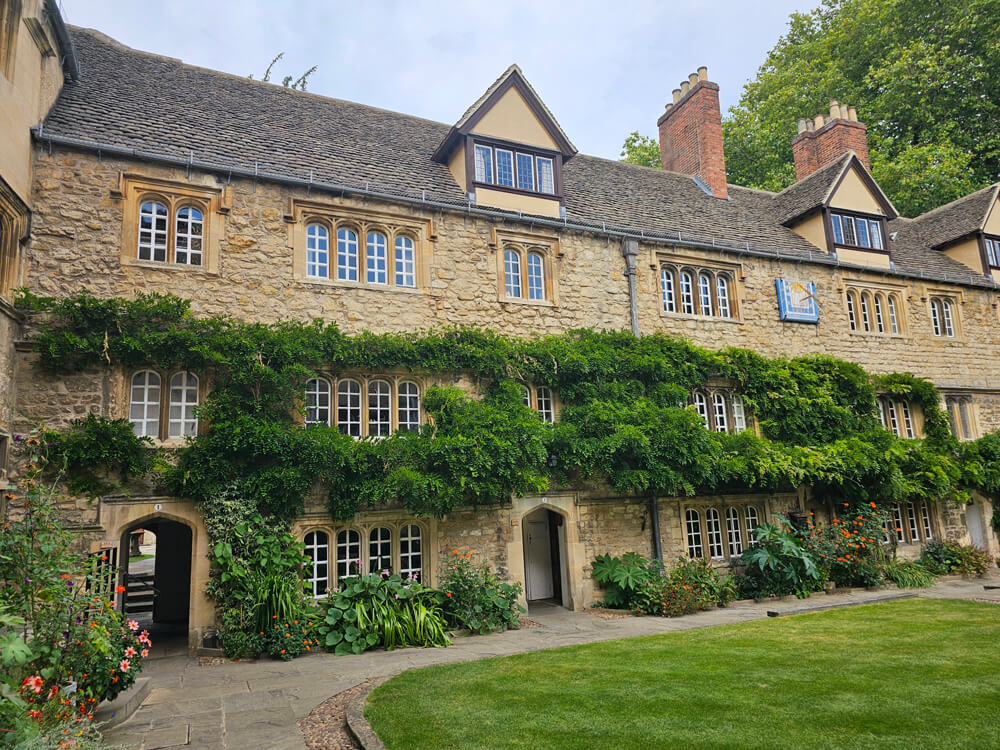
St Edmund Hall
St Edmund Hall has only been a college of the University of Oxford since 1957 when it received a Royal Charter, but its history dates back to the 13th century. St Edmund Hall therefore has a claim to be the oldest surviving academic society in any university. It may be one of the newest colleges of the University of Oxford, but it is one of the oldest institutions.
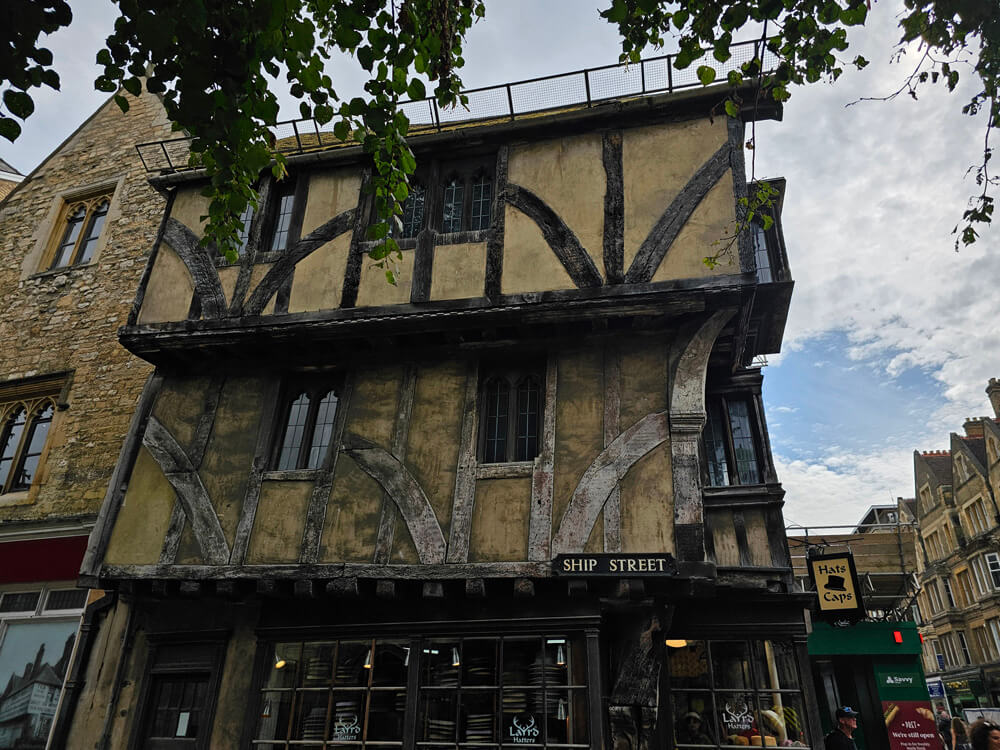
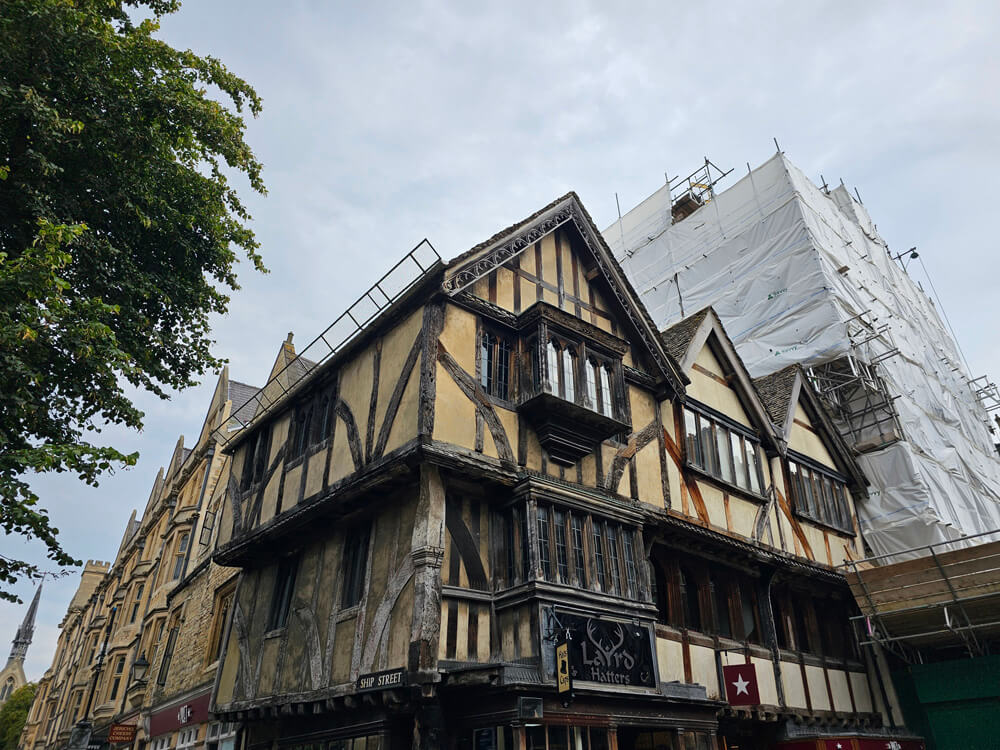
24-26 Cornmarket Street
24-26 Cornmarket Street is a timber-framed building built in the late 14th century which belonged to a wine merchant who ran it as an inn. Although only about half of it remains, the building is mostly original with the exception of a few restored parts. It’s architecture is typical of 14th-century Britain, with each floor gradually wider than the one below – a way to maximise floor space in medieval times without having to buy more land.
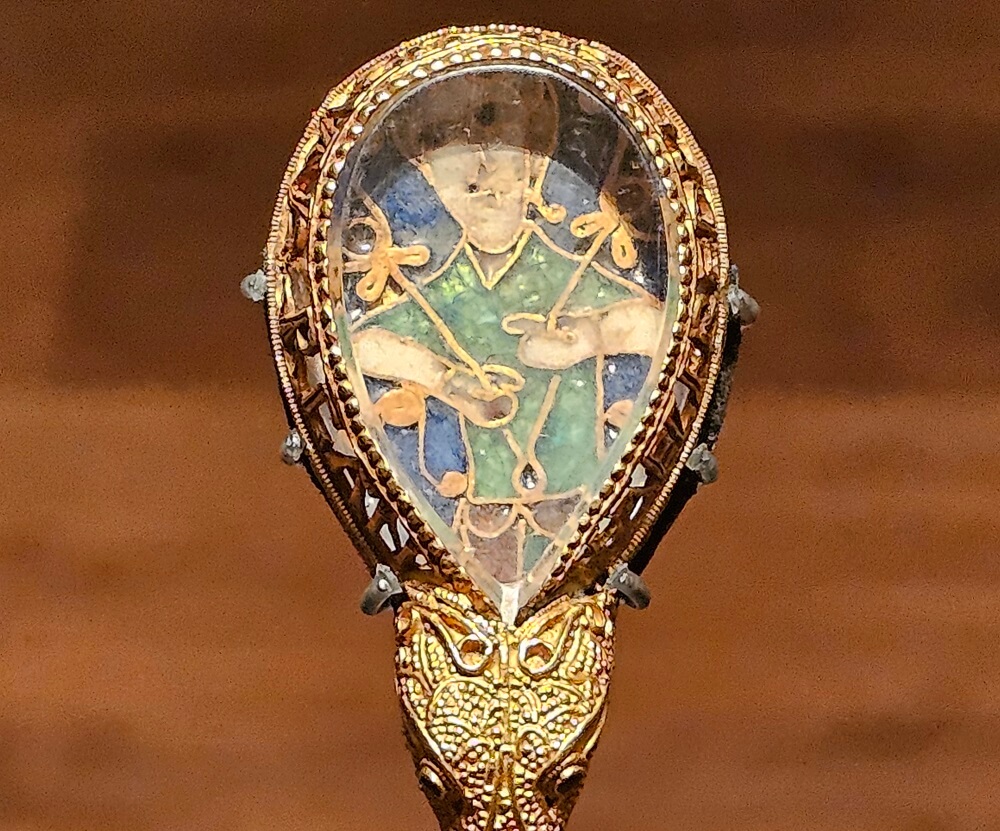
The Alfred Jewel
Dating to the late 9th century, The Alfred Jewel is a piece of Anglo-Saxon goldsmithing work made of enamel and quartz enclosed in gold. The inscription reads “aelfred mec heht gewyrcan”, which means “Alfred ordered me to be made”. It is generally accepted that it was made for King Alfred the Great, and the jewel’s function was to be the handle for a pointer stick for following words when reading a book. It was discovered in 1693, in Somerset, England, just a few miles from the stronghold of King Alfred and where he founded a monastery. It is now one of the most popular exhibits at Oxford’s Ashmolean Museum.
Photo Gallery.
Did you enjoy this post?
I hope you found this post useful. I put a great deal of time and effort in to building, maintaining and populating the website. If you like, you could say a small thank you by buying me a coffee. You don't have to, but it would be nice :)
Buy me a coffee
Stay up to Date
Follow me on my journey and get notified whenever a new post is published by following Kings & Castles on Facebook.
Follow MeExplore The Map
Discover the hundreds of castles, churches, monasteries, cathedrals and other historic locations that I've personally visited across England and Wales. Search by location, explore nearby sites and plan your next historical adventure.
Share: