St Winefride’s Chapel and Holy Well
St Winefride’s Chapel and Well is a holy well and national shrine located in Holywell in Flintshire, north-east Wales.
The Legend of St Winefride
The legend of Saint Winefride, or Winifred, is of a 7th-century Welsh noble woman who was the daughter of a local prince. Around the year 630, Caradoc, a chieftain from Hawarden attempted to seduce Winefride, but she decided to dedicate her life to the service of the Christian church and become a nun. She ran from him towards the church which had been built by her uncle, Saint Beuno. Enraged by her decision, Caradoc pursued her and cut off her head.
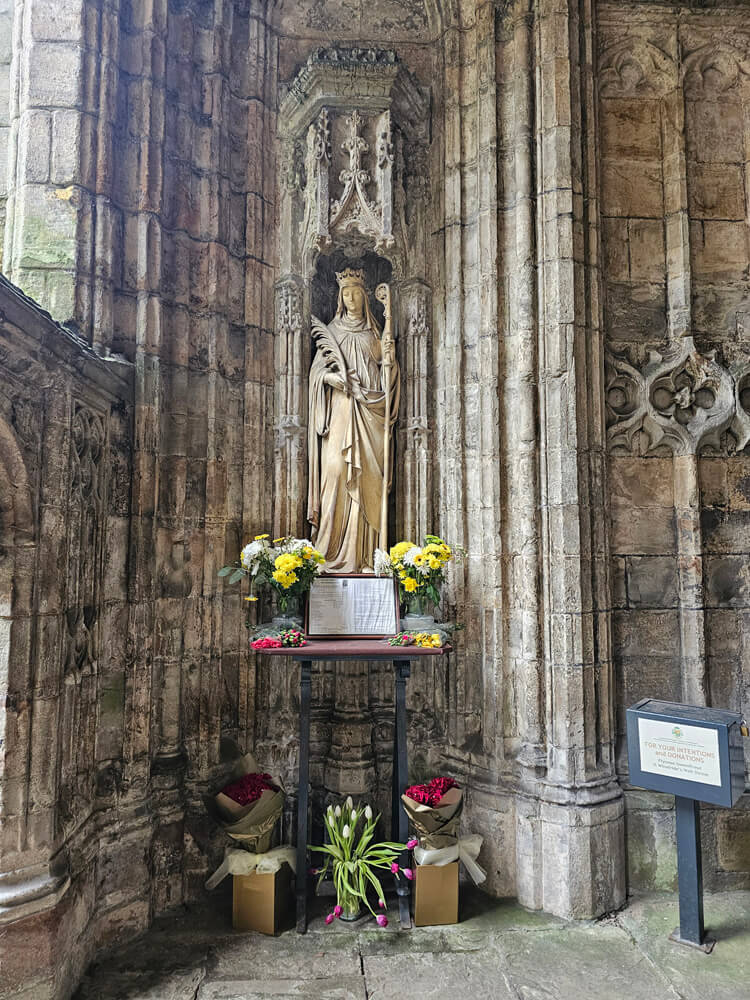
In the place where her head fell, a spring of water came up. Saint Beuno came out from the church and placed her head back on her lifeless body, prayed over her and she was miraculously restored to life. Caradoc sank to the ground and was never seen again. As a sign of the miracle, a scar encircled Winefride’s neck, witness to her martyrdom. Winefride became a nun, staying at Holywell for eight years until retiring to another nunnery, Gwytherin, where she became the Abbess until her death.
History of the Shrine
The story of St Winefride is first recorded in the early 12th century, and since then St Winefride’s Well has been a popular pilgrimage destination, known for its healing waters. During the Middle Ages, the well formed part of the estate of nearby Basingwerk Abbey, where the monks harnessed the power of the holy well and its stream.
The well is unique among Britain’s sacred sites in that it retained a continuous pilgrimage tradition throughout the English Reformation, and pilgrims continued to visit despite the threat of persecution which existed for those practising the Catholic faith. Its great historic significance enabled it to avoid being destroyed during the reformation and the establishment of the Protestant Church of England, when other wells were capped and their chapels destroyed. Its survival could be linked to the fact that Henry VIII’s grandmother, Lady Margaret Beaufort, built a set of shrine buildings here a few decades earlier.
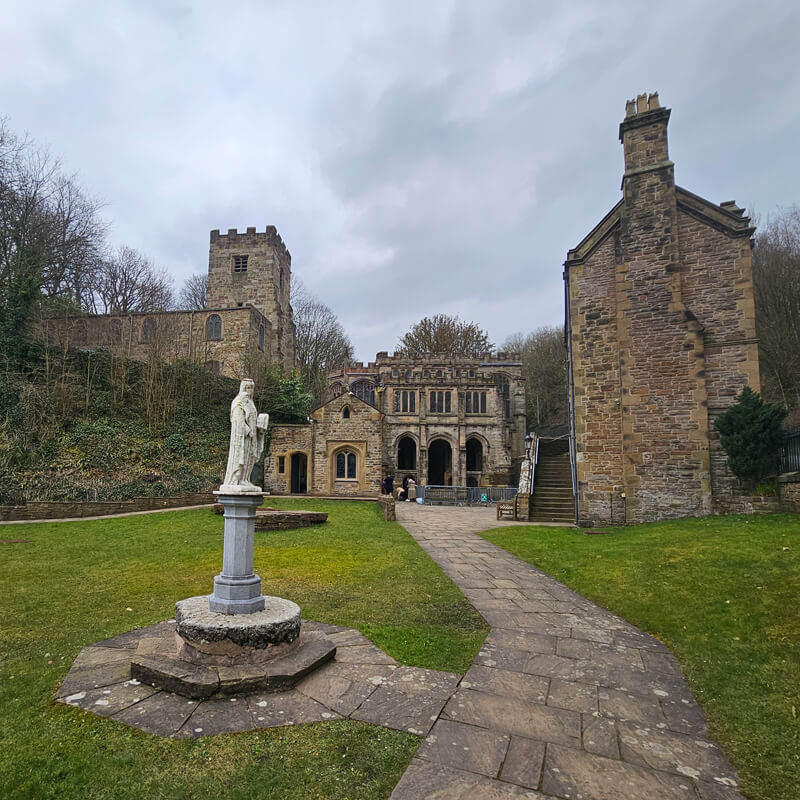
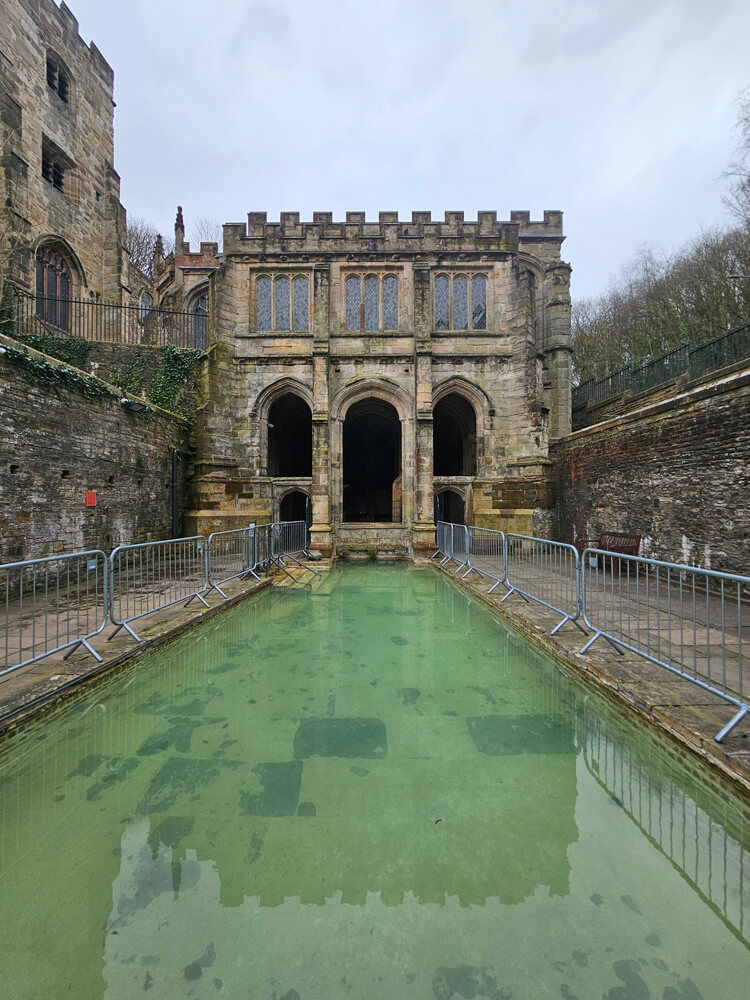
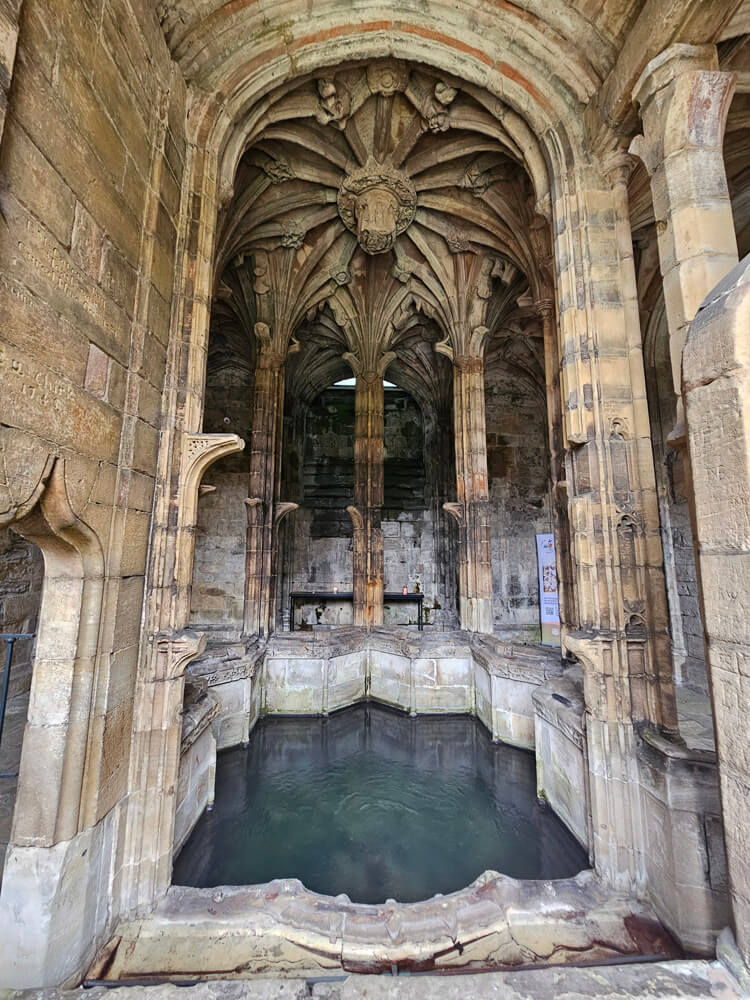
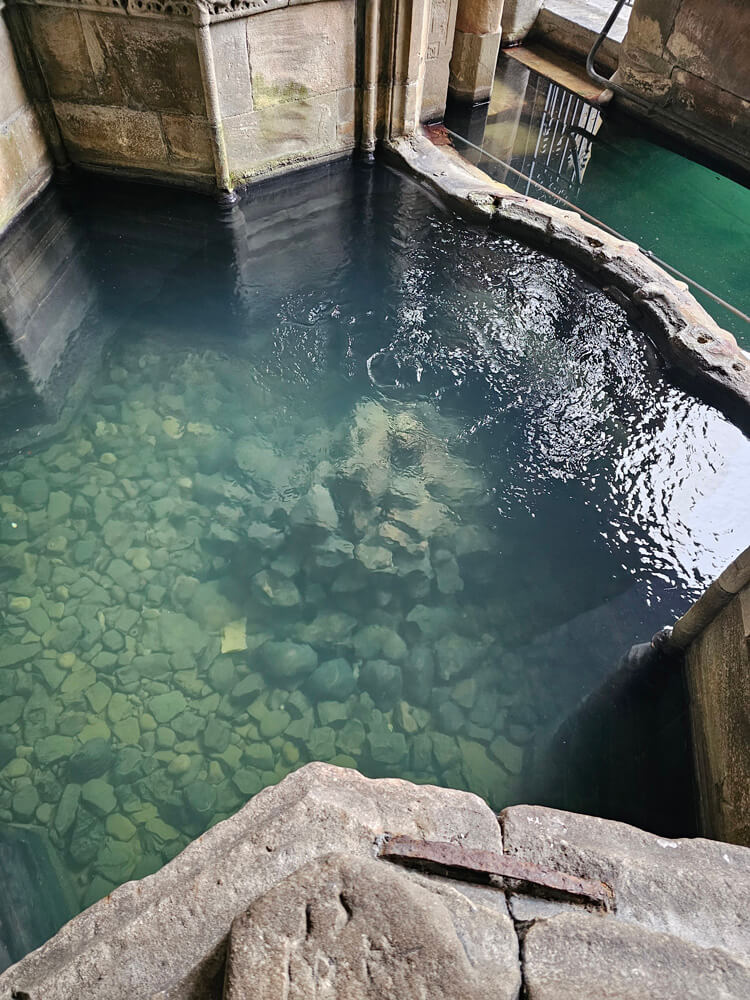
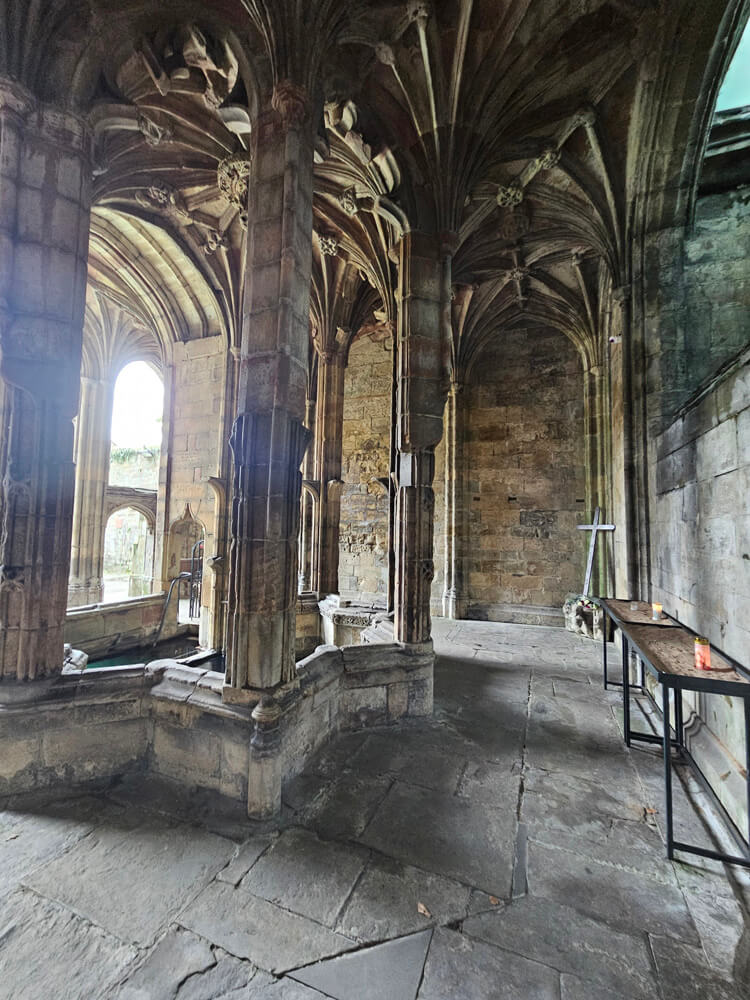
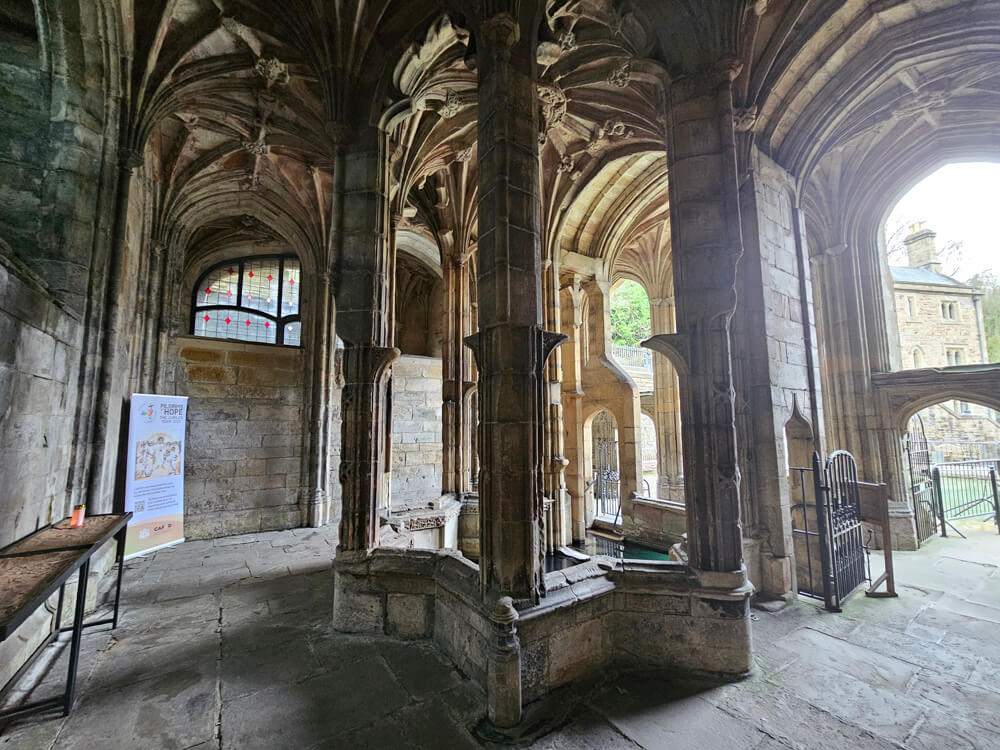
In the late 15th century, Lady Margaret Beaufort, Henry VIII’s grandmother, built a chapel around and above the well, leading to a bathing pool for pilgrims. Lady Margaret’s elegant building still stands, housing a star-shaped well where the waters first emerge before flowing into the outer bathing pool.
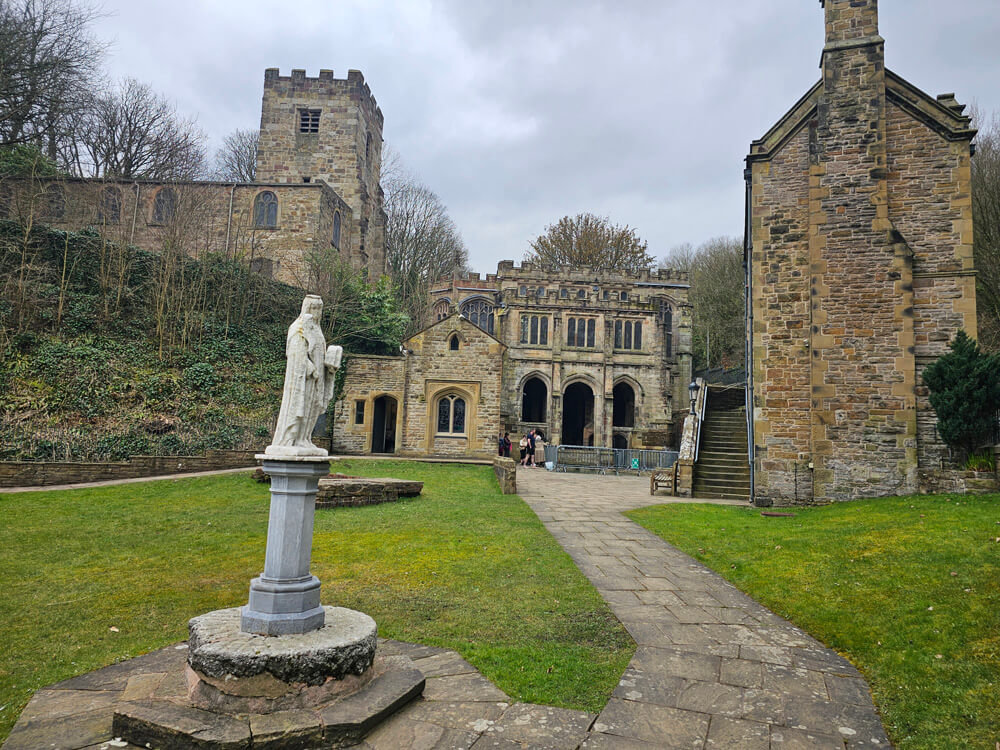
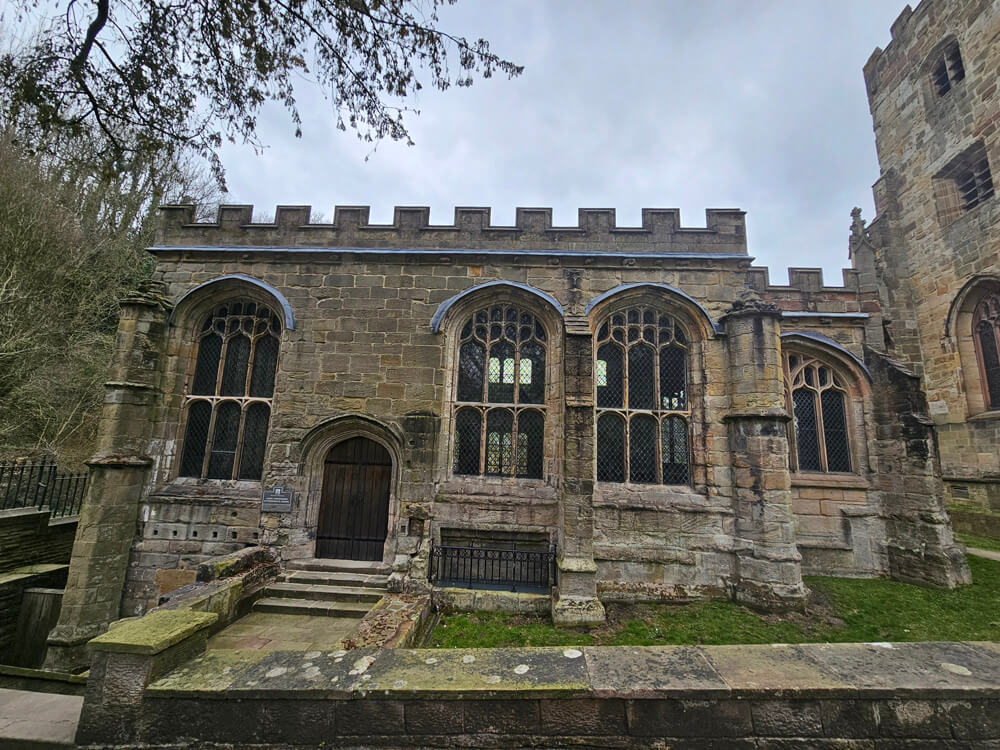
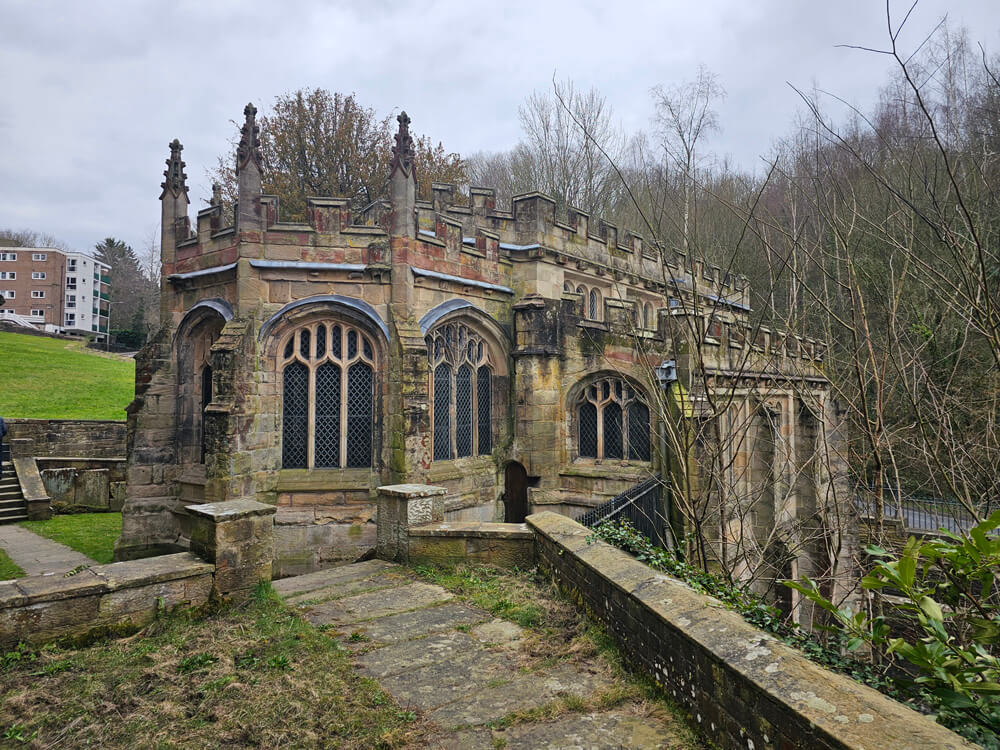
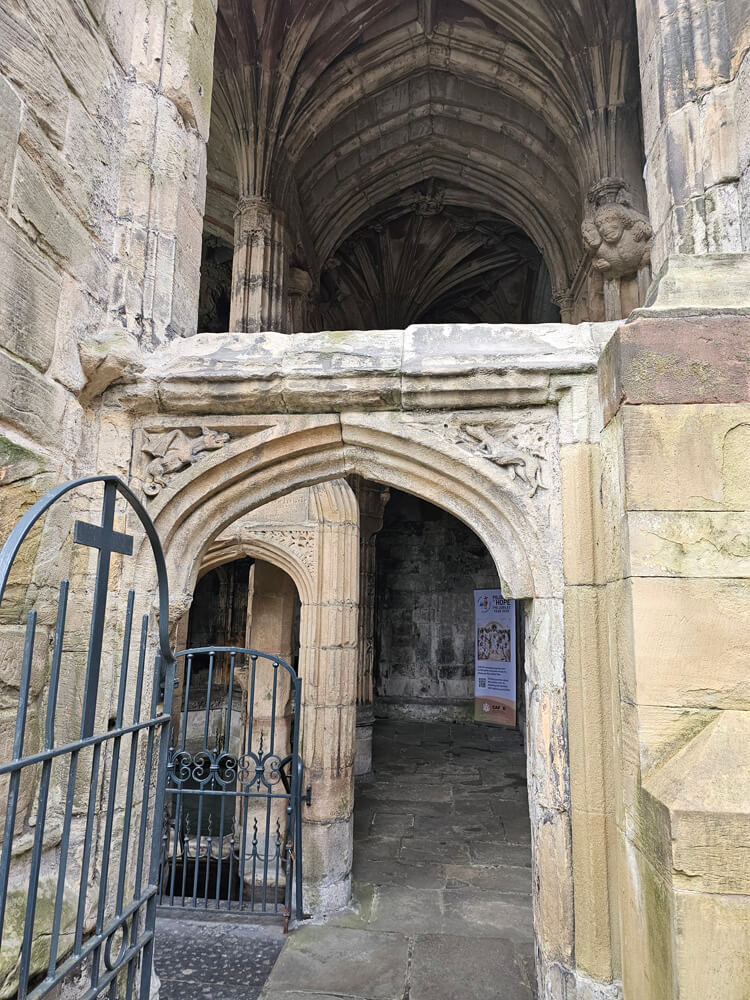
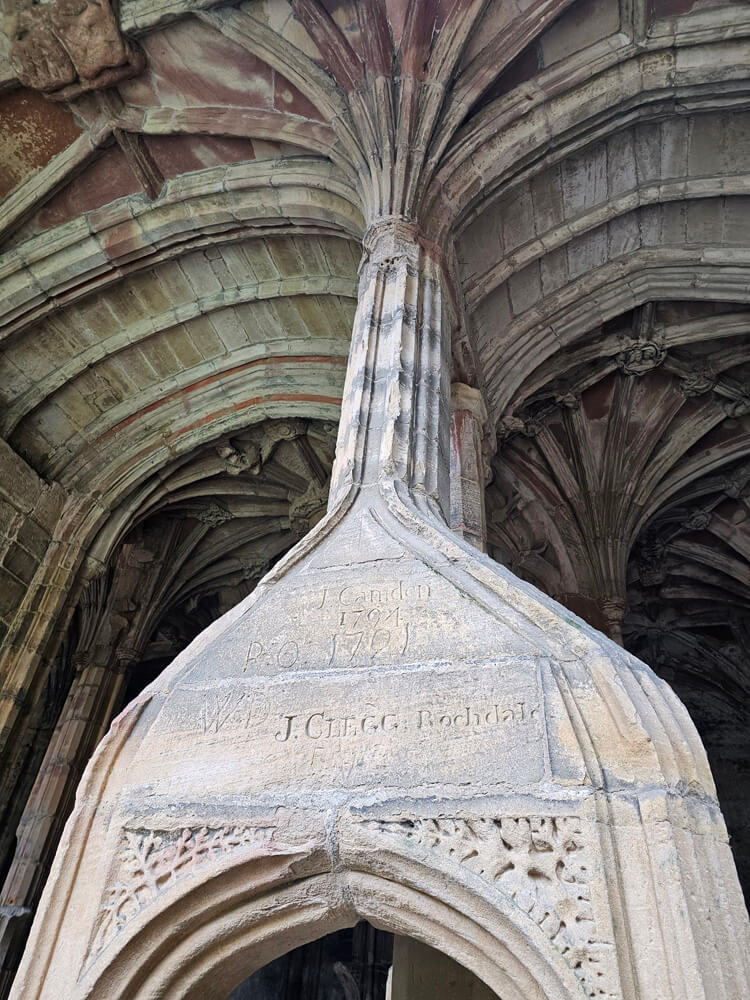
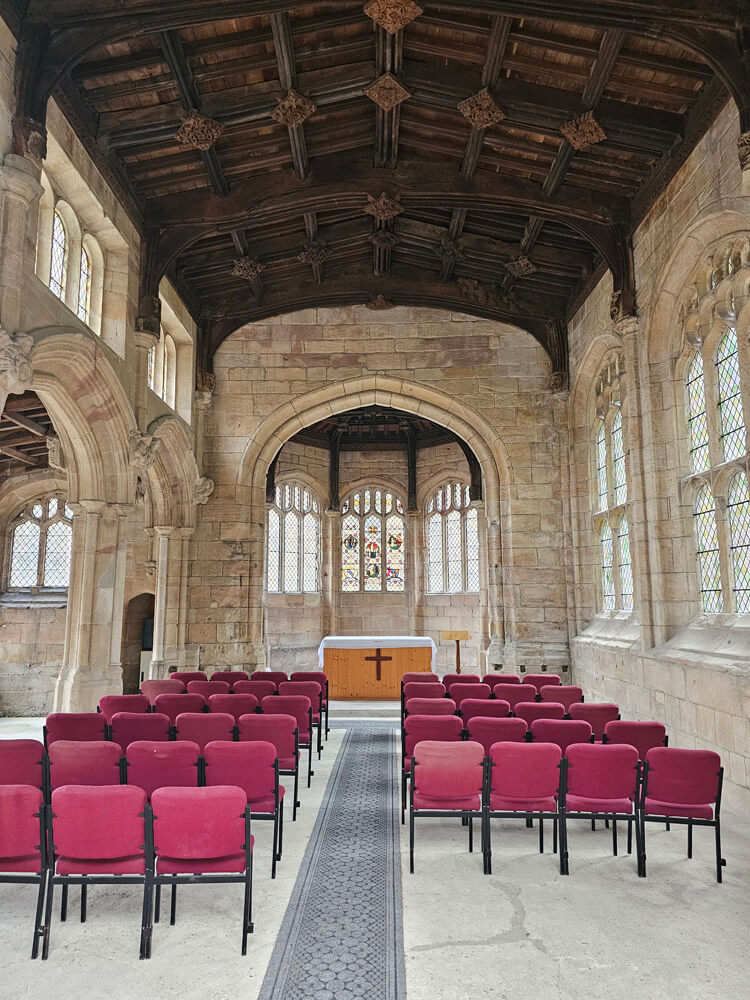
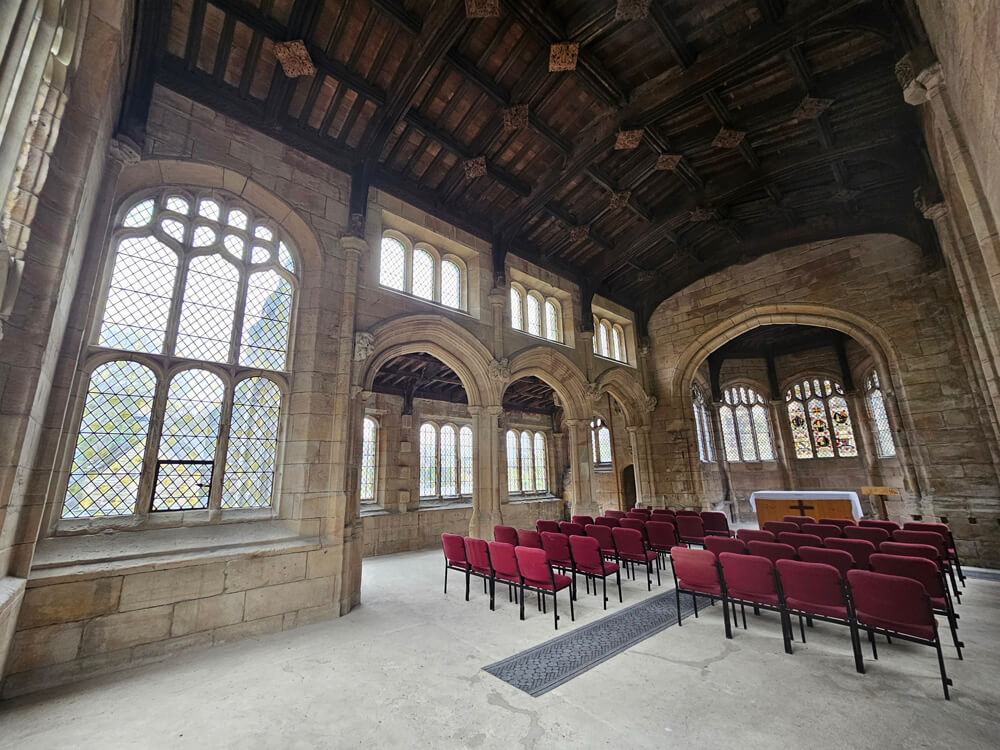
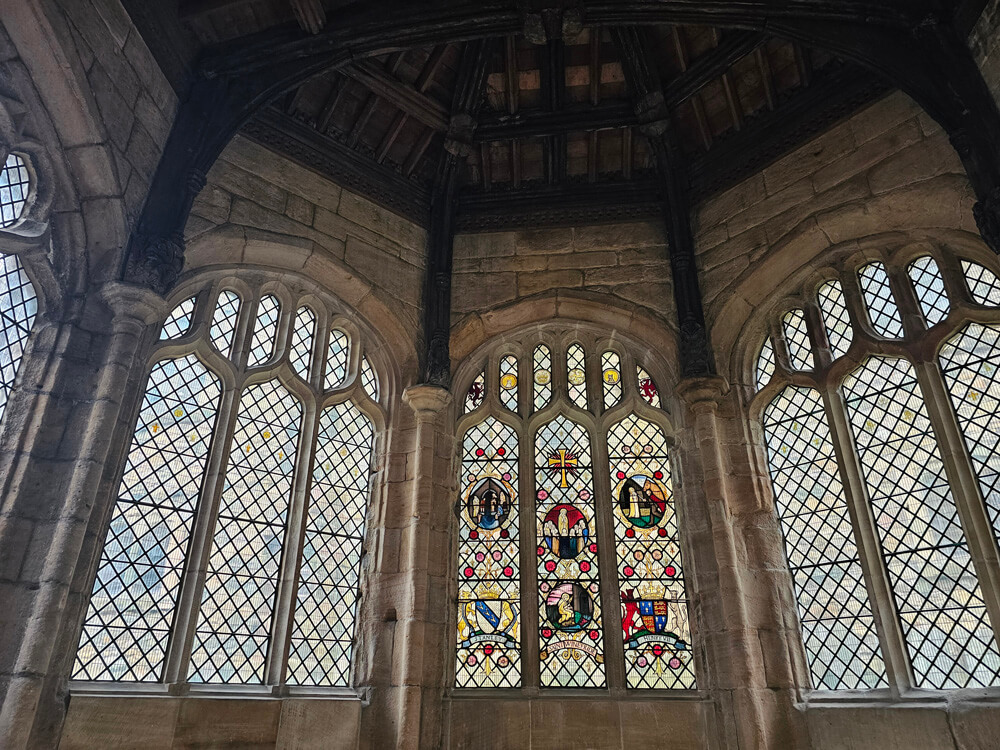
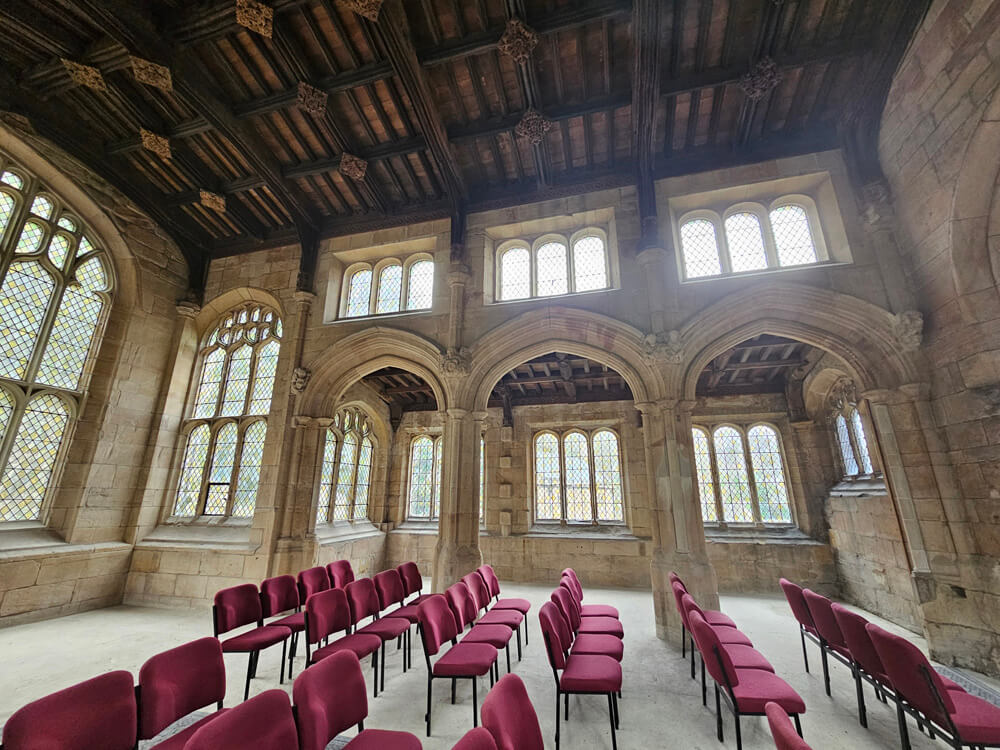
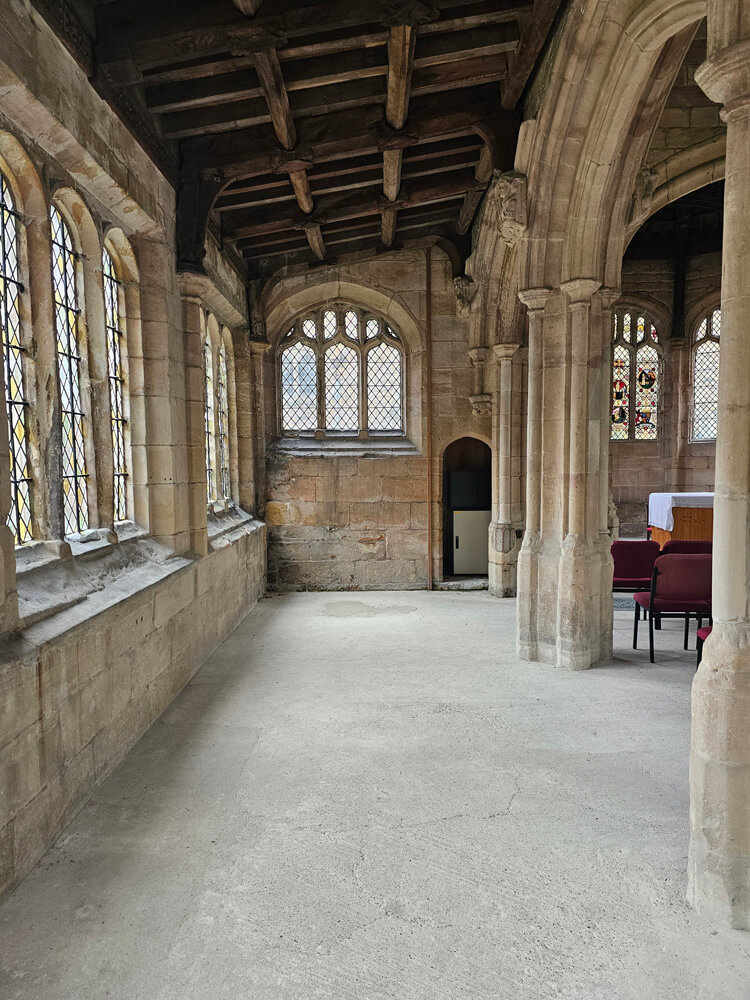
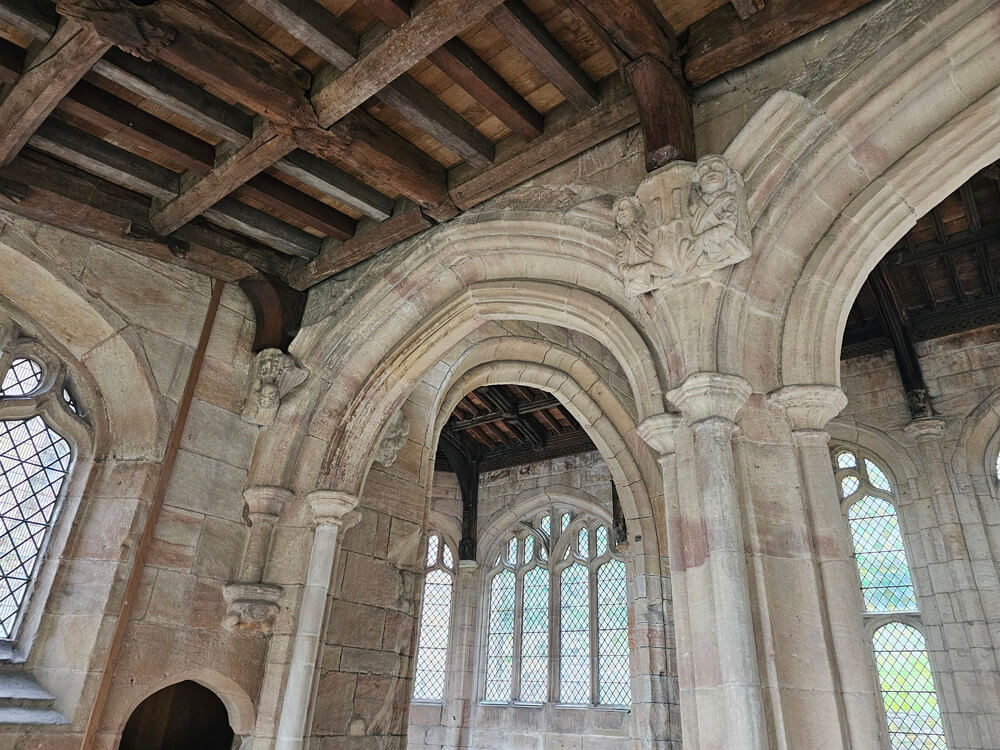
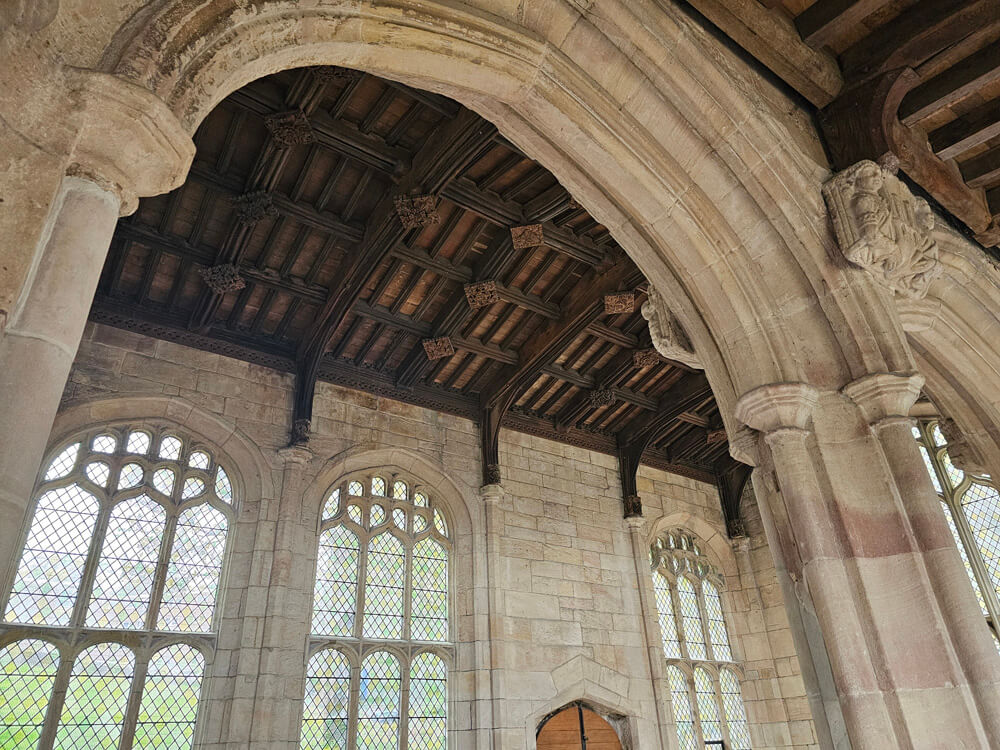
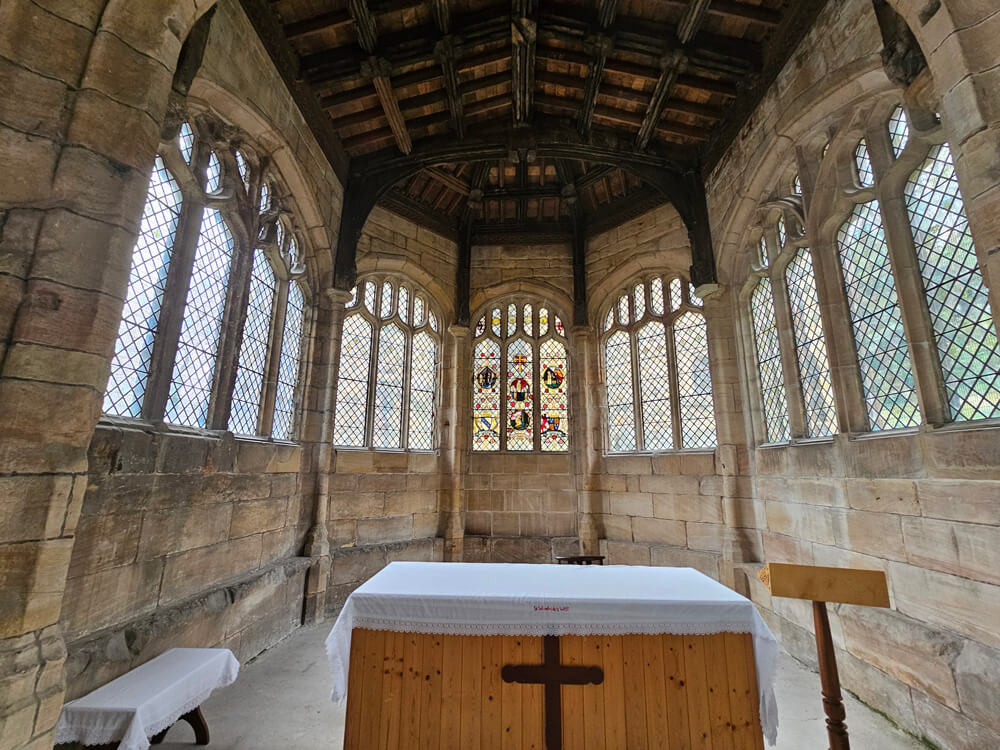
Set into the hillside, the chapel is a striking and unusual building, richly decorated and exceptionally well-built. The building is a glorious 2-storey Late Perpendicular Gothic building and comprises two parts: the upper chapel, where church services are held, and the well crypt beneath it, which encloses the spring, where the water bubbles up into a star-shaped basin beneath an elaborately vaulted ceiling before flowing out into the outdoor pool. The hillside has been cut away so that the crypt can be entered from the north, while the upper chapel is entered from the south.
Over the centuries St Winefride’s has been visited by several English monarchs. Richard I (Lionheart) visited in 1189 to pray for the success of his crusade in the Holy Land. It is believed that Henry V came on foot from Shrewsbury in 1416 to give thanks for his victory at the Battle of Agincourt. Edward IV was said to have came on pilgrimage in 1461 and placed a pinch of earth taken from beside the Well upon his crown. James II visited the Well with his wife Mary of Modena in 1686 after several failed attempts to produce and heir, and shortly after his visit Mary became pregnant with a son.
The Shrine Today
Holywell is Britain’s most active link with early Christianity. The name of the town, Holywell, is literally holy + well in reference to St Winefride’s Holy Well, which gave the town its name. Its Welsh name, Treffynnon, is a combination of tre ‘town’ + ffynnon ‘well’, meaning ‘town of the well’.
Thanks to its reputed healing properties, the shrine is regarded as one of the Seven Wonders of Wales. Still to this day it remains an active holy well and well-house shrine and is said to be the oldest continually visited pilgrim site in Britain, with a continuous history of public pilgrimage for over 13 centuries.
The shrine is a grade I listed building and scheduled ancient monument, and the whole site is a registered museum including an Interpretive Exhibition. The site consists of many features and buildings including the elegant 15th-century chapel built by Lady Margaret Beaufort, known as St Winefride’s chapel; the ancient well crypt beneath it; the medieval healing pool; and a visitor centre.
The holy waters that gush out of the ground emerge into an outdoor pool the size of a small swimming pool, where pilgrims to this day immerse themselves and pray for St Winefride’s intercessions. Such a scene has been taking place for almost 1,400 years, since St Winefride was murdered here in the 7th century and then miraculously restored to life by St Beuno. Miraculous cures are regularly attributed to the site, which attracts around 30,000 visitors a year.
Today, St Winefride’s Well and Chapel are jointly under the care of Cadw and the Roman Catholic church, and together with the museum, are open daily. There are set times for bathing in the healing pool in the morning and afternoon, and you can also fill a bottle with the holy water at any time and take it home. An exhibition in the visitor centre tells the story of the holy well and houses a collection of interesting historic artifacts related to the site.
Photo Gallery.
Did you enjoy this post?
I hope you found this post useful. I put a great deal of time and effort in to building, maintaining and populating the website. If you like, you could say a small thank you by buying me a coffee. You don't have to, but it would be nice :)
Buy me a coffee
Stay up to Date
Follow me on my journey and get notified whenever a new post is published by following Kings & Castles on Facebook.
Follow MeExplore The Map
Discover the hundreds of castles, churches, monasteries, cathedrals and other historic locations that I've personally visited across England and Wales. Search by location, explore nearby sites and plan your next historical adventure.
Share: