Kenilworth Castle
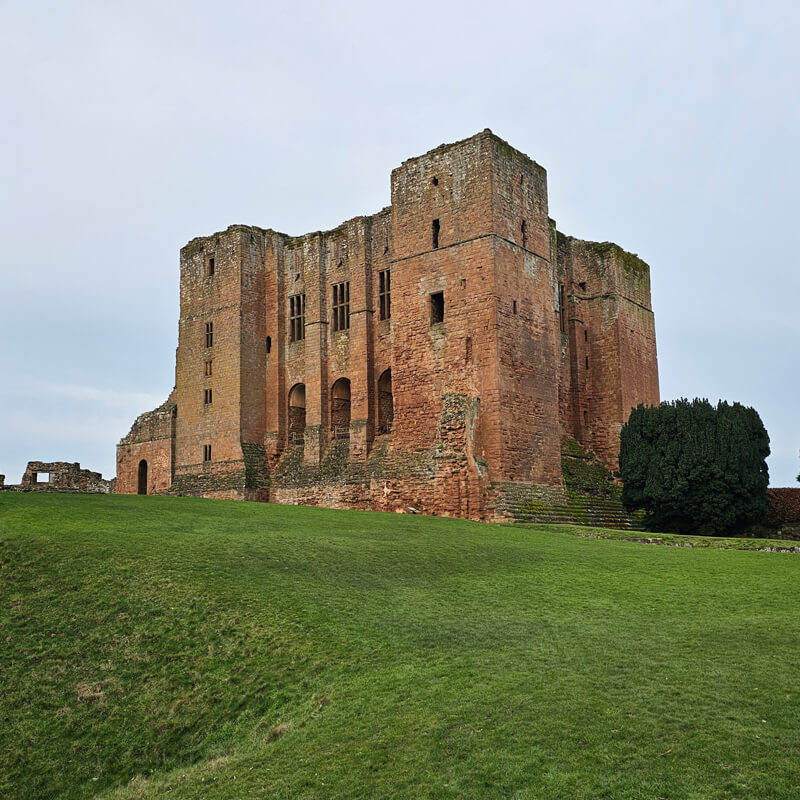
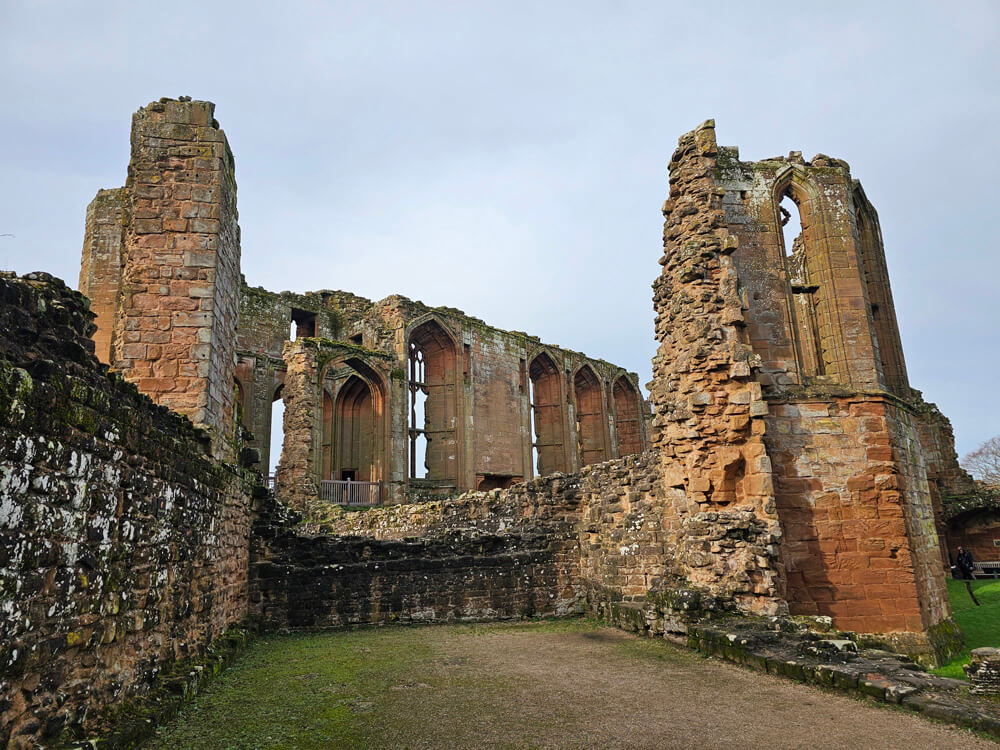
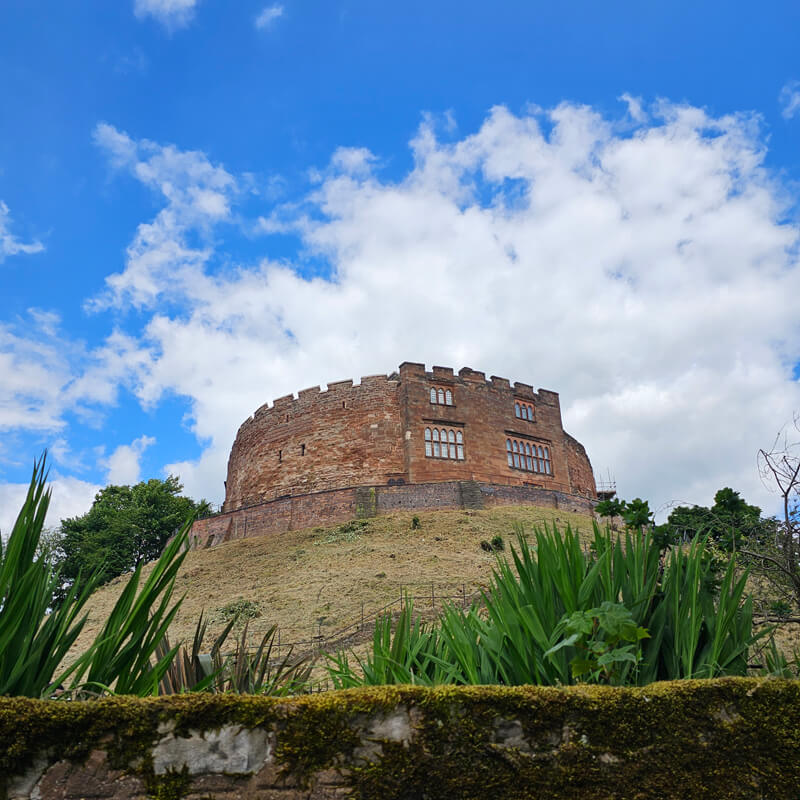
Built during the Norman conquest of England around the year 1122, Kenilworth Castle is a ruined red sandstone castle in the town of Kenilworth in Warwickshire, England. With development through to the Tudor period, it started its life as a medieval fortress to eventually becoming an Elizabethan palace.
Quick
Facts.
- Location: Kenilworth, Warwickshire, England
- Established: 1120s
- Built in stone: 12th to 14th centuries
- Condition: Ruined
- Date visited: January 2024
- More info: Visit website
- Rating:
A Bit of History…
Kenilworth Castle was first built in the 1120s and spent most of its life as a royal castle. It was expanded over the centuries by the likes of King John, John of Gaunt and Henry V.
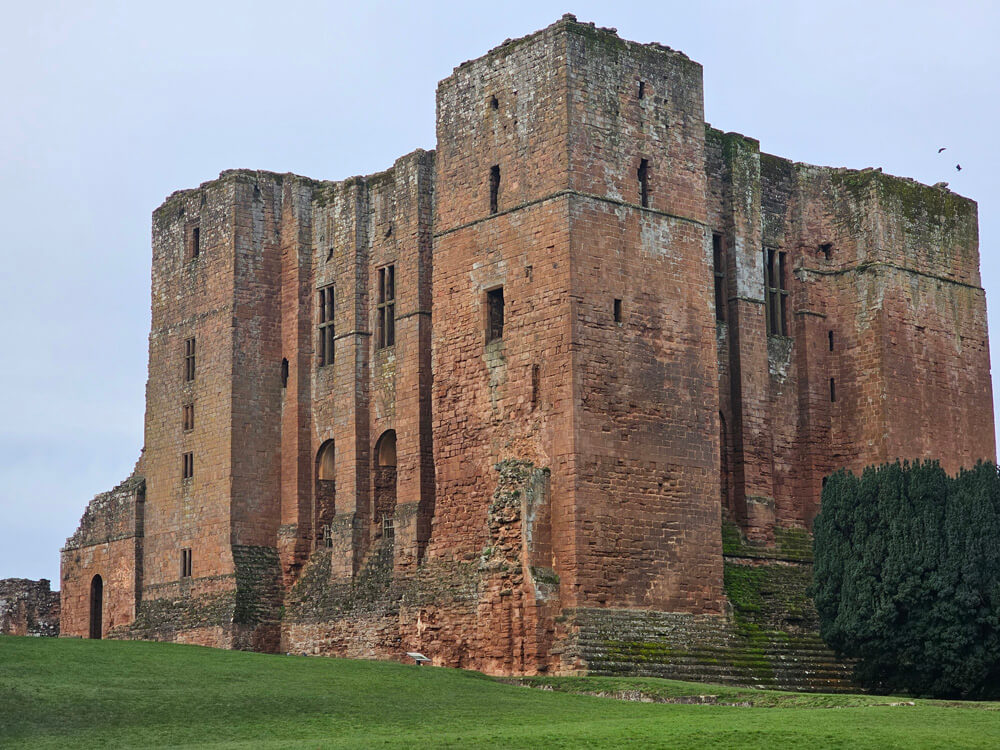
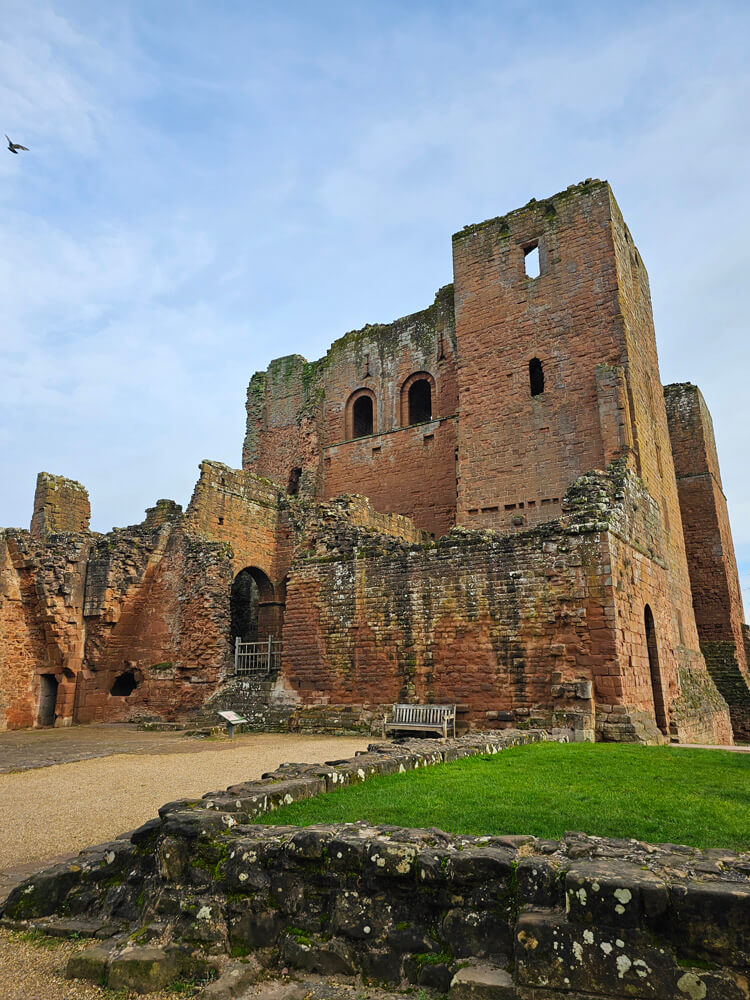
The original Norman motte-and-bailey castle was established in the 1120s and was made up of wooden buildings. It was granted by Henry I to his chamberlain, Geoffrey de Clinton who built most of the Norman great tower.
In 1173 to 1174 Henry II acquired the Castle from Geoffrey de Clinton’s grandson and it became a royal castle, at which time the stone-built fortified keep and curtain wall were built.
The castle was extended in the early 13th century by King John, who added an outer circuit of stone walls and built a dam to create a large defensive lake, and in doing so he creating one of the most formidable medieval fortresses in the kingdom. Kenilworth remained a royal fortress until the mid-13th century when Henry III granted it to Simon de Montfort.
In the 1260s Simon de Montfort led a rebellion against King Henry III which became known as the Second Barons’ War. Simon de Montfort held Kenilworth castle against the king through a six-month siege, which was one of the longest sieges in English medieval history. Following Simon de Montfort’s rebellion and death at the Battle of Evesham in 1265 the castle reverted back to the Crown, and was granted to Henry III’s younger son, Edmund, Duke of Lancaster.
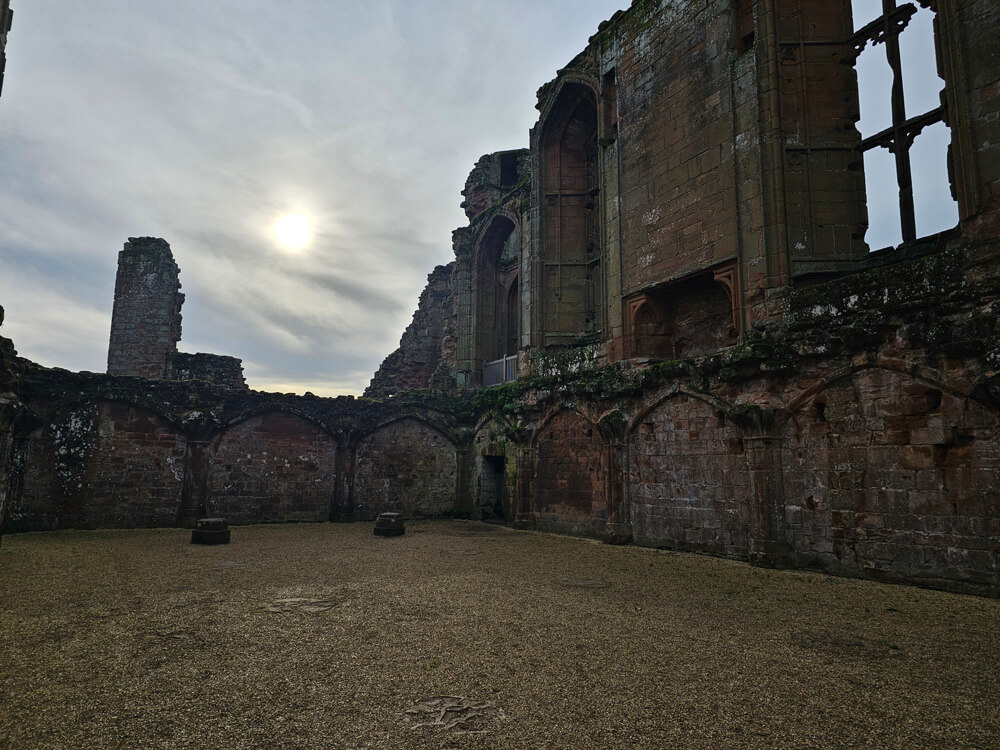
In the 14th century the castle passed by marriage to John of Gaunt, son of King Edward III, who developed the castle into a royal palace, building the great hall and lavish apartments. The castle would become a favoured residence of the Lancastrian kings (descendants of John of Gaunt) in the later Middle Ages. In 1399 when John of Gaunt’s son overthrew his cousin, King Richard II, he succeeded the throne as Henry IV and Kenilworth became a royal castle once again. Henry V later built a retreat at Kenilworth at the far end of the lake. Kenilworth Castle remained in possession of the Crown until 1553 when Edward VI granted it to John Dudley, Duke of Northumberland.
King Edward VI died shortly after granting the castle to John Dudley, and the king’s sister Mary, succeeded him as Queen Mary I. Queen Mary then had John Dudley executed in the same year, and following his execution it returned to the Crown. Then in 1563 when Elizabeth I was Queen of England, she granted the castle to her favourite Robert Dudley, Earl of Leicester, who was the son of the executed John Dudley. Robert Dudley made extensive changes to the castle, including constructing new gardens, and transformed it into a magnificent and lavish palace fit to impress and entertain his queen. Queen Elizabeth I was entertained at Kenilworth on a few occasions, and he famously entertained his queen here for 19 days of festivities in 1575.
During the Civil War, the Royalists initially occupied the castle but it was later held by the Parliamentarians, who made the castle indefensible and dismantled the castle’s fortifications in 1650. After this, the castle passed through several new owners and families over the next few centuries, but it was not inhabited or restored and therefore would never recover from its civil war destruction.
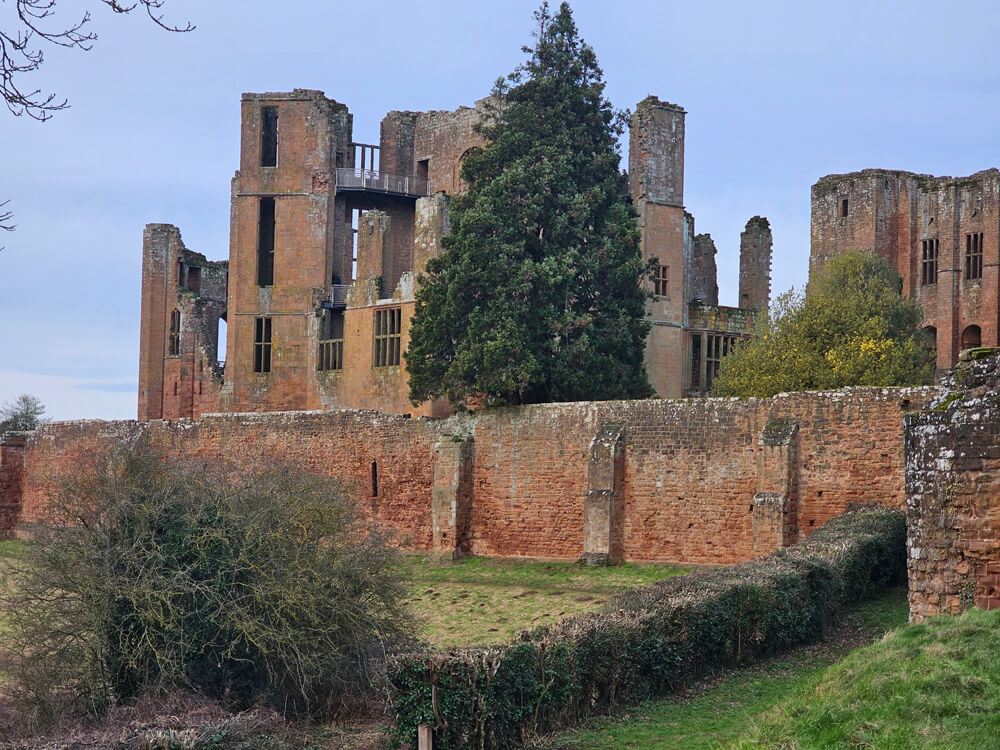
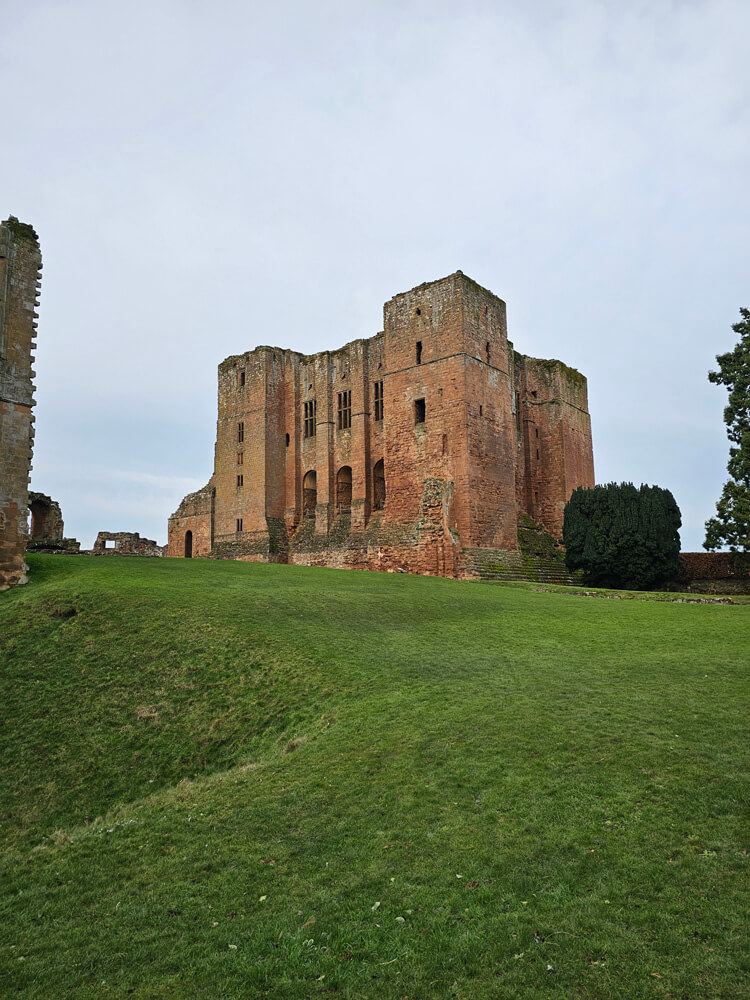
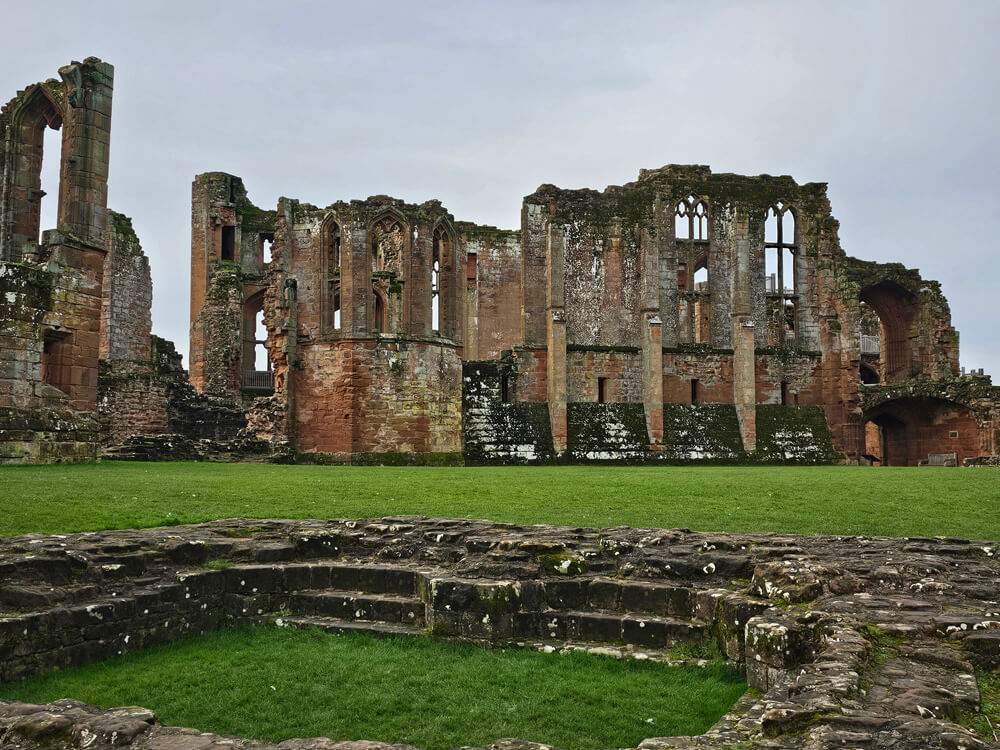
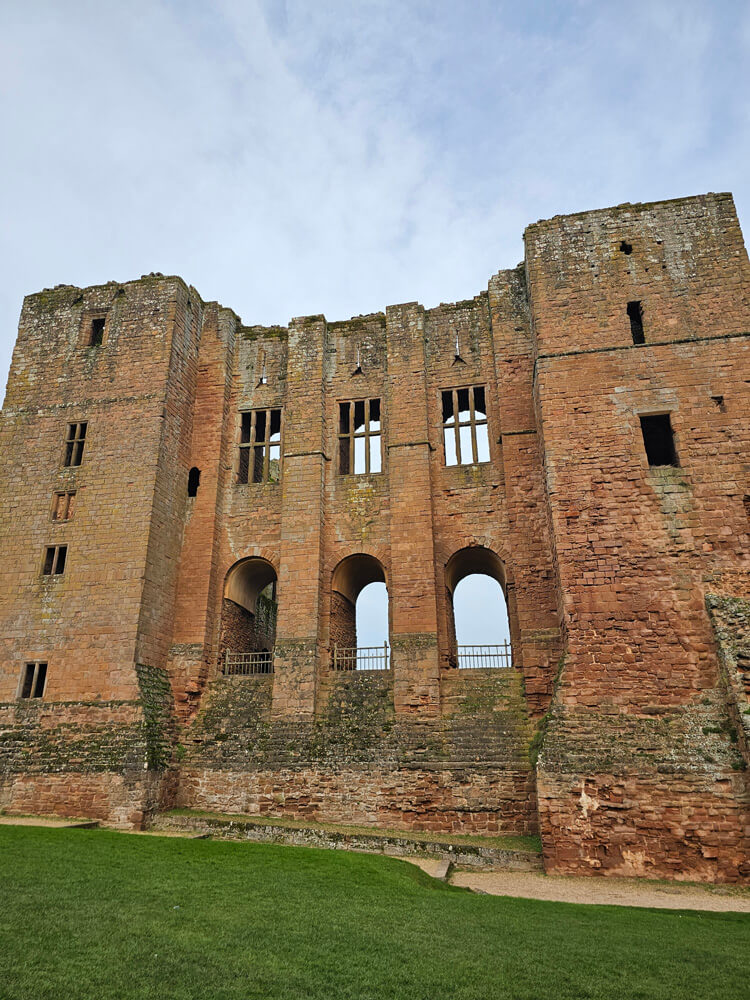
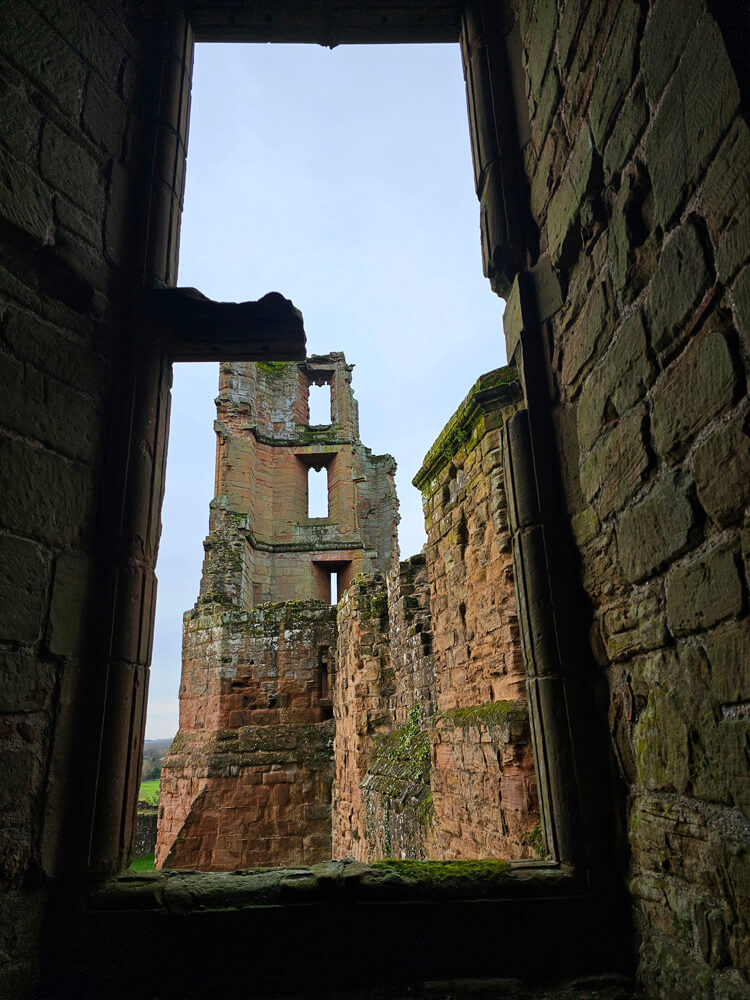
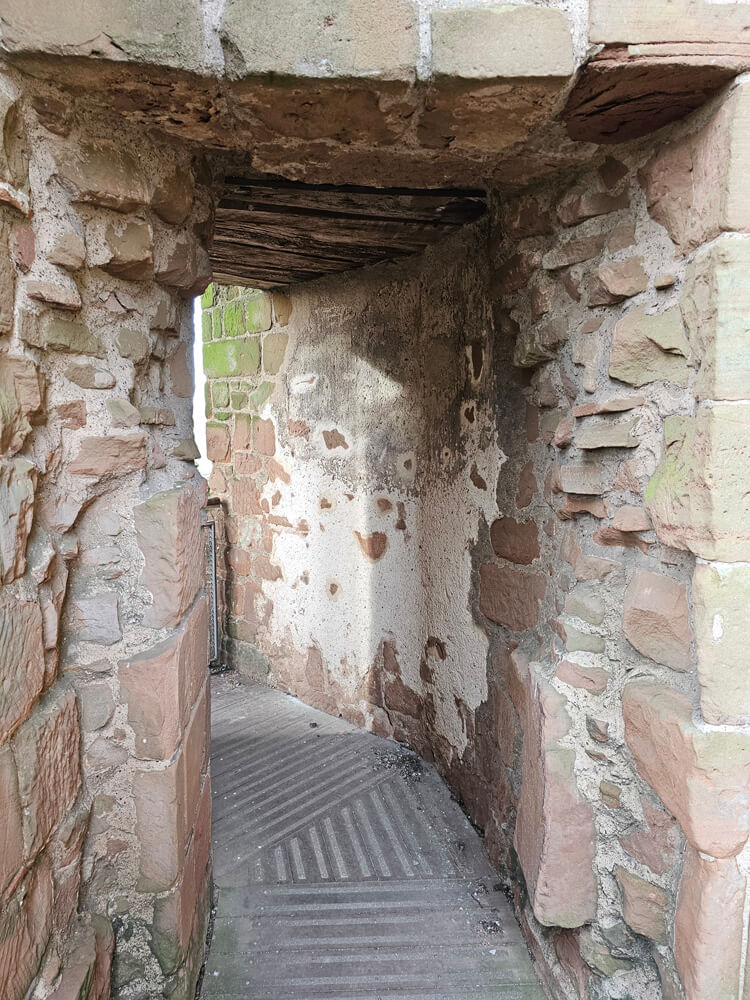
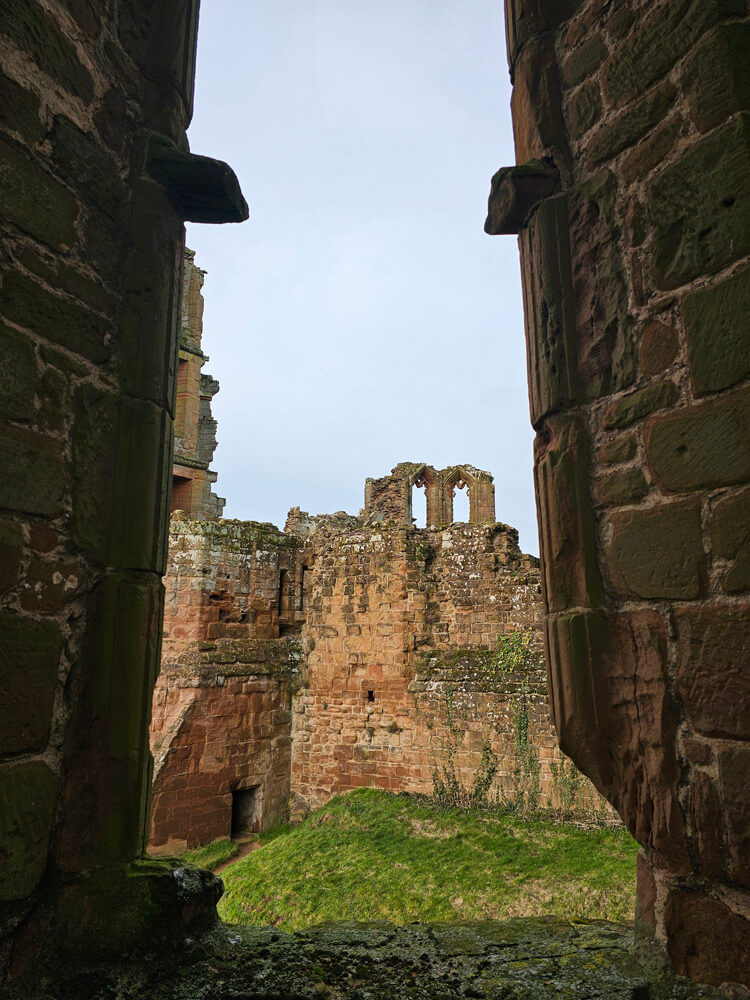
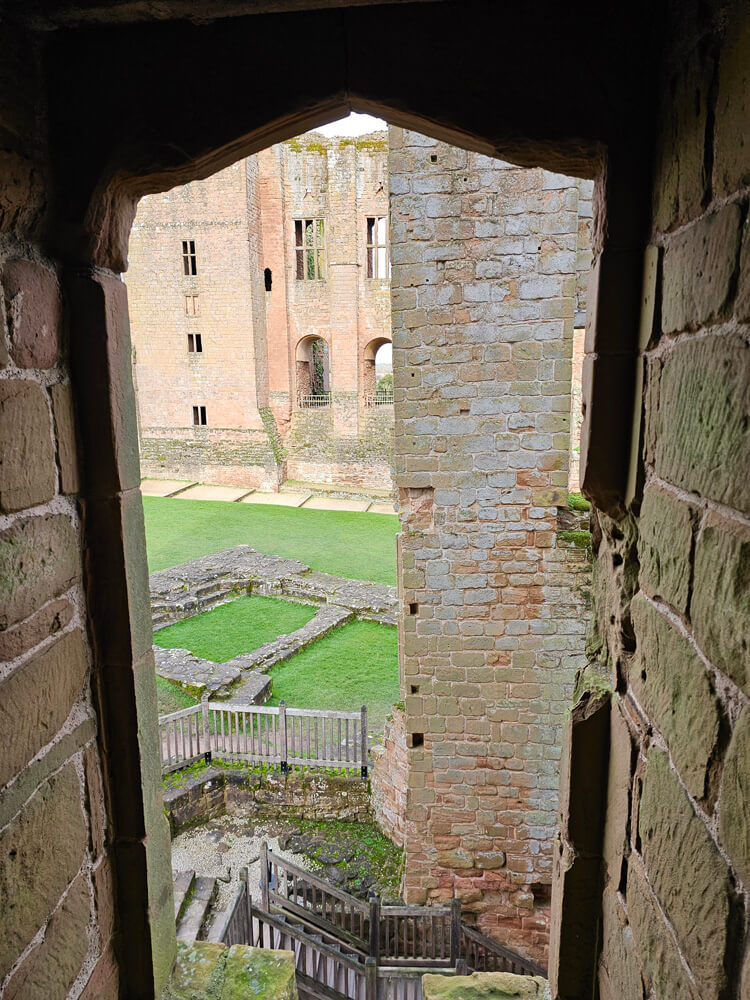
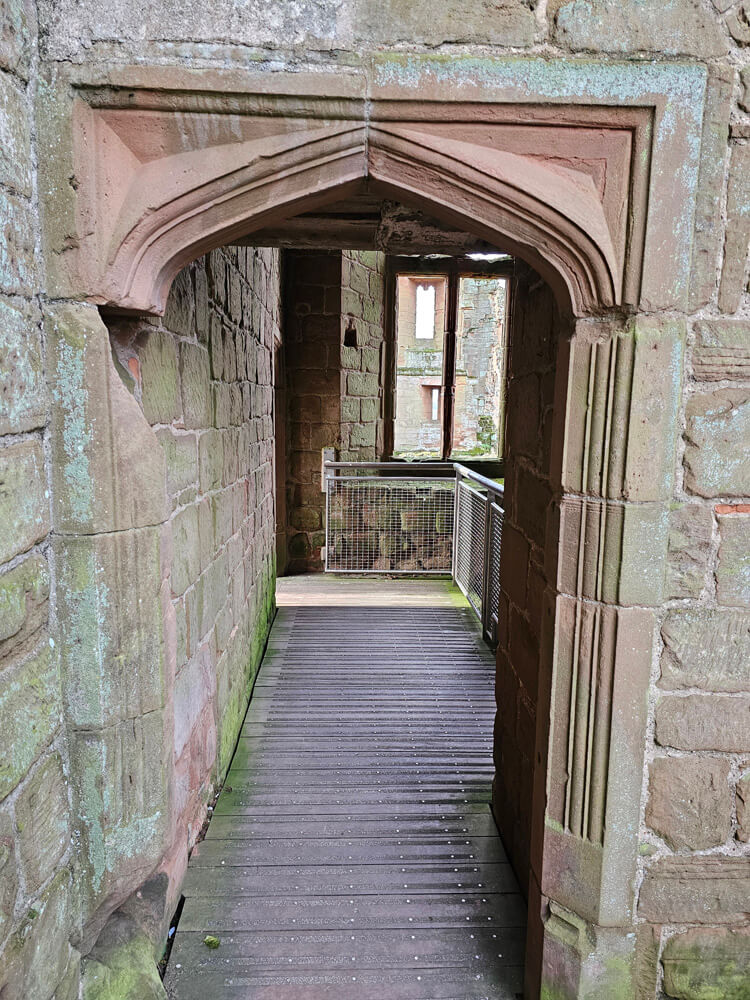
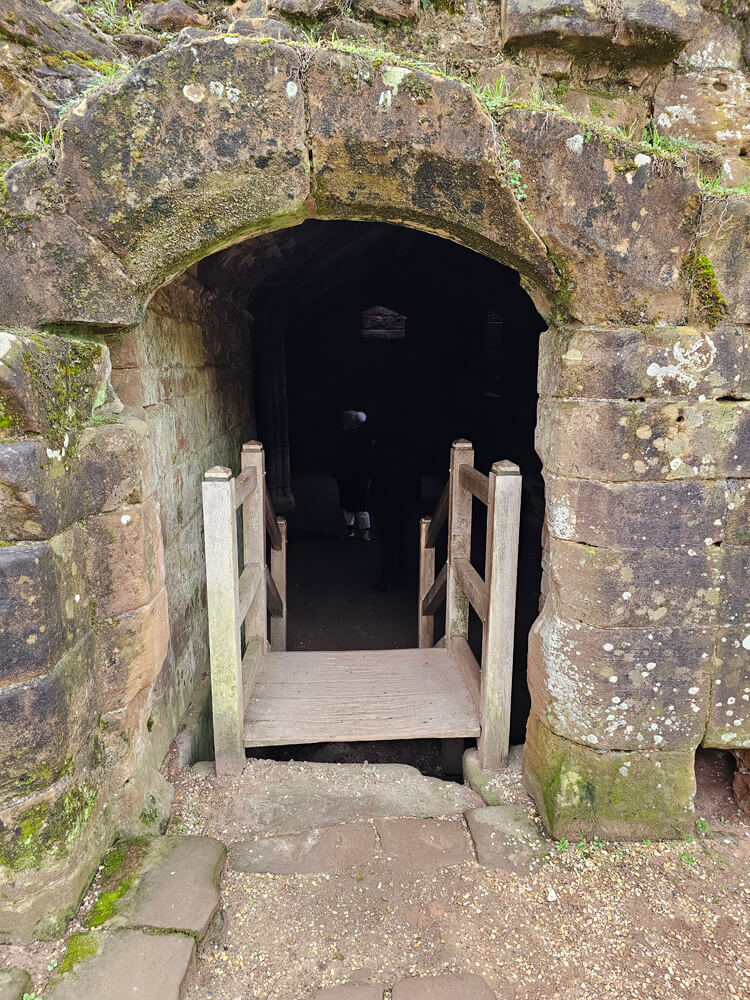
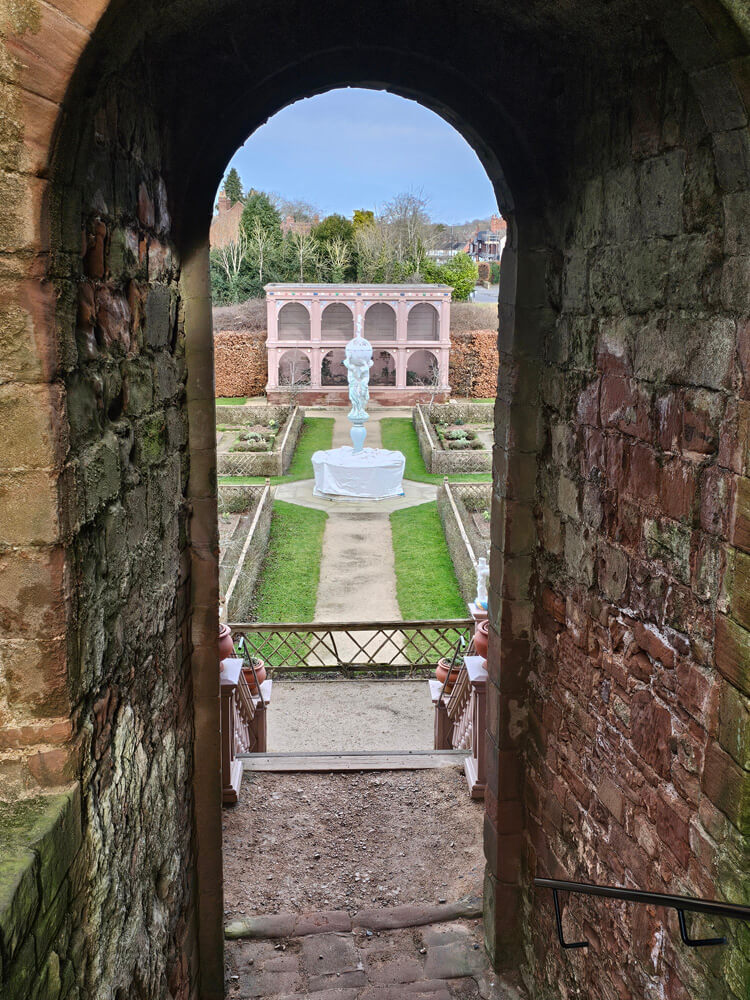
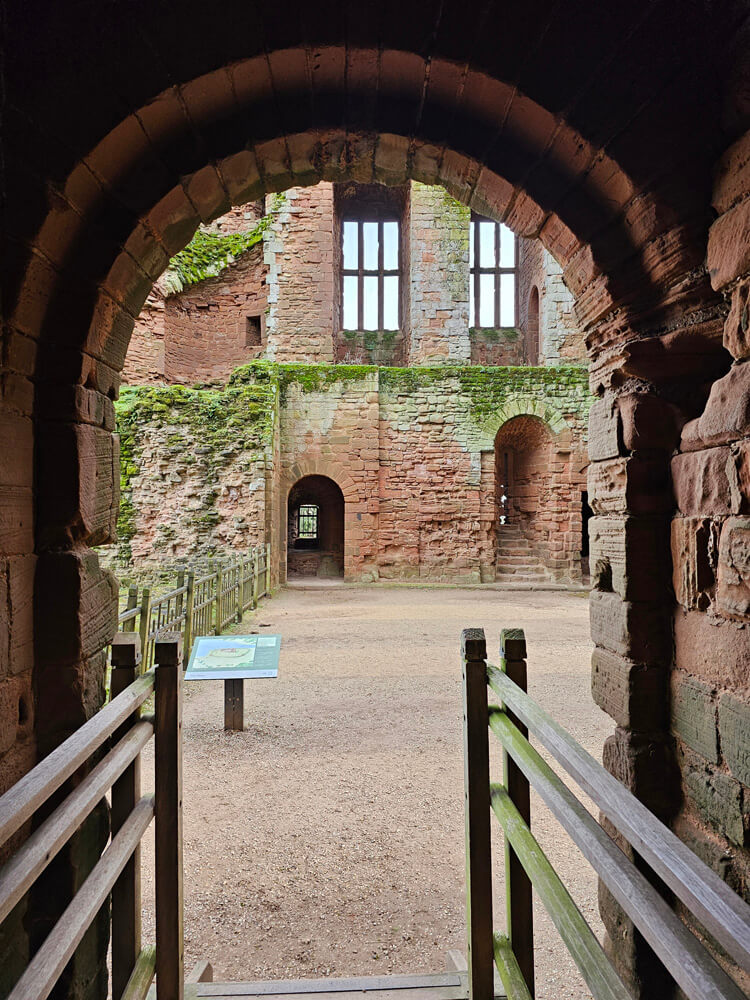
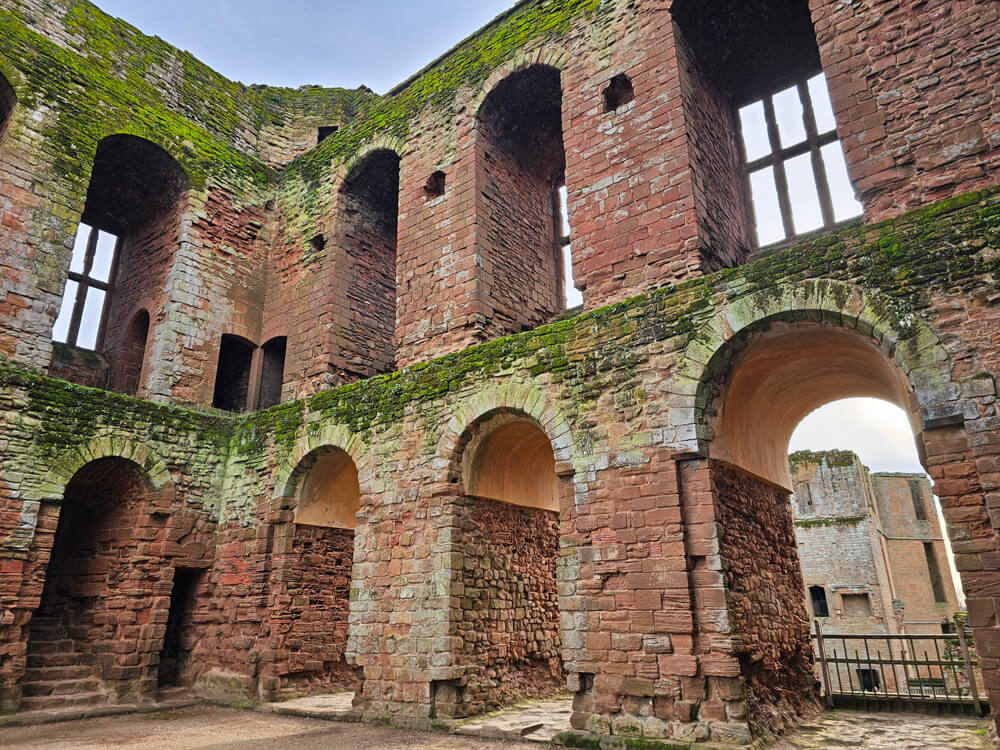
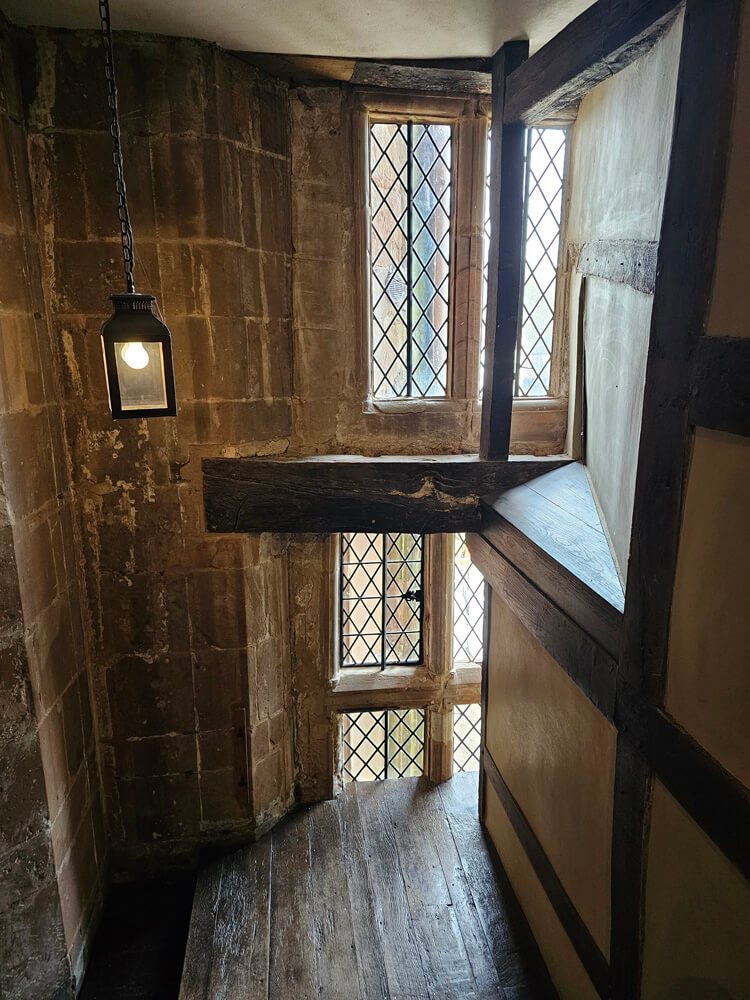
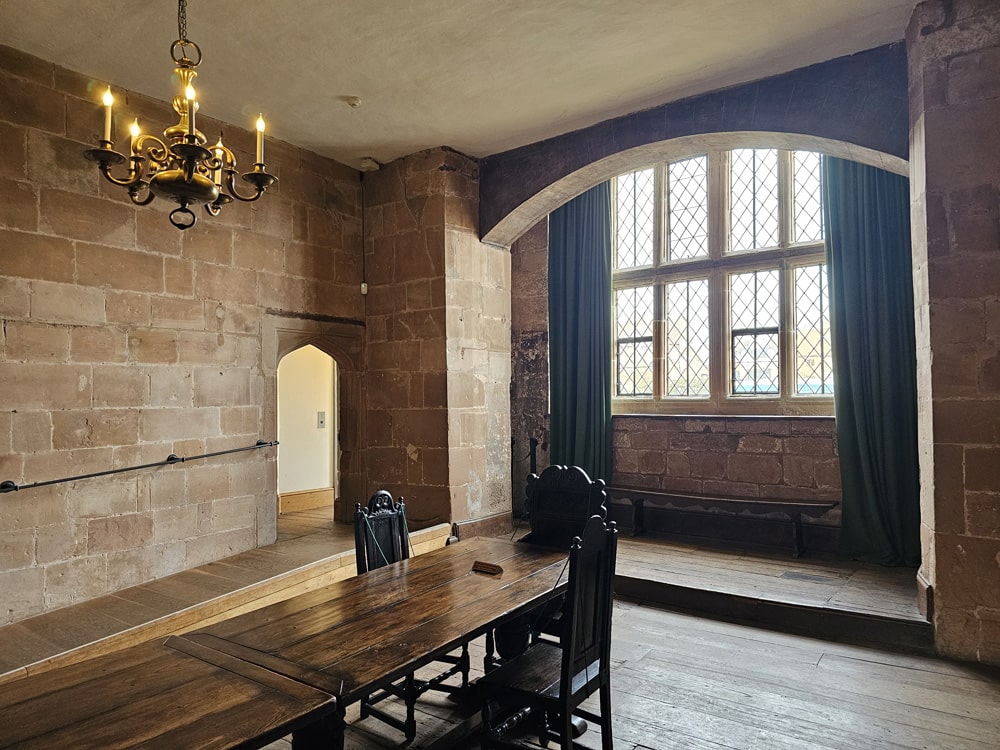
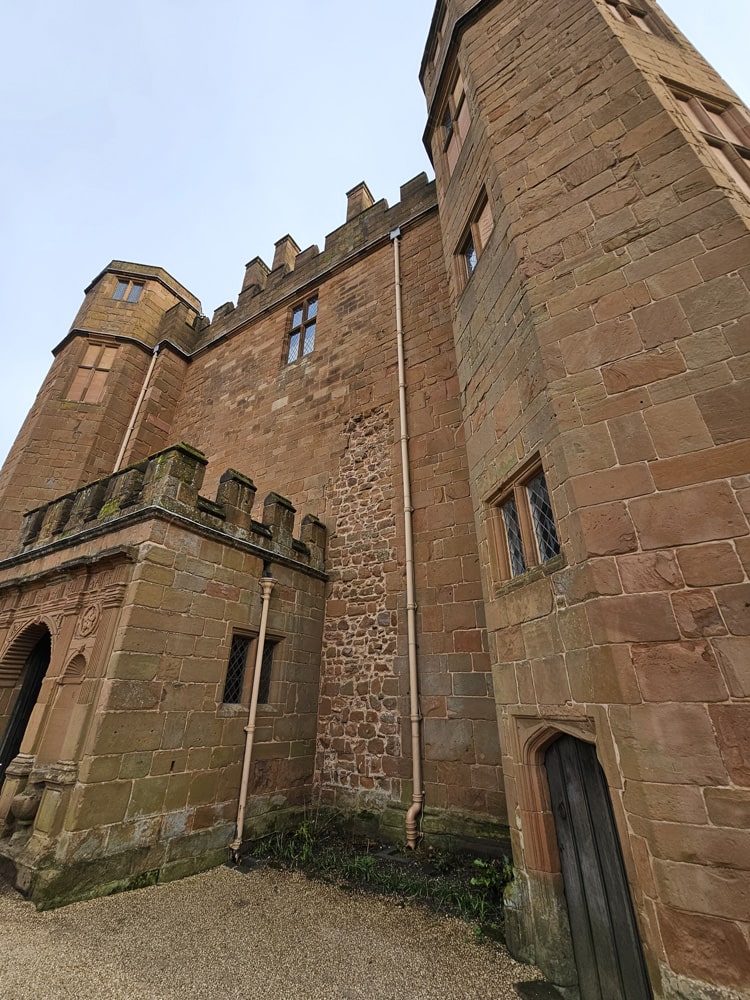
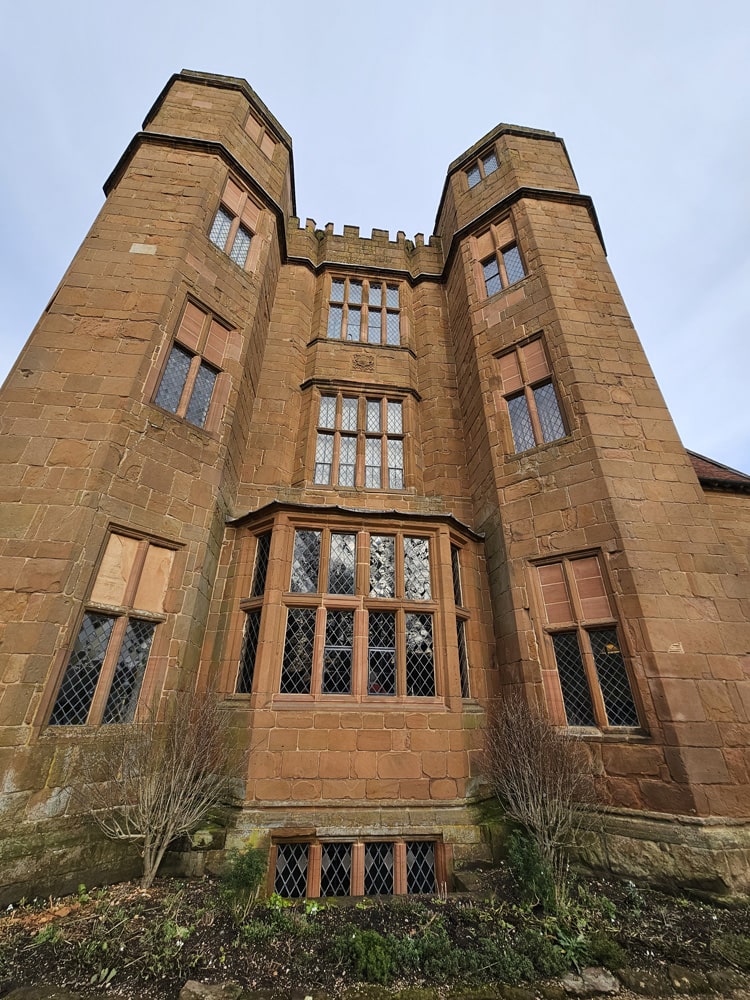
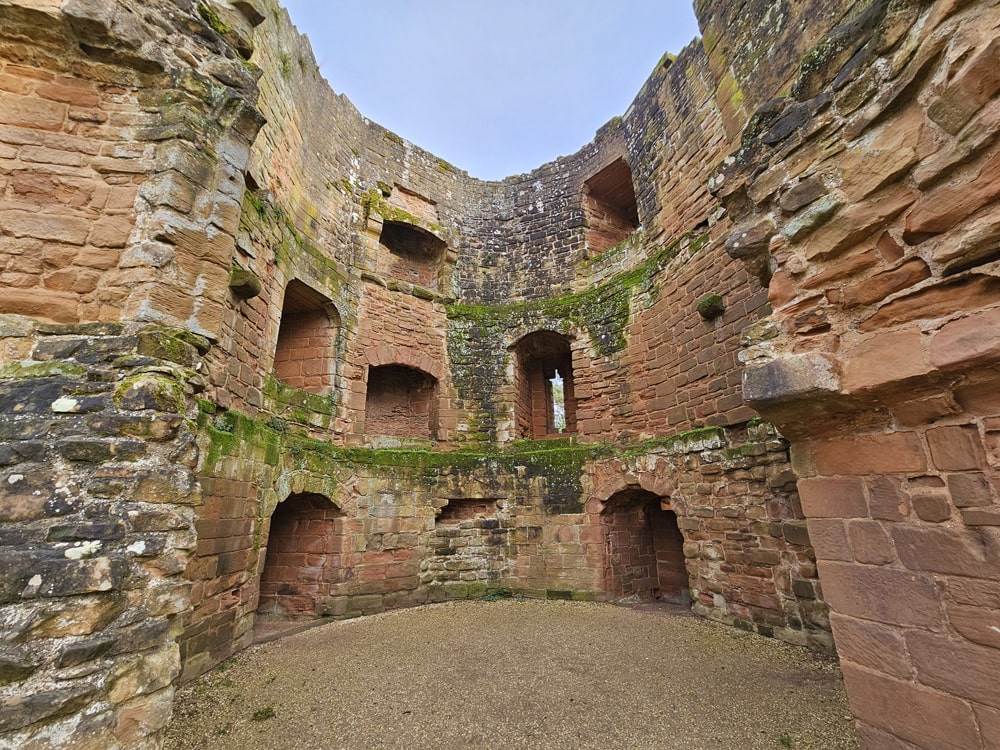
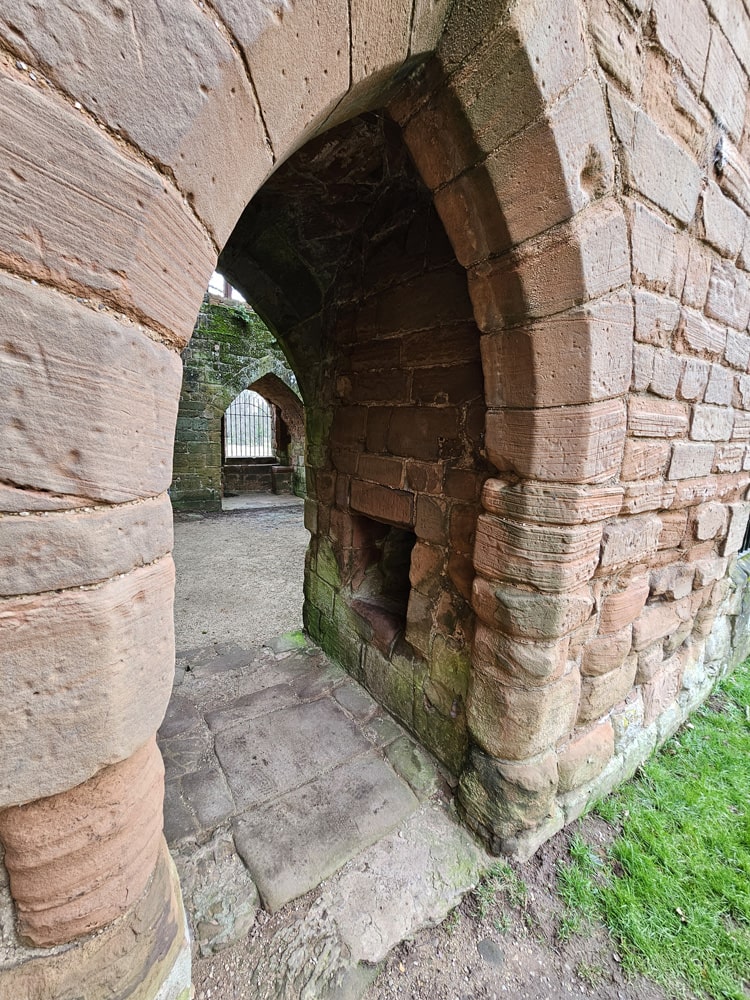
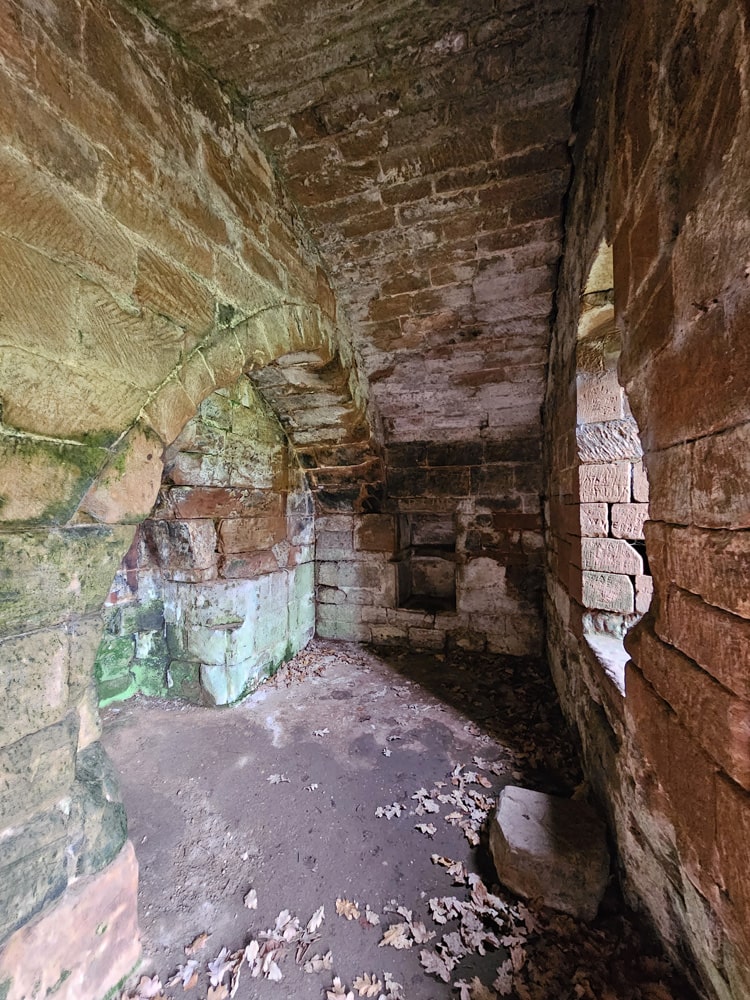
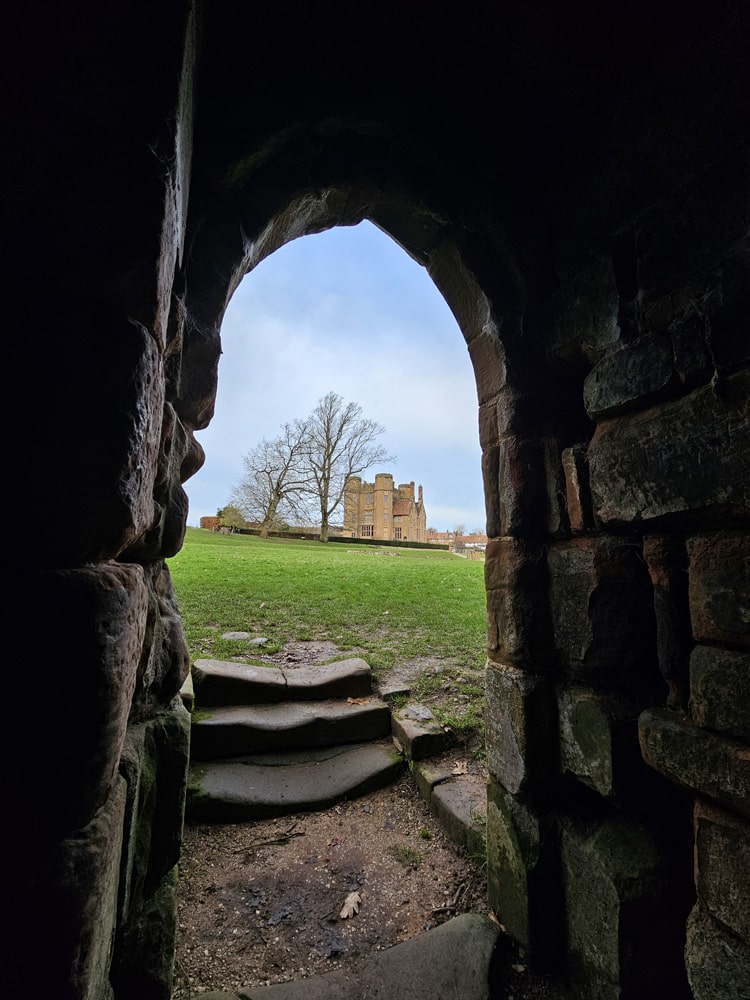
Although the castle’s fortifications were dismantled and it was left to decay, many of the buildings remain unaltered since the reign of Elizabeth I, and the spectacular surviving ruins reveal much of Kenilworth’s medieval and Tudor past. Today you can explore the mighty medieval keep, climb up Tudor towers, and wander through the unique Elizabethan garden.
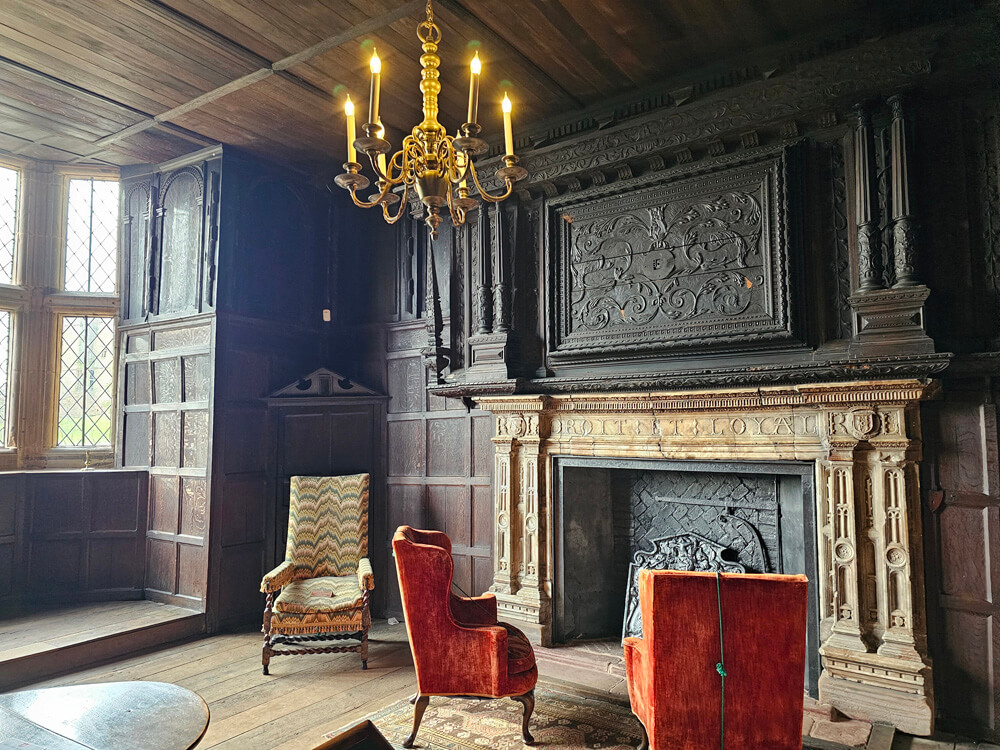
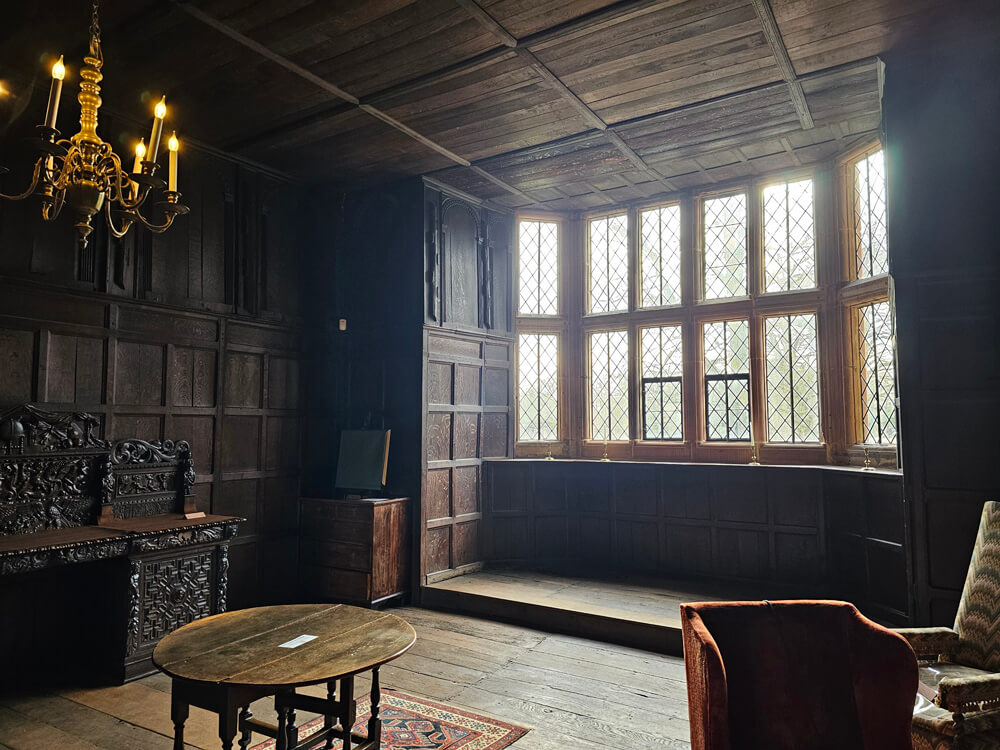
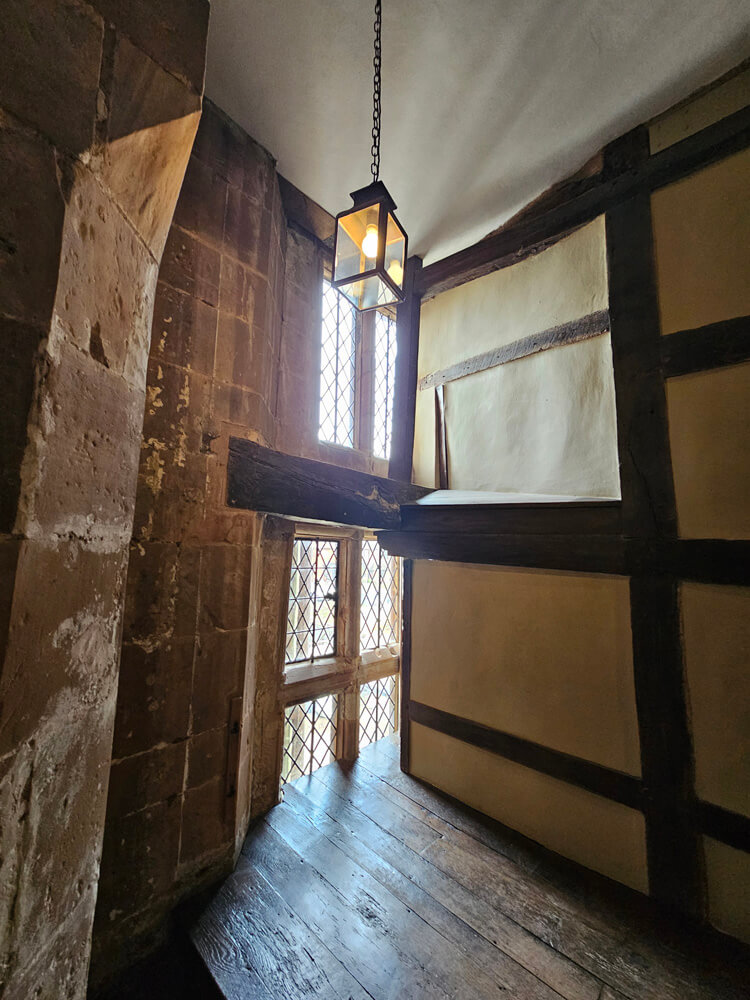
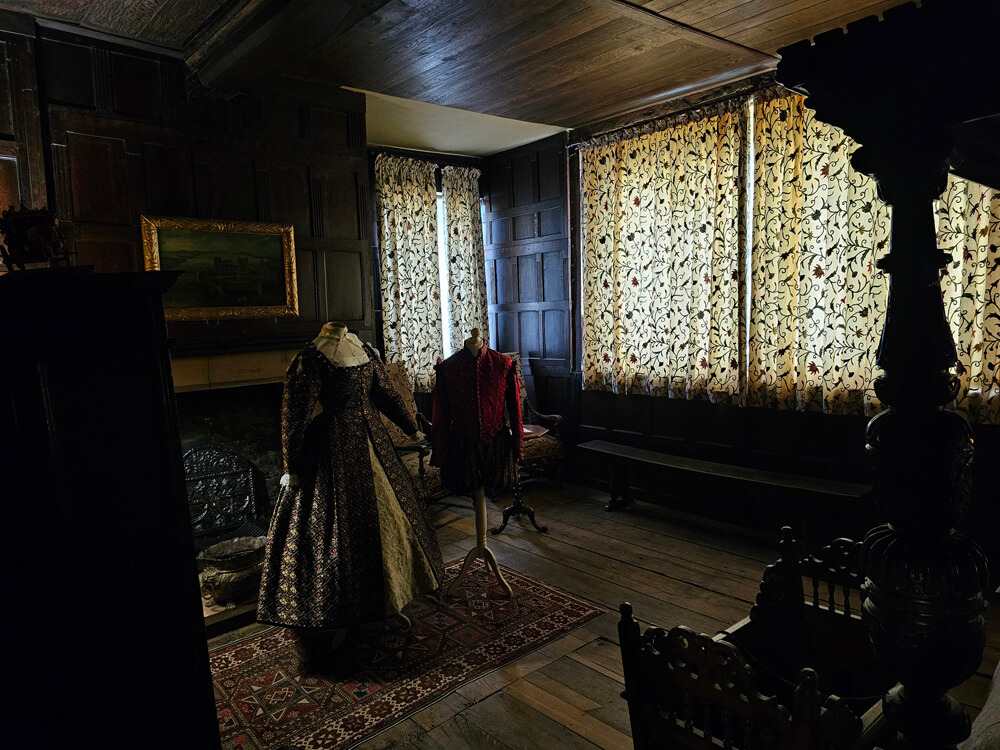
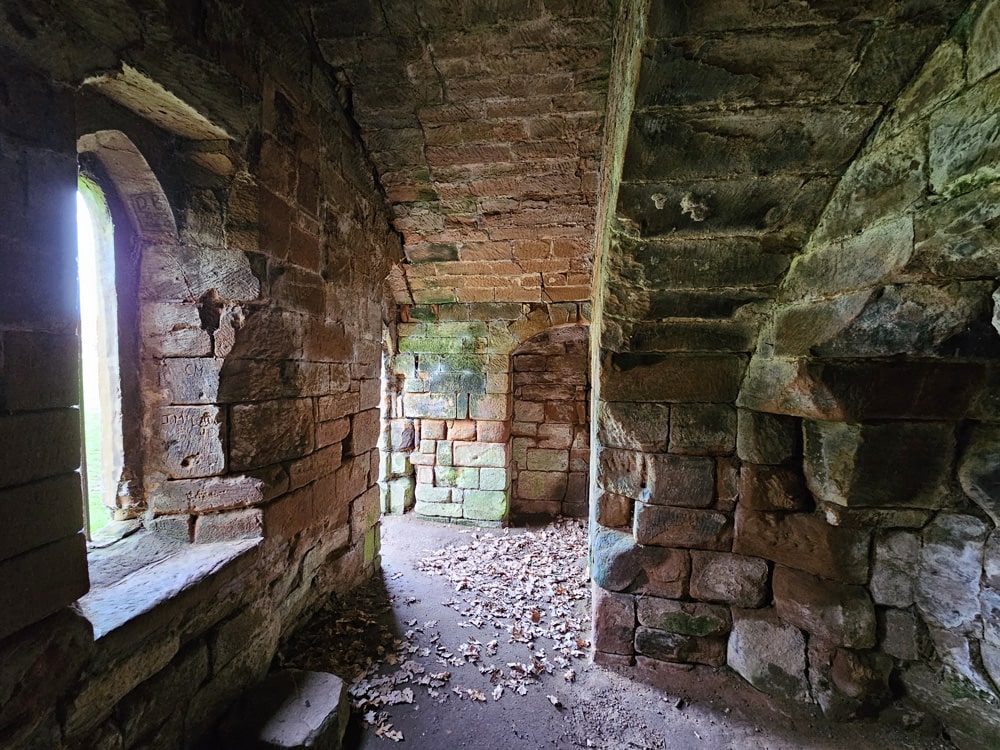
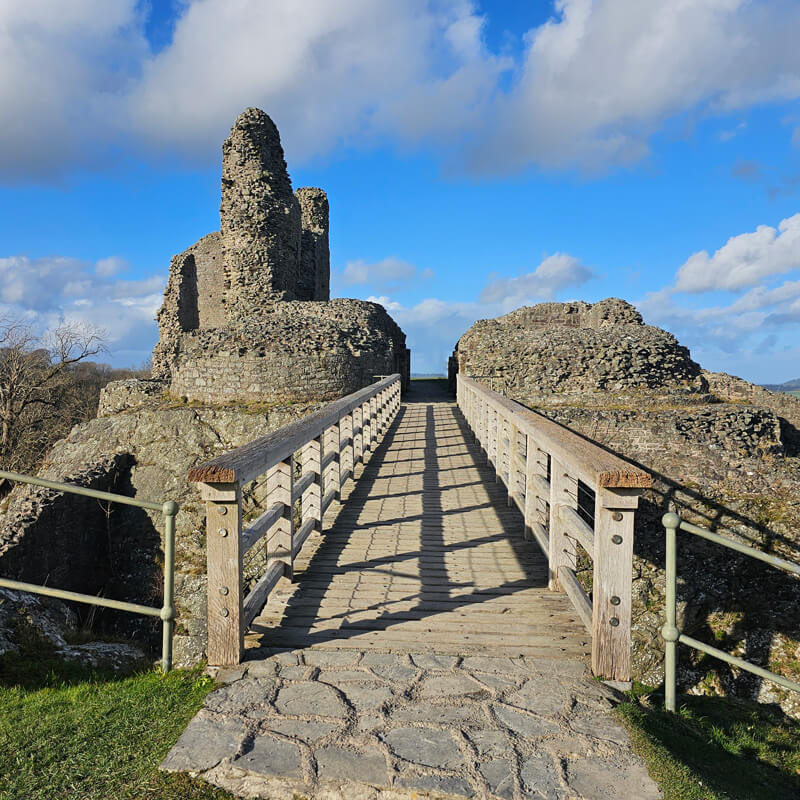
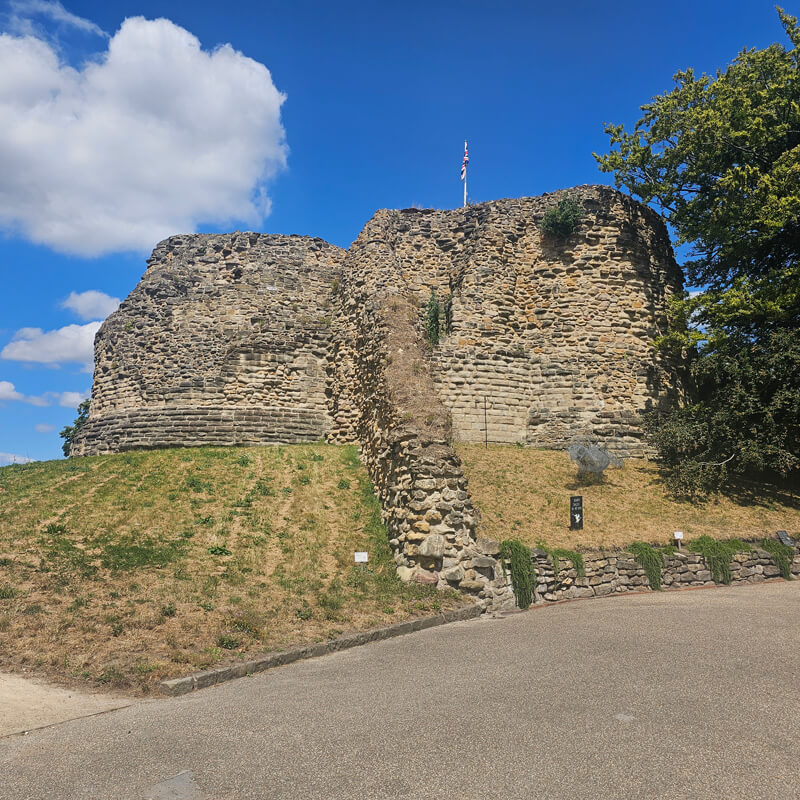
Photo Gallery.
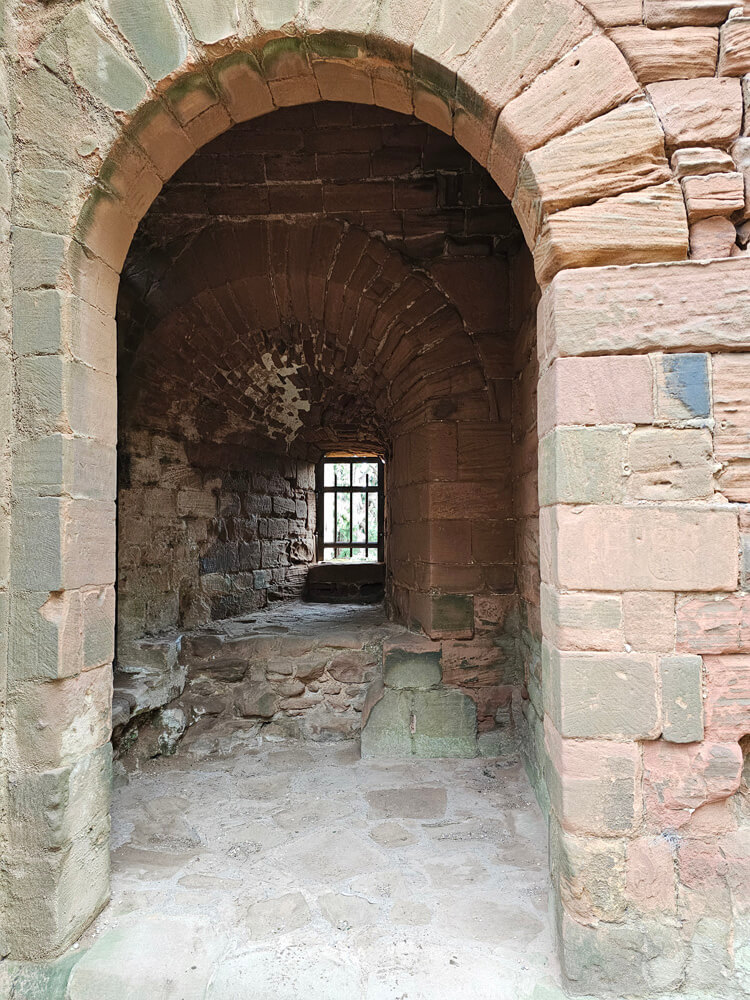
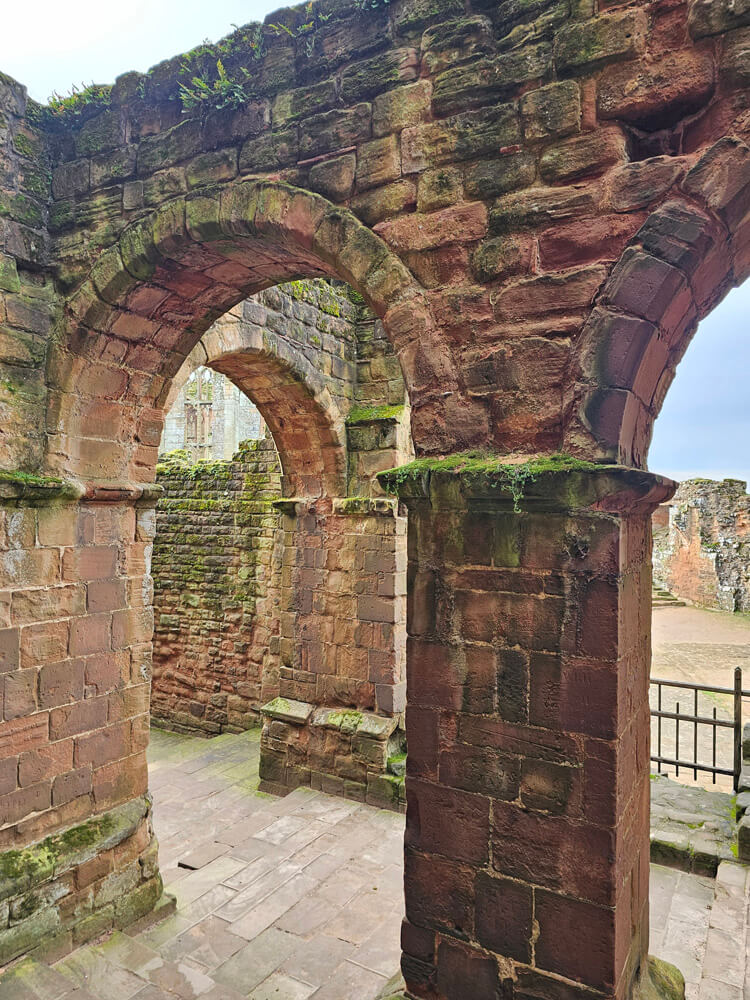
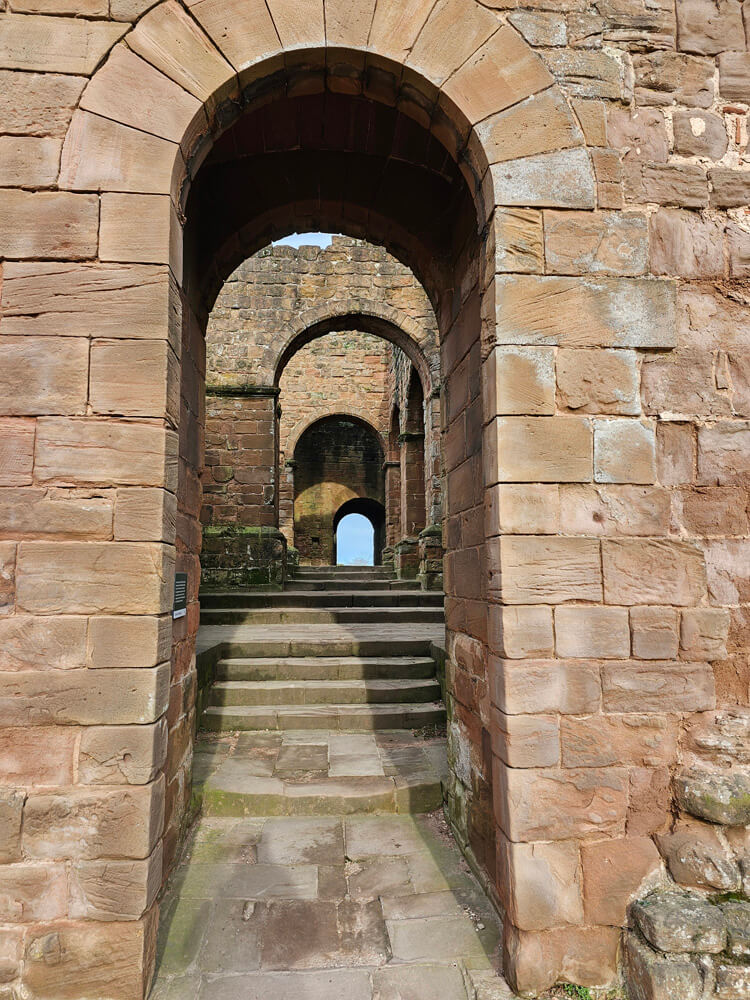
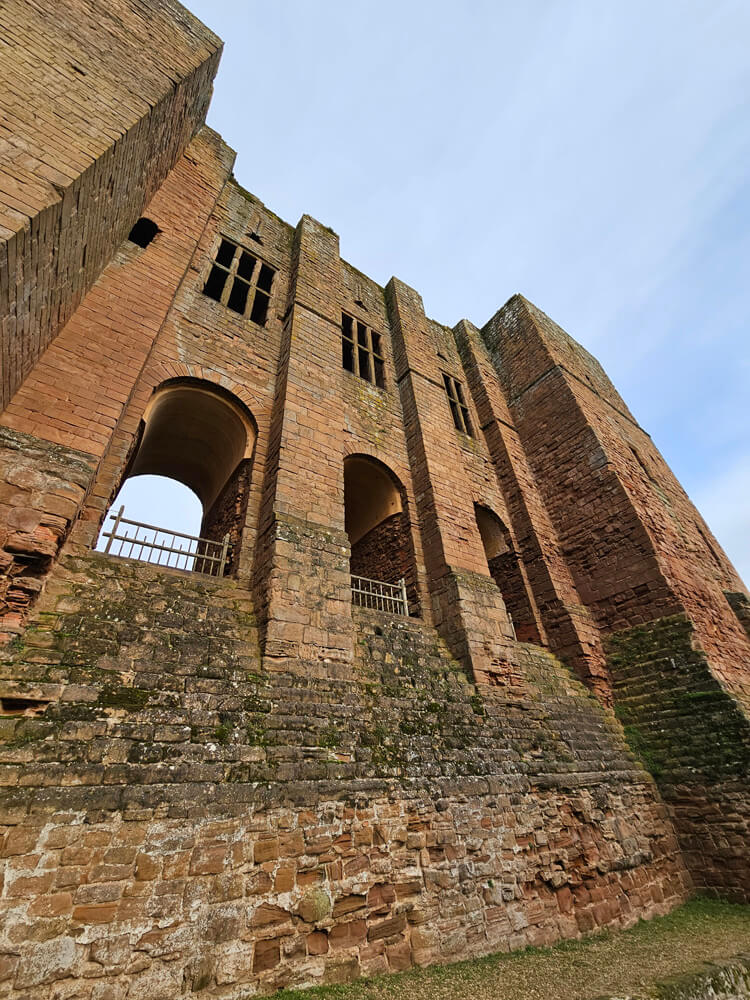
Did you enjoy this post?
I hope you found this post useful. I put a great deal of time and effort in to building, maintaining and populating the website. If you like, you could say a small thank you by buying me a coffee. You don't have to, but it would be nice :)
Buy me a coffee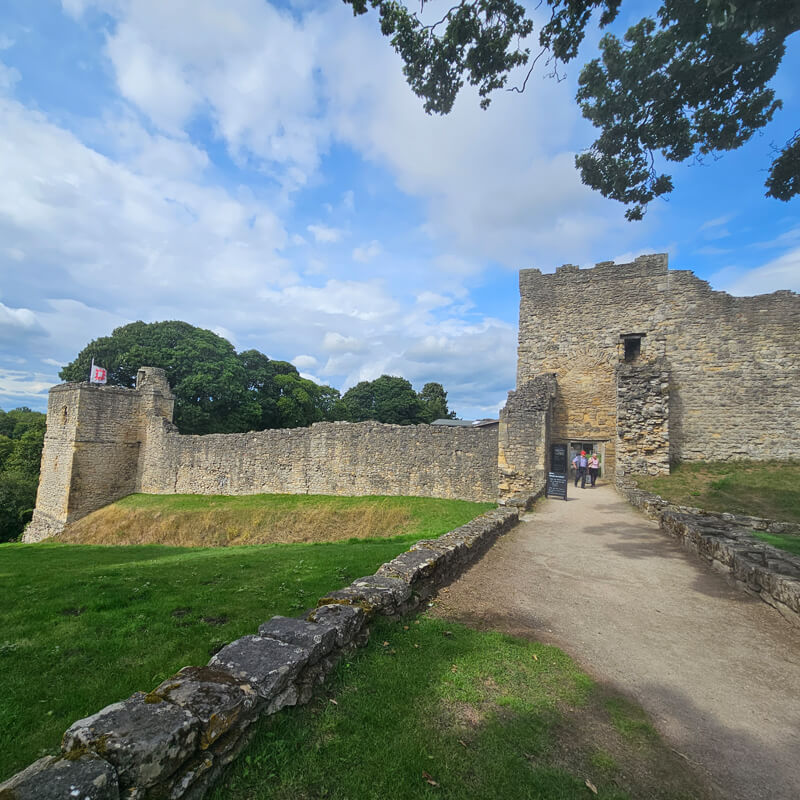
Stay up to Date
Follow me on my journey and get notified whenever a new post is published by following Kings & Castles on Facebook.
Follow MeExplore The Map
Discover the hundreds of castles, churches, monasteries, cathedrals and other historic locations that I've personally visited across England and Wales. Search by location, explore nearby sites and plan your next historical adventure.
Share: