The Medieval Town of Glastonbury
Glastonbury is steeped in history, legend and myth. For centuries Glastonbury has been one of England’s most sacred places of spirituality and pilgrimage.
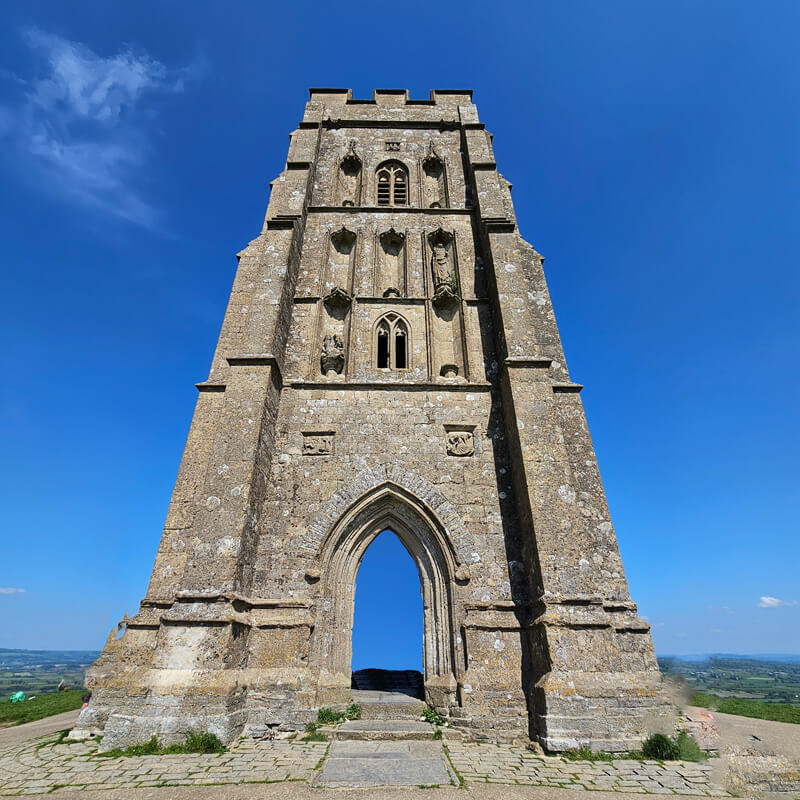
Famous for its abbey and tower-topped Tor, this cradle of Christianity is also believed to be the burial place of King Arthur.
The name Glastonbury is derived from Old English, maybe a mixture of Old English and Celtic. When the settlement is first recorded in the Middle Ages, in the 7th and the early 8th century, Glastonbury was called Glestingaburg. The “burg” element is Old English and could refer either to a fortified place such as a burh or, more likely, a monastic enclosure.
Archaeological evidence from timber trackways show that Glastonbury has been inhabited since Neolithic times. 2,000 years ago much of Somerset’s landscape was covered by wetlands, and excavations have revealed the remains of an Iron Age village built on an artificial platform that was reached by boat on a network of wooden tracks laid across the marshland.
Legend says that the earliest church in Glastonbury was founded by St Joseph of Arimathea in about 60 AD, when followers of Christ settled here within the 1st century and built “The Old Church”.
Today, Glastonbury is famous for its annual music festival, however, those of us who have an interest in the town’s history have some fascinating historical sites to explore, including Glastonbury Abbey, Glastonbury Tor, St. Margaret’s Chapel & Magdalene Almshouses, St John the Baptist Church, and Glastonbury Tribunal.
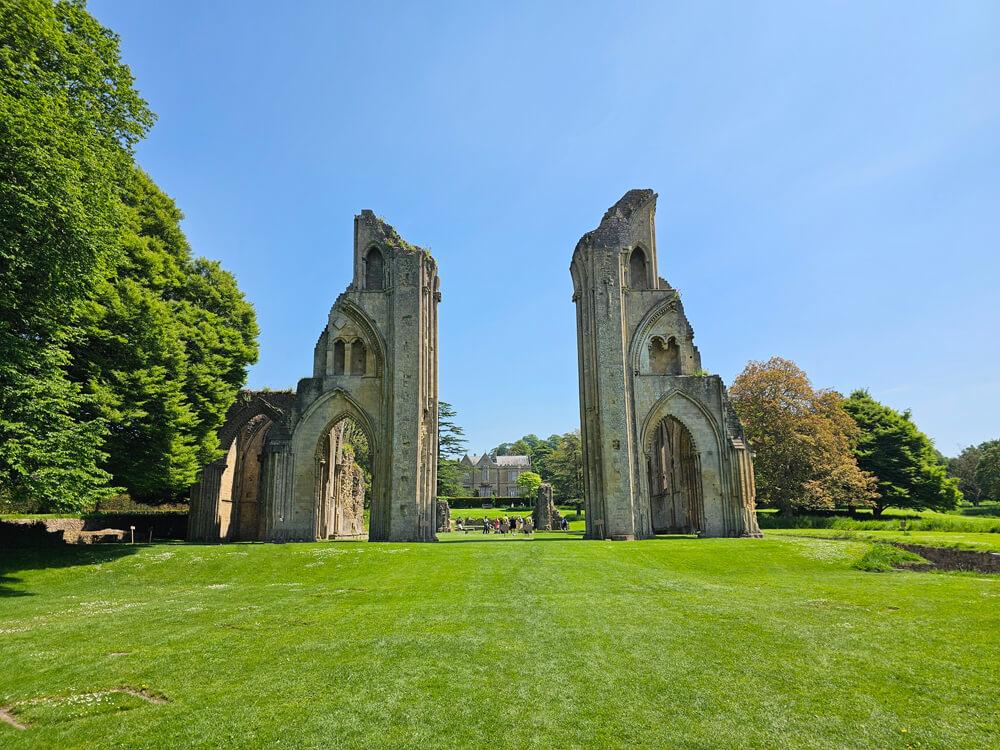
Glastonbury Abbey
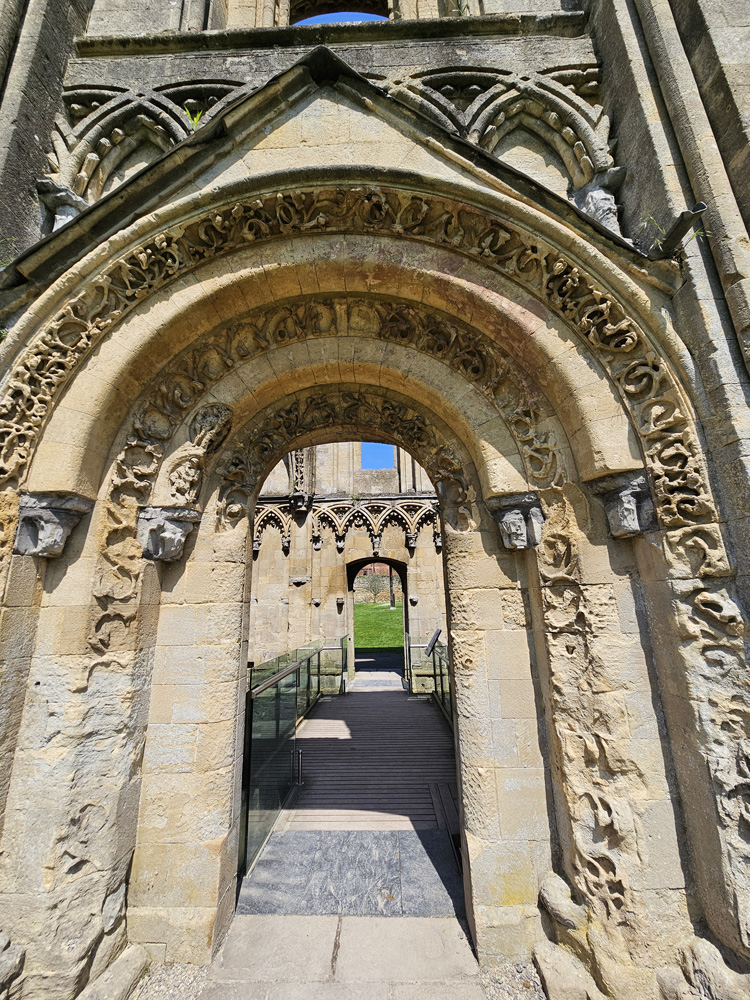
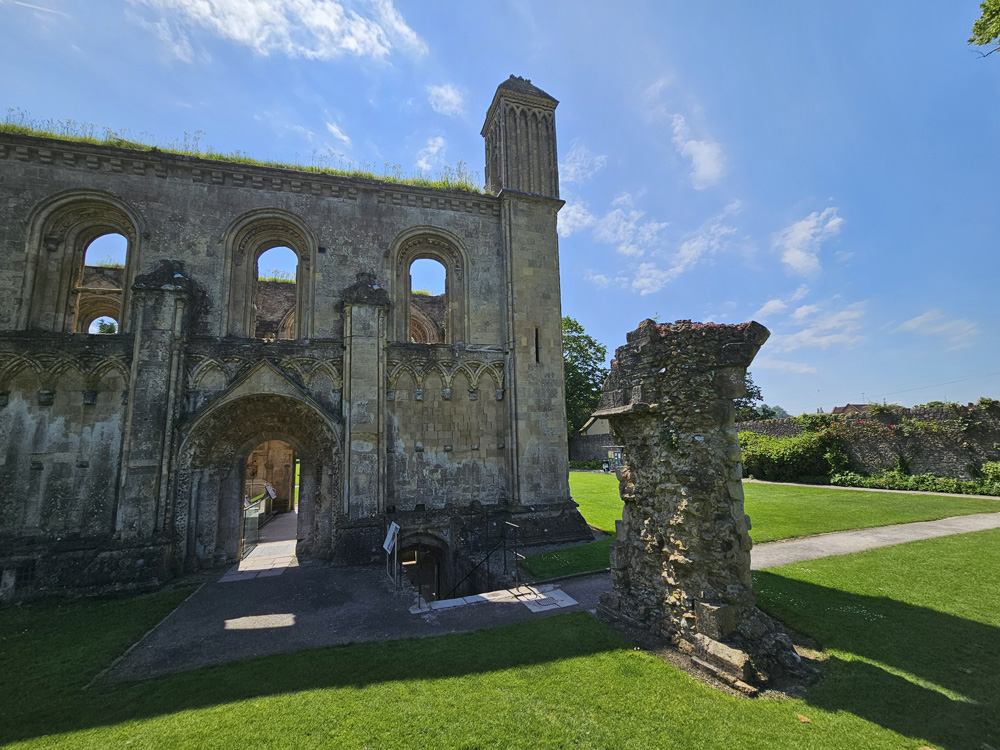
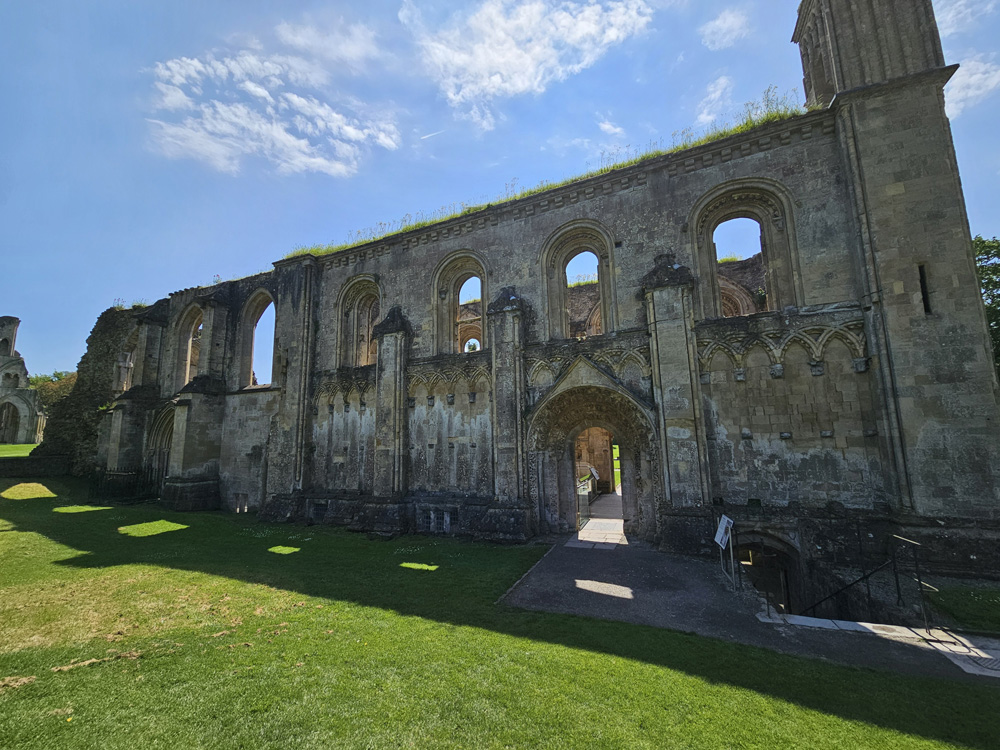
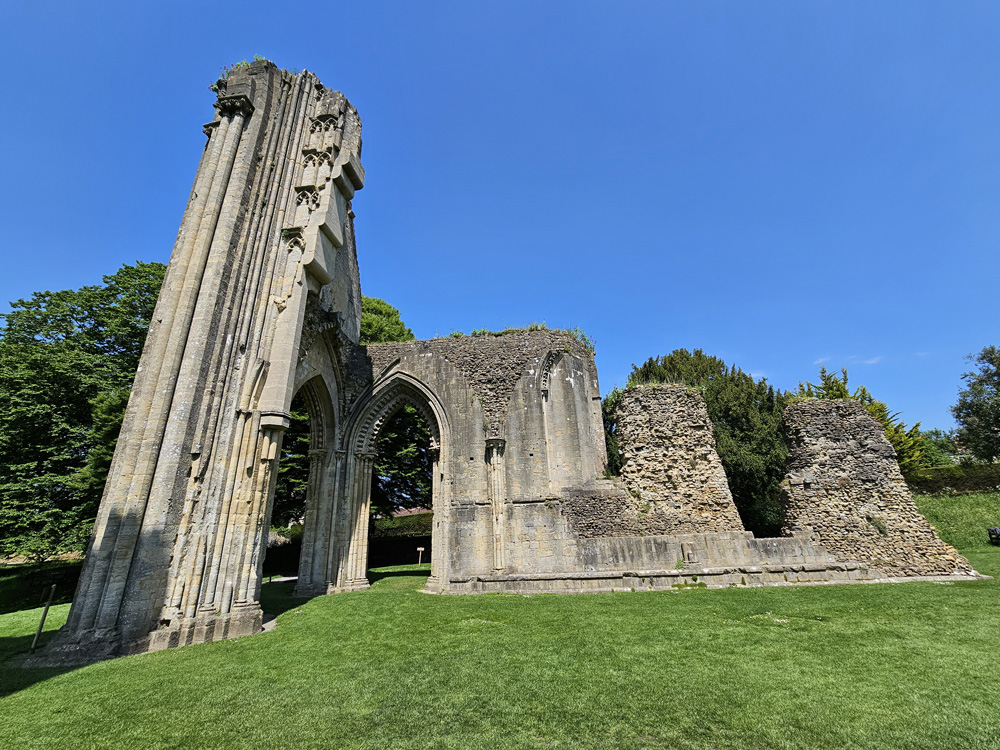
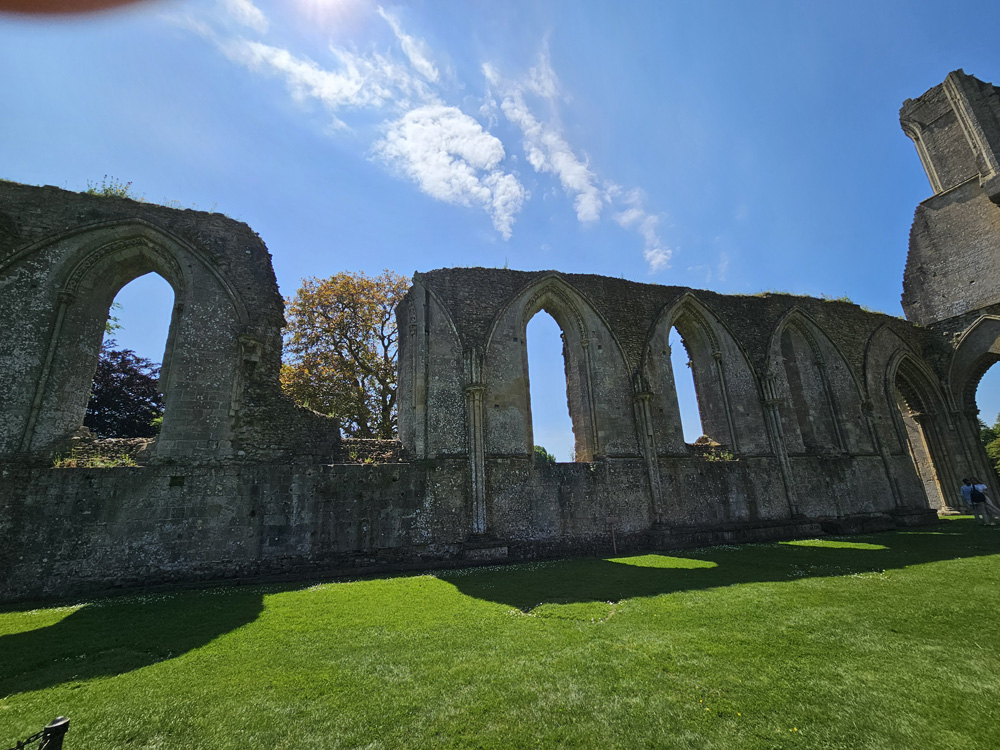
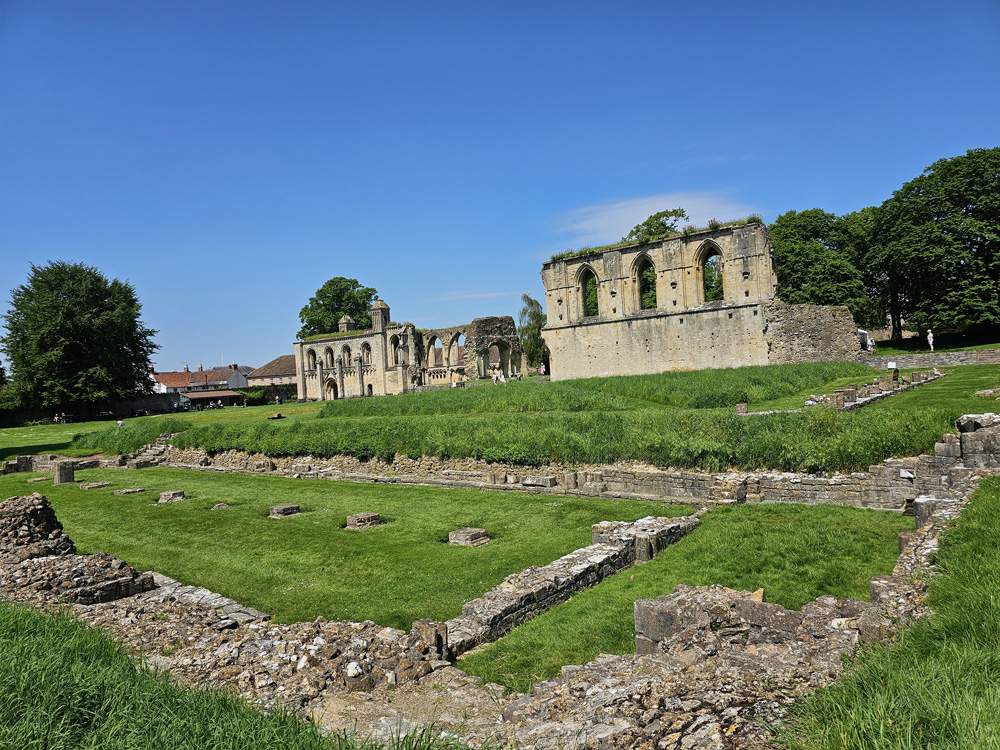
Founded in the 8th century by King Ine of Wessex, Glastonbury Abbey is one of the most important medieval heritage sites in the UK. Since Medieval times, the abbey has held legendary status as the earliest Christian foundation in Britain. Legend says that it is the burial place of King Arthur and Queen Guinivere. Today the Abbey is a tranquil setting with many impressive ruins to explore, including The Lady Chapel, Arthur and Guinevere tomb site, The Abbot’s Kitchen, and St Mary’s Chapel.
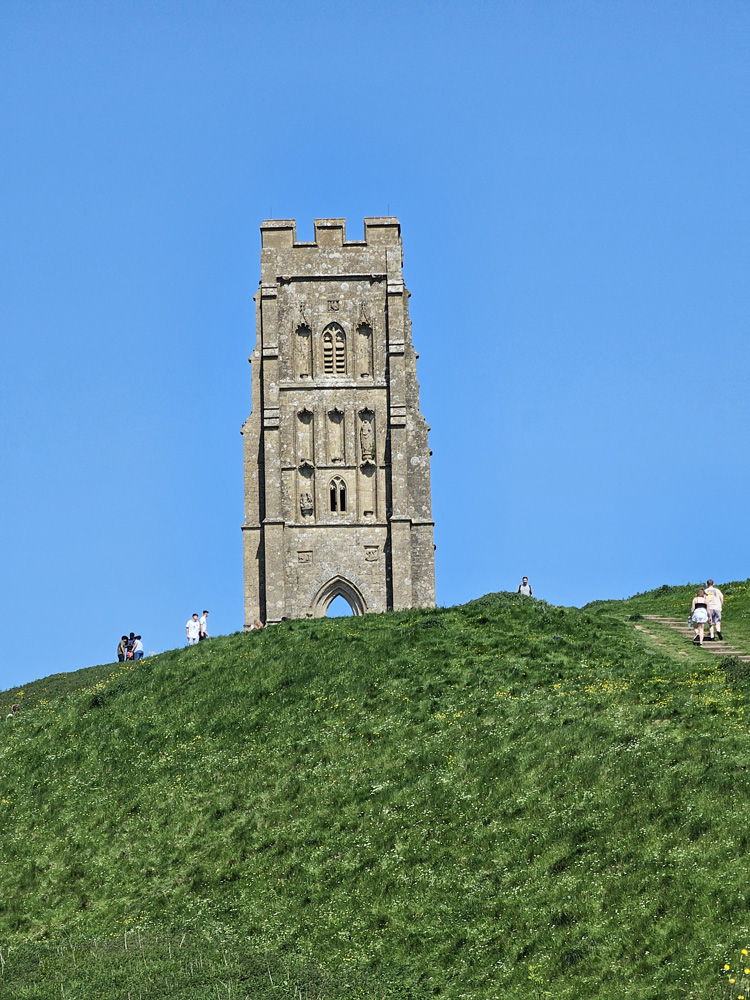
Glastonbury Tor
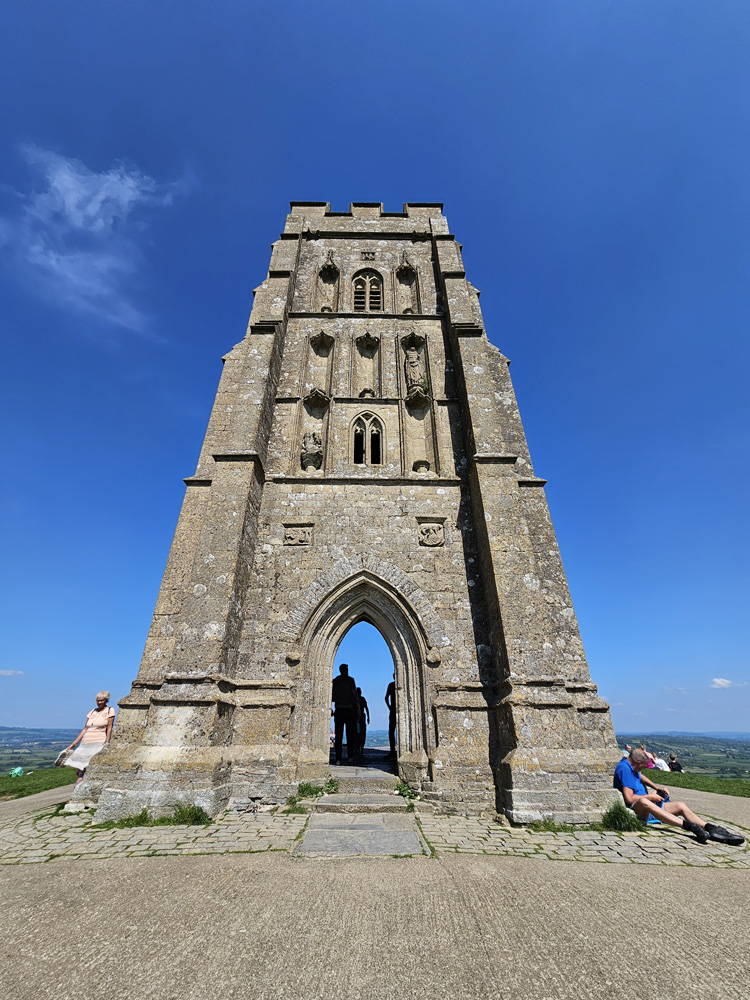
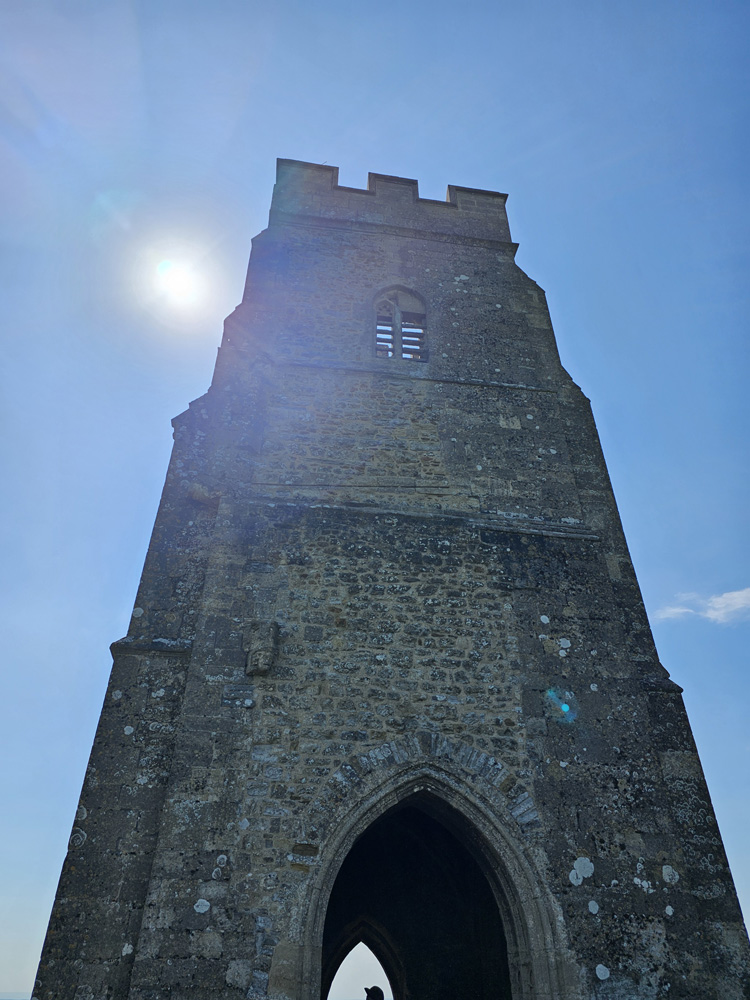
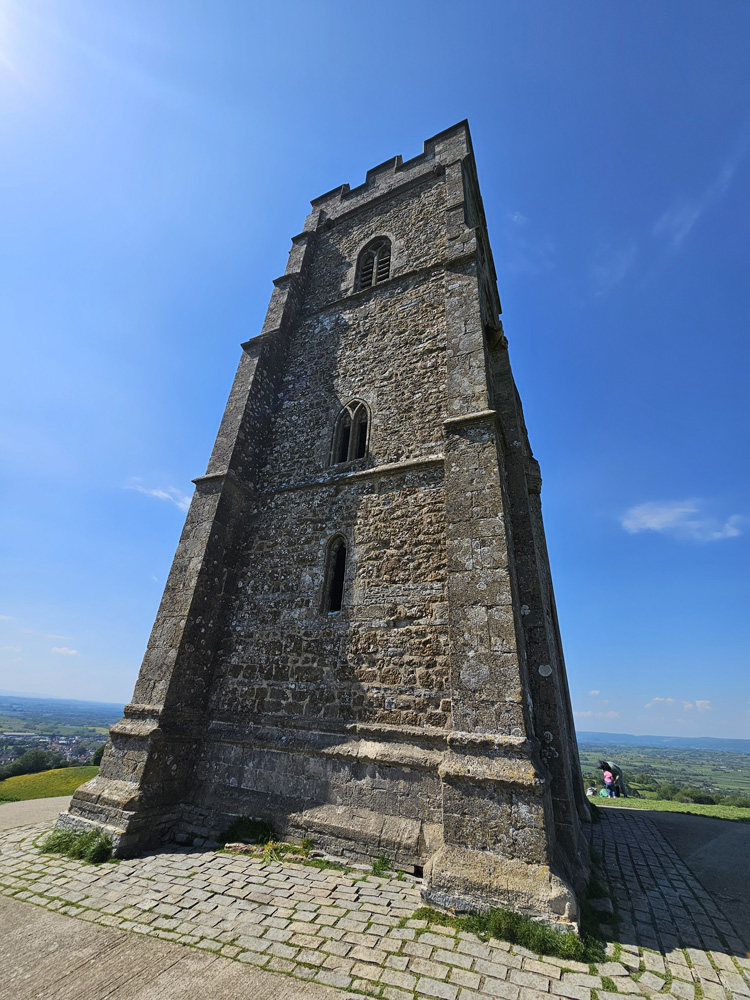
Glastonbury Tor is one of the most famous landmarks in Somerset, if not the whole of the West Country. Overlooking Glastonbury and Somerset, this iconic hill, topped by the roofless St Michael’s Tower, has been a spiritual magnet for both Pagans and Christians for centuries. The hill rises over 500 feet above the surrounding land and rewards those on the top with a stunning 360-degree view.
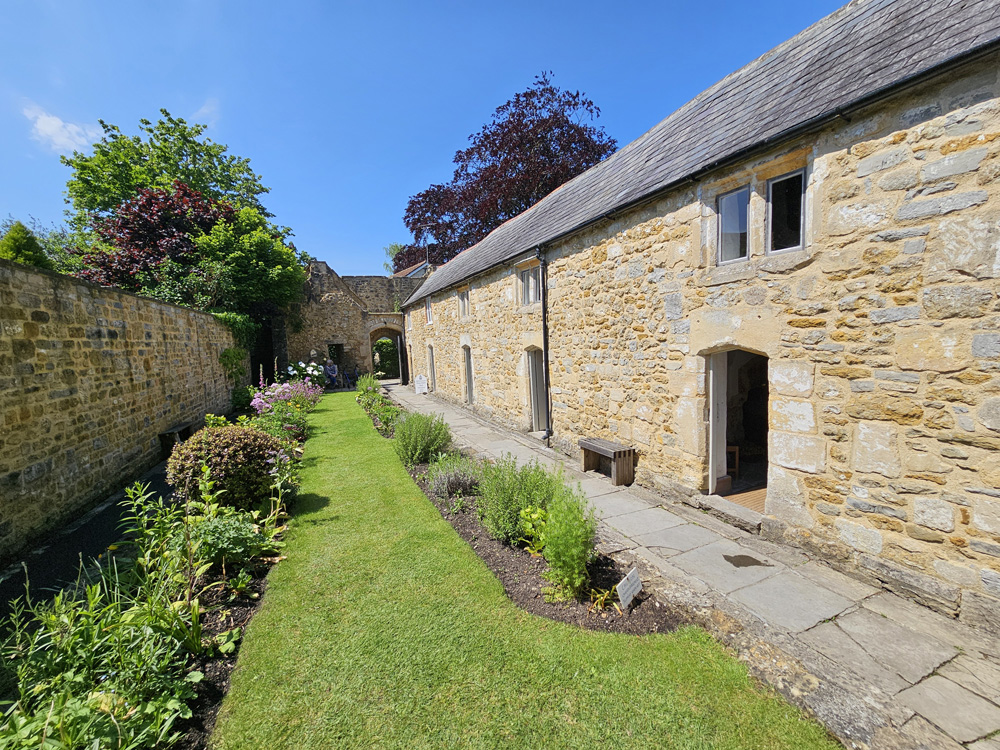
St. Margaret’s Chapel & Magdalene Almshouses
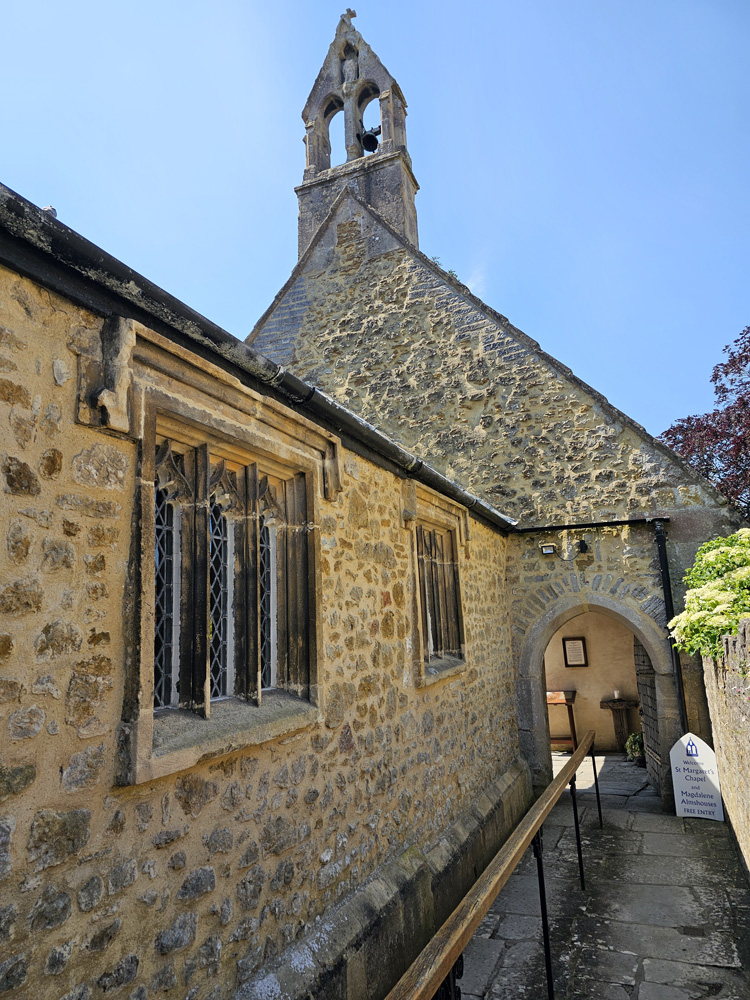
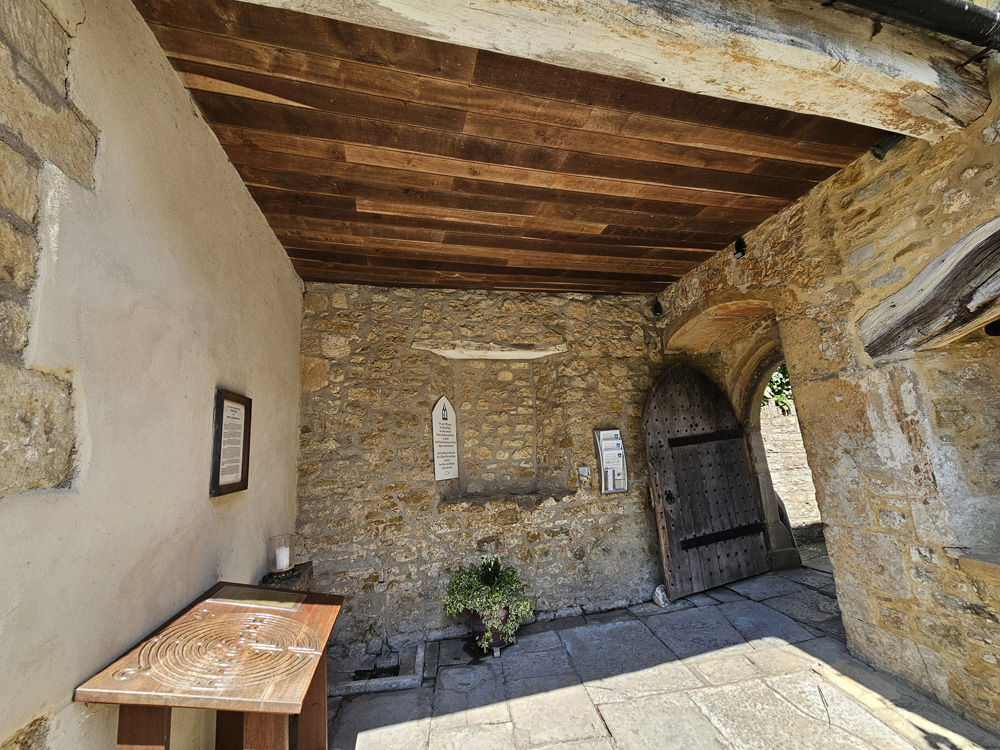
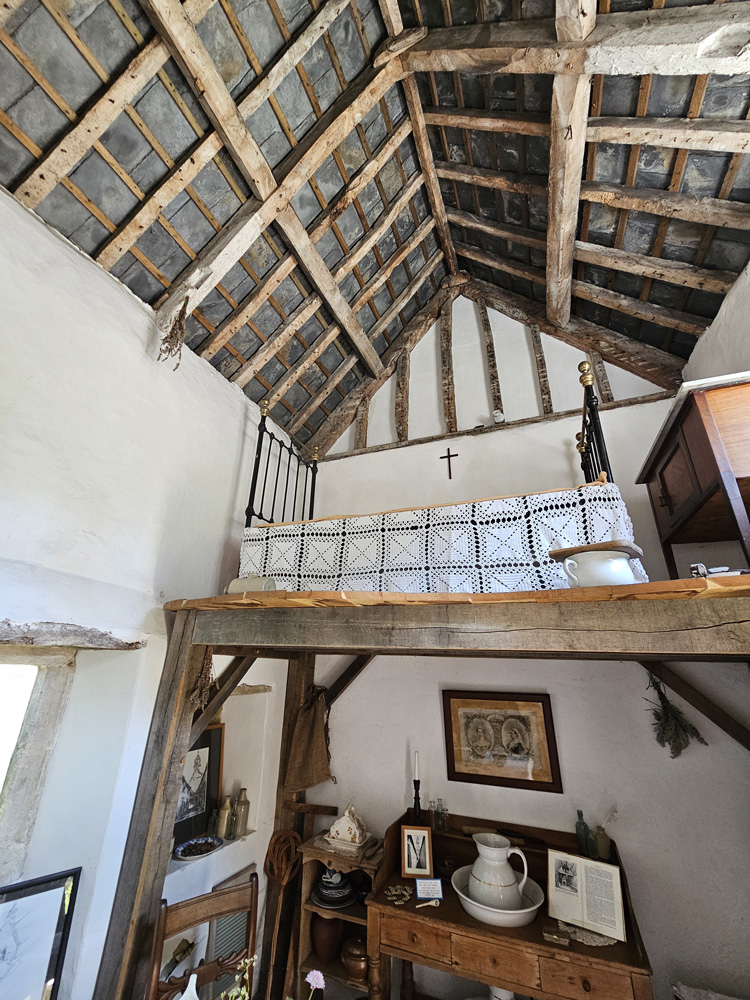
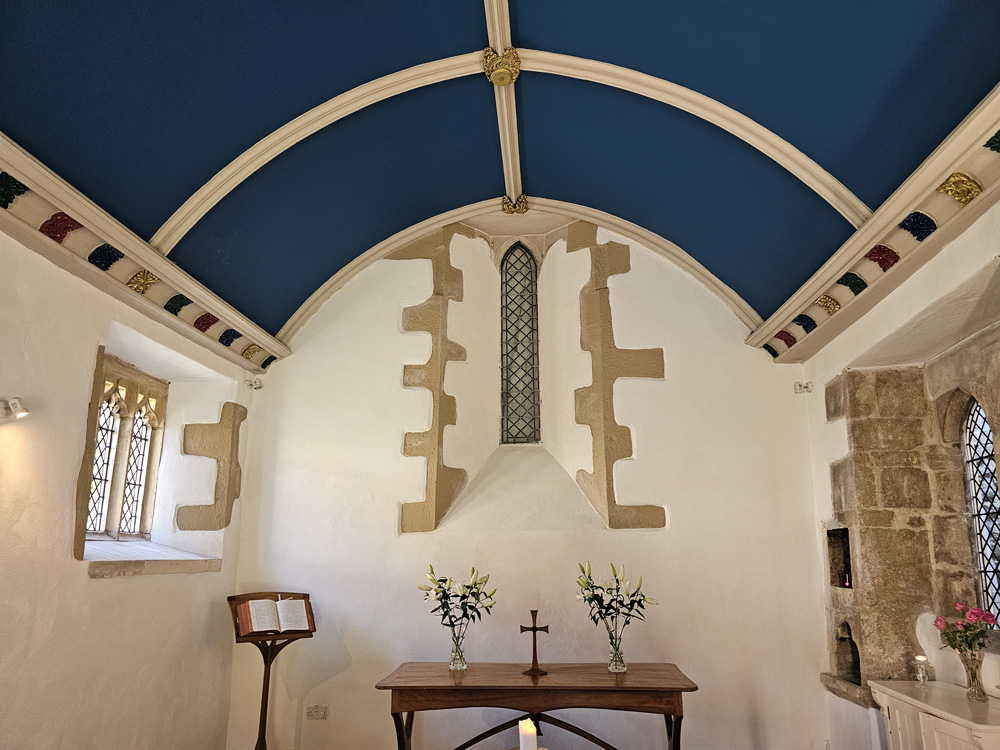
Situated in a small, secluded site in a conservation area off Magdalene Street in Glastonbury, St. Margaret’s Chapel and Magdalene Almshouses is one of Glastonbury’s hidden gems dating back to the 11th century. Originally the site of a pilgrim’s hospital, the almshouses have been furnished to get a sense of life here in the 16th century, and the chapel has been sympathetically and beautifully restored.
St John the Baptist Church
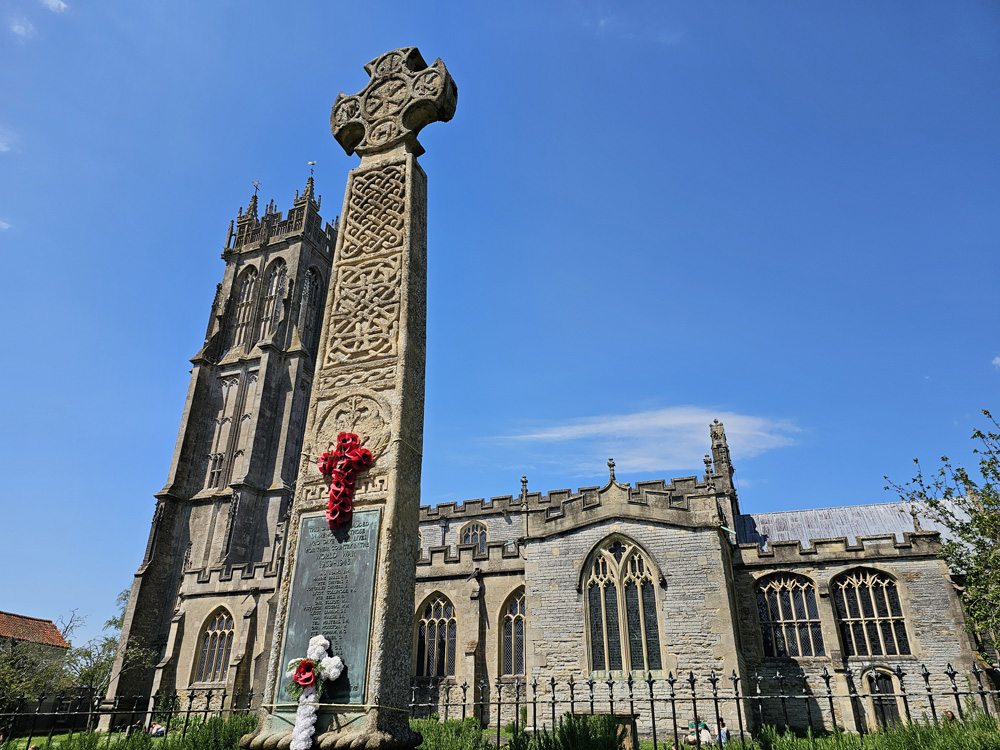
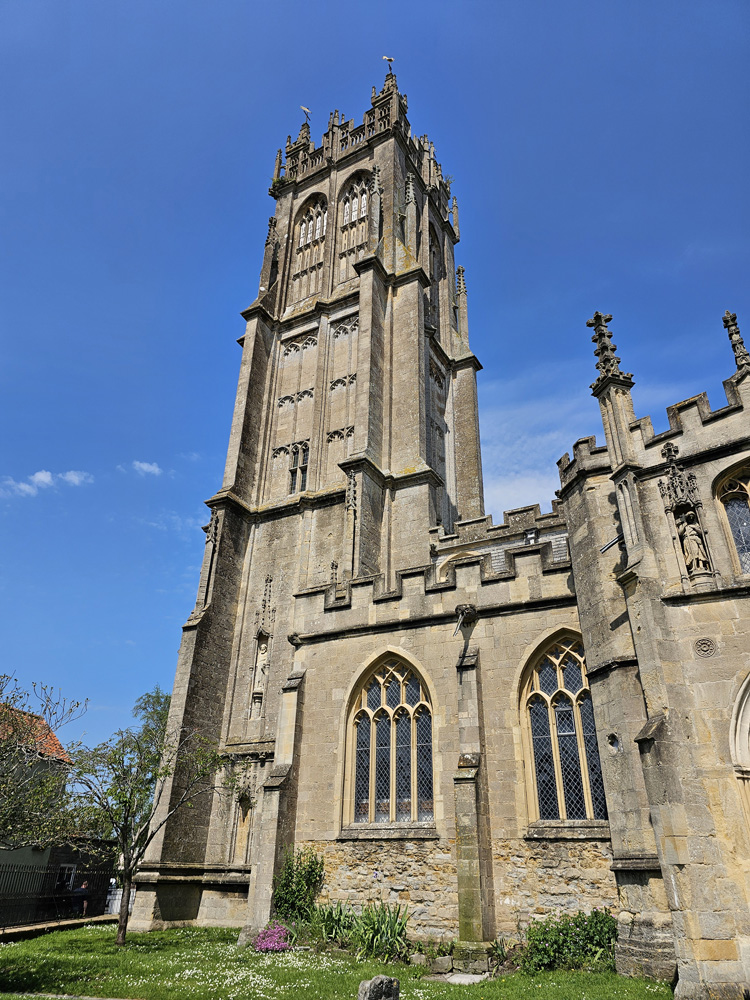
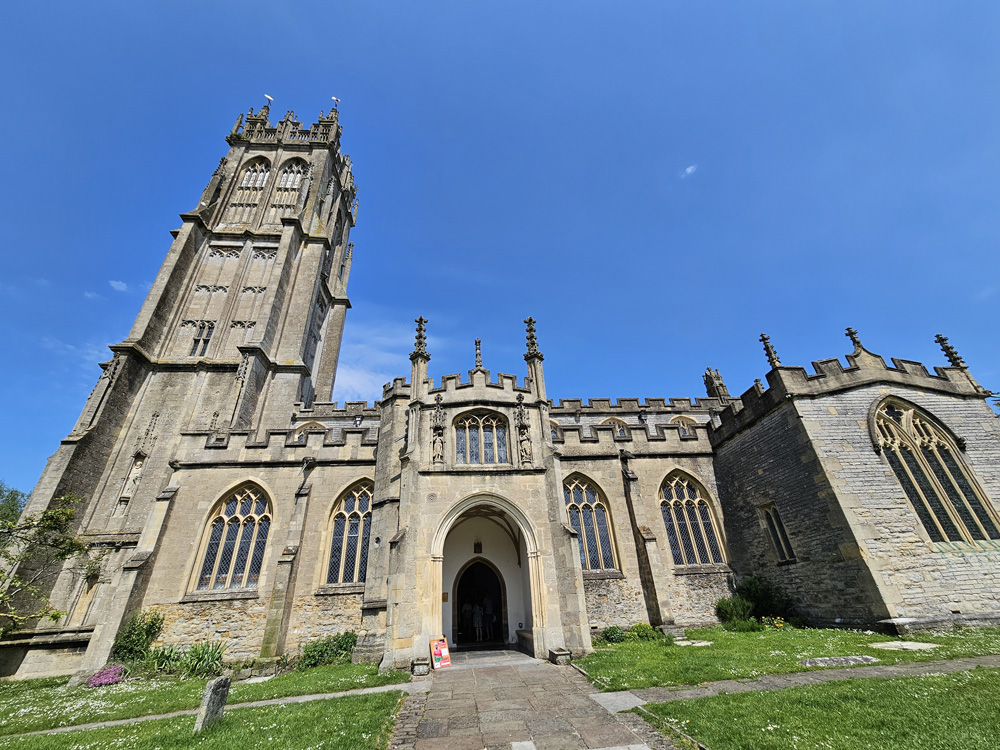
The Church of St John the Baptist in Glastonbury stands on a Saxon site, with the first church on record dating from 1175. Although it is possible that an even earlier Saxon church existed, built by Saint Dunstan in the 10th century. However, the present church replaced the Norman church and dates from the 15th century, some time around 1428/29. The church was used for shelter by Monmouth’s troops in 1685 during the Monmouth Rebellion.
Glastonbury Tribunal
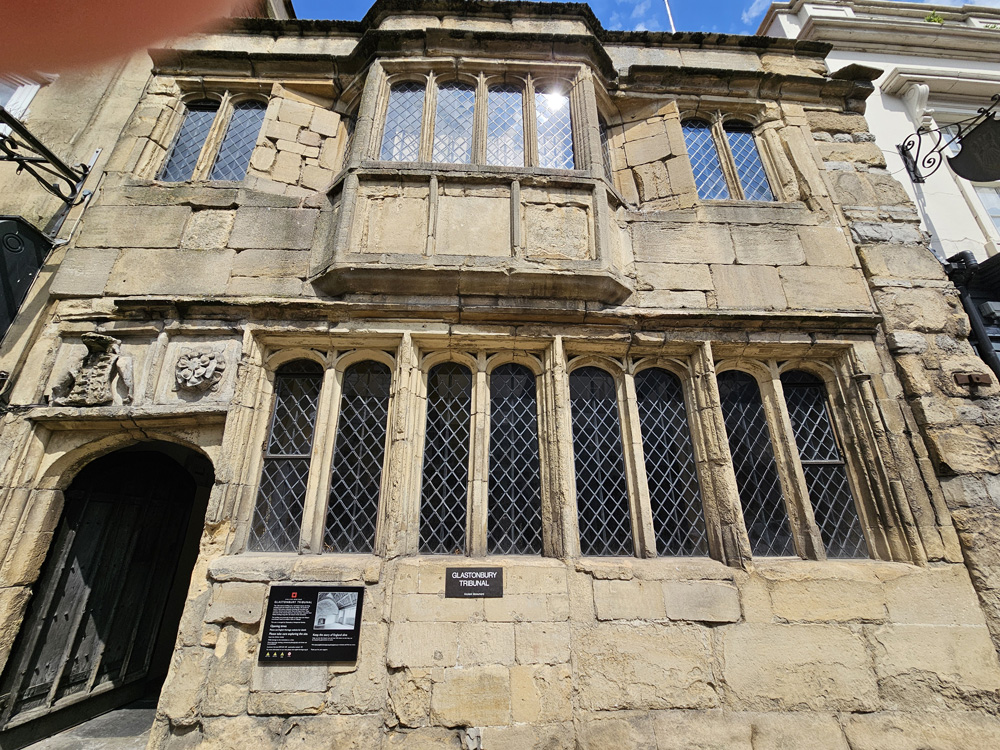
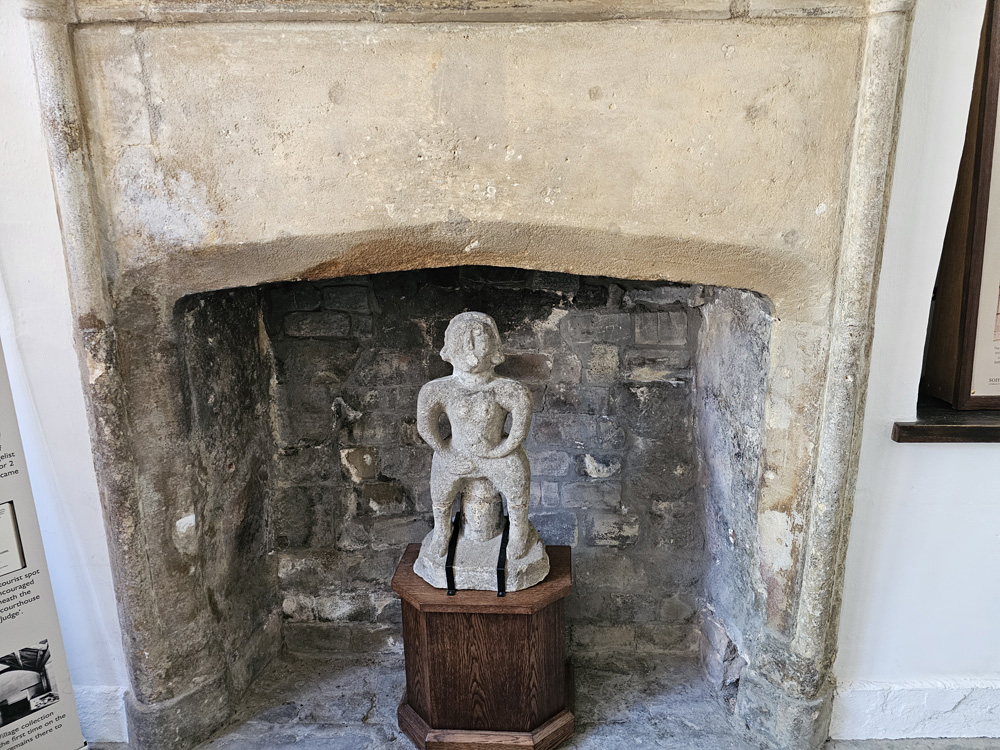
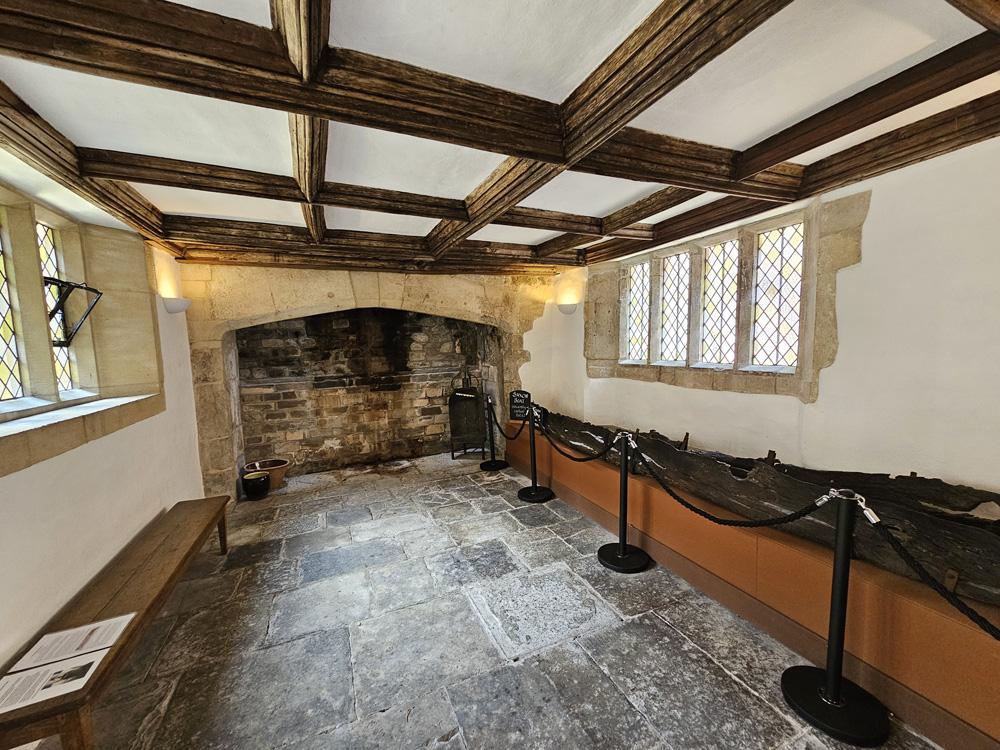
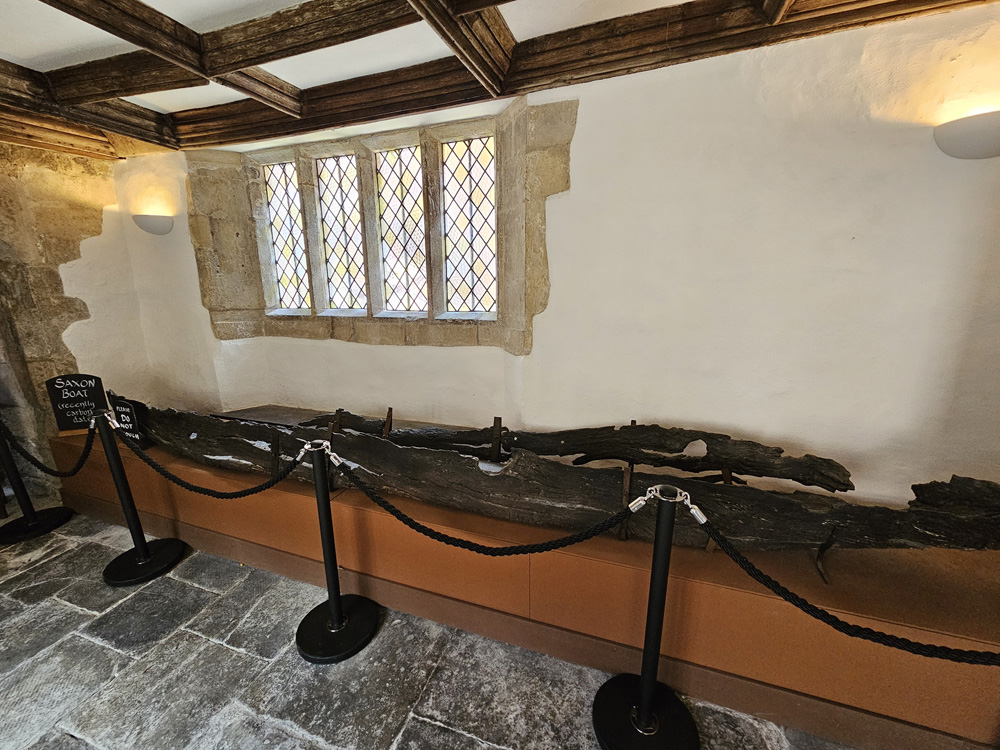
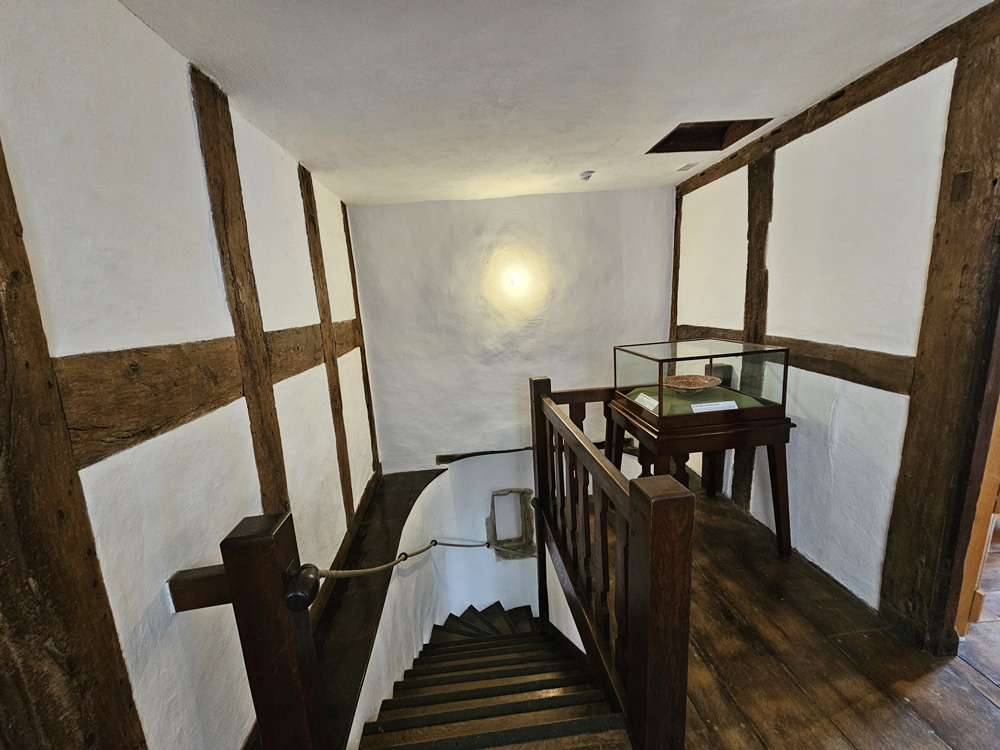
Glastonbury Tribunal is a late 15th-century stone merchant’s house situated on the high street in Glastonbury. Once thought to have been the courtroom of Glastonbury Abbey, it now houses both the Tourist Information Centre and the Glastonbury Lake Village Museum which contains some very interesting archaeological finds, including a 6th- or 7th-century Anglo-Saxon Canoe which is on display in the Tudor Kitchen.
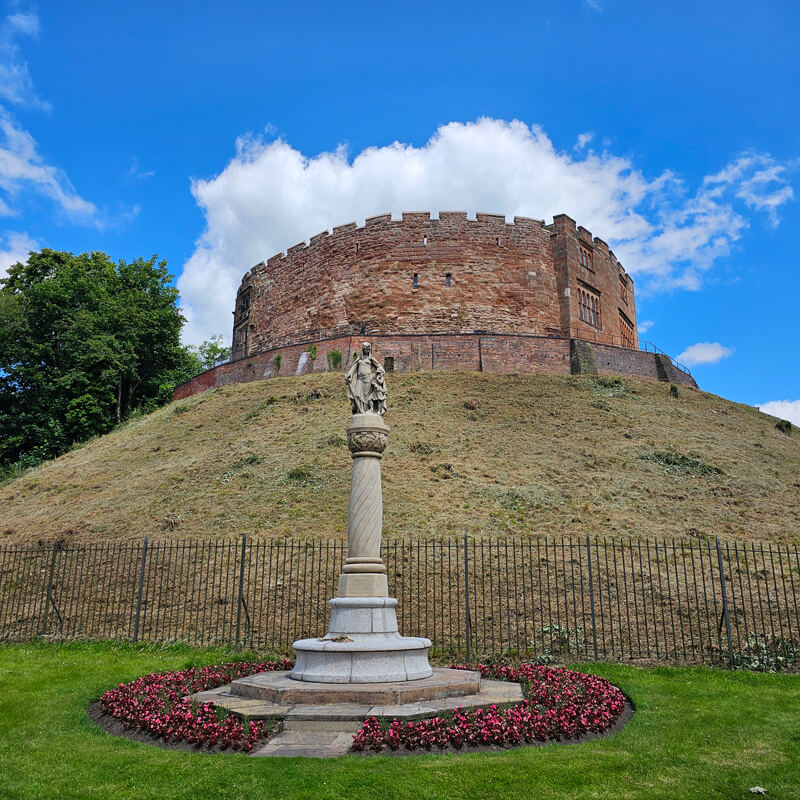
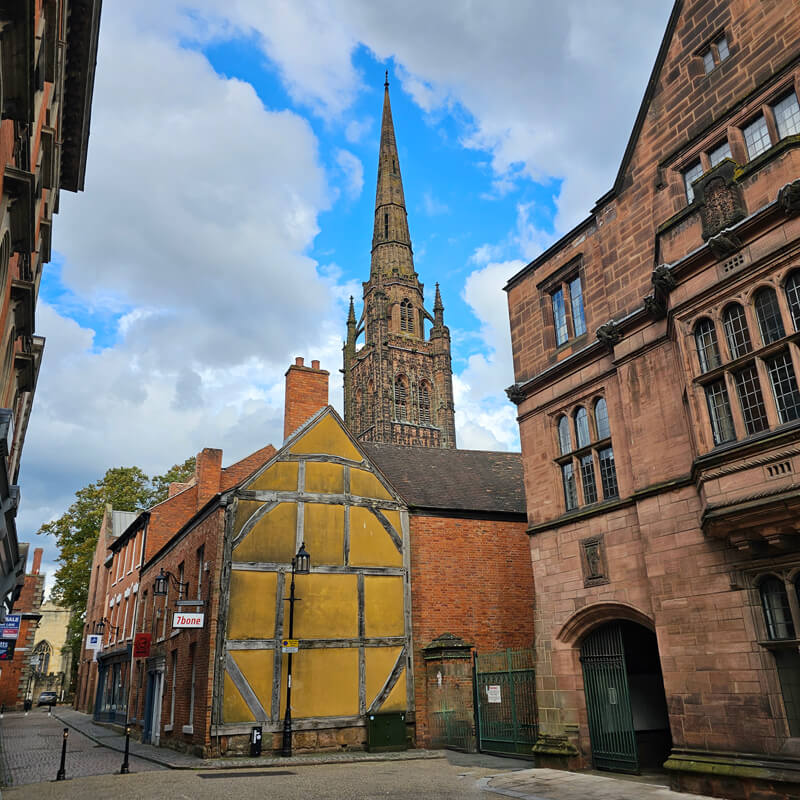
Photo Gallery.
Did you enjoy this post?
I hope you found this post useful. I put a great deal of time and effort in to building, maintaining and populating the website. If you like, you could say a small thank you by buying me a coffee. You don't have to, but it would be nice :)
Buy me a coffee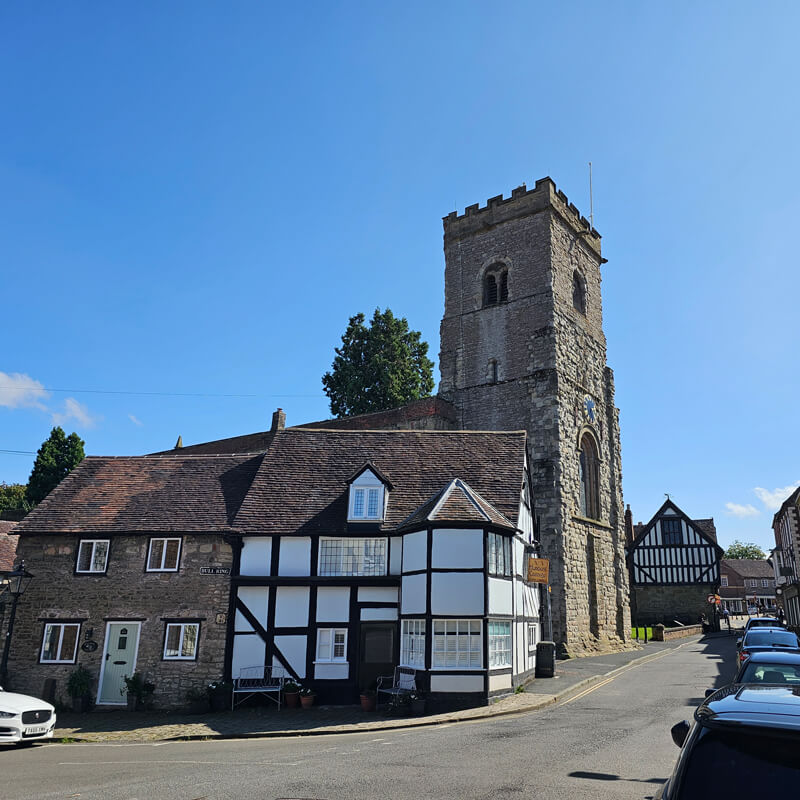
Stay up to Date
Follow me on my journey and get notified whenever a new post is published by following Kings & Castles on Facebook.
Follow MeExplore The Map
Discover the hundreds of castles, churches, monasteries, cathedrals and other historic locations that I've personally visited across England and Wales. Search by location, explore nearby sites and plan your next historical adventure.
Share: