The Medieval Town of Tamworth
In Anglo-Saxon times, Tamworth was a vitally important centre at the heart of the kingdom of Mercia. From the 7th to the 9th centuries, Tamworth was the principle royal and administrative centre of the Mercian kings.
Following the end of Roman rule in Britain in the 5th century, the area around the Tame valley was occupied by Anglo-Saxons from northern Germany and Jutland. The settlers that reached Tamworth were Angles, who arrived from the north, navigating inland via several rivers.
The settlers established themselves in “an open meadow by the Tame” which they called “Tomworðig”. Nearby they established an enclosed estate called “Tomtun” – Tame-town – fortified with a palisade wall. These people called themselves the “Tomsaete” – Tame-settlers. The Lords of the Tomsaete quickly became wealthy and Tomtun became a fortified settlement. When the Lords began to control and dominate the English Midlands their lands became a Kingdom with a single leader.
By the late-6th century the English Midlands had become the Kingdom of Mercia, the largest of the kingdoms in what is now England, and the Tomsaete lived in its centre. A fortress built by King Creoda would later, under King Penda in the 7th century, become the most powerful. Tamworth became a royal vill from the 7th century, with an early minster church, and in the late 8th century it was fortified as a burh. By the end of the 8th century it had been established by King Offa of Mercia as the centre of royal power, at which time it was called Tamworthie. Charters show Mercian Royal families celebrated both Easter and Christmas at Tamworth regularly between 751 and 857.
In 868 the Great Heathen Army invaded England and in 874 Tamworth was attacked and destroyed by the Vikings, and by 911 Tamworth became a border town between the Danelaw (the Danish Viking controlled area of the country) and the English.
In 913, the daughter of King Alfred the Great, Æthelflæd, Lady of the Mercians, made Tamworth her capital, re-fortified it against Viking attacks, and led a successful military campaign to win back territory from the Danes. Æthelflæd died at Tamworth in 918 and Mercia was merged into Wessex.
During the reign of King Æthelstan (Æthelflæd’s nephew) in the 10th century, the Kingdom enjoyed a period of relative peace and prosperity and a mint was established at Tamworth producing silver coins. However, following the death of King Æthelstan in 939, Tamworth was again plundered and devastated by the Vikings. The town was recovered and rebuilt by Æthelstan’s successors, but Tamworth never regained its superiority as a Royal centre.
In the early 10th century the new shires of Staffordshire and Warwickshire were created, and Tamworth was divided between them, with the county border running through the town centre, with the castle on the Warwickshire side of the border.
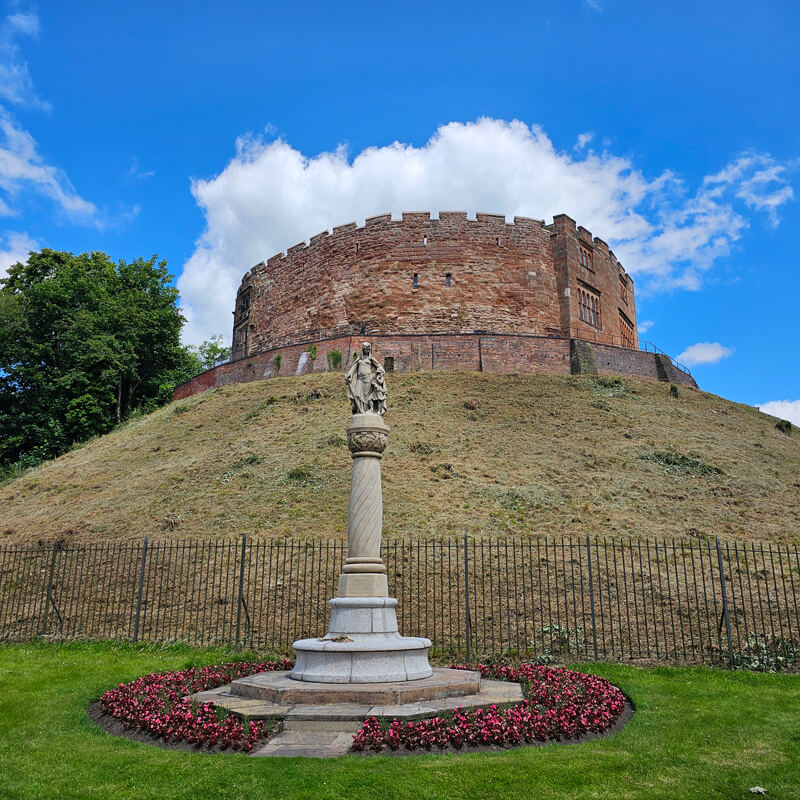
Following the Norman conquest of England in 1066, the Normans built a large motte and bailey castle, the forerunner of the present Tamworth Castle, partly on the site of the Saxon fort which still stands to this day.
In 1345 Tamworth suffered a disastrous fire and much of the town burned, including its church. This was followed by the Black Death which arrived in England from 1348, which reduced the population by at least a third. However, the town eventually recovered from these disasters and Tamworth would go on to prosper throughout the following centuries.
Today, the town of Tamworth and its residents are proud of their Anglo-Saxon heritage, so much so that they have statues of Æthelflæd, Lady of the Mercians, within the town, and hold events and festivals to celebrate their brave warrior queen. The most noteworthy medieval sites in Tamworth today are Tamworth Castle and St Editha’s Church.
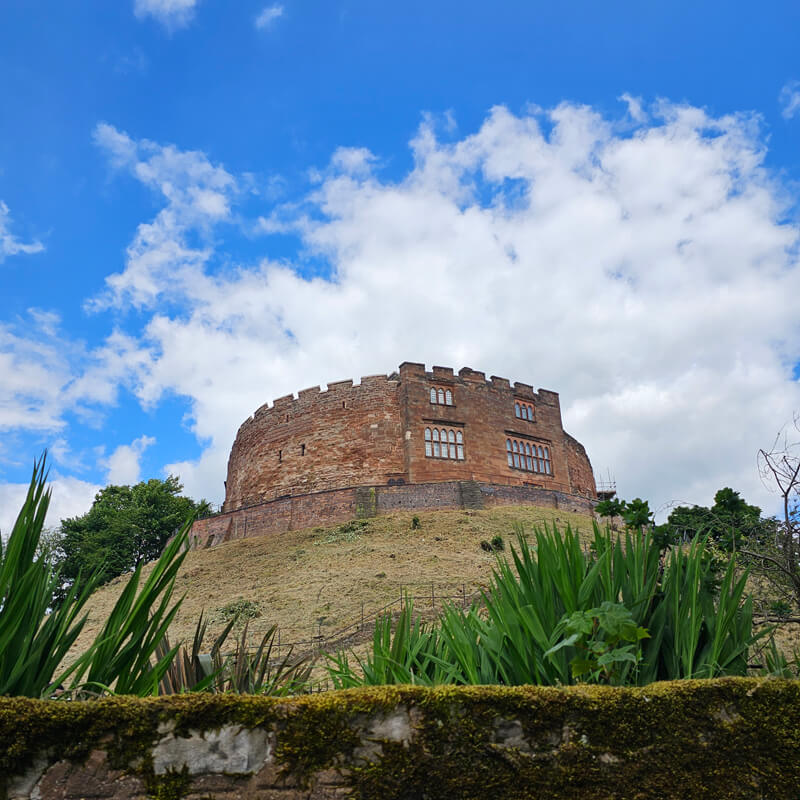
Tamworth Castle
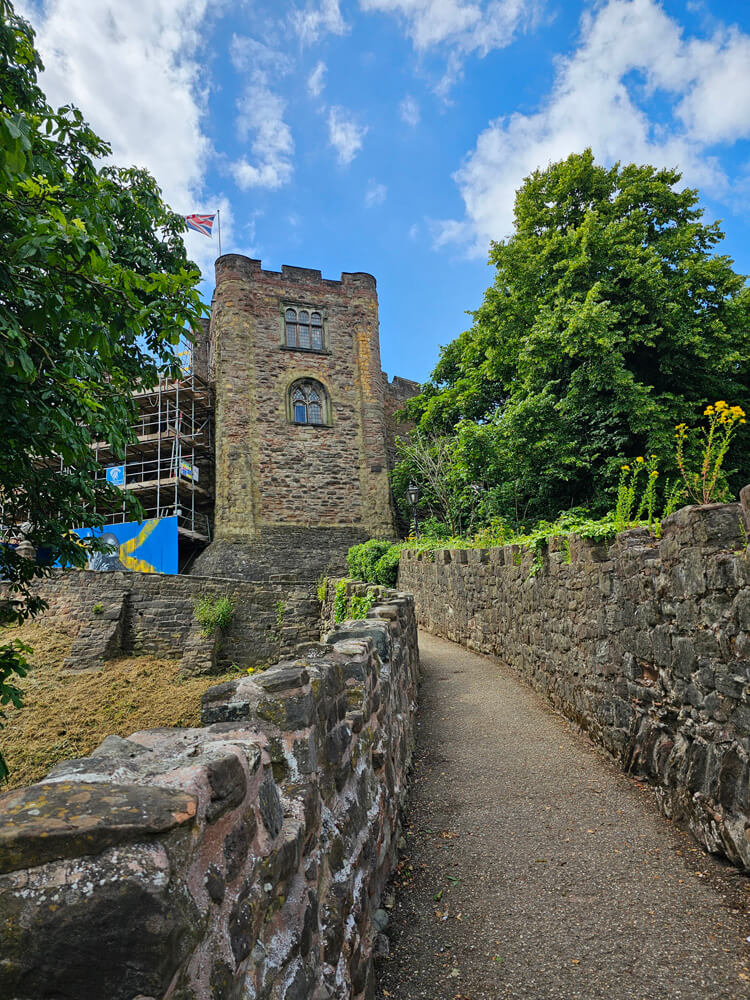
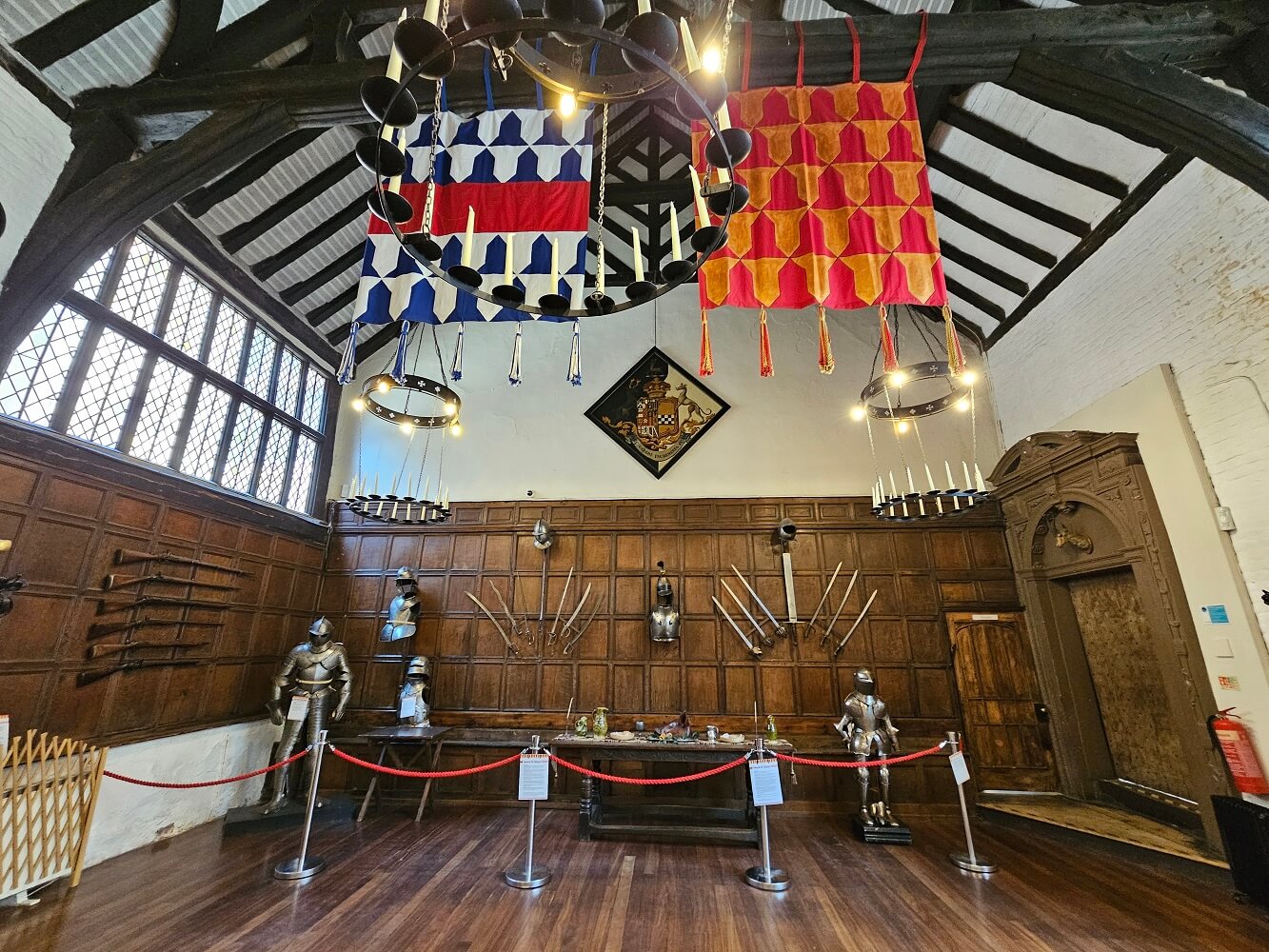
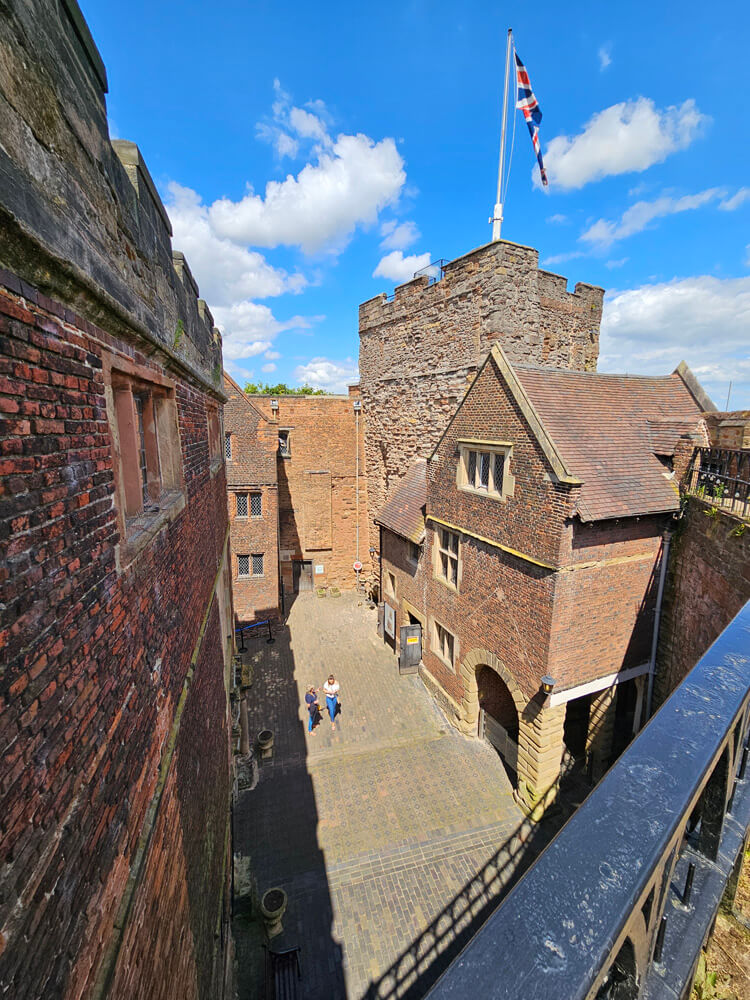
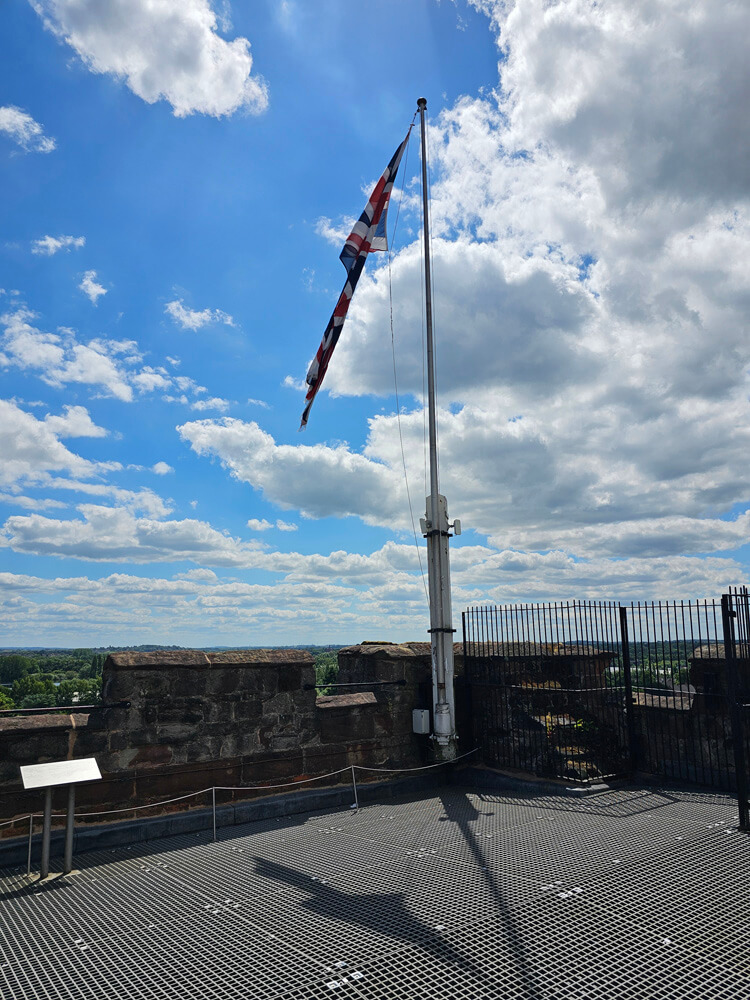
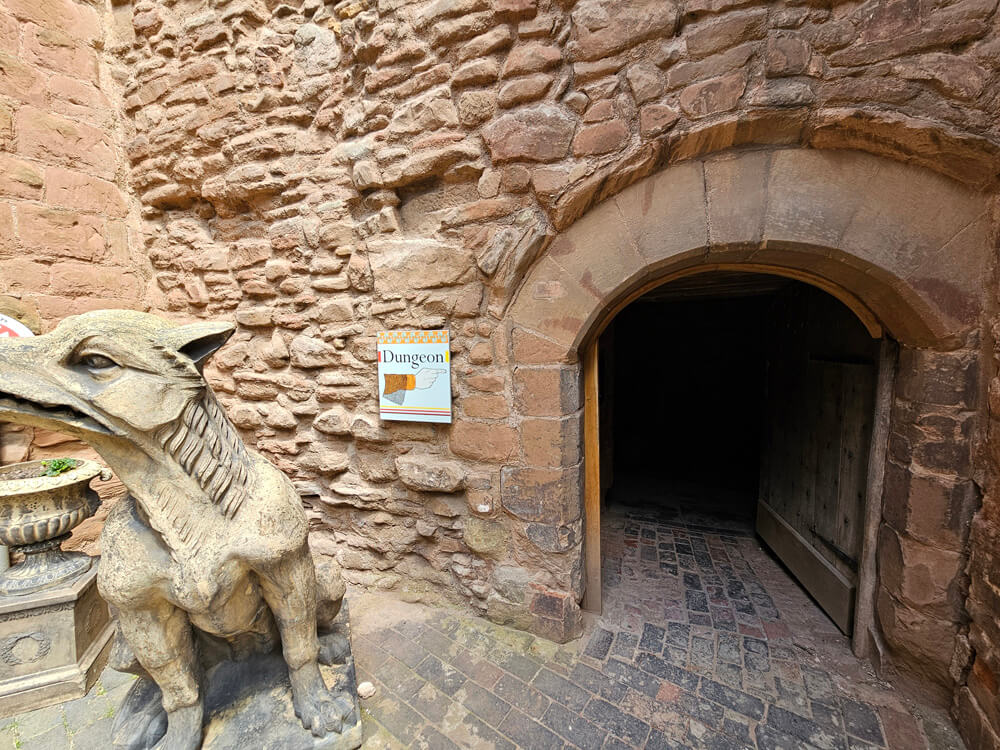
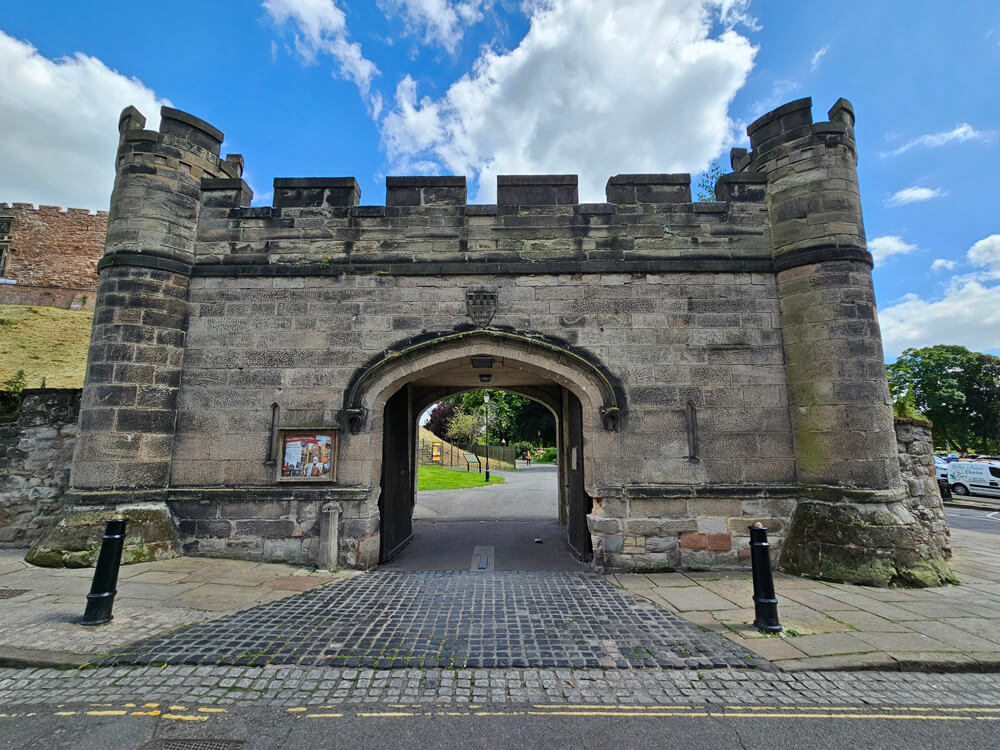
Tamworth Castle is an 11th-century Norman castle built on the site of an earlier Anglo-Saxon fort, and is one of the best preserved motte and bailey castles in the country. With almost 1,000 years of history, starting with its Anglo-Saxon origins, it survived through the times of the Normans, Tudors and Victorians. The first castle here was a wooden fortification built in the 1080s, until it was rebuilt in stone in the 12th century, which are the oldest parts of the castle structure that we see today.
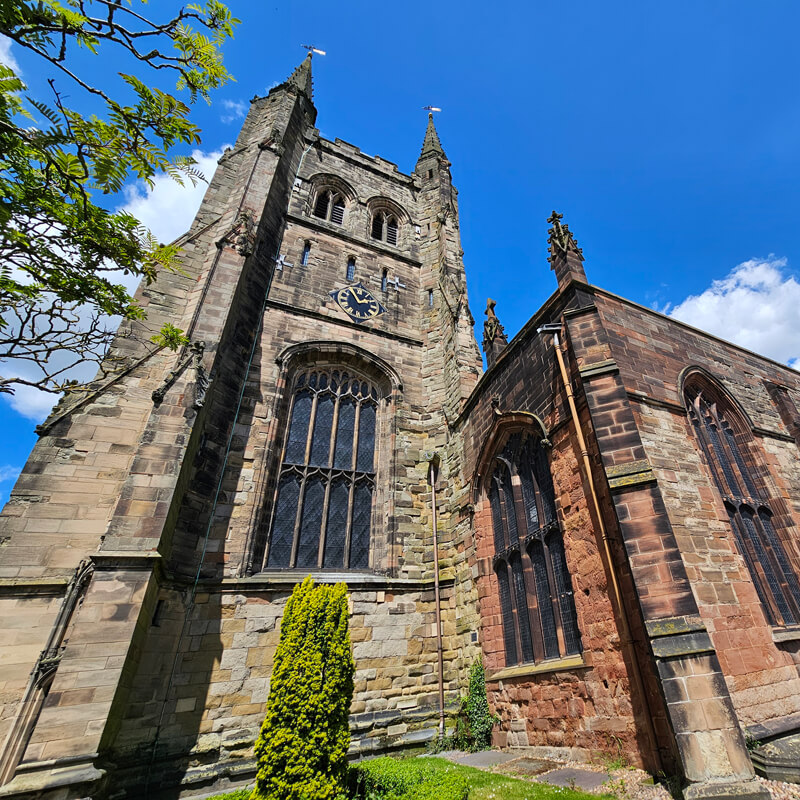
St Editha’s Church
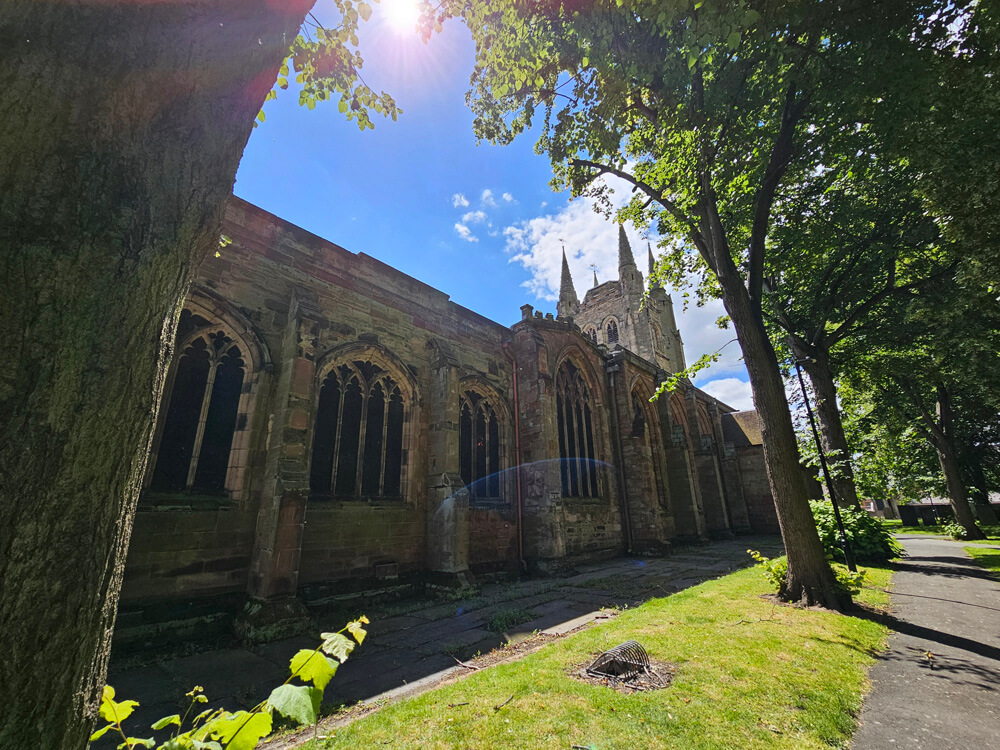
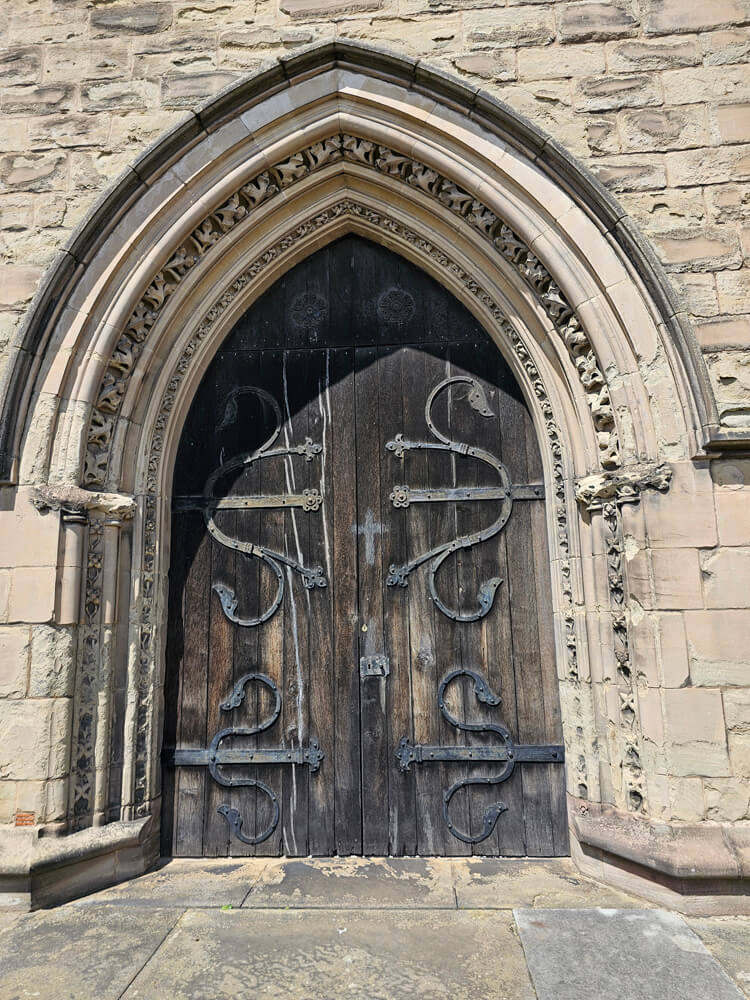
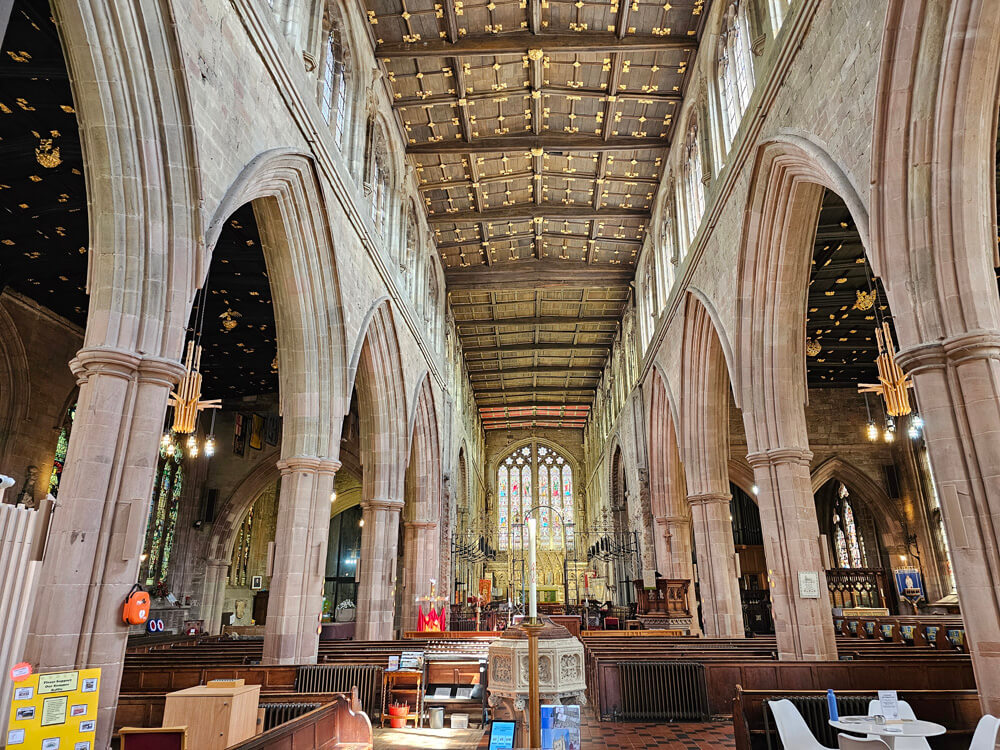
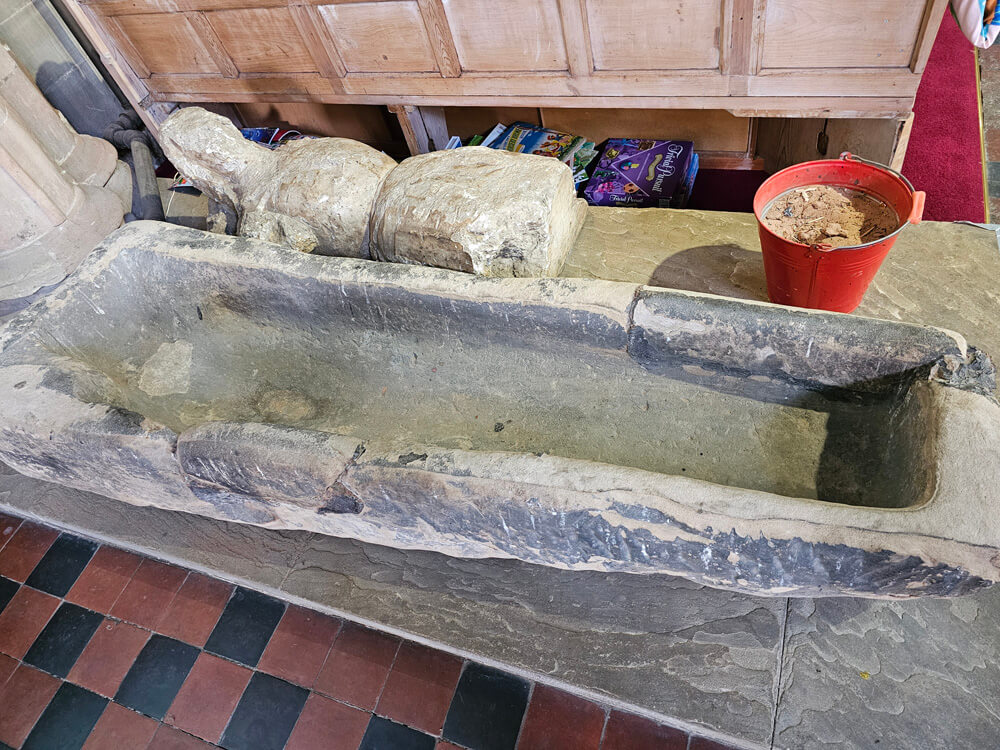
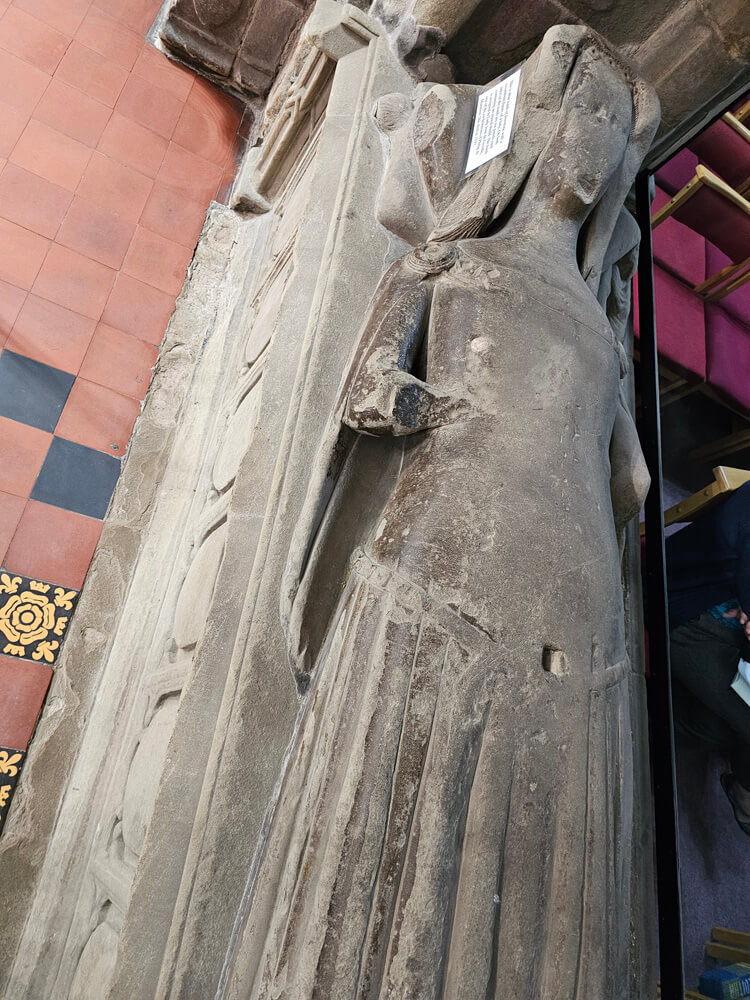
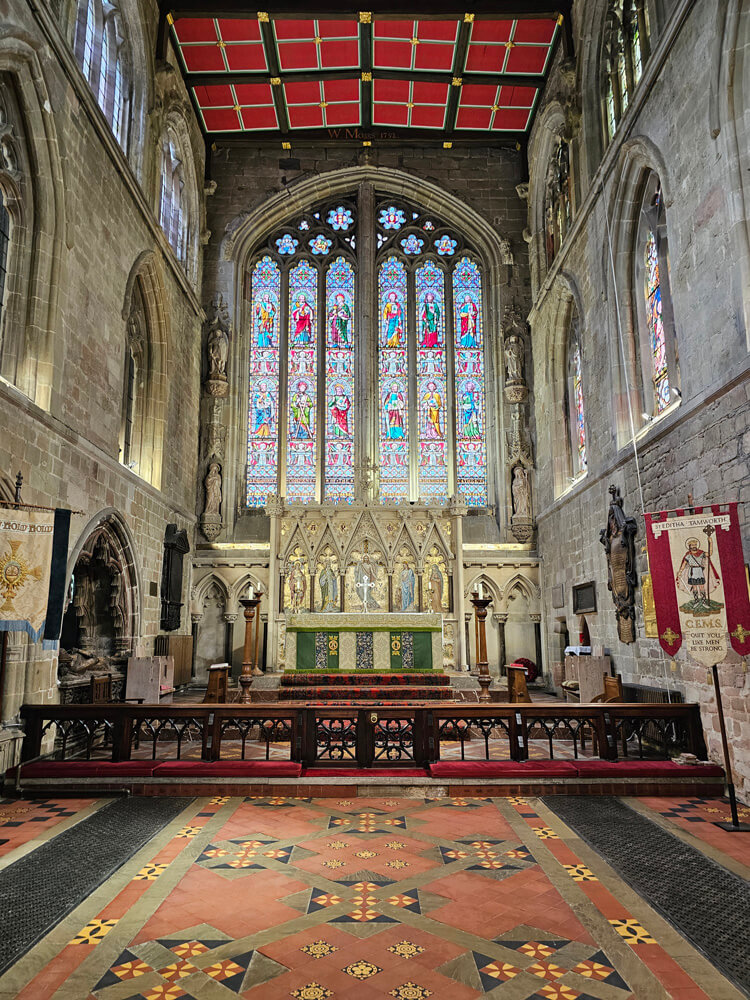
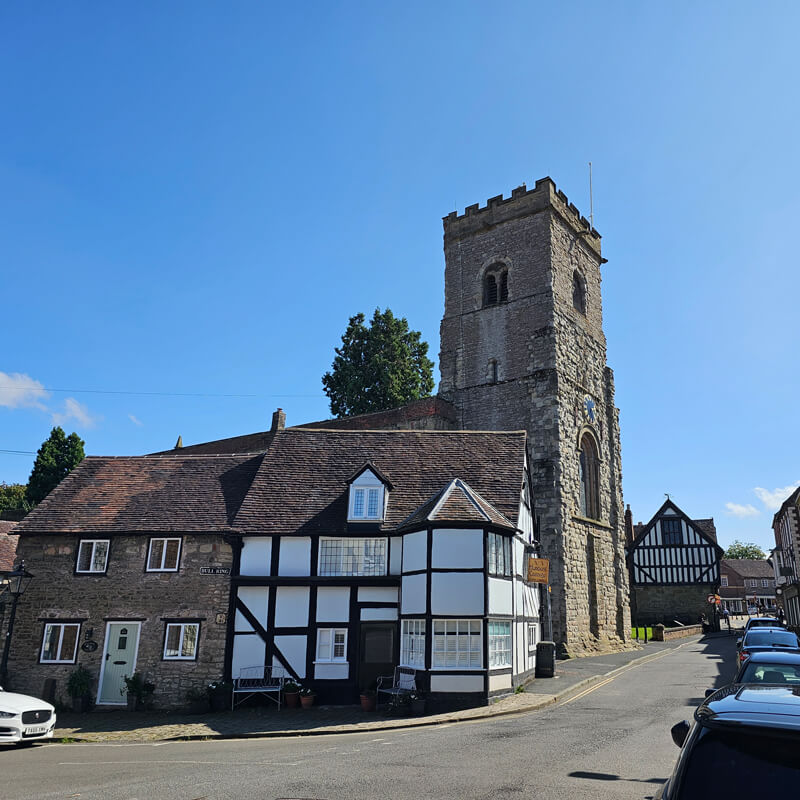
With its Anglo-Saxon origins, the Church of St Editha is the largest medieval parish church in Staffordshire, and has been a place of worship for over 1000 years making it one of the oldest places of Christian worship in the county. There have been numerous churches on the site over the centuries, but the current church was built in the 14th century after a fire devastated the town and church in 1345.
Photo Gallery.
Did you enjoy this post?
I hope you found this post useful. I put a great deal of time and effort in to building, maintaining and populating the website. If you like, you could say a small thank you by buying me a coffee. You don't have to, but it would be nice :)
Buy me a coffee
Stay up to Date
Follow me on my journey and get notified whenever a new post is published by following Kings & Castles on Facebook.
Follow MeExplore The Map
Discover the hundreds of castles, churches, monasteries, cathedrals and other historic locations that I've personally visited across England and Wales. Search by location, explore nearby sites and plan your next historical adventure.
Share: