Tamworth Castle
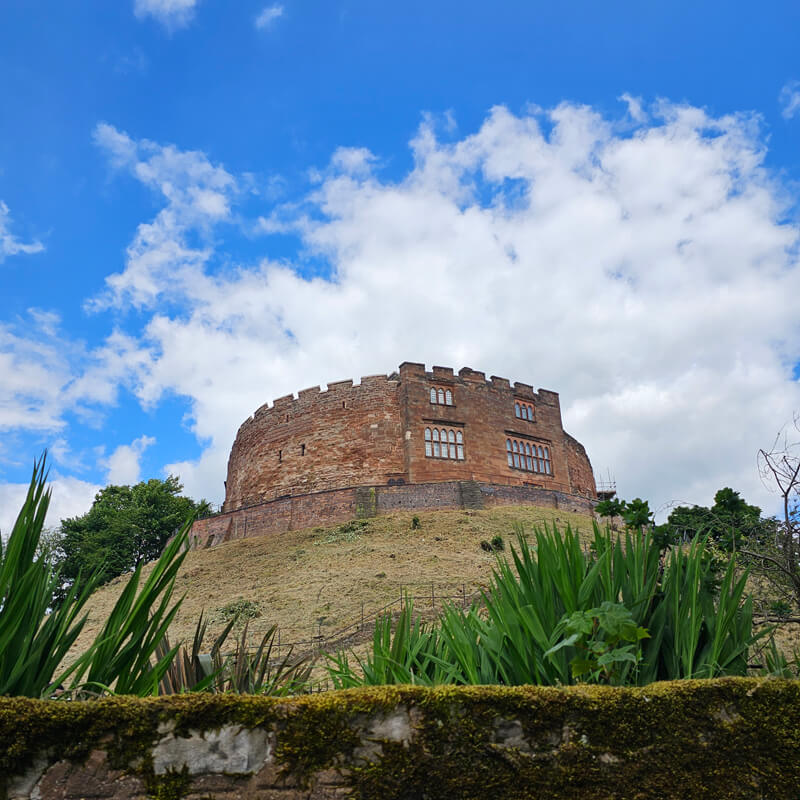
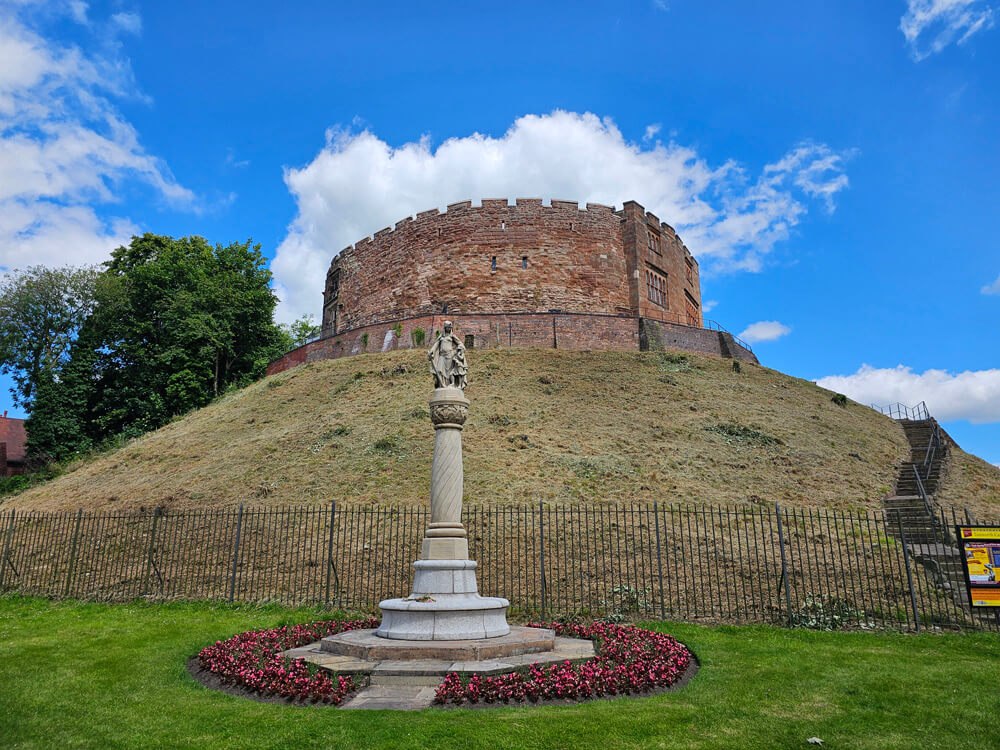
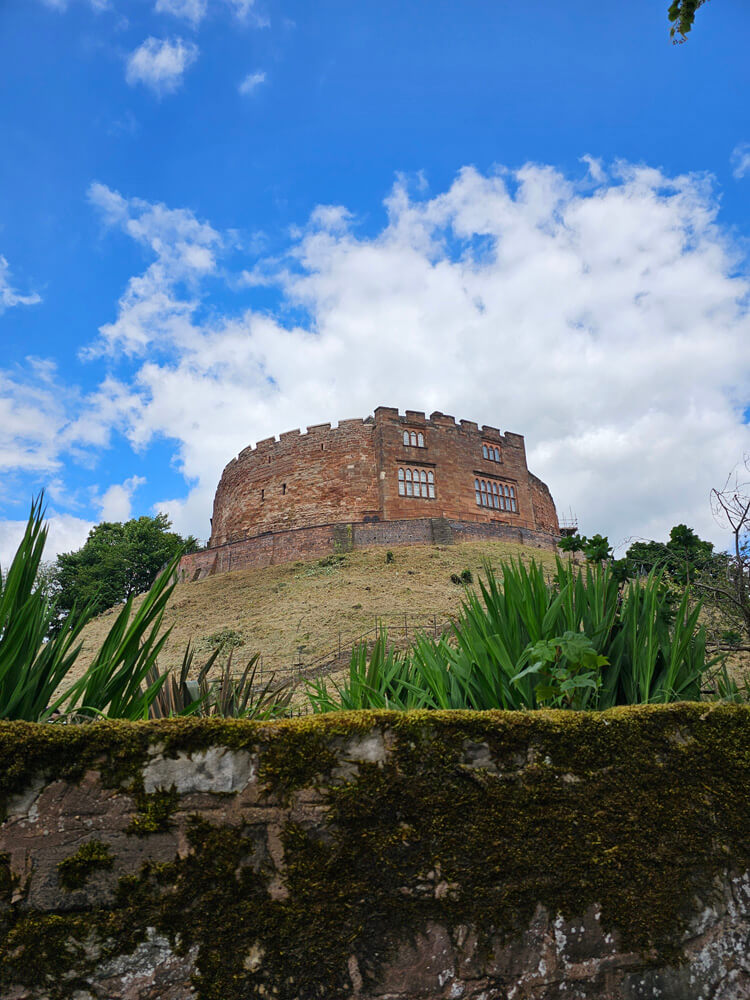
Tamworth Castle is an 11th-century Norman motte and bailey castle in Tamworth, Staffordshire, England. It is one of the best preserved motte and bailey castles in the country. With almost 1,000 years of history, starting with its Anglo-Saxon origins, it survived through the times of the Normans, Tudors and Victorians, and has been a museum since 1899.
Quick
Facts.
- Location: Tamworth, Staffordshire, England
- Established: 1080s
- Built in stone: 1170 - 1190
- Condition: Intact
- Date visited: June 2024
- More info: Visit website
- Rating:
A Bit of History…
The site of Tamworth Castle first served as a residence of the Mercian kings in Anglo-Saxon times, but fell into disuse during the Viking invasions. In the early medieval period the Anglo-Saxon settlers named the town Tomtun. The settlement grew to become the principal centre of royal power of the Anglo-Saxon Kingdom of Mercia during the 8th and 9th centuries. There was no castle here at this time but it was a fortified settlement of royal importance with tribal communities battling for power.
In 1066 the Normans invaded Britain and built a series of castles from which to subdue the local population. They started with wooden motte and bailey constructions as they were quick to erect, but later rebuilt them in stone. Tamworth was granted to William the Conqueror‘s steward, Robert Despenser, who built a wooden castle here on the site of the earlier Anglo-Saxon fort during the 1080s in the typical Norman motte and bailey fashion.
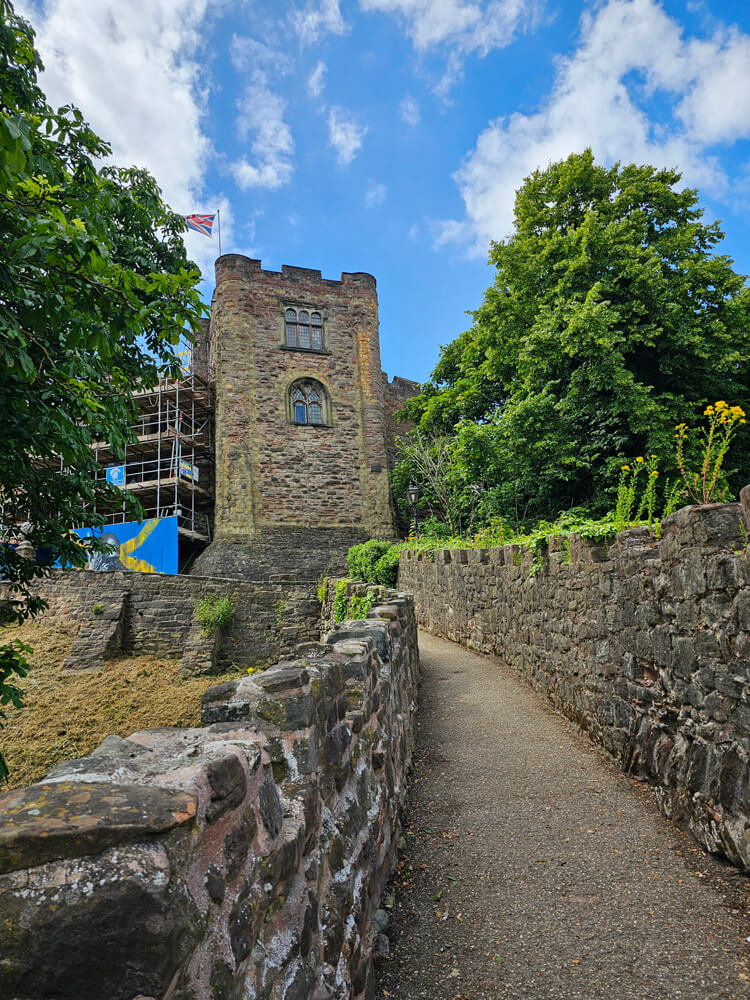
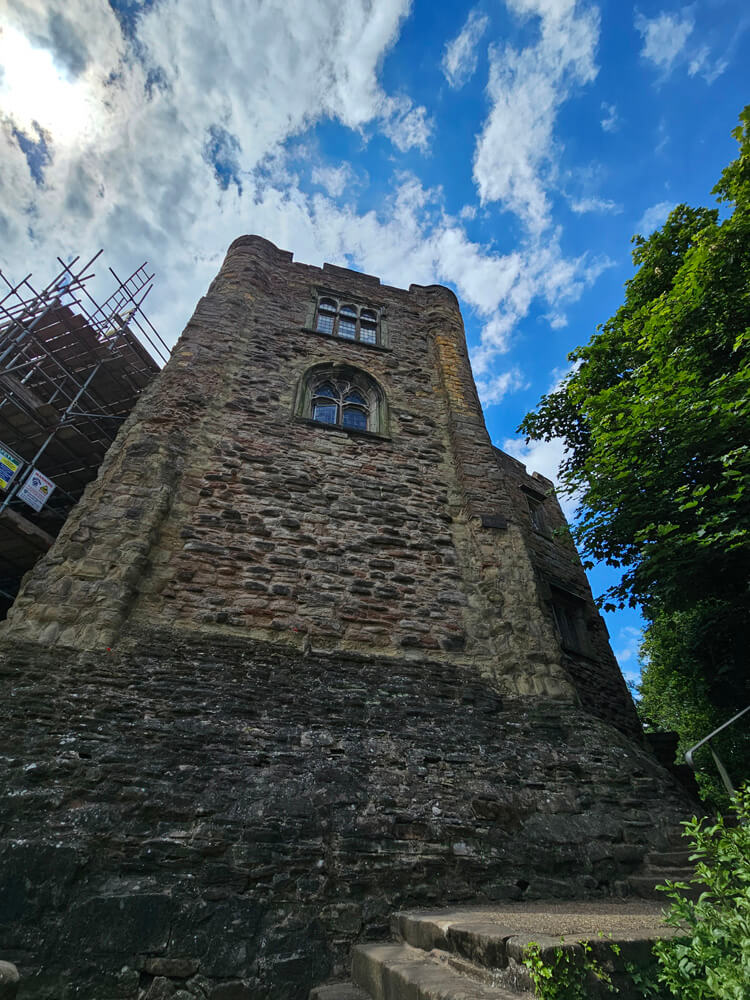
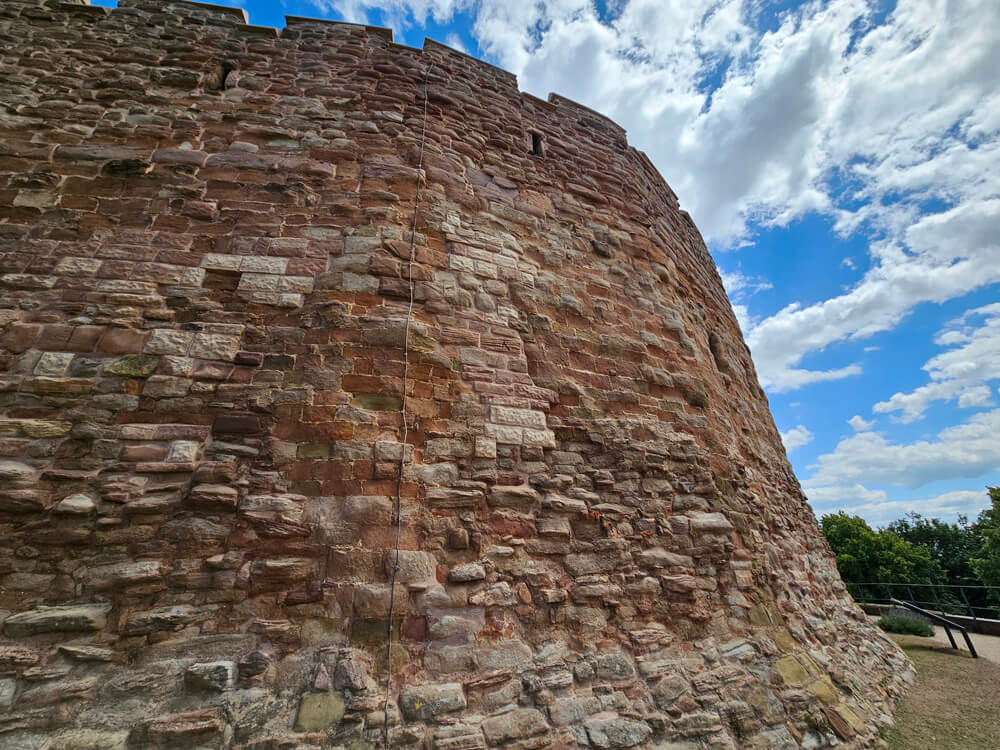
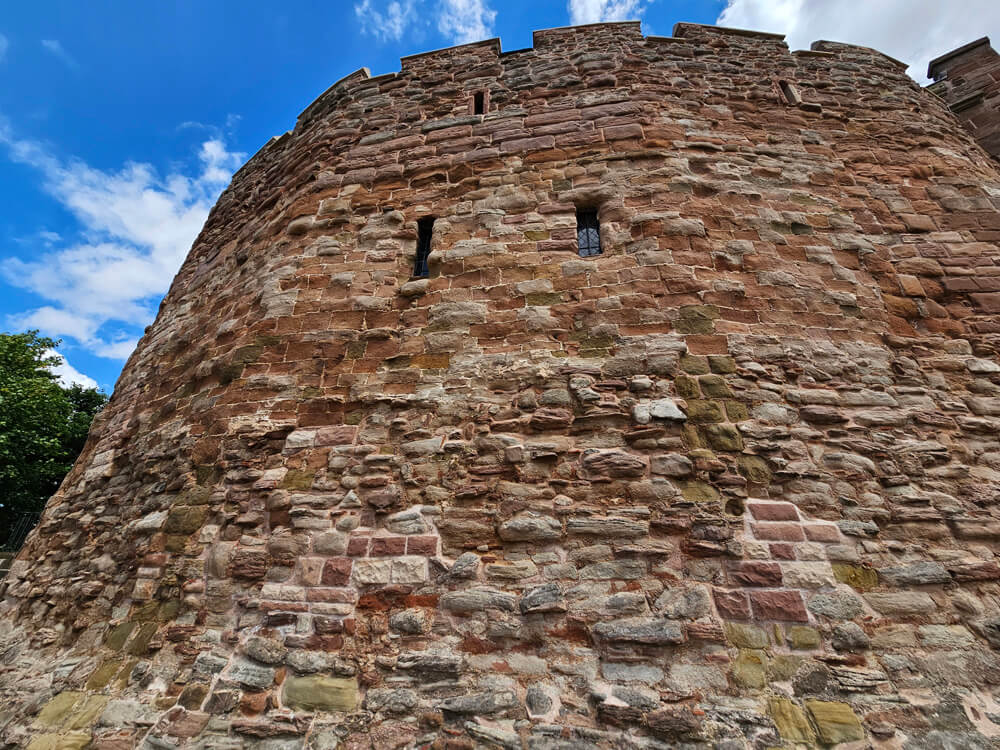
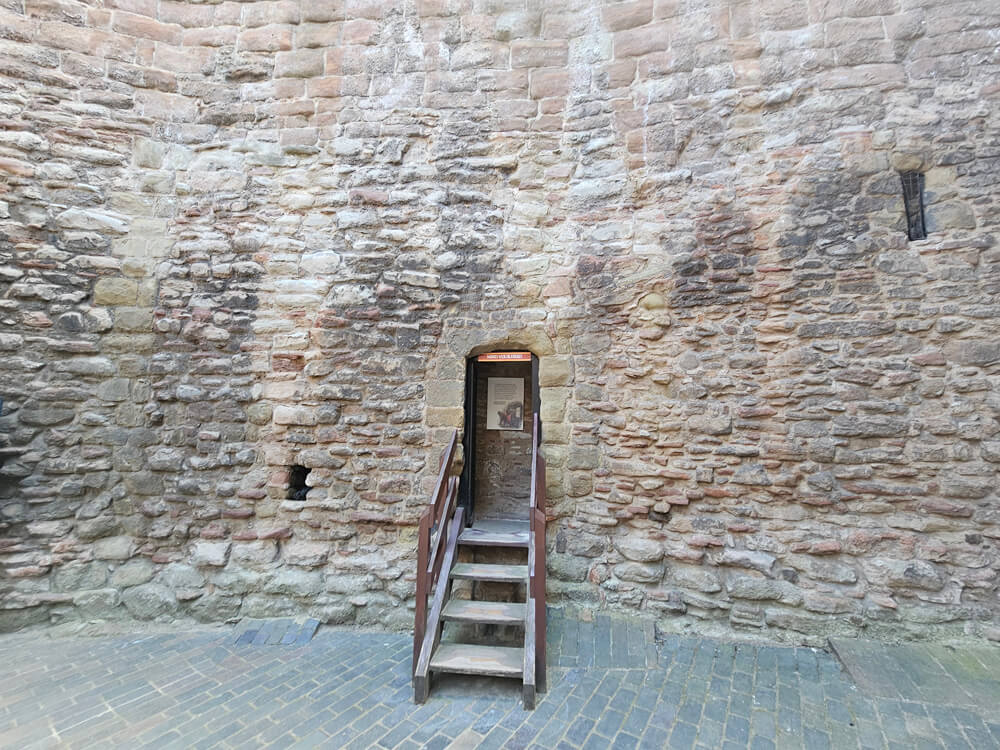
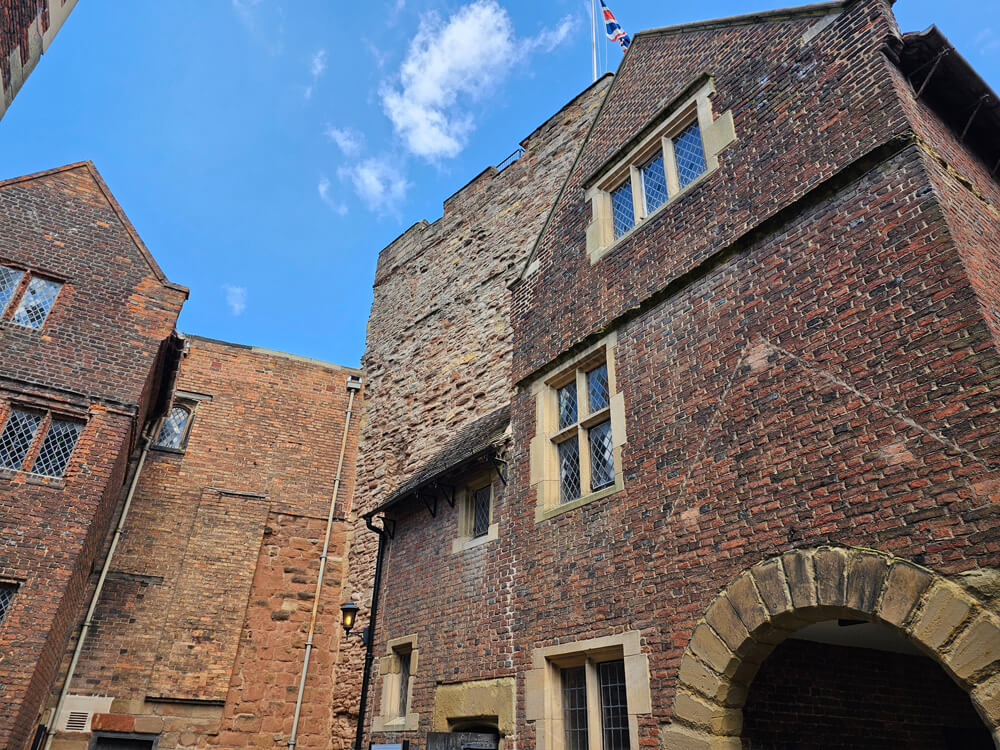
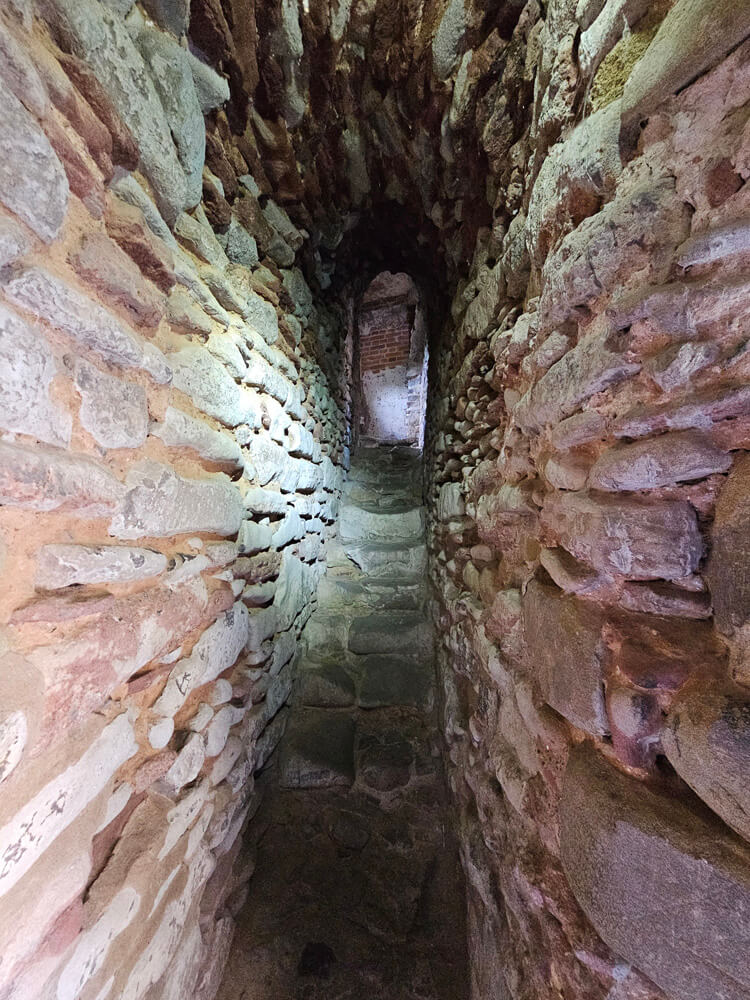
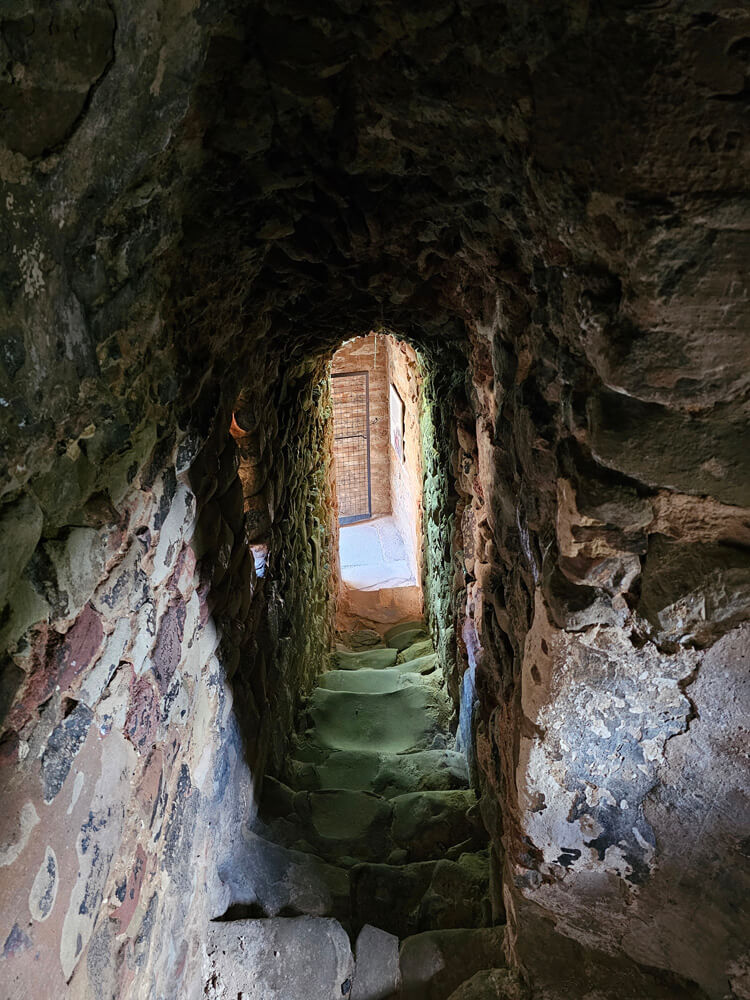
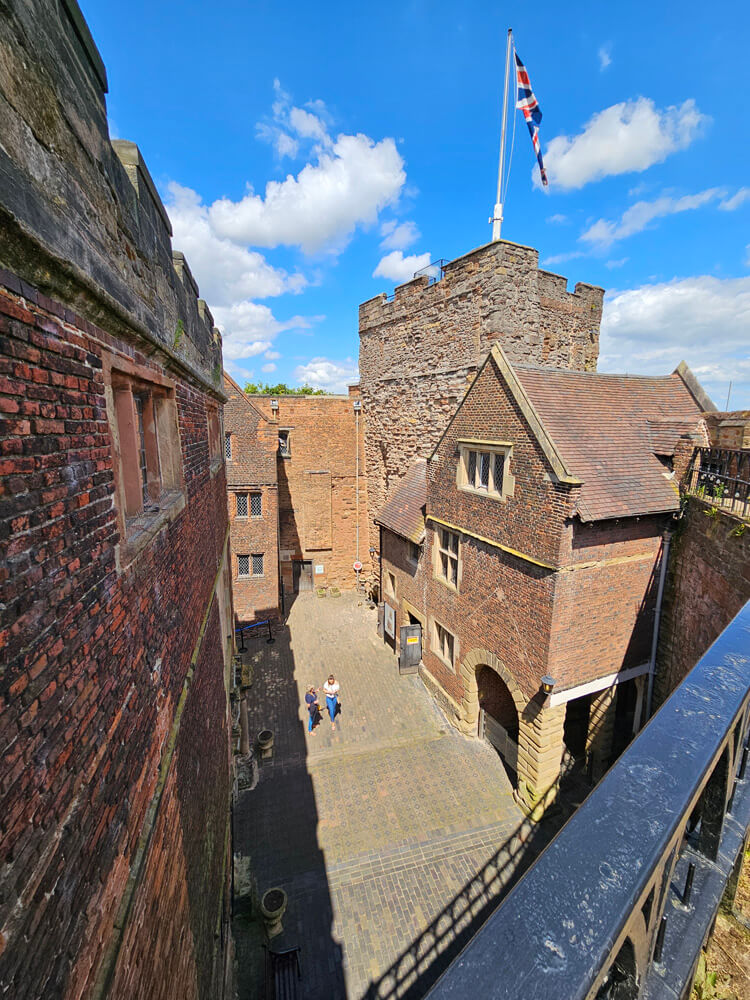
When Robert Despenser died childless, the castle passed to the Marmion family who held the castle for six generations from c.1100 to 1294. It was during this time that the castle was rebuilt in stone. Tamworth Castle’s shell keep wall and tower were built between 1170 and 1190 and are the oldest parts of the castle structure.
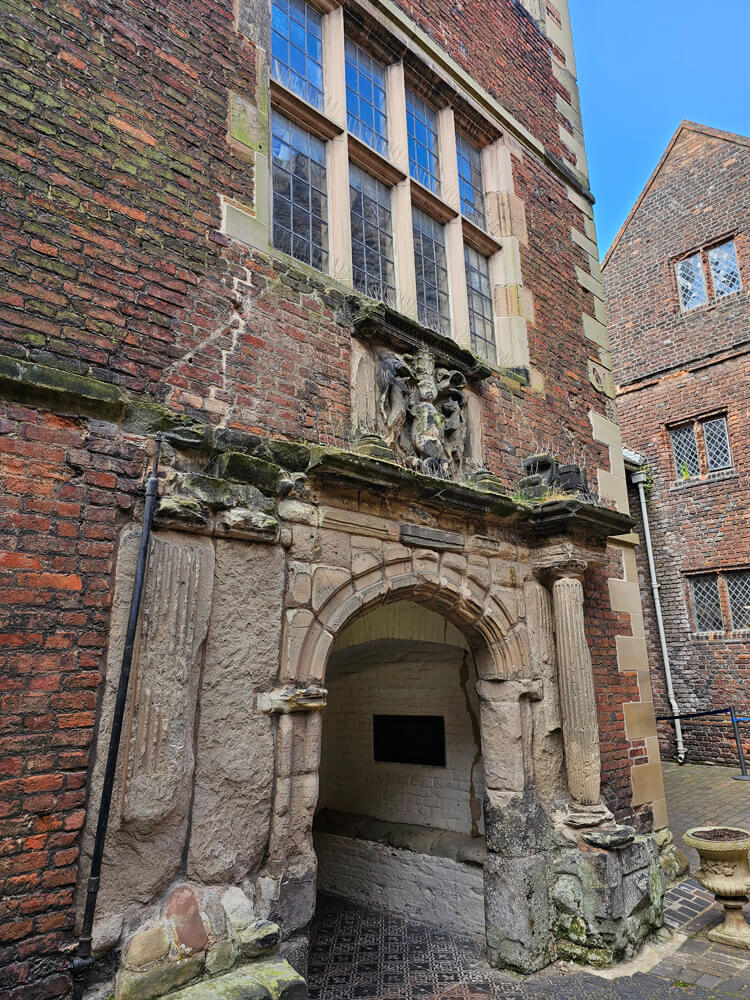
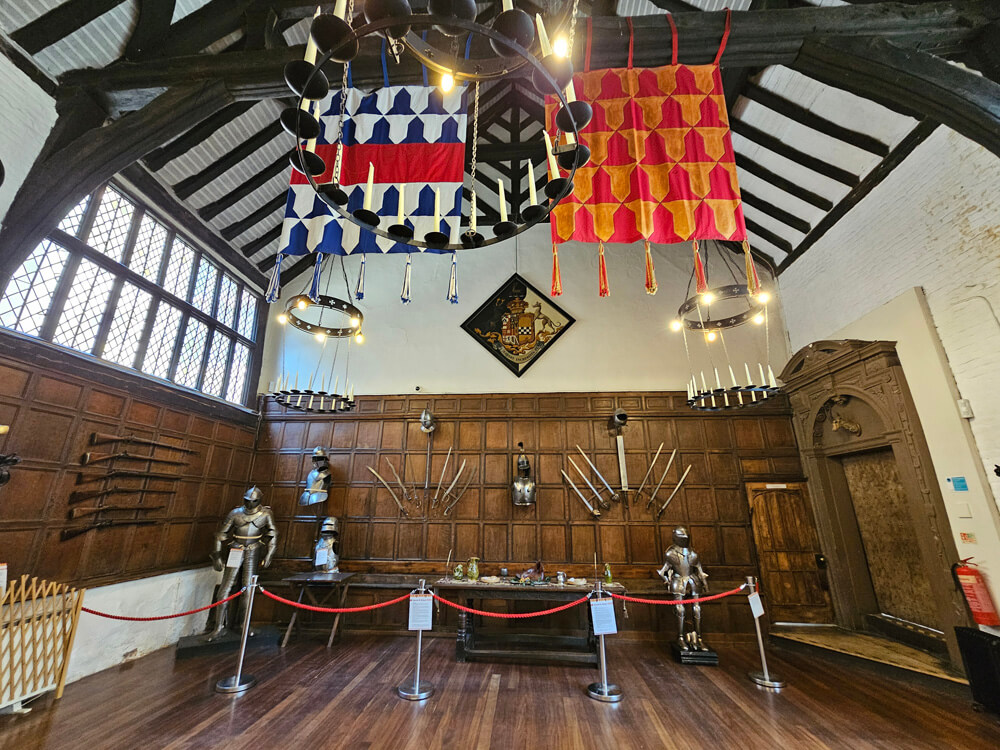
After the Marmion family, the castle passed on to the Freville family who owned the castle until around 1423. When the Freville family male line then came to an end, the castle passed to the Ferrers family who held the estate until the 17th century. The end of the Wars of the Roses saw peace and it was during this period that the castle was transformed from a fortress to a grand home. During this time the great hall was built, and later remodelled to create a range of comfortable Tudor buildings
Numerous additions were made to the castle over the centuries, especially in the Jacobean period. This era saw the completion of the South Wing which was the last structure to be built within the courtyard.
King James I visited Tamworth on at least three occasions, and during the English Civil War the castle was garrisoned for the king by William Comberford. However, the castle was captured and garrisoned by Parliamentary forces in June 1643. Owing to its use, the castle was very fortunate and escaped the slighting that was ordered for so many others at that time.
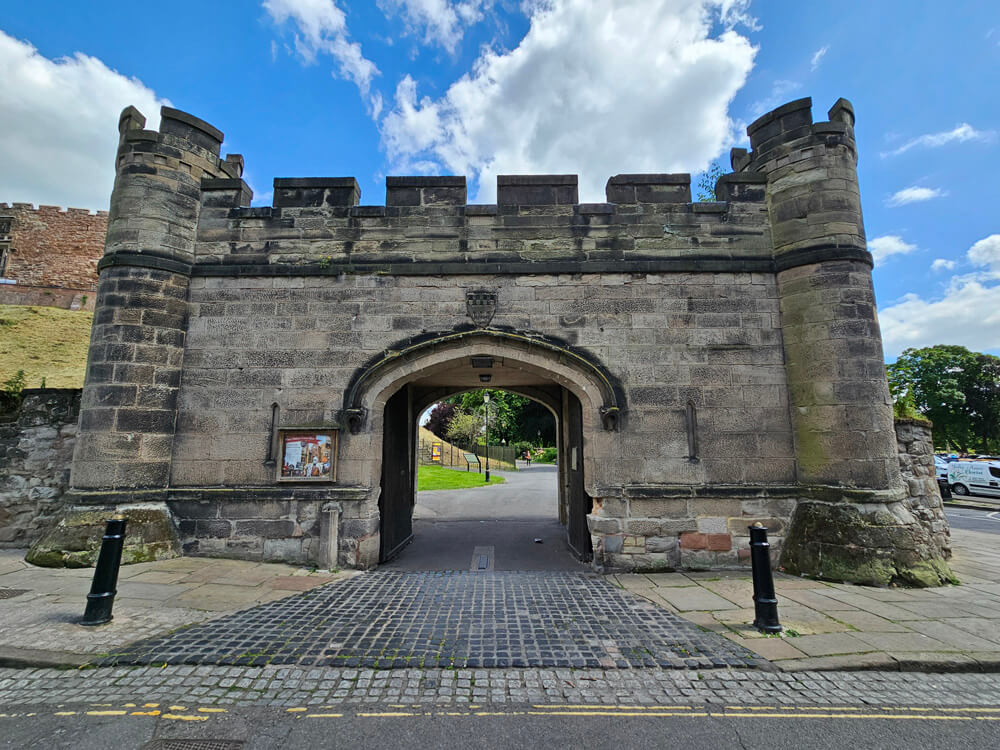
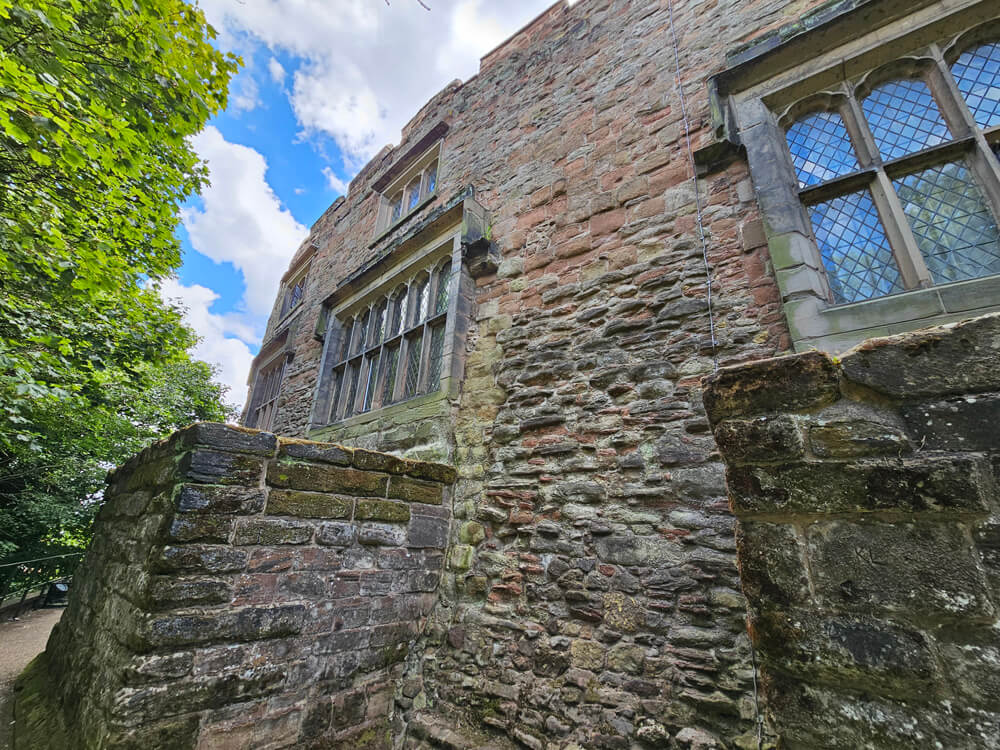
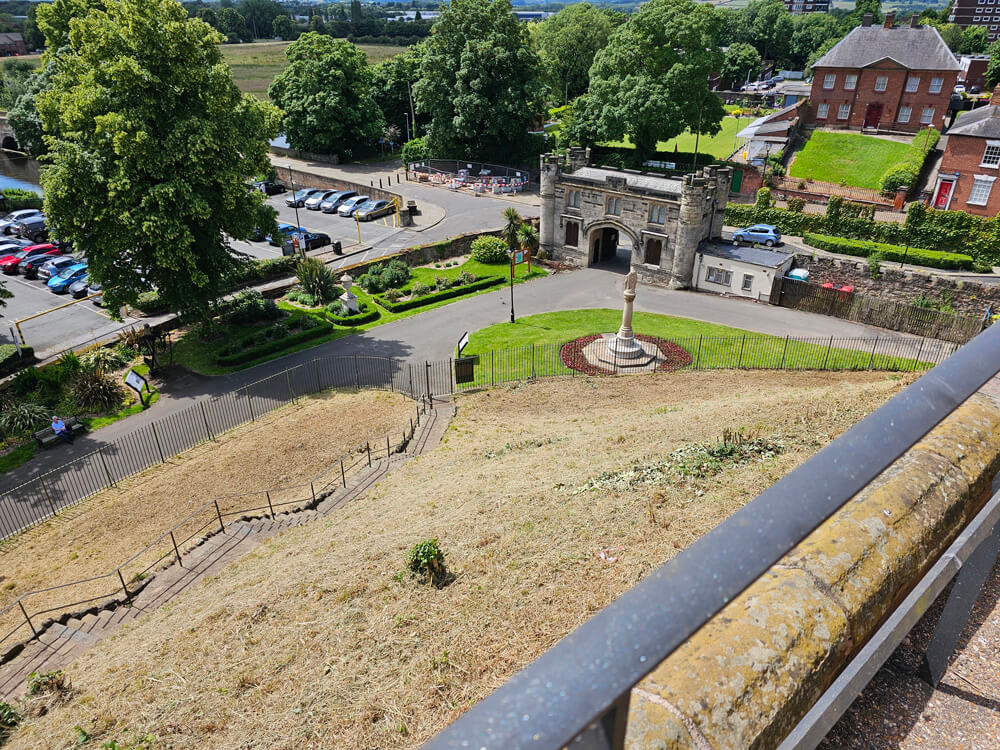
After the Civil War the castle fell into disrepair until the Townshend family took ownership of the estate from the early 18th century. The castle then experienced changes in fortune, from neglect to renovations with replacement windows and the rebuilding of the external wall of the south range. Many of the Tudor features were replaced with more currently fashionable Gothic architecture and the addition of new pleasure gardens around the castle.
Finally in 1891 the castle was put up for sale and it was purchased by its present owners, Tamworth Corporation (now Tamworth Borough Council), for £3,000 in 1897 to mark Queen Victoria’s diamond jubilee. It was then opened to the public as a museum in 1899.
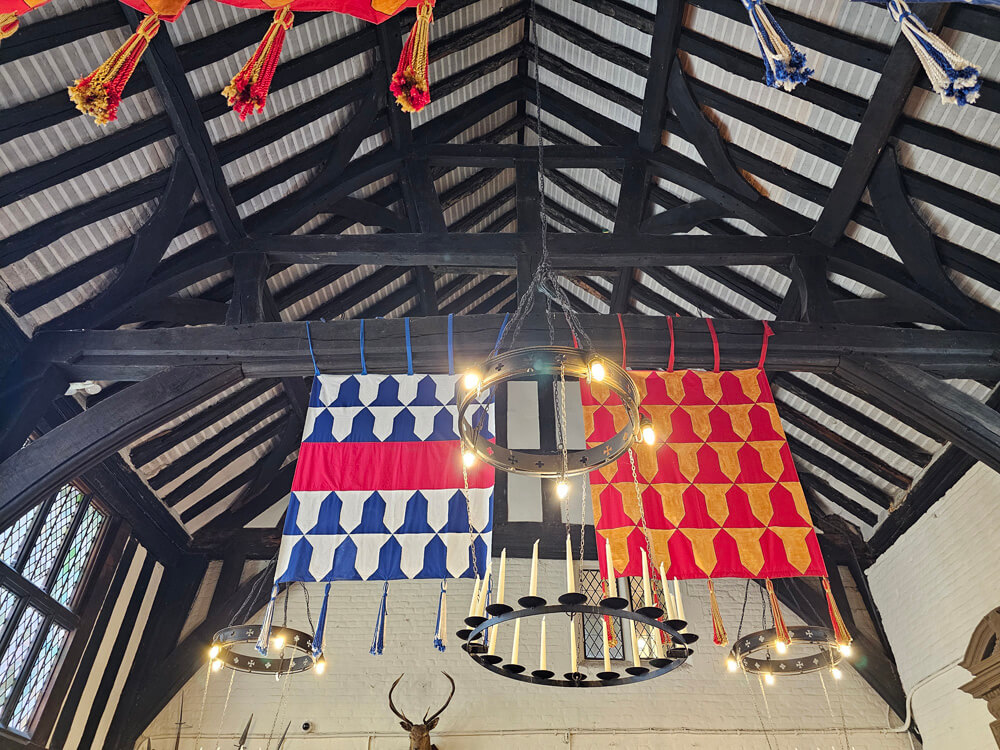
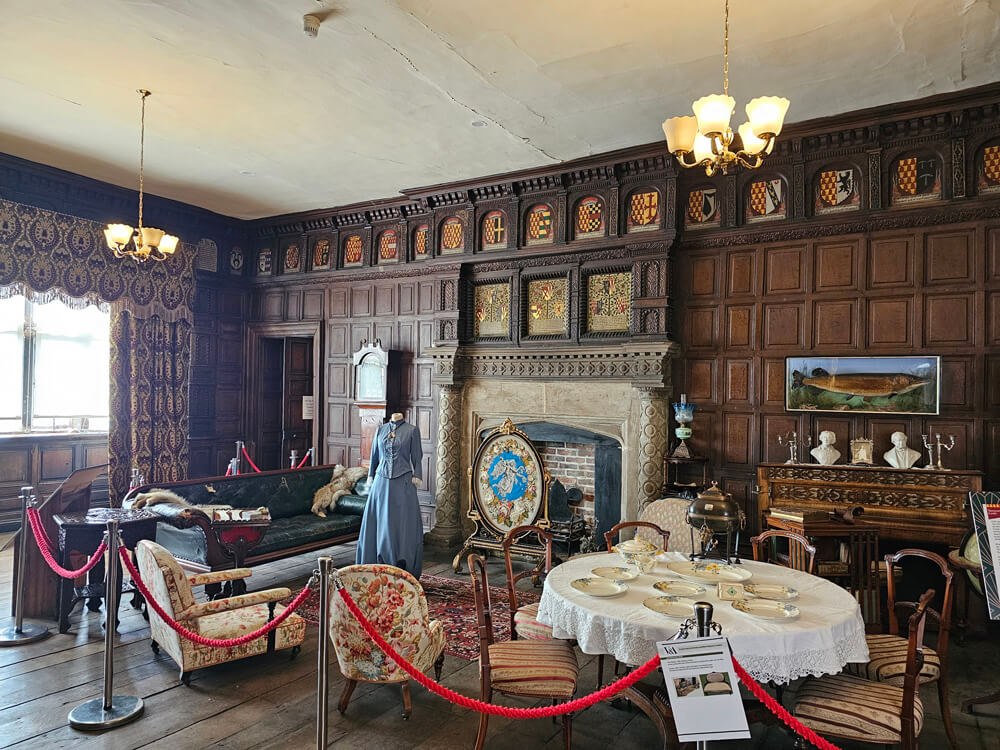
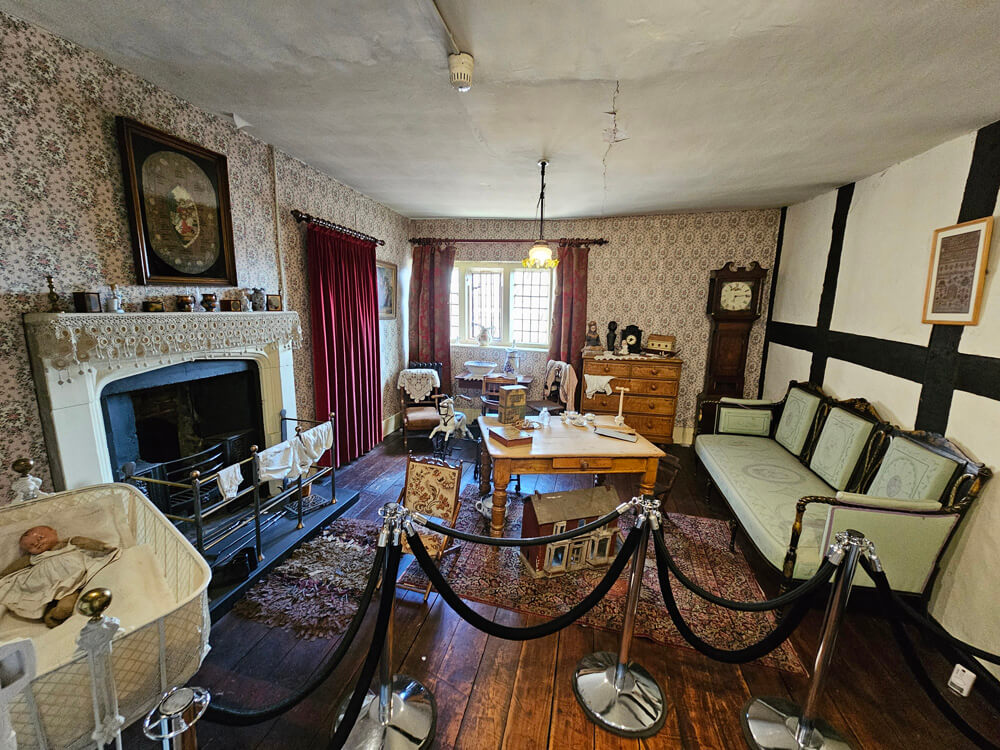
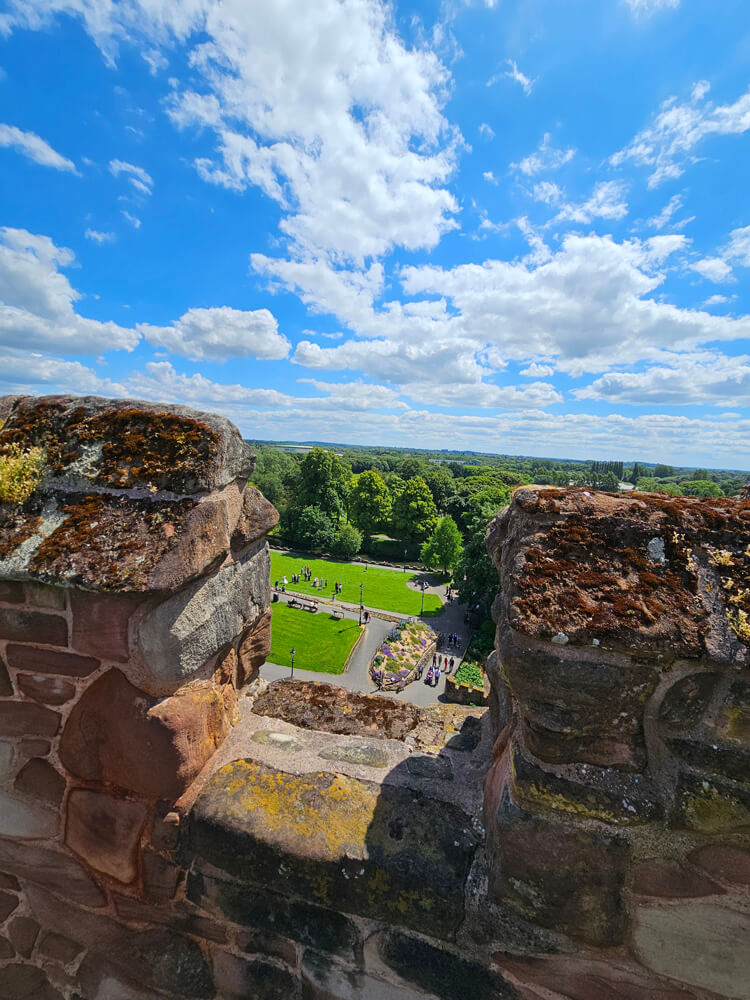
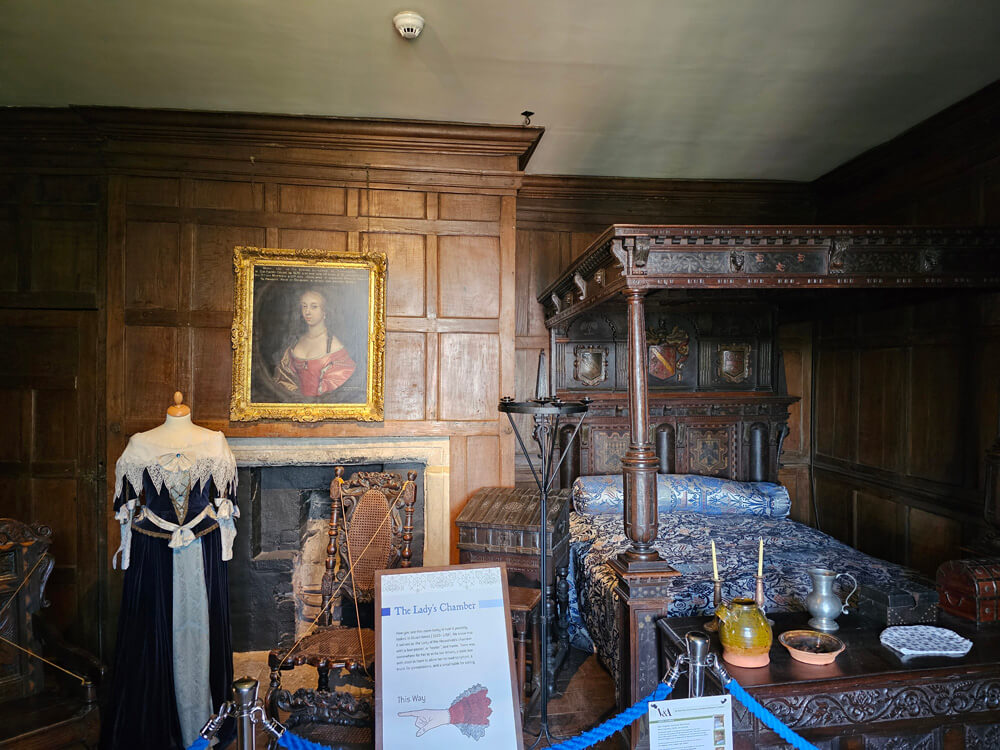
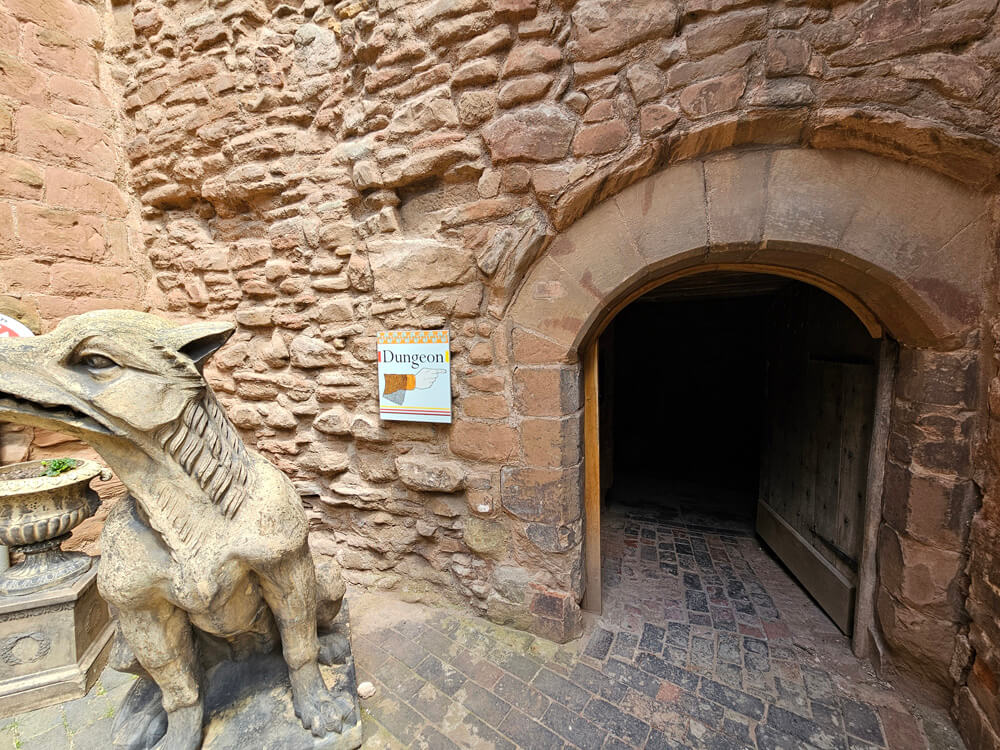
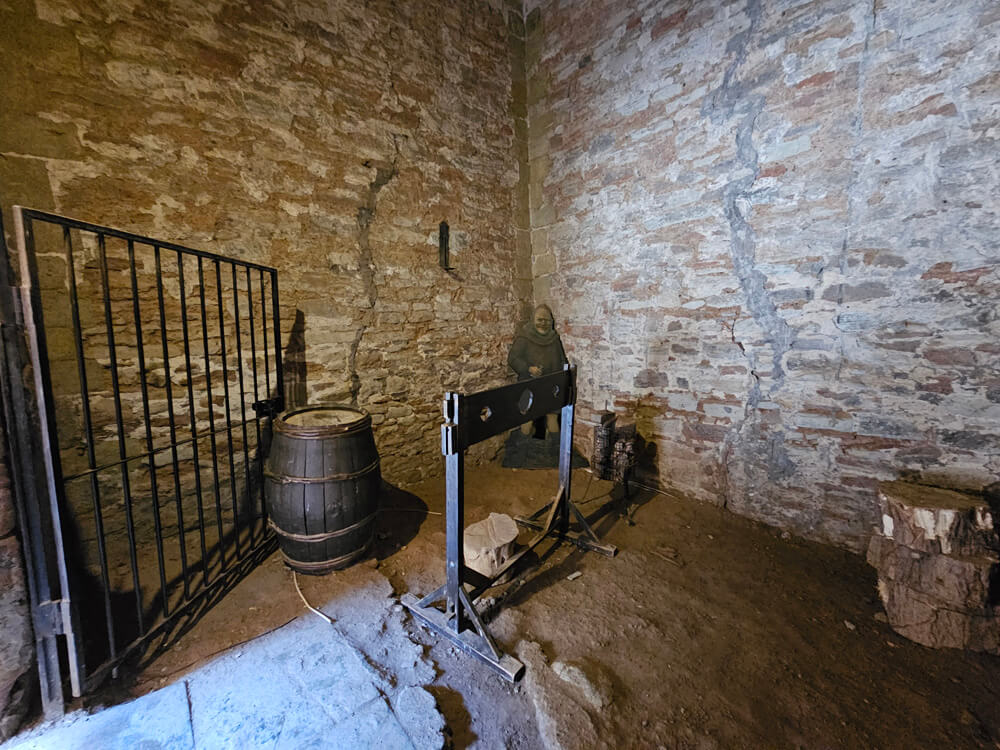
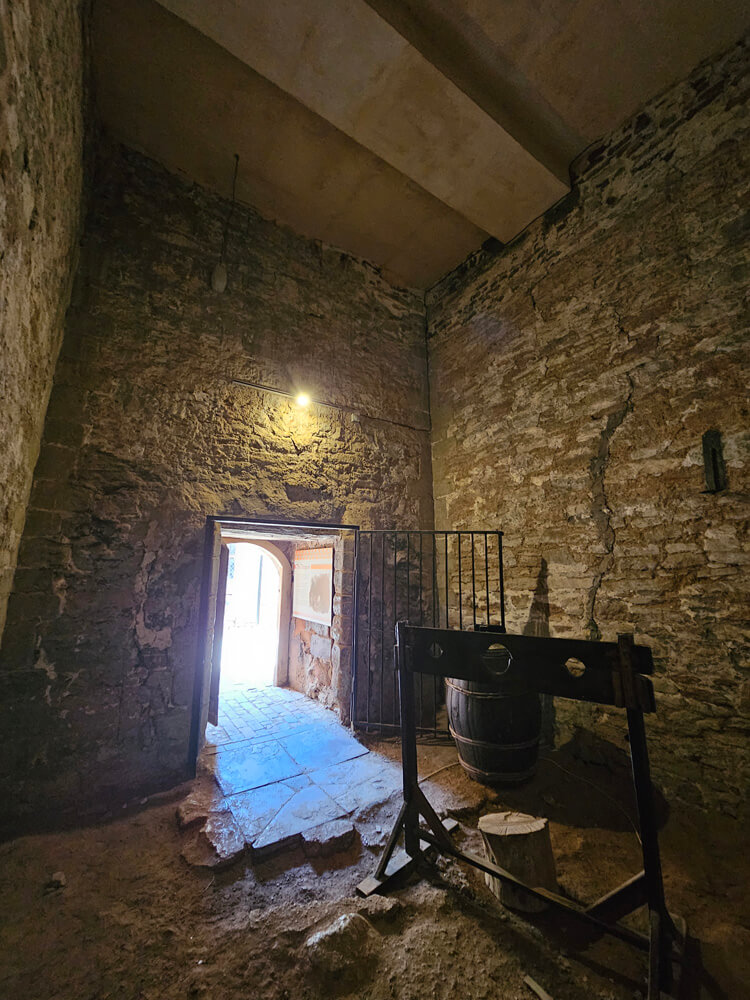
There are more than 15 fully furnished rooms in the castle including Lady’s Chamber, Bedroom, With-Drawing Room, Day Parlour and a Tudor Dining Room with large colourful tapestries decorating the walls. There is also an armoury and a dungeon. Finally, climbing up the tower gives you 360° views of Tamworth.
Royal visitors to the castle after the Norman Conquest include:
- King Henry I, sometime between 1109 and 1115
- King Henry II, 1158, accompanied by Thomas Becket
- King Henry III, 1257
- King Edward II, 1325
- King Edward III, 1330
- King James I, 1619, accompanied by his son Prince Charles
Photo Gallery.
Did you enjoy this post?
I hope you found this post useful. I put a great deal of time and effort in to building, maintaining and populating the website. If you like, you could say a small thank you by buying me a coffee. You don't have to, but it would be nice :)
Buy me a coffee
Stay up to Date
Follow me on my journey and get notified whenever a new post is published by following Kings & Castles on Facebook.
Follow MeExplore The Map
Discover the hundreds of castles, churches, monasteries, cathedrals and other historic locations that I've personally visited across England and Wales. Search by location, explore nearby sites and plan your next historical adventure.
Share: