The Medieval Town of Stafford
With its Anglo-Saxon roots, the town of Stafford was born in the Middle Ages when it was founded in 913 as a defensive burh by Æthelflæd, Lady of Mercia and daughter of Alfred the Great.
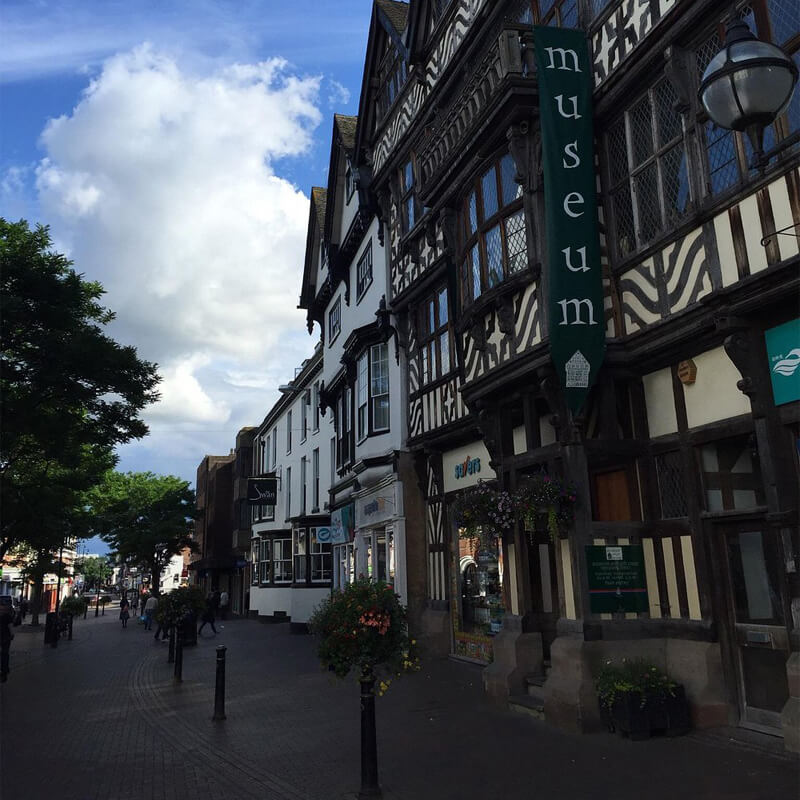
The name Stafford means “ford” by a “staithe”. A ford is an Old English term for a shallow part of a river that can be easily crossed, and a staithe, also Old English, means a landing place or land bordering on water, like a riverbank or shore. So in modern English Stafford translates to “ford by a landing place”.
Saint Beorhthelm was an Anglo-Saxon saint who is said to have founded a hermitage in about the year 700 on the island of Bethnei, which later became the town of Stafford.
Stafford was one of many defensive burhs founded across the Kingdom of Mercia as part of Æthelflæd’s campaign against the Danes. Soon after, Stafford became the county town of Staffordshire, when the new shire of Staffordshire was created in the early 10th century. Shortly after, a mint was founded at Stafford by King Æthelstan which continued in operation until the reign of Henry II in the late 12th century.
Shortly after the Norman conquest of England, a rebellion led by Eadric the Wild against the Normans in 1069 culminated in the Battle of Stafford. Another rebellion followed two years later, led by Edwin, Earl of Mercia, which ended with the death of Edwin and the distribution of his lands among the followers of William the Conqueror. One of those followers was Robert de Tonei, later known as Robert de Stafford, and the town became the seat of the powerful Stafford family.
Robert de Stafford built Stafford Castle between around 1070 – 1100, at which time it was made of earth and timber, and wouldn’t be rebuilt in stone until the 14th century.
Stafford was a walled town by 1086. The town walls would have been wooden originally, but later rebuilt in stone. At this time, there were four gates on the roads into the town from all four directions; the north, east, south and west. However, by the end of the 17th century the walls were in ruin, and their remnants were gradually demolished.
Stafford became an important market town during the Middle Ages, with a particular focus of trading cloth and wool. Medieval Stafford was served by two churches; St Chad’s, which is the oldest building in Stafford, dating from the 12th century, and St Mary’s which dates from the early 13th century.
King Richard II was paraded through the town’s streets as a prisoner in 1399, by troops loyal to Henry Bolingbroke (the future Henry IV).
Stafford went into decline during the Tudor period, at which time Elizabeth I visited the town and the Ancient High House was built.
In the 17th century, during the English Civil War, Stafford was initially held by the Royalists when King Charles I stayed at the Ancient High House and made it his temporary headquarters. The town resisted two assaults by the Parliamentarians in February 1643, but was later taken by them in May 1643, and Stafford then became the seat of the parliamentary county committee. Stafford Castle was defended by a garrison led by Lady Isabel Stafford, but the Parliamentarians finally won control and a few months later an order was given for the demolition of the castle.
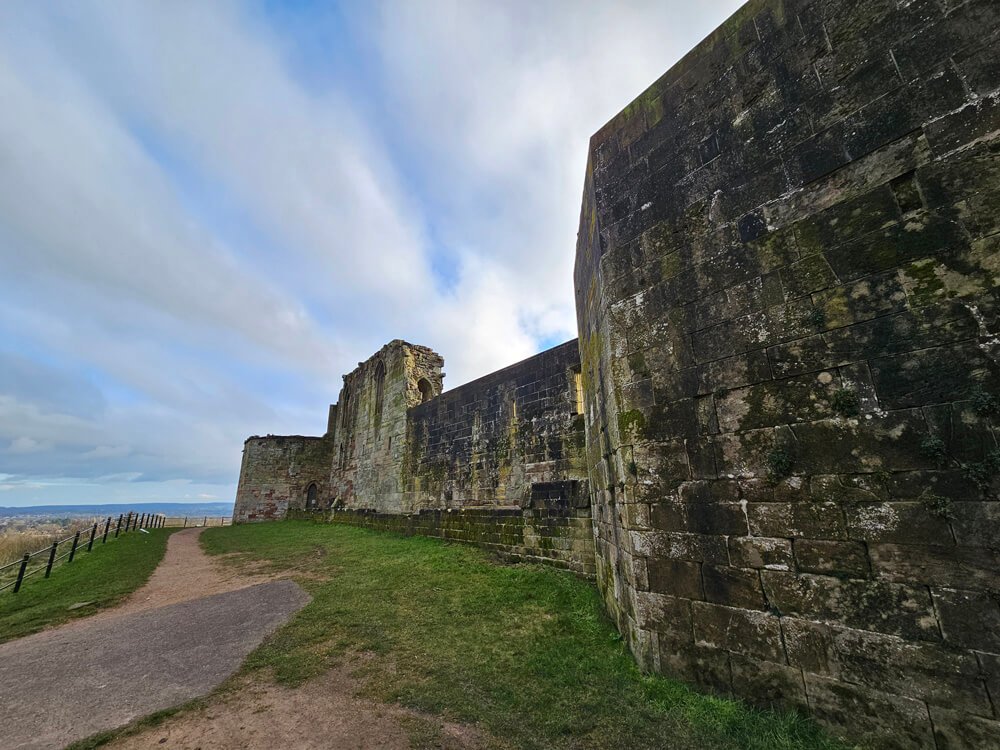
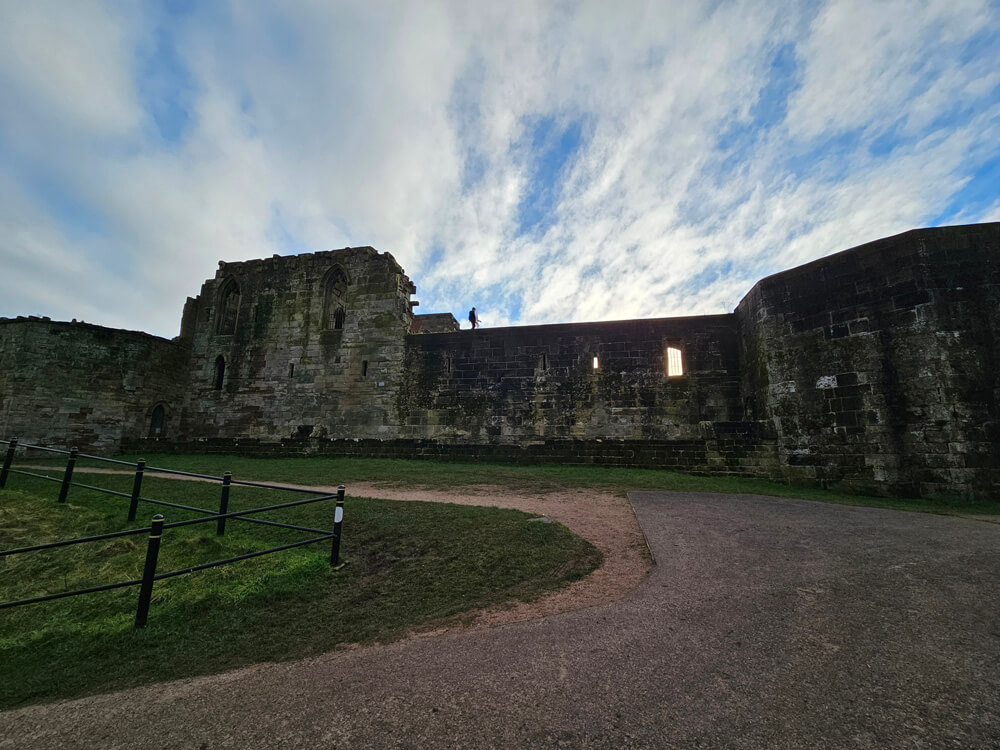
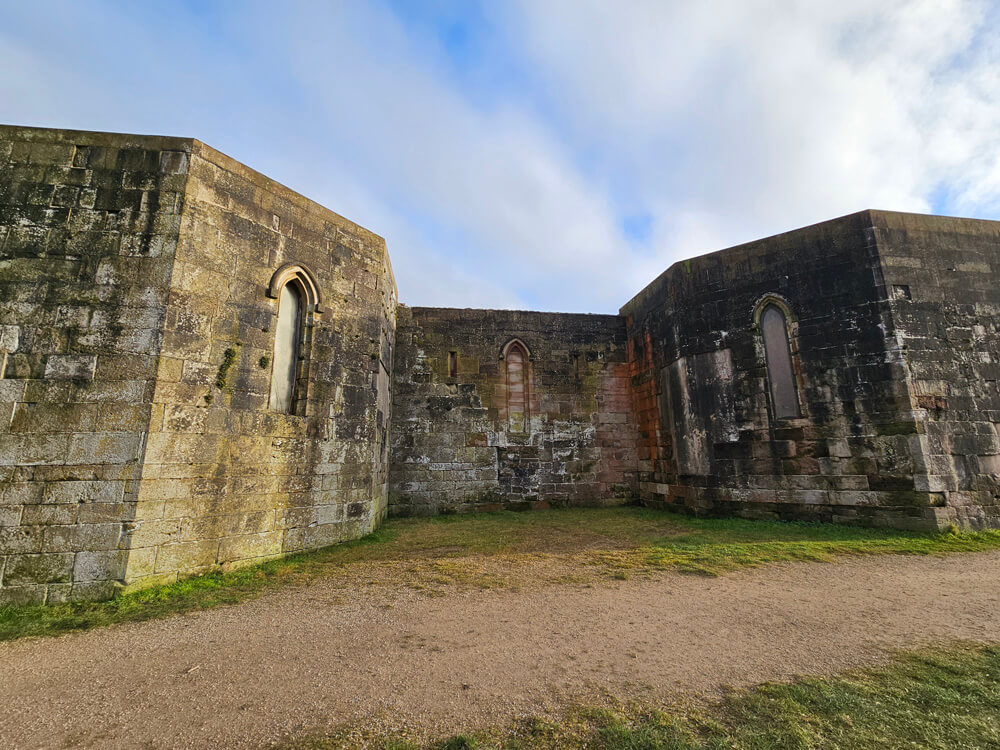
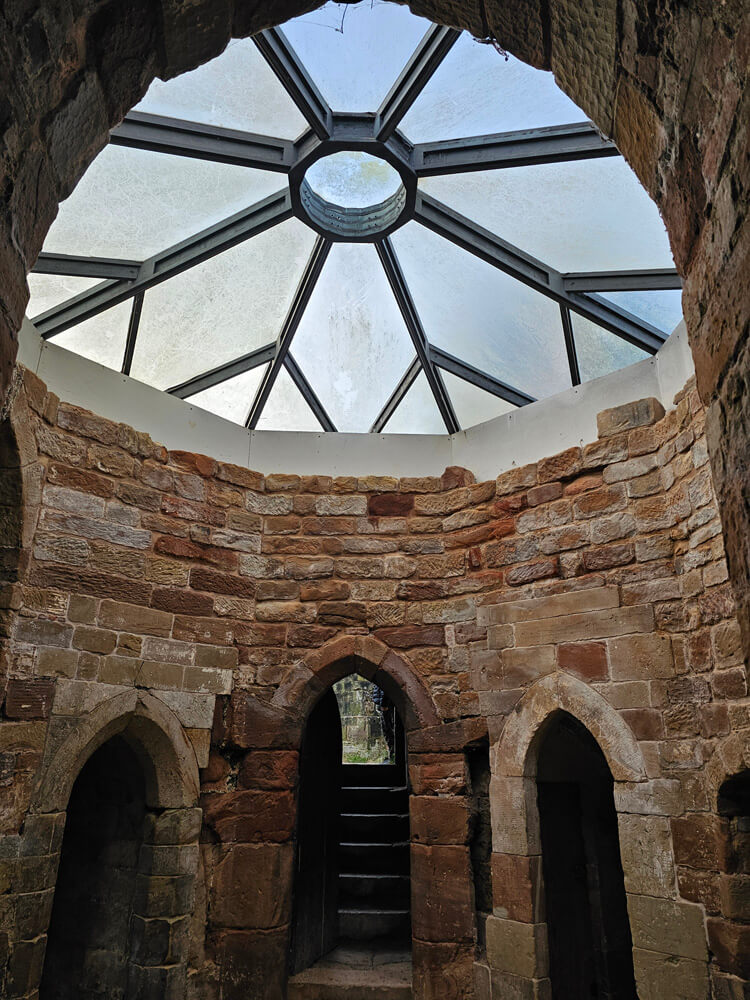
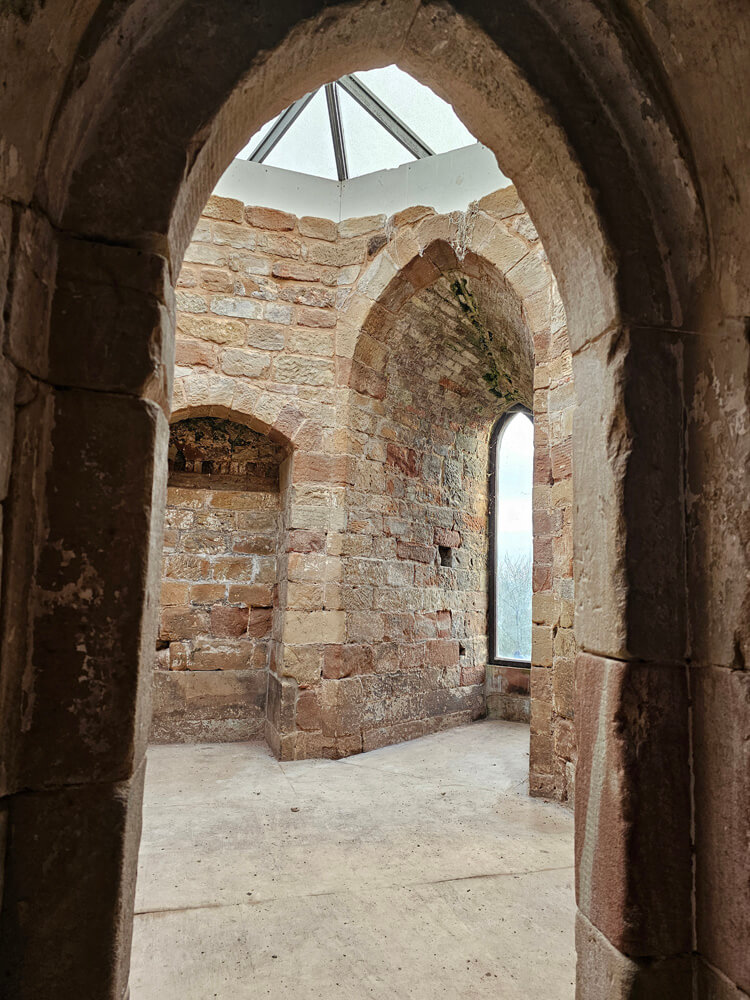
Stafford Castle
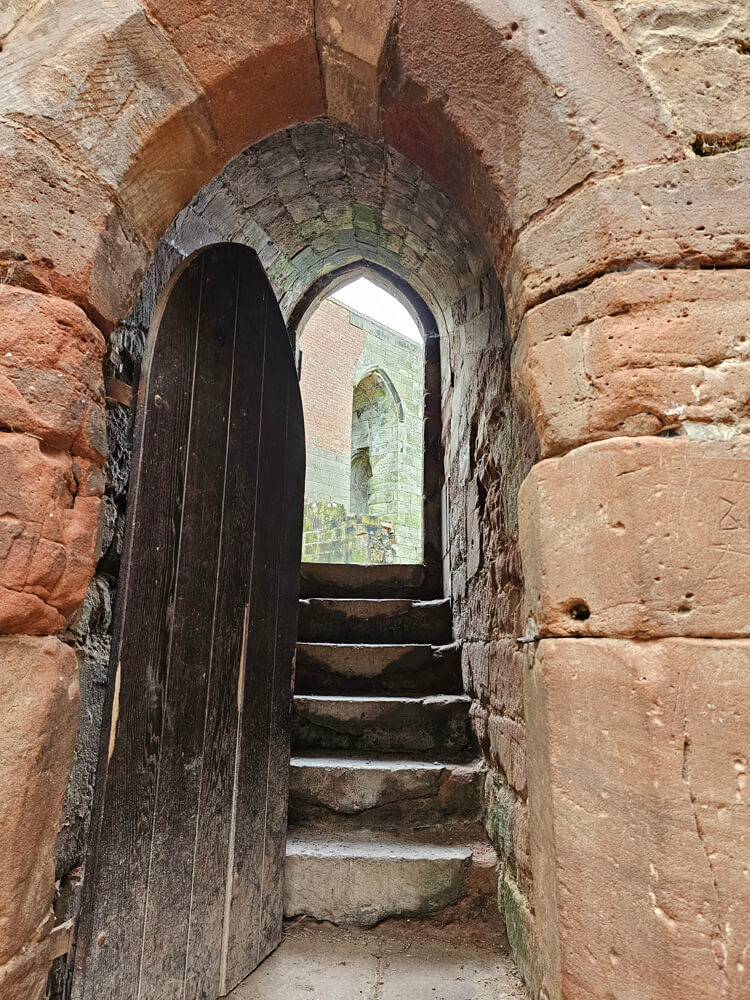
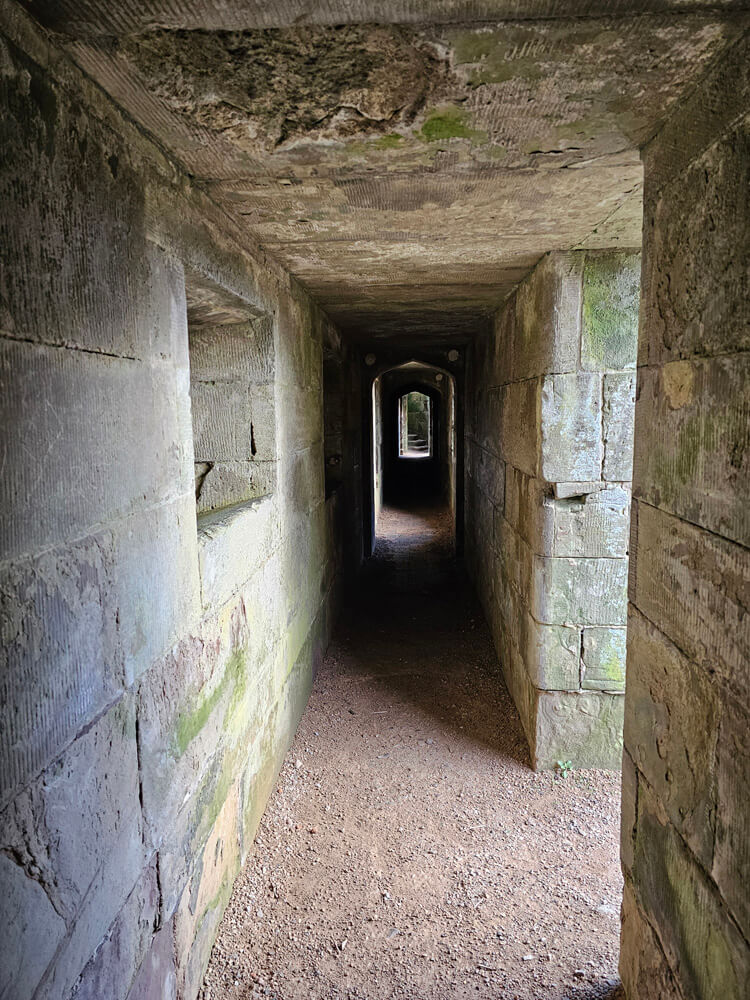
Dominating the local skyline for over 900 years due to it’s high position, the ruined remains of Stafford Castle are of an extensively rebuilt 14th-century stone keep atop an 11th-century castle mound. The site extends to over 26 acres and consists of the Keep, inner bailey, outer bailey, and woodland. Henry VIII’s daughter, Queen Elizabeth I, came to Stafford Castle in 1575, and she and her court were entertained for dinner.
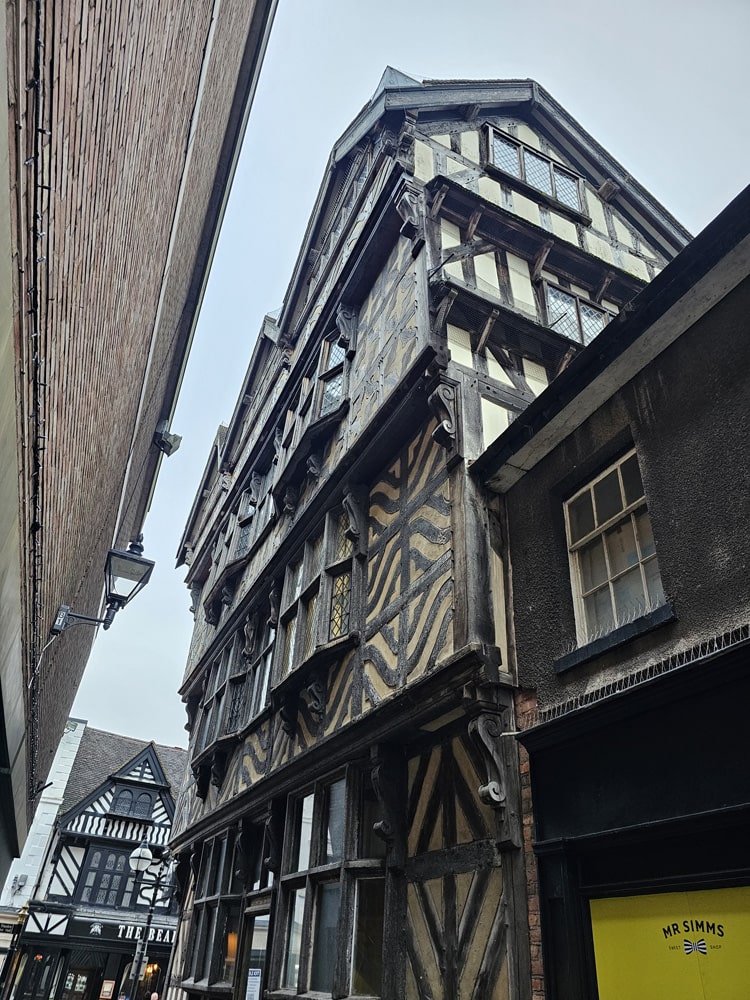
Ancient High House
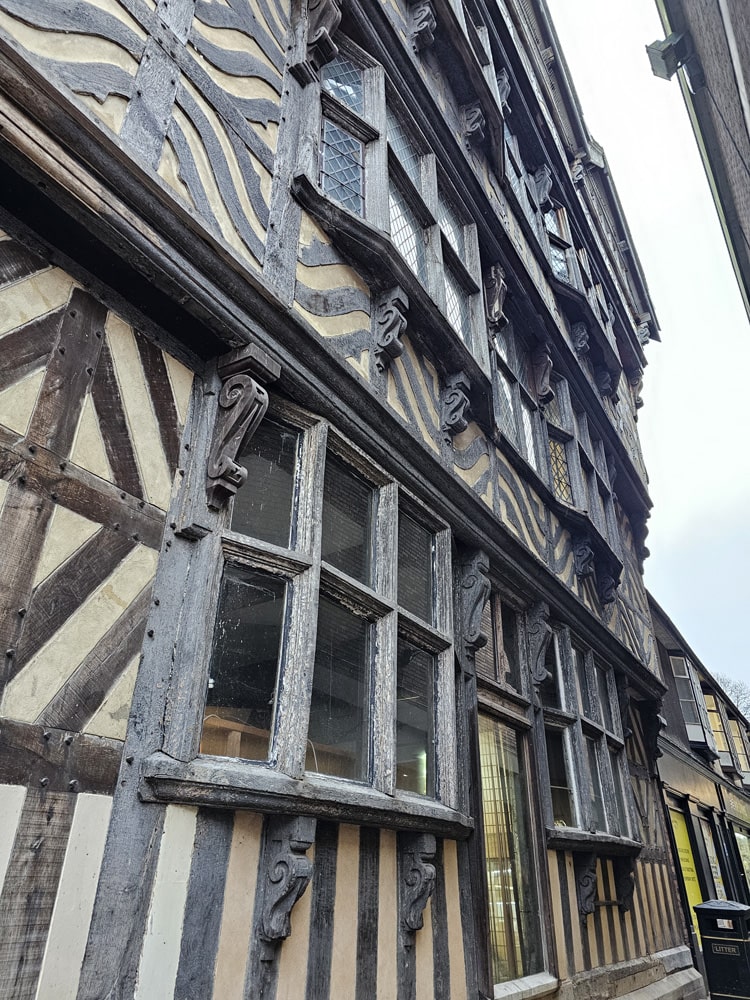
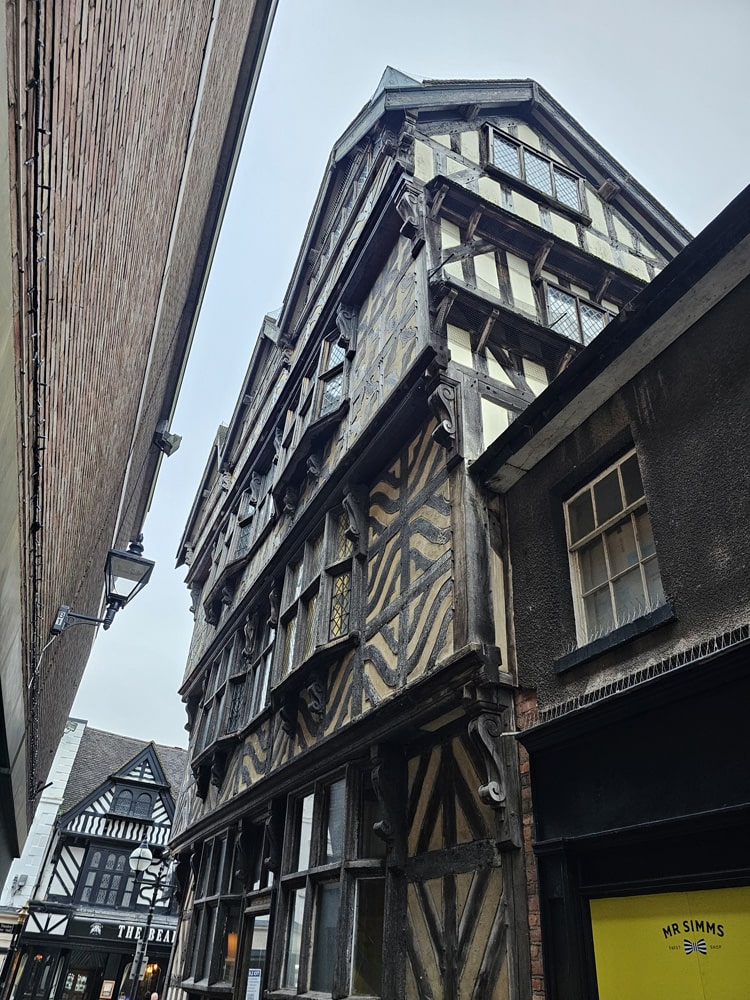
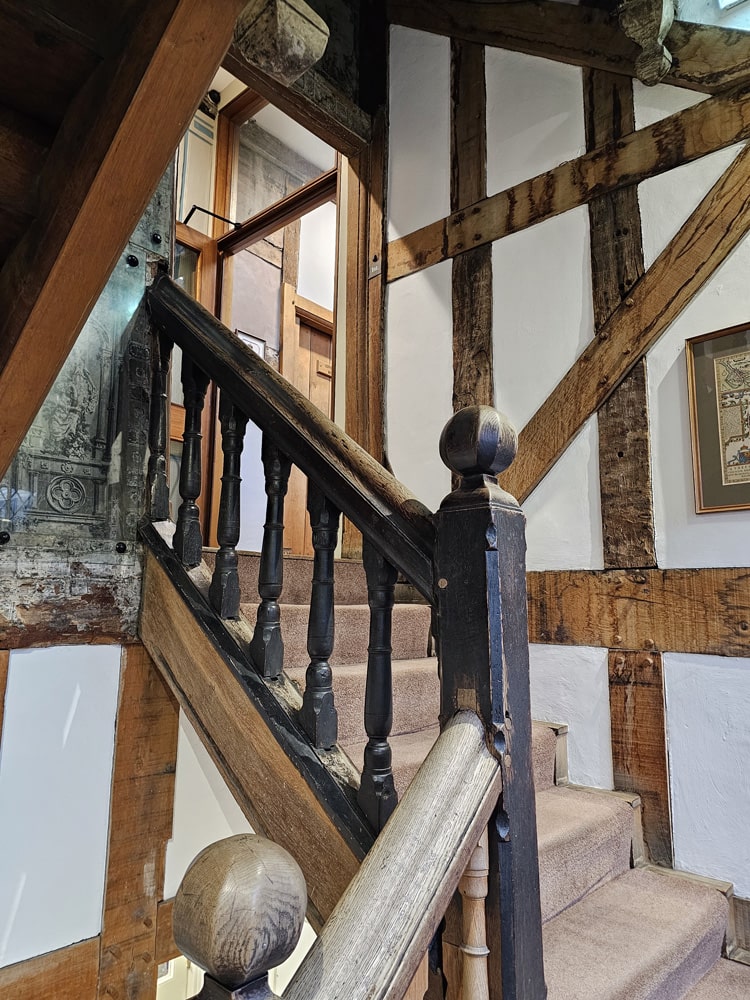
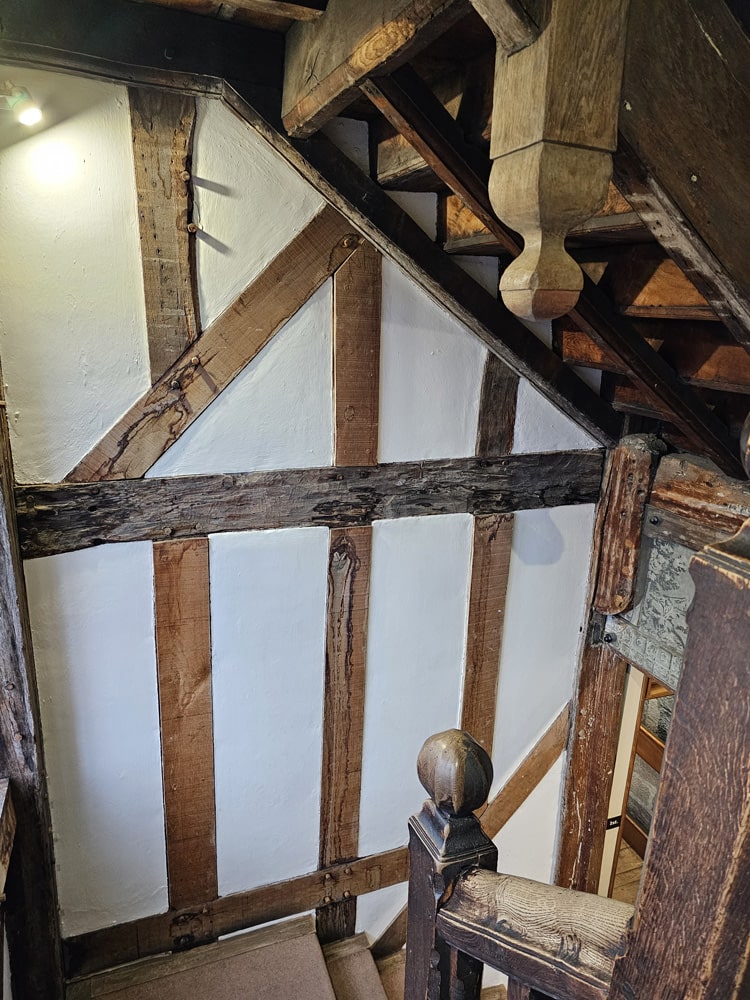
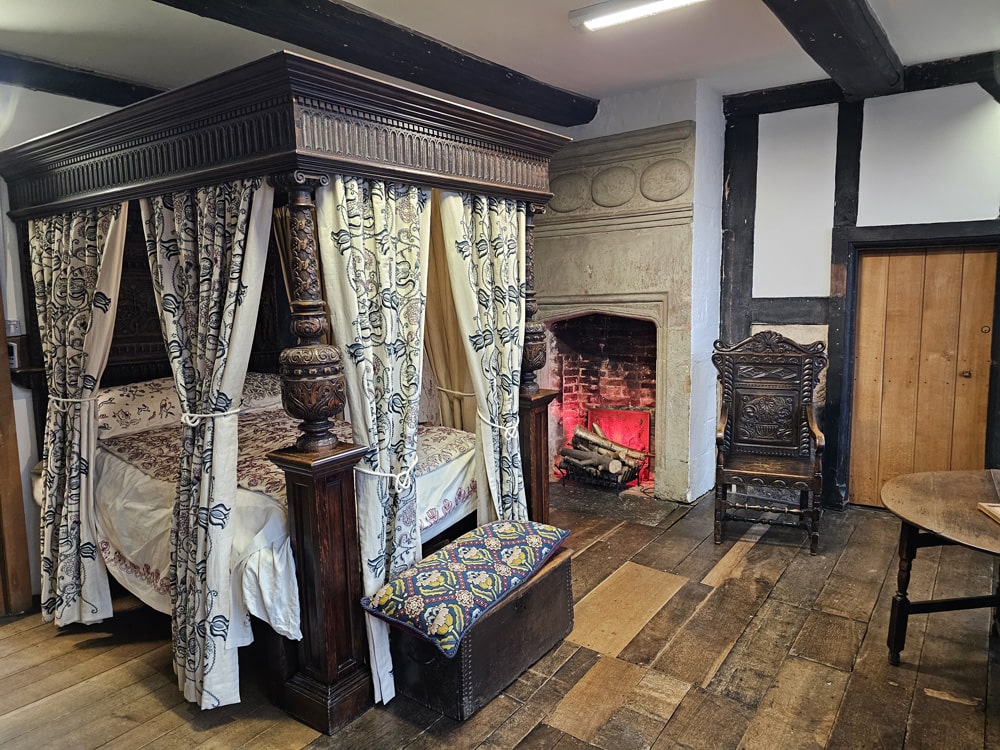
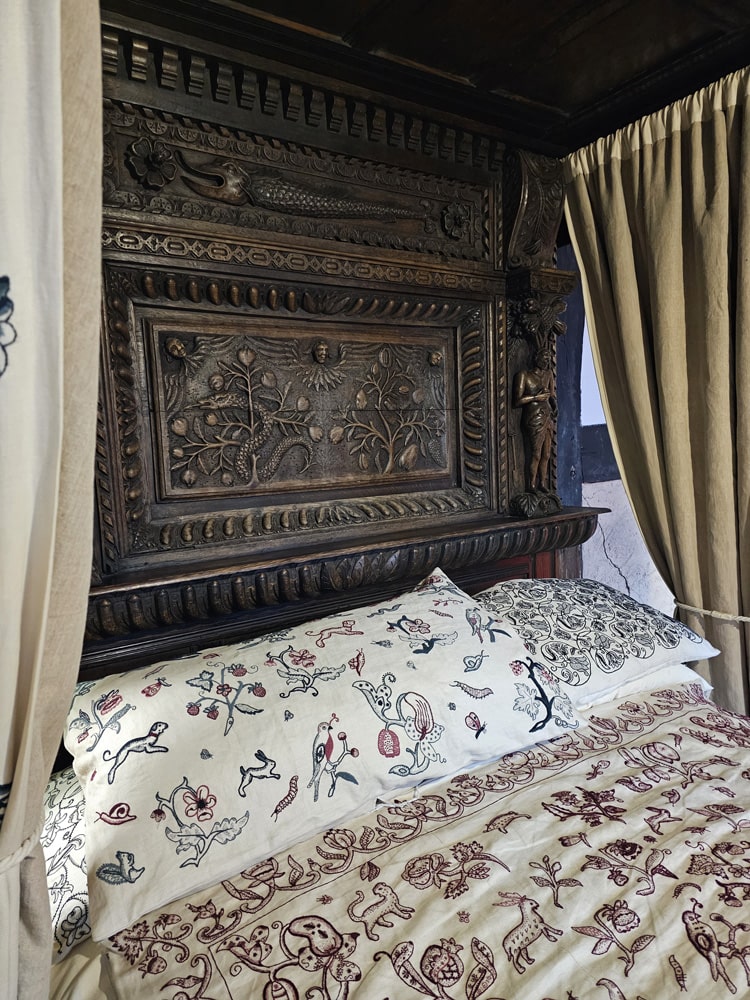
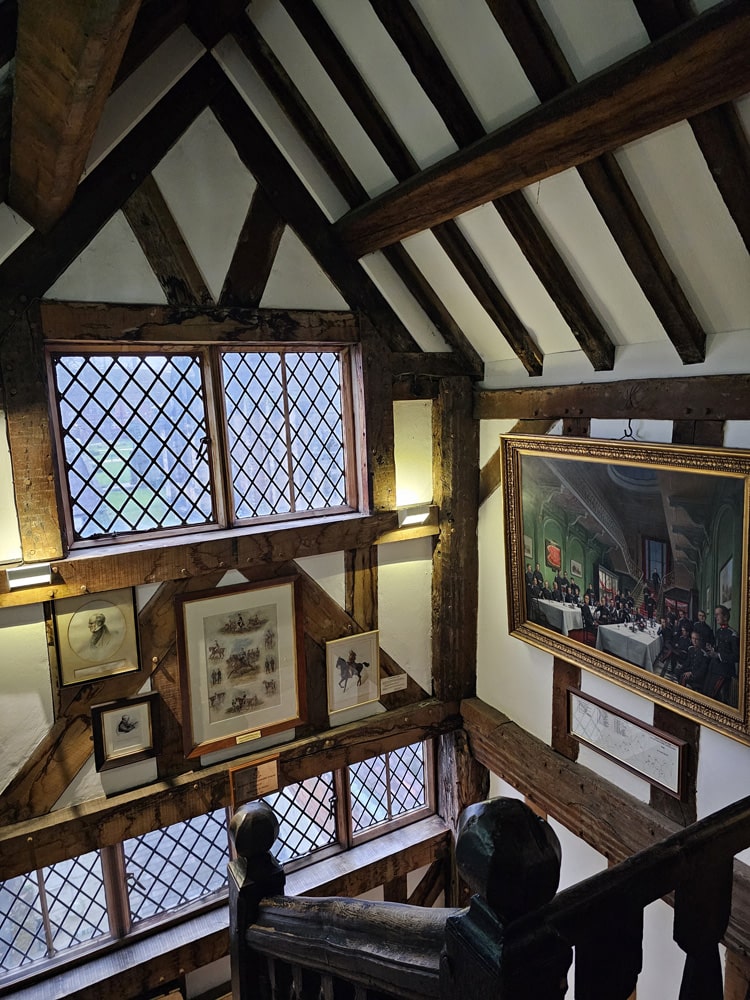
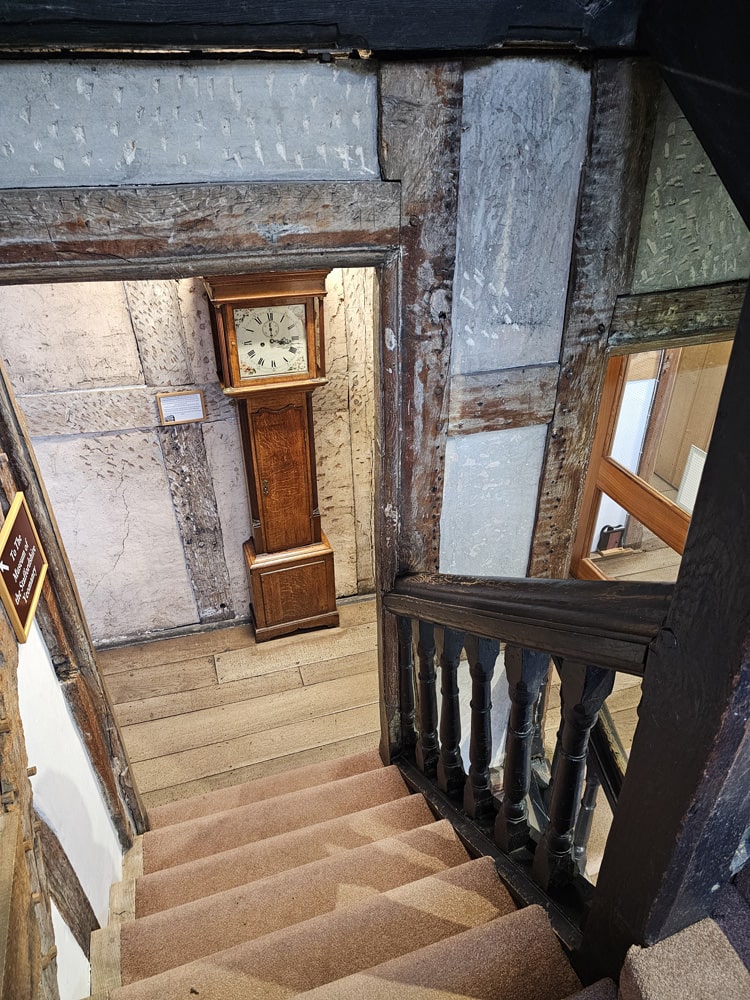
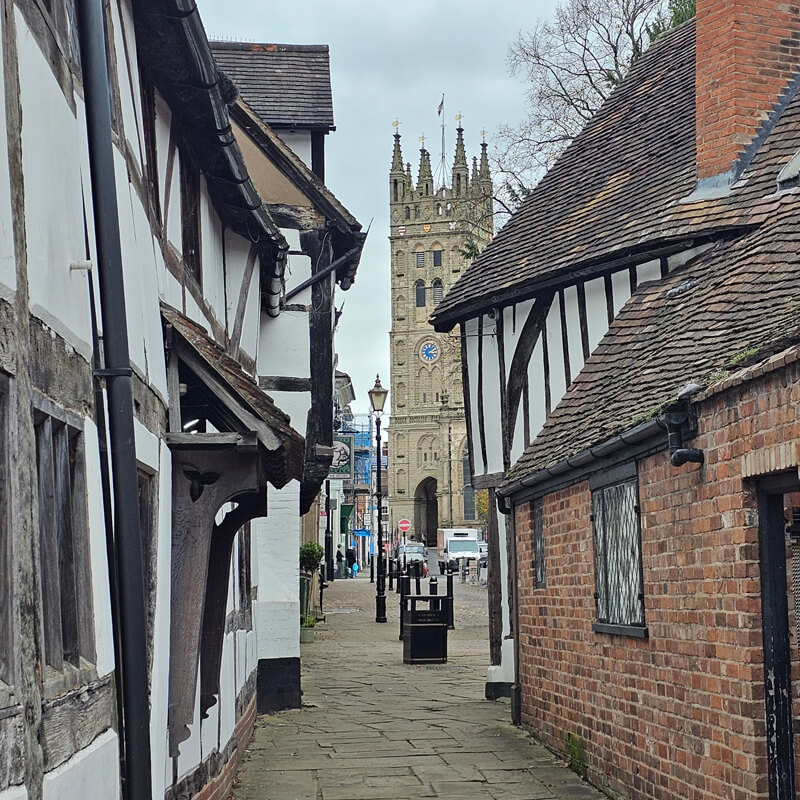
The Ancient High House is a Tudor-style Elizabethan town house located on Stafford’s main street. The house was constructed in the late 16th century and is widely considered to be the largest surviving timber-framed town house in England. Now a museum, the house retains an extensive collection of period furniture and architectural features, providing a fascinating glimpse into the lives of the people who have lived there over the centuries.
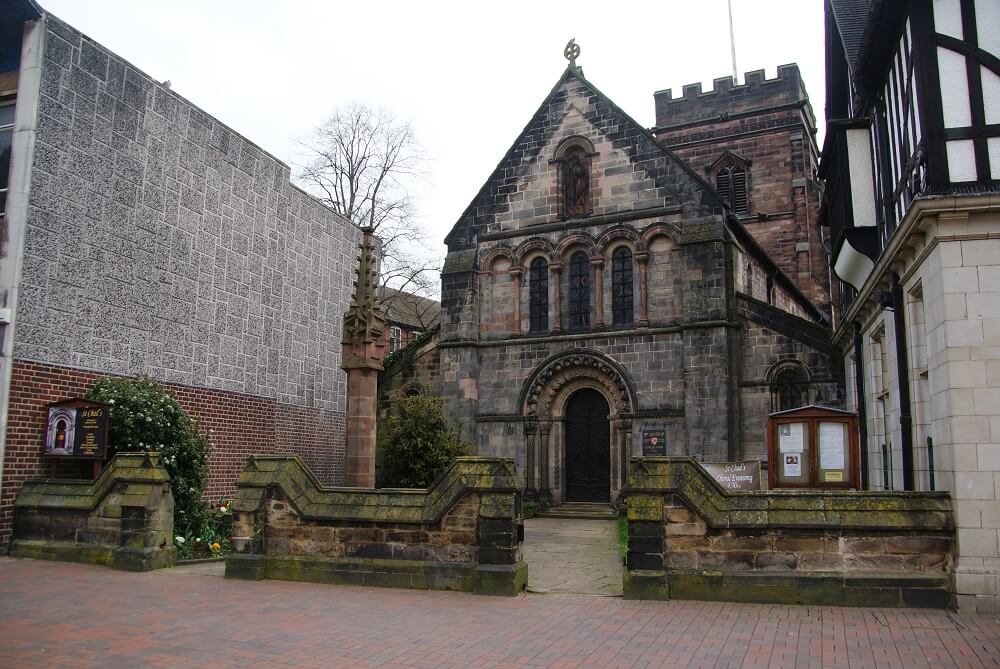
Historic Churches
The oldest churches in Stafford are St Chad’s and St Mary’s. St Chad’s Church is the oldest building in Stafford, dating to the 12th century. With its impressive octagonal tower, the collegiate church of St Mary’s is the largest and grandest of the two churches, and dates from the early 13th century. However, both churches were heavily restored by the Victorians in the 19th century and much of the Norman architecture was obscured.
Photo Gallery.
Did you enjoy this post?
I hope you found this post useful. I put a great deal of time and effort in to building, maintaining and populating the website. If you like, you could say a small thank you by buying me a coffee. You don't have to, but it would be nice :)
Buy me a coffee
Stay up to Date
Follow me on my journey and get notified whenever a new post is published by following Kings & Castles on Facebook.
Follow MeExplore The Map
Discover the hundreds of castles, churches, monasteries, cathedrals and other historic locations that I've personally visited across England and Wales. Search by location, explore nearby sites and plan your next historical adventure.
Share: