Wigmore Castle
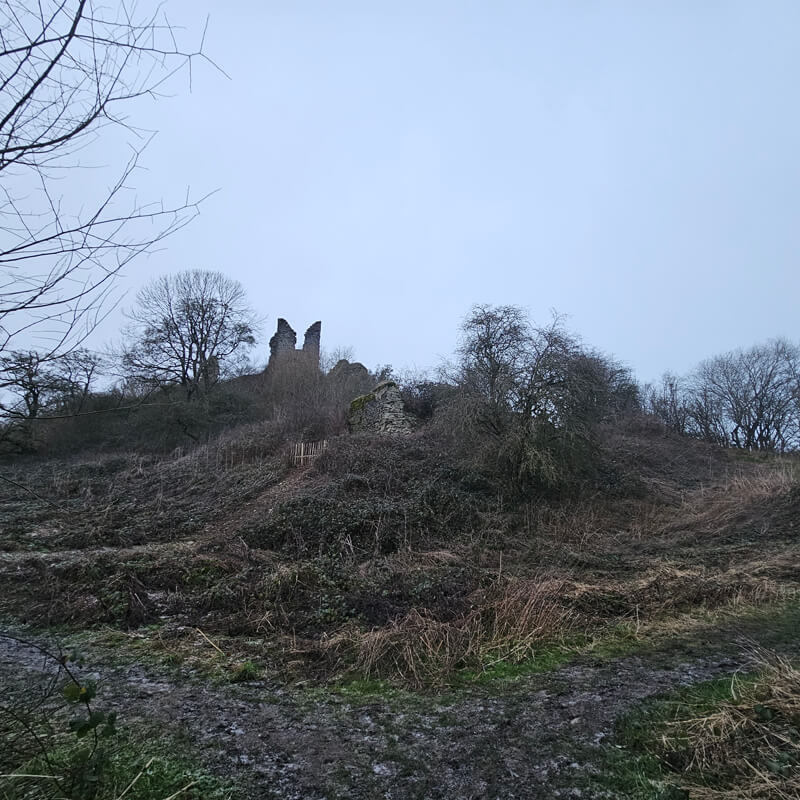
Wigmore Castle is a ruined castle in the north west region of Herefordshire, England. It was the most important castle of the Mortimers, the aristocratic family who oversaw much of the medieval Anglo-Welsh border. It was originally founded as a timer fortification shortly after the Norman Conquest and was rebuilt in stone in the 12th and 13th centuries.
Quick
Facts.
- Location: Wigmore, Herefordshire, England
- Established: c. 1070
- Built in stone: 12th and 13th centuries
- Condition: Ruined
- Date visited: December 2024
- More info: Visit website
- Rating:
A Bit of History…
Wigmore was one of many castles built close to the England–Wales border after the Norman Conquest to defend England against attack by the Welsh. Wigmore Castle was founded around the year 1070 by William FitzOsbern, 1st Earl of Hereford and a close associate of William the Conqueror. It was a major centre of aristocratic power and control for the surrounding area for over 500 years, and played host to several kings and queens throughout the medieval period.
The original early Norman castle built by William FitzOsbern was likely built entirely of timber, with reinforced timber walls on top of large earthworks. Given the scale of his fortifications at Chepstow, Monmouth and elsewhere, it is likely to have been substantial and probably covered much the same area as the present castle.
After the death of William FitzOsbern in 1071, the castle passed to the powerful Mortimer family who held it until the early 15th century. Wigmore became the chief fortress from which the Mortimers controlled large parts of central Wales, serving as their base for numerous military incursions into Wales.
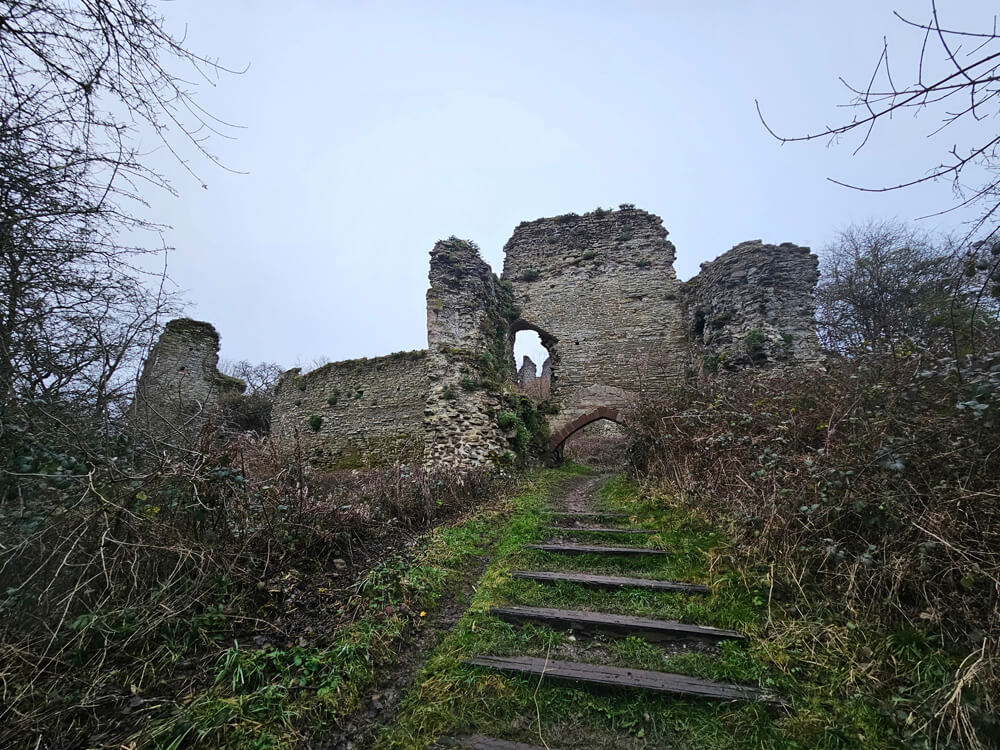
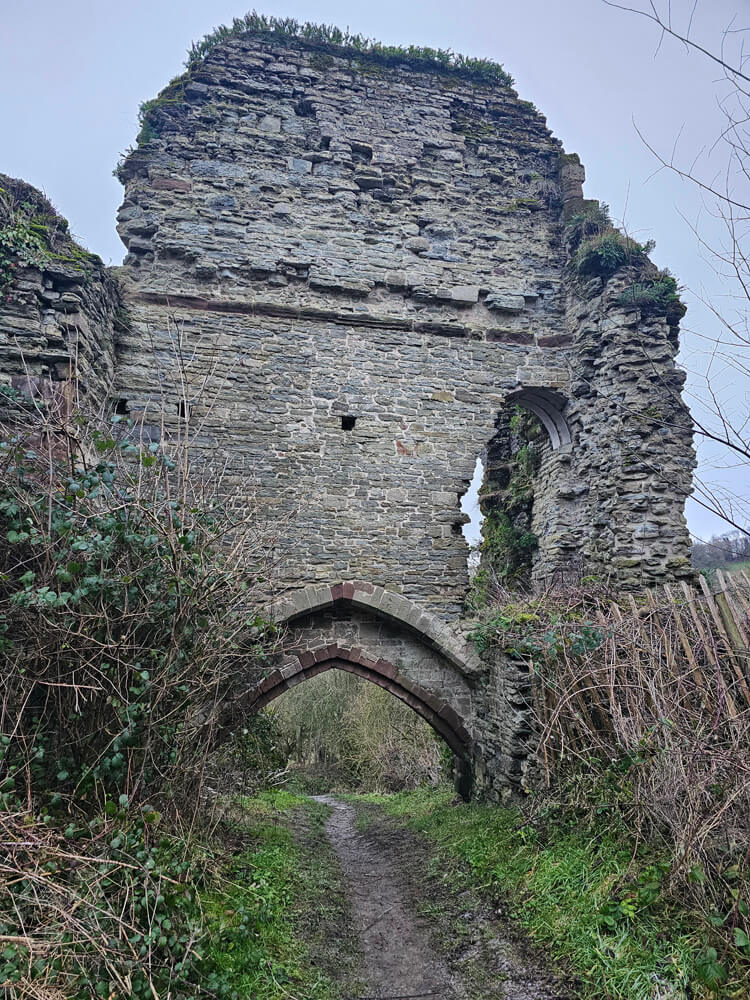
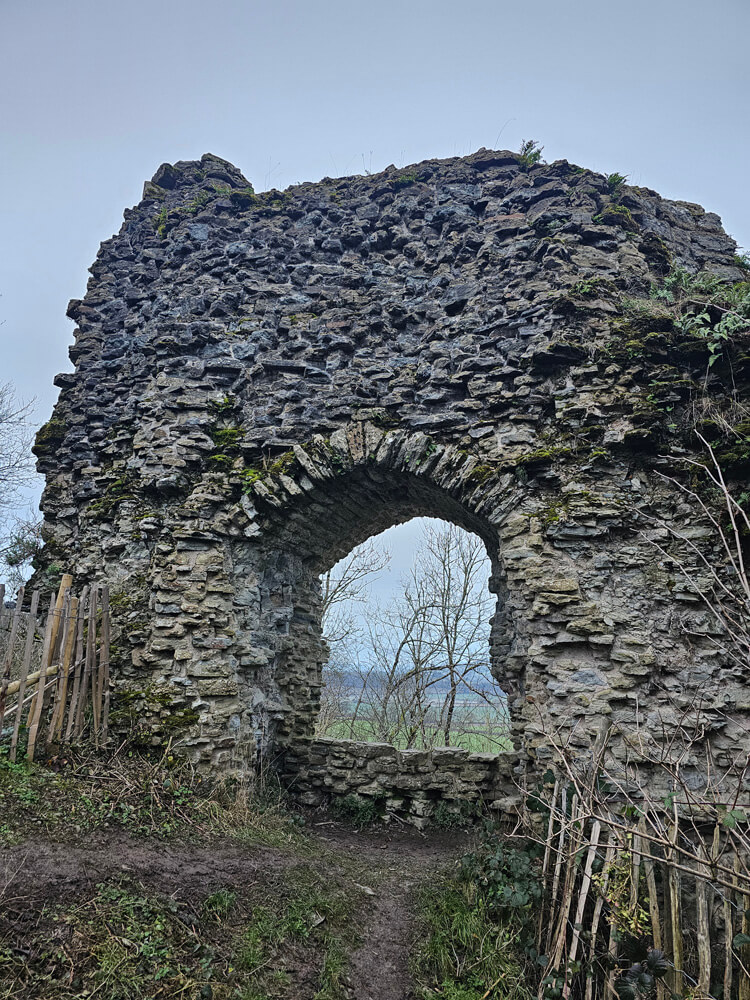
The Mortimer family rebuilt the castle in stone in the 12th and early 13th centuries and were responsible for the castle as we see it today, including the inner part of the gatehouse, the D-shaped east tower, and the curtain wall that surrounds the bailey, which are the main survivals from this period. The 14th century saw more work on the castle when the walls were raised, more towers were added, the gatehouse was remodelled and other buildings were constructed on the site.
In 1155 the castle was besieged by Henry II because Hugh de Mortimer refused to return Bridgnorth Castle to the crown. Two small earthworks to the east and west of the castle have survived to the present day, and may represent siege-works built for the campaign.
Roger Mortimer is perhaps the family’s best-known figure. Roger had succeeded his father Edmund in 1304, and strengthened the position of the Mortimer family considerably, acquiring Ludlow Castle and many lands in Ireland through marriage. Roger was a leader of the party opposed to King Edward II in the 1320s, and sometime around 1325 he became the lover of Edward’s queen, Isabella of France. In 1327 Roger and Isabella had engineered the deposition and murder of her husband, King Edward II, in favour of her young son, Edward III. Roger Mortimer became the most important man in the kingdom, and was, in effect, the ruler of England for three years, using his influence with the queen and as stepfather of the young King to gain more land and power. However, his influence was short-lived, when Edward III asserted his authority, arrested Mortimer and had him executed for treason in 1330.
After Mortimer’s execution, his lands were seized by the crown and Edward III spent several weeks at Wigmore in the summer of 1332. The castle and lands were returned to the family in the later 14th century, although Wigmore never regained its earlier importance, and Ludlow seems to have become their main residence instead.
Roger’s heir, also named Roger Mortimer, 2nd Earl of March, was a founder member of the Knights of the Garter, and his grandson, the 4th earl, another Roger Mortimer, was briefly declared heir presumptive to the English throne should Richard II die childless.
The male line of the Mortimers died out in 1424, and the castle then passed to Richard Plantagenet, 3rd Duke of York through his mother Anne Mortimer, sister of the last Roger Mortimer. Wigmore Castle is said to have been derelict in 1425, but archaeological excavations suggest that building work was carried out at Wigmore in the mid-15th century. Richard’s son Edward, Earl of March was almost certainly based at Wigmore Castle before his victory at the Battle of Mortimer’s Cross during the Wars of the Roses in 1461. He deposed Henry VI and was crowned as Edward IV that same year.
Once the magnificent and important stronghold of the powerful Mortimer family, Wigmore Castle was beginning to decay again, and it was later dismantled by the Parliamentarians to prevent its use by the Royalists during the Civil War. The castle fell into ruin after the Civil War and remained an untouched ruin until the 1990s, when English Heritage conserved it in a way that ensured the castle’s natural environment was preserved.
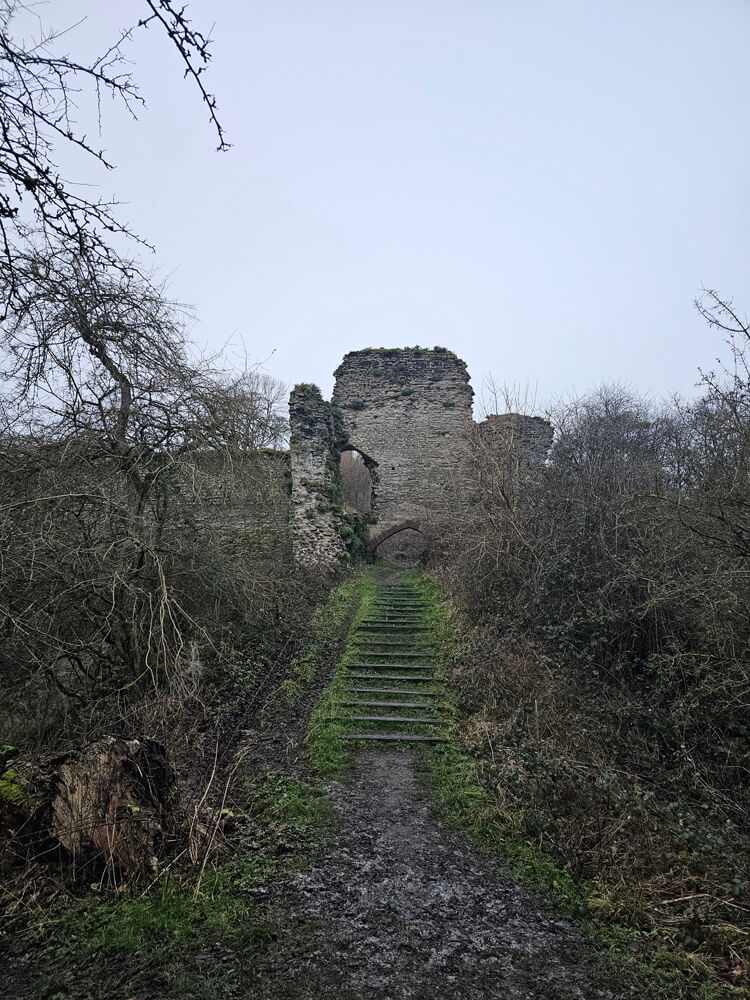
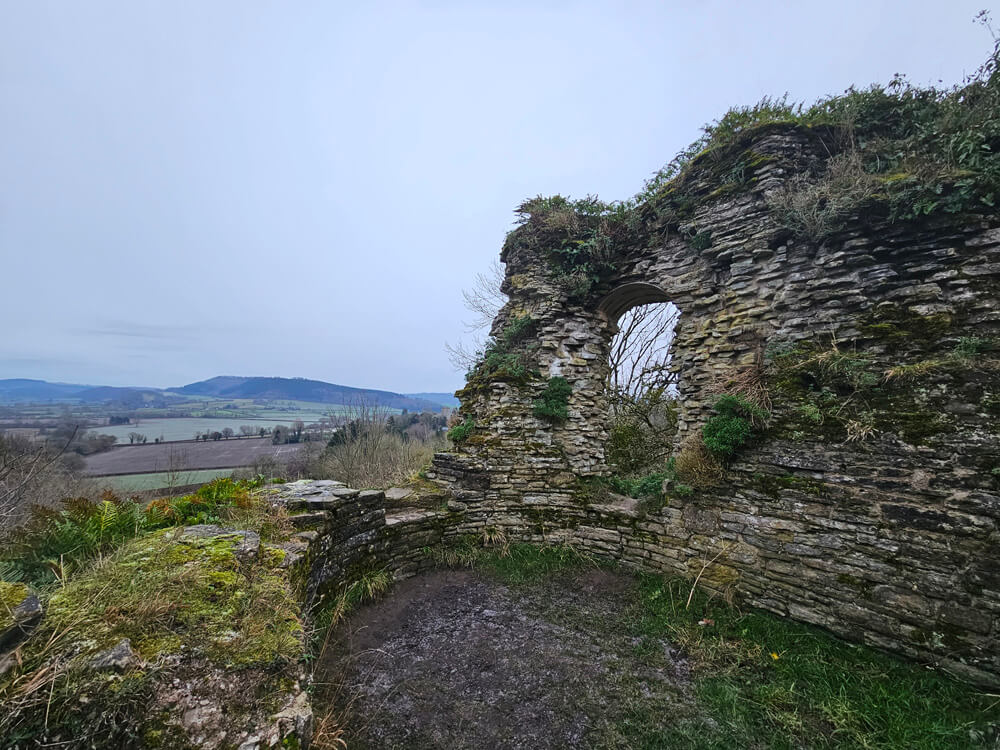
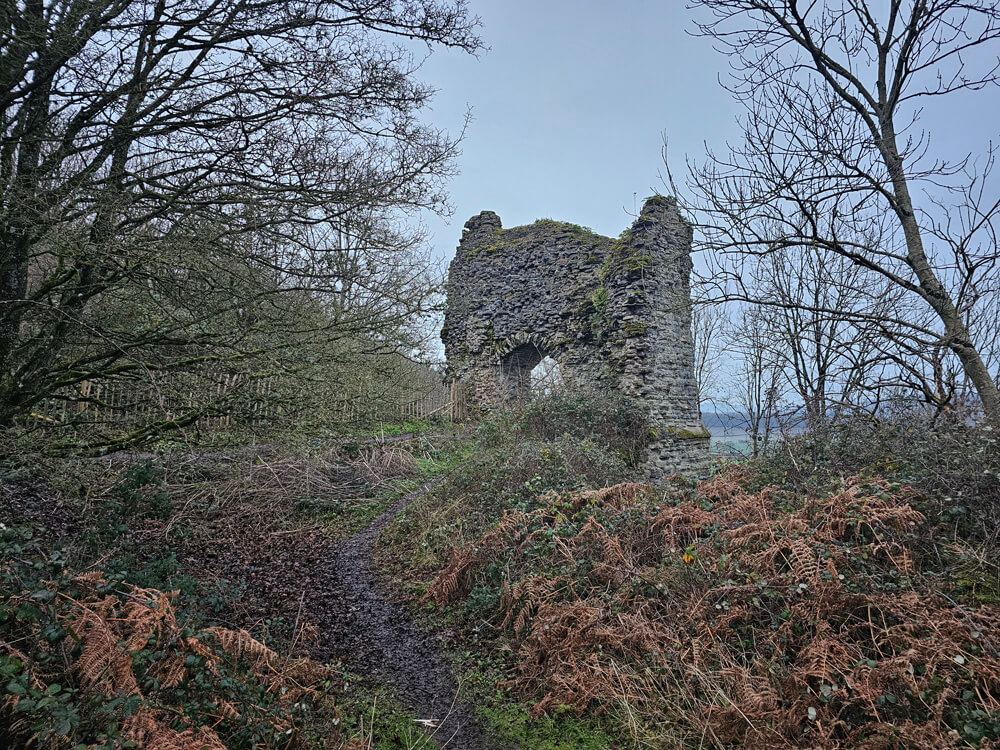
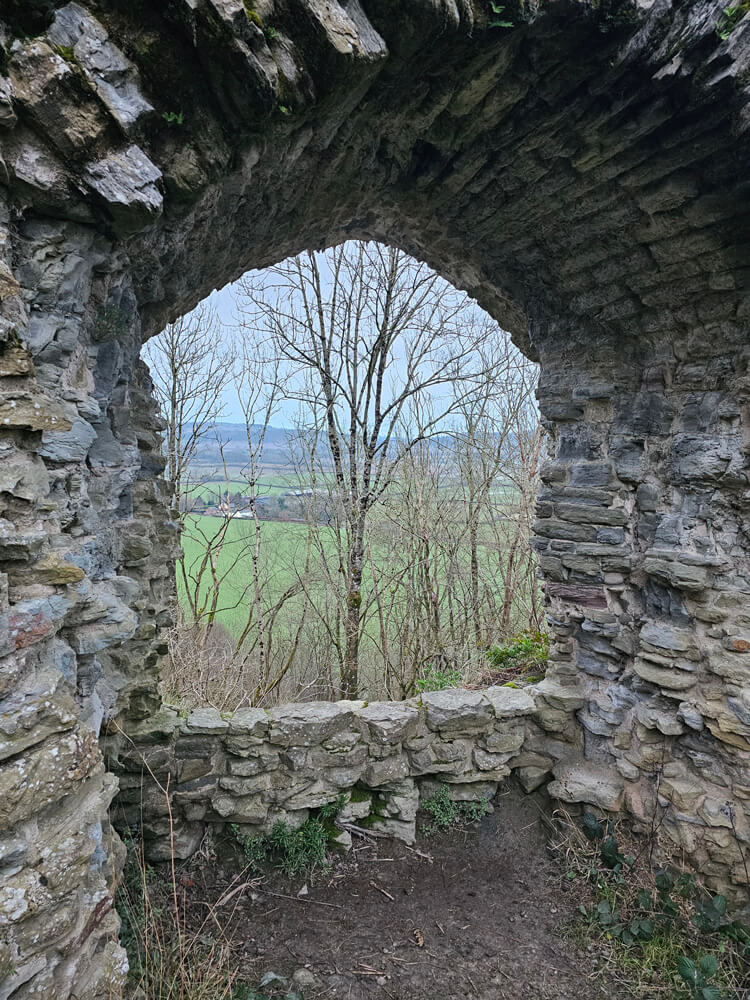
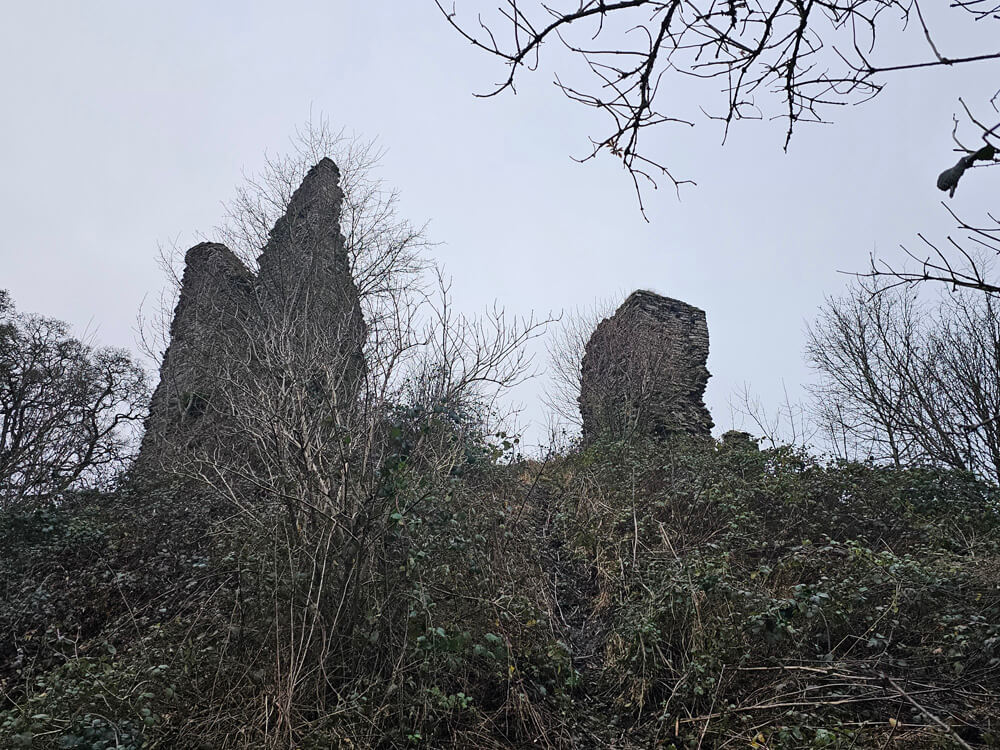
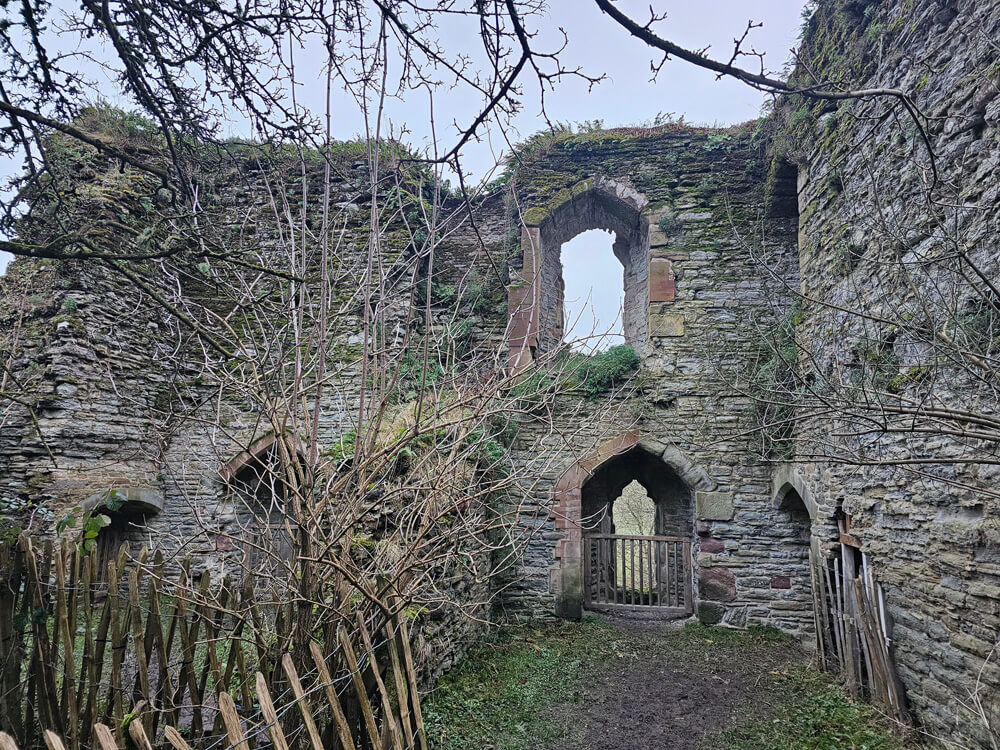
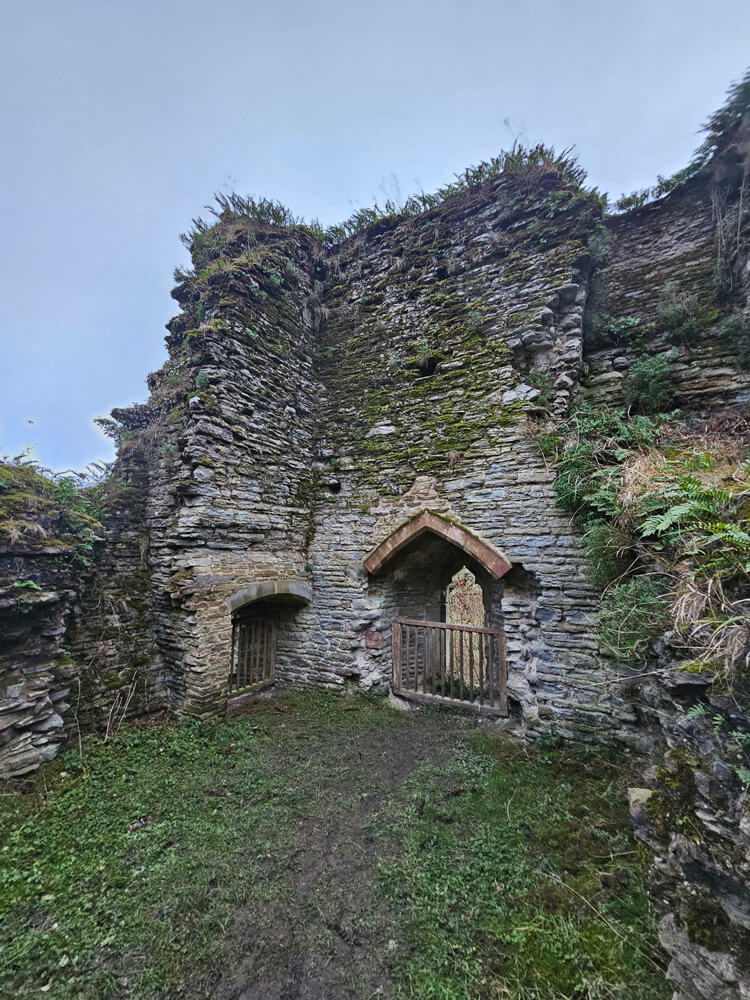
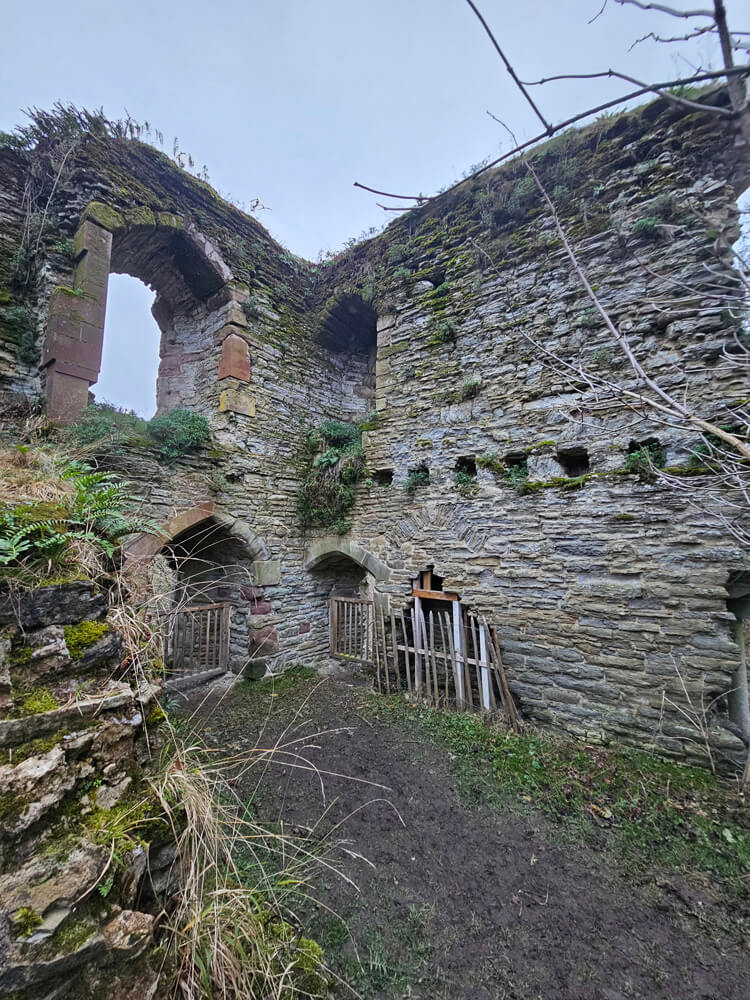
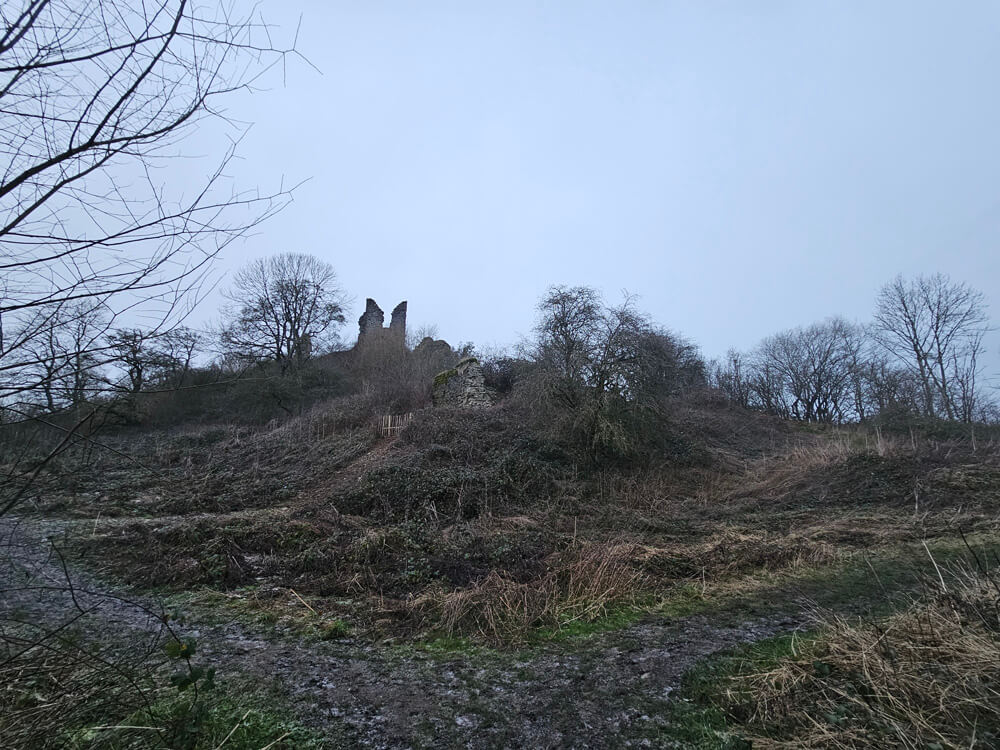
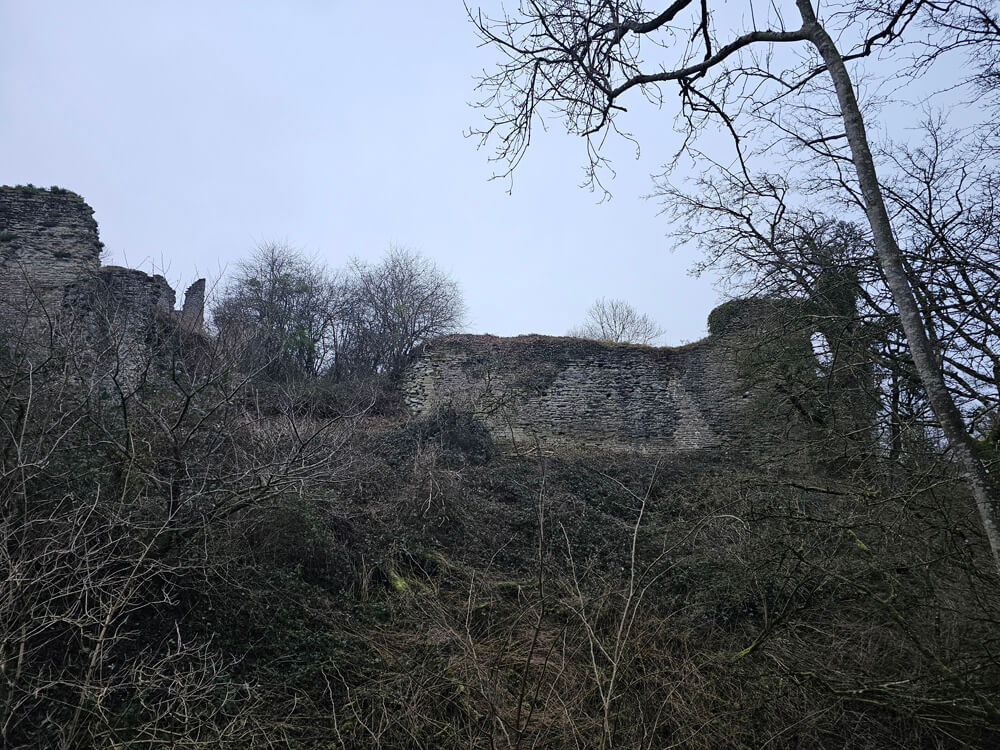
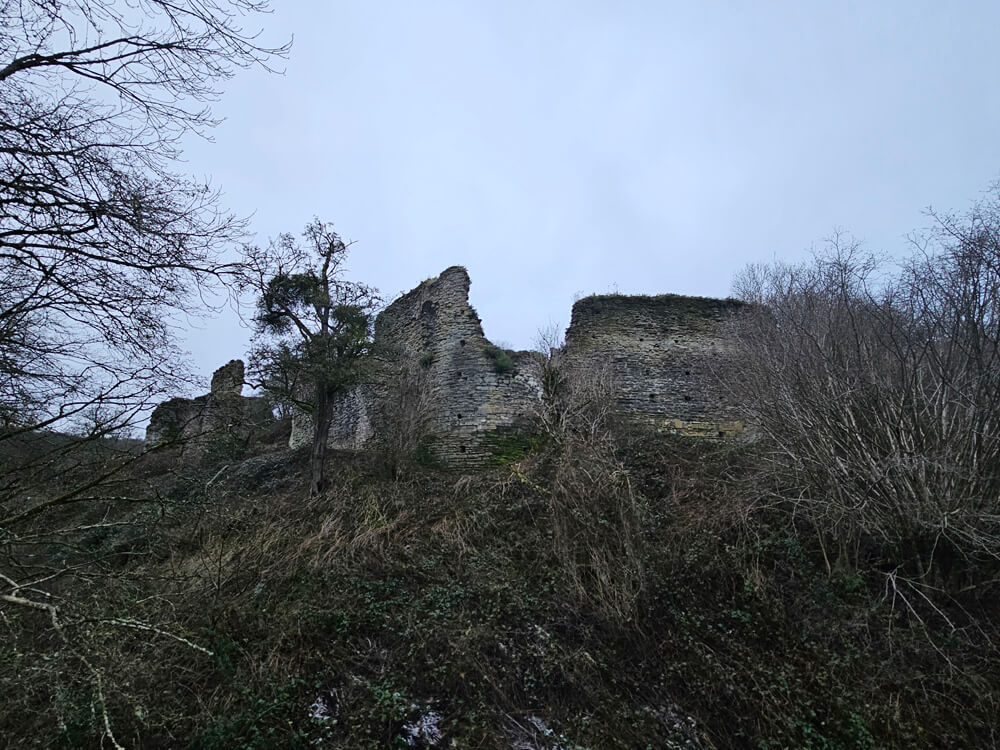
Left neglected and undisturbed for centuries, the castle was gradually covered in trees and other vegetation, the growth leaving the remains as a scattering of ruins with features such as towers, curtain walls and the gatehouse. It is largely buried up to first floor level by earth and fallen masonry, yet parts of its fortifications survive to full height, including parts of the keep on its towering mound.
English Heritage declare that Wigmore’s overgrown appearance is deliberate as they wanted to retain its wildness, as the castle had become home to rare and unusual species, with accumulated debris allowed to remain, and the grasses and ferns allowed to overgrow and spread.
Wigmore Castle is probably one of my least favourite ruins. There isn’t much to explore, it offers no real excitement, and it is a bit ugly to look at, but it is hard not to appreciate how important it once was, and how imposing, vast and magnificent it must have been in its heyday.
Photo Gallery.
Did you enjoy this post?
I hope you found this post useful. I put a great deal of time and effort in to building, maintaining and populating the website. If you like, you could say a small thank you by buying me a coffee. You don't have to, but it would be nice :)
Buy me a coffee
Stay up to Date
Follow me on my journey and get notified whenever a new post is published by following Kings & Castles on Facebook.
Follow MeExplore The Map
Discover the hundreds of castles, churches, monasteries, cathedrals and other historic locations that I've personally visited across England and Wales. Search by location, explore nearby sites and plan your next historical adventure.
Share: