Warwick Castle
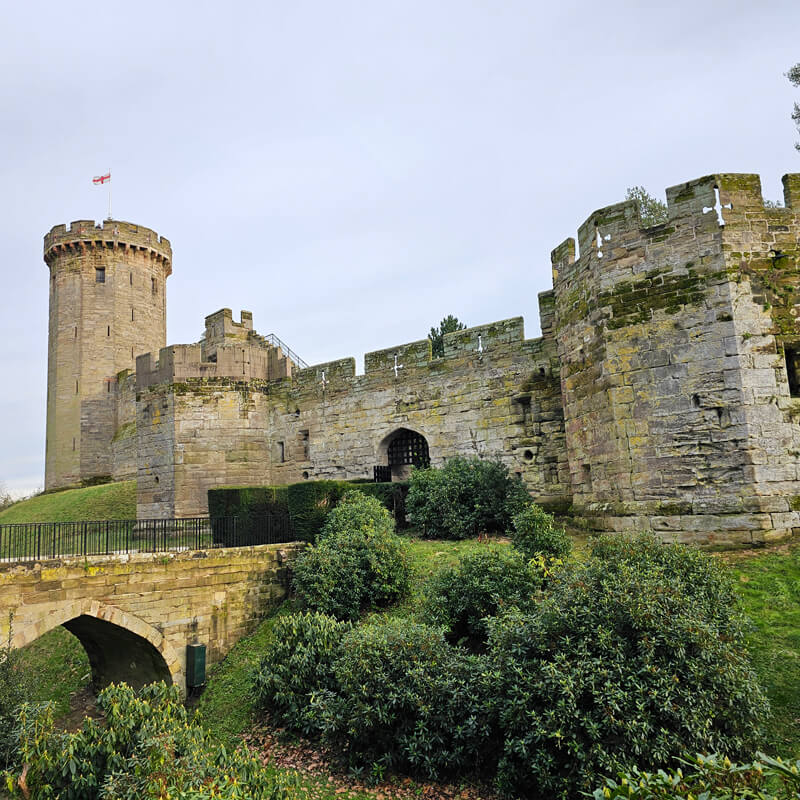
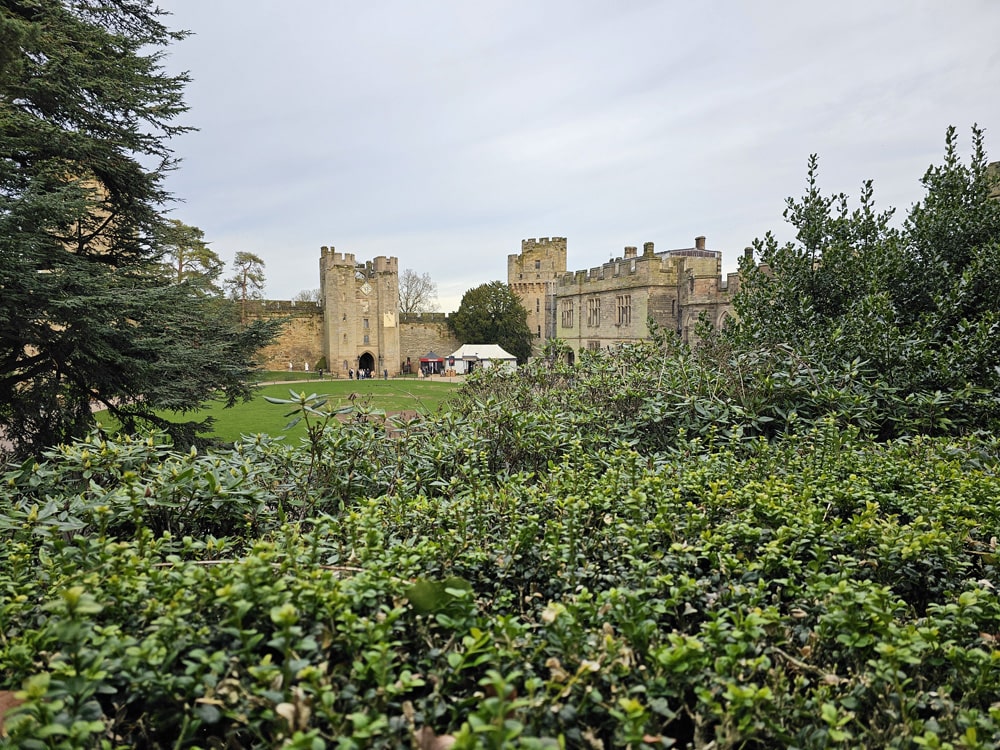
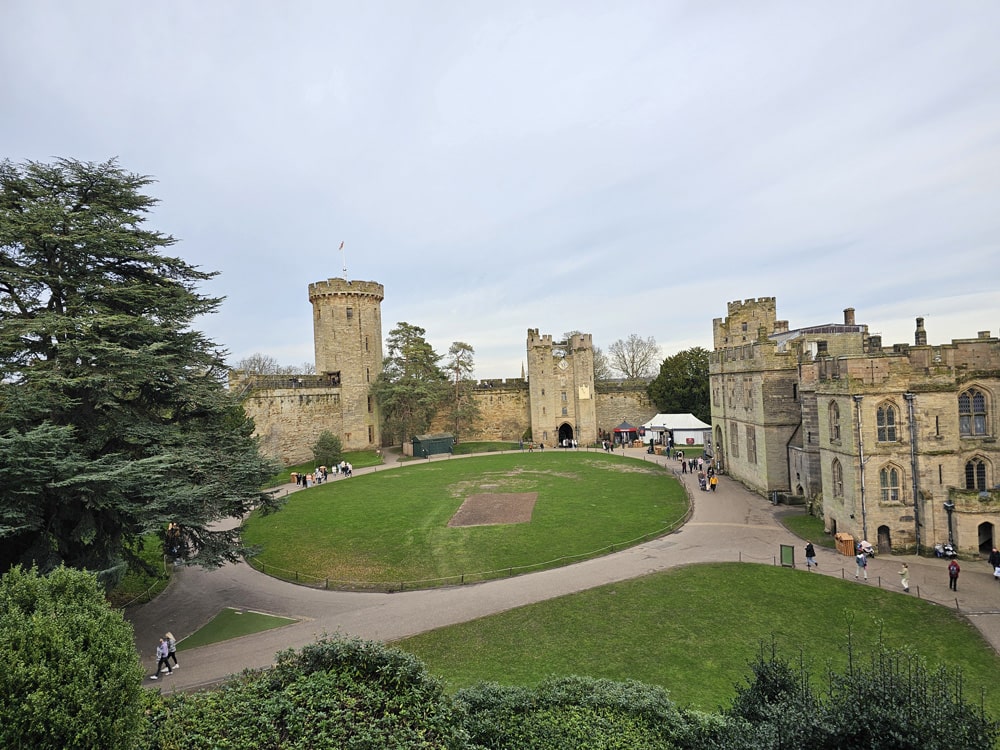
Warwick Castle is a huge, magnificent and incredibly well-preserved medieval castle originally built by William the Conqueror in the year 1068. The castle is situated on a bend of the River Avon, around which the town of Warwick developed. Five important families in succession in English history; the Beaumonts, Beauchamps, Nevilles, Dudleys, and Grevilles, have owned the castle as Earls of Warwick.
Quick
Facts.
- Location: Warwick, Warwickshire, England
- Established: 1068
- Built in stone: 12th century
- Condition: Intact / restored
- Date visited: January 2024
- More info: Visit website
- Rating:
A Bit of History…
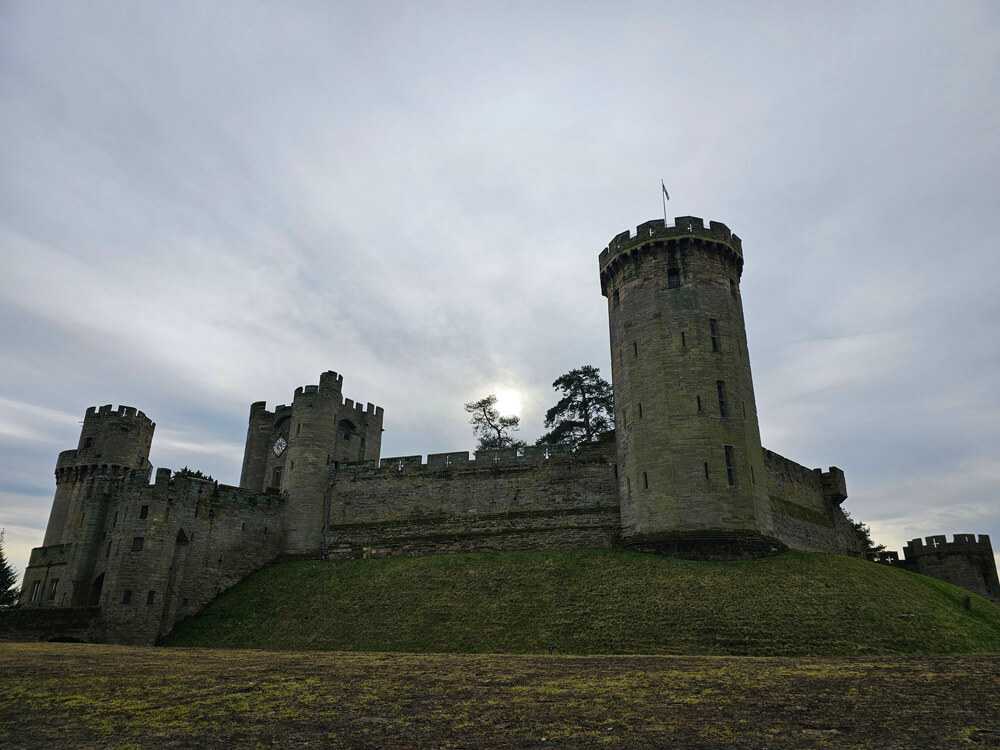
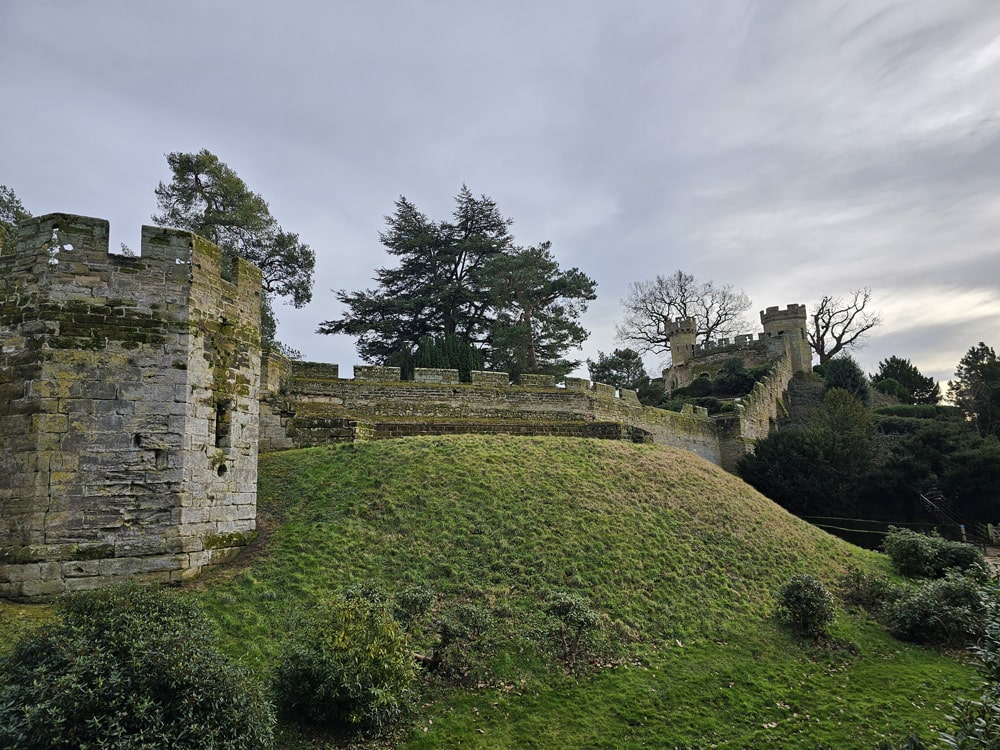
History of a fortification on the site of Warwick Castle goes as far back as the year 914, when an Anglo-Saxon burh was built to command the River Avon by Æthelflæd, daughter of Alfred the Great. The burh that Æthelflæd established was one of many which defended Mercia against the invading Danes. Although the motte in the grounds of the present castle is called “Ethelfleda’s Mound” it is in fact part of the later Norman fortifications and not of Anglo-Saxon origin. The motte is the oldest survival on the site which formed part of William the Conqueror‘s wooden motte-and-bailey castle.
Today’s castle dates back to the 1100s when the original wooden motte-and-bailey castle was rebuilt in stone during the 12th century. The 12th-century structure was built by Henry de Beaumont, 1st Earl of Warwick and the son of a powerful Norman family, though most renovations and expansions were undertaken by the Beauchamp family in the 14th and 15th centuries, and it is from this period that the present castle structure mostly dates from.
During the Barons’ Rebellion of 1173–74, the Earl of Warwick remained loyal to King Henry II, and the castle was used to store provisions.
Warwick castle passed down the Beaumont family line until around the mid-13th century when the title and castle passed to William de Beauchamp, 9th Earl of Warwick. Following William’s death, the castle passed through seven generations of the Beauchamp family, who, over the next 180 years were responsible for most of the additions made to the castle.
In 1312, Piers Gaveston, 1st Earl of Cornwall and favourite of Edward II, was captured by Guy de Beauchamp, 10th Earl of Warwick, and imprisoned in Warwick Castle until his execution in 1312.
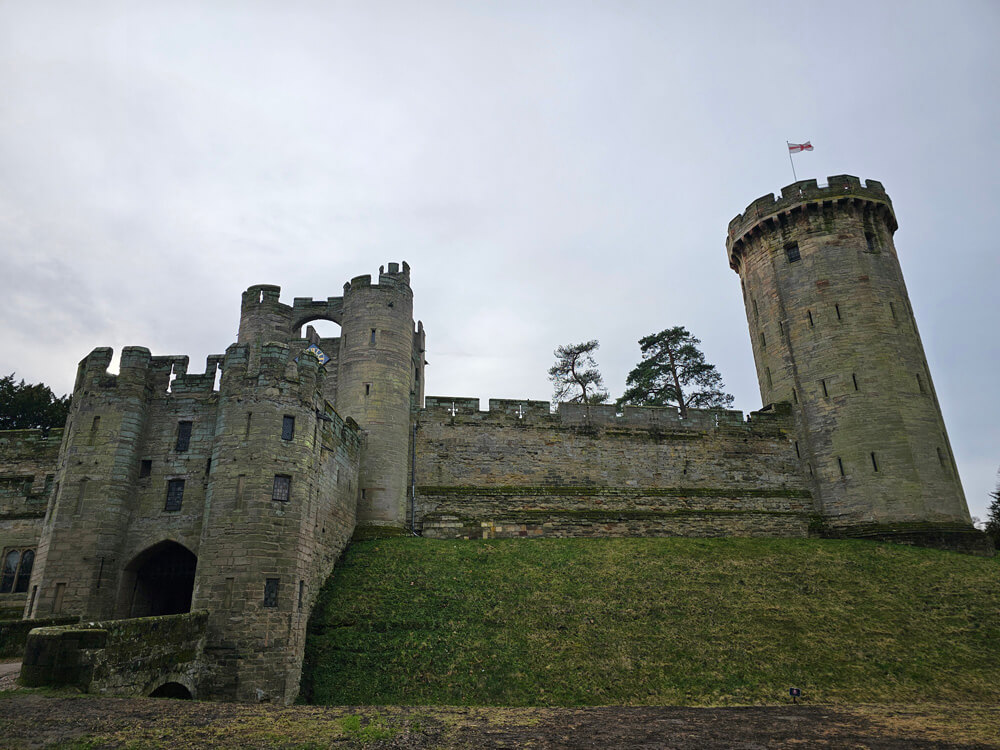
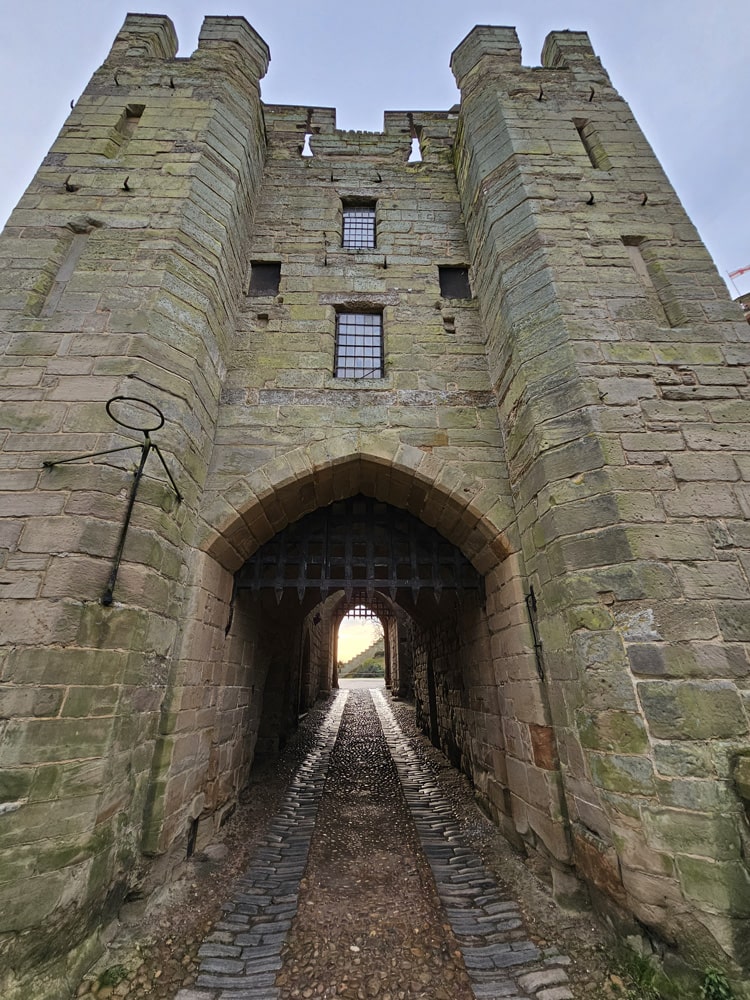
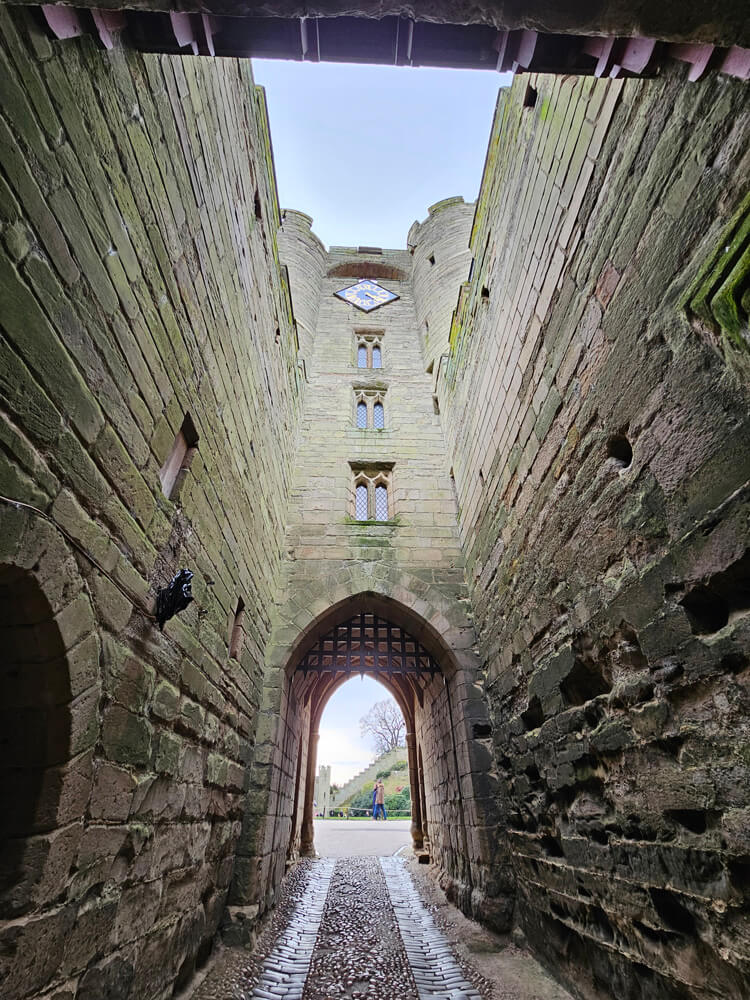
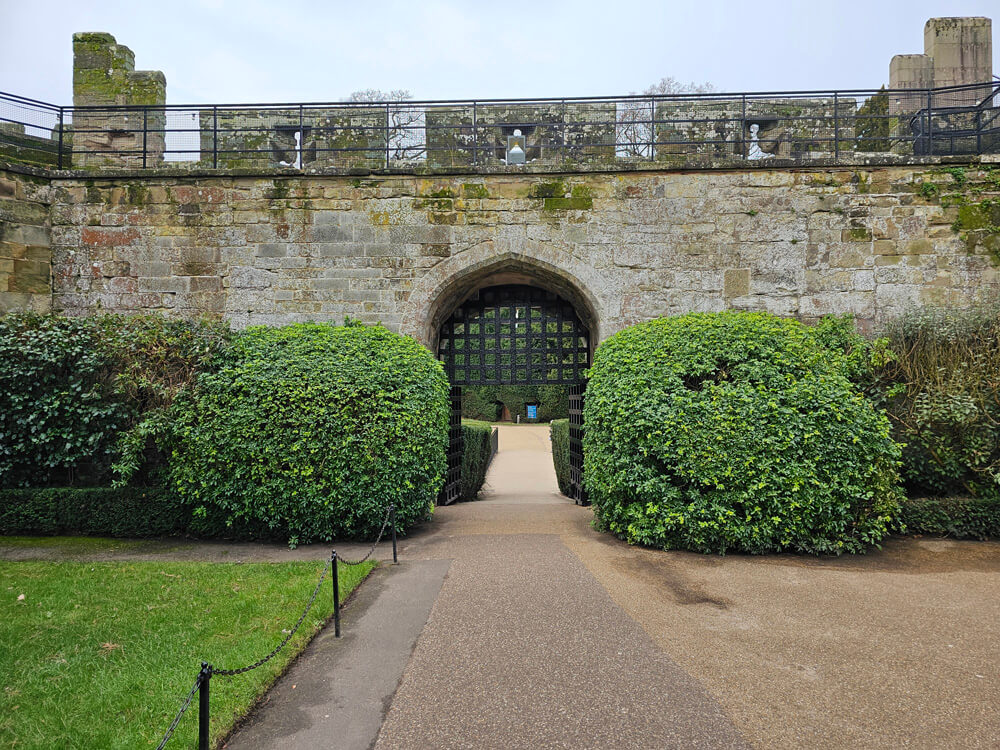
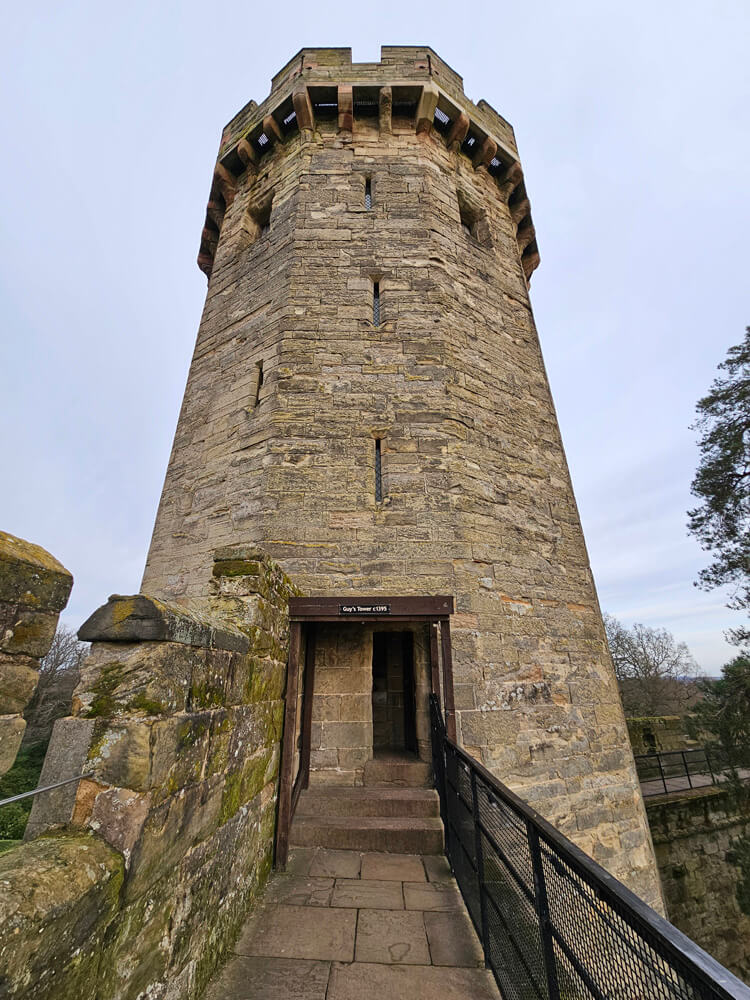
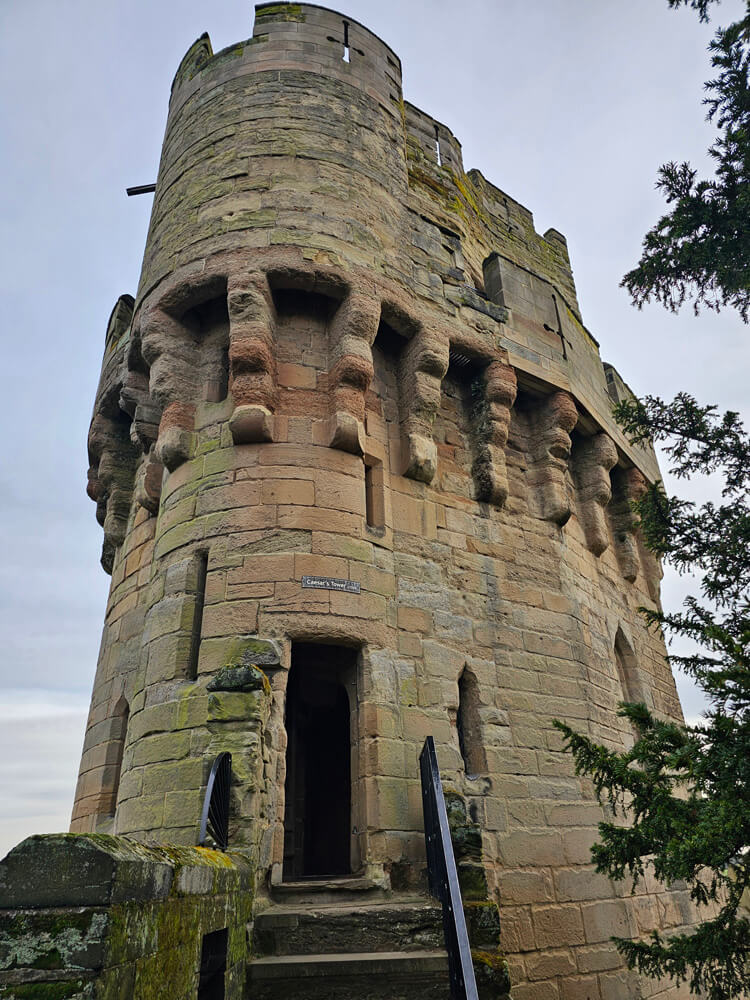
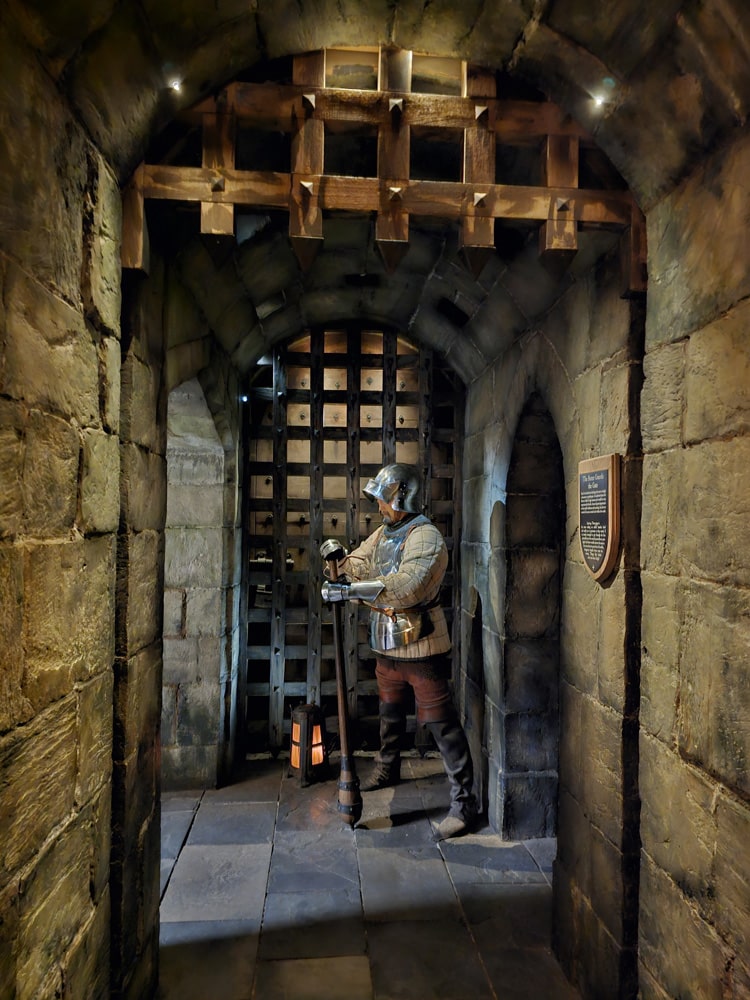
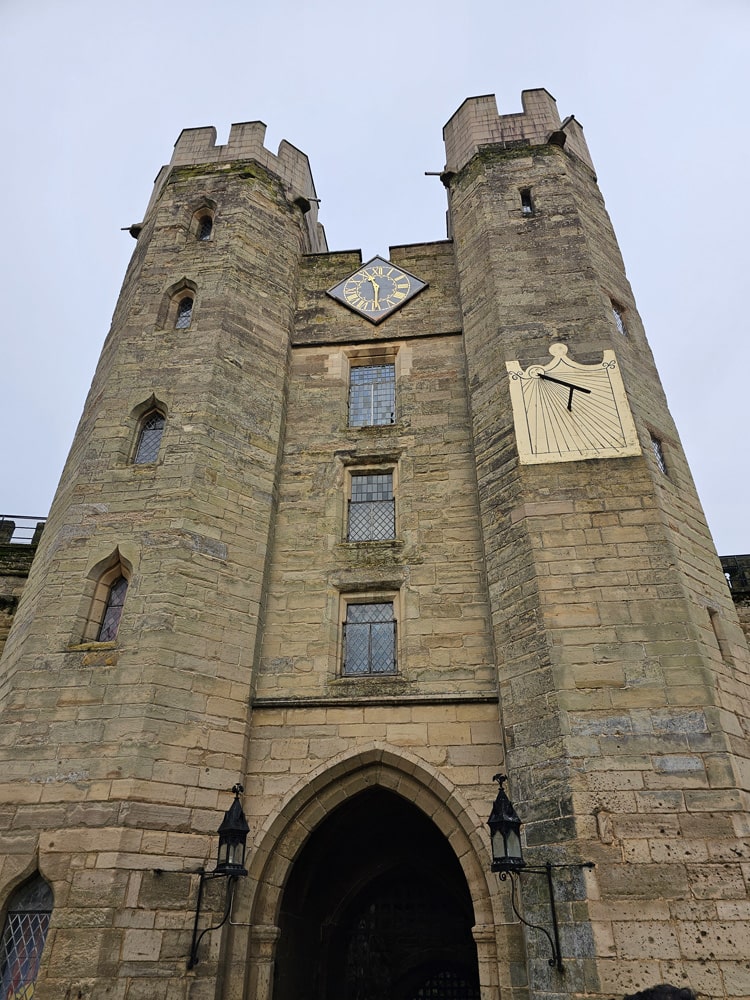
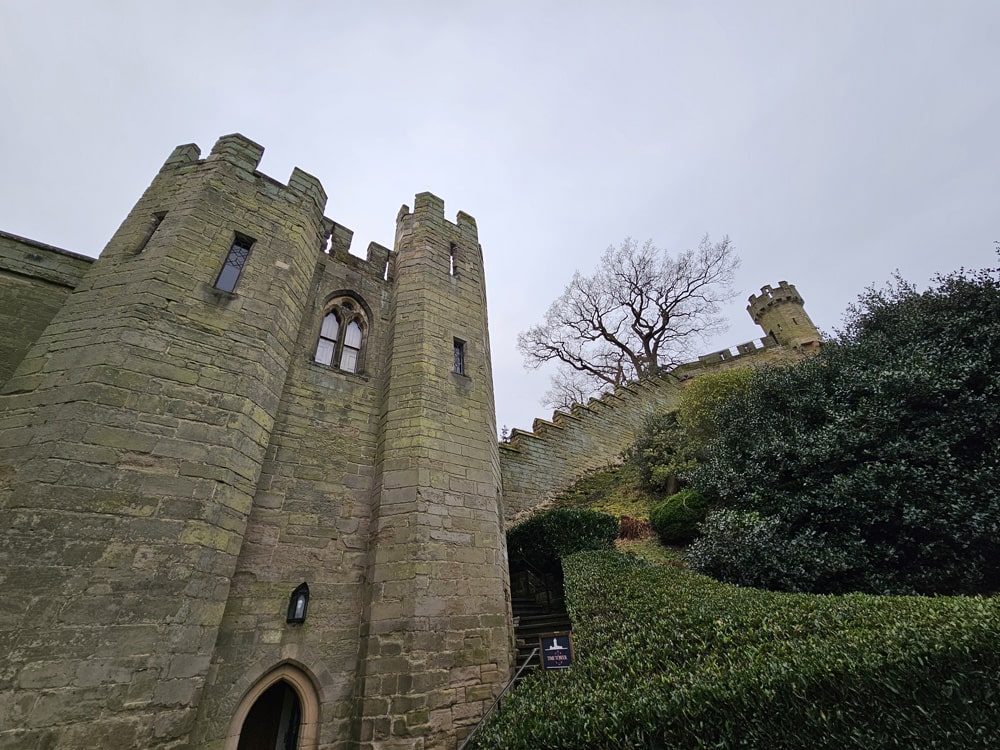
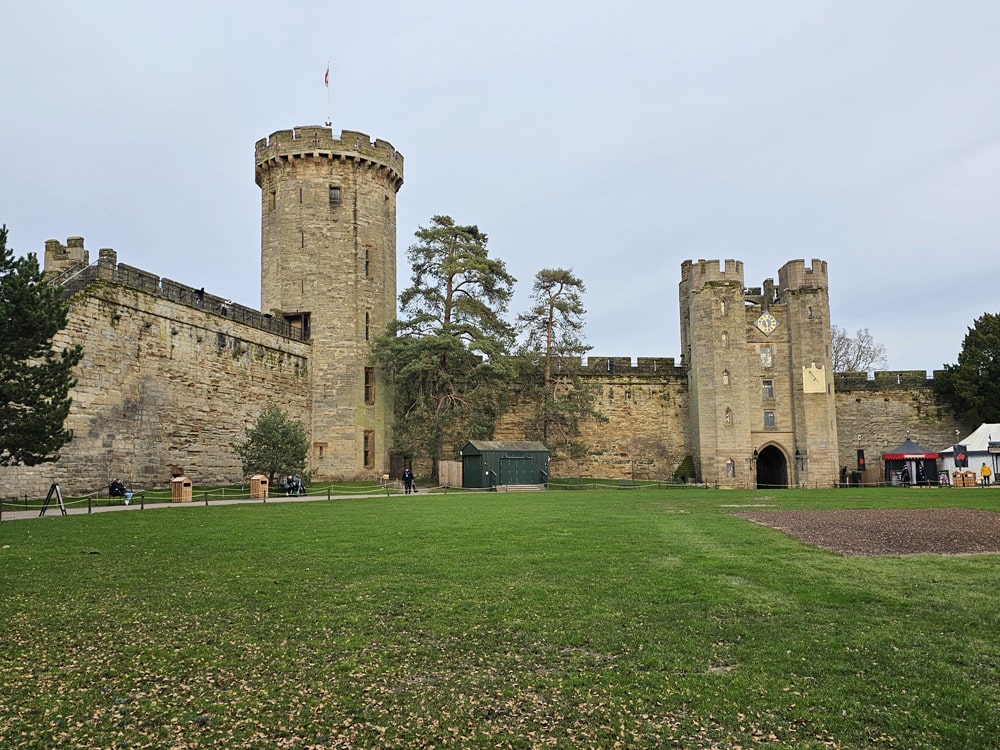
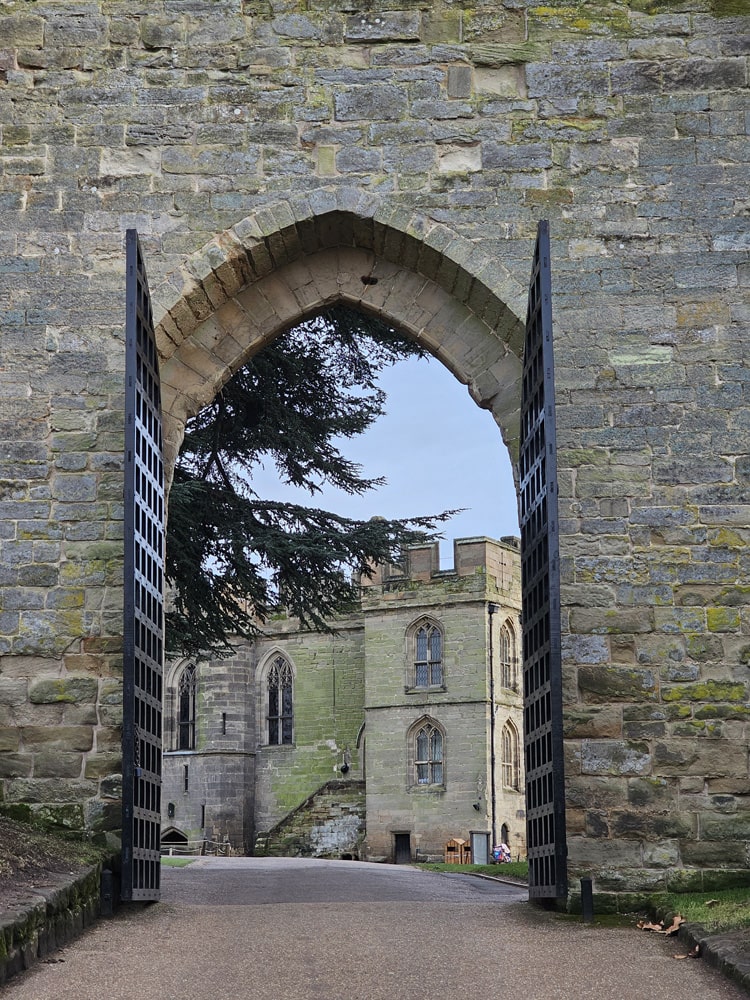
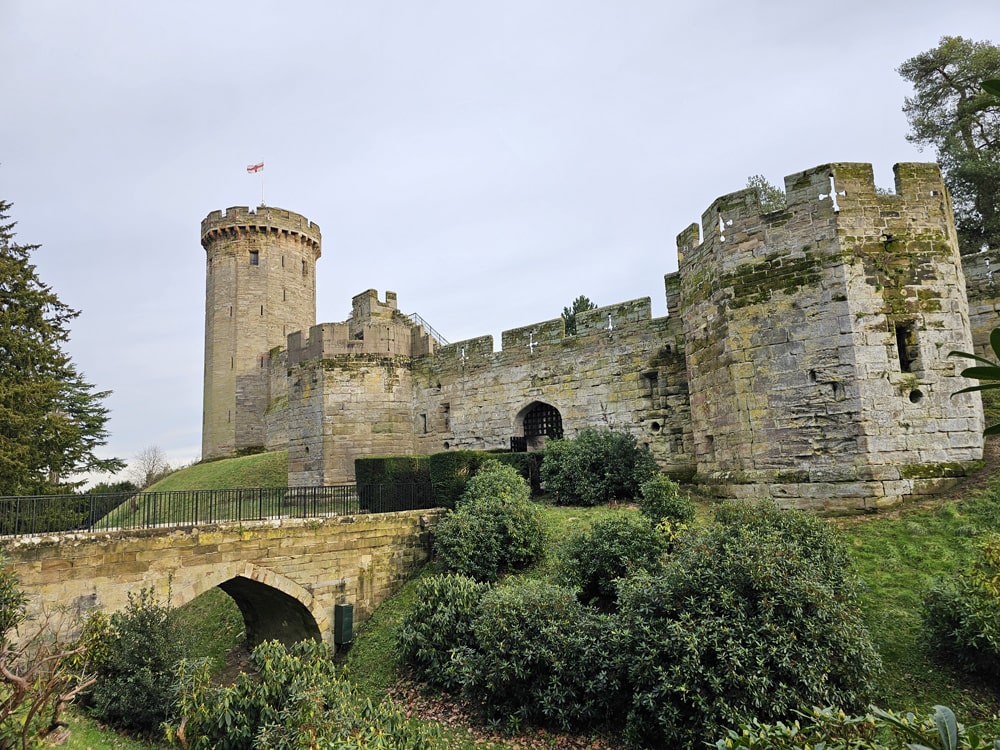
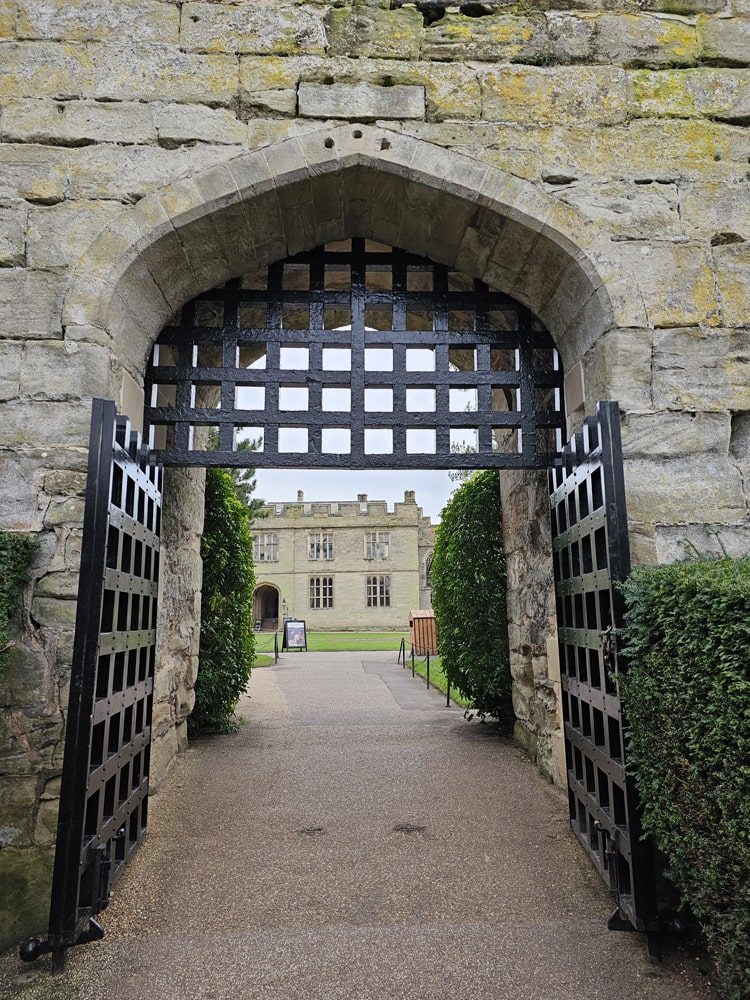
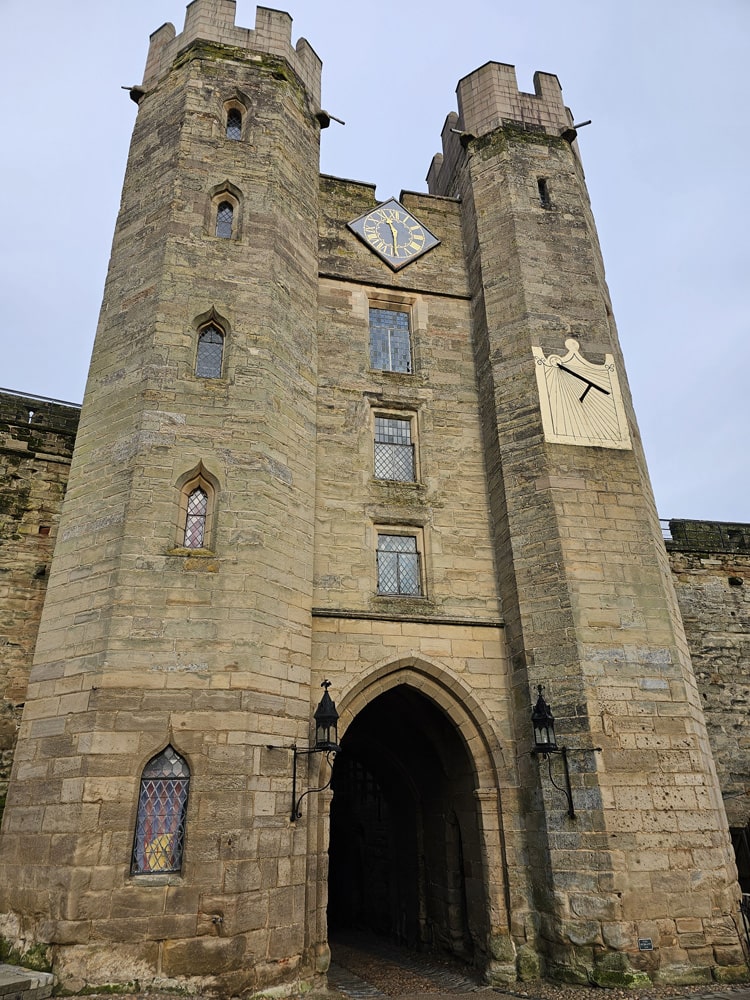
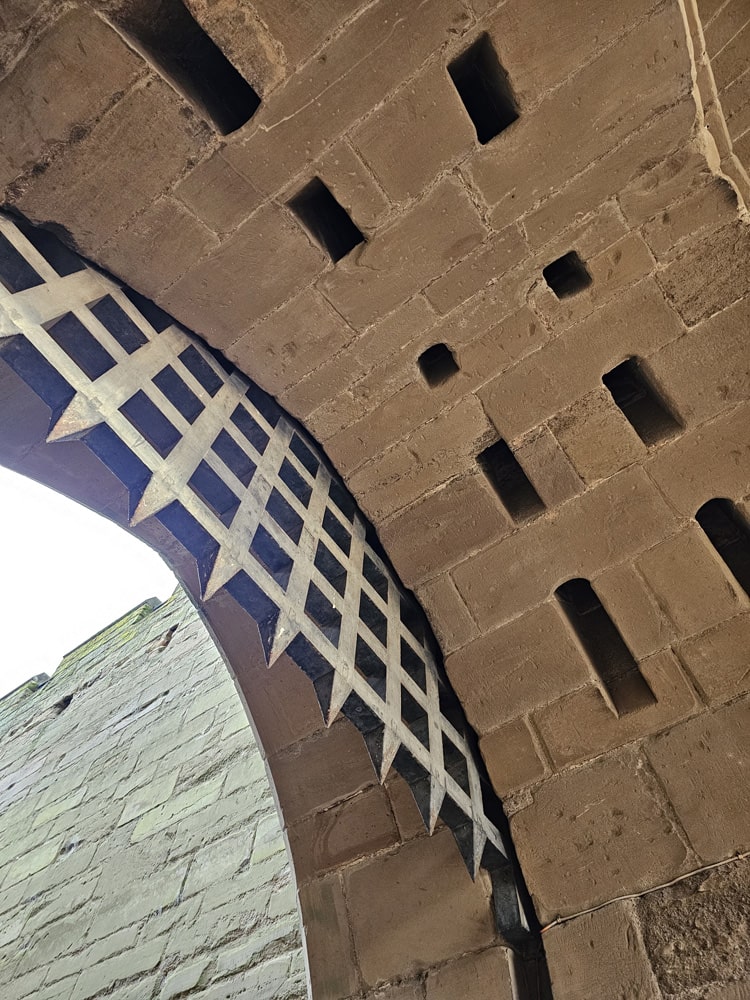
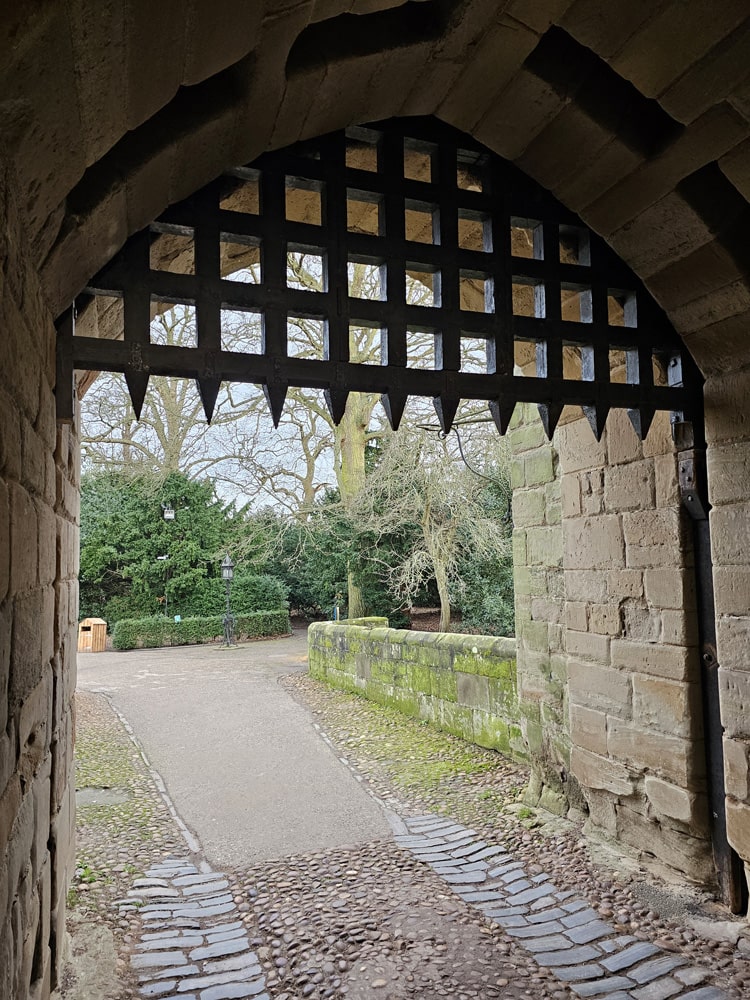
Under Thomas de Beauchamp, 11th Earl of Warwick, the castle defences were significantly enhanced in mid-14th century with the addition of a gatehouse, a barbican and a tower on either side of the curtain wall. The gatehouse features murder holes, two drawbridges, a gate, and multiple portcullises. The two new towers were named Caesar’s Tower and Guy’s Tower. The Watergate Tower also dates from this period.
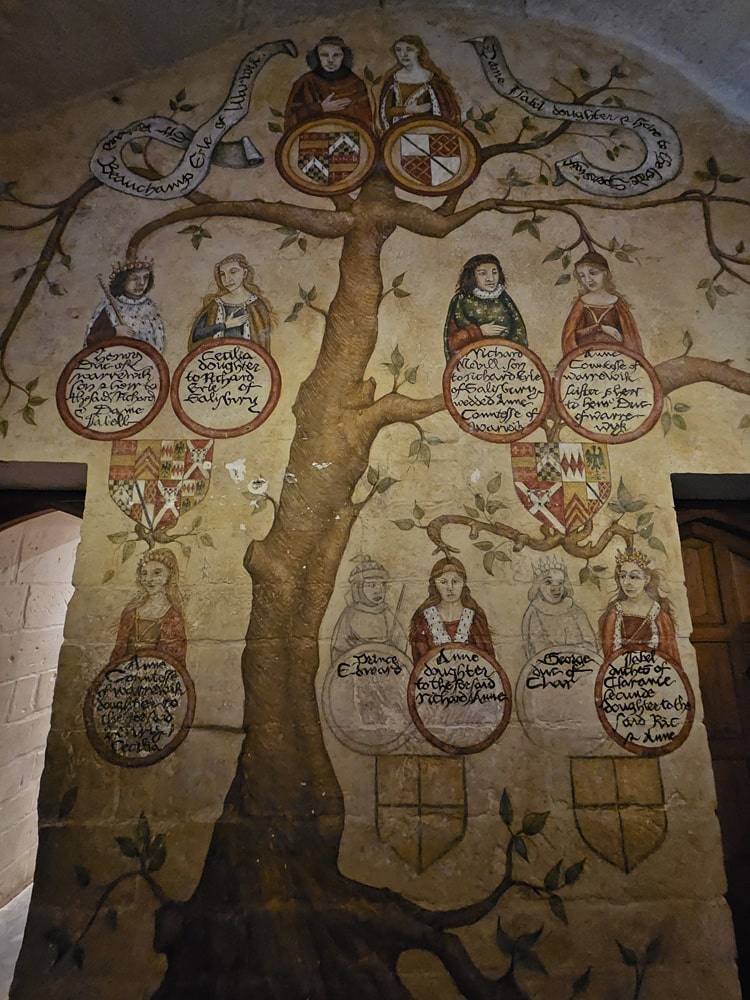
The line of the Beauchamp Earls ended in 1449 when Anne de Beauchamp, 15th Countess of Warwick, died. At which point the castle passed to an even more formidable figure, Richard Neville, 16th Earl of Warwick, also known as ‘the Kingmaker’. He played a key role in the Wars of the Roses, switching sides as his interests dictated. In 1469, during the Wars of the Roses, Richard Neville rebelled against King Edward IV and imprisoned him in Warwick Castle. However, after constant protests by the King’s supporters he was forced to release the King. Neville was subsequently killed in the Battle of Barnet, a decisive engagement in the Wars of the Roses, fighting against the King in 1471.
Warwick Castle then passed to the brother of King Edward IV, George Plantagenet, 1st Duke of Clarence. However, he was imprisoned and charged with treason against his brother and king, and executed in 1478. The castle then passed to George’s two-year-old son, Edward Plantagenet, 17th Earl of Warwick. However, as a potential claimant to the English throne, the young Edward was placed under attainder so couldn’t inherit it, and his lands, including Warwick Castle were taken in the custody of The Crown. He was held by the king for 14 years in the Tower of London until he was executed for high treason in 1499, supposedly for conspiring to escape. Edward Plantagenet was the last Earl of Warwick of the title’s first creation.
In the early 1480s, King Richard III ordered the construction of the two gun towers; named the Bear and Clarence Towers, which were left unfinished on his death in 1485 when he lost the Battle of Bosworth, which was the decisive battle that brought the Wars of the Roses to an end.
Warwick Castle was in Crown care from 1478 until 1547, when the title of Earl of Warwick was re-created for John Dudley. The castle had fallen into decay due to its age and neglect, however, Dudley didn’t carry out any repairs to the castle. Queen Elizabeth I visited the castle in 1566 during a tour of the country, and again in 1572 for four nights, and a timber building had to be erected in the castle for her to stay in. John Dudley’s grandson, Ambrose Dudley, 3rd Earl of Warwick, died in 1590 and the title of Earl of Warwick became extinct for the second time and the castle reverted to crown ownership once gain.
In 1604 King James I gave the ruinous castle to Sir Fulke Greville, 1st Baron Brooke; a poet and important statesman. Greville spent a fortune restoring the derelict castle and it was converted to a grand country house. It is Sir Fulke Greville’s descendants that created the splendid staterooms in the 17th-century country house that we see today. The title of Earl of Warwick was created for the third time whilst the Greville family were in possession of Warwick Castle.
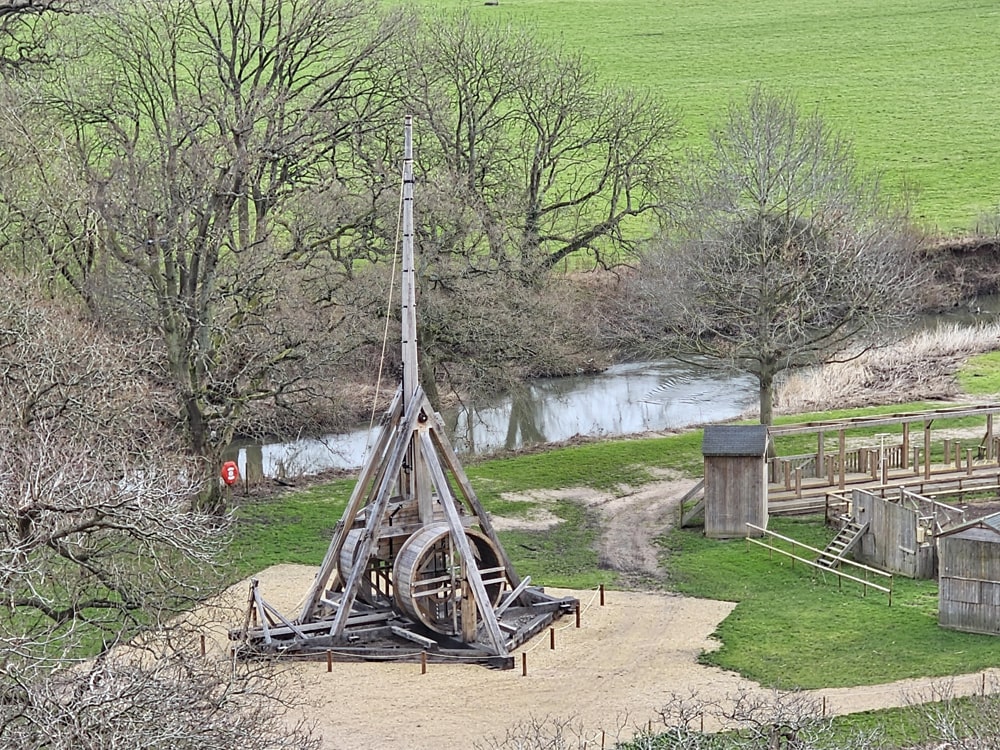
Under Robert Greville, 2nd Baron Brooke, Warwick Castle’s defences were enhanced in 1642 in preparation for attack during the English Civil War. Robert Greville was a Parliamentarian, and on 7th August 1642 a Royalist force laid siege to the castle. The besieging army opened fire on the castle to little effect, and the unsuccessful siege ended roughly two weeks later on 23rd August.
During the 20th century the succeeding earls increased tourism at the castle, and in 1998 it was sold to the Tussauds Group, and since 2007 the castle has been managed by Merlin Entertainments.
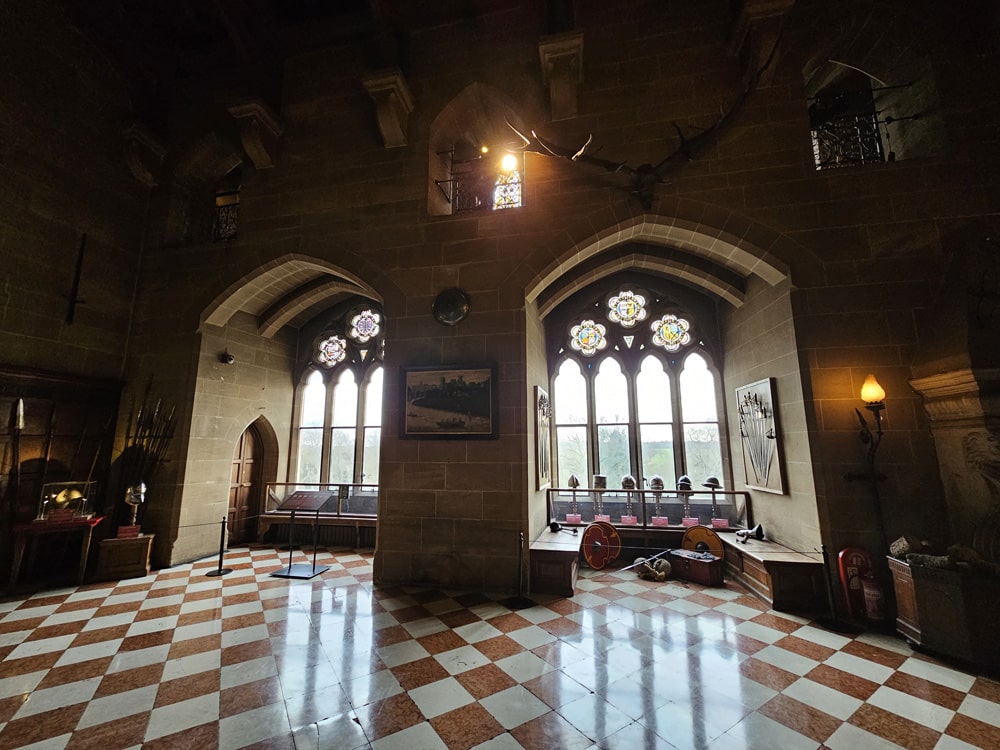
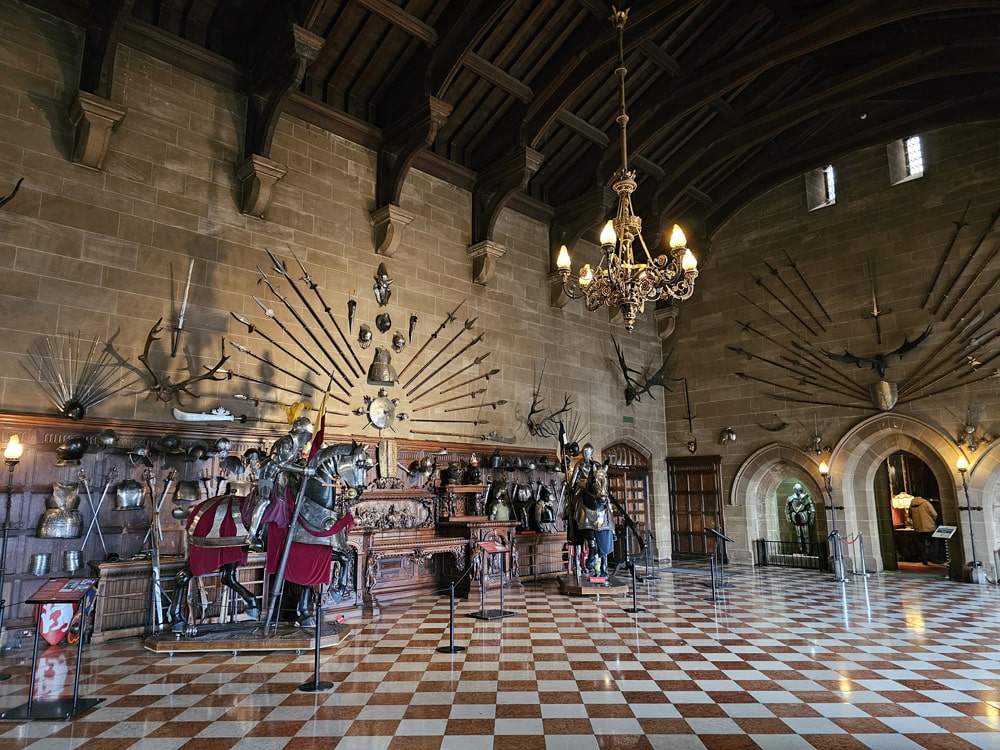
Photo Gallery.
Did you enjoy this post?
I hope you found this post useful. I put a great deal of time and effort in to building, maintaining and populating the website. If you like, you could say a small thank you by buying me a coffee. You don't have to, but it would be nice :)
Buy me a coffee
Stay up to Date
Follow me on my journey and get notified whenever a new post is published by following Kings & Castles on Facebook.
Follow MeExplore The Map
Discover the hundreds of castles, churches, monasteries, cathedrals and other historic locations that I've personally visited across England and Wales. Search by location, explore nearby sites and plan your next historical adventure.
Share: