The Saxon Town of Winchcombe
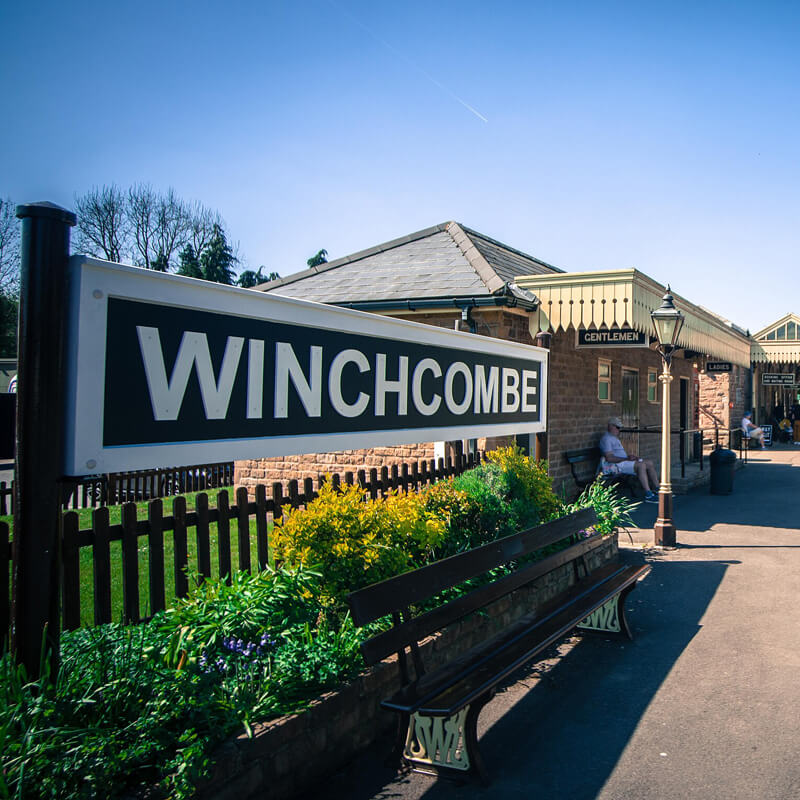
The Self-titled “Saxon town” of Winchcombe is a small market town in the Gloucestershire Cotswolds, near to Cheltenham. The town is over 1000 years old making it one of the oldest towns in the Cotswolds, and is home to many historic attractions.
Early History
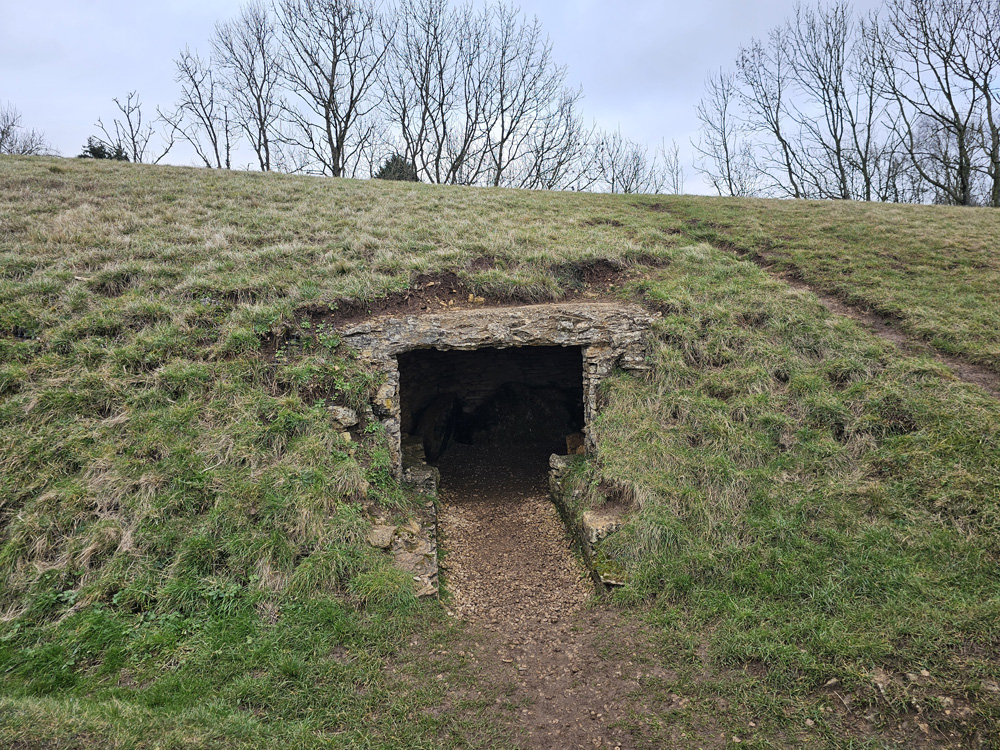
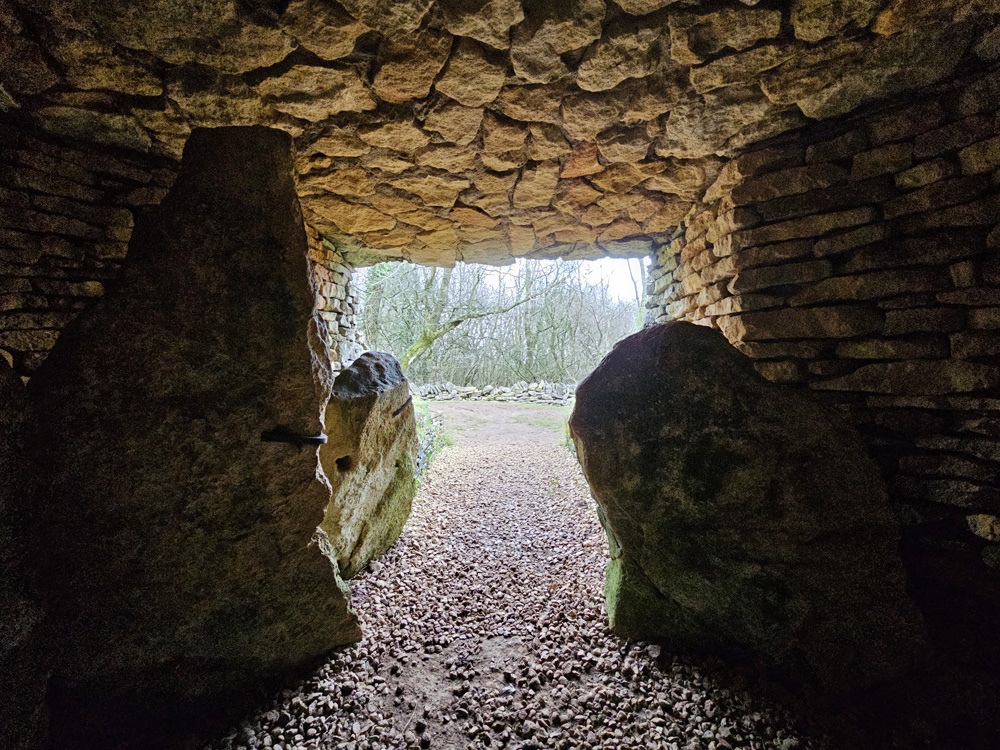
Winchcombe’s story begins back in the Neolithic period when people settled in the hills leaving a stone-lined, burial chamber – the Belas Knap long barrow, which dates from about 3000 BC. Winchcombe then became a small settlement during the Roman period as a Roman hamlet.
Saxon Winchcombe
The town rose to prominence during Anglo-Saxon times, which is where the town gets its name. The name Winchcombe translates to ‘Valley-with-a-bend’, and comes from the Old English words wincel, meaning “nook corner sharp bend in a river”, and cumb, meaning “valley”. It was recorded as Wincelcumbe in the late-8th and early-9th centuries.
Winchcombe was first established as an Anglo-Saxon walled town when Coenwulf (also spelled Cenwulf or Kenulf), King of Mercia, founded Winchcombe Abbey towards the end of the 8th century. The town was favoured by King Coenwulf, and Winchcombe went on to become the capital of the Kingdom of Mercia, an important Saxon town with the right to mint its own coins.
Winchcombe Abbey
Winchcombe Abbey was once in the heart of Mercia at the time of the Heptarchy in England. In its time it was large and rich, and was the burial place of two members of the Mercian ruling class – its founder King Coenwulf and his son Cynehelm, later venerated as Saint Kenelm. By the end of the 10th century the abbey had been re-established under Benedictine rule. Winchcombe Abbey was surrendered to the Crown and then demolished in 1539 during Henry VIII‘s Dissolution of the Monasteries. Unfortunately nothing remains of the abbey other than a few fragments scattered around in various places across the town.
The Middle Ages
In the Middle Ages, Winchcombe became a pilgrimage centre and thriving wool town, even briefly becoming the county town of Winchcombeshire in the 11th century.
During the bitter civil war known as ‘The Anarchy‘ in the 12th century, a motte-and-bailey castle was built in the 1140s for the Empress Matilda. However, the castle was attacked in late 1144 by forces loyal to King Stephen and the castle was destroyed. It was never rebuilt and its exact location is unknown.
Winchcombe Today
Although the town wall, original castle and original abbey have all long vanished, Winchcombe retains much of its medieval layout, with a mixture of timber-framed and Cotswold limestone buildings along its High Street, some dating back to the 15th century. Winchcombe is also home to Sudeley Castle, St Mary’s Church, Hailes Abbey, Hailes Church, St Peter’s Church, and Belas Knap long barrow – all within two miles from the town centre.
Sudeley Castle
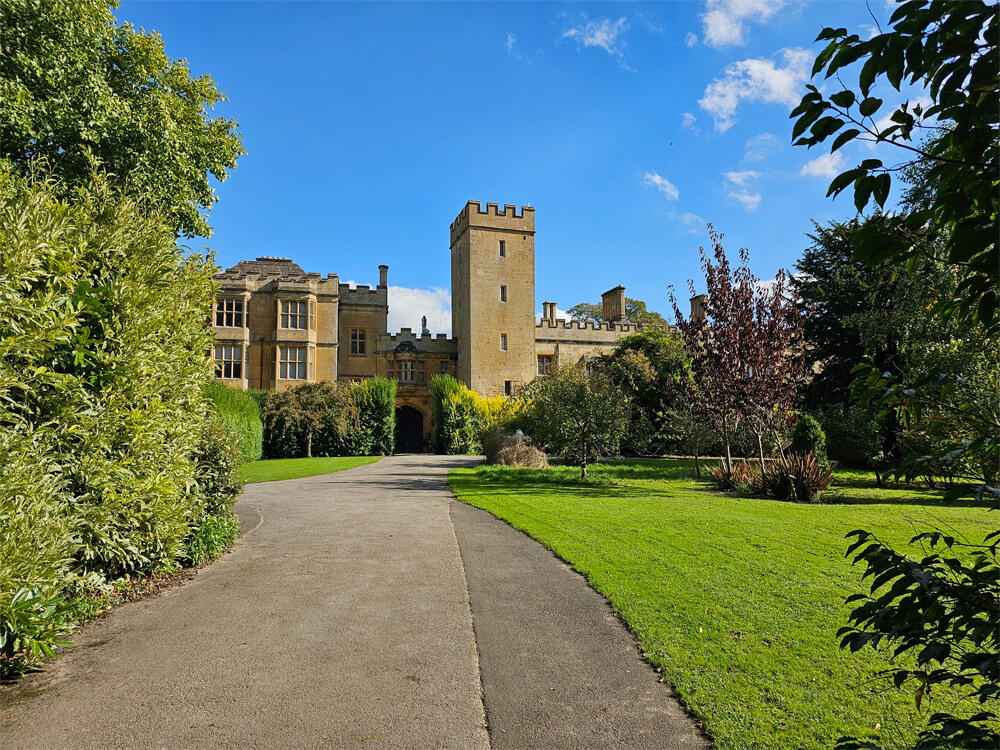
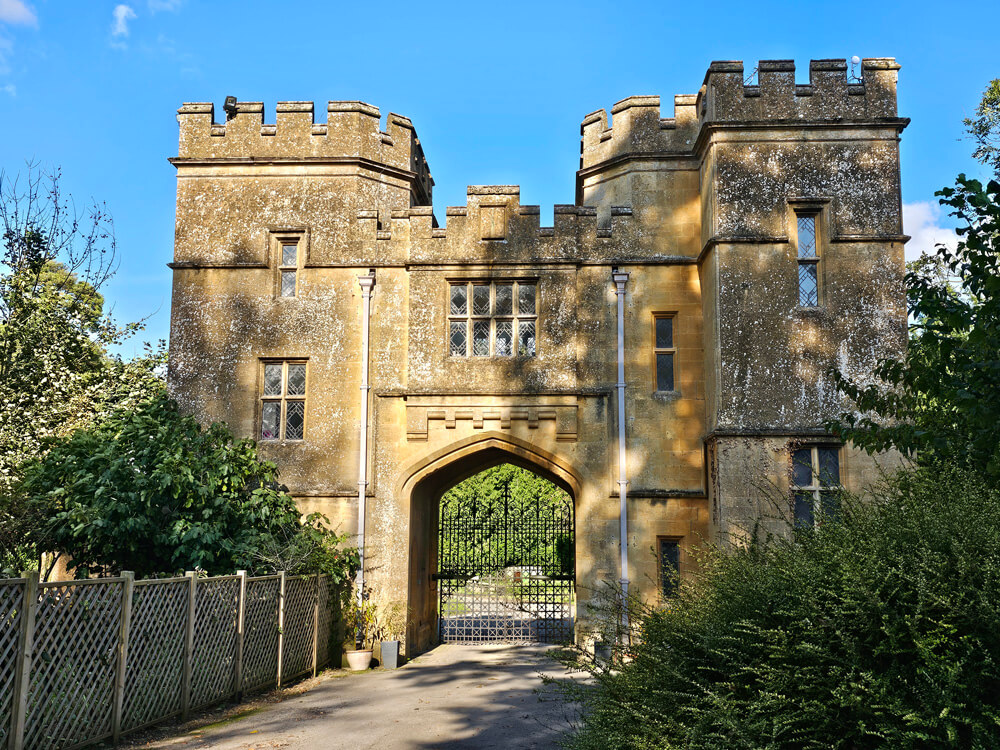
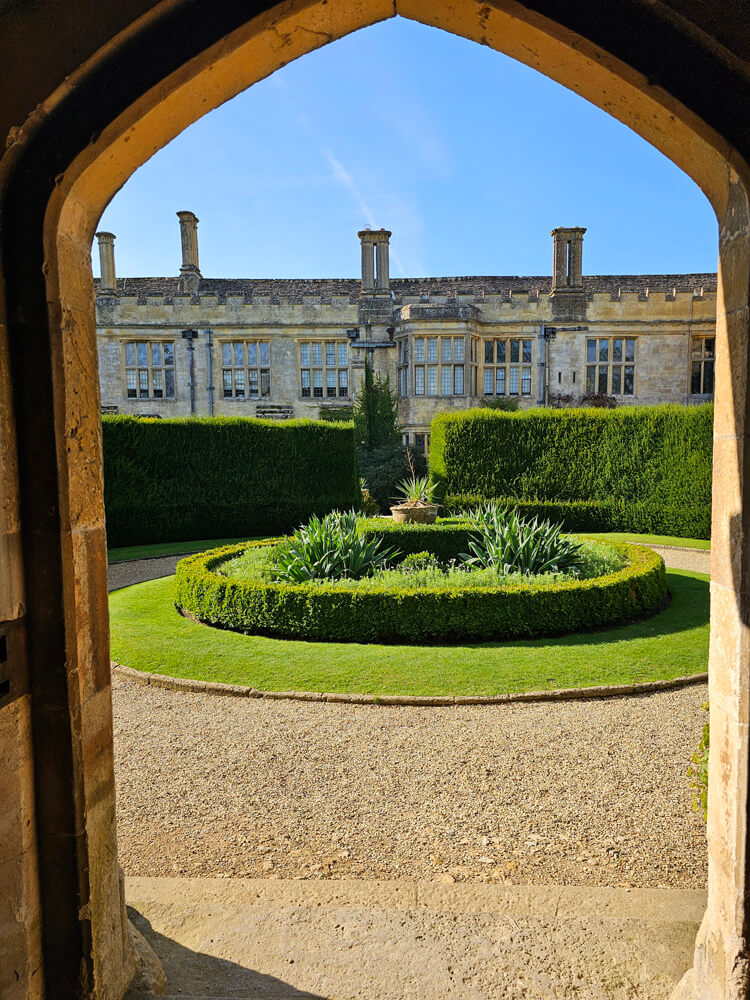
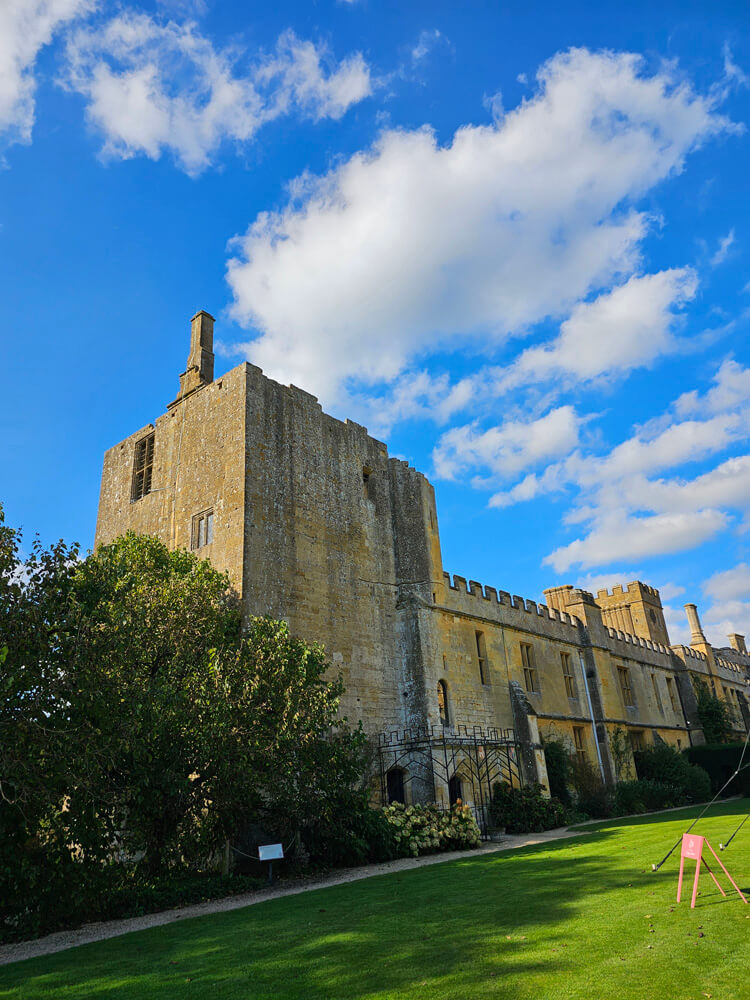
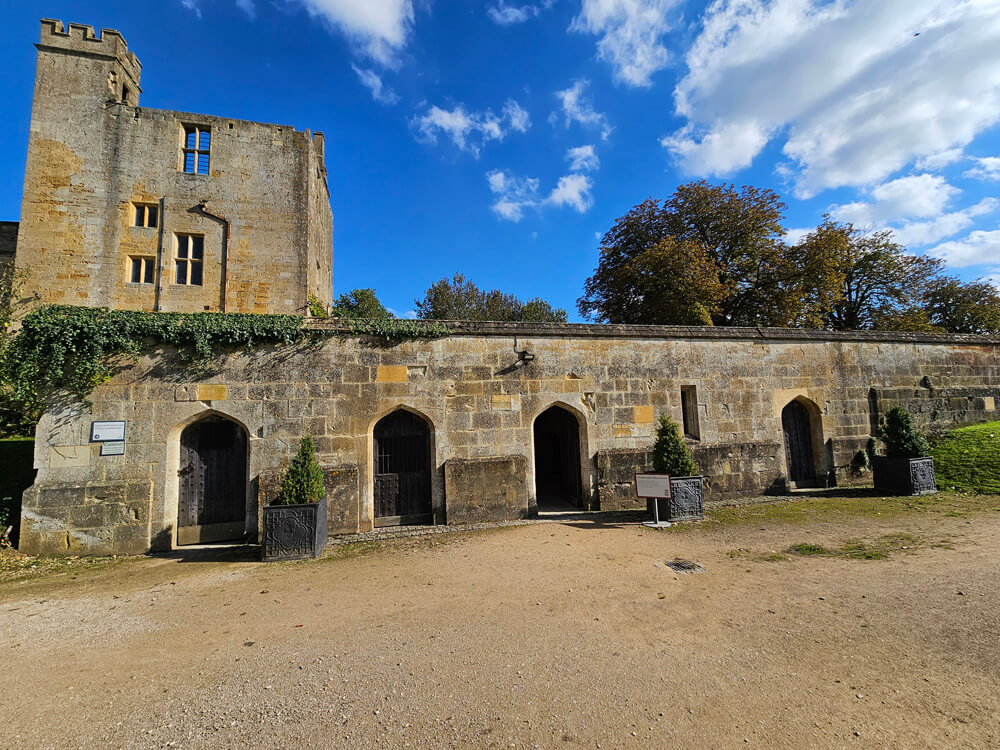
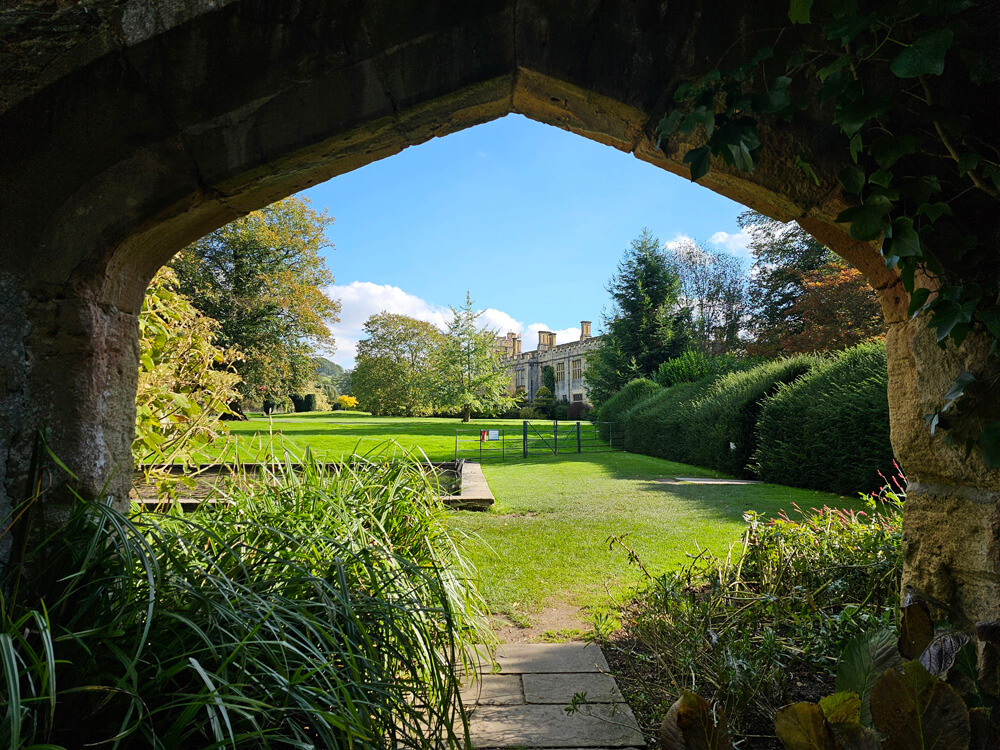
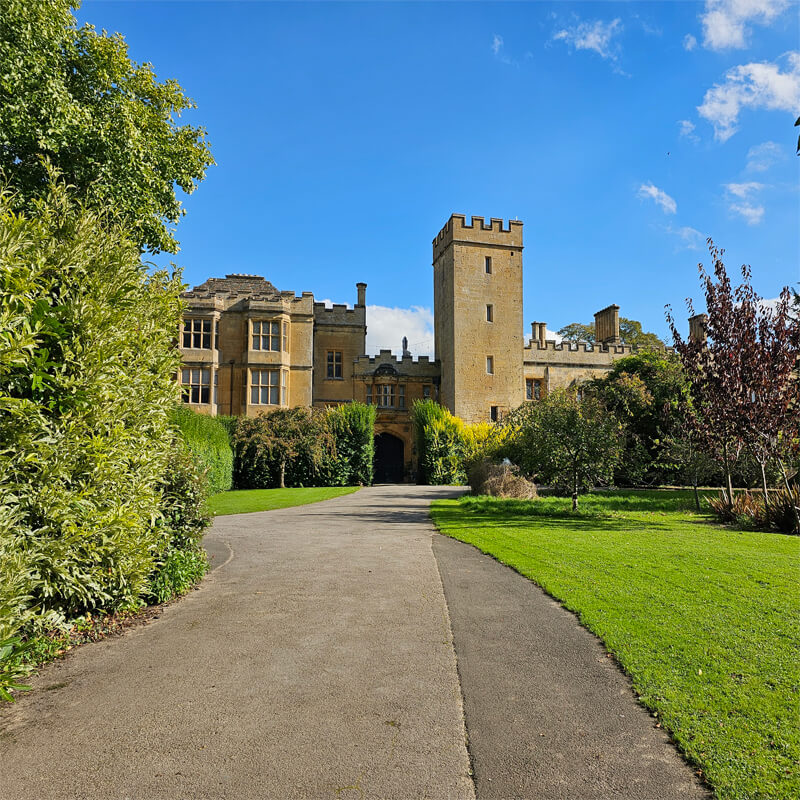
Steeped in history, tradition and royal connections, Sudeley Castle is a restored 15th-century castle that has been host to many royal visitors, including Henry VIII, Katherine Parr, Anne Boleyn, Lady Jane Grey, Queen Elizabeth I, Richard III, and Charles I. Sudeley Castle remains the only private castle in England to have a queen buried within the grounds – Queen Katherine Parr, the last and surviving wife of King Henry VIII – who lived and died in the castle.
St Mary’s Church
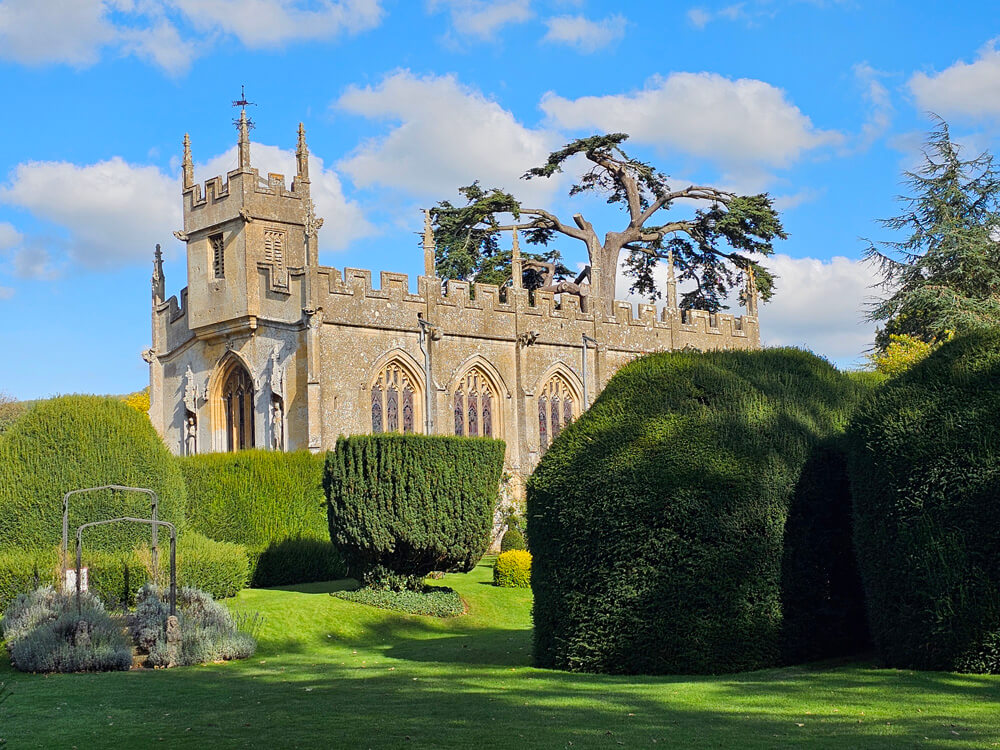
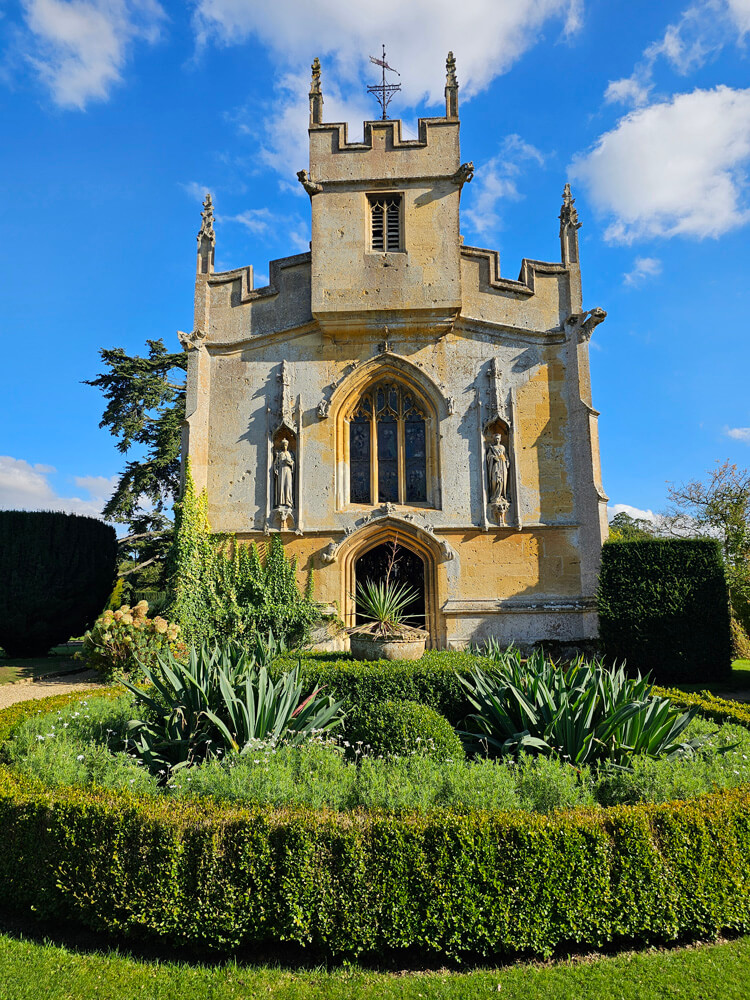
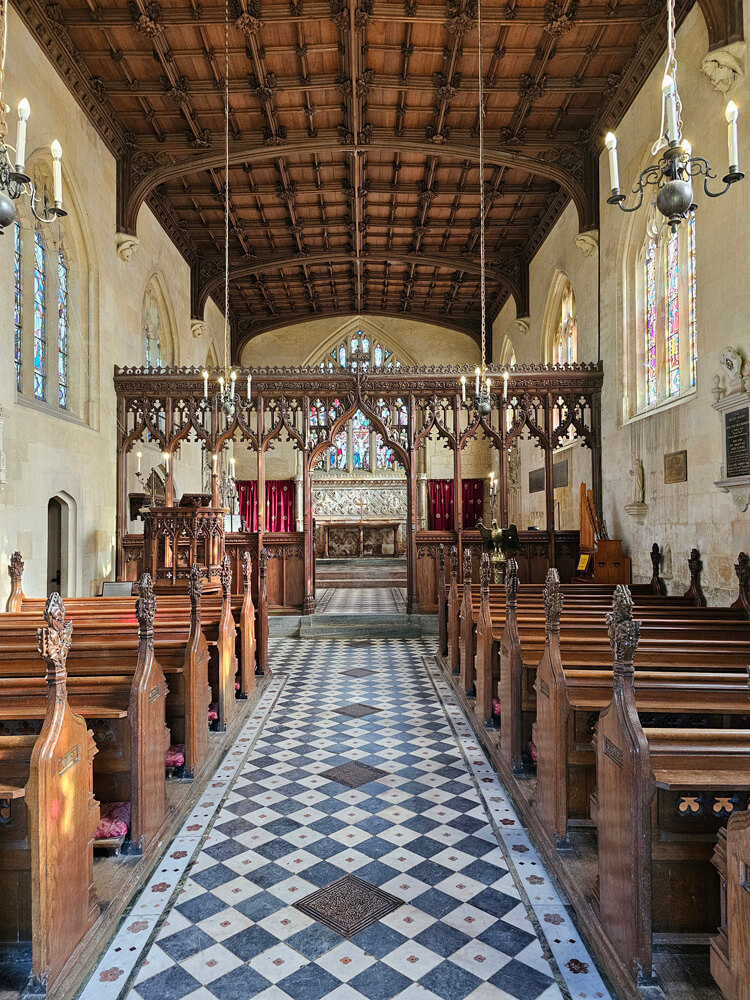
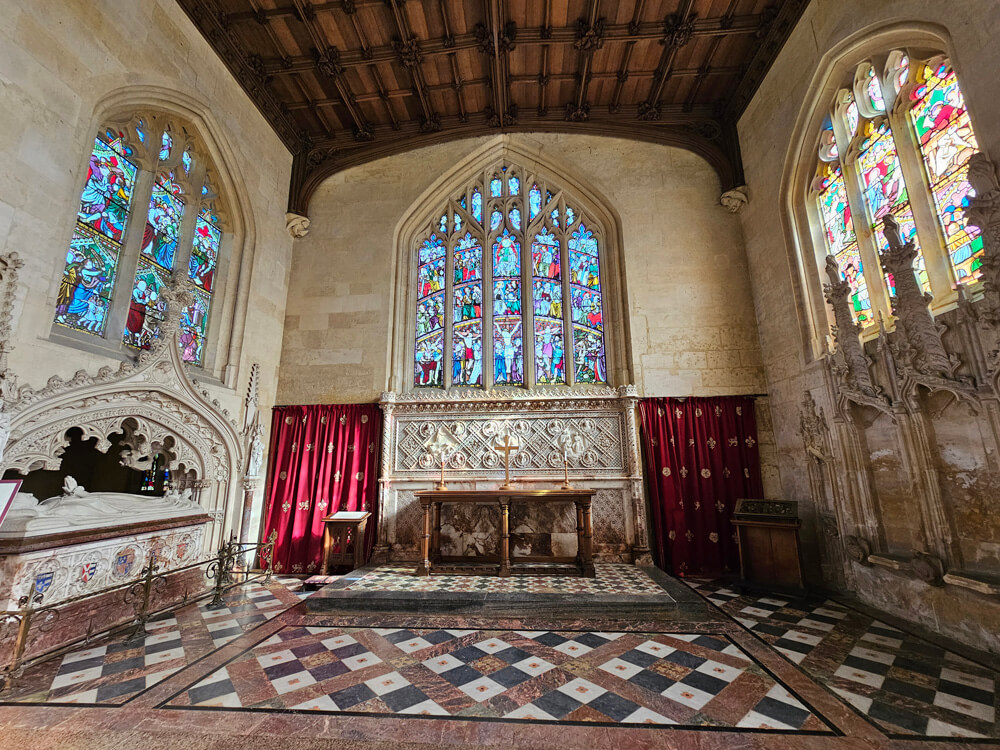
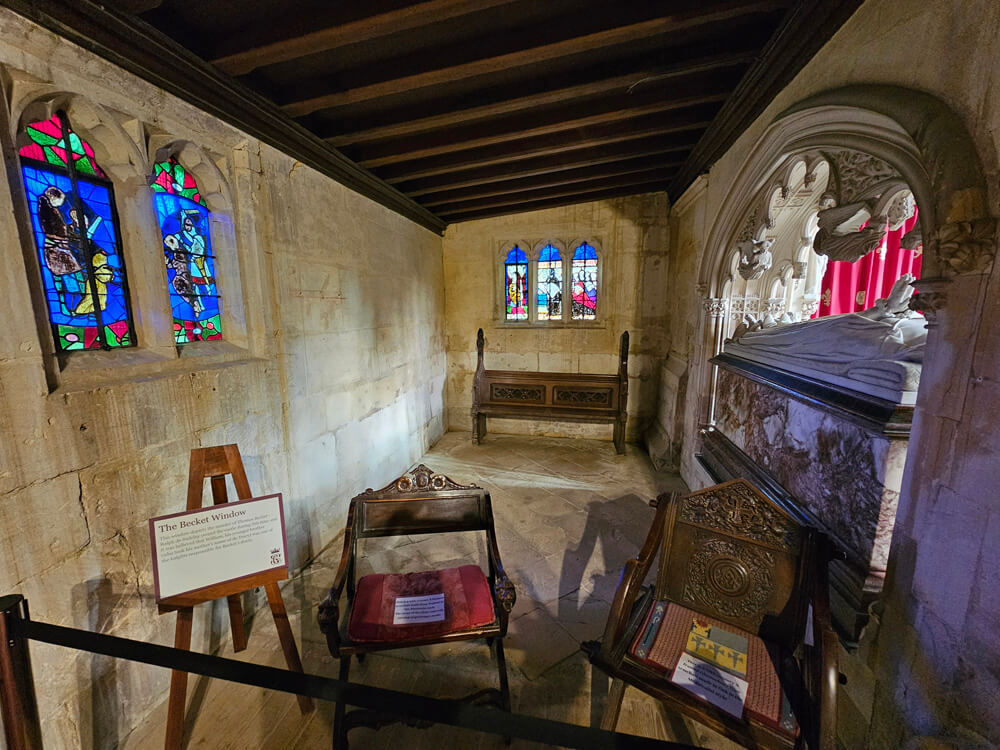
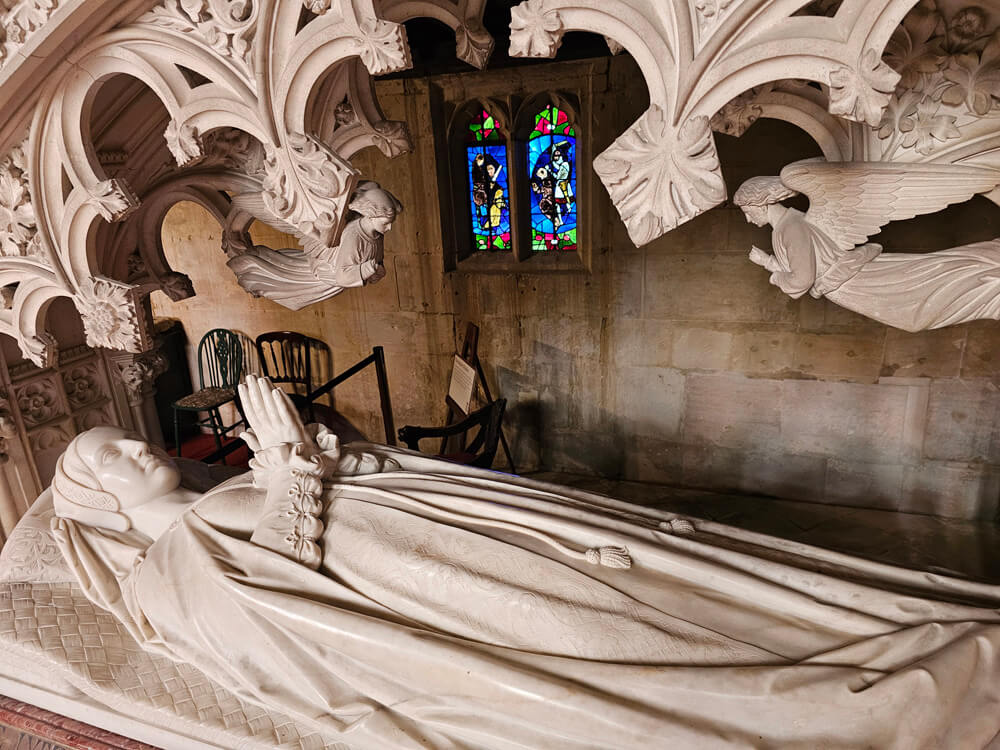
St Mary’s Church is a stunning 15th-century church situated within the grounds of Sudeley Castle. Like the castle, the church was partially ruined during the English Civil War, eventually being restored in the 19th century. The church contains the ornately carved marble tomb of Queen Katherine Parr, where she still remains buried today, as the only Queen of England to be buried in a parish church.
Hailes Abbey
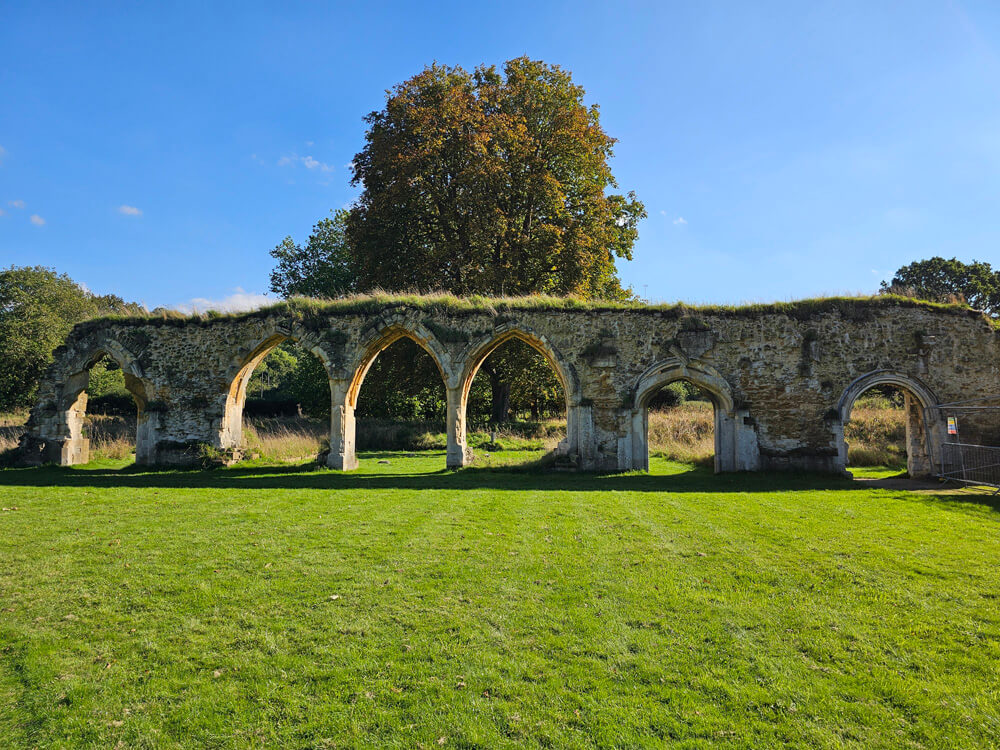
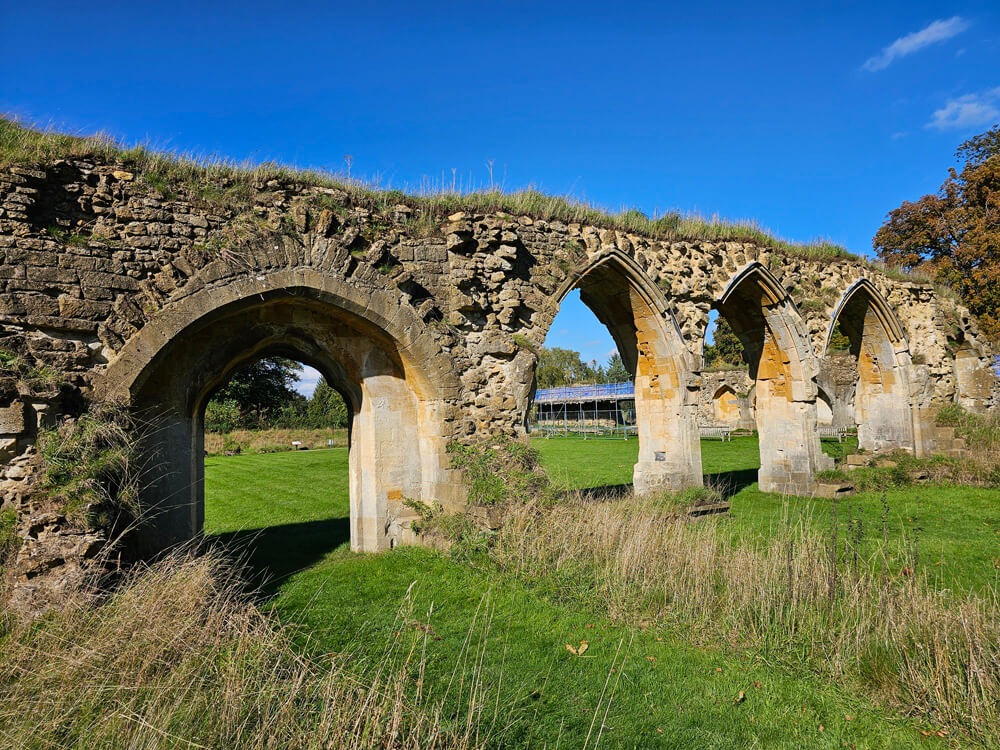
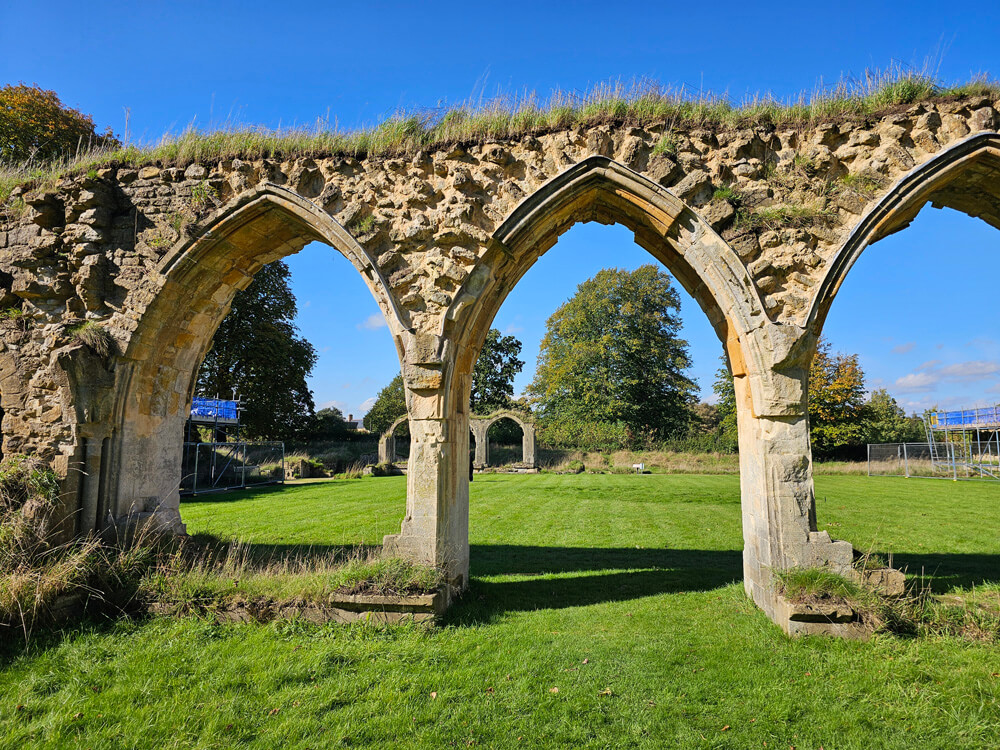
Just a mile from Winchcombe are the ruins of Hailes Abbey, a former Cistercian abbey founded in 1246 by the younger brother of King Henry III, making it one of the last Cistercian houses to be founded in England. It became one of the most important pilgrimage destinations in medieval England due to the sacred relic that it housed – “The Holy Blood of Hailes”, until it was dissolved in 1539 during the Dissolution of the Monasteries.
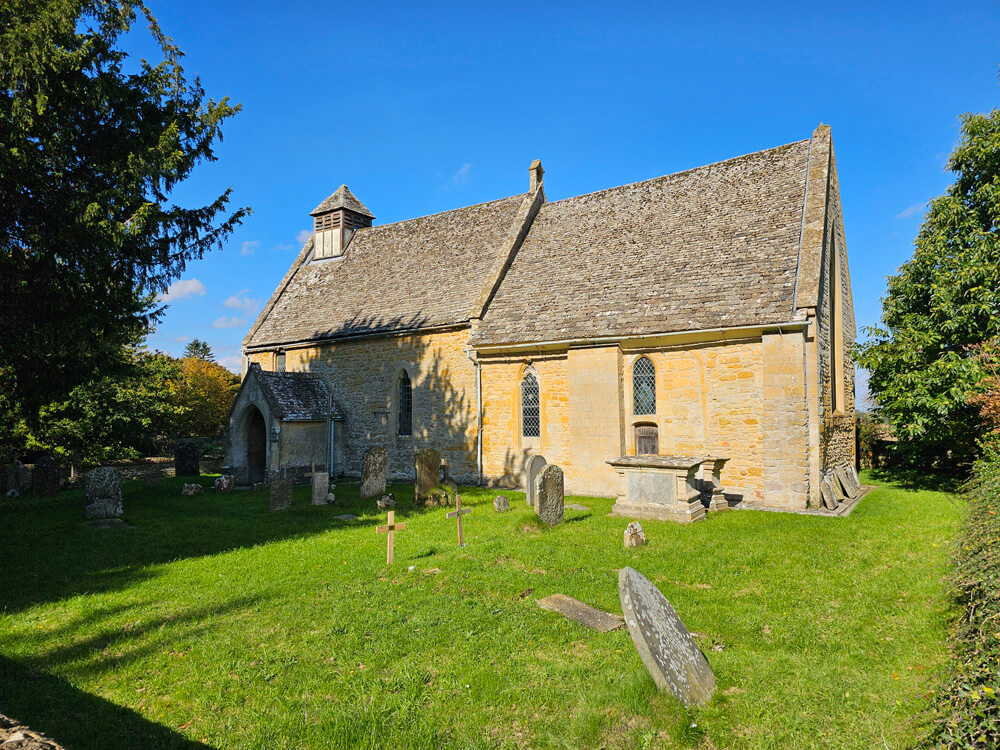
Hailes Church
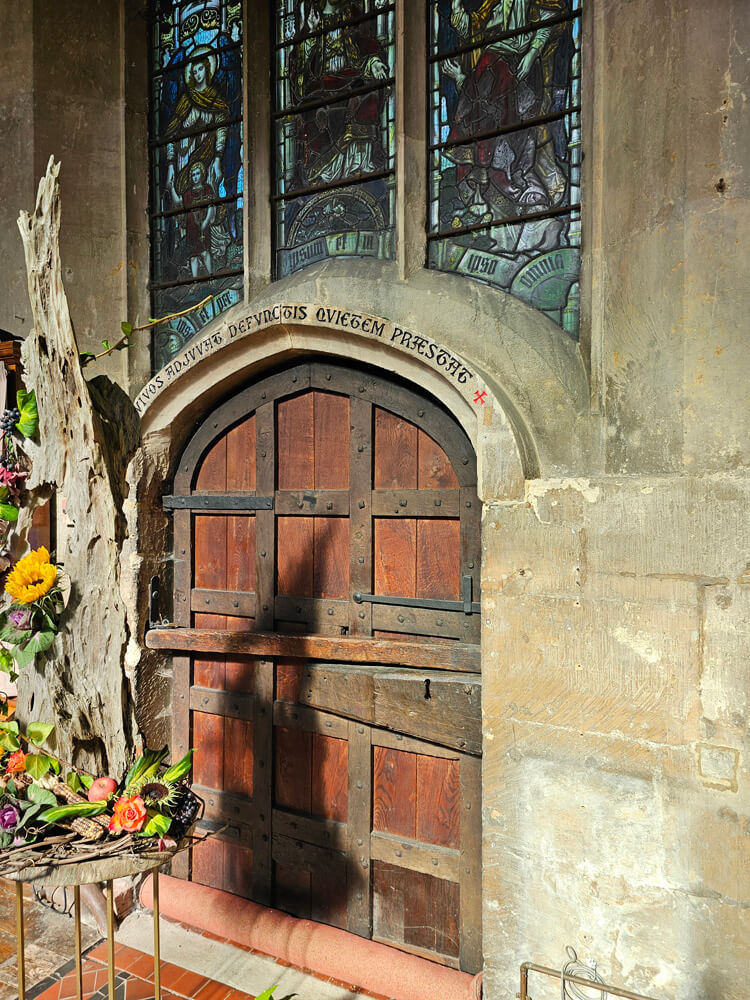
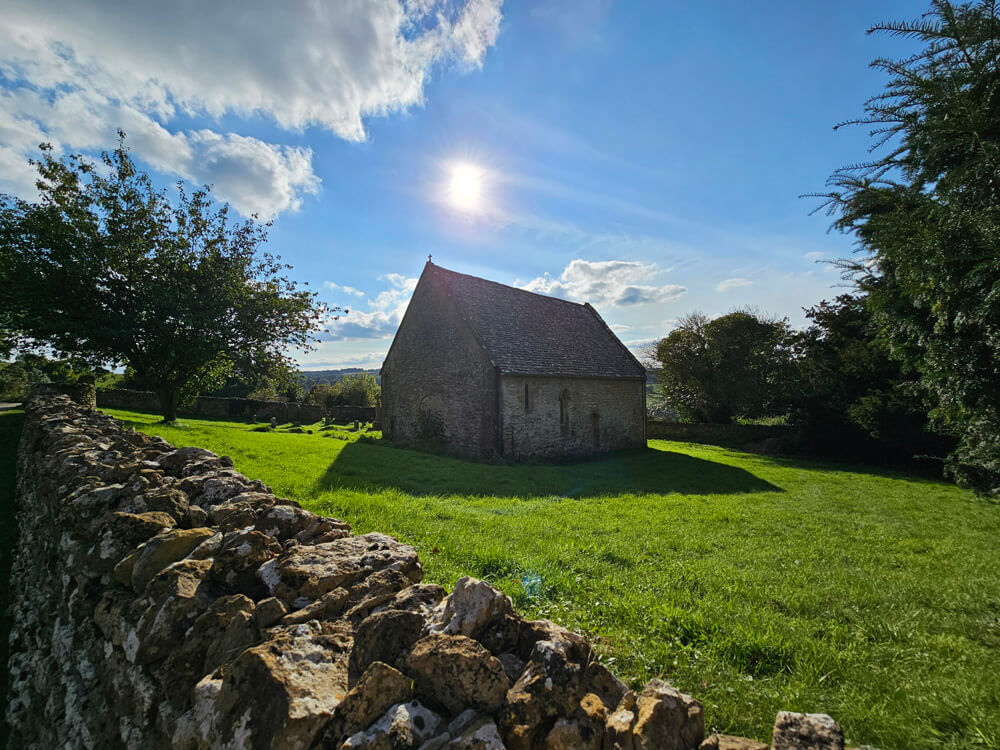
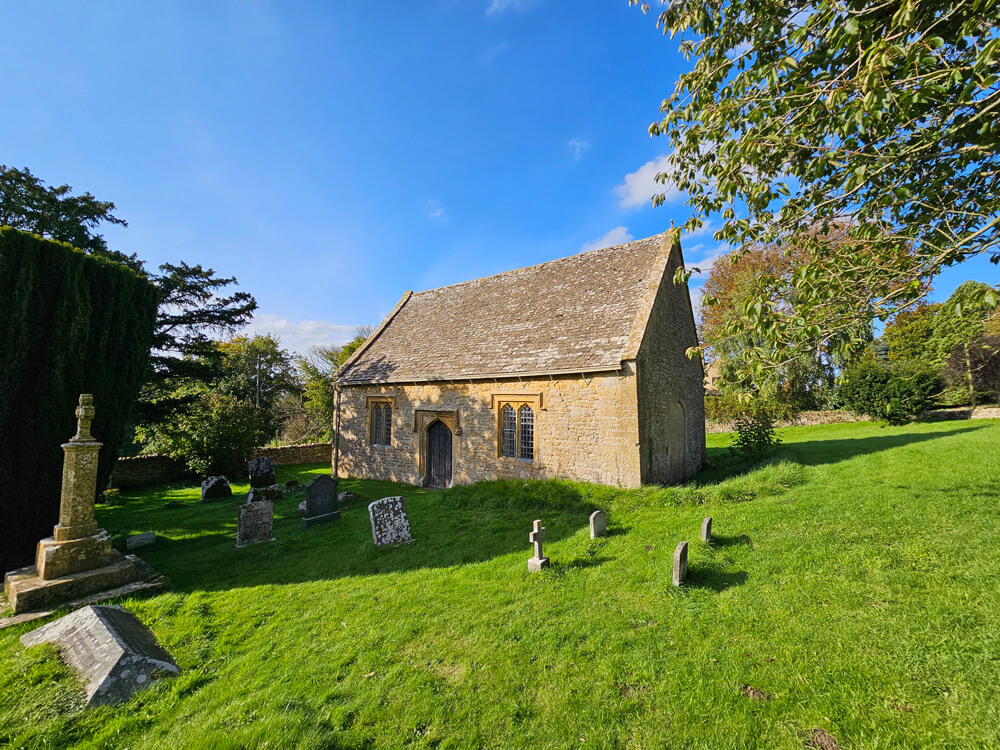
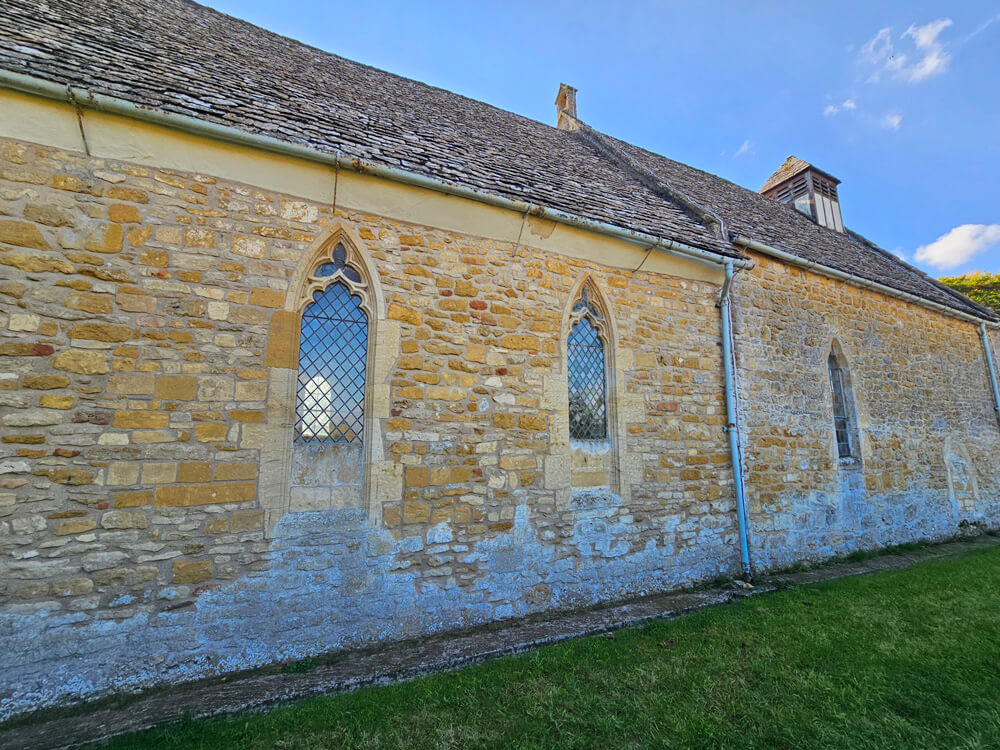
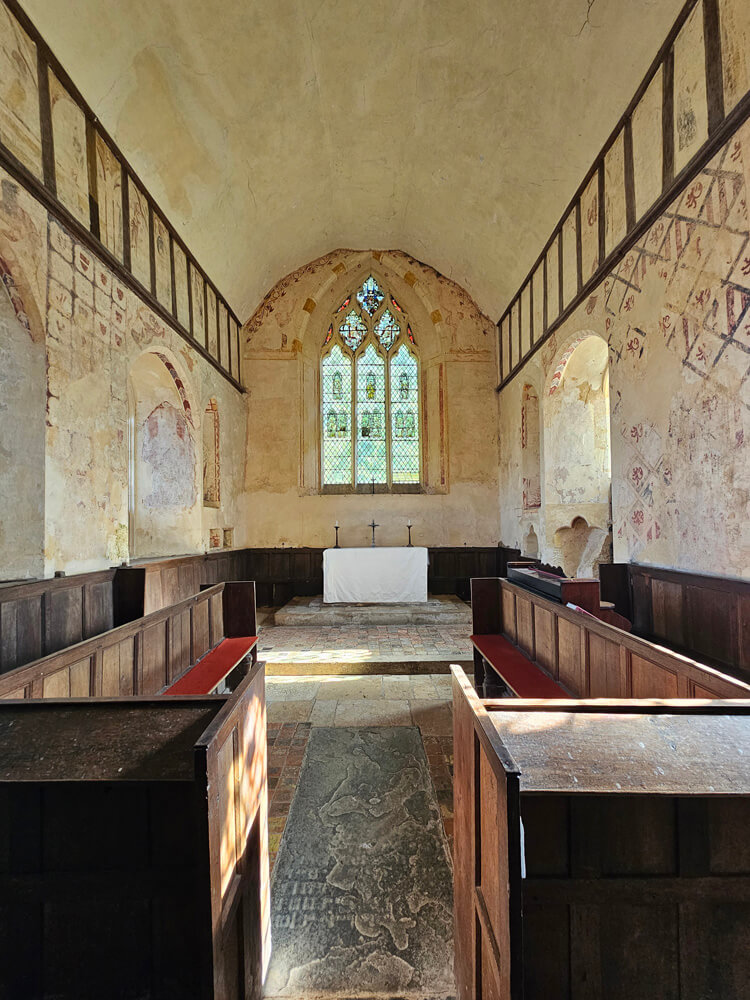
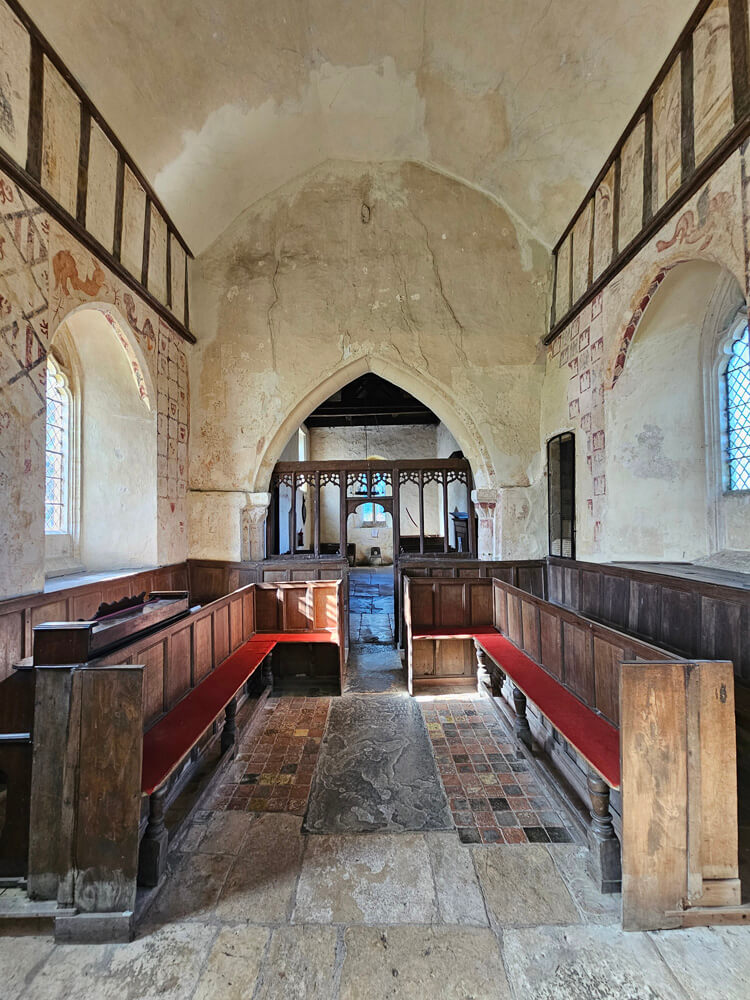
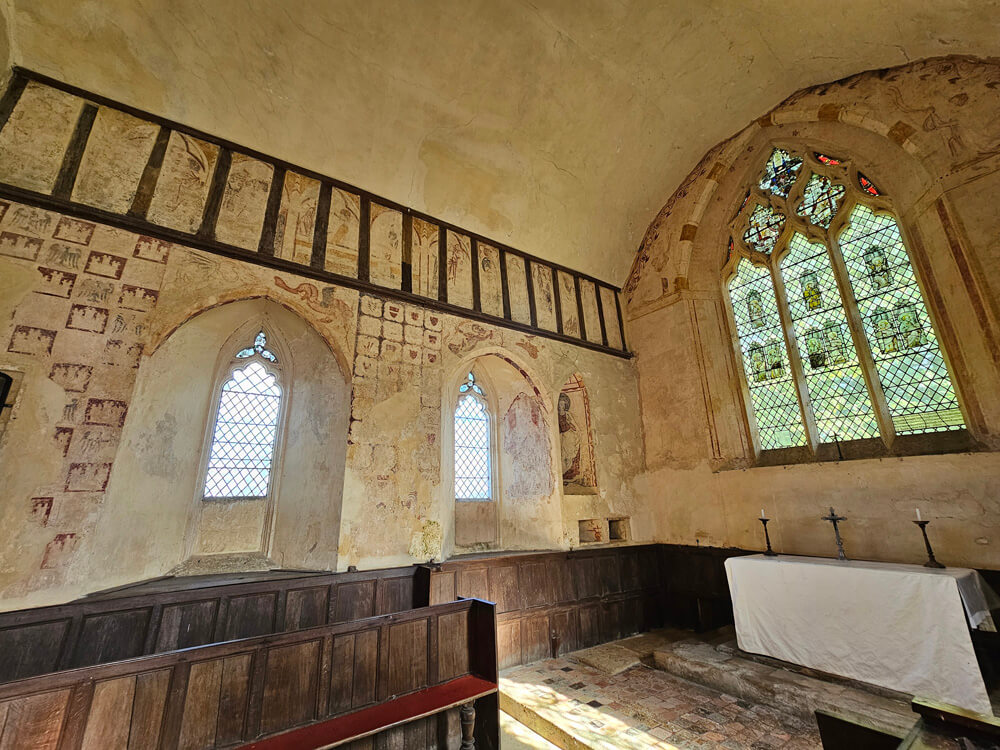
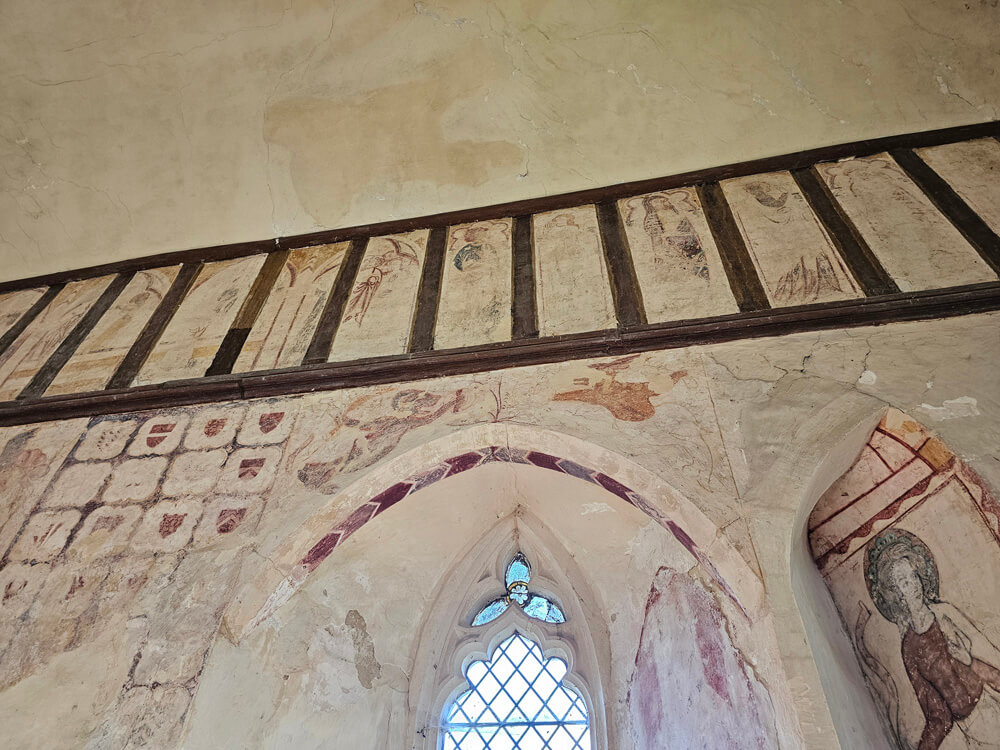
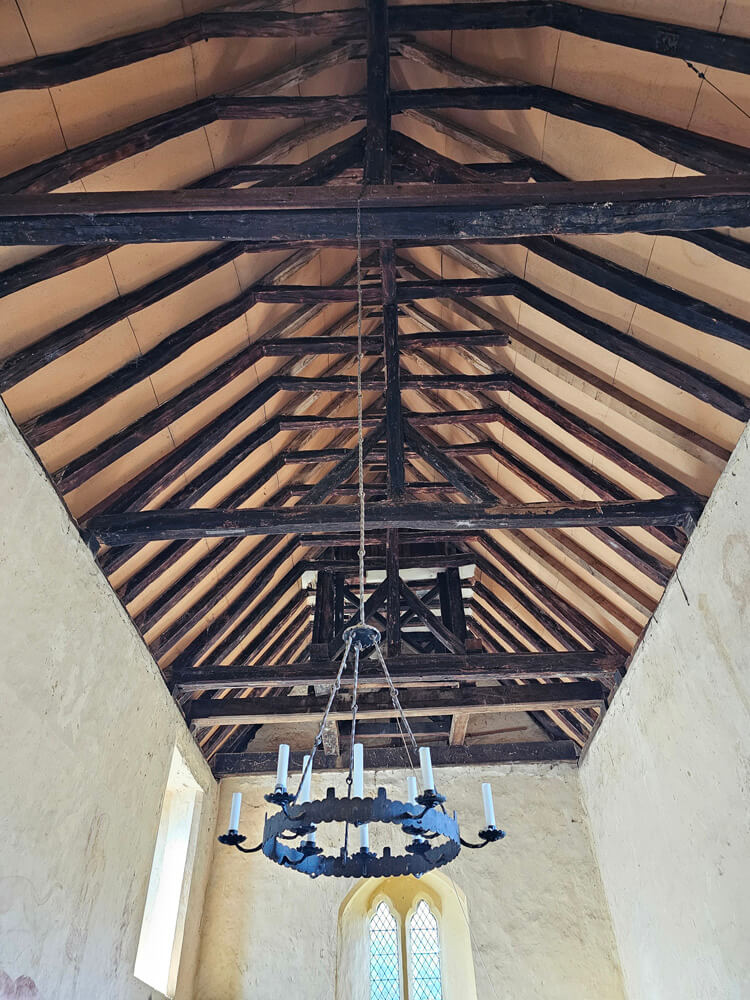
Hailes Church is a small but delightful Norman church that sits directly opposite the ruins of Hailes Abbey. The church predates the abbey by a century, but later came under abbey control and served as its gate chapel until the Dissolution of the Monasteries turned the abbey into ruins. The church contains three 14th-century grave slabs, medieval floor tiles, and a very attractive east window with large sections of medieval glass. But the real treasure inside this church is its wonderful collection of pre-1300 medieval wall paintings.
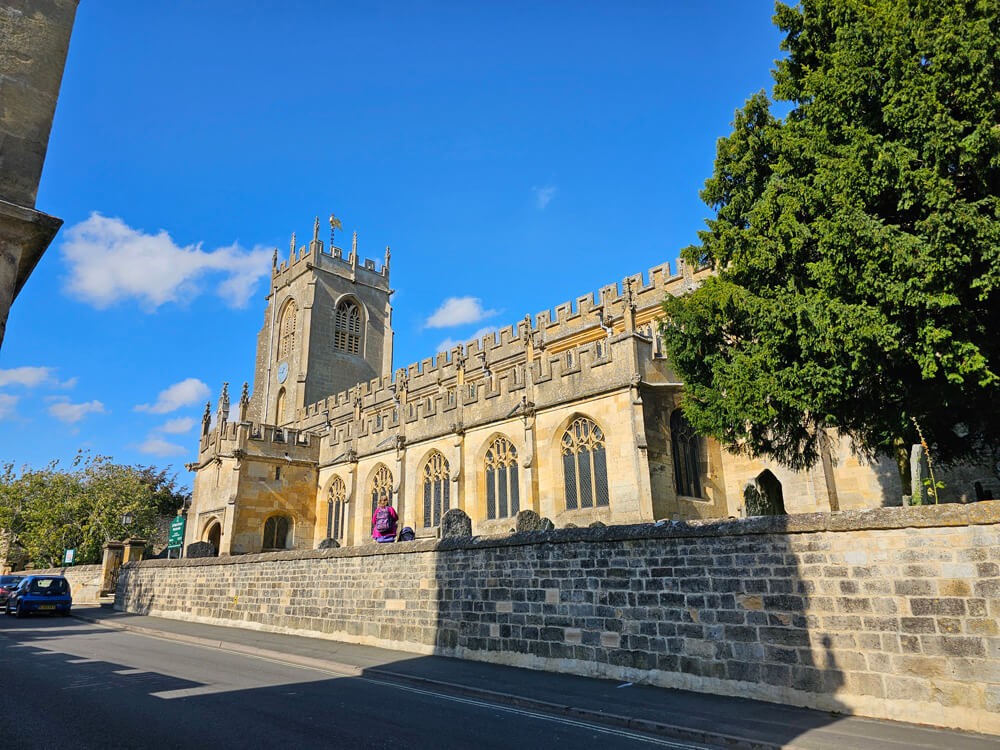
St Peter’s Church
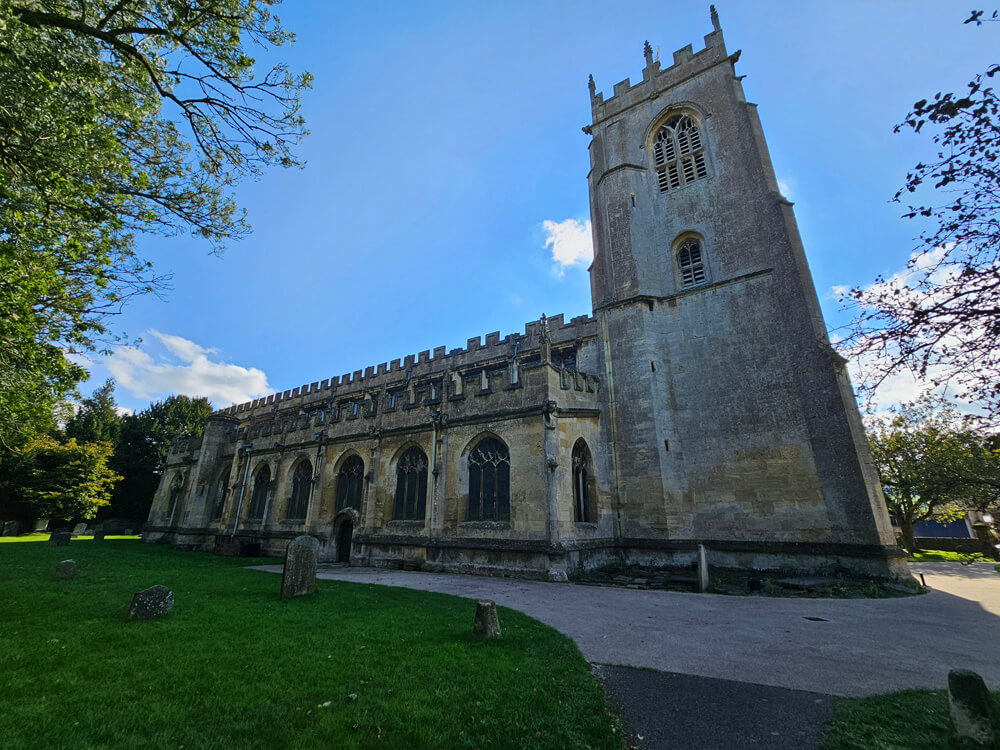
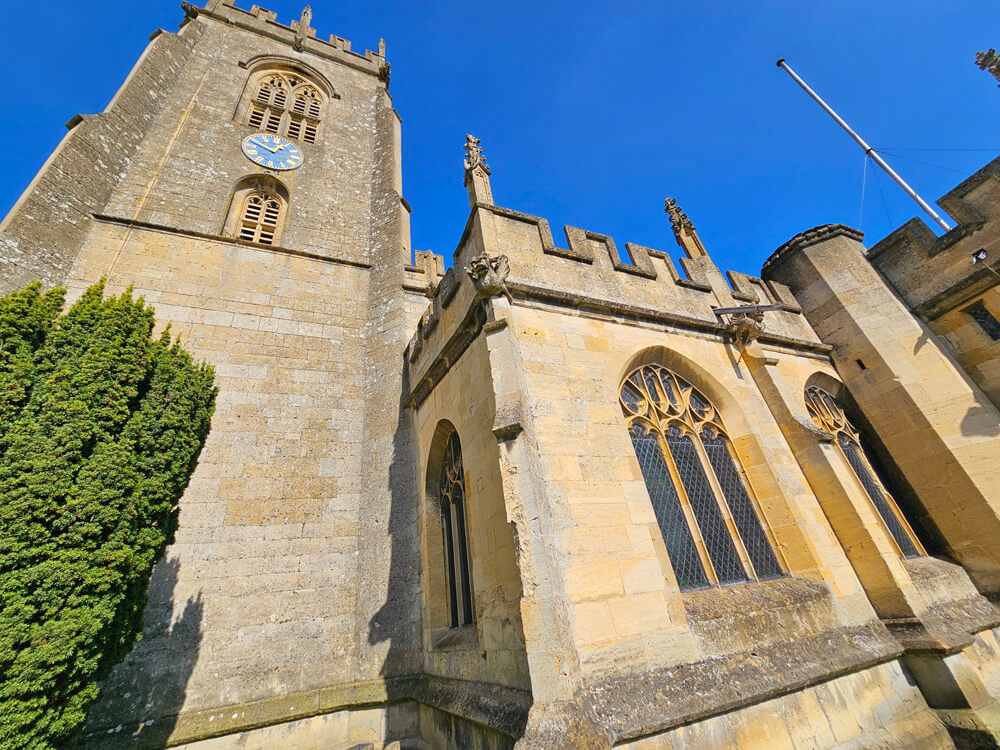
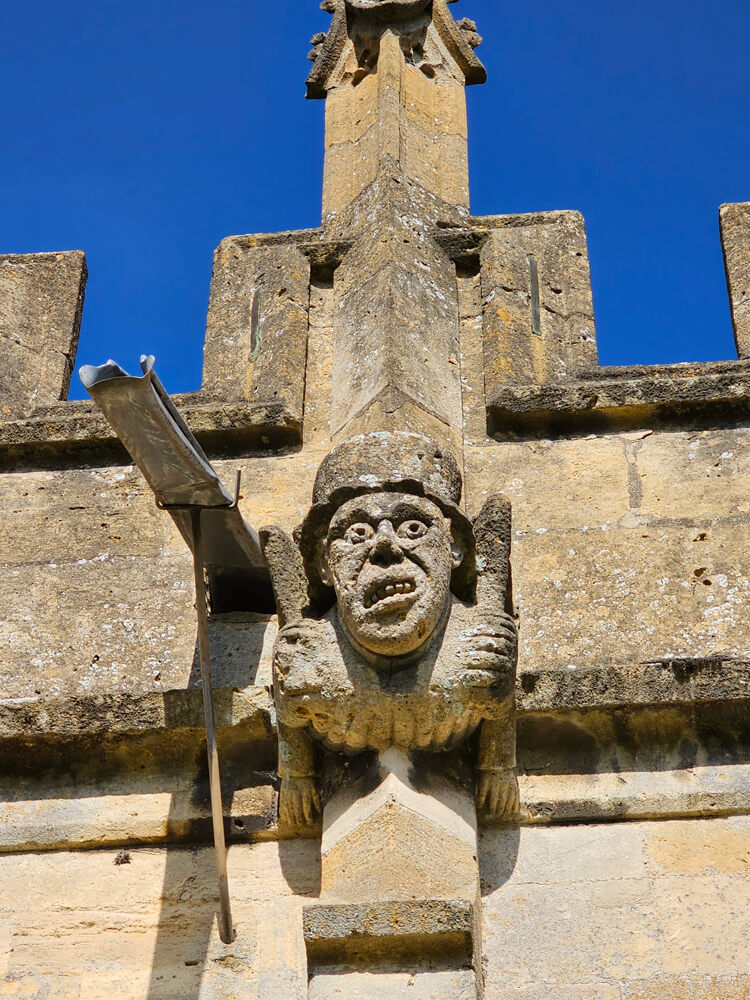
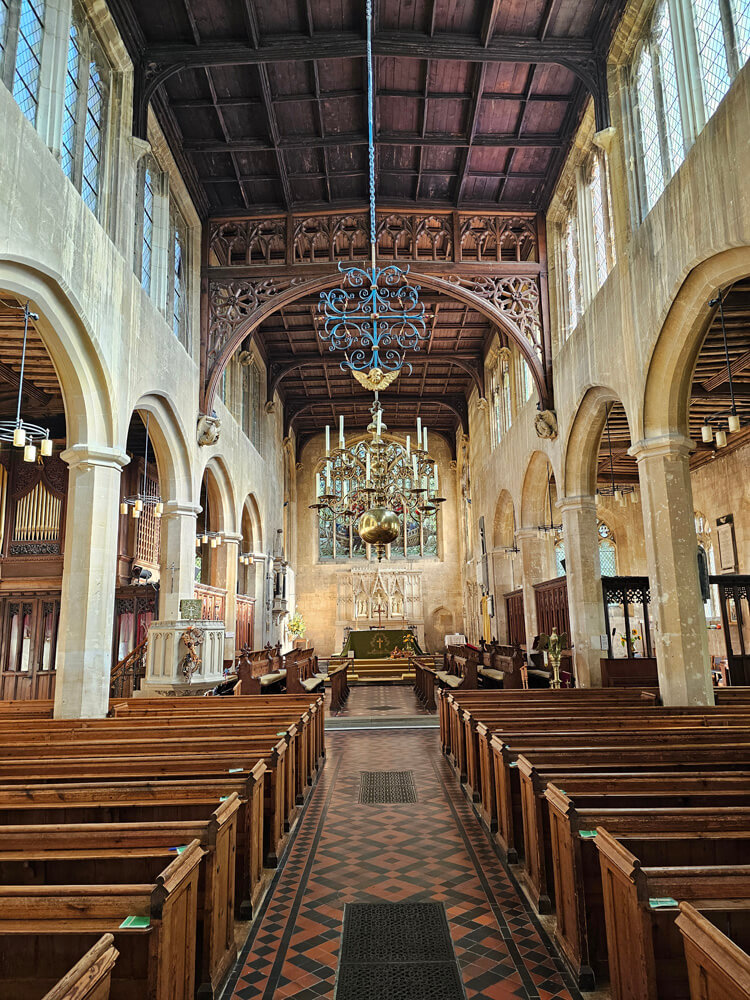
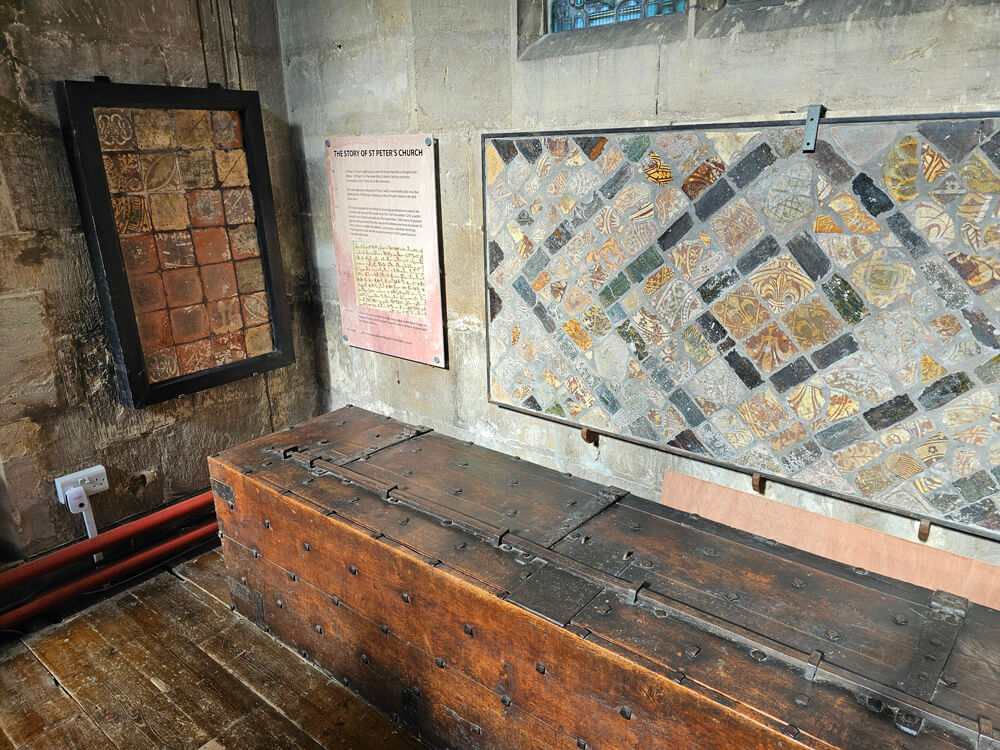
St Peter’s is a beautiful 15th-century church in the centre of the town, and more than 500 years later, the church’s external appearance remains very much as it was then. As well as the 40 stone grotesque carvings that embellish the battlemented roofline of the exterior, the church contains many interesting historic artefacts including an altar frontal stitched by Queen Catherine of Aragon, two Saxon stone coffins and the Winchcombe Imp.
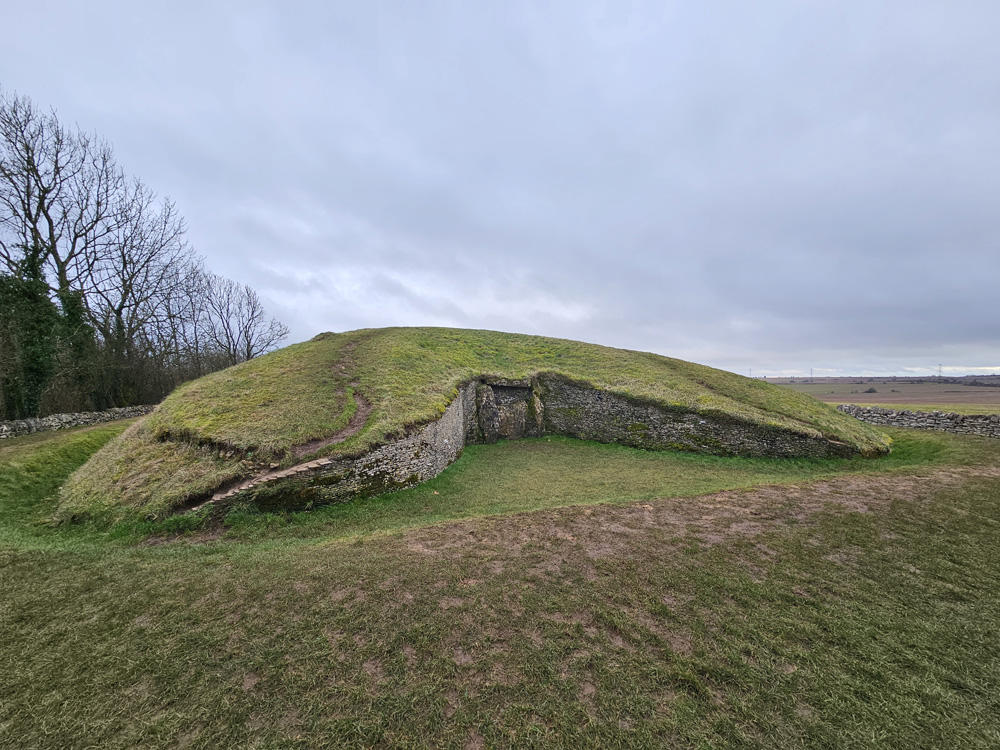
Belas Knap
Built by prehistoric people as a place to bury their dead over 5,500 years ago, Belas Knap is a fine example of a Neolithic long barrow. Construction of the barrow is estimated to have taken place around 3000 BC, featuring a false entrance and side chambers. Skeletal remains were found buried within the long barrow, including children, the skull of a young adult male, horse and pig bones, and fragments of pottery and serrated flint blade.
Photo Gallery.
Did you enjoy this post?
I hope you found this post useful. I put a great deal of time and effort in to building, maintaining and populating the website. If you like, you could say a small thank you by buying me a coffee. You don't have to, but it would be nice :)
Buy me a coffee
Stay up to Date
Follow me on my journey and get notified whenever a new post is published by following Kings & Castles on Facebook.
Follow MeExplore The Map
Discover the hundreds of castles, churches, monasteries, cathedrals and other historic locations that I've personally visited across England and Wales. Search by location, explore nearby sites and plan your next historical adventure.
Share: