Denbigh Castle
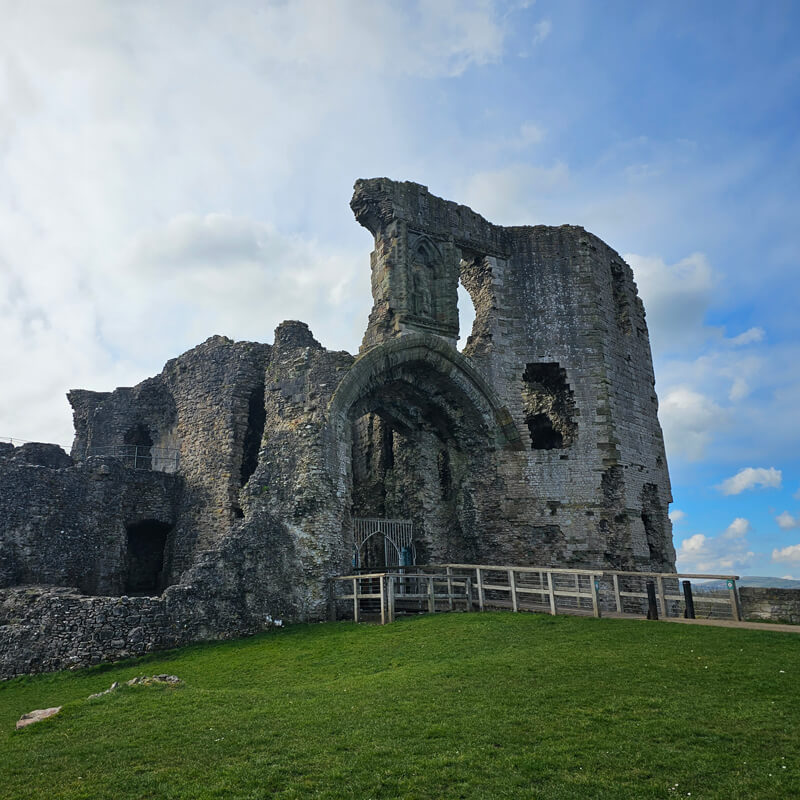
The impressive ruins of Denbigh Castle crown a steep hill above the Vale of Clwyd in Denbighshire, north-east Wales. Once the royal residence of Dafydd ap Gruffudd, the last native prince of Gwynedd, it was taken by King Edward I in the 13th century and rebuilt into a mighty fortress as one of his ring of castles to establish his dominance over the Welsh, playing a vital role in the wars that shaped Wales.
Quick
Facts.
- Location: Denbigh, Denbighshire, north-east Wales
- Built: Late 13th to early 14th centuries
- Condition: Ruined
- Date visited: March 2025
- More info: Visit website
- Rating:
A Bit of History…
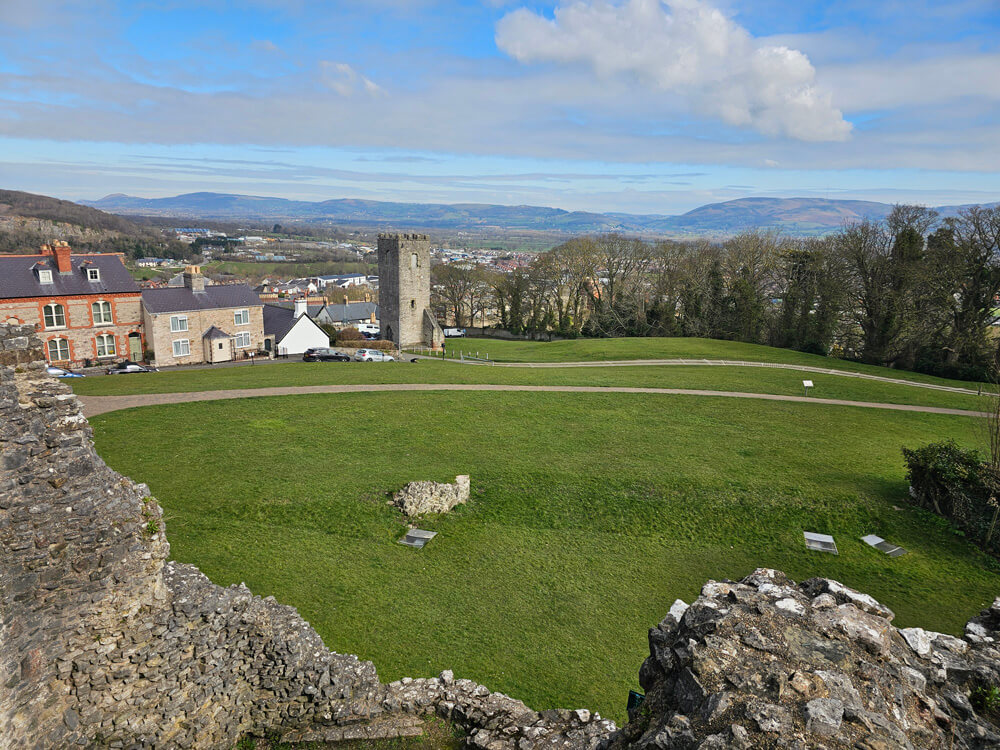
Denbigh Castle stands high on a hill above the town of Denbigh, against a backdrop of the Vale of Clwyd and the Clywdian range of mountains in north-east Wales. Its strategic position on a naturally defensible rocky outcrop above the Clywd valley made it a formidable structure.
The site of the current castle was first fortified by the Welsh in the late 12th century. It was then held by Dafydd ap Gruffudd, the last native prince of Gwynedd and brother of the Prince of Wales, Llywelyn ap Gruffudd (Llywelyn the Last) from about 1276/1277. The treacherous Dafydd sided with Edward I and the English against his brother Llywelyn, but in 1282 he rebelled against the King.
Provoked and angered by Dafydd’s treachery, Edward I mounted a full-scale invasion of north Wales, quickly marching into Clwyd and capturing Denbigh. Edward granted the lordship of Denbigh to one of his chief commanders, Henry de Lacy, Earl of Lincoln, who rebuilt the castle, replacing the Welsh fortifications.
Once a royal residence for the Princes of Wales, a new huge stone fortress with extensive town walls was built on top of Dafydd’s stronghold. Construction started immediately in 1282 and continued until 1311. Designed by royal castle architect Master James of St George, the castle was to be one of Edward I’s ‘Iron Ring’ of fortifications to establish his dominance over Wales, and is yet another fine example of 13th-century military architecture.
The building of the new Denbigh Castle from 1282 onwards also created a new English borough protected by town walls. Building included the construction of outer walls nearly two thirds of a mile long to incorporate the town within the castle grounds, effectively creating a fortified walled town.
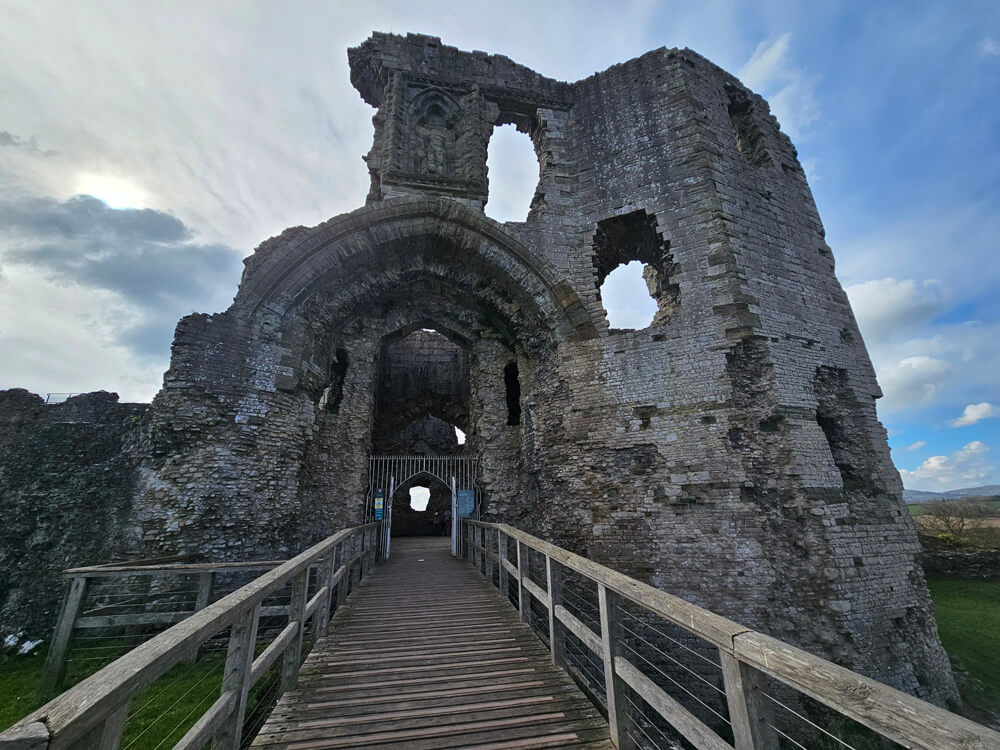
Building work was interrupted in 1294 when Welsh forces led by Madog ap Llewelyn briefly took hold of the fortification, but it was quickly recaptured by the English towards the end of the same year. Strong curtain walls were made significantly higher to enhance the castle’s defences, along with angular towers and a massive gatehouse serving as the imposing castle entrance, separating the town from the castle. They also added a sally port, a secure secret doorway designed so that defenders of the castle could sneak out in an emergency.
Henry de Lacy died in 1311 without leaving a male descendant and the castle passed through a number of different hands over the coming centuries. Famous owners included scheming favourite of Edward II, Hugh Despenser, fierce knight Henry ‘Hotspur’ Percy, and Richard Plantagenet, father of Edward IV and Richard III.
During the Wars of the Roses in the 15th century the castle passed between the Yorkists and Lancastrians. The powerful Mortimer family held Denbigh for the Yorkist cause until it was taken by Jasper Tudor, half-brother of Henry VI and uncle of future king Henry VII, for the Lancastrian cause. Jasper later lost the castle and attempted to retake it, but he failed to do so, and instead set the walled town of Denbigh alight. After this the castle was mostly abandoned. The residents moved outside the perimeter of the walls at the foot of the hill, and the largely depopulated town began to serve as a vast outer bailey of the castle.
Denbigh Castle slowly deteriorated during the 16th century when only a part of the castle was habitable but it was refortified at the start of the English Civil War. Denbigh was a Royalist stronghold during the Civil War, and in 1645 King Charles I stayed at Denbigh for three days following his defeat at the battles of Naseby and Rowton Heath. From April 1646 Denbigh suffered a six-month siege at the hands of the Parliamentarians, before surrendering to Parliament in October 1646. The castle was later ‘slighted’ and the walls pulled down, ruining it beyond further military use.
Denbigh Castle Today
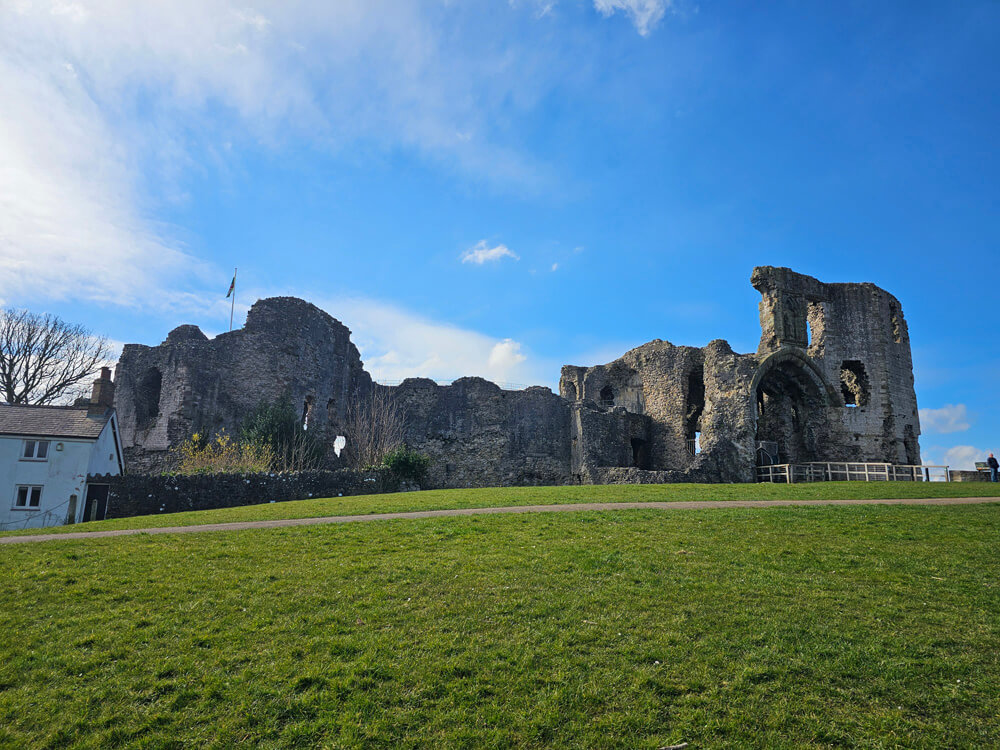
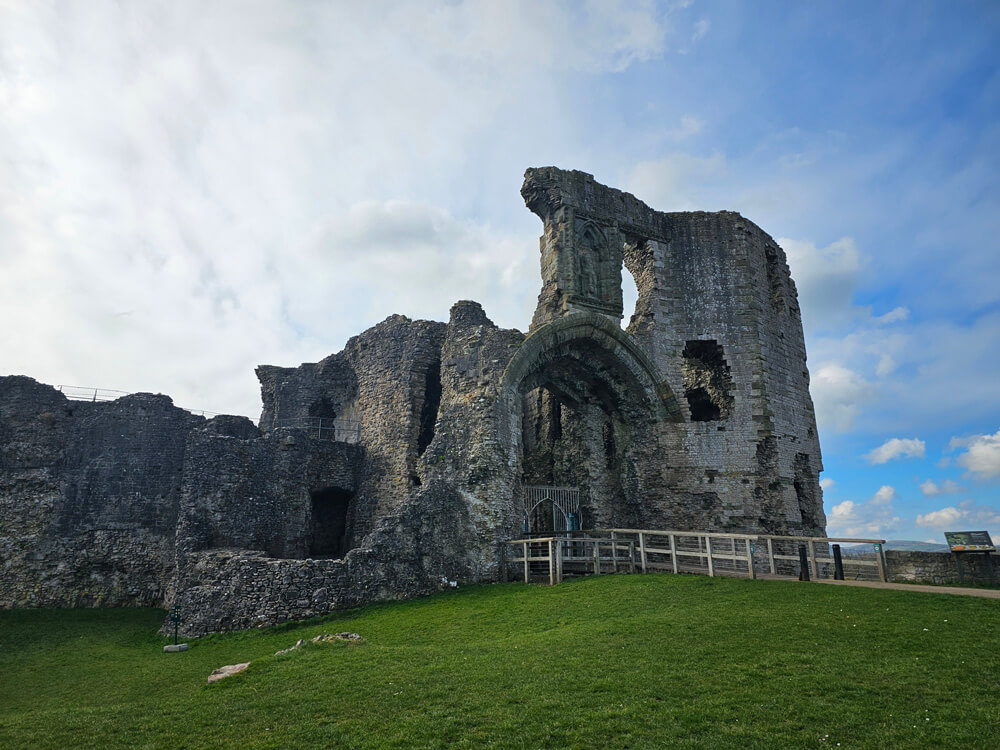
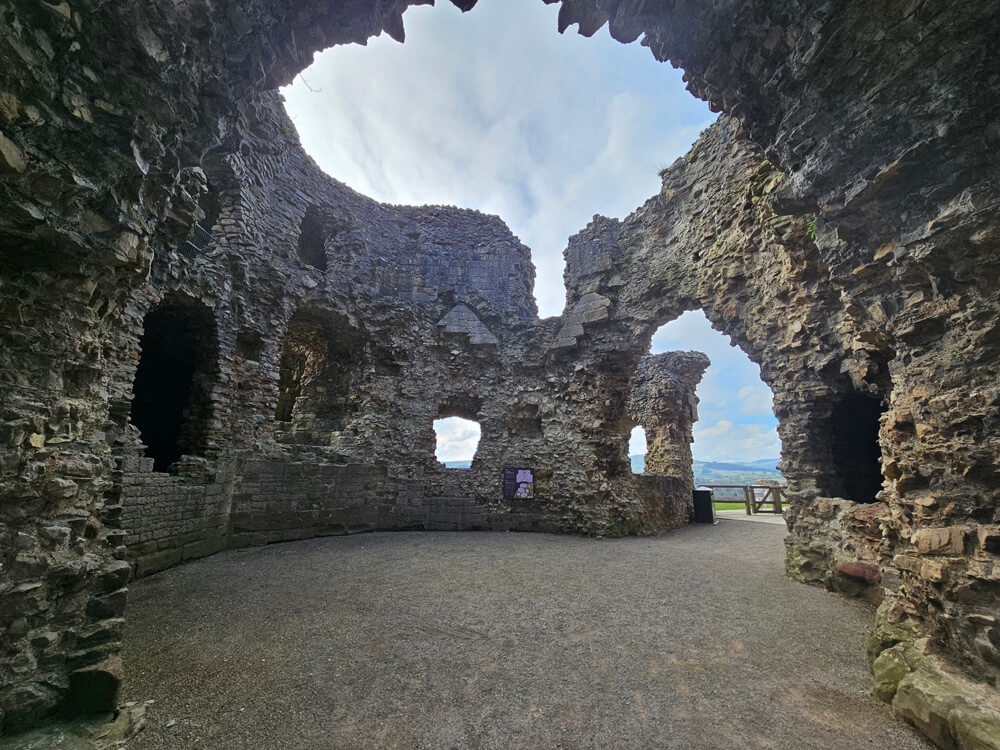
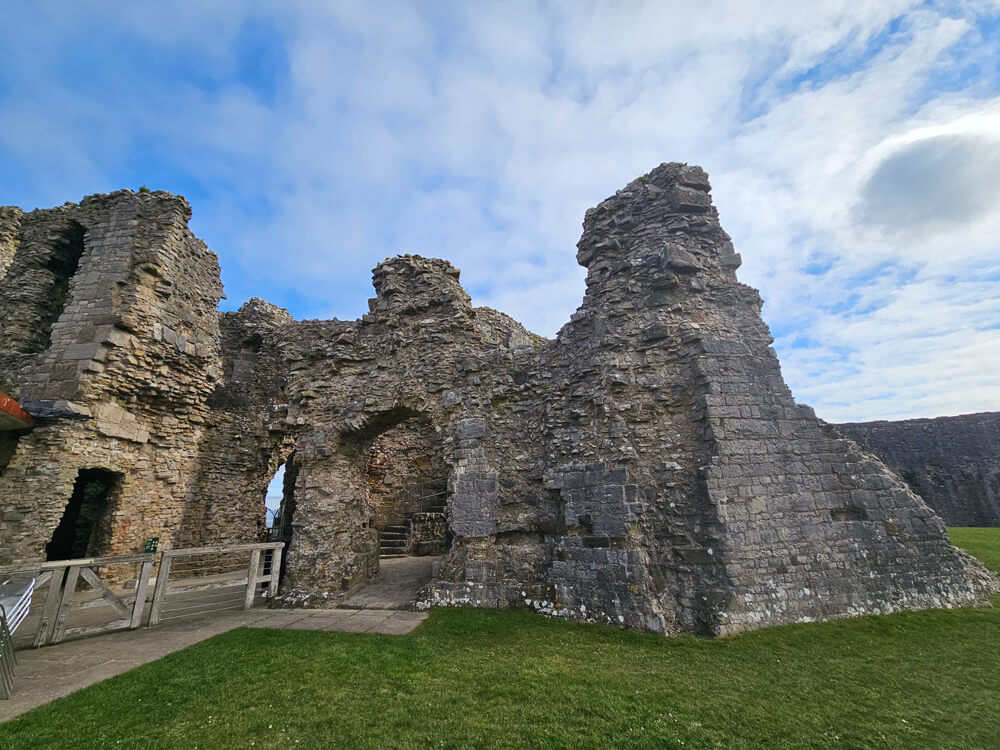
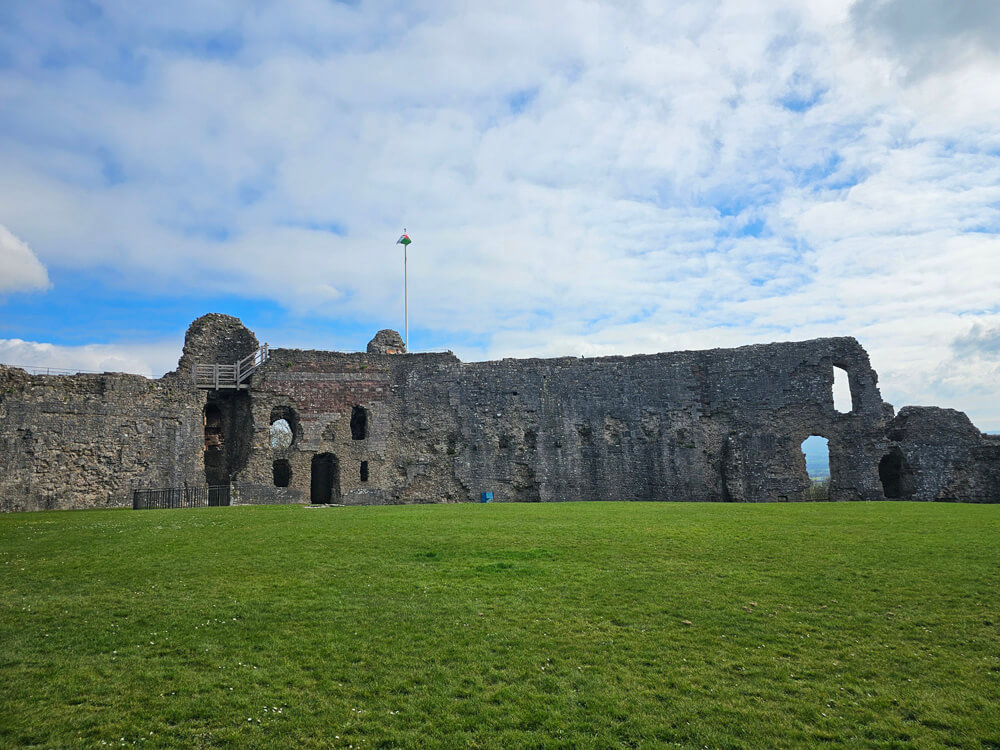
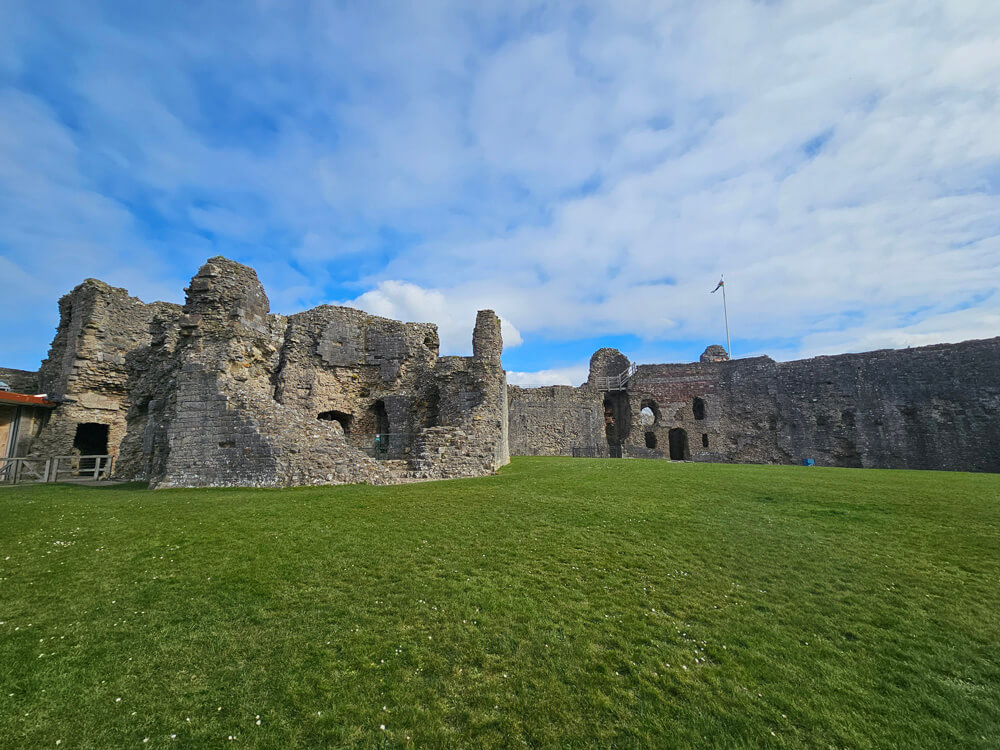
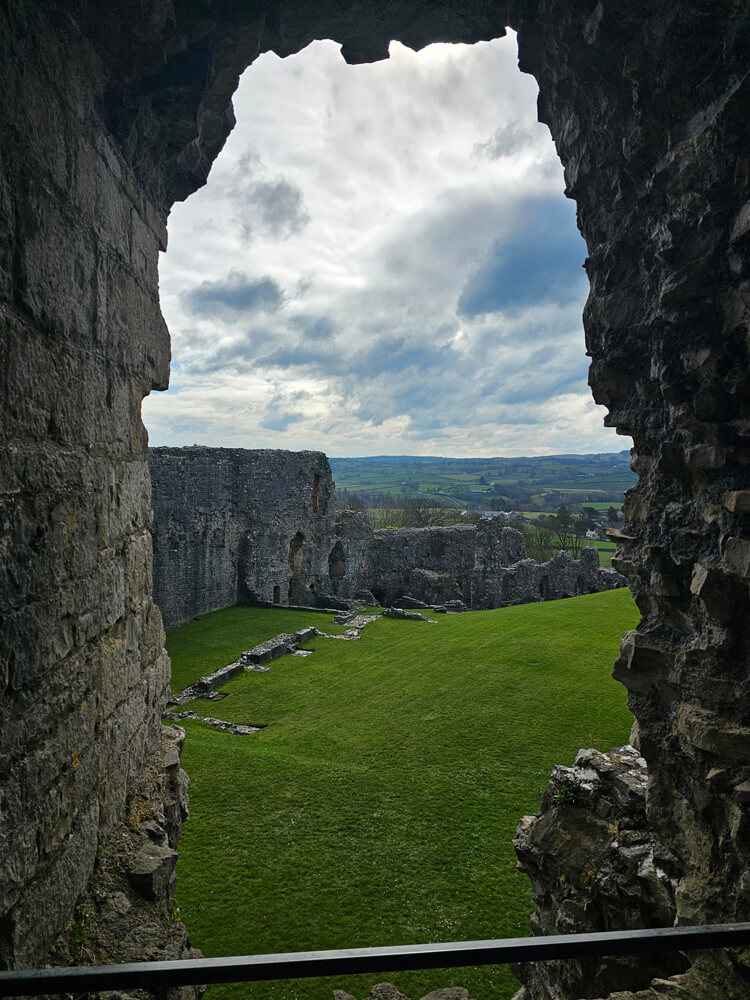
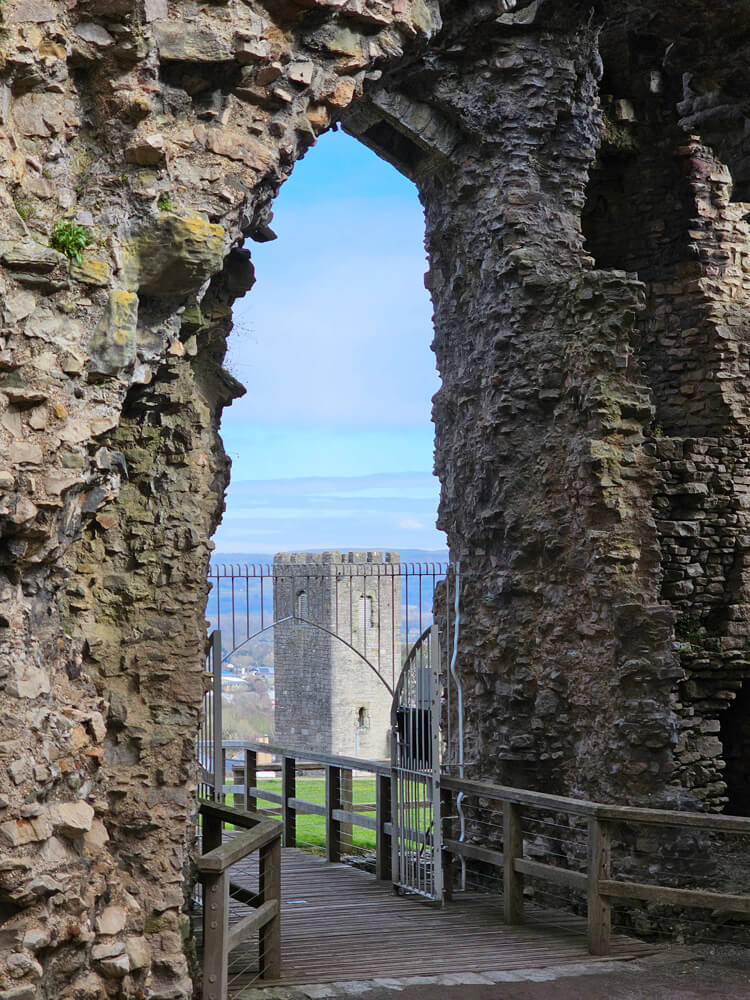
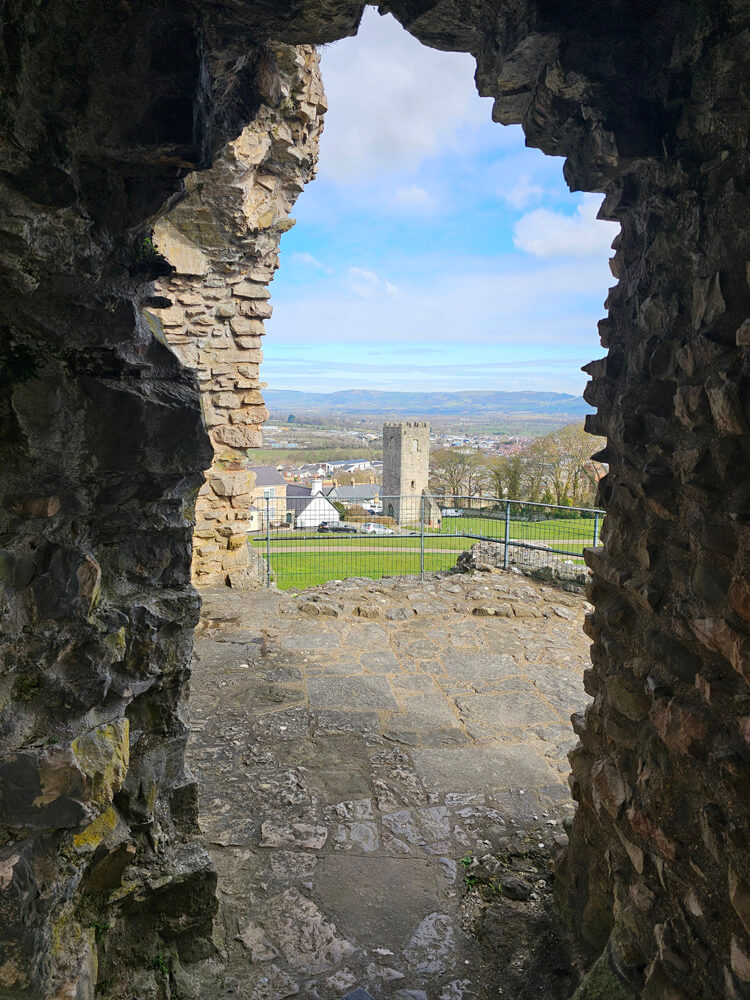
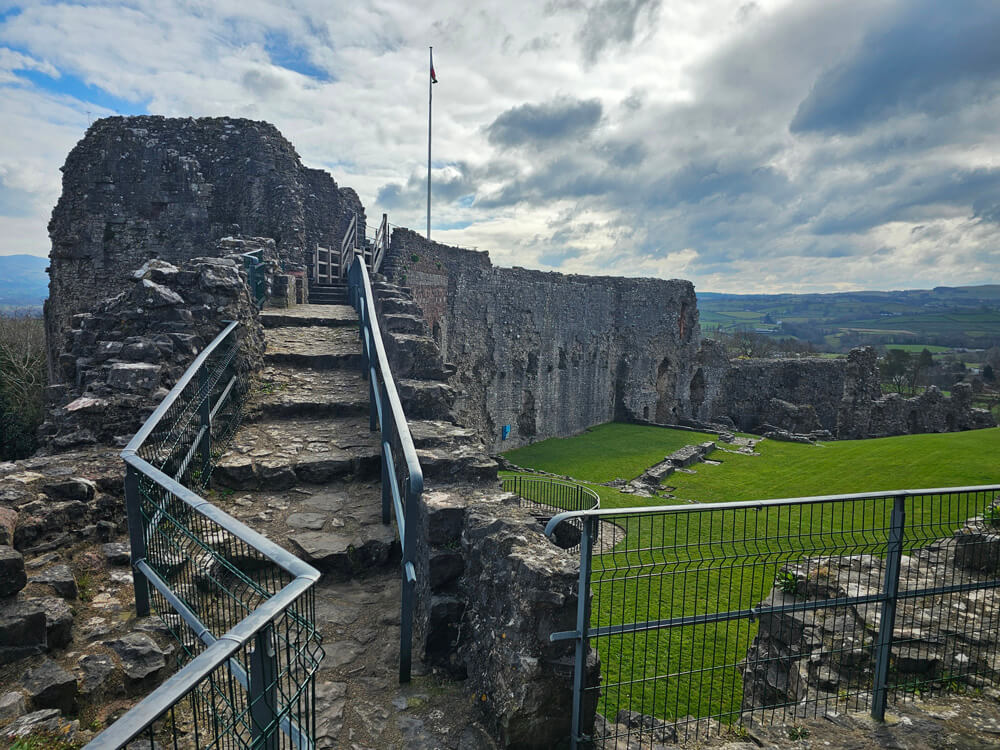
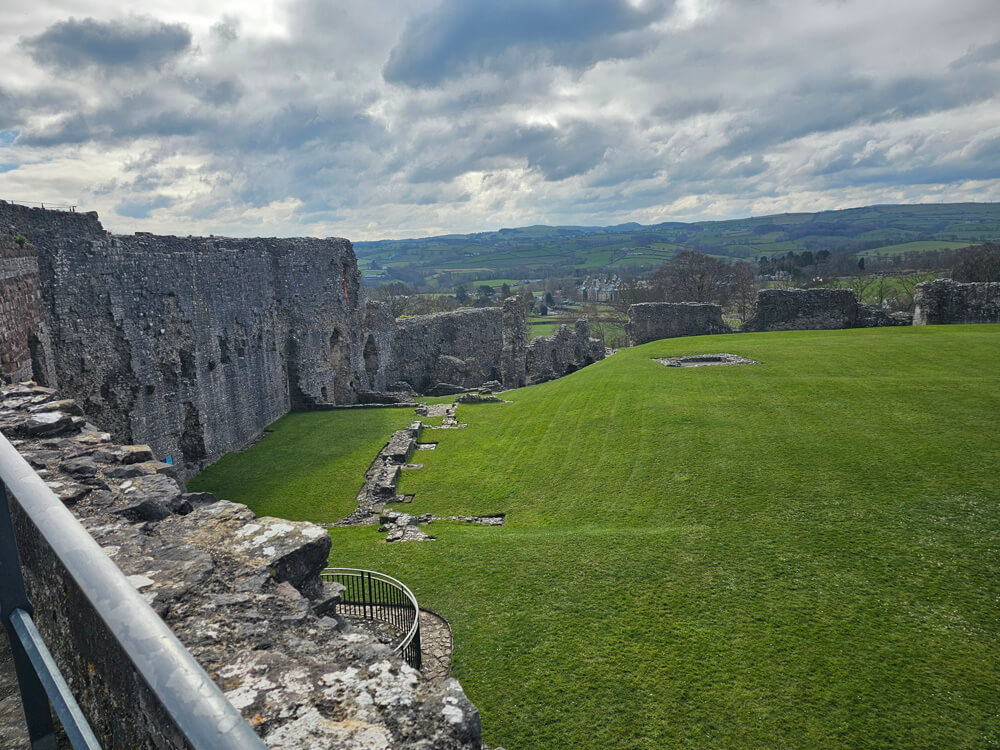
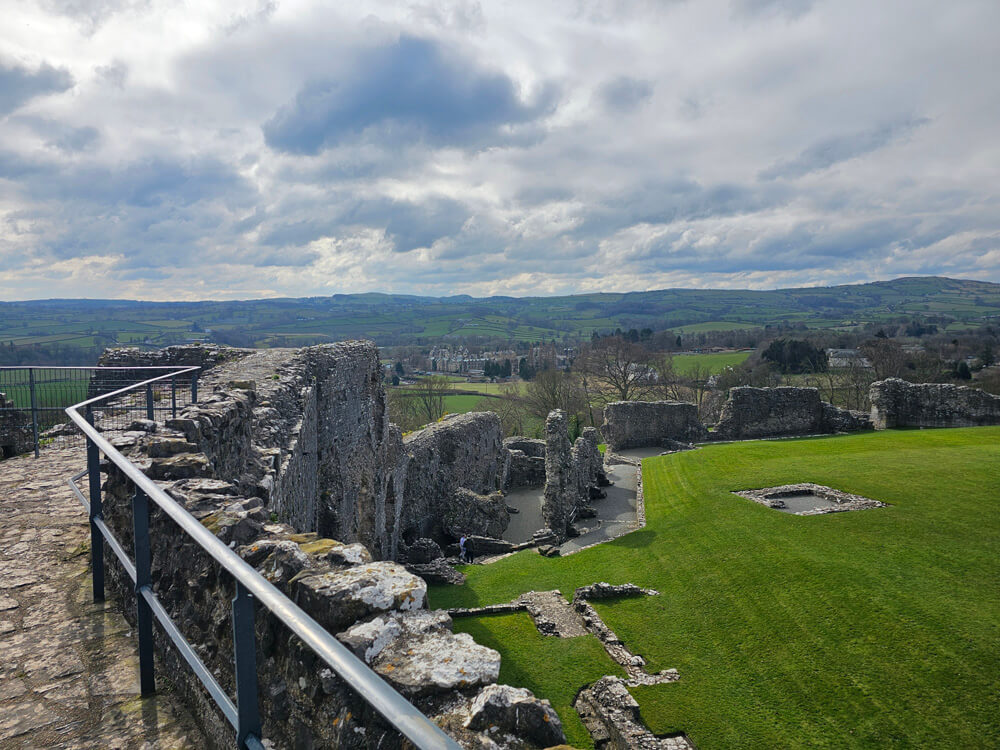
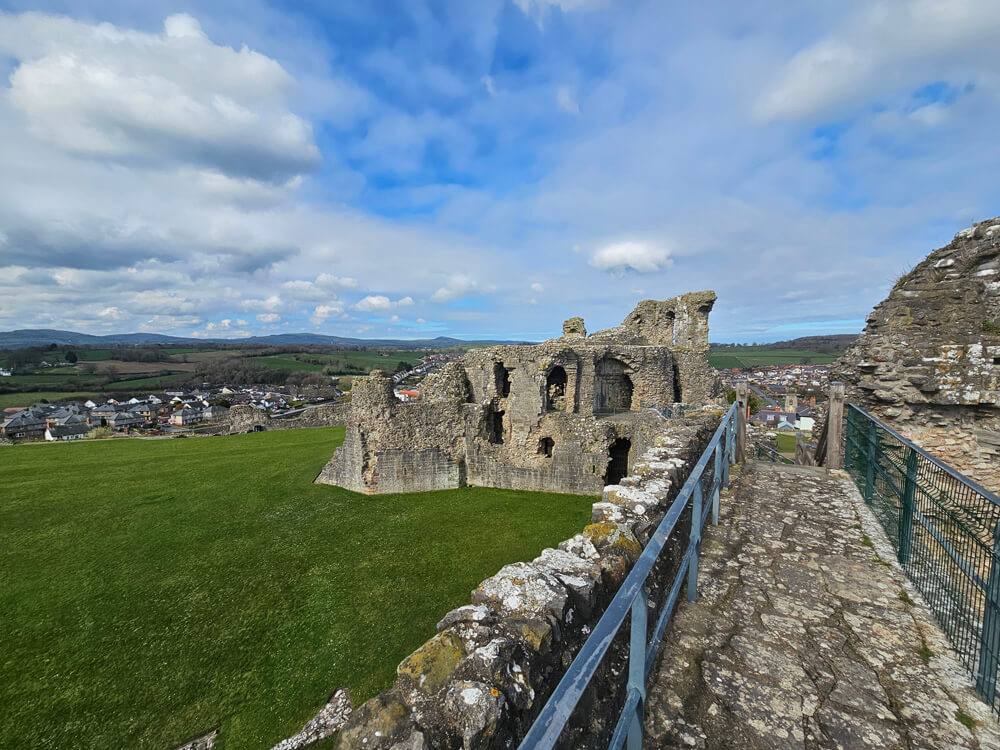
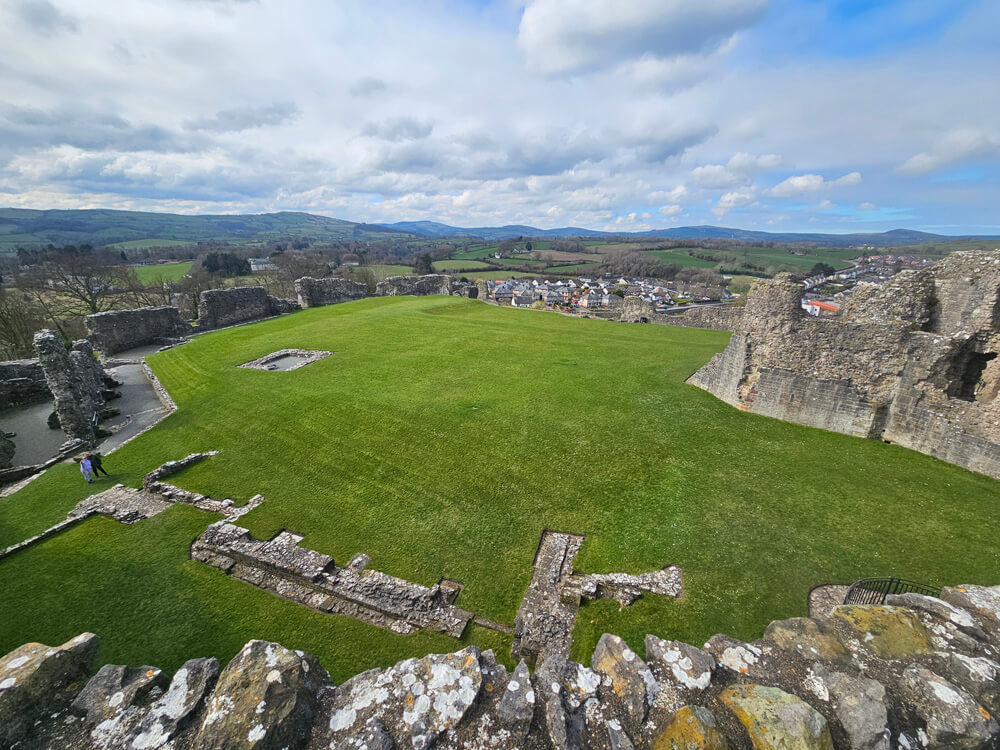
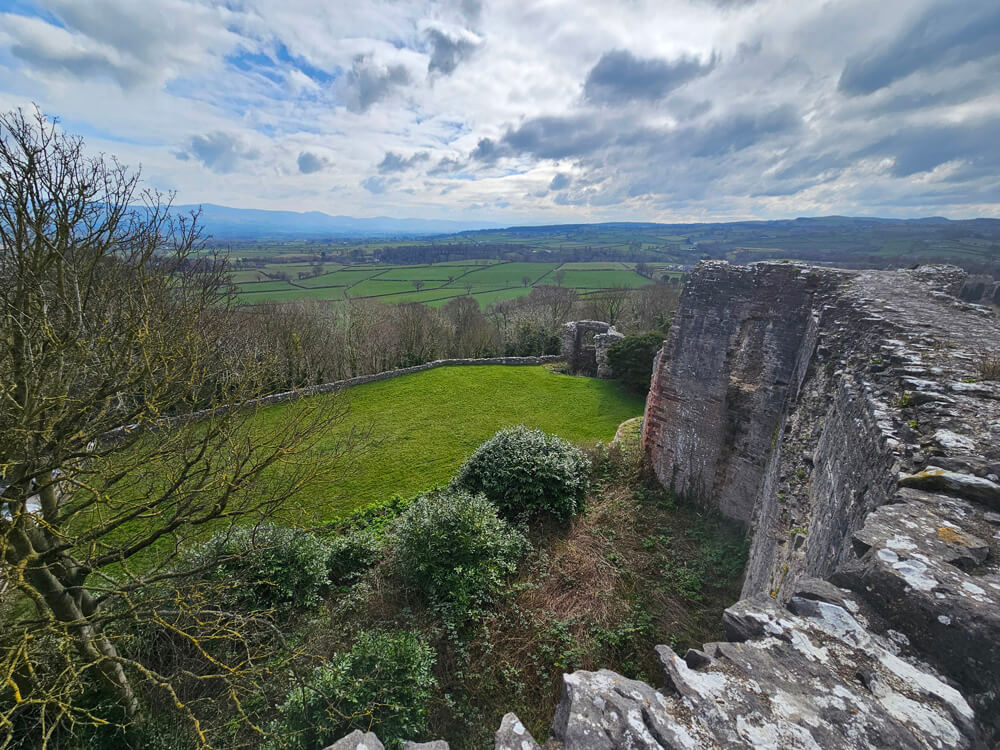
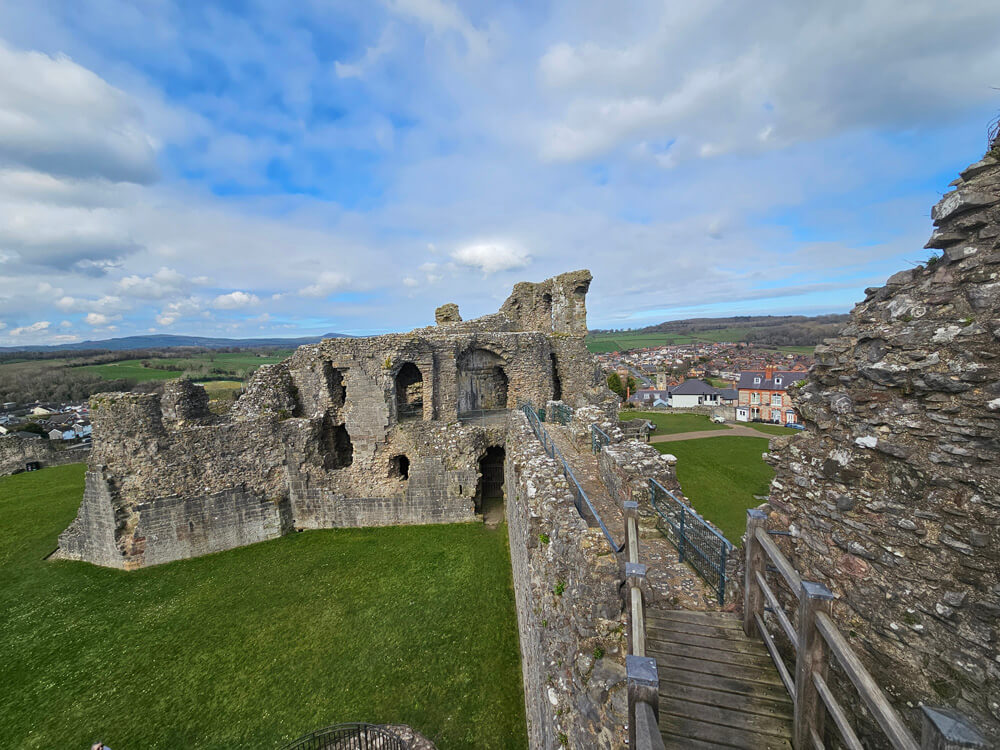
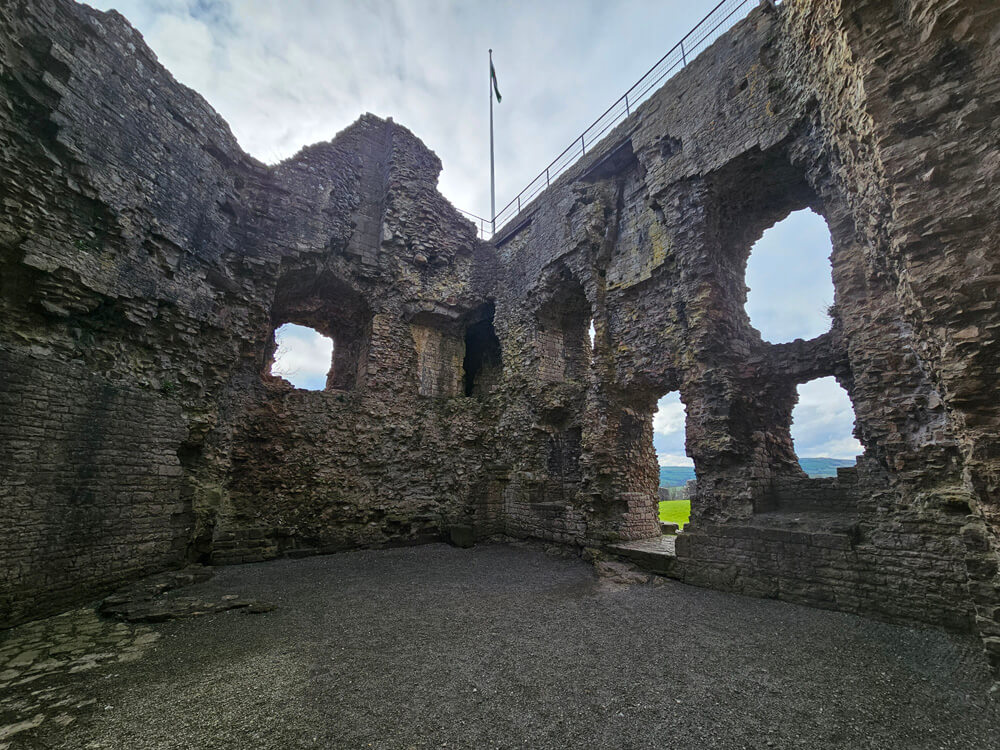
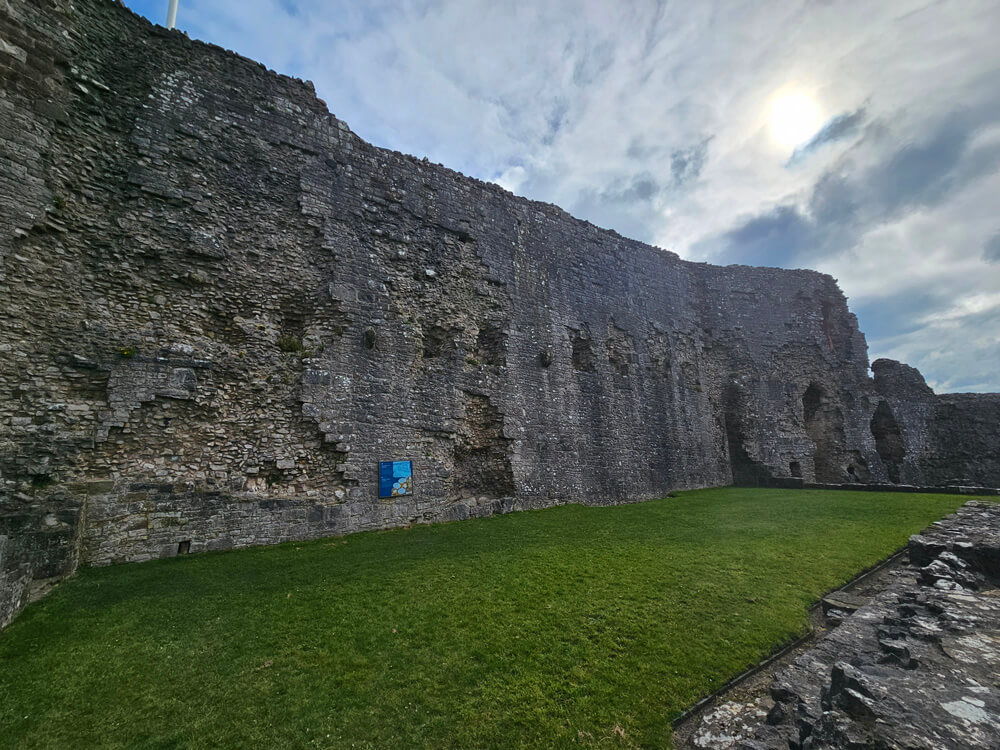
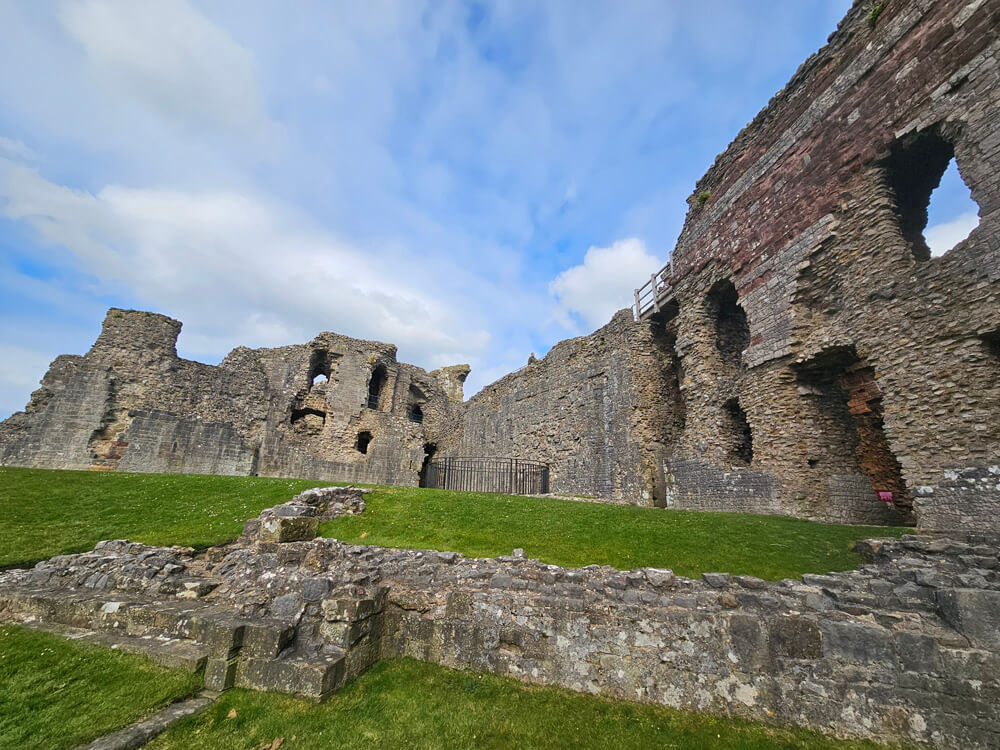
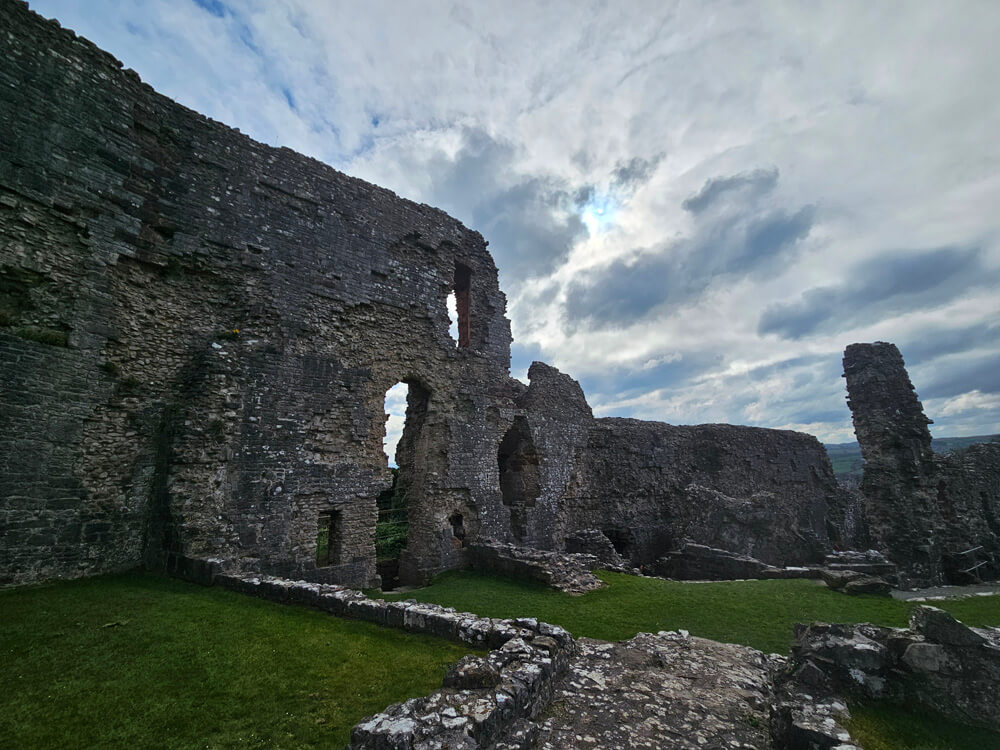
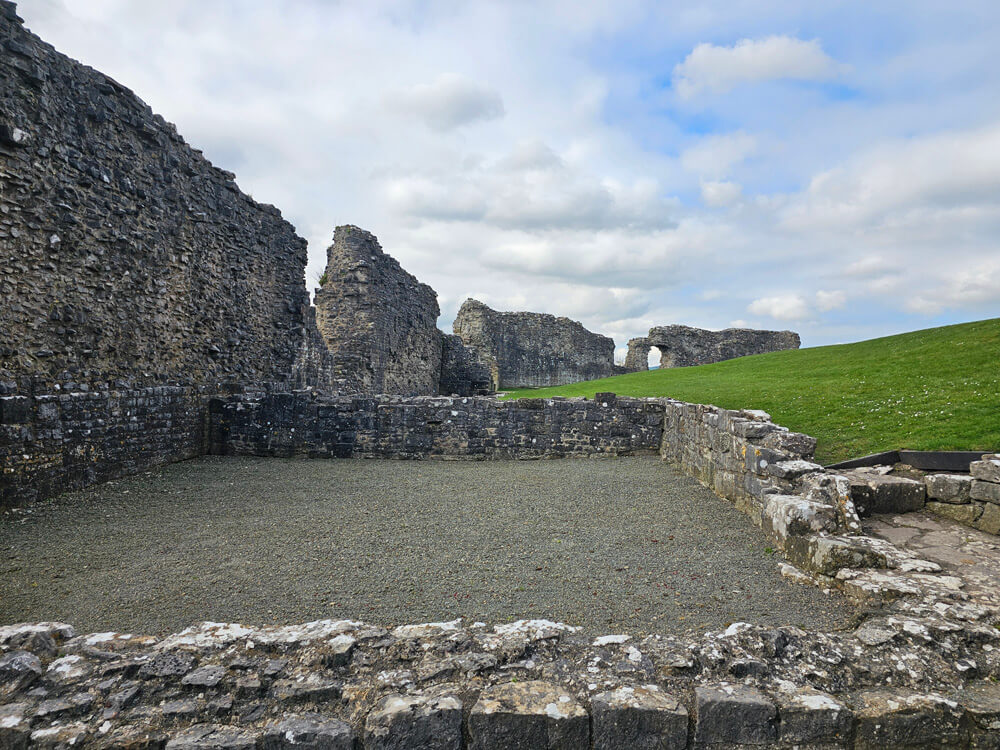
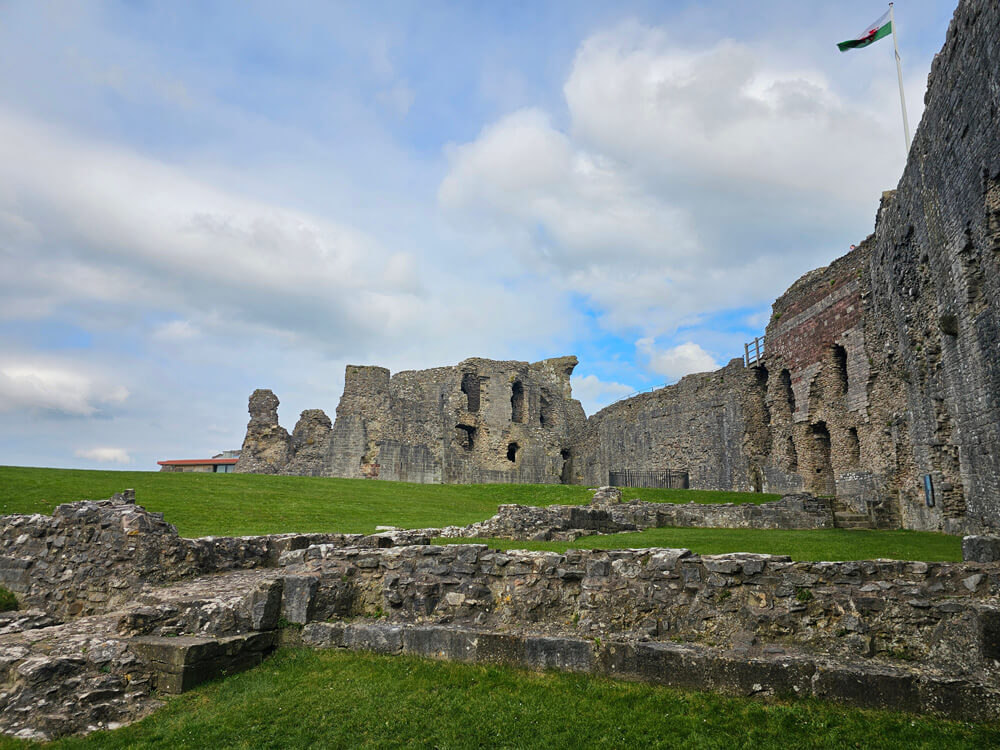
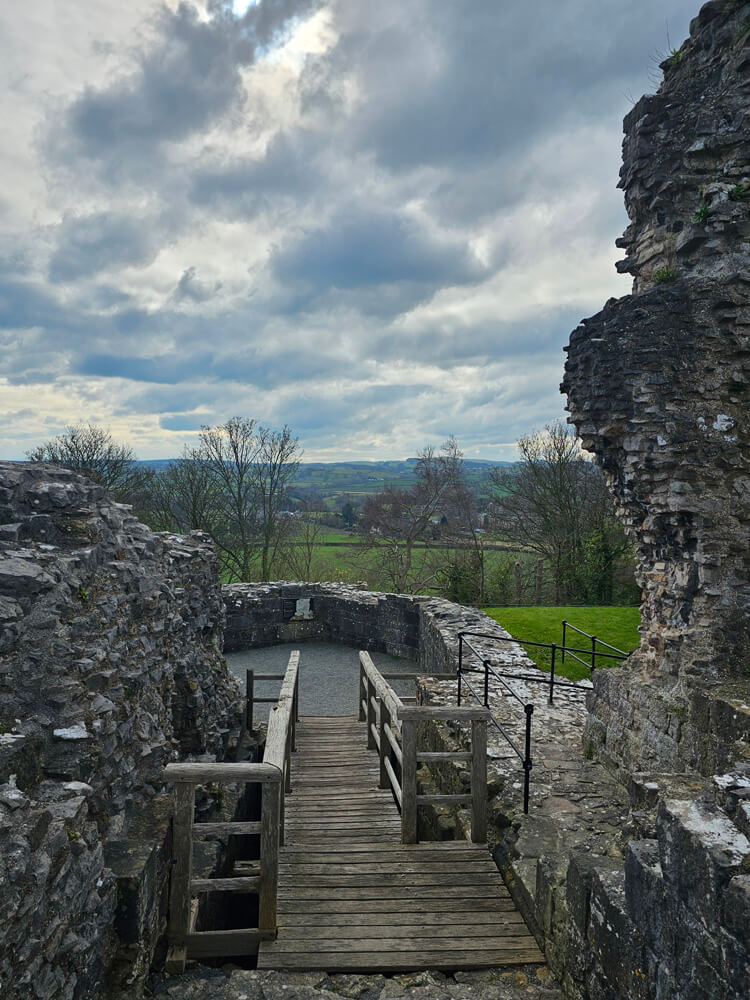
Despite being in a more ruined state than some of Edward I’s other castles, such as Caernarfon, Conwy, Beaumaris and Harlech, Denbigh remains an impressive sight with lots still to explore. Its ruins are a picturesque sight, on a high crag of rock with wonderful views over the surrounding valleys.
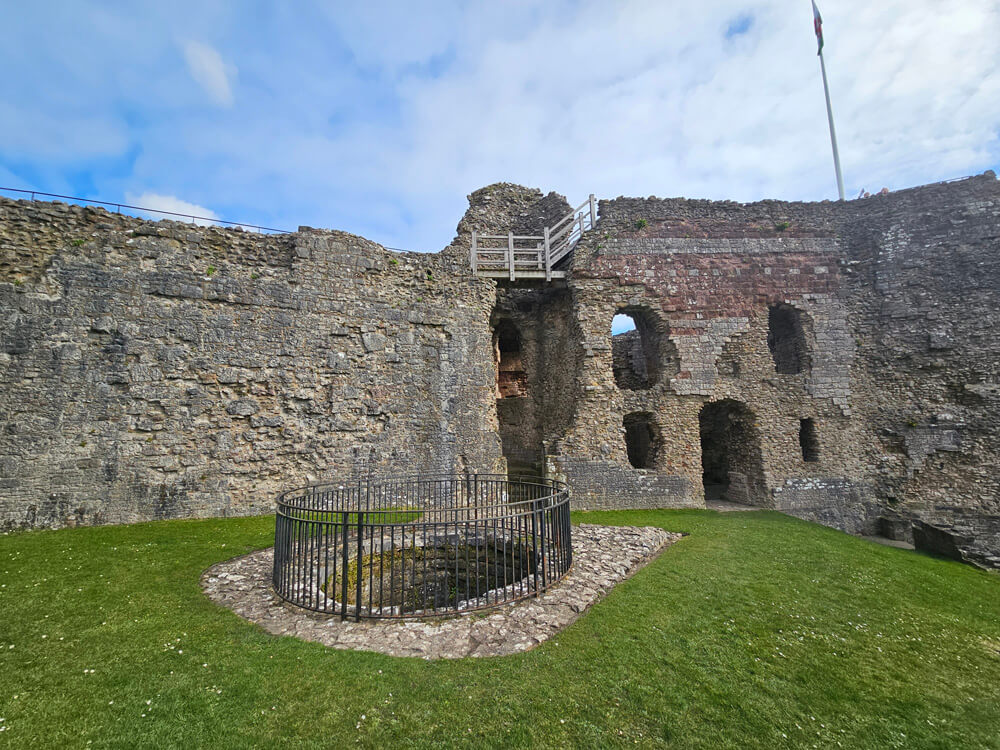
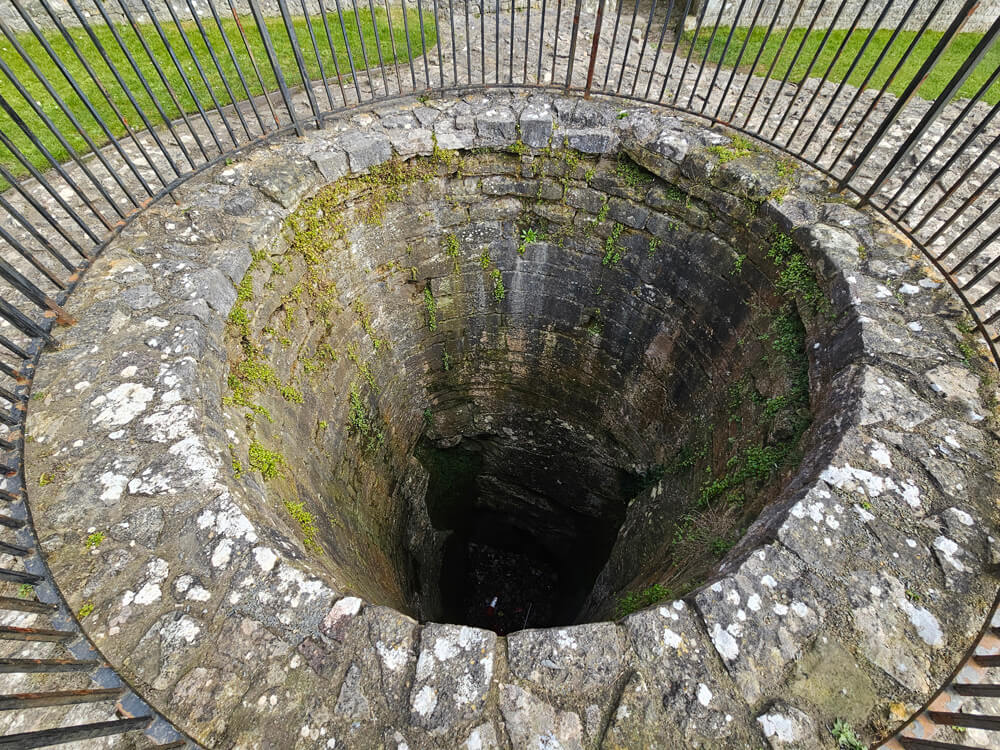
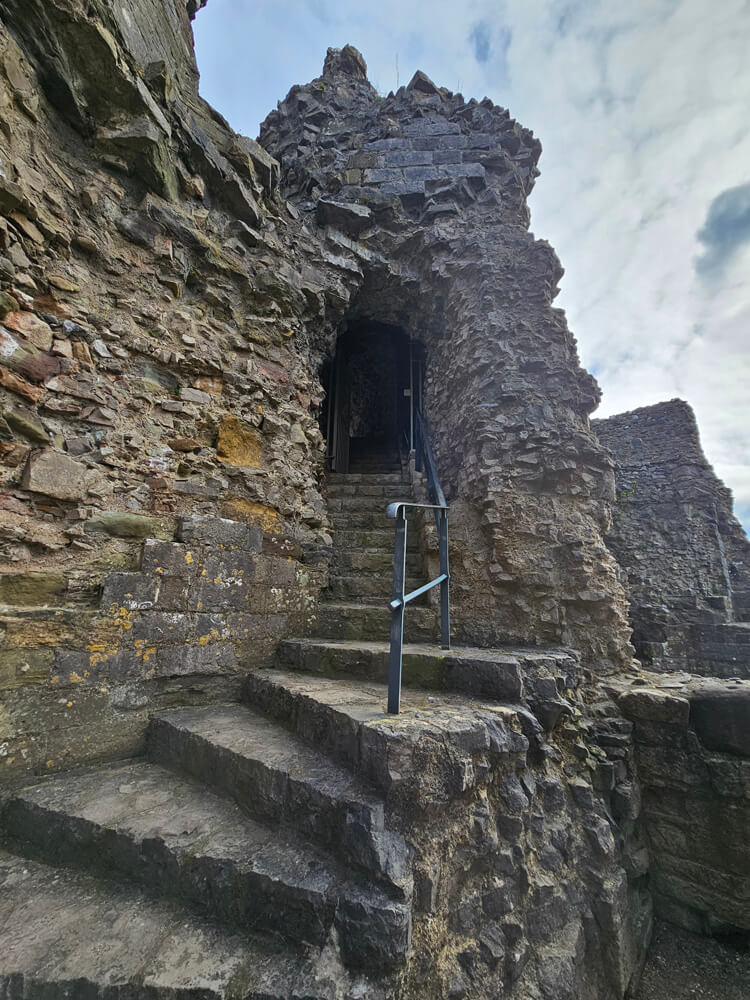
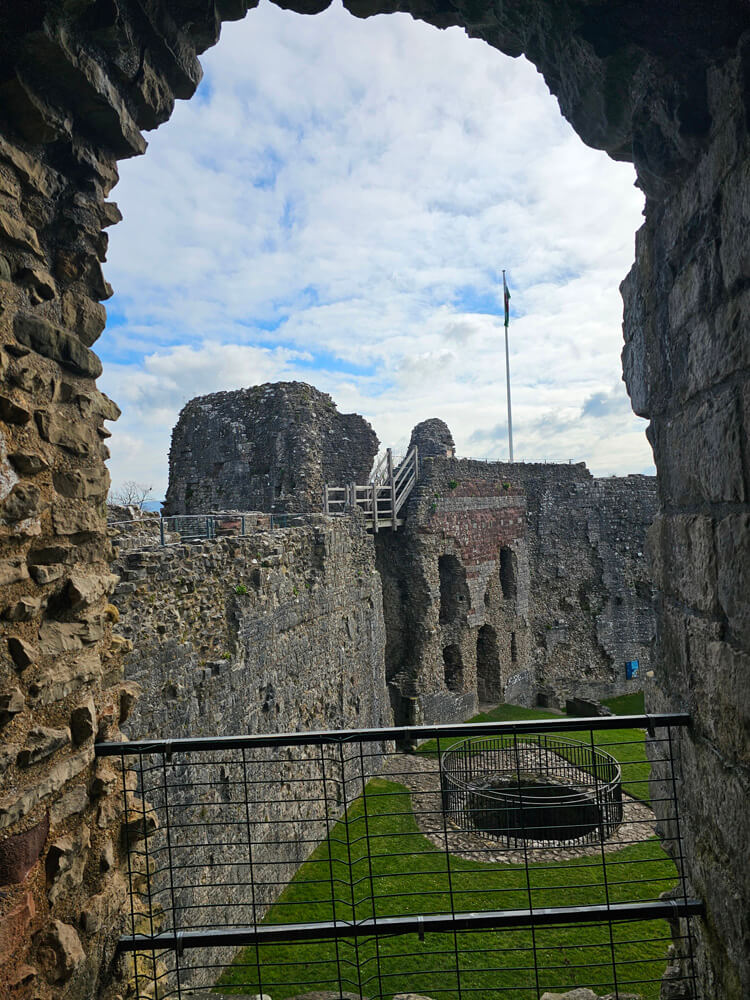
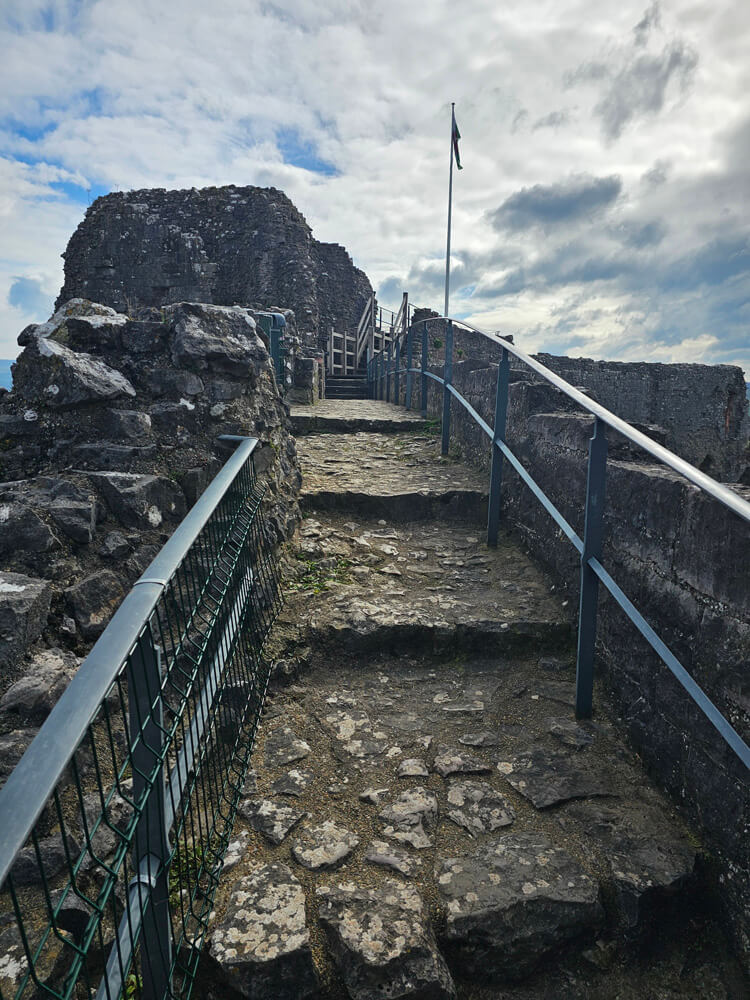
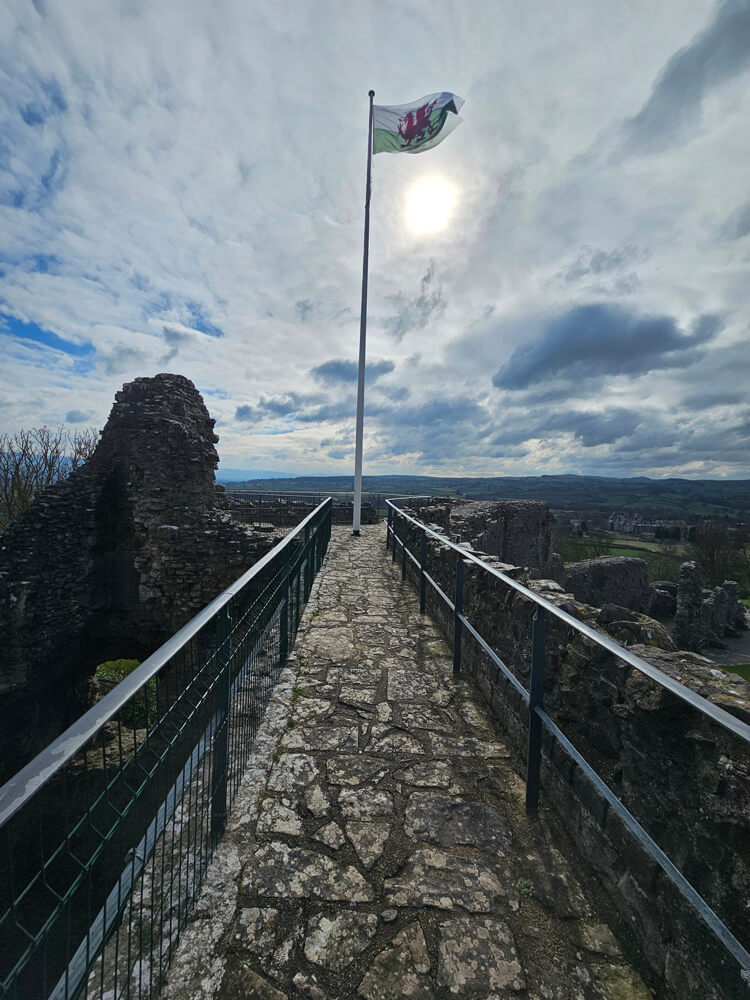
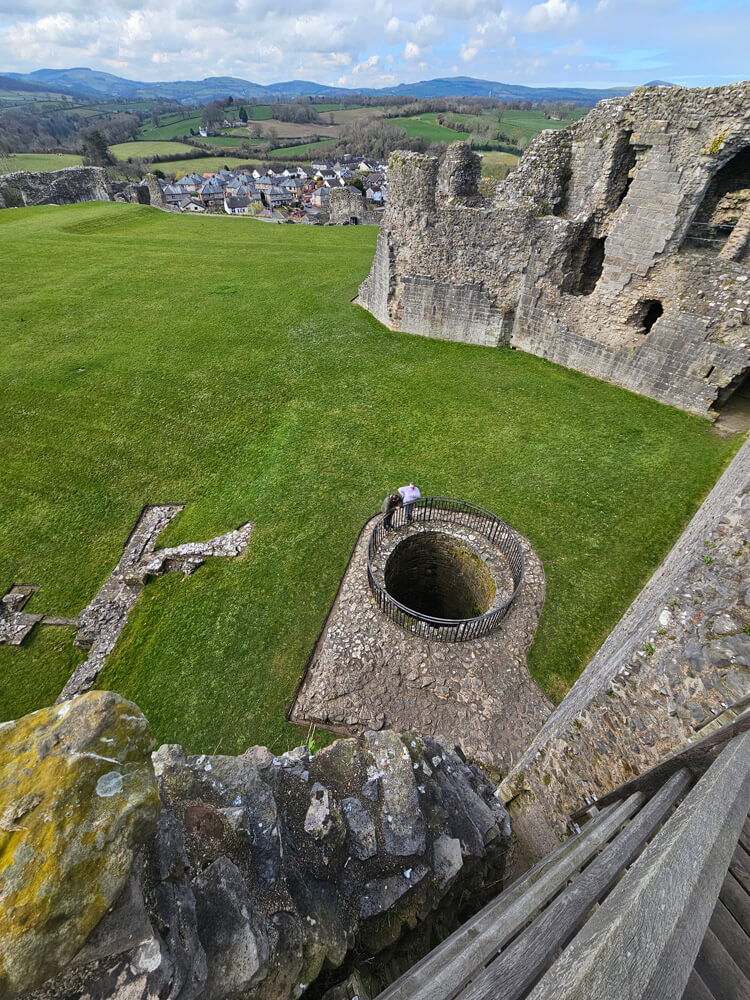
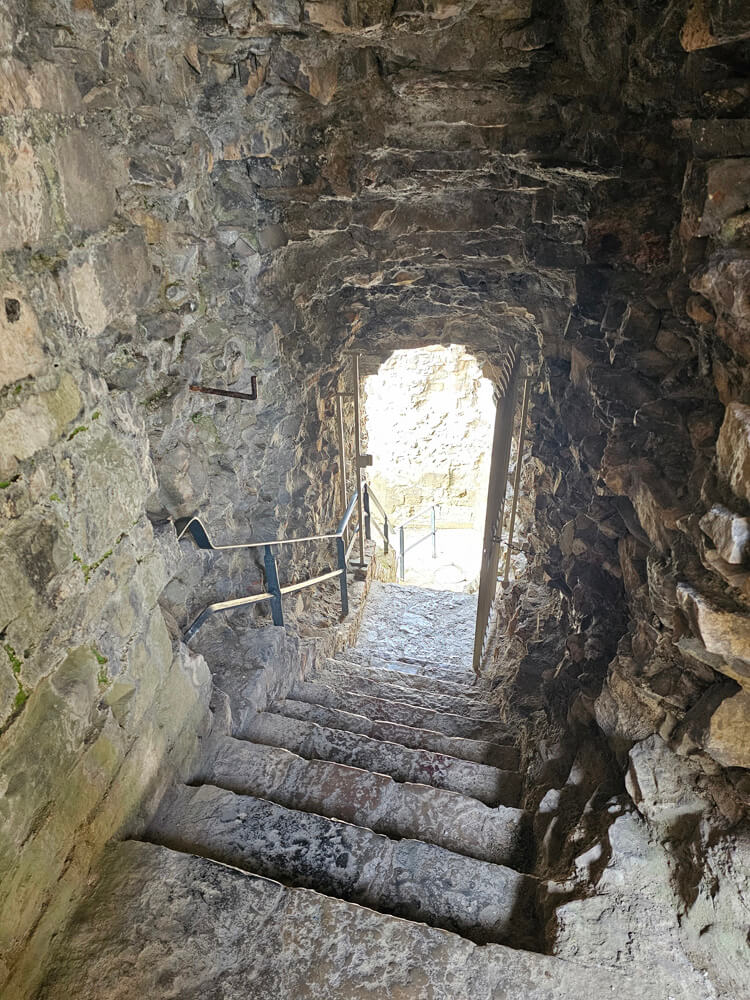
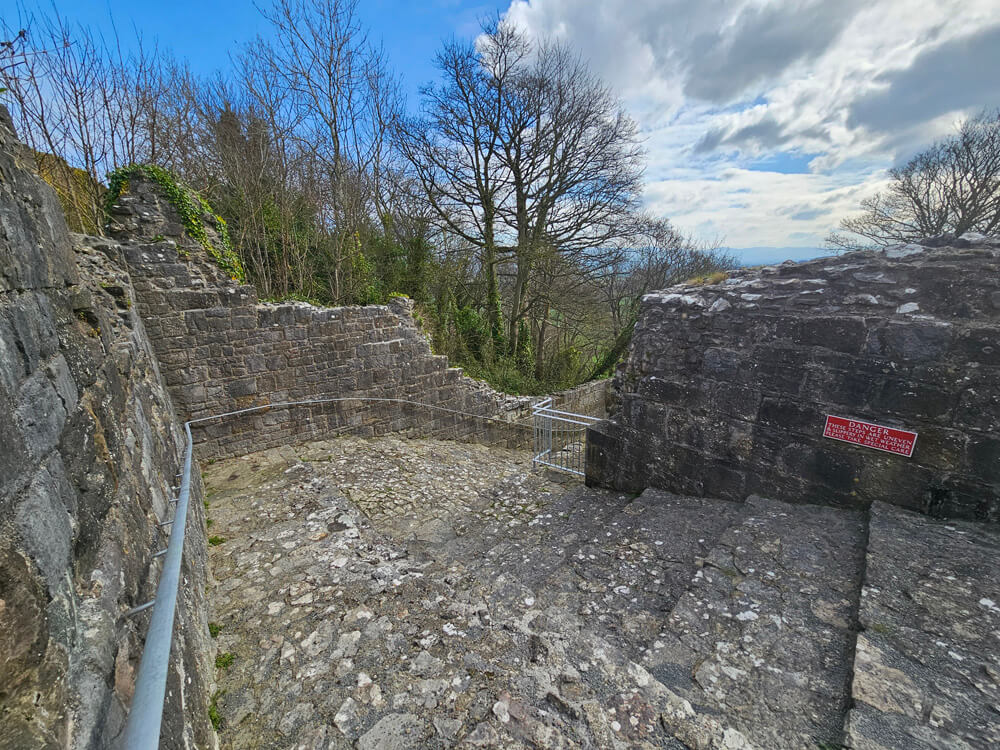
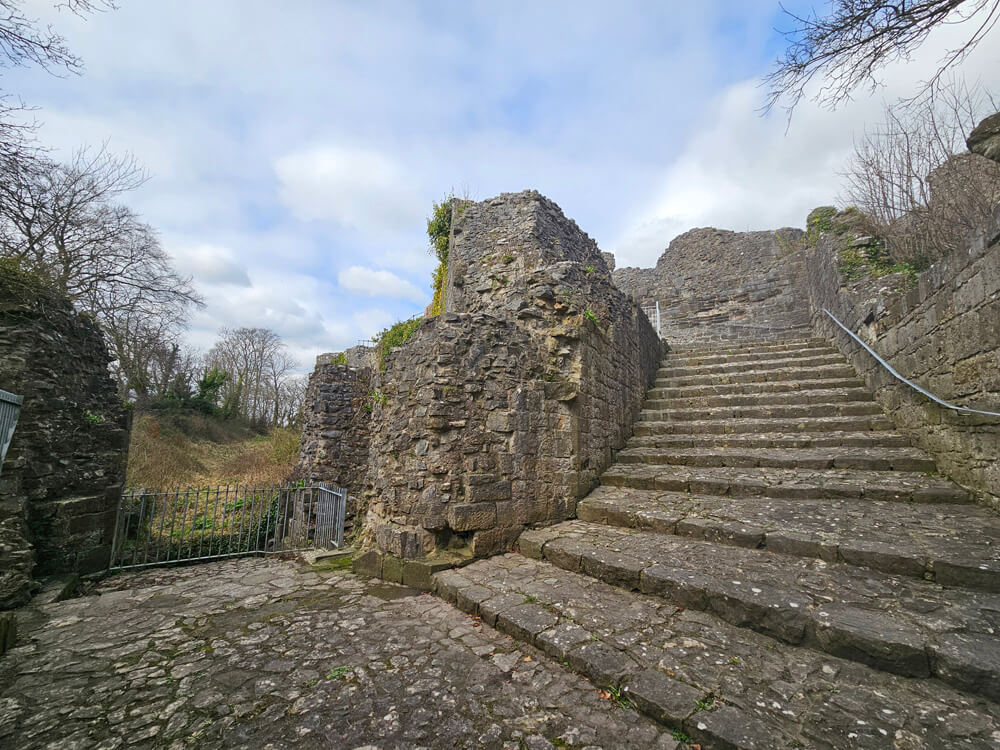
Entering over the drawbridge and through the triple-towered gatehouse, the vast remains of the curtain wall can be explored as well as a number of the castle’s intriguing features, including its 50ft-deep well and postern gate. You can also climb to the top of the wall and walk around a large section of the parapets.
Long sections of Denbigh’s defensive town walls also remain, almost two thirds of a mile long which start and finish at the castle. You can get a key for the wall-walk from the castle reception which in my opinion is just as incredible as the castle itself. One of the two original town gateways, the Burgess Gate, also survives.
Photo Gallery.
Did you enjoy this post?
I hope you found this post useful. I put a great deal of time and effort in to building, maintaining and populating the website. If you like, you could say a small thank you by buying me a coffee. You don't have to, but it would be nice :)
Buy me a coffee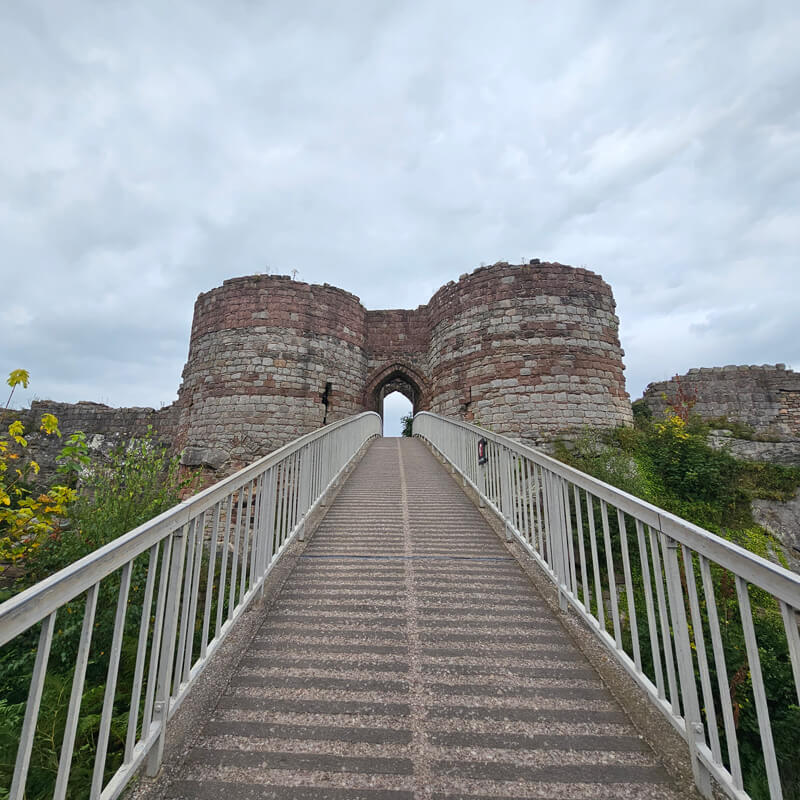
Stay up to Date
Follow me on my journey and get notified whenever a new post is published by following Kings & Castles on Facebook.
Follow MeExplore The Map
Discover the hundreds of castles, churches, monasteries, cathedrals and other historic locations that I've personally visited across England and Wales. Search by location, explore nearby sites and plan your next historical adventure.
Share: