The Middle Ages in a Nutshell
The Middle Ages lasted for roughly 1,000 years, shaping Britain through kings, castles, battles, religion, plague and rebellion. But what exactly were the Middle Ages, and what happened during them?
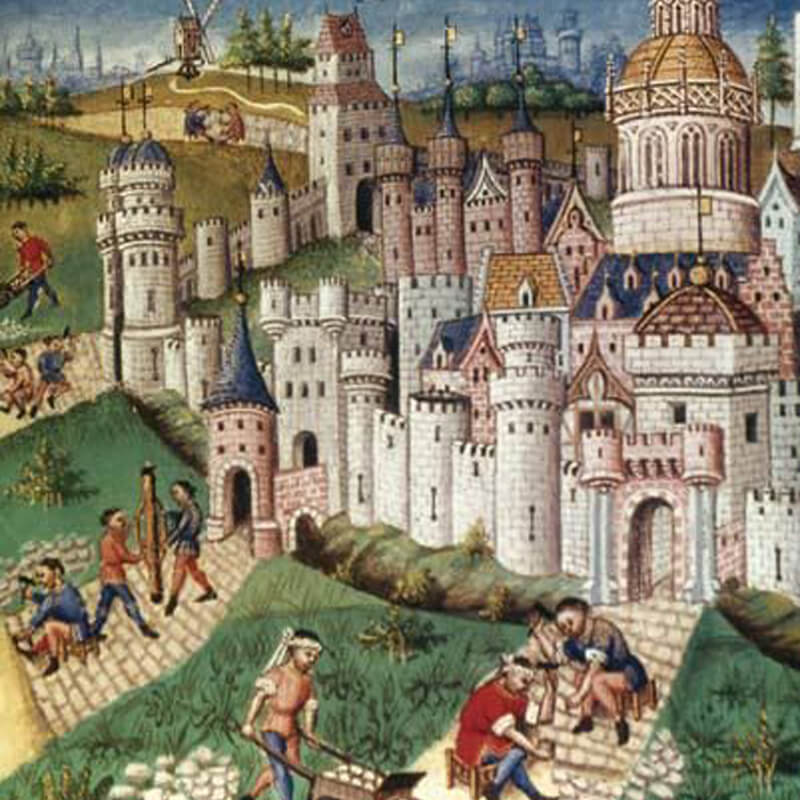
When Were the Middle Ages?
There is no universally agreed start and end date for the Middle Ages. In Britain, they are generally considered to span approximately from the 5th century to the late 15th century.
Historians often divide the period into three broad sections: the Early Middle Ages, from roughly the 5th to 10th centuries; the High Middle Ages, from around the 11th to 13th centuries; and the Late Middle Ages, from the 14th to 15th centuries.
These divisions are useful, but they are only rough guidelines. History doesn’t suddenly change on a particular date.
The Early Middle Ages
The Middle Ages emerged from the collapse of Roman authority in western Europe. In Britain, Roman rule ended in the early 5th century, after which new kingdoms developed as Anglo-Saxon settlers established themselves across much of England.
Several competing kingdoms emerged, including Northumbria, Mercia, East Anglia, Wessex and Kent. Christianity was gradually re-established, monasteries became important centres of learning, and the kingdoms of England slowly began to coalesce.
Then came the Vikings!
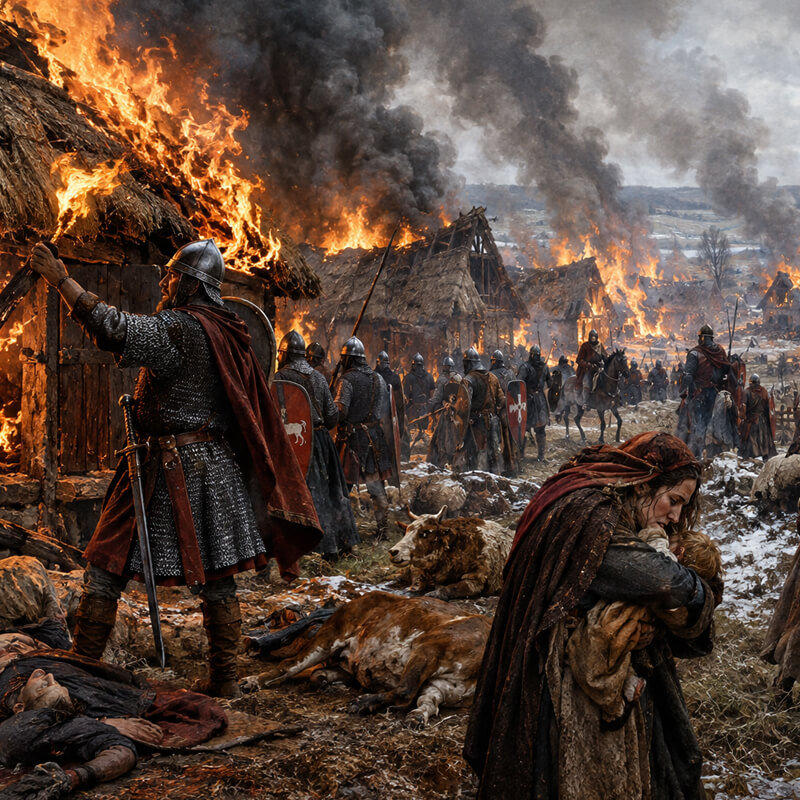
From the late 8th century, Scandinavian raiders attacked monasteries and settlements before eventually establishing permanent settlements of their own. Much of northern and eastern England became part of the Danelaw, while the kings of Wessex expanded their power. By the time of King Æthelstan in the 10th century, most of what we now consider England had been brought under a single crown.
The Normans and the High Middle Ages
In 1066, William, Duke of Normandy, invaded England and defeated Harold Godwinson at the Battle of Hastings. The Norman Conquest transformed England.
The Normans built castles across the country, reorganised land ownership and established a new ruling elite. The rise of feudalism helped shape the relationship between the Crown, nobles and the wider population, while great stone churches and monasteries began to appear across the country.
The Middle Ages also saw the establishment of the Church as a powerful institution and an explosion of religious orders and monastic buildings. Monasteries became important centres of religion, learning and economic activity.
England became part of a much wider European world. Medieval kings went on crusade, fought wars with France and Scotland, and struggled with their own nobles. Magna Carta, sealed by King John in 1215, became one of the most famous documents of the medieval period.
This was also the age of some of England’s most impressive medieval architecture. Cathedrals such as Canterbury, York and Lincoln were rebuilt on an enormous scale, while castles became increasingly sophisticated.
Medieval culture flourished alongside warfare and religion. Knights participated in elaborate jousting tournaments, while literature became increasingly important. Geoffrey Chaucer’s The Canterbury Tales, written in the late 14th century, provides a fascinating glimpse into medieval English society.
The Late Middle Ages
The 14th century brought enormous upheaval.
The Black Death arrived in England in 1348 and killed a huge proportion of the population. Wars with France continued for generations during the Hundred Years’ War, while rebellions such as the Peasants’ Revolt of 1381 challenged aspects of medieval society.
The 15th century saw continued political instability and the dynastic conflict known as the Wars of the Roses, eventually bringing the Tudor dynasty to the throne when Henry VII defeated Richard III at the Battle of Bosworth in 1485.
By this point, England was changing rapidly. The medieval world was giving way to the Renaissance and the early modern age.
Were the Middle Ages Really the Dark Ages?
You may have heard the Early Middle Ages described as the “Dark Ages”. The term is now generally avoided by historians because it can give the misleading impression that the period was simply an age of ignorance and decline.
The medieval centuries certainly experienced warfare, famine, disease and political instability, but they also saw major developments in architecture, agriculture, trade, education, law and government. Monasteries preserved and produced manuscripts, universities were established, towns and markets expanded, and some of Britain’s greatest buildings were constructed.
The Middle Ages were not simply a dark period between the Roman and modern worlds. They were a thousand years of change that shaped the Britain we recognise today.
And much of that medieval world is still waiting to be explored.
Did you enjoy this post?
I hope you found this post useful. I put a great deal of time and effort in to building, maintaining and populating the website. If you like, you could say a small thank you by buying me a coffee. You don't have to, but it would be nice :)
Buy me a coffee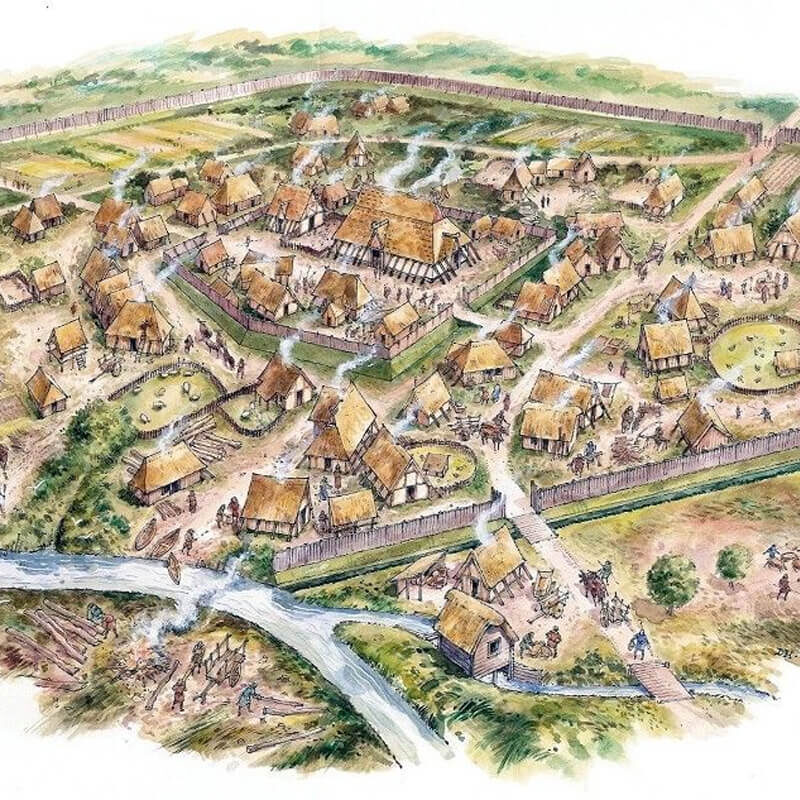
Stay up to Date
Follow me on my journey and get notified whenever a new post is published by following Kings & Castles on Facebook.
Follow MeExplore The Map
Discover the hundreds of castles, churches, monasteries, cathedrals and other historic locations that I've personally visited across England and Wales. Search by location, explore nearby sites and plan your next historical adventure.
Share: