Chepstow Castle
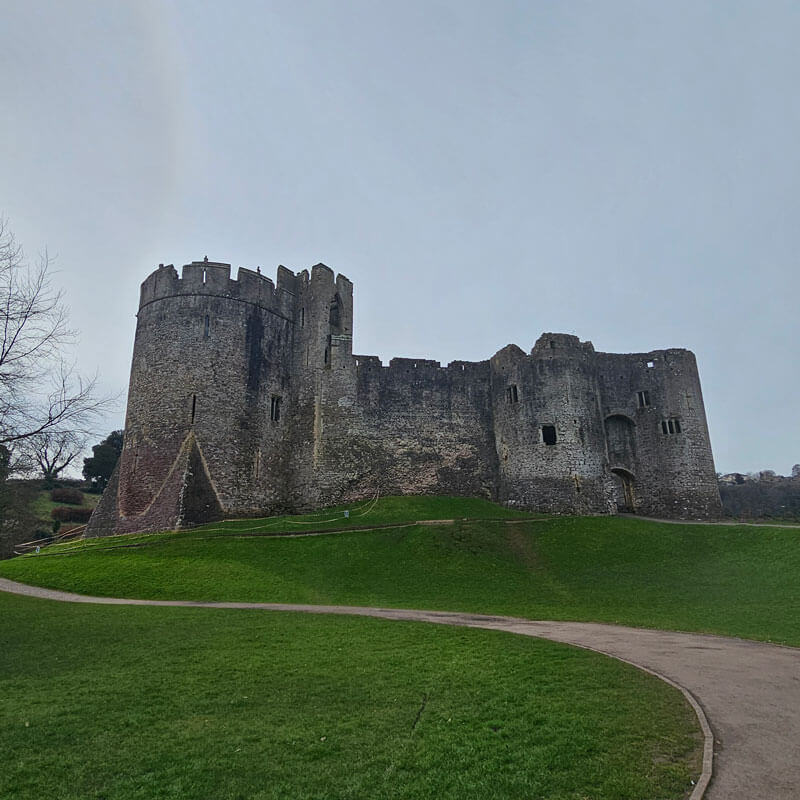
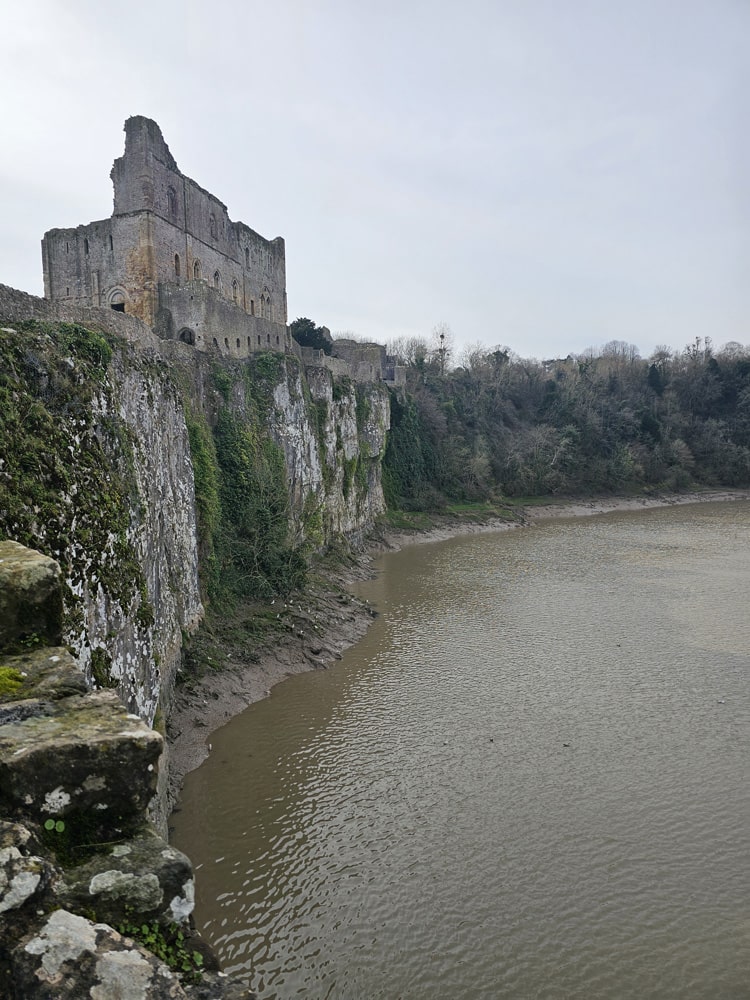
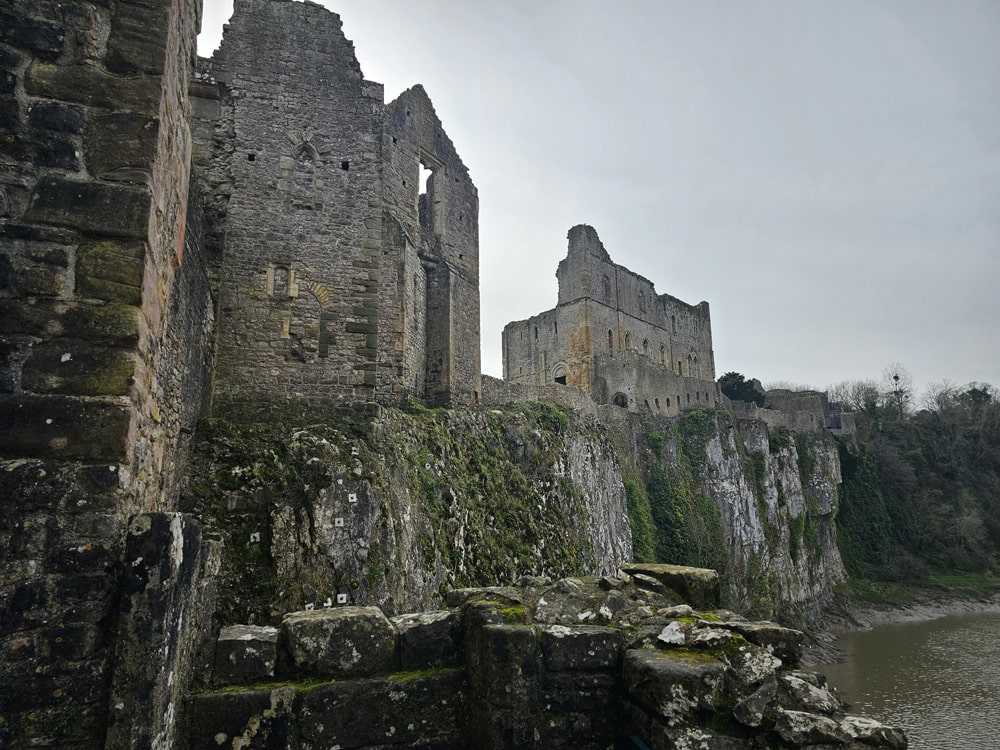
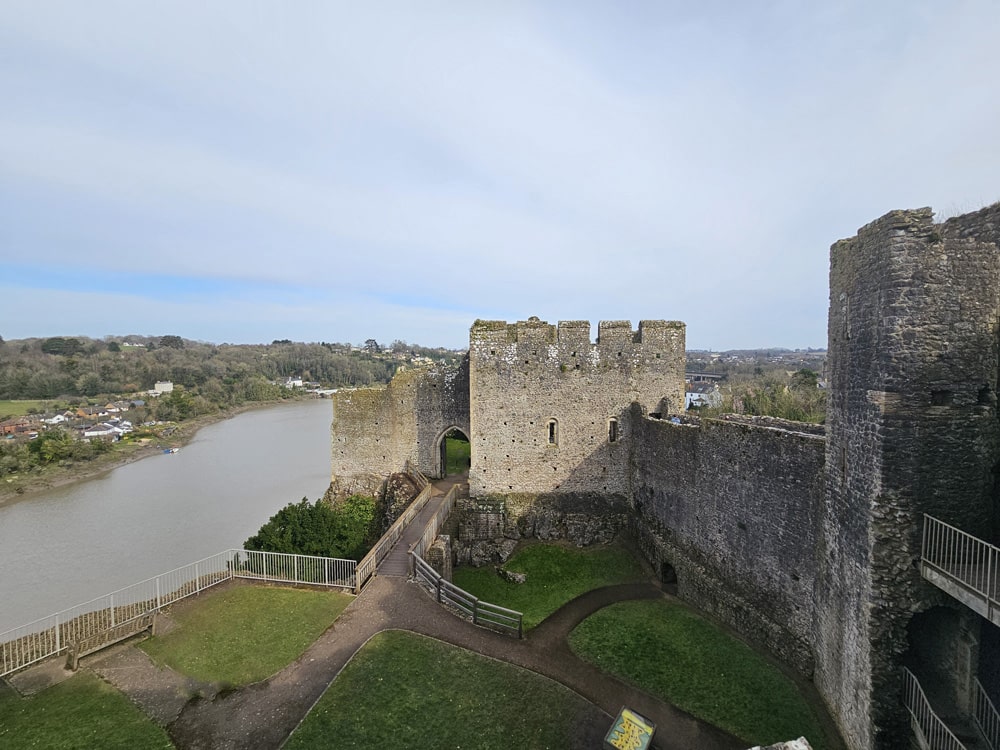
Perched on a limestone cliff high above the Wye Valley in Monmouthshire, south-east Wales, Chepstow Castle is a superb example of an early medieval castle. This beautifully preserved masterpiece of medieval engineering was one of the earliest Norman strongholds in Wales, and also claims to be the oldest surviving post-Roman stone castle in Britain (with the oldest castle doors in Europe).
Quick
Facts.
- Location: Chepstow, Monmouthshire, Wales
- Built: 1067
- Condition: Mostly intact
- Date visited: March 2025
- More info: Visit website
- Rating:
A Bit of History…
Construction on Chepstow Castle began in 1067, less than a year after William the Conqueror was crowned King of England. It was the work of Earl William FitzOsbern, a cousin of William the Conqueror and one of his most trusted barons, who fought beside William at the Battle of Hastings. He was rewarded with the earldom of Hereford as well as extensive lands in south Wales, where he chose to site the castle on a dramatic limestone cliff above the River Wye. Other castles attributed to FitzOsbern were Wigmore Castle and in Herefordshire, Berkeley Castle in Gloucestershire, Monmouth Castle in Wales, and several others.
Chepstow Castle was built to secure the south-western part of the England-Wales border and suppress the threat from the Welsh. It was the southernmost of a chain of castles built in the Welsh Marches, and served as the administrative heart of the Marcher lordship of Chepstow, one of the most important of the English-dominated territories along the border.
The castle originally had the Norman name of Striguil, or Strigoil, derived from the Welsh word ‘ystraigl’ meaning ‘river bend’. FitzOsbern also founded a priory nearby, and the associated market town and port of Chepstow developed over the next few centuries. The castle and associated Marcher lordship later took the name of the adjoining market town, Chepstow, in about the 14th century.
Norman castles built soon after the Norman Conquest were usually simple wooden structures, often constructed atop an earthen mound, or motte, but Chepstow was different. Chepstow Castle was built in stone right from the start, using stone from the nearby Roman town at Caerwent, marking its importance as a stronghold on the border between England and Wales. This made Chepstow one of the earliest stone castles in Britain, and one of the oldest surviving stone fortifications after the Roman era, and its design heavily influenced later castles.
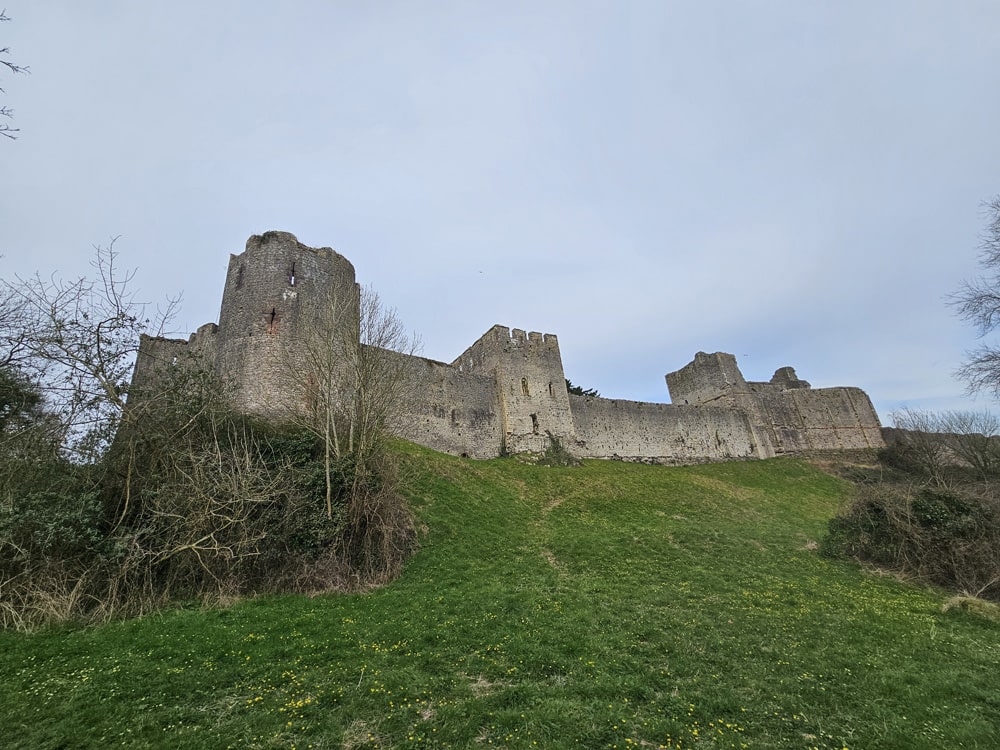
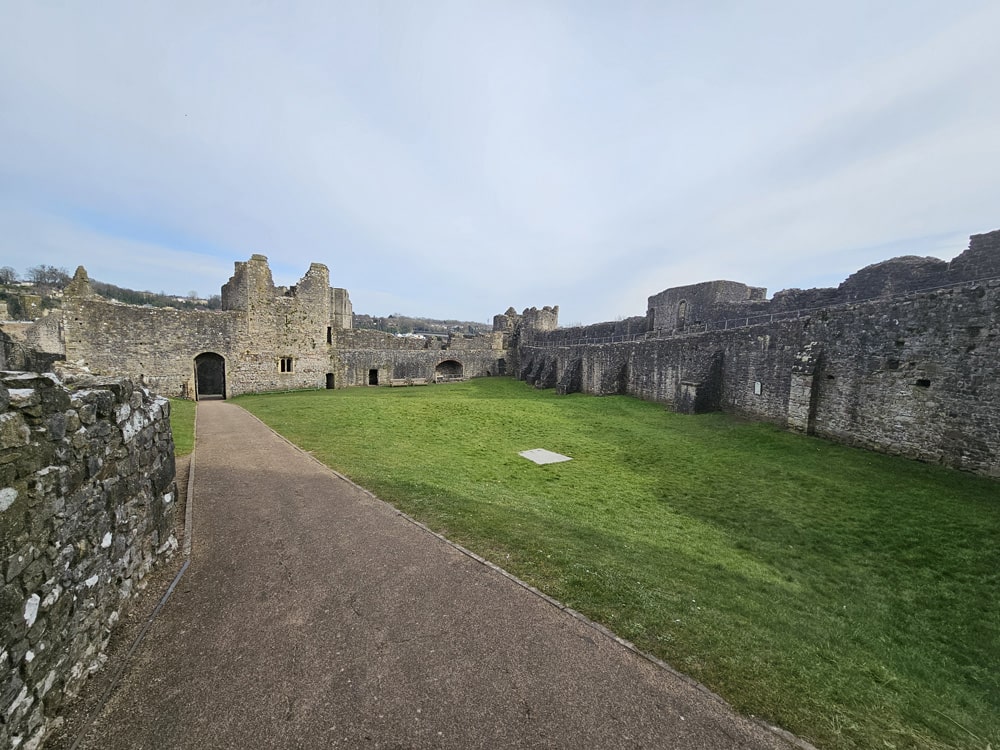
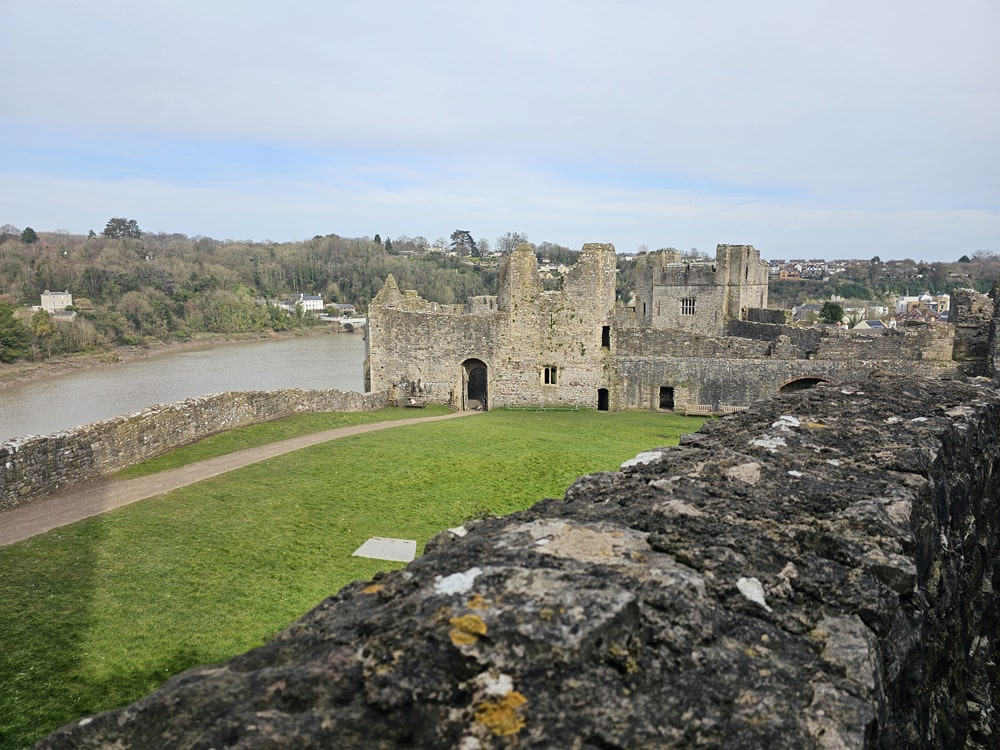
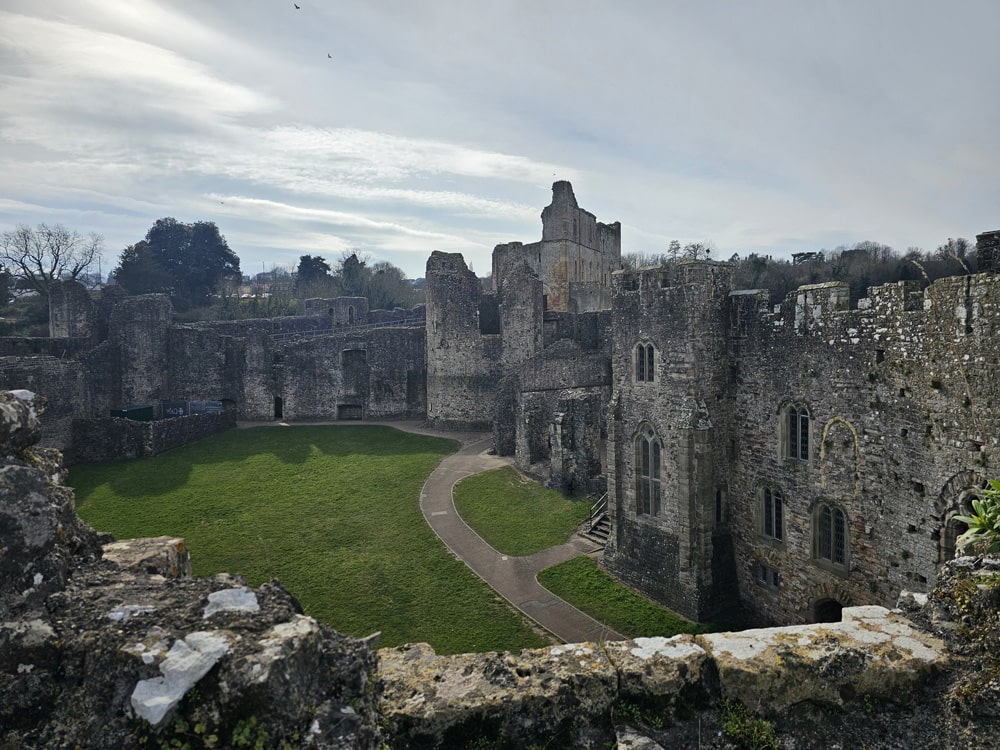
One of Chepstow Castle’s most intriguing and unique features is its dramatic cliff-side positioning over the river on a narrow piece of land, which influenced the castle’s design. The restricted site meant that Chepstow developed into a very long, narrow castle, with one ward leading to another.
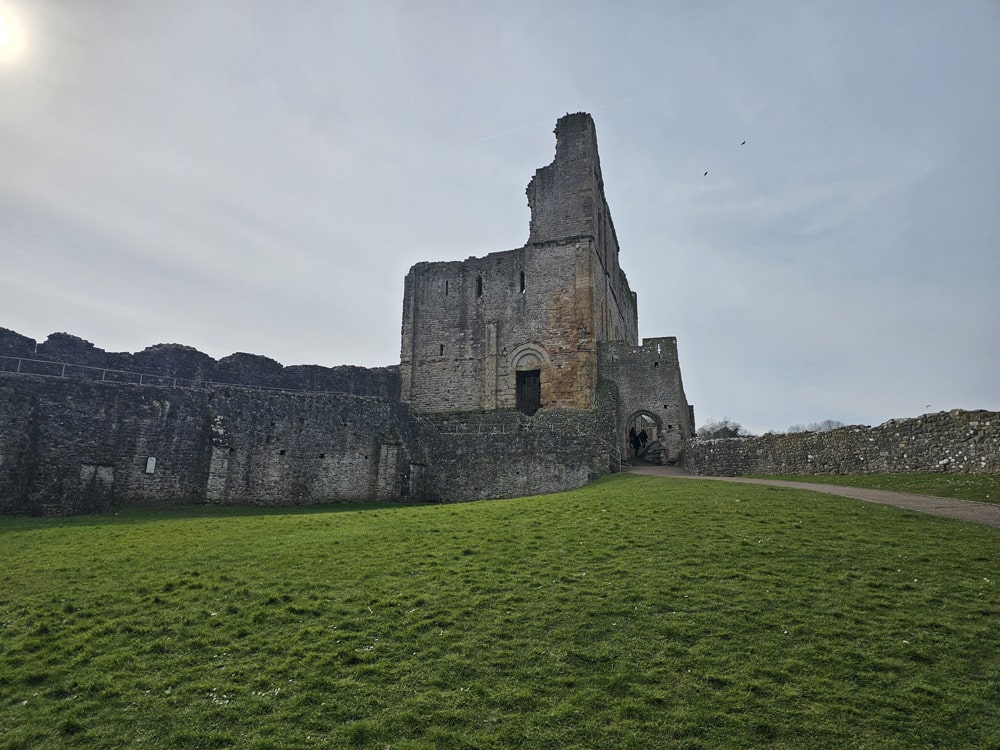
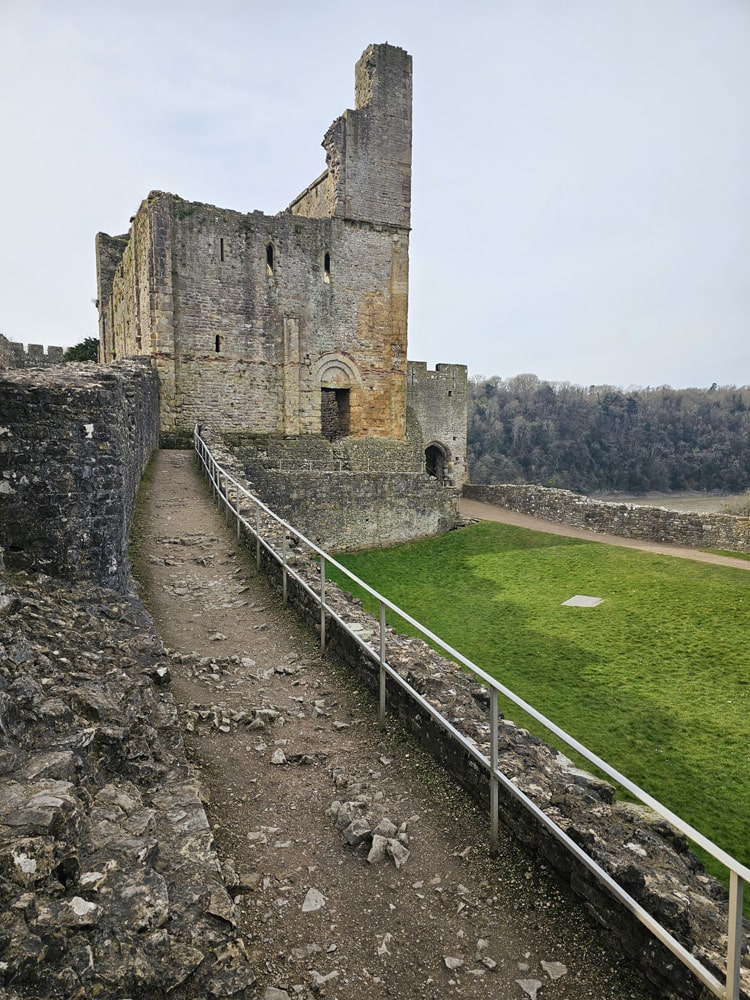
The rectangular keep, also known as the Great Tower, was the first stone structure built, completed by 1090, and still forms the core of the castle today, and is possibly the earliest dateable secular stone building in Britain. Many other original Norman structures elsewhere in the country built during William the Conqueror’s reign have long since disappeared, but at Chepstow, remains of FitzOsbern’s original great building still exist.
Over the years, Chepstow Castle was enlarged by a series of builders. After William FitzOsbern, who died in battle in Flanders in 1071, Chepstow’s other famous lords included William Marshal, Earl of Pembroke, Roger Bigod, Earl of Norfolk, and Charles Somerset, Earl of Worcester. In the 12th century the castle was used in the conquest of Gwent, the first independent Welsh kingdom to be conquered by the Normans. It was subsequently held by two of the most powerful Anglo-Norman magnates of medieval England, William Marshal and Richard de Clare.
Chepstow Castle remained unaltered until 1189 when it passed to William Marshal, a formidable soldier of fortune and later earl of Pembroke, who used his knowledge of advanced castle technology in the Holy Land and in France to fortify Chepstow. William Marshal at that time was one of the most powerful men in the country and one of the great knights of the medieval period. He was heavily versed in military architecture, and almost as prolific a builder as William FitzOsbern. He remodelled the castle from the early 1190s until his death in 1219, bringing FitzOsbern’s castle up to date, and it is to Marshal that we owe much of the castle we see today.
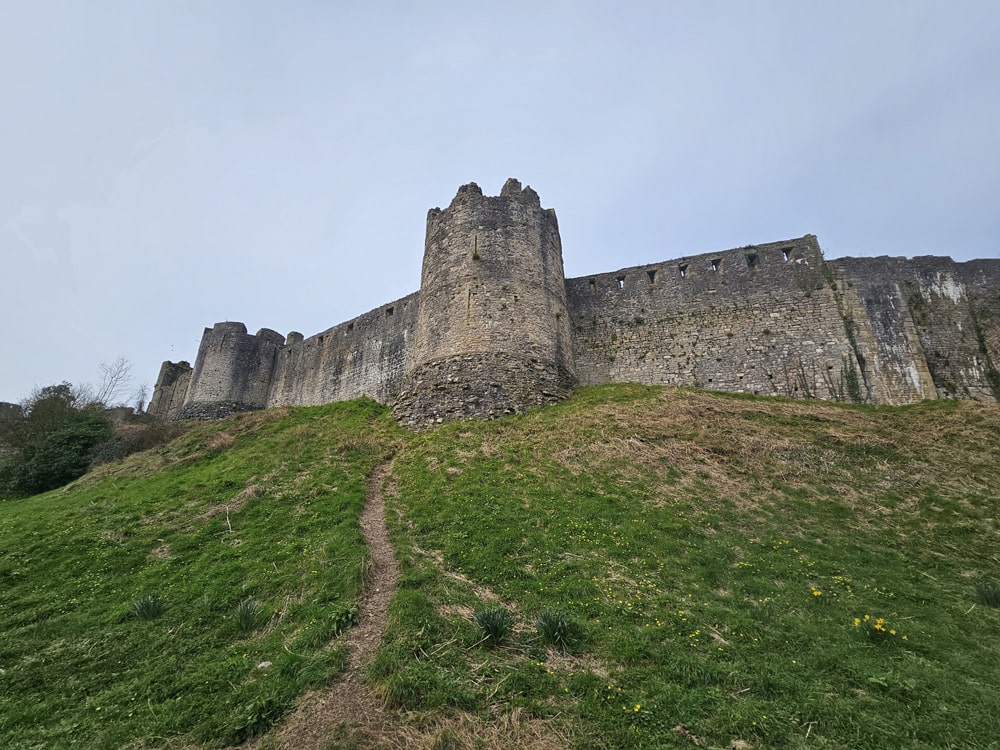
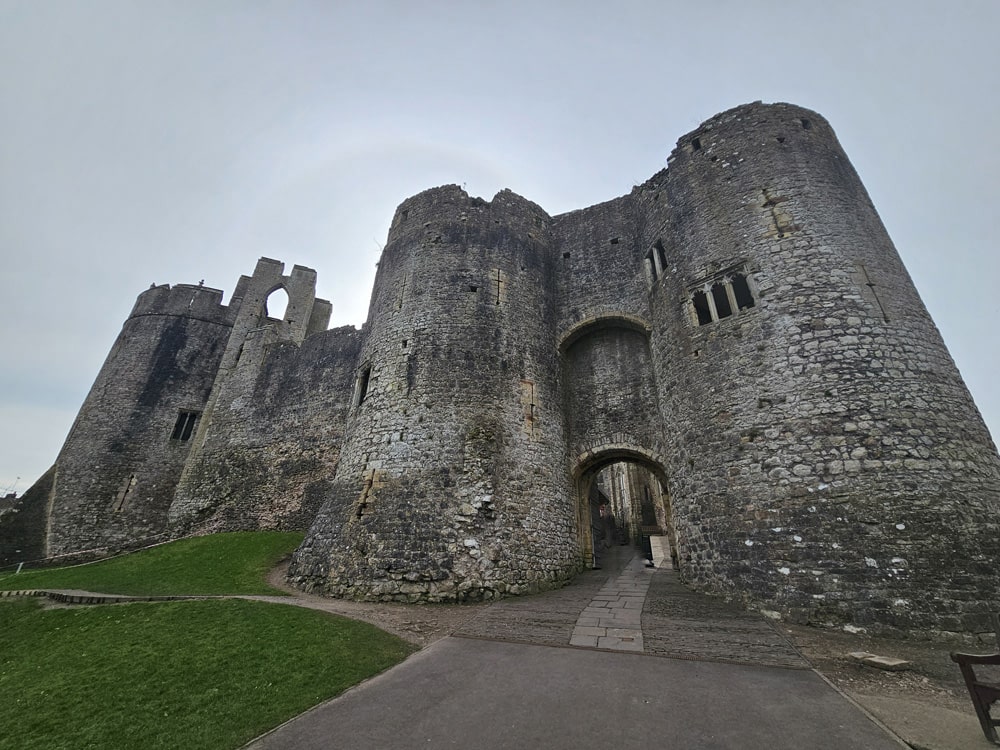
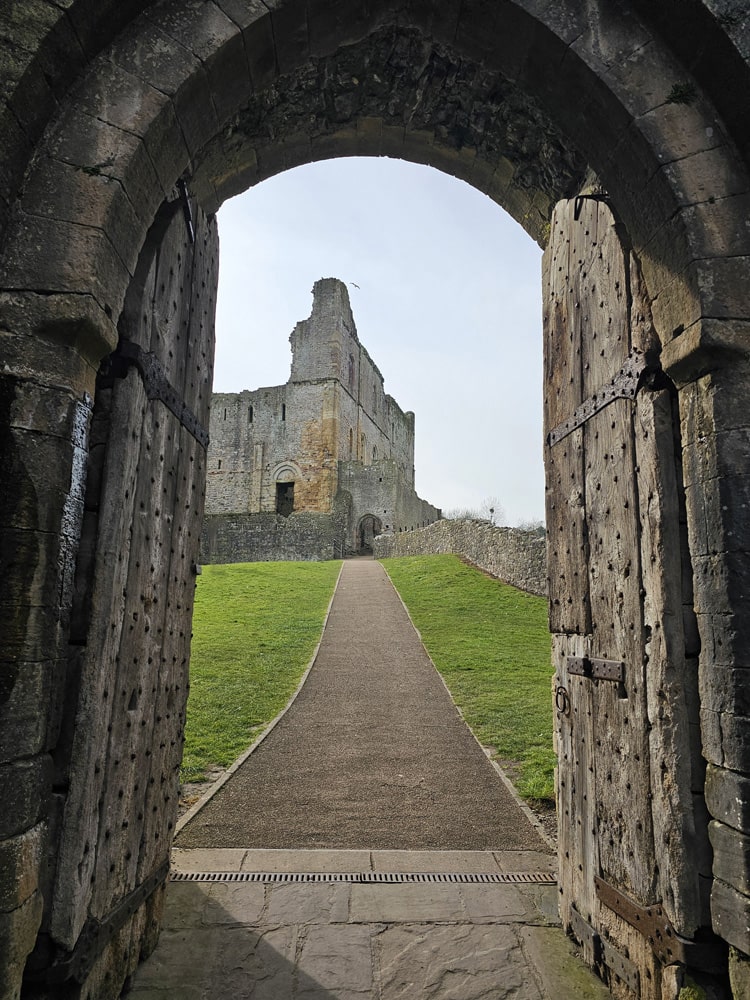
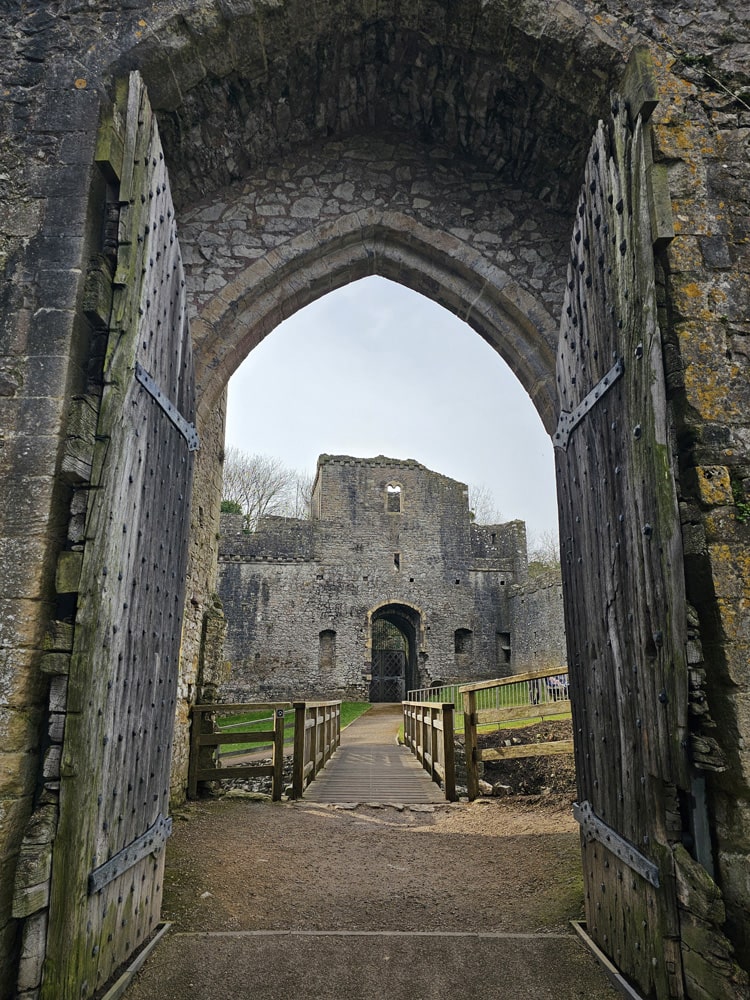
Marshal extended and strengthened the Norman castle and rebuilt large parts of the stone walls, punctuated with towers. He also built a new tower in the south-west corner, Marshal’s Tower, with apartments for himself and his wife, the heiress Isabel de Clare. He built the main gatehouse (which still exists to this day) and added arrow-slits in the castle’s towers, designed to give covering fire to the ground, and this was one of the earliest examples of this defensive feature which was to become characteristic of the medieval castle.
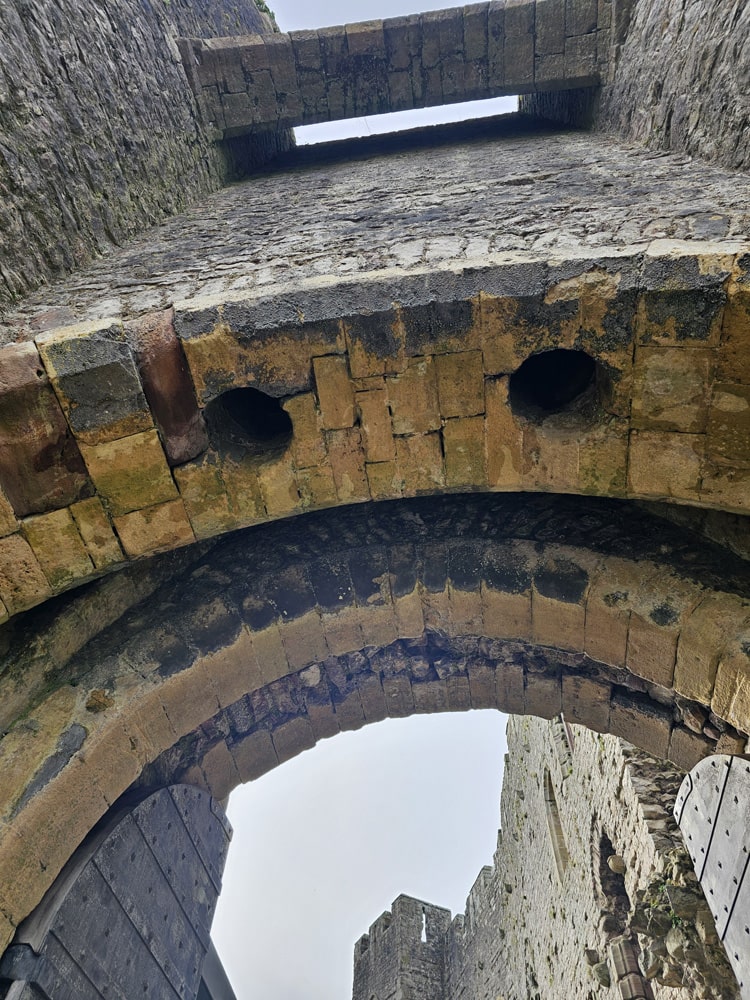
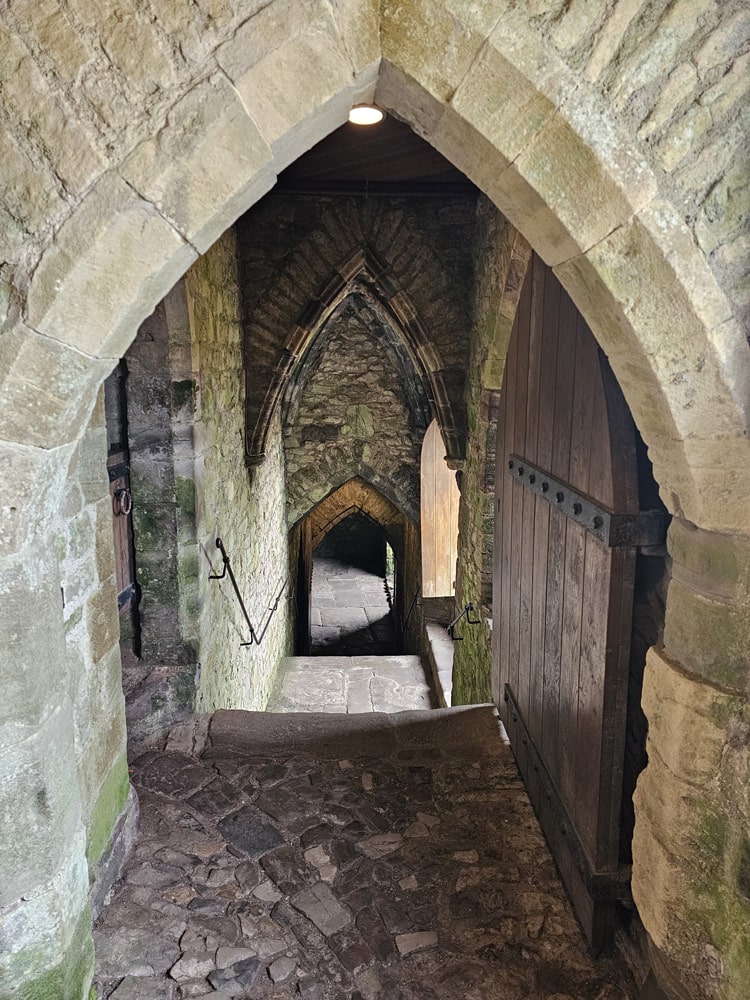
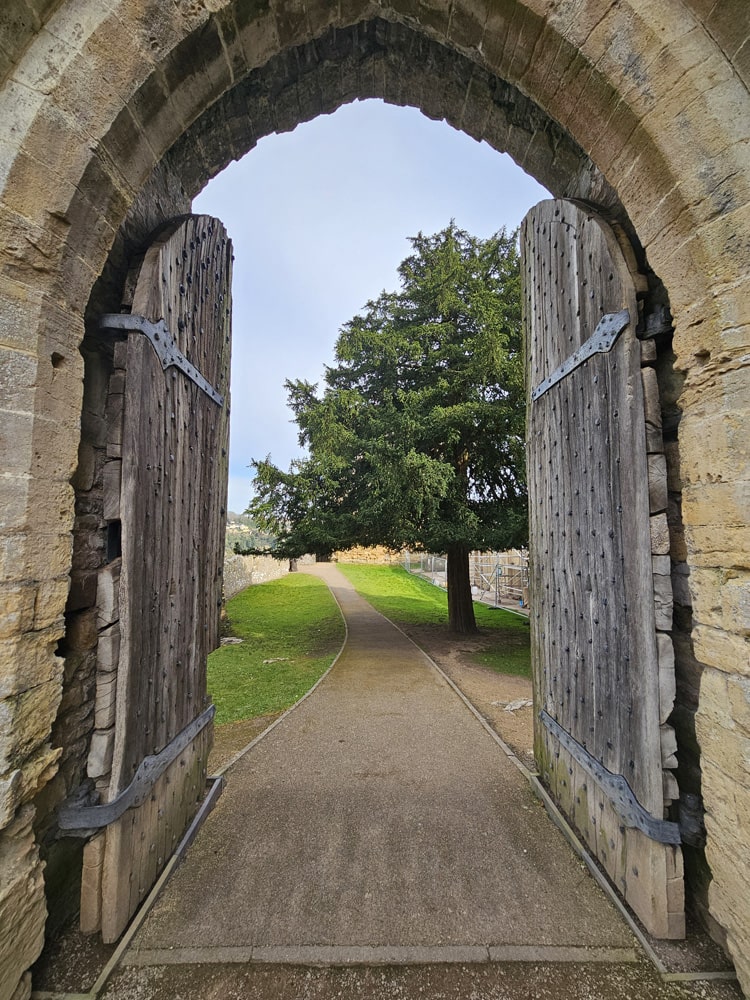
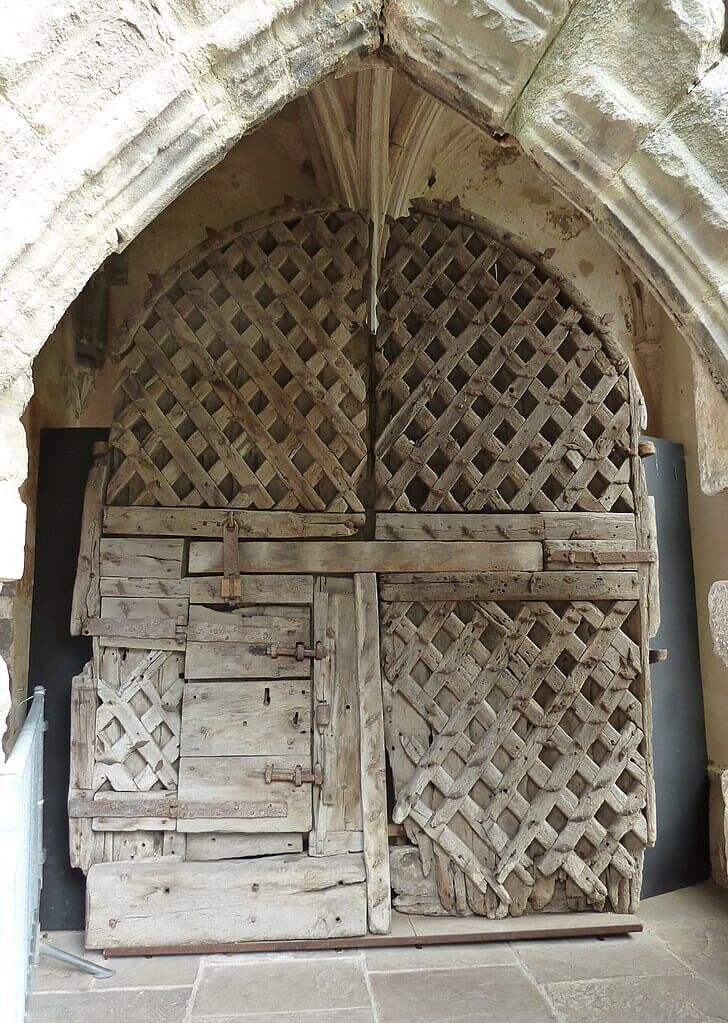
The mighty castle doors at Chepstow were also the work of William Marshal, which were truly revolutionary in their day. They were sheathed in iron plates to prevent attackers burning or battering them down. On the reverse an elaborate lattice framework featured the earliest mortice-and-tenon joints known in Britain. These are the oldest castle doors in Europe, dating from no later than the 1190s, and are on display inside the castle (not the replicas that hang in the gatehouse).
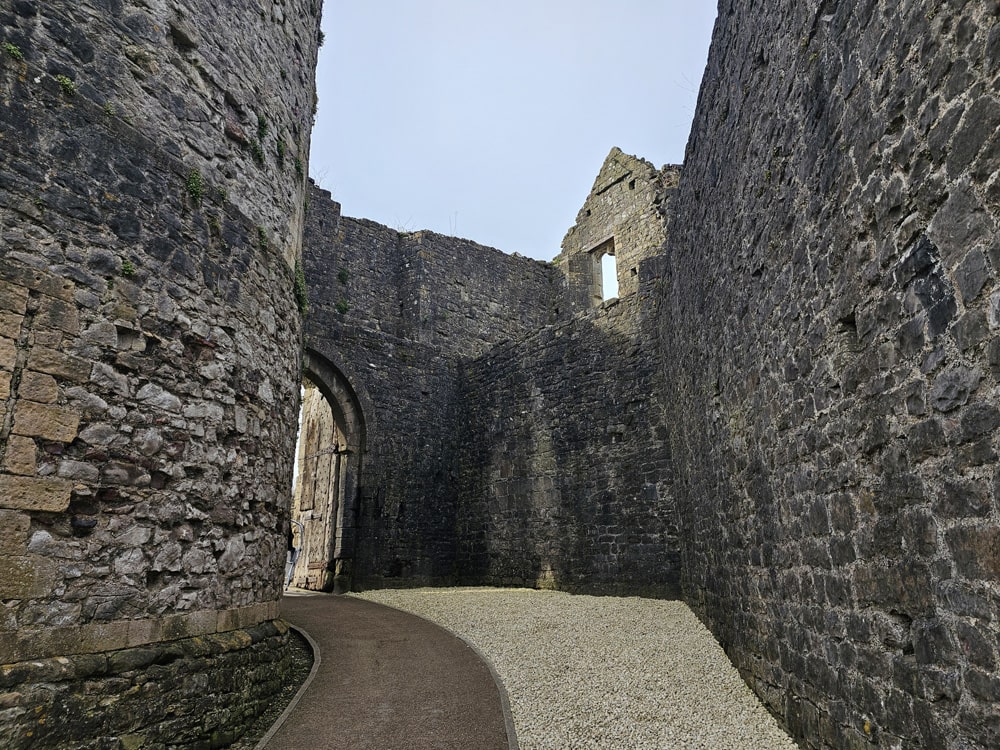
After William Marshal’s death in 1219, each of his five sons inherited Chepstow in turn and they continued to improve the castle, but each died without an heir. During this time they added a new lower bailey with an impressive twin-towered gatehouse, a strongly defended barbican, made additional defensive measures to the Keep and made improvements to the accommodation.
Later in the 13th century when the Marshal line died out the castle passed to Roger Bigod, the fifth Earl of Norfolk, who was a direct relation to William Marshal. In the 1270s Bigod transformed Chepstow into a palatial stronghold by building a range of comfortable accommodation suites and service rooms. He also created a massive tower at the south-east corner of the castle, later known as Marten’s Tower, and an extension of the upper storey of the great tower.
Roger Bigod was also responsible for the construction of Chepstow’s town wall, known as the Port Wall. Today however, only fragments of the town wall remains, although some decent stretches of wall do still survive in areas, as well as the very well-preserved town gateway known as Town Gate. Roger Bigod died childless in 1306 and the castle returned to the Crown.
Like many of the border fortresses at the time, Chepstow Castle was a focal point during the Welsh Rebellion known as the Glyndŵr Rising of 1400–1415, led by the welsh leader Owain Glyndŵr. However, unlike those fortresses, Chepstow didn’t see much action, as the powerful fortification was garrisoned with a large defensive army. Due to the castle’s size, location, and likely the size of the garrison, Chepstow avoided attack.
During the Wars of the Roses Chepstow Castle served as a refuge for Richard Woodville, Earl Rivers and his son after their defeat at the Battle of Edgecote in July 1469. Their rival, the earl of Warwick, “the Kingmaker”, besieged Chepstow, but the garrison surrendered without a fight and Woodvilles were later executed.
The accession of the Tudor dynasty to the English throne in 1485 heralded a change in the way Wales was administered. The Tudors were of Welsh origin, and their rule eased hostilities between the Welsh and English, and as a result, castles like Chepstow no longer had military importance. In the early Tudor period, parts of the castle were converted into domestic ranges with larger windows and fireplaces by Charles Somerset, Lord of Chepstow, a favourite of Henry VII and of Henry VIII, who later became the earl of Worcester. King Henry VIII abolished the powers of the Marcher lords through the Laws in Wales Acts of 1535 and 1542, and the new shire of Monmouth (the county of Monmouthshire) was formed, which incorporated Chepstow, and the castle became more of a comfortable residence.
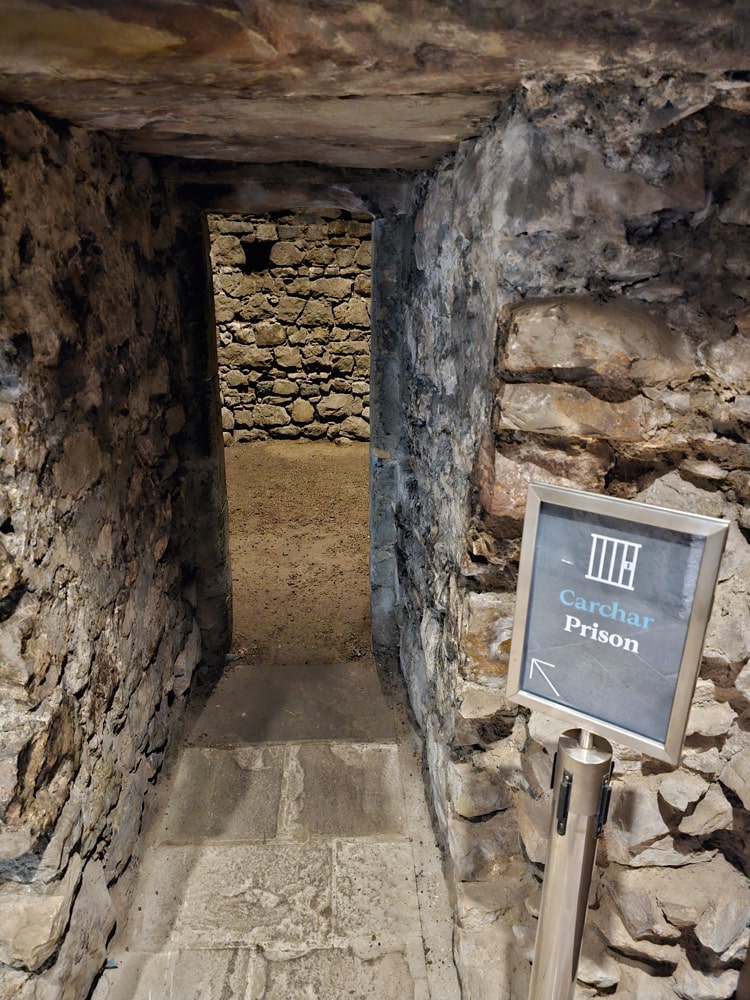
As the English Civil War erupted in 1642, Chepstow Castle was in the front line between Royalist Monmouthshire and Parliamentarian Gloucestershire. The castle was held by Royalists loyal to King Charles I, and was besieged by Parliamentarian forces in 1645 and in 1648, and each time was captured by Parliament. Following the end of the wars and the restoration of the monarchy in 1660, Chepstow Castle escaped slighting and instead served as a military garrison and gaol (prison).
Chepstow’s most famous prisoner was Henry Marten, a close friend of Oliver Cromwell and one of the Commissioners who signed the death warrant of King Charles I. He spent 20 years of fairly comfortable captivity in the tower which now bears his name, dying at the castle in 1680. His tomb is in nearby Chepstow Priory. Shortly after his death, Chepstow Castle was passed into the ownership of the Duke of Beaufort. The castle was decommissioned, the garrison was disbanded, the prisoners were removed and the castle was left empty, falling into disrepair and ruin.
Over 200 years later, following clearance and conservation by the Beauforts in the 19th century, Chepstow Castle was eventually placed in the guardianship of the State and repair work was undertaken at the beginning of the 20th century. Finally, in 1984, Chepstow Castle came under the ownership of Cadw, the Welsh Government’s historic environment division, and the castle was given the distinction of a Grade I listed building in 1950.
The Castle Today
Chepstow Castle has remained largely intact for close to 1,000 years and is one of the most impressive castles in Wales. It is a stunning example of Norman architecture, as well as a solid example of grandiosity and medieval ambition. For more than six centuries the castle was home to some of the wealthiest and most powerful men of the medieval and Tudor ages.
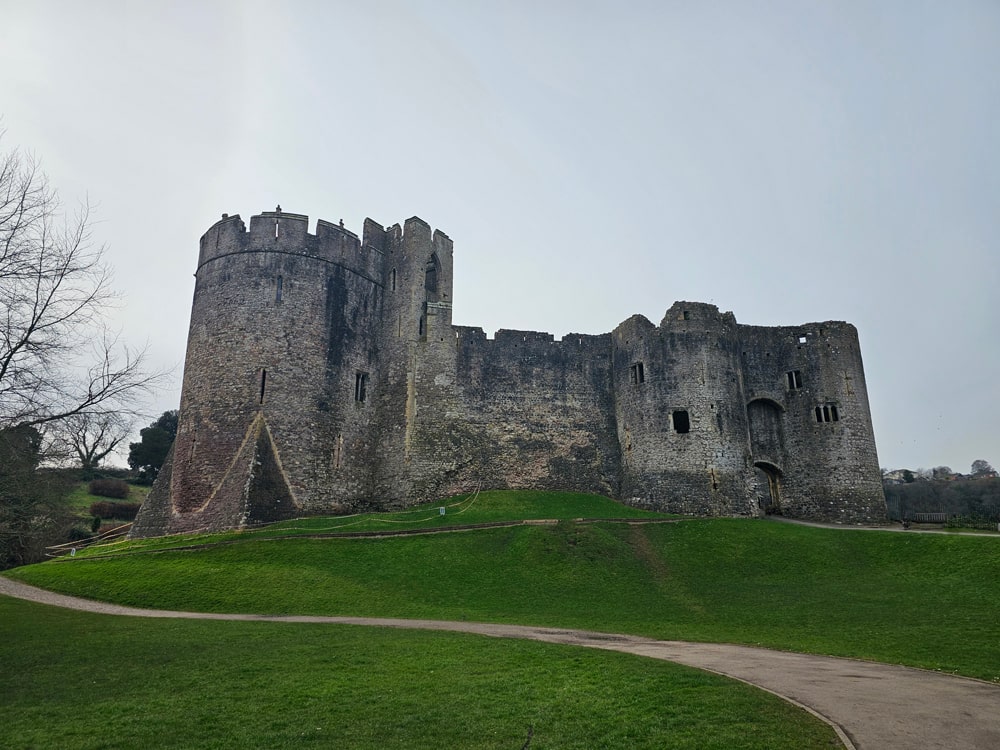
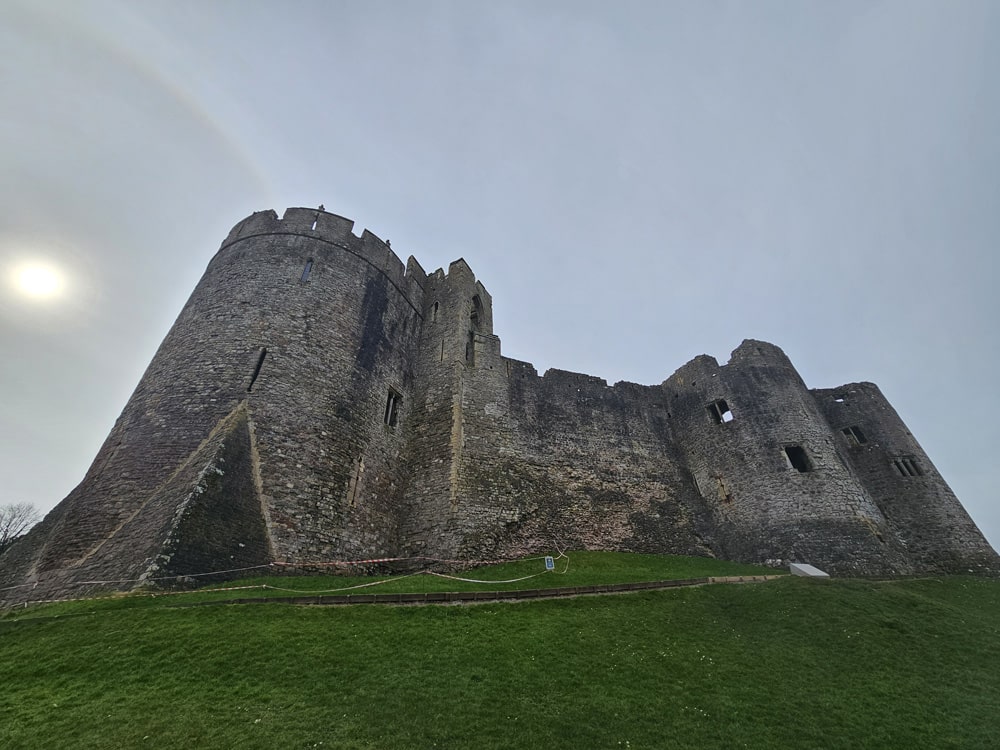
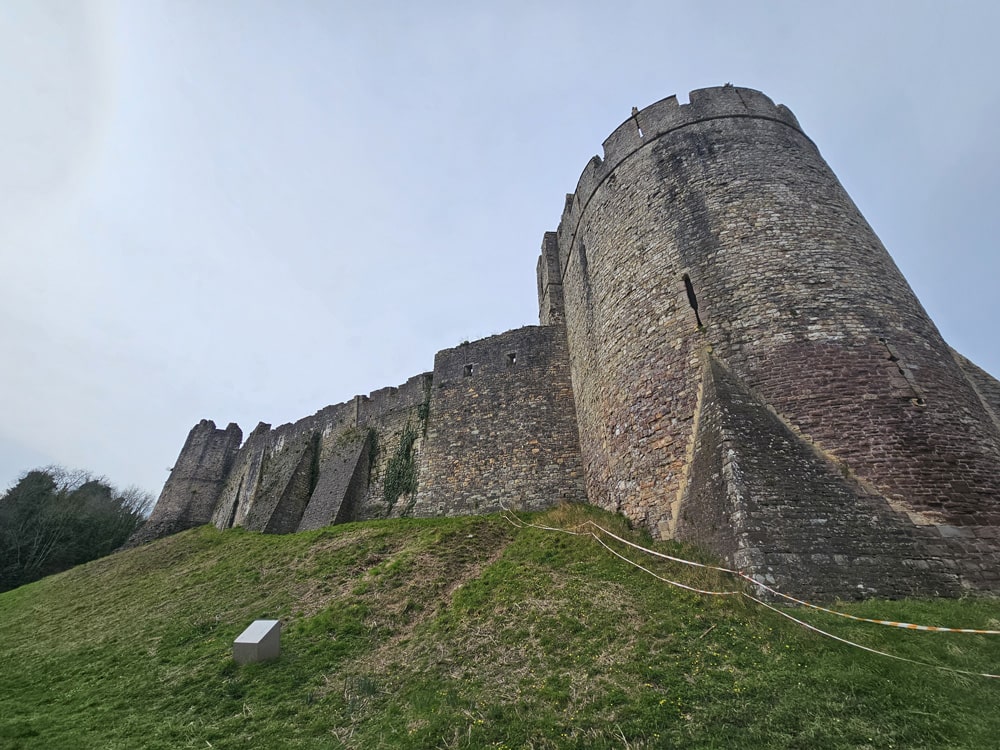
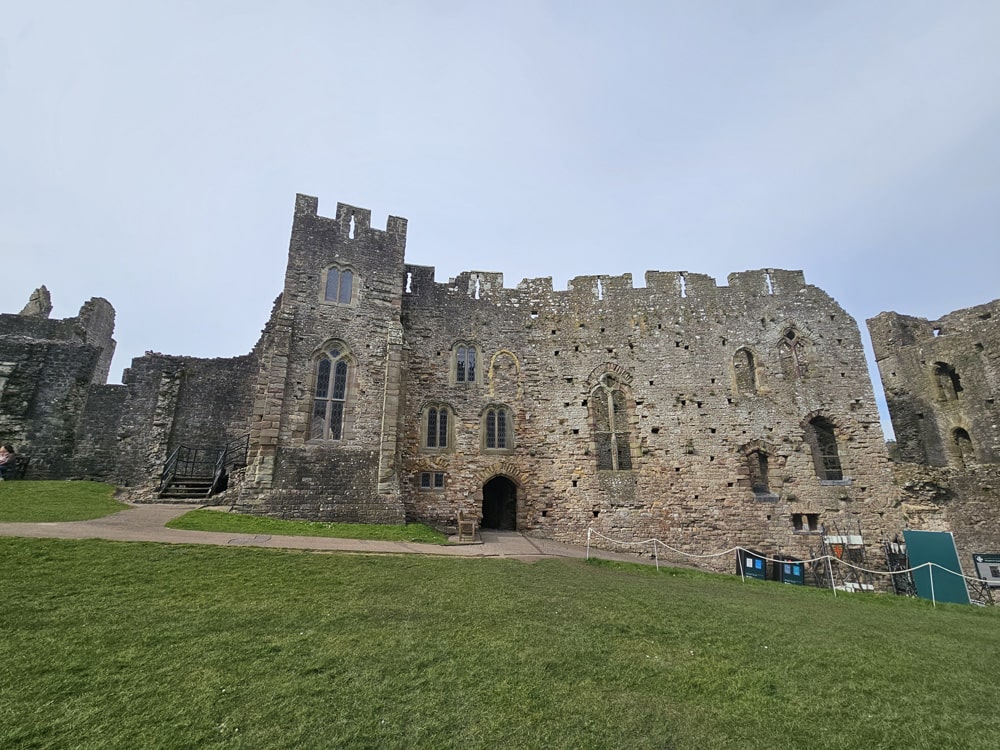
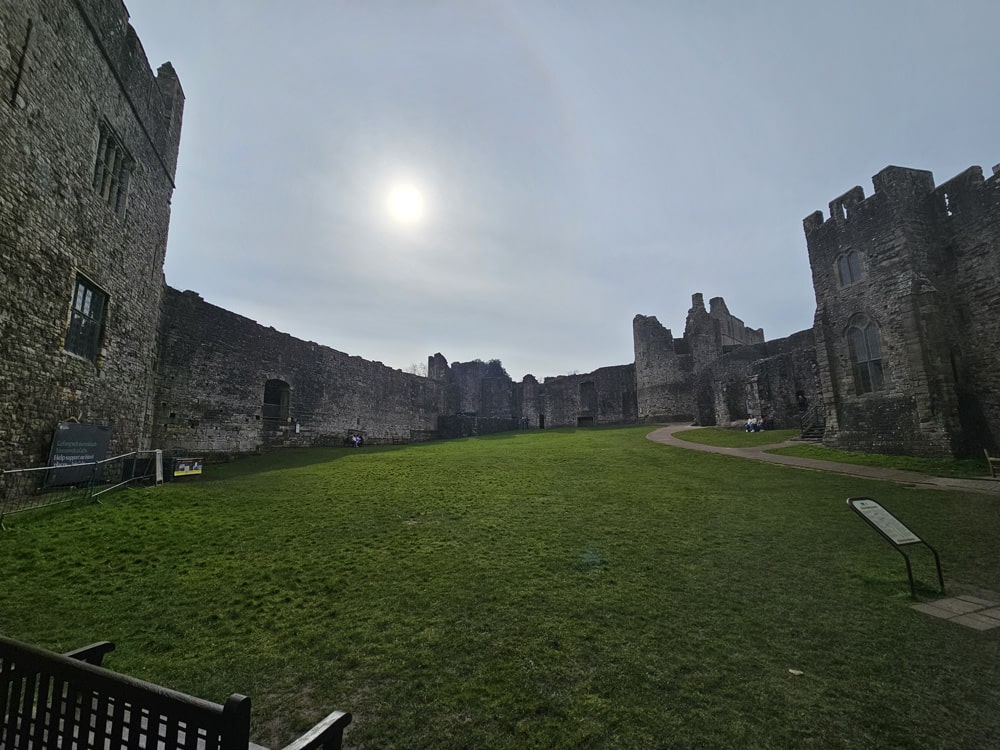
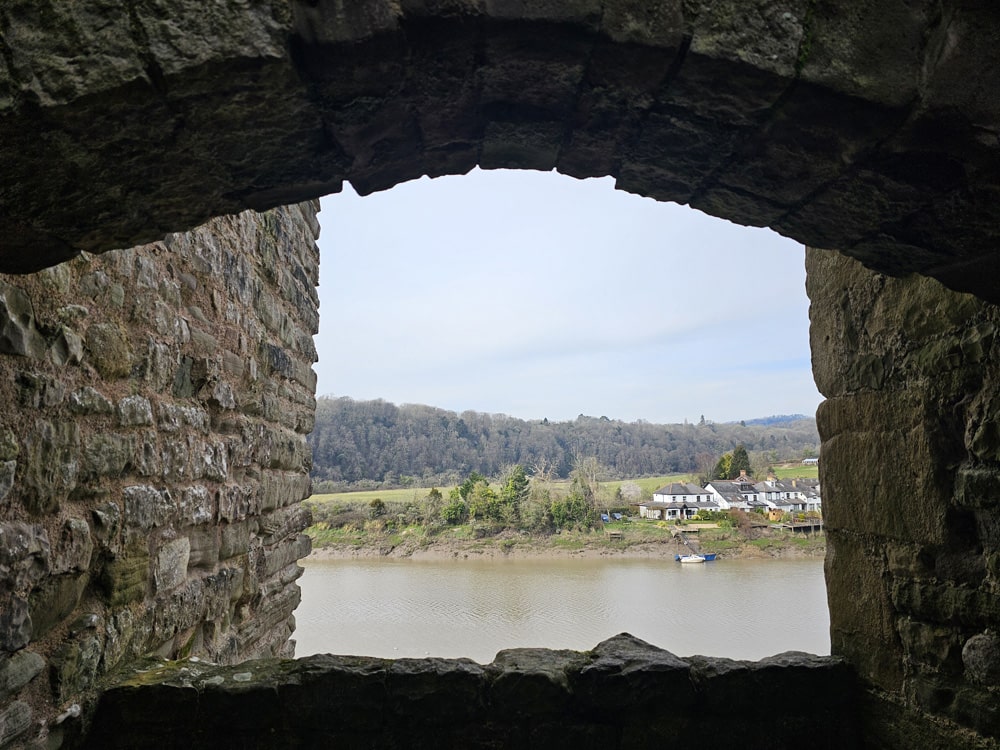
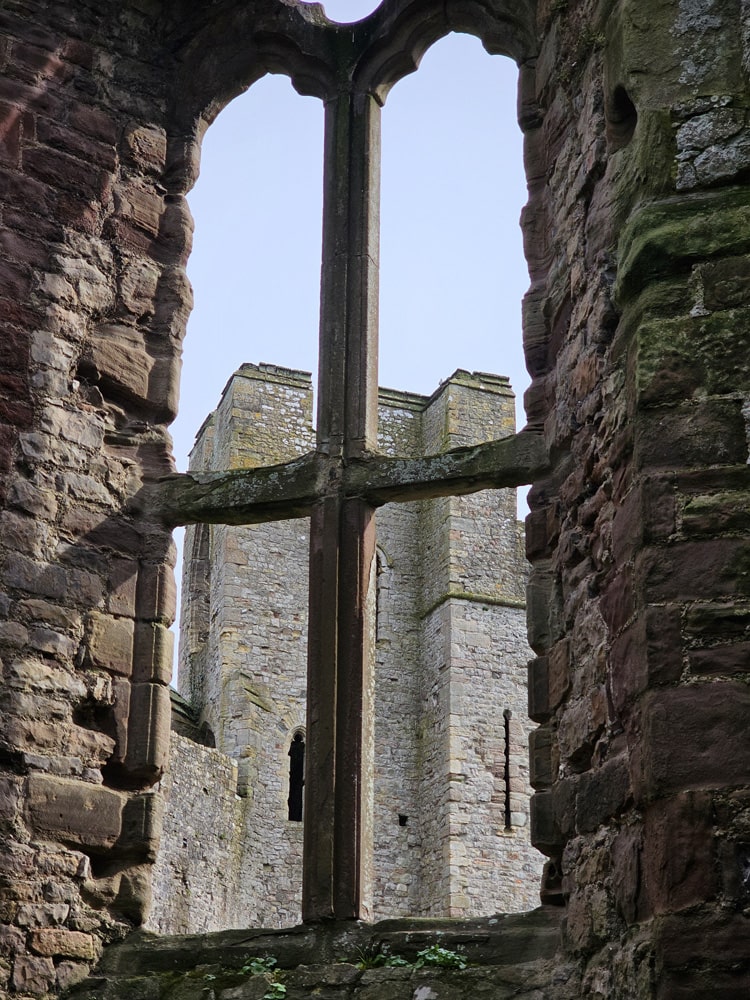
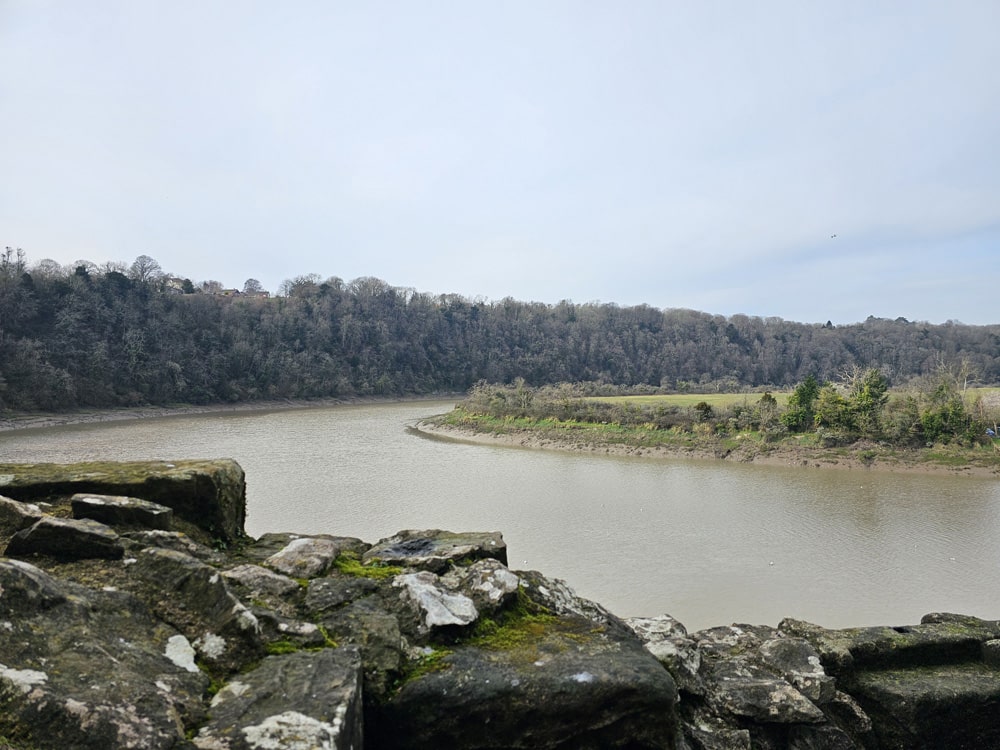
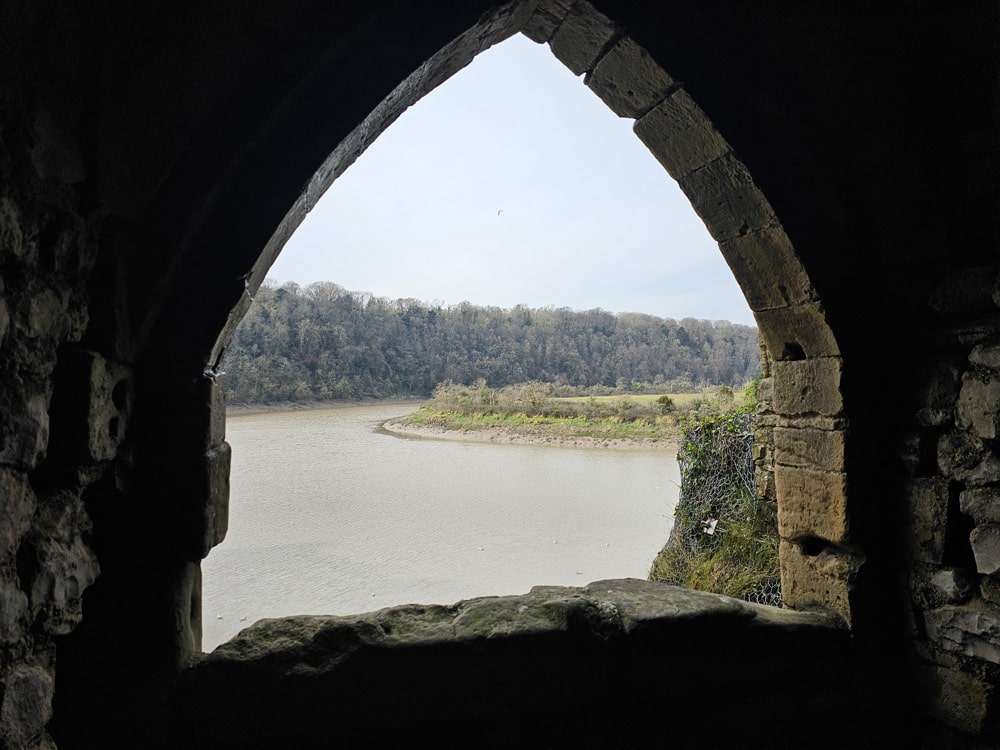
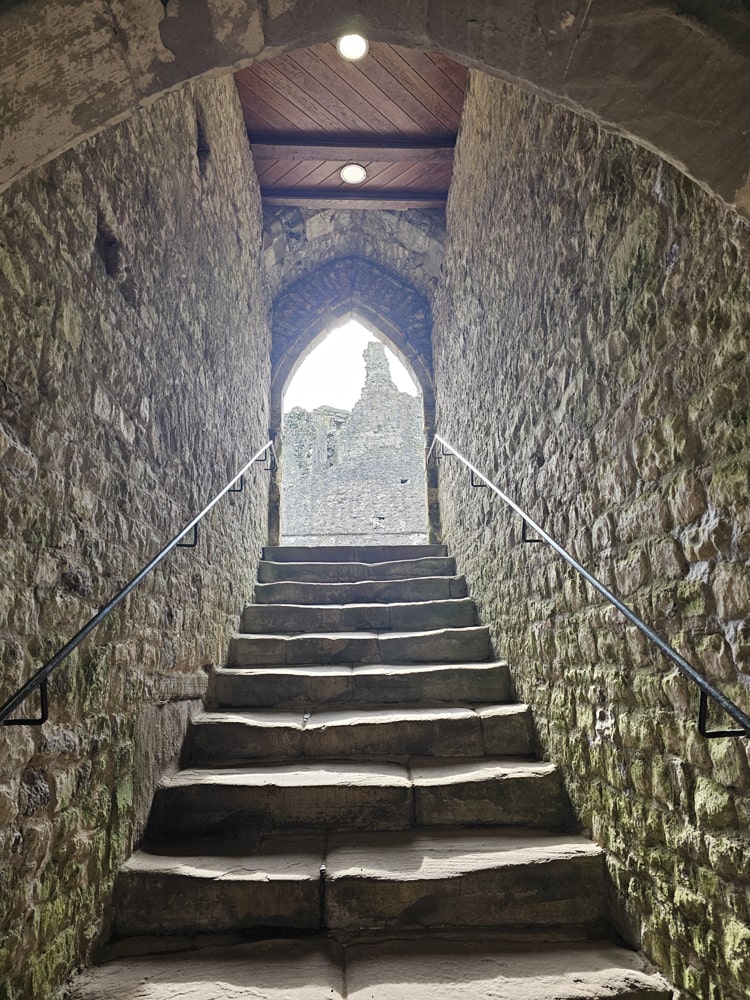
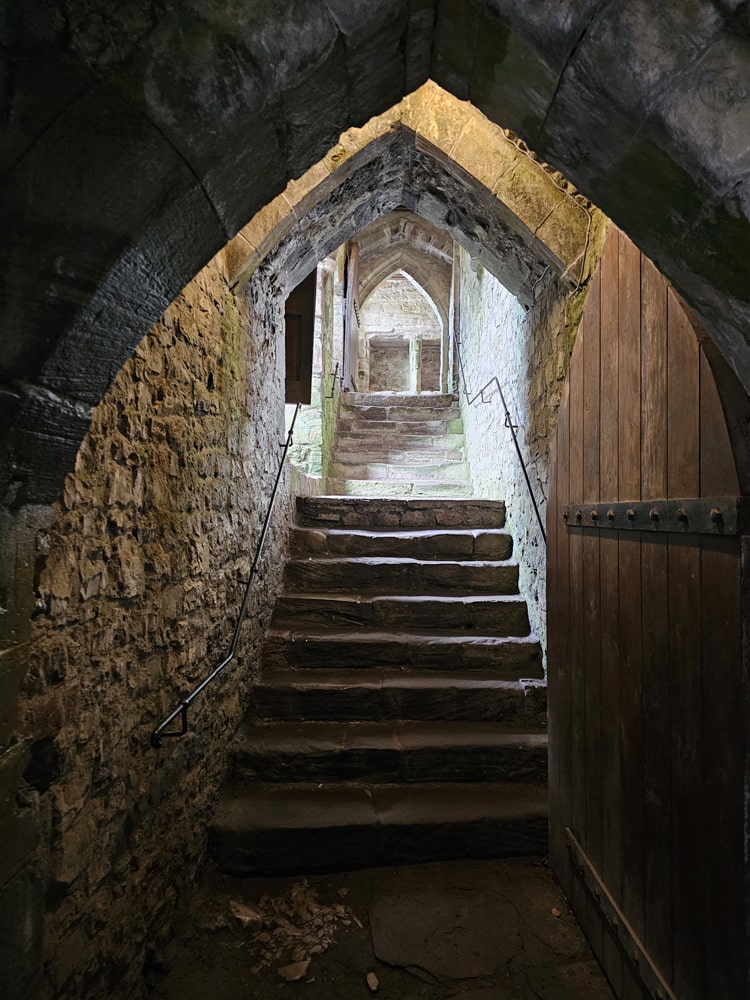
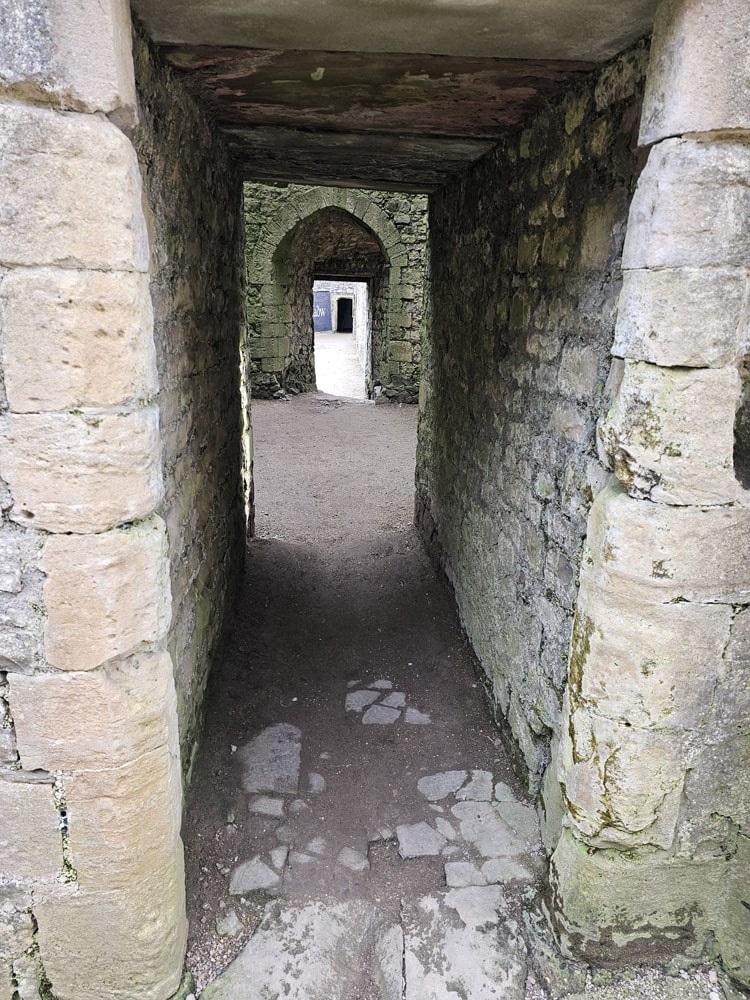
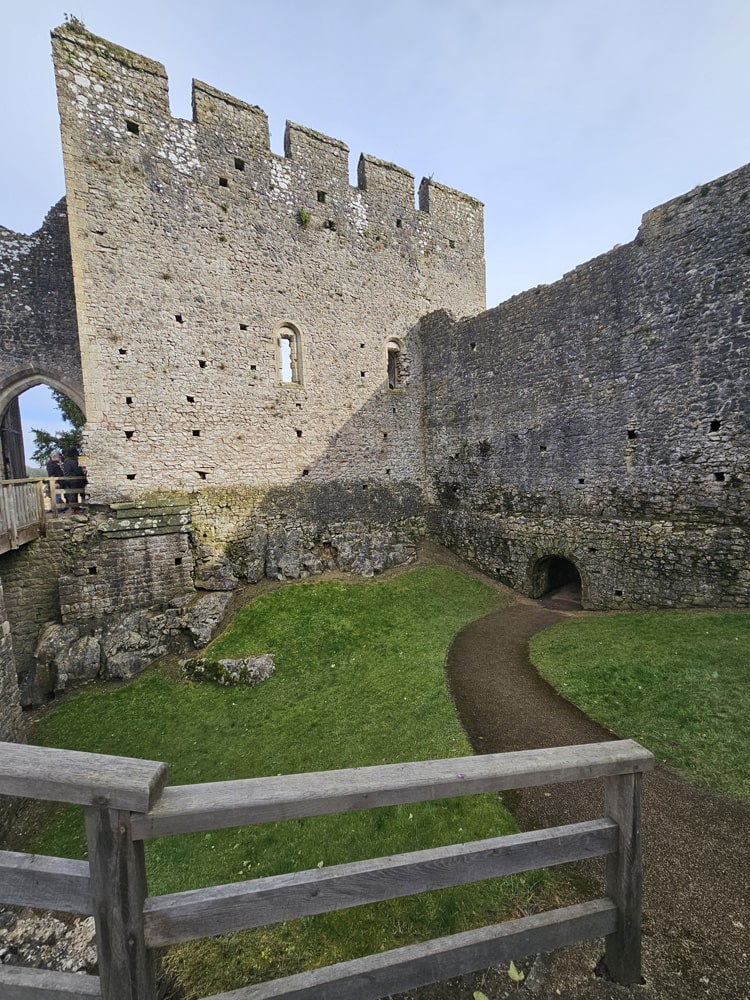
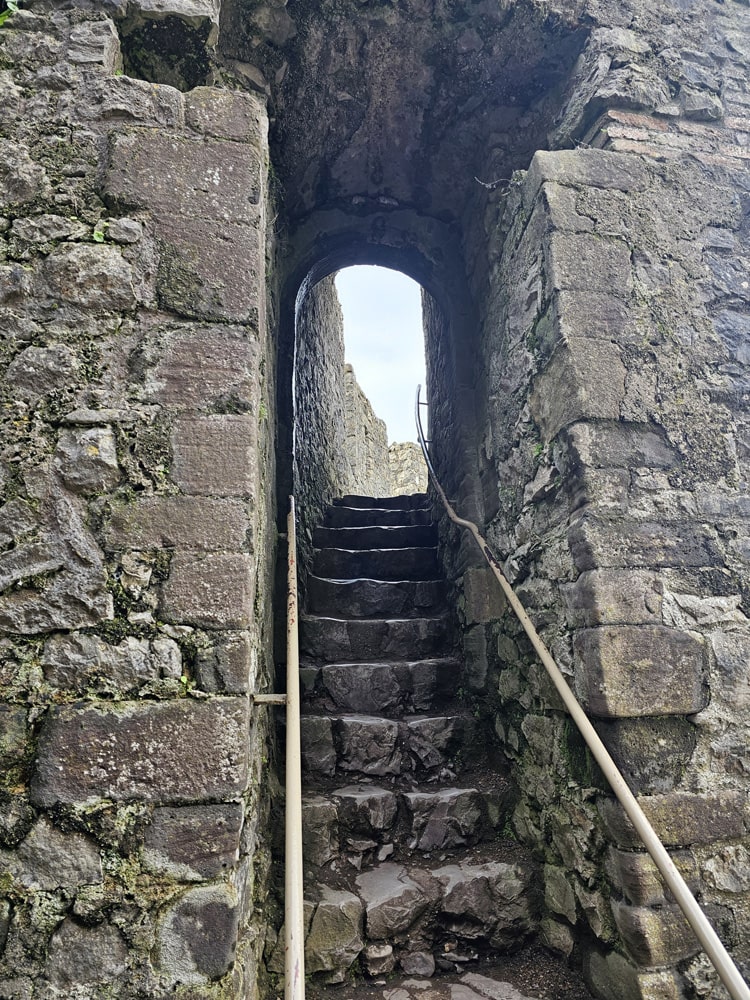
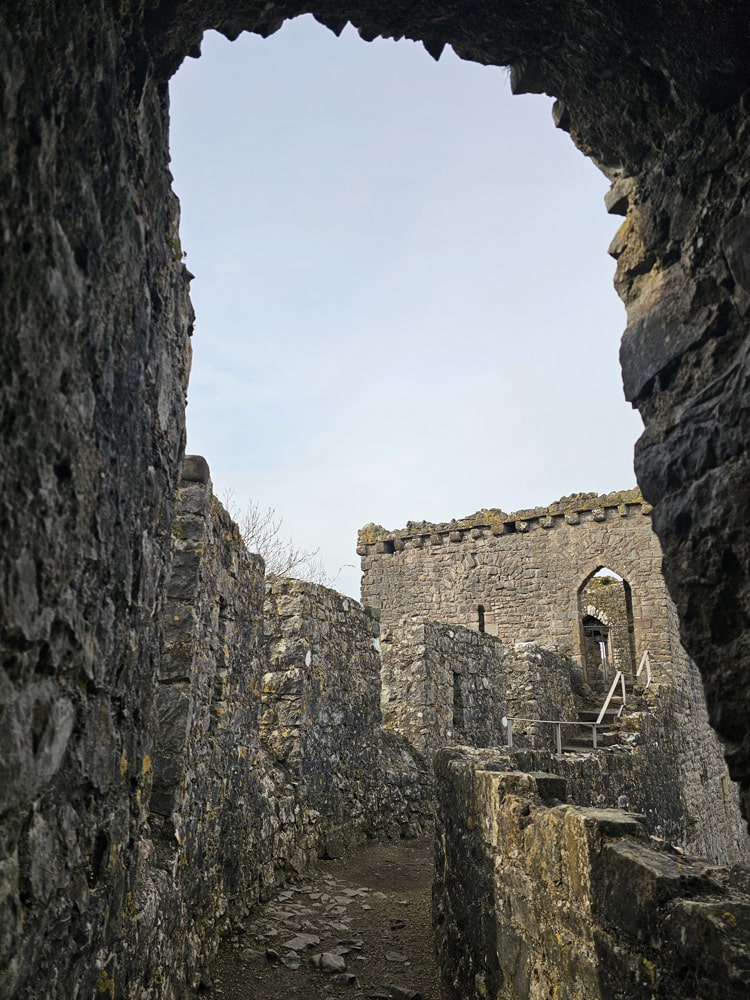
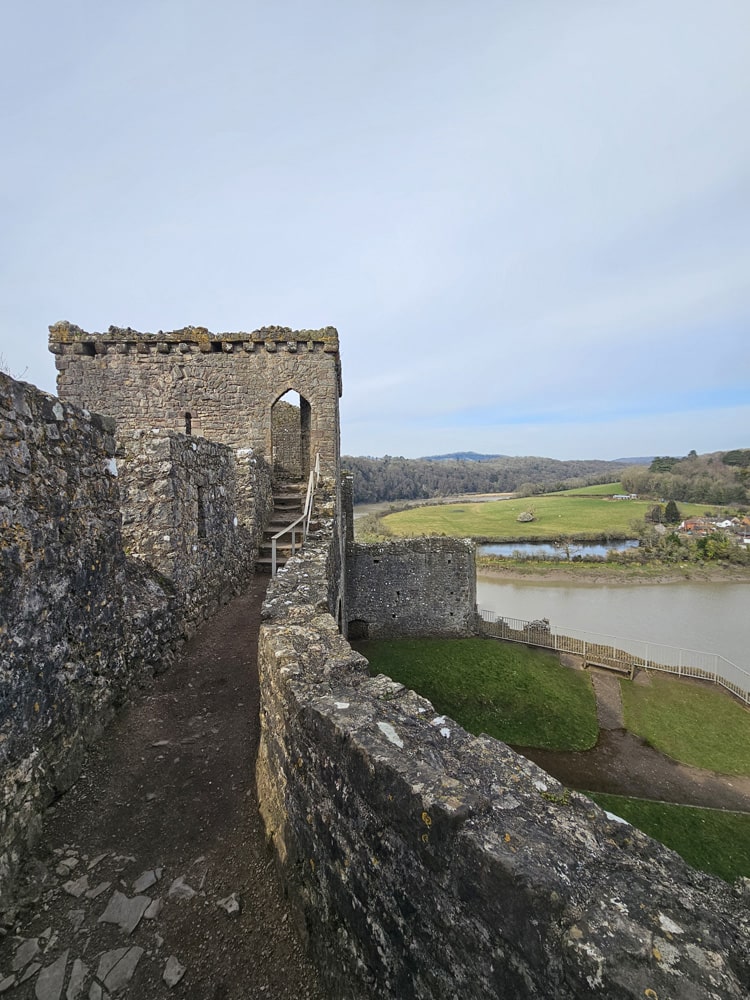
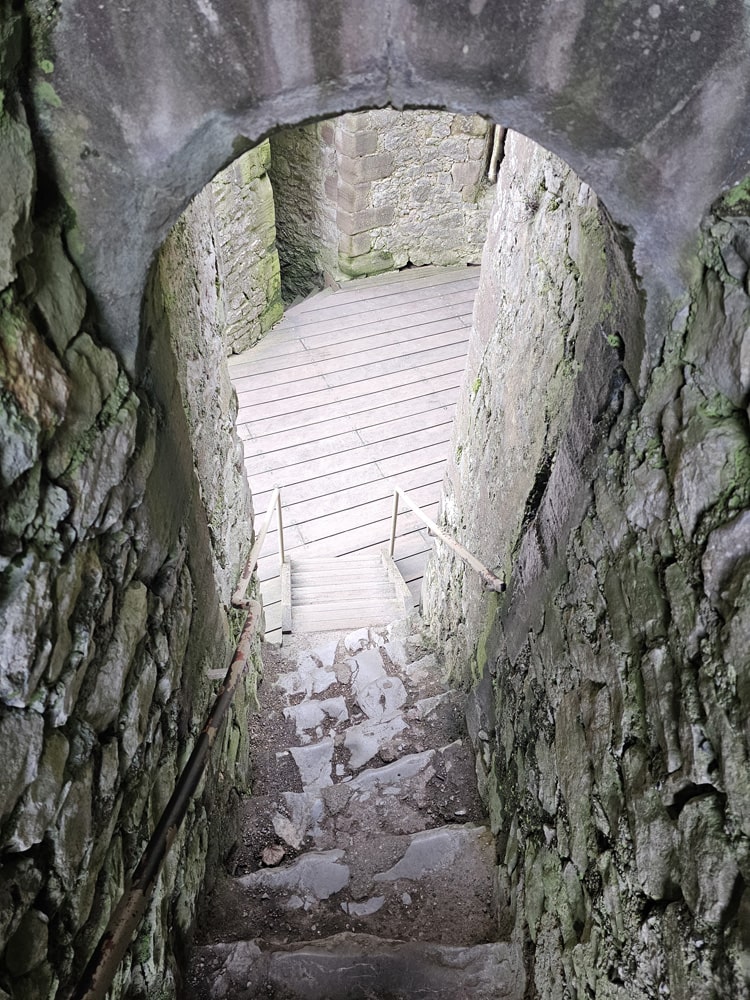
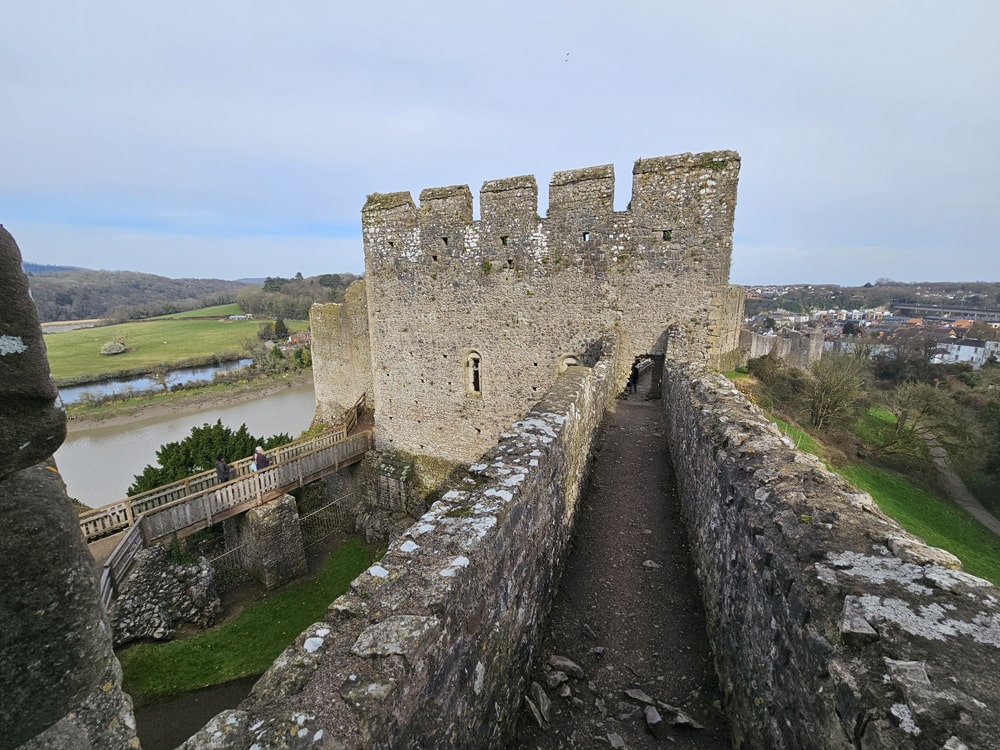
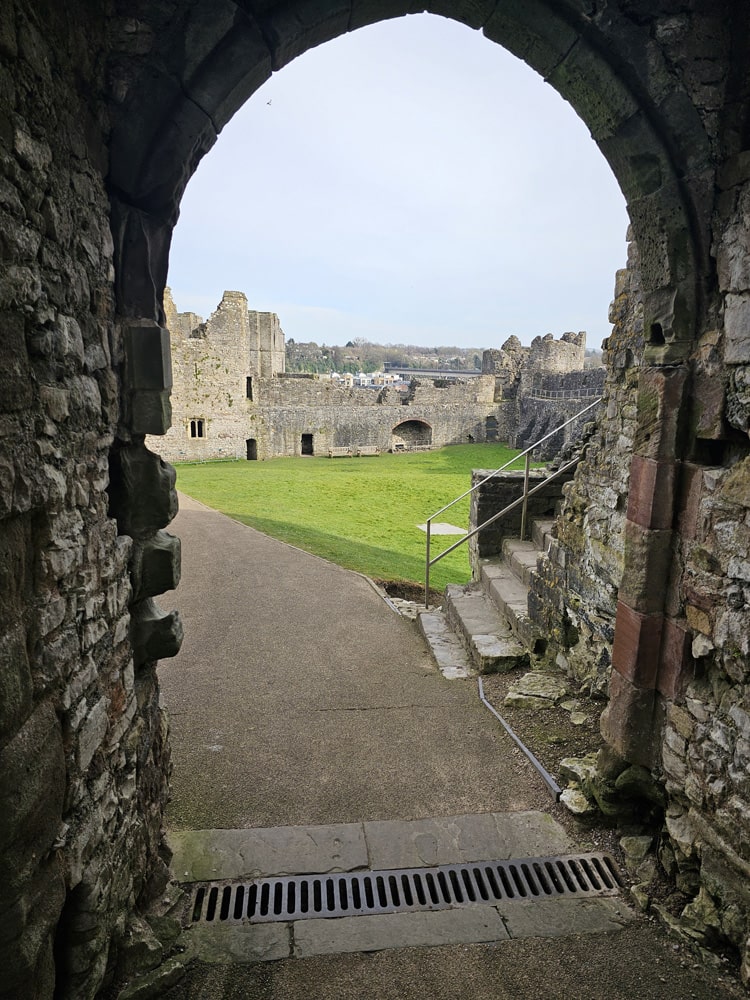
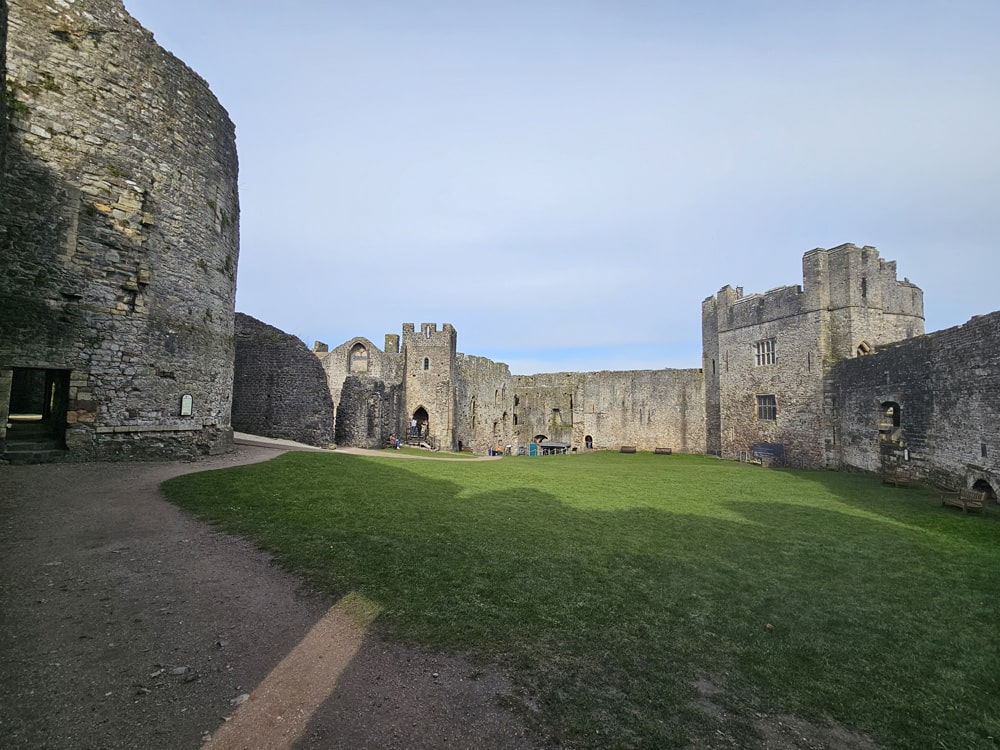
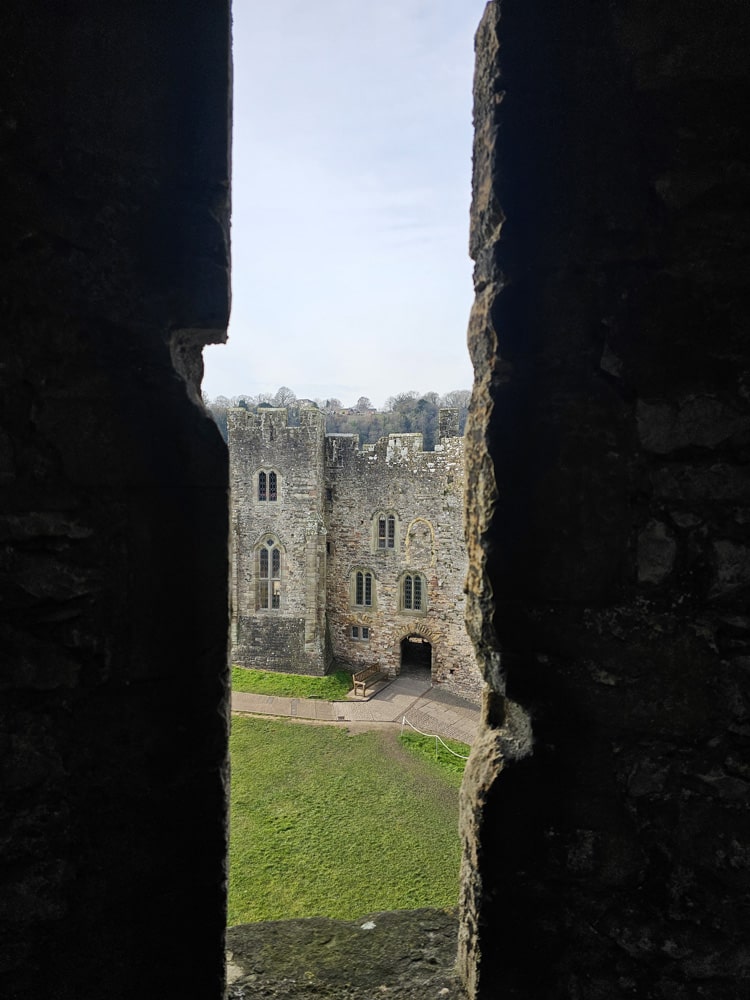
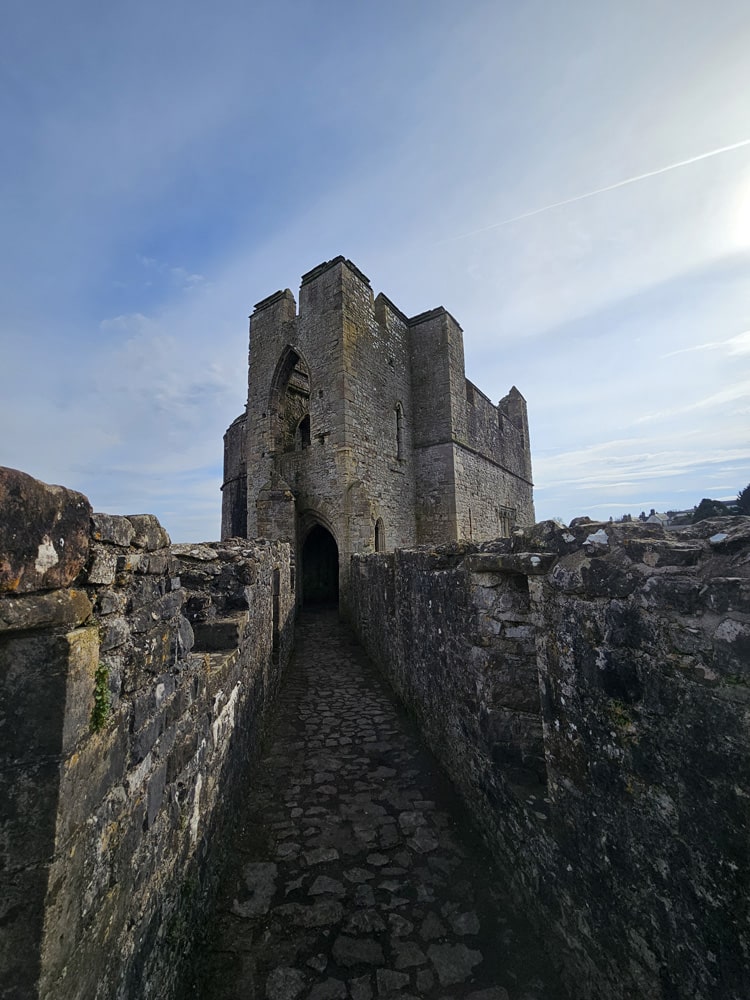
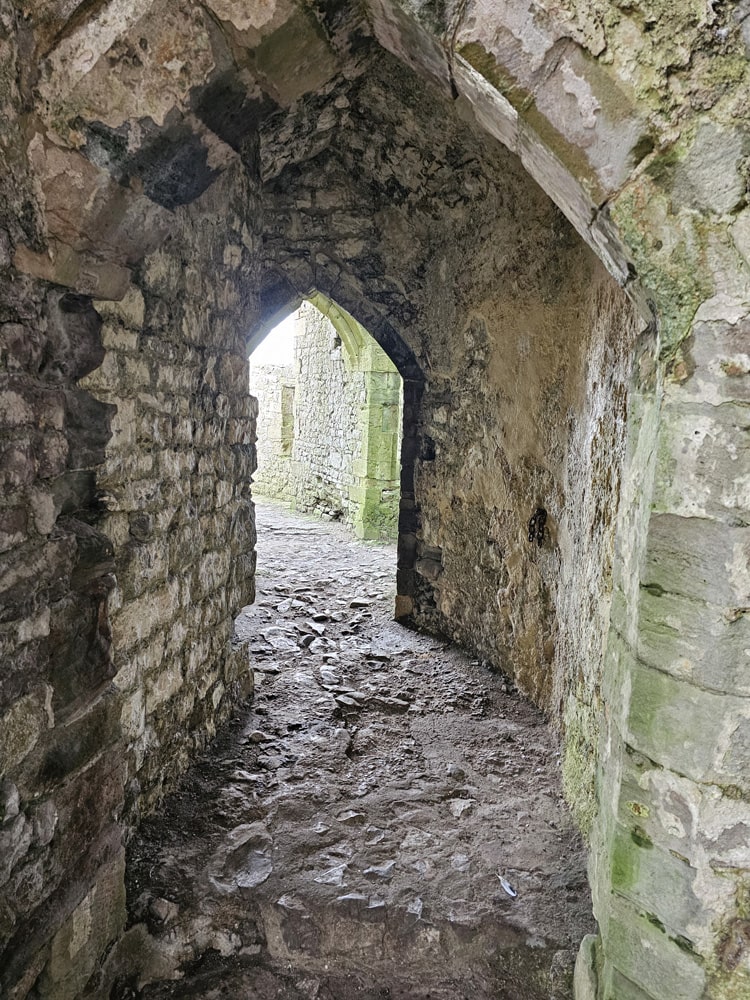
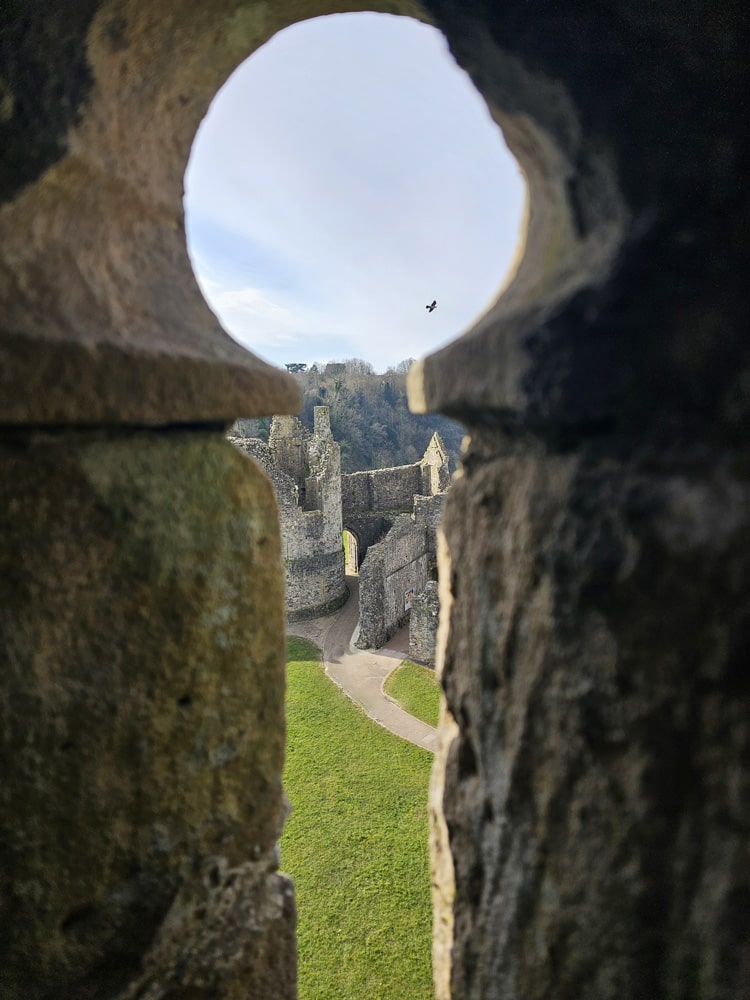
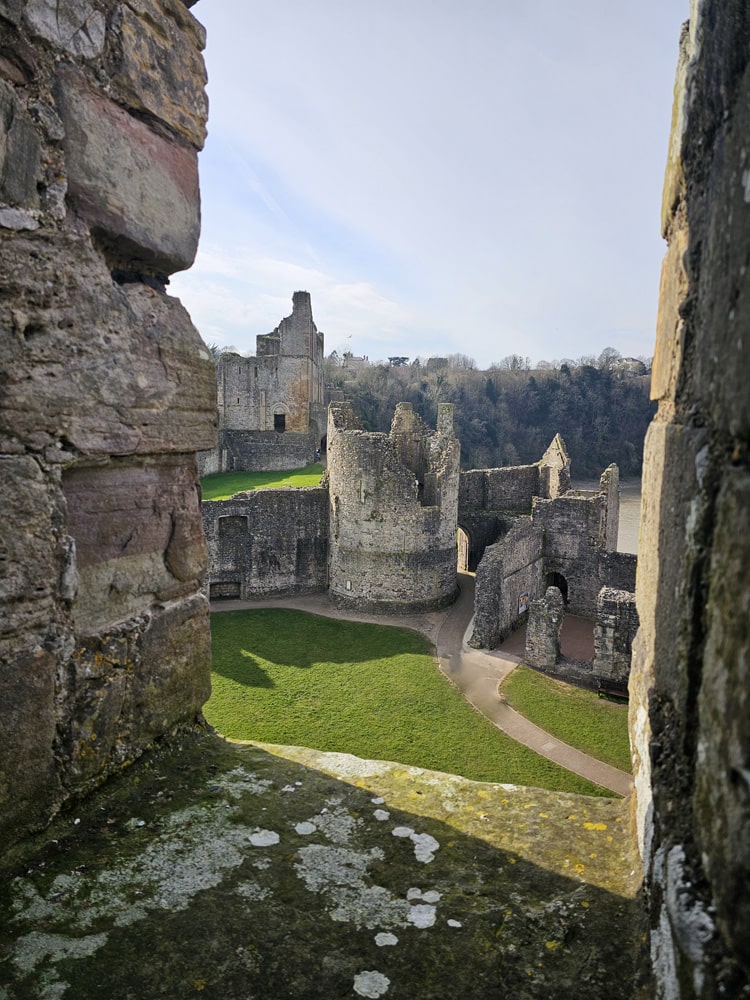
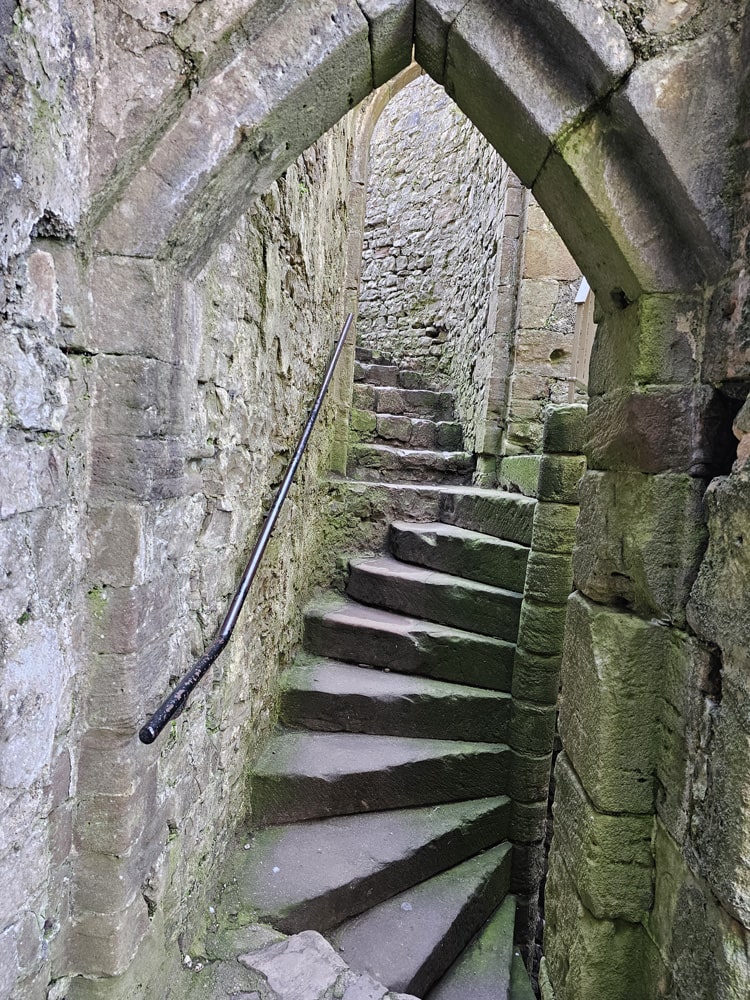
Chepstow Castle has lots to explore, offering amazing views from its dramatic clifftop setting over the River Wye. The imposing gatehouse is believed to be the oldest twin-towered gatehouse in Britain, and the Great Tower is believed to be one of the very first stone structures built by the Normans. You can explore the castle’s three baileys and navigate your way around the Great Hall, Marten’s Tower, the kitchen and service areas, climb the many flights of stairs, and walk along the remains of the wall-walks and battlements.
Photo Gallery.
Did you enjoy this post?
I hope you found this post useful. I put a great deal of time and effort in to building, maintaining and populating the website. If you like, you could say a small thank you by buying me a coffee. You don't have to, but it would be nice :)
Buy me a coffee
Stay up to Date
Follow me on my journey and get notified whenever a new post is published by following Kings & Castles on Facebook.
Follow MeExplore The Map
Discover the hundreds of castles, churches, monasteries, cathedrals and other historic locations that I've personally visited across England and Wales. Search by location, explore nearby sites and plan your next historical adventure.
Share: