The Medieval Town of Shrewsbury
The birthplace of Charles Darwin, Shrewsbury is the county town of Shropshire and sits inside a giant loop of the River Severn. It is a stunning historic town with tons of beautiful Tudor-style buildings, a castle and a Norman abbey church. Wherever you stand in Shrewsbury you are surrounded by history, for this town is steeped in medieval heritage.
Early History
The earliest evidence of occupation in the area dates back to the Neolithic period, before 2,000 BC. There has also been evidence discovered from the Iron Age, when a double ring ditch was excavated and parts of an iron age sword and scabbard were found.
A major discovery in the area was the finding of the Shrewsbury Hoard, where more than 9,000 Roman coins were found in a field near the town in 2009.
Some believe that Shrewsbury was founded as a town in the 5th century, in relation to the end of Roman rule in Britain and the decline of the nearby Roman settlement of Uriconium, also known as Viroconium and Viroconium Cornoviorum, today known as the ruins of Wroxeter Roman City. It is claimed that the Welsh princes of the Kingdom of Powis made Shrewsbury their capital and named it Pengwern in the 5th century. Although, there are alternative suggestions as to the location of Pengwern, including Whittington Castle near Oswestry.
Anglo-Saxon Shrewsbury
Shrewsbury was then founded as a town in the late-8th century by Offa, King of Mercia, who needed a fortified burh to control the Severn river-crossing on the road between the burhs of Hereford and Chester, and Pengwern was subsequently engulfed by the Anglo-Saxon kingdom of Mercia, replacing the large Roman fortified town of Viroconium Cornoviorum.
Shrewsbury got its current name from the Anglo-Saxons. Its place name ending ‘bury’ tells us that it was once a fortified Anglo-Saxon settlement called a burh. They originally called it ‘Scrobbesburh’ or ‘Scrobbesbyrig’, which likely means something along the lines of “Scrobb’s fort” or “the fortified place in the bushes” or “fortified place in the scrublands”. The name gradually evolved into several variations, including ‘Sciropscire’, which became the county name Shropshire, and into ‘Schrosberie’, which eventually became the town’s name, Shrewsbury. Another variation of the name was ‘Sloppesberie’, which became ‘Salop / Salopia’, which was actually an alternative name for both the town and county. The term “Salopian”, derived from “Salop”, is still used to mean “from Shropshire” or “from Shrewsbury”. In historical records Shropshire is described as “the county of Salop” and Shrewsbury as “the town of Salop”.
The earliest written mention of Shrewsbury is in the year 901, during the reign of Edward the Elder, son of Alfred the Great. In 914, Æthelflæd, Lady of the Mercians and sister of Edward the Elder, fortified Shrewsbury along with Hereford and several other burhs. The town quickly grew in stature, becoming important enough to have its own mint, and by the beginning of the 11th century it became the county town of Shropshire.
After the Norman Conquest
The Normans built a wooden fort at Shrewsbury soon after the Norman Conquest. William the Conqueror gave the town as a gift to one of his greatest military leaders, Roger de Montgomery, who was also a relative, and was subsequently created first Earl of Shrewsbury. Roger made Shrewsbury his headquarters, founded Shrewsbury Abbey in 1083, and extended the timber castle as a base for operations into Wales.
In the 12th century Shrewsbury Castle was rebuilt in stone, which King Stephen successfully besieged during the civil war known as The Anarchy, which was held by William FitzAlan for the Empress Matilda. Also in the 12th century, Shrewsbury was given two charters, its first by King Henry I and its second by King Richard I.
Shrewsbury became a walled town in the 13th century when the town received a grant of murage (a tax to build town walls) in 1218 to build defensive stone walls, one of the first in England. The new stone walls, the remains of which can be found throughout the town, replaced earlier defences completed by the Anglo-Saxons. The town also received one of the earliest grants of pavage in 1266, “for paving the paving of the new market place”.
Shrewsbury was attacked twice in the 13th century by Welsh forces led by Llywelyn the Great, first in 1215 and again in 1234; the town was burned down and the castle was badly damaged. The town’s defences were greatly increased after the attacks, and towards the end of the 13th century the castle was entirely rebuilt by Edward I, who held a Parliament at Shrewsbury Abbey, which was the first to include a House of Commons.
Shrewsbury reached its height in the late Middle Ages in terms of its national and economic significance. There was already an important leather industry in the town, but Shrewsbury really grew in prosperity when it became a centre of the Welsh wool and flax trade.
The Battle of Shrewsbury
The famous Battle of Shrewsbury happened in 1403, which was fought between an army led by the Lancastrian King Henry IV and a rebel army led by a powerful noble called Henry “Harry Hotspur” Percy from Northumberland. The battle has been called the bloodiest battle in English history, with over 1,600 soldiers estimated to have died on the battlefield. The result of the battle was a victory for the King, ending the rebellion. Today the site of the battle is a visitor attraction, although it is really just a field with a very nice farm shop.
The Council of Wales and the Marches was established in Shrewsbury during the 1470s by Edward IV with a headquarters in the town, the other headquarters being in Ludlow. Its buildings, including the gatehouse partly survive near the castle.
The Tudor Period
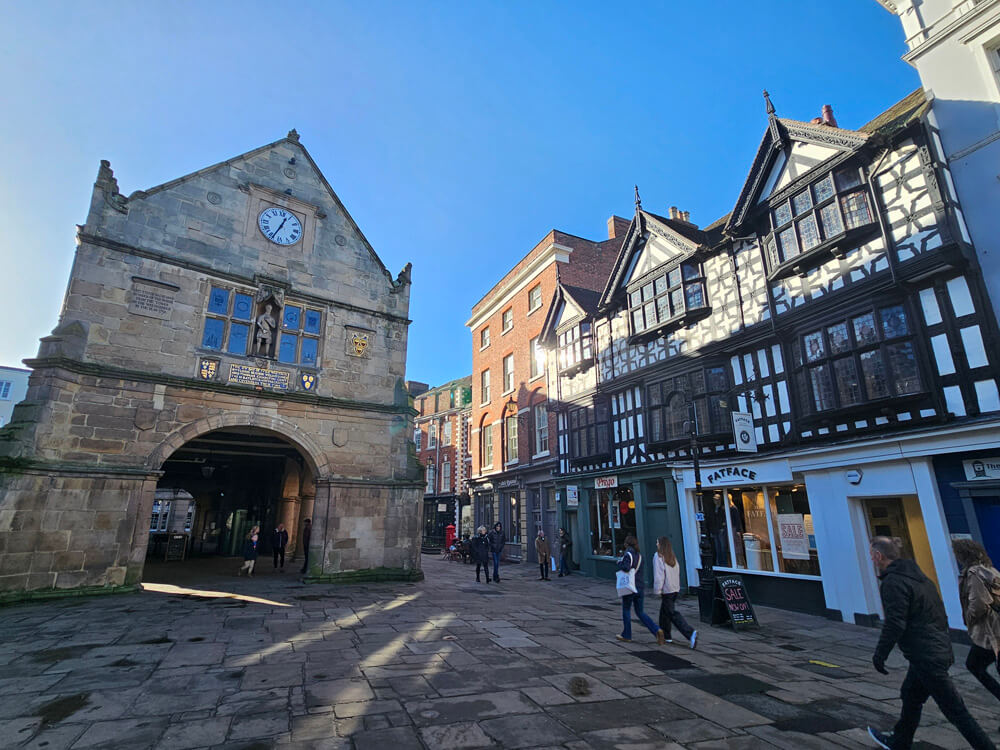
Shrewsbury’s monastic institutions were suppressed as a result of Henry VIII‘s Dissolution of the Monasteries and the Abbey was closed in 1540. Nevertheless, the town of Shrewsbury continued to thrive throughout the late-16th century and the 17th century due to the flourishing wool trade, and several of the town’s famous buildings were built during this time, including Ireland’s Mansion, the Old Market Hall, and Owen’s Mansion.
After the formation of the Church of England, Henry VIII intended to make Shrewsbury one of his 13 new bishoprics and the town was offered the status of cathedral city. It is said that the citizens of Shrewsbury declined the offer, preferring to remain a “first of towns”, this being the source of the term “Proud Salopian”, that refers to a resident proud of Shrewsbury the way it is.
Henry VIII’s son and successor Edward VI, founded Shrewsbury School by Royal Charter in 1552 to replace the town’s Saxon collegiate foundations which were disestablished by his father during the Reformation. The school is now a Grade I listed building and used as a library and museum.
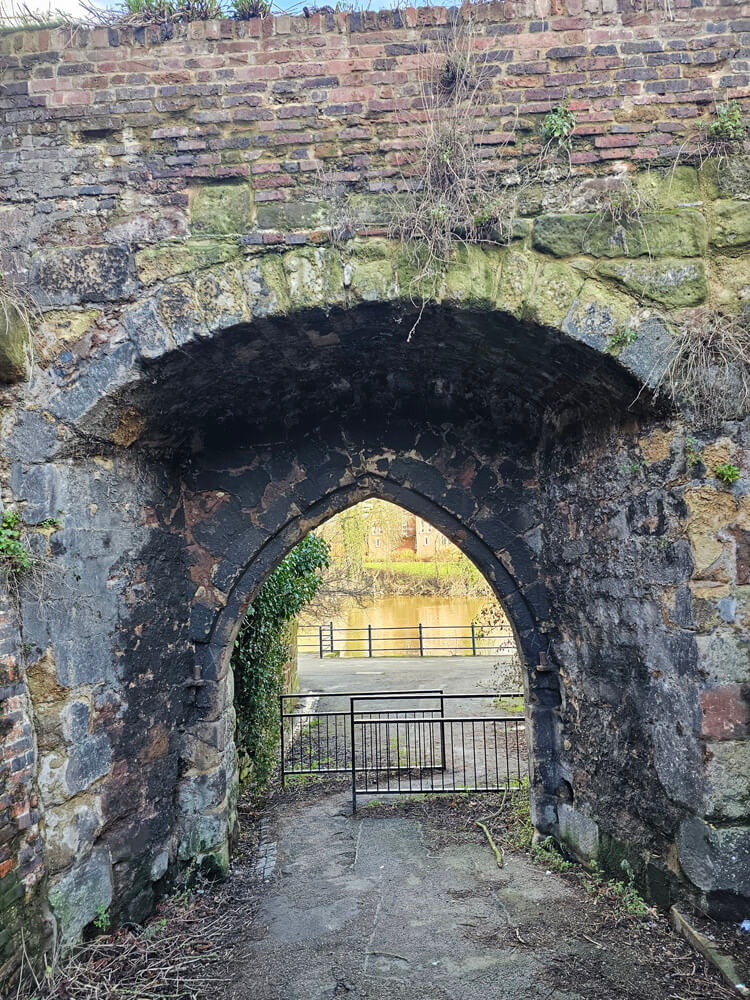
During the English Civil War, Shrewsbury was a royalist stronghold, and in the autumn of 1642 King Charles I had a temporary base in the town. The town only fell to Parliament forces after they were let in by a traitor at St Mary’s Water Gate (now also known as Traitor’s Gate).
Shrewsbury Today
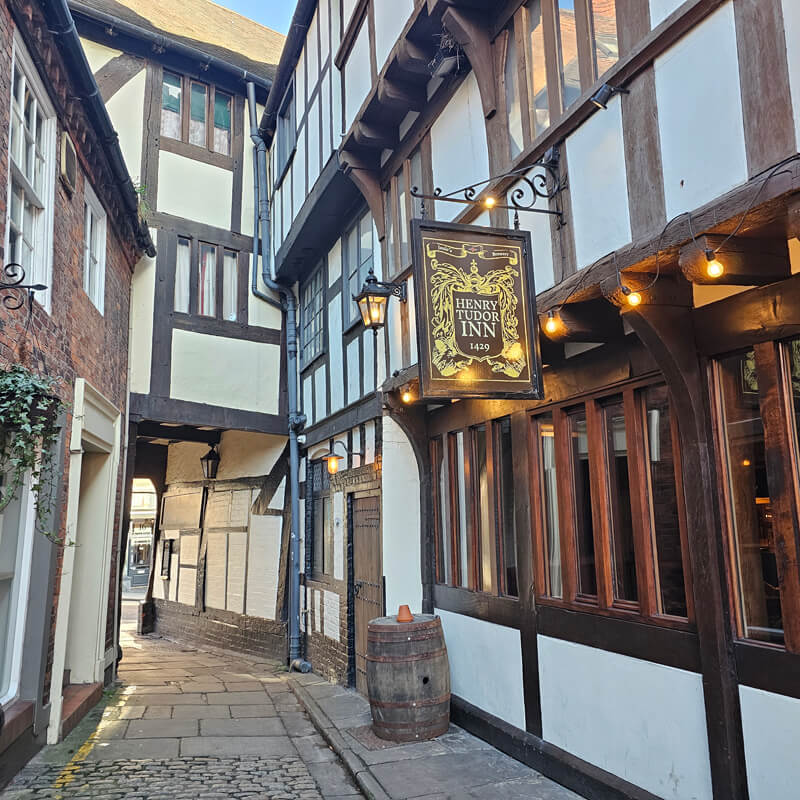
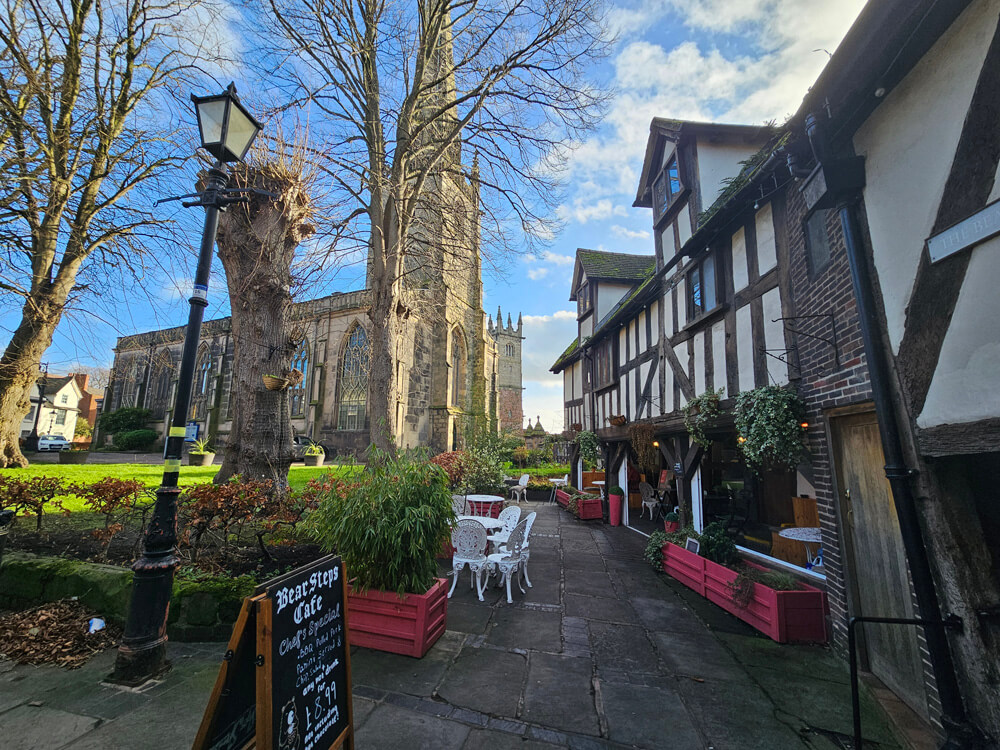
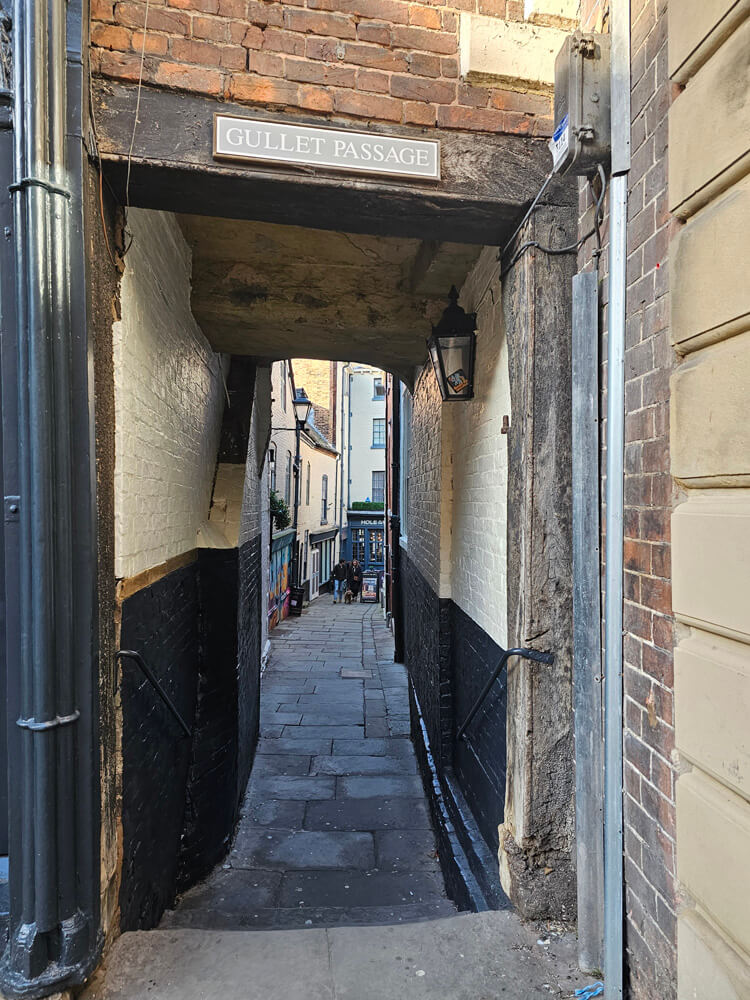
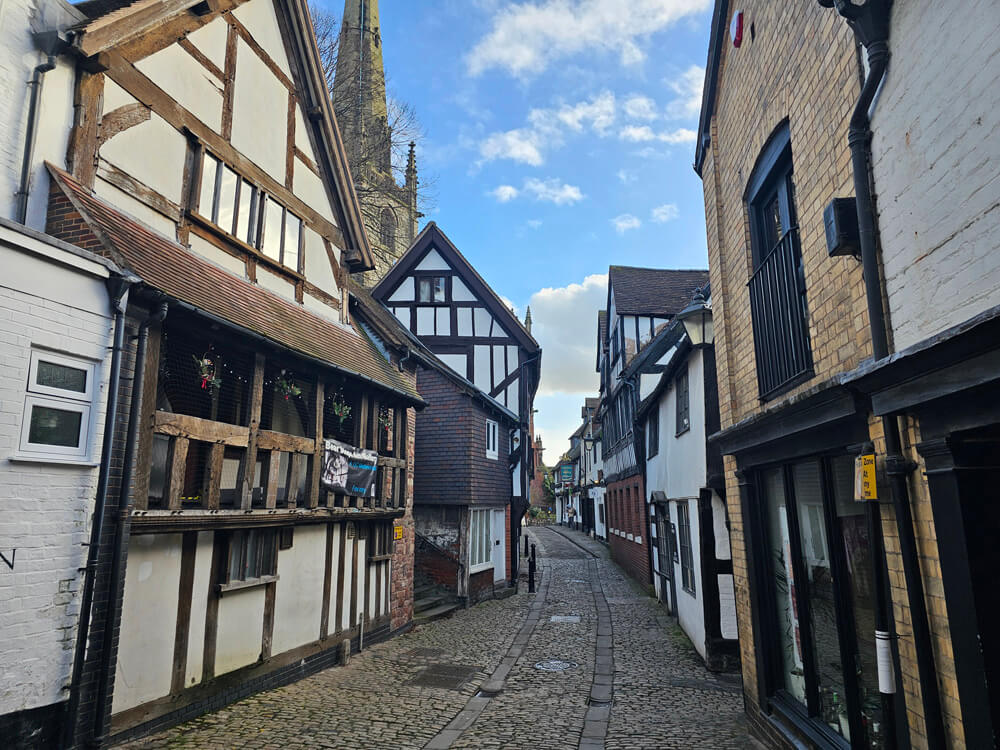
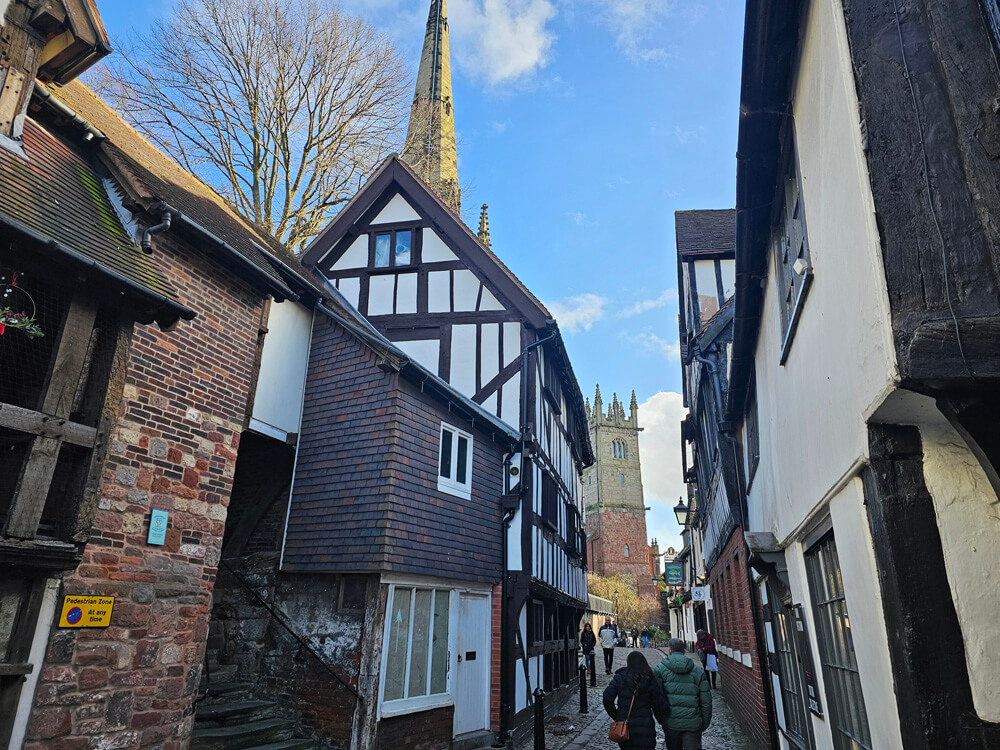
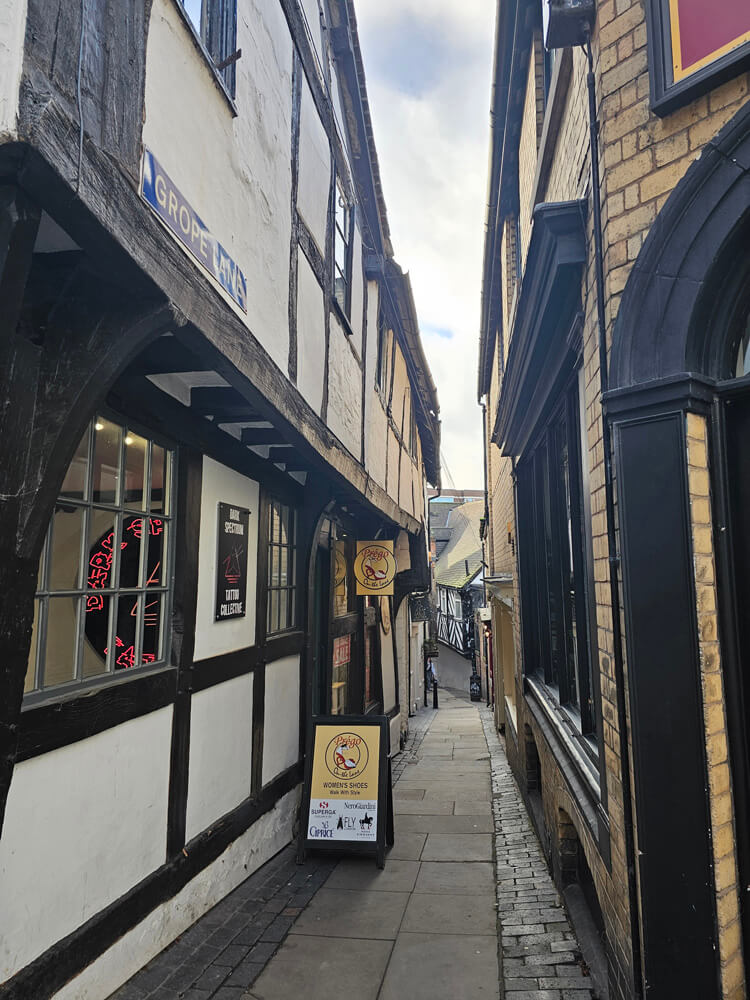
Today, Shrewsbury centre has a largely undisturbed medieval street plan and is packed with over 660 listed buildings, cobbled streets, and some very strange street names, including Dogpole and Gullet Passage. It is home to Shrewsbury Castle, Shrewsbury Abbey, St Mary’s Church, the Old Market Hall, partial remains of it’s old town wall defences including a watch tower, St Mary’s Water Gate, loads of stunning historic 15th, 16th and 17th-century timber-framed buildings, the historic area of Wyle Cop, and the site of the Battle of Shrewsbury and the nearby St Mary Magdalene’s Church that was built shortly after the battle to commemorate those who died.
Shrewsbury Abbey
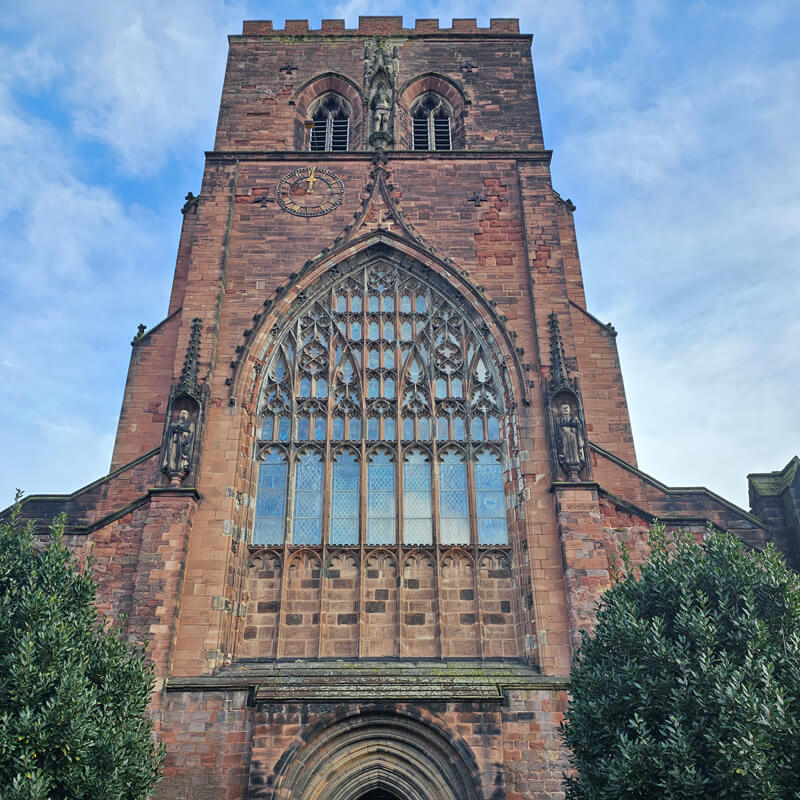
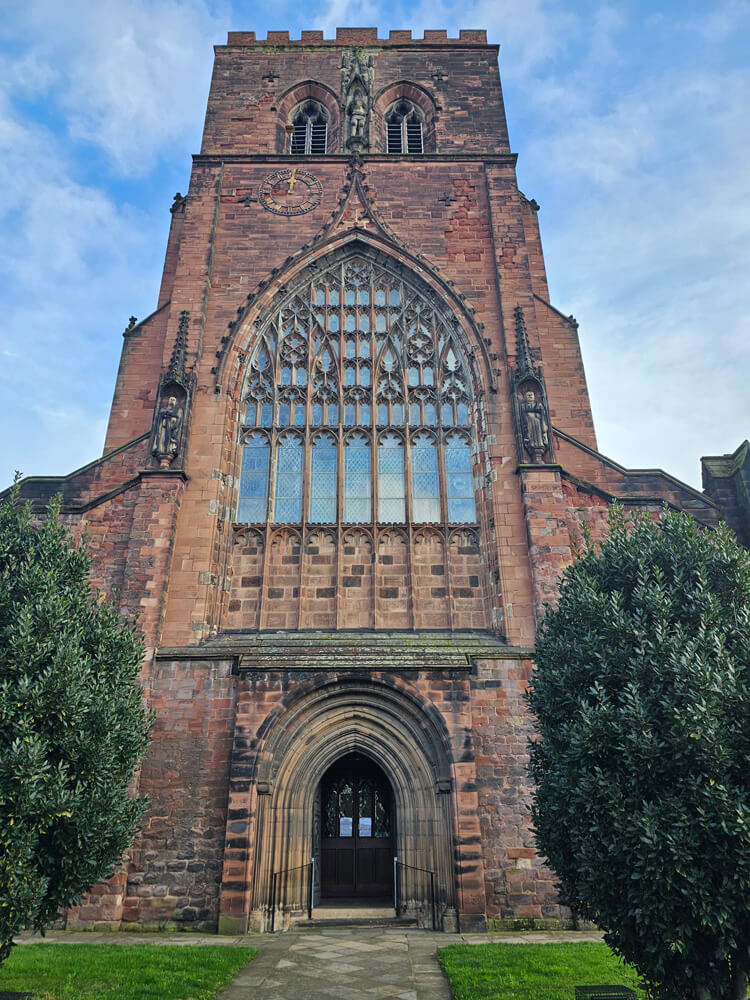
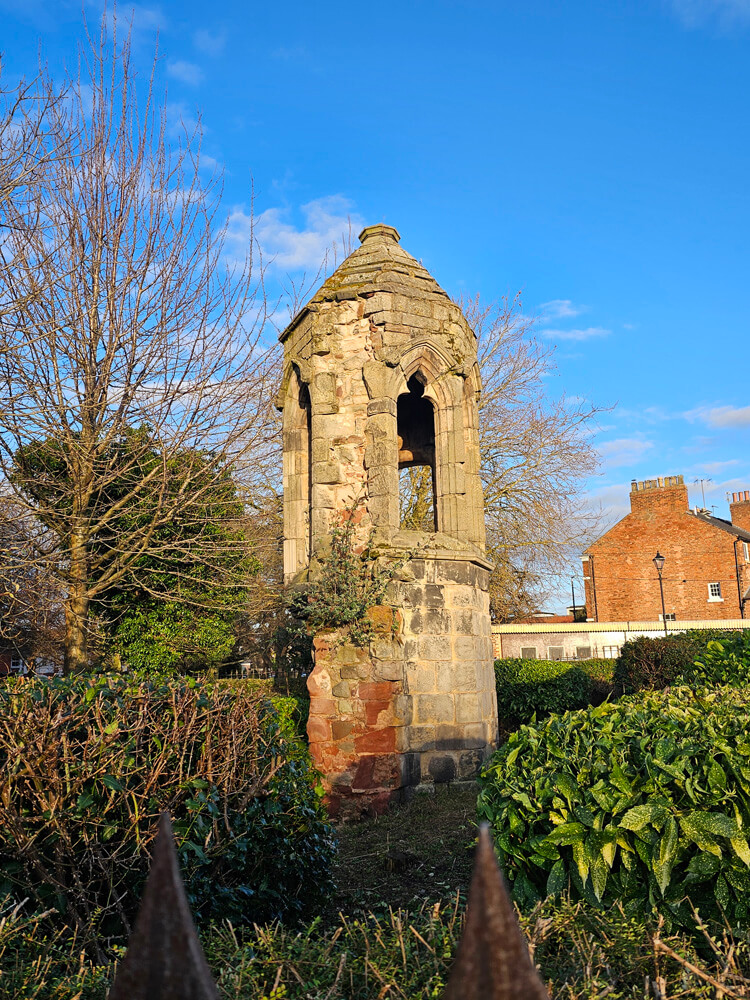
There has been a place of worship on the site of Shrewsbury Abbey since Anglo-Saxon times, built by a close relative of Edward the Confessor. The current abbey was founded in 1083 after the Norman Conquest as a Benedictine monastery by the Norman Earl of Shrewsbury, Roger de Montgomery, who was later buried at the abbey, and who’s tomb is still inside the abbey as well as several other tombs. Today, only the abbey church and the 14th-century pulpit across the road survives.
Shrewsbury Castle
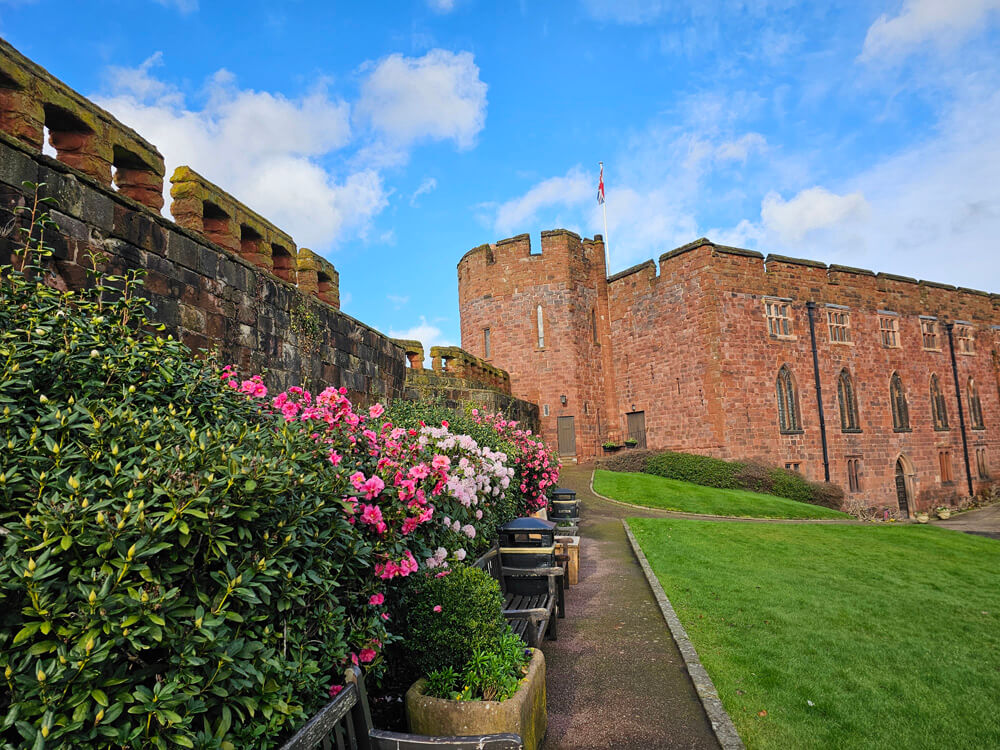
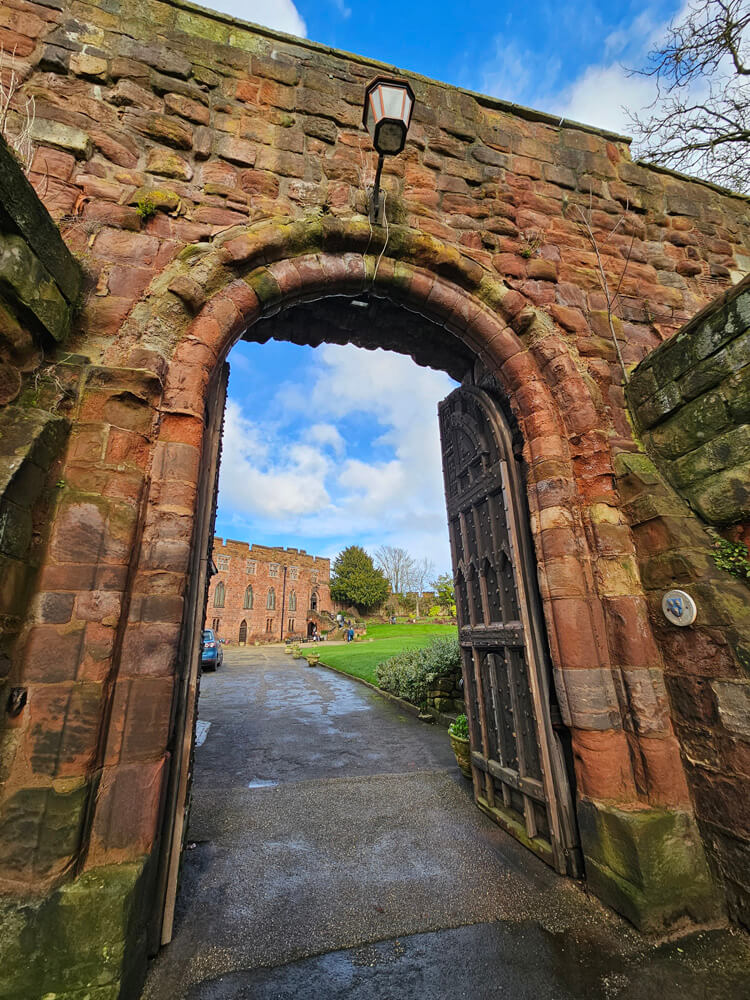
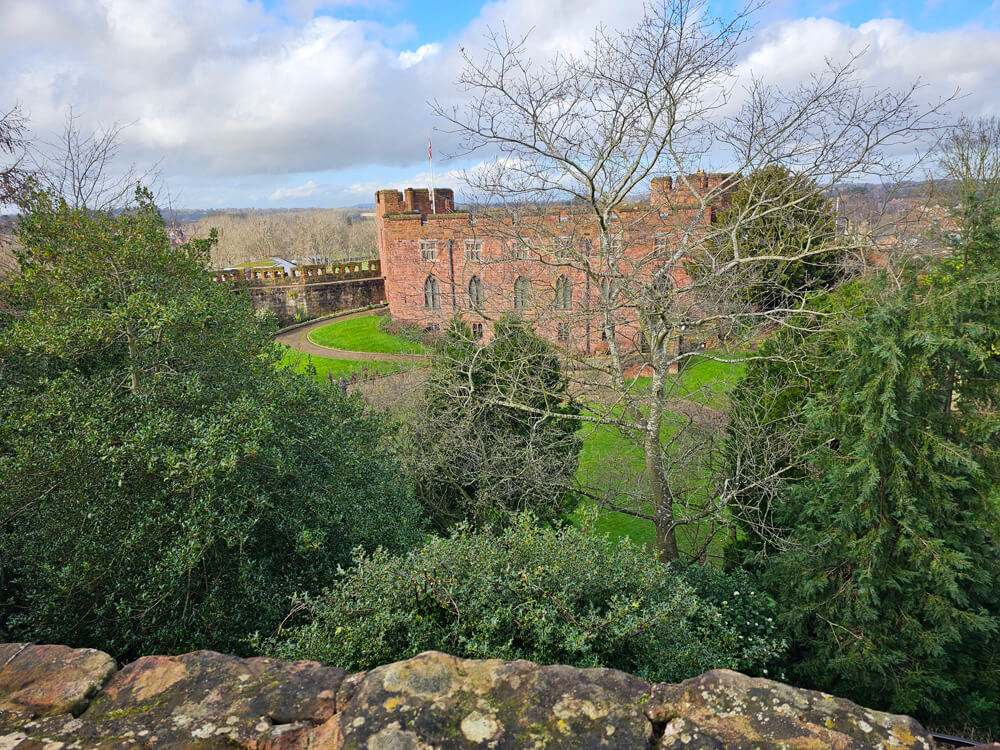
Although Shrewsbury Castle is now home to the Shropshire Regimental Museum, it does have a long and eventful history. A castle was first ordered on the site by William the Conqueror around 1067-1074. In 1138, King Stephen successfully besieged the castle during The Anarchy. A small stone watchtower was built on the summit of the castle motte in about 1280. This was replaced in 1790 with a sandstone summer-house built as a birthday present for Laura Pulteney, daughter of the castle’s then owner. This is now what is known as Laura’s Tower.
St Mary’s Church
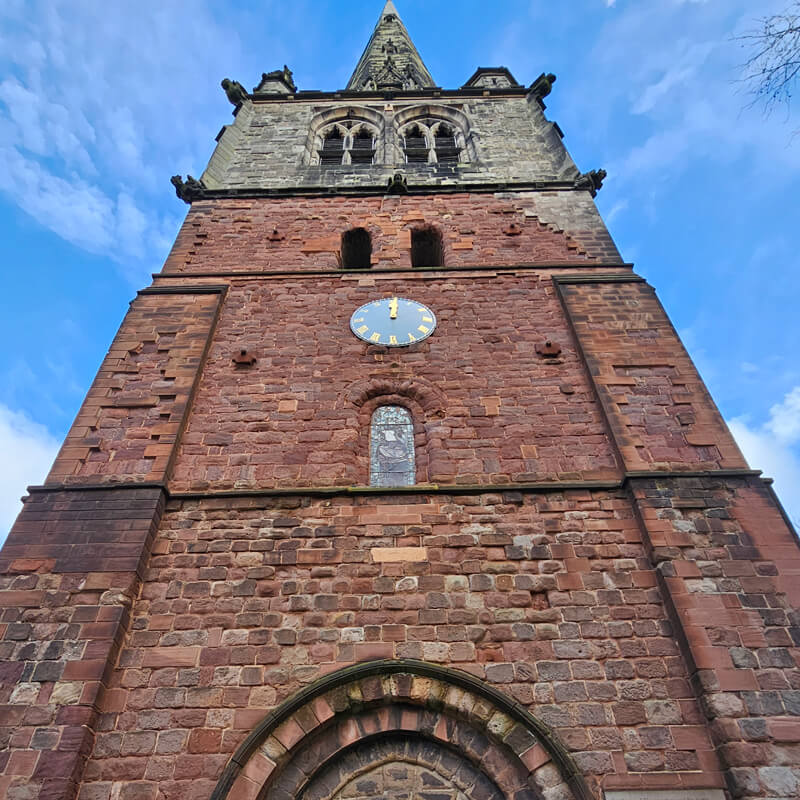
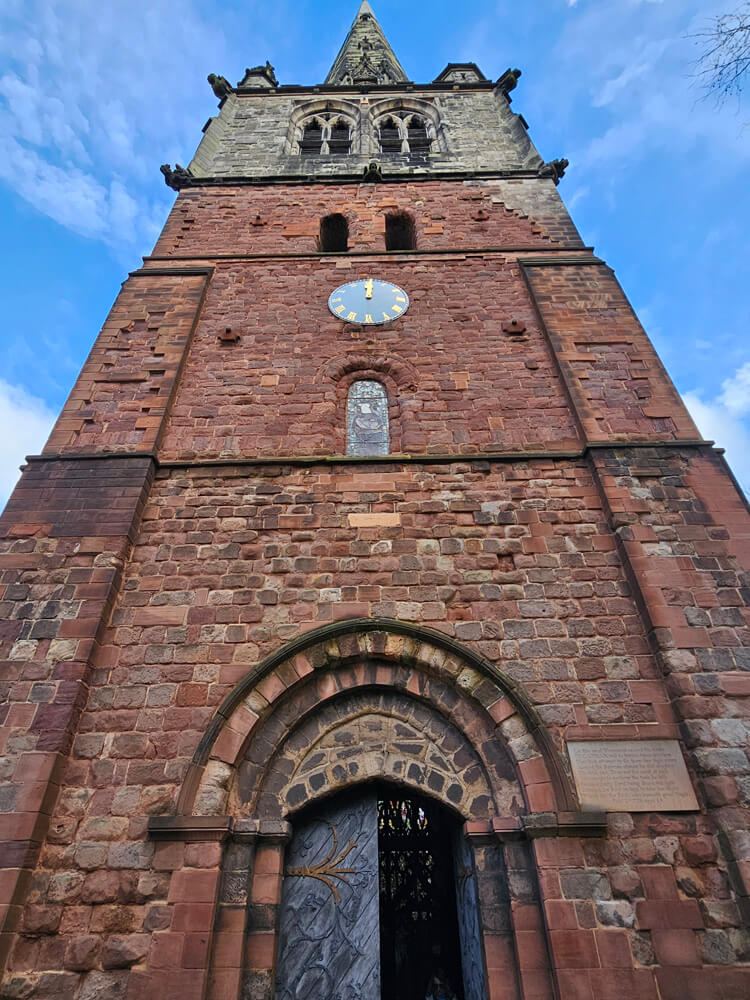
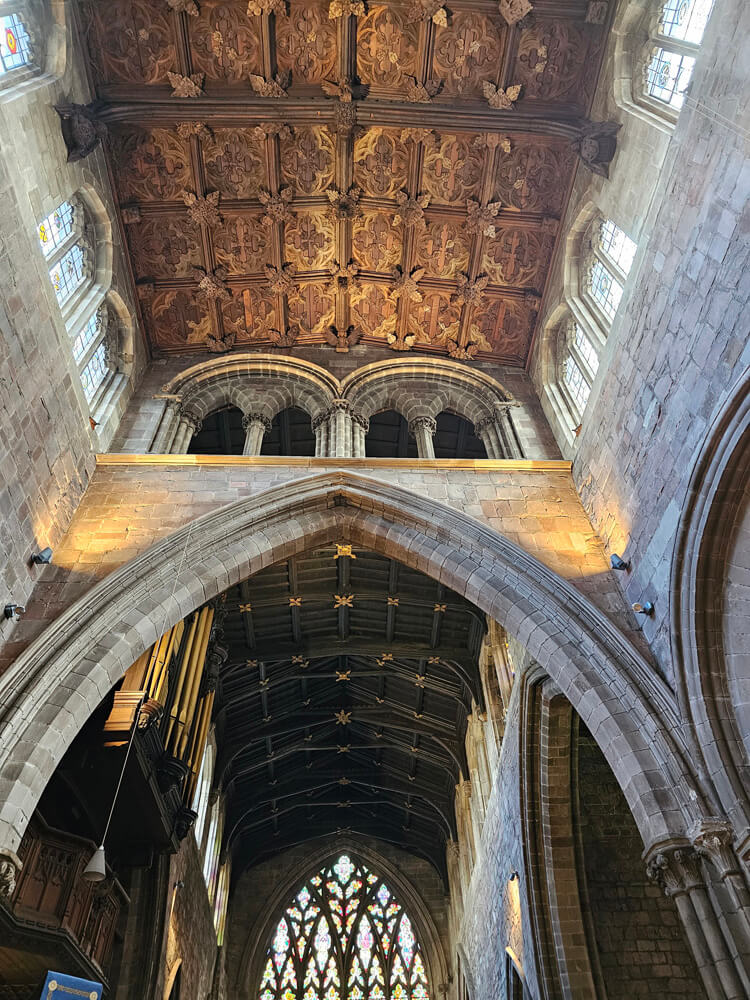
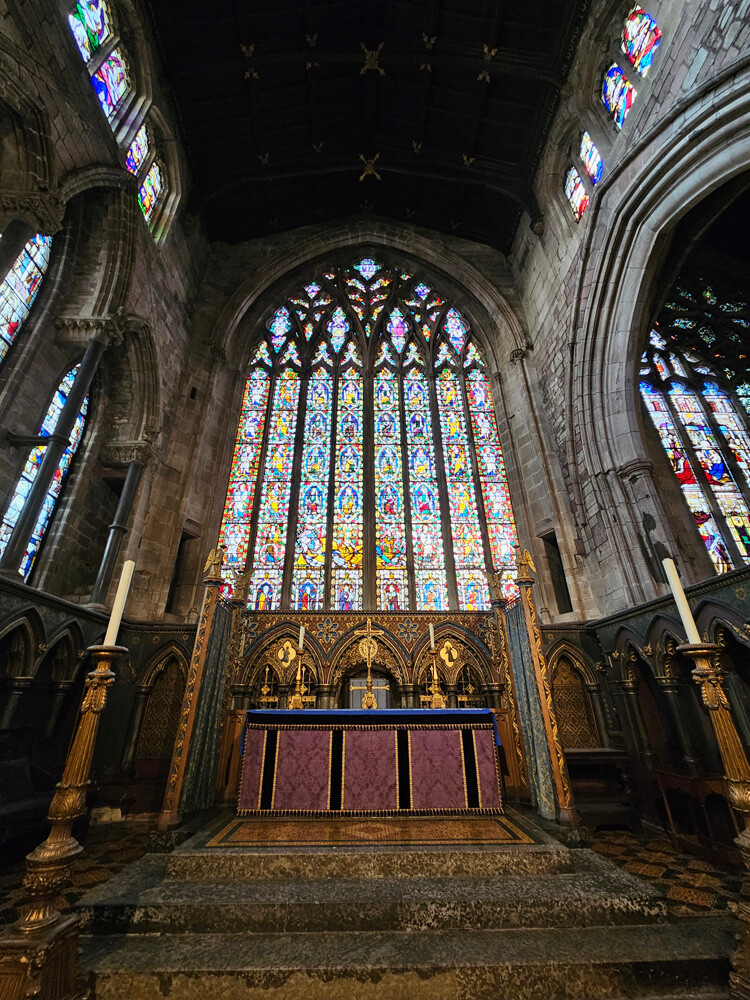
St Mary’s Church is famed for its elaborate stained-glass windows. The church is the oldest and the only complete medieval church in Shrewsbury. It dates from Anglo-Saxon times and has beautiful additions from the 12th century onwards. The spire of St Mary’s is one of the tallest in England and for over 500 years it has dominated the skyline of Shrewsbury’s old town.
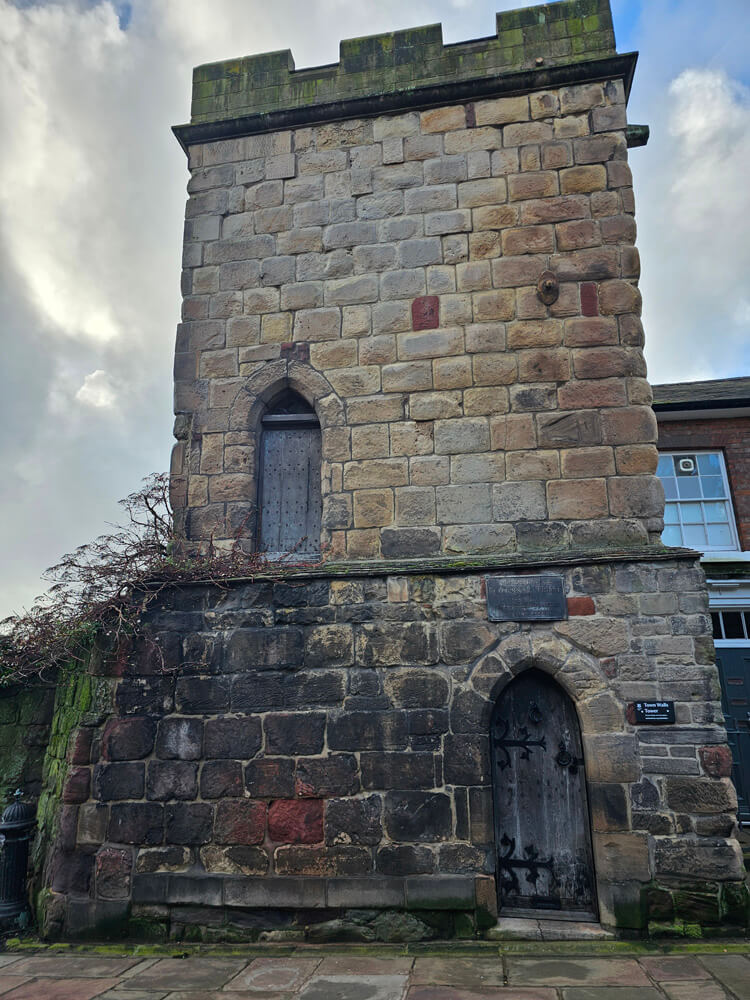
Town Wall & Tower
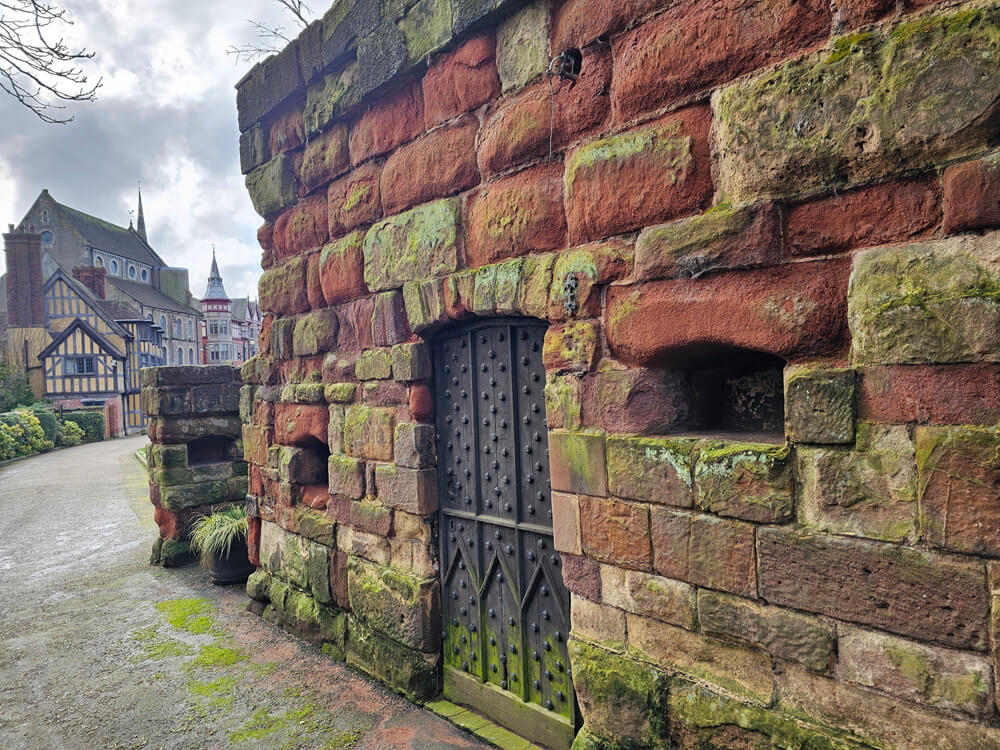
Shrewsbury town walls were completed in stone in the 13th century replacing earlier defences completed by the Anglo-Saxons. Unfortunately there isn’t much left of the town walls, although there are still some remains in certain areas and a section of wall still standing near Wingfield’s Tower. Wingfield’s Tower (aka Town Walls Tower) is a four-storey tower that once formed part of Shrewsbury’s medieval town defences, and is the last remaining medieval watchtower belonging to the former town walls. The fortified structure was finished in the 14th century and was used to observe the land south of the town and across River Severn.
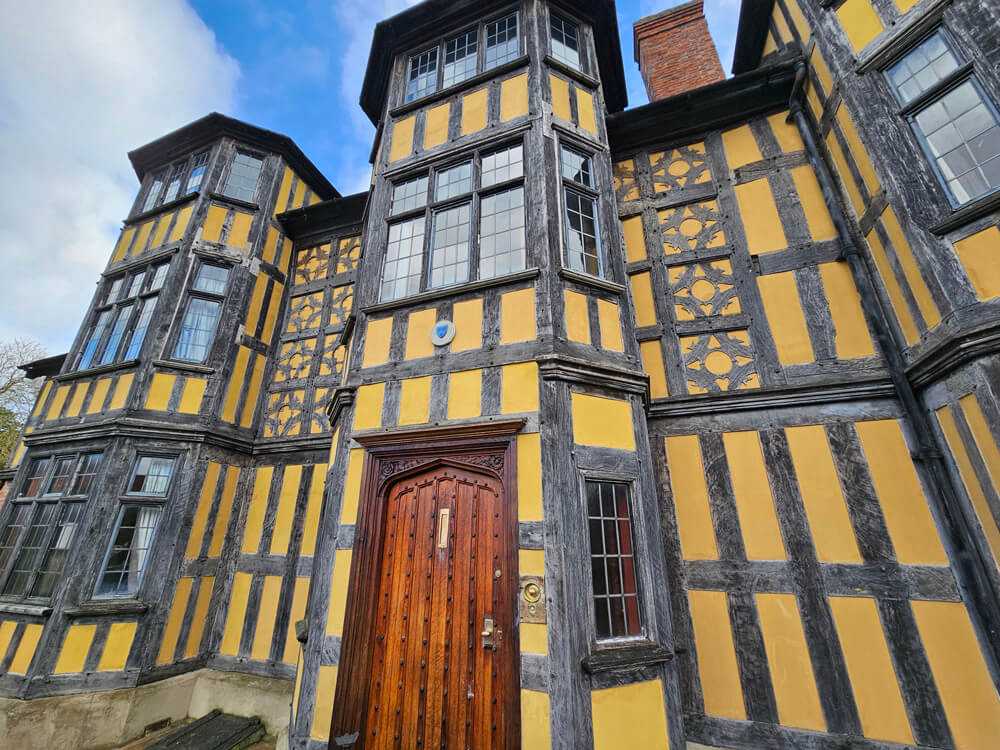
Historic Buildings
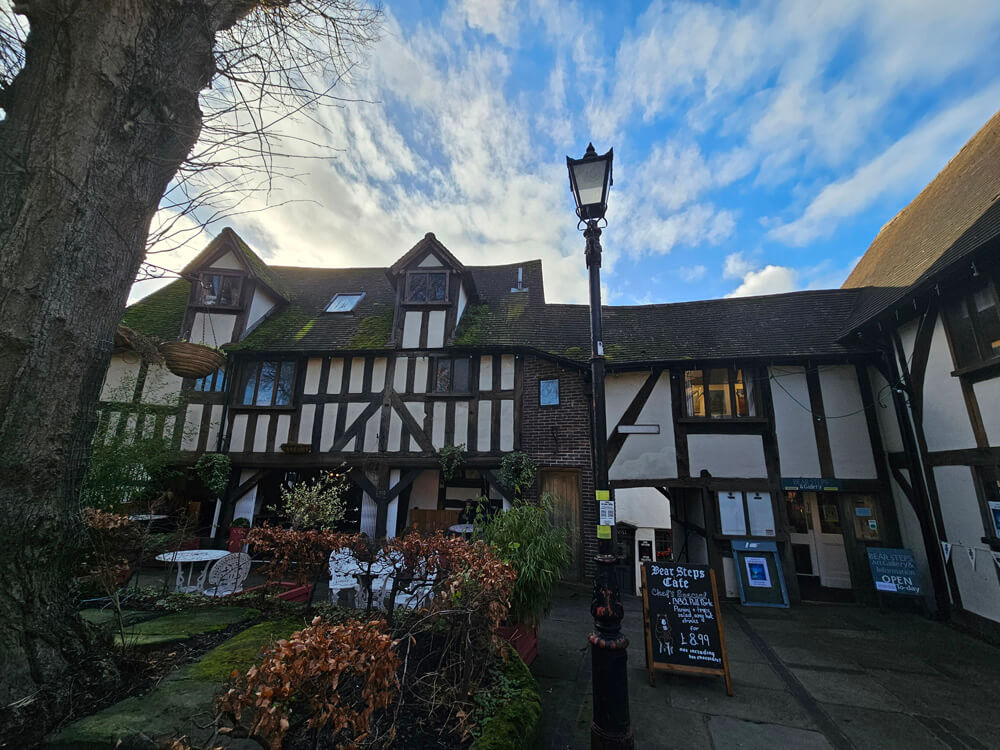
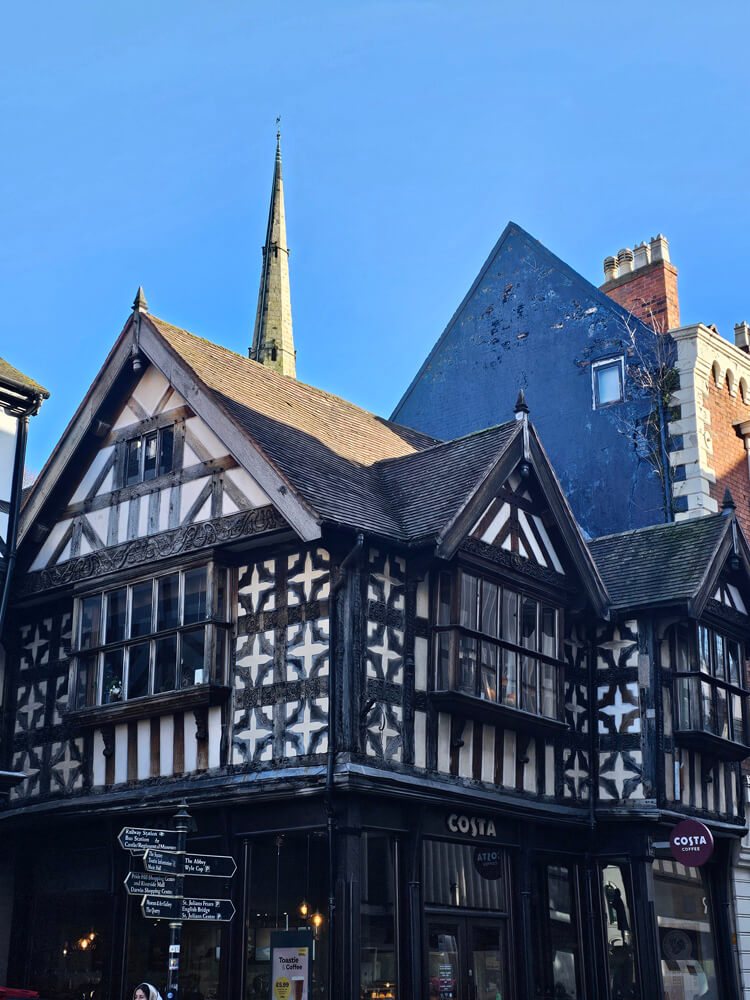
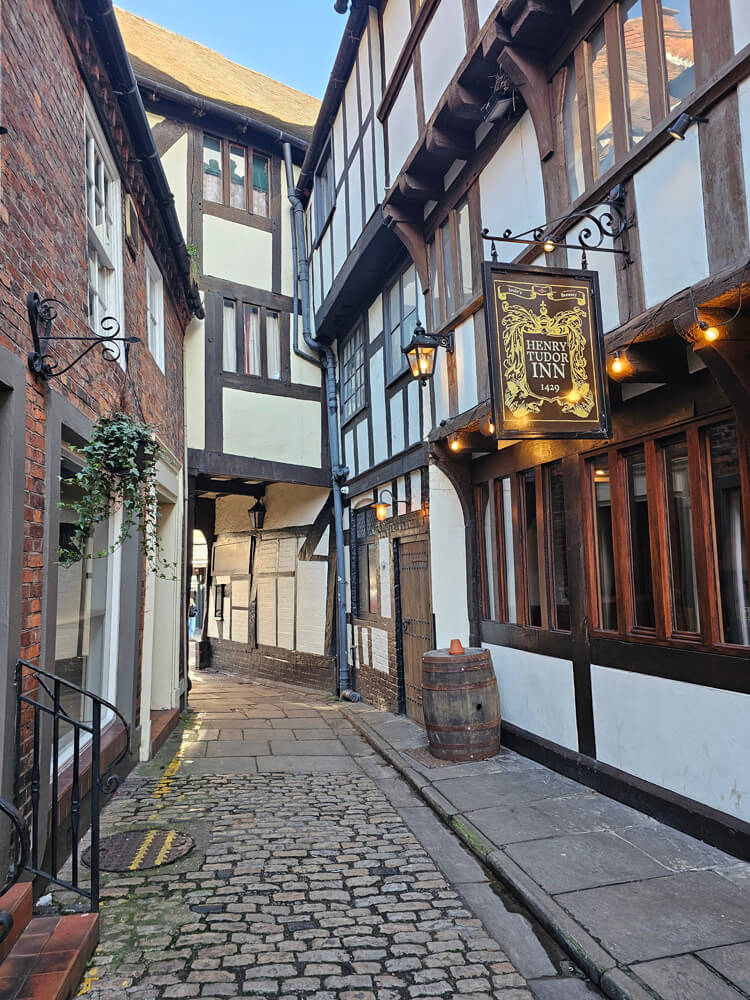
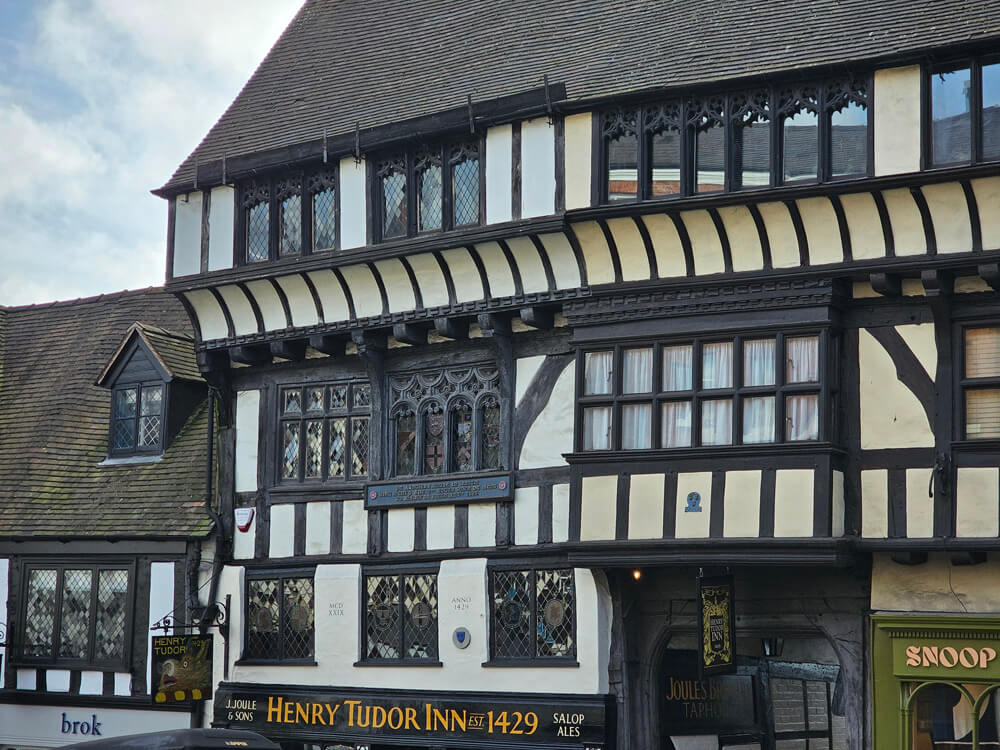
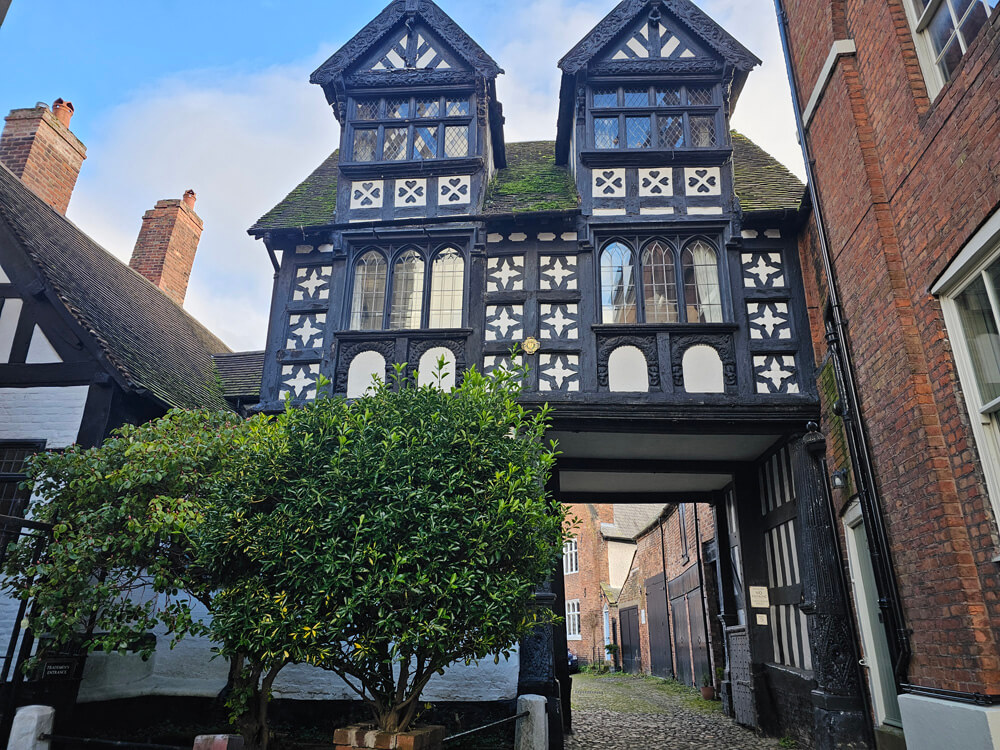
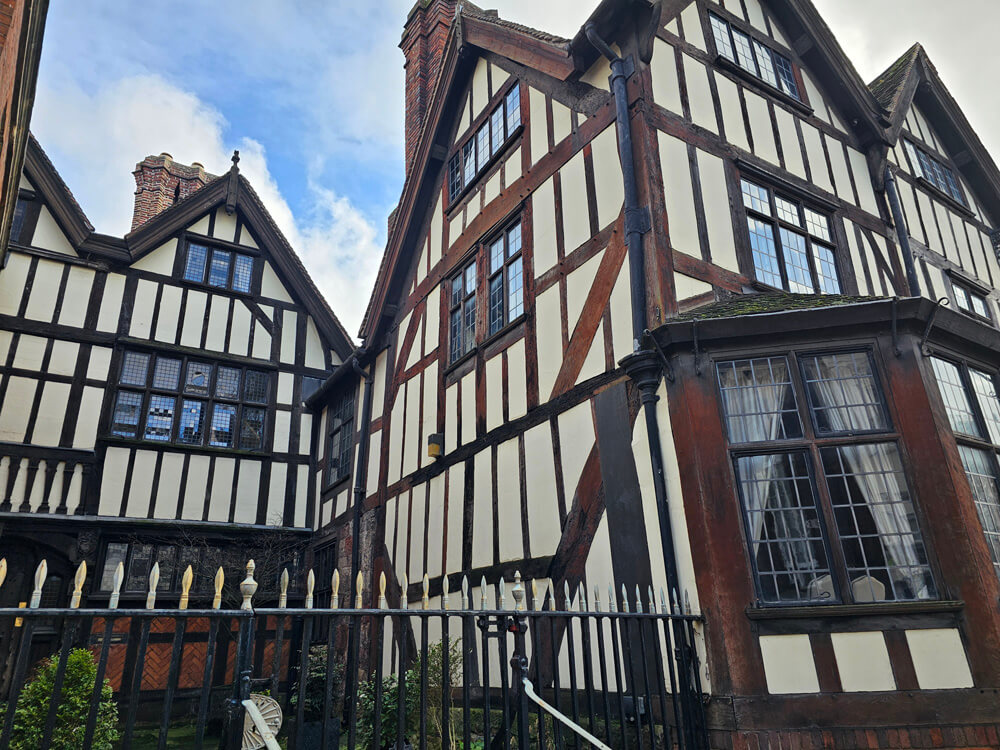
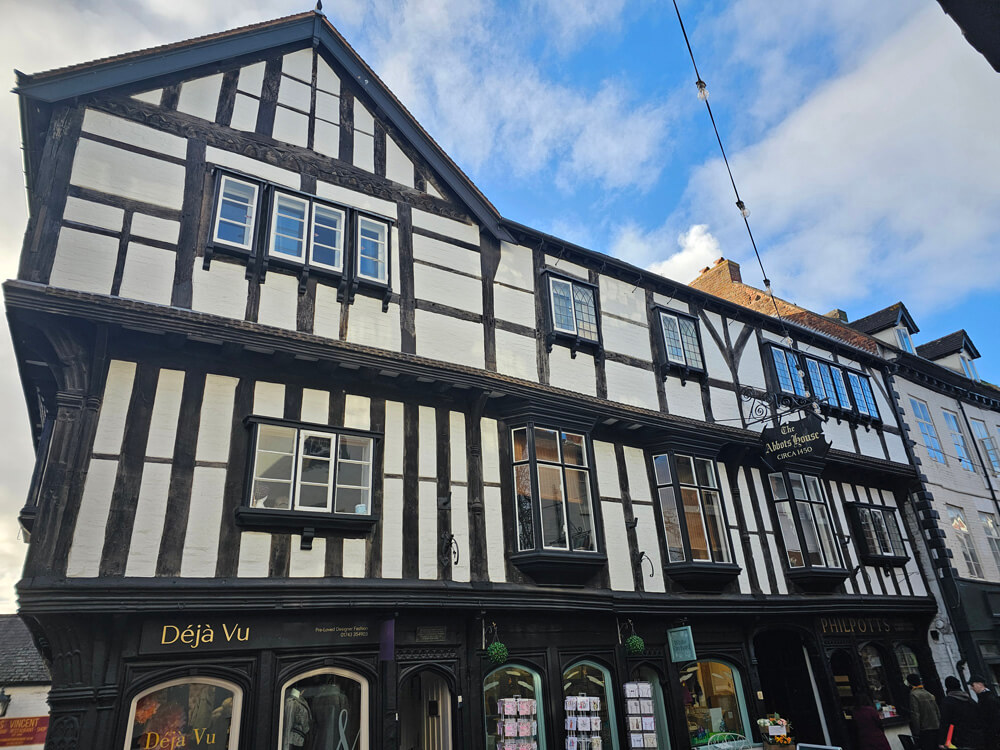
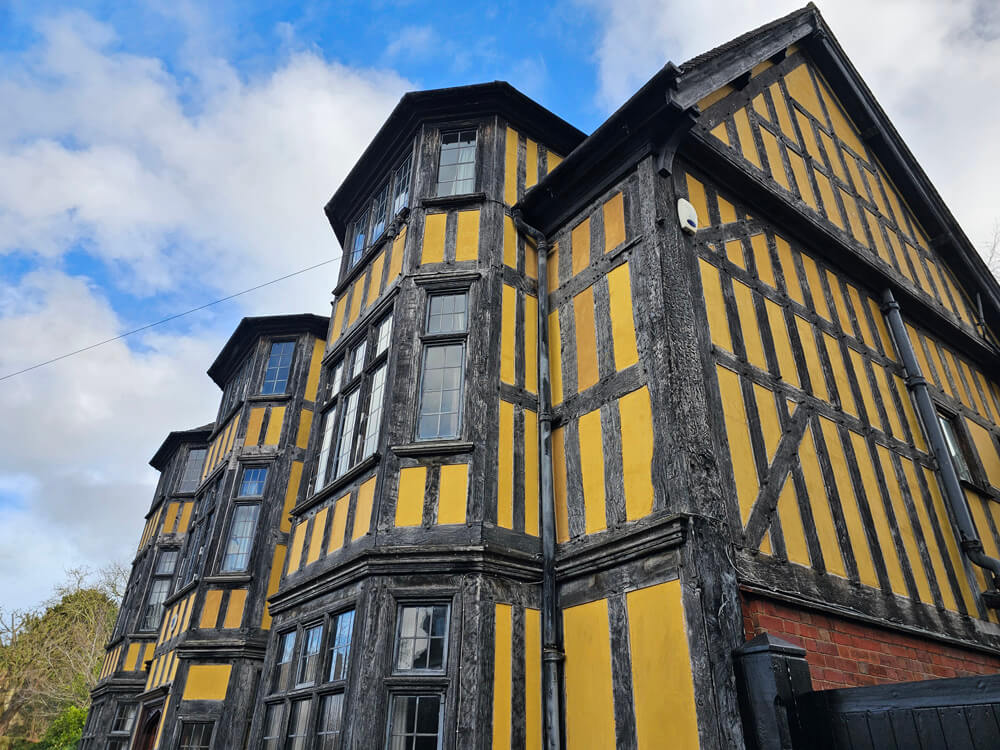
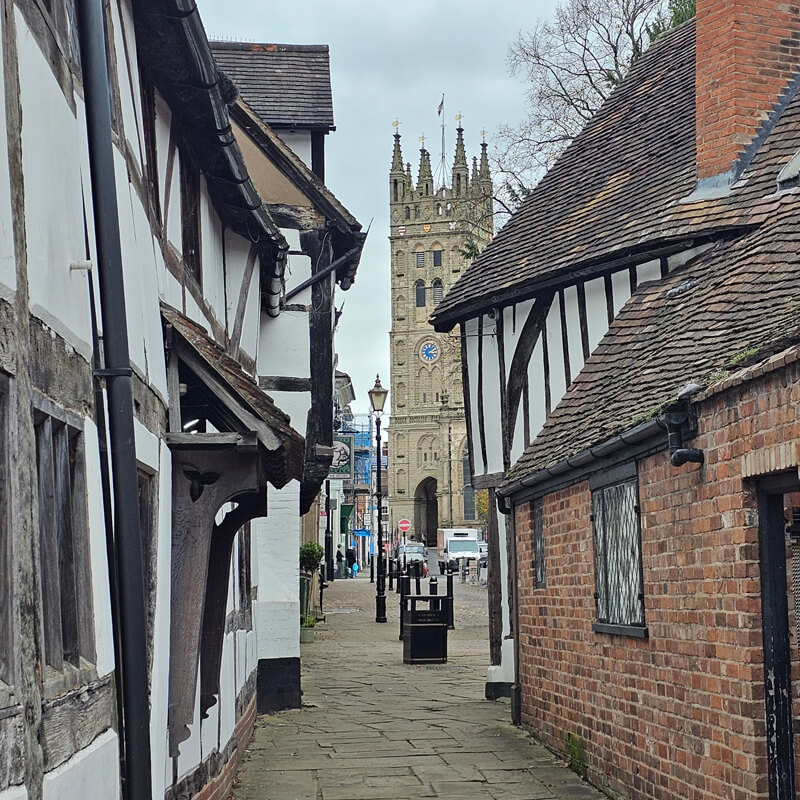
Shrewsbury’s Tudor town centre is lined with half-timbered buildings, including pubs, shops and houses. It is one of the best-preserved Tudor town centres with many listed 15th- and 16th-century Tudor-style buildings. Some of my favourites include the the Henry Tudor Inn, Abbot’s House, Rowley’s House, Ireland’s Mansion, Owen’s Mansion, and the Castle Gates House. There’s also the Old Market Hall which is the town’s historic market hall built in 1596, which was built on the site of a previous 13th-century Market House.
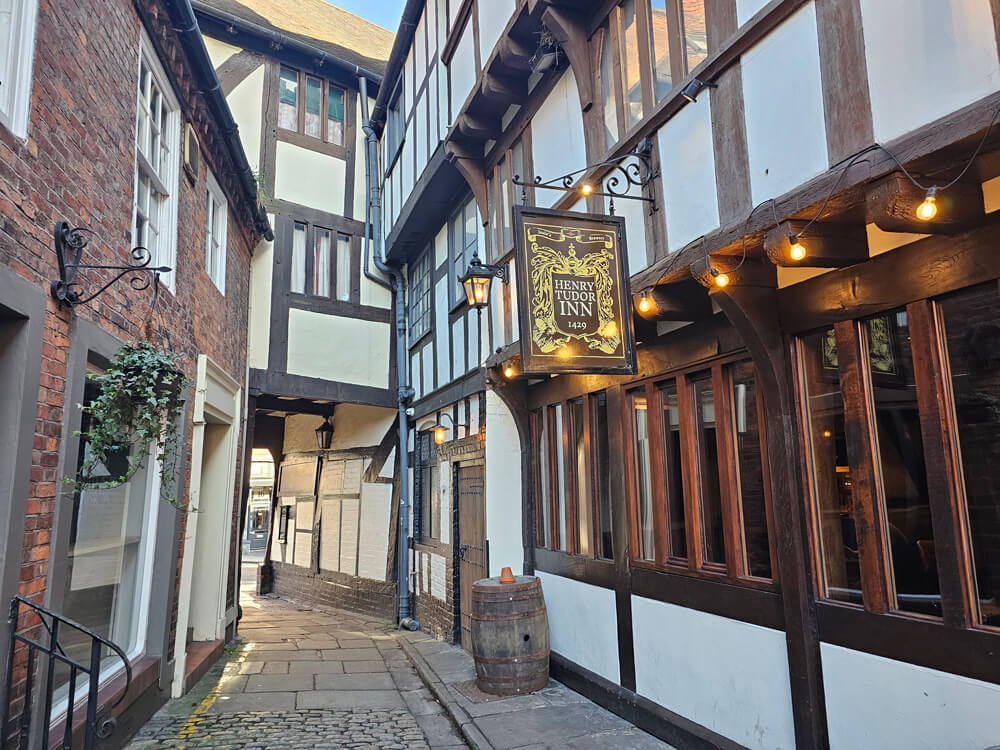
Wyle Cop
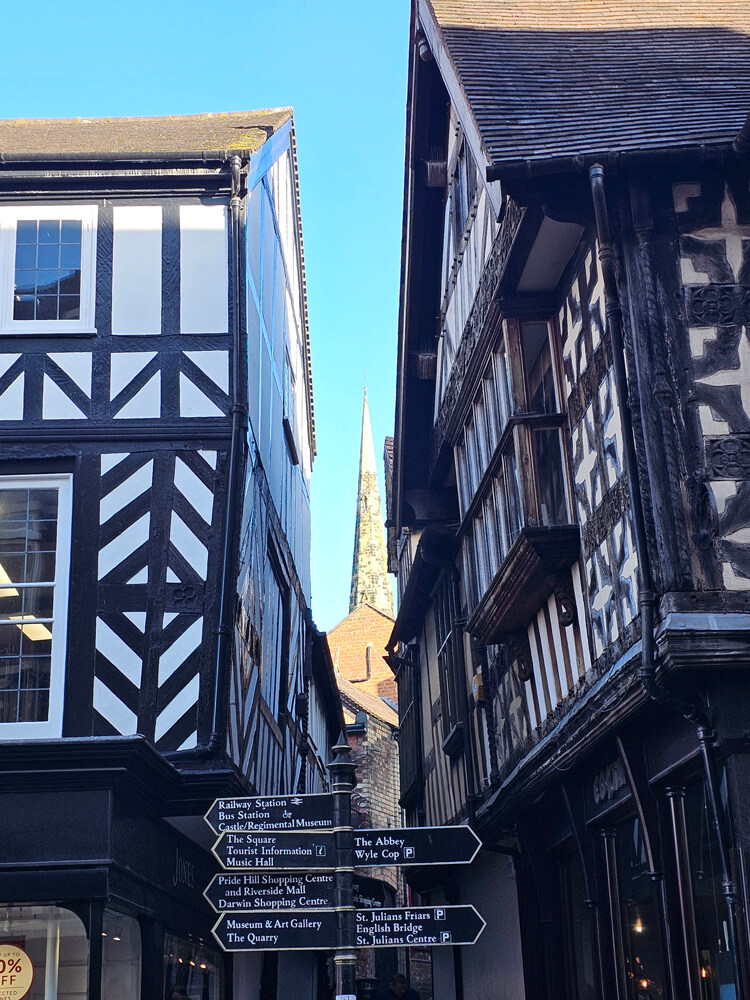
Wyle Cop is a historic area in Shrewsbury’s town centre and is home to 39 of Shrewsbury’s several hundred listed buildings. It is a beautiful example of Shrewsbury’s architectural history, featuring many of the town’s 16th and 17th-century timber-framed buildings, making it one of the most photographed areas of the town. The name comes from the medieval English words wyle, meaning ‘hill’, and cop, meaning ‘top of’.
Photo Gallery.
Did you enjoy this post?
I hope you found this post useful. I put a great deal of time and effort in to building, maintaining and populating the website. If you like, you could say a small thank you by buying me a coffee. You don't have to, but it would be nice :)
Buy me a coffee
Stay up to Date
Follow me on my journey and get notified whenever a new post is published by following Kings & Castles on Facebook.
Follow MeExplore The Map
Discover the hundreds of castles, churches, monasteries, cathedrals and other historic locations that I've personally visited across England and Wales. Search by location, explore nearby sites and plan your next historical adventure.
Share: